What Families Ate When Money Ran Short
Feeding a large family on a tight budget meant finding ways to make a little food go a long way. Bread stretched ground meat, canned vegetables filled out casseroles, and a single pot could provide dinner for everyone at the table. Eating out was more of an occasional treat, so most evenings meant making something from whatever was already in the kitchen. The meals weren't always exciting, but they were filling, affordable, and easy to make in large batches. Here are 20 dinners that were once regular fixtures on American family tables.
1. Boxed Macaroni and Cheese
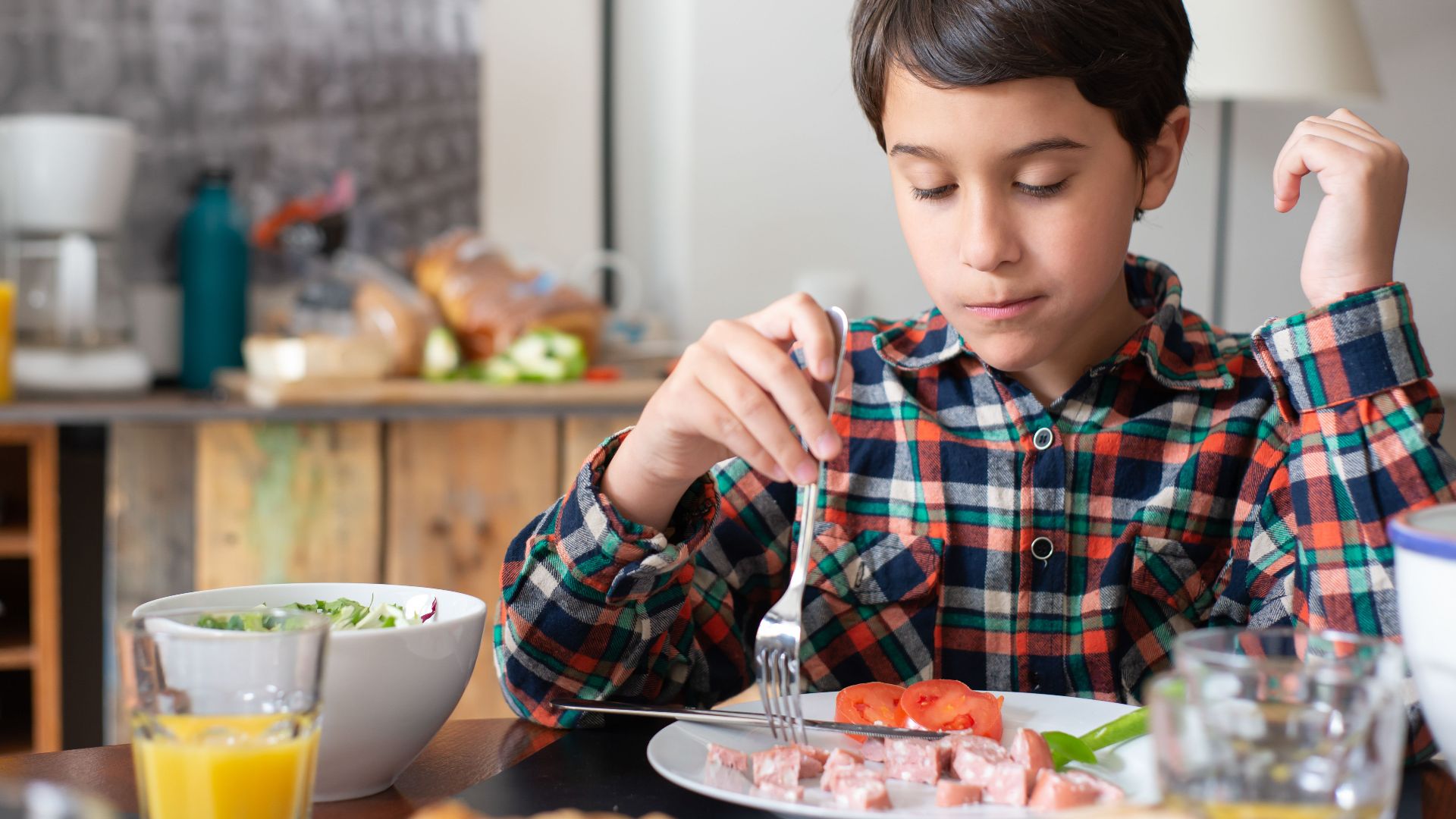
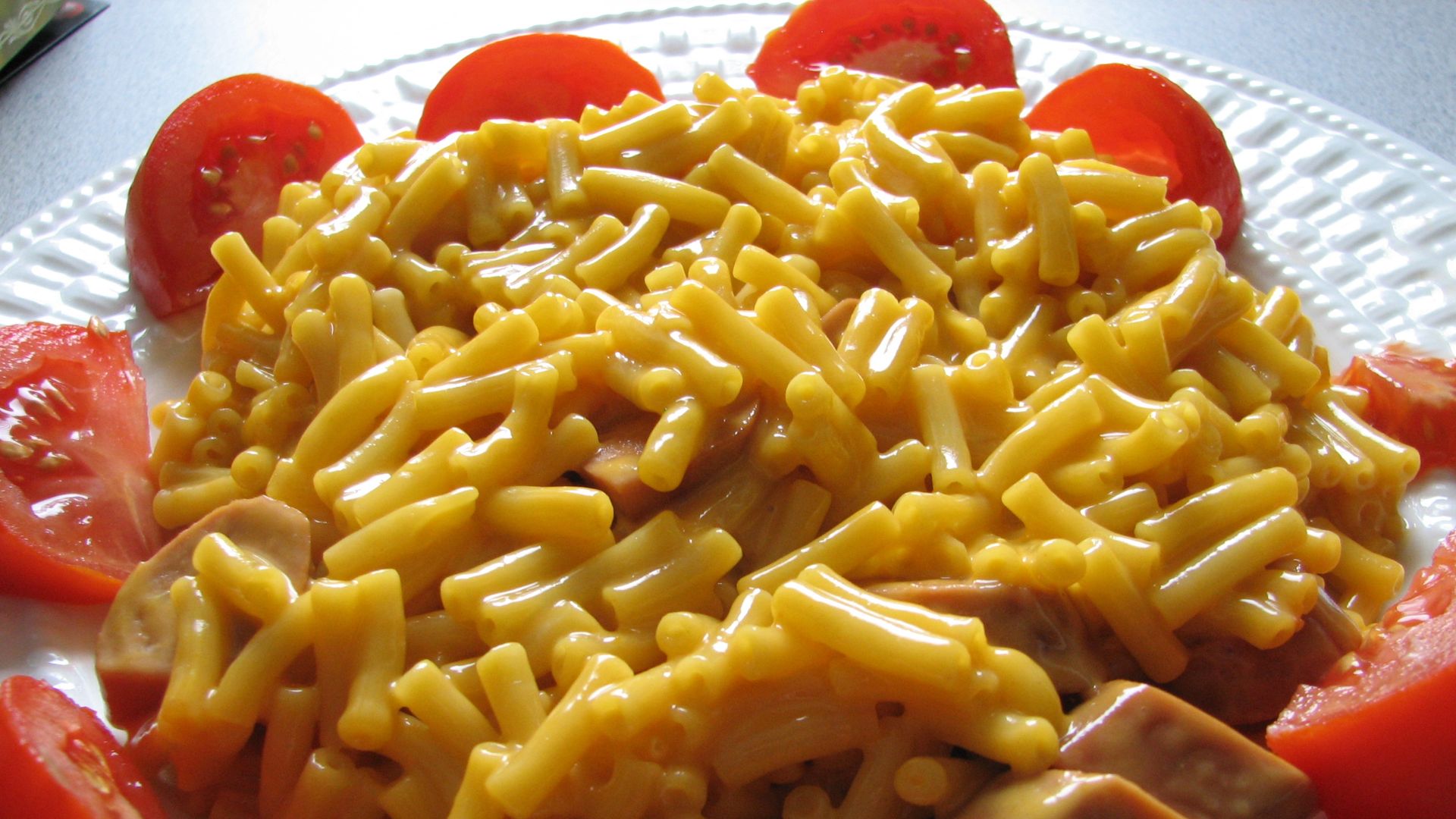
Kraft Dinner went on sale nationwide in 1937 at 19 cents a box, and early ads promised enough to feed a family of four. Split four ways, that comes to a little under five cents a plate.
 Matt MacGillivray from Toronto, Ontario, Canada on Wikimedia
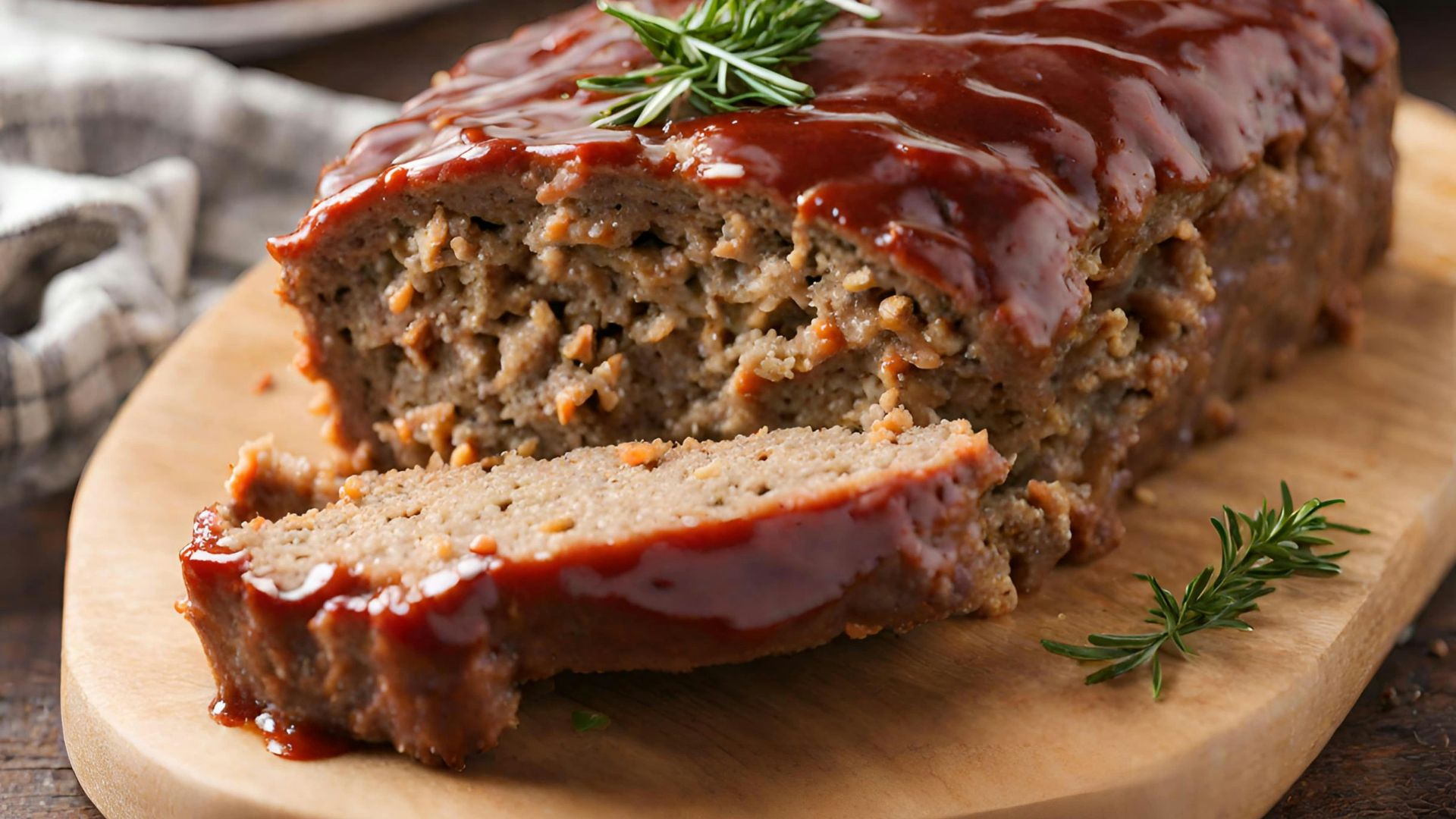
2. Meatloaf Built on Bread
The first recorded American meatloaf appeared in New England in the late 1870s, made with beef and milk-soaked bread and eaten for breakfast. The Depression moved it to the dinner table, where tough cuts ground at home and filler such as bread or grains let a small amount of meat feed a crowd. Recipes printed on soup cans and ketchup bottles helped it spread.
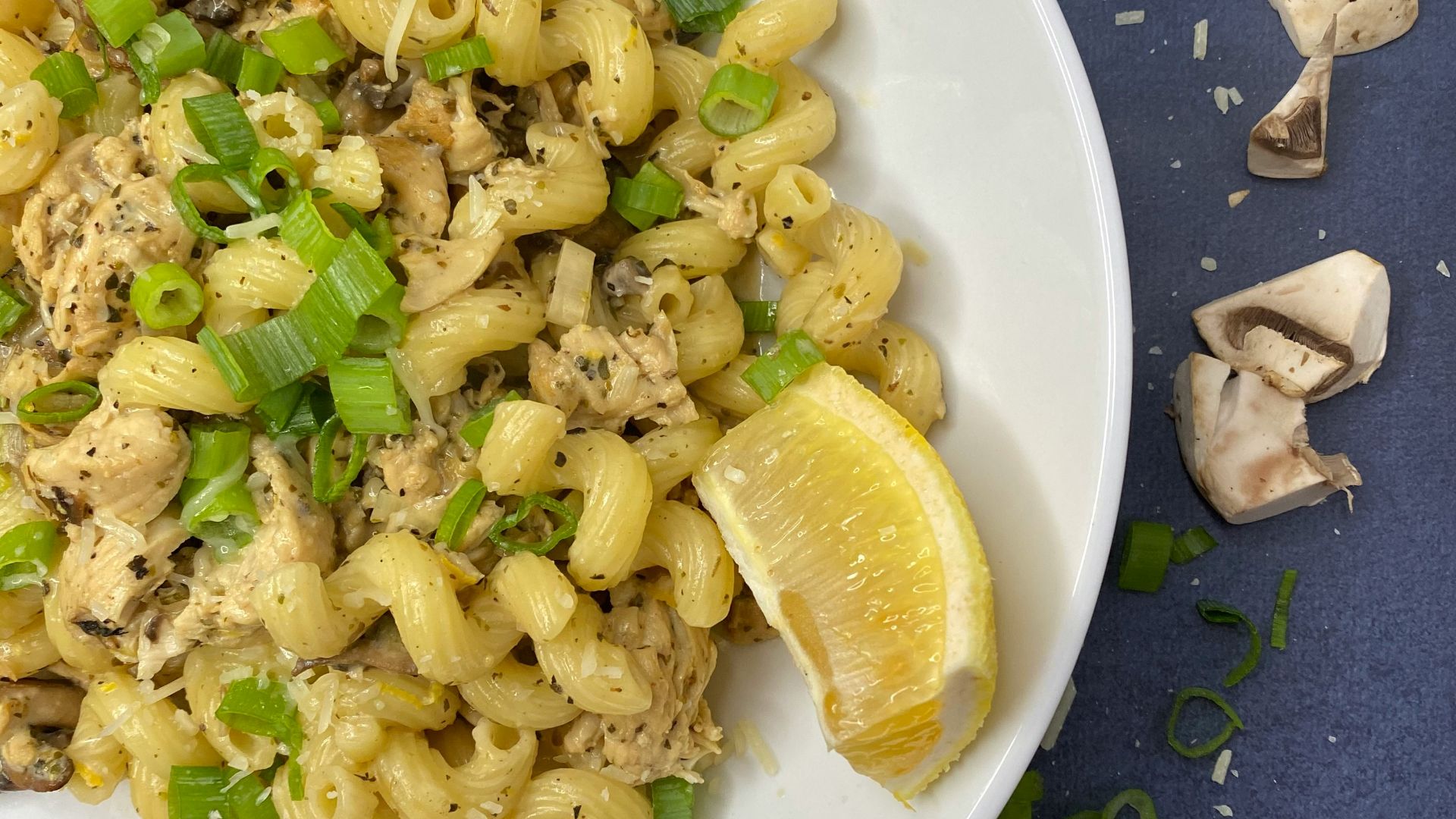
3. Tuna Noodle Casserole
The earliest known printed recipe dates to 1930, in a Western magazine, and it paired canned tuna with noodles in a white sauce. Campbell's introduced cream of mushroom soup in 1934, and a can of it largely replaced the homemade sauce. Home-economics classes taught the dish at mid-century because it was cheap and didn't take much skill.
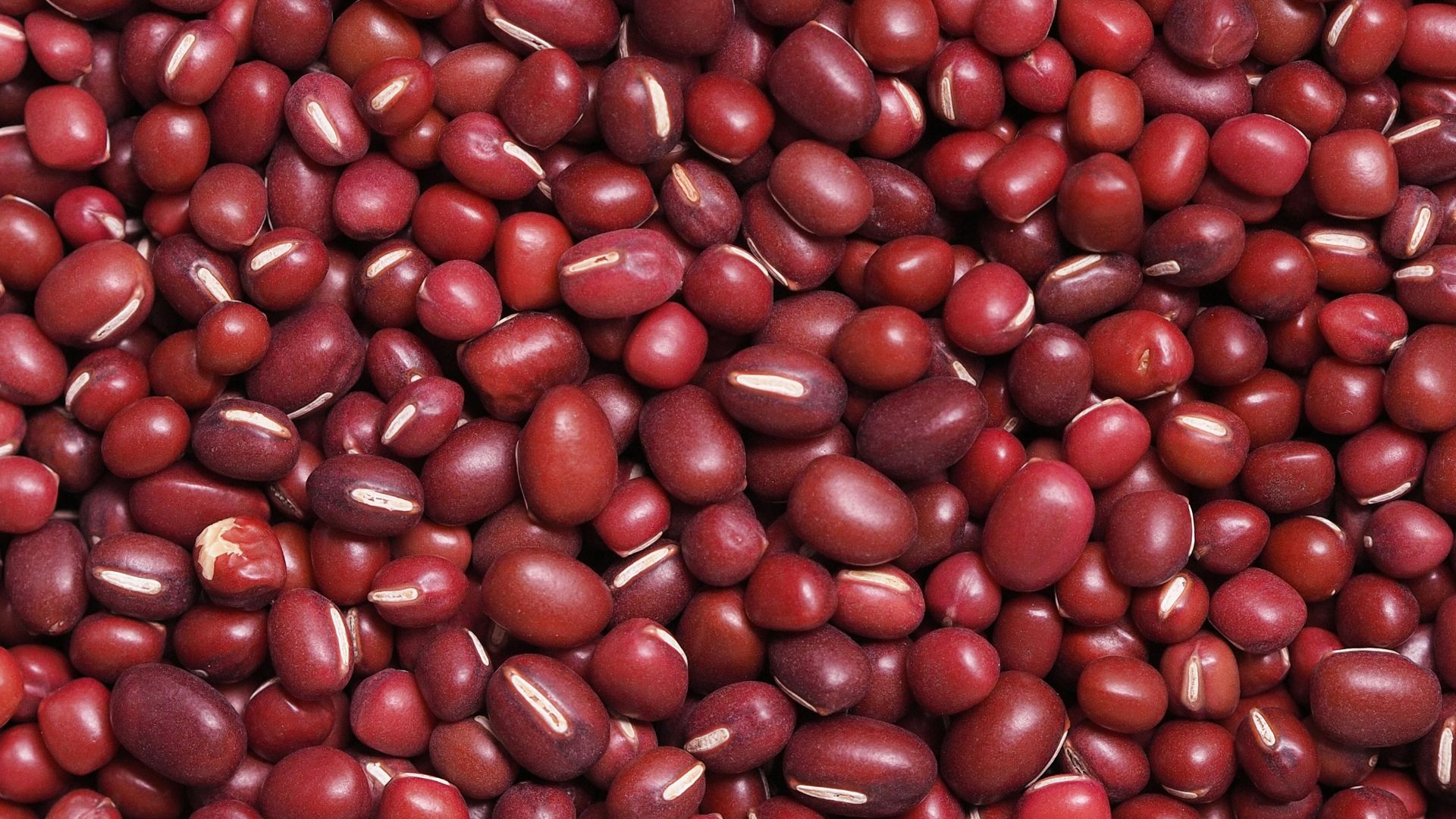
4. Red Beans on Laundry Day
Monday was laundry day in New Orleans, and a pot of red beans could simmer on the stove while the family washed clothes. The ham bone from Sunday dinner went into the beans along with any scraps of meat still on it, and the beans had soaked overnight. Bacon drippings or other salted meat could stand in when the bone ran out.
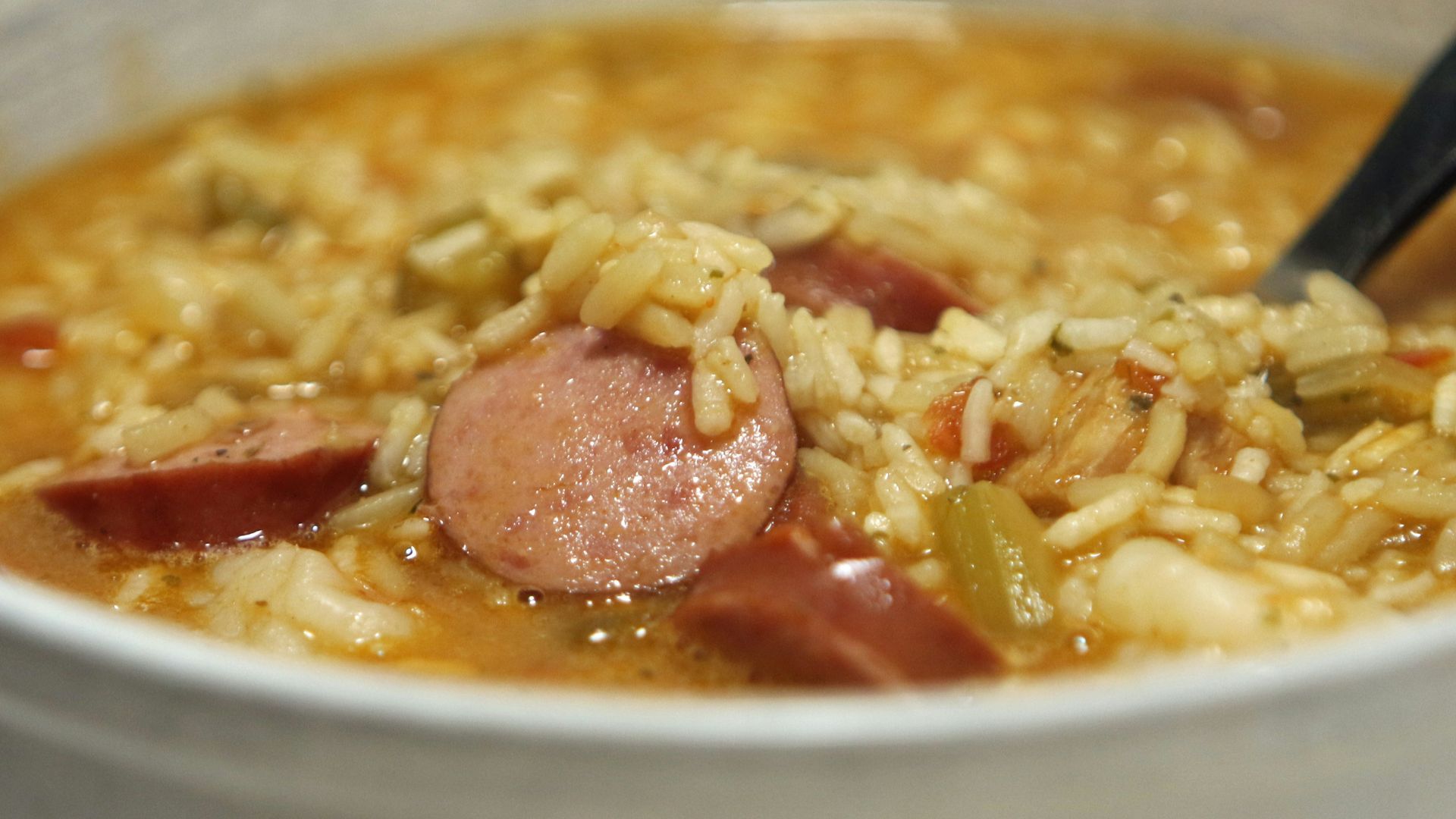
5. Hoover Stew
Hoover stew combined macaroni, hot dogs, canned tomatoes, and corn in one pot. The name came from President Herbert Hoover, whom many Americans blamed for the Depression. Empty pockets turned inside out were called Hoover flags, and newspapers used for warmth became Hoover blankets.
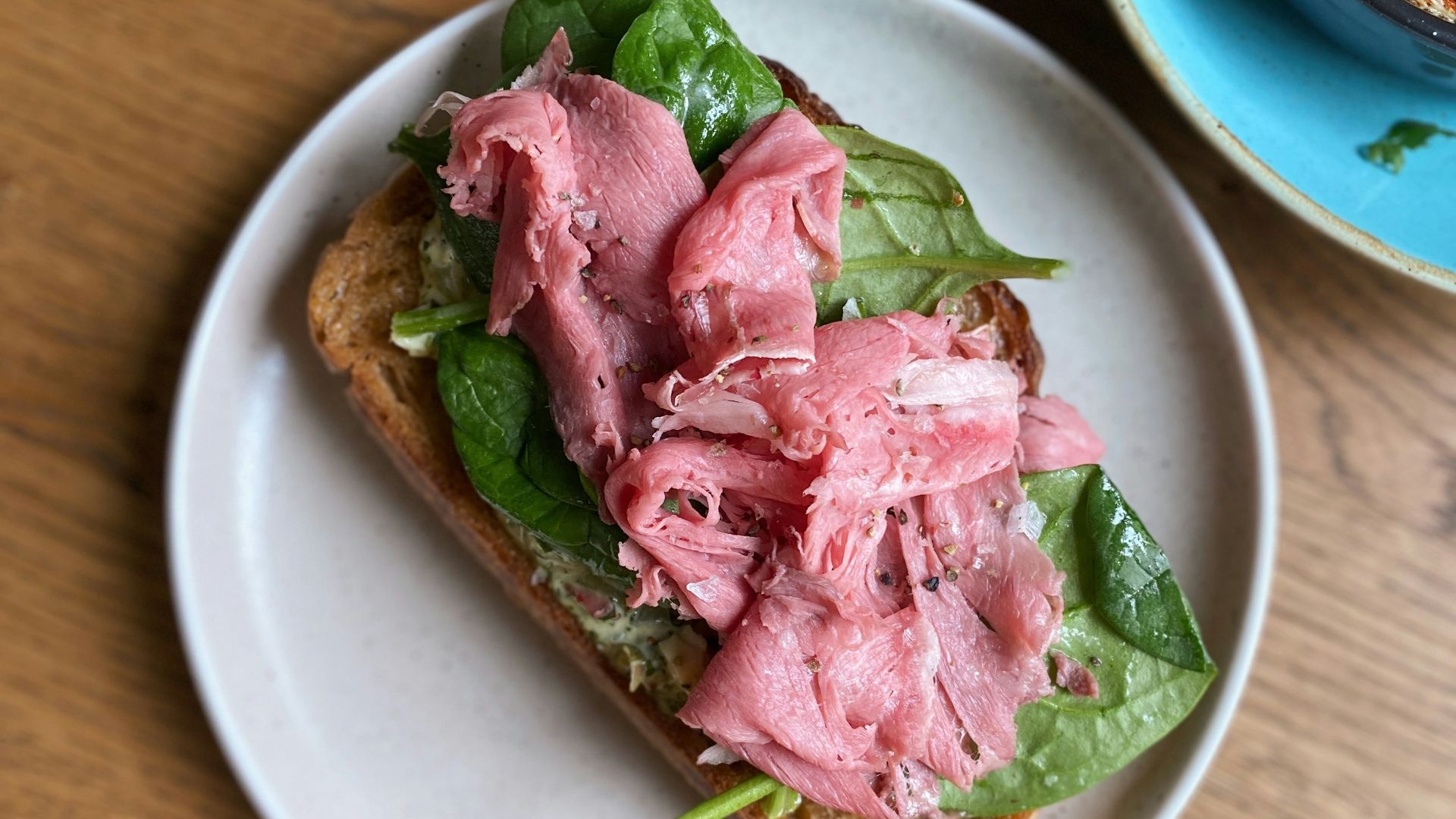
6. Creamed Chipped Beef on Toast
A 1910 Army cooks' manual included a recipe for creamed chipped beef that served sixty men and called for fifteen pounds of dried beef. Dried beef didn't need refrigeration, and the federal Bureau of Home Economics promoted the dish to families during the Depression.
7. Hamburger Helper
Beef prices were climbing when Betty Crocker introduced Hamburger Helper on the West Coast in December 1970. One pound of hamburger and one package made a one-pan dinner for five. After the national launch in August 1971, the company says 27 percent of American households bought it in the first year.
8. Chicken and Dumplings
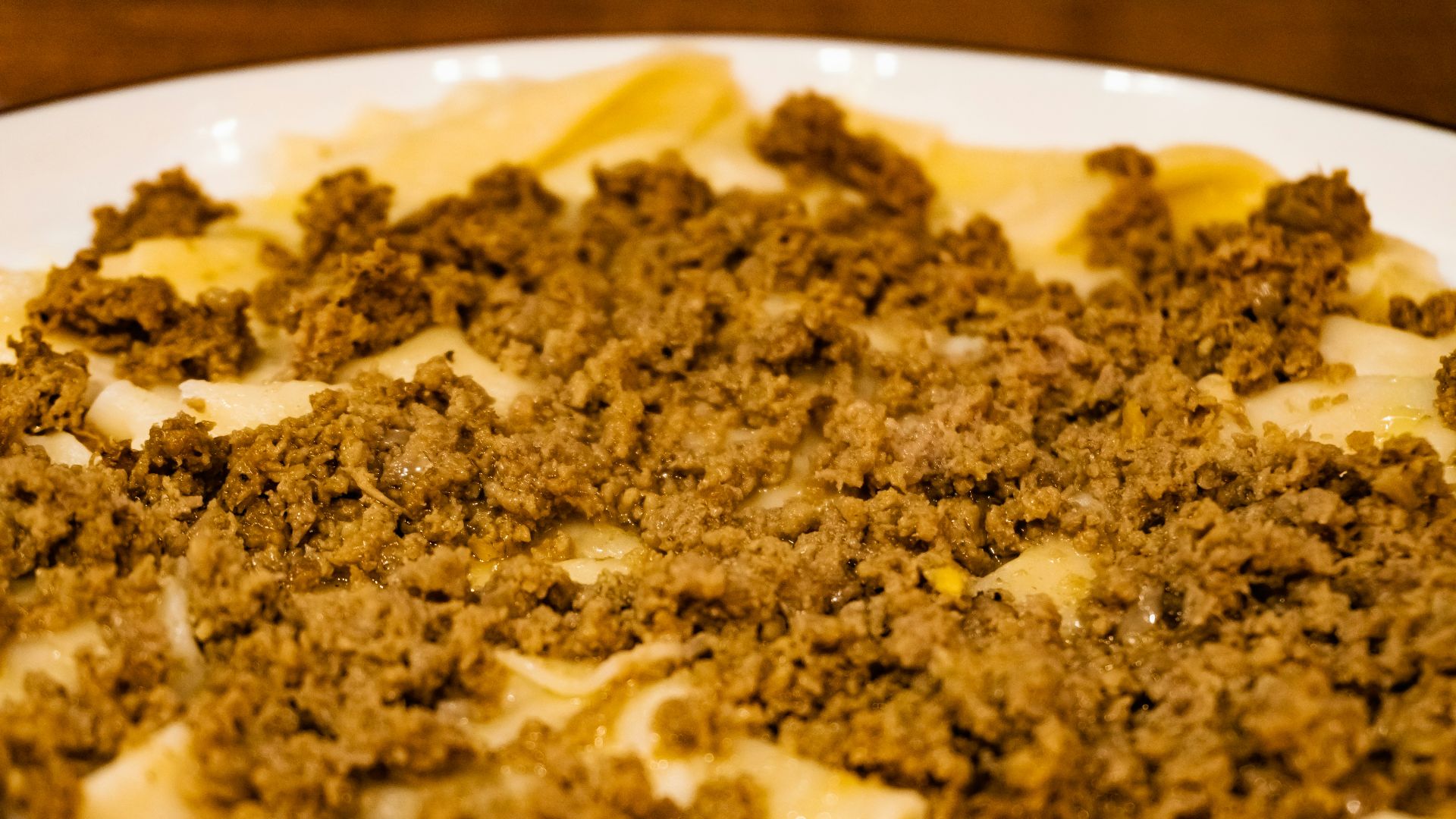
One chicken could feed a full table once dumplings simmered in the broth. Traditional versions often started with an old rooster that needed hours of boiling. The dish shows up in cookbooks that predate both the Civil War and the Great Depression, so the usual origin stories don't hold up.
9. Biscuits and Sausage Gravy
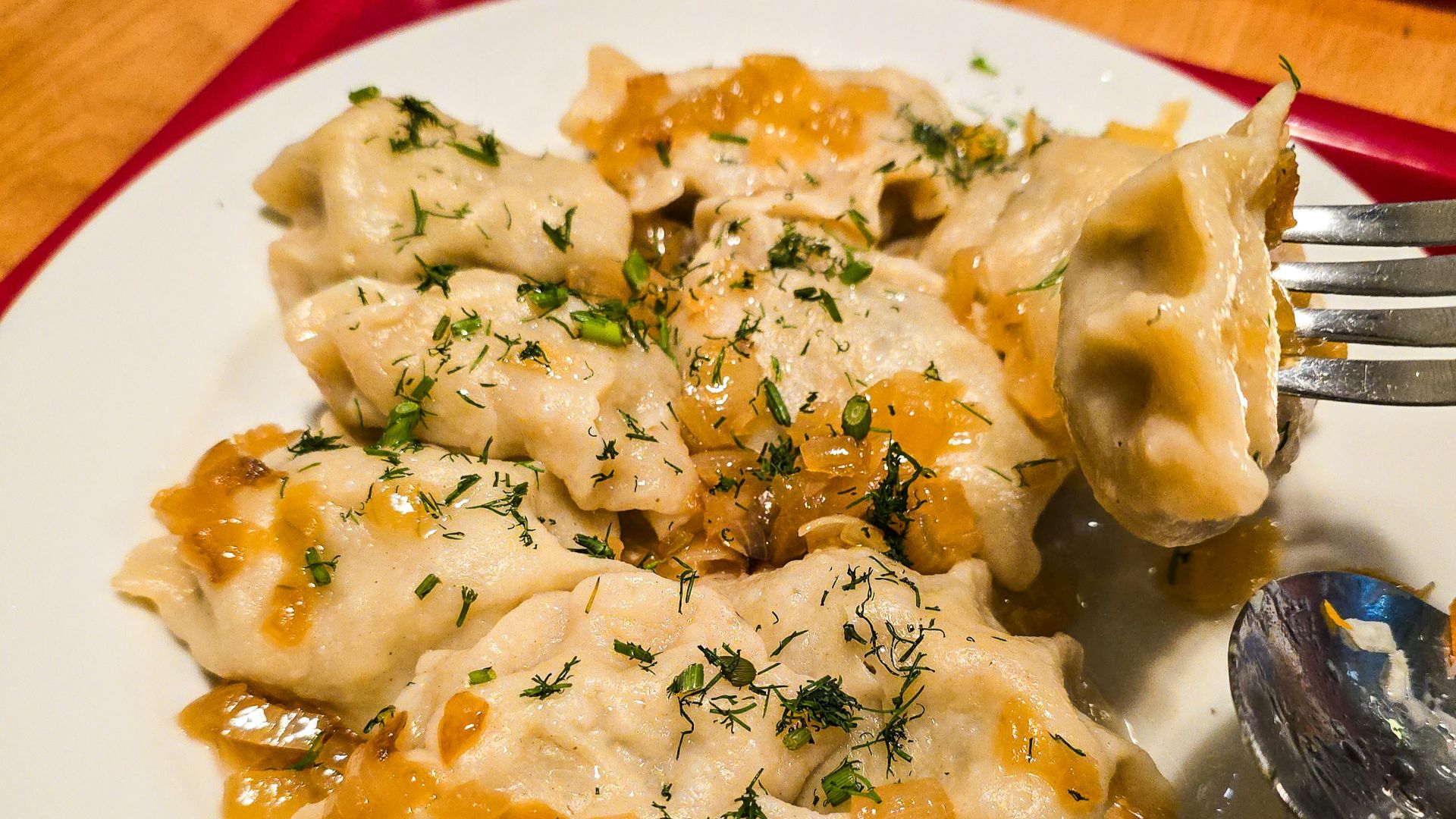
Sausage gravy on biscuits is usually traced to sawmill workers in the Southern Appalachians toward the end of the 1800s. Biscuits weren't much more than flour and water, and pork was a low-priced meat that turned a pan of gravy into a filling meal for a hard day of work. Many cooks still call it sawmill gravy for that reason.
10. Spaghetti and Meatballs
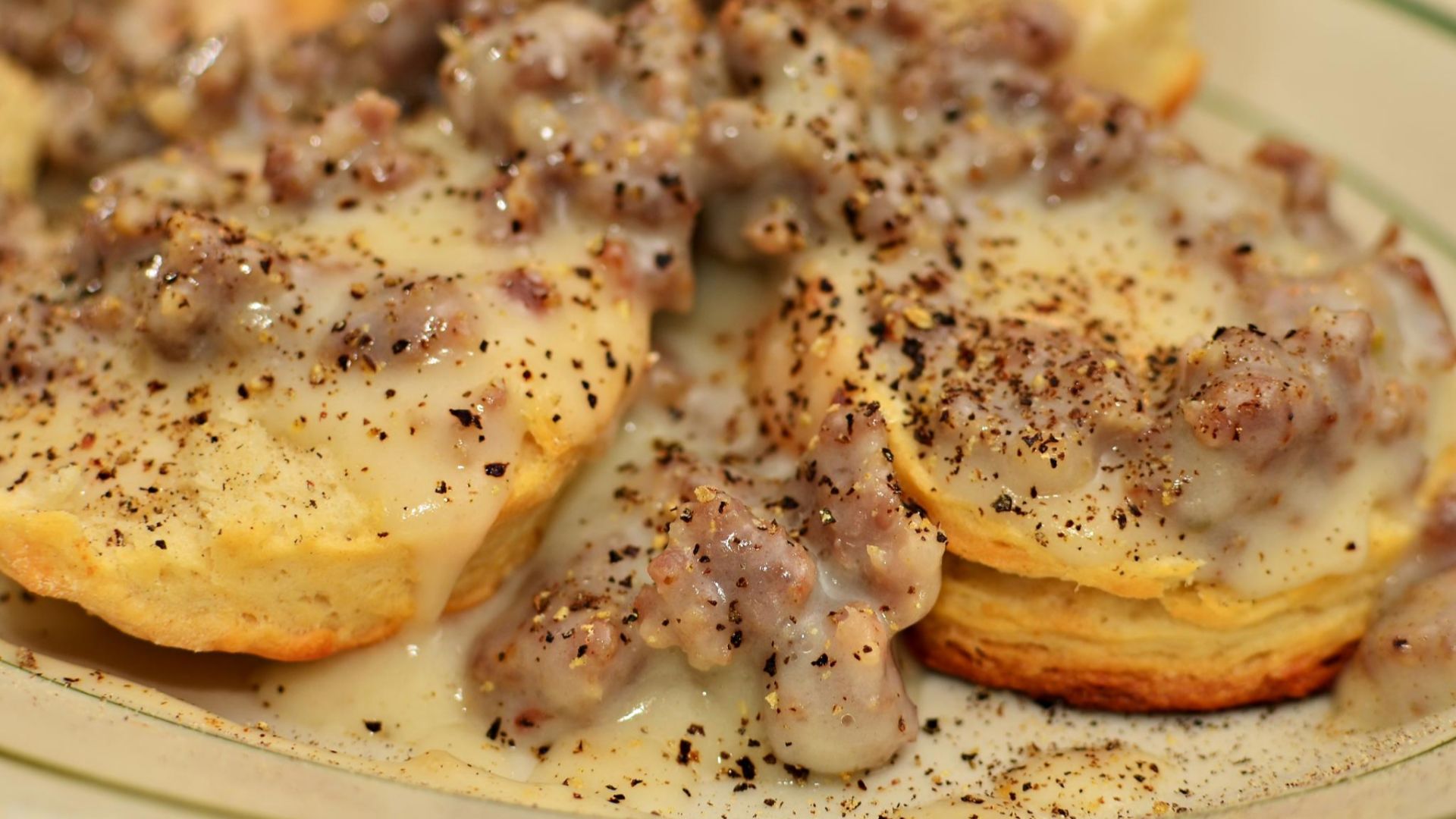
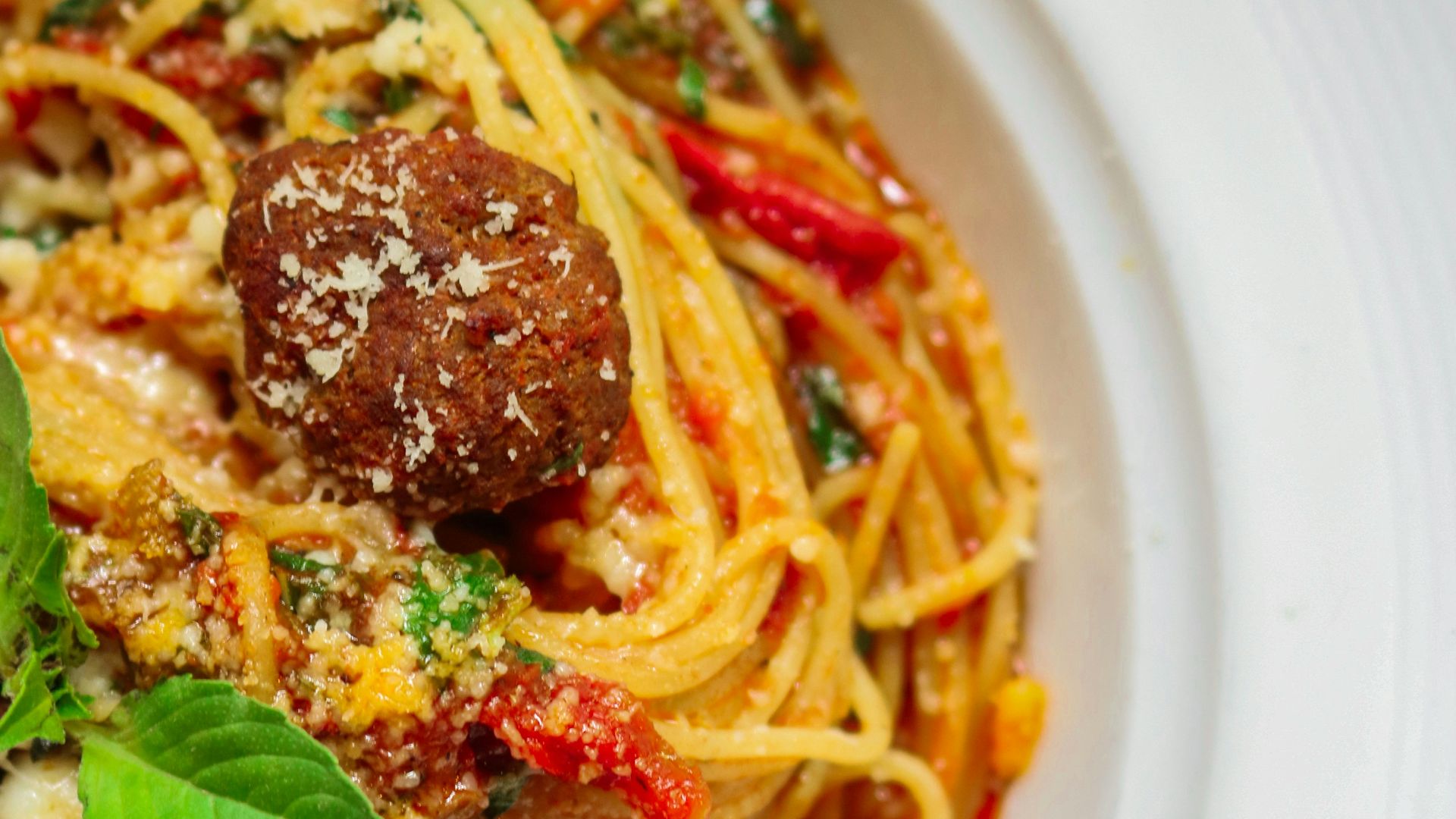
About four million Italians immigrated between 1880 and 1920, and most of them came from southern Italy. For these immigrants food took roughly three-quarters of a household's income in Italy and about a quarter in America, and meat became an ordinary part of dinner. American meatballs became larger than the Italian ones and used more meat and less bread.
11. Pinto Beans and Cornbread
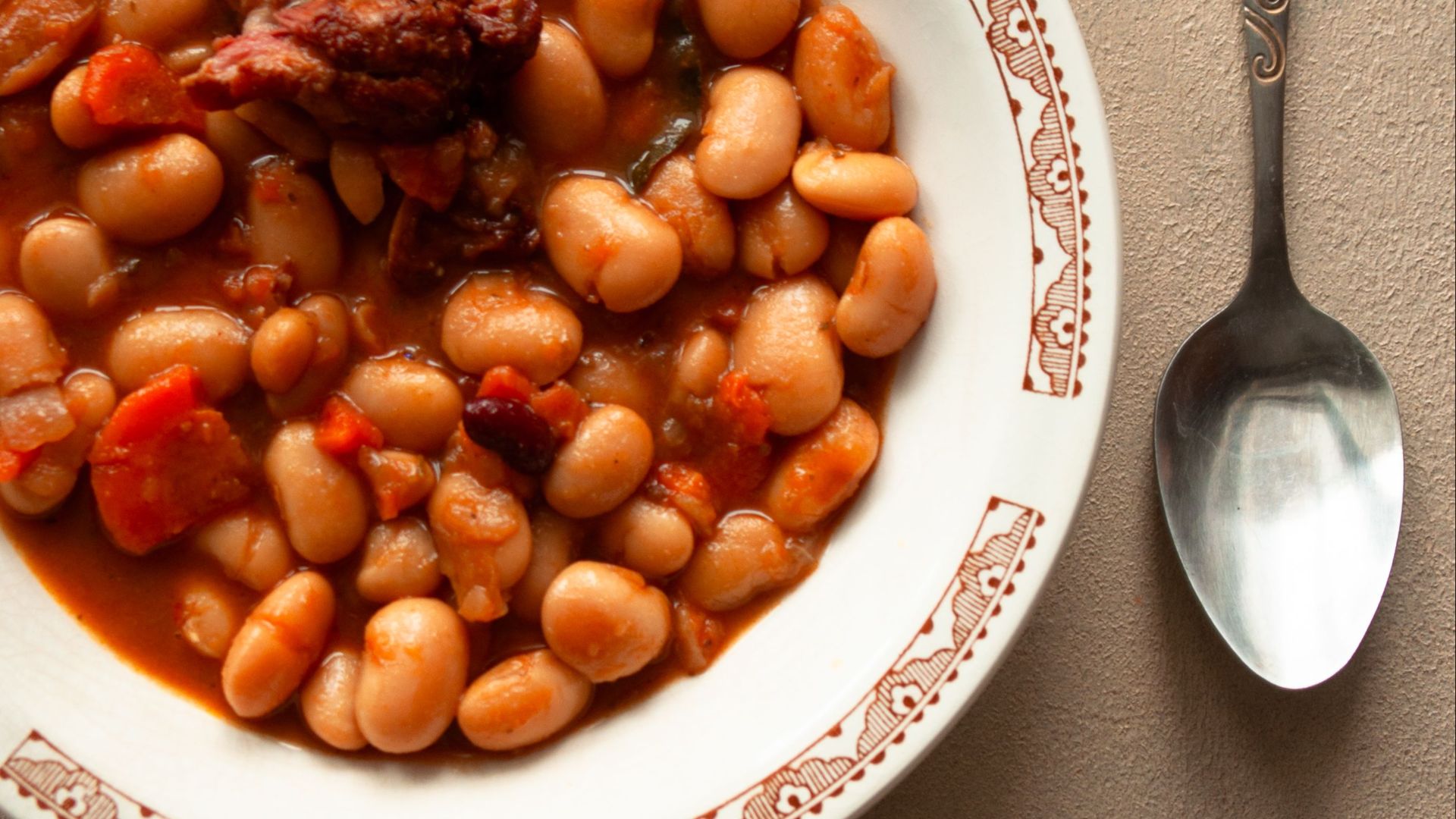
Appalachian families found it cheaper to buy dried beans in bulk than to grow their own once shipping from the Midwest got easier. Pinto beans came originally from South America and likely reached the region around the turn of the twentieth century. A pot simmered with bacon or other meat grease came to the table with a skillet of cornbread beside it.
12. Baked Beans on Saturday Night
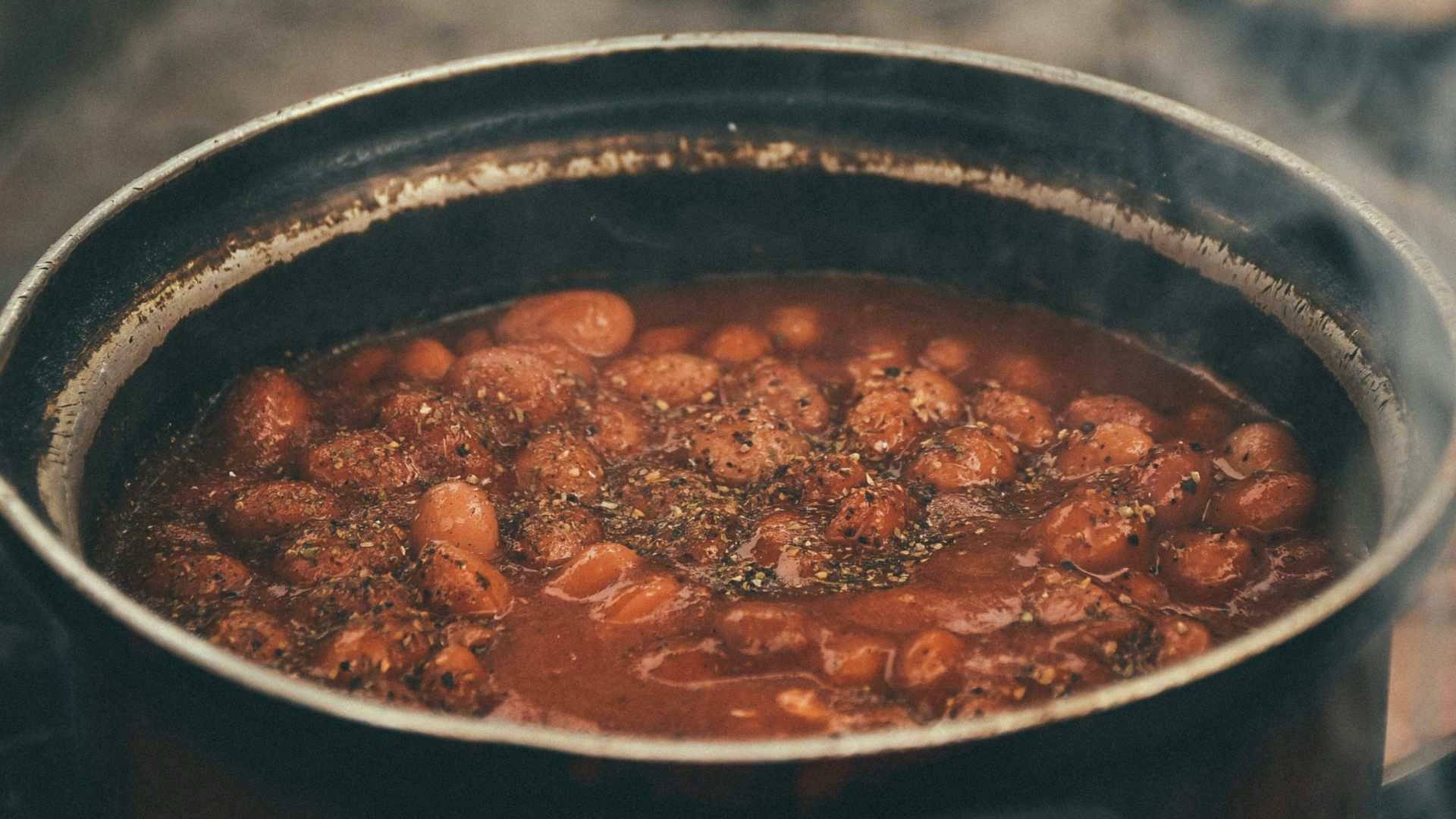
Boston-style baked beans were the traditional Saturday supper across New England, served with brown bread. One classic Boston recipe soaks the beans overnight and bakes them at 325°F for six hours with salt pork and molasses. The Saturday habit is usually credited to Puritans who wouldn't cook on the Sabbath, though food historians dispute that origin.
 P.O.sitive Negative on Unsplash
13. Canned Salmon Patties
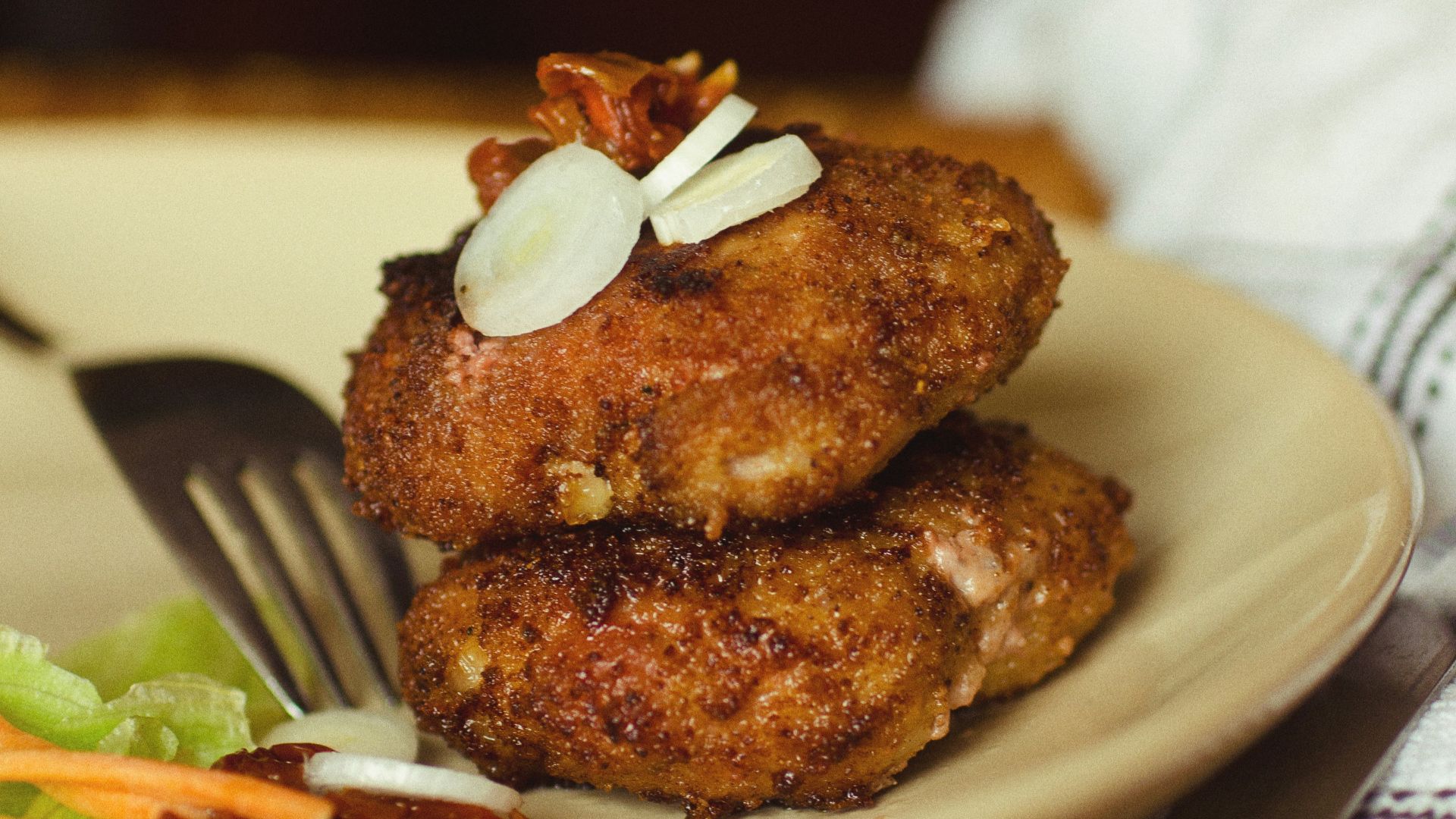
Canned pink salmon mixed with an egg and breadcrumbs made patties that fried up in a pan. Canneries on the Columbia River and in Alaska shipped salmon inland, and families far from any coast could buy it. In the 1930s a can cost less than a nickel at the local grocery.
14. American Goulash
American goulash cooks elbow macaroni and ground beef in a paprika-spiced tomato sauce, all in one pan. Hungarian immigrants brought the original beef stew over, and the first American recipe was in print by 1914. By the 1930s newspapers across the country carried versions, and households used up leftovers or whatever beef was on sale.
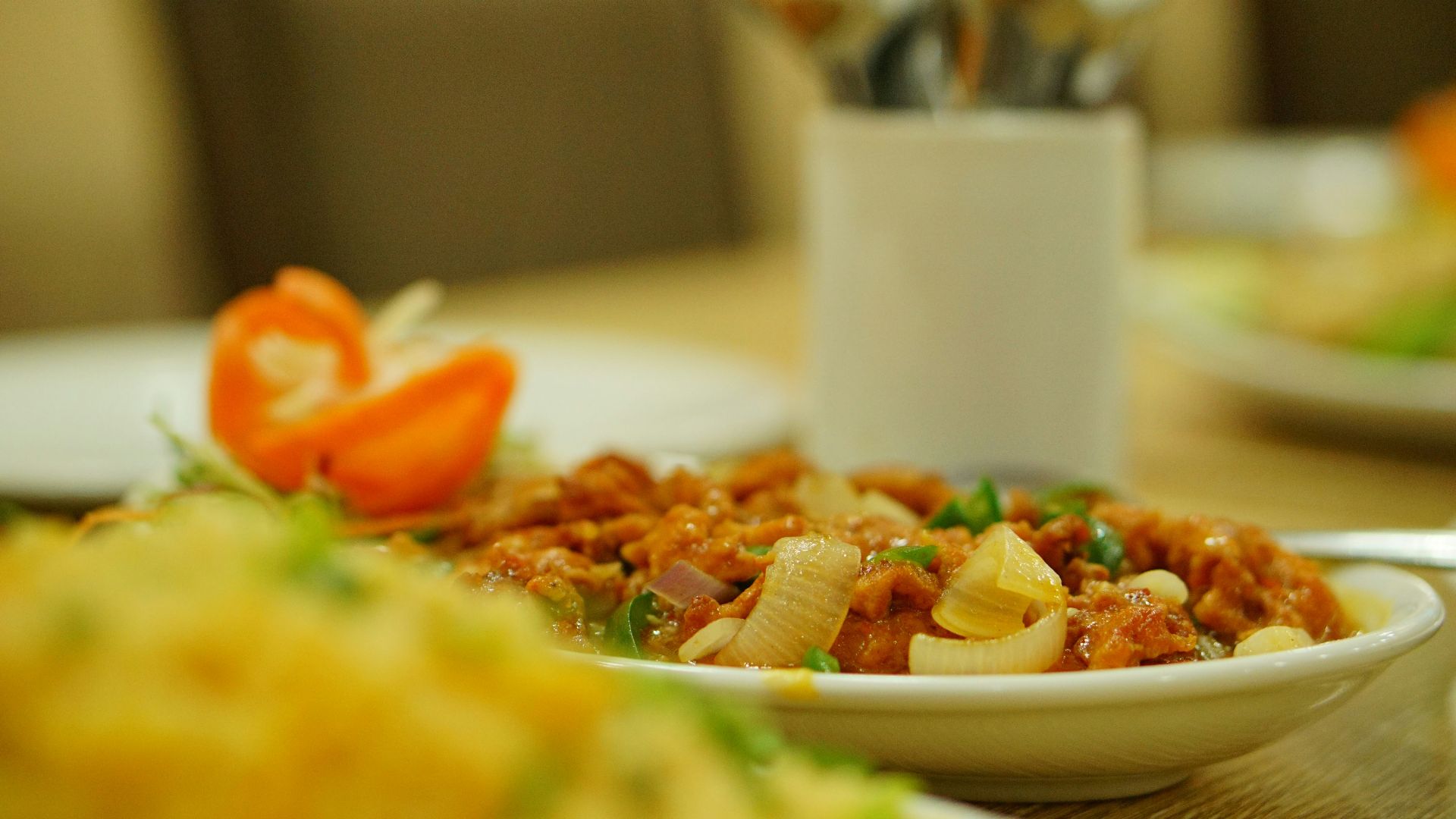
15. Liver and Onions
Liver and onions was once a common weeknight dinner, especially in households trying to keep grocery costs down. Liver was cheaper than most cuts of meat, and frying it with onions made for a filling meal. Its popularity gradually declined as families gained access to a wider variety of meats and convenient packaged foods.
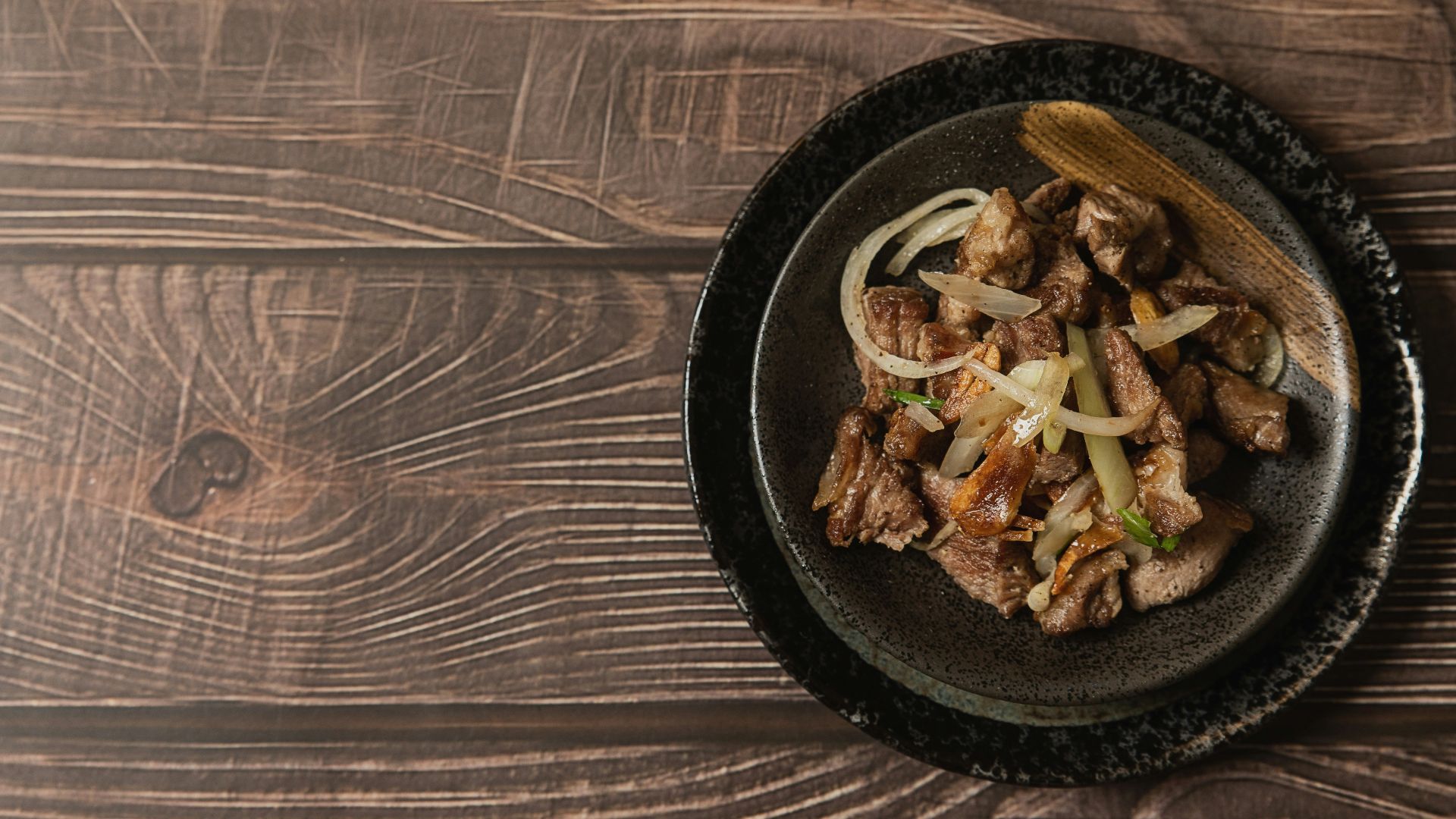
16. Spam from the Can
Hormel launched Spam in 1937 to use up a surplus of pork shoulder. The canned meat could be stored on a shelf and opened at dinnertime. In the war years it shipped overseas to feed Allied troops, and British households used it to fill out thin rationed meals.
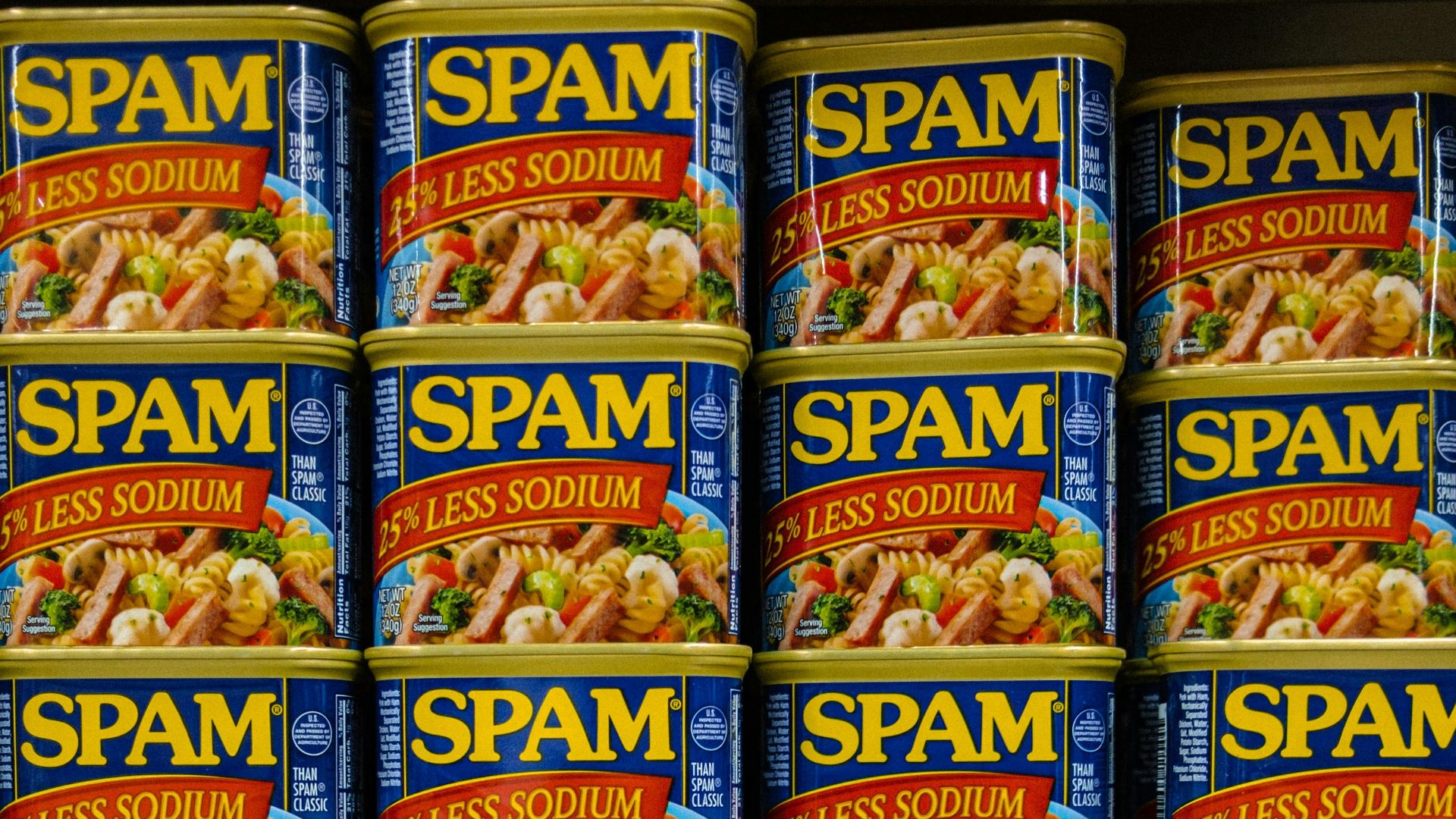
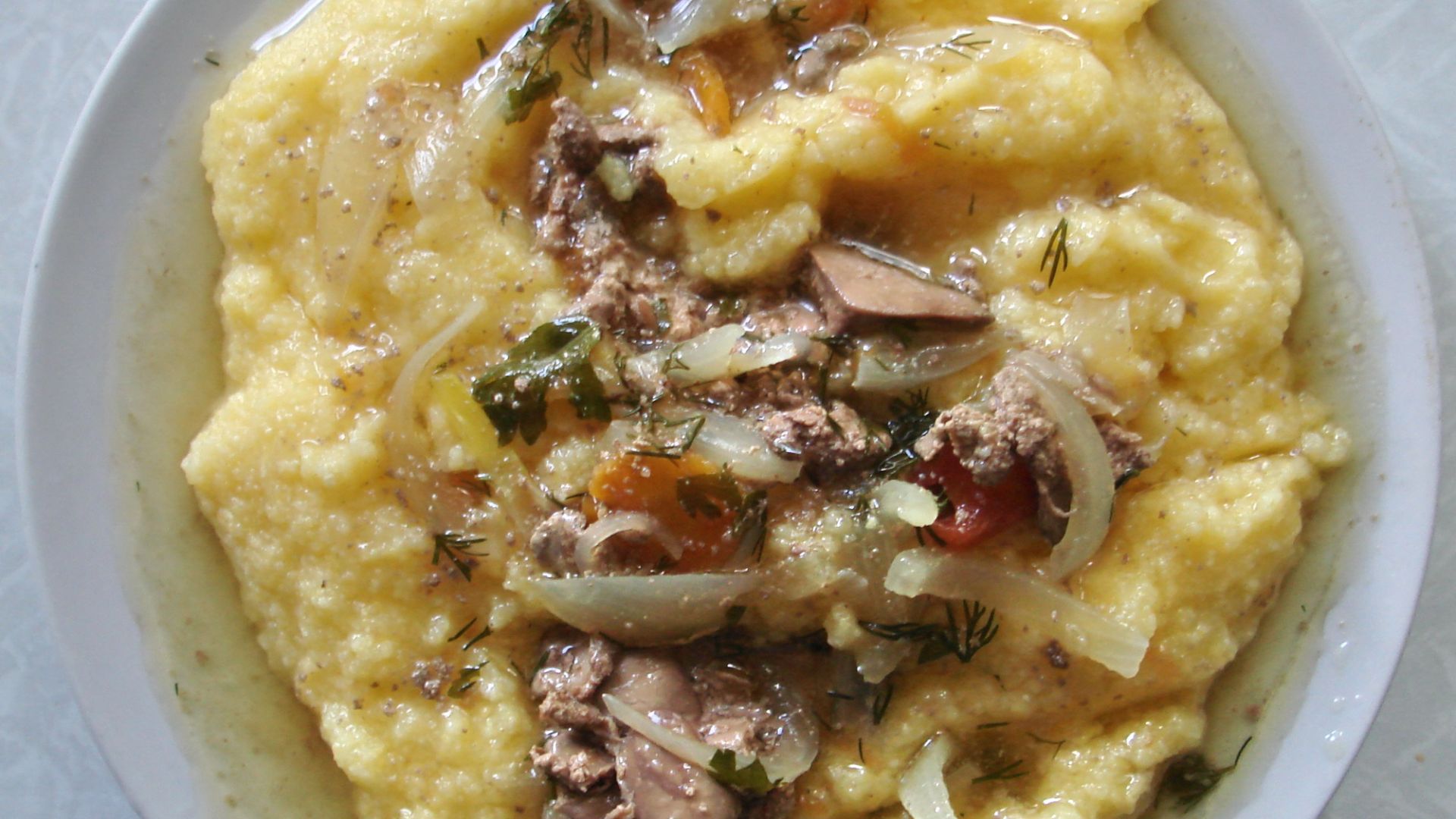
17. Fried Cornmeal Mush
Cornmeal boiled in salted water set into a loaf as it cooled, and cooks sliced the loaf and fried the slices for dinner. Corn sold for as little as 8 cents a bushel in the Depression years. A 1943 home-front cookbook used one cup of cornmeal and three cups of boiling water to serve six, with butter and syrup on top.
 No machine-readable author provided. Zserghei assumed (based on copyright claims). on Wikimedia
18. Sloppy Joes
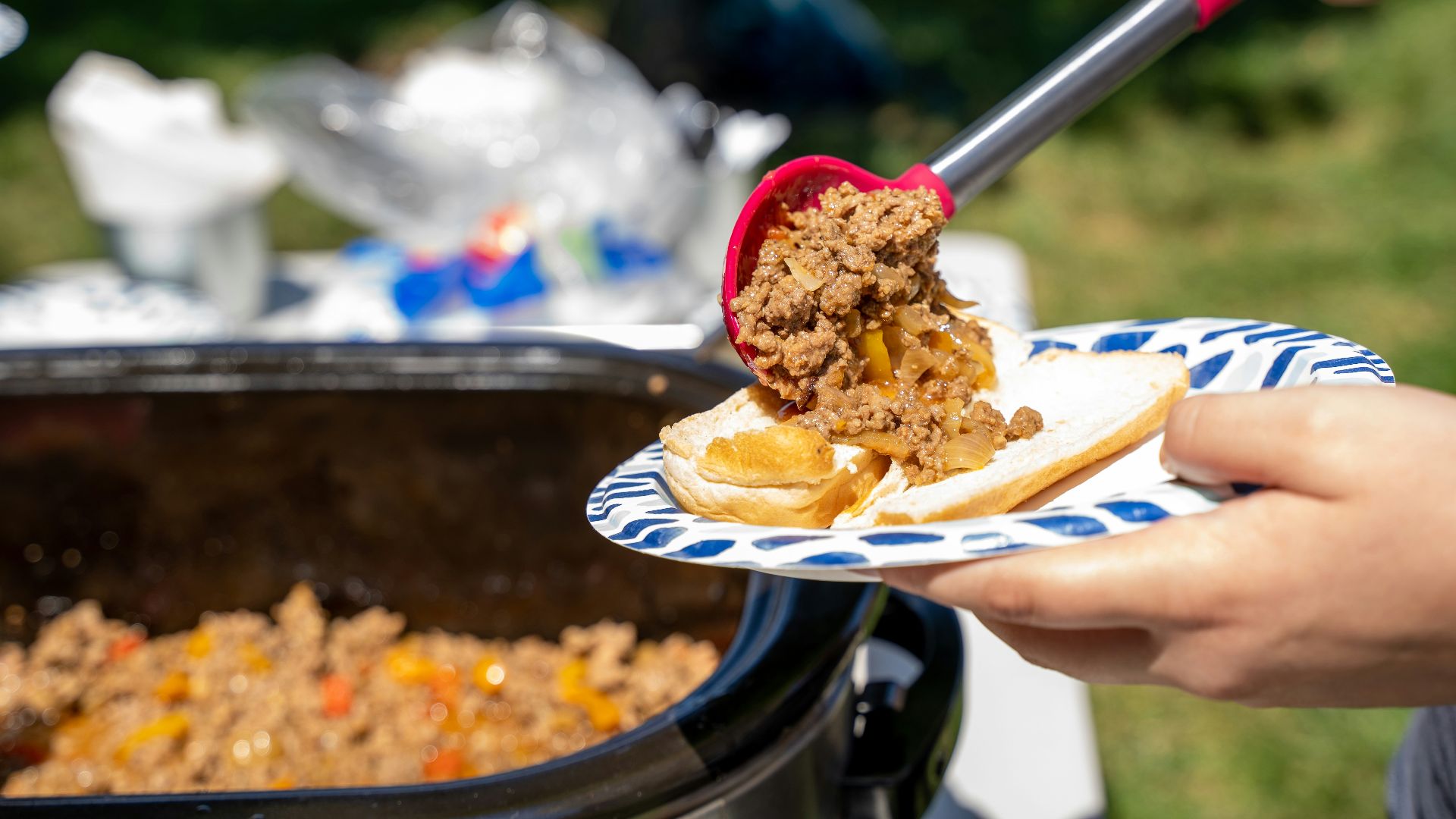
Sloppy joes pile ground beef and tomato sauce onto a bun, and the sauce lets cooks add cheap fillers without changing the flavor much. One origin story puts the first one in Sioux City, Iowa, and another points to a bar in Havana in the 1910s. Either way, the sandwich caught on with families on tight budgets during the Great Depression.
19. Chili from a Plaza Stand
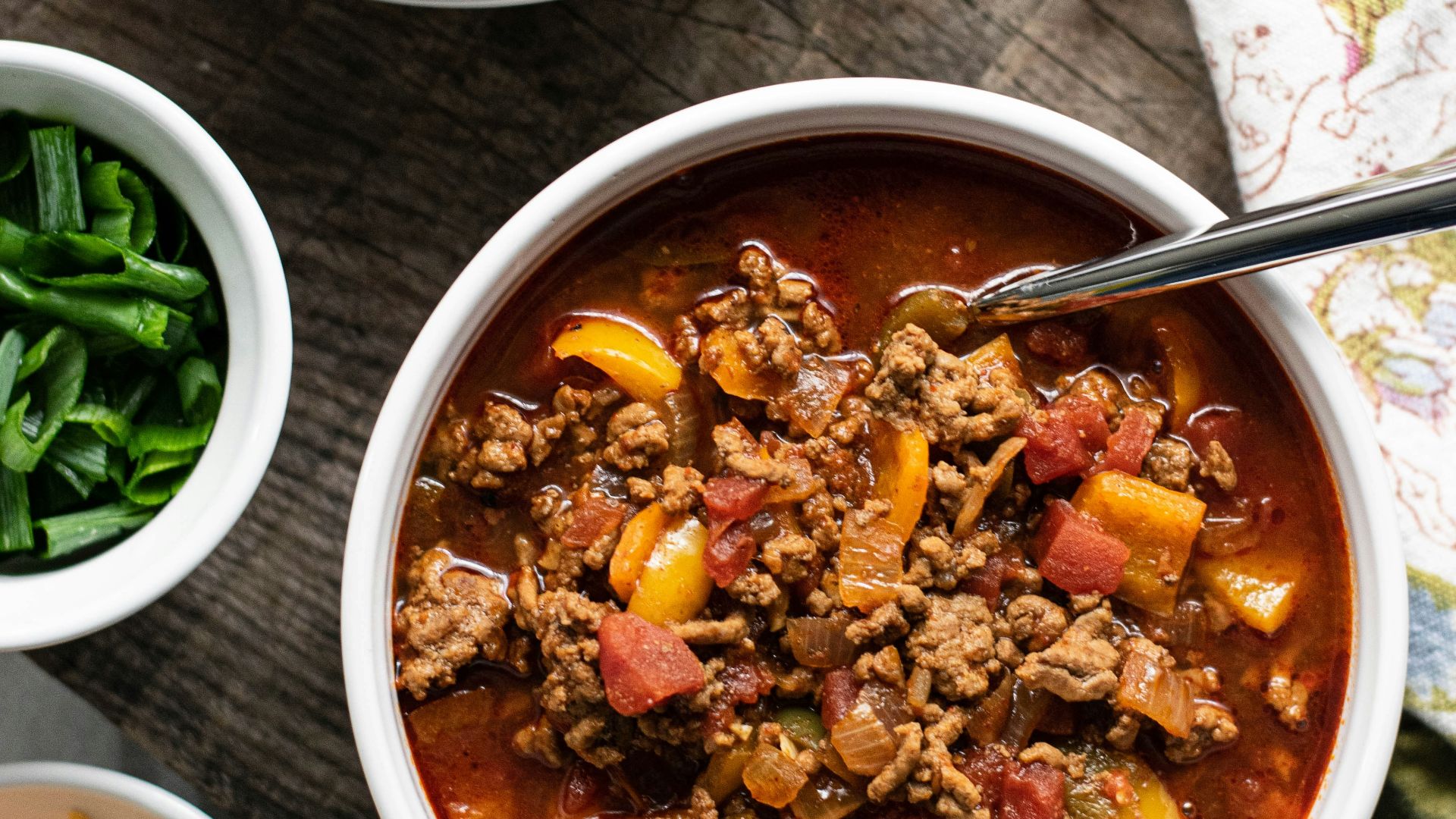
A bowl of chili ran about ten cents in the 1880s at the stands of San Antonio's chili queens, who cooked over mesquite fires in the city's plazas. Cowboys and bankers both ate there, and the stalls drew people of every race and social class. The stands had faded out by the early 1940s after long disputes with the city over sanitation.
20. Canned Corned Beef Hash
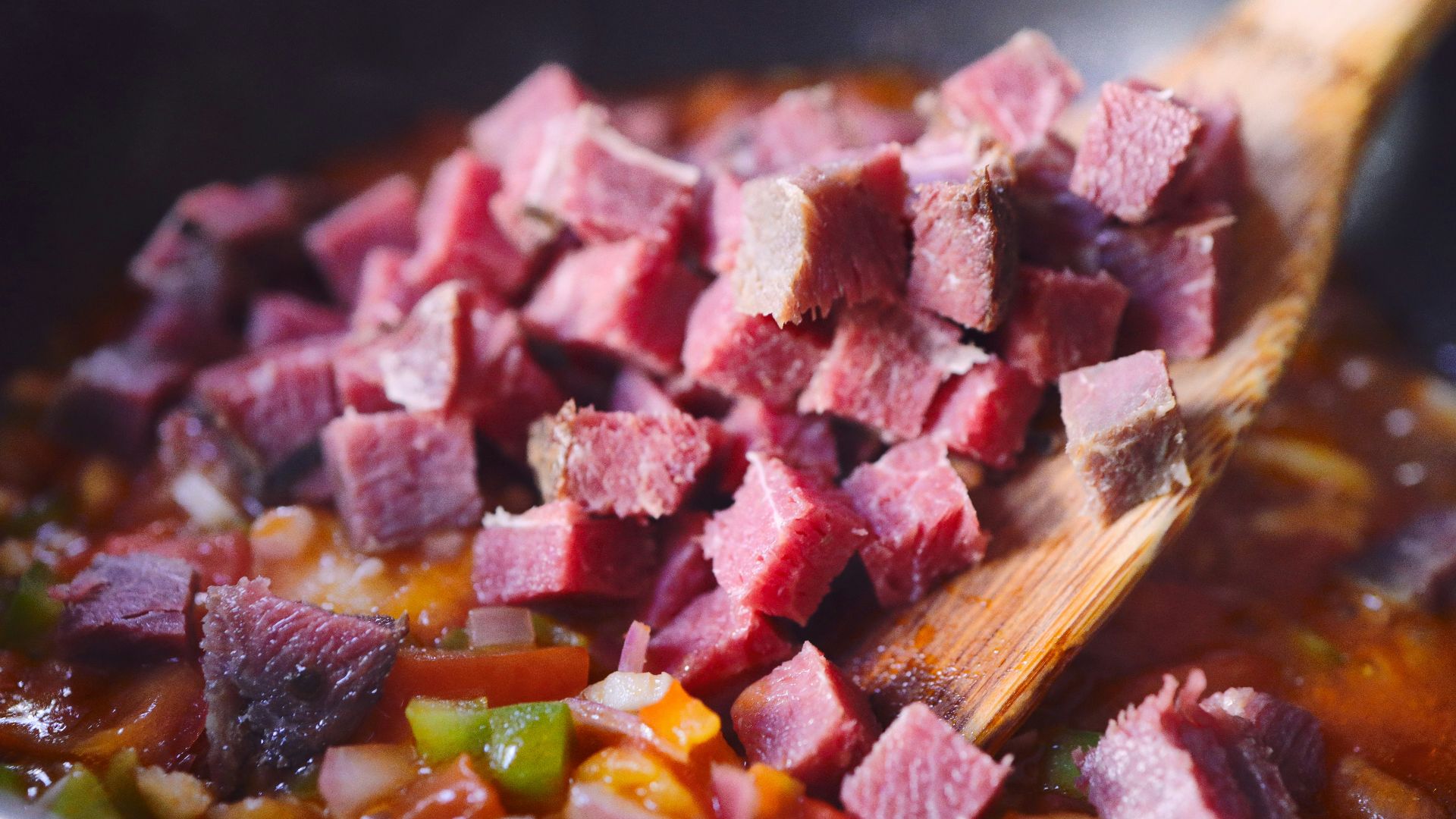
Corned beef hash reached the United States with Jewish immigrants from northern Europe in the 1800s, and home cooks leaned on it during World War II meat rationing. Hormel's canned version debuted in 1950, and a 1962 ad for a competing brand pitched canned hash as a main dish for less than 14 cents a serving. The ad showed it in a skillet under fried eggs.
KEEP ON READING