
Things They Did Without a Recipe
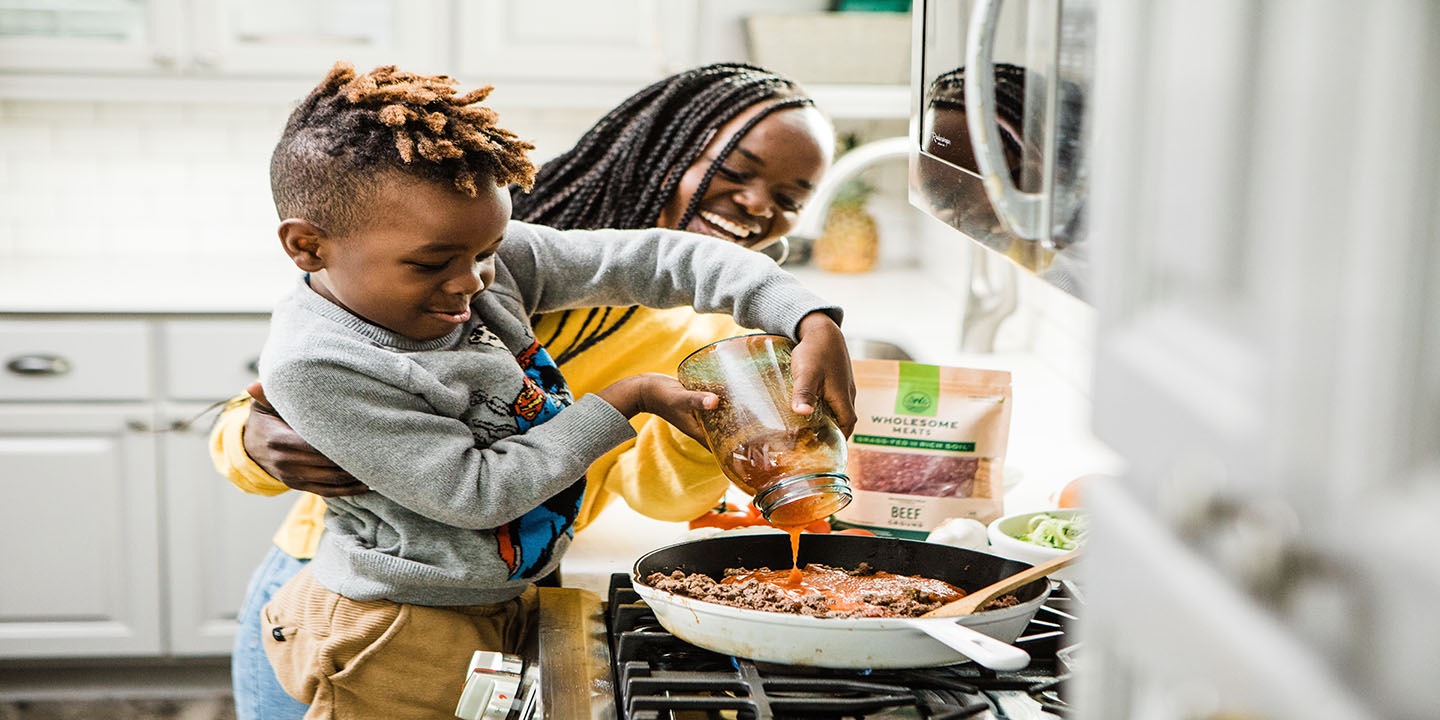
For a lot of people, learning to cook meant standing beside a parent or grandparent while dinner was being made. Nobody stopped to give a formal lesson. You watched someone check a roast by touch, add flour until the dough felt right, or season a pot without measuring a thing. Over time, you learned to make those judgments yourself. These days, it's easier to follow a recipe on a phone and set a timer for every step. Here are 20 kitchen skills earlier generations learned by hand and by eye.
1. Pressing Meat to Judge Doneness
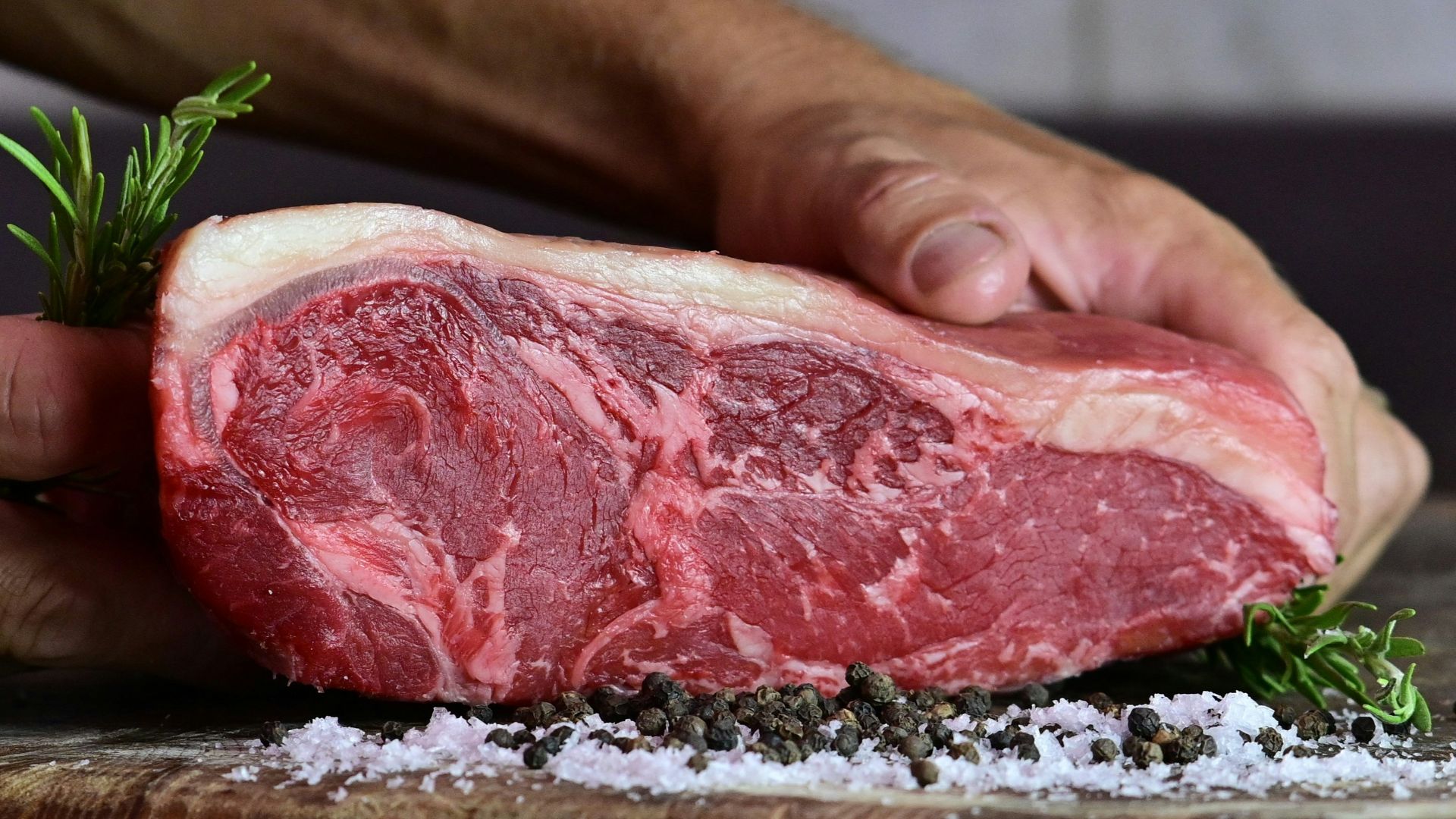
Cooks used to press a steak with a fingertip and compare the give to the soft part of their palm. Raw meat feels loose like a relaxed hand, and each stage toward well done firms up the way the palm does when you touch a finger to your thumb. Calibrating takes some ruined dinners, and most people today reach for a thermometer instead.
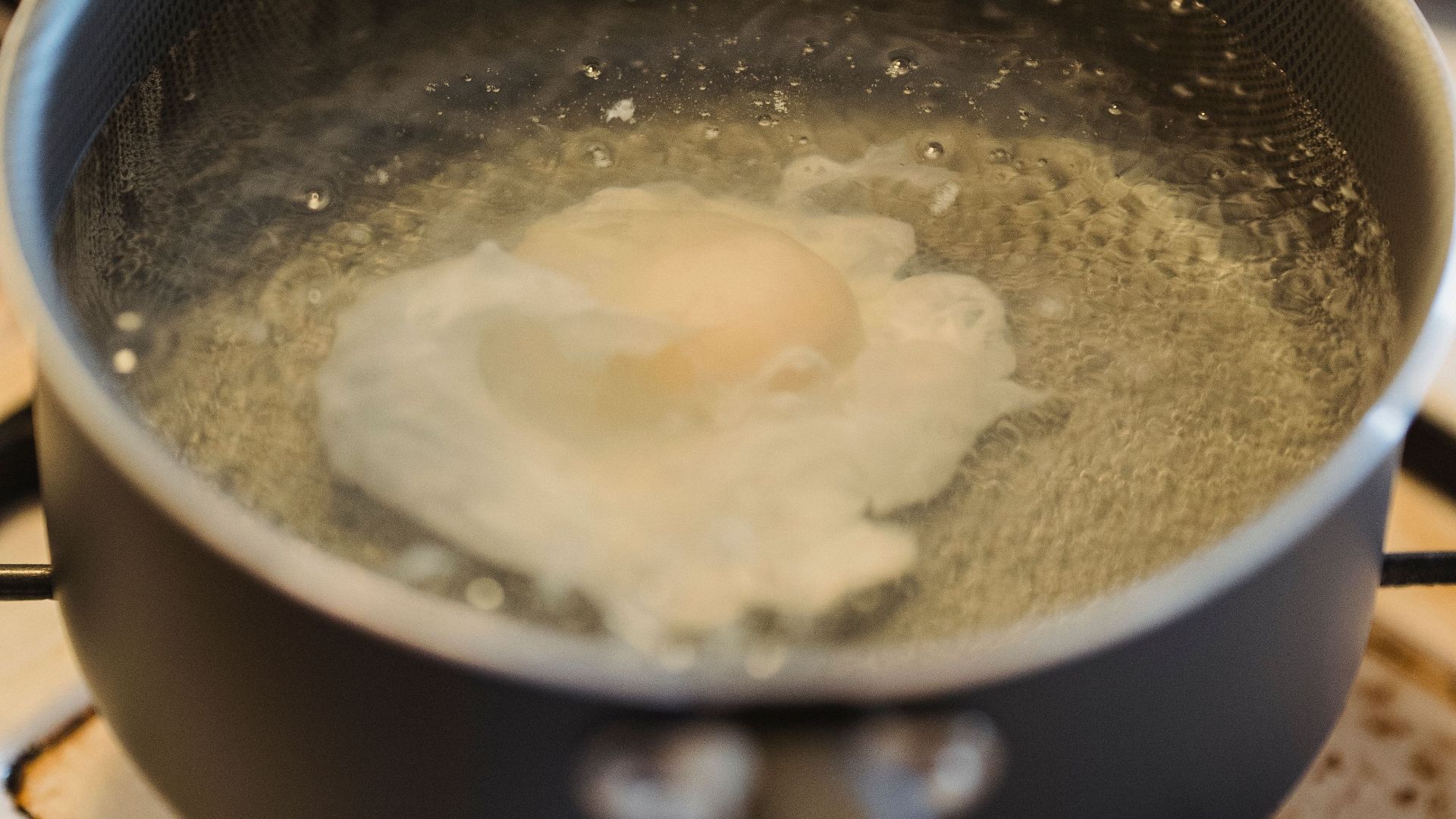
2. Floating an Egg to Check Freshness
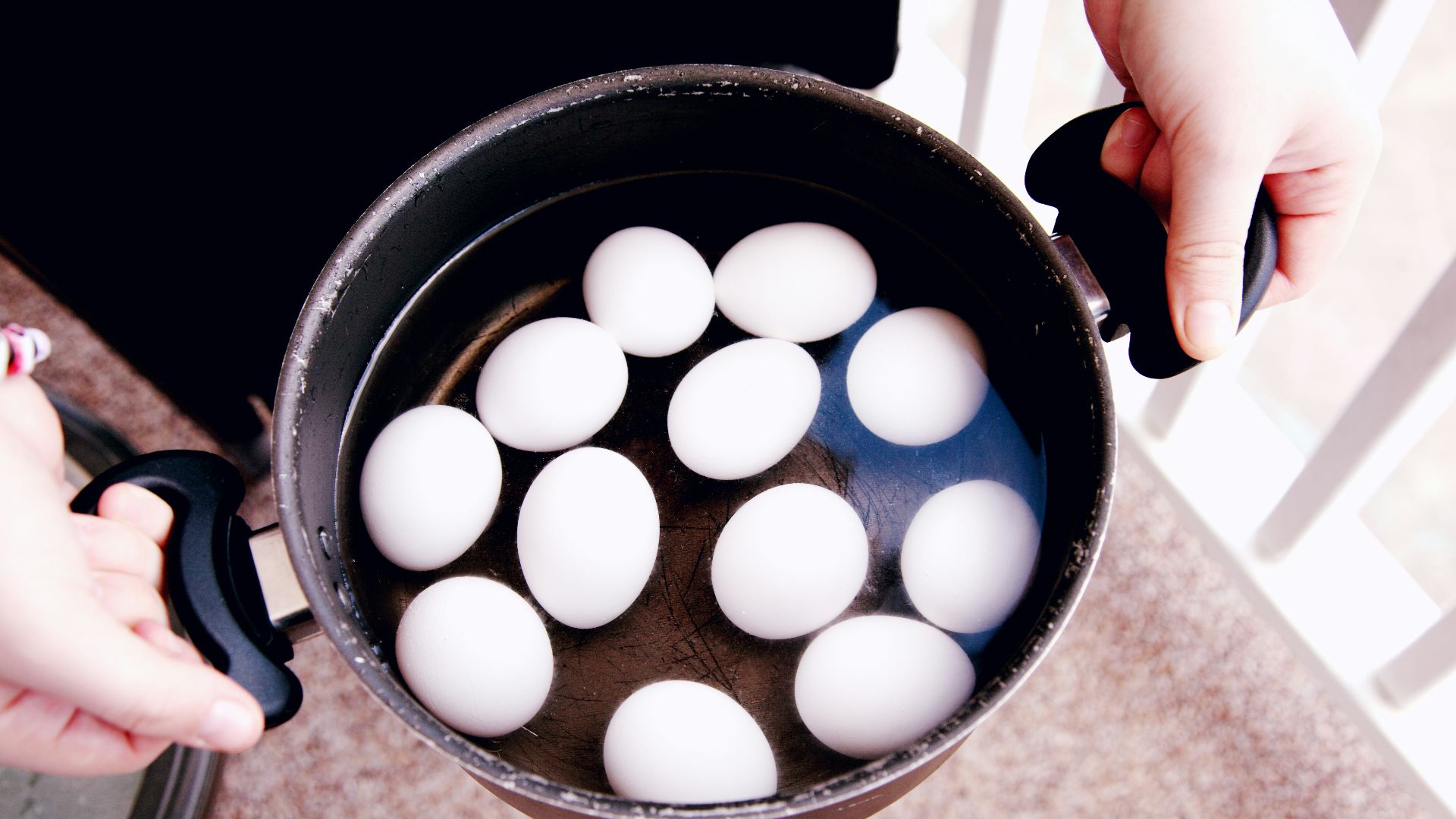
A fresh egg sinks and lies flat in a bowl of water, and an older one tilts or floats. The shell is porous, so the air pocket inside grows as moisture escapes over the weeks. A floating egg is usually past its best, though a sniff after cracking settles any doubt.
3. Simmering Bones into Stock
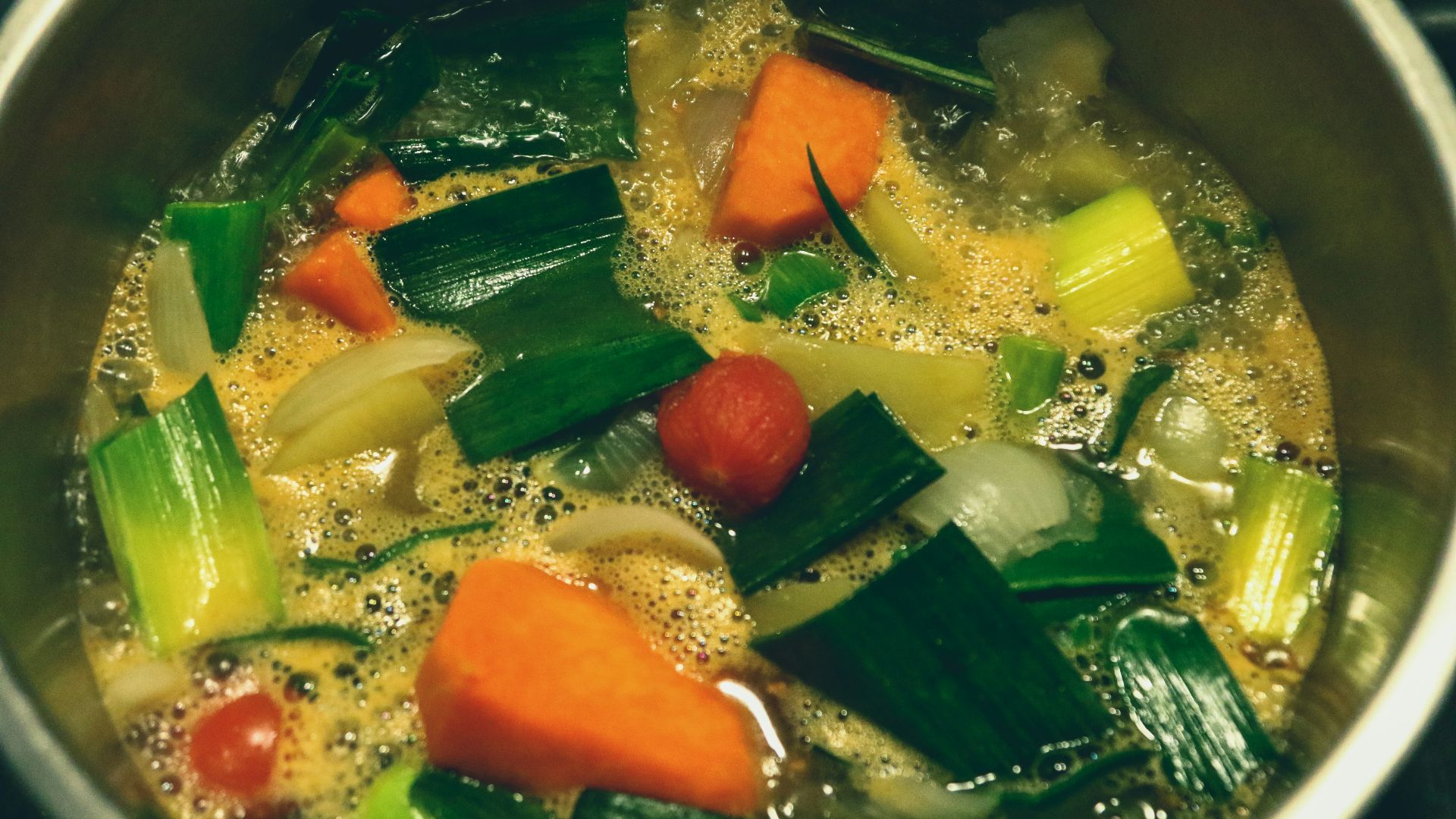
Bones from a roast chicken went into a pot with water and vegetable scraps and stayed on a back burner for hours. Long cooking dissolves the collagen into gelatin, which is why homemade stock sets up like jelly in the refrigerator. The finished stock went into sauces and stews for the rest of the week.
4. Building Gravy from Pan Drippings
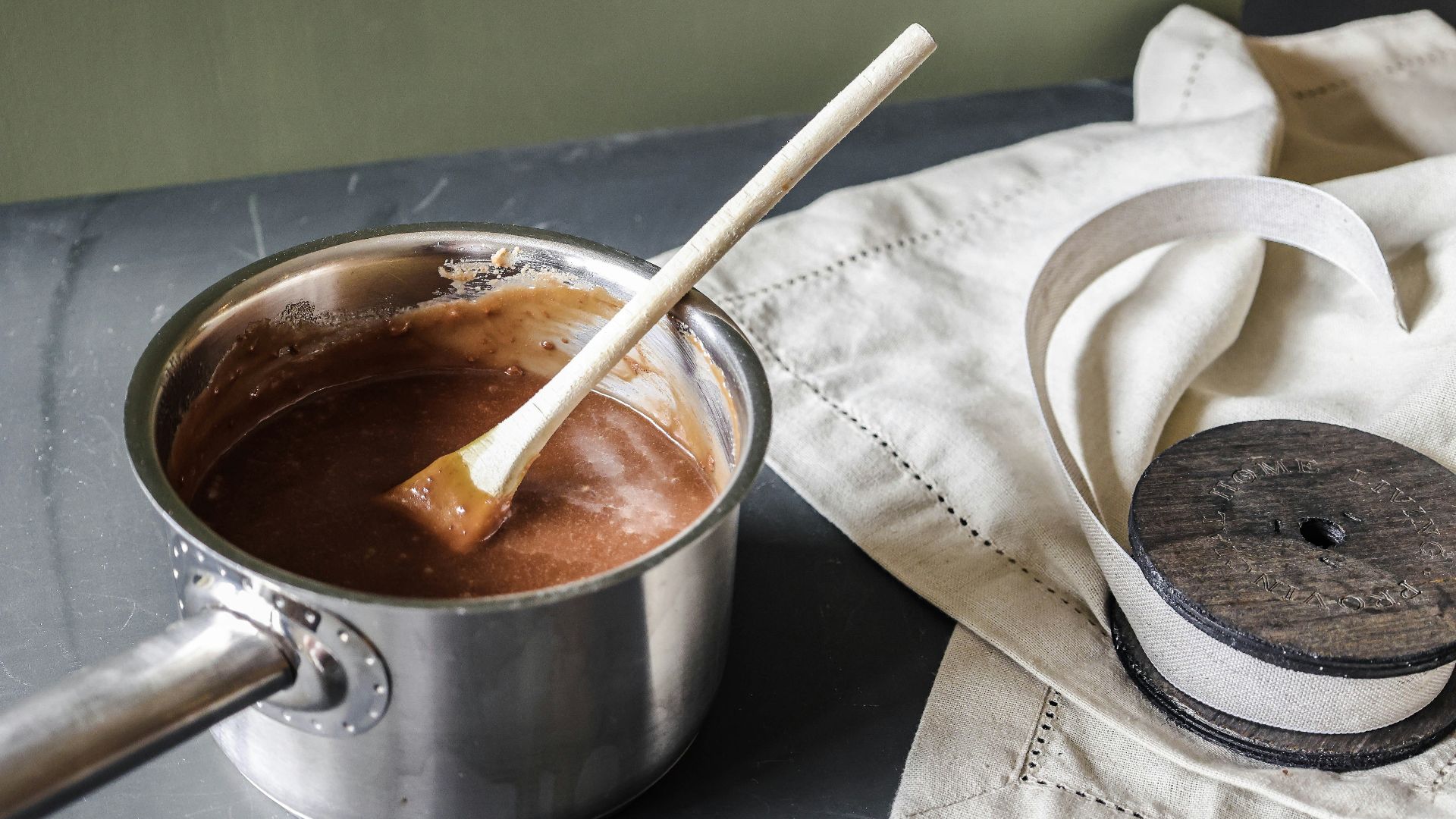
Good gravy began with the browned bits left in the roasting pan. A little flour stirred into the fat thickened the drippings, while stock added a bit at a time brought everything together. Experienced cooks could tell how much flour and liquid to use just by looking at the pan, adjusting as they stirred until the gravy reached the right consistency.
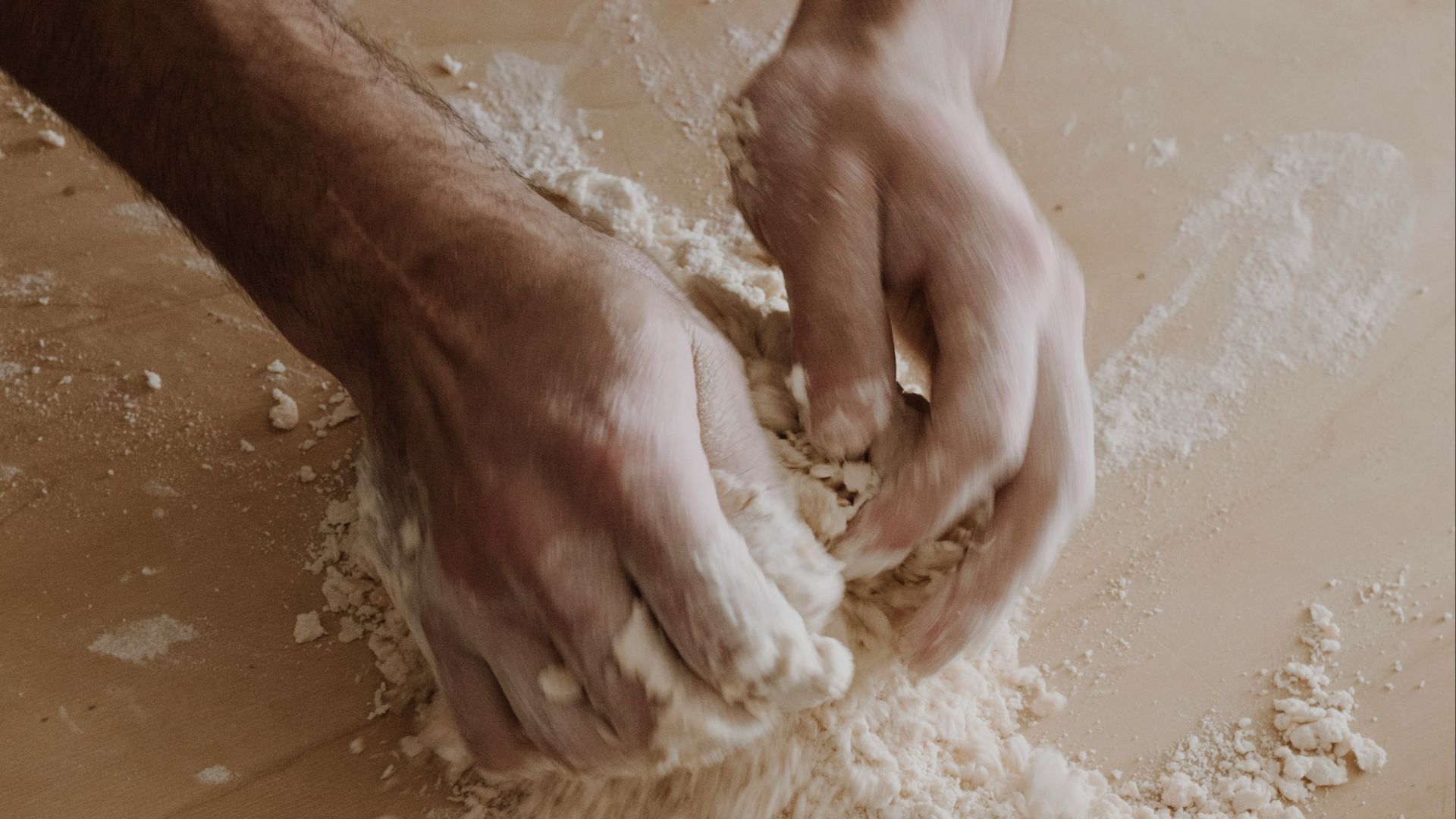
5. Kneading Dough Until It Stretches
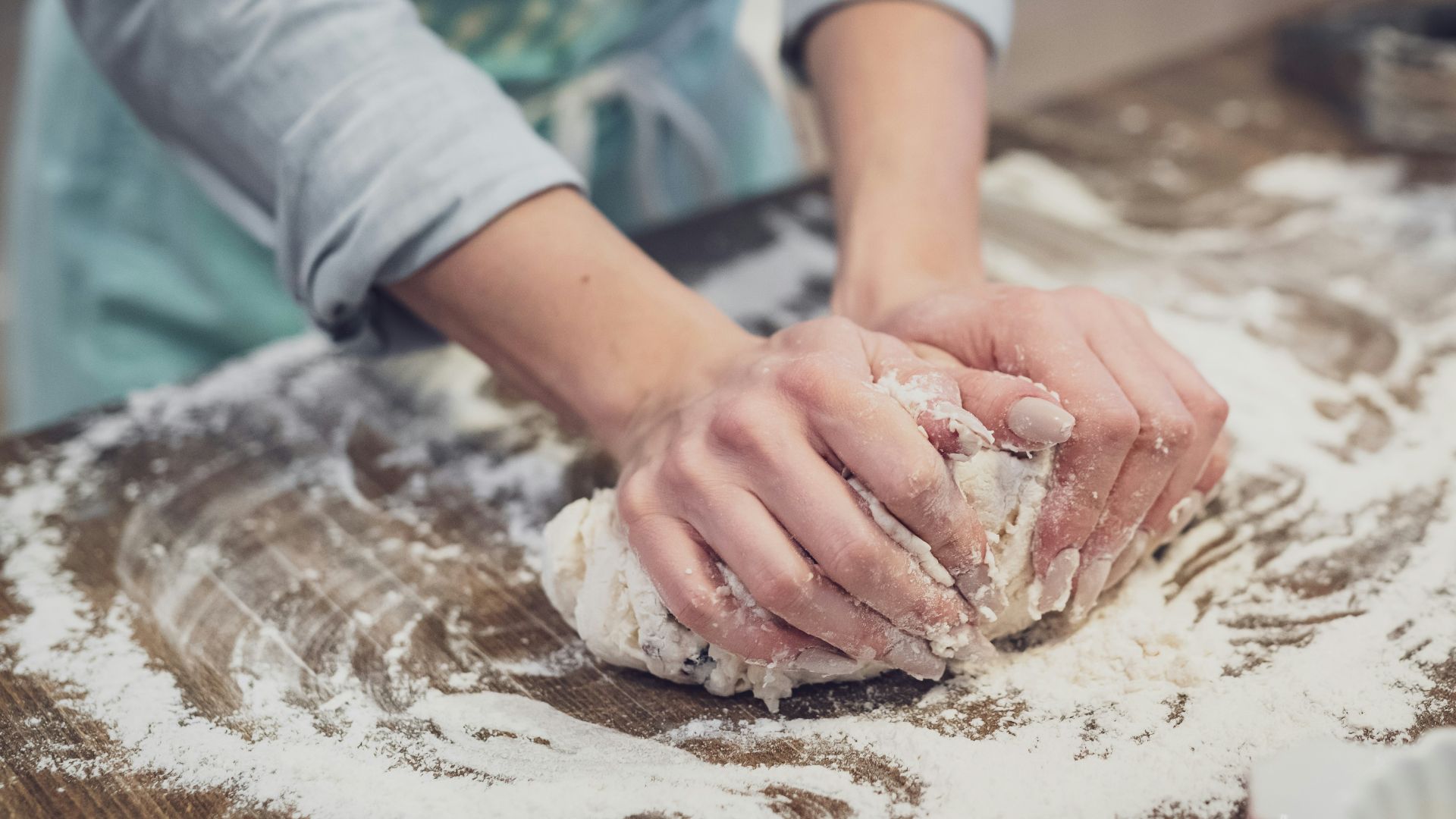
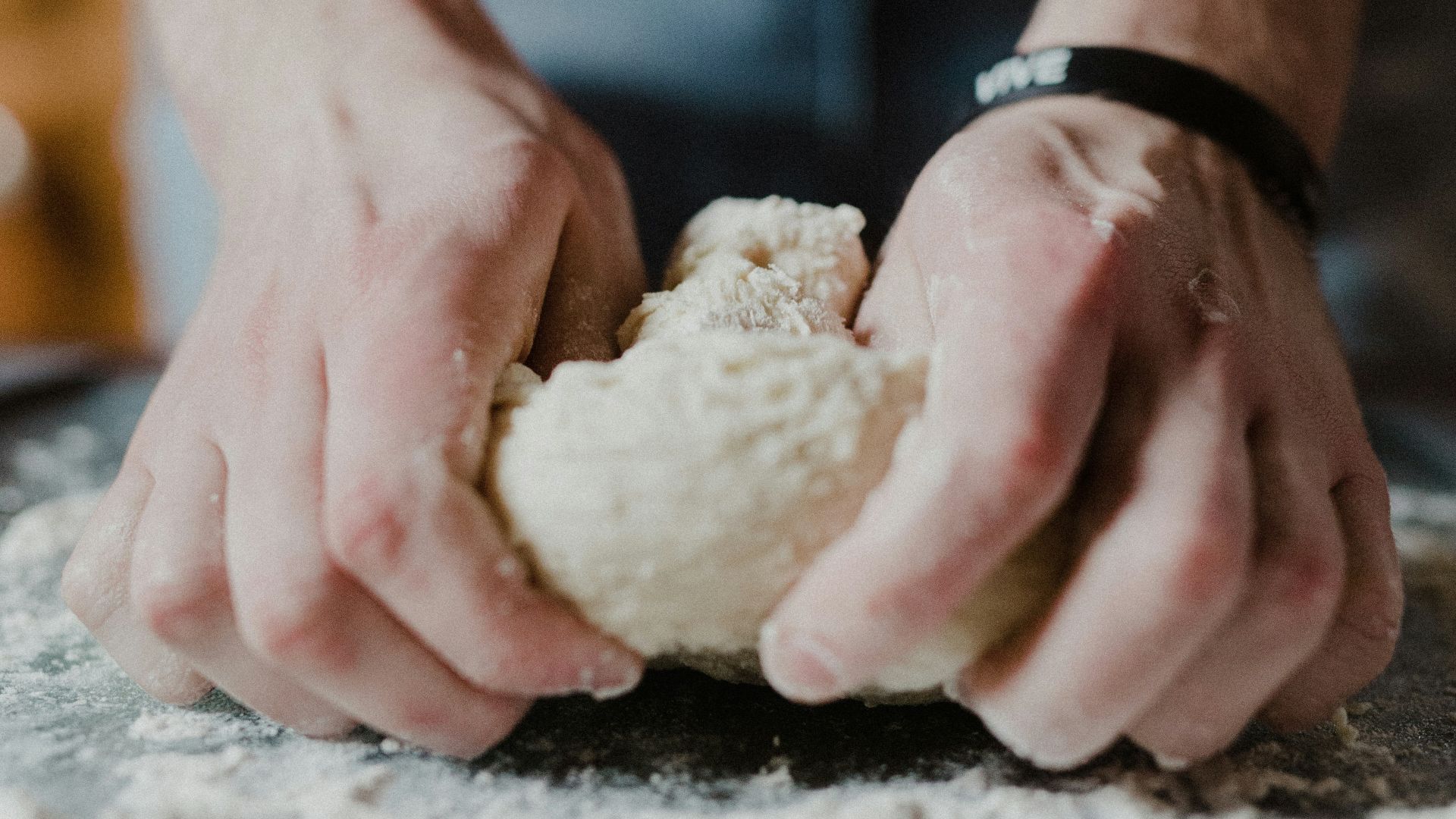
Experienced bakers could tell when dough was ready by stretching a small piece between their fingers. If it formed a thin sheet you could almost see through, the gluten had developed enough. If it tore apart immediately, the dough needed more kneading. The test took only a few seconds and required no special equipment.
6. Breaking Down a Whole Chicken
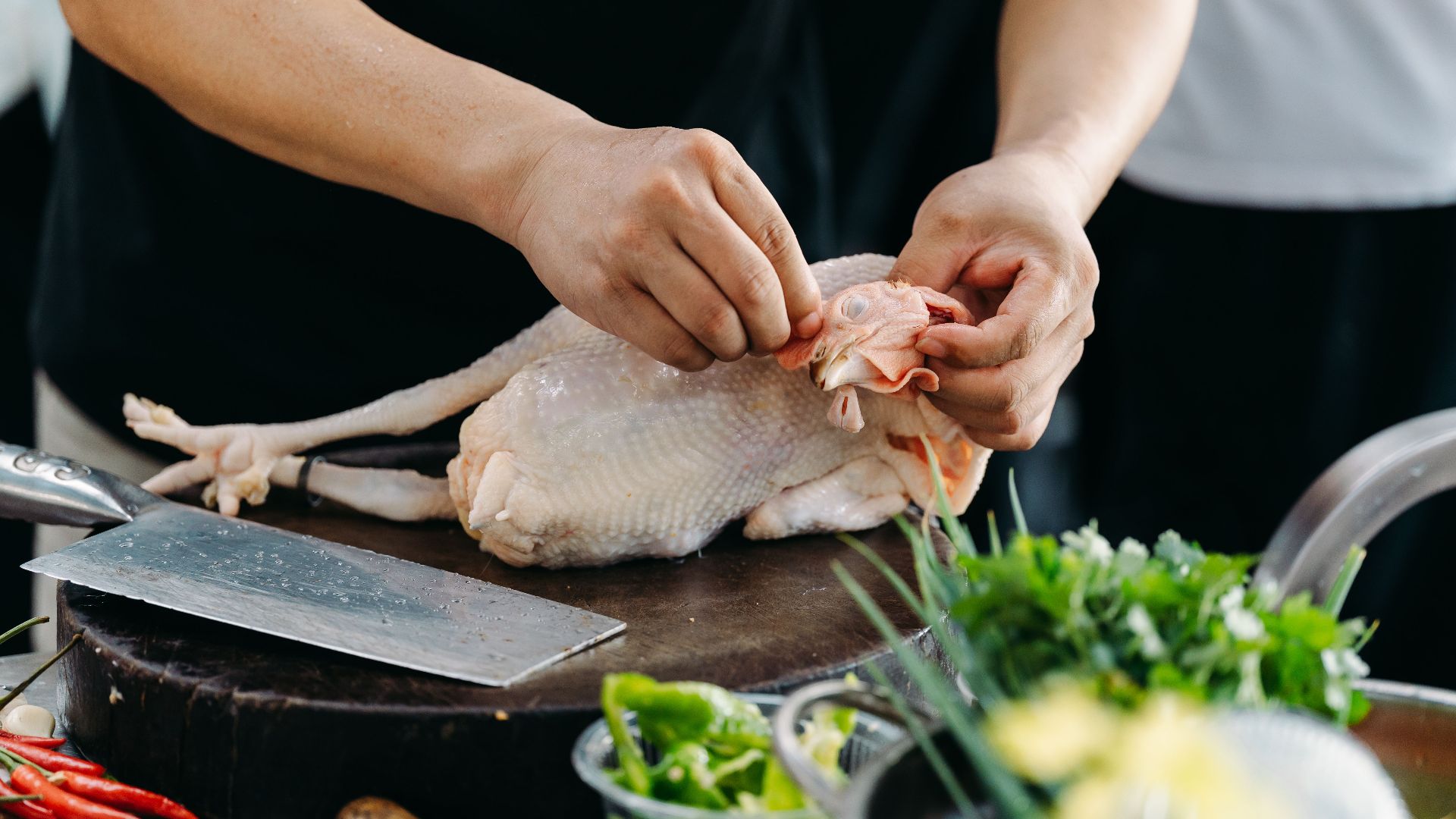
Buying a whole chicken was often cheaper than picking up individual pieces, so home cooks learned to cut one apart themselves. They knew where to find the joints to remove the legs and wings, then followed the breastbone with a knife to separate the breasts. Nothing went to waste, either. The leftover carcass went into a pot to make stock for another meal.
7. Saving Bacon Grease
Bacon fat got strained through a sieve after cooking and went into a jar by the stove. Spoonfuls ended up in cornbread and pans of greens, adding a smoky flavor that butter doesn't have. Straining out the browned bits helps the fat keep longer in the refrigerator.
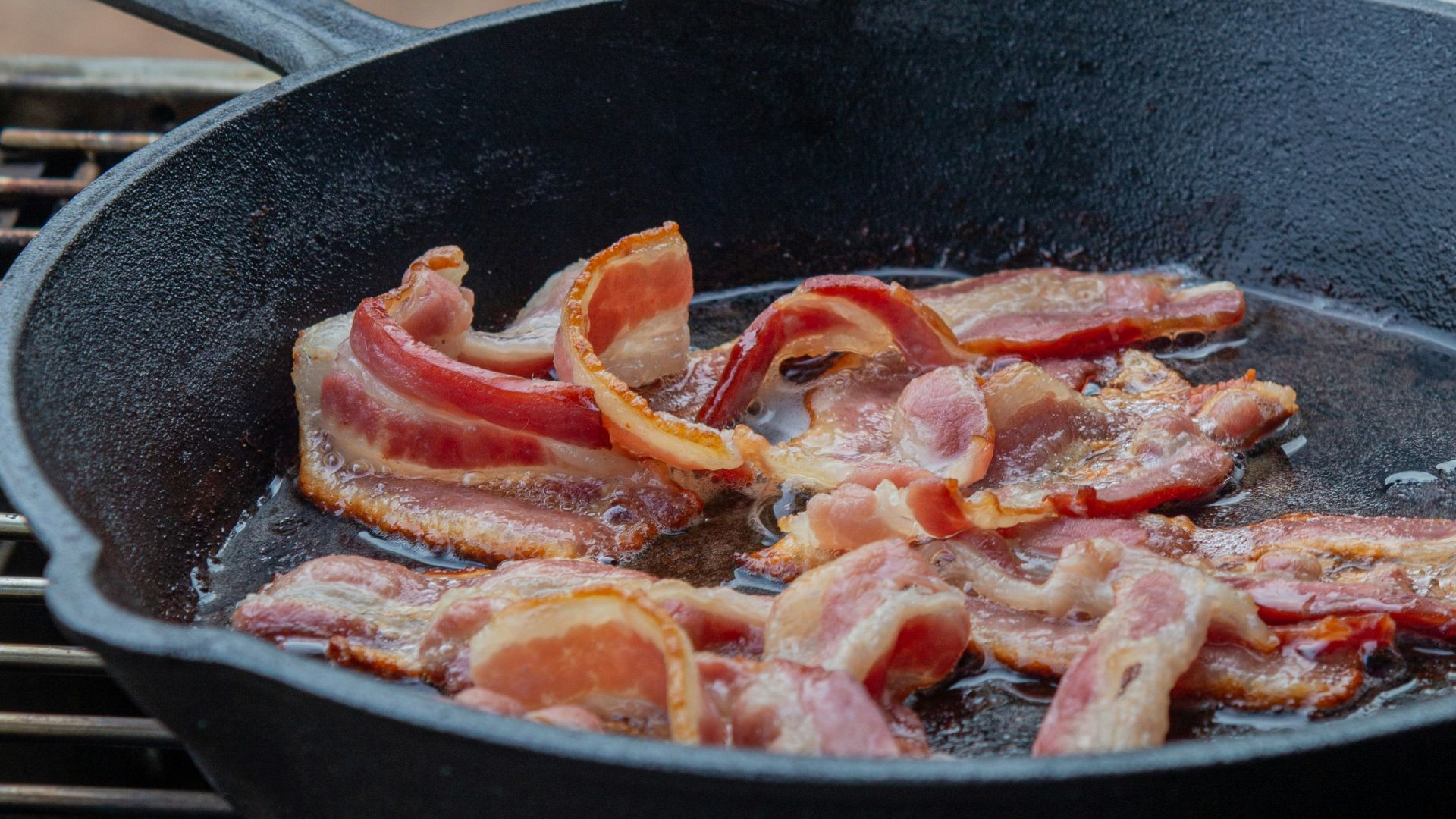 Michelle @Shelly Captures It on Unsplash
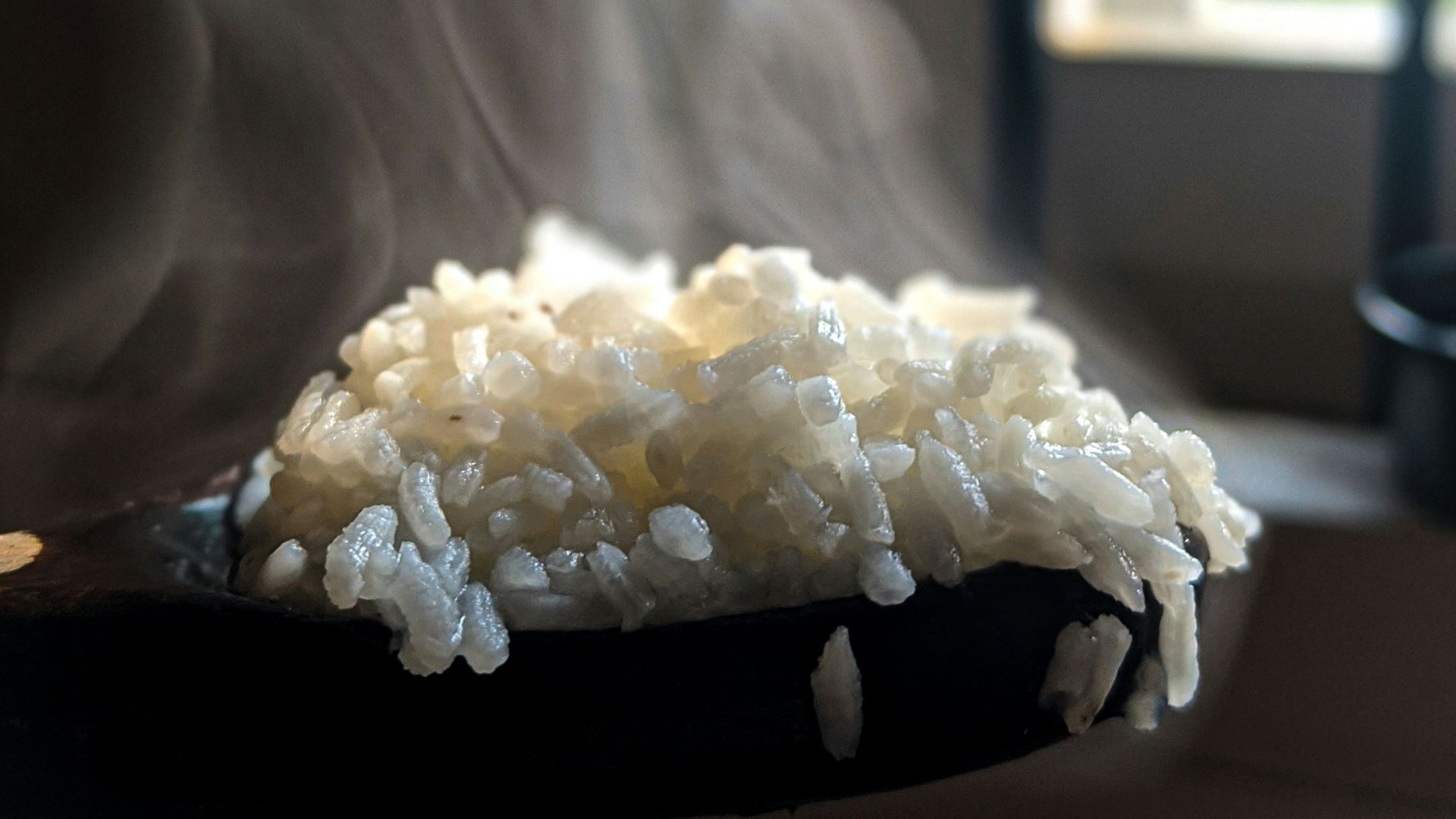
8. Measuring Rice Water with a Finger
In households where rice was cooked every day, measuring cups weren't always necessary. Cooks leveled the grains, rested a fingertip on top, and added water until it reached the first knuckle. With a familiar pot and the usual amount of rice, the method gave them a reliable guide without measuring a thing.
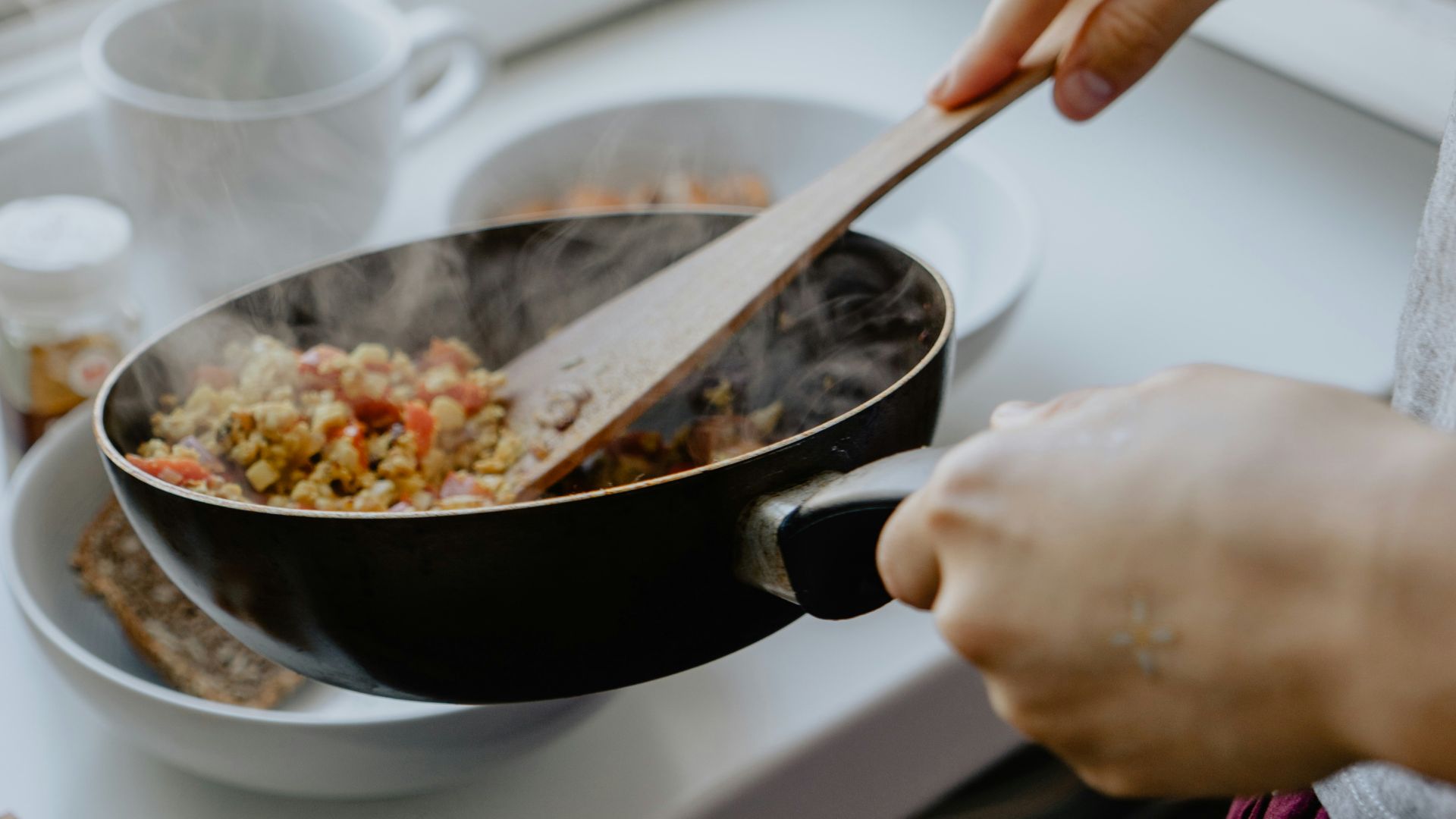
9. Swapping Ingredients on the Spot
Buttermilk could be made by stirring a spoonful of vinegar or lemon juice into regular milk and letting it sit. The acid thickens the milk slightly and gives baking soda what it needs to make a batter rise. Swaps like this kept dinner moving without a trip to the store.
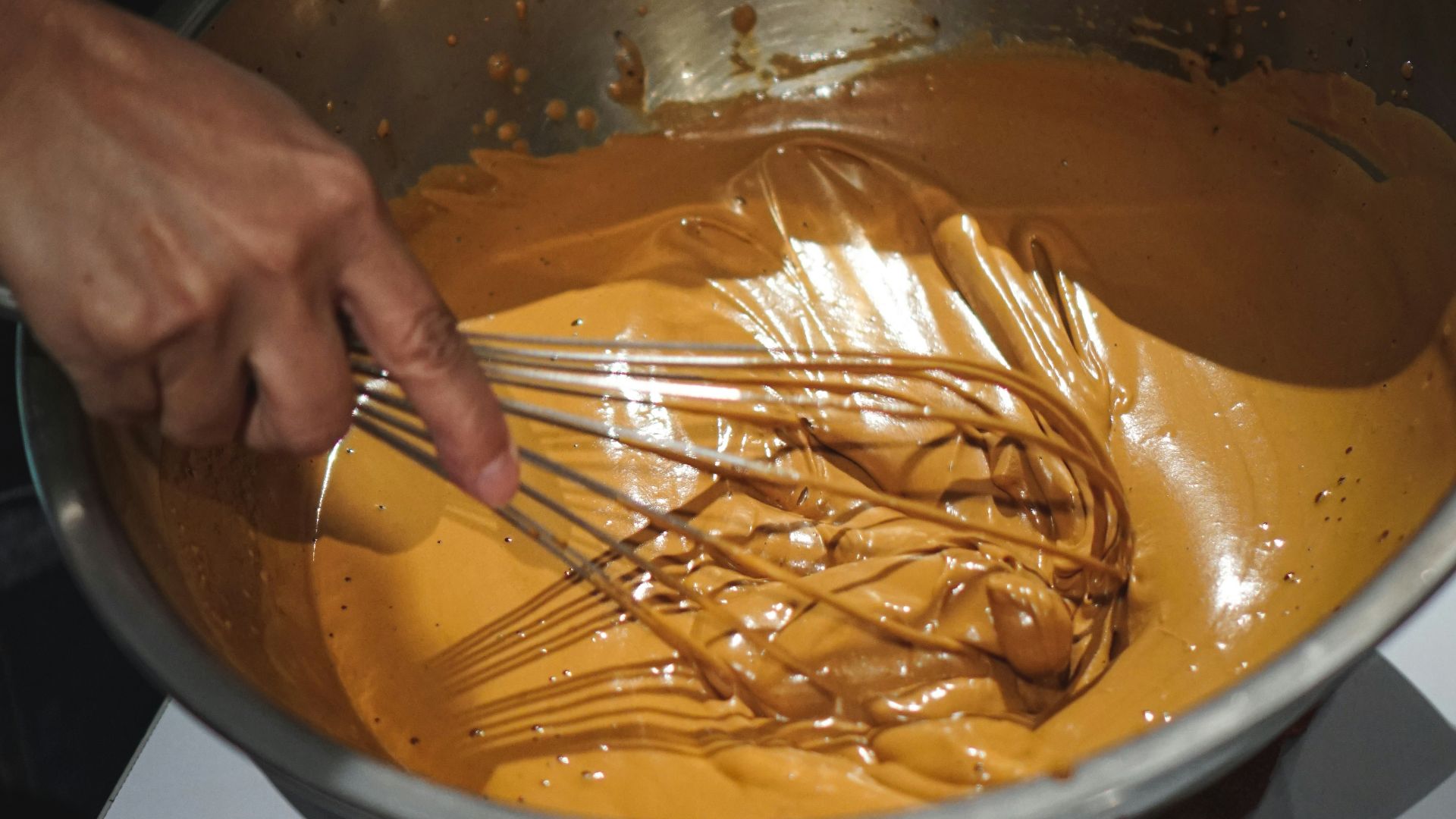
10. Whipping by Hand with a Whisk
Stiff peaks came from a balloon whisk and a cold metal bowl, with no mixer involved. Whipping traps air in egg white proteins or in the fat of cream, and the chill helps cream hold its shape. Arms got tired, though the cook could feel the mixture thicken and knew when to stop before it turned grainy.
11. Mixing Pie Dough by Feel
Pie dough comes together from cold butter cut into flour and just enough water to hold it. Seasoned bakers worked fast and stopped while the dough still looked a little shaggy, since too much handling develops gluten and makes the crust tough. They judged moisture by squeezing a handful, and it was ready when it held together without feeling sticky.
12. Canning Jars in a Water Bath
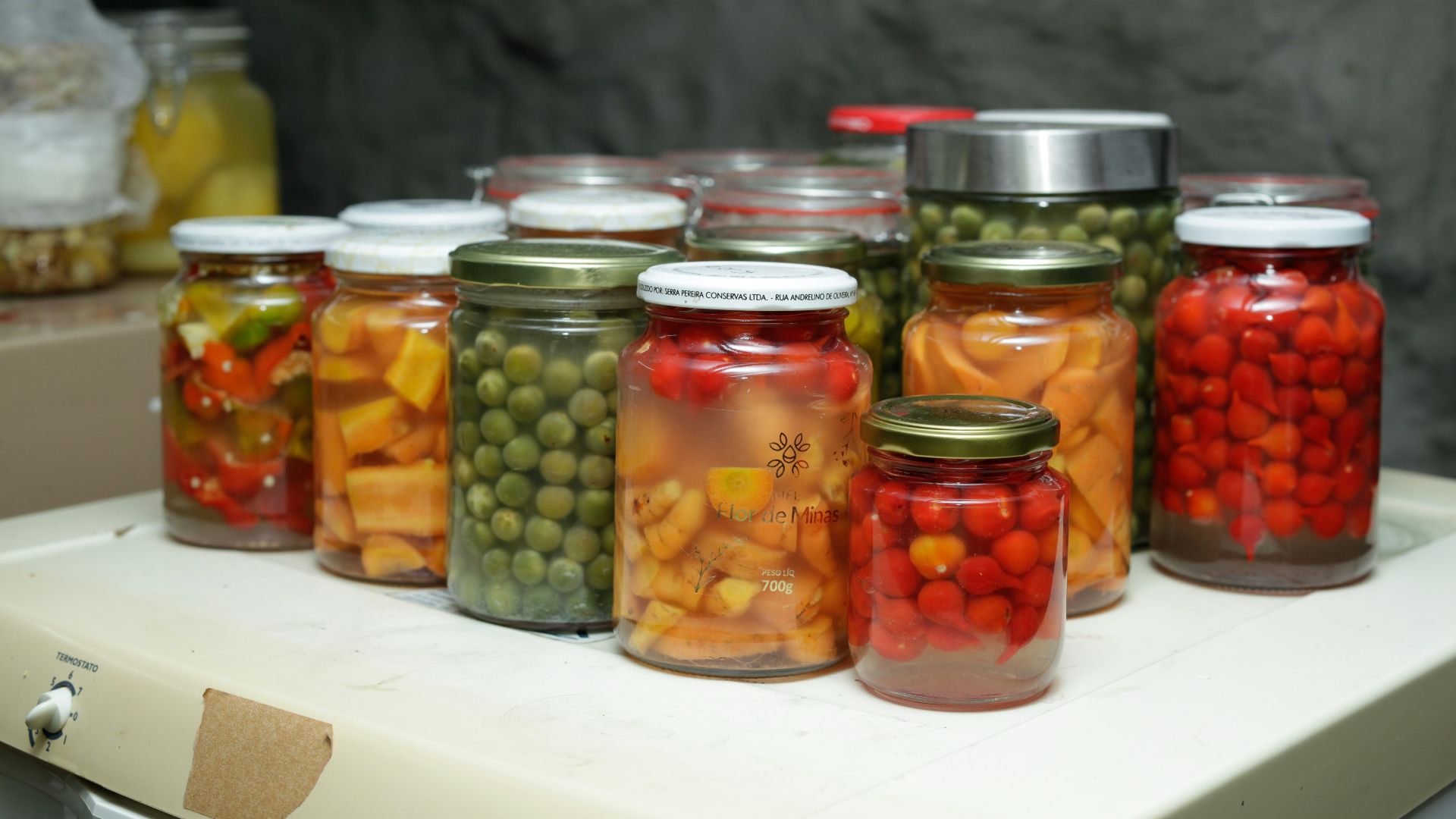
Late summer often meant a stove full of canning jars, with lids popping as they cooled and sealed. Experienced home canners knew which foods could go into a boiling-water bath and which needed a pressure canner. Most fruits and jams were acidic enough for the first method, but vegetables like green beans needed the higher temperatures of the second. Getting that distinction wrong could mean a serious risk of botulism.
 PROJETO CAFÉ GATO-MOURISCO on Unsplash
13. Pickling Vegetables in Brine
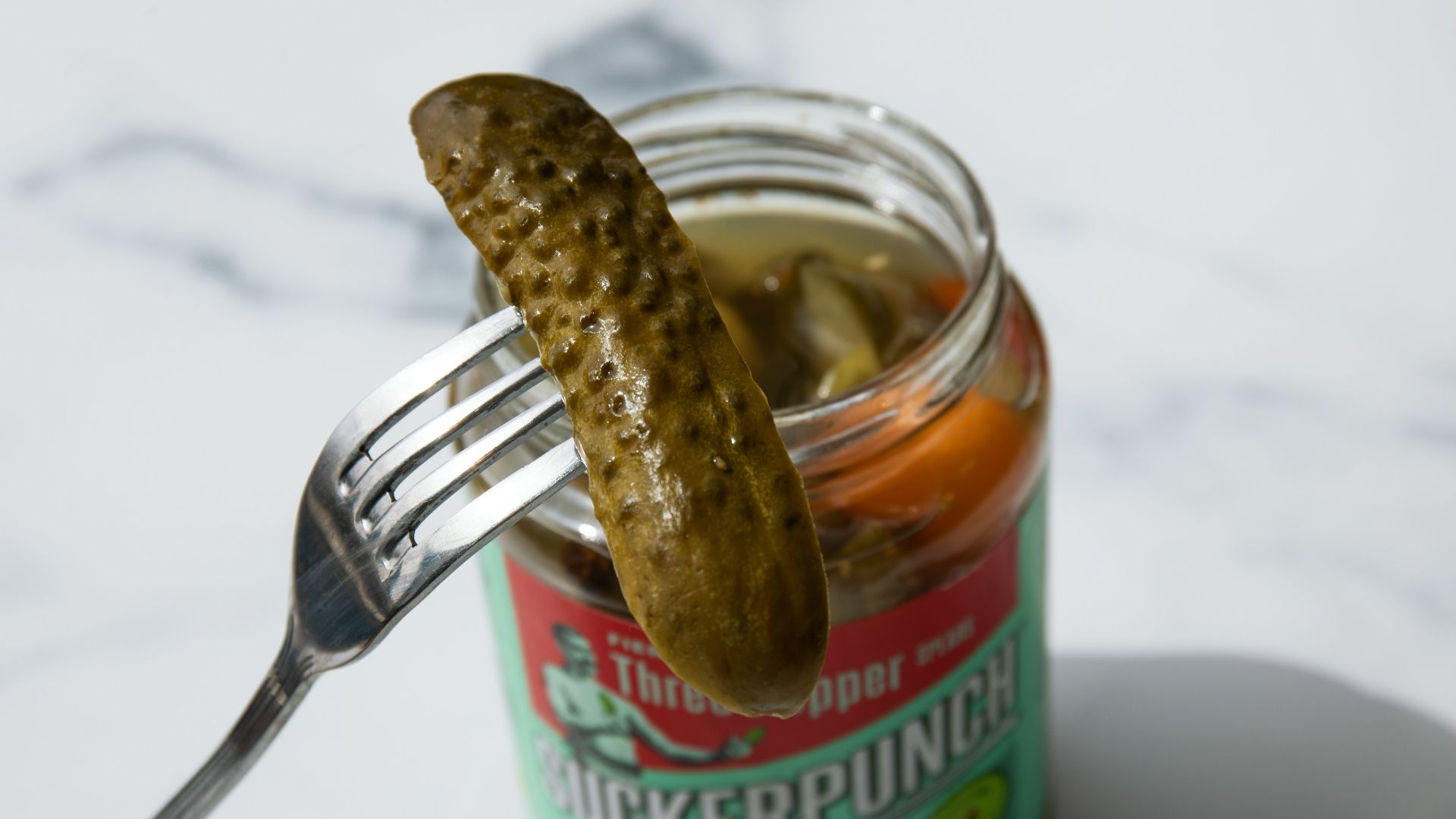
Vinegar pickles get their sourness from the acid in the liquid, while fermented pickles get it from bacteria that feed on the sugars in the vegetable once salt holds back the unwanted ones. Cooks on either path judged a batch by smell and by the look of the surface. An off odor or fuzzy mold meant the jar went out with the trash.
 SuckerPunch Gourmet on Unsplash
14. Honing and Sharpening Knives
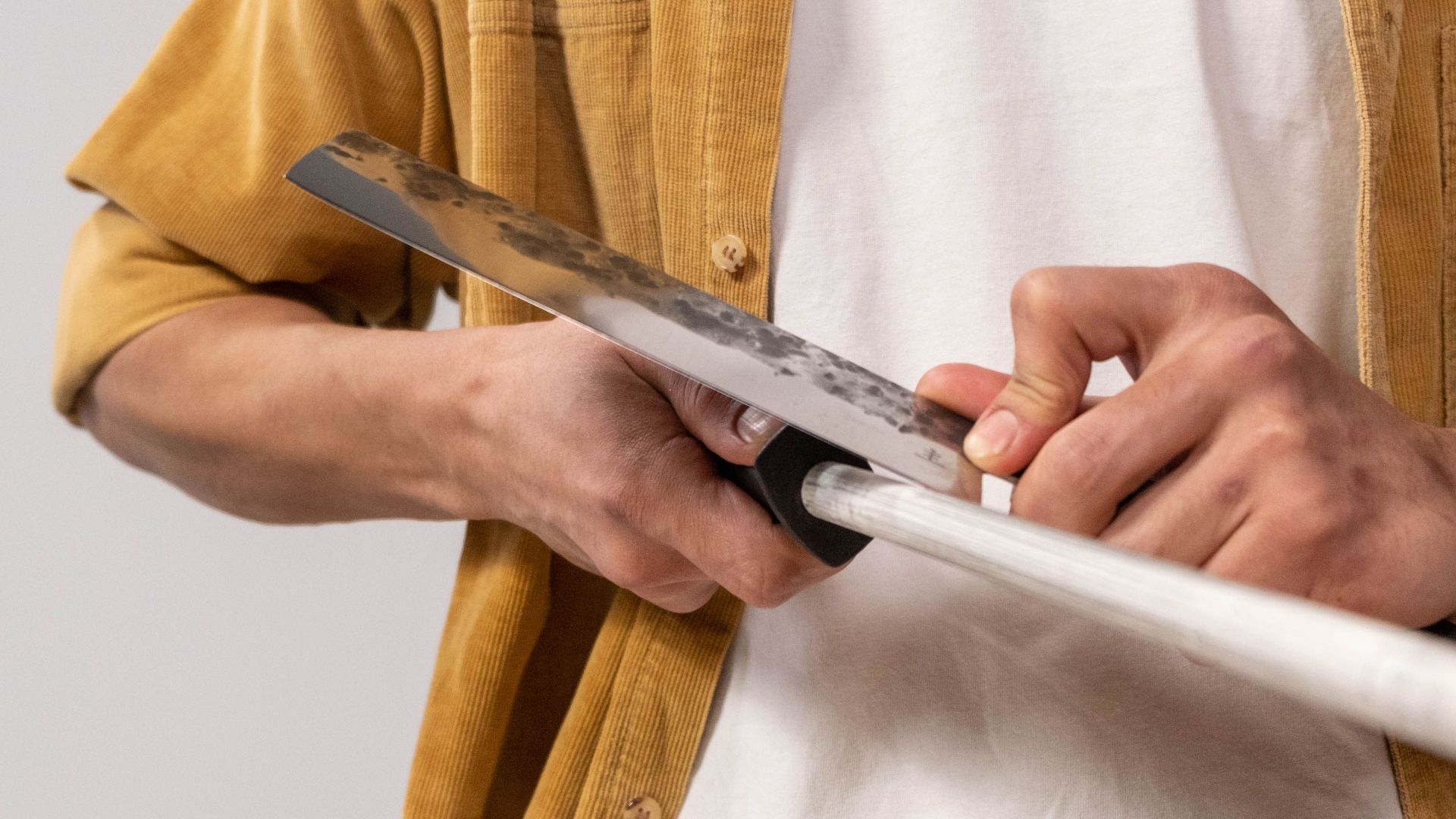
Sharp knives depended on a honing steel kept beside the block. Drawing the blade along it at a steady angle straightens an edge that has bent from use, but it removes very little metal. A whetstone came out when the edge had truly worn down.
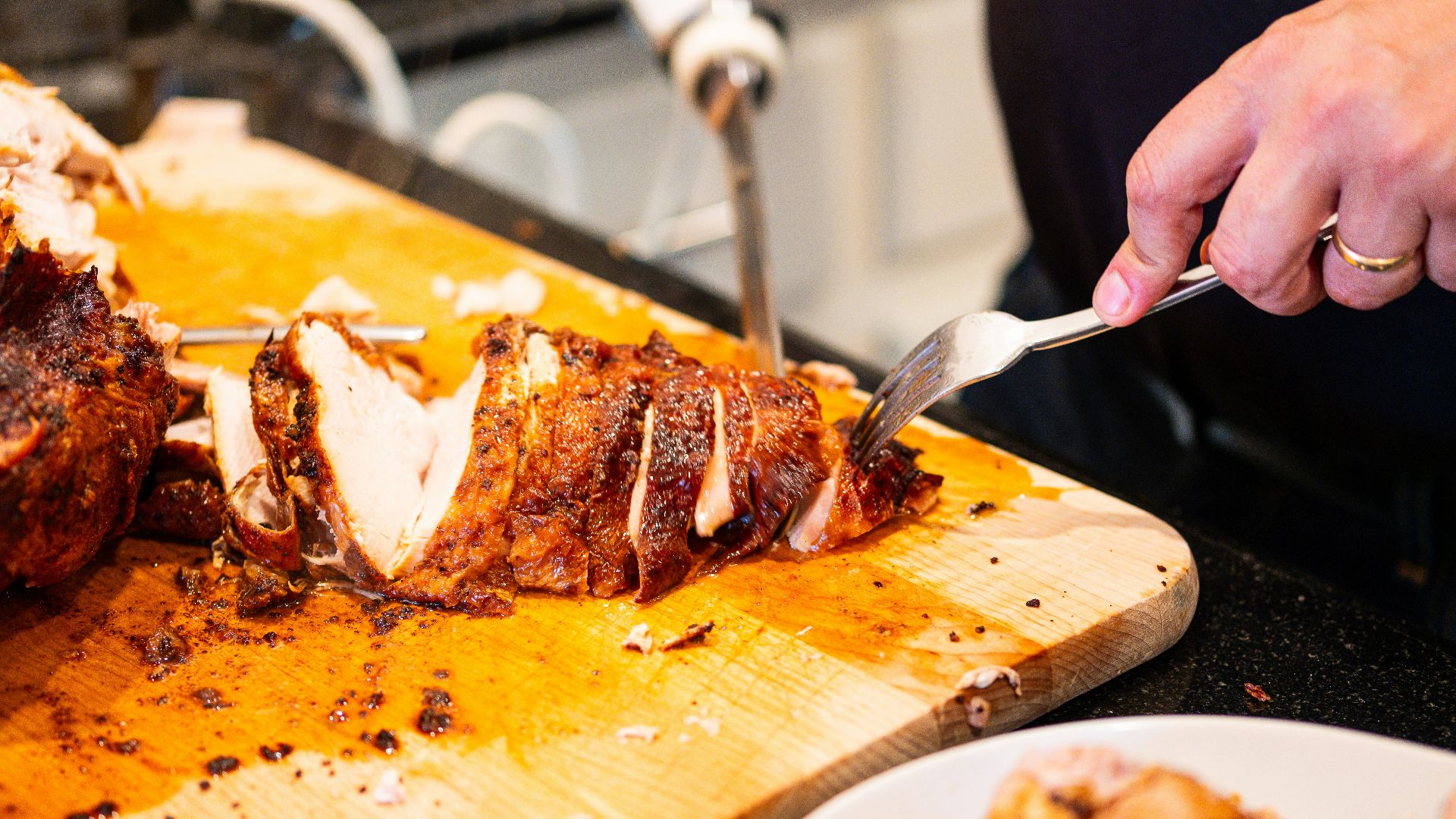
15. Resting and Carving a Roast
Holiday roasts were carved at the table by whoever had learned how, and that person typically let the meat sit under foil first. Resting lets the juices settle back into the meat, and slicing across the grain shortens the muscle fibers for easier chewing.
 Lois Spencer Carter on Unsplash
16. Testing Pan Heat with Water
Water flicked into a dry pan showed how hot it had gotten. Beads that skate across the surface signal a pan ready for searing, and water that sits and bubbles gently means it needs more time on the burner. The beads form because a thin layer of steam keeps each droplet floating above the metal.
17. Tasting Throughout Cooking
A clean spoon stayed beside the pot for tasting and adjusting the seasoning as dinner came together. Salt added early had time to spread through the food, while a final pinch gave it a sharper edge. If something still tasted flat, a splash of vinegar or a squeeze of lemon often worked better than adding more salt.
 Battlecreek Coffee Roasters on Unsplash
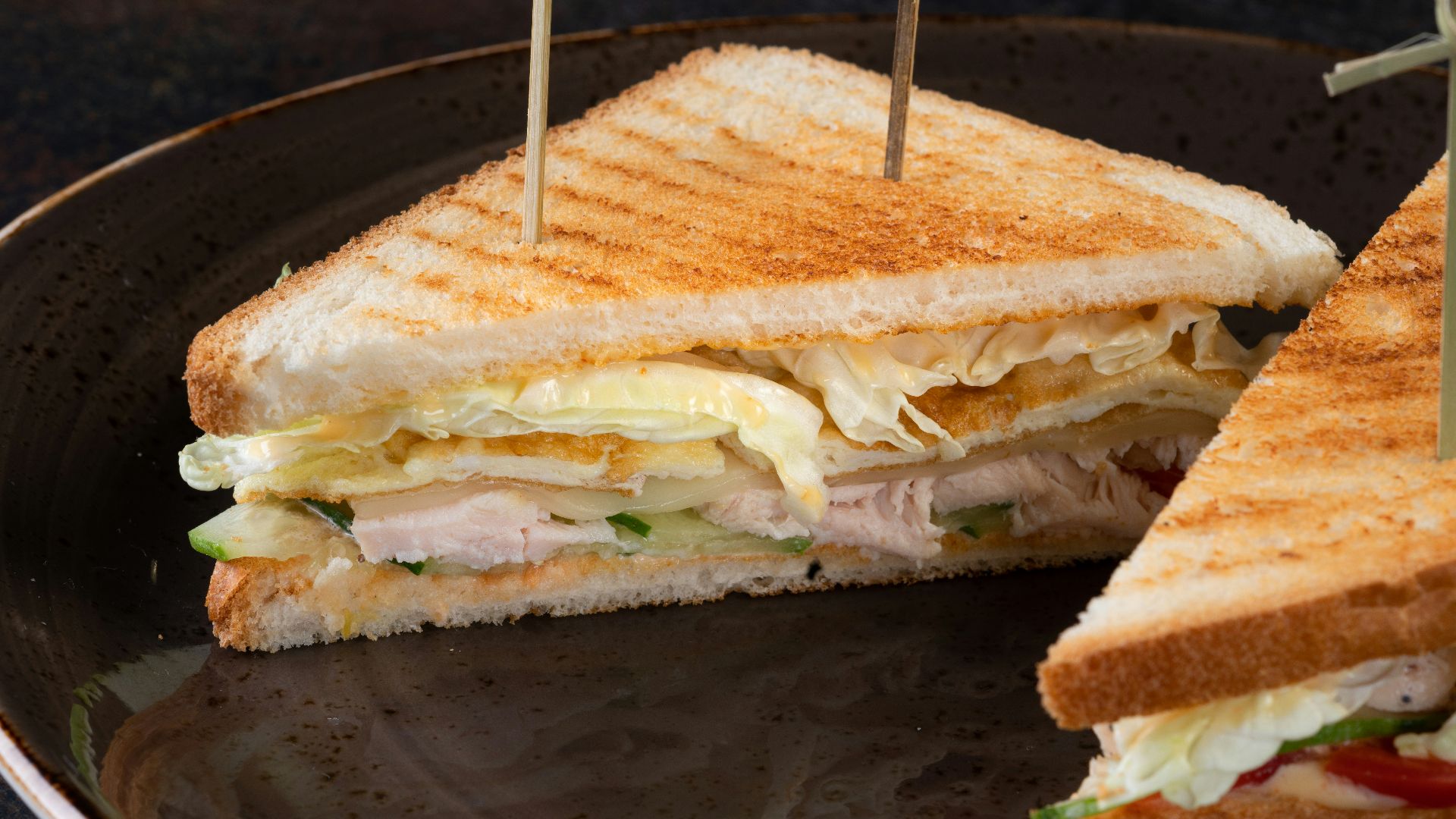
18. Stretching a Roast into Several Meals
A Sunday roast could become sandwiches on Monday and soup on Tuesday. Making enough for several meals saved time and stretched the grocery budget, especially when feeding a large family. Even the bones and scraps had a use, often going into a pot of stock rather than being thrown away.
 David Foodphototasty on Unsplash
19. Timing Dishes to Finish Together
Getting everything to the table hot meant working backward from the moment people would sit down. The main course went into the oven first, and quick vegetables waited until the last few minutes. Cooks carried that schedule in their heads, and few people wrote it down.
20. Cooking with the Seasons
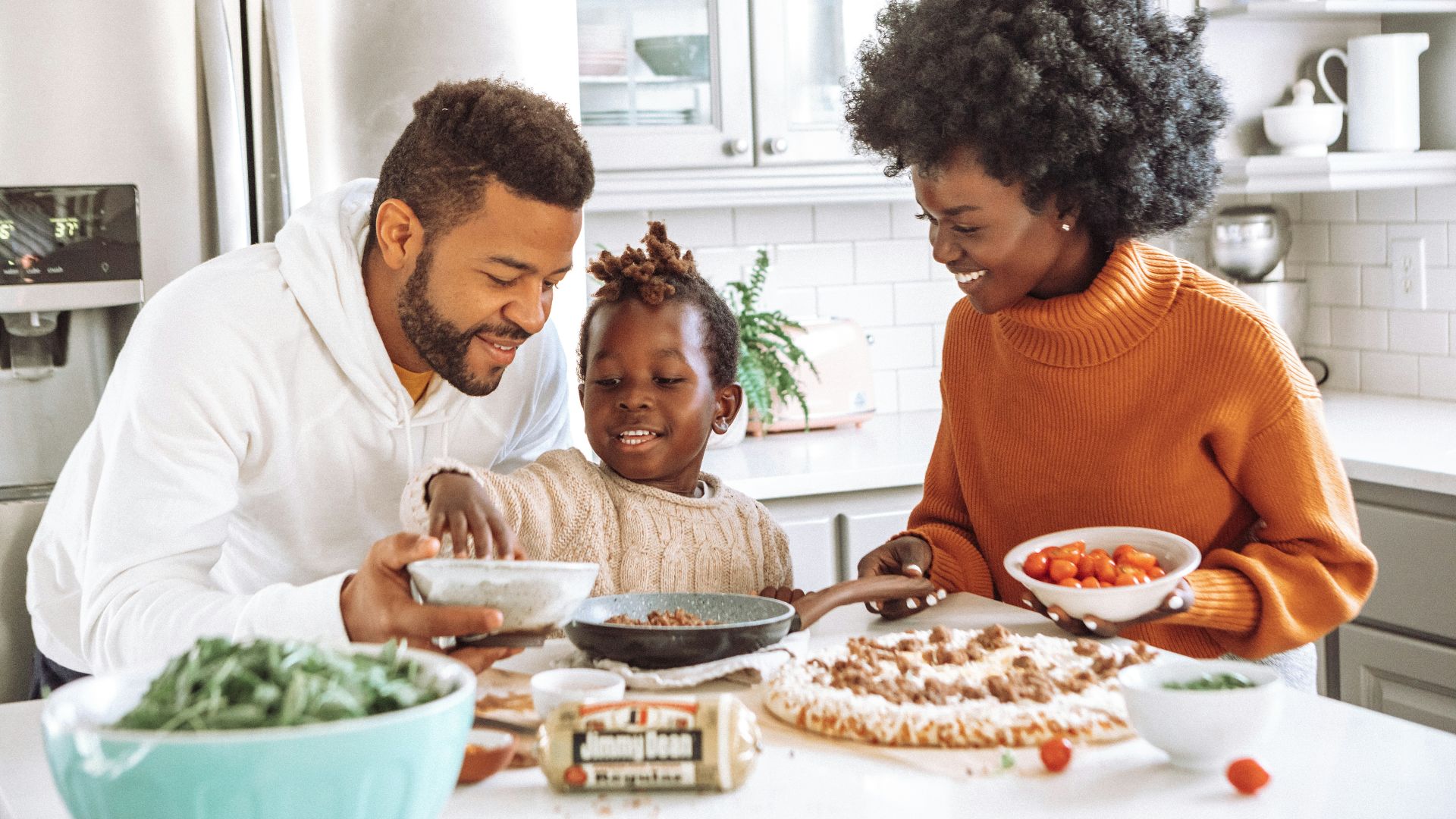
Families once planned their meals around whatever was in season. Strawberries arrived in late spring, squash appeared in fall, and the menu depended on what was fresh and affordable. Learning to make the most of seasonal ingredients was a practical skill, especially before supermarkets began stocking produce shipped from around the world.
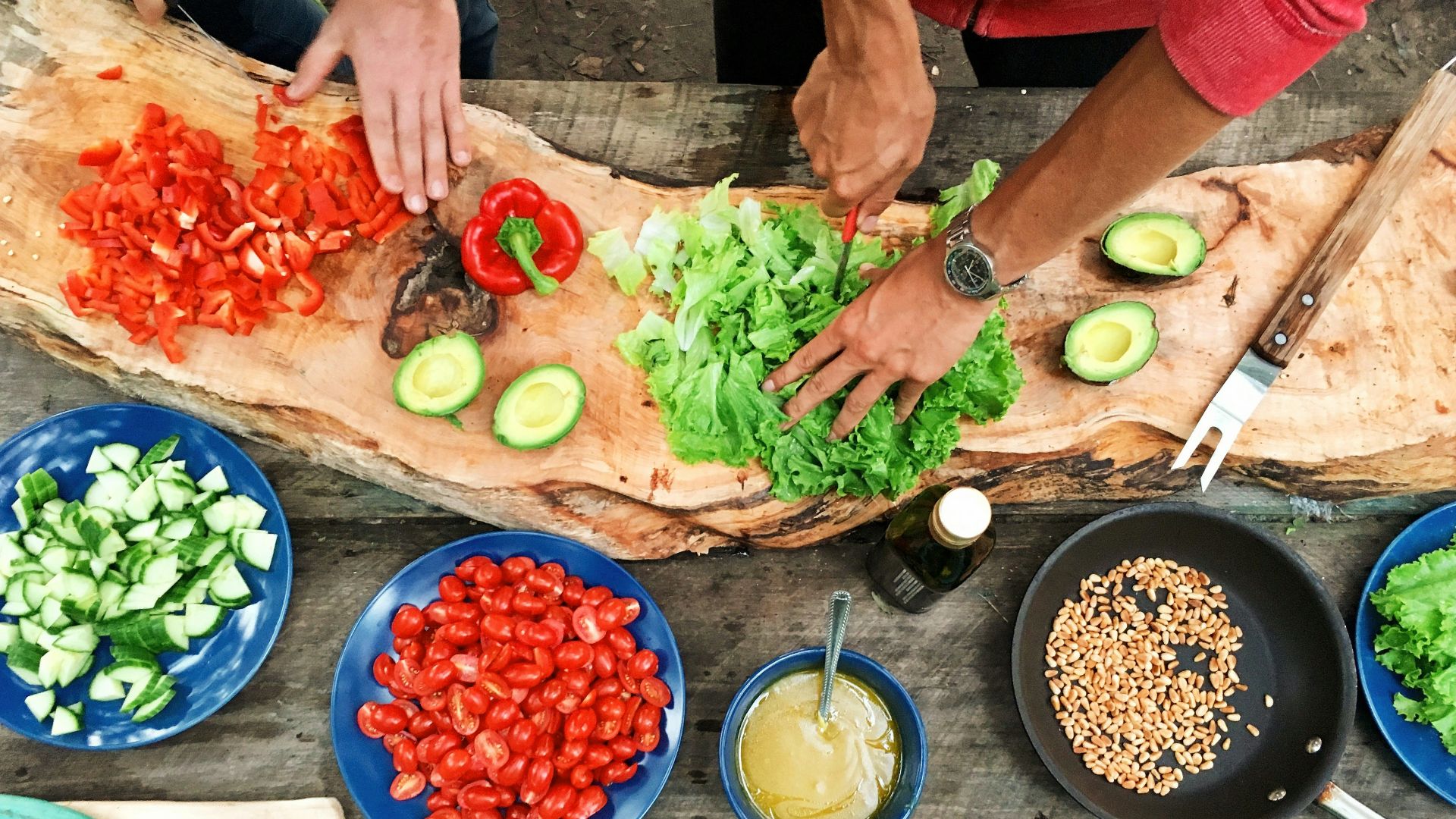 Maarten van den Heuvel on Unsplash
KEEP ON READING
The Most Popular Signature Dishes Around the World