20 Famous Foods You Didn't Realize Were Named After Cities
Did You Know These Foods Were Named After Cities?
We grow so accustomed to seeing these foods on menus, at grocery stores, and on our dinner tables, we rarely give a second thought to their name origins. Many of our most beloved foods, dishes, and condiments take their name from a city, and usually have a story that follows. From the humble hamburger to the delightful tangerine, here are 20 foods that you might not have known are named after cities.
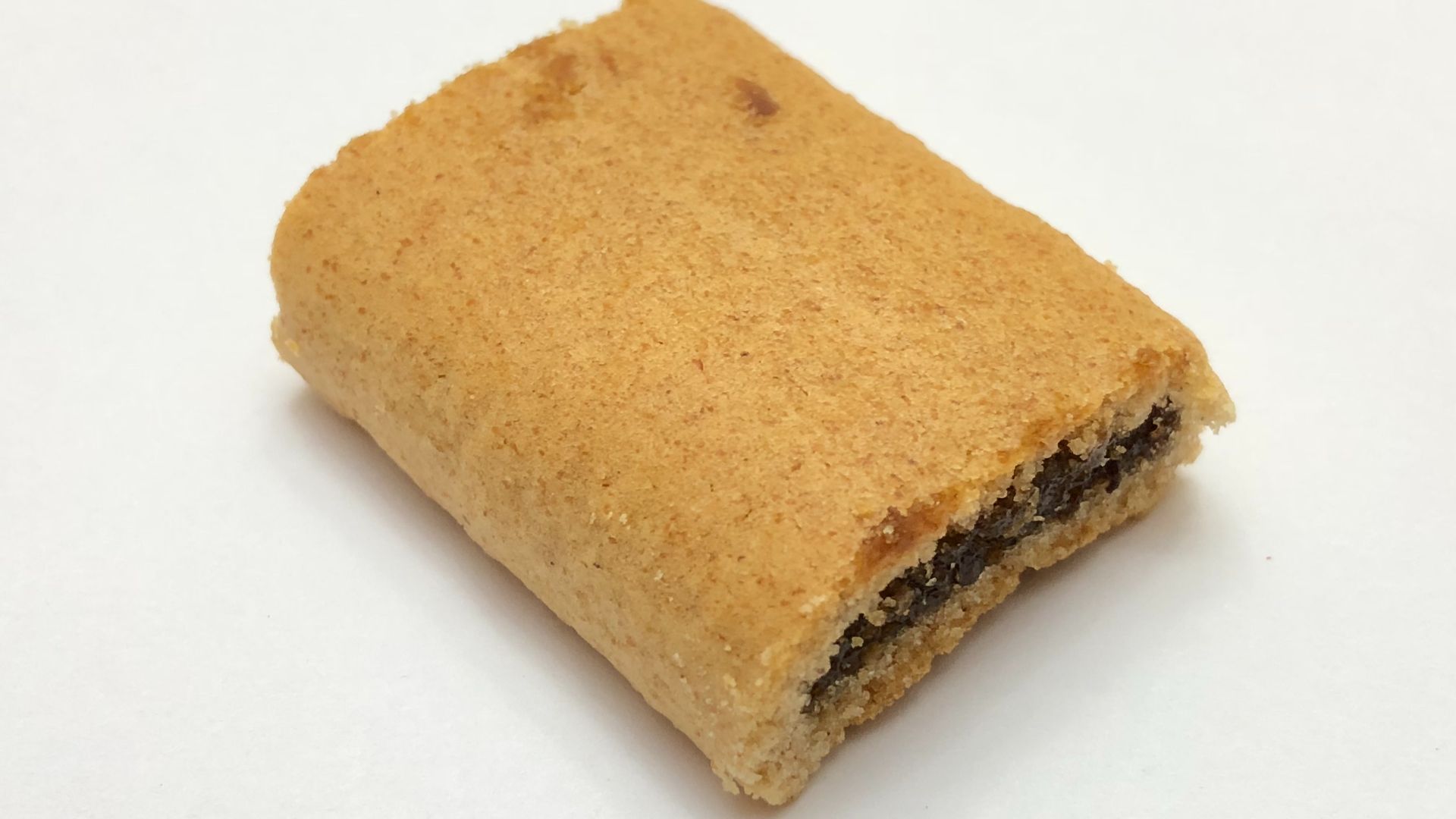
1. Fig Newton
Many assume this beloved cookie is named after physicist Isaac Newton, but it's actually named after the town of Newton, Massachusetts. A Philadelphia baker invented the recipe and sold it to the Kennedy Biscuit Company of Cambridgeport, Massachusetts, but they thought the neighboring town of Newton had a better ring to it.
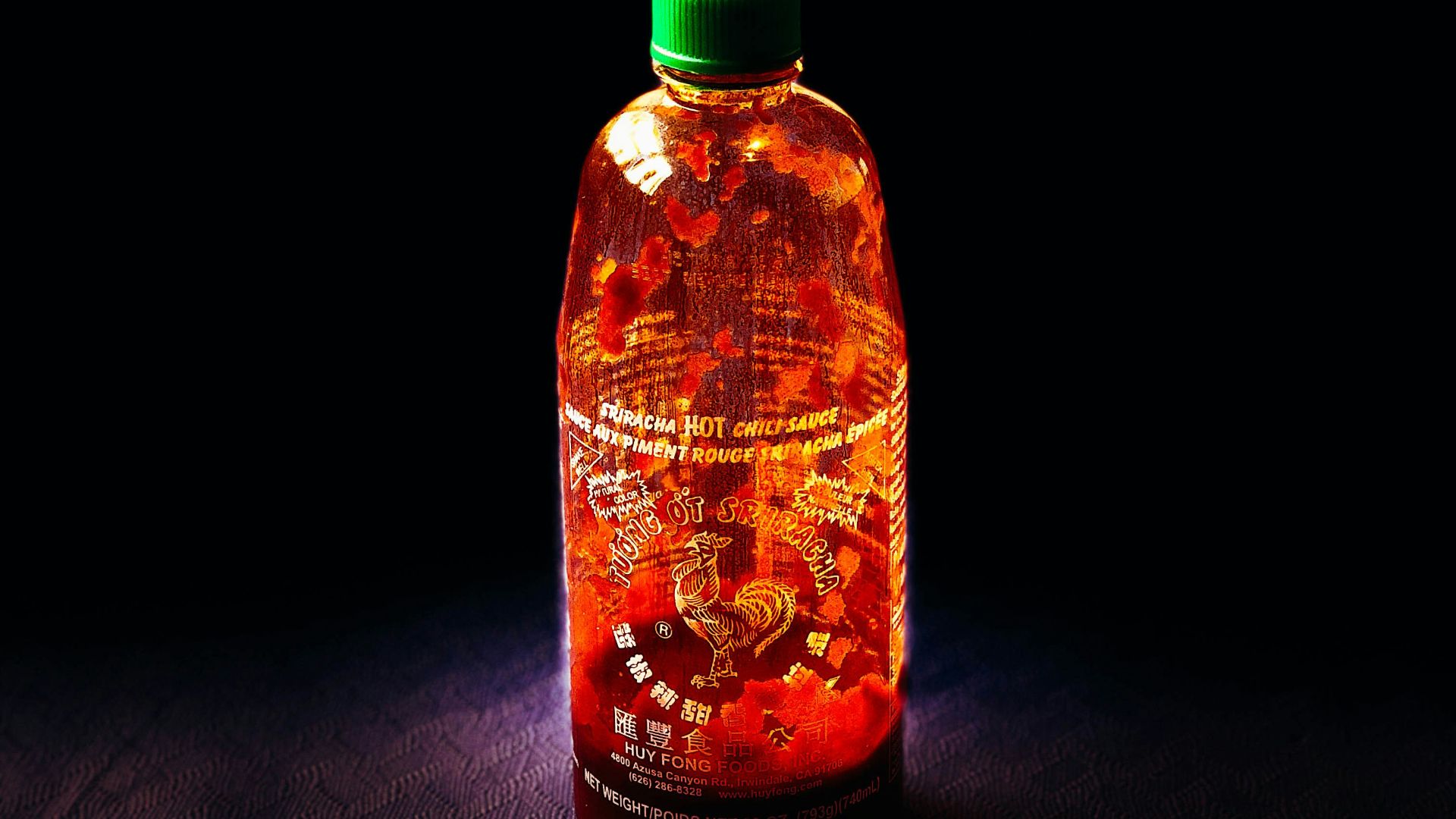
2. Sriracha
This beloved spicy spicy gained an international reputation thanks to the Los Angeles-based company Huy Fong Foods. However, its name harkens back to its roots in the coastal city of Si Racha, Thailand.
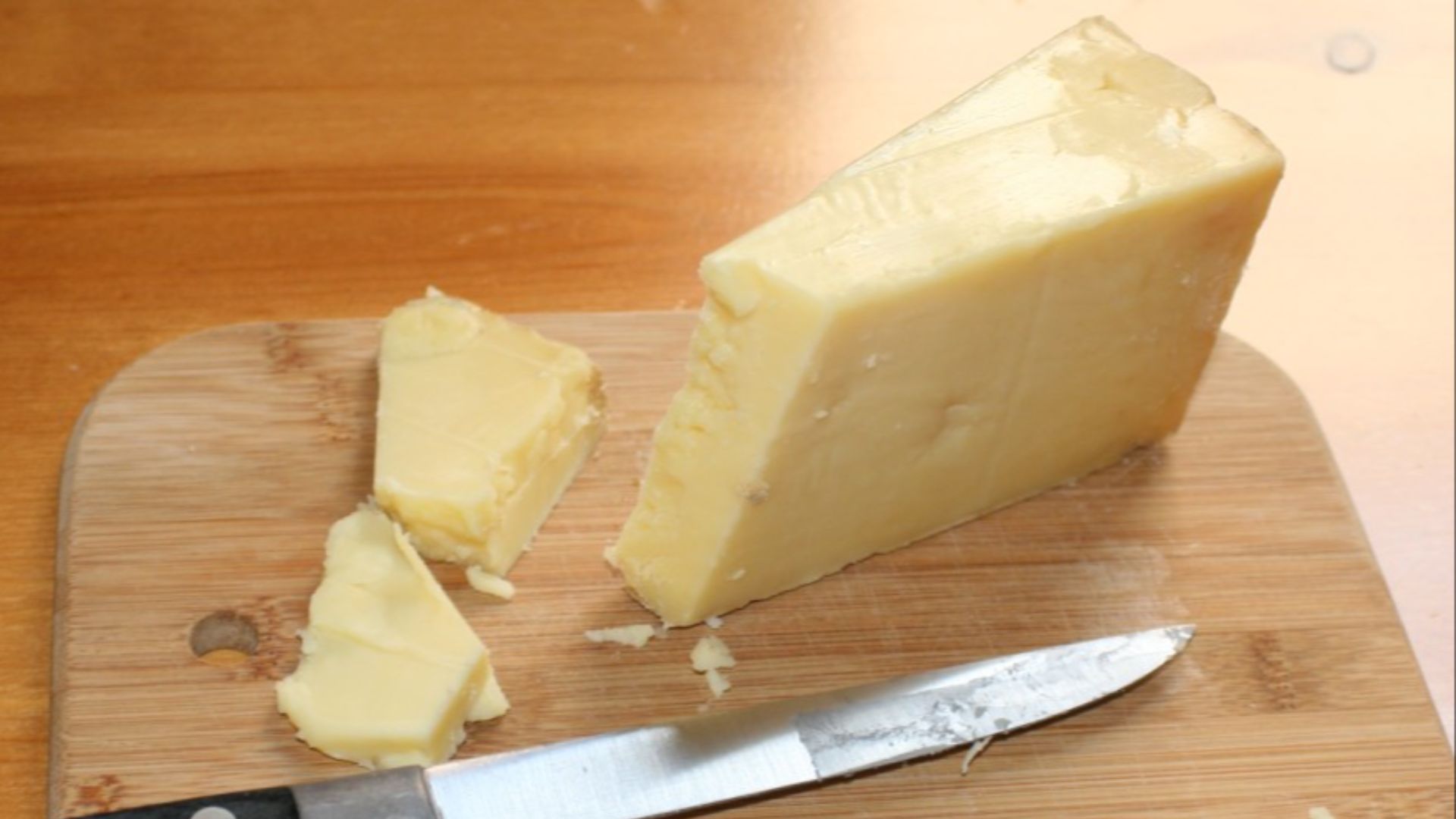
3. Cheddar Cheese
Cheddar cheese is named after the village of Cheddar in Somerset, England, where they've been producing the sharp, tangy cheese since the 12th century. The town's many caves provided the perfect environment for aging the cheese.
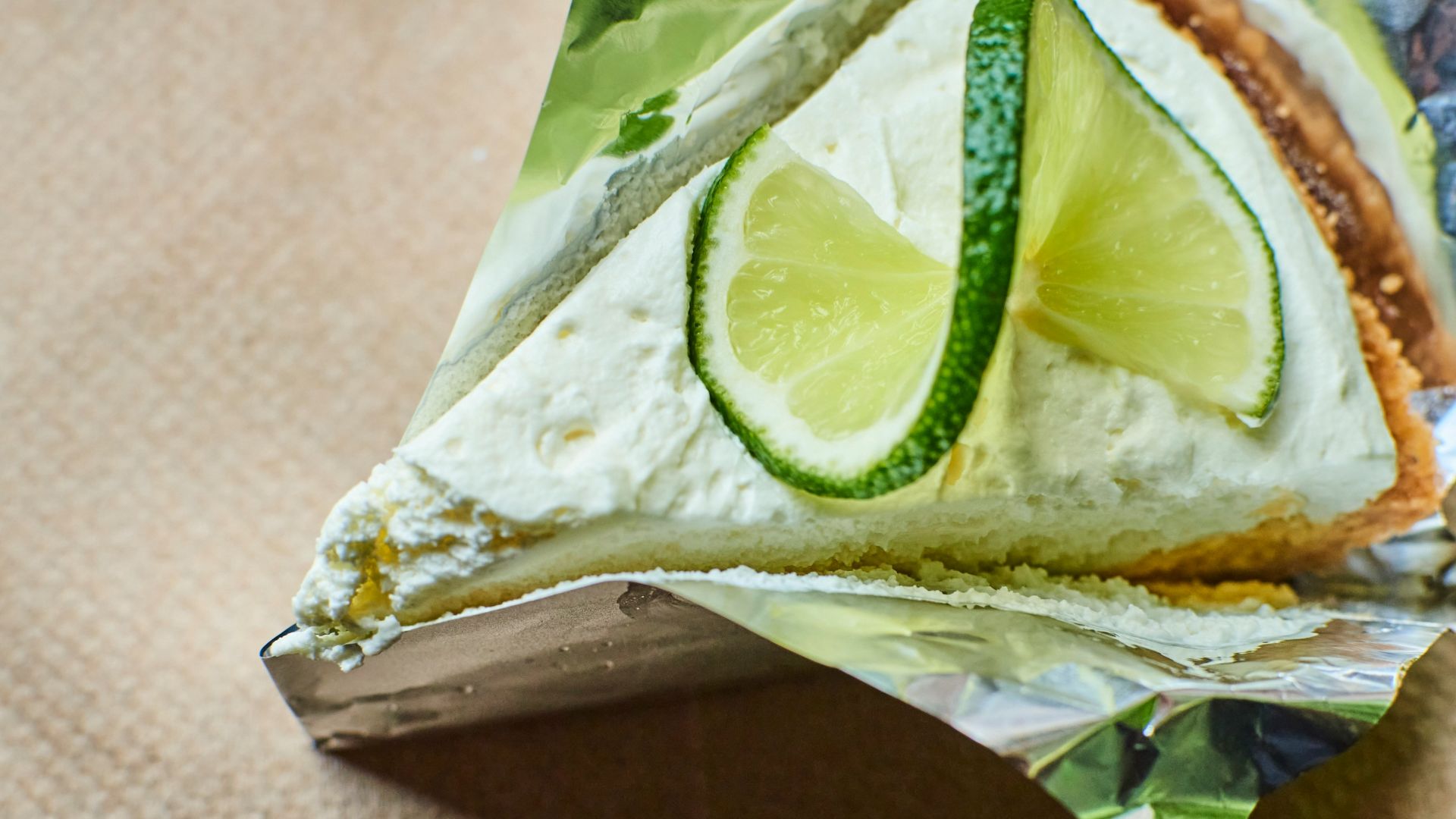
4. Key Lime Pie
Key lime pie is made from a special kind of lime that's smaller, rounder, and sweeter than the classic one. Although key limes originated in Southeast Asia, the Key West area in Florida is where they're commonly cultivated. It's also the birthplace of the tantalizing dessert.
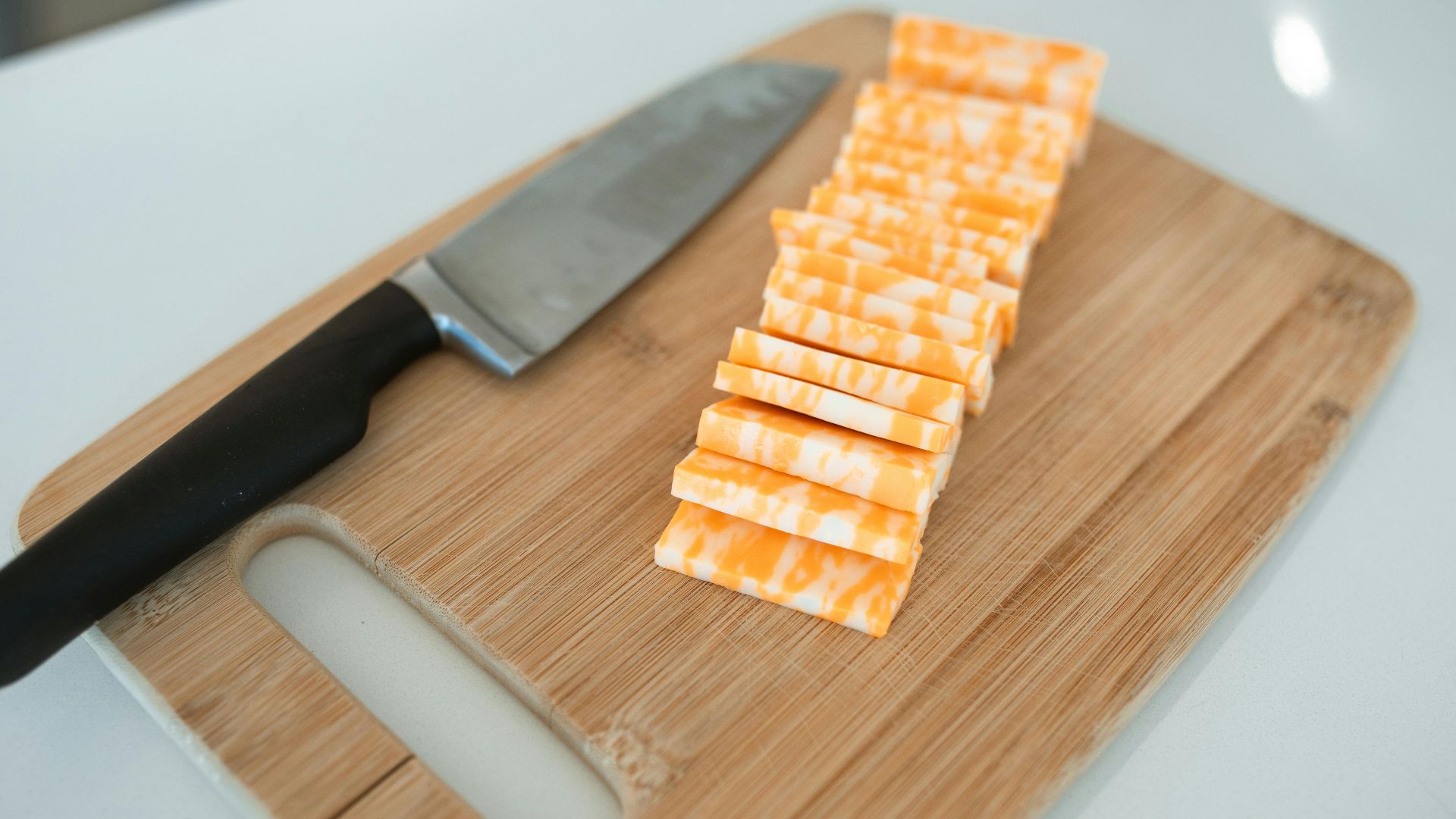
5. Monterey Jack Cheese
Monterey Jack cheese was first created in Monterey, California. The earliest versions of the mild, creamy cheese were made by Franciscan friars in the 18th century, but the popularization is attributed to Californian dairyman David Jacks.
6. Lima Beans
The Lima bean is native to much of Central and South America, but nowhere was it more widely cultivated and commercialized than around Lima, Peru. They were shipped to other parts of the Americas and Europe in crates labelled "Lima, Peru," so, naturally, people started calling them Lima beans.
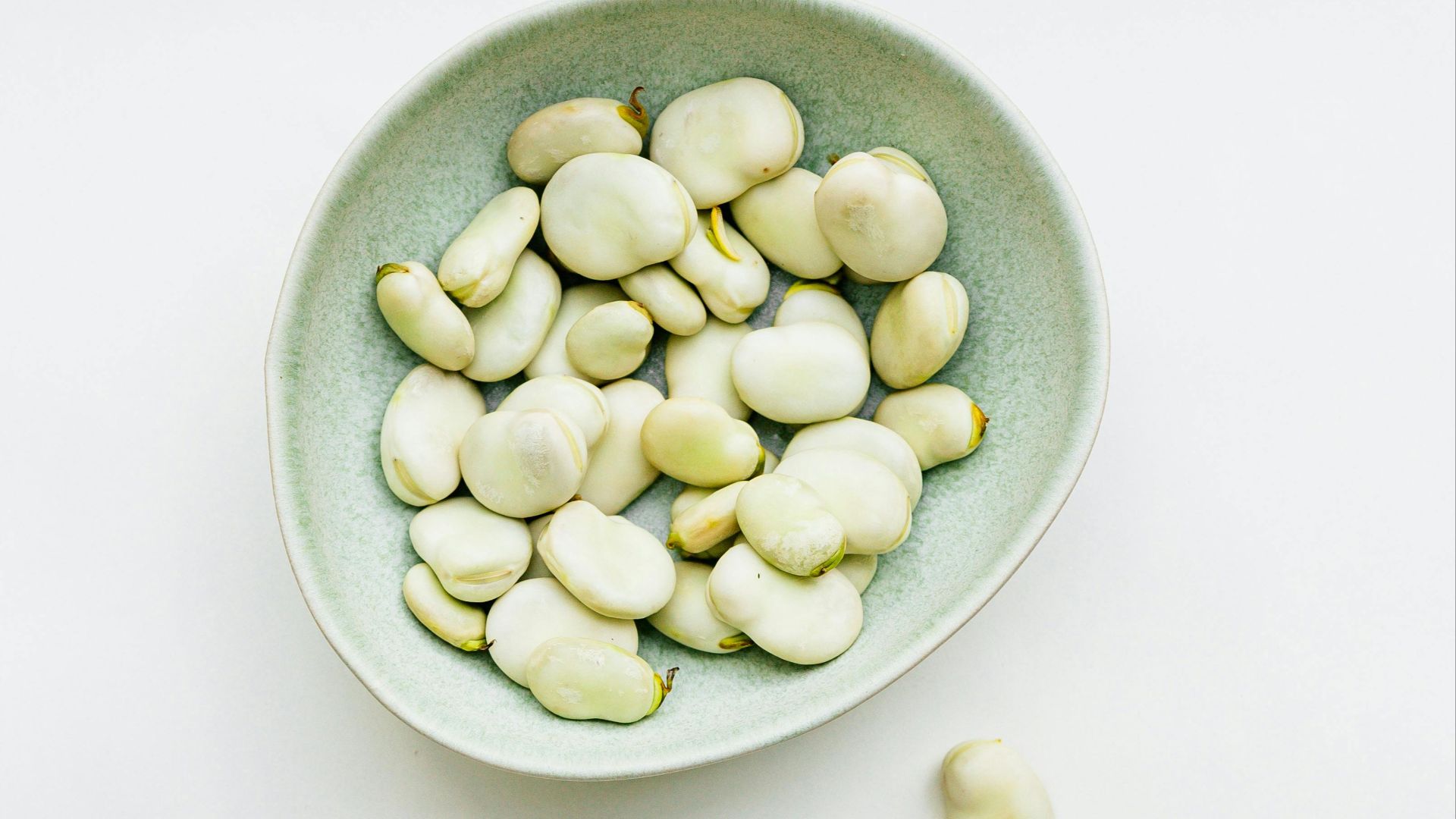 Photo By: Kaboompics.com on Pexels
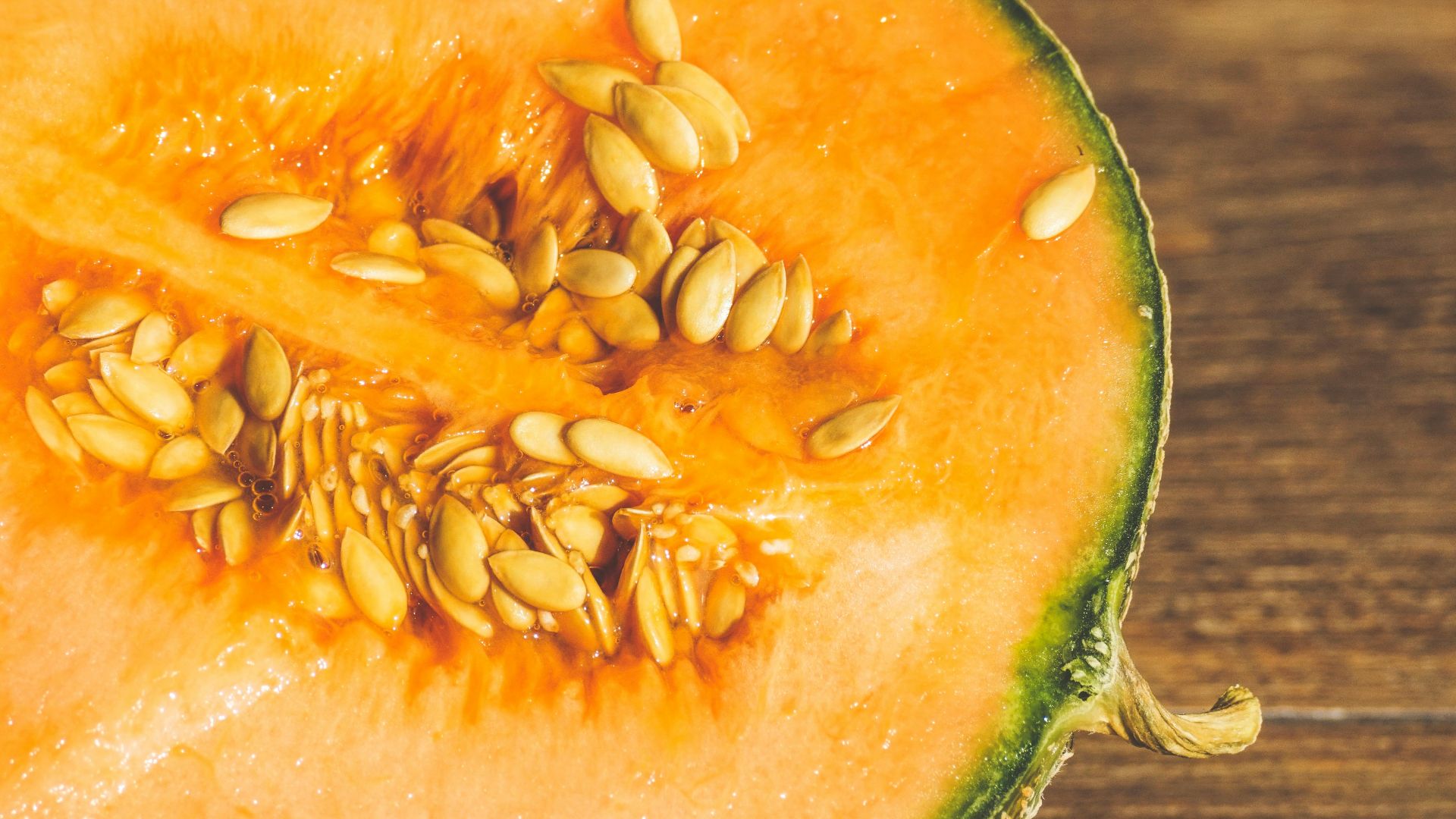
7. Cantaloupe
This sunny orange-fleshed sweet melon first arrived in Italy from Persia in the 15th century. It was planted in the Papal Gardens of a commune in the town of Cantalupo, near Rome.
 Susanne Jutzeler, suju-foto on Pexels
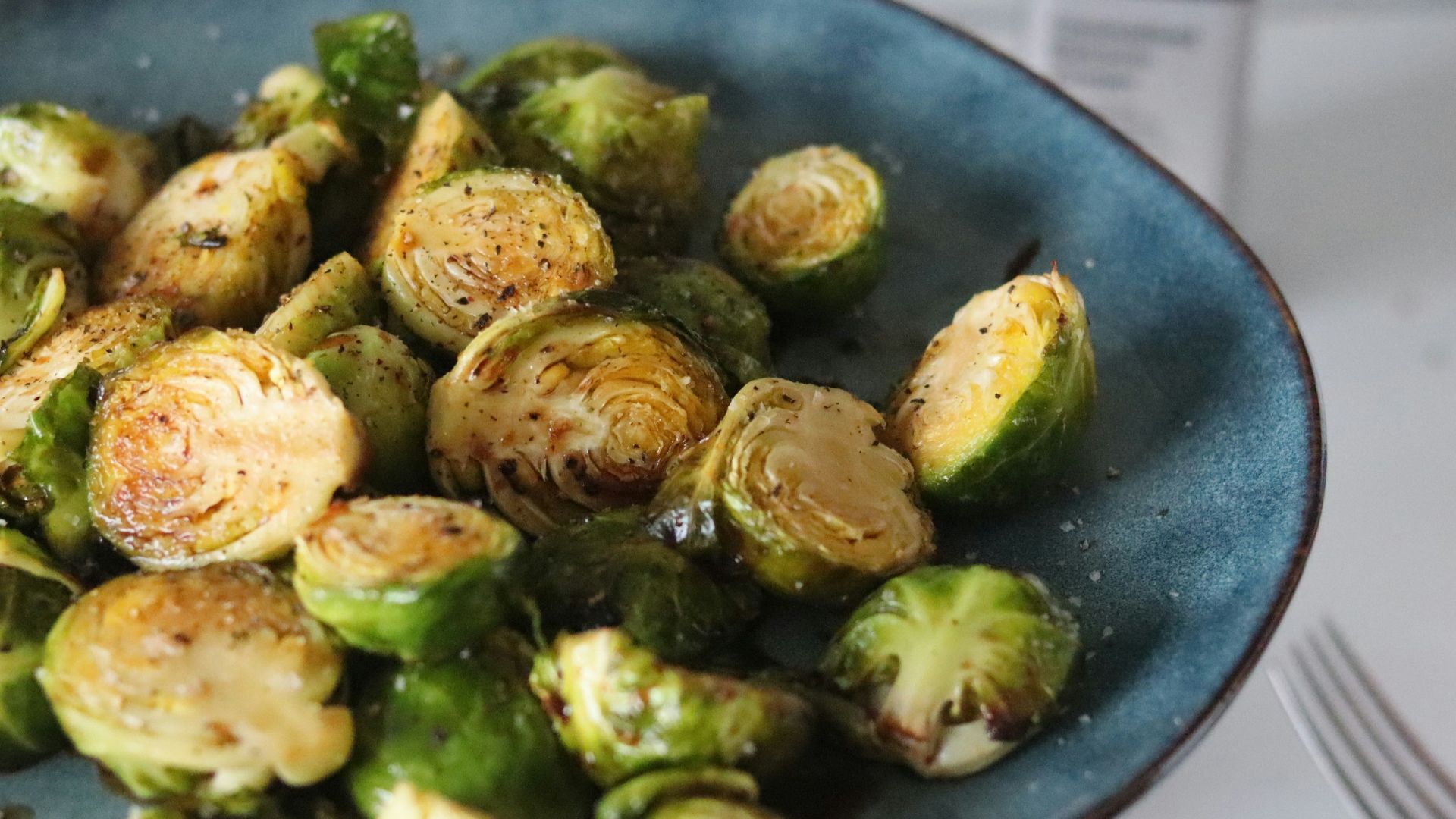
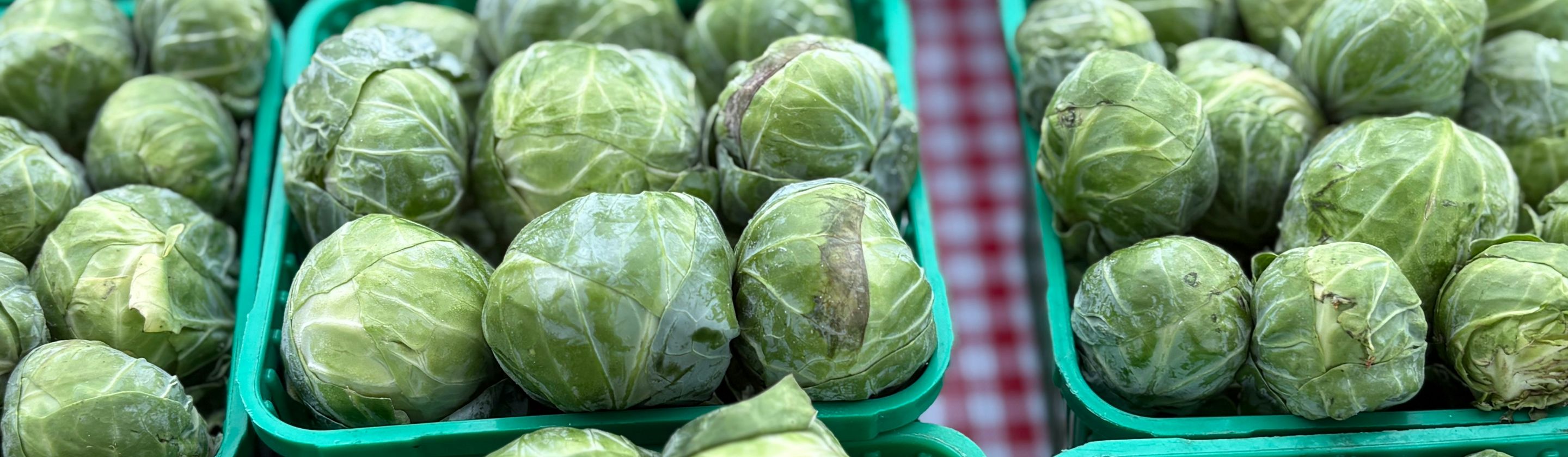
8. Brussels Sprouts
Though native to the Mediterranean, Brussels Sprouts were first widely cultivated beginning in the 16th century in the Belgian city of Brussels. Here, they flourished in Belgium's cooler, damper weather.
9. Wiener
Wieners are the thin, parboiled sausages we associate with summer barbecues and downtown hot dog stands, but they originate in Vienna, Austria. The name Wiener is the German word for "Viennese."

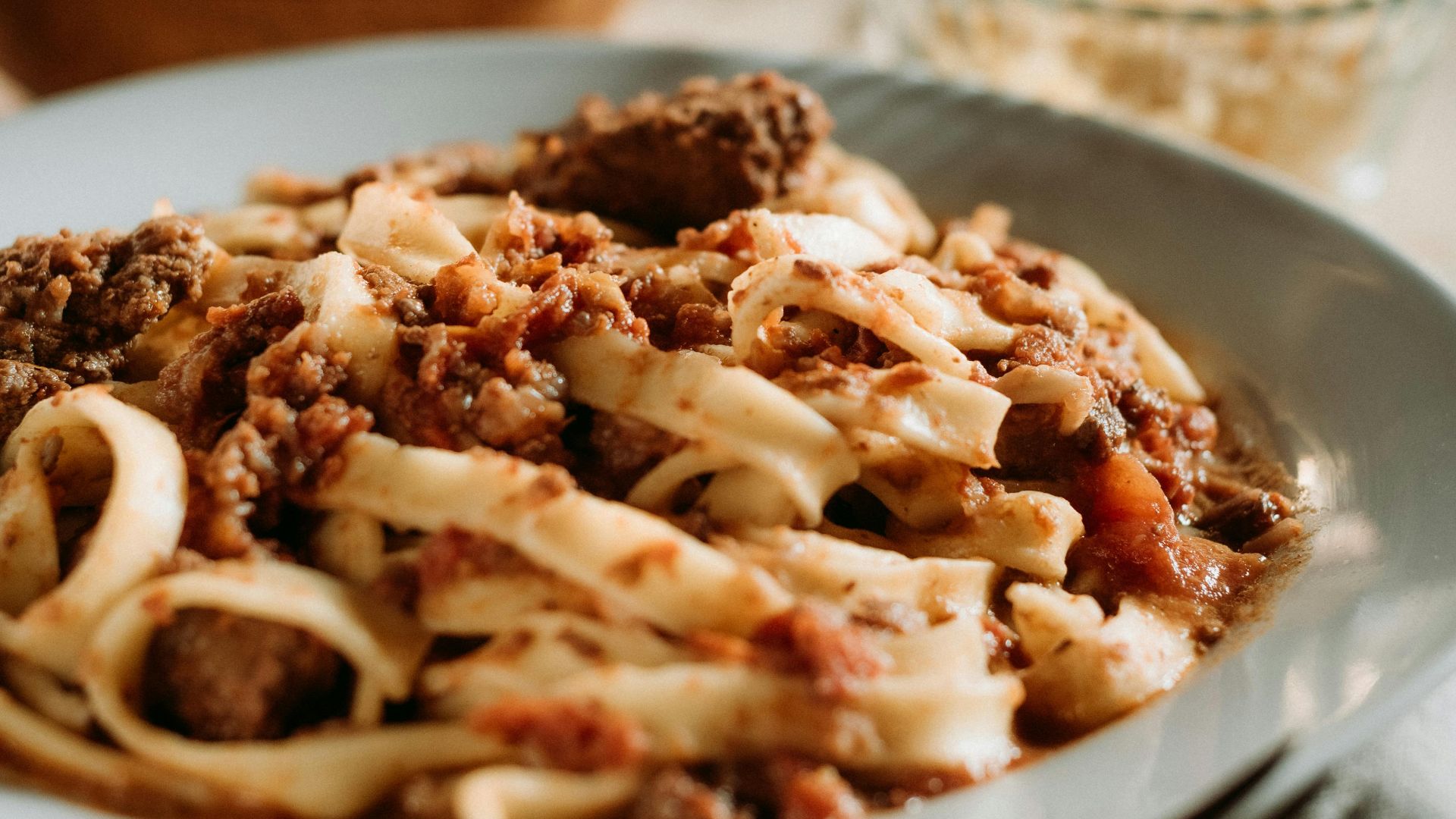
10. Bolognese Sauce
The rich meat sauce originates in the Northern Italian city of Bologna, where it gets its name. The traditional version is way more meaty with fewer tomatoes than the American version, and it's always served over tagliatelle, never spaghetti.
 Carlos Manuel Pelliccia on Pexels
11. Frankfurter
A frankfurter is a smoked pork sausage originating in the city of Frankfurt, Germany. It's different from an American hot dog because it's not usually served in a bun, but instead, with sauerkraut and onions. It was popularized as a street food in the US by early German immigrants.

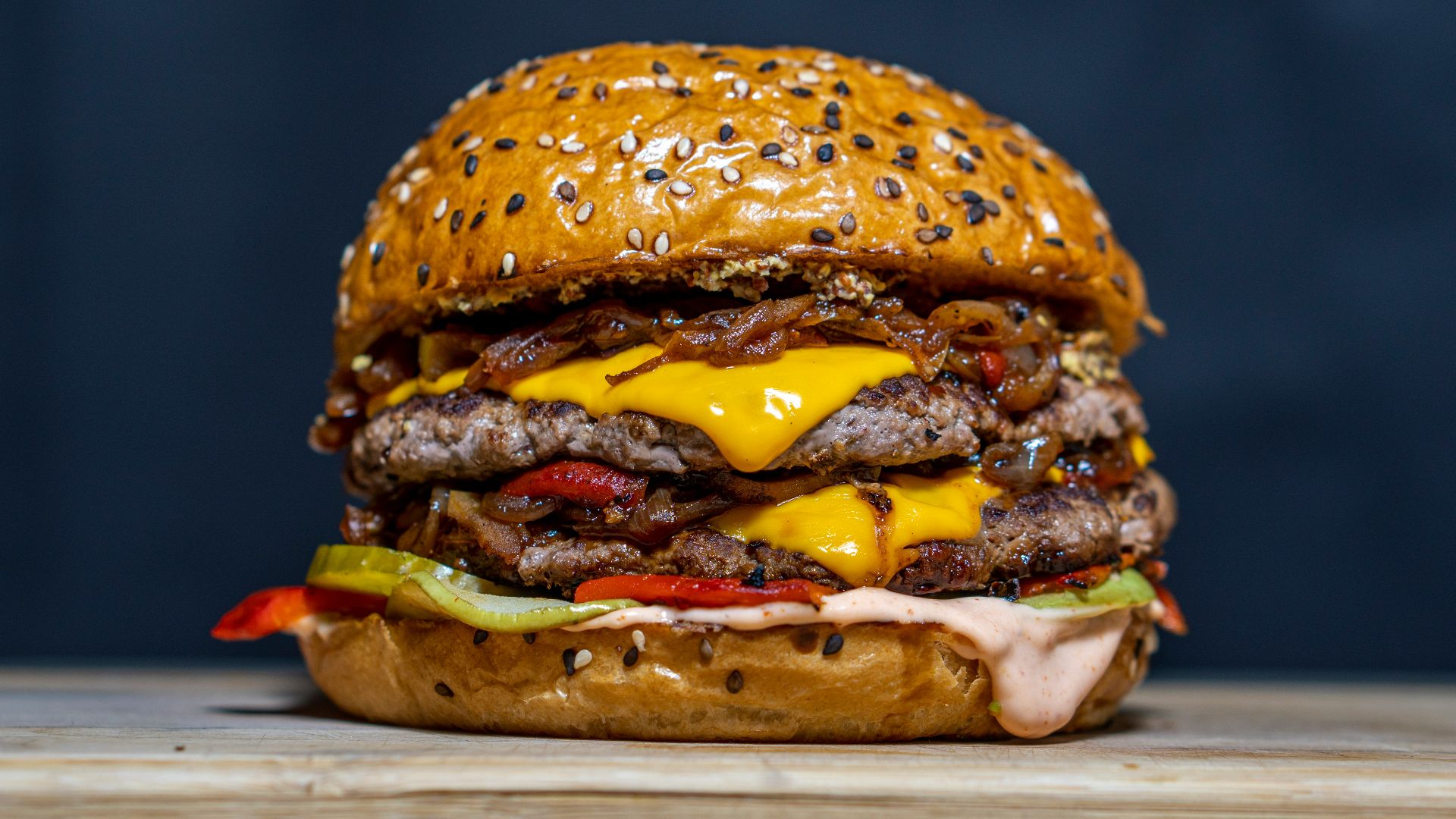
12. Hamburger
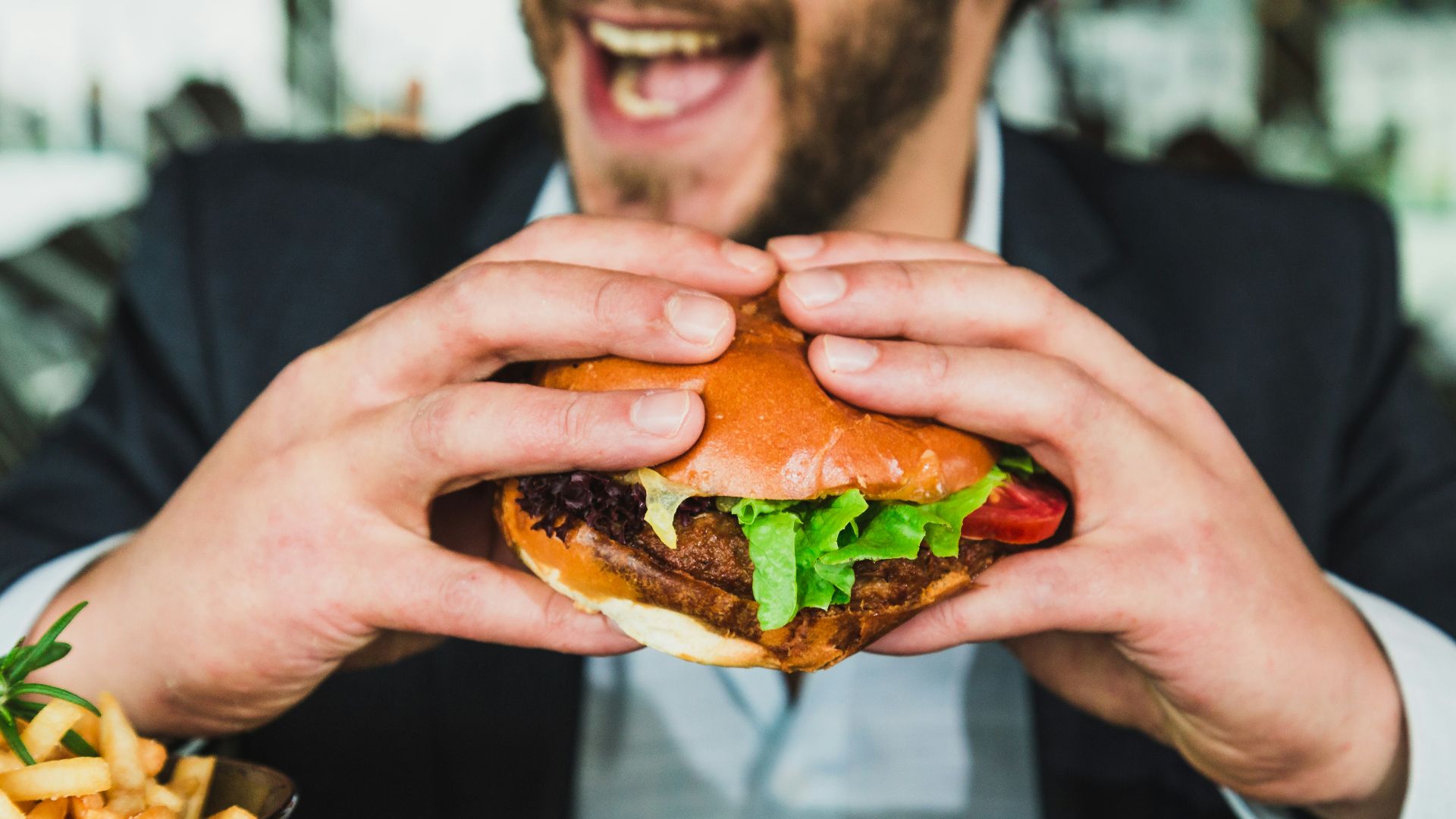
Hamburgers are heavily associated with American food, but the original hamburger steak originated in Hamburg, Germany, where it got its name. It was likely across the pond that it started being served inside a bun, however.
 amirali mirhashemian on Unsplash
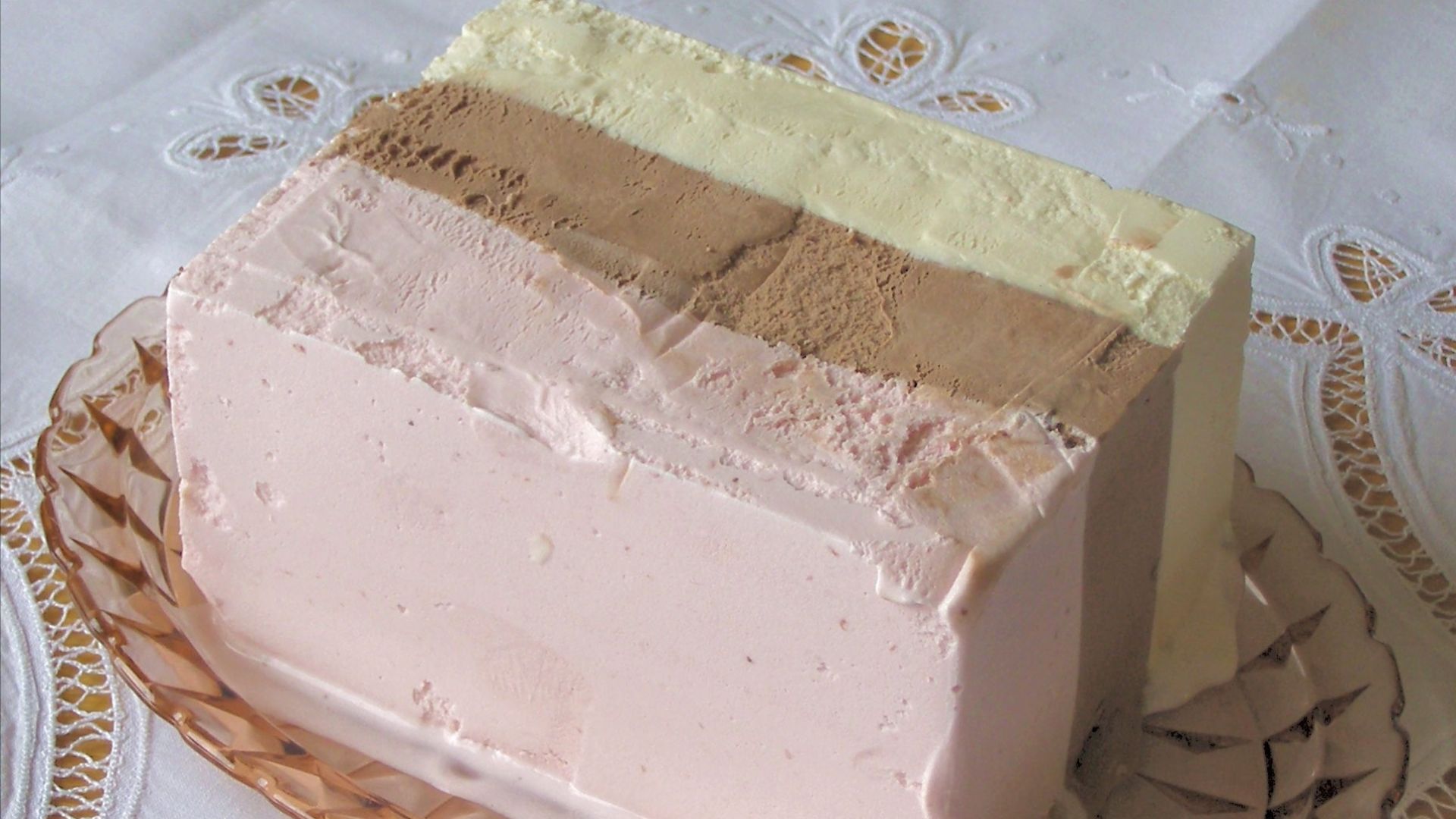
13. Neapolitan Ice Cream
Neapolitan Ice Cream is named after Naples, Italy, but its origins are actually in the US. The term "Neapolitan" was originally used to describe any ice cream served by immigrants from Naples, but eventually came to be associated with the specific three-flavor combination of chocolate, vanilla, and strawberry.
14. Cayenne
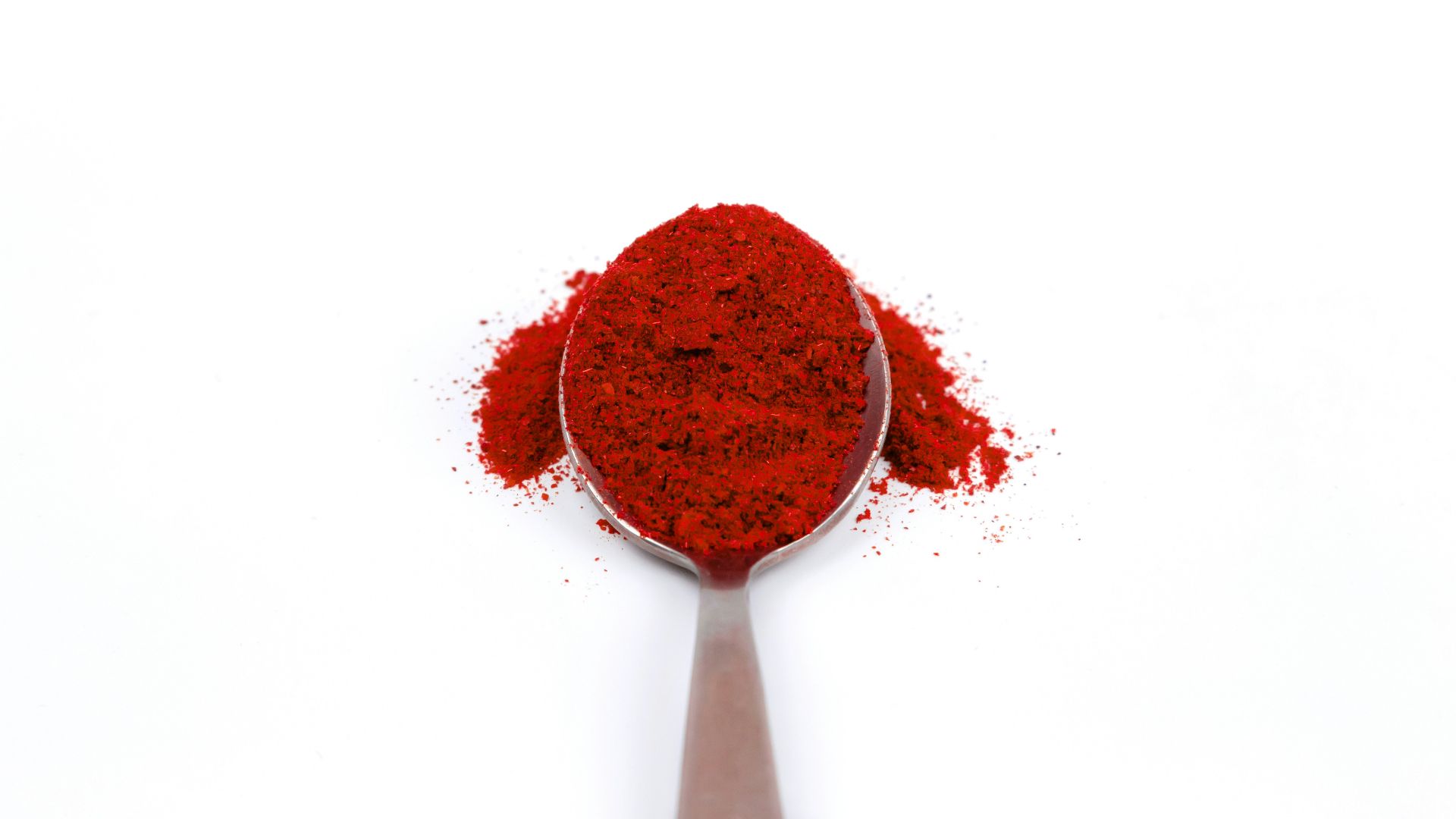
Cayenne pepper may take its name from the Amazonian Indigenous word for "pepper," but there's also speculation that it takes its name from Cayenne, the capital city of French Guiana. The pepper originates in this part of the world, and it's also the name of the main river in the region.
 Volodymyr Hryshchenko on Unsplash
15. Habanero
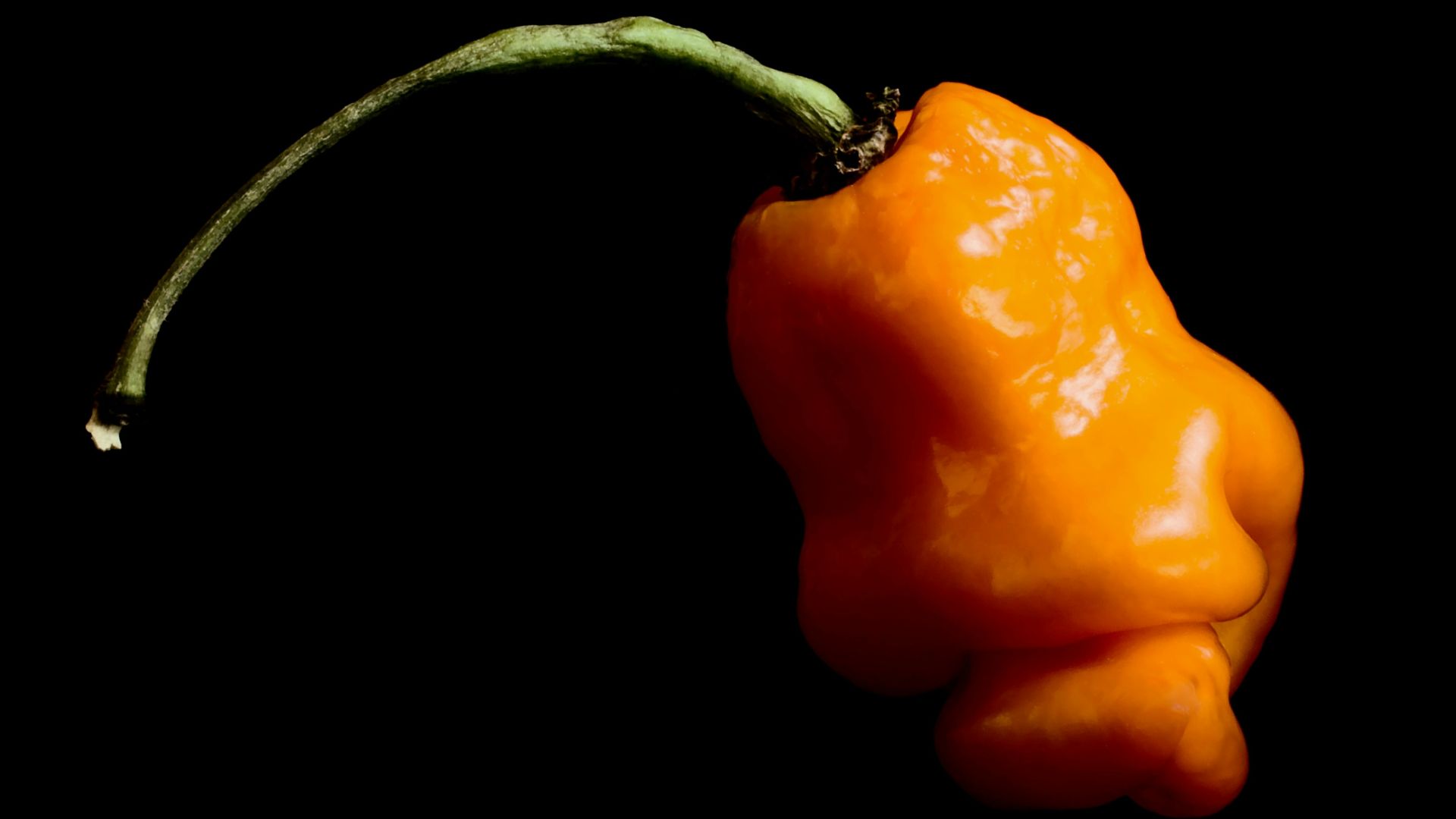
Habanero pepper originates in the Amazon basin, but it became especially popular in Mexico. The major trading port for the hot peppers was Havana, Cuba, or La Habana, which is where the name was derived.
16. Jalapeño
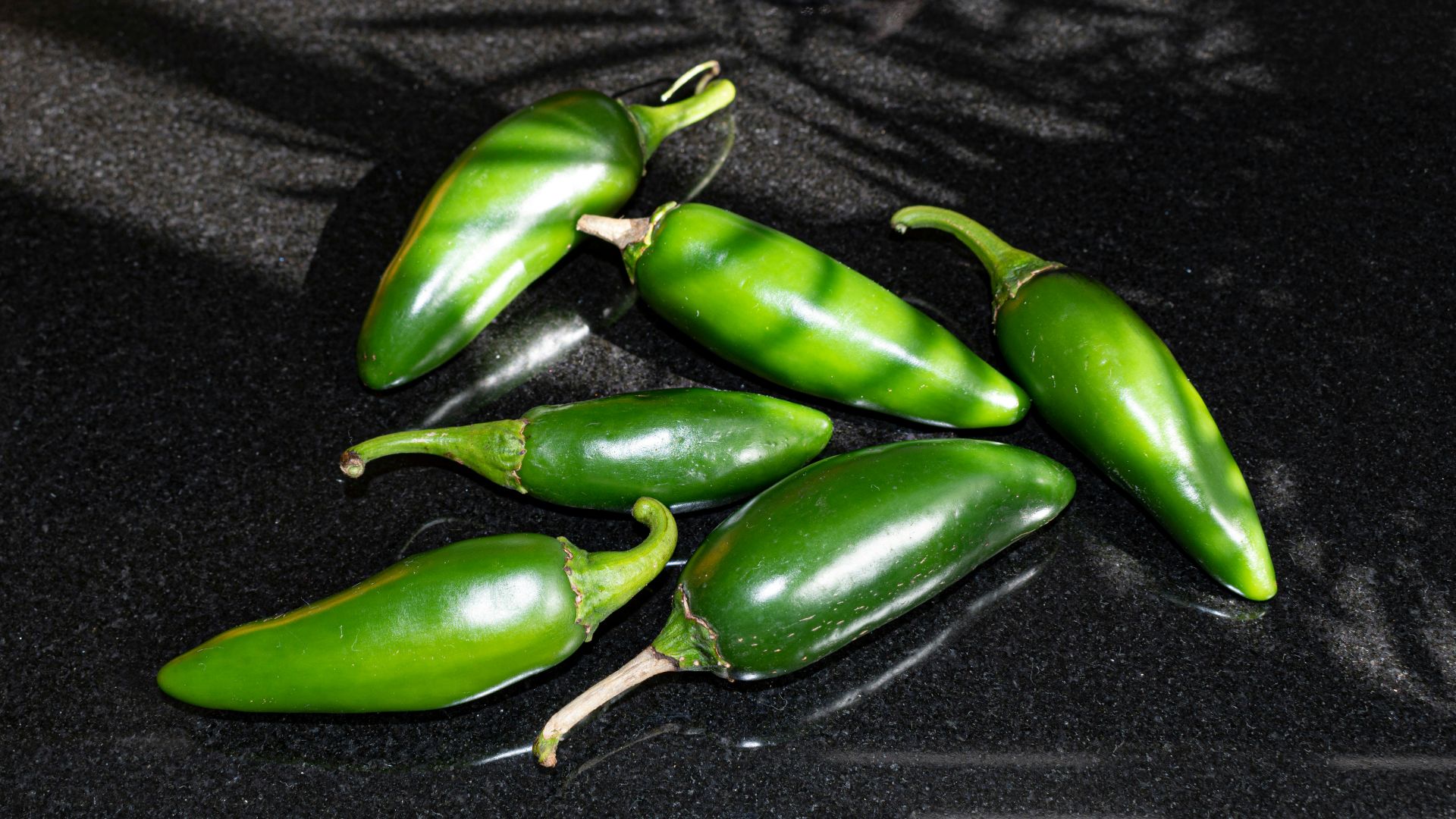
One of the most popular chili peppers in the Americas, the jalapeño gets its name from the Mexican city of Jalapa, where it's widely grown. Jalapeño is Spanish for "from Jalapa."
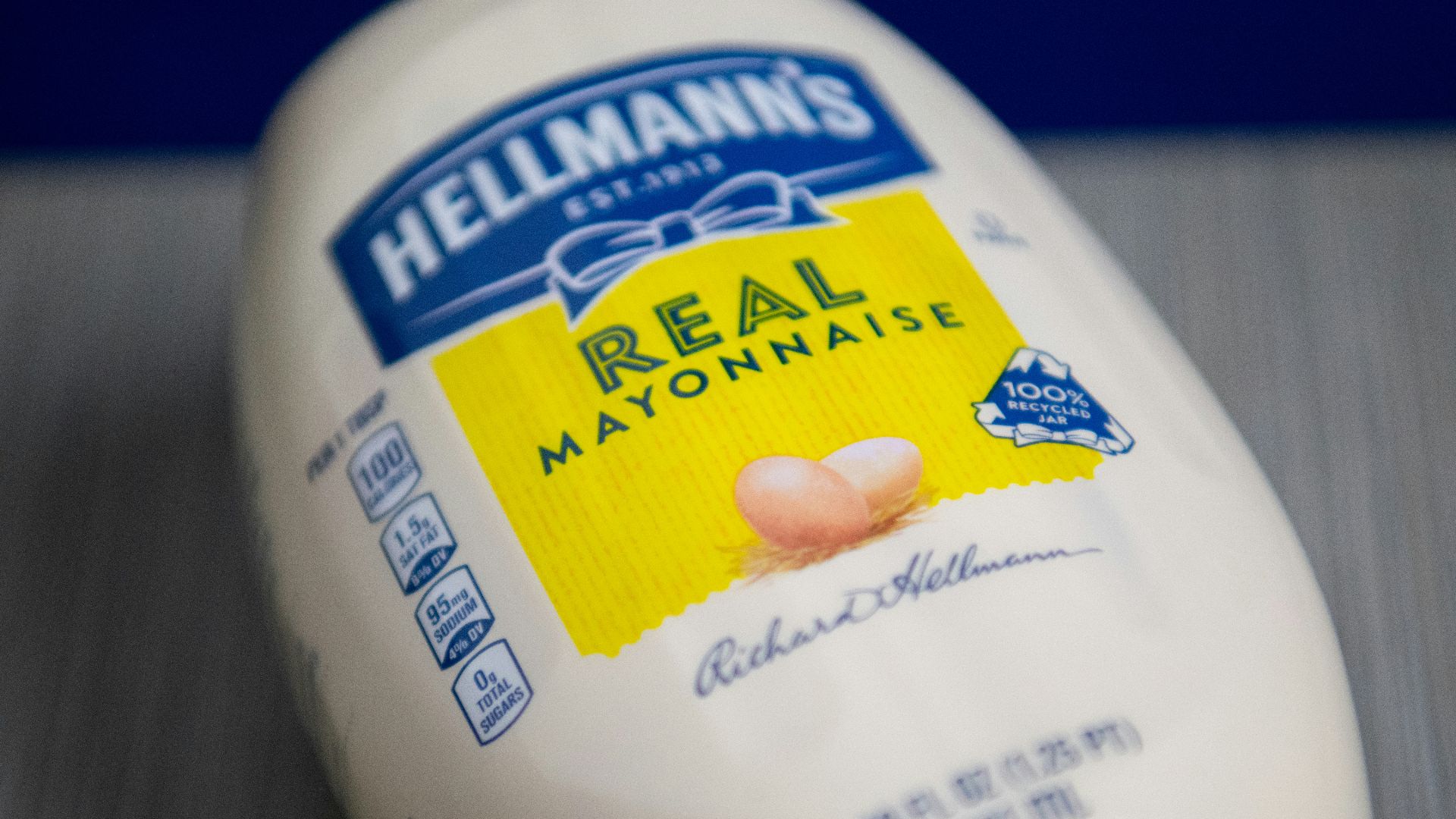
17. Mayonnaise
Although there's some debate among scholars surrounding its origin, mayonnaise likely comes from the Spanish city of Mahón, where it was called "mahonnaise." It was brought to France after the town was captured during the Seven Years' War, and the name was likely francised.
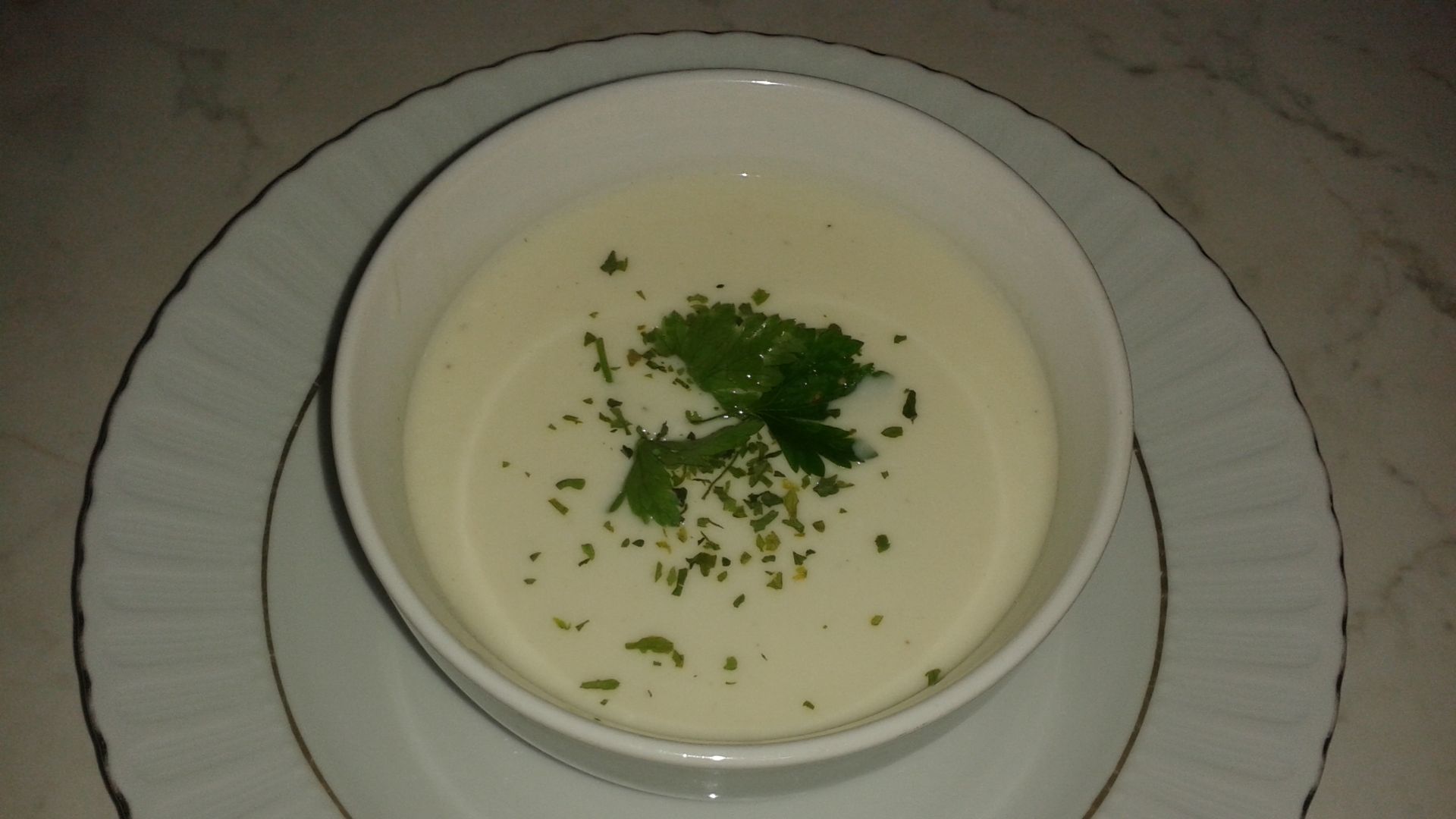
18. Vichyssoise
Vichyssoise, the delectable and creamy cold leek and potato soup, comes from the French spa town of Vichy. Although the dish is named after the town, it's not French. It was created by a French chef working at the Ritz-Carlton in New York, and he named it after his hometown.
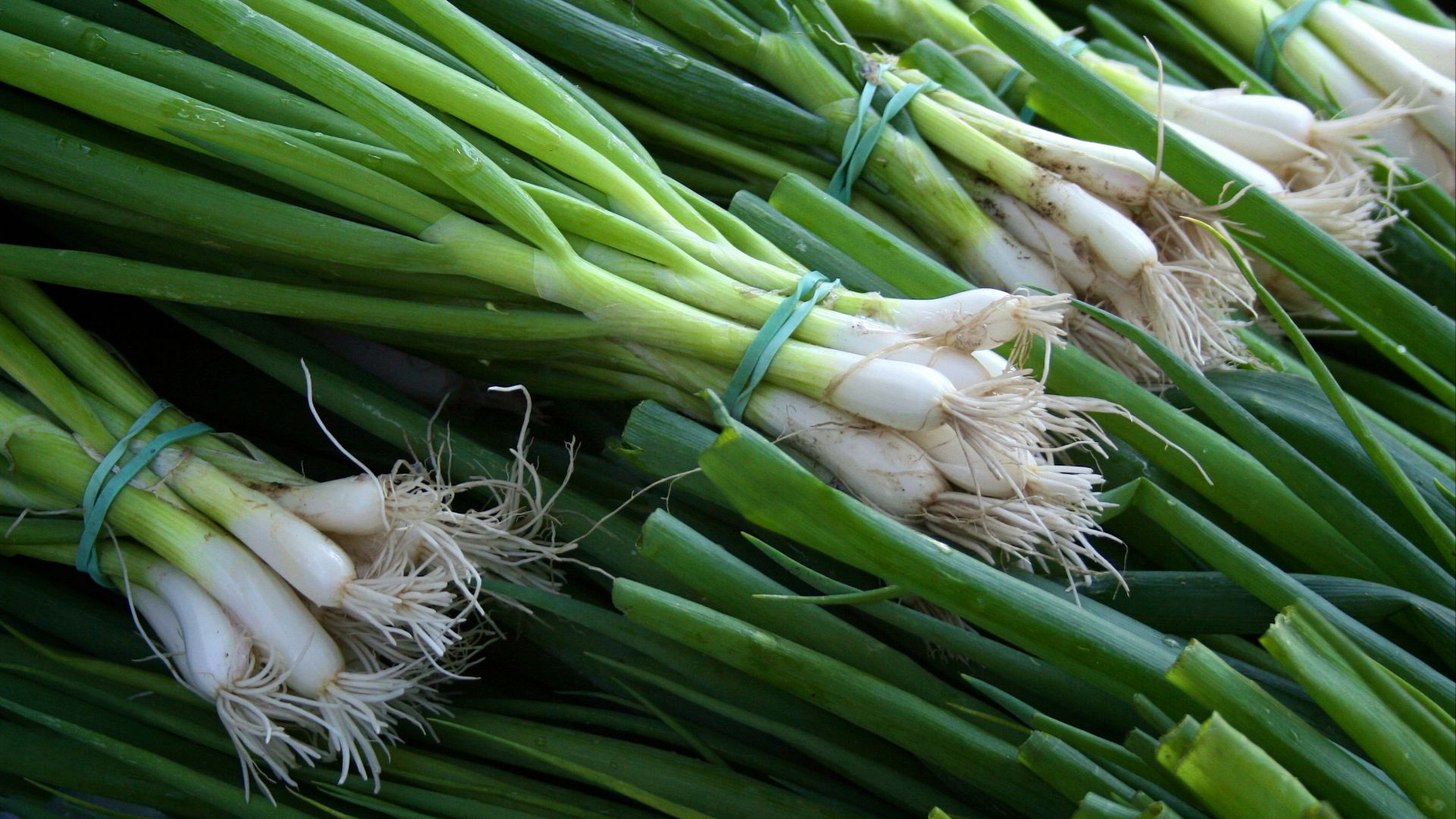
19. Scallion
Despite likely coming from Central Asia, the Greeks thought the scallion originated near Ashkelon, a port city in Modern-day Israel. They named it askolonion after the city.
 Christopher Previte on Unsplash
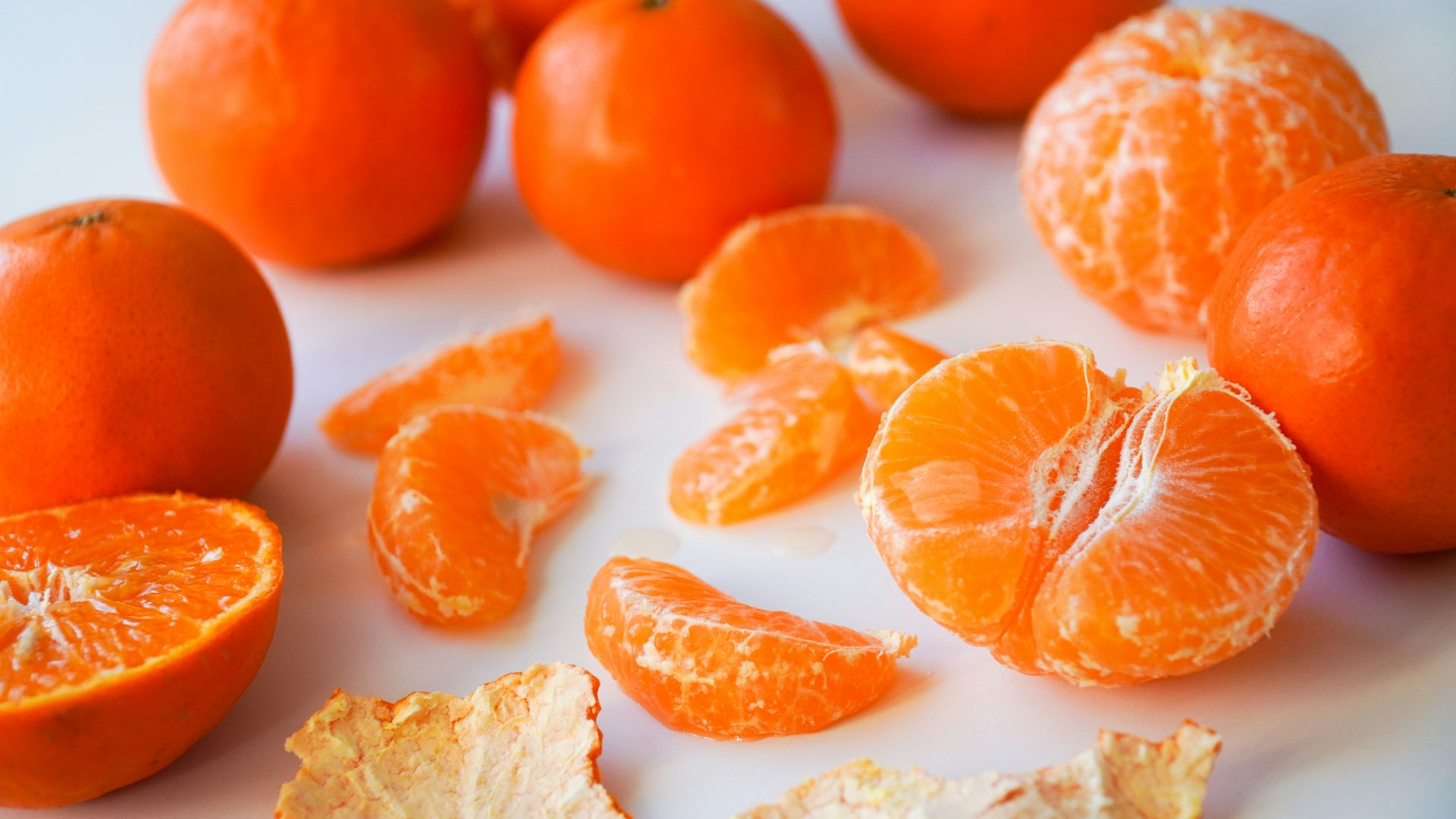
20. Tangerine
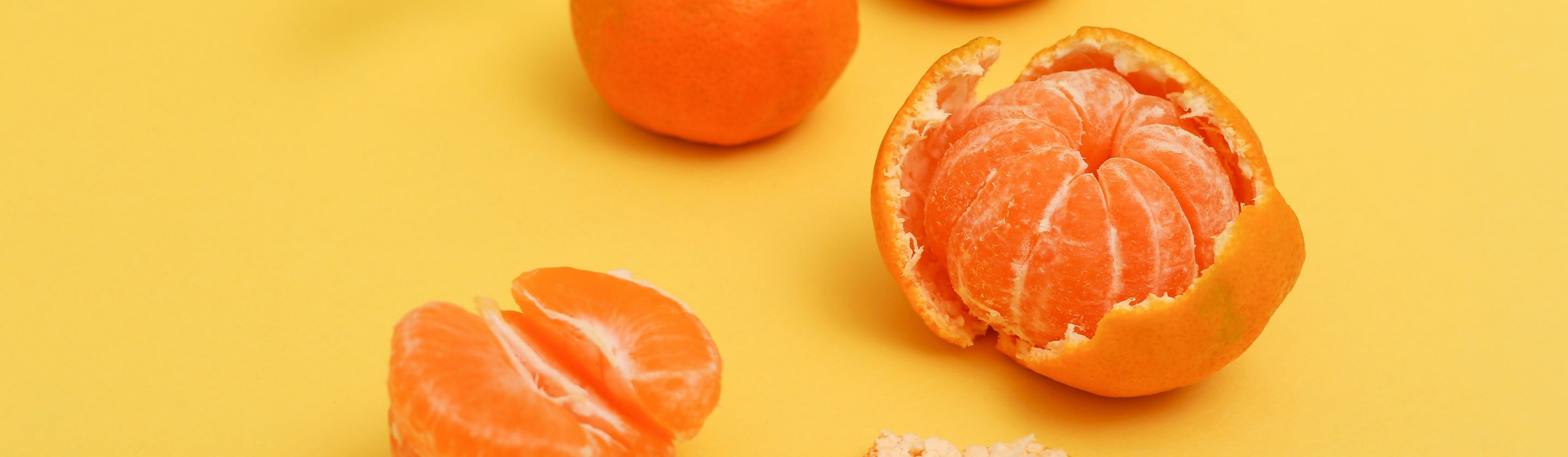
Tangerines were originally grown in China, but they were also cultivated in the Mediterranean, where they thrived in the hot climate. They were called Tangerines because Tangier, Morocco, is where they were first shipped from.
 Karolina Kołodziejczak on Unsplash
KEEP ON READING
Can You Have an Obsession with Eating Healthy?