The Dishes That Show Up Every Time
American celebration food follows a calendar more than a cookbook. Certain dishes come back at the same time every year, usually in a casserole dish or on a platter big enough to feed people who weren't invited. The menu changes by region, so a holiday table in Louisiana can look nothing like one in Utah. Still, the favorites tend to have something in common: they're made in generous portions, easy to pass around, and meant to feed a crowd. Here are 20 foods Americans serve when there's something to celebrate.
 Ann Larie Valentine on Wikimedia
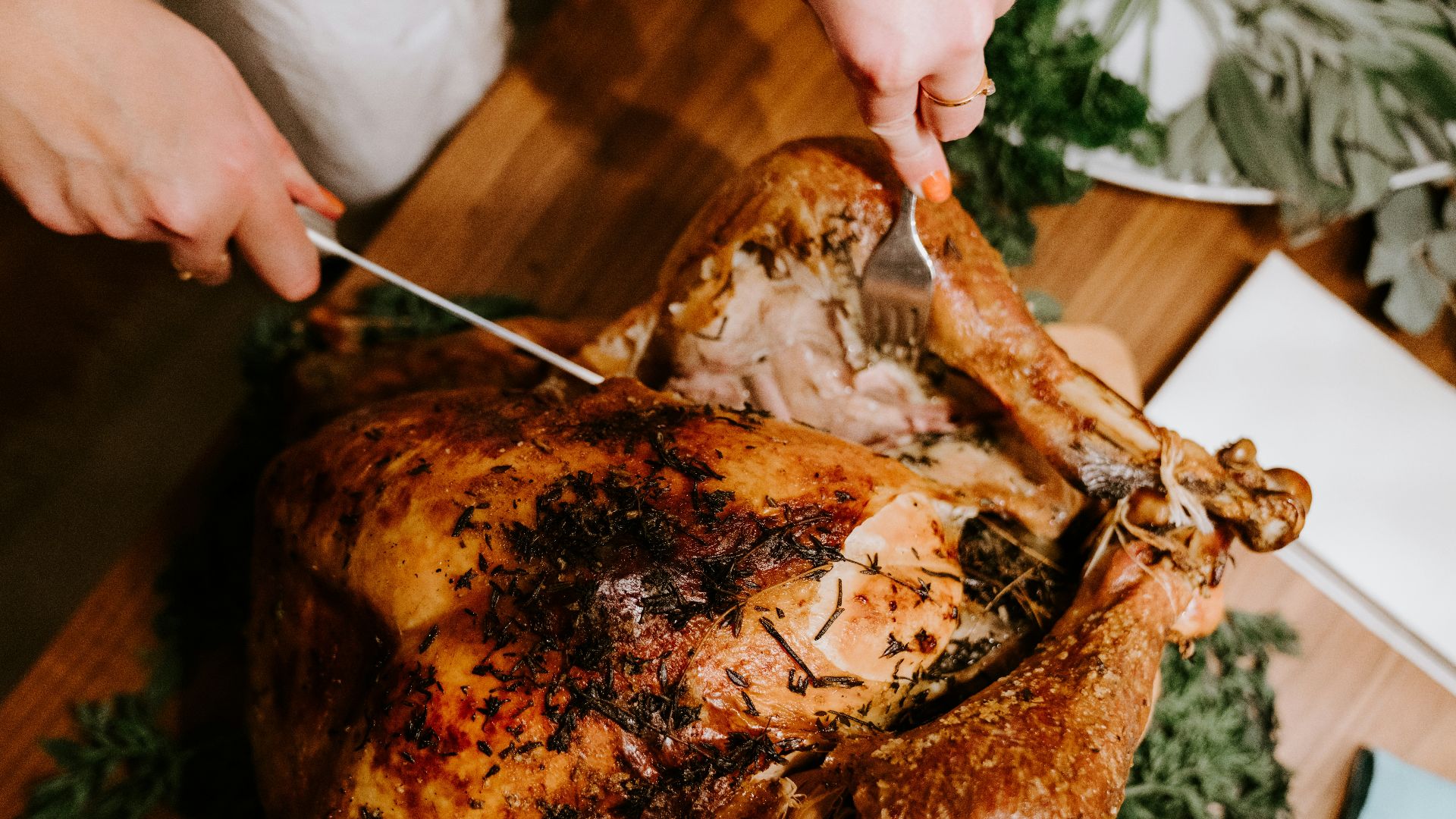
1. Roast Turkey
Roughly 46 million turkeys end up on Thanksgiving tables each year. The bird earns its spot on size rather than flavor. Few other proteins feed twenty people out of a single oven, and most home cooks only attempt one a year, so dry turkey stays a dependable complaint.
2. Green Bean Casserole
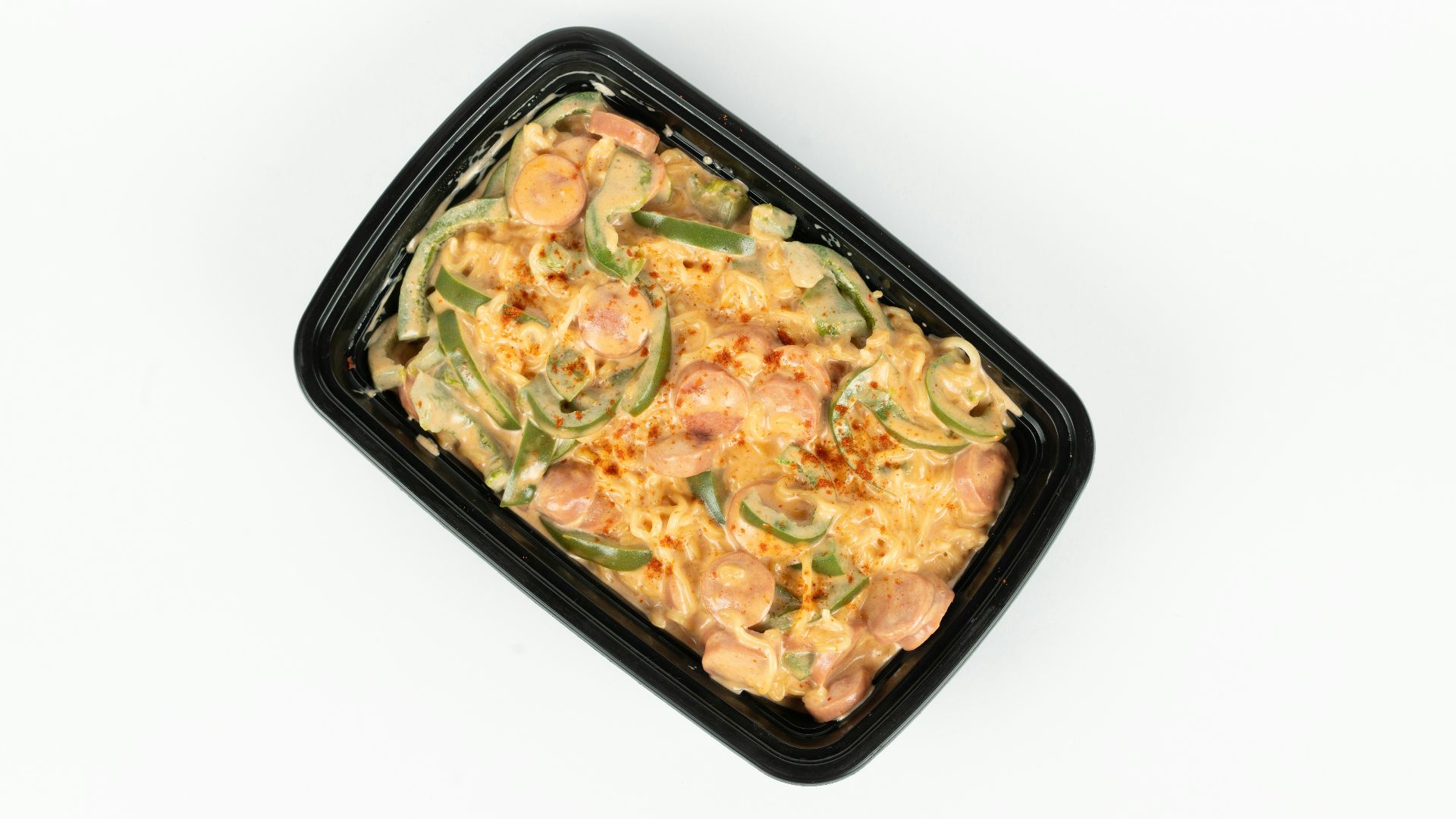
In 1955 a Campbell's test kitchen built this dish to move more cream of mushroom soup. Three ingredients plus fried onions hold heat well and survive a car ride, and the recipe has barely changed since. Plenty of people who claim to dislike it still take a second scoop.
 Abdul Raheem Kannath on Unsplash
3. Sweet Potato Casserole
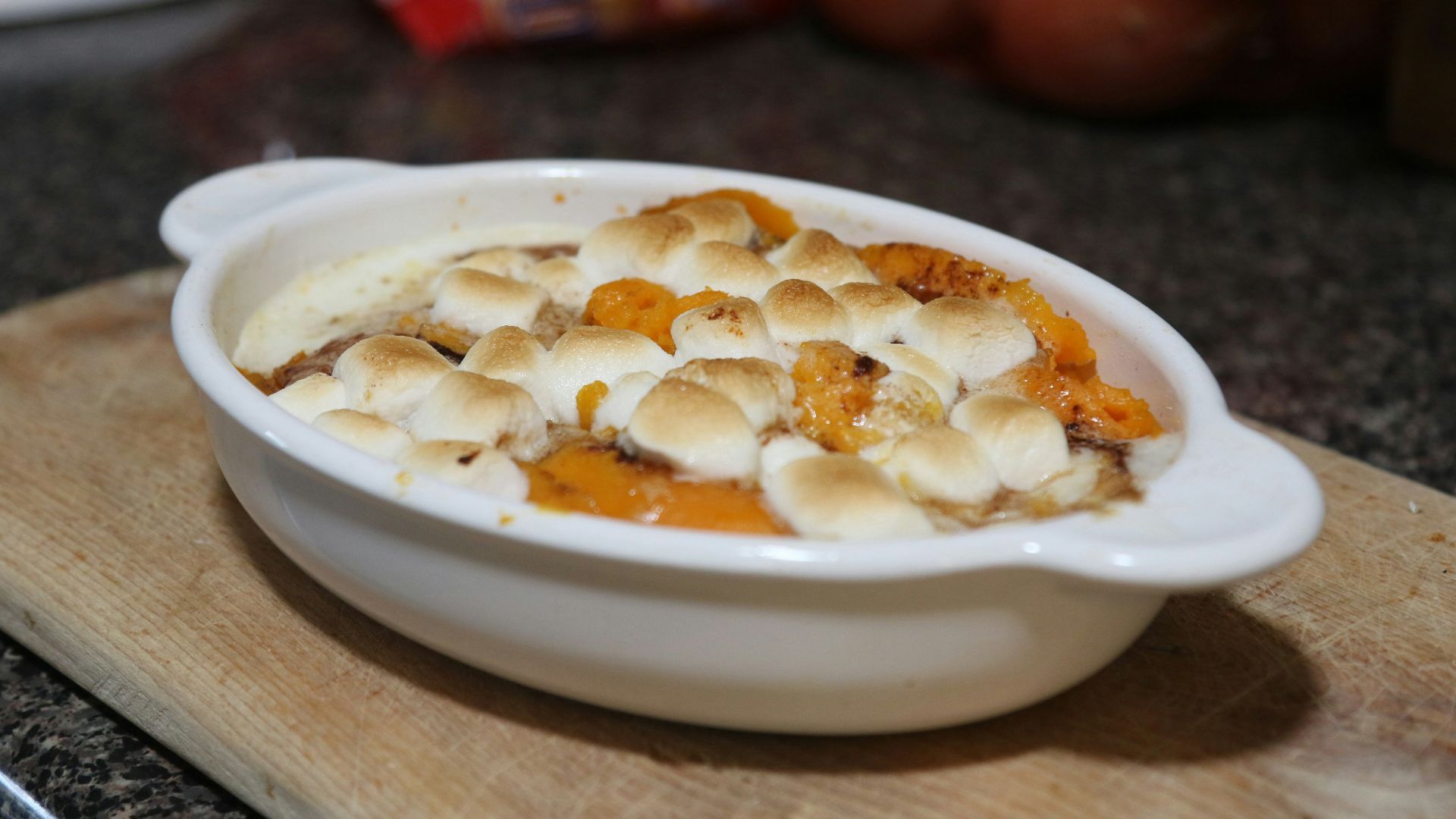
Candy companies pushed marshmallows onto sweet potatoes in recipe pamphlets in the early twentieth century, and the pairing stuck. Most of the world reads it as an error. The dish still gets served with the sides rather than the desserts. Pecans and brown sugar make up the other camp, and households tend to pick one topping and defend it.
4. Honey-Glazed Ham
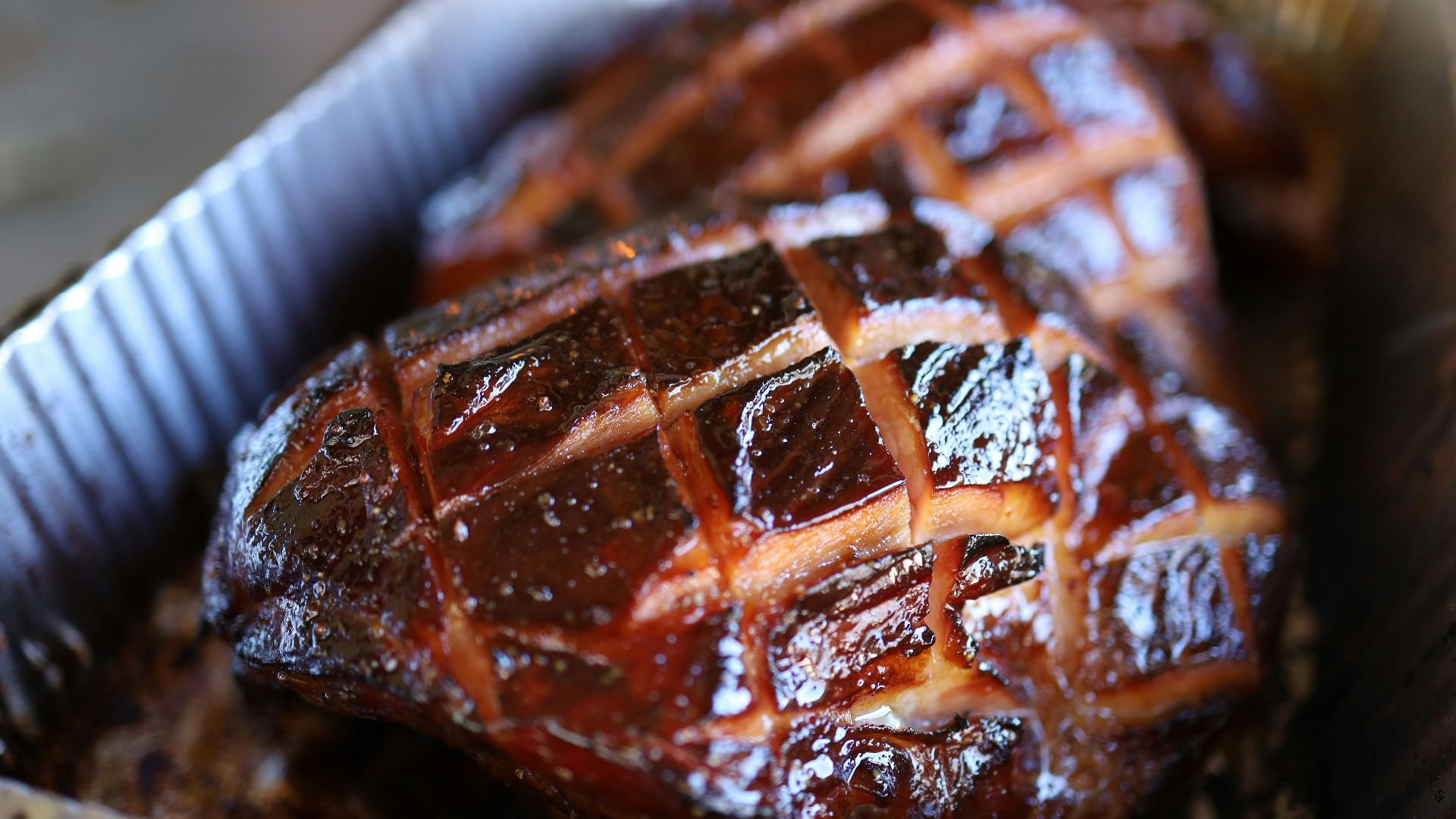
Ham anchors both Easter and Christmas. A bone-in leg comes precooked, so the host adds a glaze and an hour of heat and the sugar crust handles the flavor. Spiral-cut hams arrive already sliced down to the bone, so serving takes a knife and no carving skill. Hosts who dread the turkey tend to relax around ham.
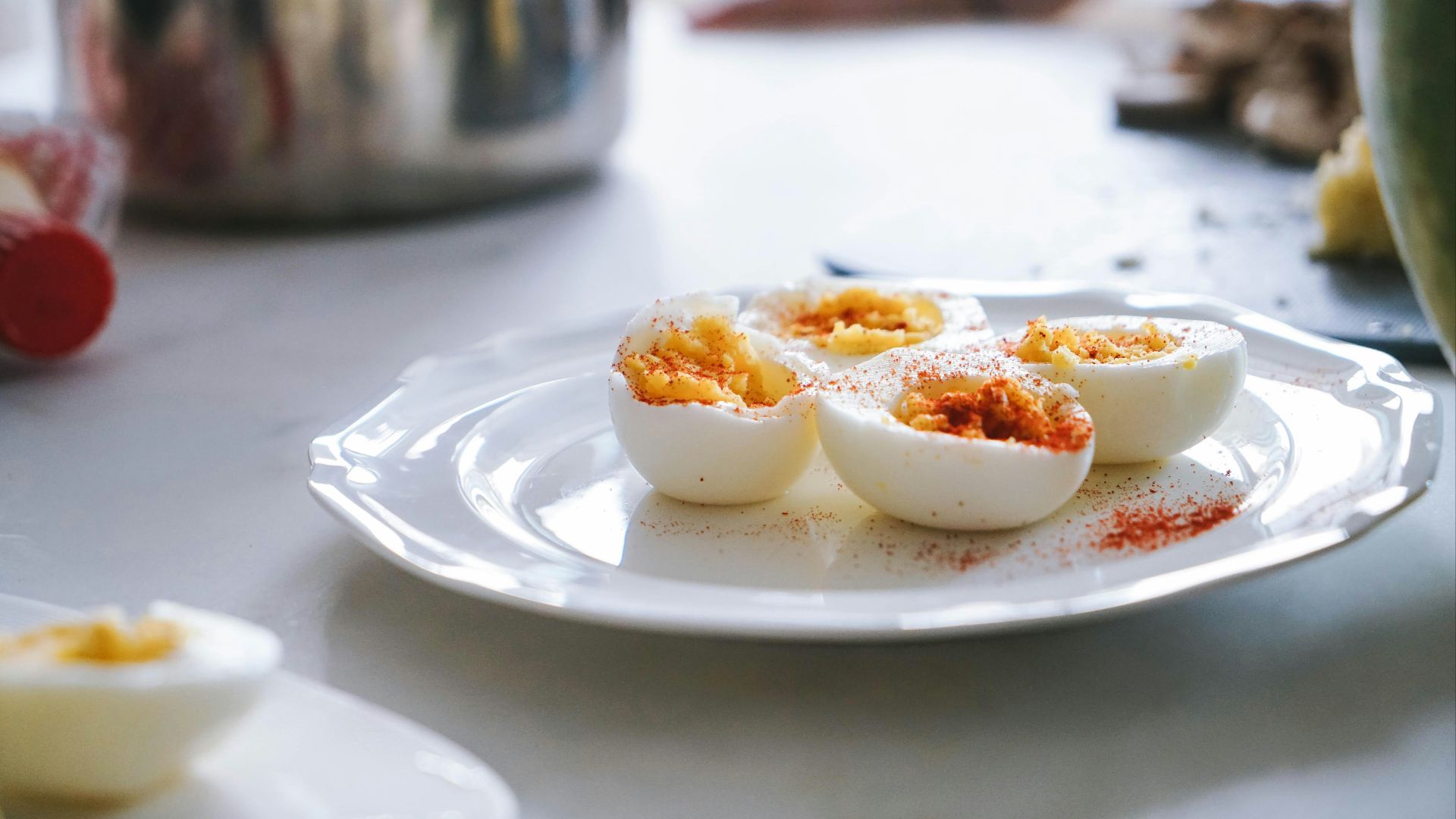
5. Deviled Eggs
Someone always brings deviled eggs, usually in a plastic carrier designed for nothing else. A dozen eggs and some mayonnaise fill a platter for a few dollars. At outdoor parties they tend to disappear before the mayonnaise has a chance to sit in the sun.
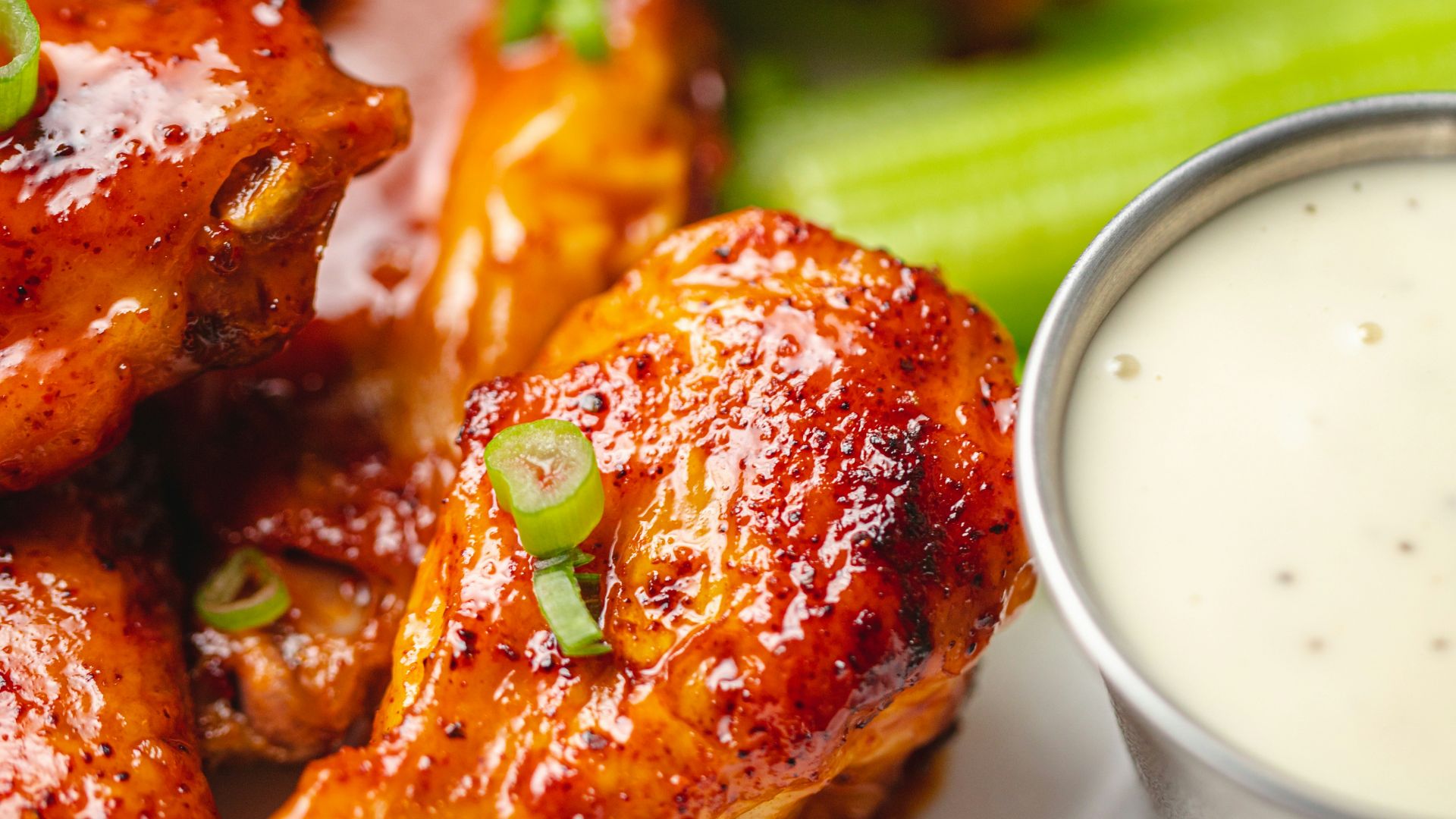
6. Chicken Wings
Americans work through somewhere around 1.4 billion wings over Super Bowl weekend. Wings suit football because they need no plate or fork, and a few sauce options let one order cover several preferences. They were cheap before demand caught up, and that pricing is how a bar snack turned into a party staple.
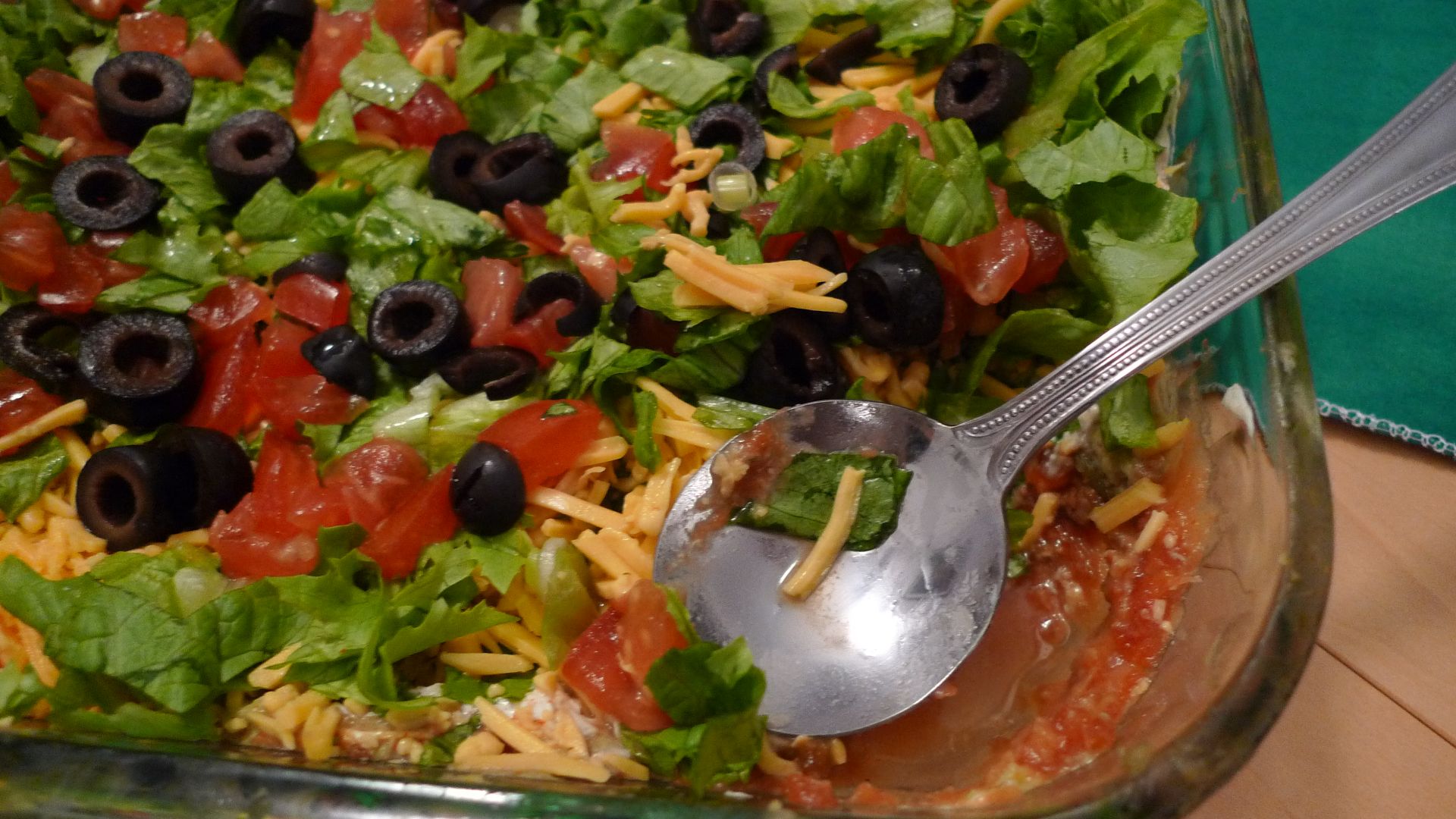
7. Seven-Layer Dip
Layered bean dip goes into a clear glass dish so the stripes show. Every layer is something that needs no cooking, so building the whole thing takes about as long as opening the containers, and hosts short on time reach for it first. The bottom layers are the hard part at a party, because the chips that reach the beans are the ones that break.
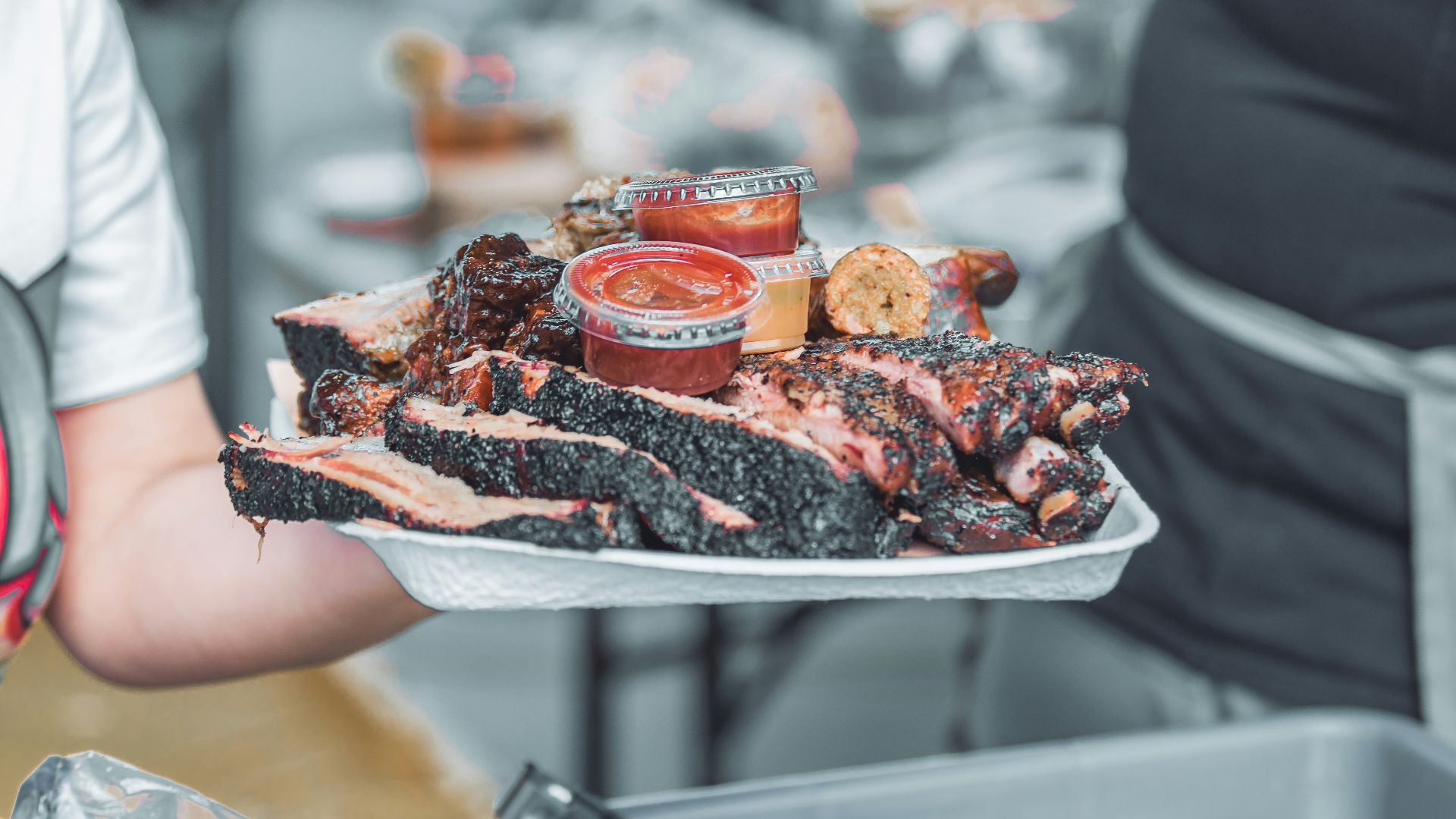
8. Barbecue Brisket
Brisket turns up at Juneteenth cookouts and Fourth of July gatherings across Texas and much of the South. A cut that tough needs most of a day over low heat, so the dish gets planned days ahead. The long cook is also social, since somebody has to stay near the smoker.
9. Hot Dogs
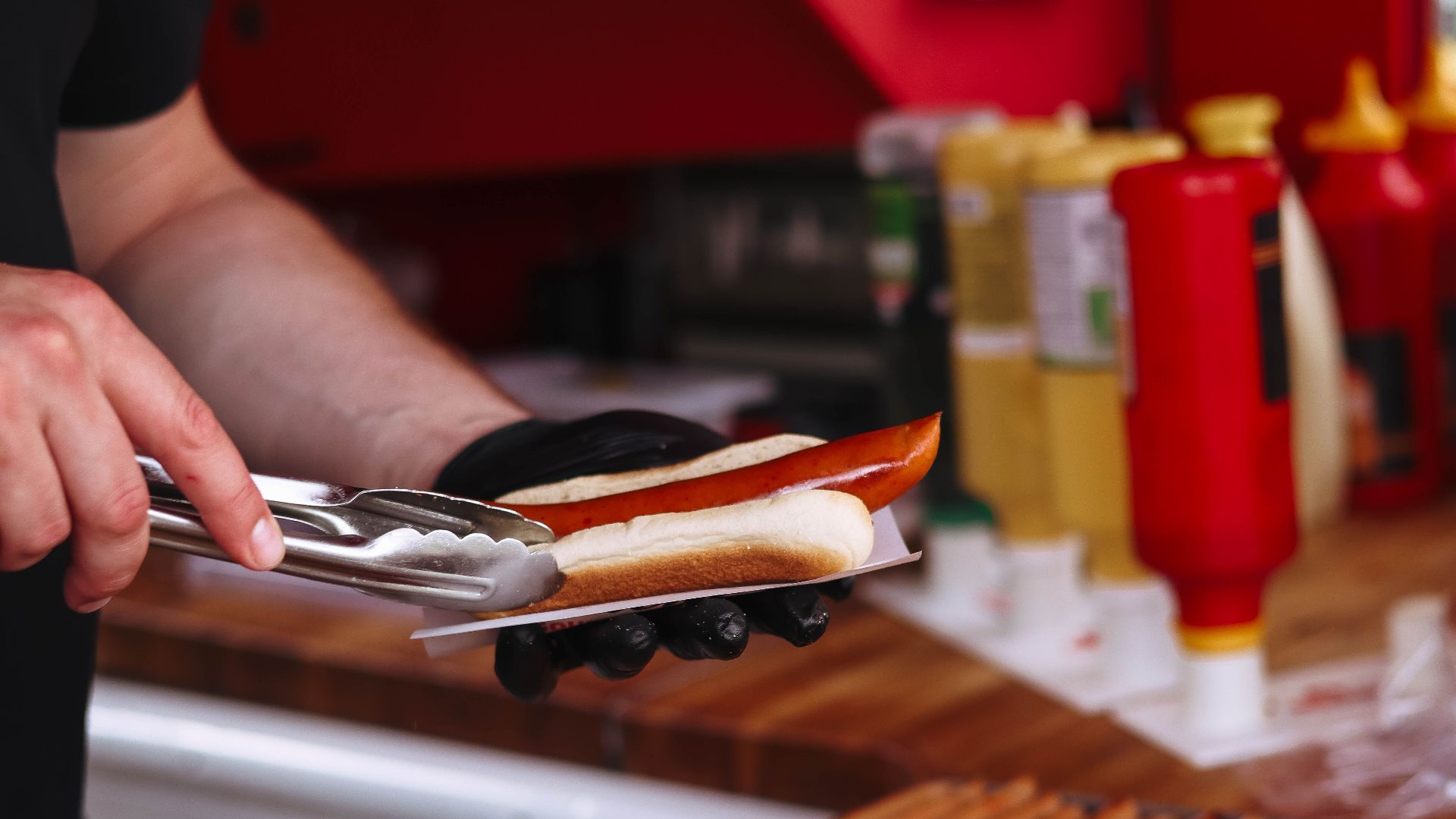
More hot dogs move on the Fourth of July than on any other day of the American year. Grilling them requires no skill and no thermometer, and the cook is usually also the host. Buns come eight to a pack against ten franks, and Americans have declined to solve that arithmetic for decades.
10. Potato Salad
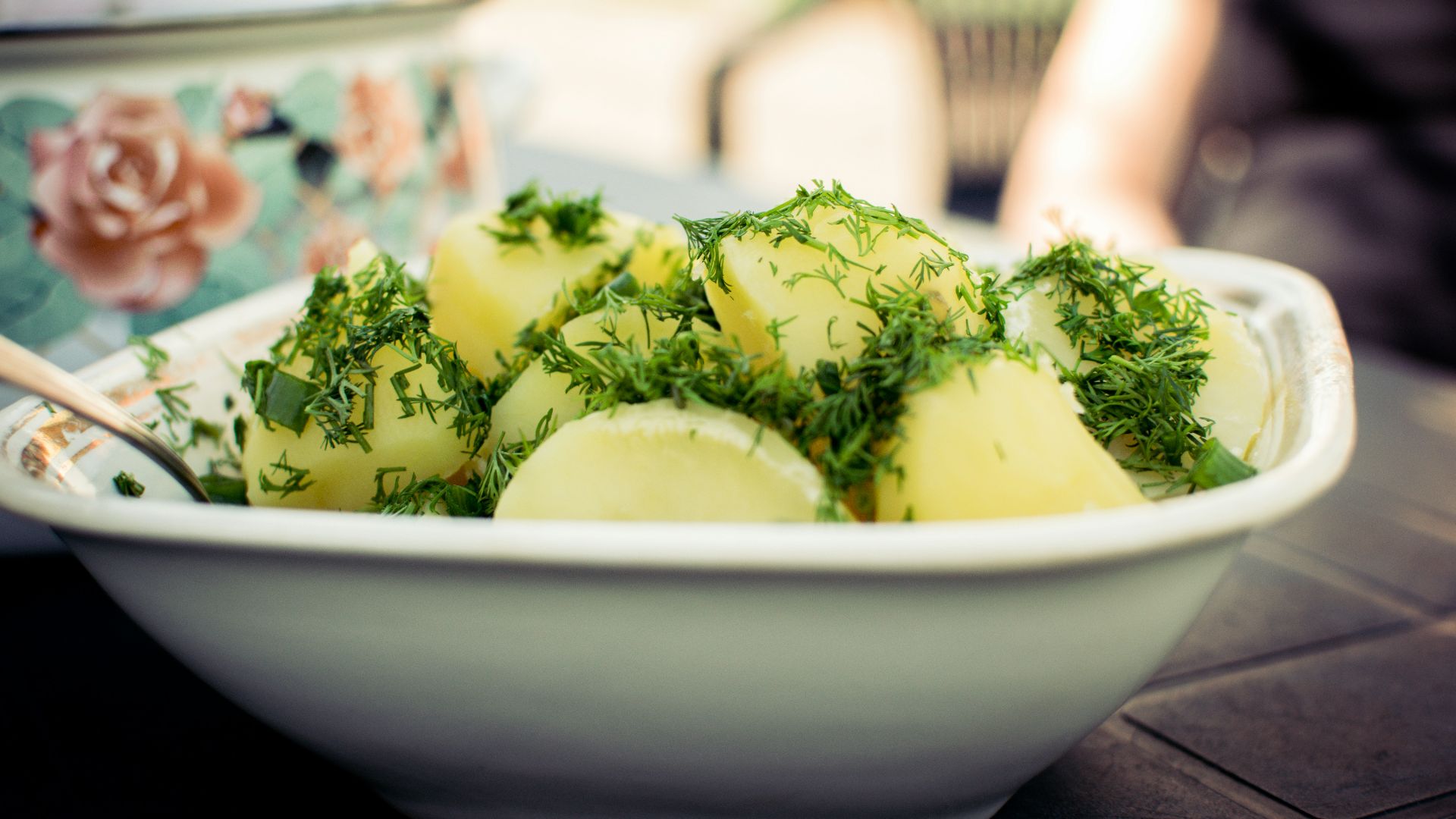
Potato salad can start an argument over how much mustard belongs in the mayonnaise and whether chopped eggs should be there at all. It's cheap to make by the bowlful and easy to bring to a cookout, which helps explain why it keeps showing up. Southern recipes often include sweet pickle relish, while German-style versions popular in parts of the Midwest use a vinegar-based dressing.
11. Macaroni and Cheese
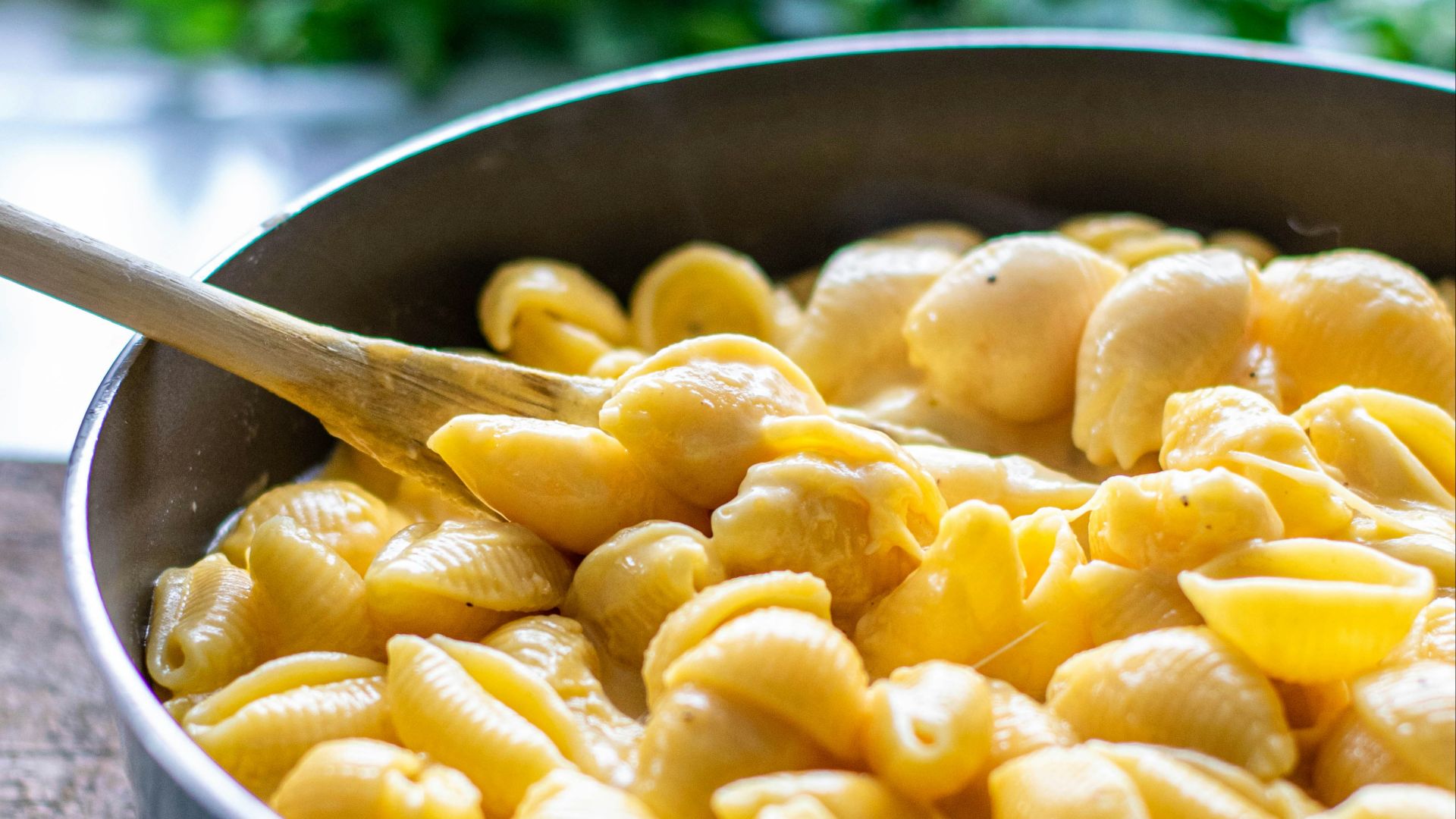
Eggs and evaporated milk give baked macaroni and cheese a firm texture that holds together when sliced. It's a fixture at many Black American family gatherings, where the person trusted to make it often has years of experience and a disappointing batch won't soon be forgotten. Unlike stovetop mac and cheese, a good baked version comes out of the pan in squares, with a browned cheese crust on top.
12. Cornbread Dressing
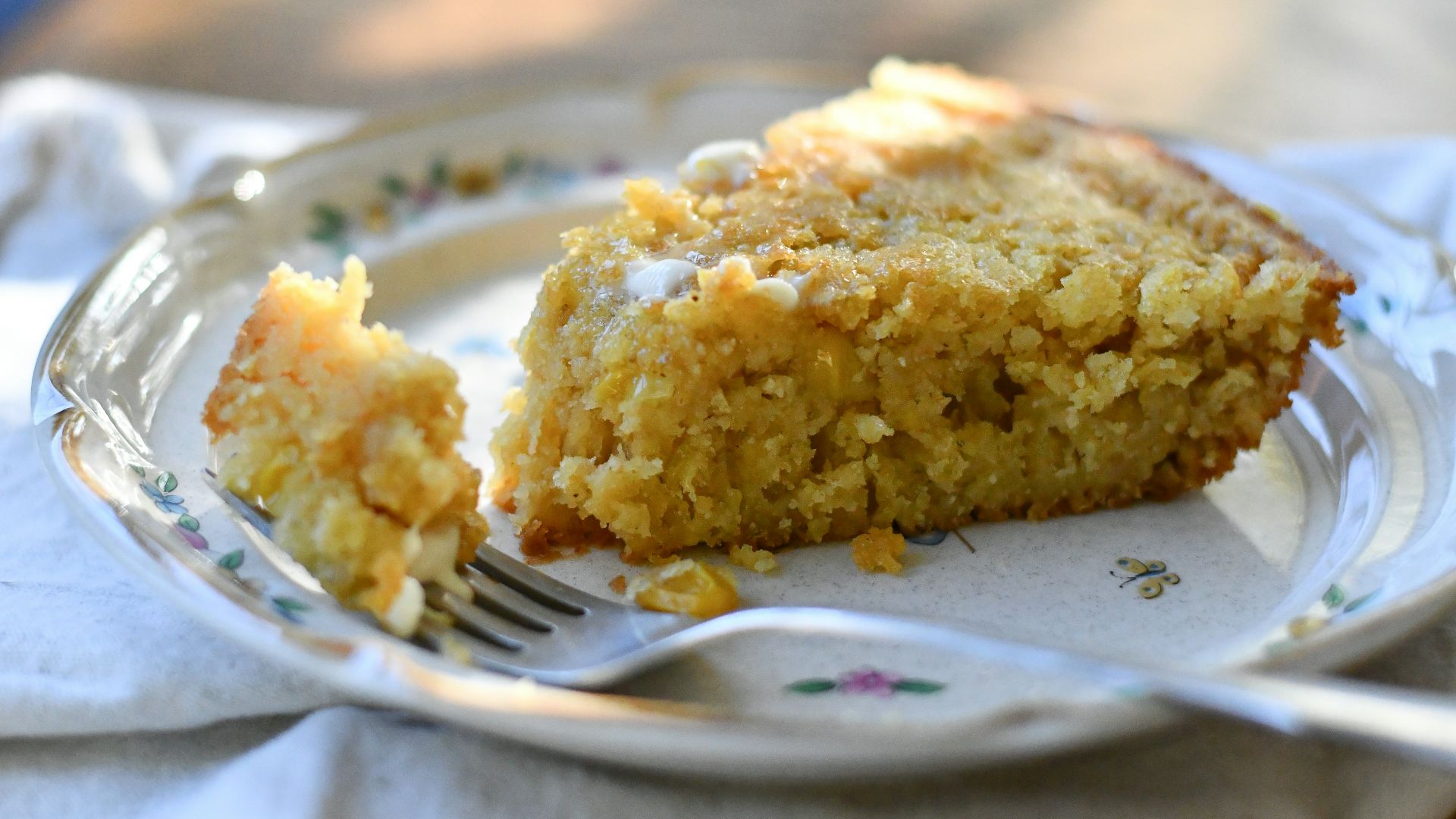
Dressing and stuffing split along a regional line, with cornbread-based dressing dominating the South and bread cubes covering most everywhere else. The cornbread version bakes in a pan rather than inside the bird, matching what food safety guidance recommends. Recipes tend to pass down through one person in the family who guards the proportions.
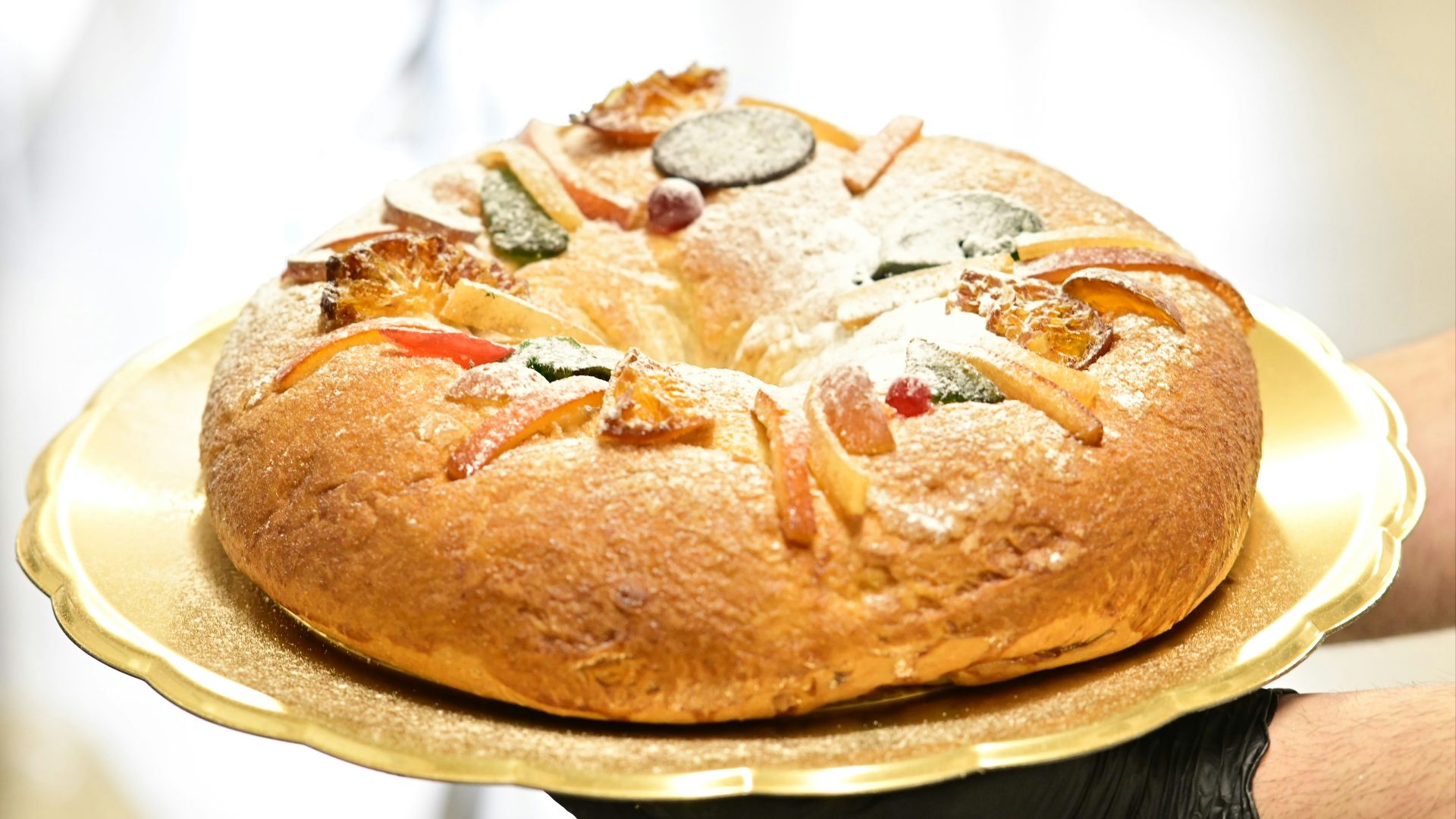
13. King Cake
A small plastic baby is traditionally hidden inside each king cake, and whoever finds it is expected to bring the next one. New Orleans bakeries sell the ring-shaped cakes throughout Carnival season, which begins on January 6, or Epiphany, and ends on Fat Tuesday. Purple, green, and gold sugar covers the top, matching the traditional colors of Mardi Gras.
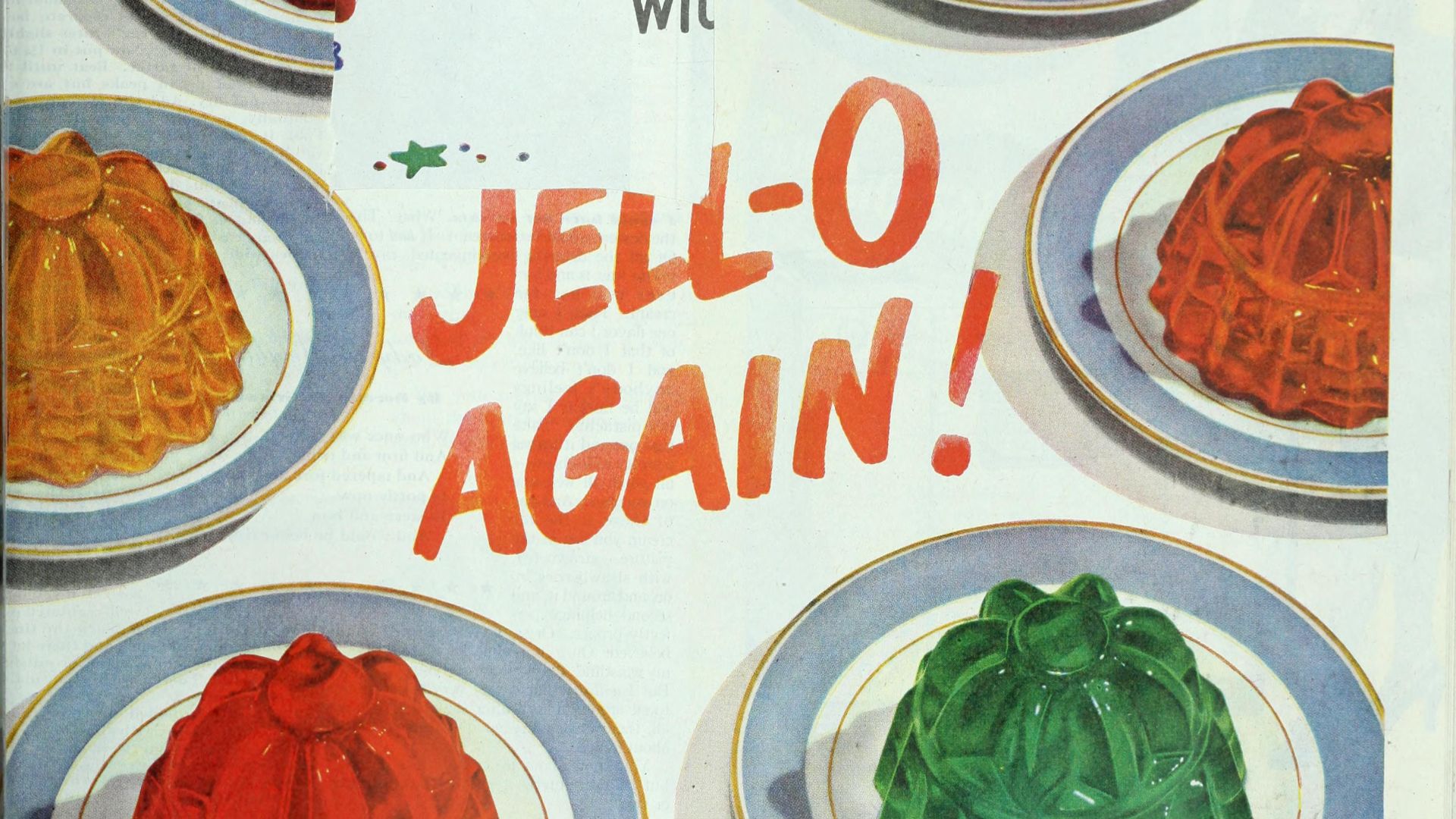
14. Jell-O Salad
Gelatin salads hold on strongest in Utah and the upper Midwest. Cheap refrigeration and heavily marketed mixes made the dish a midcentury standard, and the habit outlasted the marketing by decades. Shredded carrots or canned fruit suspended in lime still counts as salad at family gatherings and church functions there.
 commons.wikimedia.org on Google
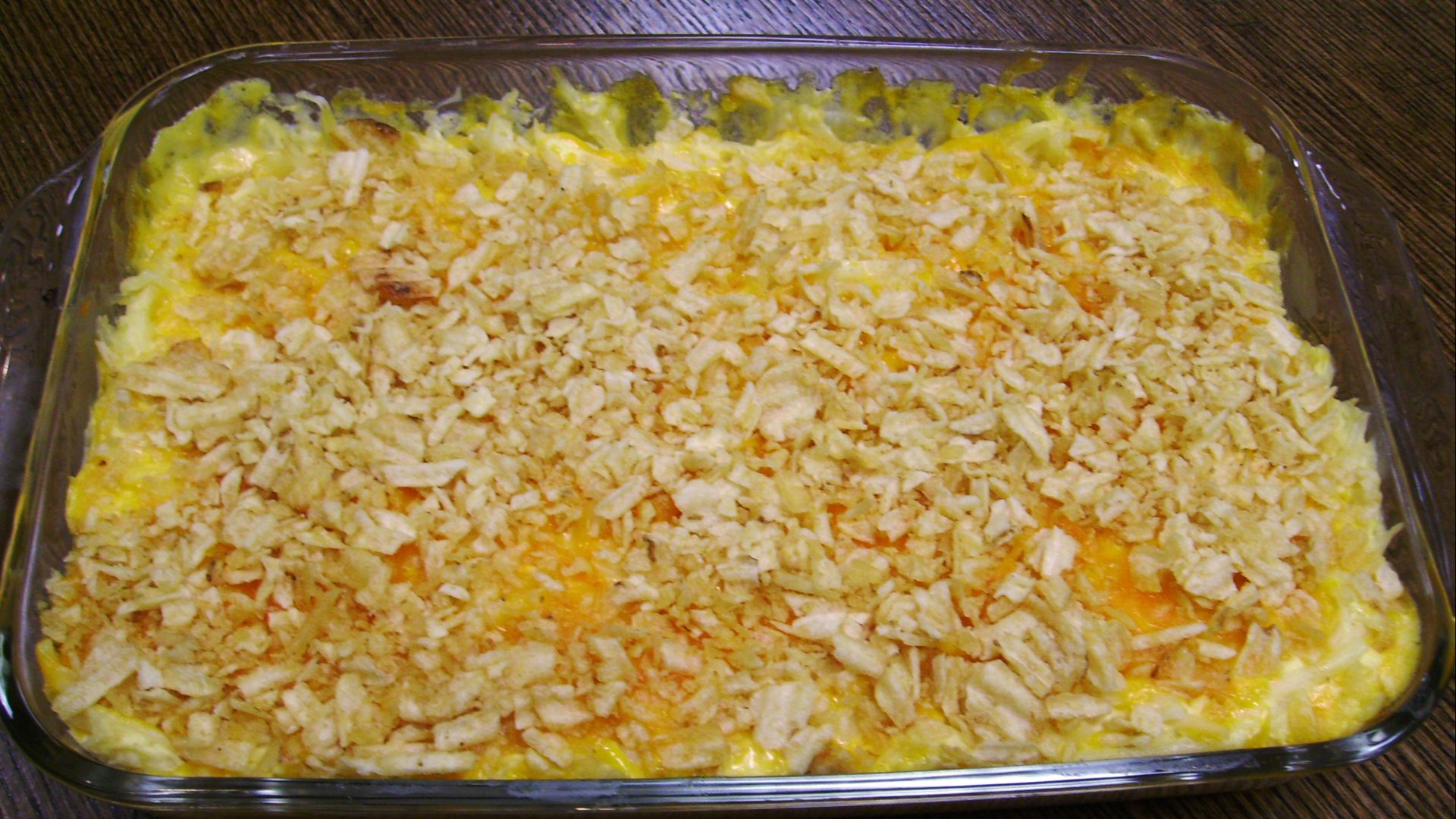
15. Funeral Potatoes
Funeral potatoes get their name from the gatherings where they're traditionally served, particularly in Utah and other parts of the Mountain West. The casserole combines shredded potatoes with sour cream and cheese, then gets a crunchy topping of crushed cornflakes. It's easy to make in large batches and bring to a grieving family, giving them one less meal to worry about.
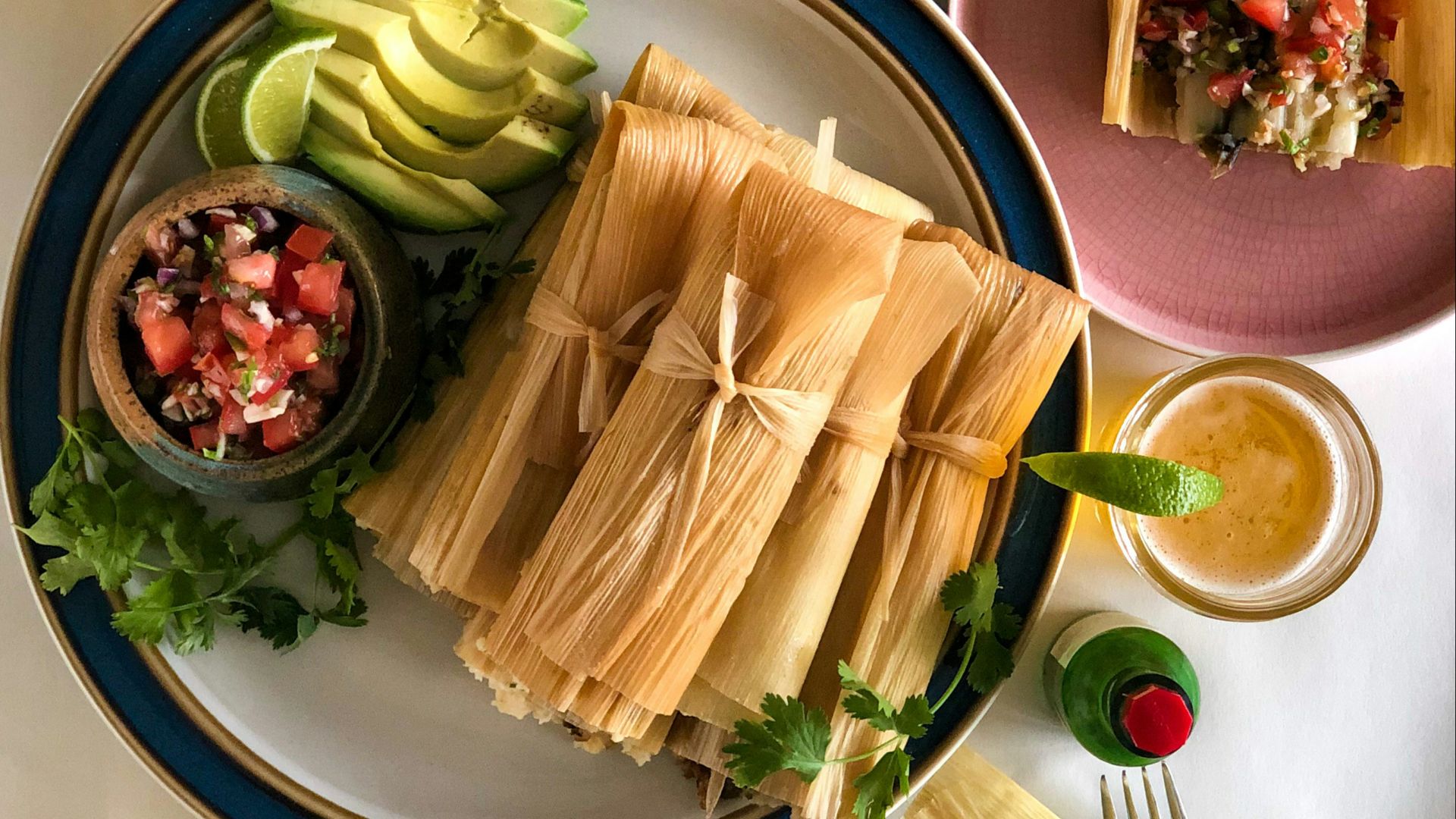
16. Tamales
December tamale making is a fixture in Mexican American families, and the labor gets divided on purpose. A batch running into the hundreds is too much for one person, so the work spreads across a kitchen full of relatives. Tamales freeze well, and the holiday cooking usually stretches into January.
17. Black-Eyed Peas and Greens
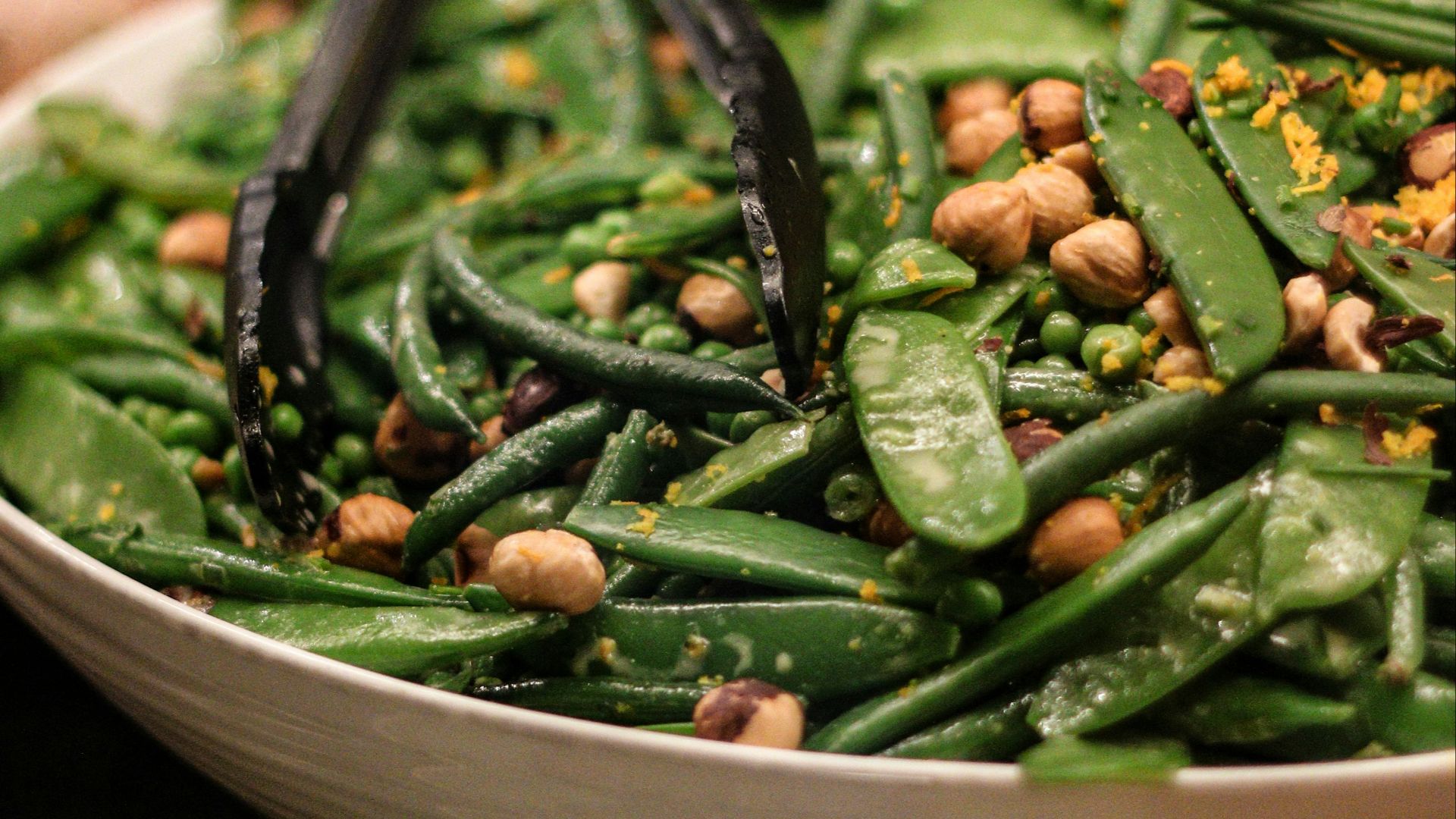
New Year's Day tables across the South carry black-eyed peas for luck and greens for money. The pairing is rooted in Southern Black cooking traditions, and the symbolism comes from the coins the greens resemble. Cornbread often joins the plate, standing in for gold.
 focal insight photography on Unsplash
18. Sheet Cake
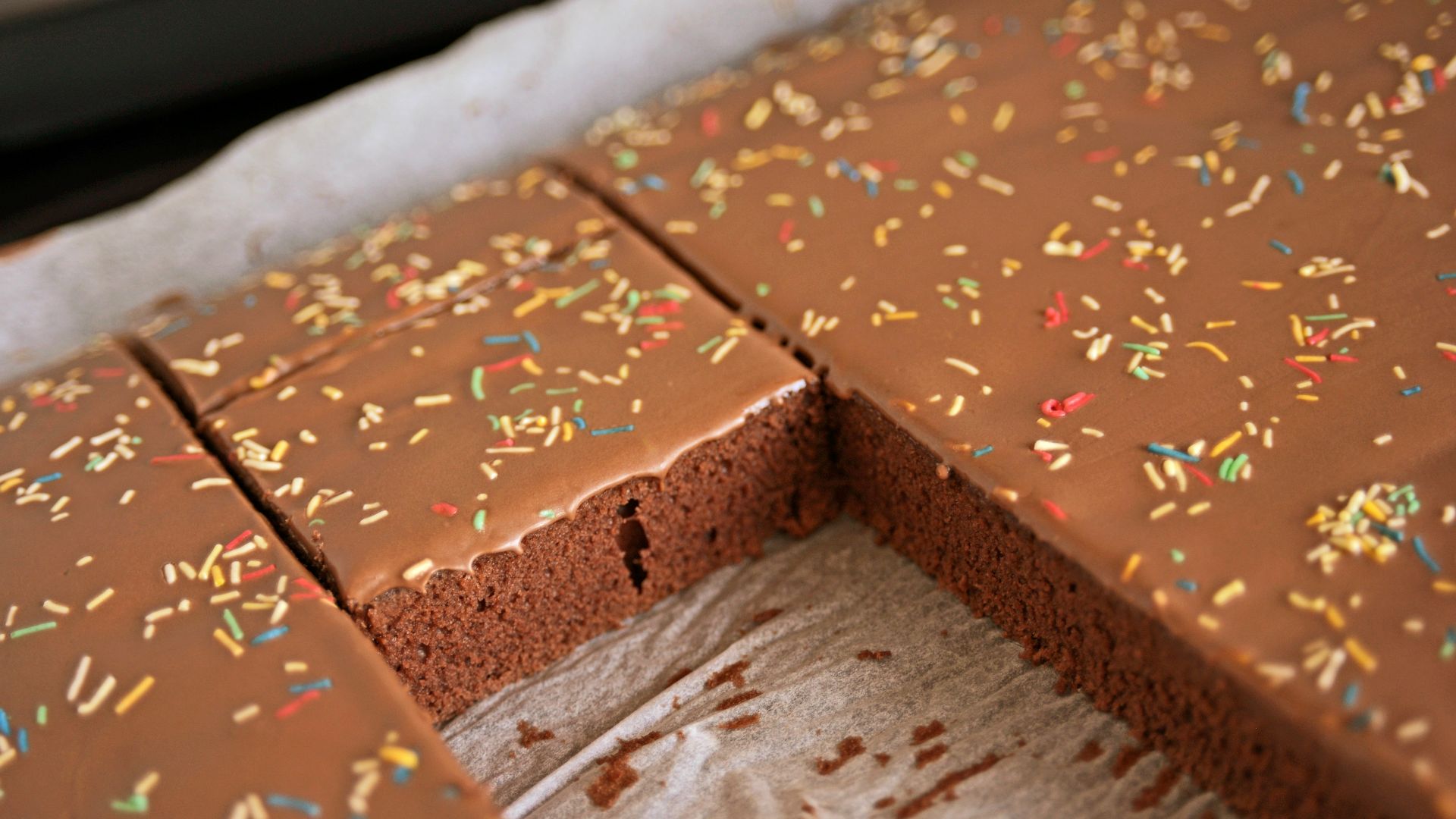
A half sheet serves around fifty, so sheet cake survives in schools and break rooms. Rectangles cut into even squares and feed a known number of people, and decorating one asks for nothing beyond a flat surface and a piping bag. Grocery store bakeries will print a photo onto the frosting for a few dollars more.
19. Pigs in a Blanket
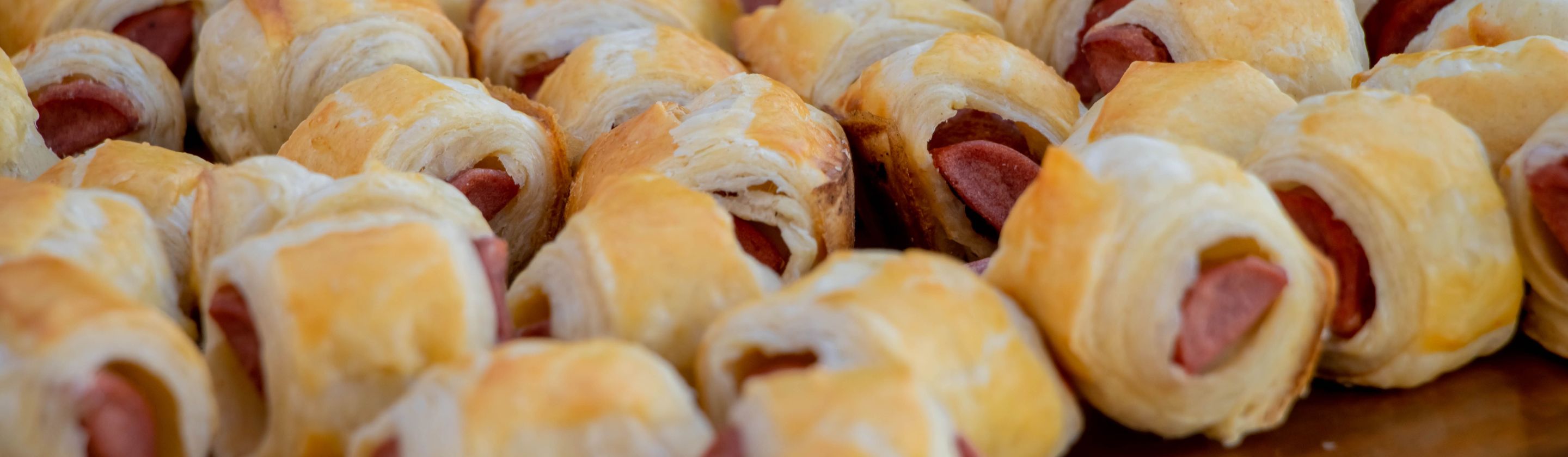
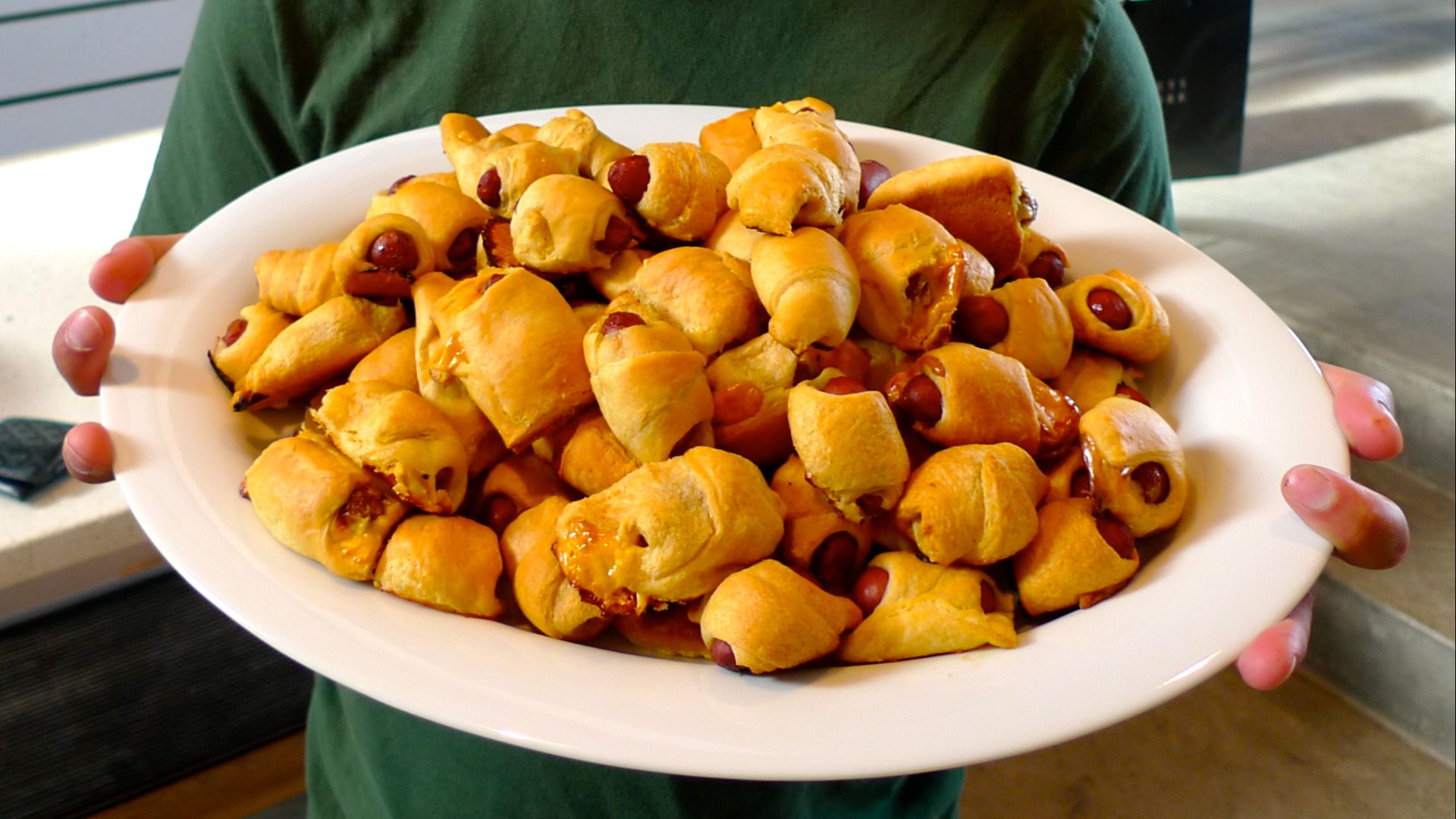
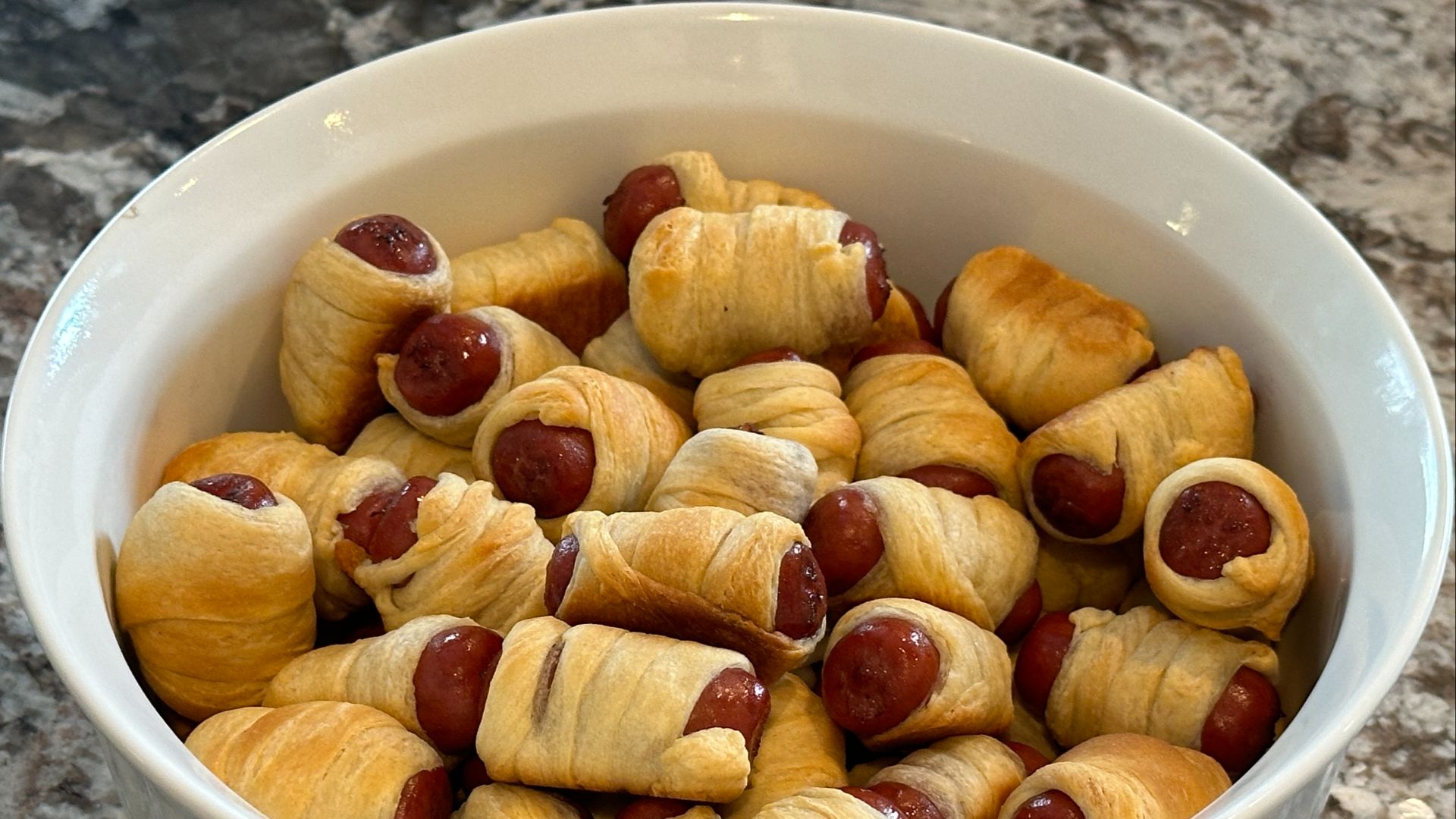
Cocktail franks wrapped in crescent roll dough come out of the oven fast and require no technique, so they survive at showers and holiday parties. Kids eat them without negotiation. The adults circling the tray are usually less open about how many they've had.
20. Pumpkin Pie
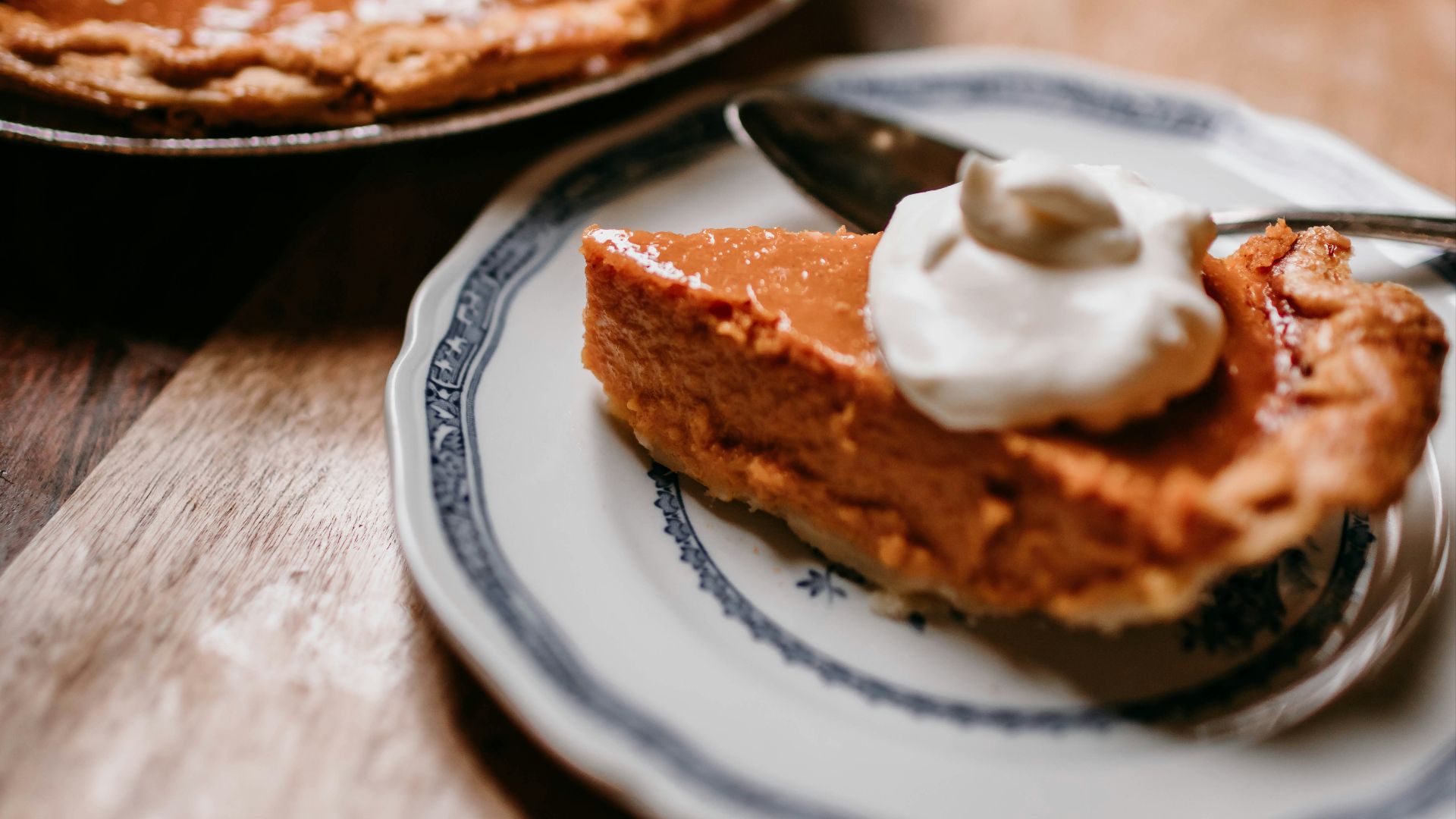
Pumpkin pie is practically mandatory at Thanksgiving, though the filling usually comes from a can rather than a fresh pumpkin. Canned pumpkin typically comes from varieties grown for their smooth, dense flesh, which makes a more reliable pie than the watery pumpkins used for jack-o'-lanterns. Families still disagree about whether the whipped cream should be homemade or sprayed straight from a can.
KEEP ON READING

You’re Storing Tomatoes Wrong in This Heat
You’re Storing Potatoes Wrong in This Heat
You’re Storing Peppers Wrong in This Heat