Familiar Names, Stranger Origins
Most people eat these foods without thinking much about how they're made. Honey, popcorn, and dozens of other everyday foods have names that have become so familiar that nobody gives them much thought. Describe what goes into them or how they're produced, though, and some start sounding like something nobody would willingly eat. The facts are easy to check, and most are simply part of everyday food production. Here are 20 familiar foods that sound a lot less appetizing when you explain what they really are.
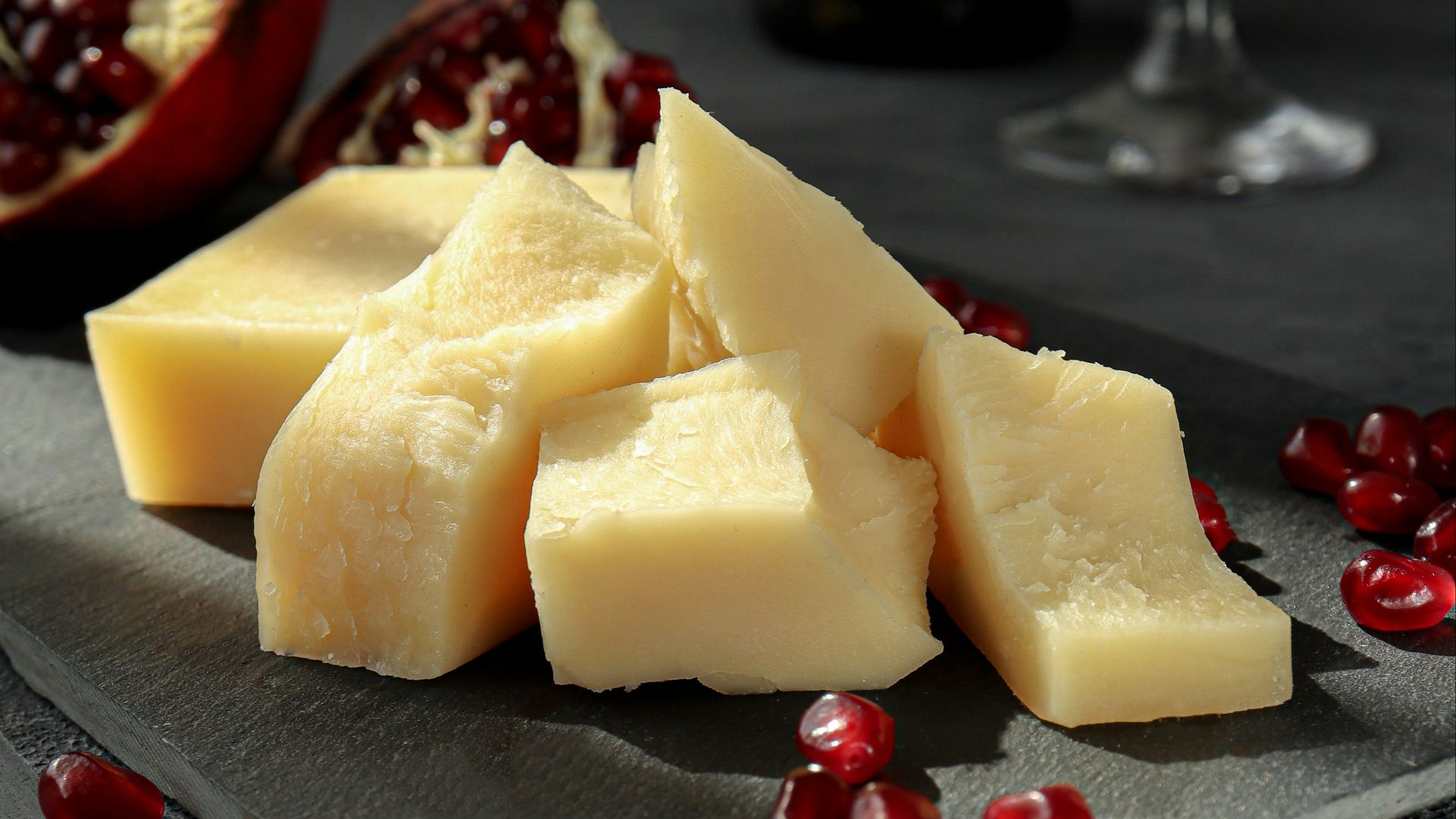
1. Cheese Starts With Stomach Enzymes
Cheese has long been made by adding rennet, an enzyme from the stomach lining of young calves, to warm milk so it separates into curds. The curds get pressed and left to age while bacteria and sometimes mold work on them. Plenty of modern cheeses use lab-made enzymes instead, though the older method hasn't gone away.
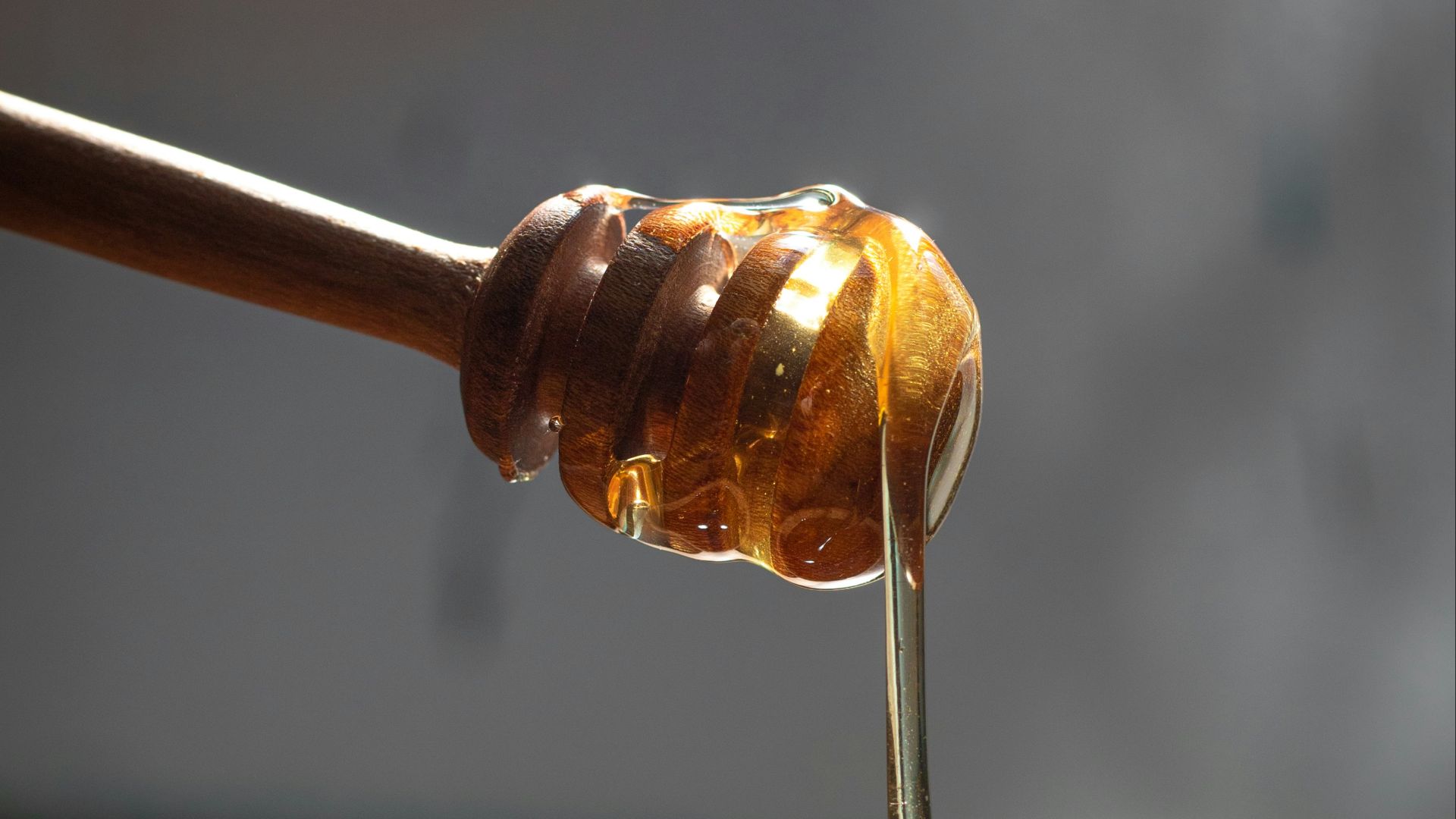
2. Honey Passes Through Bee Mouths
Worker bees swallow nectar and carry it back to the hive, where they pass it mouth to mouth to other bees. Enzymes break the nectar's sugars down along the way, and the bees fan their wings over the comb until enough water evaporates to leave thick honey. Beekeepers harvest the comb once the bees have capped the cells with wax.
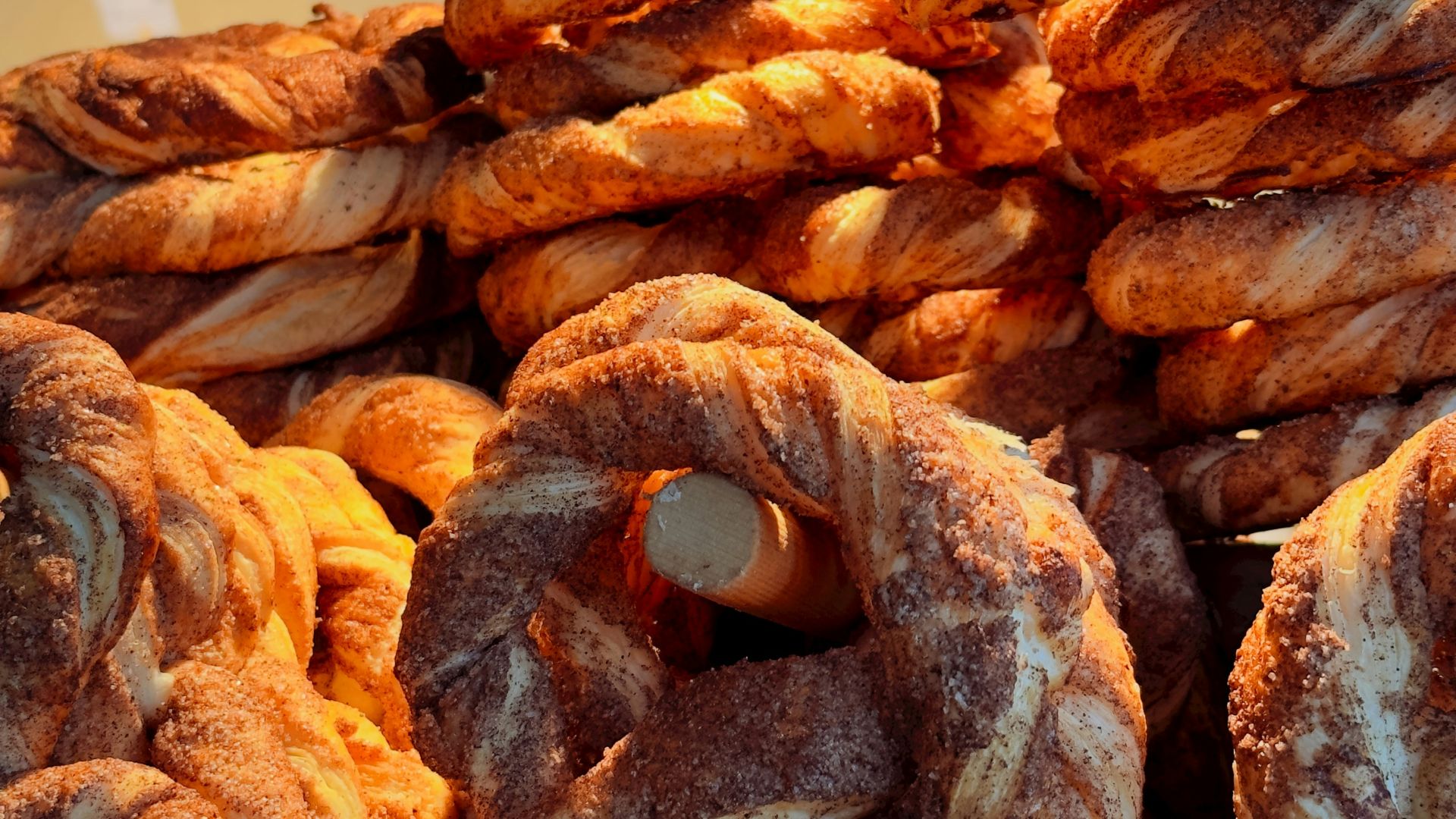
3. Pretzels Get a Bath in Lye
Traditional soft pretzels are dipped in a dilute solution of lye, the same sodium hydroxide found in some drain cleaners, right before baking. The alkaline coating speeds up browning, which gives the crust its dark color and its sharp, toasty flavor. Home bakers usually swap in baking soda, since it's much milder to handle.
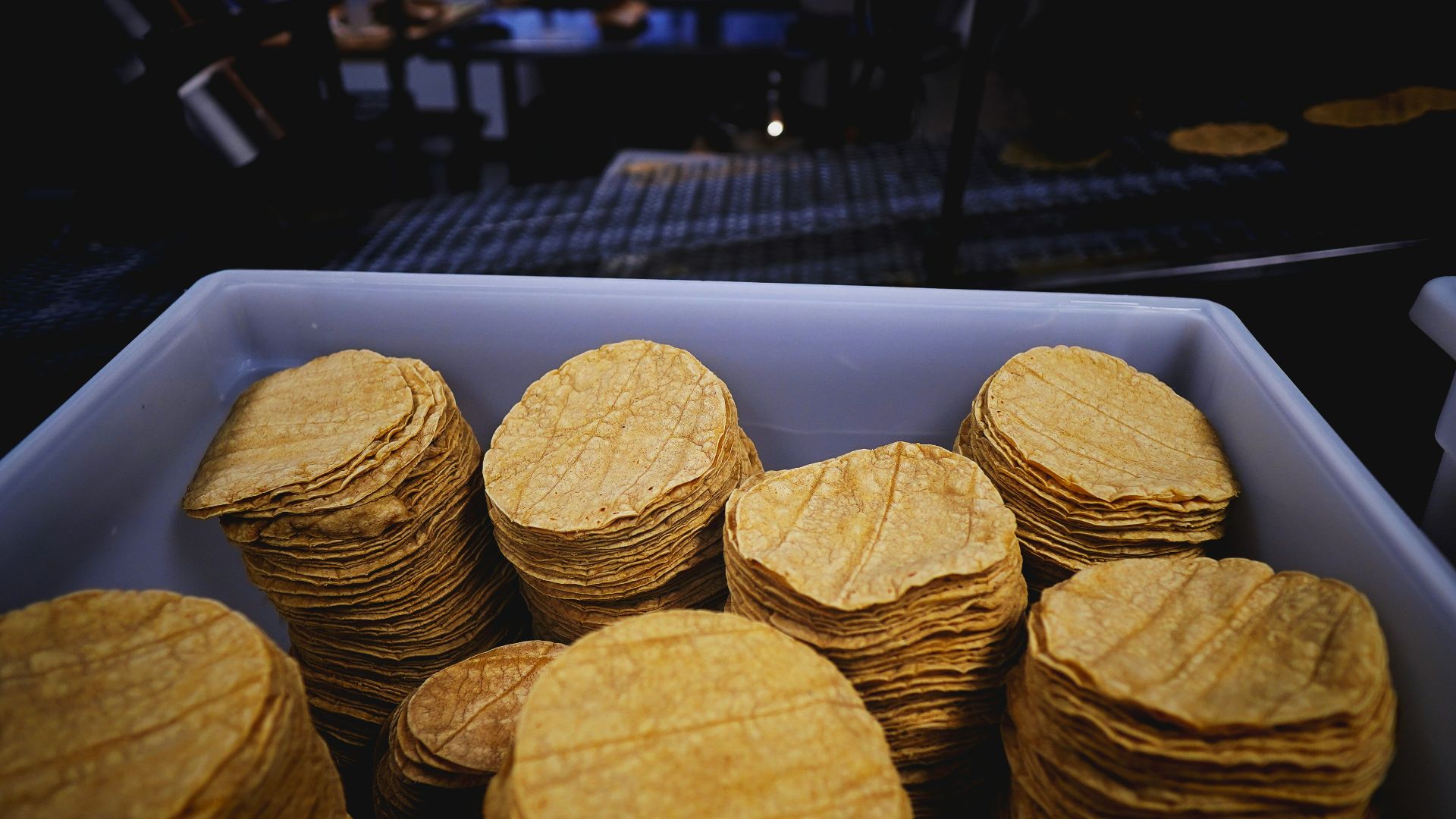
4. Tortillas Depend on Slaked Lime
Corn for tortillas made the old way gets simmered and soaked in water mixed with calcium hydroxide, a process called nixtamalization. The soak loosens the hulls and frees niacin that raw corn keeps locked up. When people elsewhere adopted corn without that step, pellagra, a niacin deficiency disease, tended to follow.
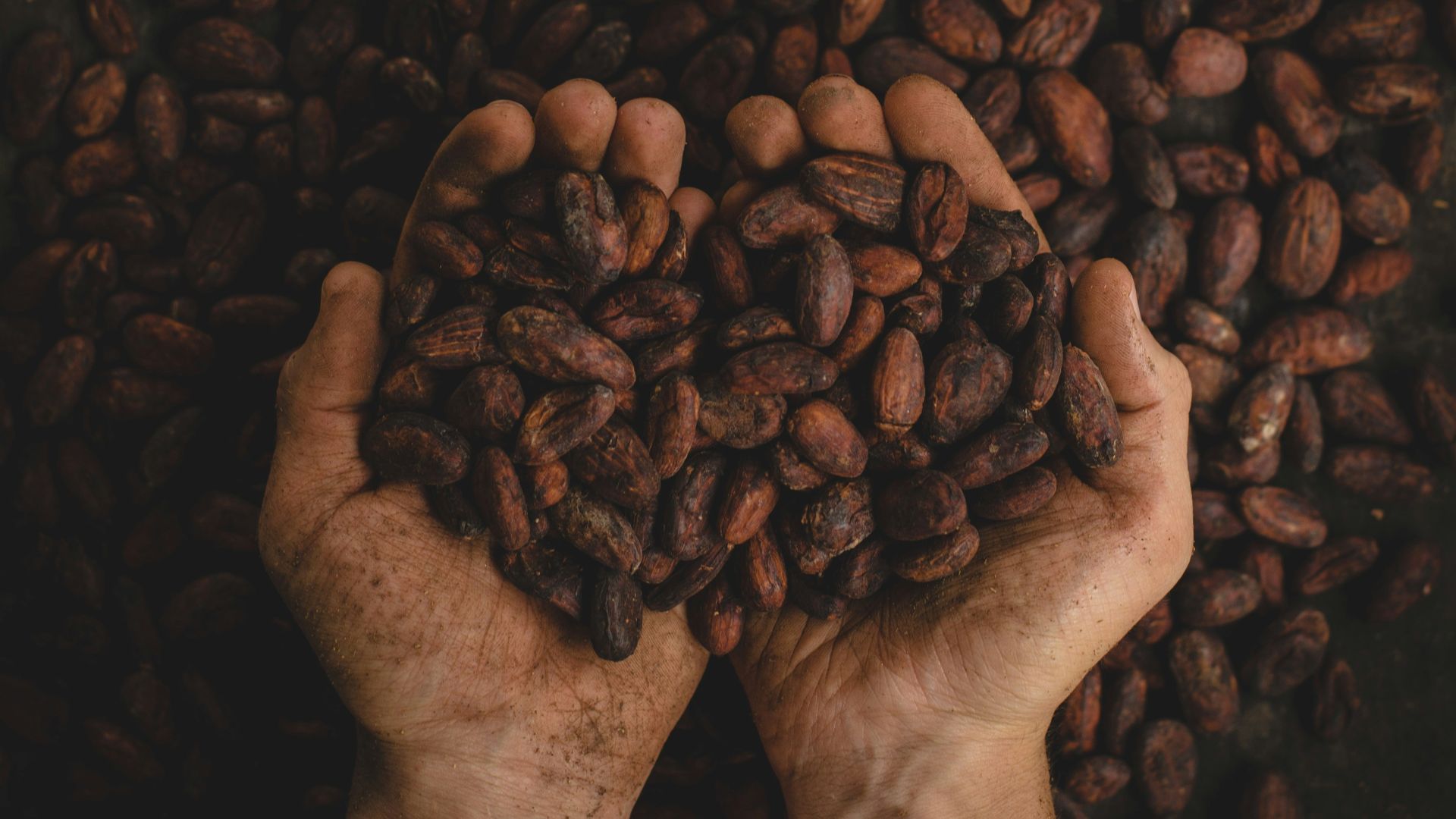
5. Chocolate Ferments in a Pile
Cacao seeds get scooped out of their pulpy pods and heaped together, often under banana leaves, to ferment for several days. Microbes feed on the sweet pulp and produce heat and acids that change the flavor of the seeds inside. Only after that do the seeds get dried and roasted before anyone grinds them.
 Pablo Merchán Montes on Unsplash
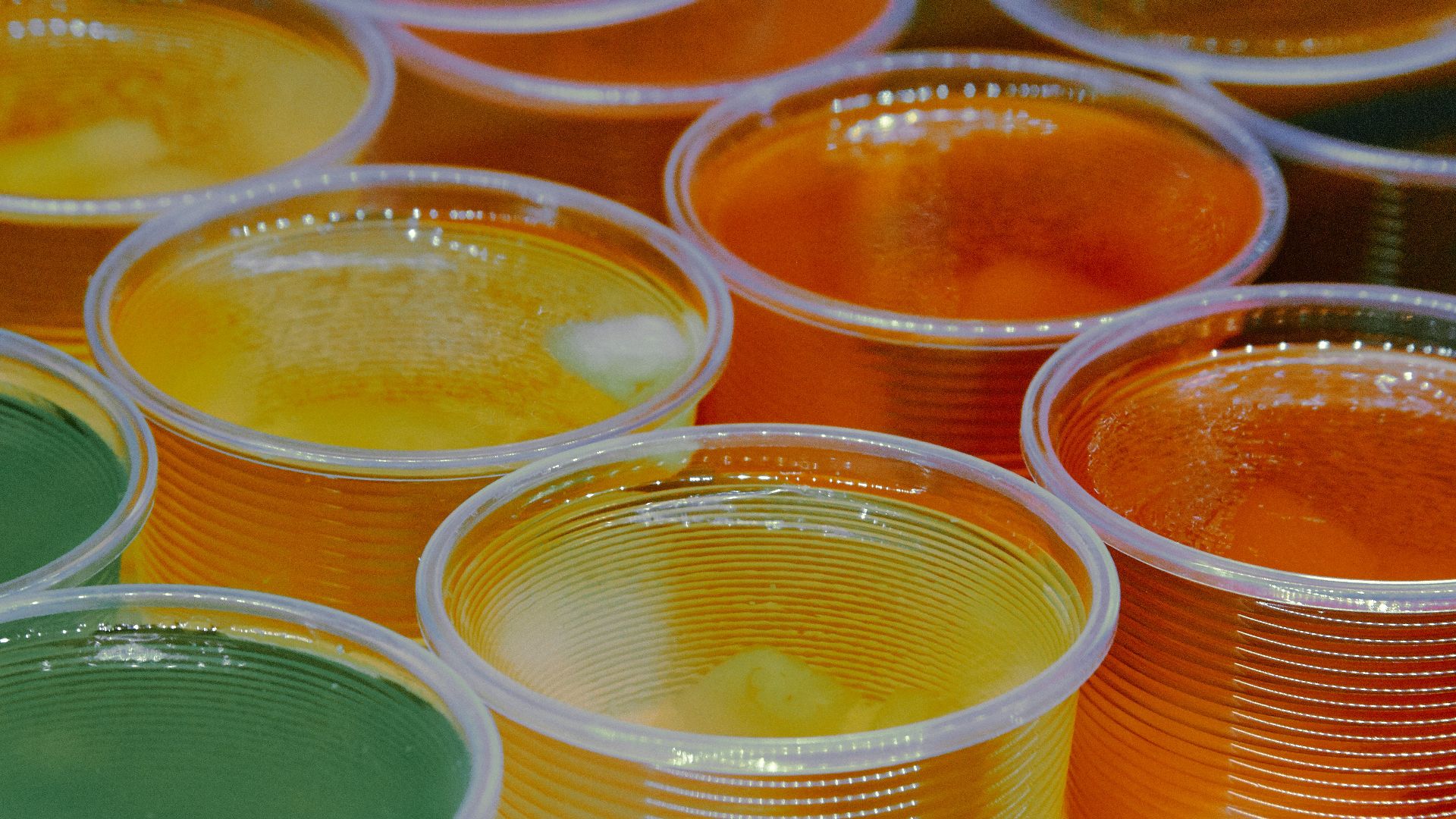
6. Jell-O Is Boiled Collagen
Gelatin comes from collagen extracted by boiling animal skin and bones, mostly from pigs and cows. As the liquid cools, the collagen forms a loose net of protein that traps the water and gives the dessert its wobble. Marshmallows and most gummy candies rely on it too.
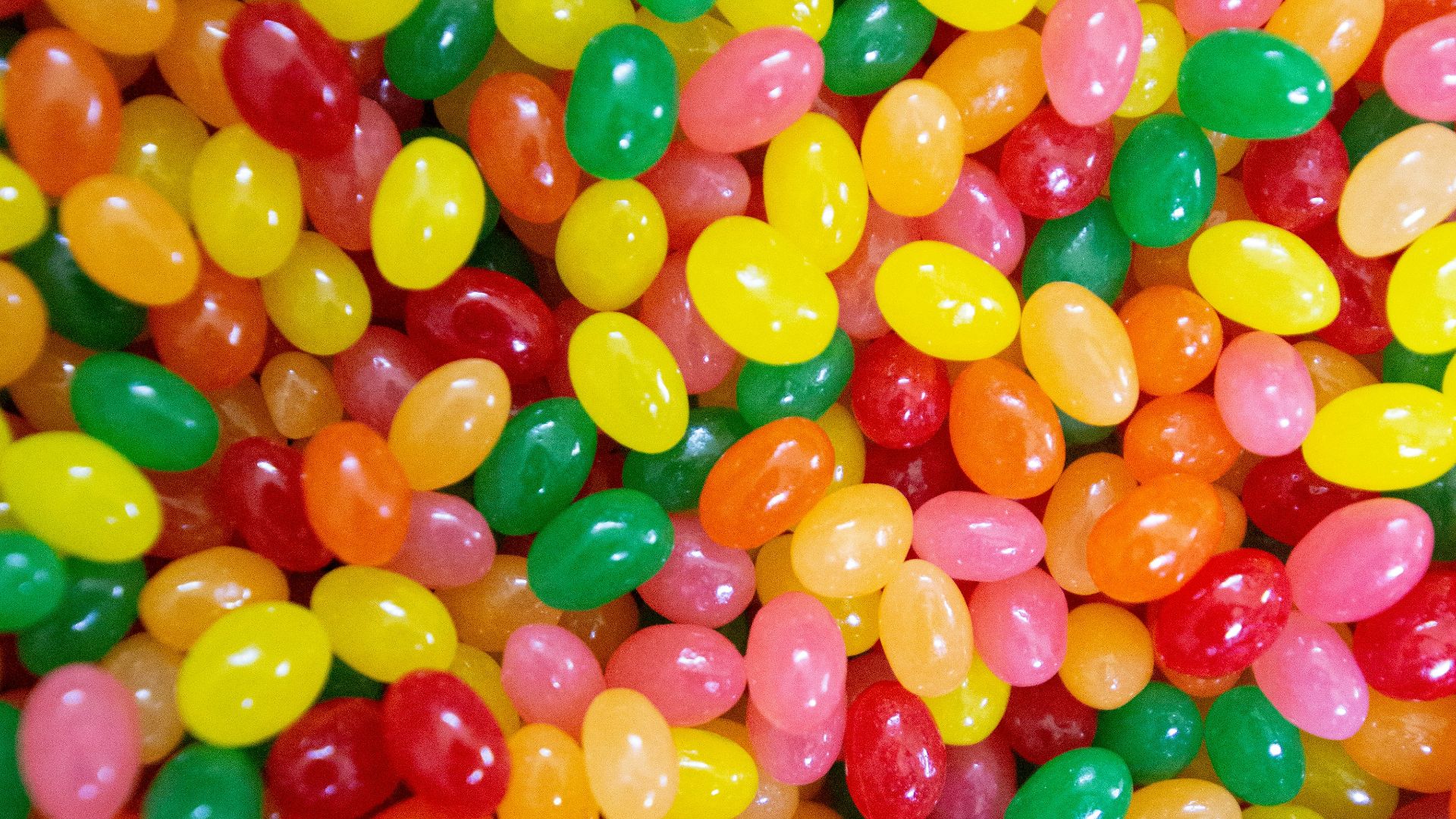
7. Jelly Beans Get Shellac Polish
The glossy shine on many jelly beans and other candies comes from confectioner's glaze, which is shellac. Shellac is a resin secreted by the lac insect and scraped from tree branches, mostly in India and Thailand. Furniture makers also use shellac to finish wood.
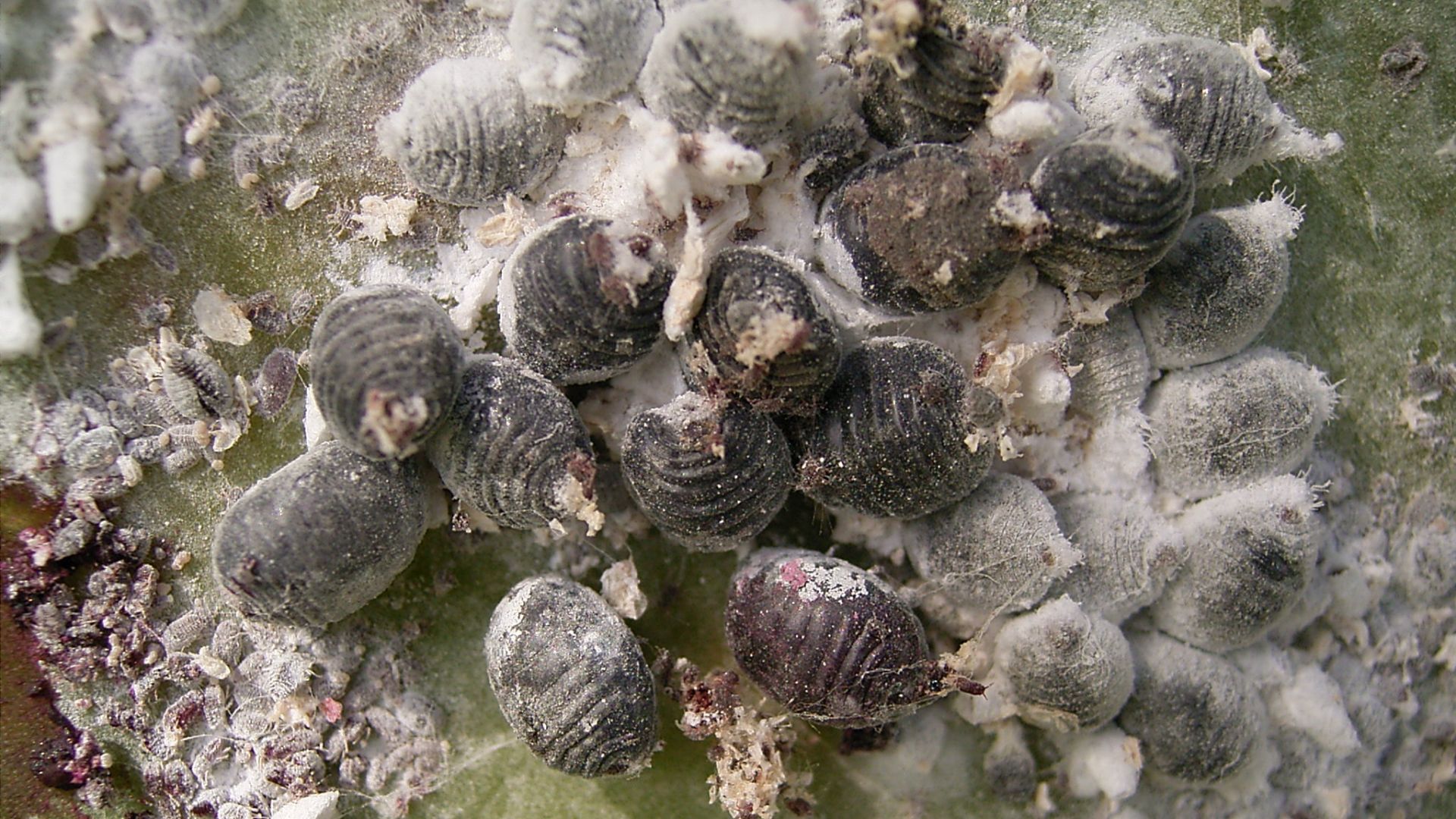
8. Carmine Dye Comes From Cochineal
Many pink and red foods, including some strawberry yogurts and fruit drinks, get their color from carmine, a dye made from crushed cochineal insects. The insects live on prickly pear cactus and make carminic acid as a defense against predators. Labels in the United States have to name it as carmine or cochineal extract, so you can find it on the back of the package.
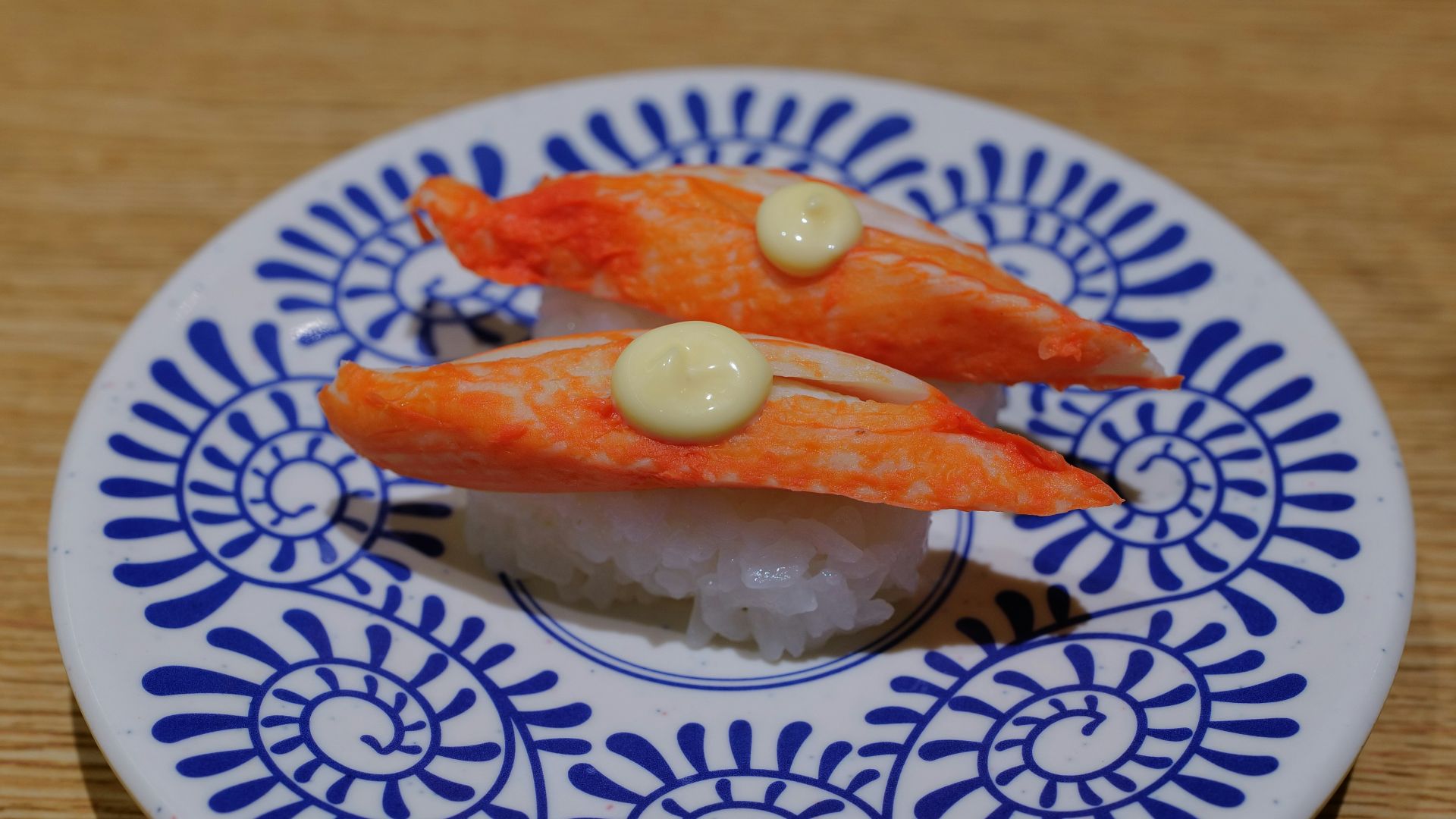
9. Imitation Crab Is Fish Paste
The product sold as imitation crab is surimi, which is fish meat that has been minced and rinsed before it's pressed into a paste. The fish is often Alaska pollock, and the paste gets shaped into sticks with a red tint along one side so it resembles crab legs. Japanese kamaboko fish cakes start from the same kind of paste.
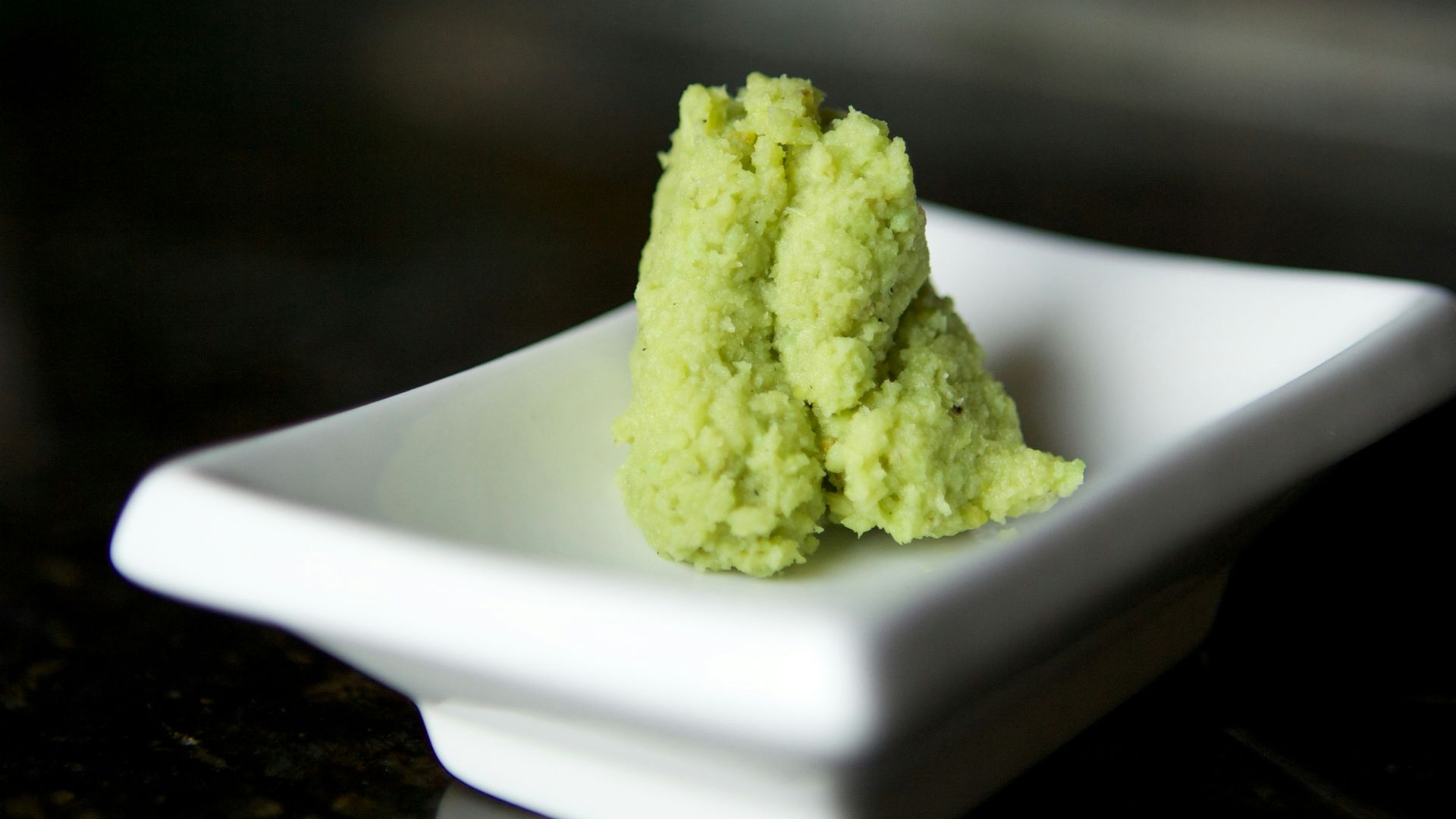
10. Sushi Wasabi Is Often Horseradish
Real wasabi comes from a plant that's hard to grow, so many restaurants outside Japan serve a substitute made of horseradish dyed green, sometimes with mustard added. The substitute delivers a similar burn in the nose. Fresh wasabi tends to taste a little sweeter, and its heat fades faster.
 David Todd McCarty on Unsplash
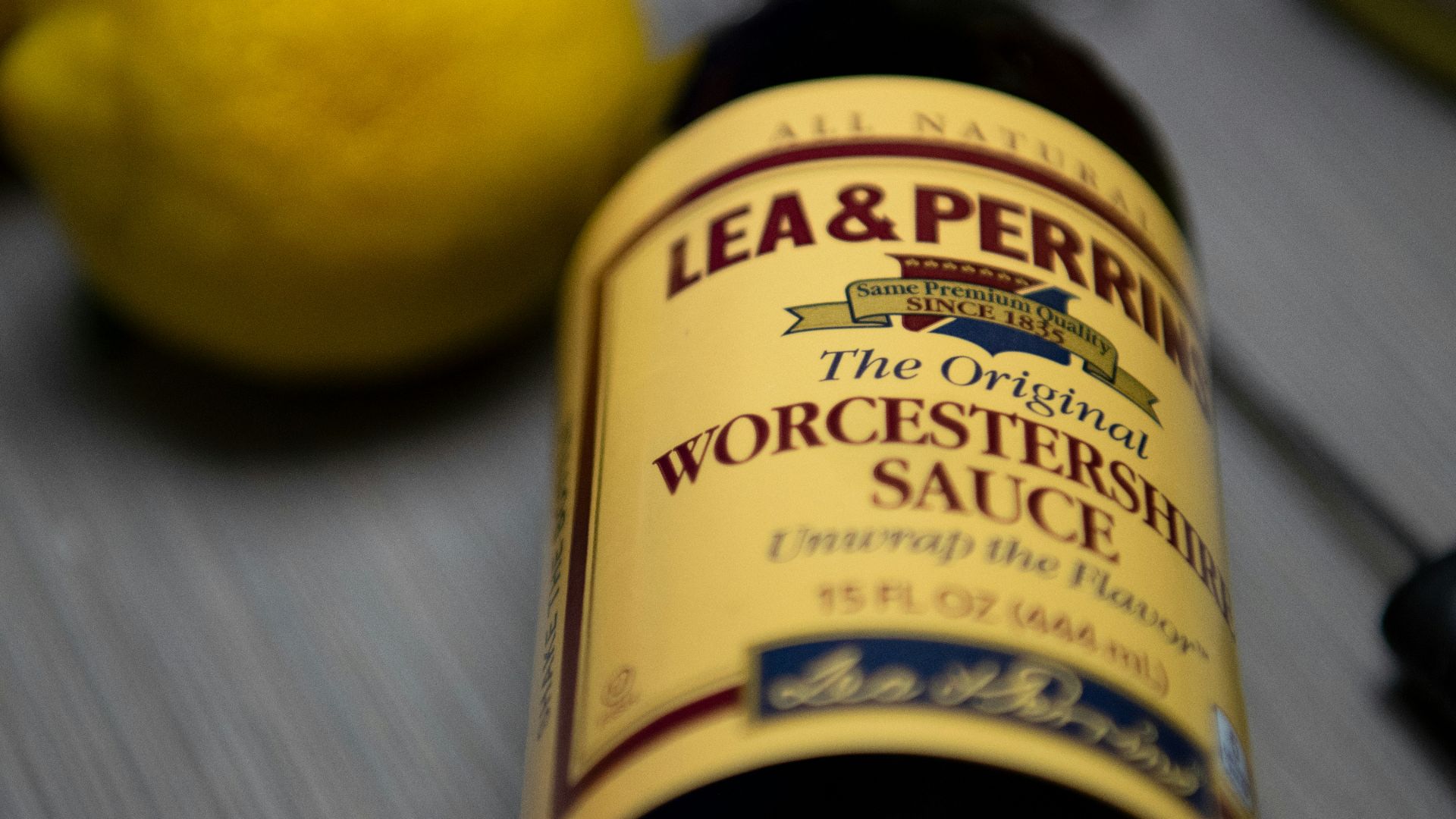
11. Worcestershire Sauce Contains Anchovies
Worcestershire sauce gets its savory depth from anchovies that ferment in vinegar for a long stretch alongside molasses and tamarind. Many producers then age the mixture in barrels before bottling it. A Bloody Mary can carry some of that anchovy flavor, even for people who avoid the fish.
12. Ketchup Began as Fish Brine
The word ketchup likely traces back to a fermented fish sauce from southern China. English cooks later made their own versions from mushrooms and walnuts, and some recipes called for anchovies or oysters. Tomato ketchup became popular in the 1800s.
13. Maple Syrup Is Boiled-Down Sap
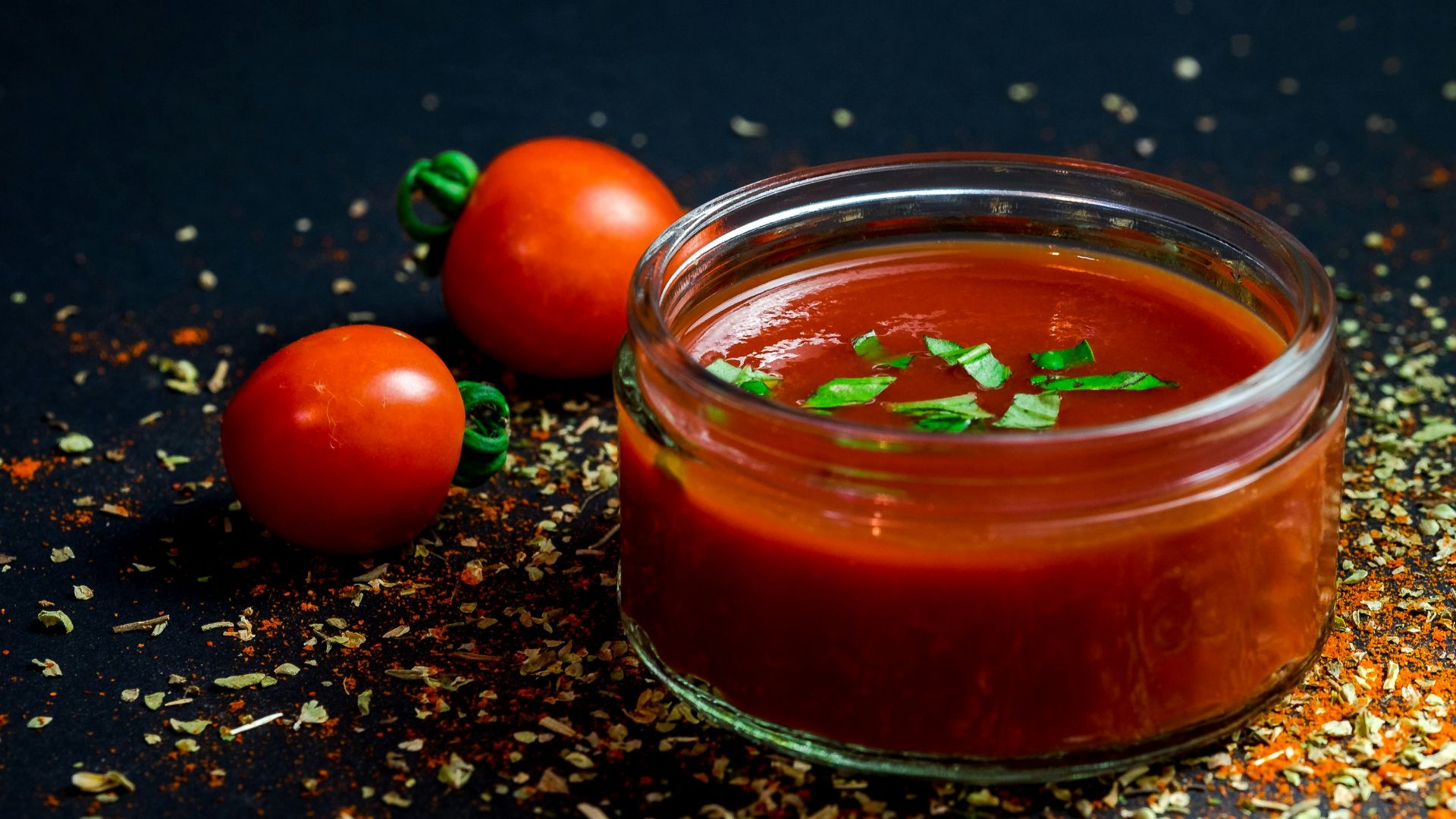
Sap comes out of a maple tree tasting only faintly sweet, so producers boil off most of the water to concentrate it. It takes roughly 40 gallons of sap to make one gallon of syrup. Pancake syrups usually skip that step and are mostly corn syrup with flavoring.
14. Soy Sauce Ferments Under Mold
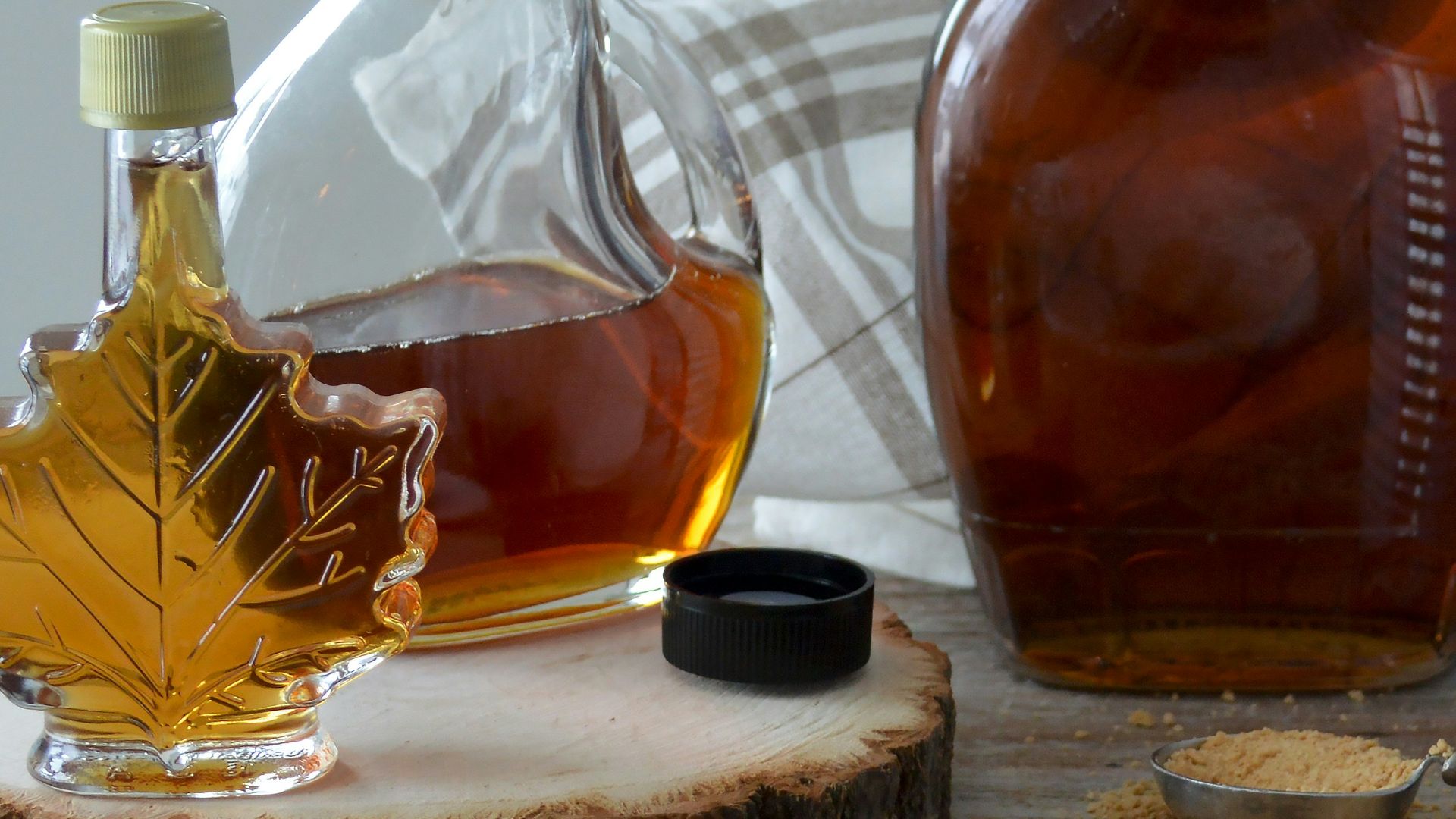
Soy sauce is brewed from soybeans and roasted wheat that have been coated in a mold called koji. The mold's enzymes break down the proteins and starches, and the mash then ferments in brine with yeast and bacteria for months before the liquid gets pressed out. Miso and sake are made with koji too.
15. Brewers Clear Beer With Fish Bladders
Brewers and winemakers sometimes clear their drinks with isinglass, a collagen made from the dried swim bladders of fish. The collagen clumps together with floating yeast and carries it to the bottom of the cask, which leaves the beer looking bright. Very little stays in the glass, but many vegetarians avoid beers made this way, especially cask ales in Britain.

16. Shredded Cheese Ships Coated in Cellulose
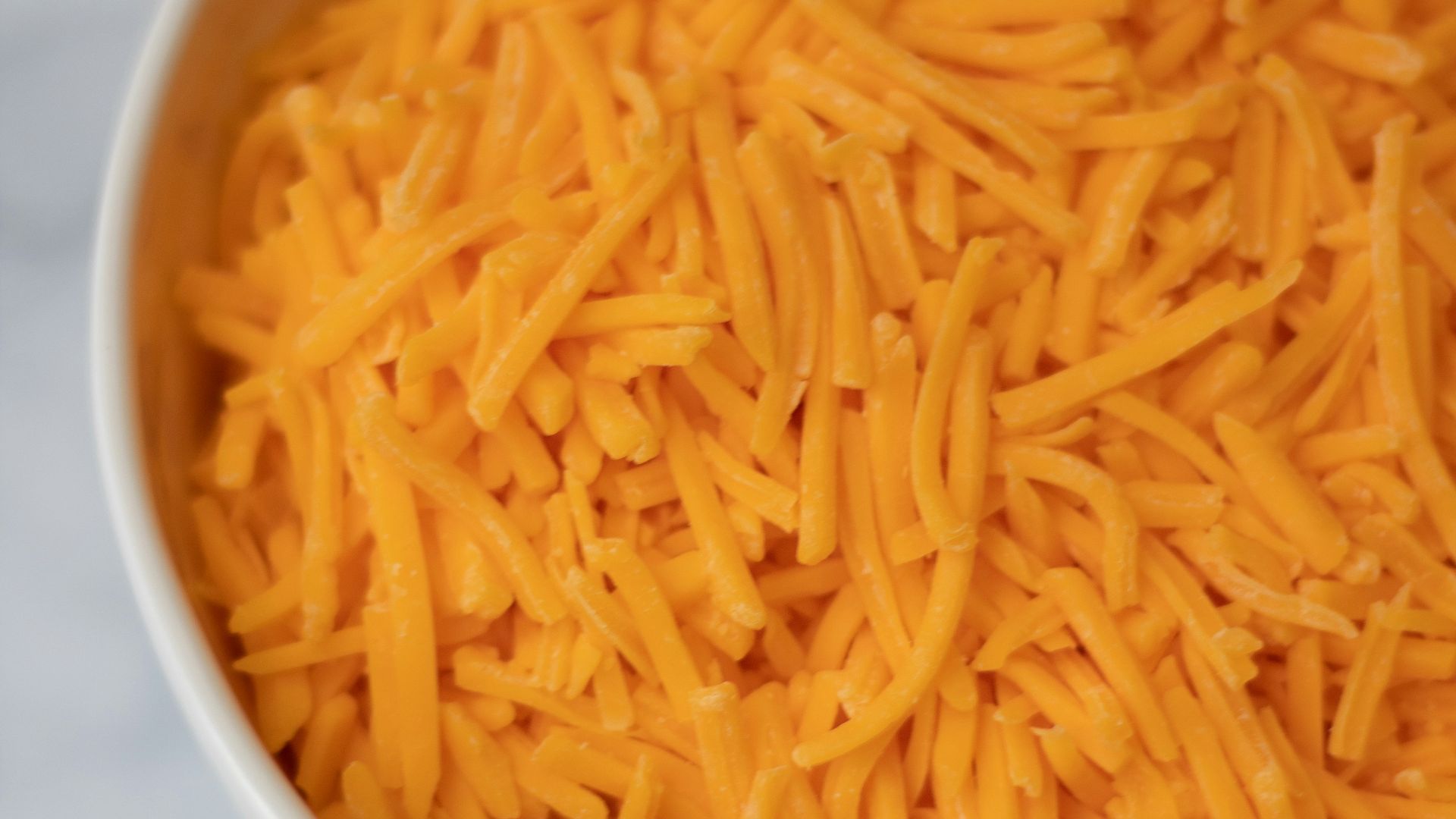
Bagged shredded cheese is often tossed with powdered cellulose, a fiber that usually comes from wood pulp or cotton, to keep the shreds from clumping. The powder has no taste and soaks up moisture, so the cheese pours out of the bag in loose strands. Some brands rely on potato starch to do that job.
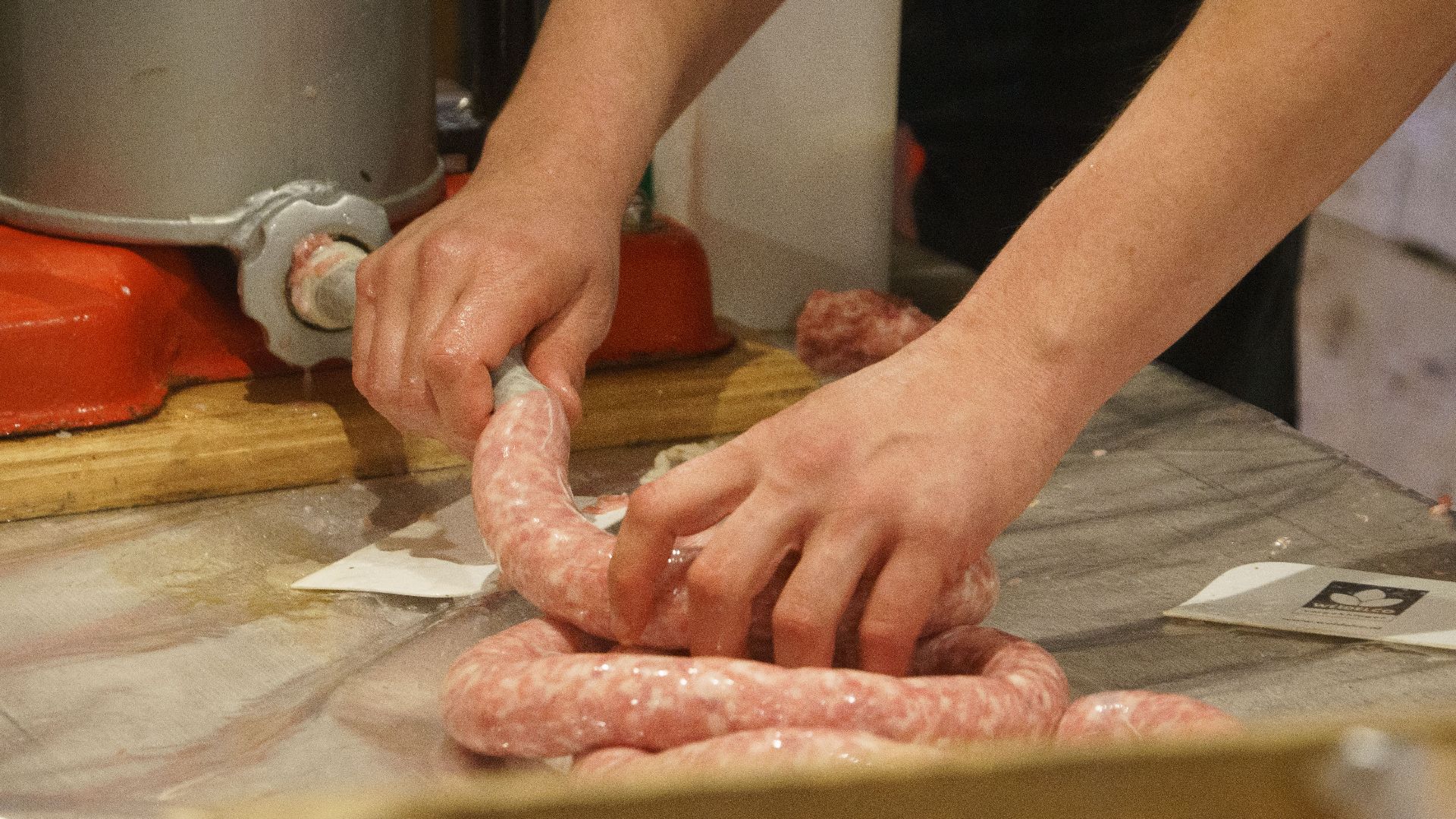
17. Sausage Casings Are Cleaned Intestines
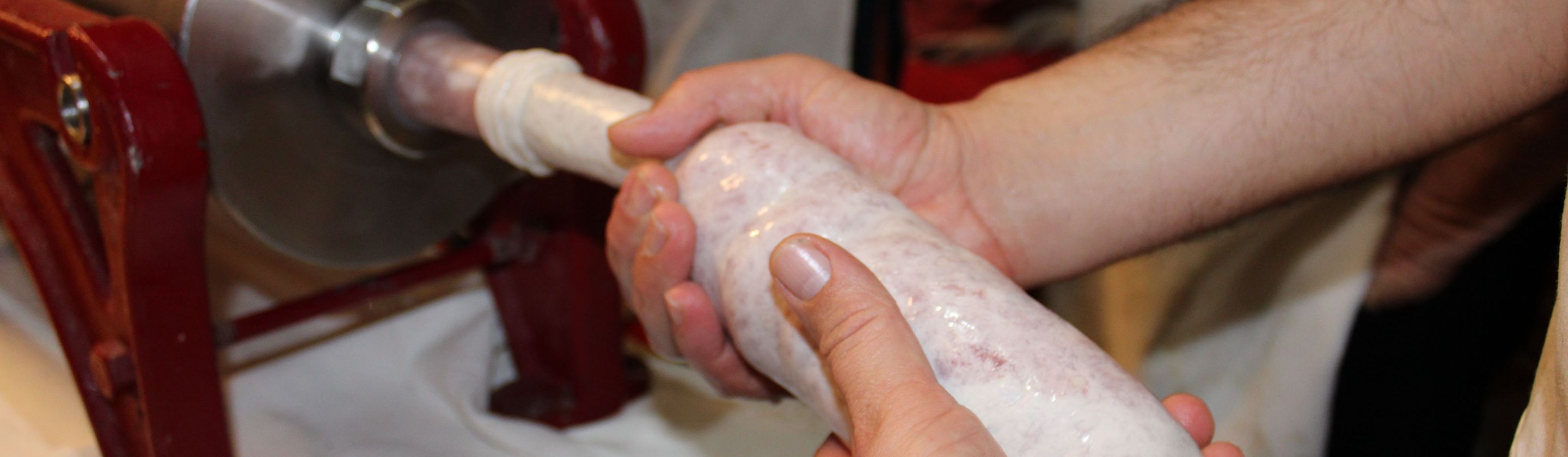
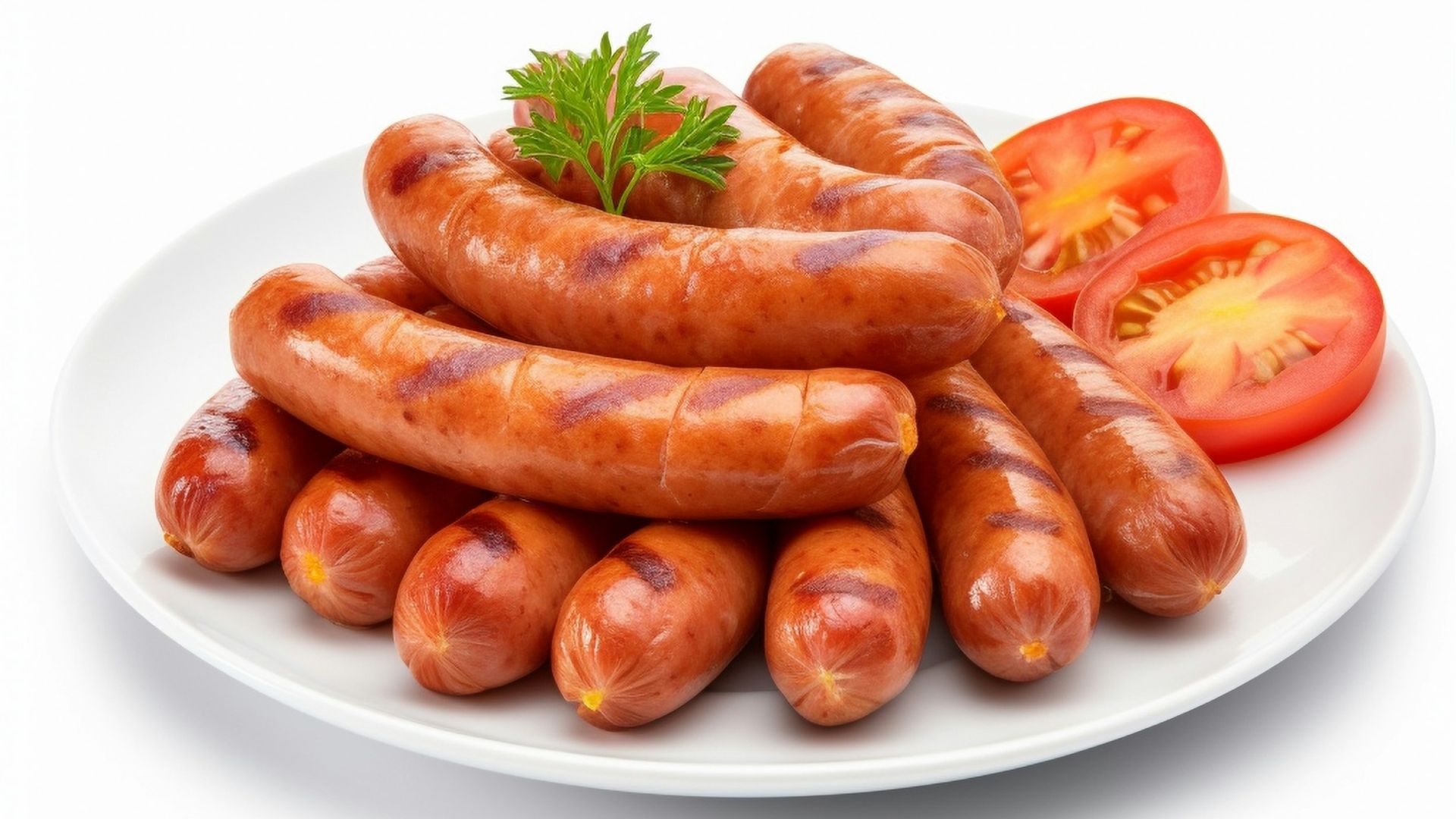
Natural sausage casings are the cleaned and salted intestines of animals, usually pigs or sheep. Producers flush and scrape them before stuffing, and what remains is the layer that gives a bratwurst its snap. Many supermarket sausages use casings made of collagen or cellulose instead.
 personalgraphic.com on Unsplash
18. Gum Bases Use Synthetic Rubber
The base of many chewing gums is made largely of synthetic rubbers such as butyl rubber and polyisobutylene. Butyl rubber also shows up in bicycle tires and basketballs because it holds air so well. Early gum used chicle, a tree latex, before many makers moved to petroleum-based polymers.

19. Vinegar Forms When Wine Goes Sour
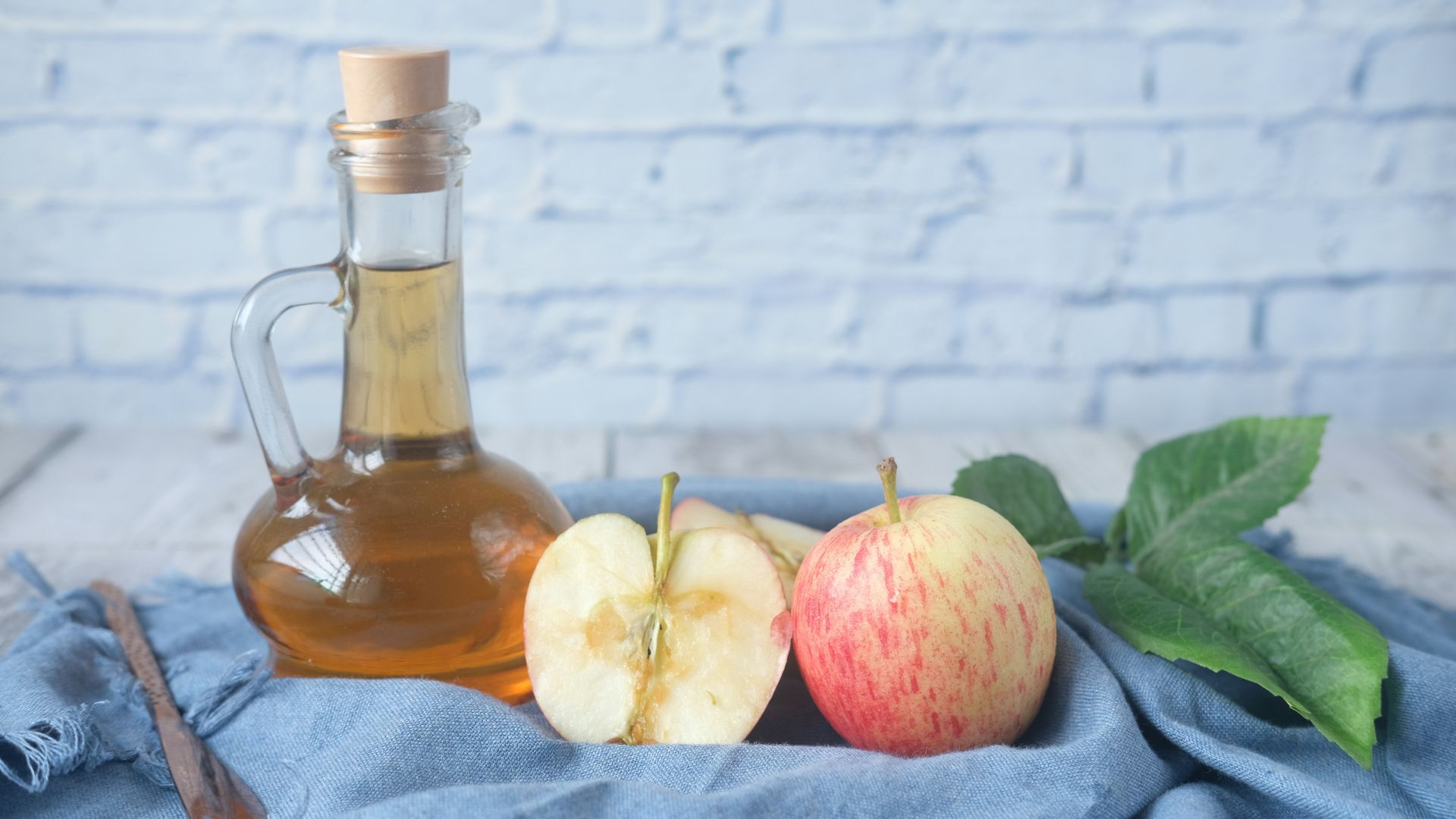
The word vinegar comes from the Old French for sour wine, which is close to a literal description. Wine that sits open to the air gets invaded by bacteria that convert the alcohol into acetic acid. Vinegar makers now set up that process on purpose, keeping plenty of air in contact with the liquid.
20. Eggs Start as an Unfertilized Cell
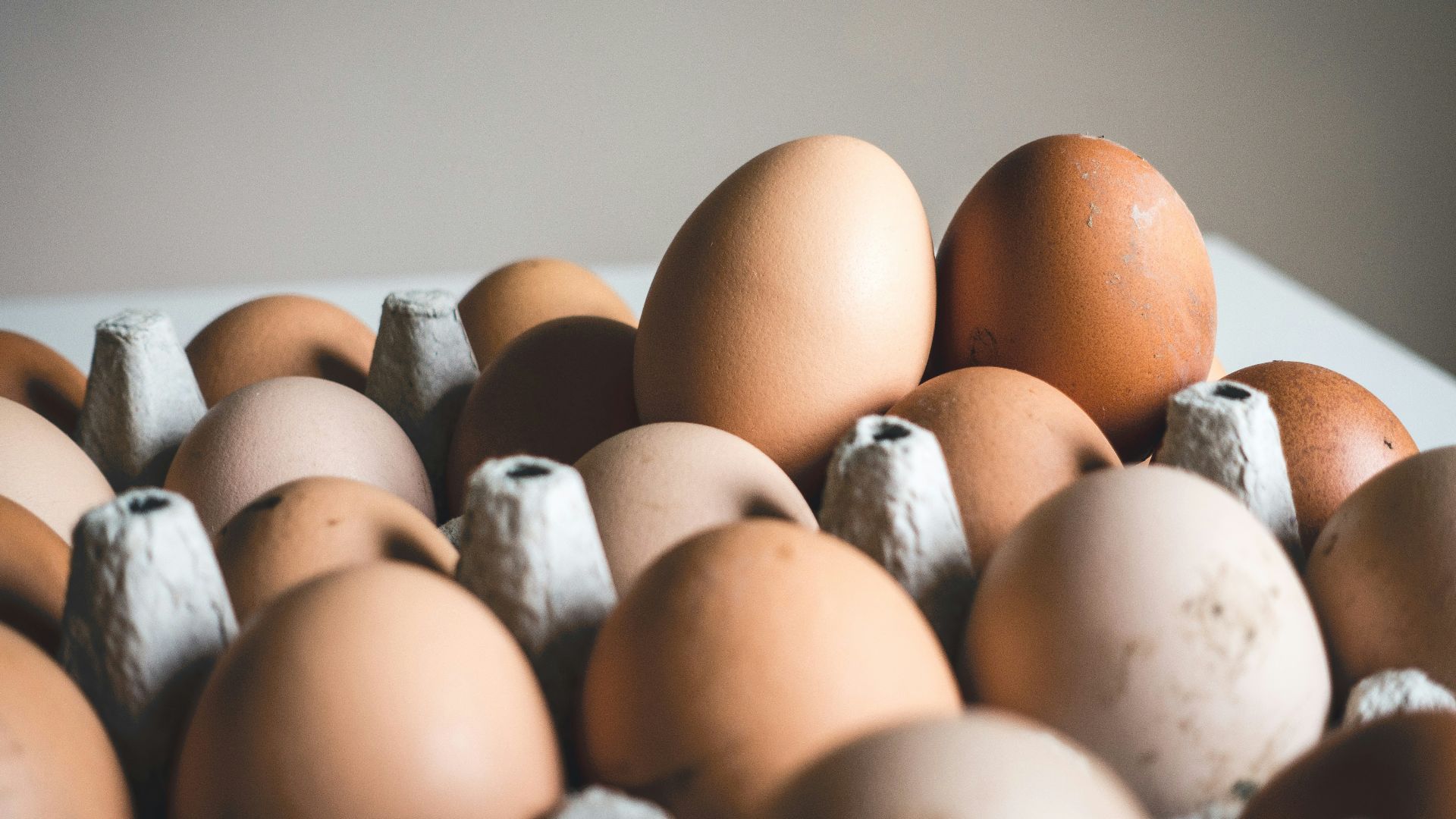
A hen releases a yolk from her ovary about once a day, and as it travels down her oviduct, her body adds the egg white and then the shell. Most commercial laying hens live without roosters, so the eggs in a carton are unfertilized and can't develop into chicks.
KEEP ON READING
10 Gut-Health Foods Worth the Hype & 10 You Can Skip