When Appetite Outruns Nature
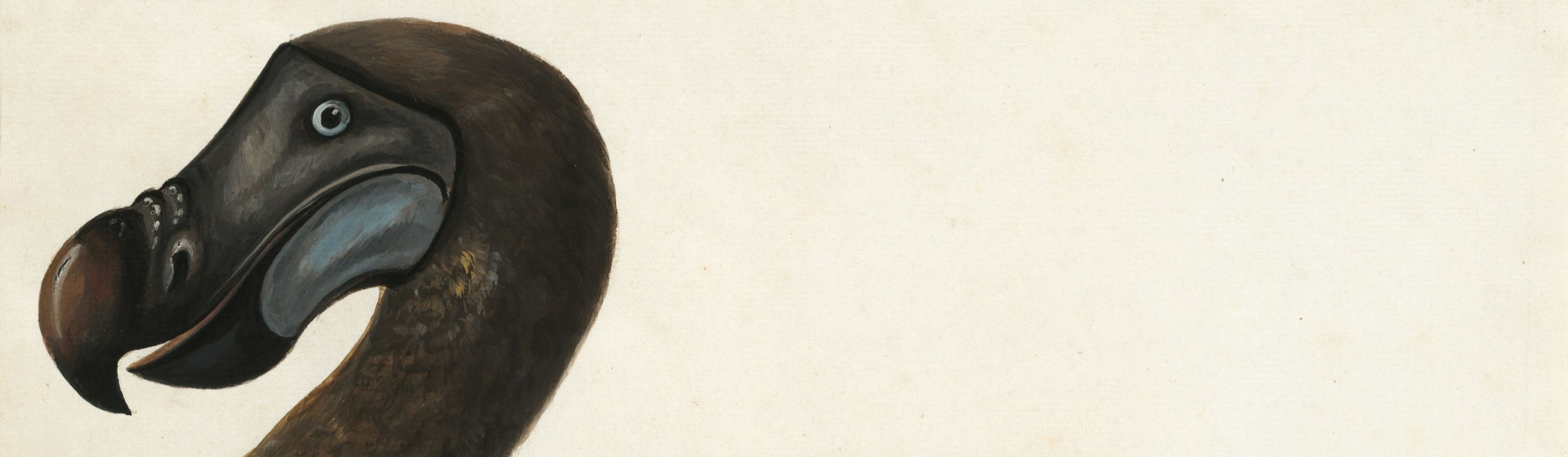
There is something uniquely unsettling about eating something out of existence. Not just using it up, not just pushing it aside, but actually finishing it. History has a way of softening that reality, turning it into trivia or odd footnotes. But when you look a little closer, the pattern feels familiar. We find something abundant, we lean on it hard, and we assume it will always be there—until it isn’t. These are 20 foods that people harvested so heavily, and so consistently, that they disappeared.
1. Great Auk
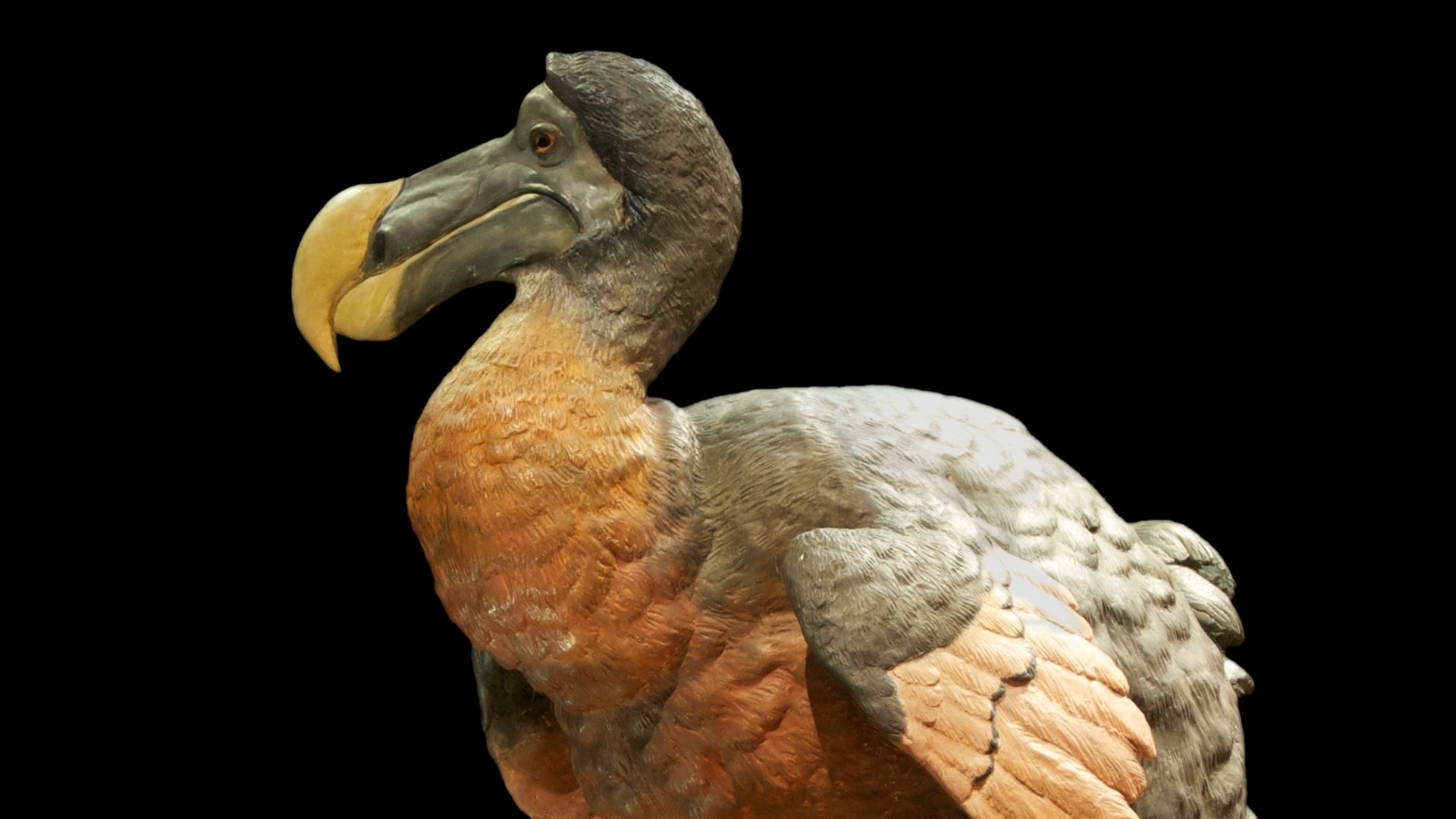
The great auk was large, flightless, and easy to approach on rocky North Atlantic islands. Hunters took them in huge numbers for meat, eggs, and oil, often killing entire colonies in a single visit. By the mid-1800s, the last birds were gone, taken in part because they had once seemed endless.
2. Passenger Pigeon
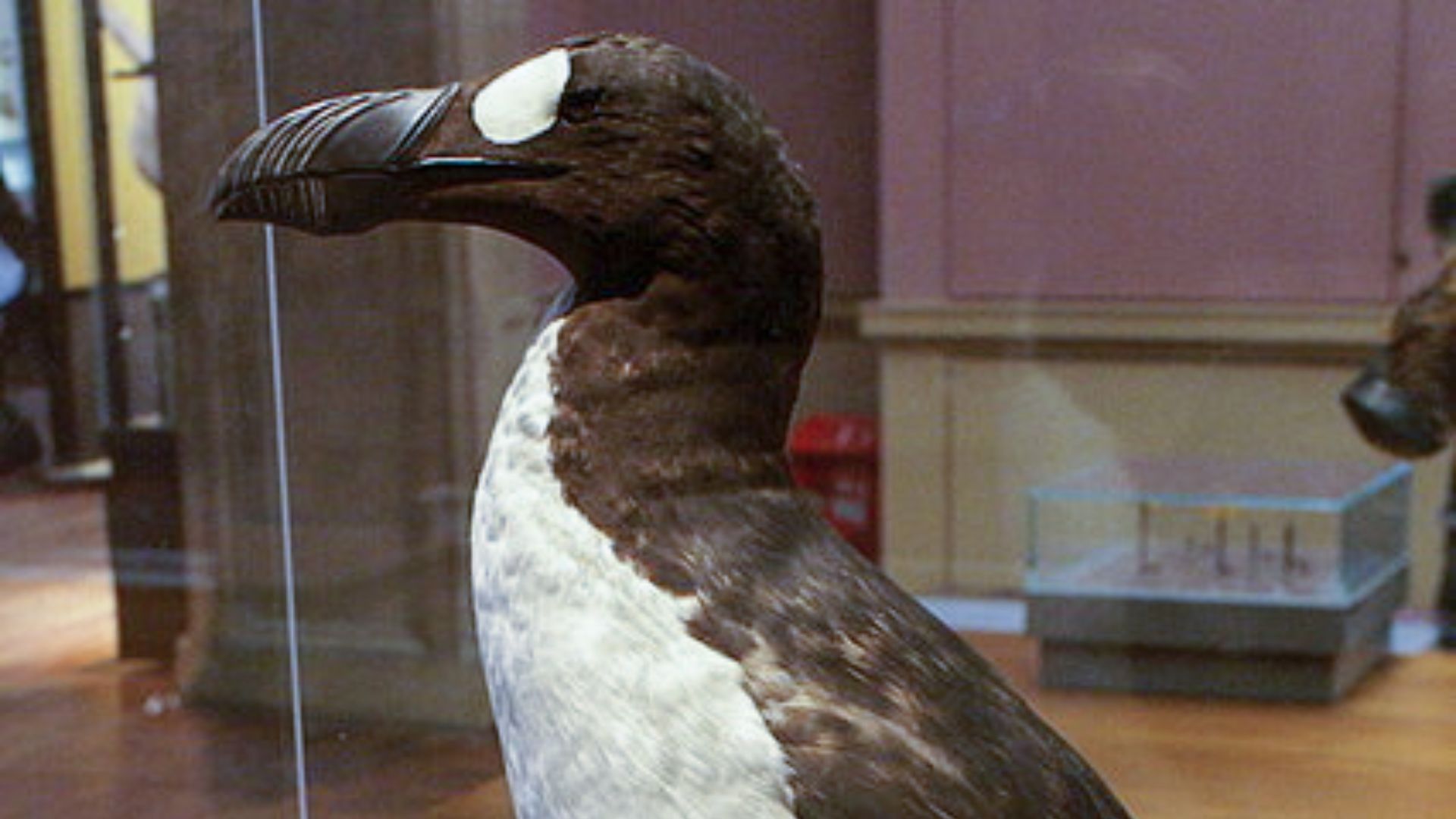
Passenger pigeons were once one of the most abundant birds on Earth. They were hunted at industrial scale for cheap meat, packed into barrels, and shipped across the country. That scale of harvest collapsed the population in just a few decades.
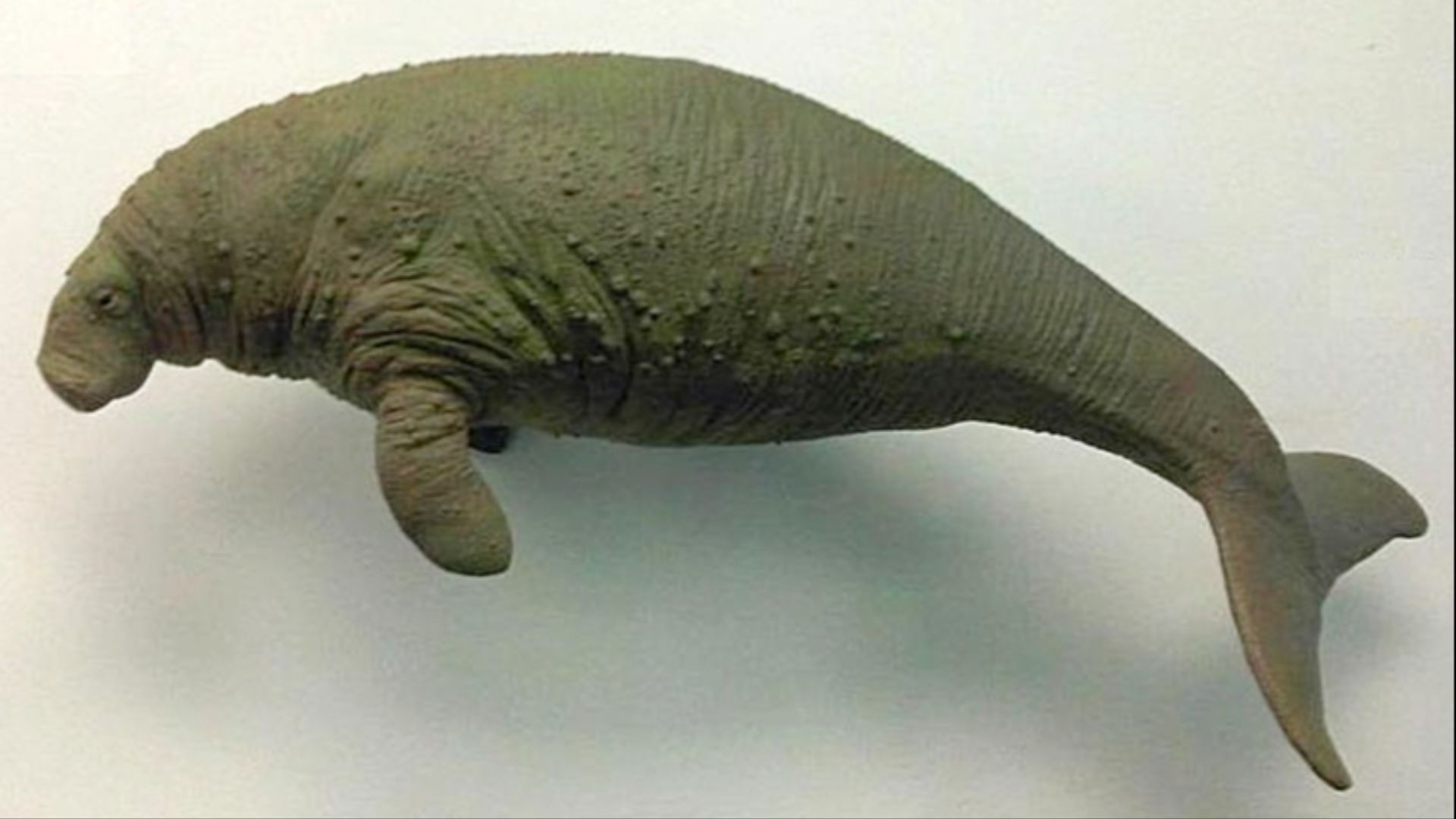
3. Steller’s Sea Cow
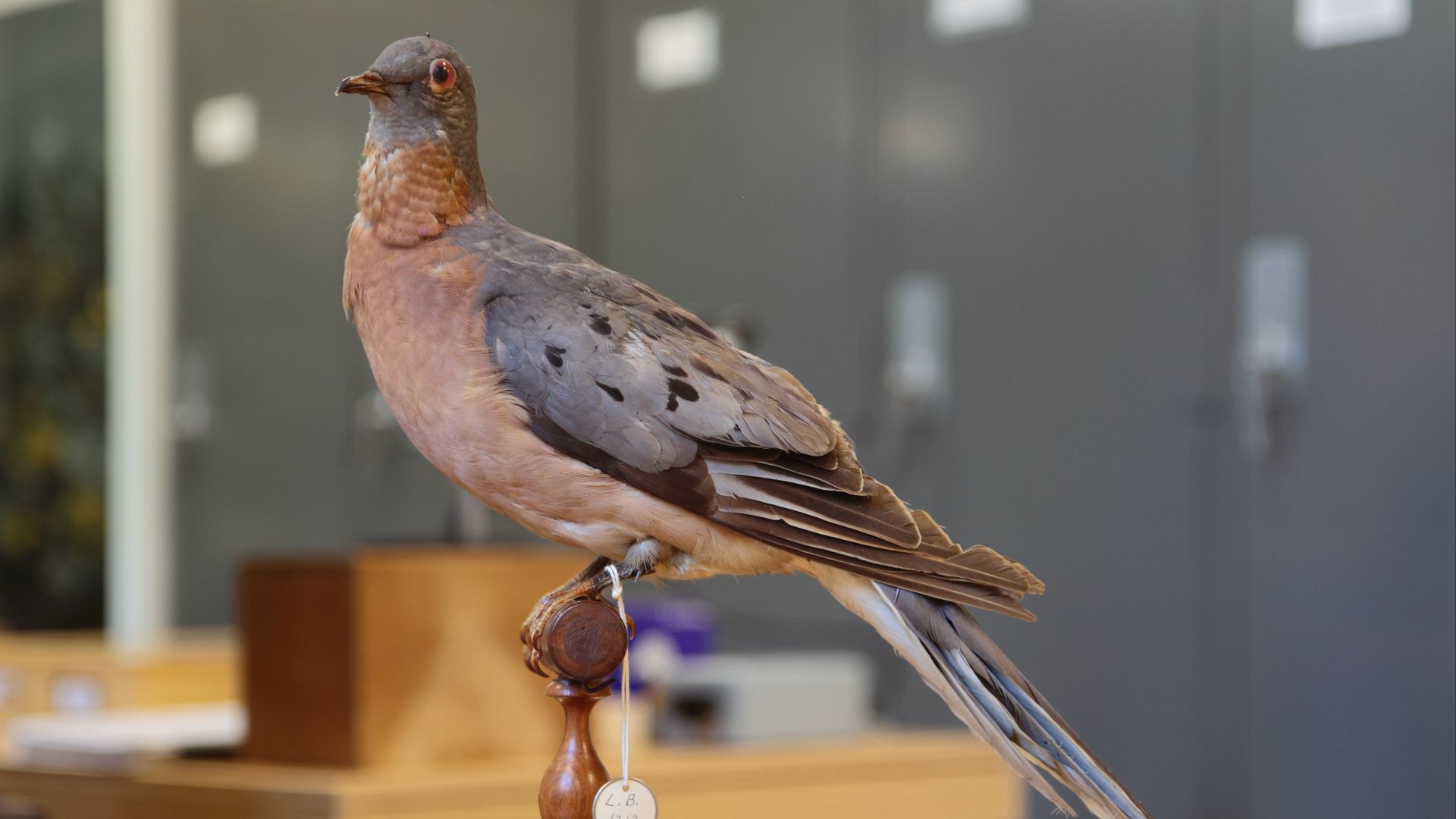
Steller’s sea cow was discovered in the 18th century and wiped out within a generation. It floated in shallow waters and provided huge amounts of meat and fat with little effort. Sailors treated it as a reliable food supply, which turned out to be a fatal mistake for the species.
4. Dodo
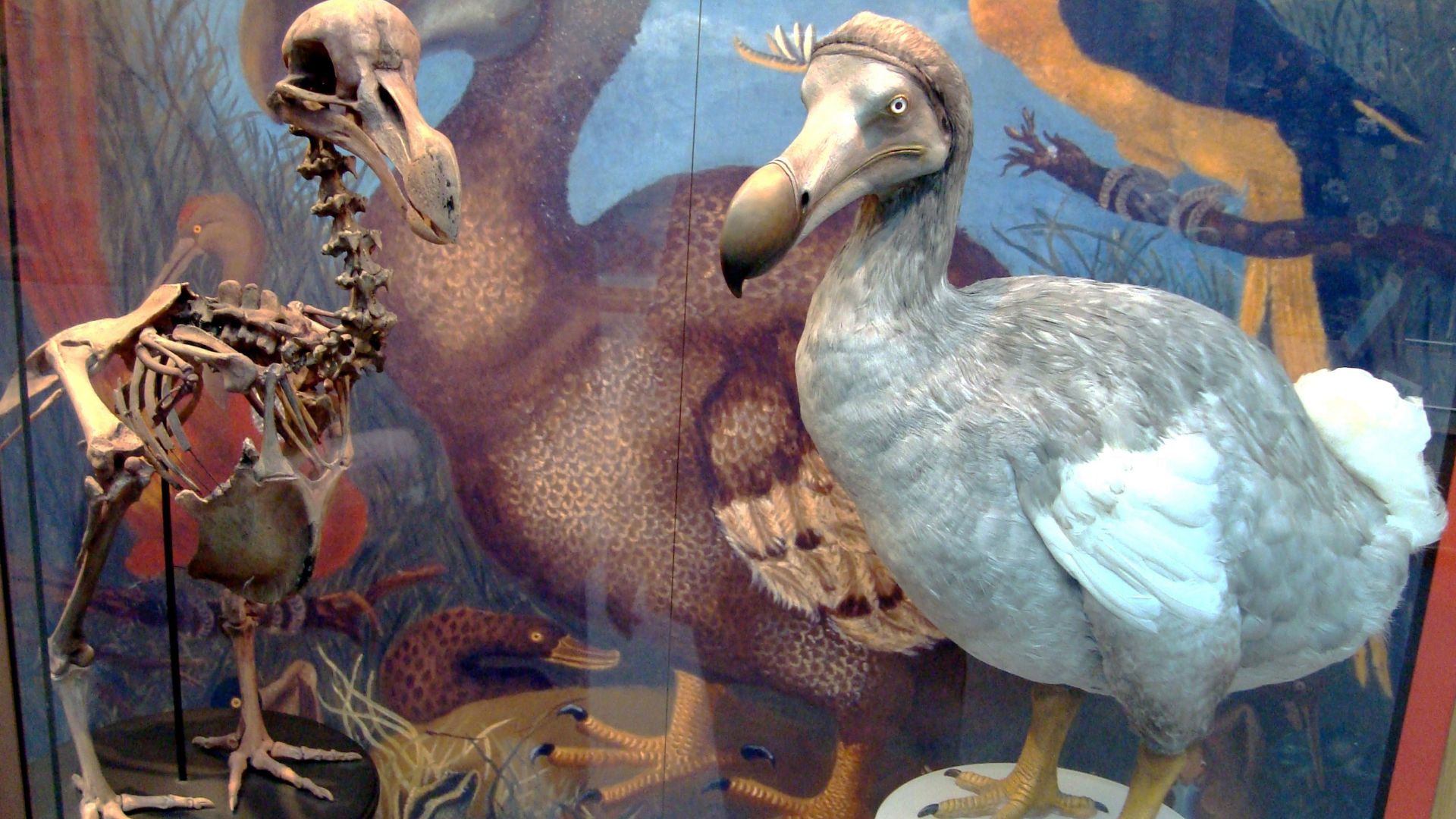
The dodo lived without predators until humans arrived on Mauritius. It was hunted for food, and its nests were raided by animals people brought with them. Between direct harvest and egg loss, the species unraveled quickly.
5. Moa
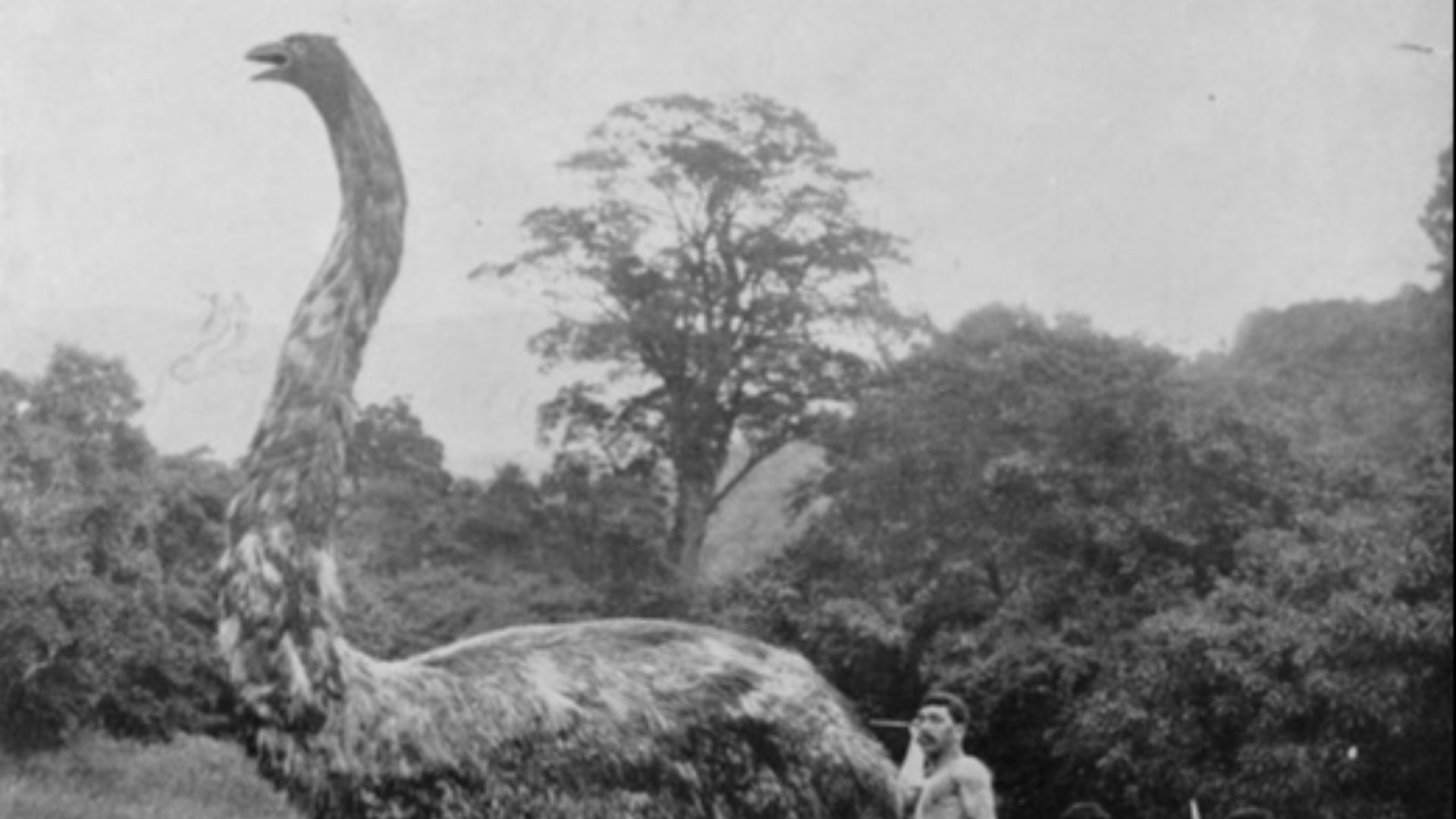
Moa were massive, flightless birds in New Zealand that became a primary food source for early settlers. Hunting pressure was intense and constant, with entire populations taken over a relatively short period. Within a few centuries, all species of moa were gone.
 Augustus Hamilton on Wikimedia
6. Elephant Bird
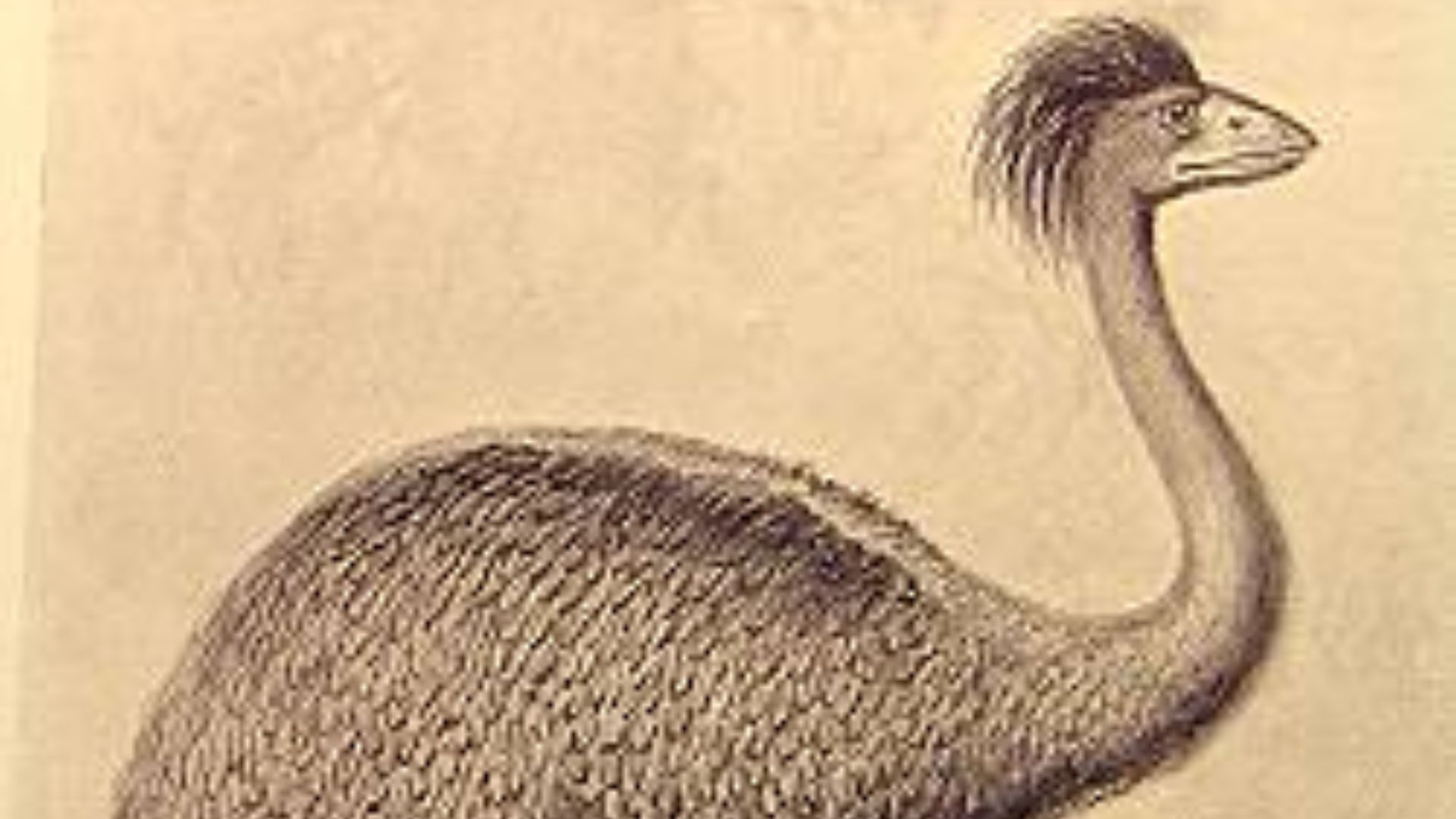
Madagascar’s elephant bird was hunted for its meat, but its eggs were just as important. Those eggs were enormous and easy to collect, making them a steady food source. Between egg harvesting and hunting adults, the species disappeared.
 Unknown authorUnknown author on Wikimedia
7. Caribbean Monk Seal
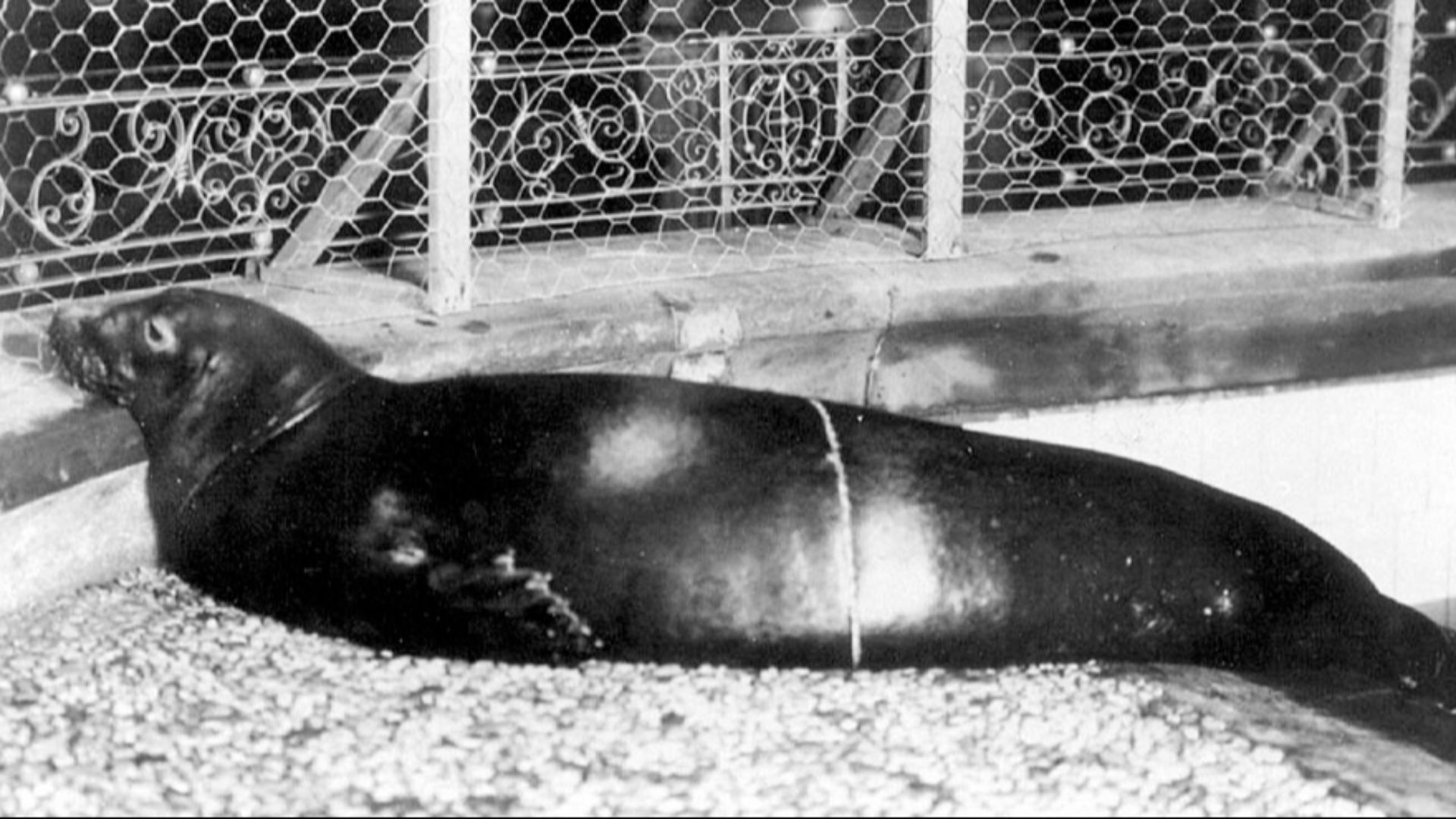
This seal was an easy target for sailors moving through the Caribbean. It was hunted for meat and oil, often taken directly from beaches where it rested. The steady harvest wore the population down until it vanished.
 New York Zoological Society. on Wikimedia
8. Aurochs
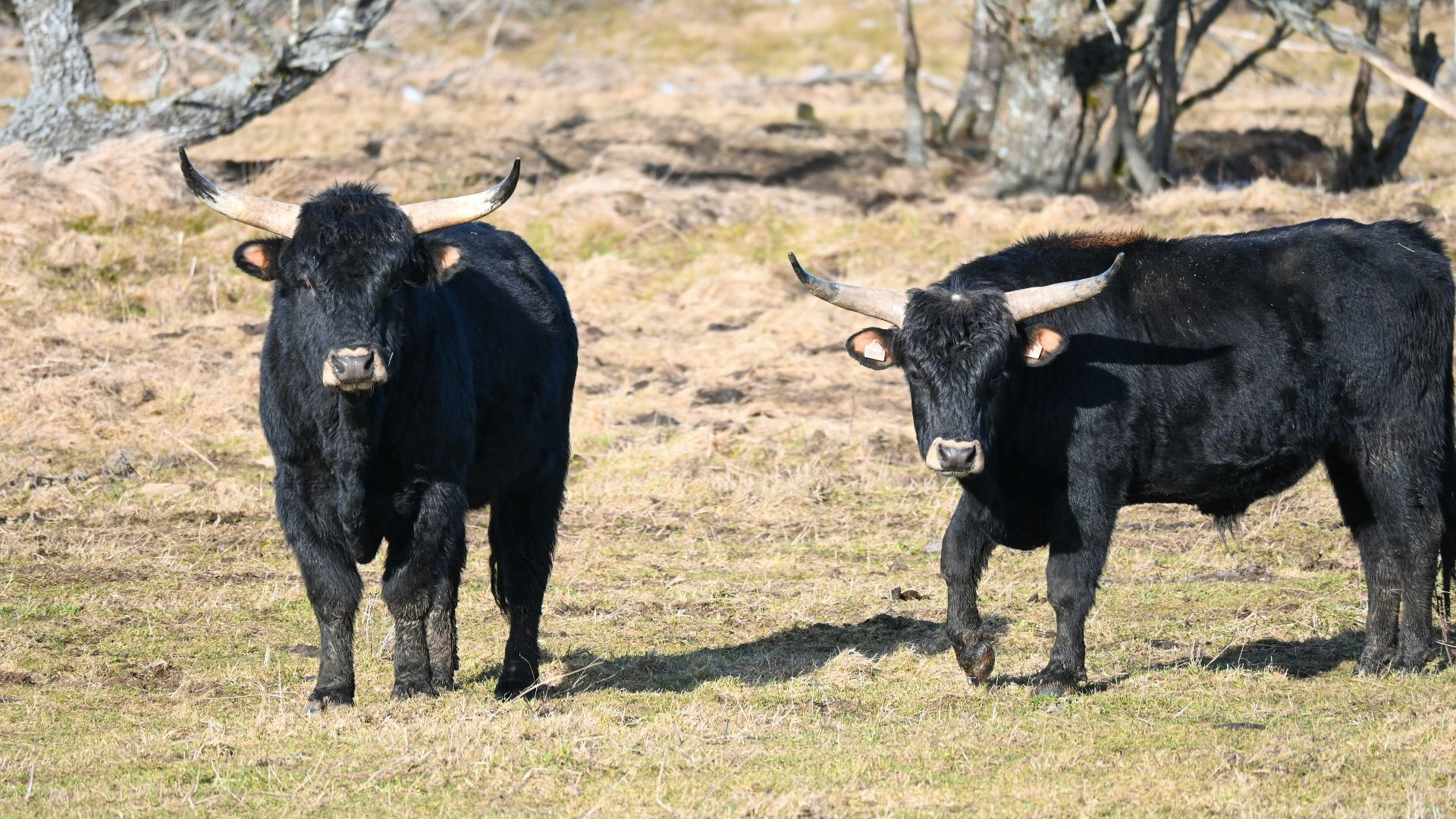
The aurochs, ancestor of modern cattle, was hunted across Europe and parts of Asia for meat. As human populations expanded, hunting pressure combined with habitat loss. The last known individual died in the 1600s after centuries of being treated as game.
9. Bluebuck
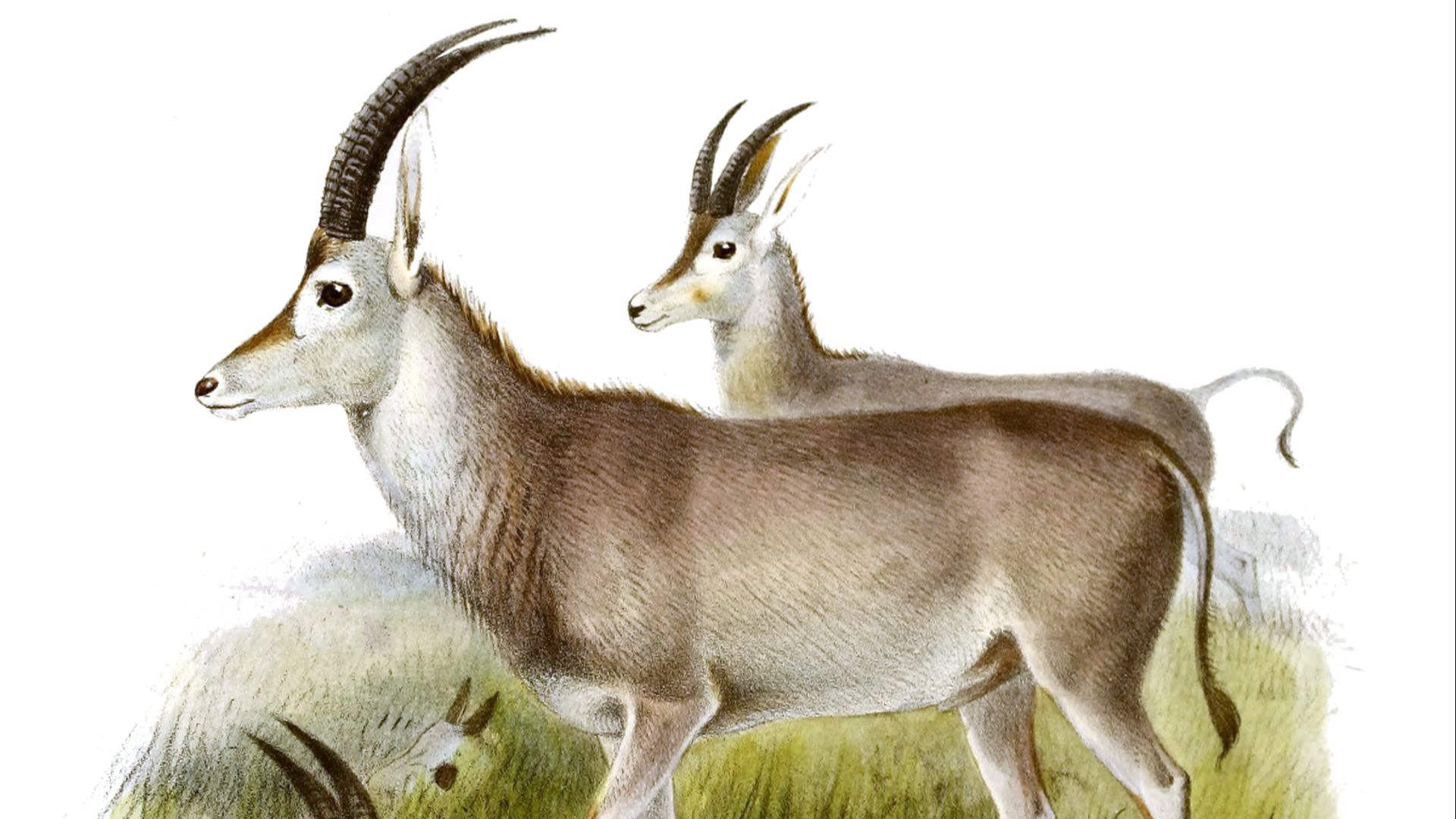
The bluebuck lived in a small range in South Africa and was hunted for food by settlers. Its limited habitat made it especially vulnerable once hunting began. It did not take long for the species to disappear under steady pressure.
 Joseph Smit / Joseph Wolf on Wikimedia
10. Schomburgk’s Deer
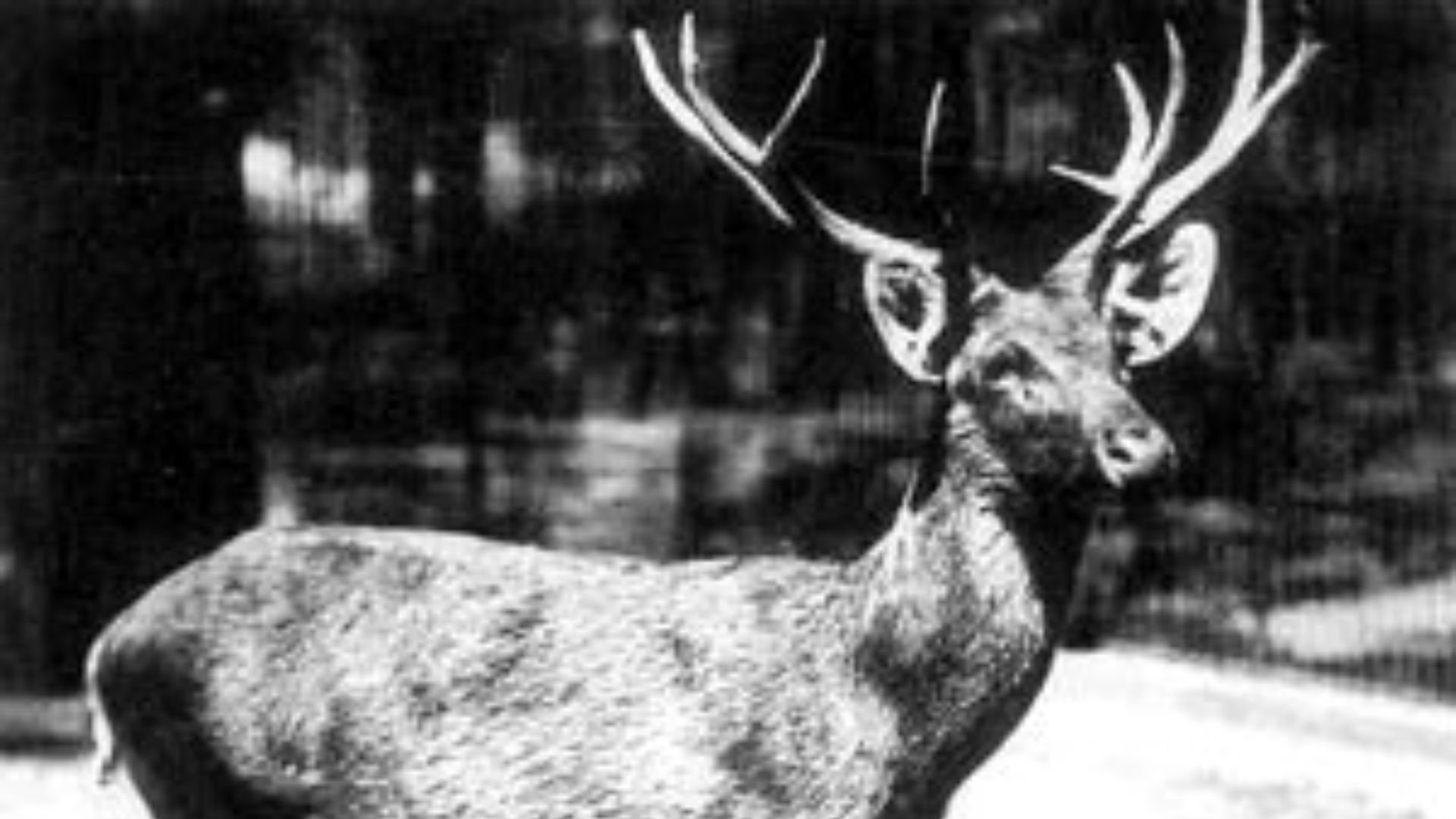
This deer lived in Thailand’s floodplains, where seasonal changes made it easier to hunt. Its meat was valued, and populations were repeatedly harvested during dry periods. Over time, that pattern became unsustainable.
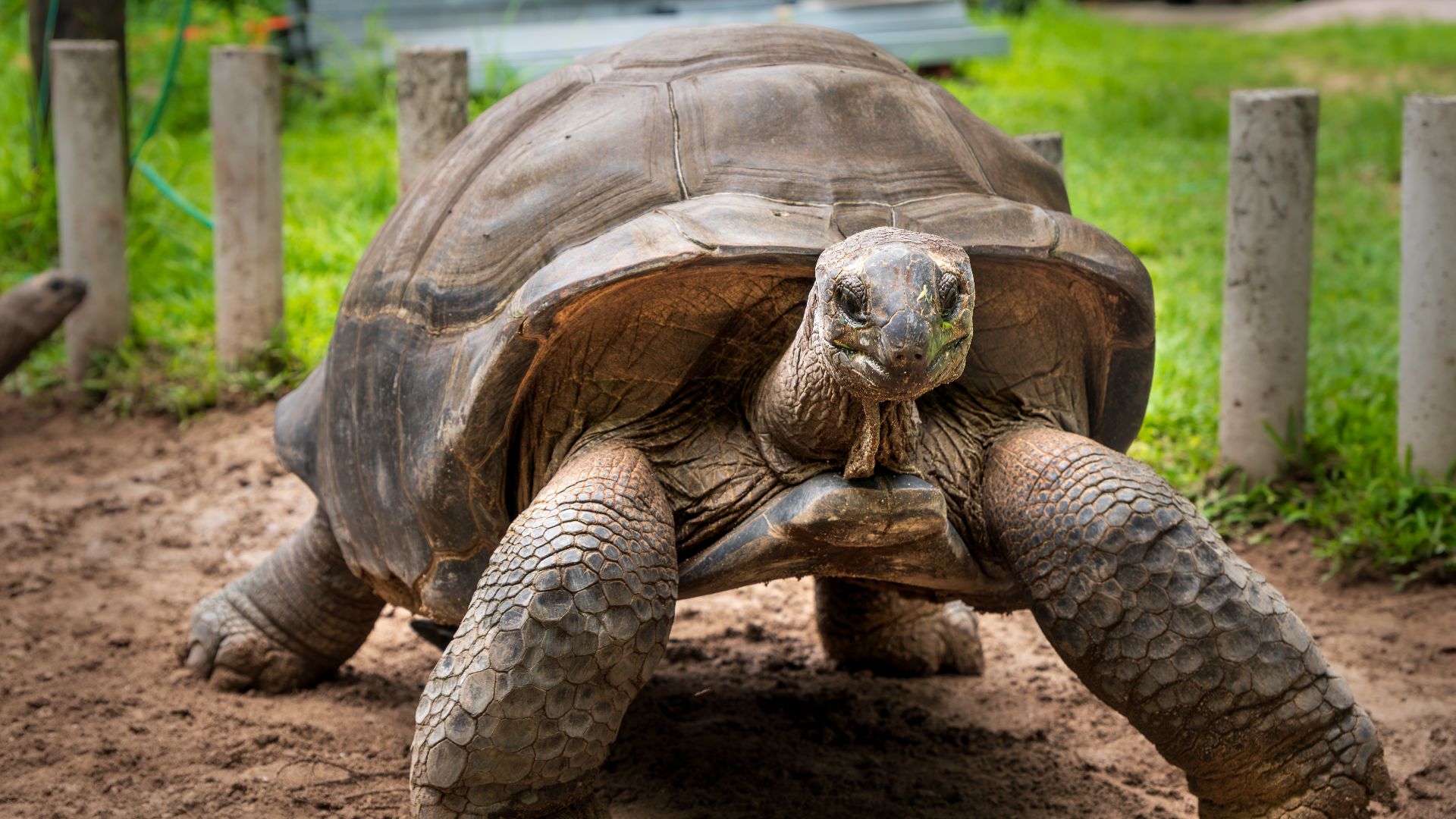
11. Giant Tortoises of the Mascarenes
Island tortoises were taken in large numbers by sailors who needed fresh meat on long voyages. They could be stored alive on ships for months, which made them especially valuable. That convenience led to relentless harvesting.
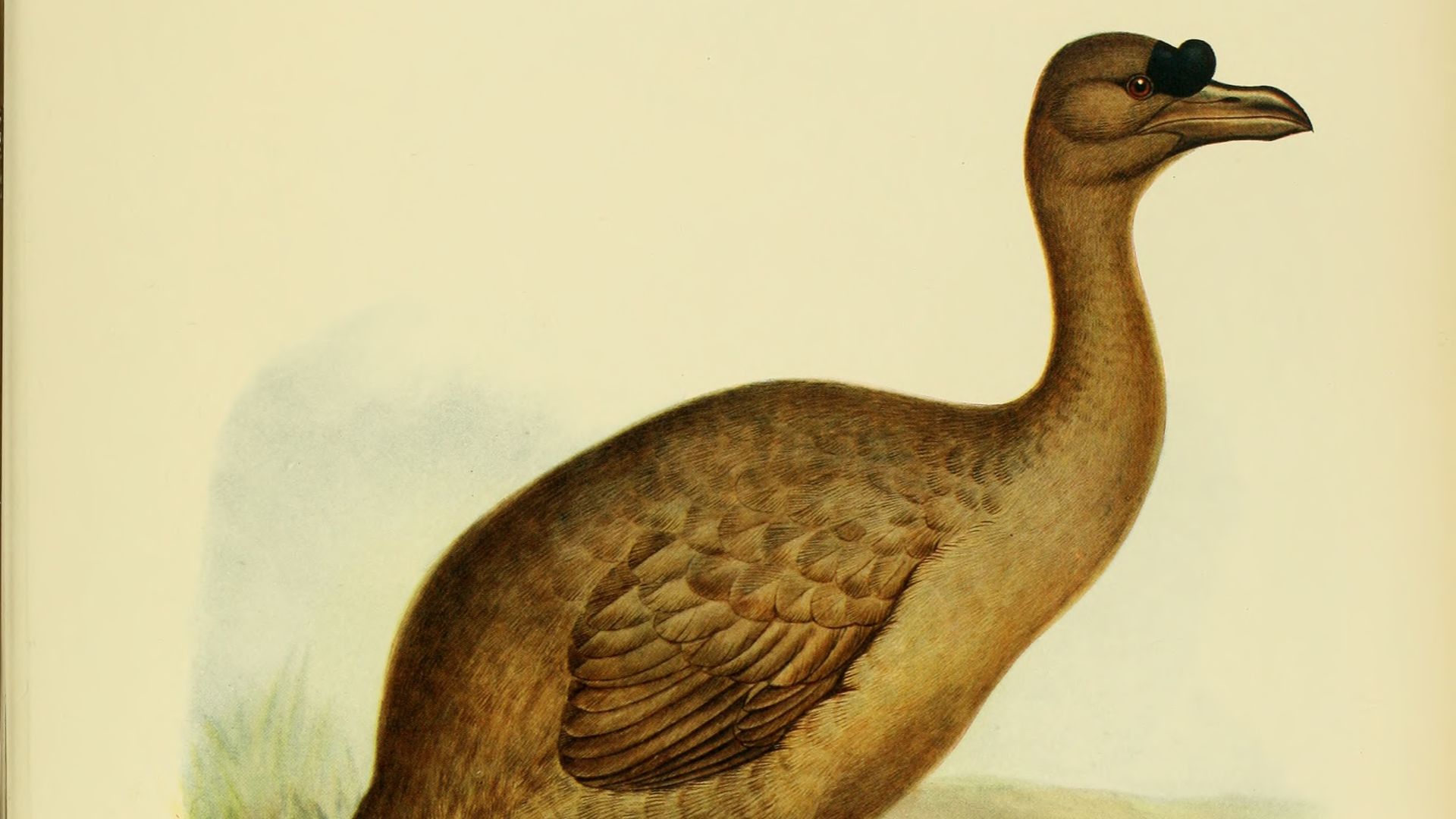
12. Rodrigues Solitaire
This large, flightless bird from Rodrigues Island was hunted heavily for food. It had no natural fear of humans, which made it easy to catch. As with many island species, that lack of caution proved fatal.
 Frederick William Frohawk on Wikimedia
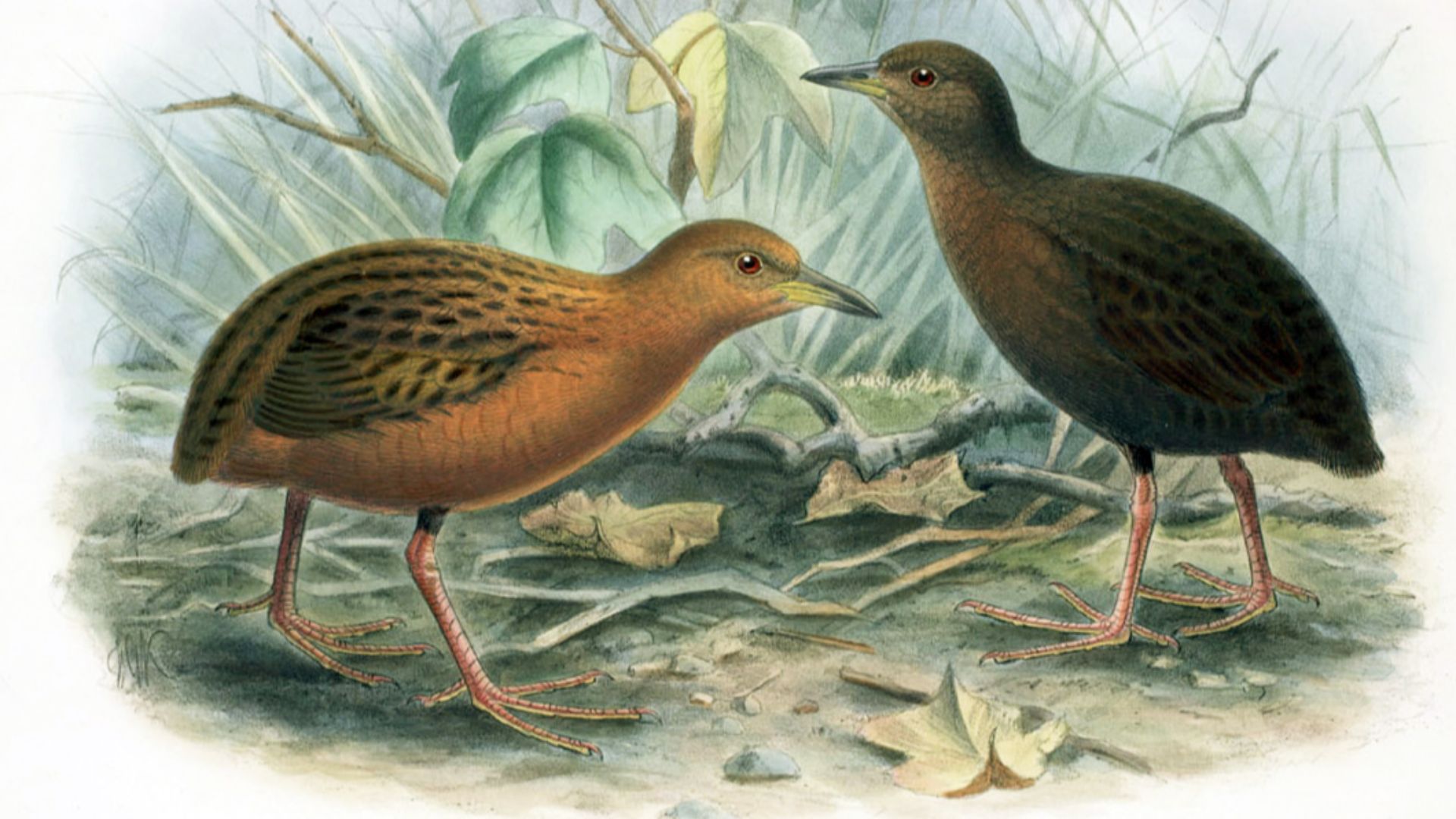
13. Hawaiian Rail
Several species of flightless rails in Hawaii were hunted for food by early settlers. They lived on the ground and were easy to capture. Over time, steady harvesting pushed them into extinction.
 John Gerrard Keulemans on Wikimedia
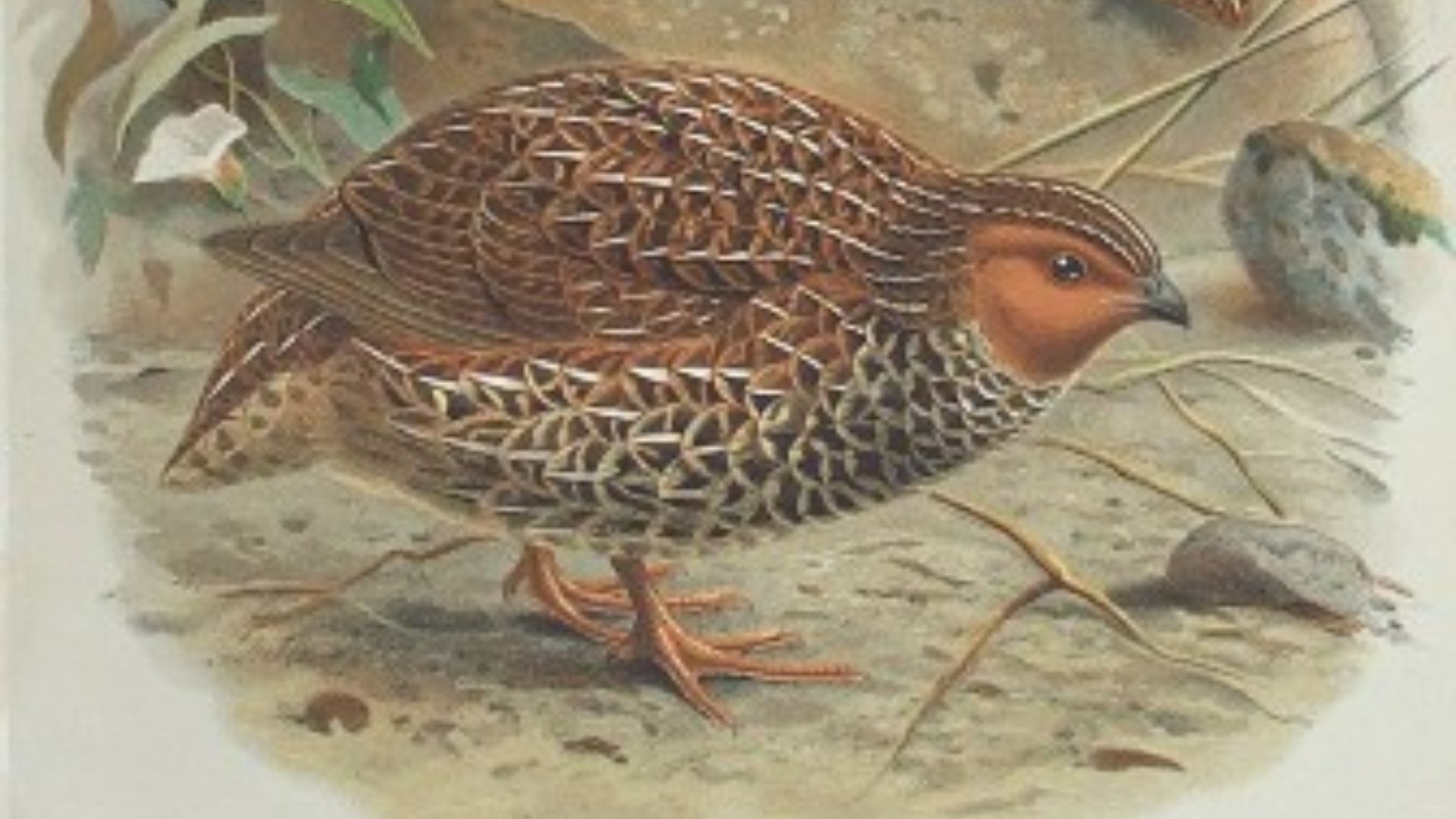
14. New Zealand Quail
The New Zealand quail was hunted for food after human settlement. It also faced pressure from introduced predators, but direct harvesting played a role in its decline. The species disappeared before it was well studied.
 Walter Lawry Buller on Wikimedia
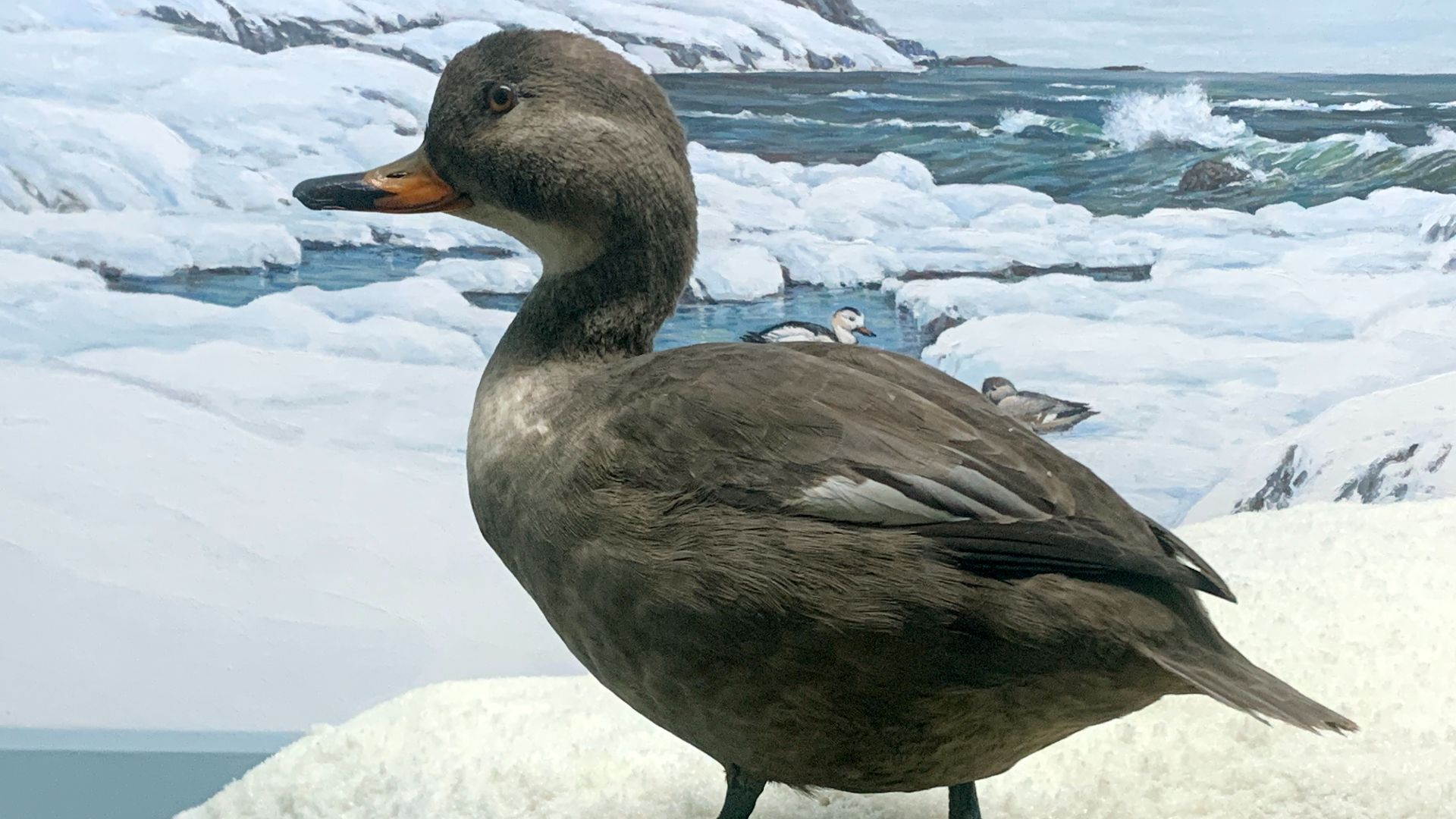
15. Labrador Duck
The Labrador duck was never abundant, which made any hunting pressure risky. It was taken for food along the North American coast. That steady harvest likely contributed to its quiet disappearance.
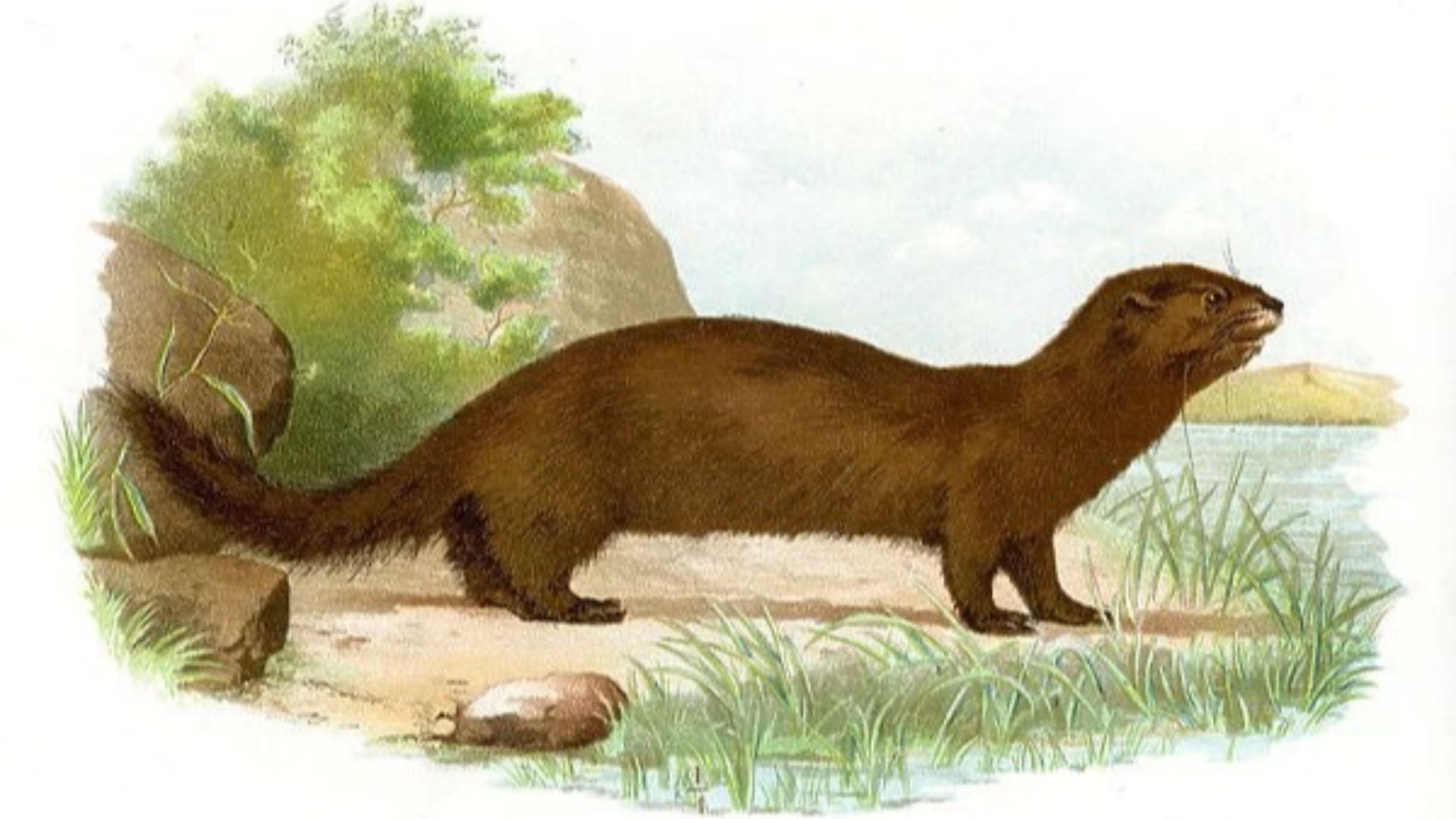
16. Sea Mink
The sea mink was hunted mainly for fur, but its meat was also used. Coastal communities took advantage of a species that lived in a narrow range. That combination of uses increased pressure beyond what the population could handle.
 Unknown authorUnknown author on Wikimedia
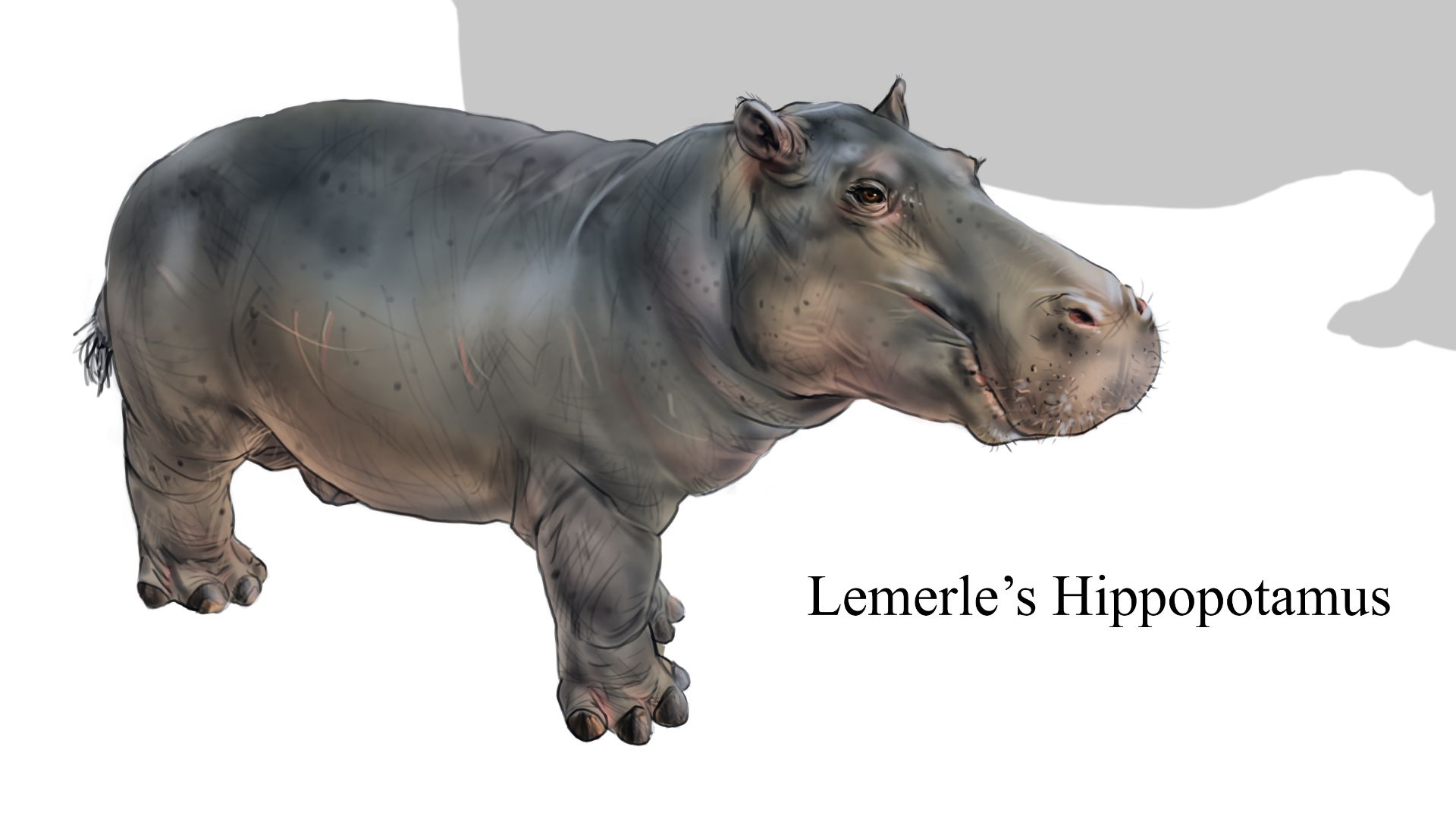
17. Malagasy Hippopotamus
Madagascar’s smaller hippos were hunted for meat after humans arrived on the island. As habitats changed, the animals became easier to find and harvest. That combination led to their gradual disappearance.
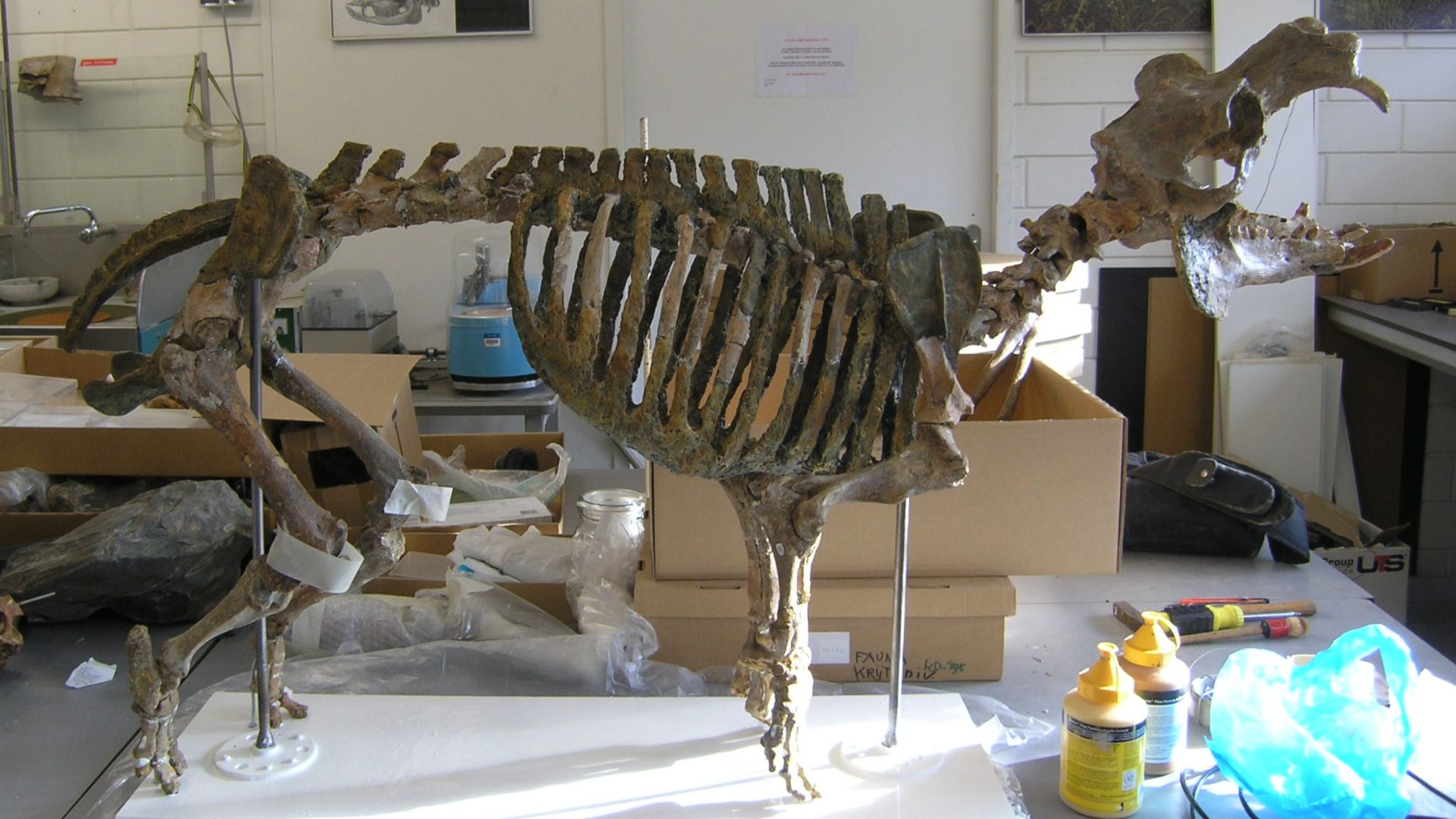
18. Cyprus Dwarf Hippopotamus
This small island hippo was hunted by early humans for food. Fossil evidence suggests large-scale kills tied to human activity. It did not survive long after people settled the island.
 GeorgeLyras at English Wikipedia on Wikimedia
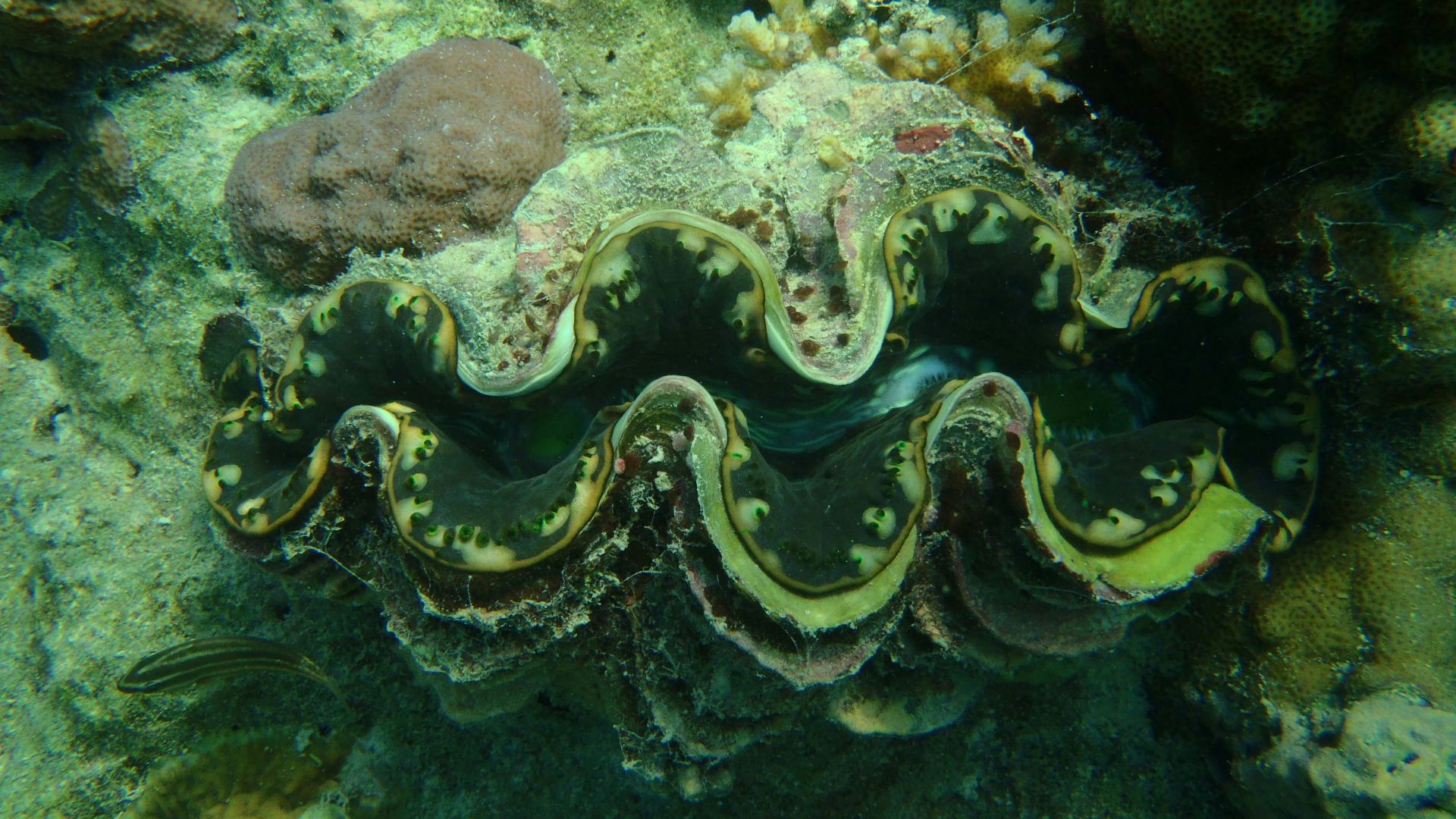
19. Giant Clams
Giant clams were harvested so heavily in parts of the Pacific that they disappeared from some reefs altogether. They were easy to gather in shallow water and highly valued as food, which made sustained overharvesting almost inevitable. They were not wiped out globally, but in many places, people took them until there were none left.
20. New Zealand Swan
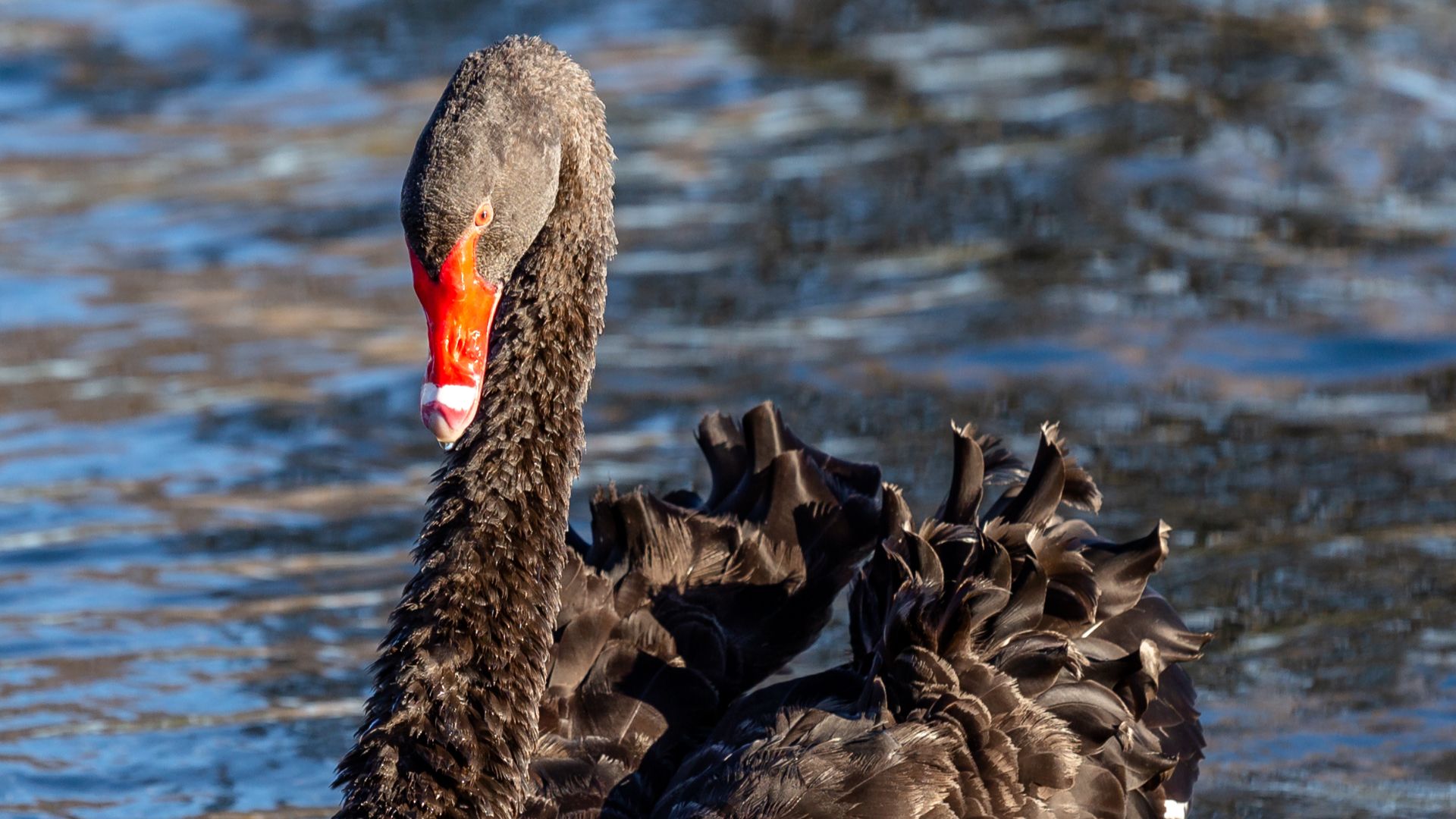
The New Zealand swan was large and provided a good amount of meat. It was hunted after human arrival and faced pressure from habitat changes. Over time, those factors erased it completely.
KEEP ON READING

20 Apple Desserts Americans Should Serve This Fall
Why Americans Fell In Love With Frozen Meals