What Top Chefs Reach For—and What They’d Rather Avoid
Professional chefs spend years refining their tastes, so it’s no surprise they develop strong preferences about ingredients. Some items show up again and again in their kitchens because they add depth, balance, or versatility. Others, despite being popular, are often avoided for specific reasons related to flavor, texture, or overuse. You might be surprised by how practical many of these opinions are once you look closer. Here are 10 famous chefs' go-to ingredients and 10 they secretly dislike.

1. Gordon Ramsay – Olive Oil
Ramsay frequently emphasizes high-quality olive oil in his cooking. He uses it for everything from sautéing to finishing dishes. You’ll notice he often adds it at the end for extra flavor. Its versatility makes it a staple in his kitchen.

2. Ina Garten – Good Vanilla Extract
Ina Garten is well known for insisting on “good vanilla” in desserts. She believes it makes a noticeable difference in flavor. You can see this preference in many of her recipes. It’s a small detail that elevates simple dishes.

3. Massimo Bottura – Parmigiano Reggiano
Bottura often highlights Parmigiano Reggiano in creative ways. He uses it not just as a topping but as a central ingredient. You might find it in broths, foams, or crisps. Its depth of flavor makes it incredibly versatile.
 Alice.jessica.north on Wikimedia
4. Yotam Ottolenghi – Tahini
Ottolenghi relies heavily on tahini for its rich, nutty flavor. He incorporates it into sauces, dressings, and spreads. You’ll notice it adds both creaminess and complexity. It’s a defining ingredient in many of his dishes.

5. Alice Waters – Seasonal Vegetables
Waters is known for her focus on fresh, seasonal produce. She builds dishes around what’s currently available. You can see this philosophy in her simple preparations. The ingredient itself becomes the highlight.

6. Jamie Oliver – Fresh Herbs
Oliver frequently uses fresh herbs to brighten dishes. He adds them at the end to preserve their flavor. You might notice how they bring balance to heavier meals. They’re a consistent element in his cooking style.

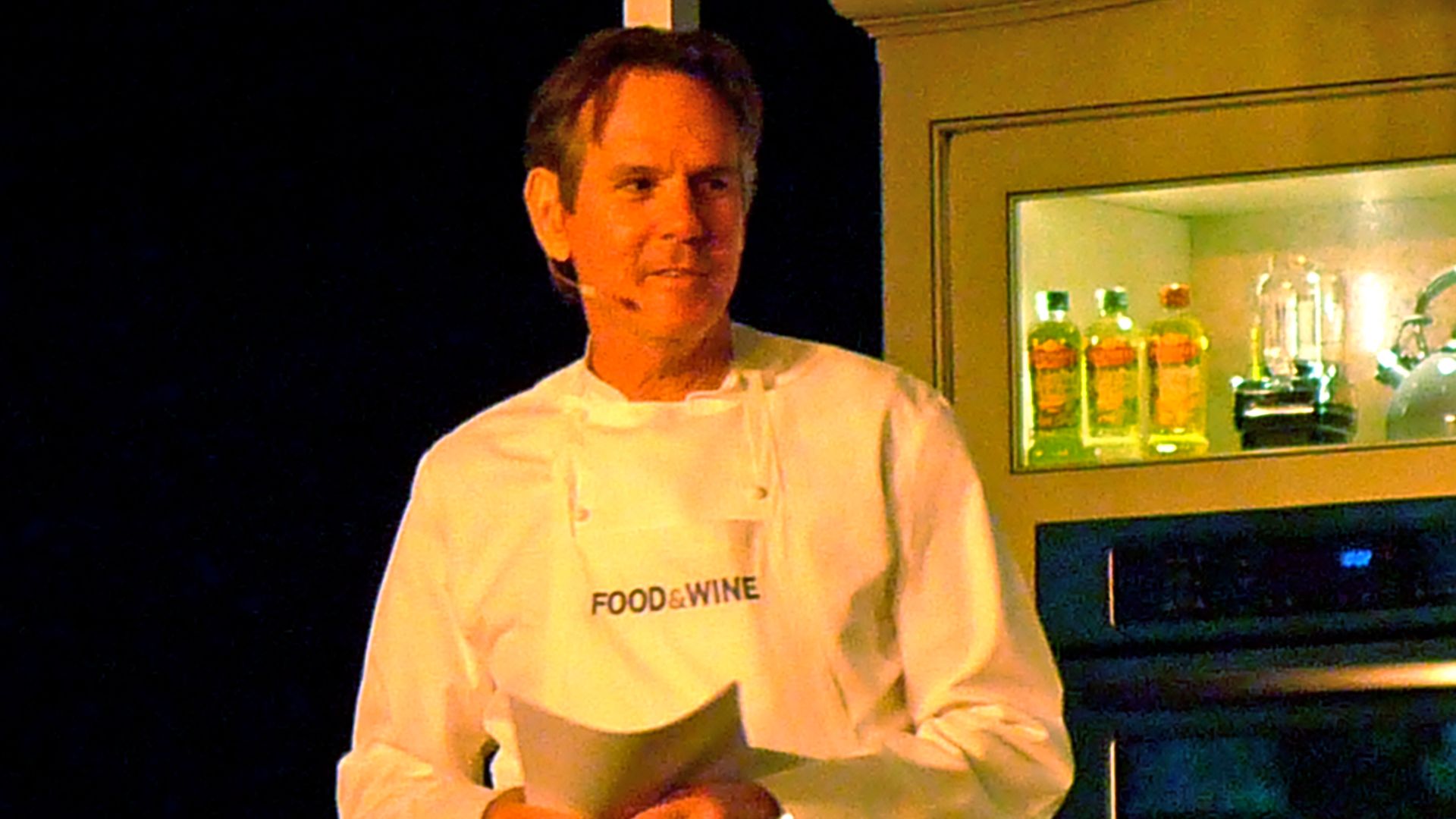
7. Thomas Keller – Unsalted Butter
Keller prefers unsalted butter for better control over seasoning. He uses it to create rich textures and flavors. You’ll often see it incorporated into sauces and finishing techniques. It’s a foundational ingredient in his fine dining.
 Ann Larie Valentine from San Francisco, CA, USA on Wikimedia
8. Nigella Lawson – Lemon
Lawson often uses lemon to enhance both sweet and savory dishes. She values its ability to add brightness without overpowering flavors. You can see it used as zest or juice in her recipes. It’s a simple way to balance richness.
 Brian Minkoff- London Pixels on Wikimedia
9. Anthony Bourdain – Garlic
Bourdain was known for embracing bold flavors, and garlic was a key part of that. He used it generously in many dishes. You might notice how it adds depth and intensity. It’s a staple in many global cuisines that he appreciated.

10. David Chang – Soy Sauce
Chang frequently uses soy sauce to add umami and saltiness. He incorporates it into a wide range of dishes, not just traditional Asian recipes. You’ll find it enhances both simple and complex flavors. It’s a reliable way to deepen taste.

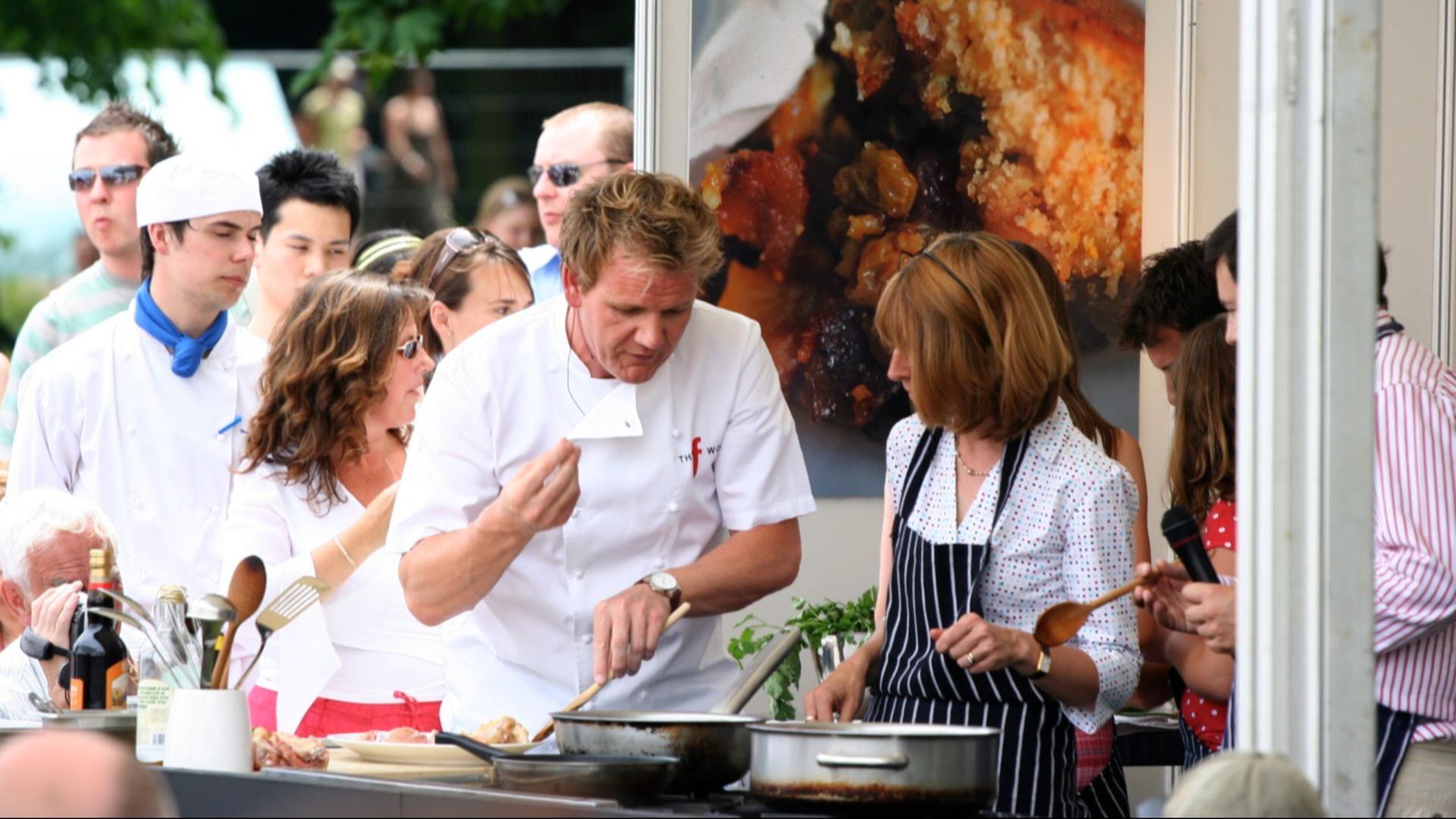
1. Gordon Ramsay – Truffle Oil
Ramsay has openly criticized truffle oil for being artificial and overpowering. He believes it masks rather than enhances flavors. You might notice he avoids it entirely in his recipes, and many chefs share this opinion.
 Dave Pullig from West Sussex, United Kingdom on Wikimedia
2. Anthony Bourdain – Overused Foams
Bourdain often spoke against the excessive use of foams in modern cuisine. He felt they were more about presentation than taste. You can see his preference for substance over trend. This reflects his broader cooking philosophy.

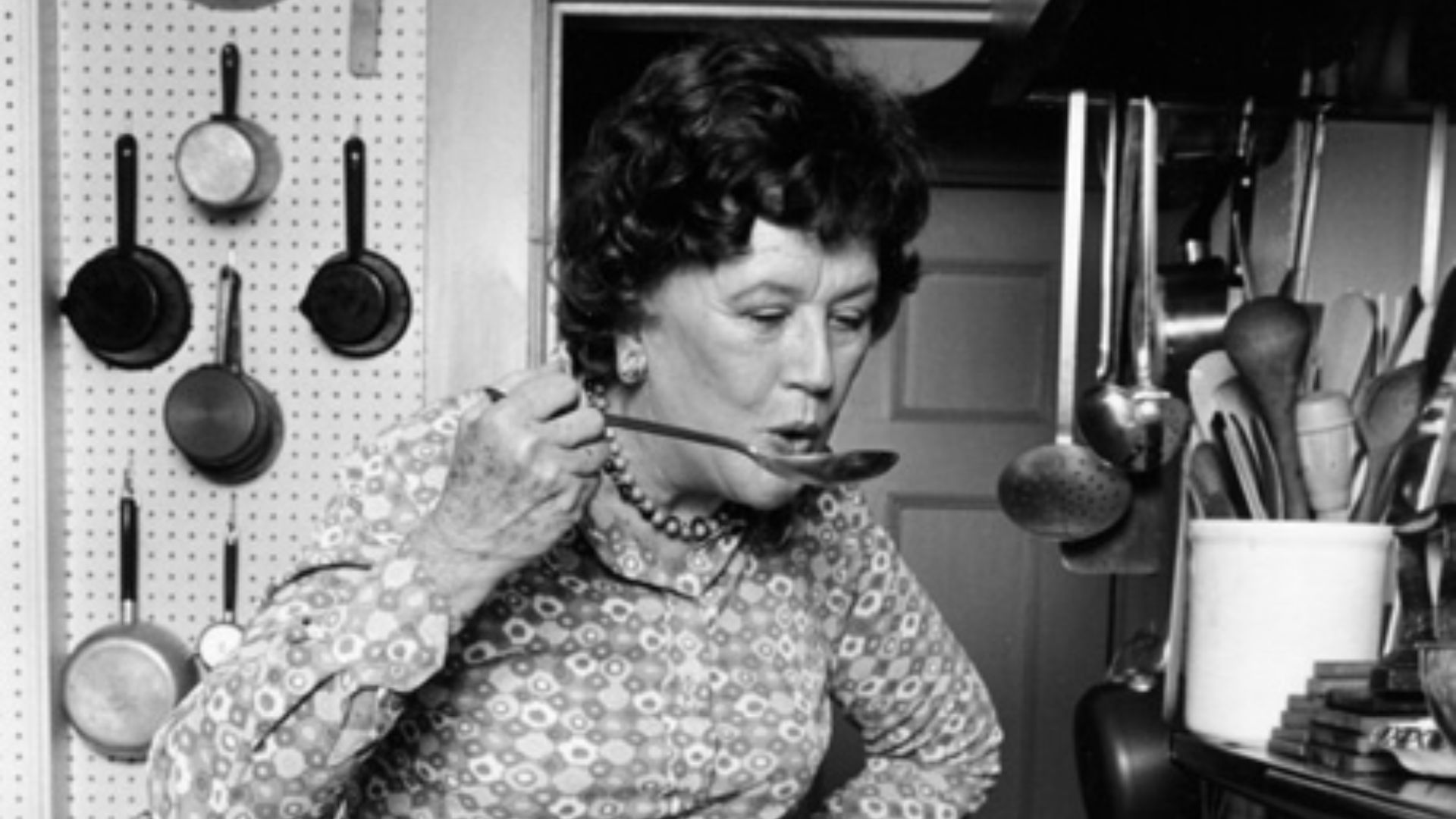
3. Julia Child – Margarine
Julia child strongly preferred butter over margarine. She believed margarine lacked the flavor needed for quality cooking. You’ll notice she rarely, if ever, used it. Her approach emphasized richness and authenticity.
4. Marco Pierre White – Microgreens as Garnish
White has criticized the overuse of microgreens as decorative elements. He feels they’re often added without purpose. You might see them used more for appearance than flavor. This clashes with his focus on simplicity.

5. Alton Brown – Unitasker Ingredients
Brown dislikes ingredients that serve only one narrow purpose. He prefers versatile items that can be used in multiple ways. You’ll notice this approach in his practical cooking style. It reflects efficiency in the kitchen.

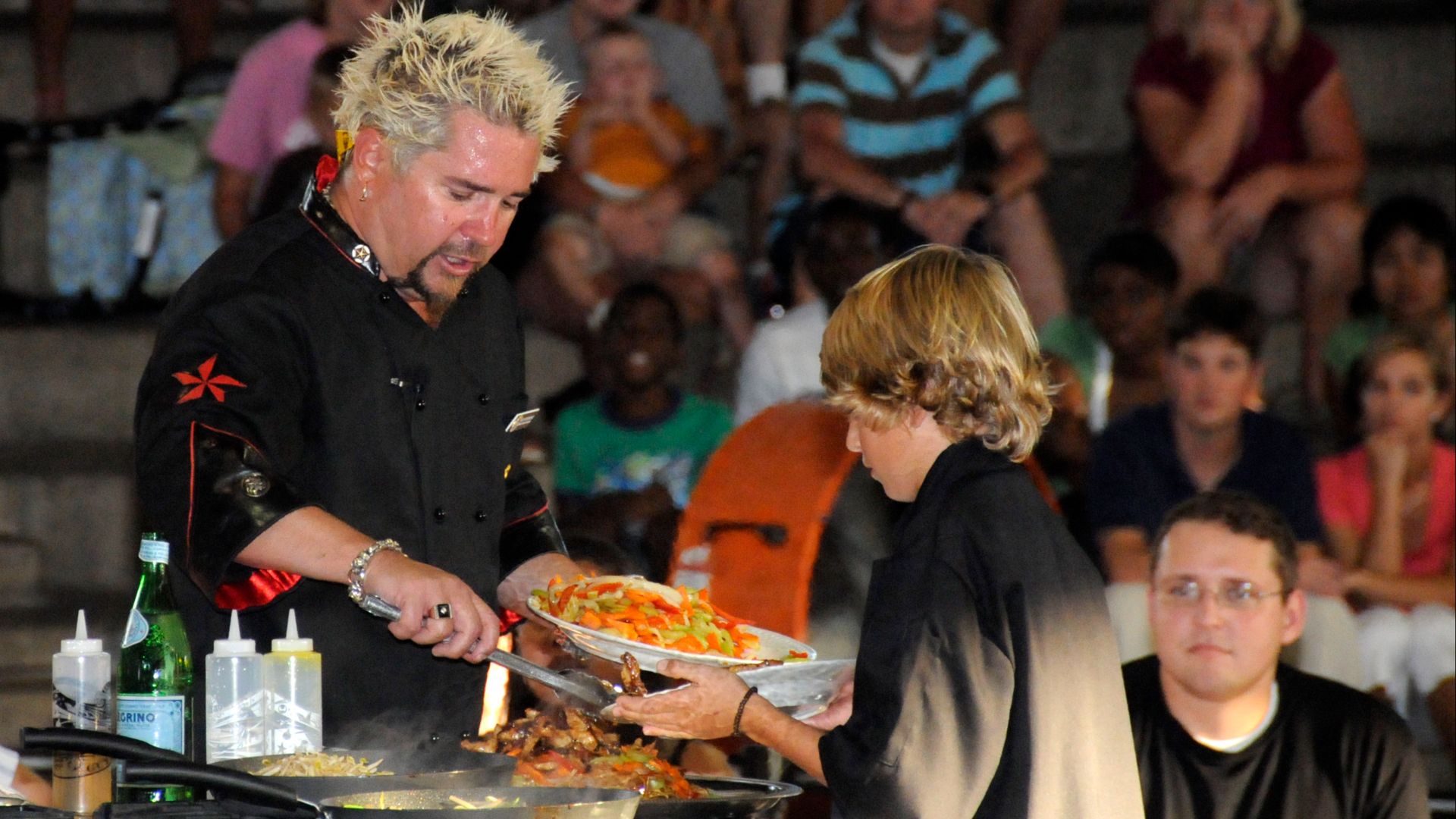
6. Guy Fieri – Eggs (Personally Disliked)
Fieri has mentioned that he doesn’t personally like eggs. Despite their popularity, he avoids eating them. You might find this surprising given how common they are. It’s a rare personal preference among chefs.
 U.S. Department of Defense Current Photos on Wikimedia
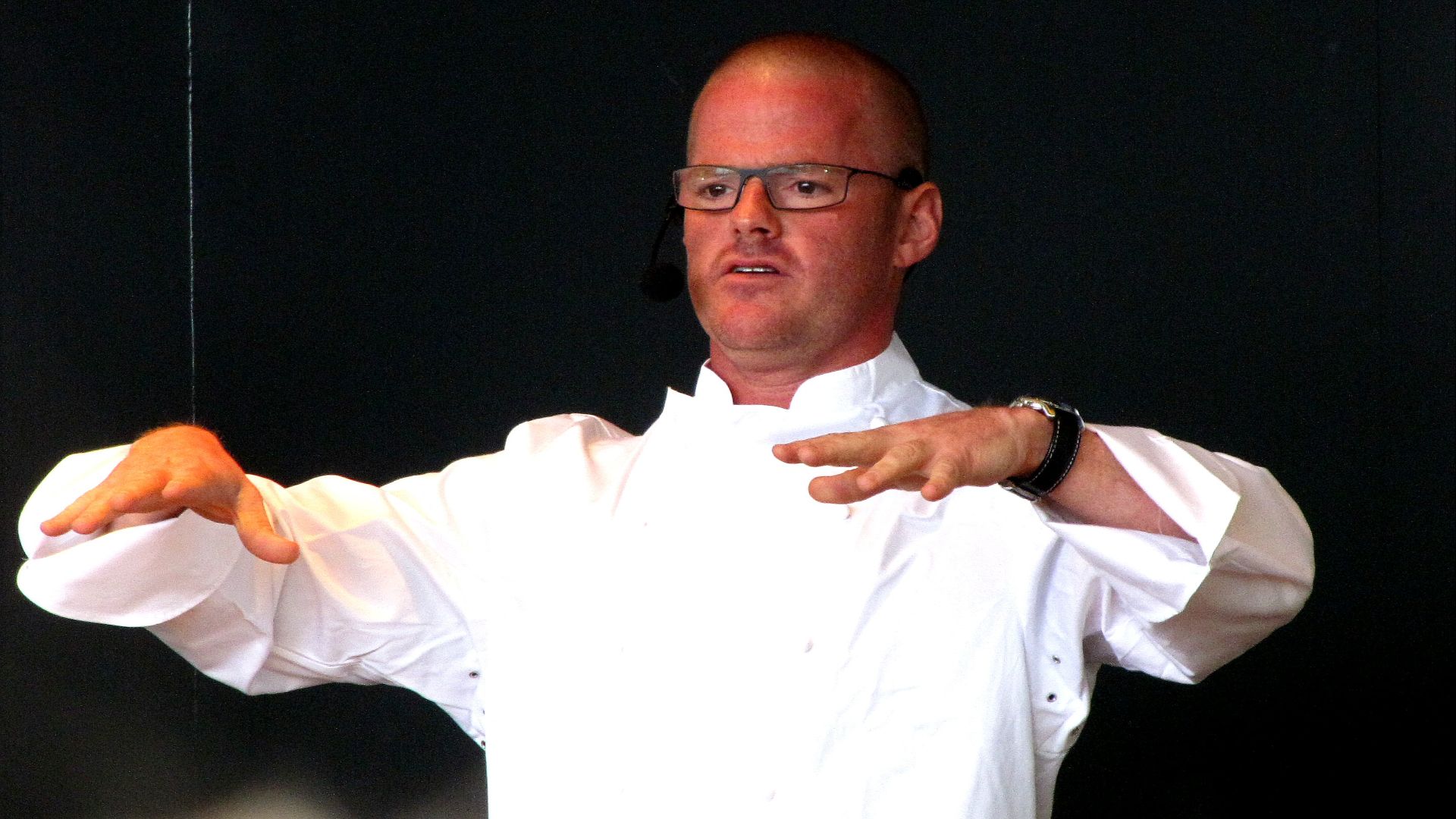
7. Heston Blumenthal – Artificial Flavorings
Blumenthal focuses on precision and authenticity, which leads him to avoid artificial flavors. He prefers ingredients that deliver natural taste. You can see this in his experimental yet controlled approach. It ensures consistency and quality.
 Brian Minkoff- London Pixels on Wikimedia
8. Wolfgang Puck – Overcooked Vegetables
Puck has emphasized the importance of properly cooked vegetables. He dislikes when they’re overcooked and lose texture. You might notice his preference for crisp, vibrant produce. It enhances both flavor and presentation.
 Christian Del Riccio on Wikimedia Commons
9. Emeril Lagasse – Excessive Salt
Lagasse is known for bold seasoning, but he avoids over-salting. He believes balance is more important than intensity. You can see this in how he layers flavors.
 U.S. Air Force photo by Staff Sgt. Stephen J. Otero on Wikimedia
10. Rachael Ray – Complicated Ingredients
Ray often avoids overly complex or hard-to-find ingredients. She prefers accessible options for everyday cooking. You’ll notice her focus on simplicity and convenience, and this makes her recipes more approachable.

KEEP ON READING


20 Foods Used in Fertility Rituals Around the World
20 Foods That Taste Better the Next Day
10 Worst Campbell Soup Flavors & The 10 Best Ones