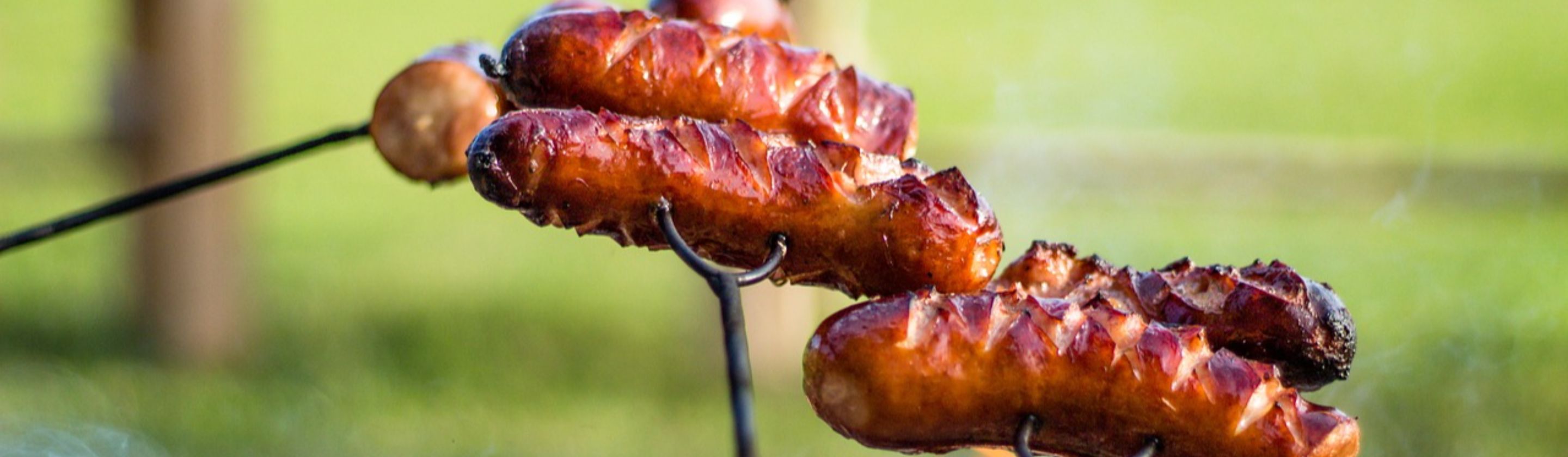
Burnt food doesn’t always sound appealing at first, but in many cases, that darker, crispier edge is exactly what makes a dish more enjoyable. From toasted bread to grilled meats, a bit of charring can enhance both flavor and texture in ways that feel satisfying and familiar. There’s a reason why people intentionally seek out golden-brown crusts rather than pale surfaces. That contrast often adds depth to an otherwise simple dish. It also creates a visual appeal that signals the food has been properly cooked. Even before tasting, that color can set expectations for flavor.
What you’re experiencing isn’t just preference; it’s chemistry at work. Certain reactions during cooking create new flavors and aromas that don’t exist in raw ingredients. When done carefully, these changes can make food taste richer, more complex, and even more comforting. Understanding why this happens can help you appreciate those slightly burnt edges even more. It can also help you control cooking techniques more effectively. Knowing when to stop cooking is just as important as knowing when to start.
The Science Of Browning And Flavor
When food is exposed to high heat, it undergoes what’s known as the Maillard reaction. This process occurs when proteins and sugars interact, creating hundreds of new flavor compounds. These compounds are responsible for the savory, slightly nutty taste you notice in browned or charred foods. It’s the same reaction that gives seared steak or toasted bread its distinctive flavor. This reaction typically begins around 280°F to 330°F, depending on the food. It’s a key reason why dry heat cooking methods produce stronger flavors.
Caramelization also plays a role, especially in foods that contain natural sugars. As sugar heats up, it breaks down and forms new compounds that taste sweet, bitter, and complex all at once. This is why onions, when cooked longer, develop a rich and slightly burnt sweetness.
However, there’s a limit to how far this process should go. Once food is excessively burnt, it can produce harsh, bitter compounds that overpower the pleasant flavors. This is why there’s a noticeable difference between well-browned and fully burnt. The goal is to reach that point where flavor is enhanced, not destroyed. Overcooking can also dry out the food, affecting its texture negatively. Paying attention during cooking helps maintain the right balance.
Texture Plays A Bigger Role Than You Think
Taste isn’t just about flavor; it’s also about how food feels when you eat it. A slightly burnt surface often creates a crisp or crunchy texture that contrasts with a softer interior. This combination makes each bite more interesting and satisfying. It’s one of the reasons why grilled or roasted foods are so popular.
That contrast can make even simple foods feel more complete. Think about the difference between plain bread and toast, where the outer layer becomes crisp while the inside stays soft. This textural variation adds another dimension to the eating experience. It keeps your senses engaged and makes the food more enjoyable overall.
There’s also a psychological aspect to this preference. People tend to associate crisp textures with freshness and quality. Even a slight crunch can make food feel more intentional and well-prepared. That perception plays a role in why lightly burnt foods are often preferred. These associations are often built over time through repeated experiences. They can influence your expectations before you even take a bite.
Cultural And Learned Preferences
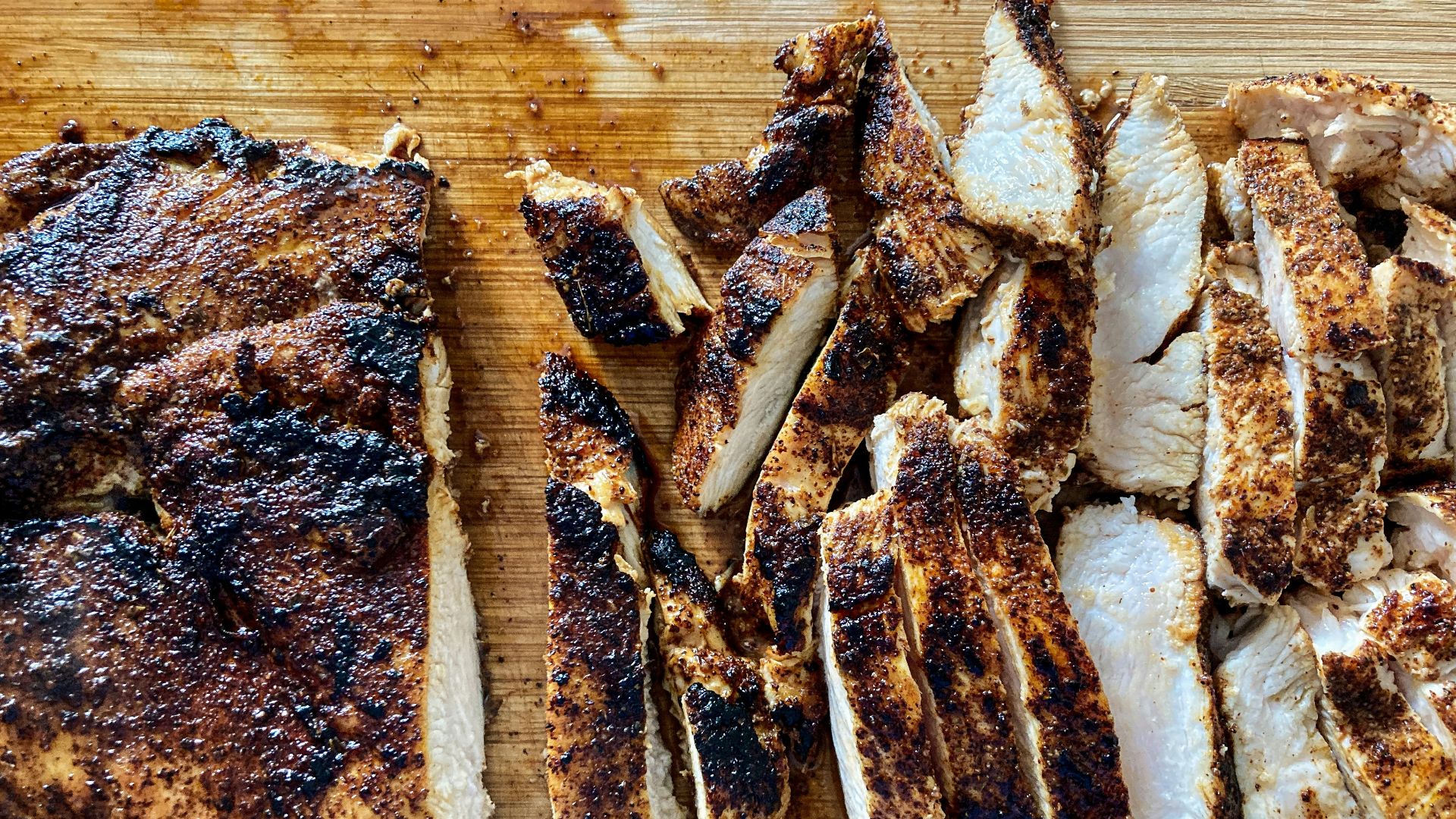
Your preference for slightly burnt food can also come from cultural influences. Many cuisines around the world intentionally incorporate charred elements, from grilled vegetables to fire-roasted meats. These cooking methods have been used for centuries and are often associated with bold, satisfying flavors. Over time, people learn to associate these tastes with comfort and familiarity.
Exposure also plays a big role in shaping what you enjoy. If you grew up eating toasted bread, roasted marshmallows, or grilled dishes, you’re more likely to appreciate that slight char. These experiences create a sense of nostalgia that influences your taste preferences. It’s not just about flavor, but also about memory and habit. Familiar foods tend to feel more comforting over time.
At the same time, preferences can vary widely from person to person. Some people enjoy a deeper char, while others prefer a lighter golden finish. Both are valid and often depend on individual taste and experience. What matters most is finding the level that feels enjoyable to you.
Burnt food, when done carefully, isn’t a mistake but a deliberate part of cooking. The combination of chemical reactions, texture changes, and learned preferences all contribute to why it can taste better. When you strike the right balance, those darker edges can transform a dish into something more flavorful and satisfying. Understanding this can help you cook with more intention and confidence in your choices.
KEEP ON READING

The Most Popular Signature Dishes Around the World