Saving Time Without Ruining the Result
Kitchen shortcuts can make cooking faster and less stressful, but not all of them deliver what they promise. Some techniques genuinely save time without sacrificing quality, while others create more problems than they solve. Knowing the difference helps you cook more efficiently without compromising flavor or texture. If you want smarter habits in the kitchen, these 20 examples show what’s worth doing and what’s better to avoid.
1. Using Pre-Chopped Frozen Vegetables
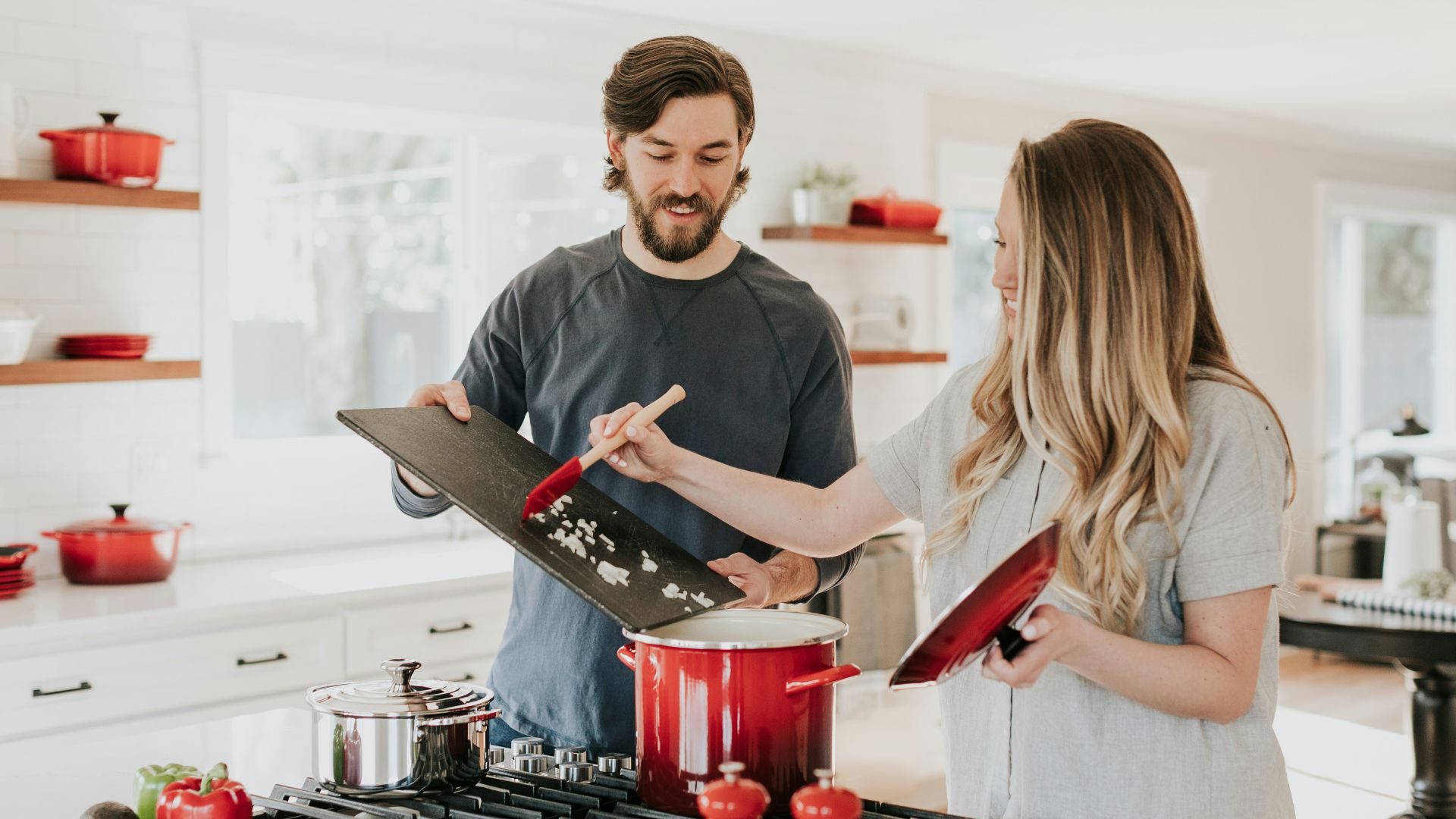
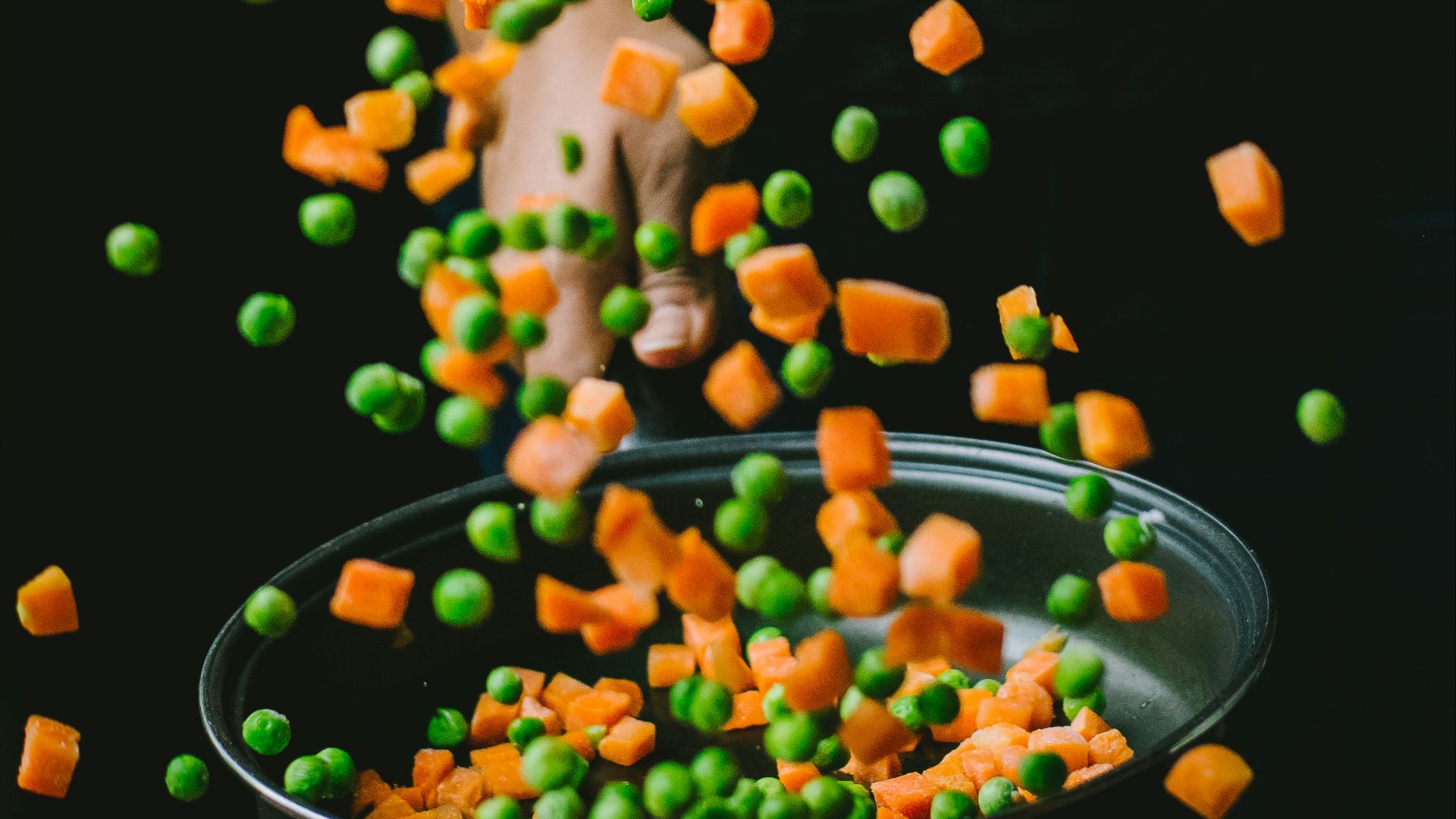
Frozen vegetables are typically flash-frozen at peak freshness, which helps preserve nutrients. They save prep time and reduce waste since you only use what you need. In many dishes like soups or stir-fries, the difference in texture is minimal. This shortcut is both practical and reliable.
2. Preheating the Pan Instead of Starting Cold
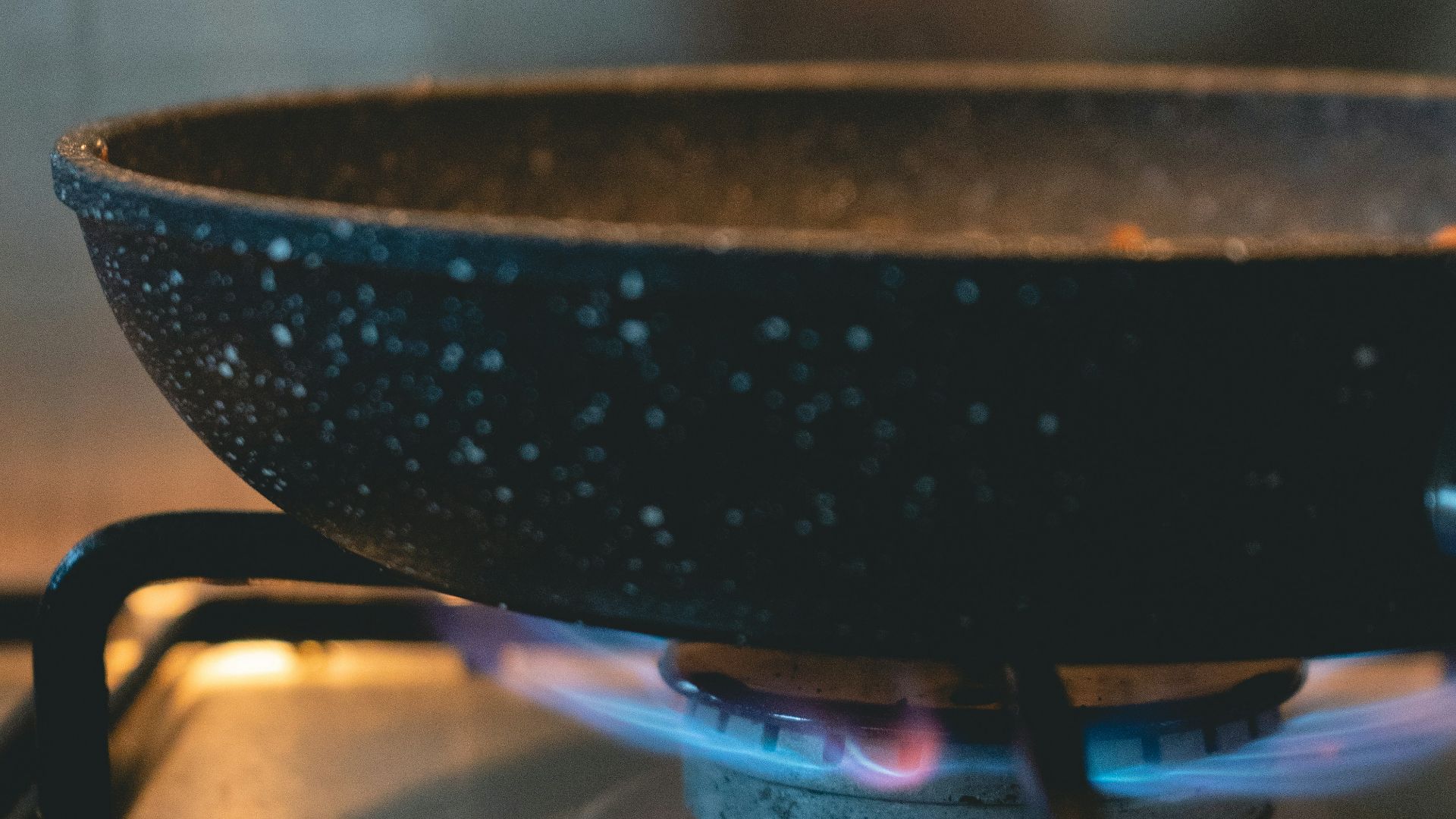
Letting your pan heat up before adding ingredients speeds up cooking and improves results. Food sears better and cooks more evenly when the surface is already hot. It also prevents sticking in many cases. This simple step saves time while improving quality.
3. Using a Food Processor for Chopping
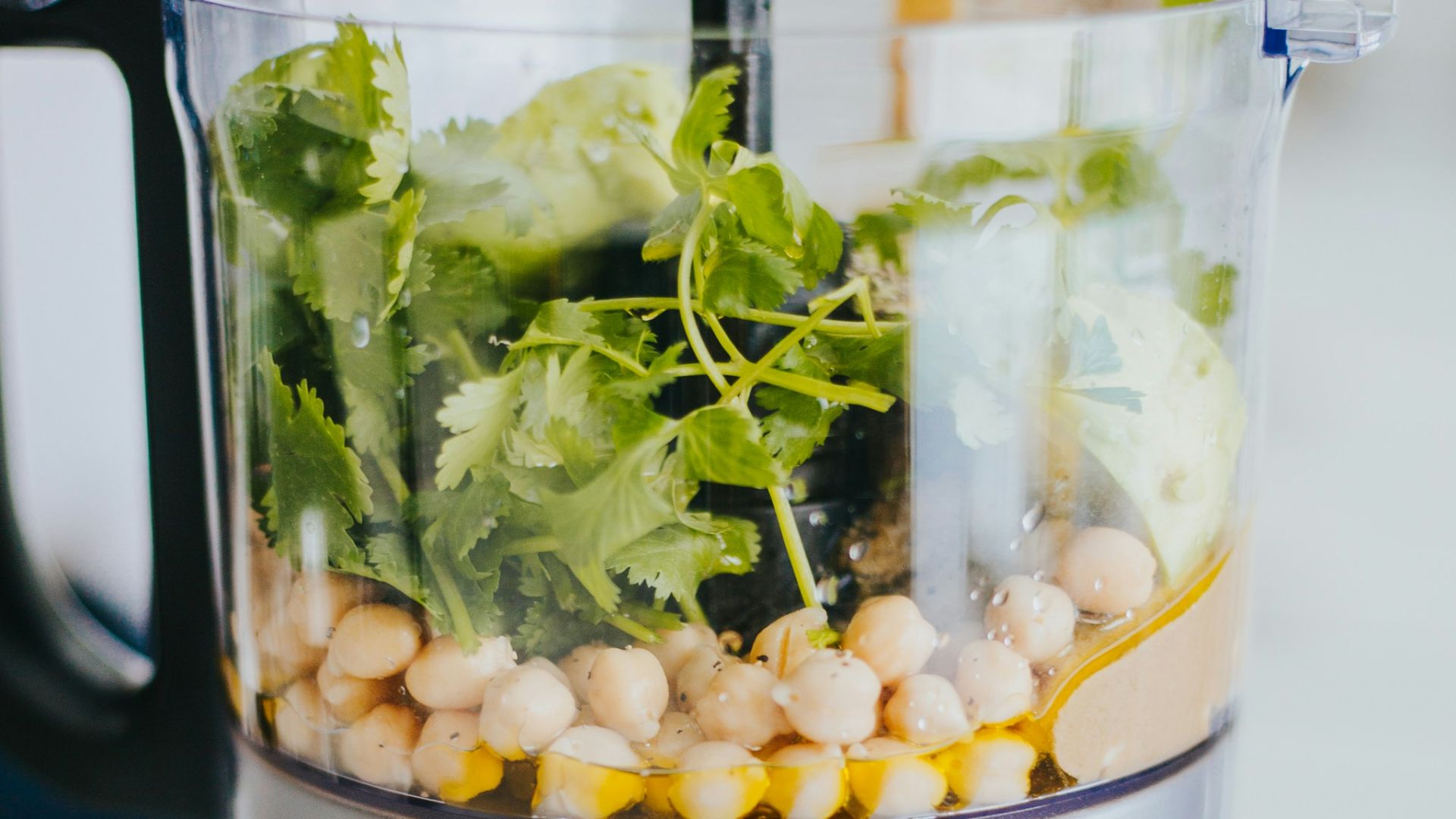
A food processor can handle tasks like chopping onions or making sauces in seconds. It reduces manual effort and speeds up prep significantly. While it may not replace knife work entirely, it’s extremely useful for larger quantities. Cleanup is often worth the time saved.
4. Cooking Pasta in a Wide Pan
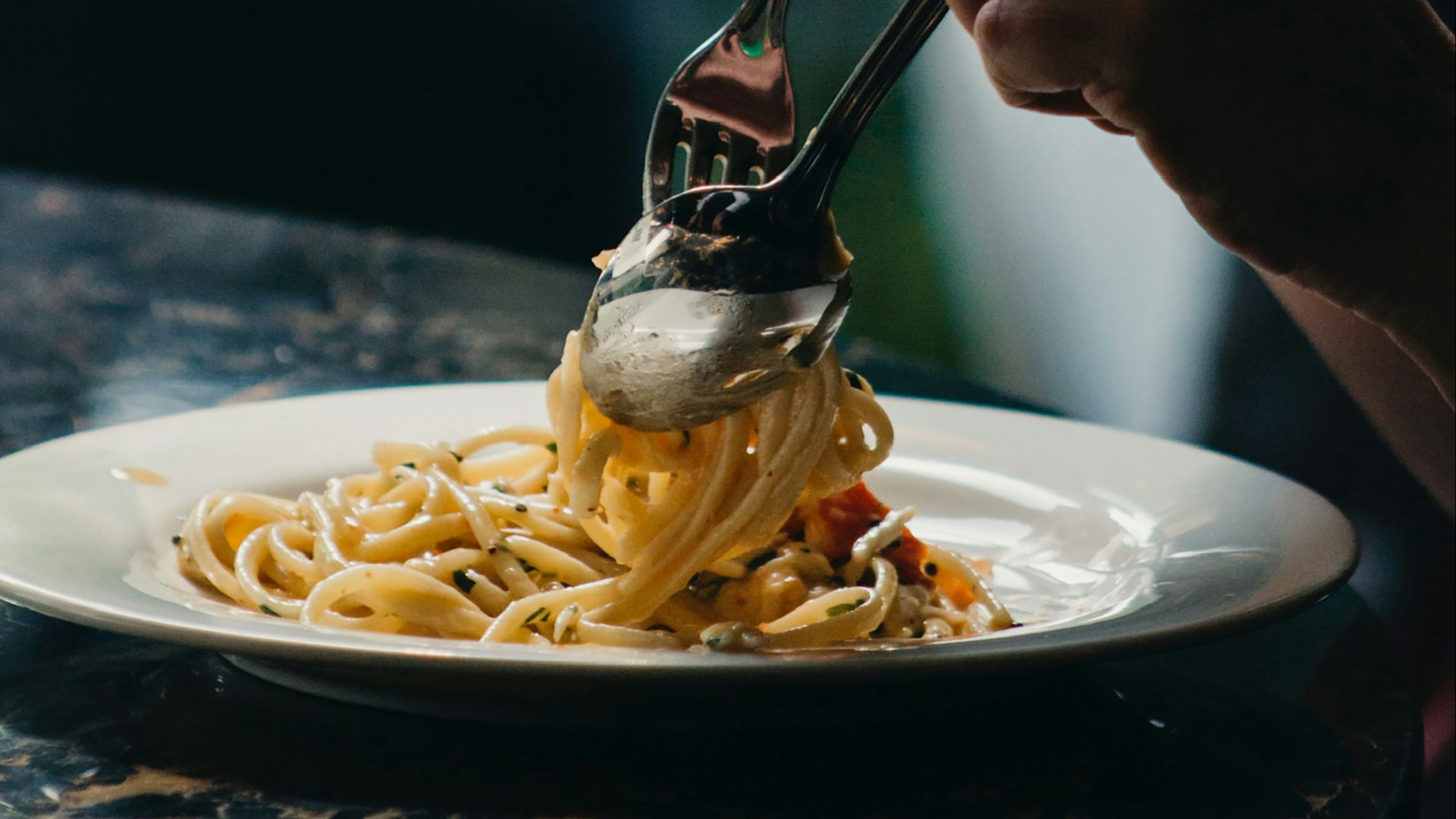
Using a wide pan instead of a deep pot allows pasta to cook faster with less water. The increased surface area helps it soften more quickly. It also makes stirring easier, which prevents sticking. This method can shave off valuable minutes.
5. Salting Water Early
Adding salt to water before it heats ensures even seasoning. It also helps water reach a boil slightly faster due to improved heat transfer efficiency. The result is better-tasting food with no extra effort. It’s a small habit with noticeable benefits.
6. Using a Microplane for Garlic
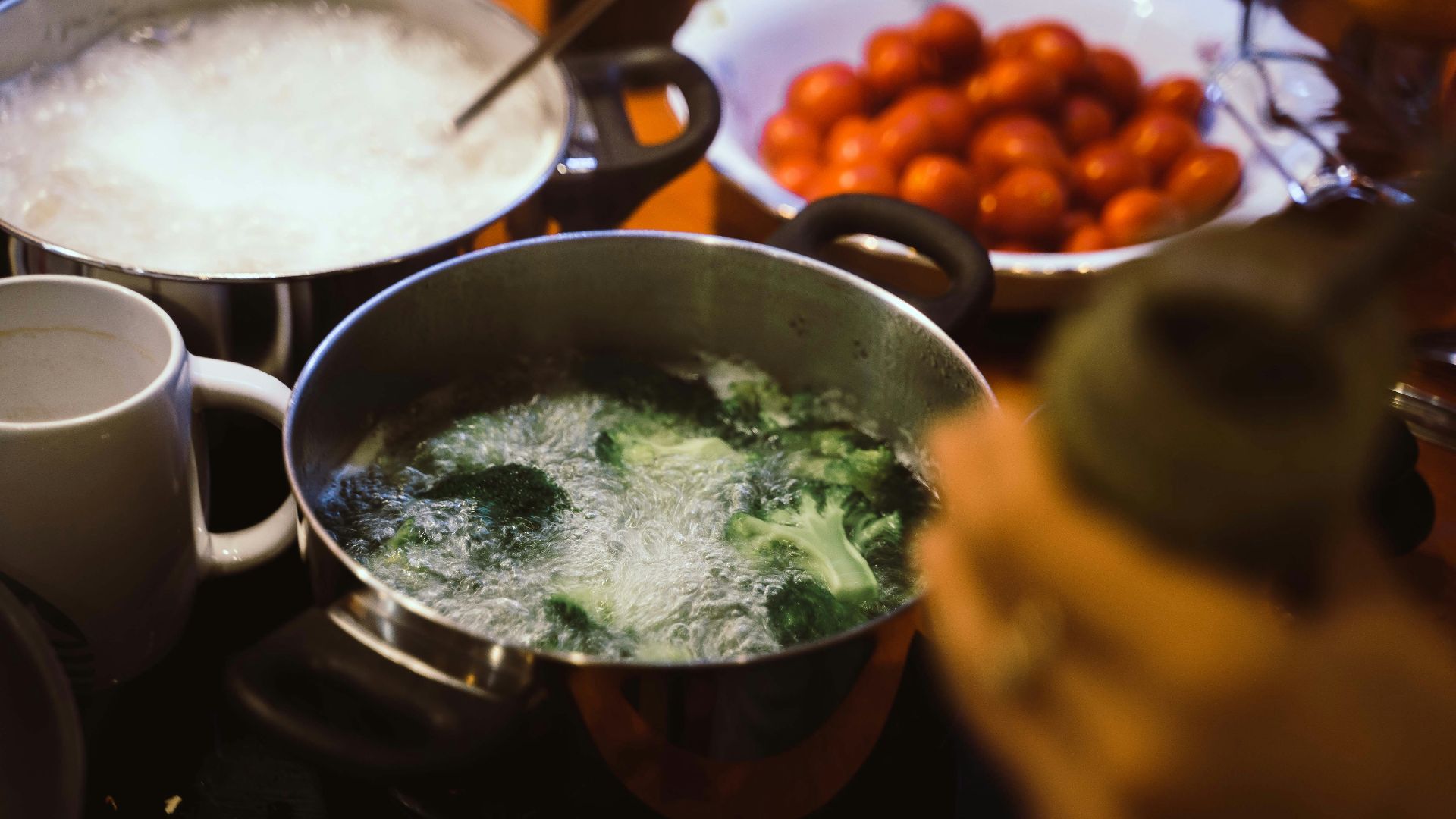
Grating garlic instead of mincing it saves time and creates a more even texture. It blends seamlessly into sauces and marinades. This method also releases more flavor due to increased surface area. It’s quick and effective for many recipes.
7. Keeping Ingredients Pre-Portioned
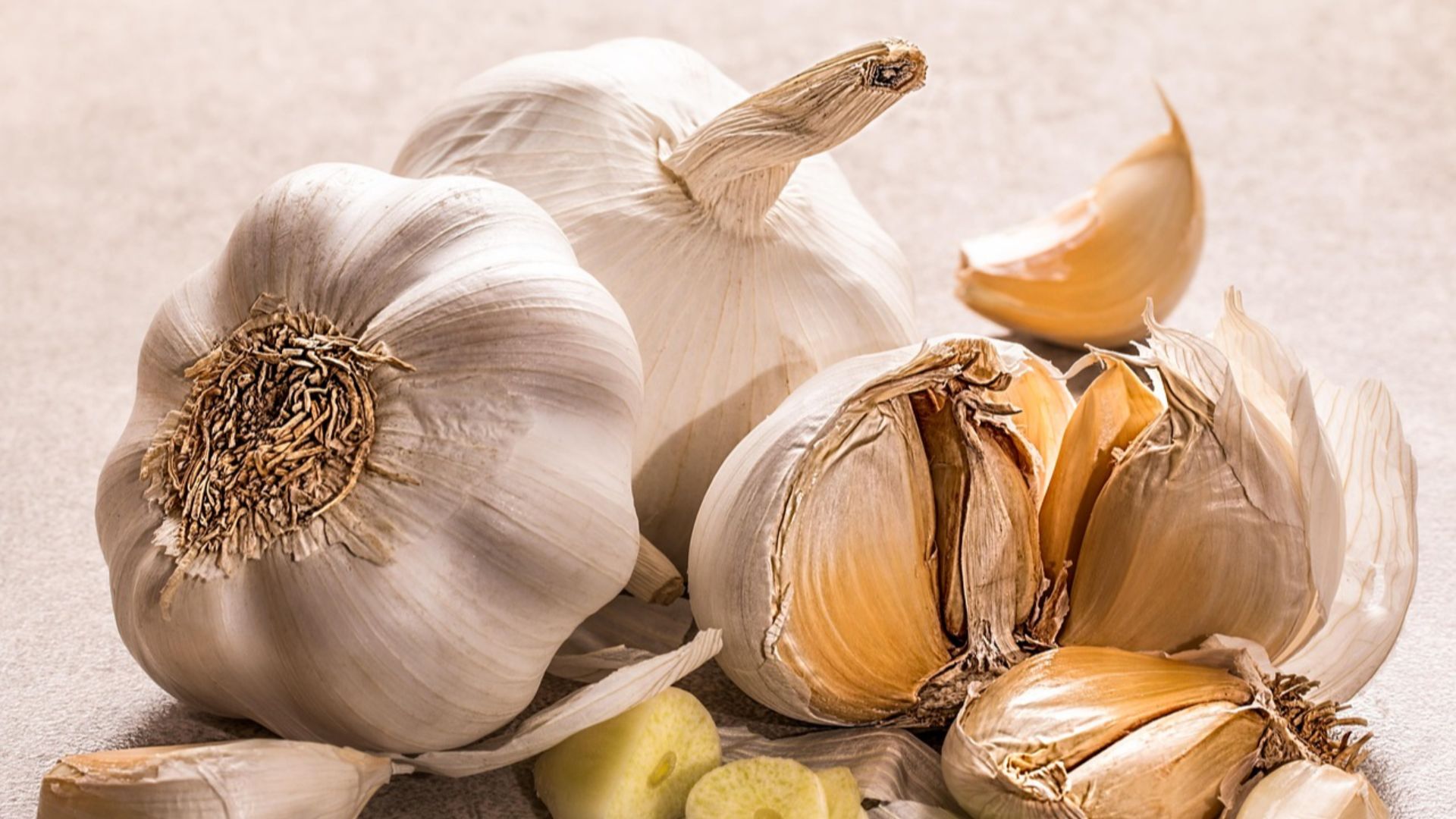
Pre-measuring ingredients before cooking helps streamline the process. It reduces mistakes and makes multitasking easier. This approach is especially helpful when following complex recipes. It keeps everything organized and efficient.
8. Using Residual Heat
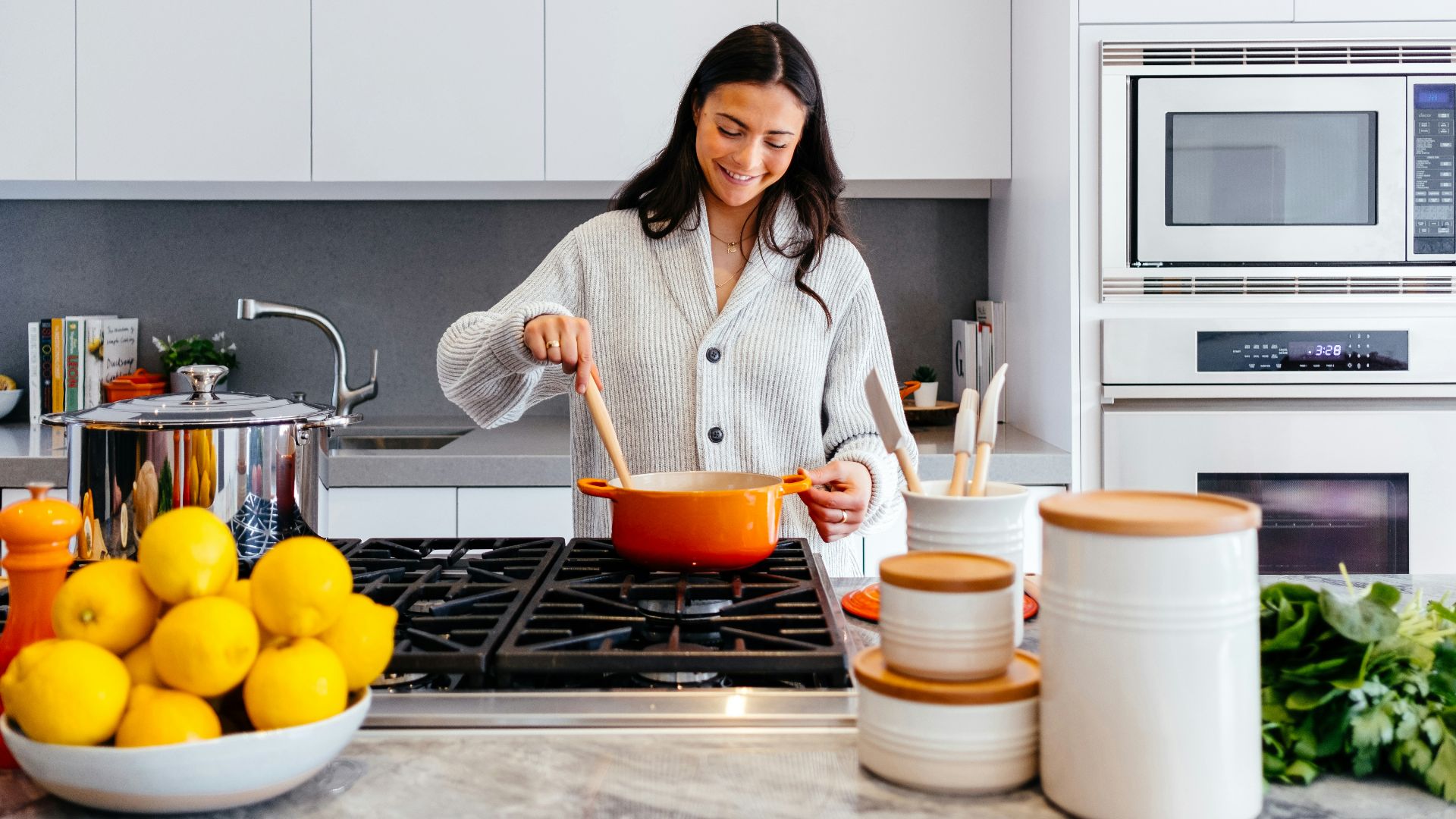
Turning off the heat slightly before the food is fully cooked allows residual heat to finish the job. This prevents overcooking while saving energy. It works well for items like eggs, pasta, and vegetables. Timing becomes more controlled with practice.
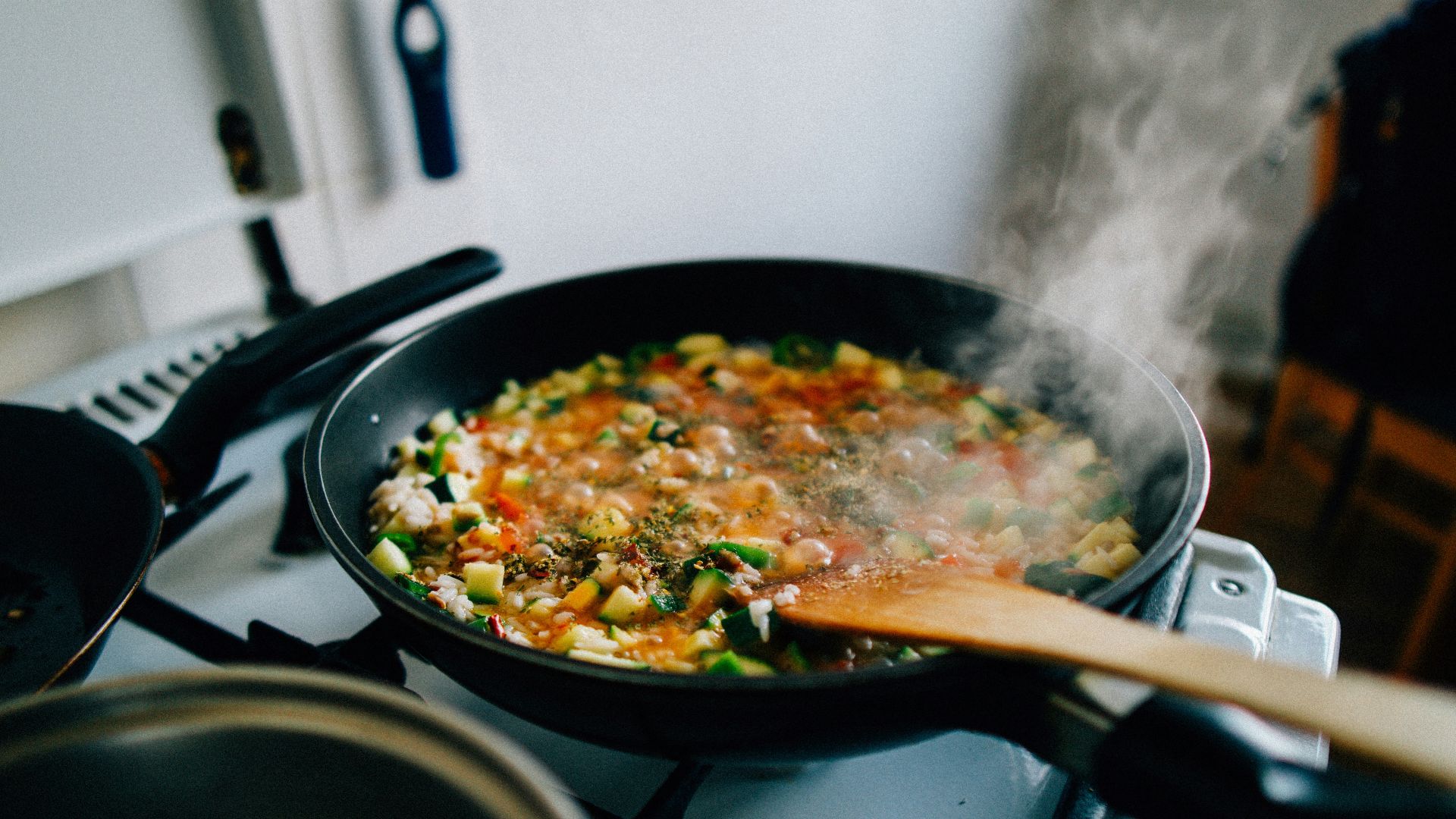
9. One-Pan Cooking Methods
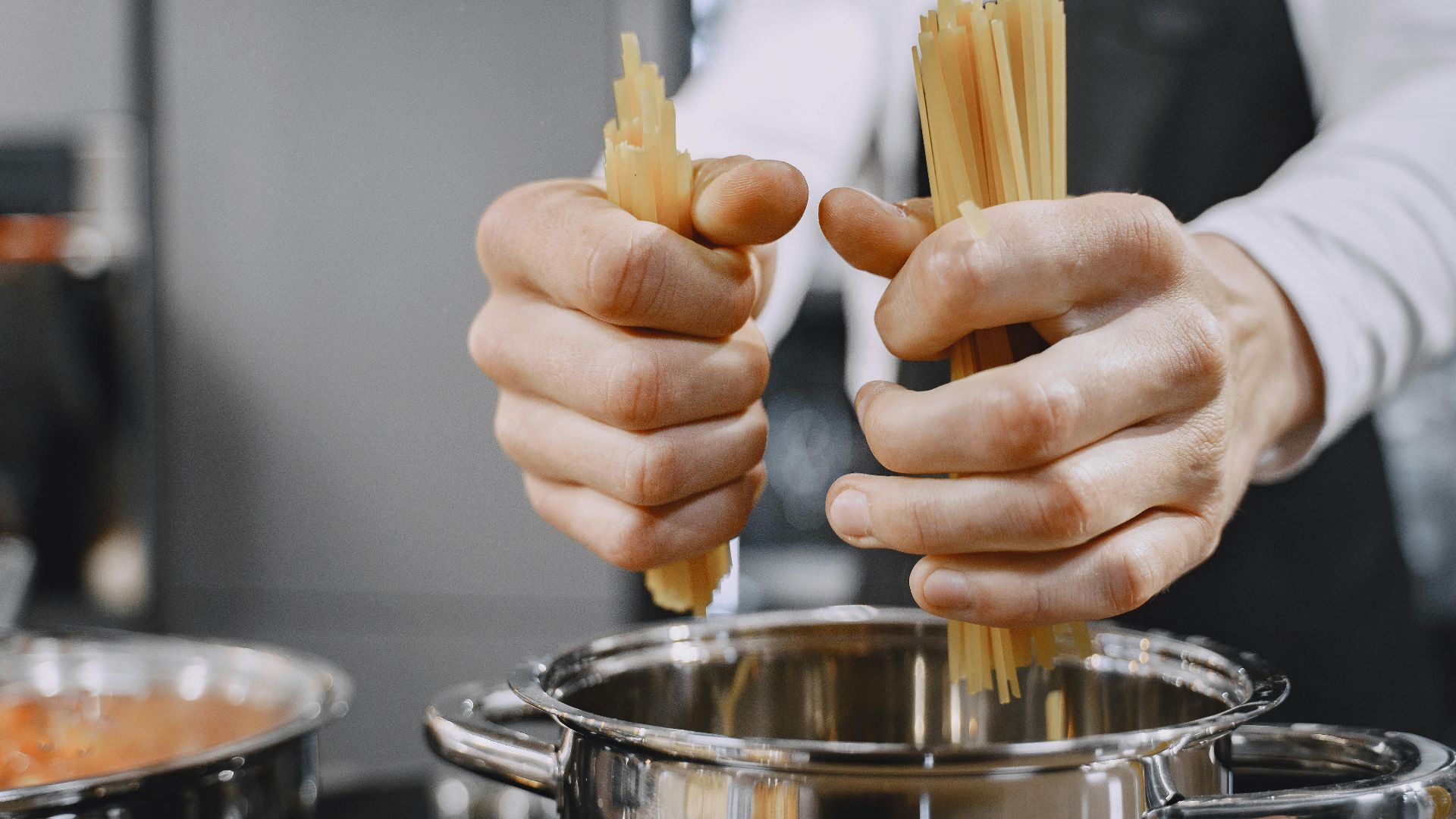
Cooking everything in one pan reduces both cooking time and cleanup. Ingredients can build flavor together without extra steps. This method is especially effective for weeknight meals. It keeps the process simple without sacrificing taste.
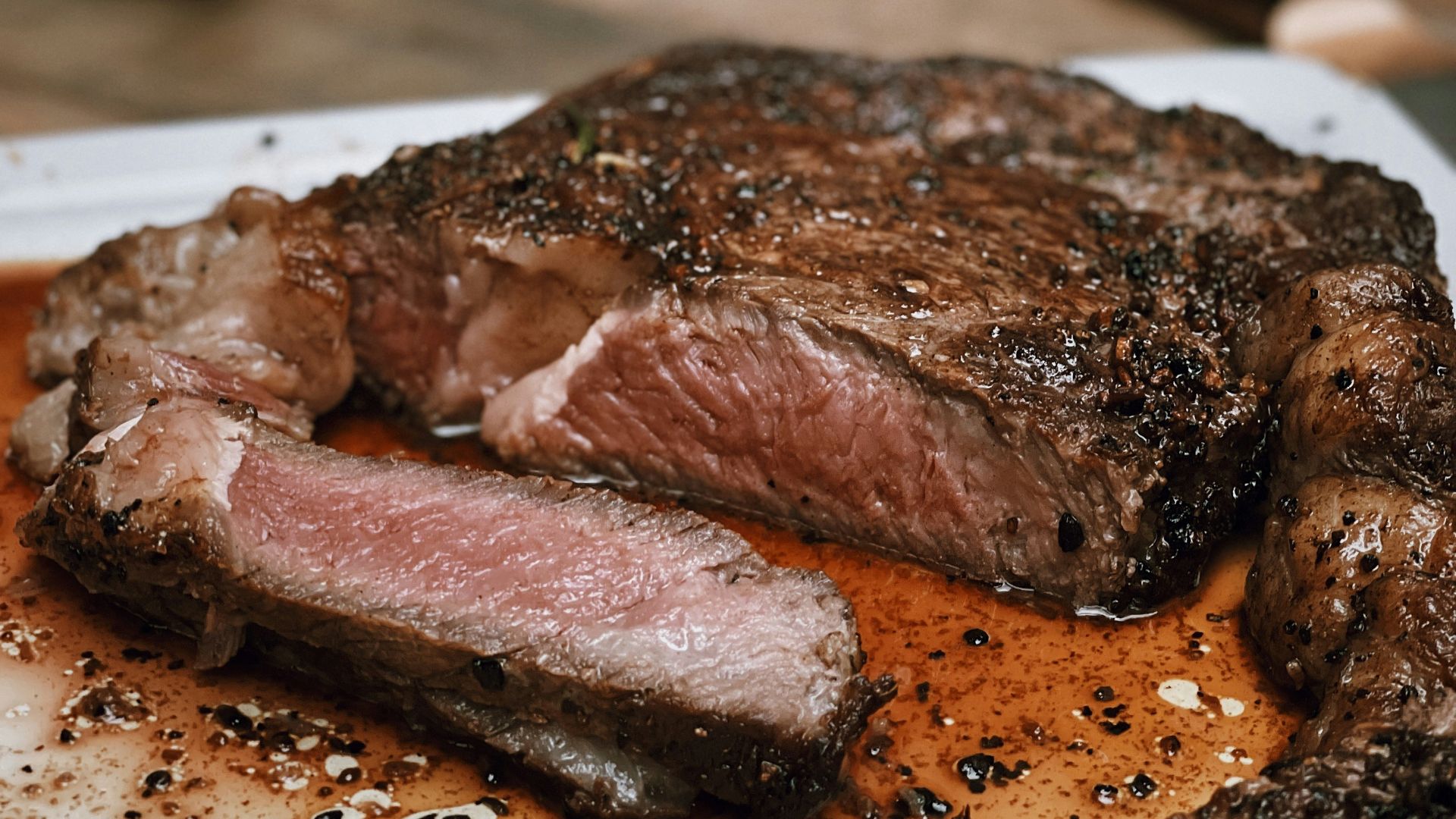
10. Resting Meat After Cooking
Letting meat rest allows juices to redistribute, improving texture and flavor. Cutting into it too early can cause moisture loss. While it may seem like a delay, it actually enhances the final result. This step is worth the extra few minutes.
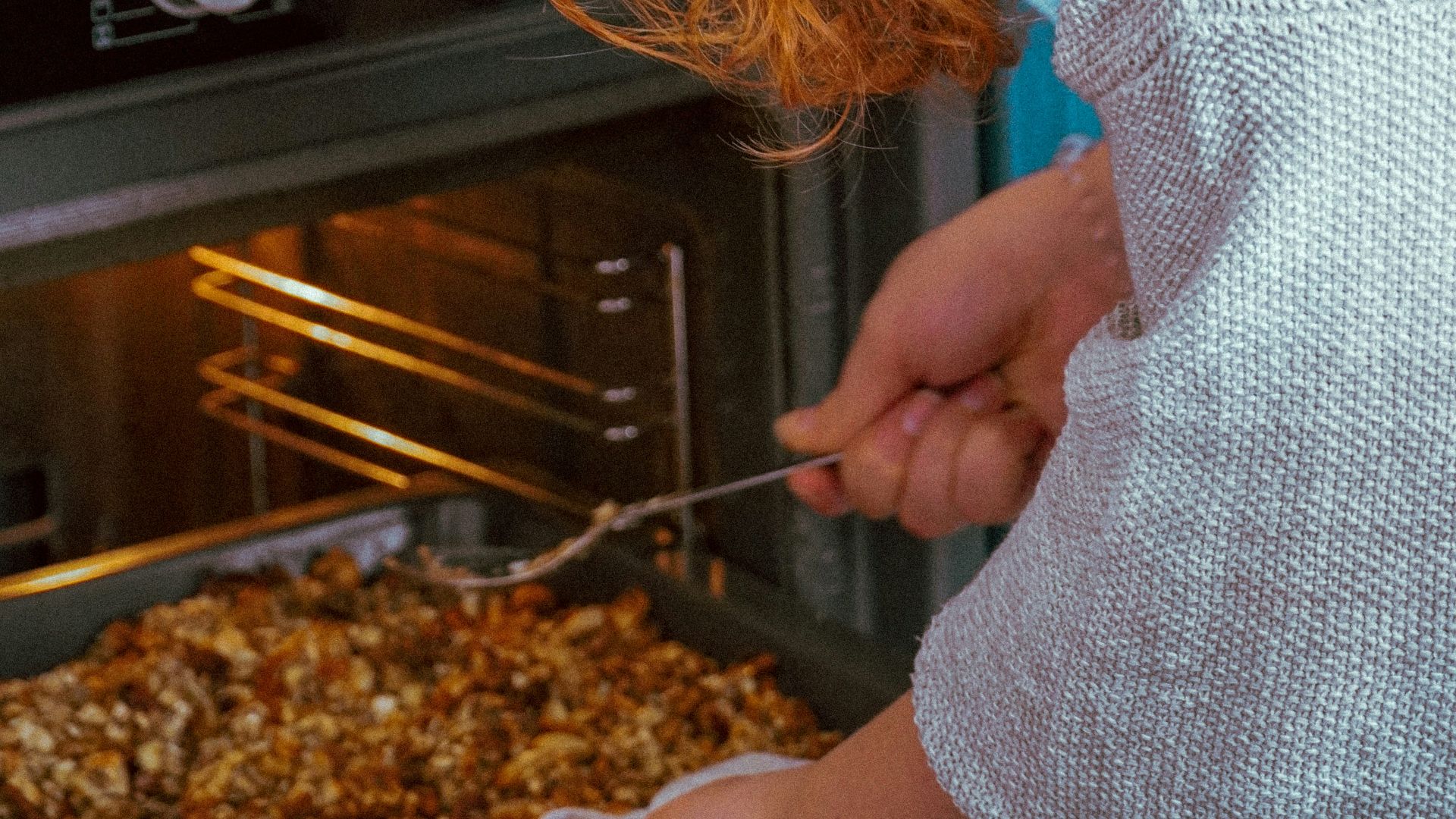
1. Skipping Preheating the Oven
Putting food into a cold oven often leads to uneven cooking. Baking times become unreliable, and textures may suffer. Many recipes depend on consistent heat from the start. Skipping this step usually creates more problems than it solves.
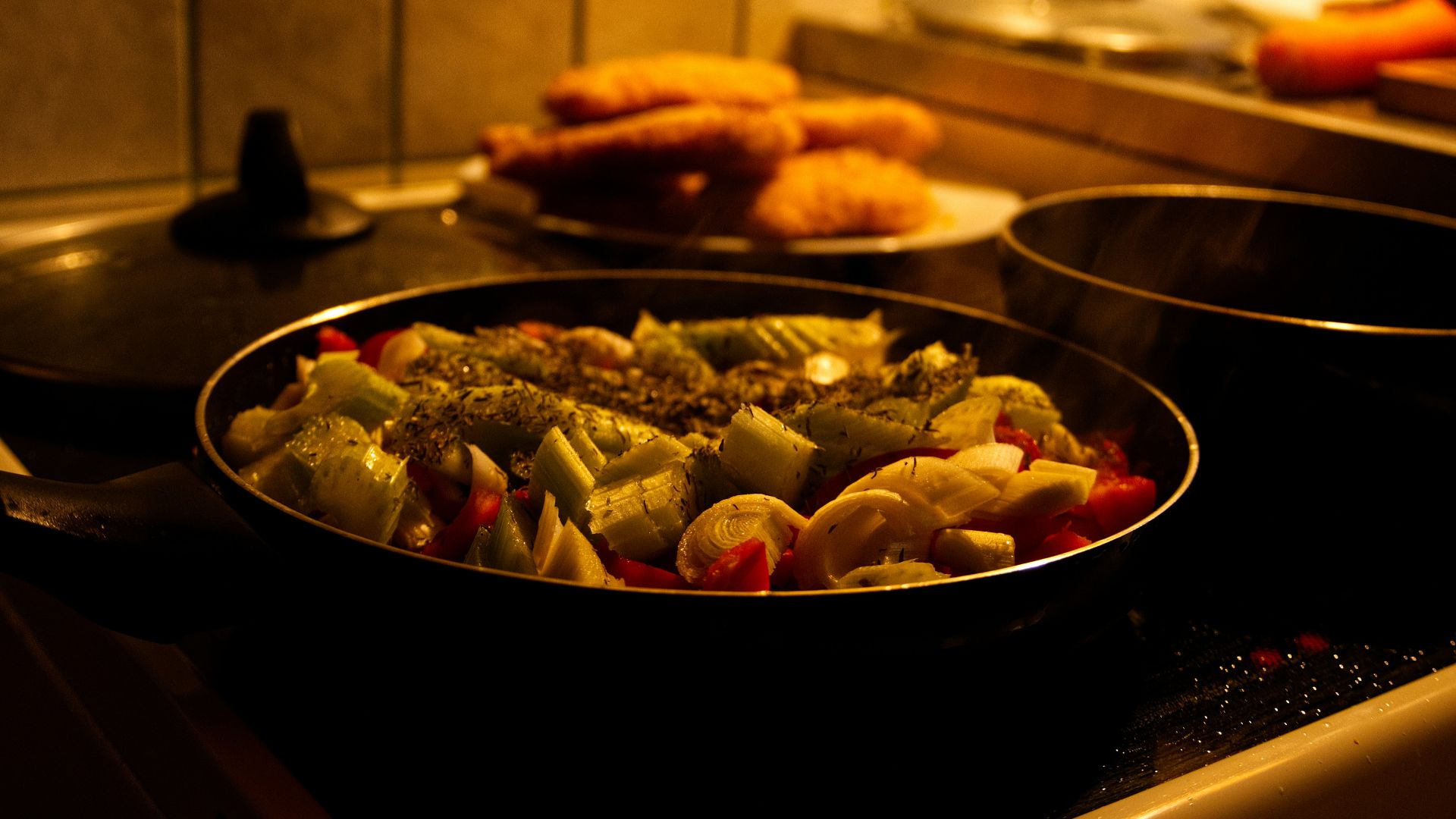
2. Overcrowding the Pan
Adding too much food at once lowers the pan’s temperature. Instead of searing, ingredients start to steam. This affects both texture and flavor. It’s better to cook in batches than rush the process.
3. Using High Heat for Everything
Turning the heat all the way up might seem faster, but it often leads to burning. Food can cook unevenly, with the outside done before the inside. This shortcut usually ruins dishes rather than improving them. Controlled heat is more effective.

4. Not Measuring Ingredients at All
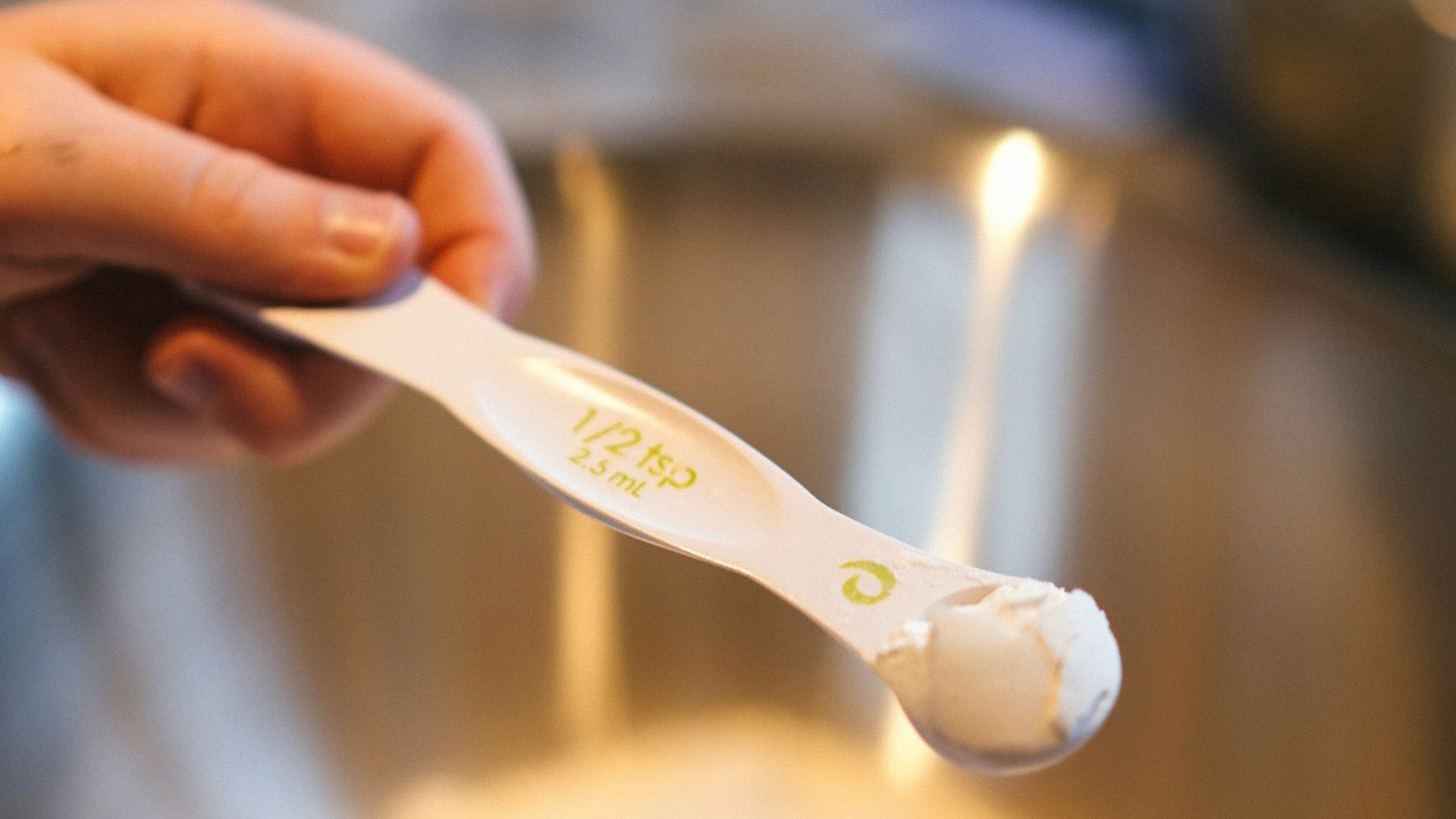
Guessing measurements can work for simple dishes, but it often causes inconsistency. Baking especially requires precision to work properly. Skipping measurements can lead to poor texture or flavor imbalance. It’s a shortcut that rarely pays off.
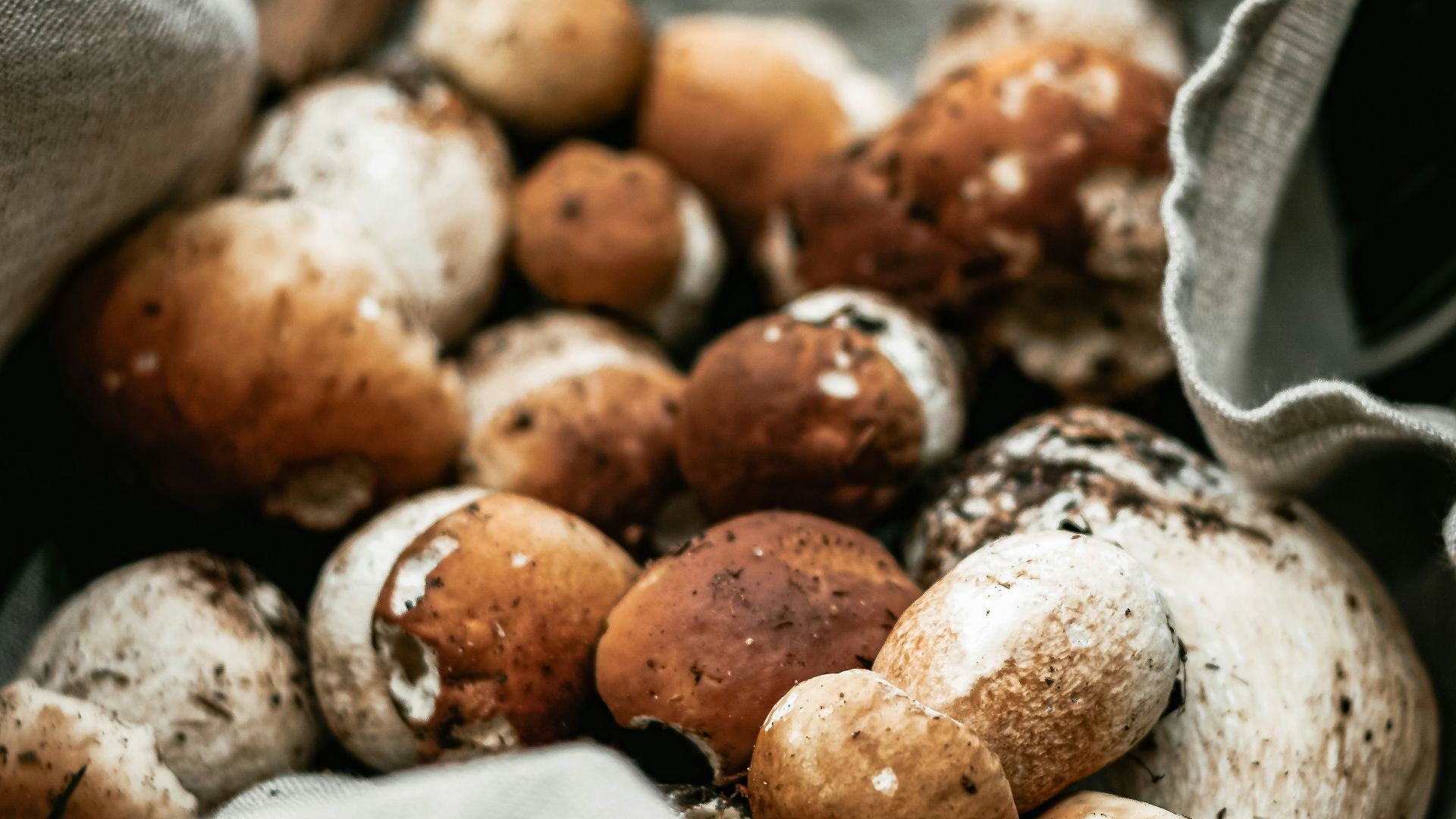
5. Washing Mushrooms Under Running Water
Soaking mushrooms with too much water can affect their texture. They tend to absorb moisture quickly, which impacts how they cook. This often leads to soggy results. A quick wipe or rinse is usually better.
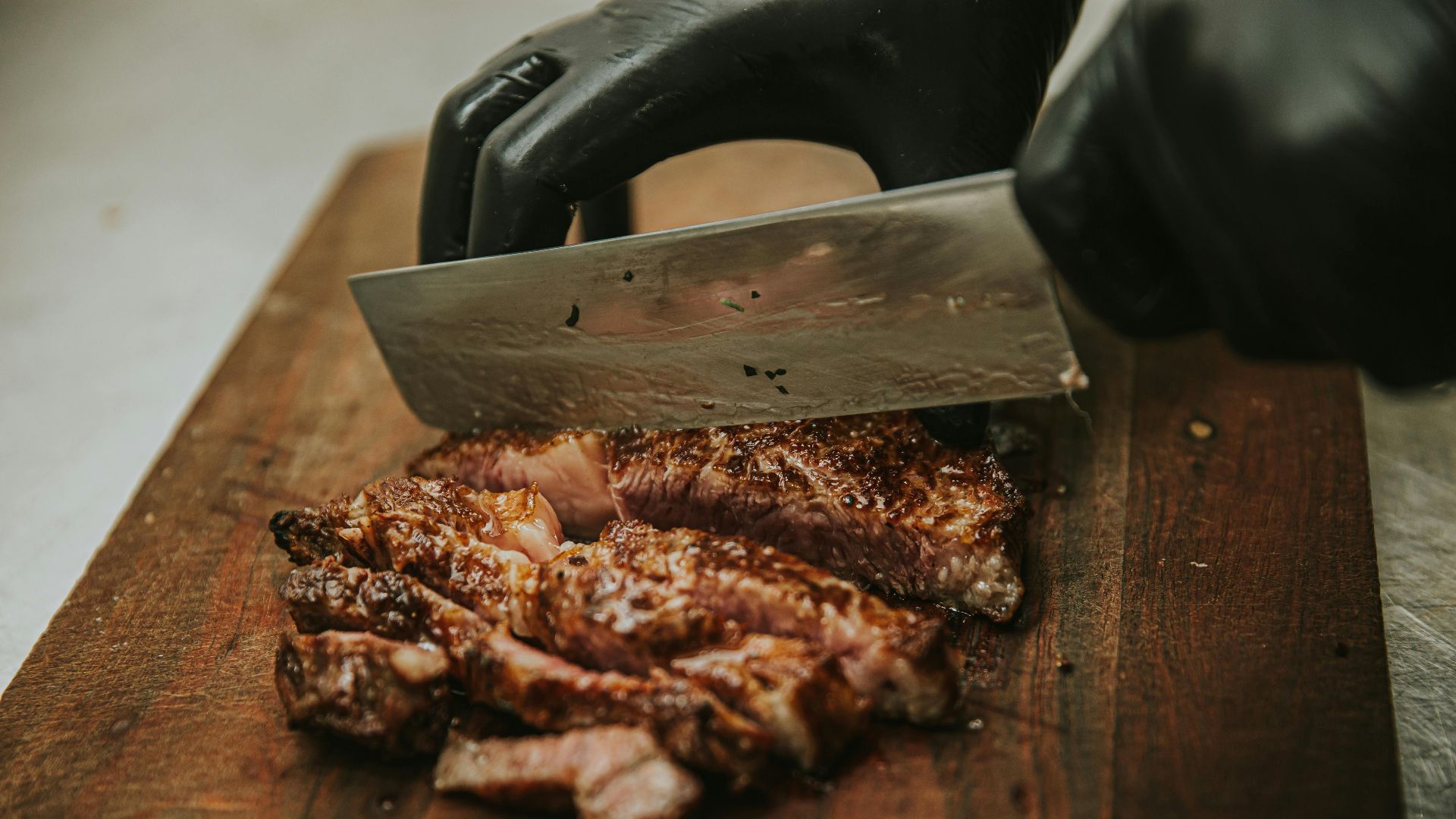
6. Cutting Meat Immediately After Cooking
Slicing meat right away causes juices to escape, leaving it dry. While it saves time, it reduces overall quality. Resting allows the internal structure to stabilize. Skipping this step undermines your effort.
7. Using Dull Knives to Save Effort
It might seem easier to avoid sharpening knives, but dull blades require more force. This increases the risk of slipping and slows you down. Cutting becomes less precise and more frustrating. Maintaining sharp tools actually saves time.

8. Skipping Ingredient Prep
Jumping straight into cooking without prepping can create chaos. You may end up rushing or overcooking while scrambling for ingredients. This shortcut often leads to mistakes. Preparation keeps the process smooth and controlled.
9. Rushing Dough Without Resting
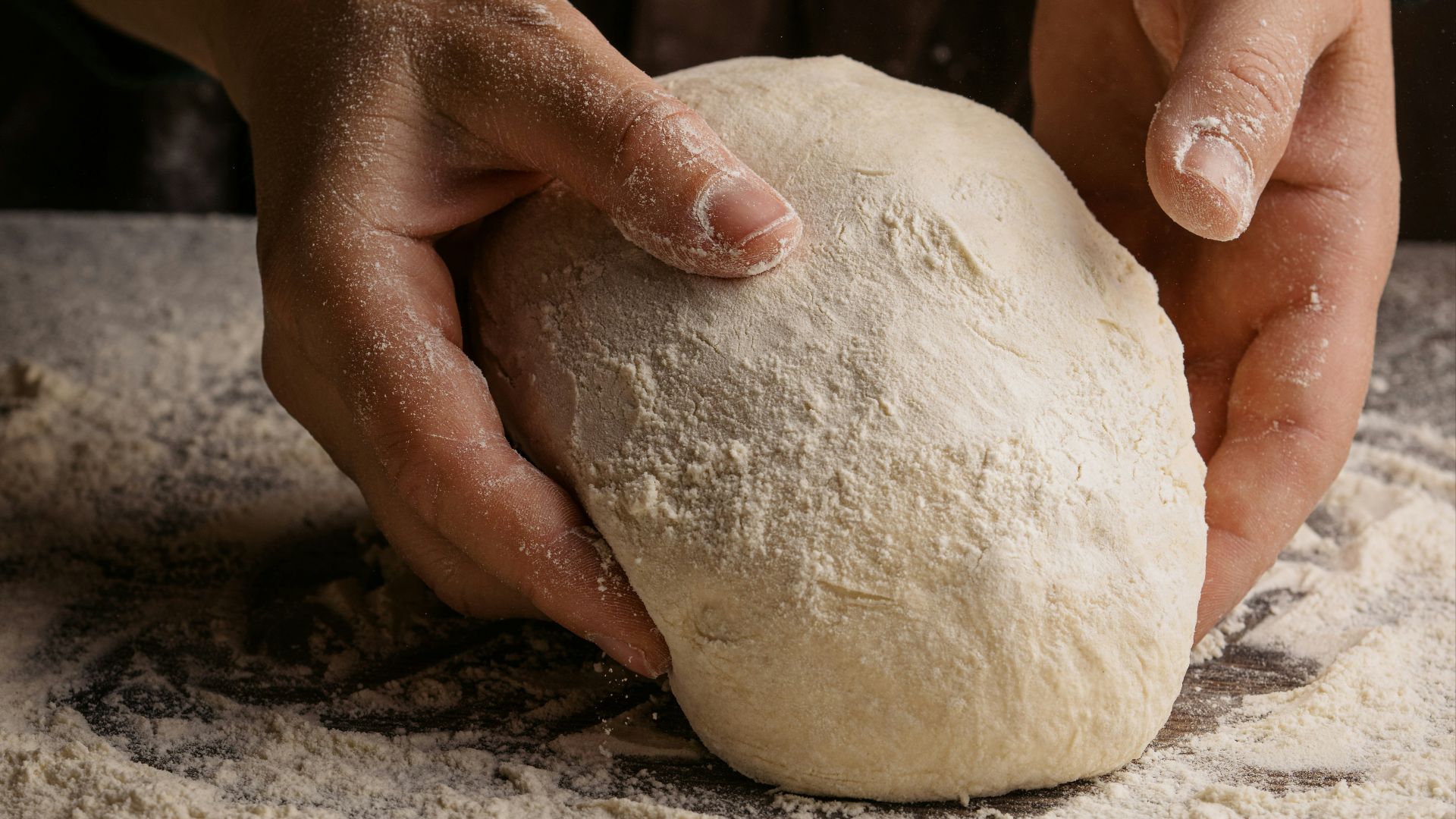
Skipping resting time for the dough affects texture and structure. Gluten needs time to relax for proper results. Without it, baked goods can turn out dense or uneven. Patience here makes a significant difference.
10. Using the Wrong Pan for the Job
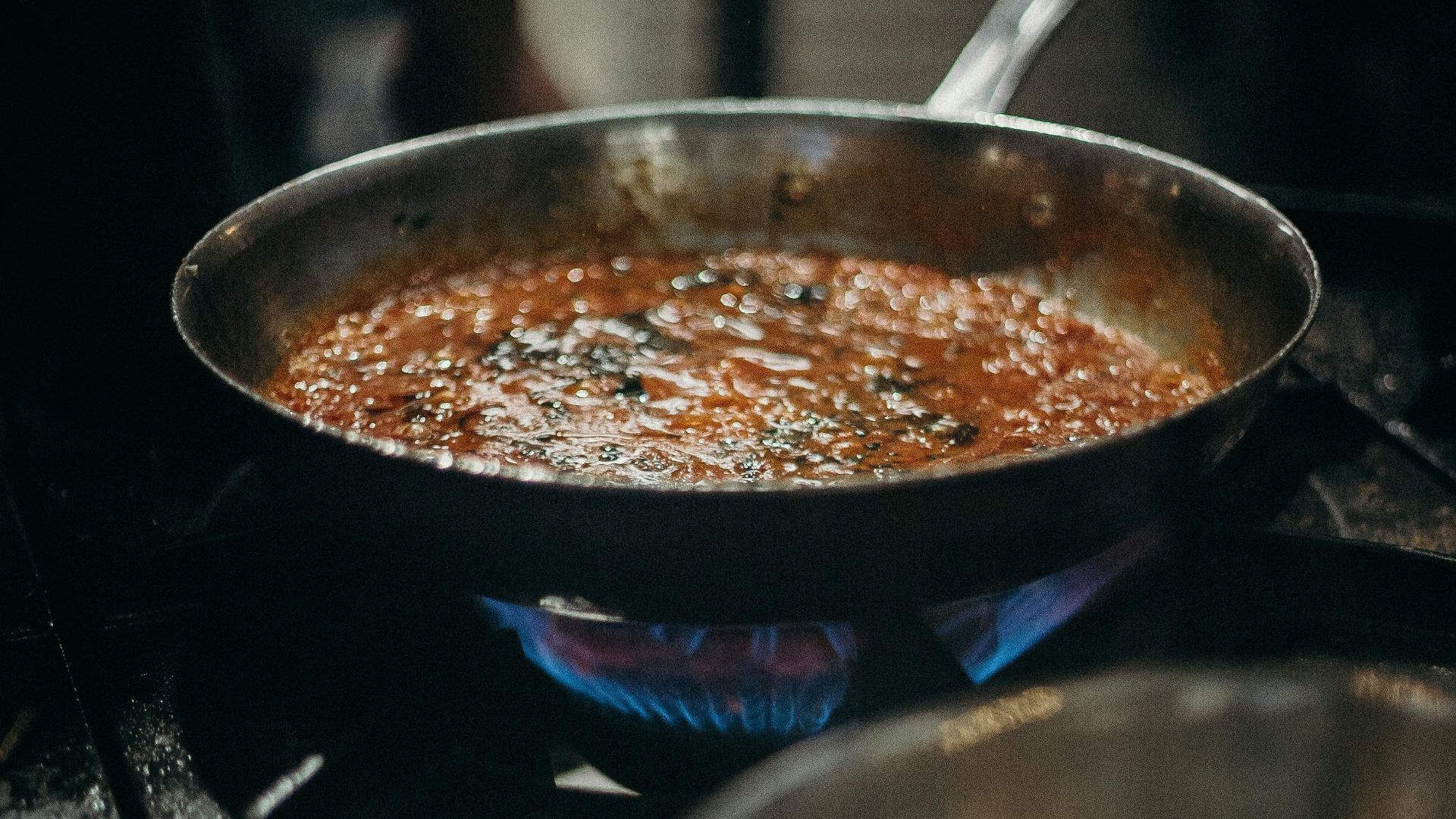
Trying to use one pan for everything can limit results. Different materials and shapes affect heat distribution. Using the wrong one can lead to uneven cooking or sticking.
KEEP ON READING

20 Fast Food Items With Surprisingly Weird Origins