When the Vessel Is the Whole Point
There’s a difference between a container that helps and a container that defines. Some foods and drinks don’t just prefer a certain vessel—they depend on it. Take that away, and you’re not just changing the experience, you’re changing the identity of the thing itself. The rituals, the materials, even the way you hold it all get baked into the flavor. It’s not precious, it’s just how these things have always worked. Here are 20 foods and drinks that only make sense in their proper container.
 Caviar_spoons.jpg: THOR
derivative work: Saibo (Δ) on Wikimedia
Caviar_spoons.jpg: THOR
derivative work: Saibo (Δ) on Wikimedia
1. Mate in a Gourd
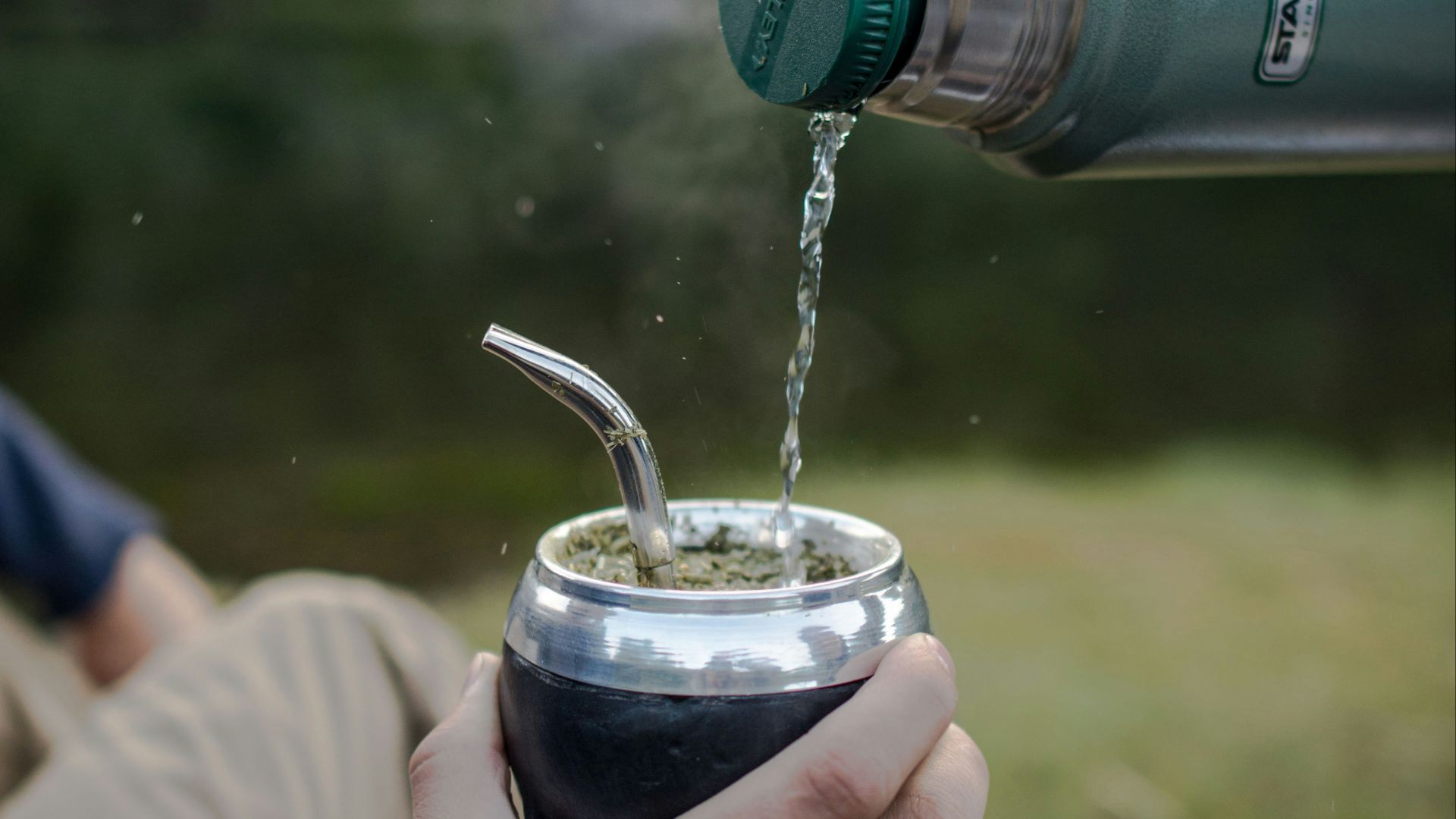
Yerba mate in a mug feels like a shortcut, and not a good one. The gourd shapes the flavor over time, absorbing and giving back something subtle with every refill. Add the bombilla, and suddenly it’s not just a drink—it’s a whole rhythm.
2. Turkish Coffee in a Cezve
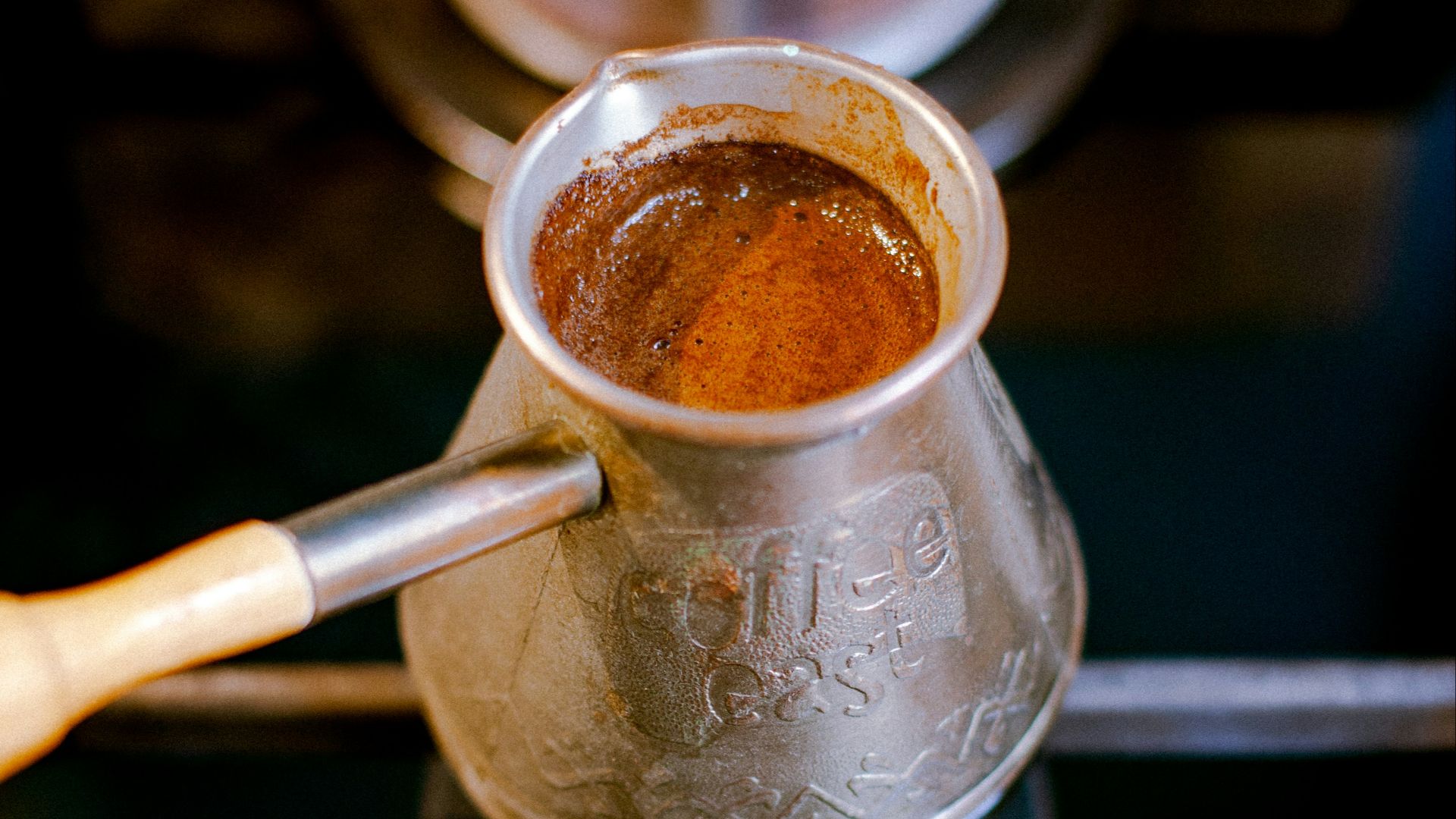
You can brew strong coffee anywhere, but Turkish coffee needs a cezve to get that thick, almost velvety body. The wide base and narrow neck control the foam in a way a regular pot just can’t. Without it, you lose that dense, slightly gritty finish that defines it.
3. Japanese Tea in a Kyusu
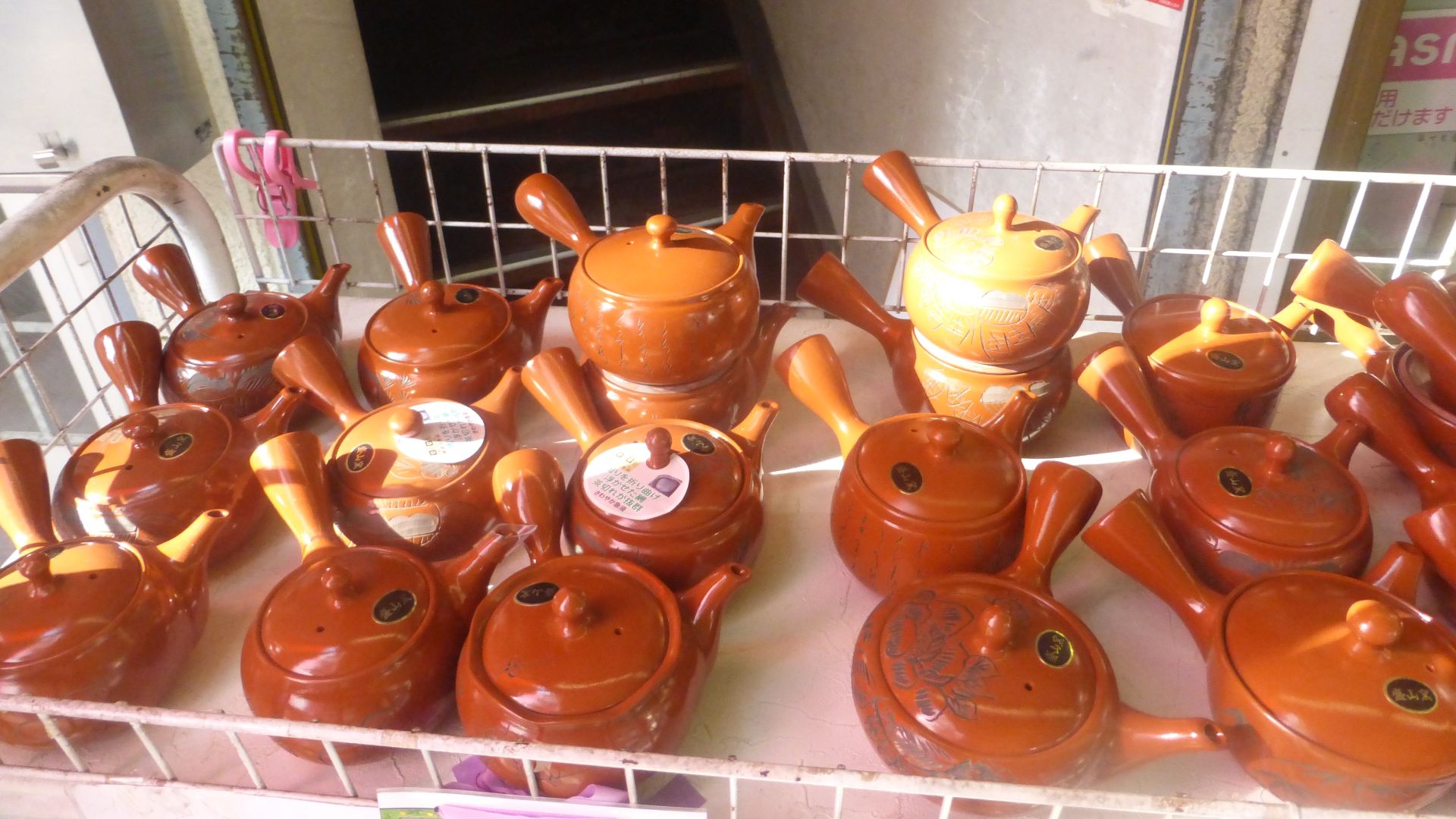
Green tea brewed in a regular teapot comes out flat and a little careless. A kyusu, with its side handle and fine mesh filter, lets the leaves open properly without over-steeping. The pour is quick and precise, which turns out to matter more than expected.
4. Tagine in a Tagine Pot
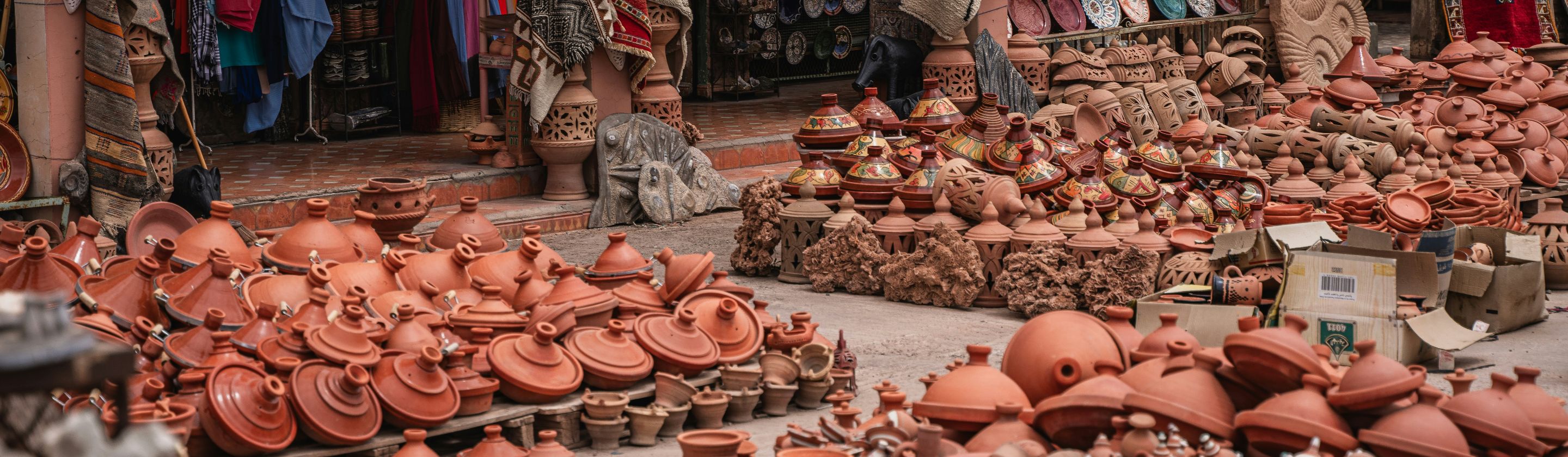
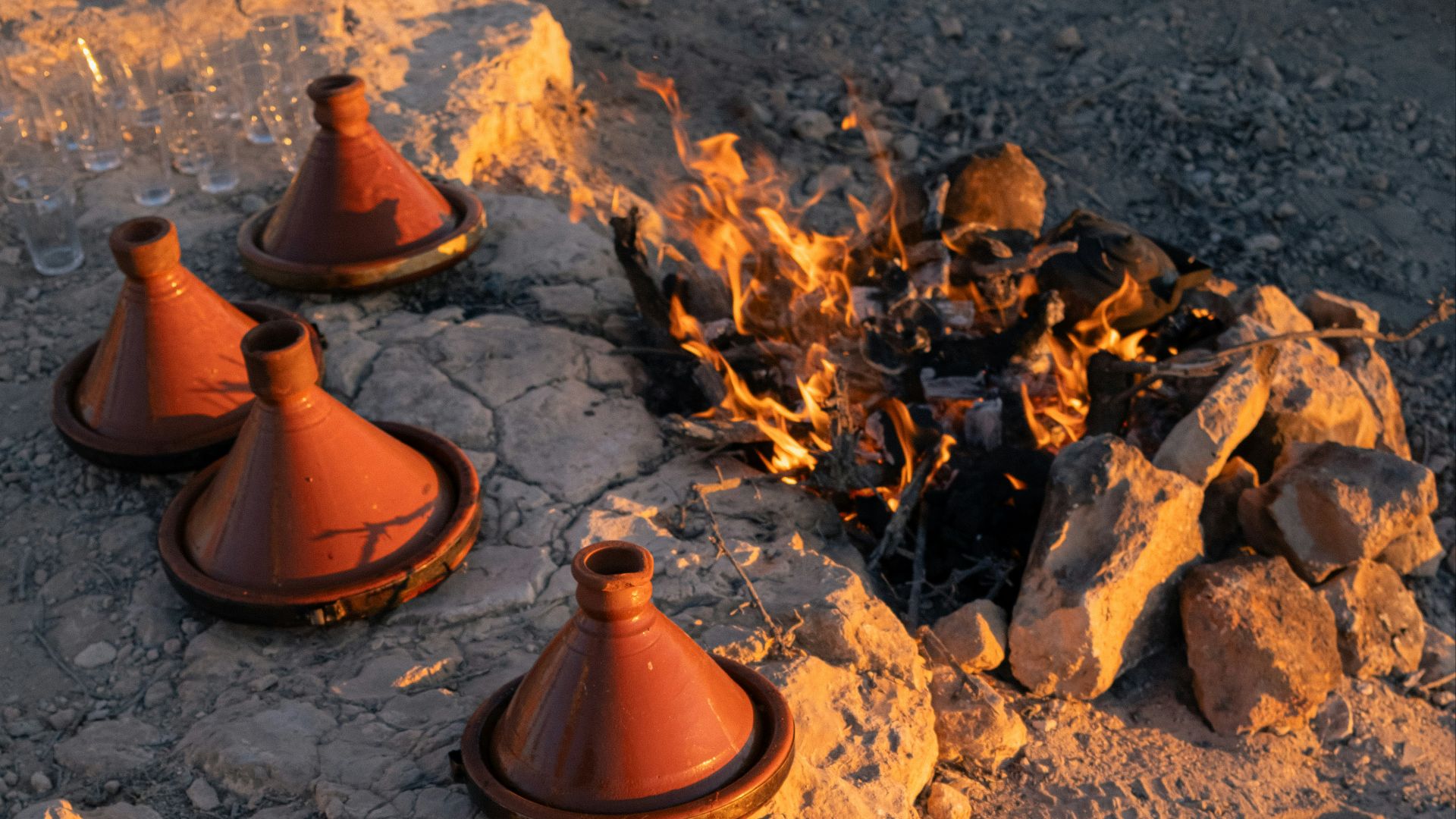
Cooking a tagine in a standard pot misses the point entirely. The conical lid traps steam and sends it back down, keeping everything tender without drowning it. It’s less about the recipe and more about how the heat moves.
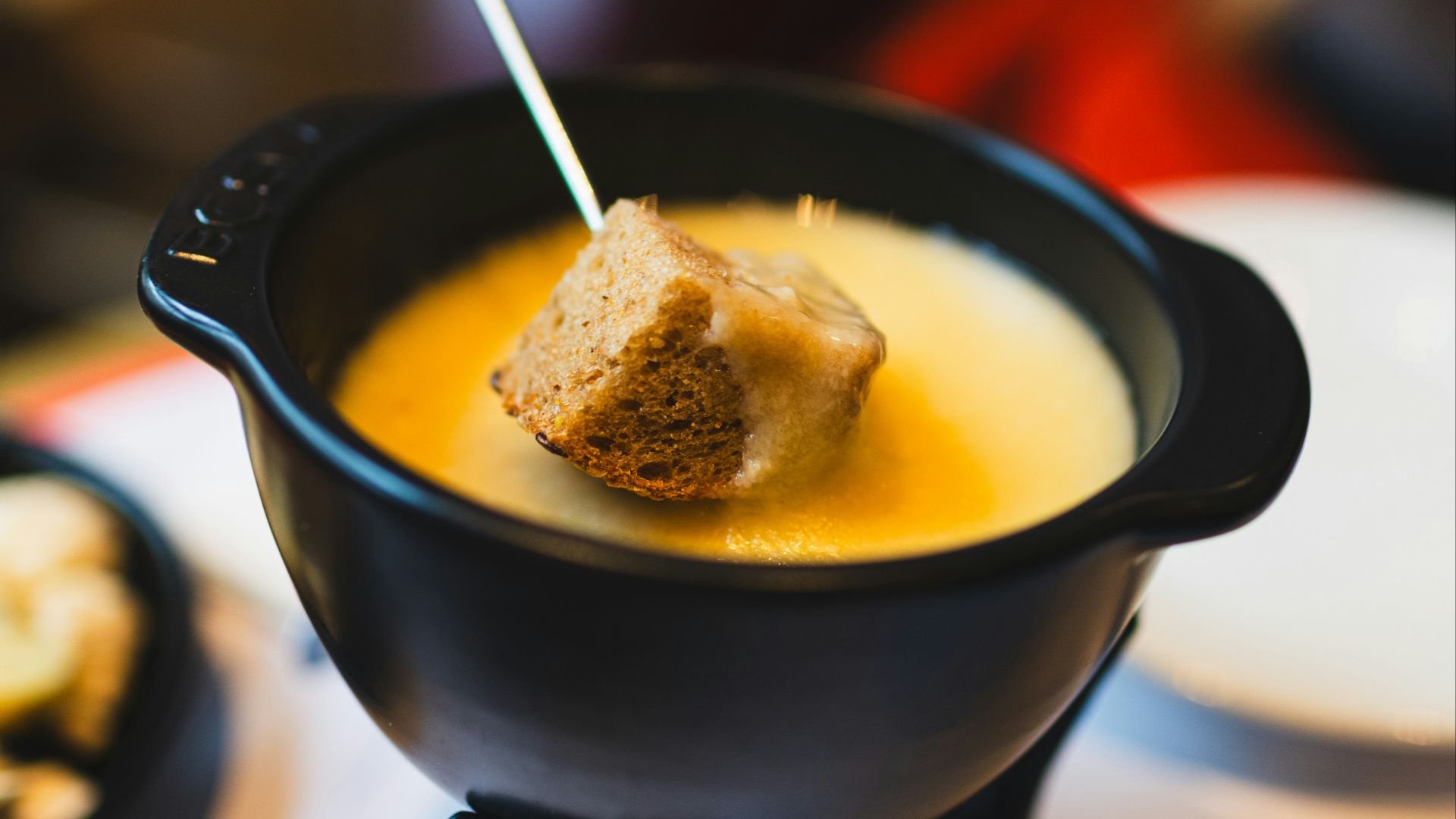
5. Fondue in a Fondue Pot
Melted cheese in a saucepan is just melted cheese. A fondue pot keeps it warm, smooth, and just thick enough while you sit there dipping slowly. The shared pot is part of it—you’re not meant to rush.
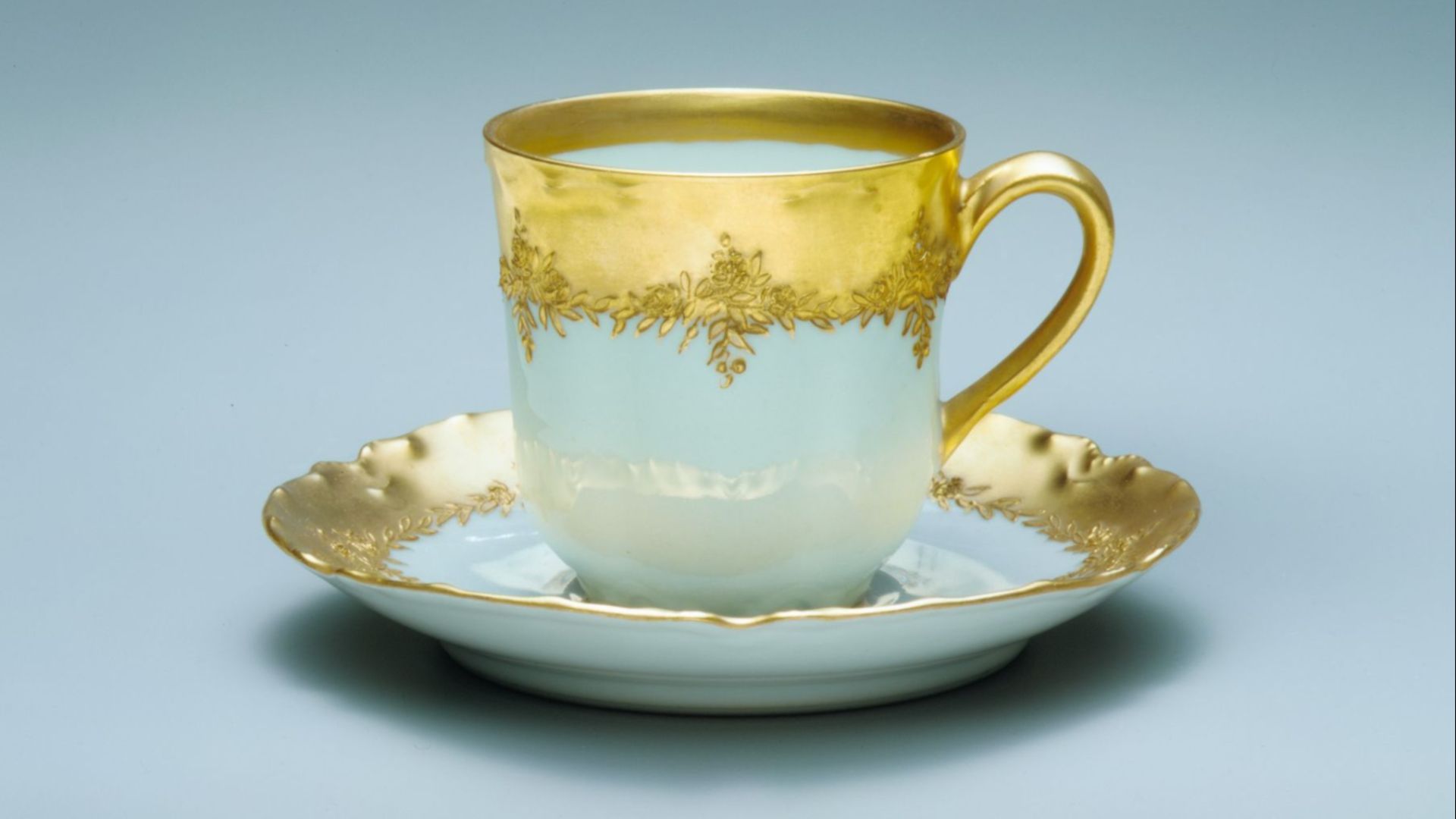
6. Espresso in a Demitasse Cup
Espresso in a large mug feels diluted even when it’s not. A demitasse keeps the heat concentrated and the aroma right where your nose meets the cup. It forces you to slow down and actually notice it.
 Creator:Onata North Fitts on Wikimedia
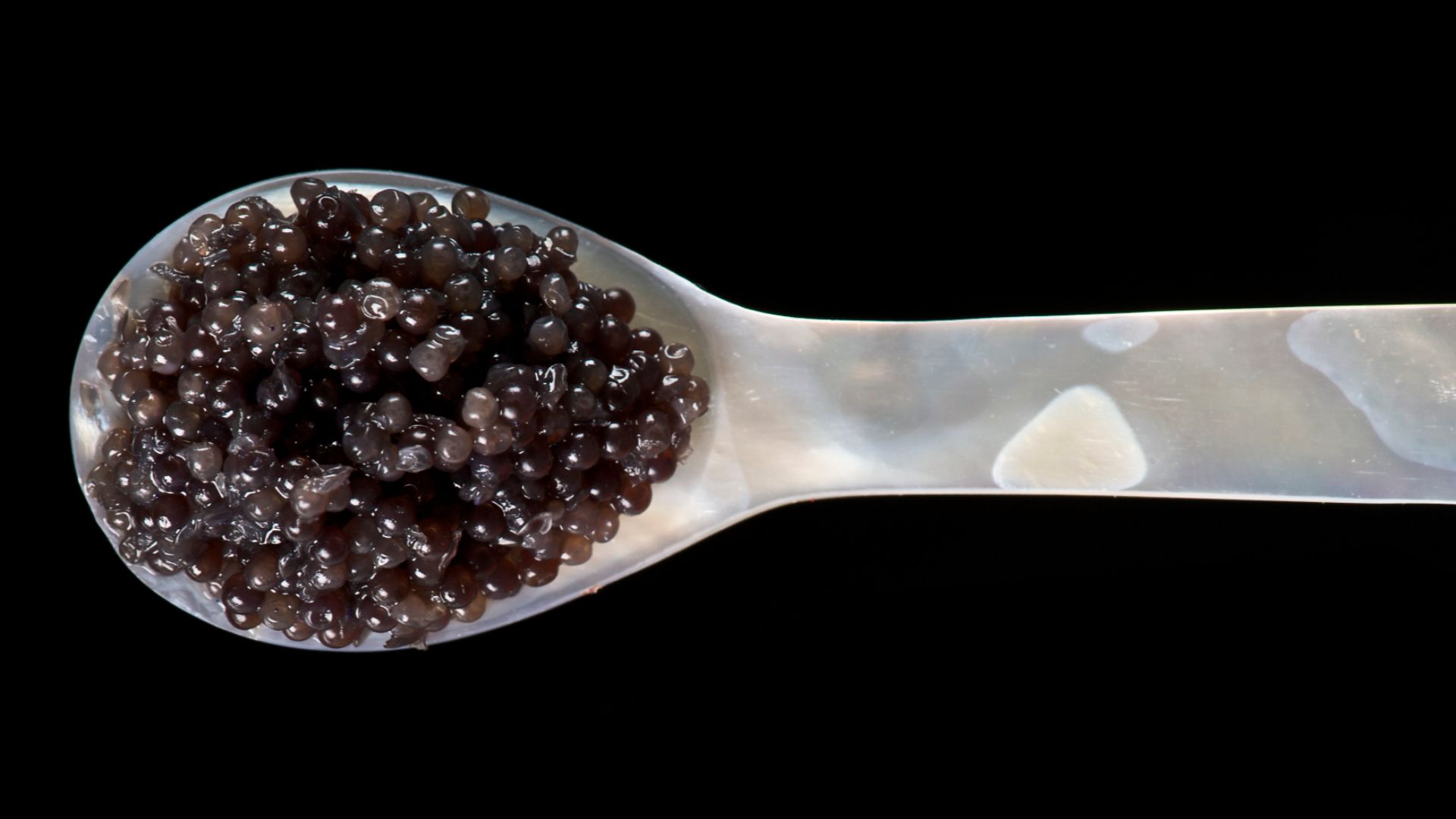
7. Caviar on a Mother-of-Pearl Spoon
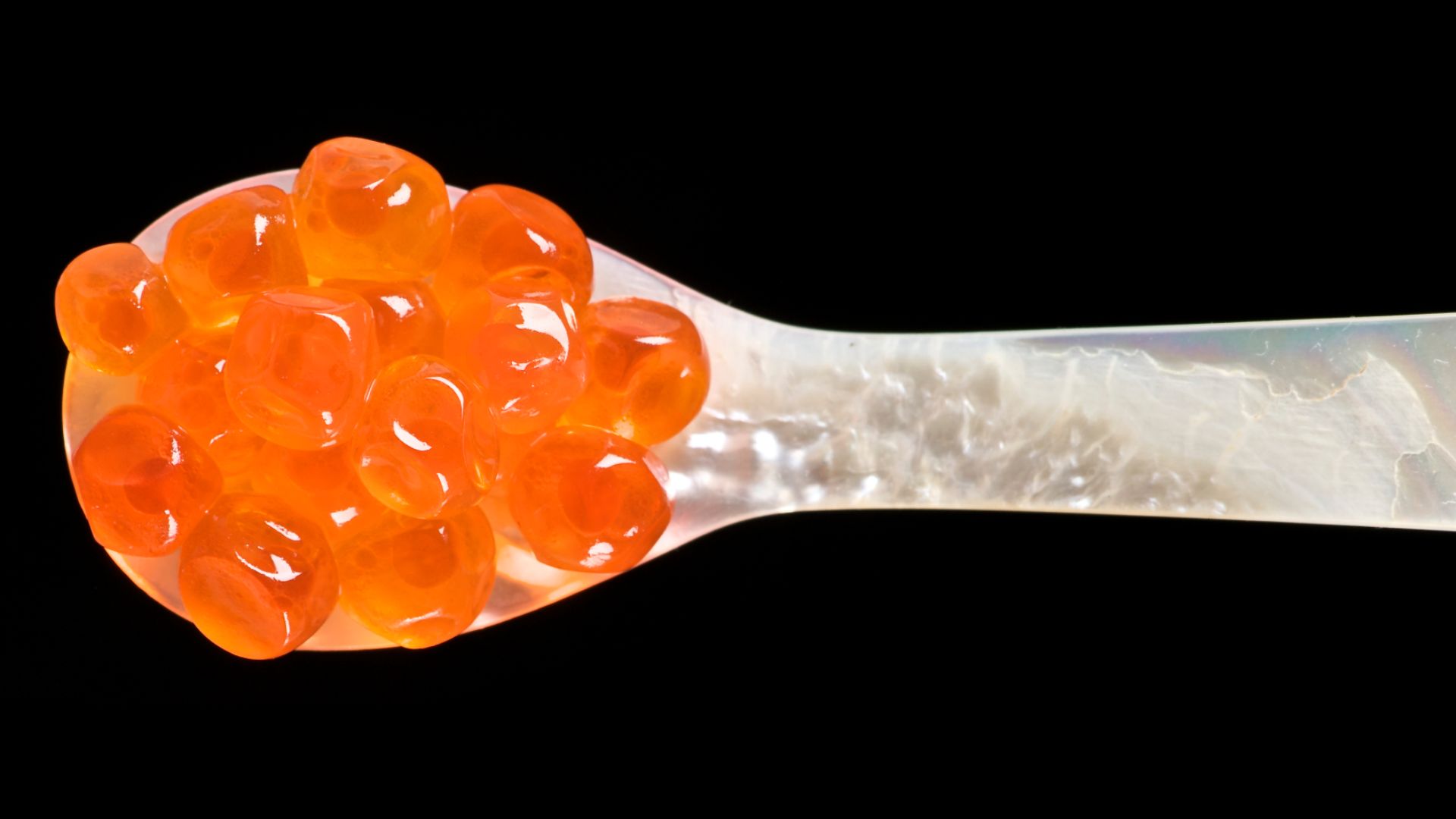
Metal spoons mess with the flavor in a way that’s hard to ignore once you notice it. Mother-of-pearl stays neutral, letting the salt and richness come through cleanly. It’s one of those fussy details that turns out to be justified.
 Caviar_spoons.jpg: THOR
derivative work: Saibo (Δ) on Wikimedia
Caviar_spoons.jpg: THOR
derivative work: Saibo (Δ) on Wikimedia
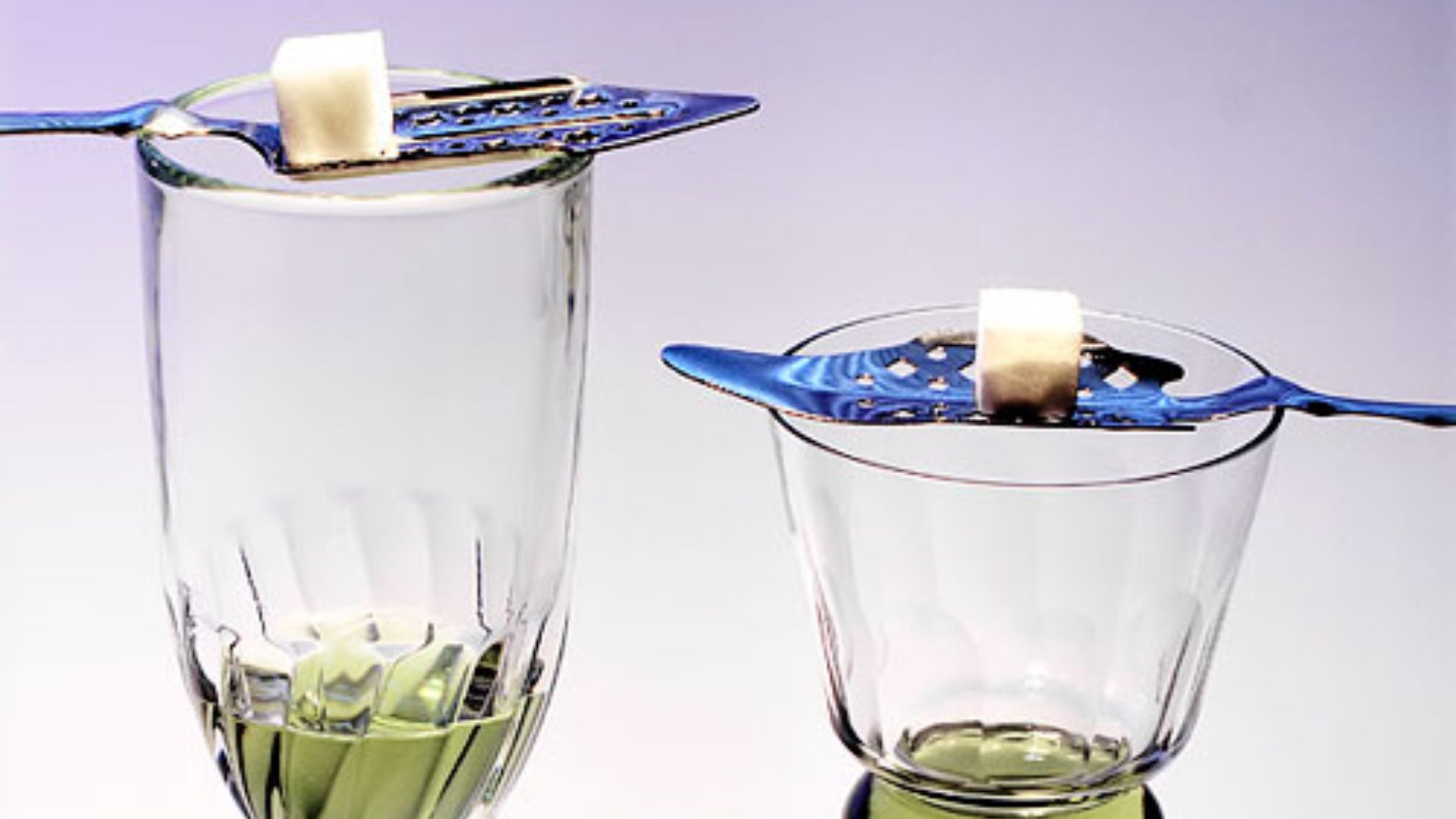
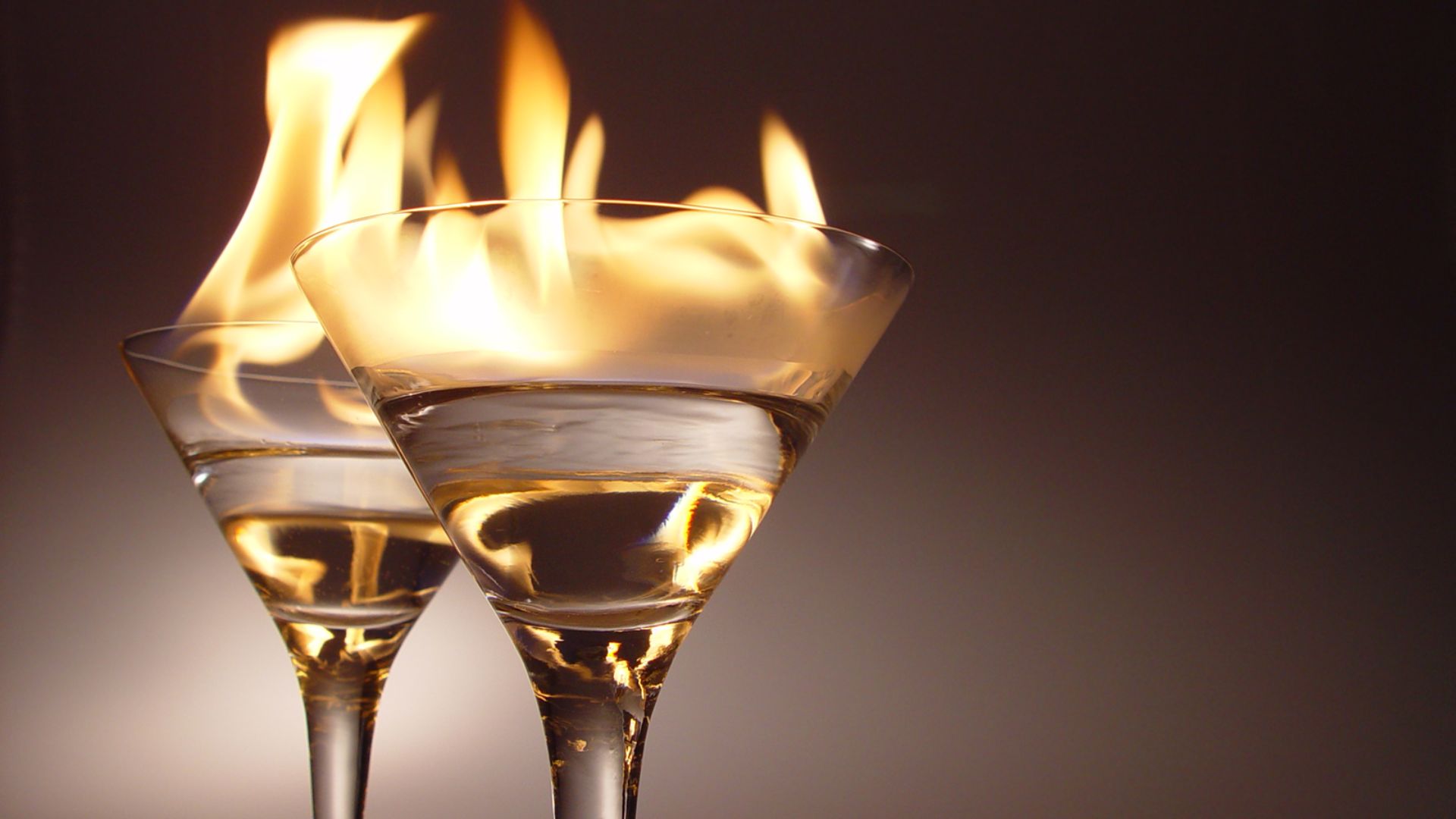
8. Absinthe in a Pontarlier Glass
Absinthe without the ritual feels incomplete. The marked glass, the slotted spoon, the slow drip of water—it all controls dilution in a very specific way. Skip the glass, and you lose both the balance and the theater.
9. Sake in Ochoko Cups
Pouring sake into a regular wine glass changes how you sip it and how quickly it warms. Ochoko cups are small on purpose, encouraging steady refills and shared pouring. It keeps the experience social instead of solitary.
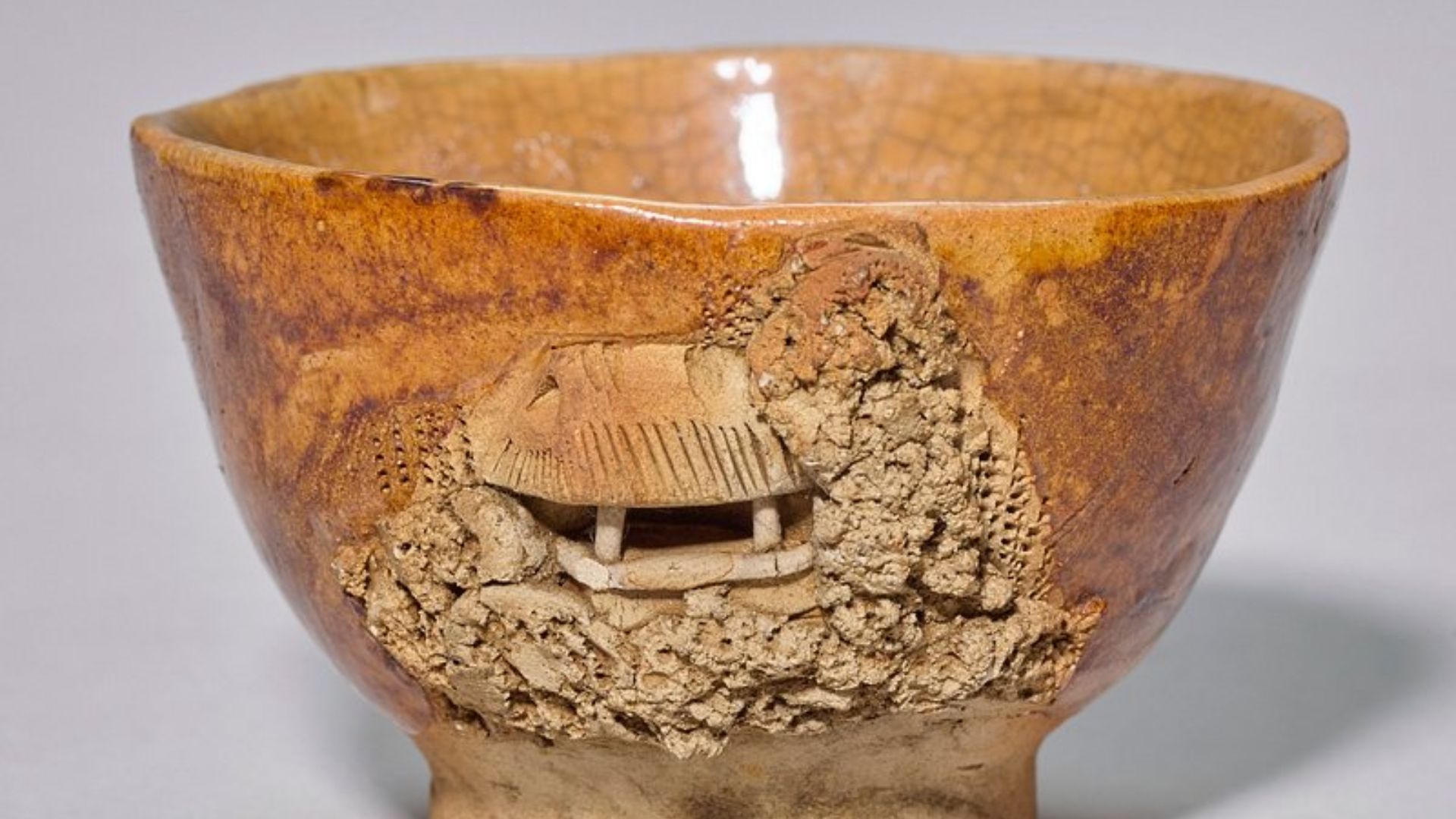
10. Korean BBQ in a Tabletop Grill
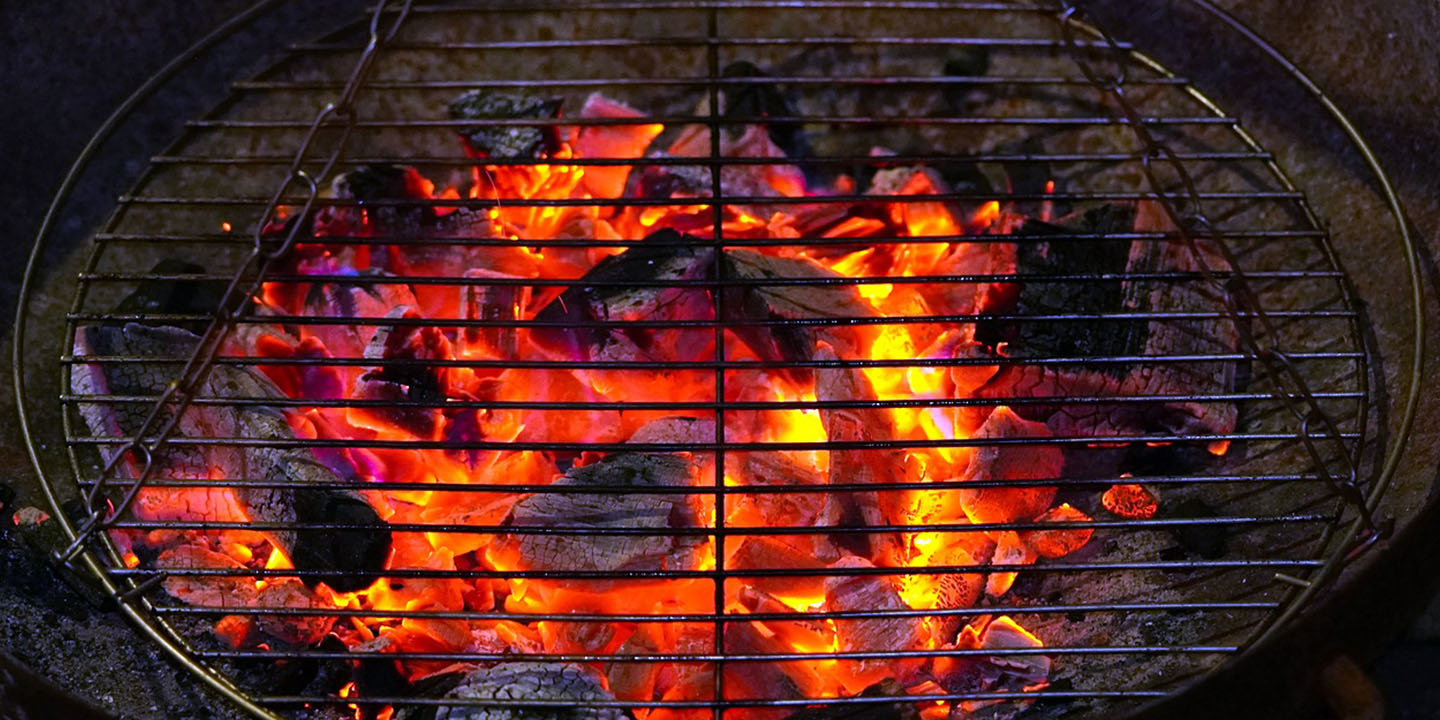
You can cook the meat anywhere, technically. But without the tabletop grill, you lose the pacing, the smell, and that constant low sizzle that fills the space. It’s not just cooking—it’s ongoing.
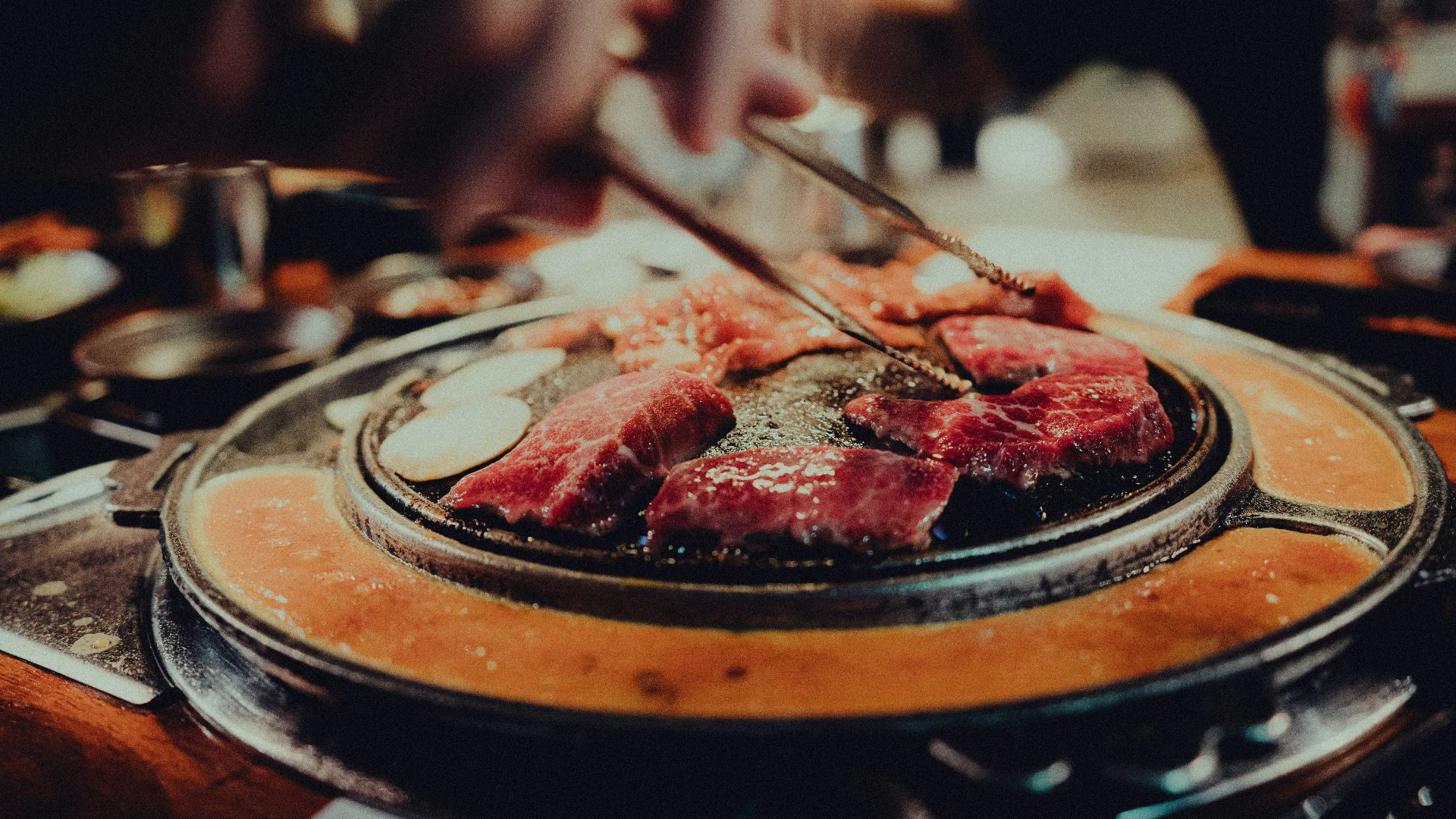
11. Paella in a Paella Pan
Try making paella in a deep pot and it turns into something else entirely. The wide, shallow pan creates that thin layer of rice and the prized crispy bottom. It’s built for evaporation, not containment.
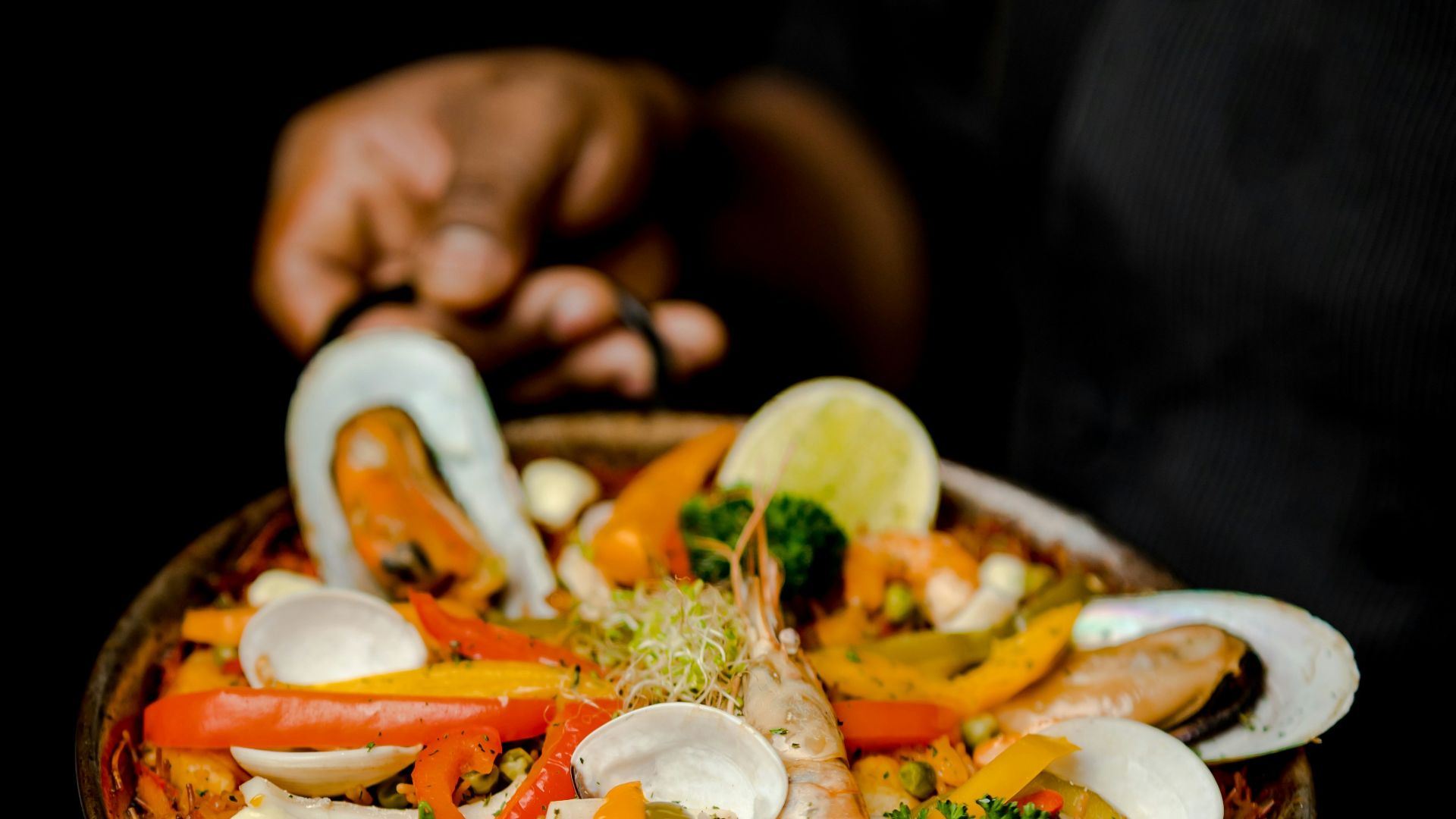
12. Clay Pot Rice in a Clay Pot
Clay pots hold heat in a slow, steady way that metal can’t quite match. The rice cooks evenly while the bottom crisps into that golden layer everyone quietly hopes for. Serve it anywhere else, and that texture disappears.
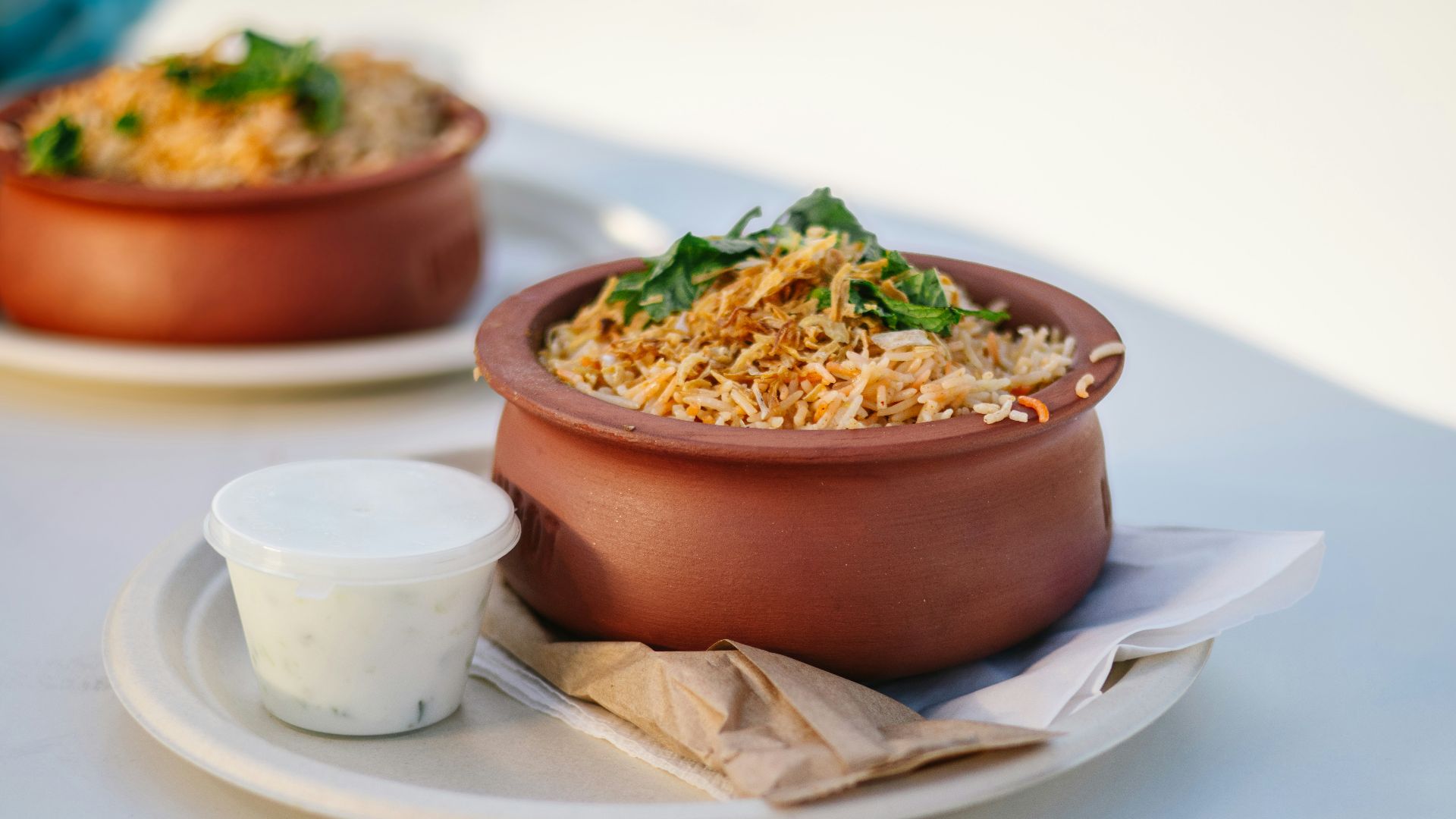
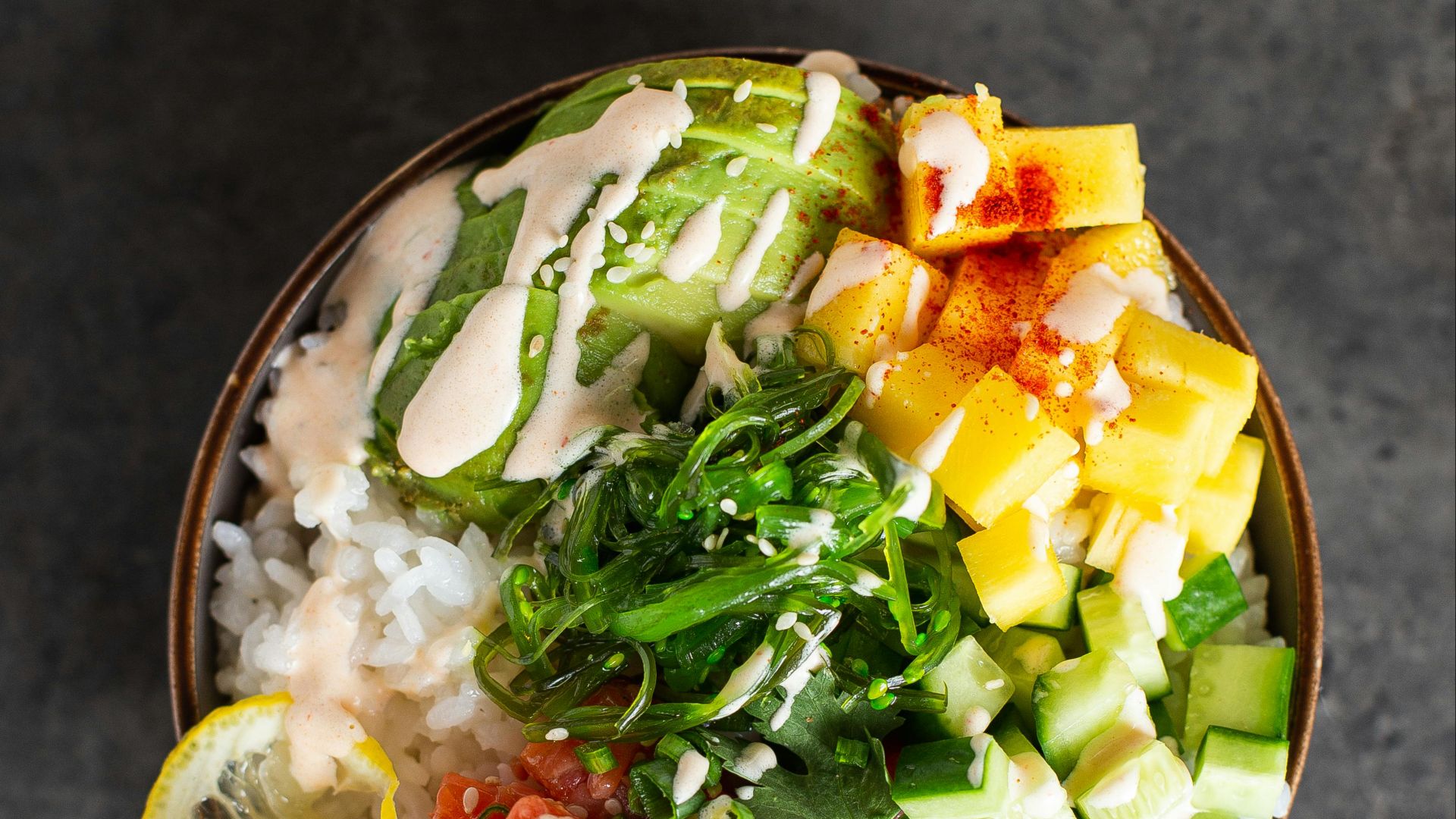
13. Hawaiian Poke in a Wooden Bowl
Poke in plastic feels like it’s been downgraded. A wooden bowl absorbs a bit of moisture and keeps everything from turning slick and watery. It also just feels closer to how it’s meant to be eaten—simple, direct.
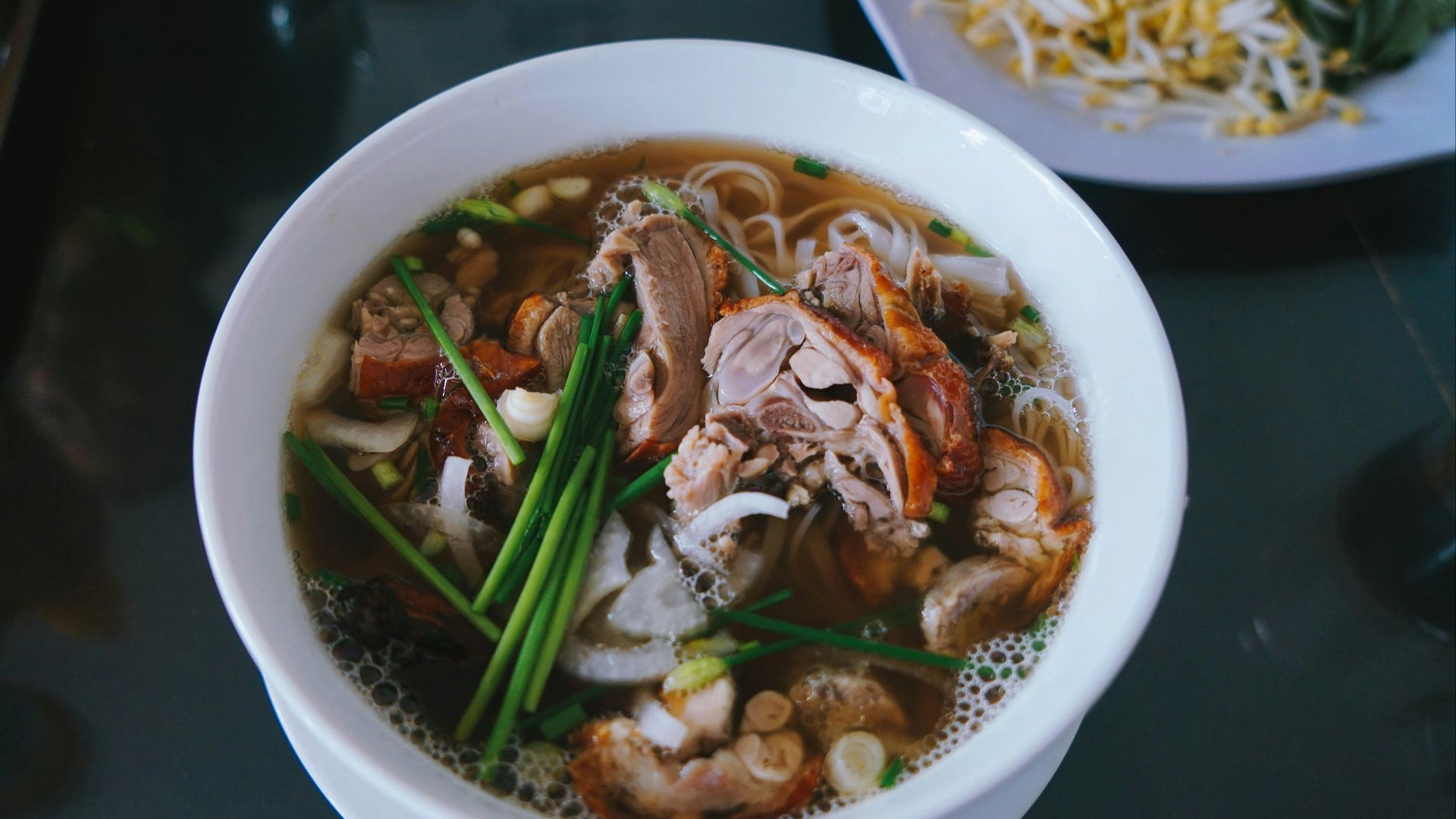
14. Pho in a Large Deep Bowl
Pho needs space for broth, noodles, herbs, and steam to coexist. A cramped bowl suffocates it, cooling things down too quickly and making it harder to build each bite. The depth isn’t aesthetic—it’s functional.
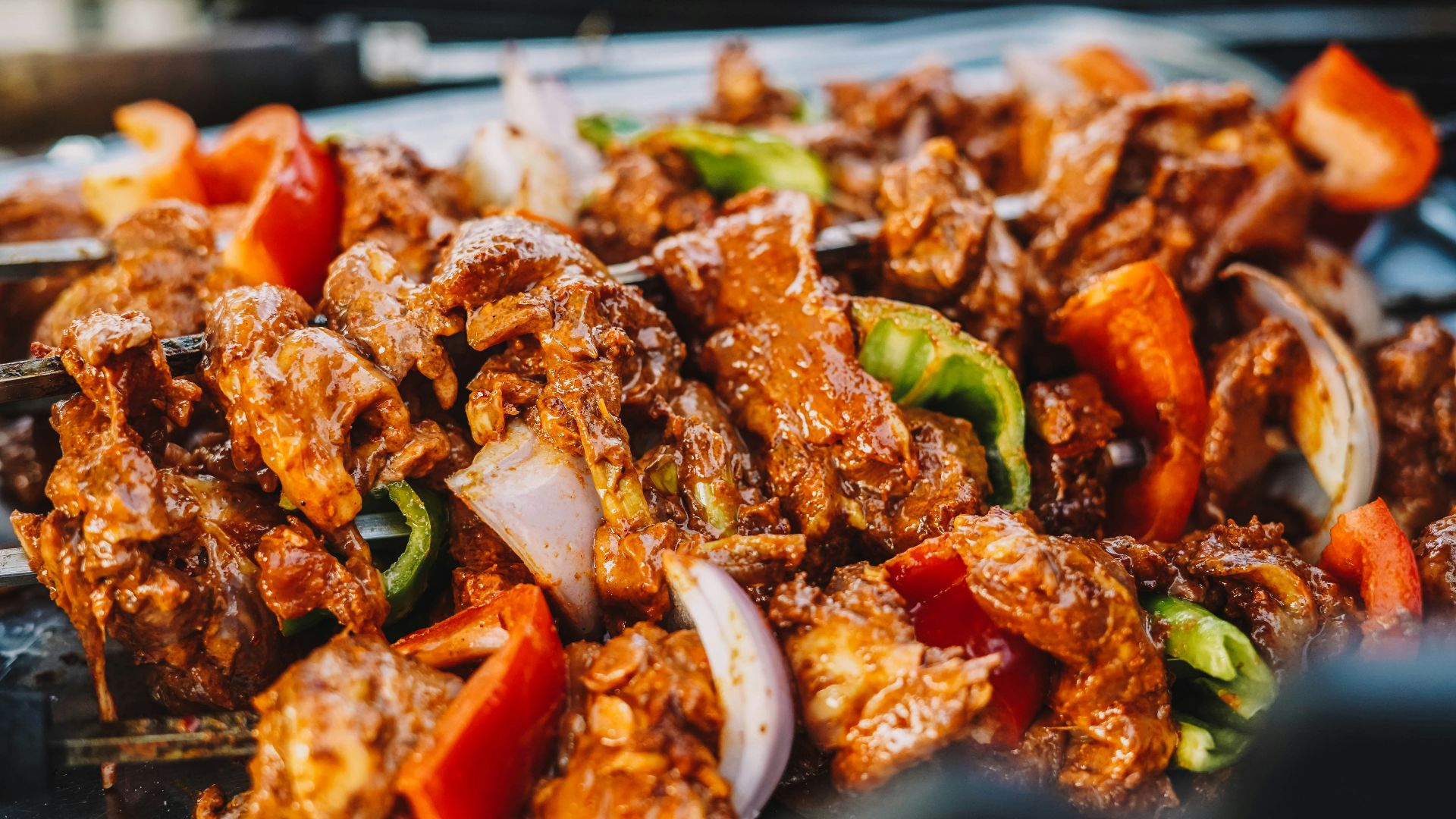
15. Tandoori in a Tandoor Oven
You can mimic the flavors, but without a tandoor, you won’t get that same char and rapid heat. The clay walls radiate intensity that standard ovens just don’t replicate. It’s a different kind of fire.
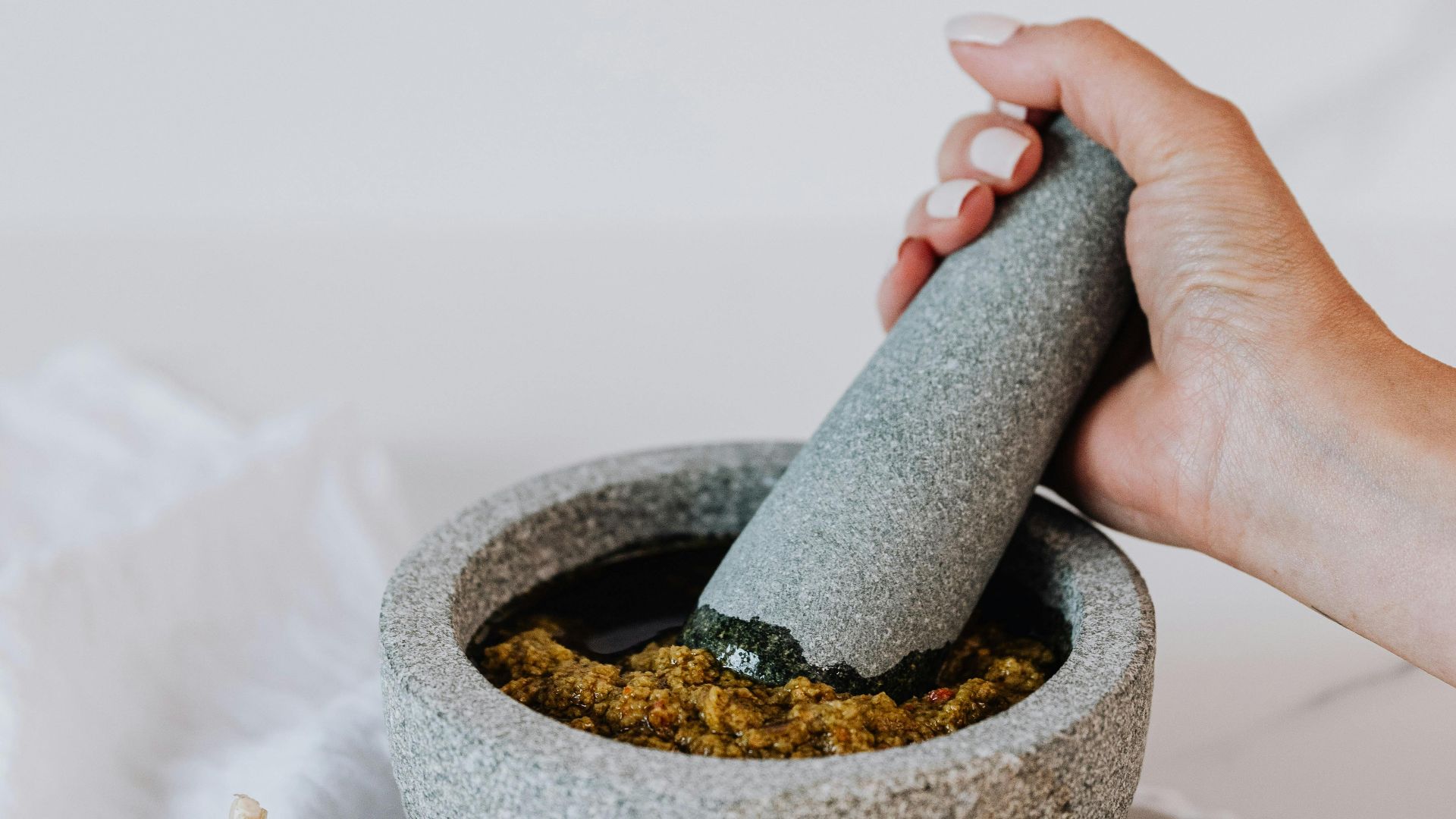
16. Molcajete Salsa in a Stone Molcajete
Blenders make salsa smooth, but they also make it forgettable. A molcajete crushes ingredients just enough, releasing oils while leaving texture intact. The stone itself seems to add something earthy.
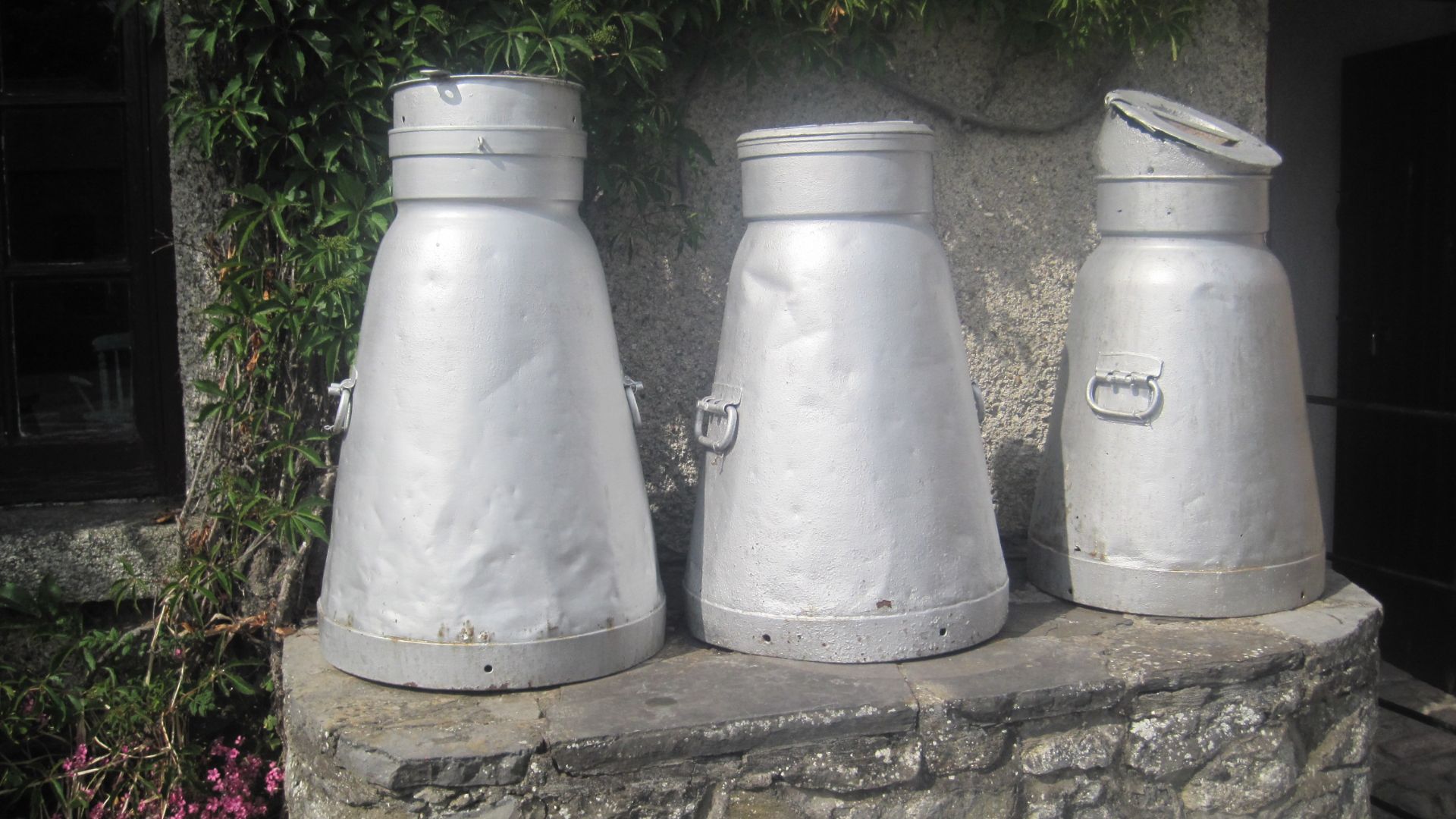
17. Butter Tea in a Churned Pot
Tibetan butter tea isn’t just stirred—it’s churned. That process emulsifies the fat into the tea, creating a thick, almost brothy drink. Without the churn, it separates and loses its character.
 Irish American Mom on Wikimedia
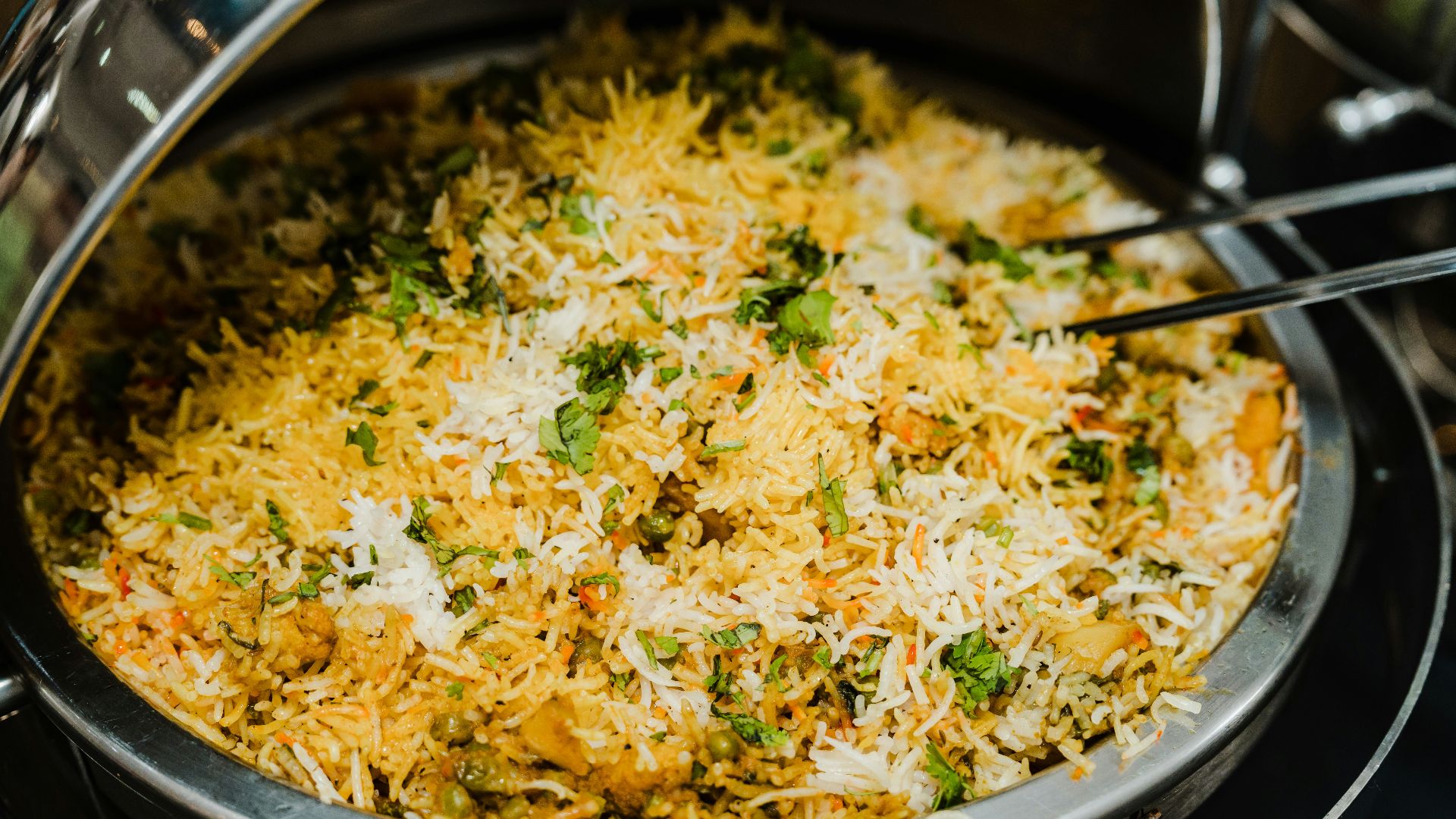
18. Biryani in a Sealed Handi
Cooking biryani in an open pot lets too much escape. A sealed handi traps steam and layers flavor, letting the rice and spices meld slowly. Breaking that seal at the end is part of the payoff.
19. Champagne in a Flute
Pour champagne into a wide cup and the bubbles vanish too quickly. A flute keeps the carbonation tight and rising, carrying aroma with it. It turns a drink into something a little more deliberate.
 Alexander Naglestad on Unsplash
20. Tequila in a Copita
Shot glasses rush tequila into something sharp and forgettable. A copita narrows at the top, holding aroma and encouraging small sips. It shifts the whole experience from quick to considered.
KEEP ON READING