The Shade Is Part Of The Product
Color is the first thing anyone judges food by, and the food industry has known that for a long time. Some of what sits in the supermarket has been adjusted to match what buyers expect, and some of it was bred that way so long ago the original looks weird. A few of these shades come out of a feed bag, and others survive because a law once made the honest version illegal. Here are 20 foods wearing a color they did not come by on their own.
1. Farmed Salmon
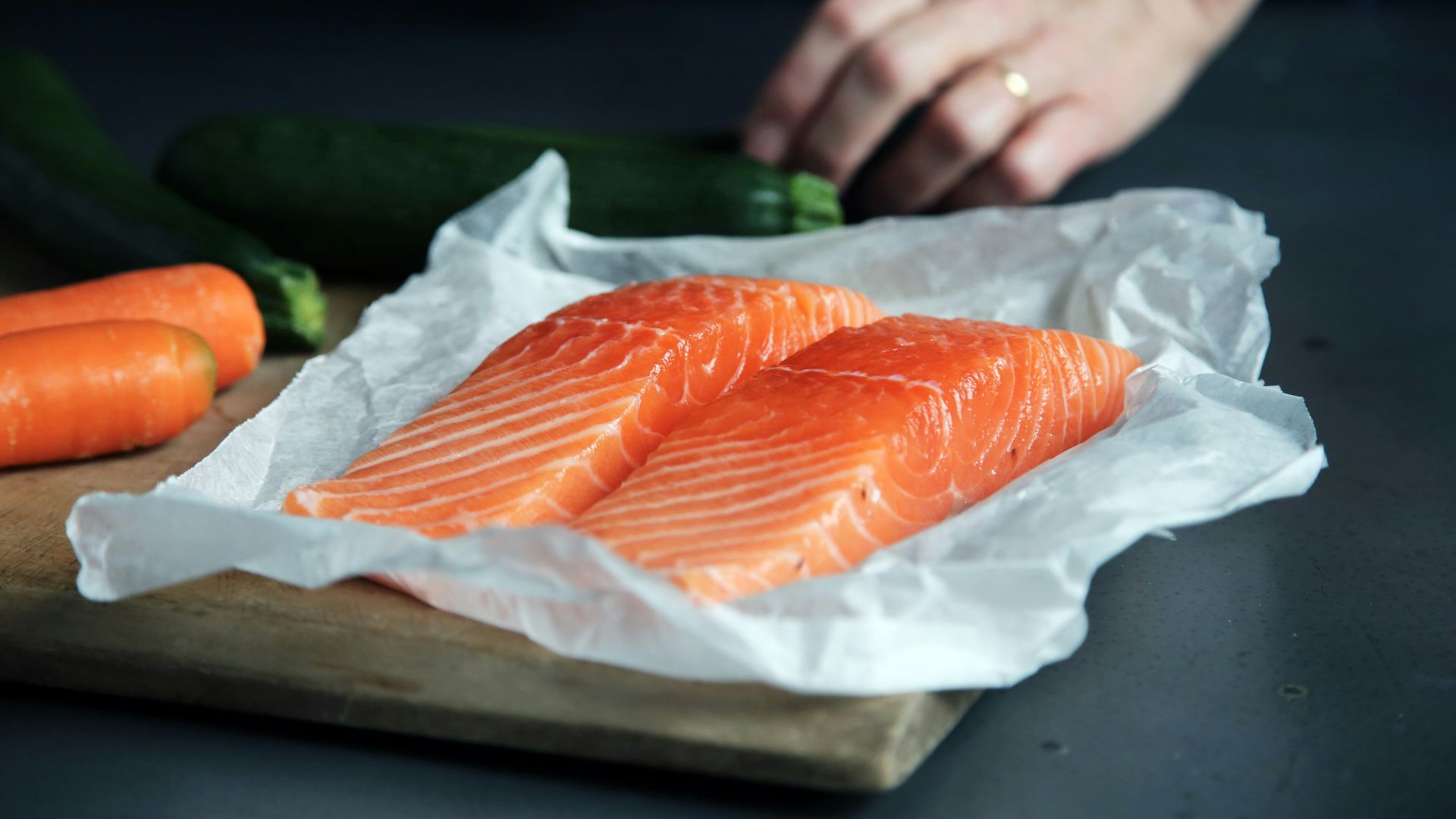
Wild salmon turn pink from astaxanthin, a pigment made by algae and passed up the food chain through the crustaceans they eat. Farmed fish cannot hunt krill, so the same compound goes into their feed. Without it the flesh would be white or grey, and some Chinook salmon are naturally white because they cannot process the pigment at all.
2. Oranges
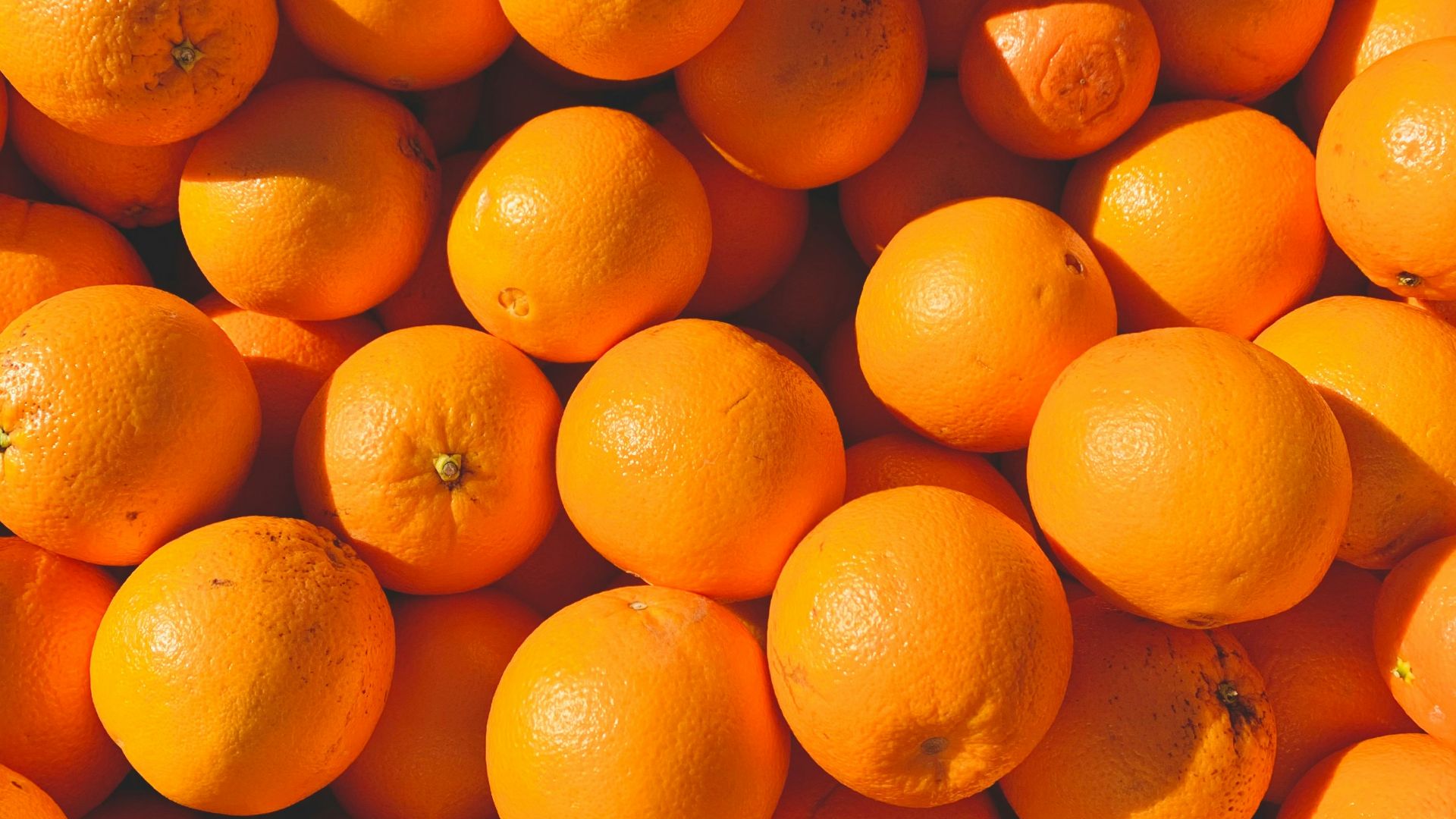
Oranges grown in warm climates can ripen without ever turning orange, and shoppers tend to leave green ones behind. Growers have long been allowed to use a dye called Citrus Red No. 2 to color the skins of ripe oranges sold fresh, though only in tiny amounts. The dye cannot be used on oranges destined for juice. The FDA has since moved to revoke its approval after finding that growers appeared to have stopped using it.
3. California Black Olives
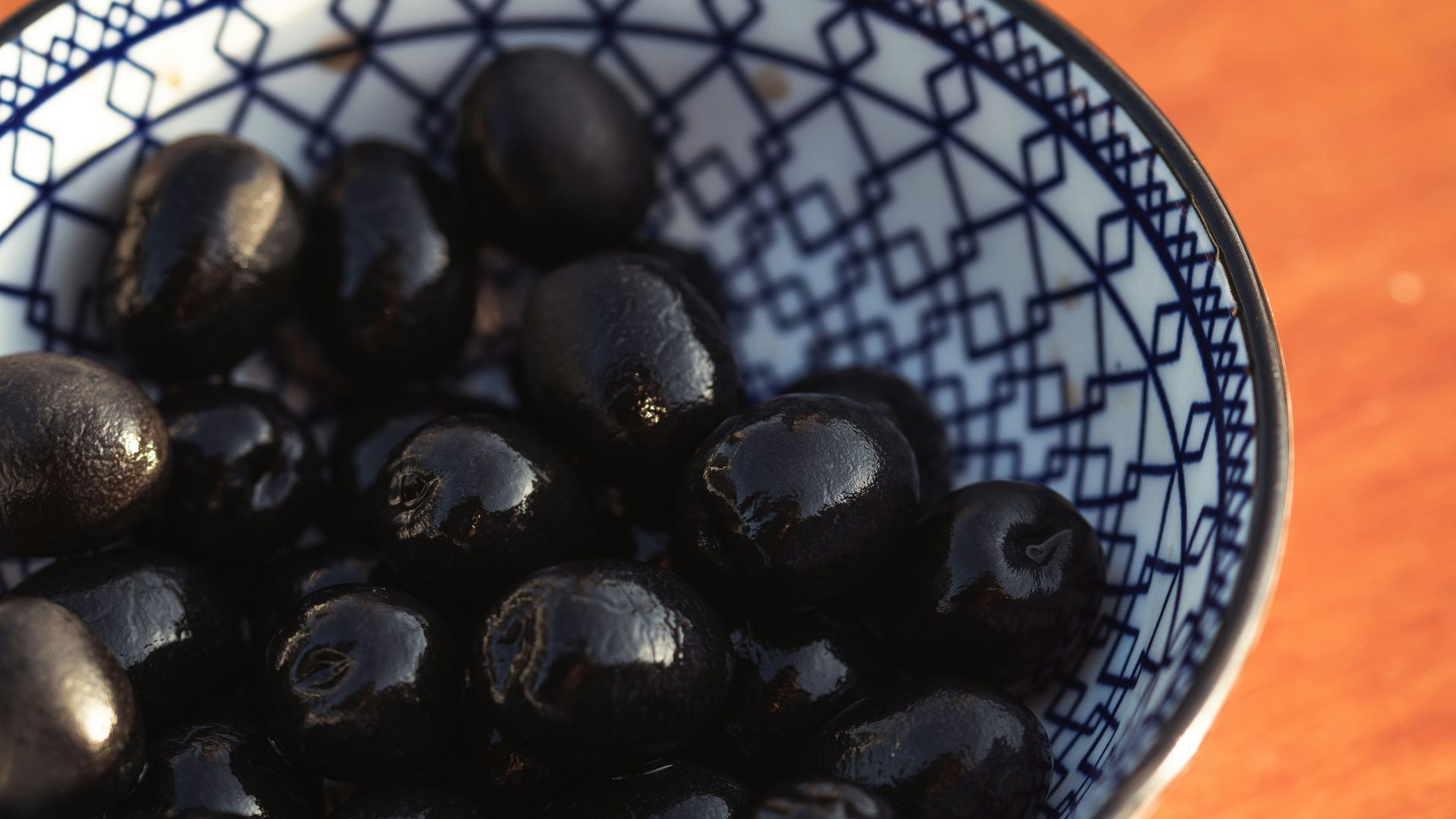
Every California ripe olive goes into the tank green. The black color develops during curing, when air is pumped continuously through the brine and the olive oxidizes. A trace of ferrous gluconate, an iron salt, sometimes goes in to hold the shade through storage.
4. Carrots
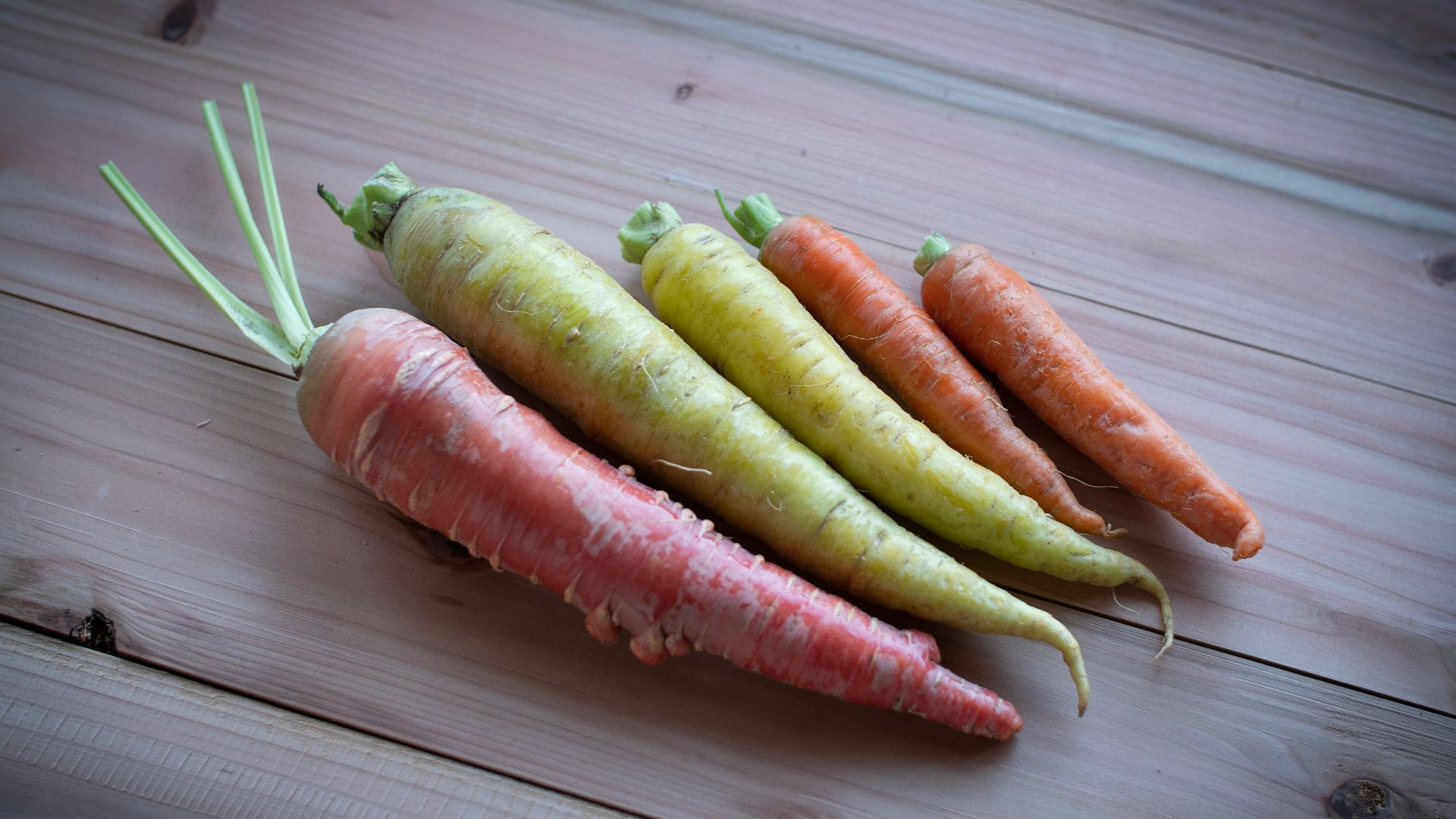
Carrots were red, purple, white, and black long before anyone grew an orange one. Genetic mapping published in Nature Genetics traced the mutations behind orange roots to the Roman era, which undercuts the story that Dutch farmers bred them to honor William of Orange. Paintings of orange carrots go back close to a thousand years, so the vegetable came first and the royal tribute came later.
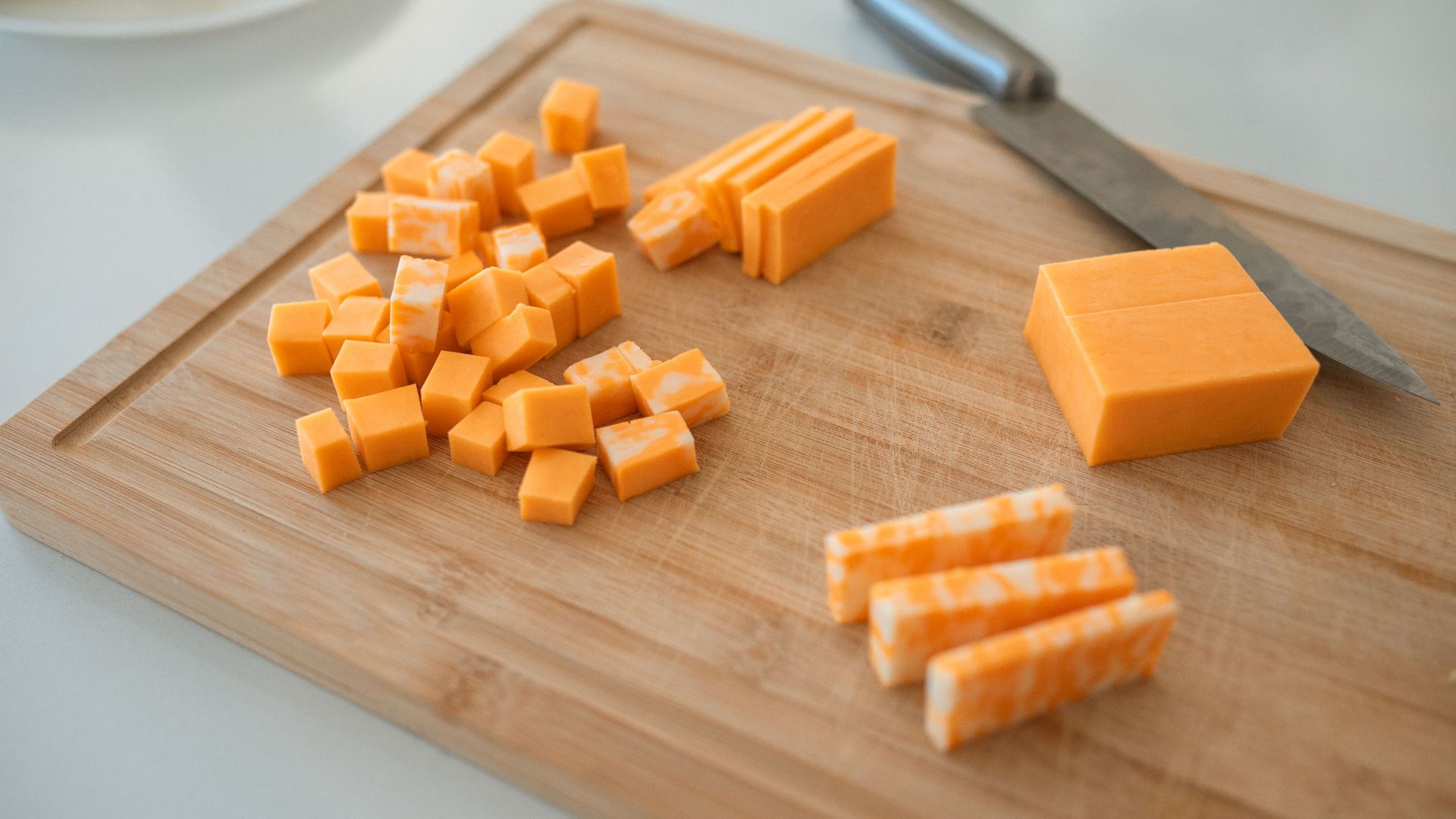
5. Cheddar
Milk contains no orange pigment, and aging does not create one. The color comes from annatto, a tasteless extract from the seeds of the Bixa orellana shrub, and the practice may trace to English farmers tinting low-fat cheese to pass for full-fat. Red Leicester was probably the first orange cheese sold on the strength of its color.
6. Maraschino Cherries
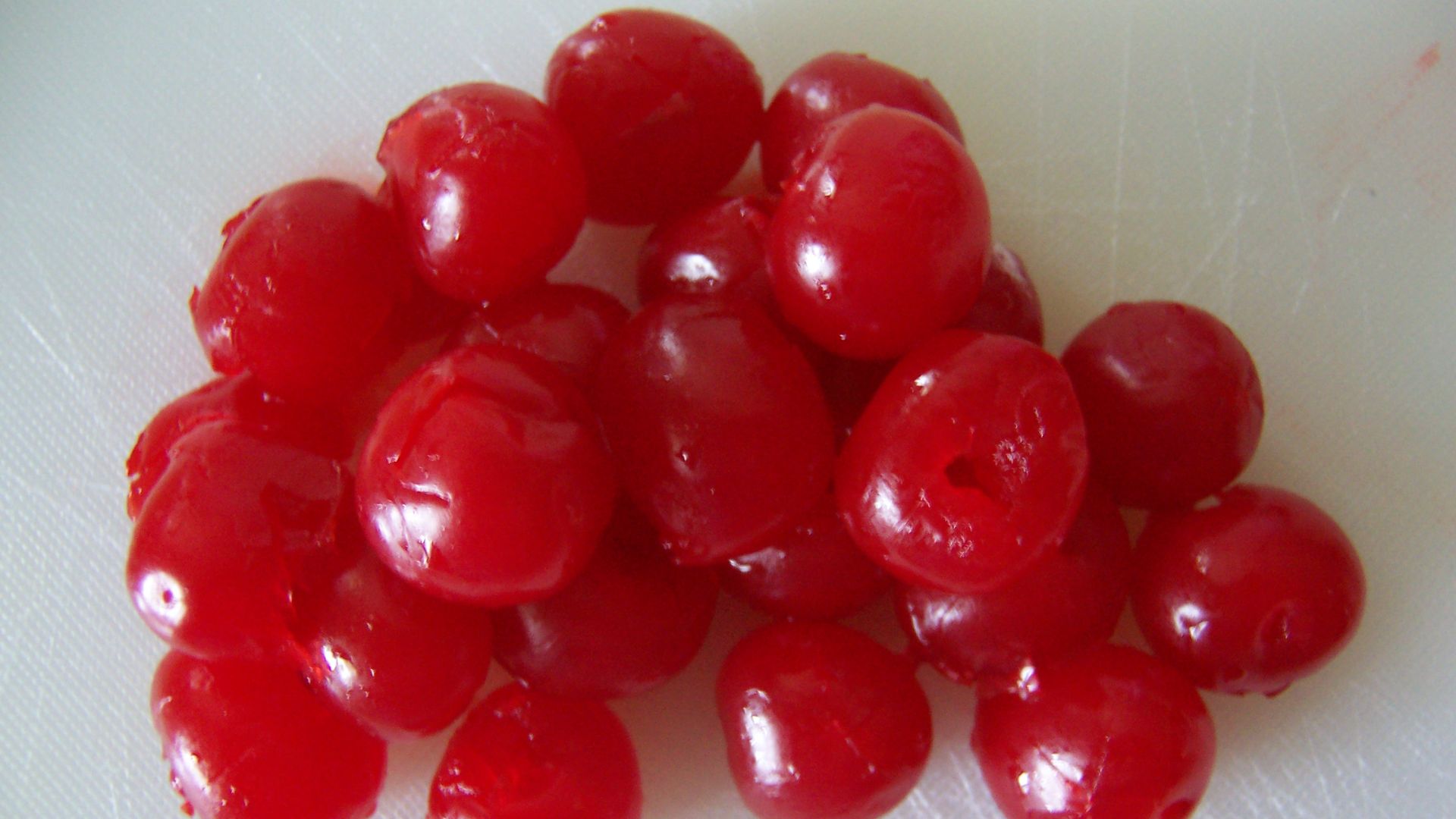
The fruit starts out as a pale variety such as Royal Ann or Rainier, then sits for four to six weeks in calcium chloride and sulfur dioxide. What comes out is colorless and flavorless. Four more weeks in syrup with red dye and almond oil puts back both the color and something resembling cherry taste.
7. Wasabi
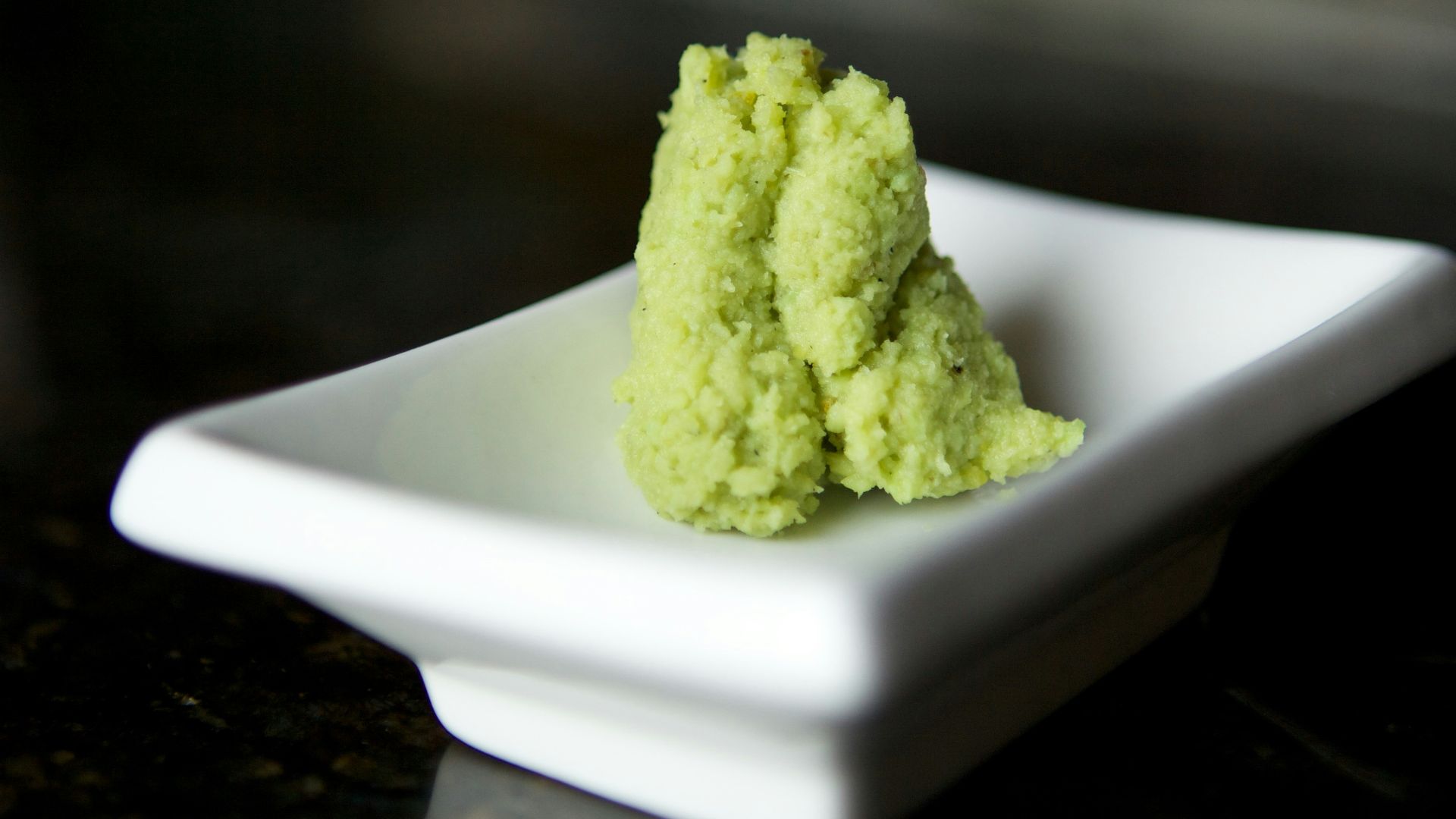
The green paste beside most sushi is horseradish with mustard and green food coloring. One industry estimate puts the share of North American wasabi that contains no real wasabi at around 99 percent, with Japan itself close to 95. Where the true root does appear, it can account for less than one percent of the paste.
 David Todd McCarty on Unsplash
8. Red Pistachios
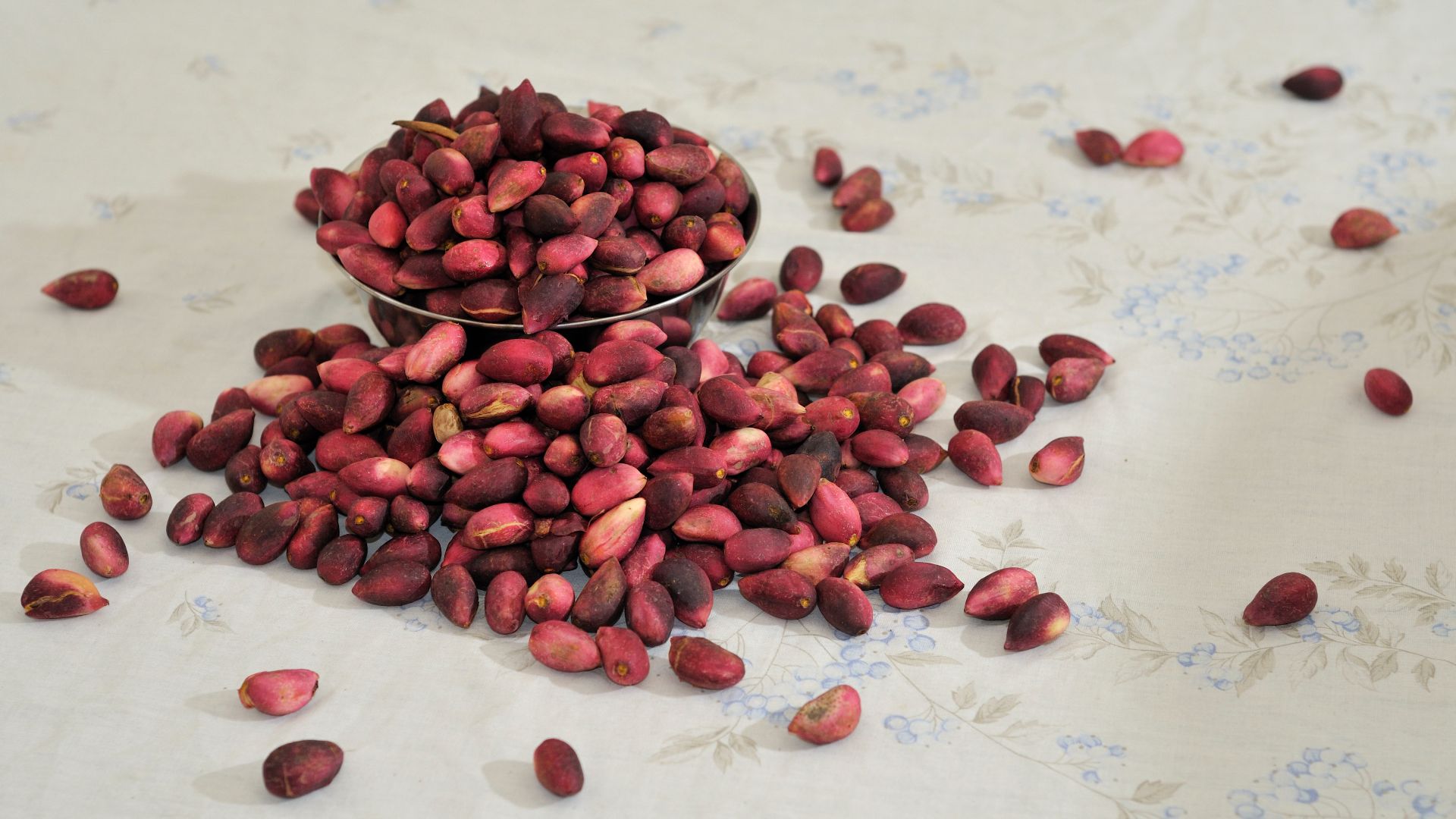
Pistachios arrived in America dyed scarlet for decades, and the dye was covering blemishes on the shells. Imported nuts sat unhulled long enough for oils in the husk to blotch the shells underneath. California growers who hulled immediately had nothing to hide, and the red shell disappeared as their crop took over in the 1970s.
 Serge Melki from Indianapolis, USA on Wikimedia
9. Margarine
Margarine is naturally a dull white. Dairy lobbies got more than thirty states to ban coloring it outright, and Congress taxed colored margarine at ten cents a pound. Manufacturers shipped it white with a packet of dye for the buyer to knead in at home, and Wisconsin held its ban until 1967.
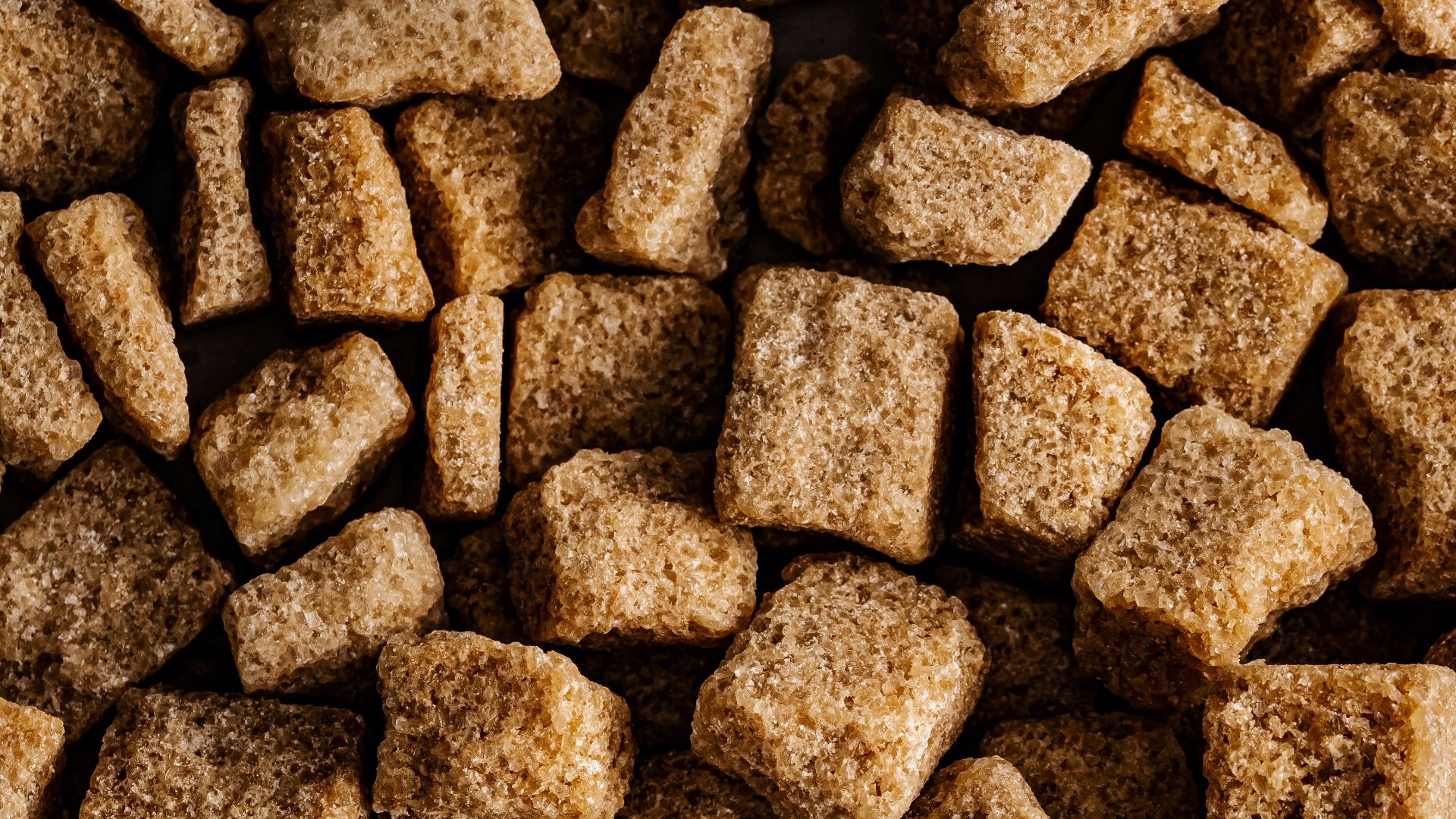
10. Brown Sugar
Most brown sugar in the baking aisle was white sugar first. Refining strips the molasses out of raw cane, then a measured amount gets blended back in to reach a light or dark grade. The brown in the bag is a specification that gets dialed in.
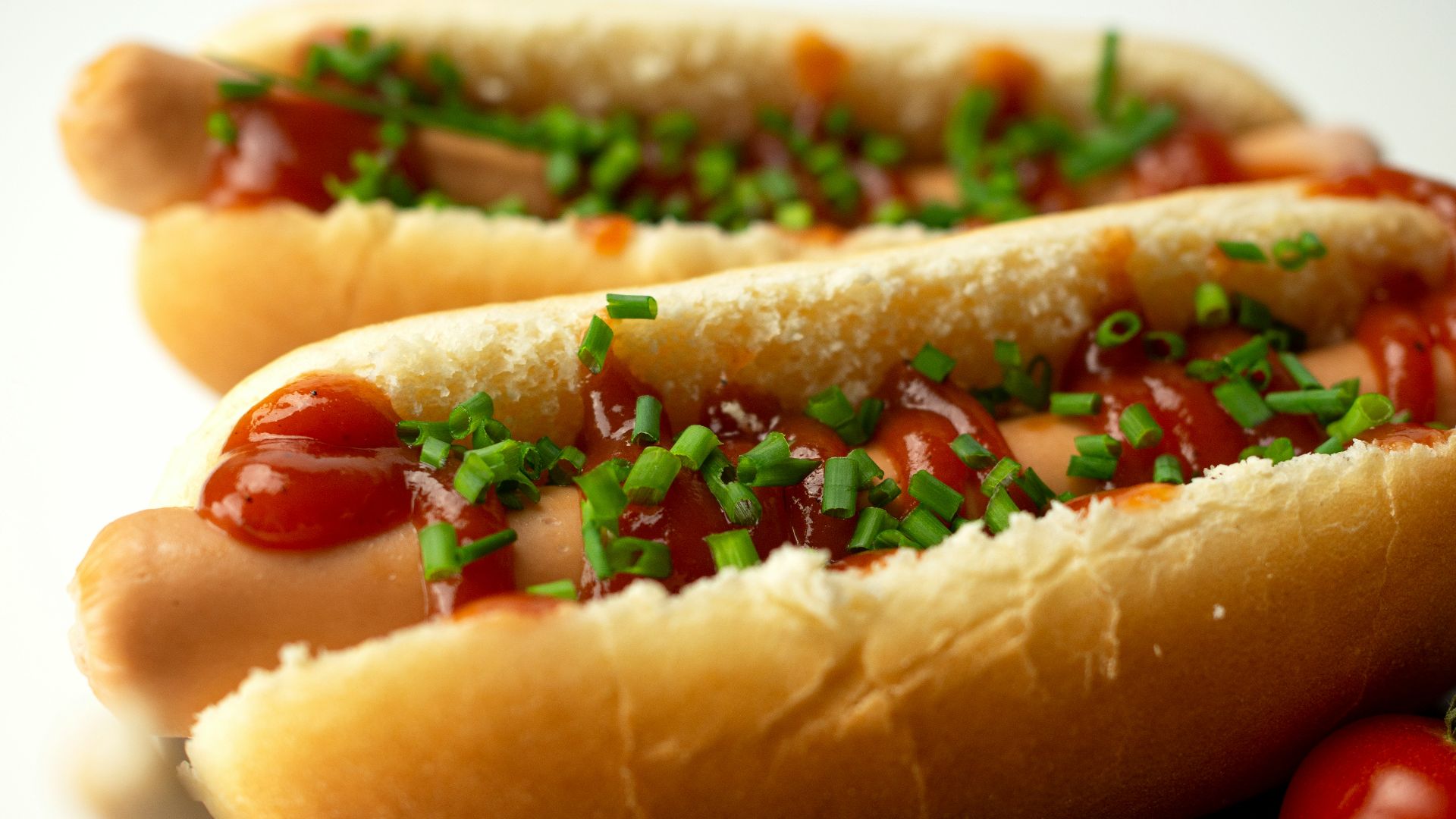
11. Hot Dogs And Ham
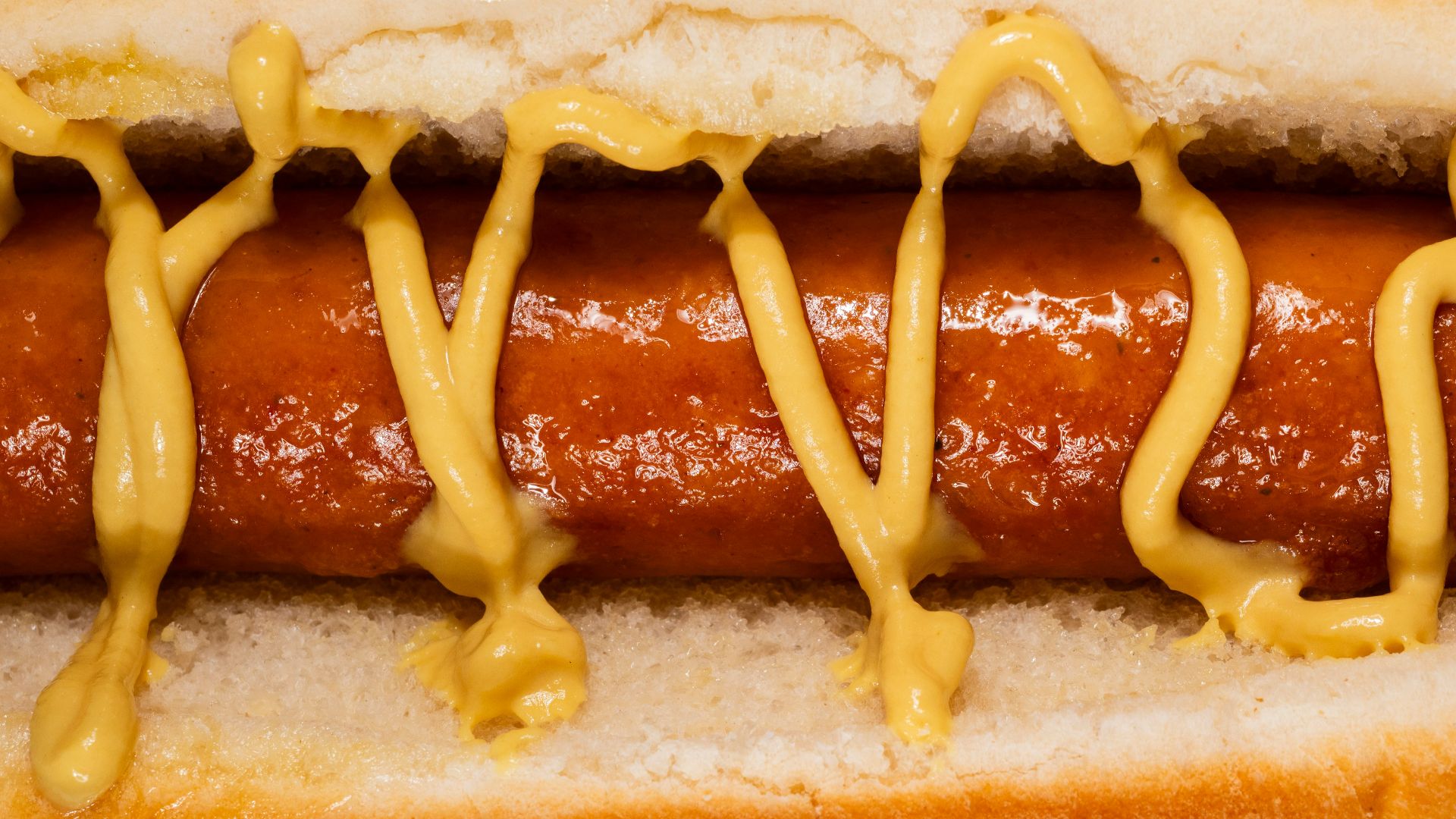
Cured pork holds its pink because of nitrite, which locks onto the pigment in muscle and keeps it from browning. Cook the same meat without curing salts and it goes the grey-brown of a pot roast. The uncured products on the shelf usually get their nitrite from celery powder, which does the identical job.
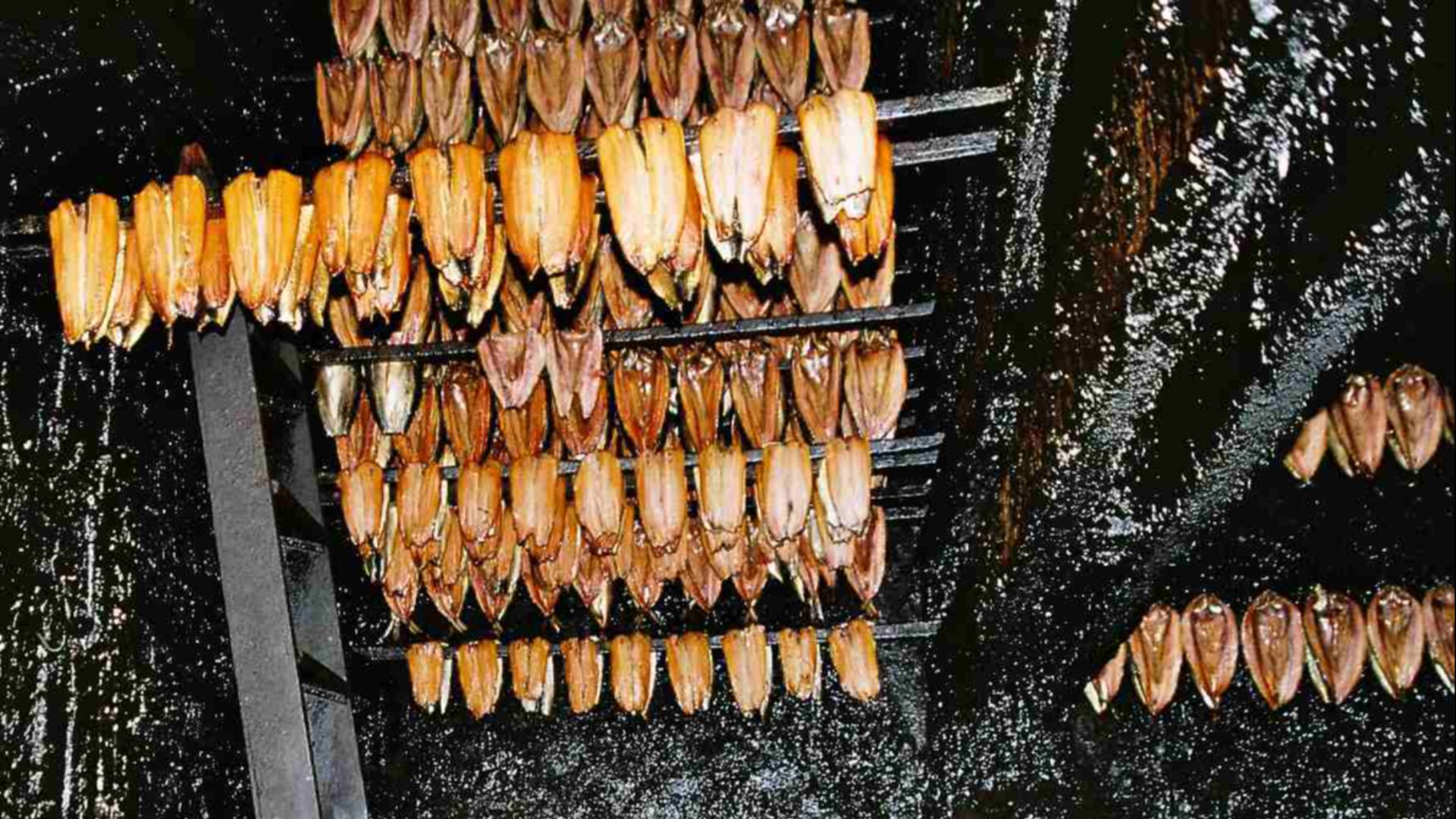
12. Kippers
A herring cold-smoked the slow way comes out a muted brown, and the trade spent decades deepening that shade with a dye mixture nicknamed Kipper Brown. The European Union approved the additive for exactly one purpose, coloring kippers orange, and food safety assessors reported in 2011 that it had fallen out of use. Fishmongers still mark undyed kippers on the ticket, because the dyed ones are what shoppers recognize.
 AEK at Norwegian Wikipedia on Wikimedia
13. Mint Ice Cream
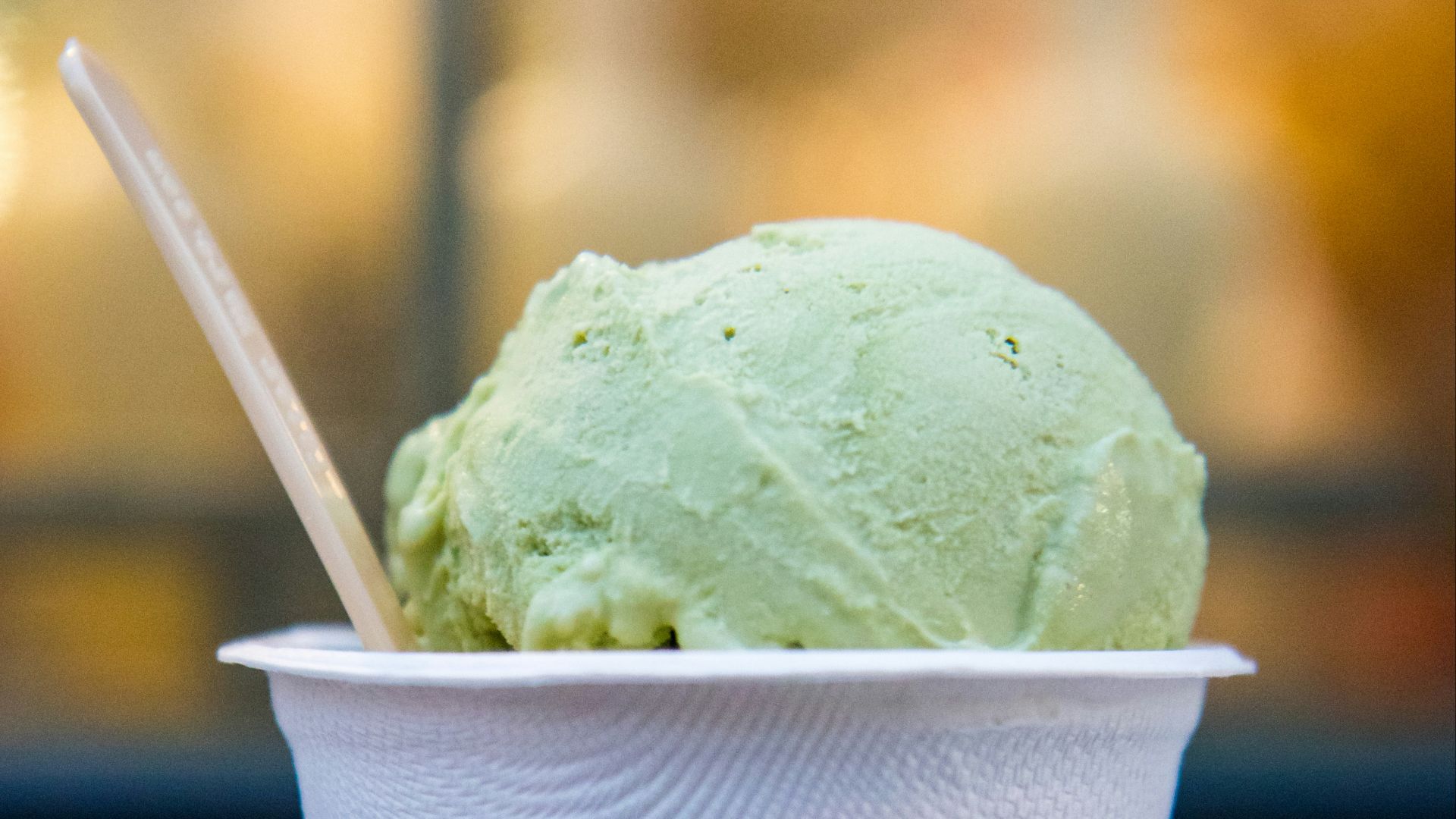
Mint extract is clear and the cream it goes into is pale yellow. Every pastel green tub in the freezer aisle was colored on purpose, by dye or by spinach and spirulina in the premium versions. Several small producers now sell it white, which reliably confuses children.
14. White Chocolate
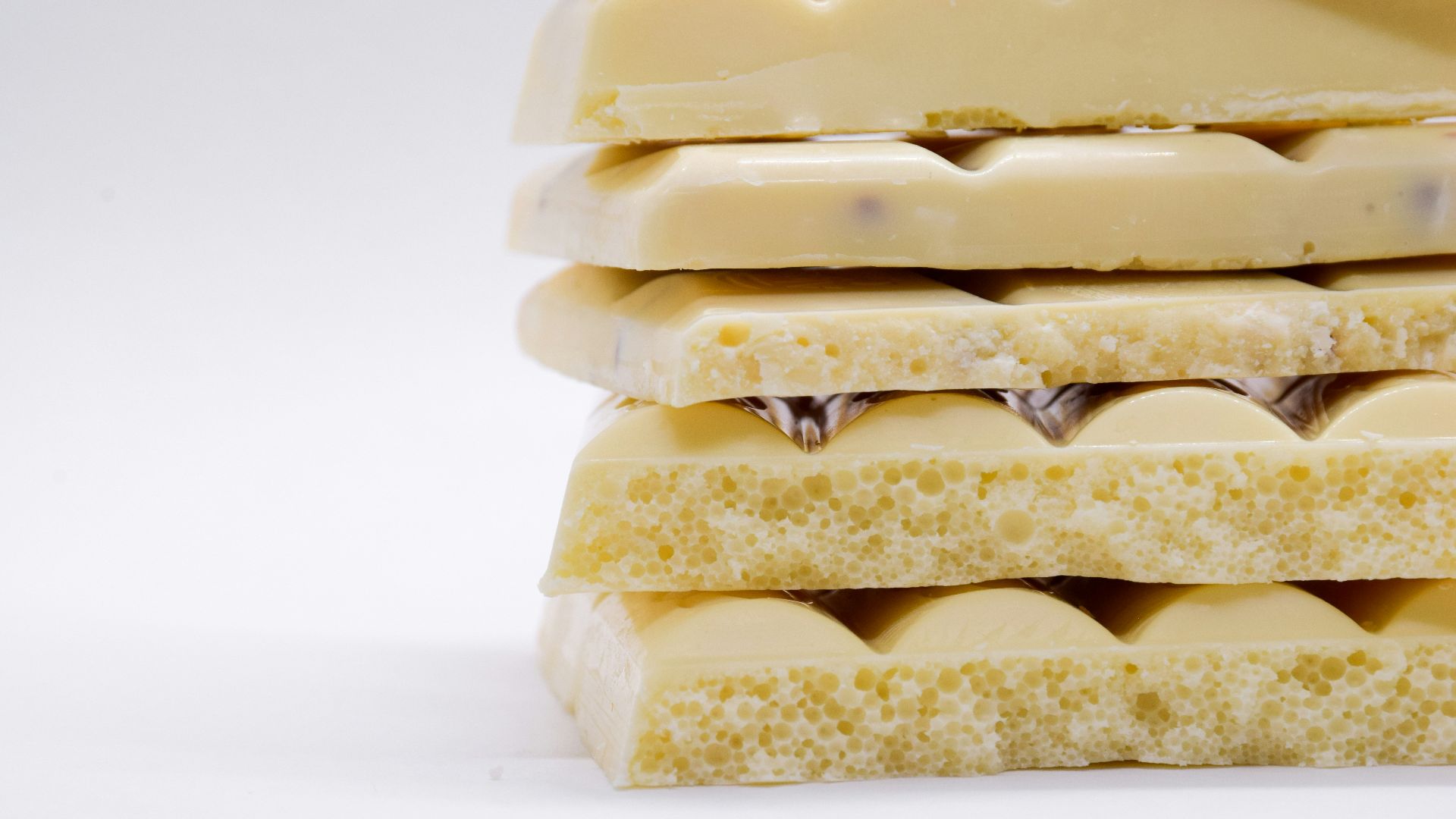
White chocolate is built from cocoa butter and milk solids, with none of the roasted cocoa particles that make chocolate brown. US regulators spent years refusing to call it chocolate at all before granting it a standard of identity. The ivory shade comes from an ingredient that was left out.
15. Egg Yolks
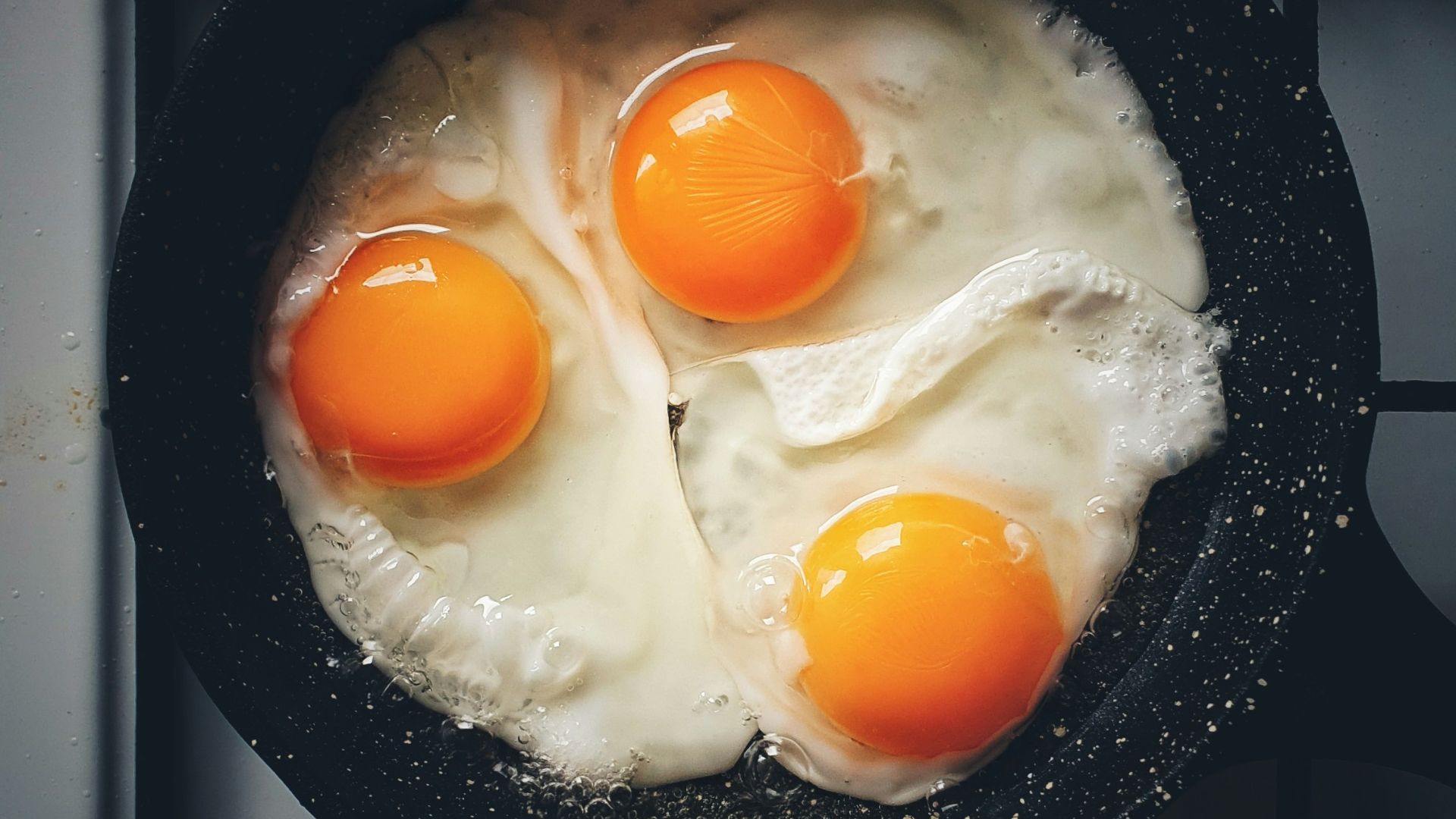
A deep orange yolk reports what the hen ate and nothing about how she lived. Marigold petals and paprika extract in commercial feed are standard, and producers match the result against printed fan charts to hit a target shade. Hens on pasture land in the same range on the chart, by way of grass and insects.
16. Brown Eggshells
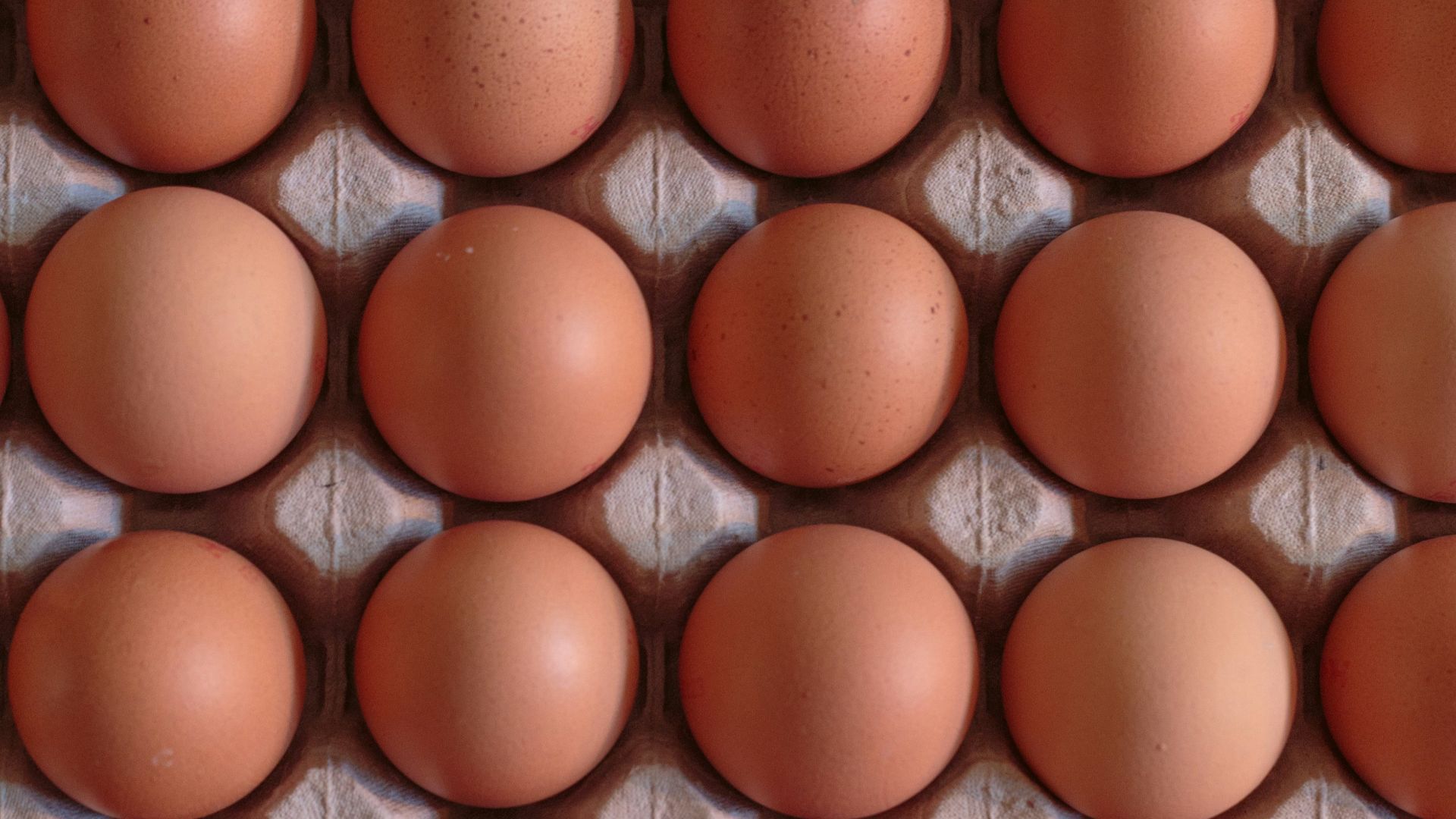
Shell color comes down to the breed of the hen. Leghorns lay white and Rhode Island Reds lay brown, and what is inside the shell does not vary with it. Supermarkets price brown eggs higher anyway, because shoppers read them as closer to a farm.
17. Tomatoes
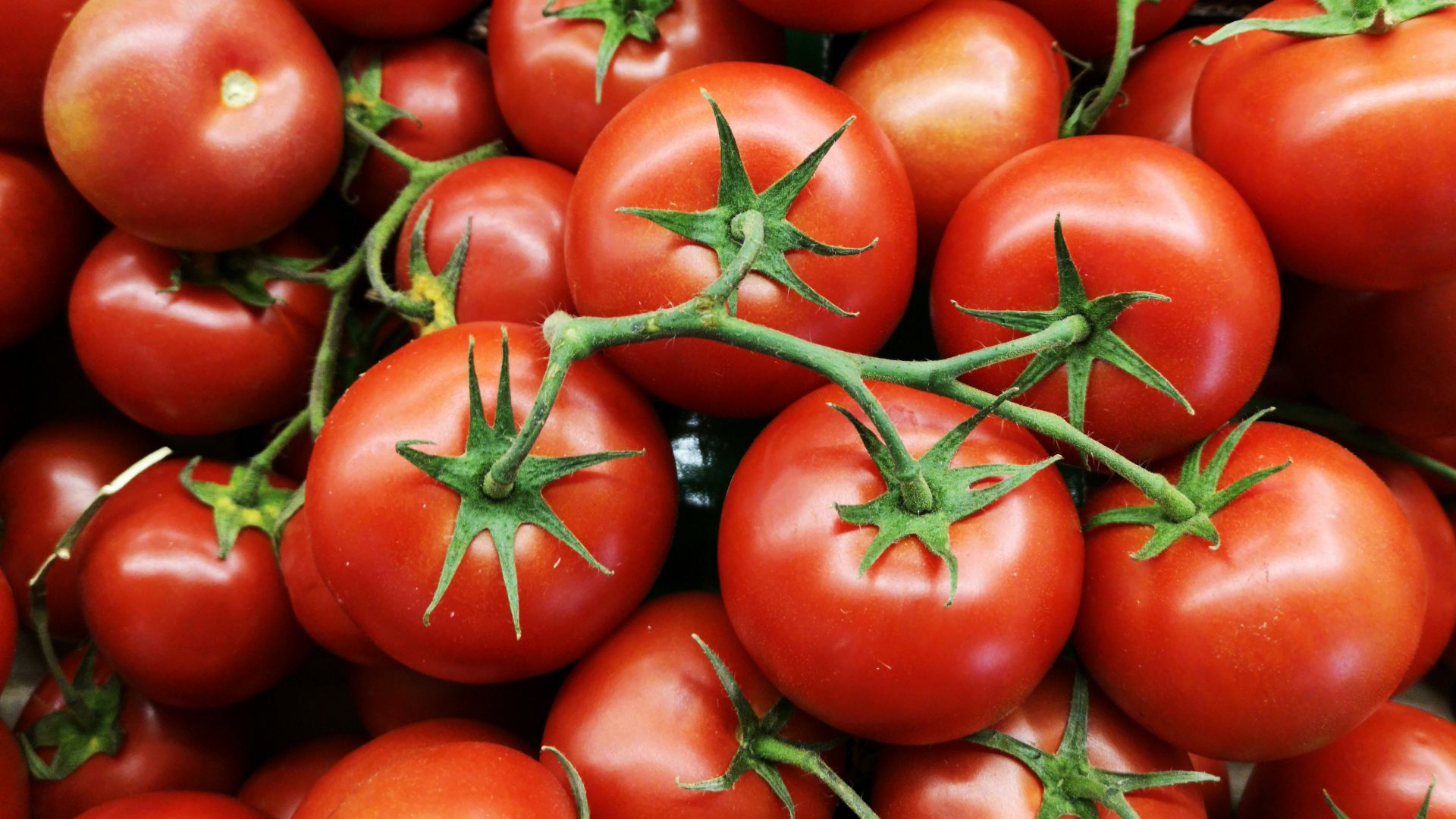
Supermarket tomatoes are picked firm and green, then held in rooms dosed with ethylene gas until the skin turns. The gas triggers the color change without giving the fruit the weeks on the vine that build sugar and acid. The skin turns on schedule while the flesh stays behind.
18. Pickled Ginger
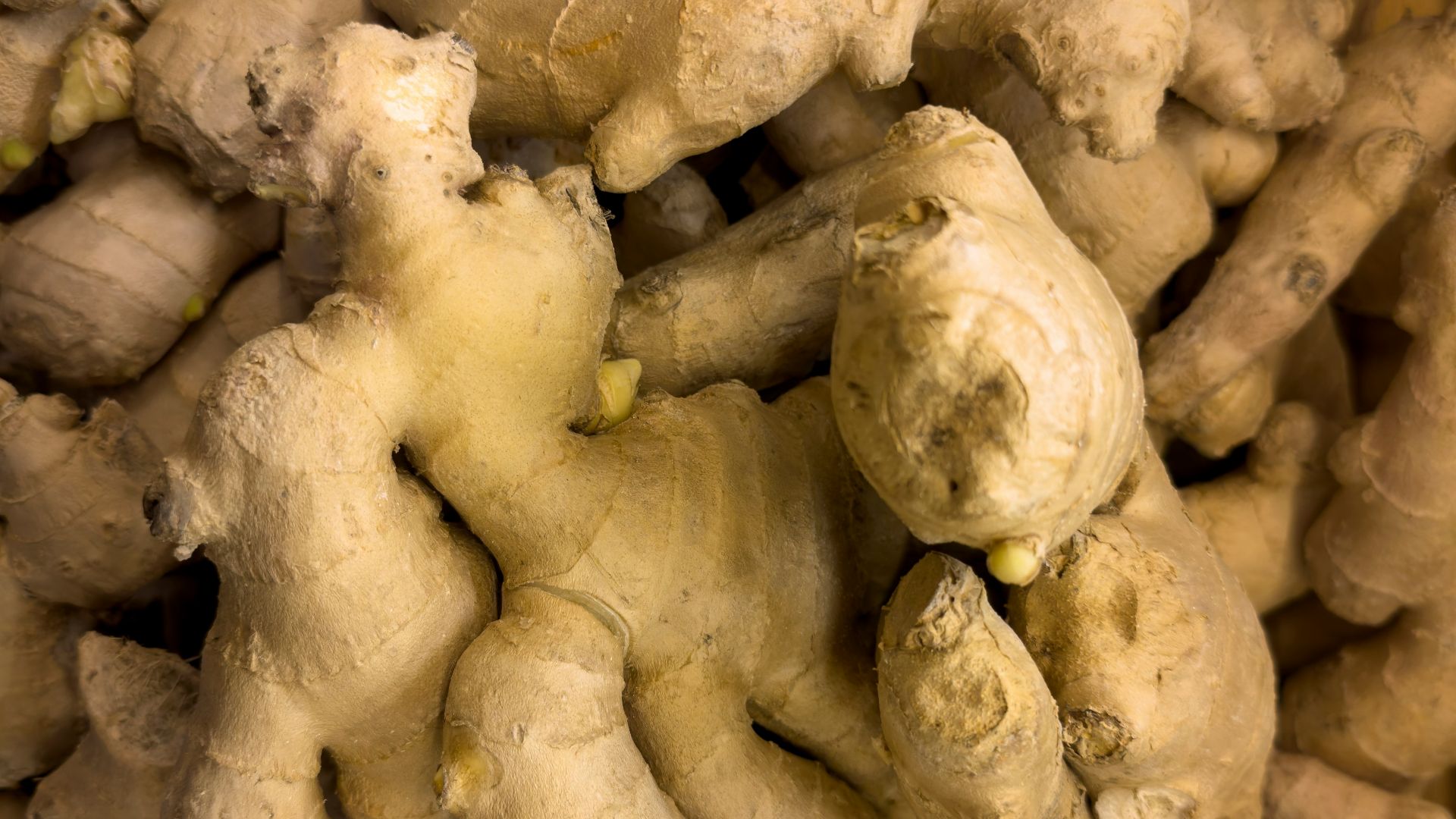
Ginger pulled young carries a faint blush from its skin, and vinegar deepens it. Mature ginger makes up most of what gets pickled commercially and comes out beige. The bright pink alongside supermarket sushi is dye, sometimes beet juice in the higher-priced jars.
19. Pink Lemonade
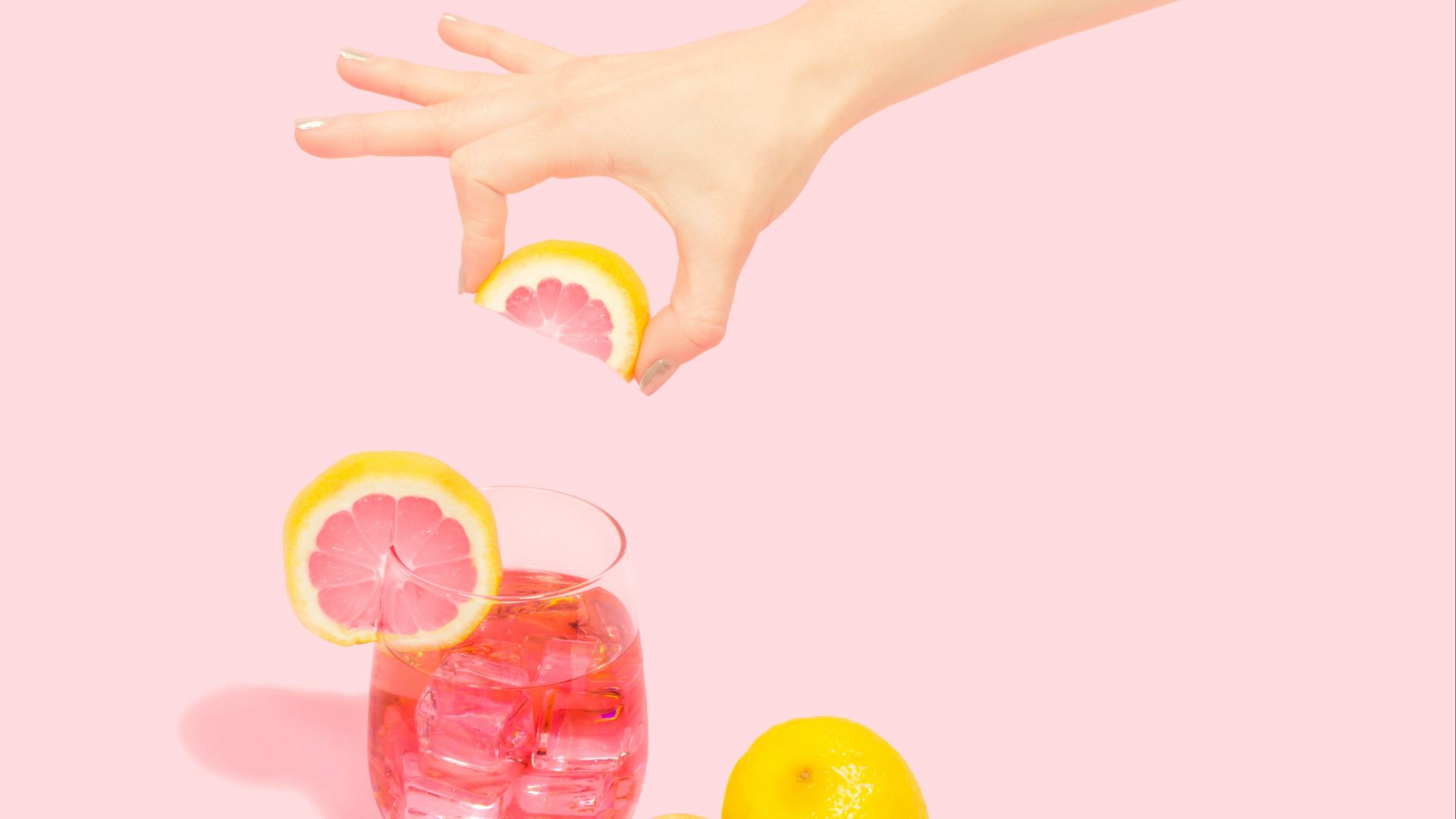
No lemon on earth produces pink juice. The color arrives as dye, or as a splash of grape or cranberry in the versions advertising no artificial coloring. Pink variegated lemons do exist, and their juice comes out almost clear.
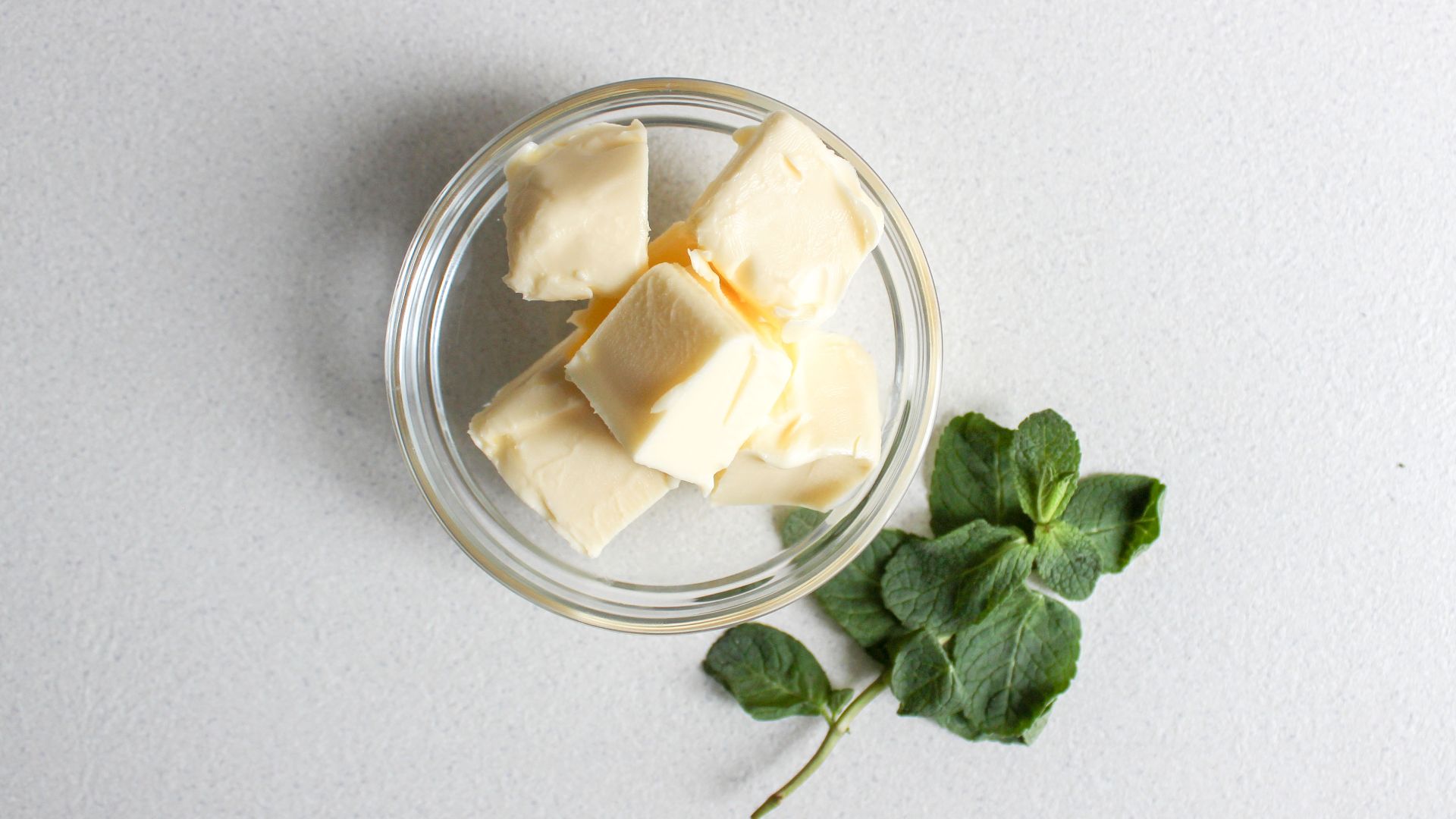
20. Butter
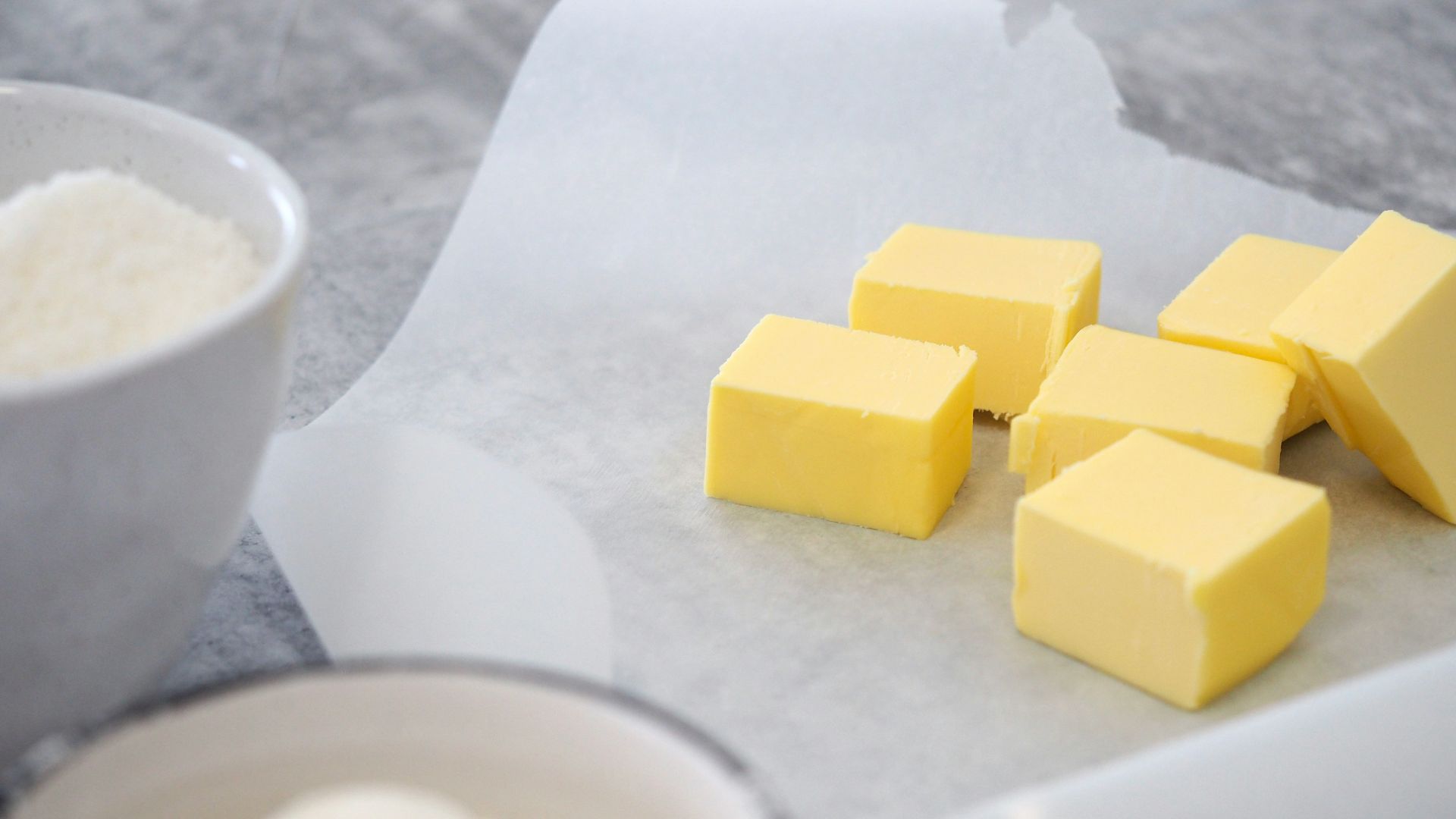
Butter runs deep yellow in spring because cows on fresh grass pass beta carotene into their milk fat. The same herd in winter, eating hay and grain, produces something closer to white. Large dairies even out the swing with annatto or carotene so the sticks look the same in February as they do in June.
KEEP ON READING
What Happens If You Eat Moldy Food?
3 Foods That Can Help You Absorb More Iron Naturally