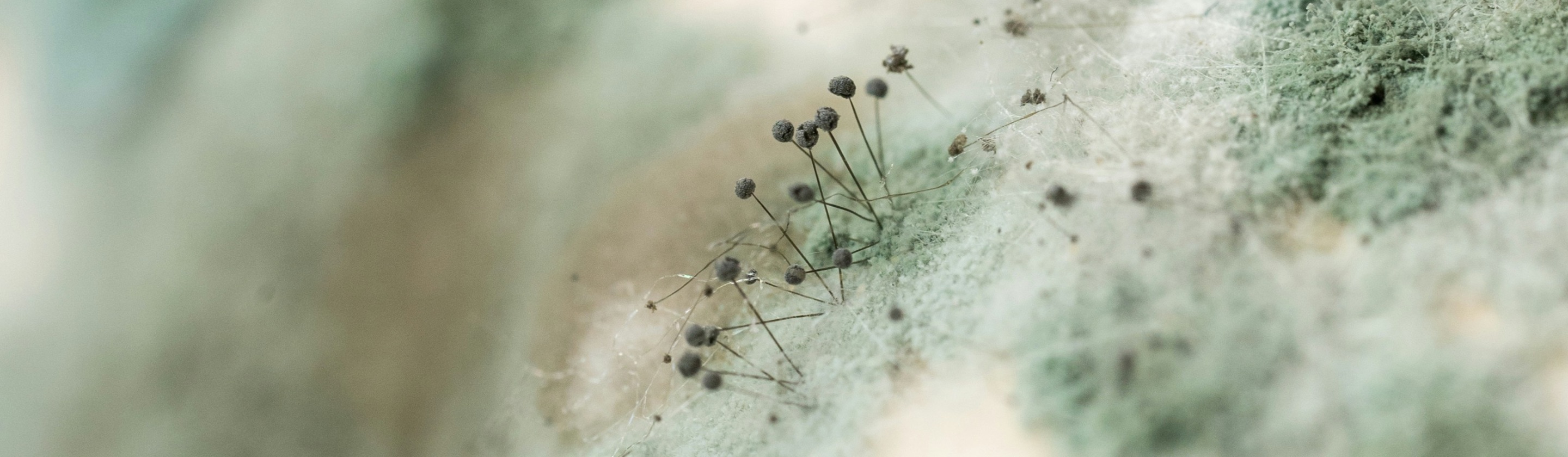
We've all been there: you're halfway through your sandwich when your face twists, and you're pretty sure some part of your lunch actually went rancid. You peel back the bread only to realize in horror that, yep, there is that distinctive patch of fuzzy, fuzzy growth. Eugh!
But should you freak out? Sure, it tastes nasty, but your stomach acid is pretty tough, and accidentally swallowing a small amount doesn't automatically mean you're in danger, right? Well, let's take a look at what exactly happens when you actually eat moldy food. How concerned should you really be, if at all?
What Happens When You Eat Mold?
We'll give it to you straight: most healthy adults who accidentally consume a small amount of moldy food will probably not notice any symptoms. Your stomach acid is pretty crazy, and that means your digestive system can often handle some gross stuff, whether or not you ever realize anything was wrong. That said, however, this might vary from person to person, and it also depends on the type of mold and how much of it you've accidentally consumed.
That leads us to the second outcome: some people aren't so lucky and may experience the usual digestive issues, including nausea, vomiting, or diarrhea, after eating contaminated food. And contrary to what you might think, these symptoms don't always appear right away. Depending on the cause, discomfort might pop up quickly or even take several hours to develop!
It only gets more bleak if you're someone who's particularly sensitive to certain molds. In fact, eating mold may even cause an allergic reaction, triggering symptoms such as itching, skin rashes, or respiratory difficulties, though keep in mind that reactions can vary considerably between individuals. And like digestive issues, allergic symptoms may appear immediately or develop later.
Can Eating Moldy Food Cause Serious Health Problems?
Thankfully, most accidental exposures don't lead to serious illness, though certain molds may produce poisonous compounds known as mycotoxins. These substances can contaminate foods such as grains, nuts, dried fruits, and spices, and sometimes even without obvious signs of spoilage. According to the World Health Organization, consuming high levels of certain mycotoxins can cause serious health complications, including damage to internal organs, so always, always be careful.
The effects of mold exposure, as we've mentioned, also largely depend on your overall health and susceptibility to foodborne illness. This often means that young children, older adults, pregnant women, and people with weakened immune systems may face greater complications. Of course, this doesn't mean every exposure will lead to a bout of illness, but these individuals should nonetheless be especially cautious and seek prompt medical care if concerning symptoms develop.
It's also important to note that cooking doesn't always eliminate every potential danger, as much as you might think it does. While heat can certainly destroy many microorganisms, certain mycotoxins may survive ordinary food preparation. Simply toasting moldy bread or reheating spoiled leftovers therefore isn't a completely reliable way to make them safe—especially when the growth has spread beyond what you can see on the surface.
So, What Should You Do?
Let's go back to our sandwich example. So, you've just discovered that you've eaten moldy food. Now what? Well, the first thing to do is to stop eating it. If you've only taken a bite or two, there's generally no reason to panic, especially if you feel relatively normal (apart from that rancid taste in your mouth). Afterwards, though, remember to monitor yourself for symptoms, especially since some may develop hours later.
Should certain symptoms, like nausea, vomiting, or diarrhea, form, remember to stay hydrated. You should also immediately seek medical care if your condition worsens or you experience severe food poisoning signs, such as bloody diarrhea, persistent vomiting, or high fever. If you're prone to food allergies, you may even have difficulty breathing, which will require emergency care.
To prevent future encounters, always make sure you're storing your food properly: keep perishable foods refrigerated, use leftovers promptly (not weeks later!), and store items in clean, airtight containers to limit contamination and mold growth. Bear in mind, too, that mold can develop even inside refrigerators, so check your food before eating it!
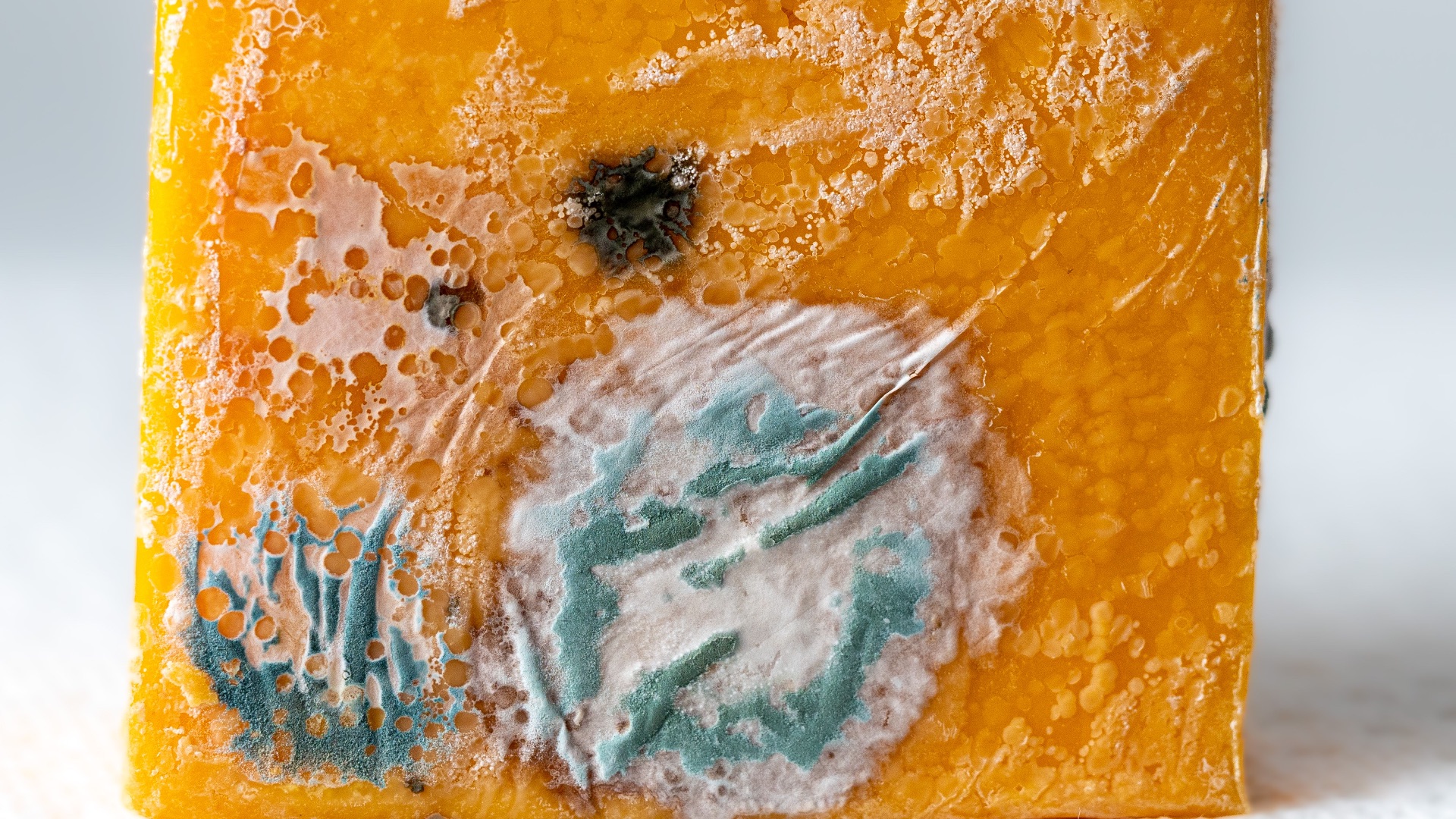
If you're ever wondering if you can simply remove the moldy bits and eat whatever remains, the answer is: it depends on the food. According to the USDA, certain firm foods, including hard cheeses and dense vegetables, can sometimes be salvaged by cutting at least one inch around and beneath the moldy area. The soft stuff, however, like fruits, bread, and yogurt, should be tossed out as soon as you spot greenish fuzz. Don't take the chance—you'll regret it.
Ultimately, accidentally eating a little moldy food isn't going to kill you, so you can breathe out a sigh of relief. That said, some molds can produce harmful toxins, and some bacteria may be capable of causing illness in susceptible individuals, too. It goes to show that when you're unsure whether something is safe to eat, your best bet is to just discard it. You can always have something different for lunch.