The Name On The Label Comes With Rules
Ever notice how some tubs in the freezer aisle say "frozen dairy dessert" instead of ice cream? There's a legal reason for that. Plenty of familiar foods have surprisingly strict rules about what goes into them or where they're made. Even something as simple as the percentage of fruit in a jar of jam can determine what the manufacturer is allowed to call it. Here are 20 foods that have to meet certain legal requirements to go by their familiar names.
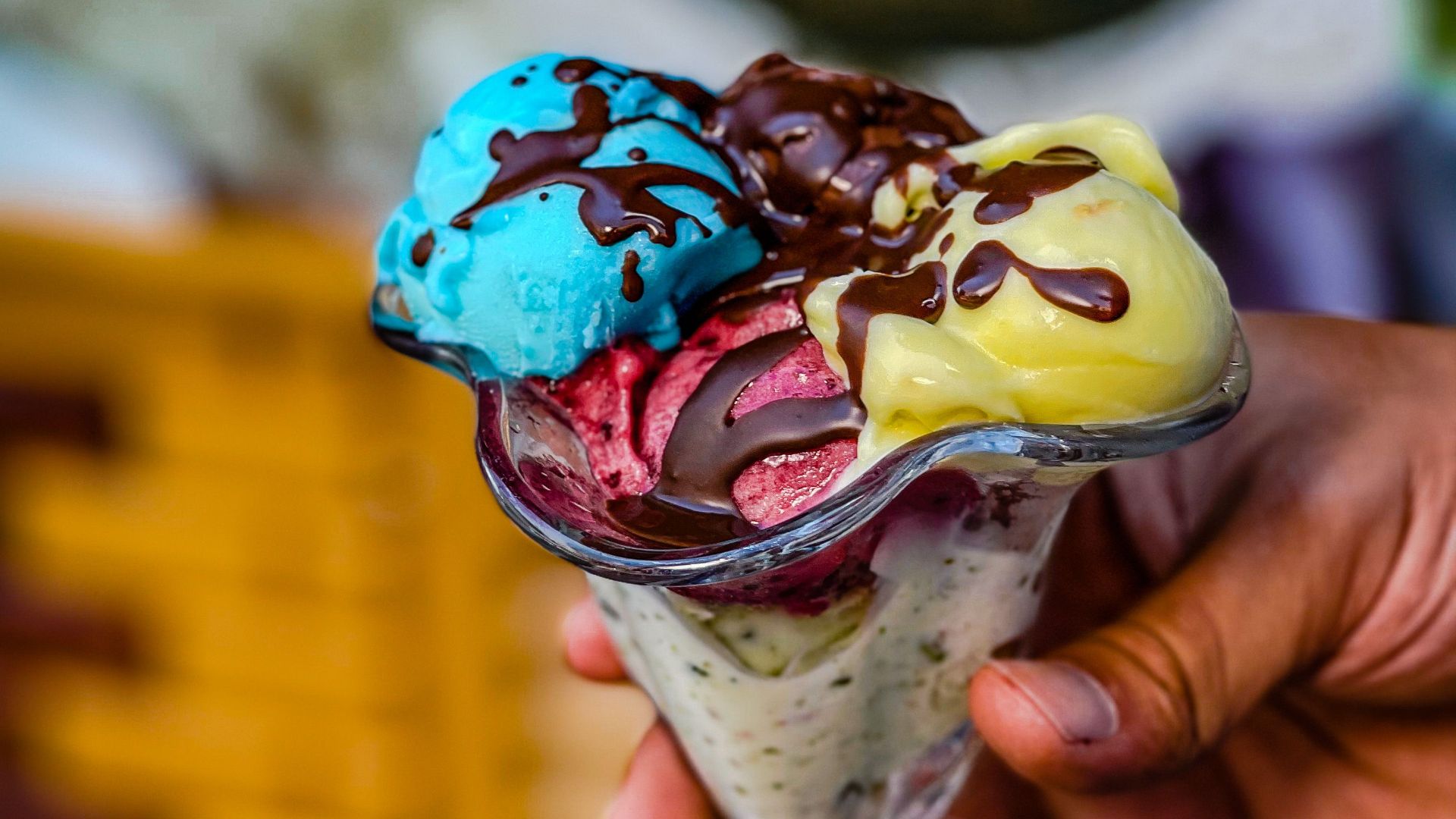
1. Peanut Butter Has To Be 90% Peanuts
Peanut butter manufacturers get just 10% of the jar to play around with. The FDA started looking into peanut butter in 1959 after discovering that some brands were swapping out a significant portion of the peanuts for cheaper oils. Regulators originally wanted a 95% minimum before settling on 90%. Anything that falls short is generally sold as peanut spread.
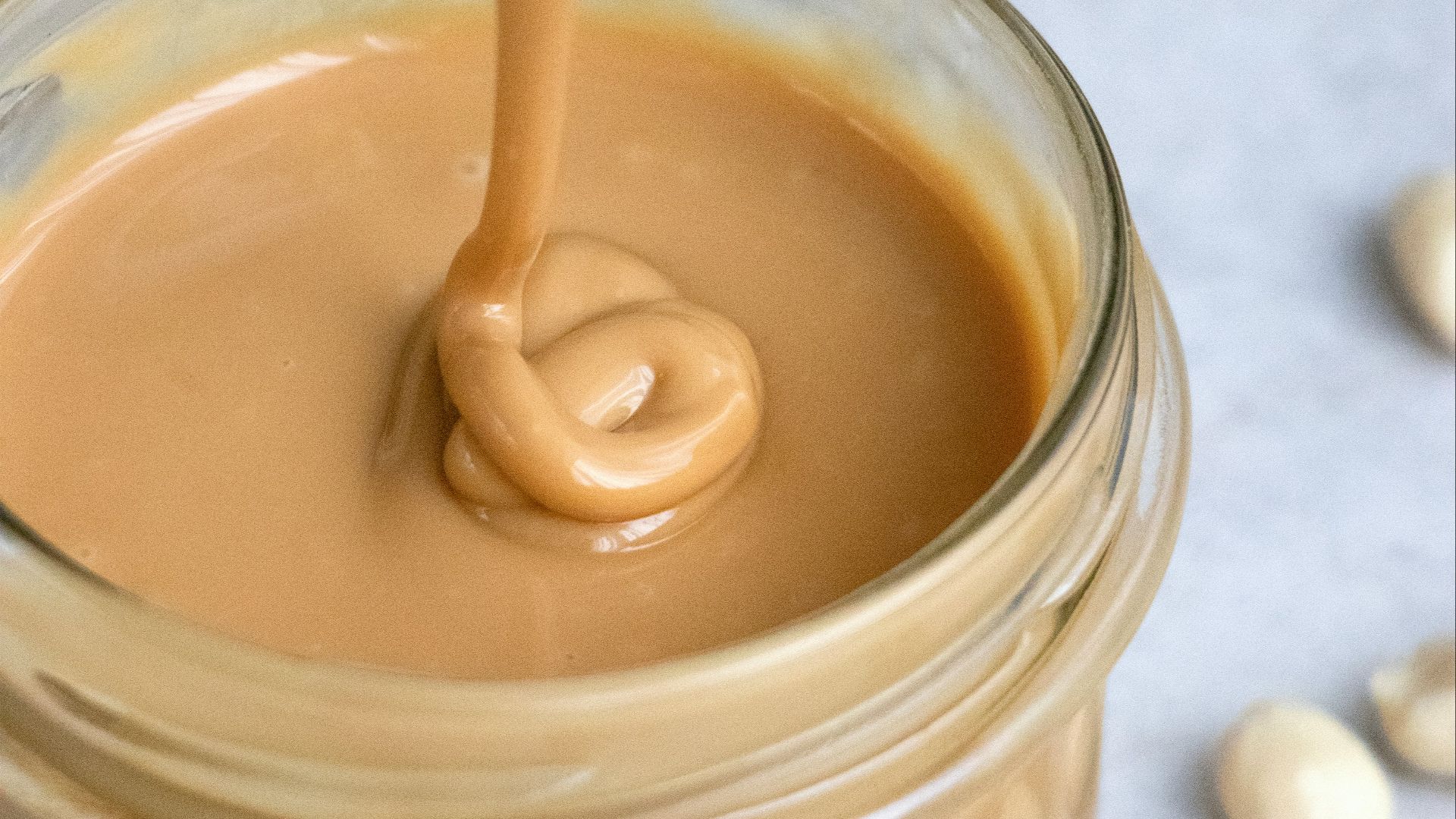
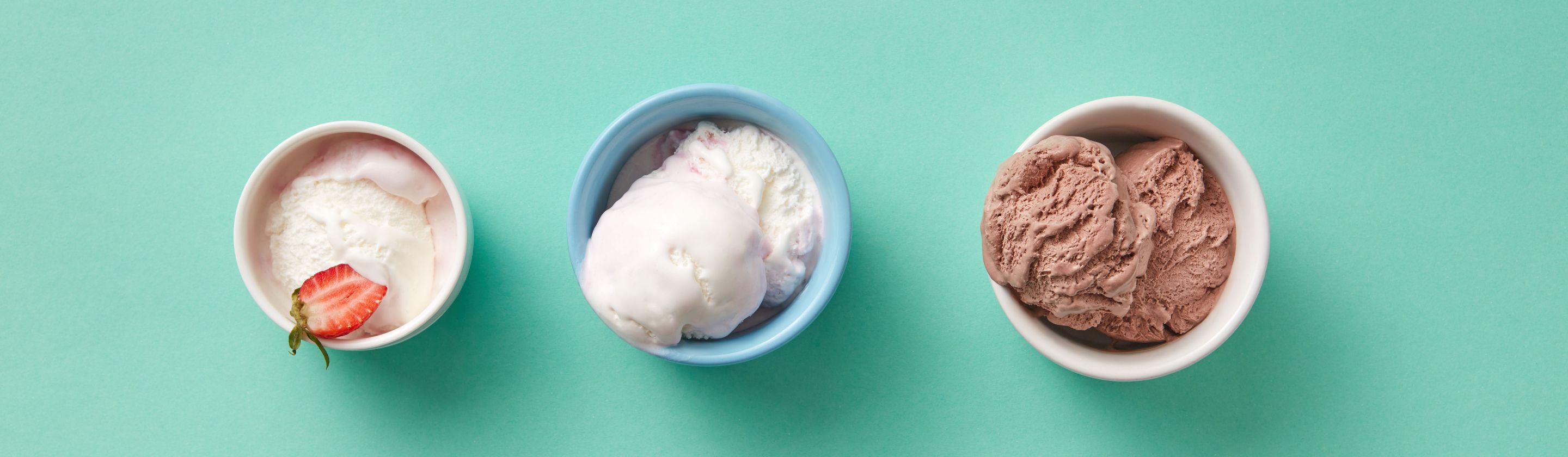
2. Ice Cream Needs 10% Milkfat
There's a reason some of your favorite frozen treats aren't technically ice cream. The FDA requires at least 10% milkfat and 20% total milk solids. A gallon also has to weigh at least 4.5 pounds, preventing manufacturers from whipping too much air into the mix. Products that don't qualify often go by frozen dairy dessert.
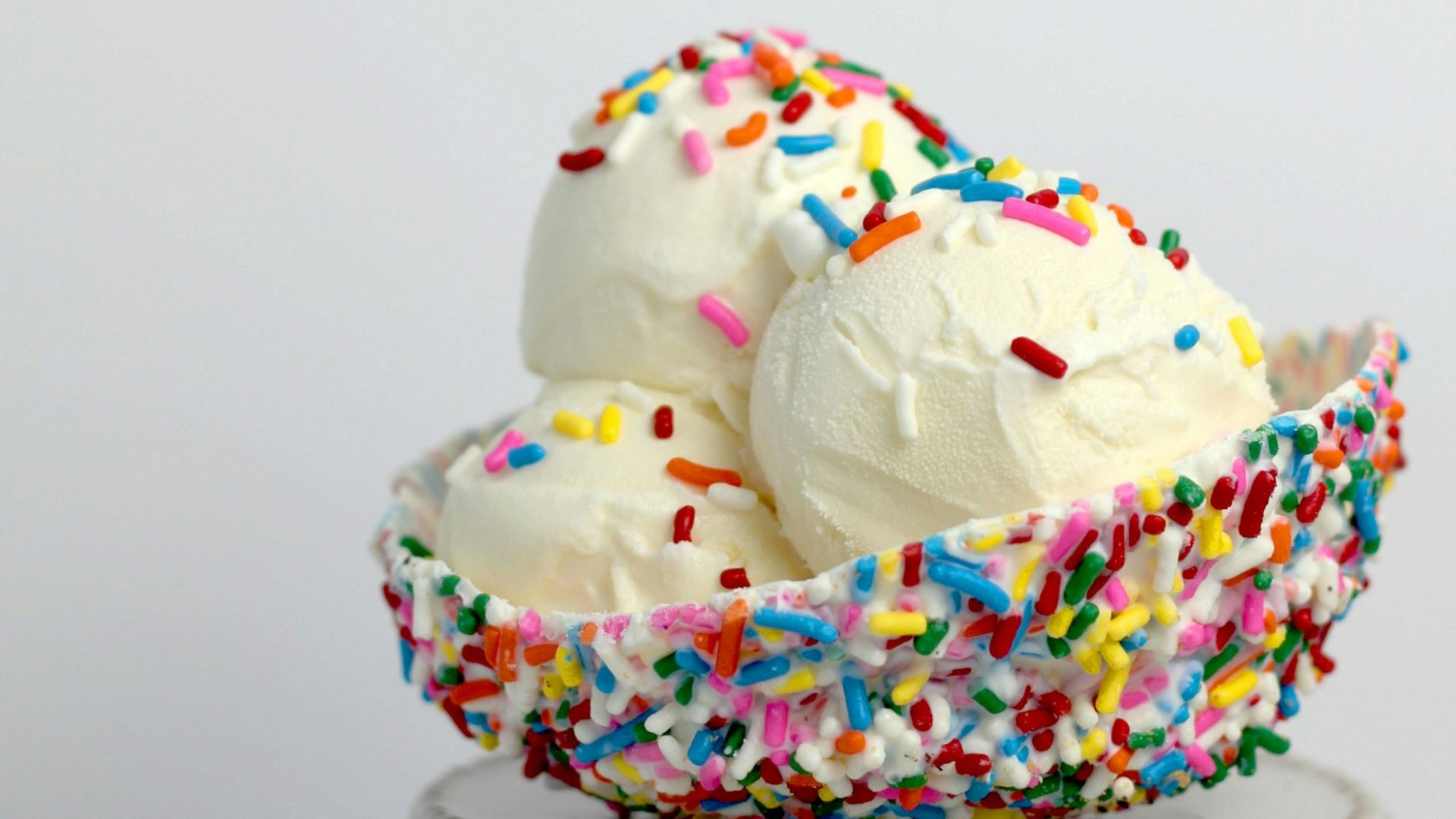
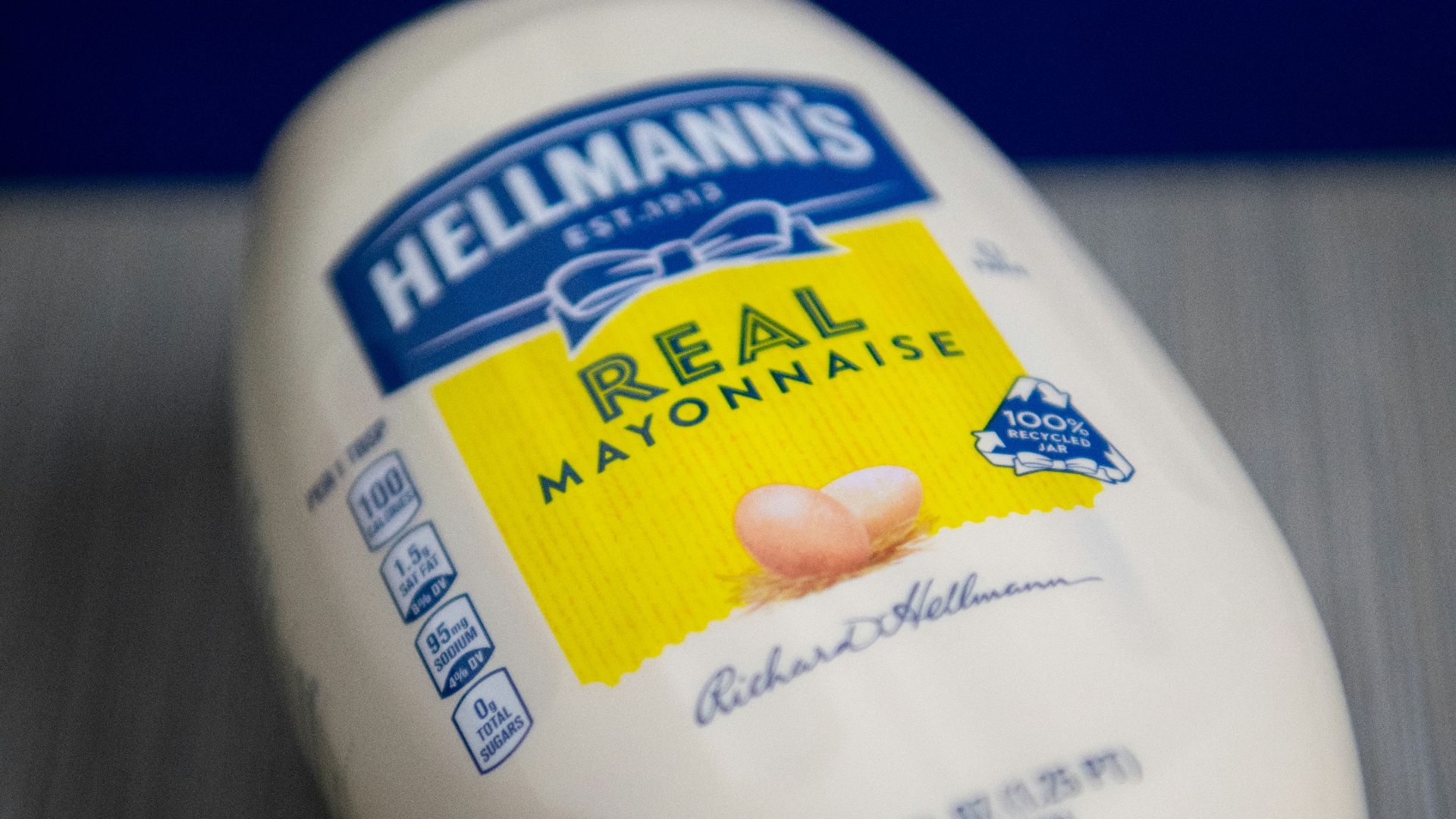
3. Mayonnaise Must Contain Egg Yolk
Real mayonnaise contains a minimum of 65% vegetable oil and an ingredient containing egg yolk. This became an issue for the makers of Just Mayo in 2015 when the FDA challenged the name of their egg-free product. It's also why Miracle Whip has spent generations calling itself salad dressing.
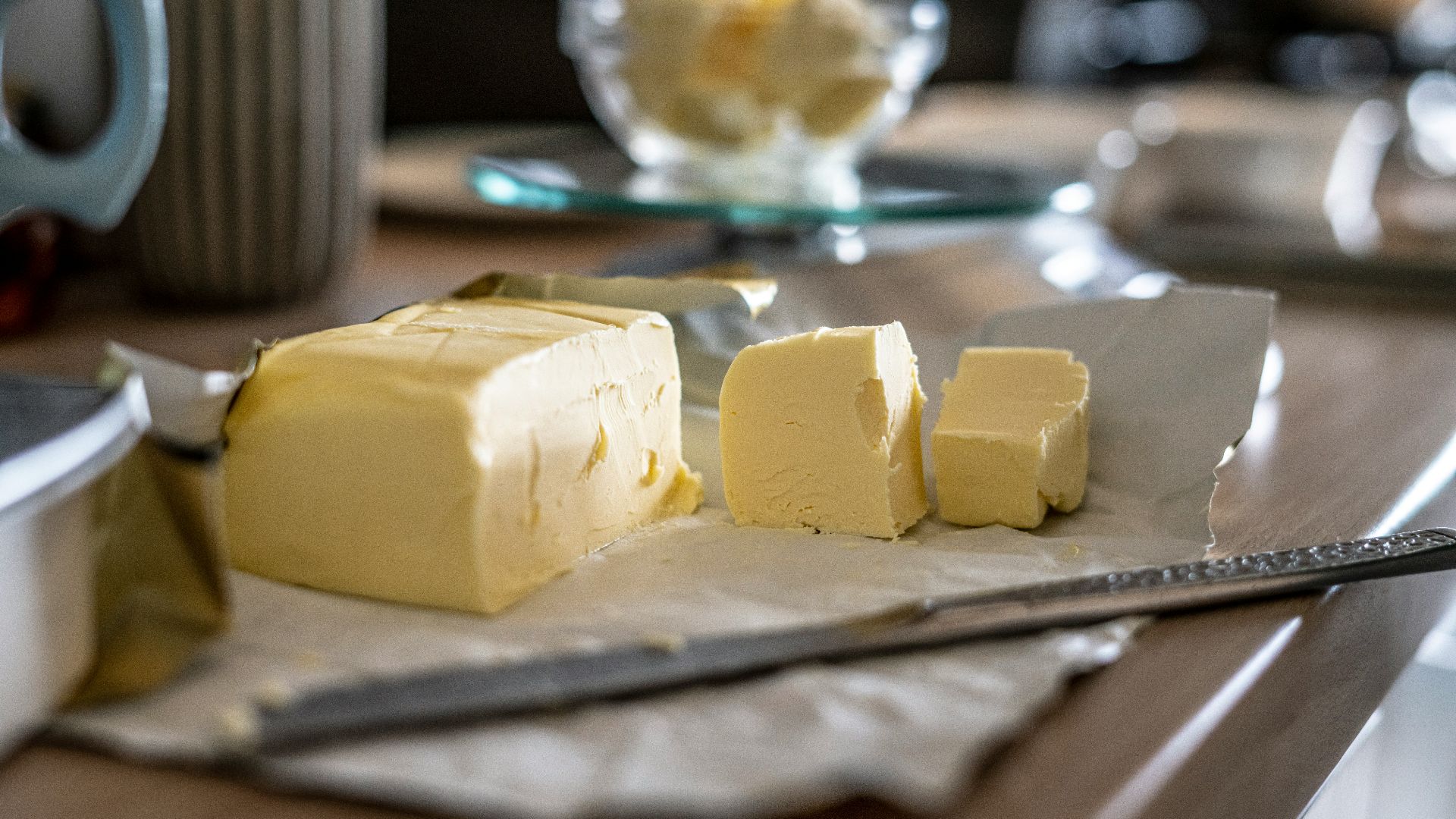
4. Butter Is Defined By An Act Of Congress
Congress apparently felt strongly enough about butter to give it a legal definition in 1923. To this day, American butter must be made from milk or cream and contain at least 80% milkfat by weight. Manufacturers are allowed to add salt and coloring, but there's relatively little room for tinkering with the recipe.
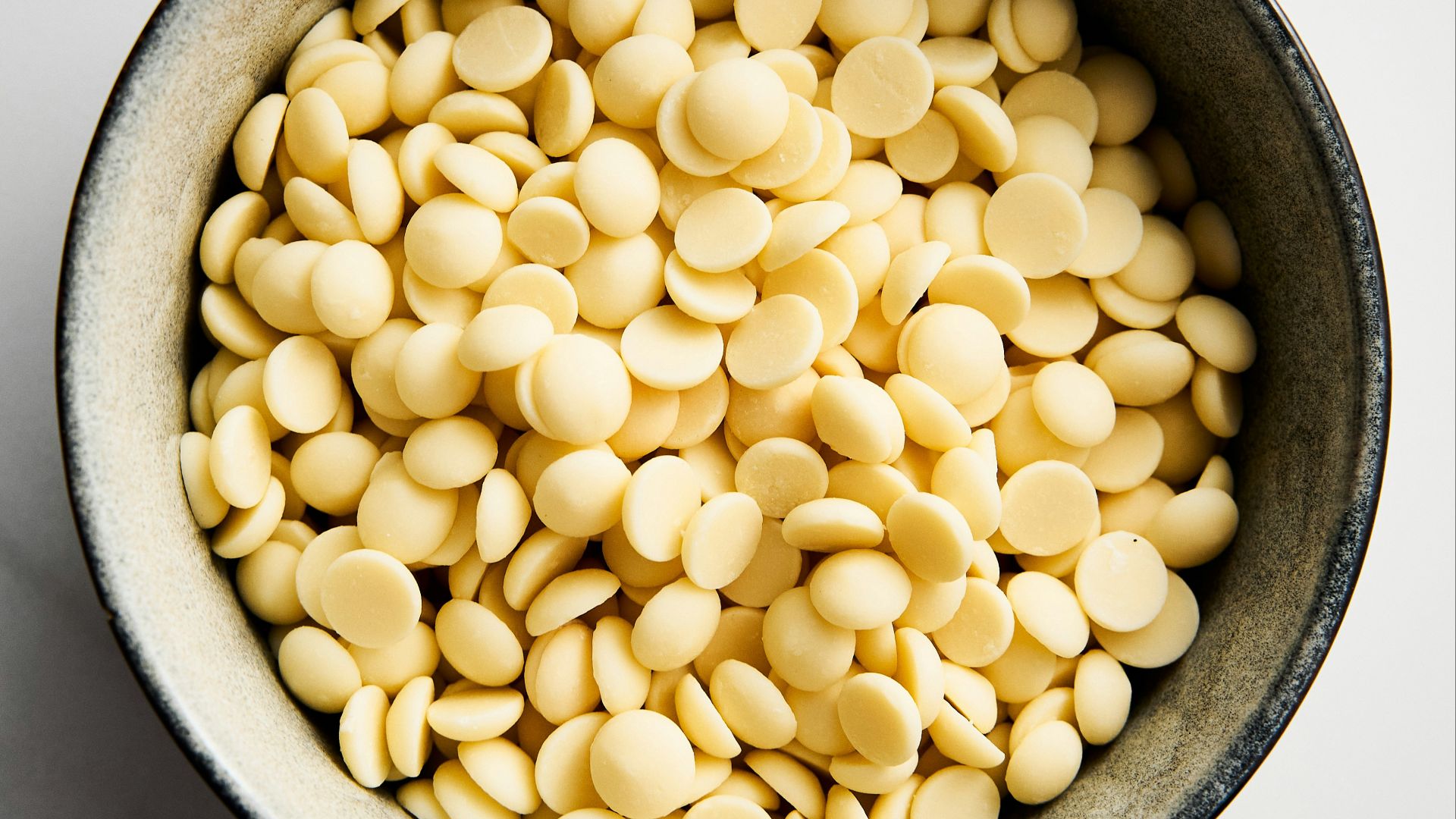
5. White Chocolate Needs 20% Cocoa Butter
Despite the ongoing debate over whether white chocolate is really chocolate, the FDA considers it a category of its own. It needs at least 20% cocoa butter and 14% milk solids, while sweeteners can account for no more than 55% of its weight. The standard has been in effect since 2004.
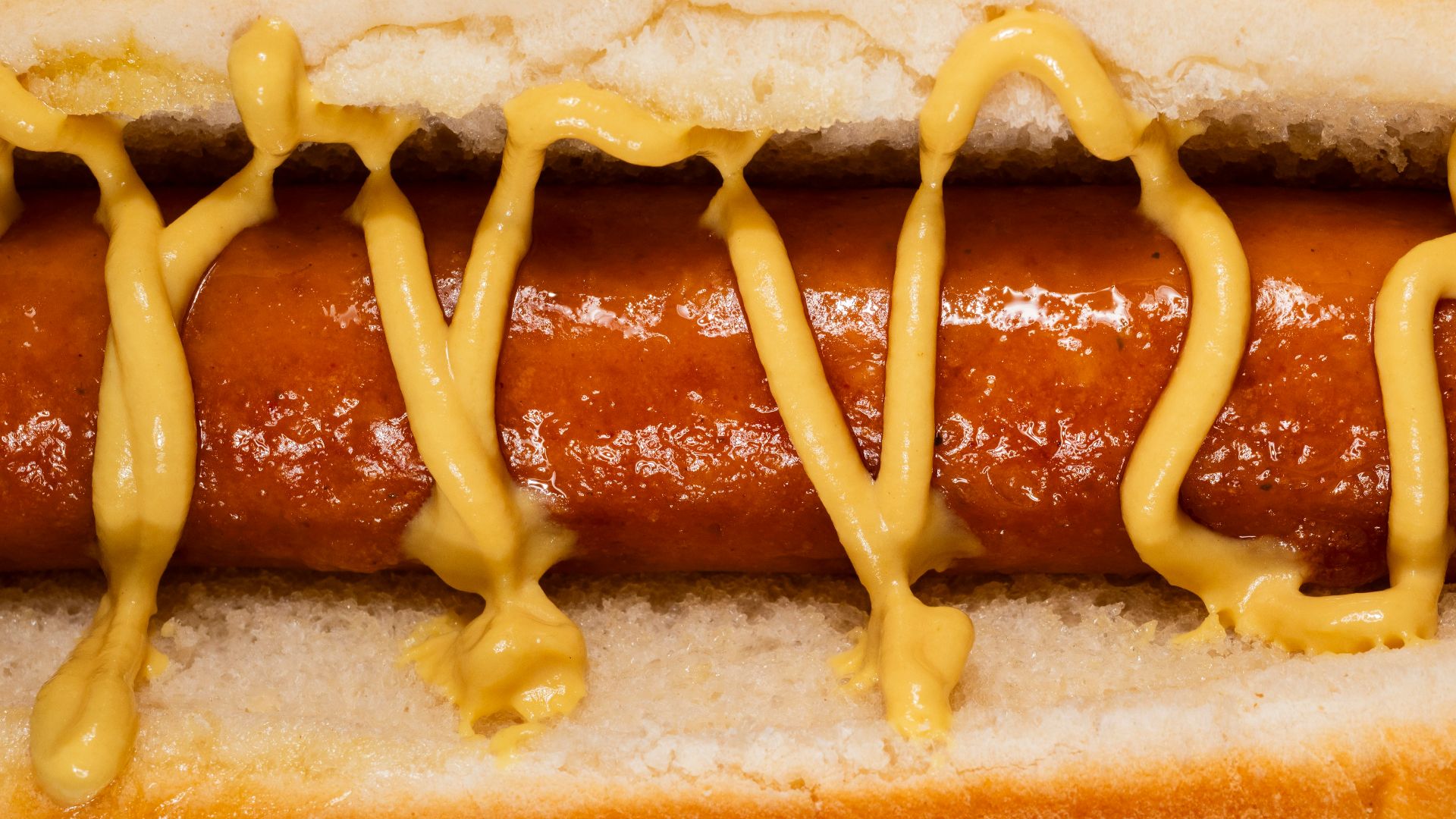
6. Hot Dogs Can't Exceed 30% Fat
Even the humble hot dog comes with a surprisingly detailed rulebook. Federal regulations limit its fat content to 30%, and fat and added water combined can't exceed 40%. There are restrictions on how much poultry can go into the mix, too. Bologna and knockwurst are covered by the same regulation.
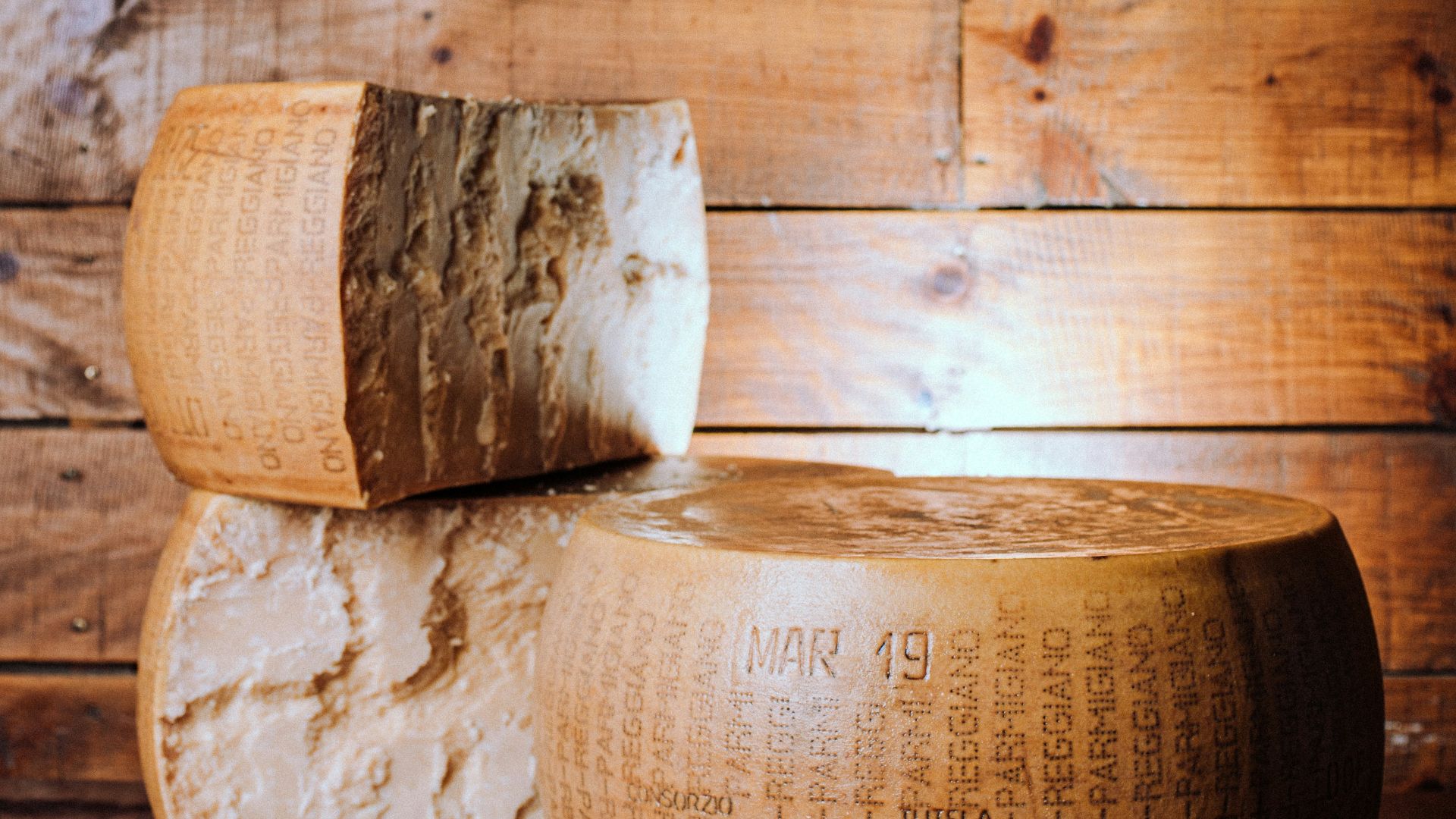
7. Parmigiano Reggiano Comes From One Corner Of Italy
The real stuff comes from a designated stretch of northern Italy covering all or parts of five provinces. Each wheel spends at least 12 months aging within the region before being inspected for the official mark. Inside the European Union, even the more familiar name Parmesan is legally protected.
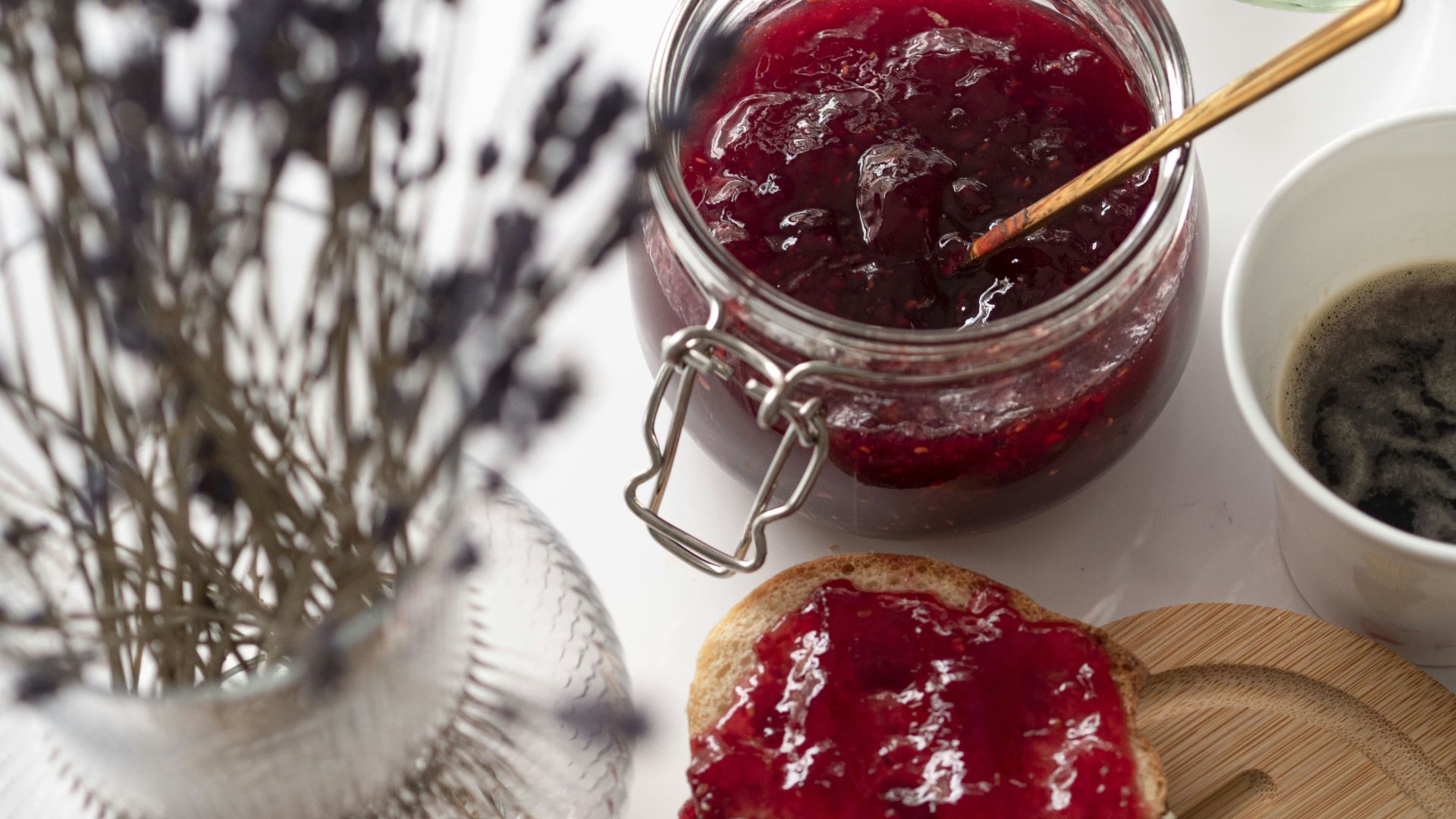
8. Jam Has A Fixed Fruit-To-Sugar Ratio
Making jam commercially isn't quite as flexible as making a batch at home. Federal standards generally require 45 or 47 parts fruit to every 55 parts sugar, depending on the variety. Black currants get special treatment because their naturally high pectin content makes them behave differently during cooking.
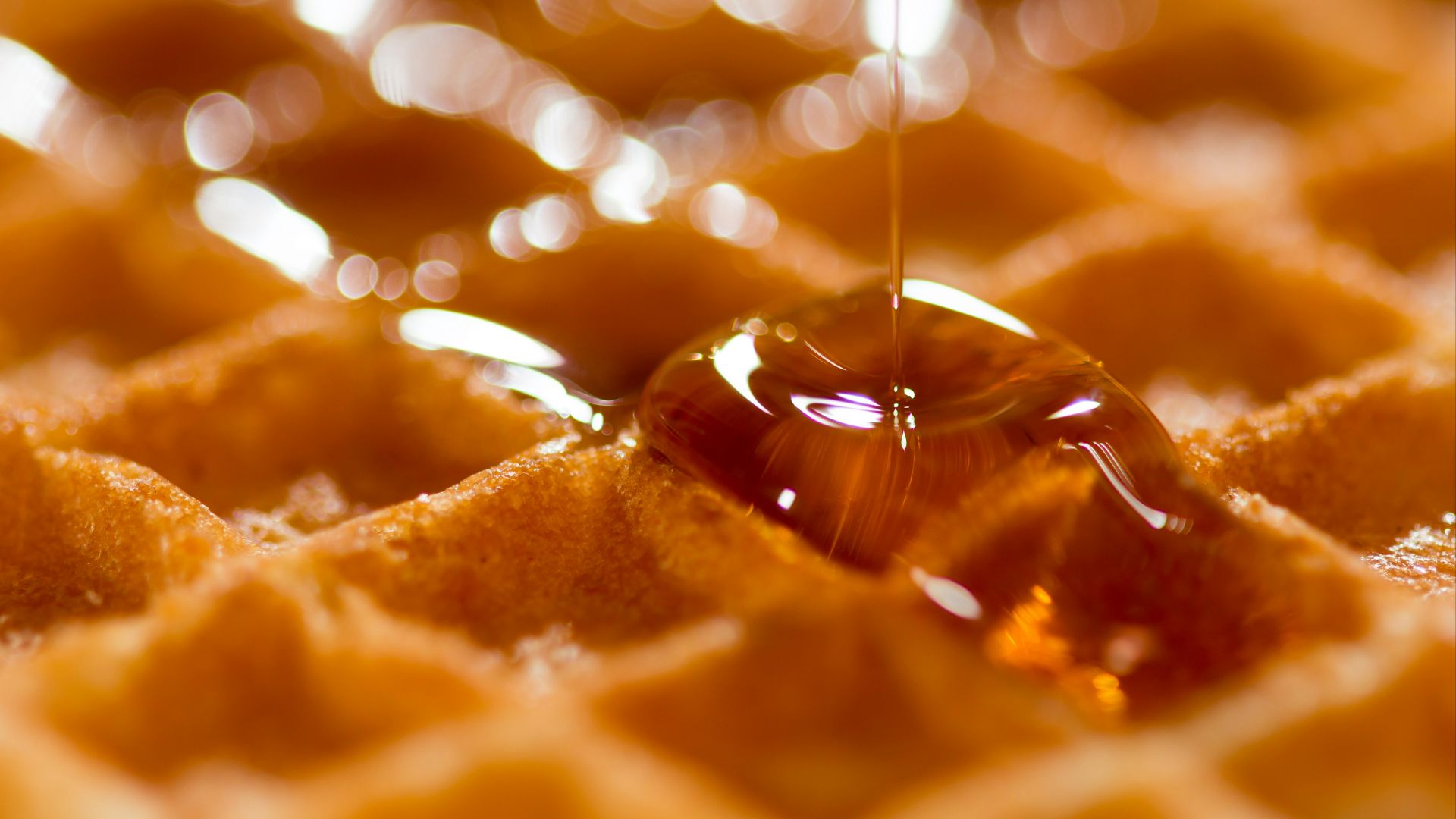
9. Vermont Maple Syrup Has A Density Range
Vermont is particularly picky about its maple syrup. Bottled syrup must measure between 66.9 and 68.9 degrees Brix, which indicates its sugar concentration. There's a practical reason for being so precise. Syrup that's too watery can ferment in the bottle, while syrup that's too concentrated can develop sugar crystals.
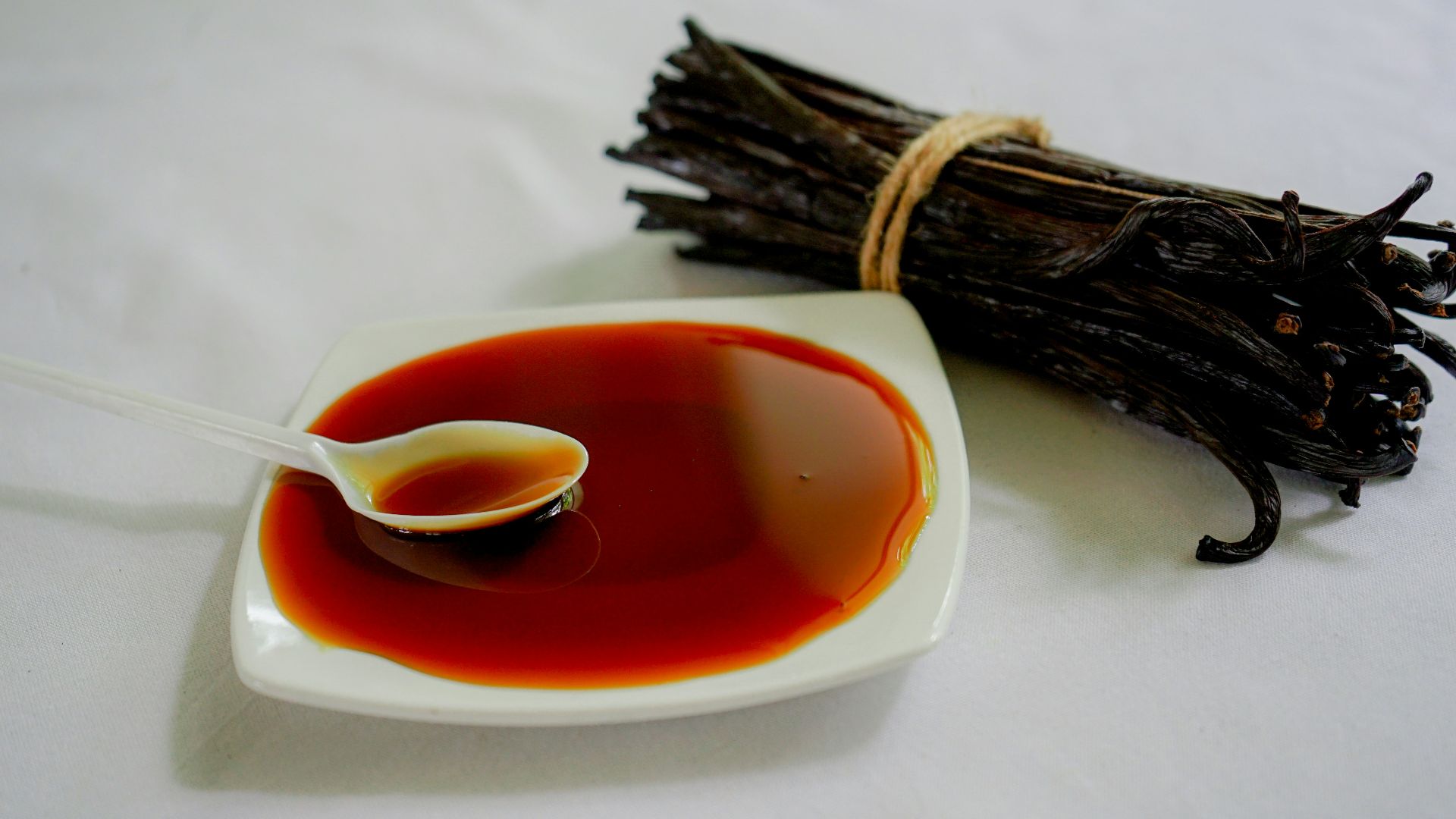
10. Vanilla Extract Needs 35% Alcohol
That little bottle of pure vanilla extract in your baking cupboard has roughly the alcohol concentration of some spirits. Federal law requires it to contain at least 35% alcohol by volume, along with a specific amount of vanilla bean extractives. Products made with less alcohol generally go by vanilla flavoring.
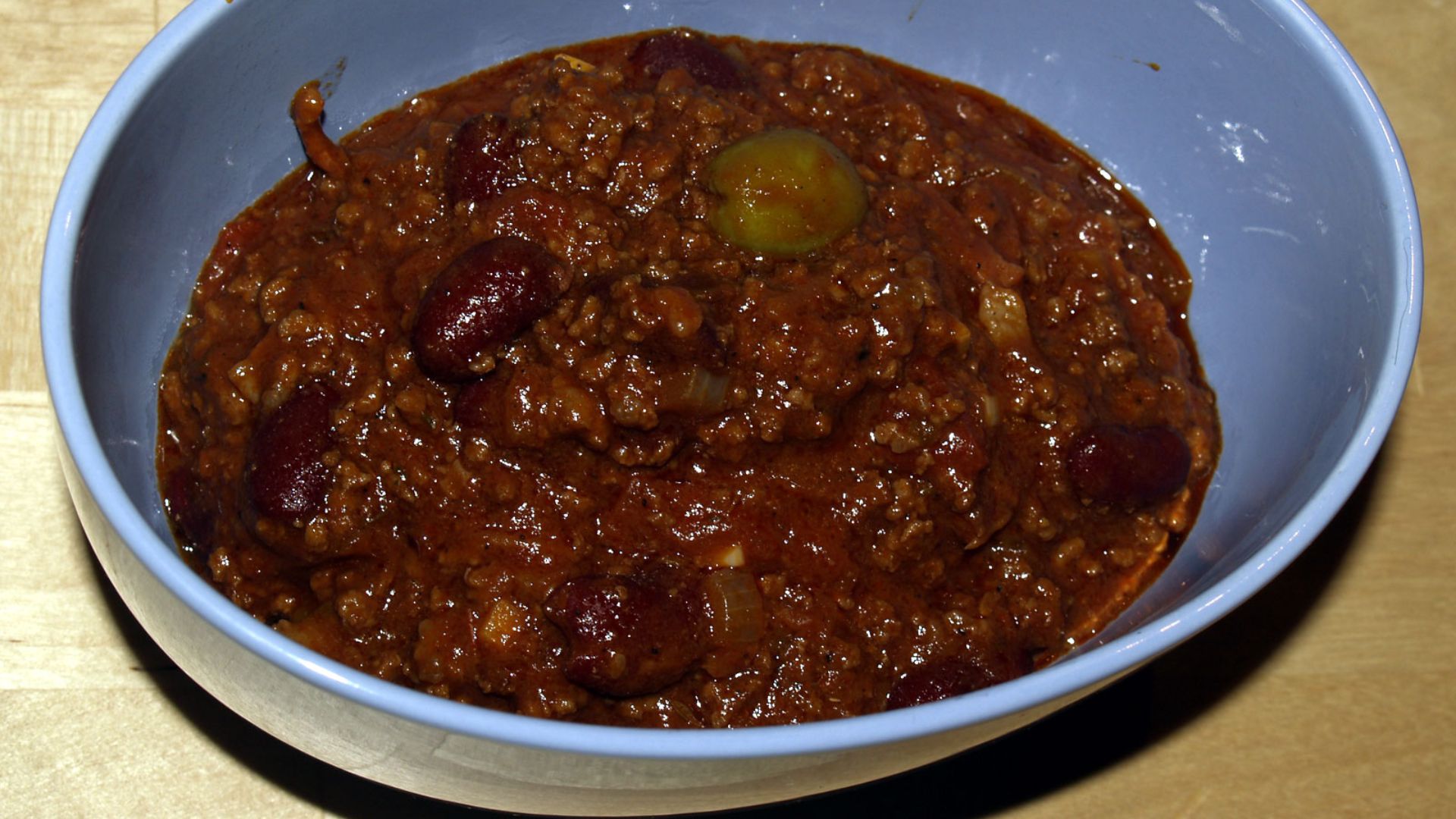
11. Chili Con Carne Must Be 40% Meat
If you're buying a can of chili con carne, federal regulations guarantee that at least 40% of its weight came from meat before cooking. Interestingly, some of that can come from the animal's head or heart, provided it's disclosed on the label. Adding beans brings the minimum meat requirement down to 25%.
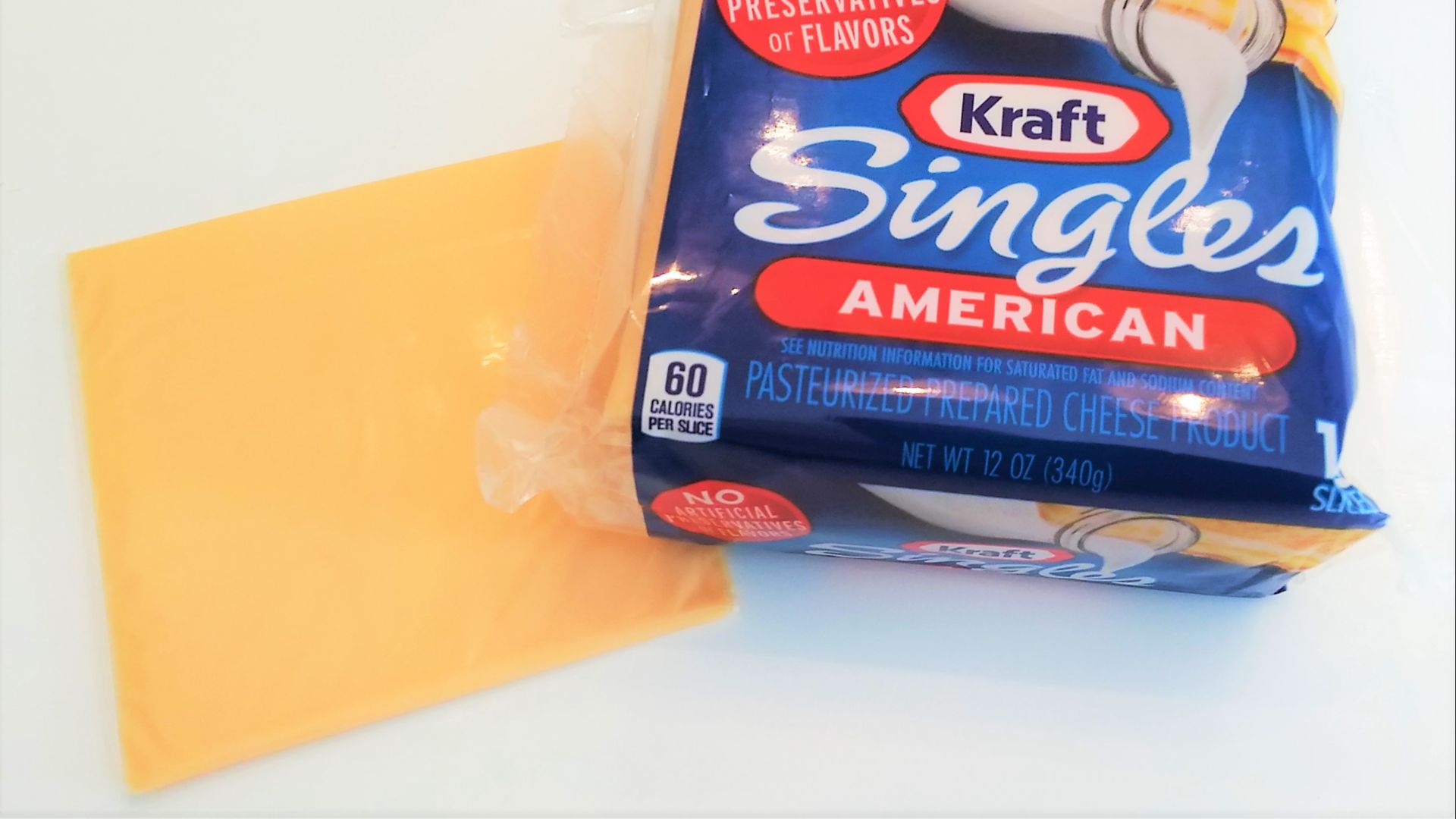
12. Kraft Singles Had To Change Their Label
Older packages of Kraft Singles described the slices as pasteurized process cheese food. That changed after the FDA took issue with Kraft's use of milk protein concentrate in 2002. Rather than reformulate its cheese, Kraft switched to pasteurized prepared cheese product, a designation that doesn't have its own federal standard.
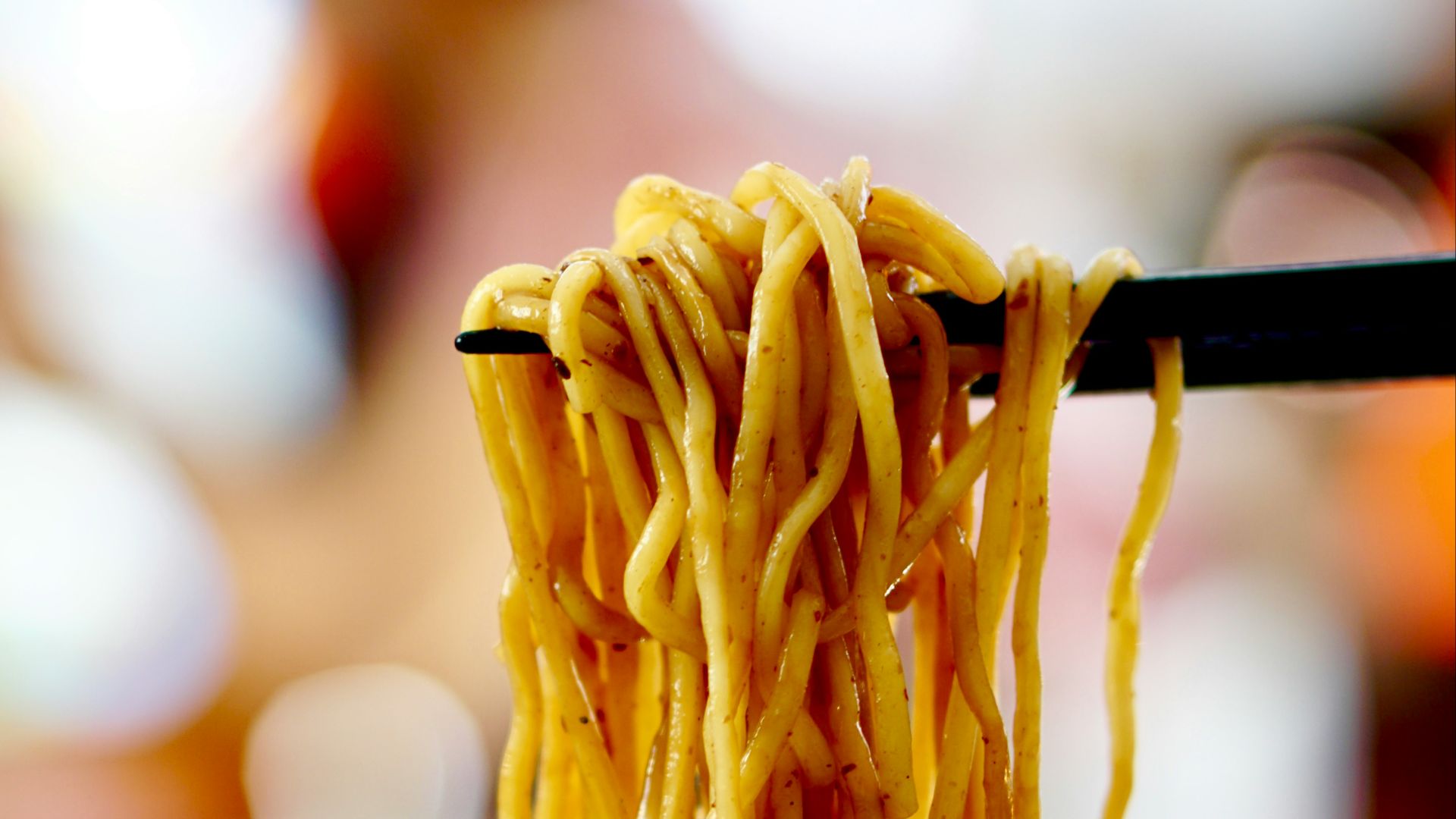
13. Egg Noodles Need 5.5% Egg Solids
Not every noodle made with an egg qualifies as an egg noodle. The federal standard requires at least 5.5% egg or egg yolk solids in the finished dried product. There are moisture restrictions as well, and the same requirements apply to less common varieties like egg macaroni and egg spaghetti.
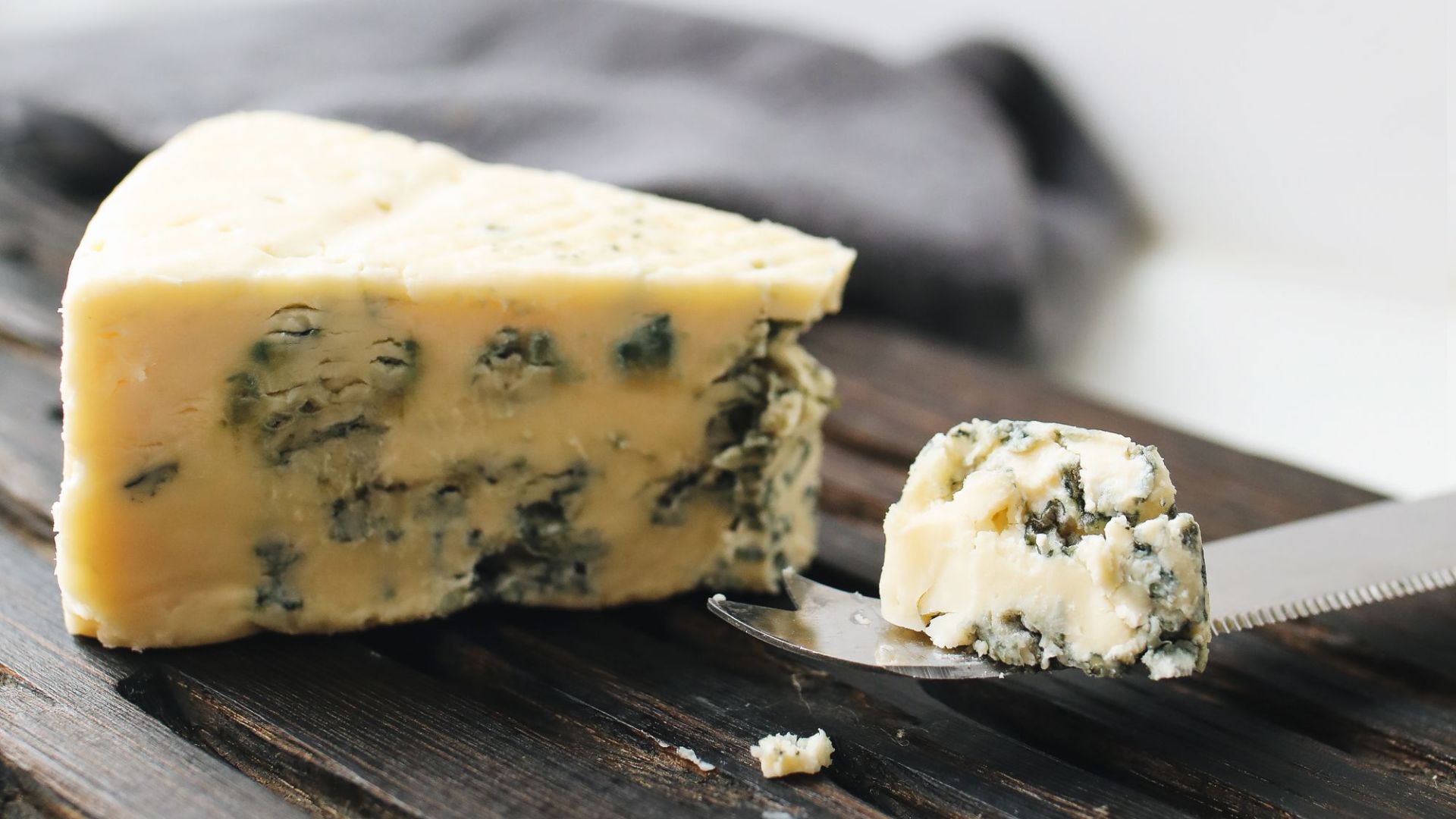
14. Roquefort Has To Age In Specific French Caves
France has been protecting the Roquefort name since 1925. The cheese is made from raw sheep's milk and must spend part of its aging process inside the natural caves of the Combalou mountain. The boundaries of the authorized cave area are so specific that they were established by a court judgment in 1961.
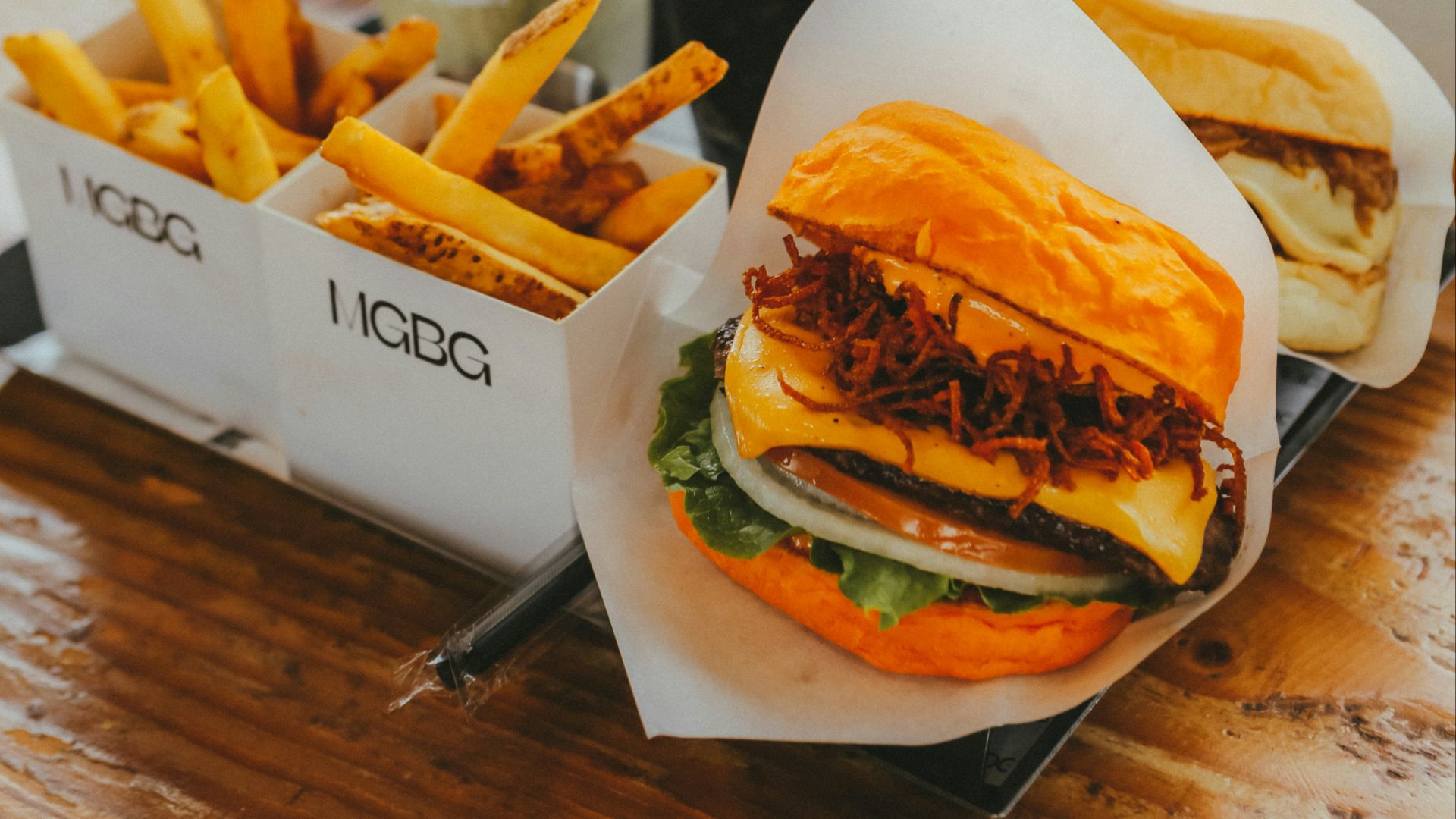
15. Hamburger And Ground Beef Aren't Quite The Same
Most shoppers use the two terms interchangeably, but federal regulations make a distinction. A butcher can add extra beef fat when making hamburger, whereas ground beef has to get its fat from the meat being ground. Neither can exceed 30% fat or contain added water and binders.
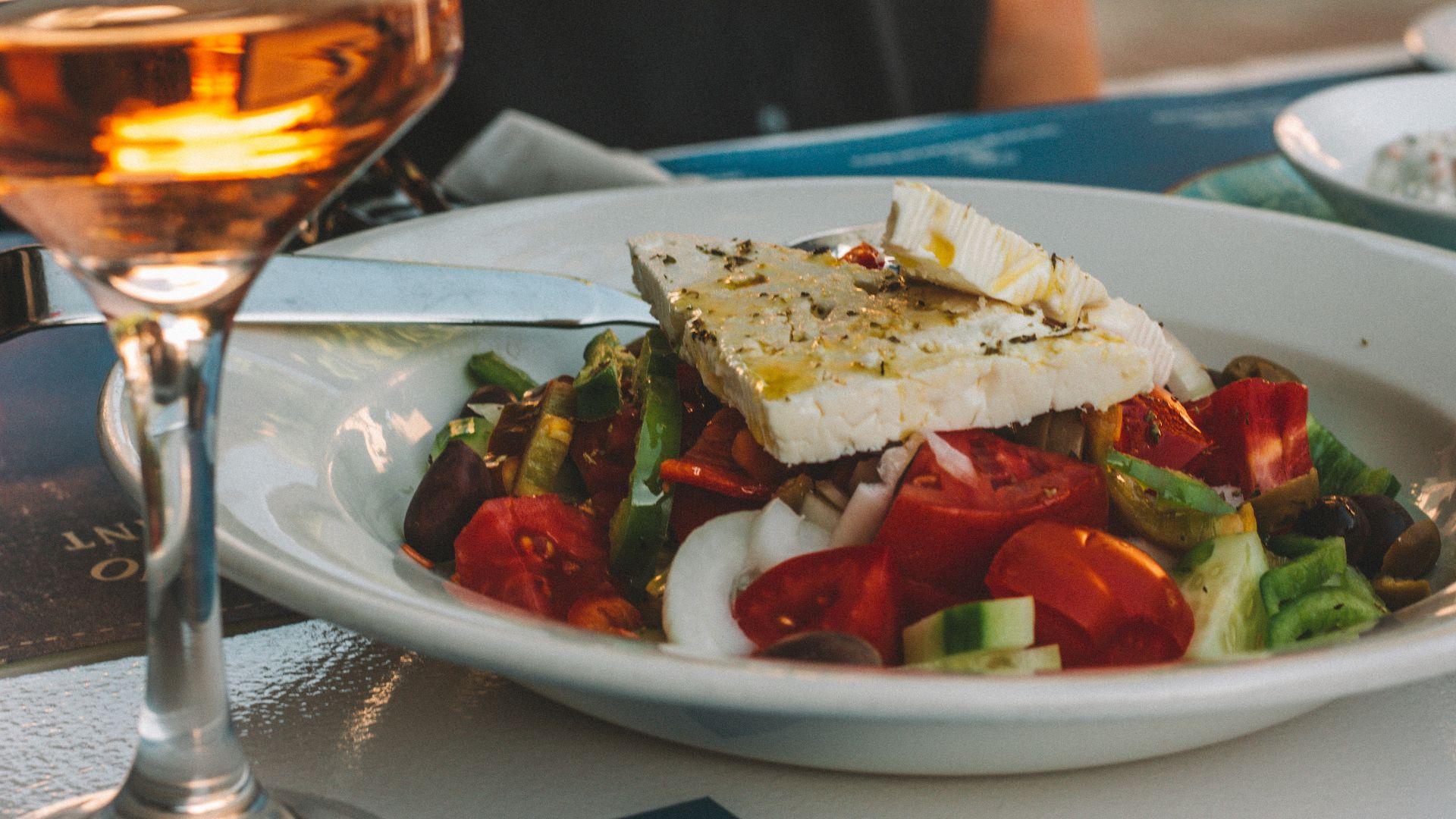
16. Feta Must Come From Greece
At least in the European Union, feta has to come from designated regions of Greece and be made from sheep's milk, with up to 30% goat's milk allowed. Germany and Denmark spent years arguing that feta had become a generic name for a style of cheese. Greece ultimately won the legal battle in 2005.
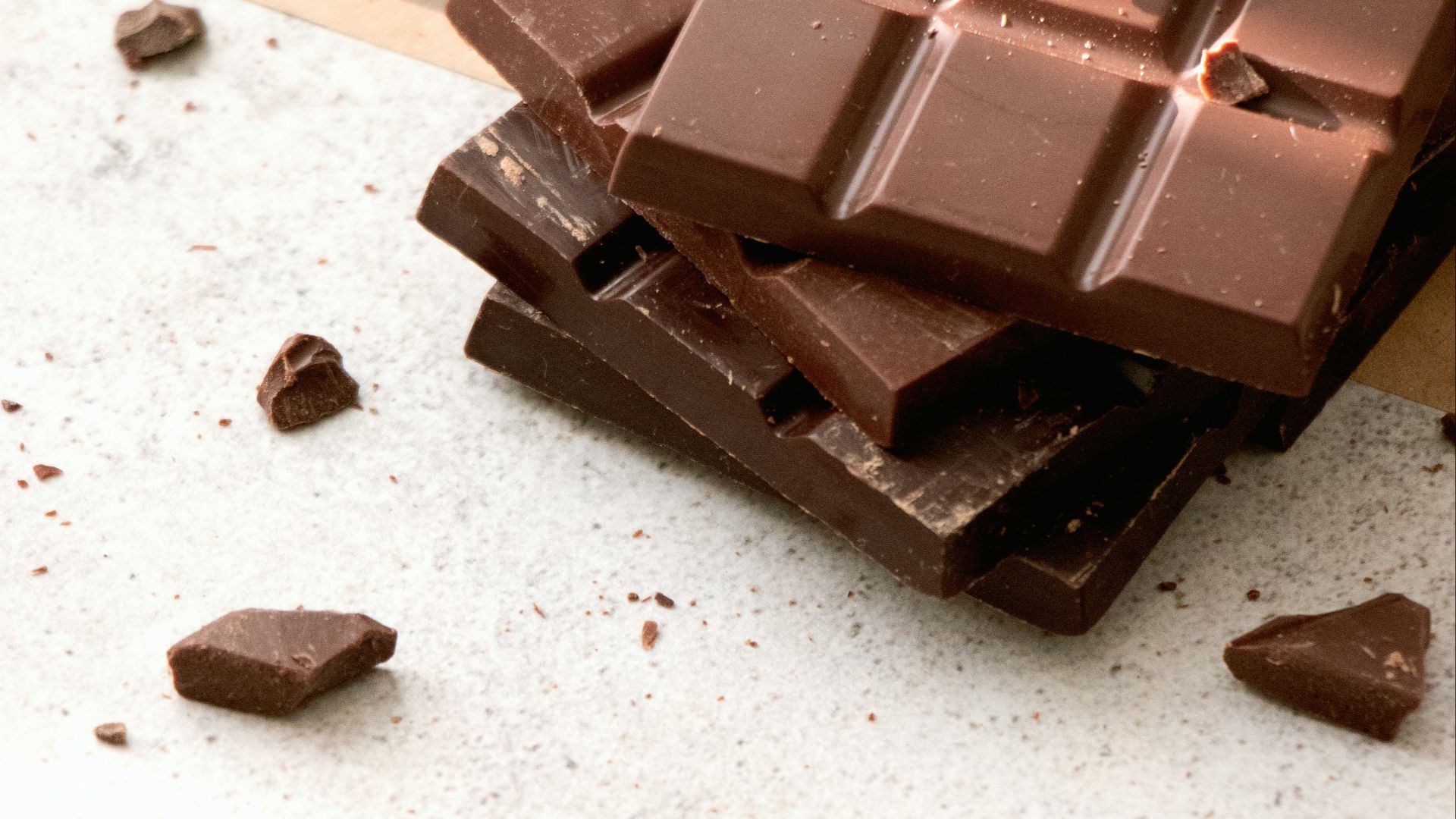
17. Milk Chocolate Needs 10% Chocolate Liquor
Chocolate liquor sounds considerably more exciting than it is. It's actually the paste produced by grinding cacao nibs, and American milk chocolate must contain at least 10% of it. There are separate requirements for the dairy ingredients, including a minimum of 12% milk solids and 3.39% milkfat.
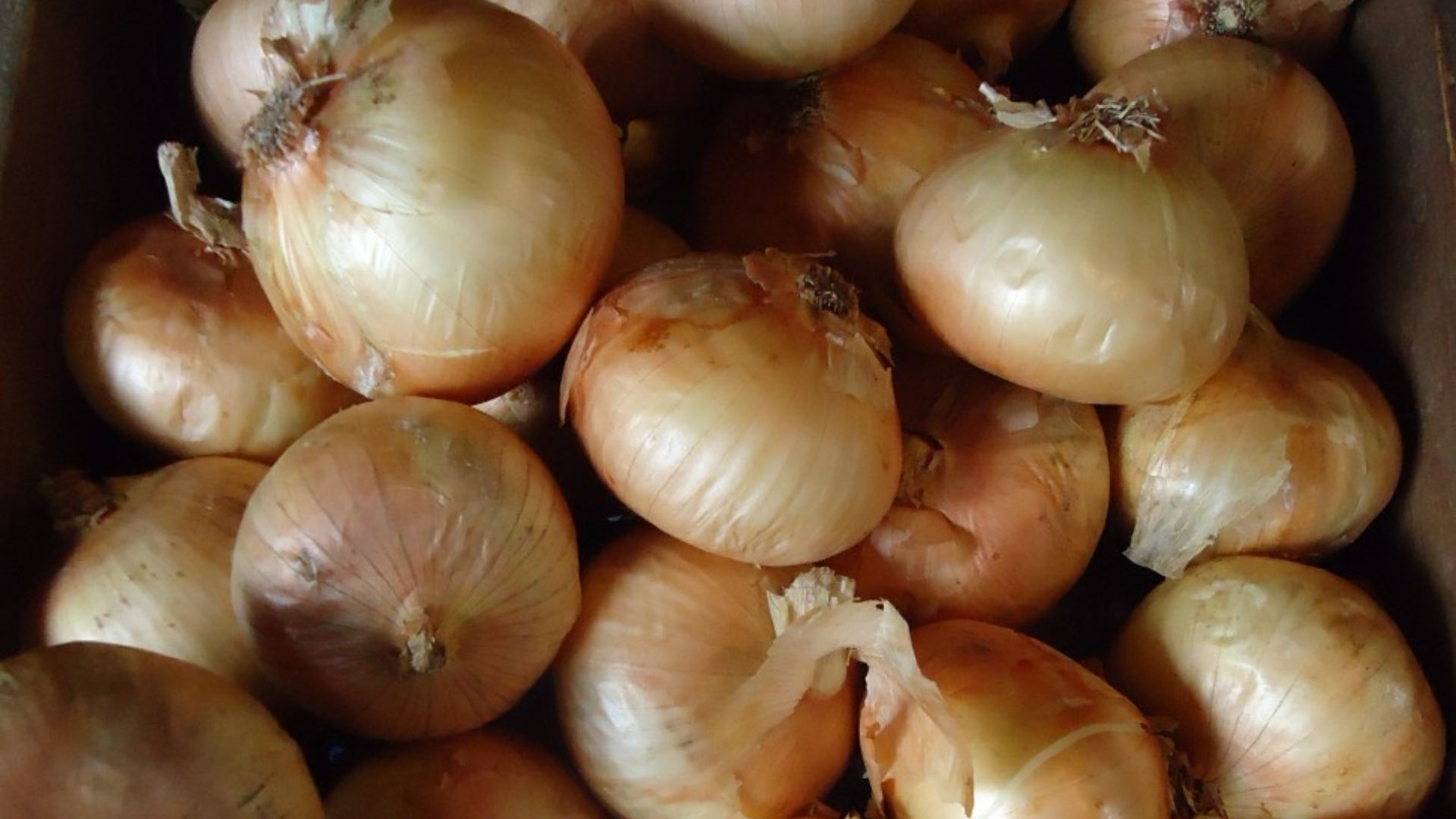
18. Vidalia Onions Grow In 20 Georgia Counties
A farmer could grow an equally sweet onion elsewhere in America and still couldn't call it a Vidalia. Georgia has protected the name since 1986, limiting production to a designated growing area across 20 counties. The state even sets an official date each spring before which growers can't ship their onions as Vidalias.
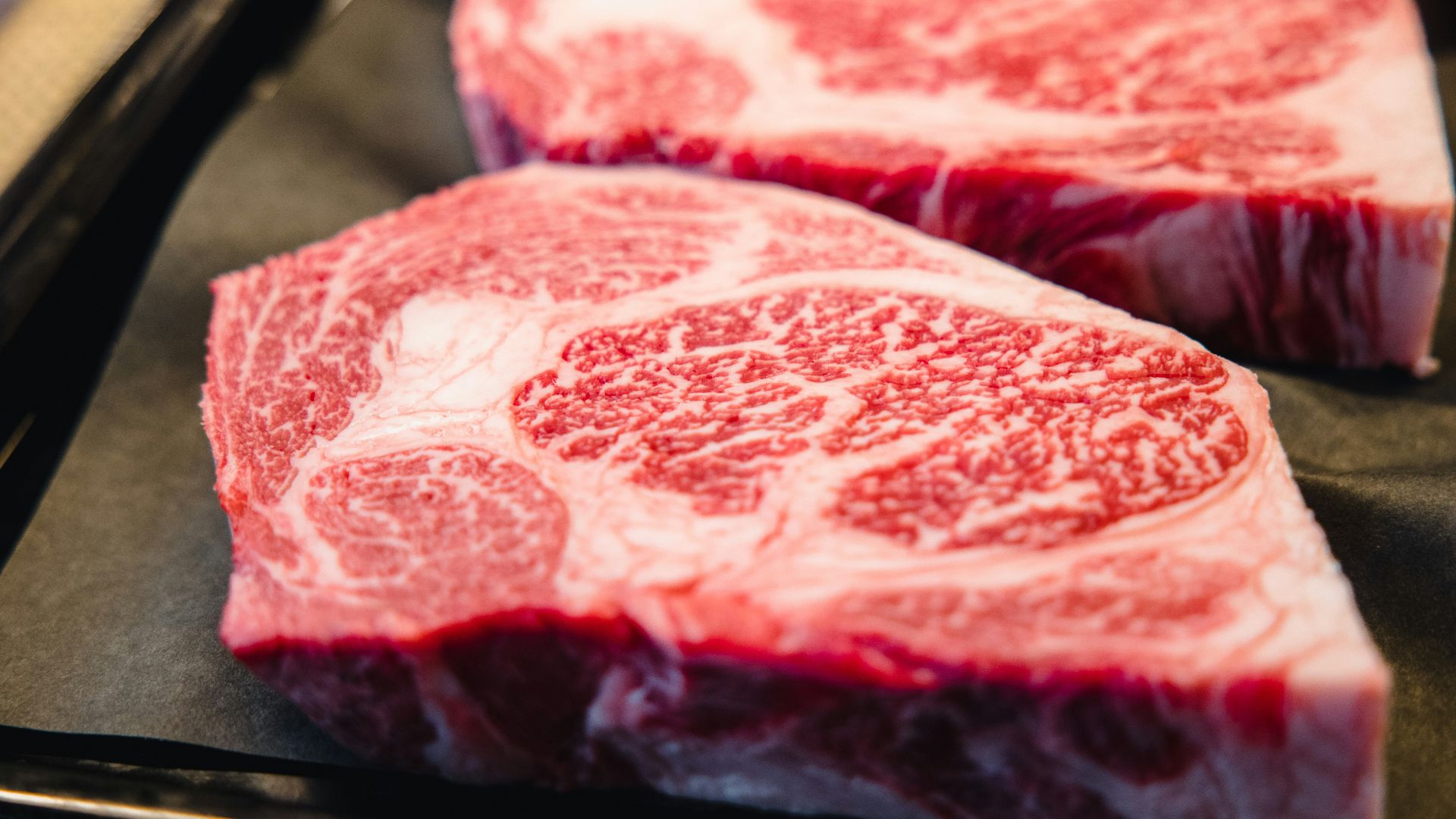
19. Kobe Beef Has A Strict Certification Process
Raising Japanese cattle doesn't automatically qualify a rancher to produce Kobe beef. The cattle must belong to the Tajima lineage and be raised and slaughtered in Hyogo Prefecture. The meat then has to meet strict marbling and carcass weight requirements before it earns the Kobe designation.
20. Extra Virgin Olive Oil Has An Acidity Limit
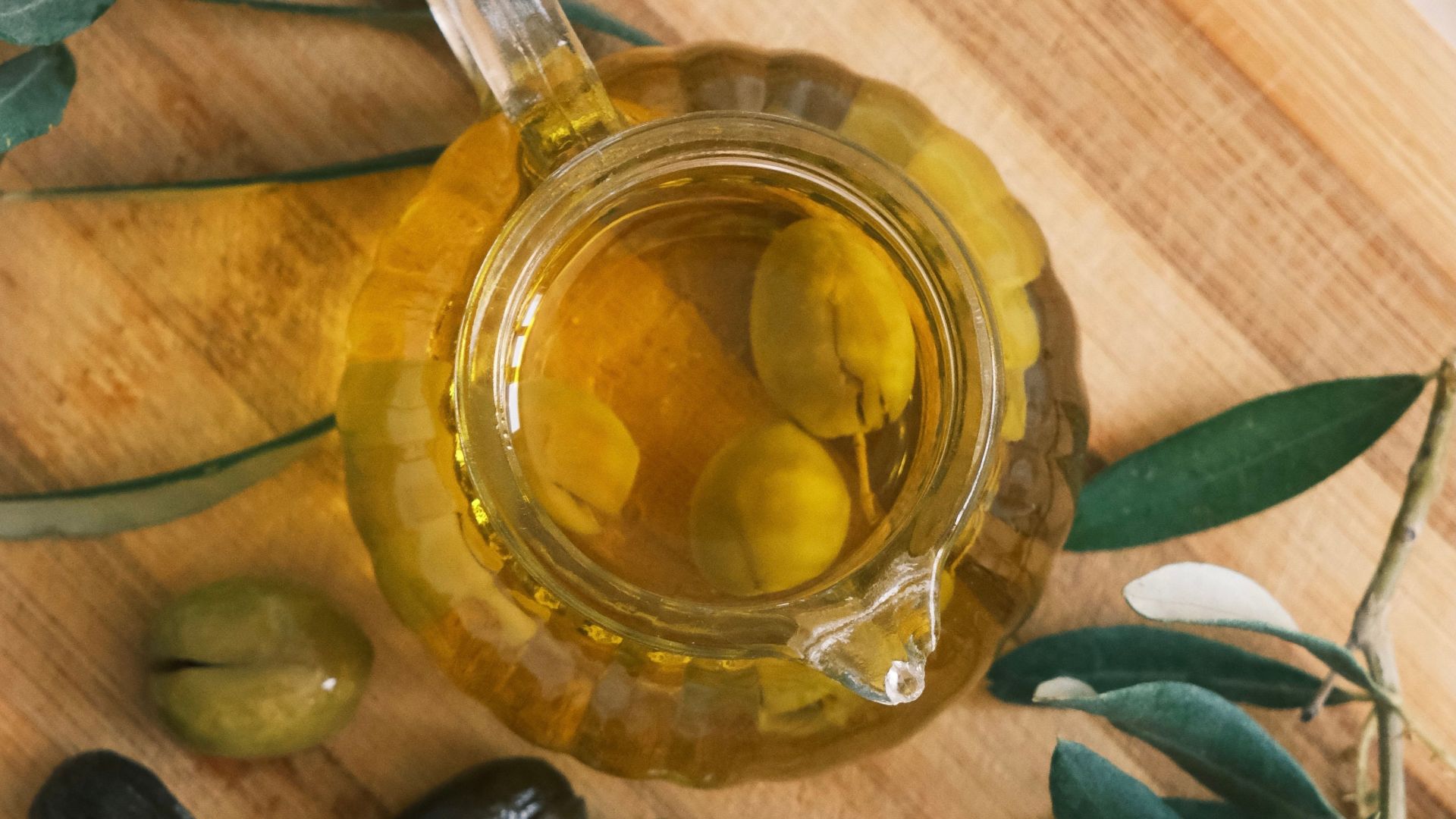
The words "extra virgin" aren't just there to make a bottle of olive oil look a little fancier. International standards limit its free acidity to 0.8%, and the oil must be extracted through mechanical means. It also has to pass a professional taste test without any detectable flavor defects.
KEEP ON READING

Happy Hour: The 20 Best Foods For Social Snacking