Most of the Menu Came From Somewhere Else
A burger on the grill feels about as American as it gets, but plenty of the country's favorite foods have roots elsewhere. Immigrants brought recipes from home and adapted them to ingredients they could find and tastes they encountered here. Some dishes stayed fairly close to the originals, while others changed so much they became something new altogether. Here are 20 foods that came from somewhere else and became American staples.
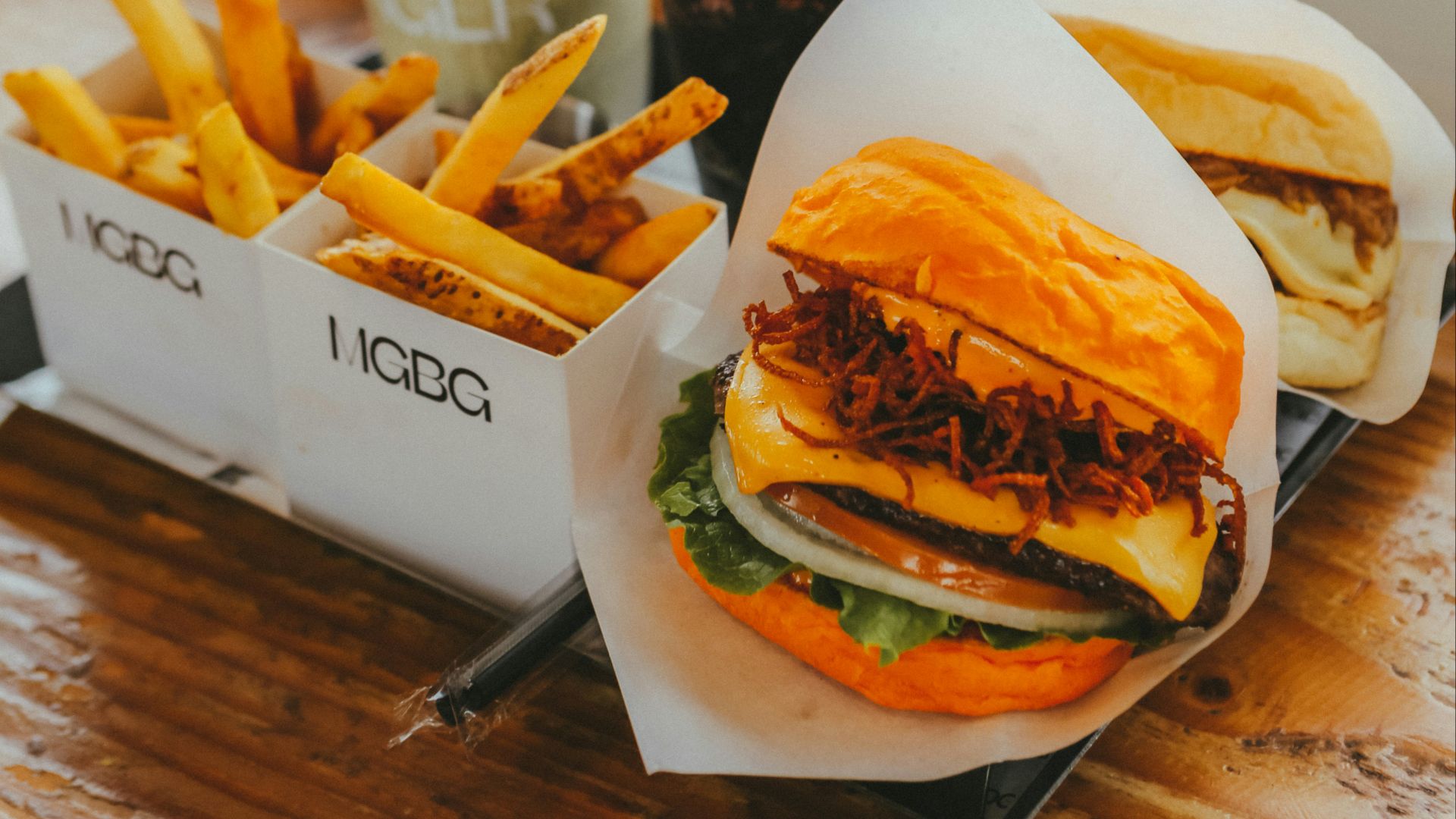
1. Hamburgers Began as Hamburg Steak
German immigrants brought Hamburg steak, a minced beef patty eaten with a knife and fork, to American cities in the 1800s. Delmonico's in Manhattan put it on an 1873 menu. Nobody can prove who first put the patty between two pieces of bread, and several towns still claim the honor.
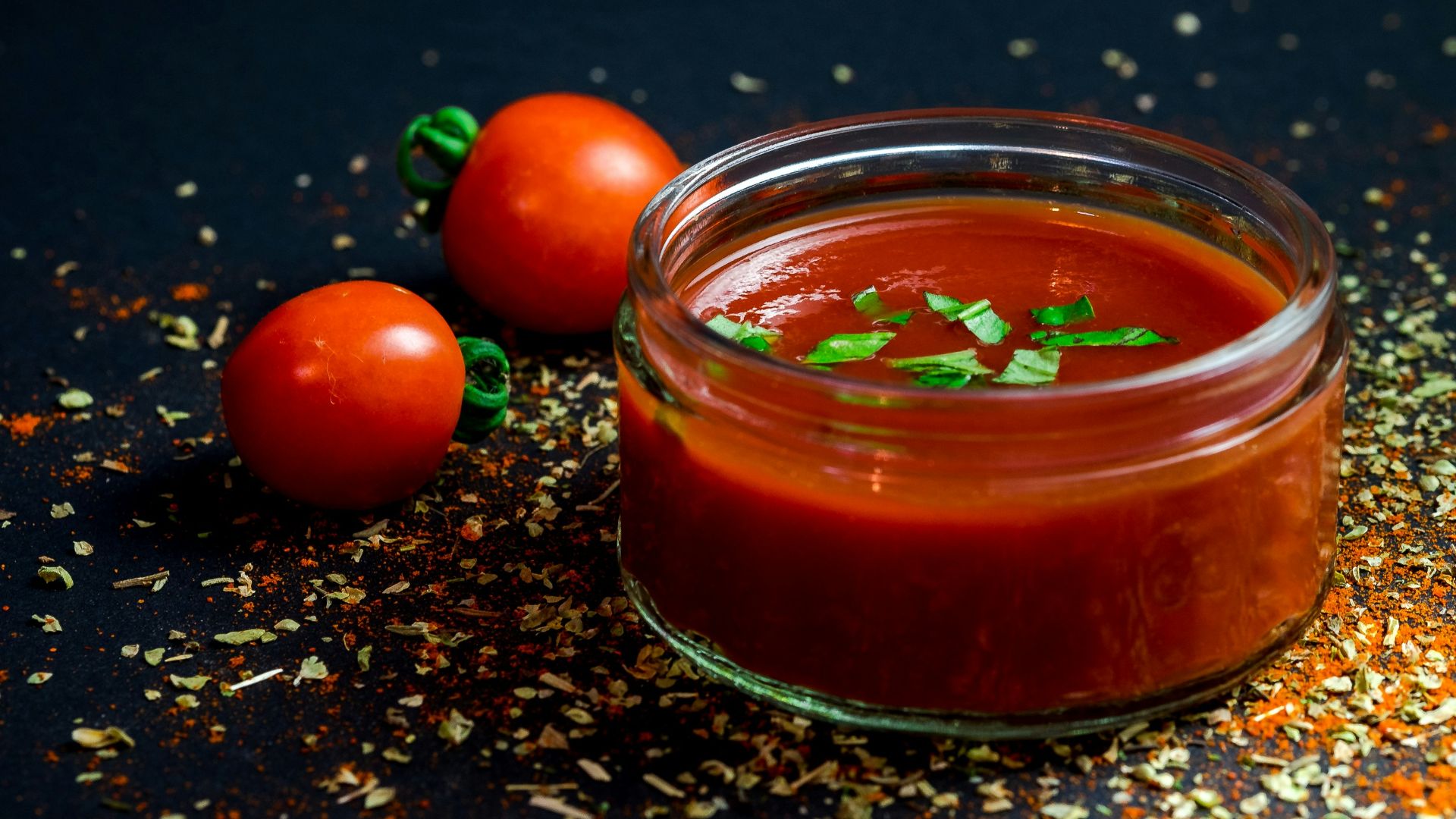
2. Ketchup Was Named for a Fish Sauce
Ketchup's name probably comes from kê-tsiap, a Hokkien Chinese word for a fermented fish brine. British traders tried to copy it back home with mushrooms and anchovies. Americans started adding tomatoes in the early 1800s, and Heinz began selling its tomato version in 1876.
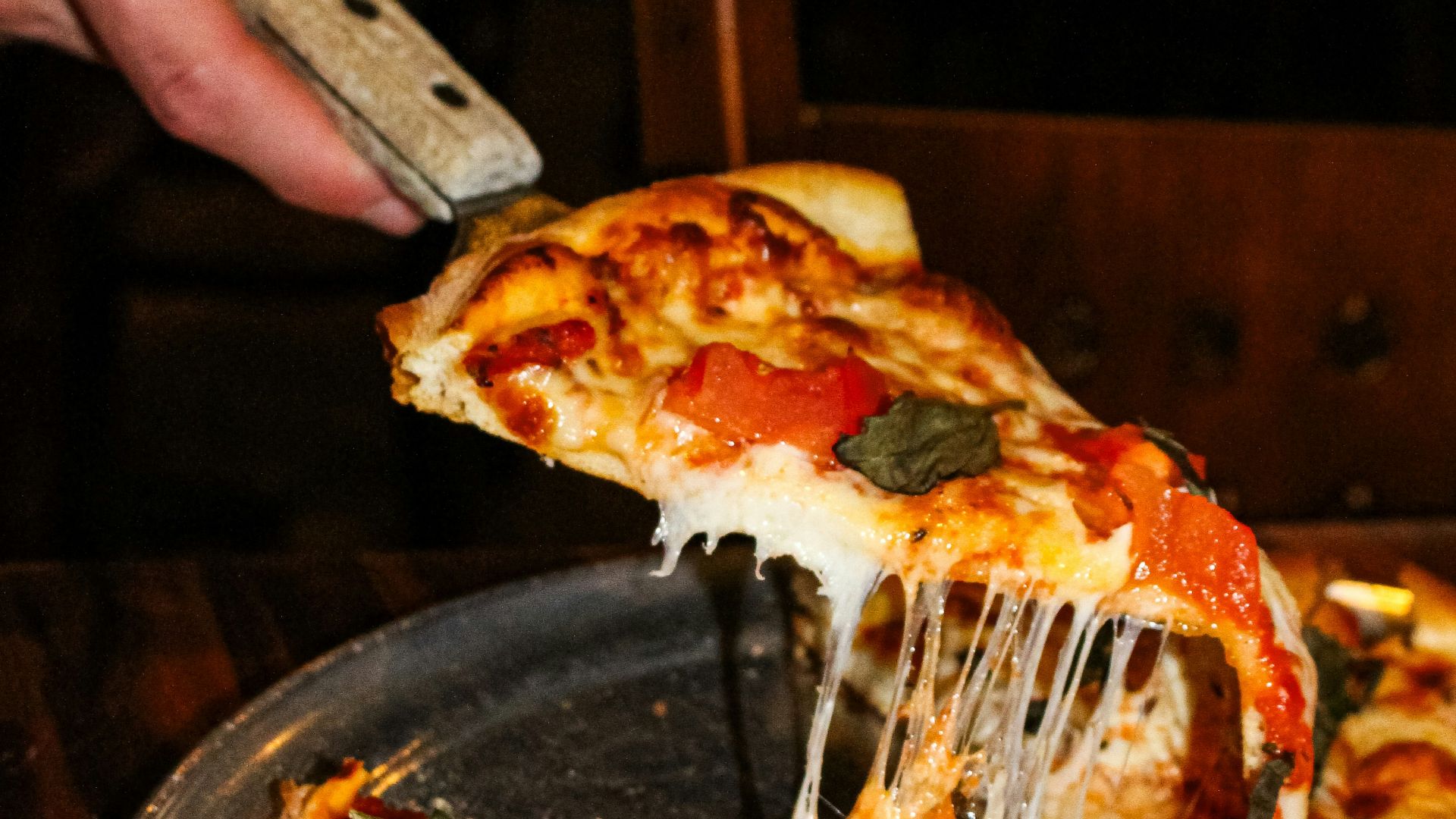
3. Pizza Followed Neapolitans to New York
Lombardi's on Spring Street has long been called the country's first pizzeria, with a license supposedly dated 1905. Researchers have since found a pizzeria on Mulberry Street listed in city directories in 1894, so the title is shakier than the sign suggests. The wide, foldable New York slice grew out of those Little Italy ovens.
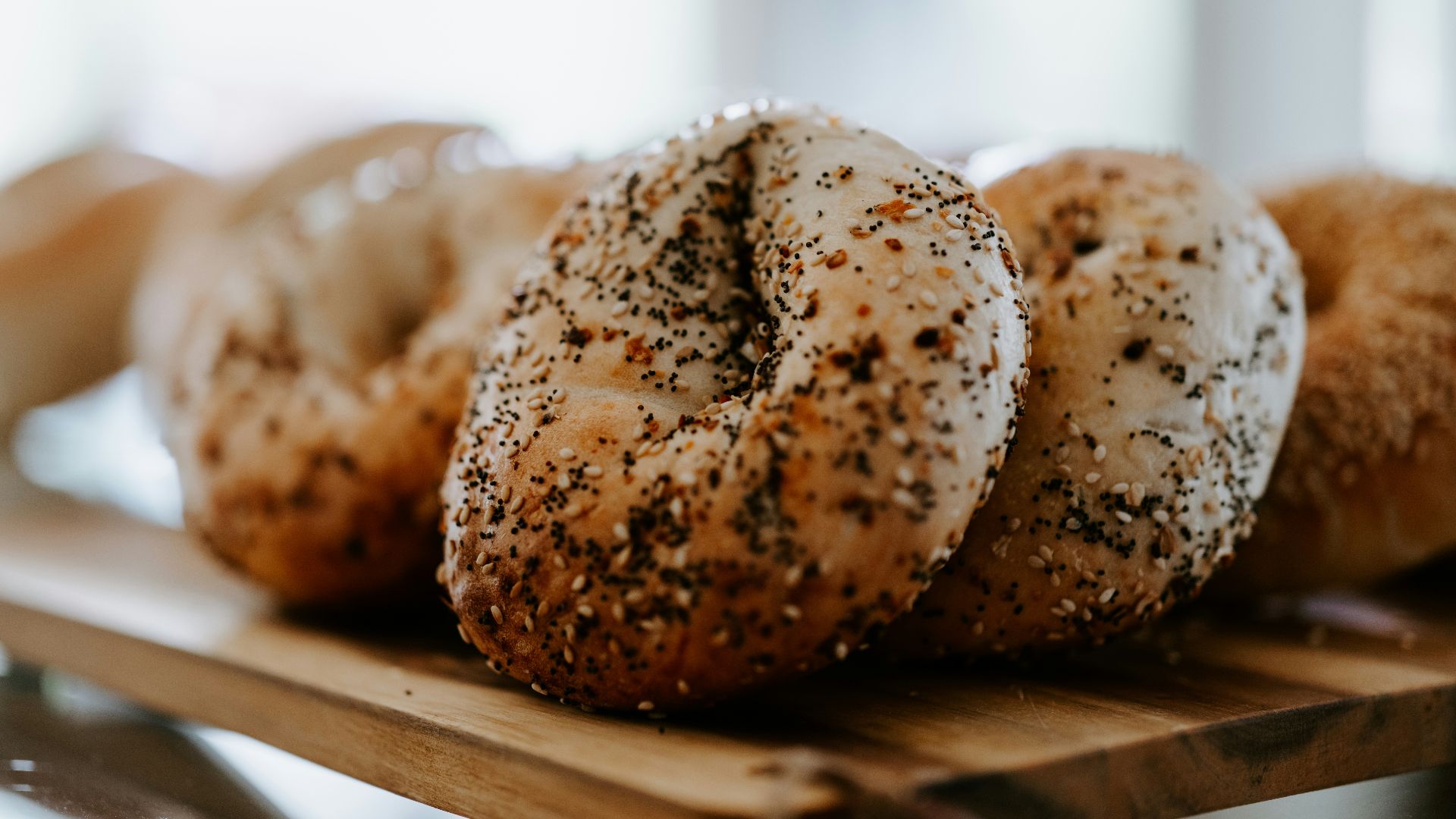
4. Bagels Were First Recorded in Kraków
The first written mention of bagels, in Kraków's Jewish community regulations from 1610, lists them as a gift for new mothers. Eastern European Jewish immigrants carried the recipe to New York's Lower East Side, where union bakers boiled and baked them by hand for decades. Frozen supermarket bagels eventually took them far beyond Jewish neighborhoods.
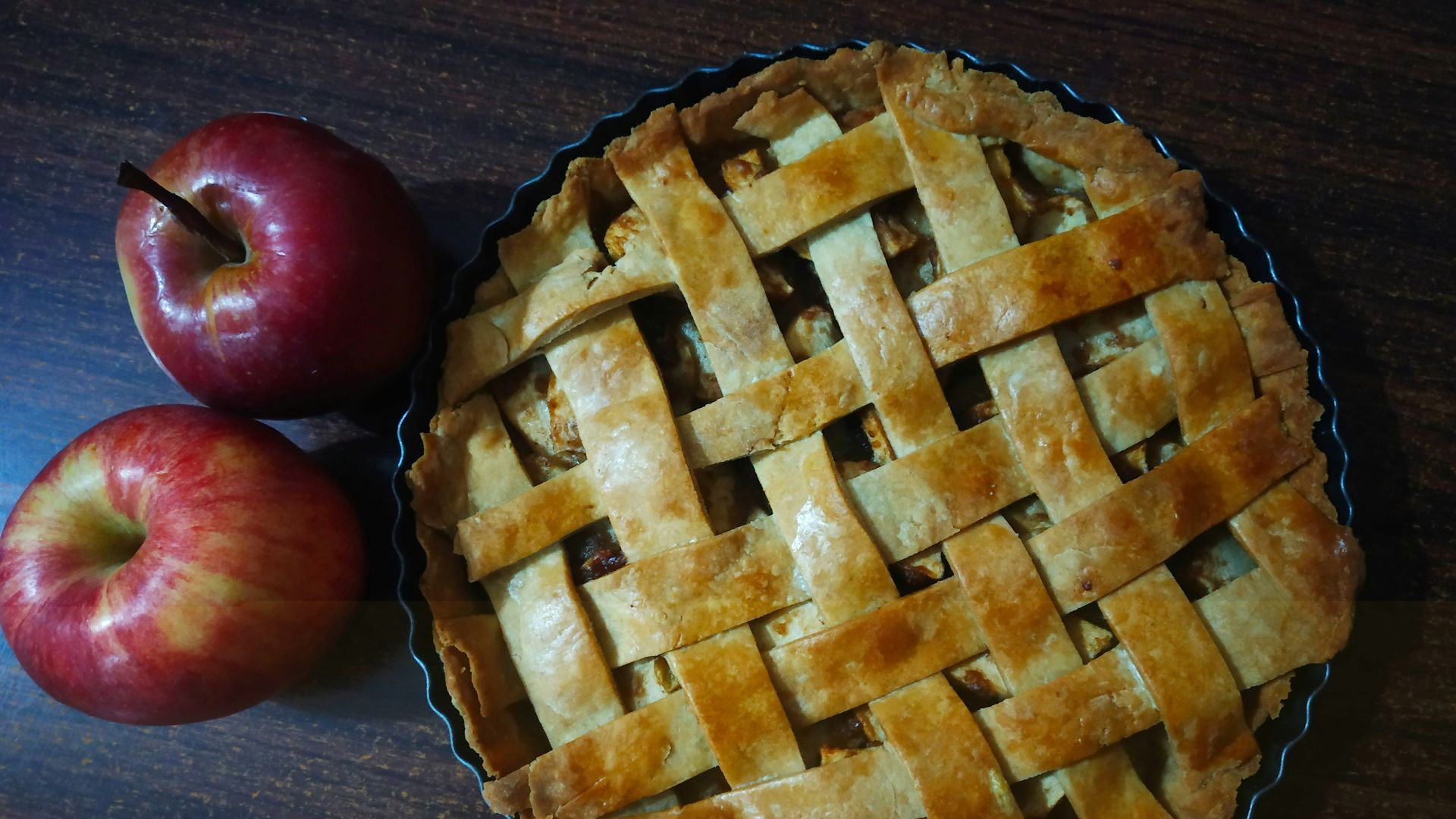
5. The Oldest Apple Pie Recipe Is English
The earliest known apple pie recipe comes from a 14th-century English cookbook and mixes the apples with figs, raisins, pears, and saffron. North America had only sour crab apples when colonists arrived, so settlers planted European seeds and cuttings, mostly to make cider. Pie came later, once orchards grew enough fruit to spare.
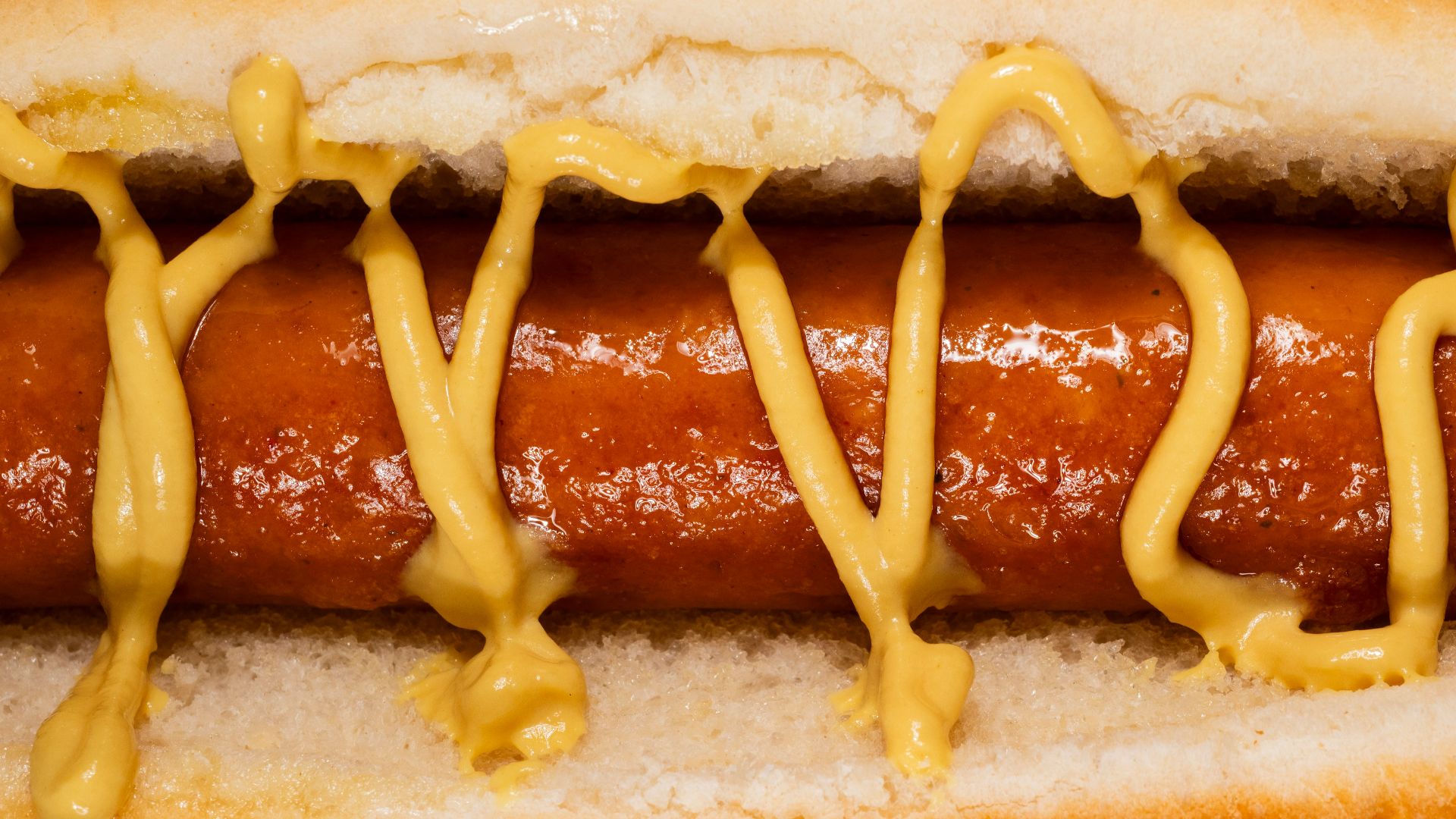
6. Hot Dogs Started as German Frankfurters
The frankfurter takes its name from Frankfurt, and German immigrants were selling the sausages in American cities by the late 1800s. In 1916 a Polish Jewish immigrant named Nathan Handwerker opened a stand on Coney Island with his wife, Ida (her grandmother supplied the spice recipe), and charged a nickel when most nearby stands asked a dime. The original Nathan's still hosts a hot dog eating contest every Fourth of July.
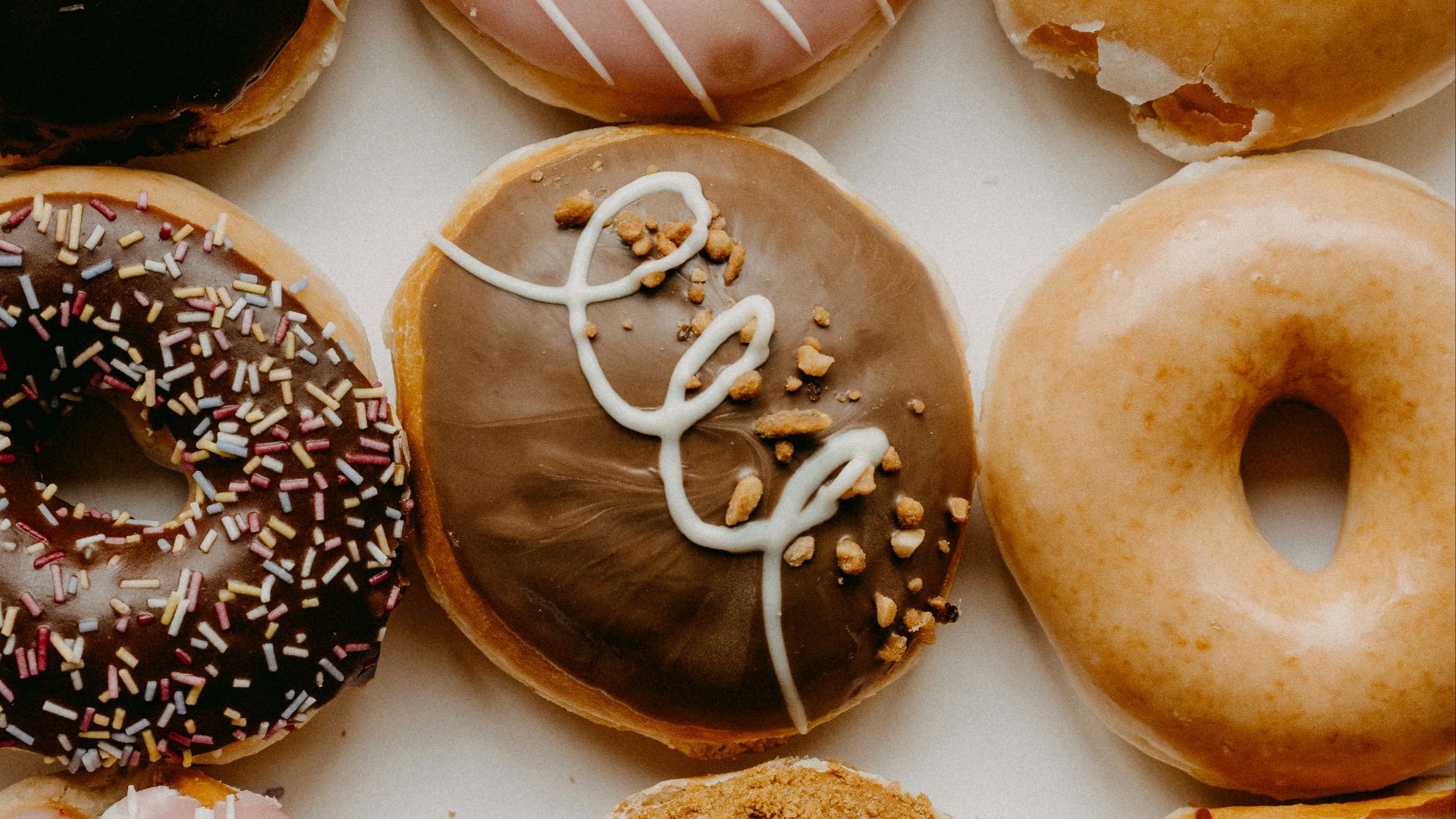
7. Doughnuts Came From Dutch Oil Cakes
Dutch settlers in New Amsterdam fried balls of sweet dough called olykoeks, or oil cakes, but the centers often came out raw. In 1847, a teenage Maine sailor named Hanson Gregory supposedly came up with a fix: cut a hole in the middle so the dough could cook evenly. Gregory later claimed credit for the invention, and a plaque in Rockport, Maine, still honors him for it.
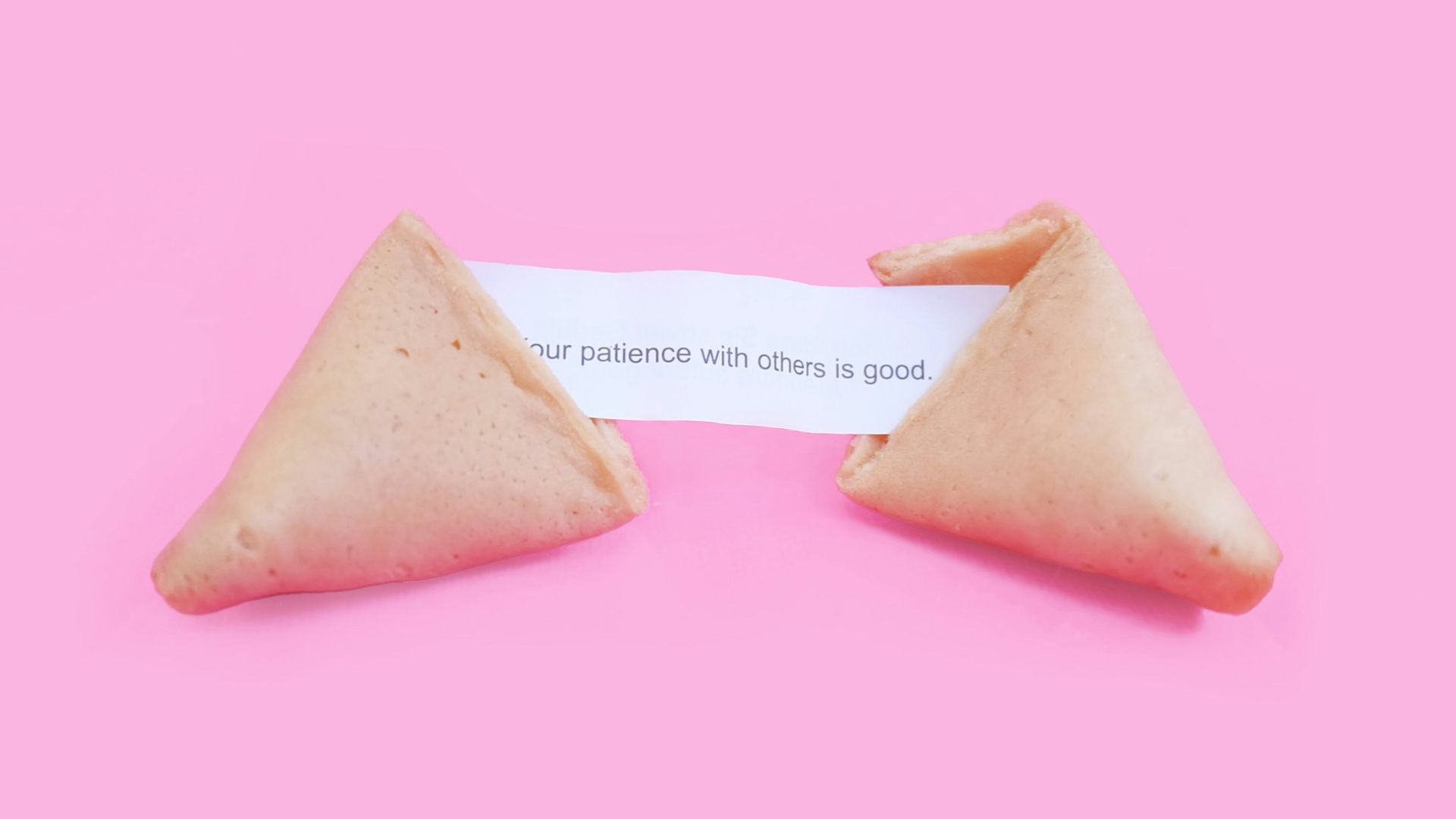
8. Fortune Cookies Trace Back to Kyoto
Bakeries near a Shinto shrine outside Kyoto still make fortune-filled crackers flavored with sesame and miso. An 1878 Japanese storybook shows them being made on hand-operated irons. Japanese immigrants brought the idea to California, where sweeter versions appeared in the early 1900s.
9. Barbecue Is a Taíno Word
The Taíno people of the Caribbean cooked meat on raised wooden frames over a fire, and the Spanish wrote down their word for it as barbacoa. A Spanish explorer used the term in print in 1526. The method moved north, and today a pulled pork sandwich in North Carolina and a brisket plate in Texas both carry the name.
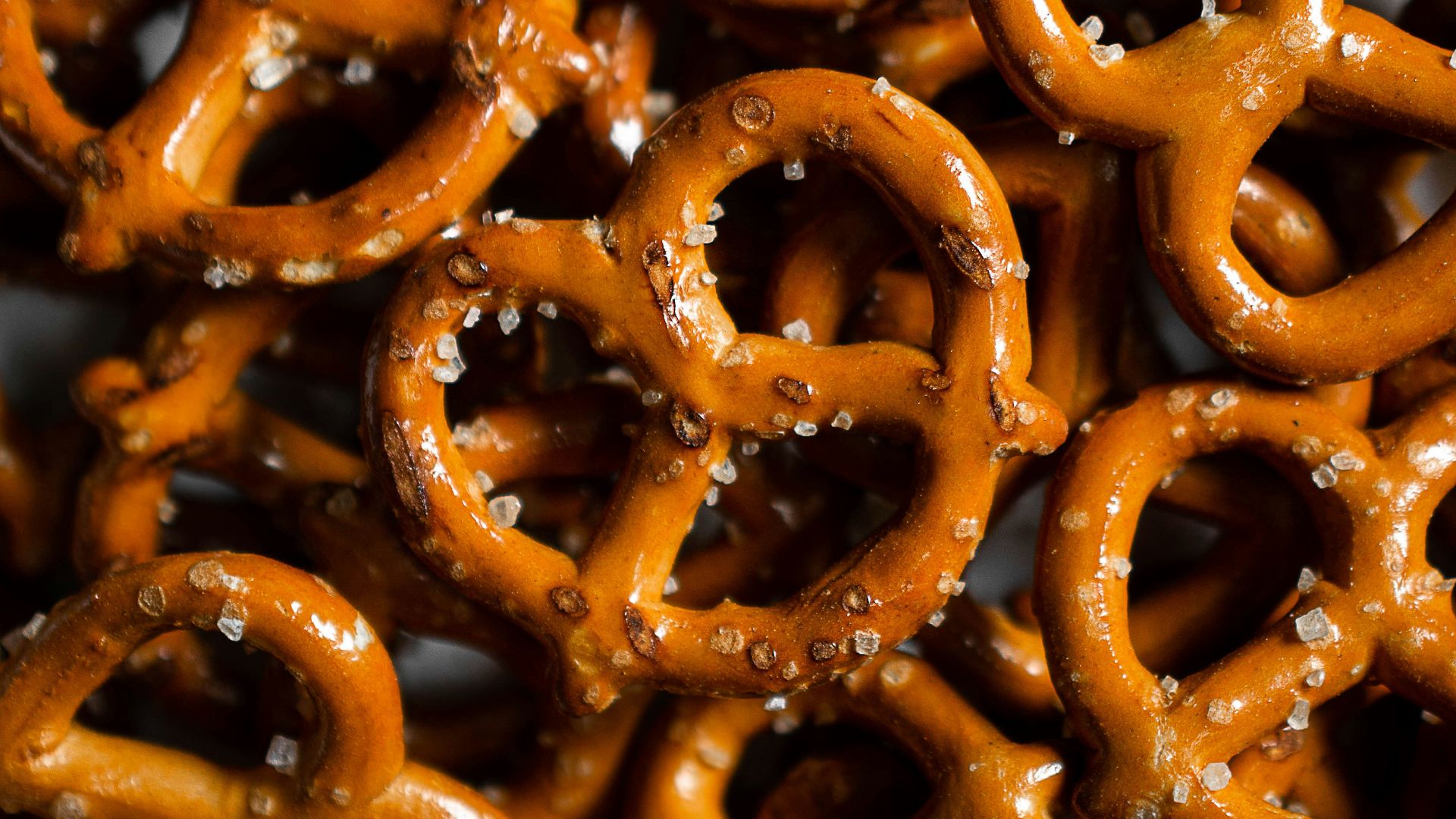
10. Pretzels Came Over With German Bakers
In 1861 a German immigrant named Julius Sturgis opened the country's first commercial pretzel bakery in Lititz, Pennsylvania. The bakery still runs in the same stone house, and the hard, snappable pretzel sold in bags across the country grew out of Pennsylvania's German baking tradition.
11. Chop Suey Came From Taishan
Chop suey is usually traced to tsap seui, a dish of leftovers cooked in Taishan, the southern Chinese county most early immigrants came from. Newspapers later claimed a visiting Chinese statesman invented it in 1896, though it already shows up in American print by 1888. Chop suey houses opened across the country, and for decades the dish stood in for Chinese food as a whole.
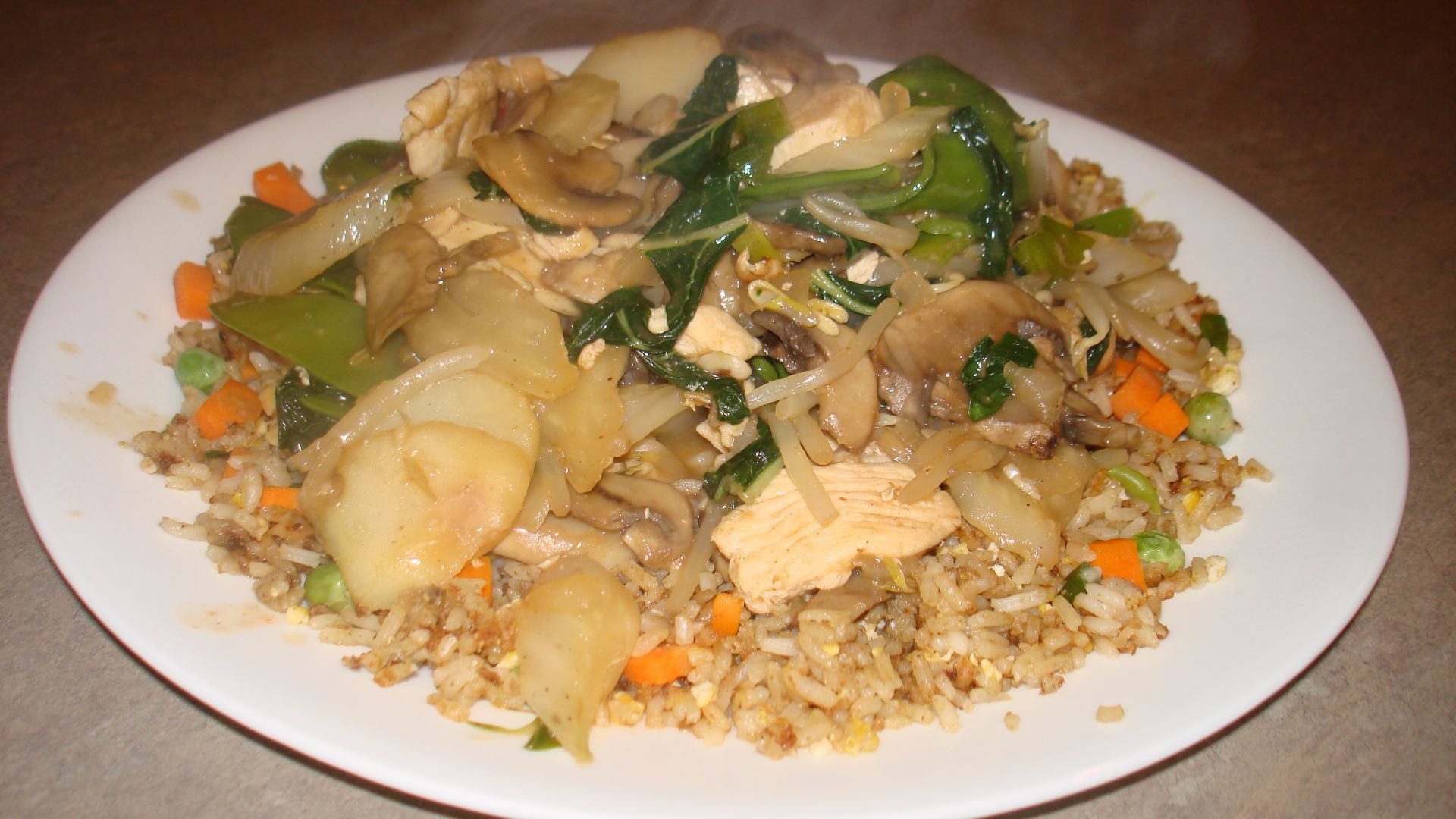 Eli Hodapp from Naperville, United States on Wikimedia
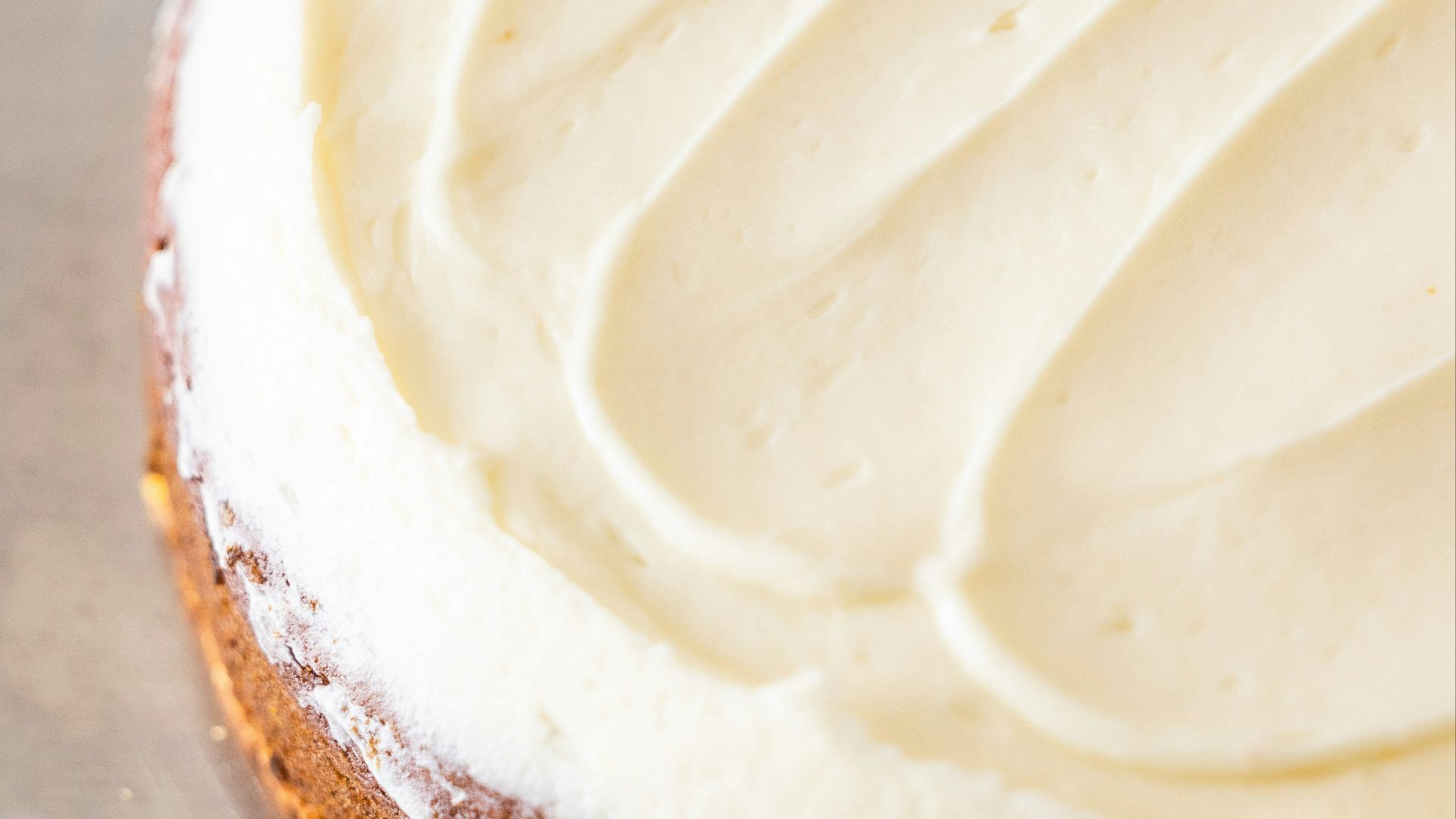
12. Cream Cheese Turned Cheesecake American
Cheesecake is an old European dessert made with curd cheeses like ricotta or quark. In 1872 a dairyman in Chester, New York, started producing cream cheese while trying to copy French Neufchâtel. A distributor named it Philadelphia because the city was known for good dairy, though none of it was made there. New York bakers swapped it in for the drier European cheeses, and the result became New York cheesecake.
13. Fried Potatoes Came Over From France
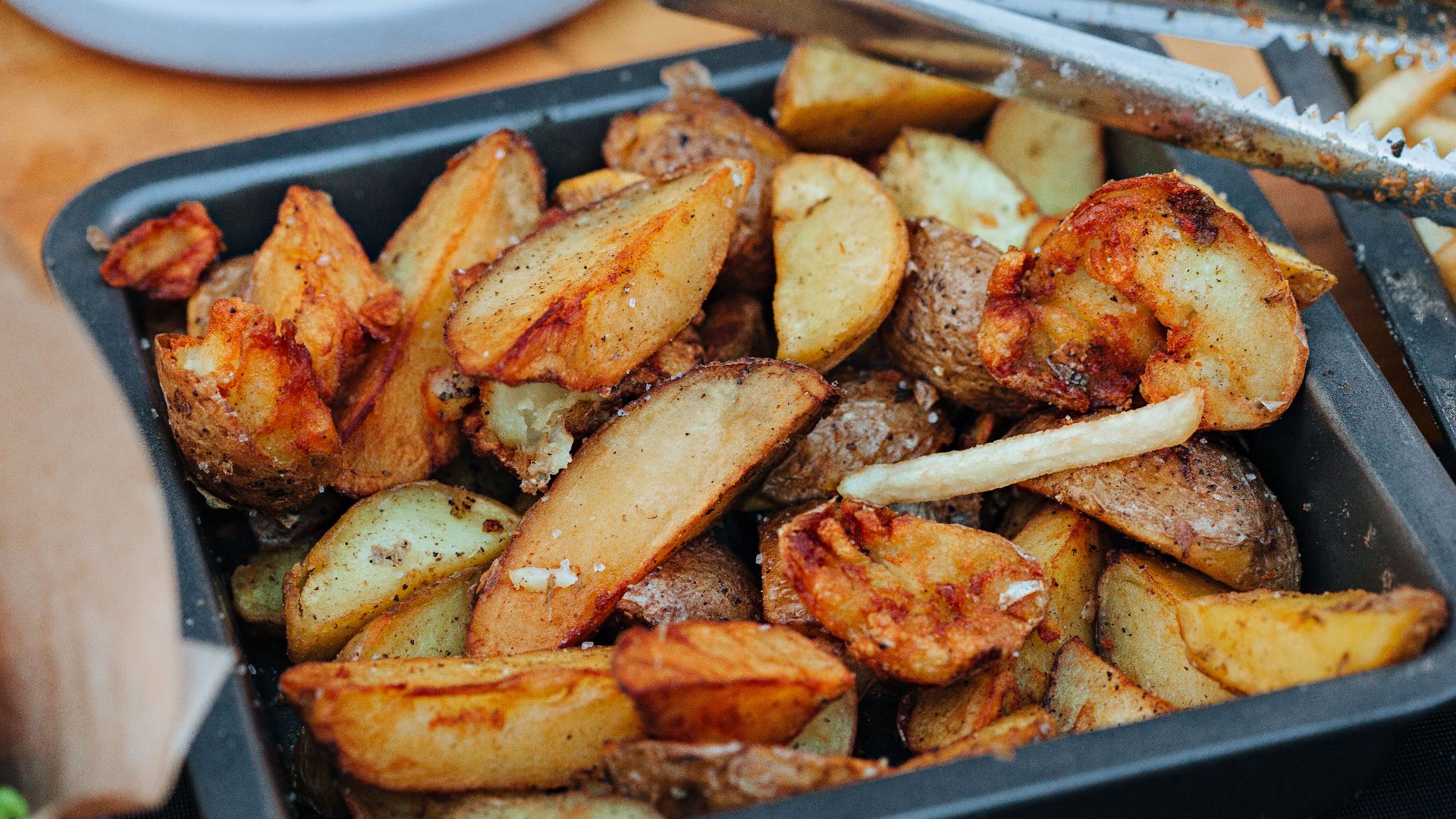
A recipe in Thomas Jefferson's handwriting from around 1802 describes raw potatoes fried in small slices, a dish he likely picked up in France. The cook who learned French technique in Paris was James Hemings, a man Jefferson enslaved. Belgium and France still argue over who fried them first.
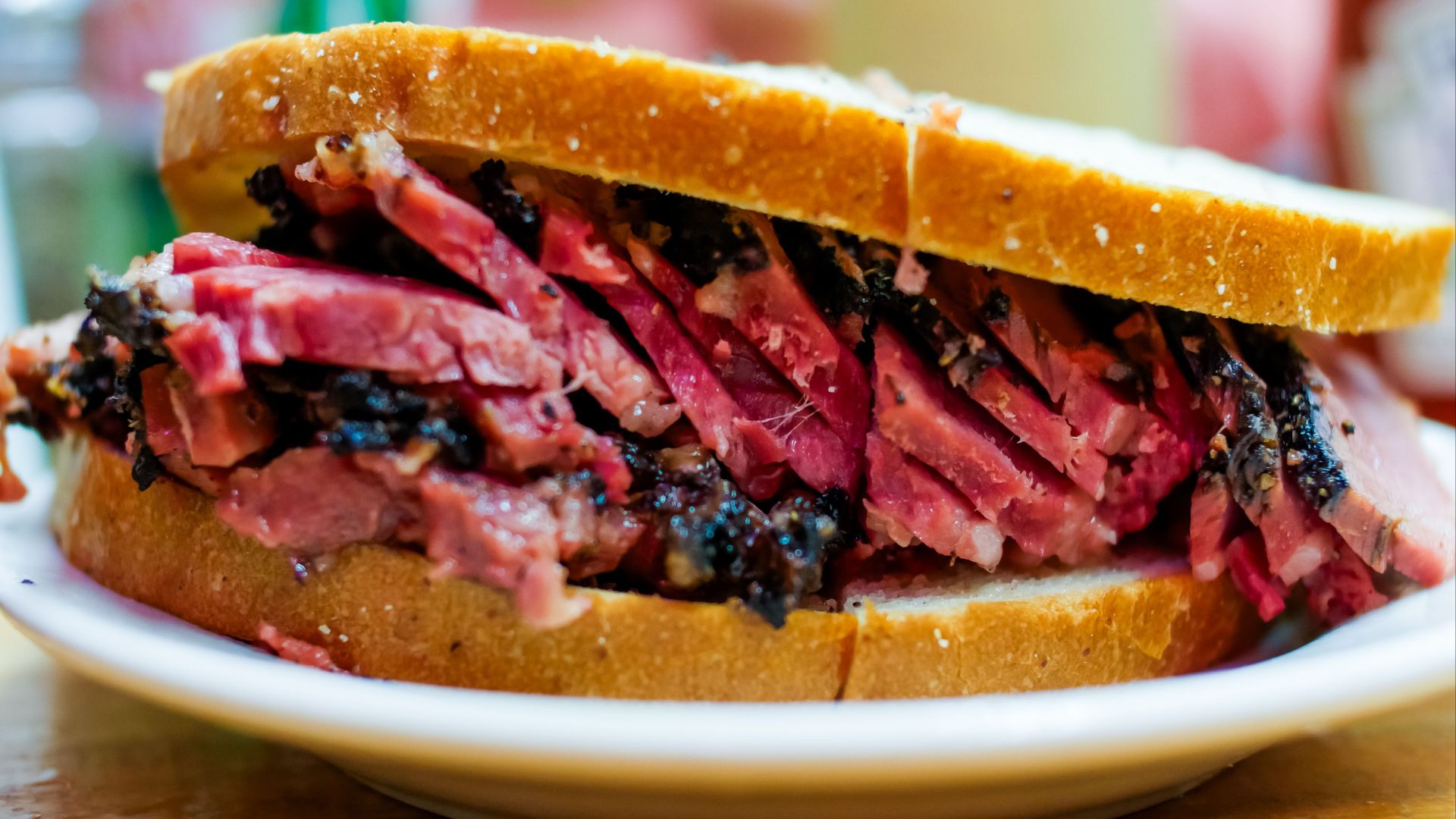
14. Pastrami Started as Romanian Goose
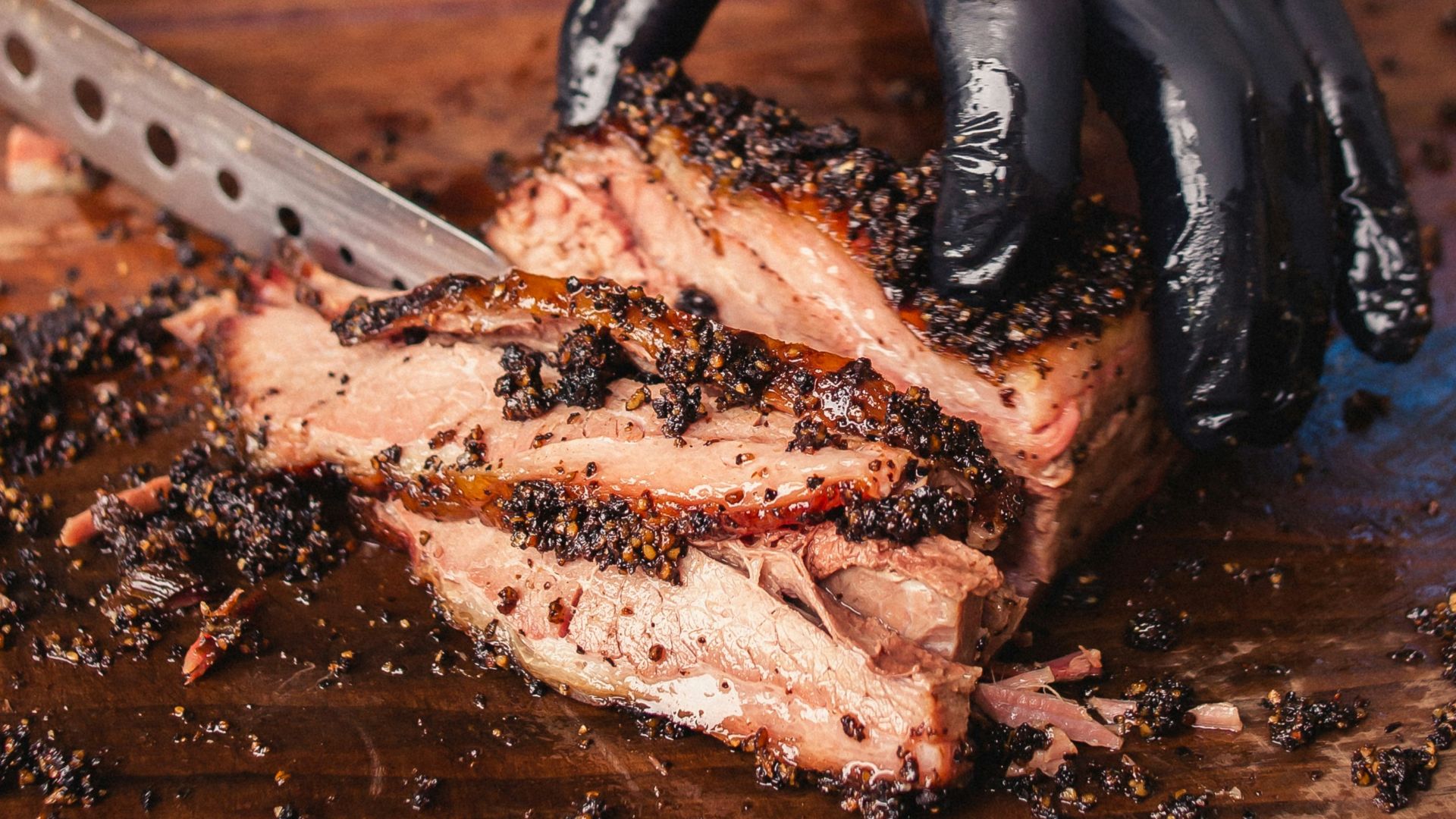
Romanian Jews salted and smoked goose breast into a preserved meat called pastramă. Beef was cheaper than goose in New York, so immigrants switched to beef. A Lithuanian butcher named Sussman Volk is often credited with the first pastrami sandwich, served on rye at his Delancey Street shop in the late 1880s.
 Letícia Fracalossi on Unsplash
15. Coleslaw Is a Dutch Word
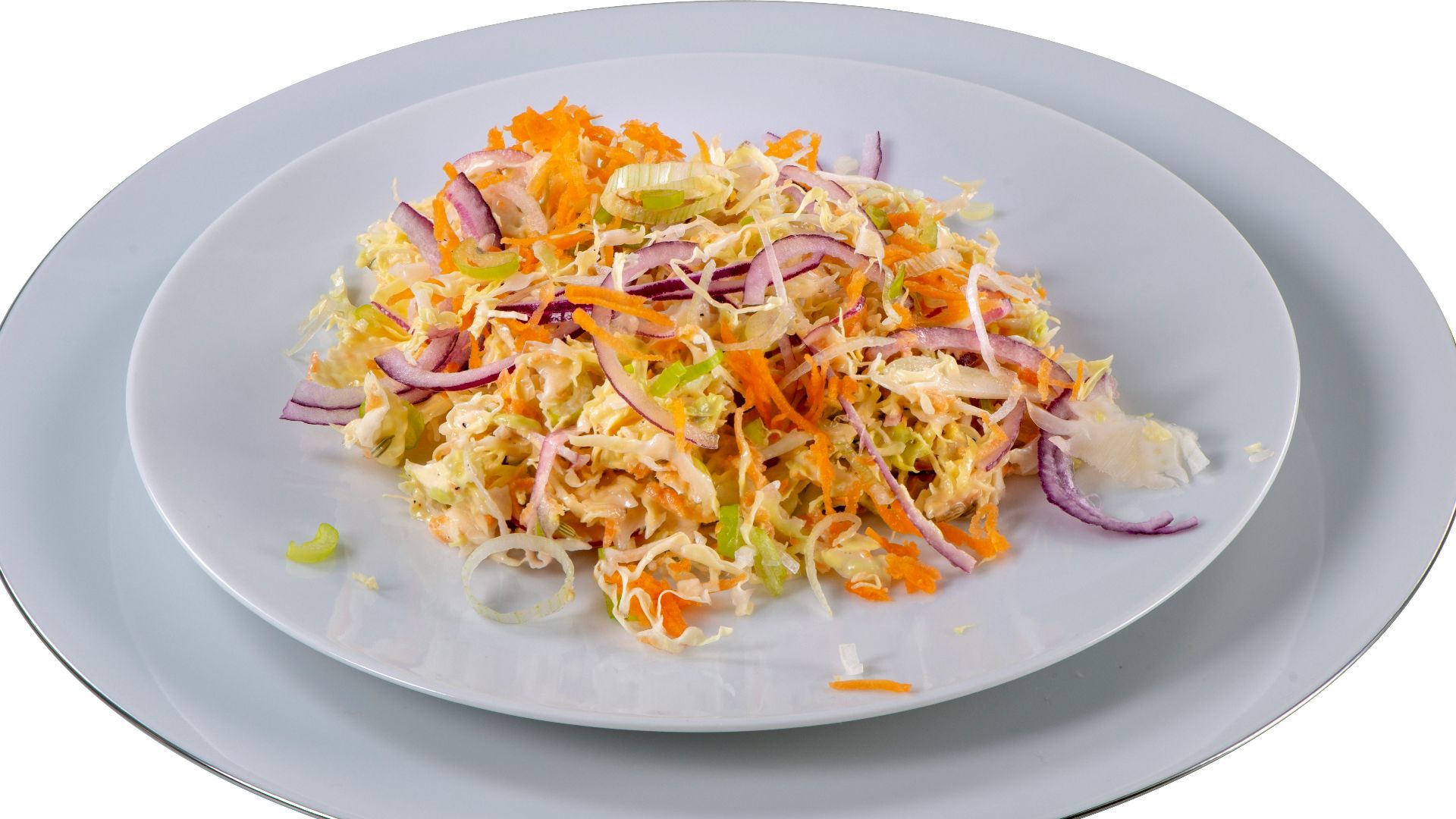
Dutch colonists in the Hudson Valley grew plenty of cabbage and called their shredded salad koolsla, or cabbage salad. A Dutch cookbook of the period dresses thin strips of it in vinegar and melted butter. For a while English speakers called it cold slaw before the current spelling took hold.
16. Nachos Were Invented Just Over the Border
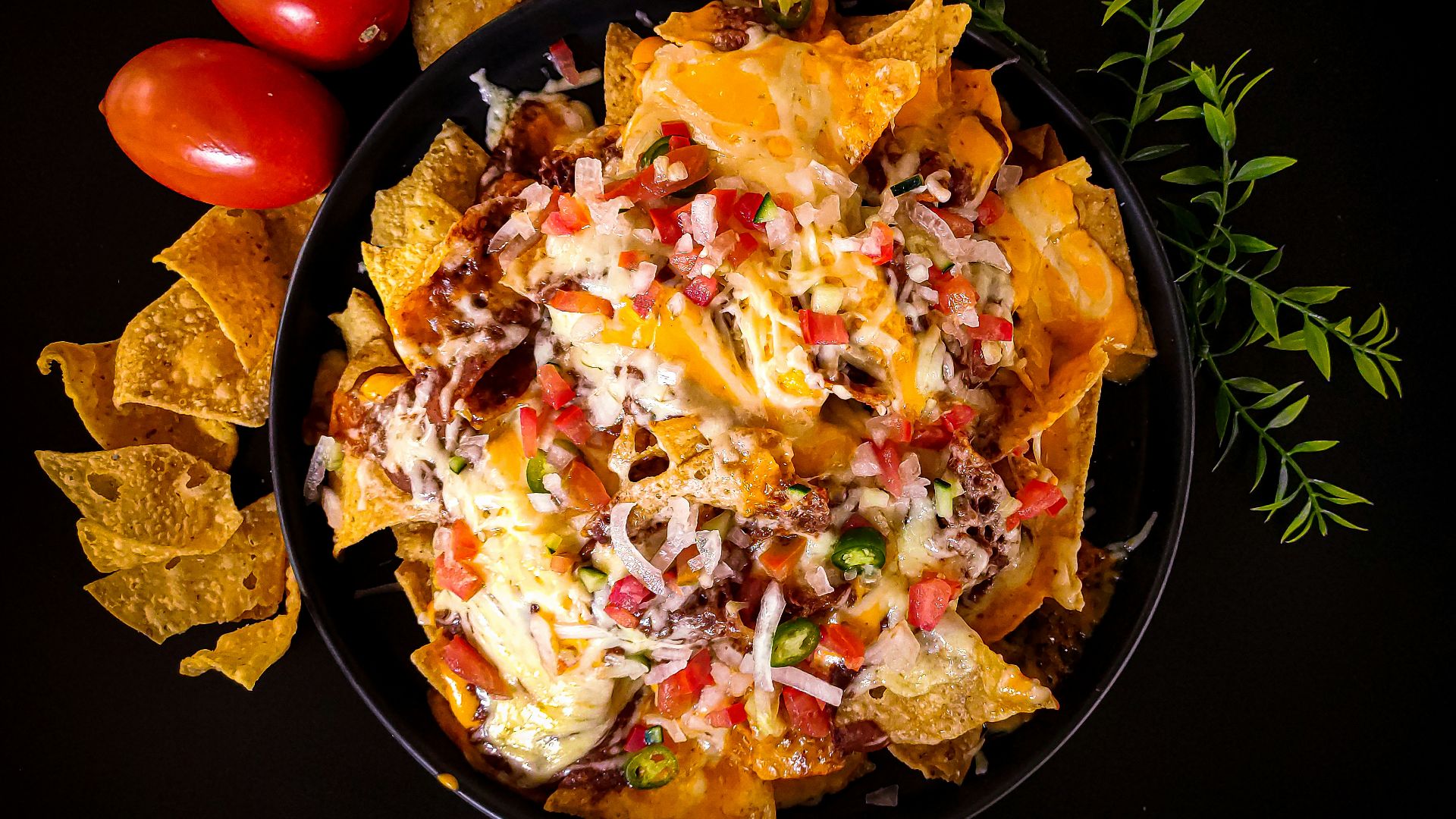
Ignacio Anaya was working as maître d' at the Victory Club in Piedras Negras, Coahuila, in 1943 when a group of American military wives asked for a snack. He topped fried tortilla pieces with cheese and pickled jalapeños, and the dish took his nickname. It spread through Texas and the Southwest, and Piedras Negras now holds a nacho festival every October.
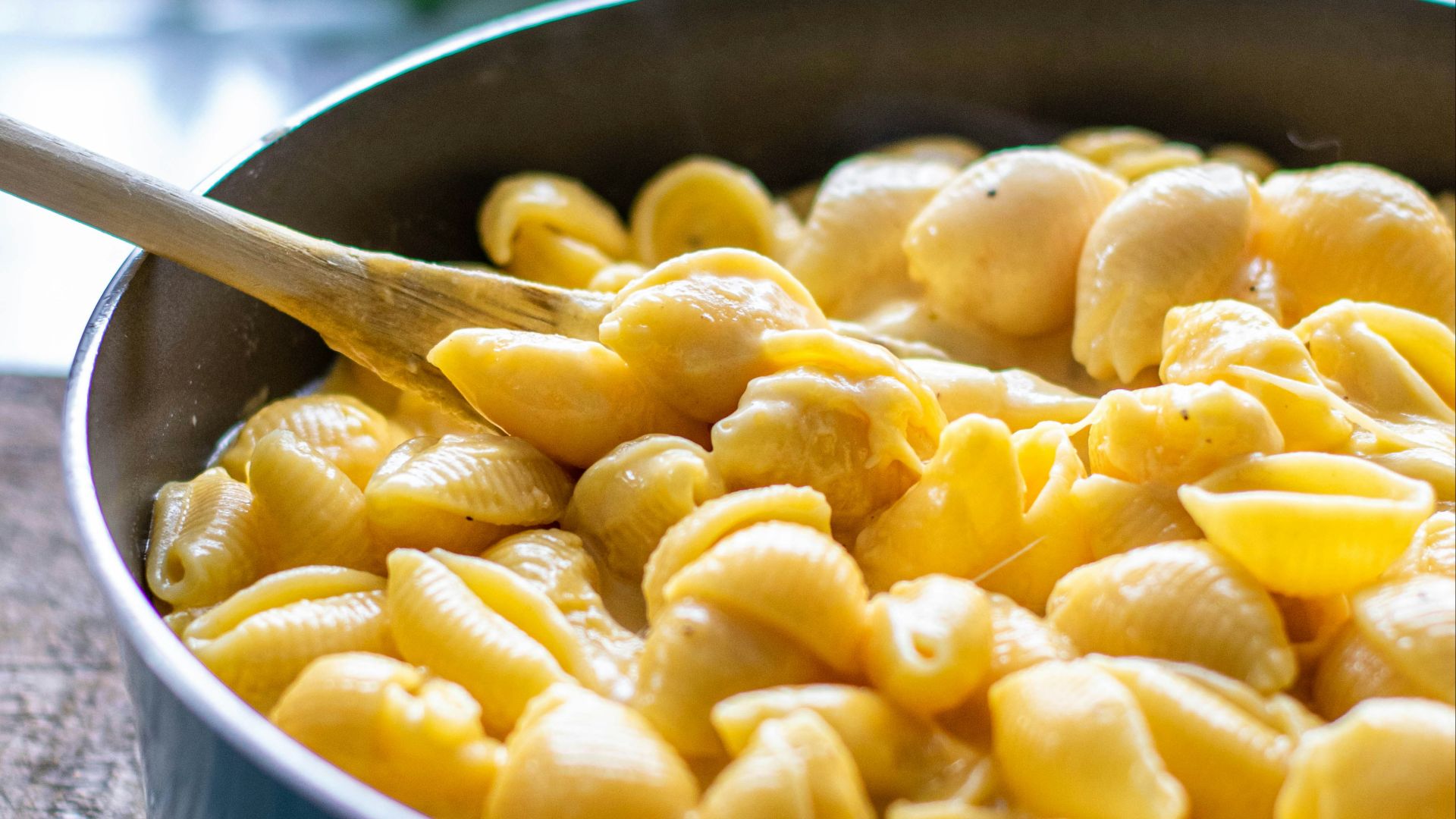
17. Macaroni and Cheese Arrived From European Kitchens
Cooks in Europe were baking pasta with cheese for centuries before the dish showed up in American cookbooks. Kraft put it in a box in 1937, with the promise that one package fed a family of four for 19 cents. Americans bought about 8 million boxes that first year.
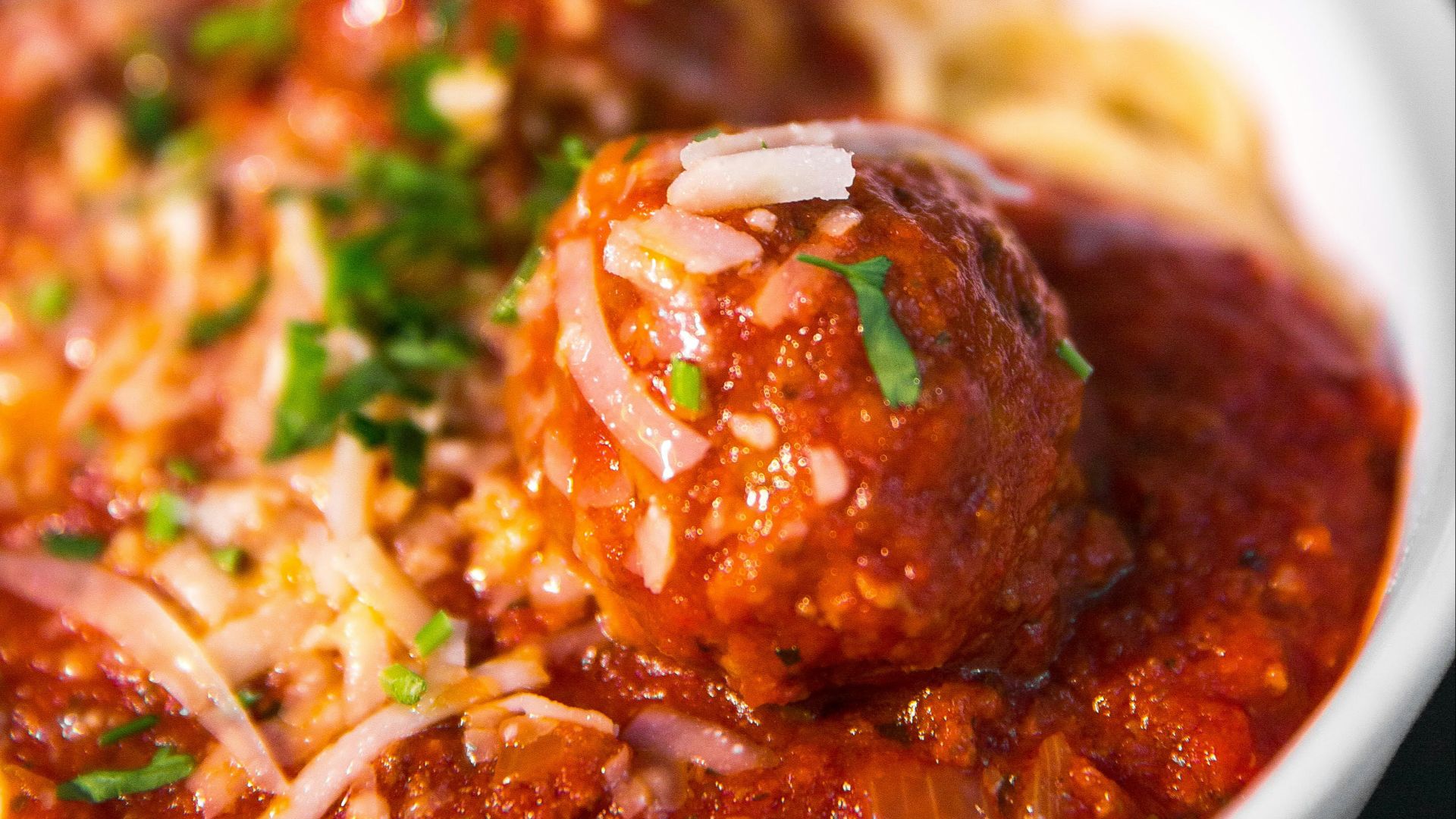
18. Spaghetti and Meatballs Is Italian American
Meatballs in southern Italy were small and usually eaten on their own, separate from the pasta course. Italian immigrants in New York could afford more meat than they could at home, so the meatballs got bigger and landed on top of the spaghetti. A New York cookbook printed a recipe for pasta with meatballs and tomato sauce in 1888.
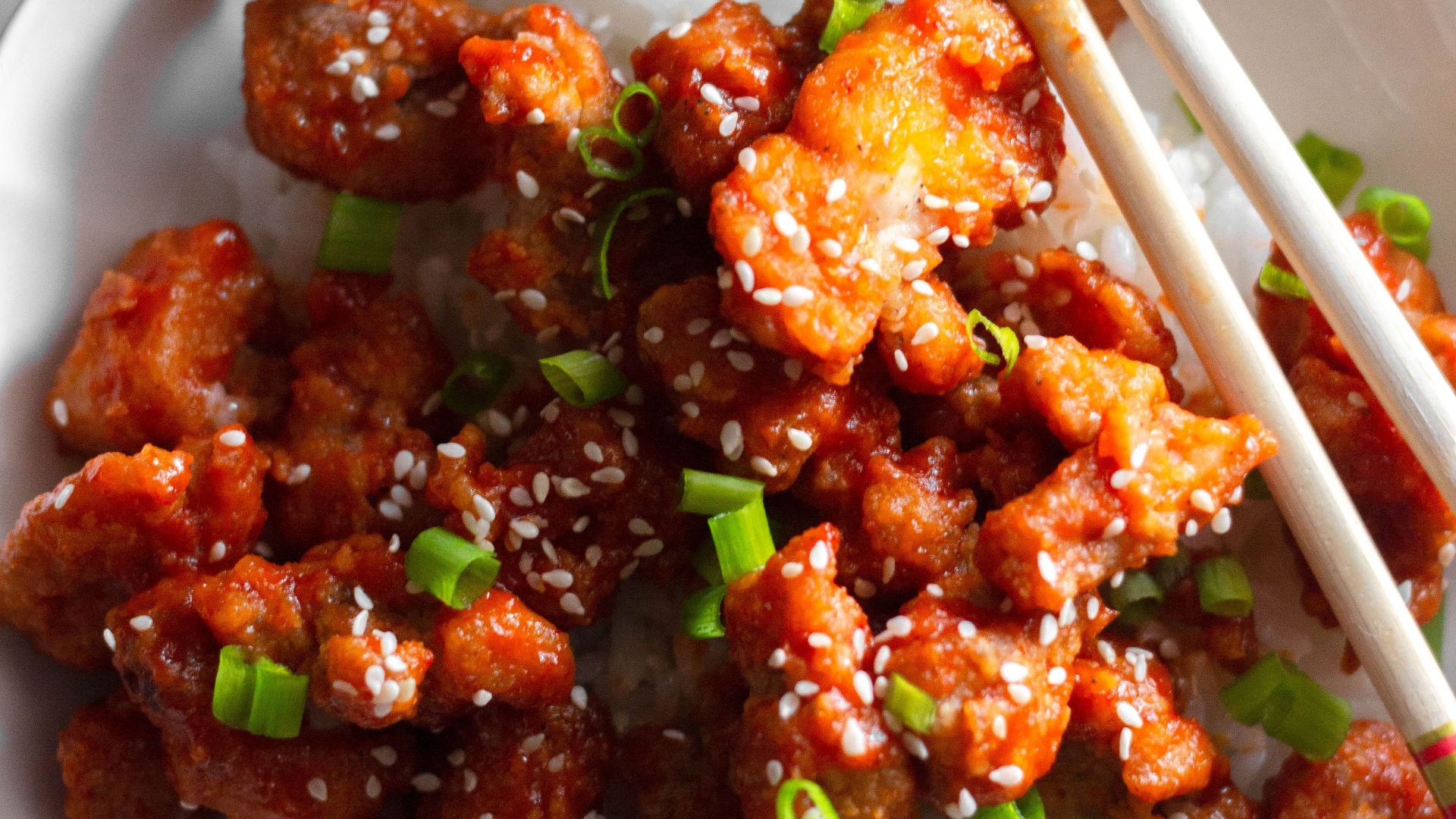
19. General Tso's Chicken Was Invented in Taiwan
A Hunanese chef named Peng Chang-kuei created General Tso's chicken in Taiwan in the 1950s. He opened a restaurant in New York in 1973, and the dish got sweeter and crispier as other chefs copied it. It stayed mostly a New York dish until the 1990s, when Fujianese immigrants running restaurants across the East Coast put it on their menus.
20. The California Roll Came From Los Angeles Sushi Chefs
Japanese chefs in Los Angeles started putting avocado in sushi rolls when good fatty tuna was hard to get, and one account credits Ichiro Mashita at Tokyo Kaikan in Little Tokyo. They added crab and turned the roll inside out, with the rice on the outside, for customers who didn't like the look of seaweed. A chef in Vancouver says he invented it too.
 www.bluewaikiki.com on Wikimedia
KEEP ON READING