Nobody Wants to Give Up the Credit
Food history would be much simpler if every famous dish came with an inventor, a date, and a clearly marked birthplace, but of course, it's never that simple. Many beloved foods have several countries, cities, or chefs insisting they got there first. Recipes also travel, change names, and evolve over generations, which makes figuring out who truly invented something surprisingly difficult. From national dishes to everyday snacks, these 20 foods still have origin stories that people can't quite agree on.
1. French Fries
Despite the name, Belgium has long argued that French fries are actually Belgian. One popular story claims villagers near the Meuse River began frying potatoes when frozen waterways prevented them from catching fish, while France has its own history of fried potato sellers in Paris. Historians haven't found enough evidence to give either country an uncontested victory, so the argument continues.
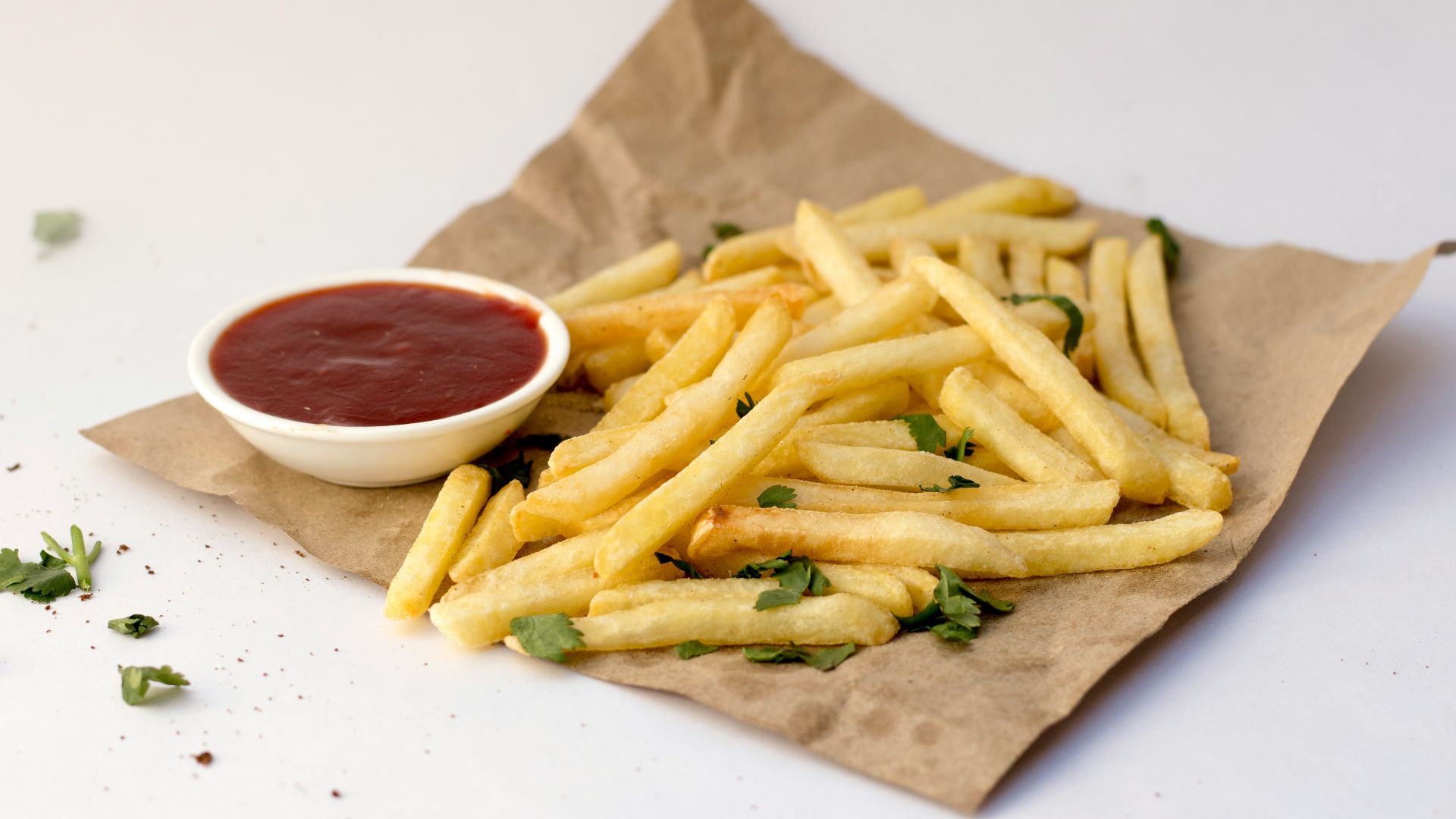 Pixzolo Photography on Unsplash
2. Hummus
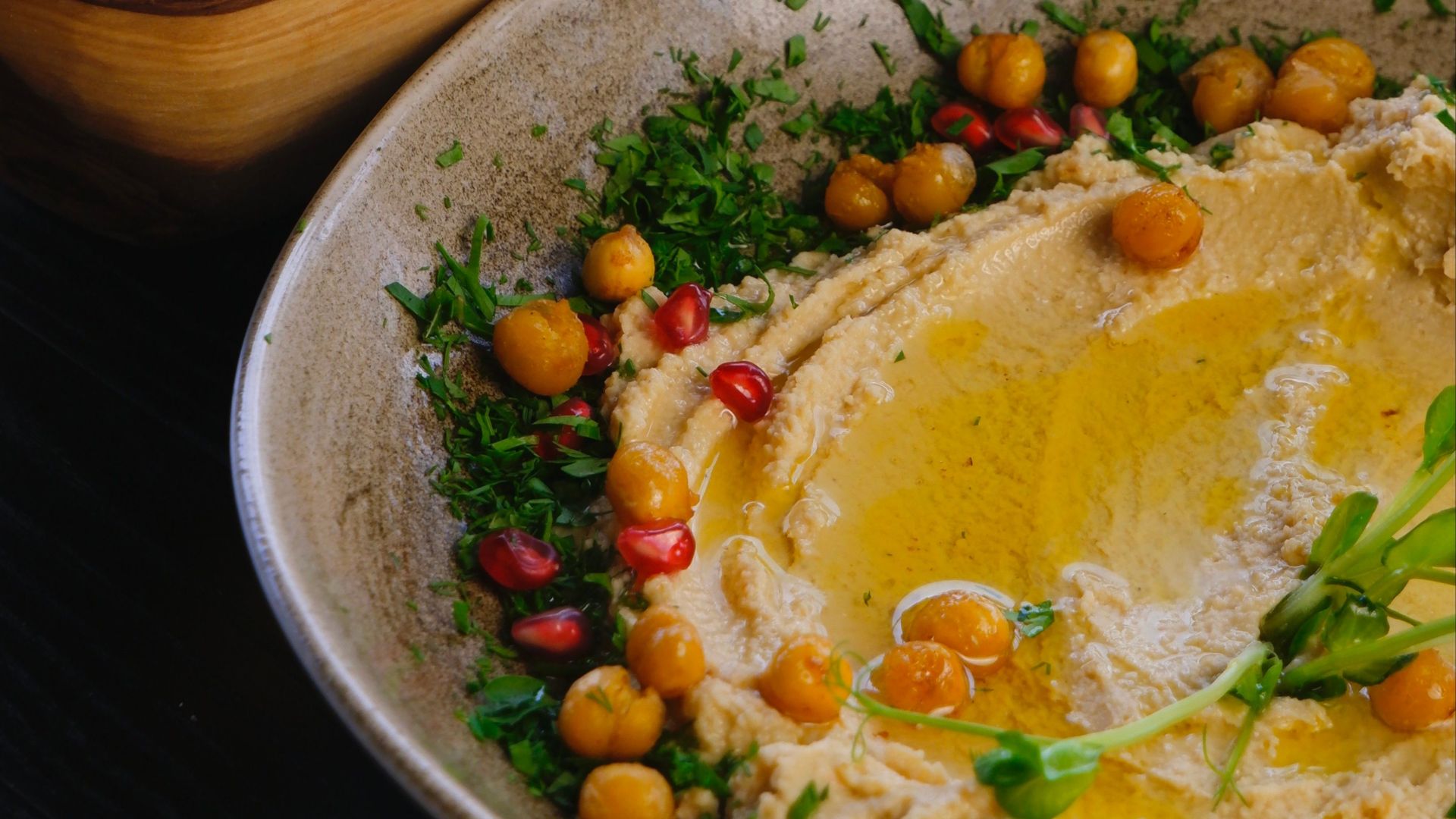
Several Middle Eastern cultures have strong historical connections to hummus, making its exact birthplace difficult to pin down. Lebanon, Israel, Palestine, Syria, Egypt, and other parts of the region have all been associated with versions of the chickpea-and-tahini dip. Recipes resembling modern hummus appear in centuries-old Middle Eastern cookbooks, but there's no clear record showing exactly who prepared it first.
3. Pavlova
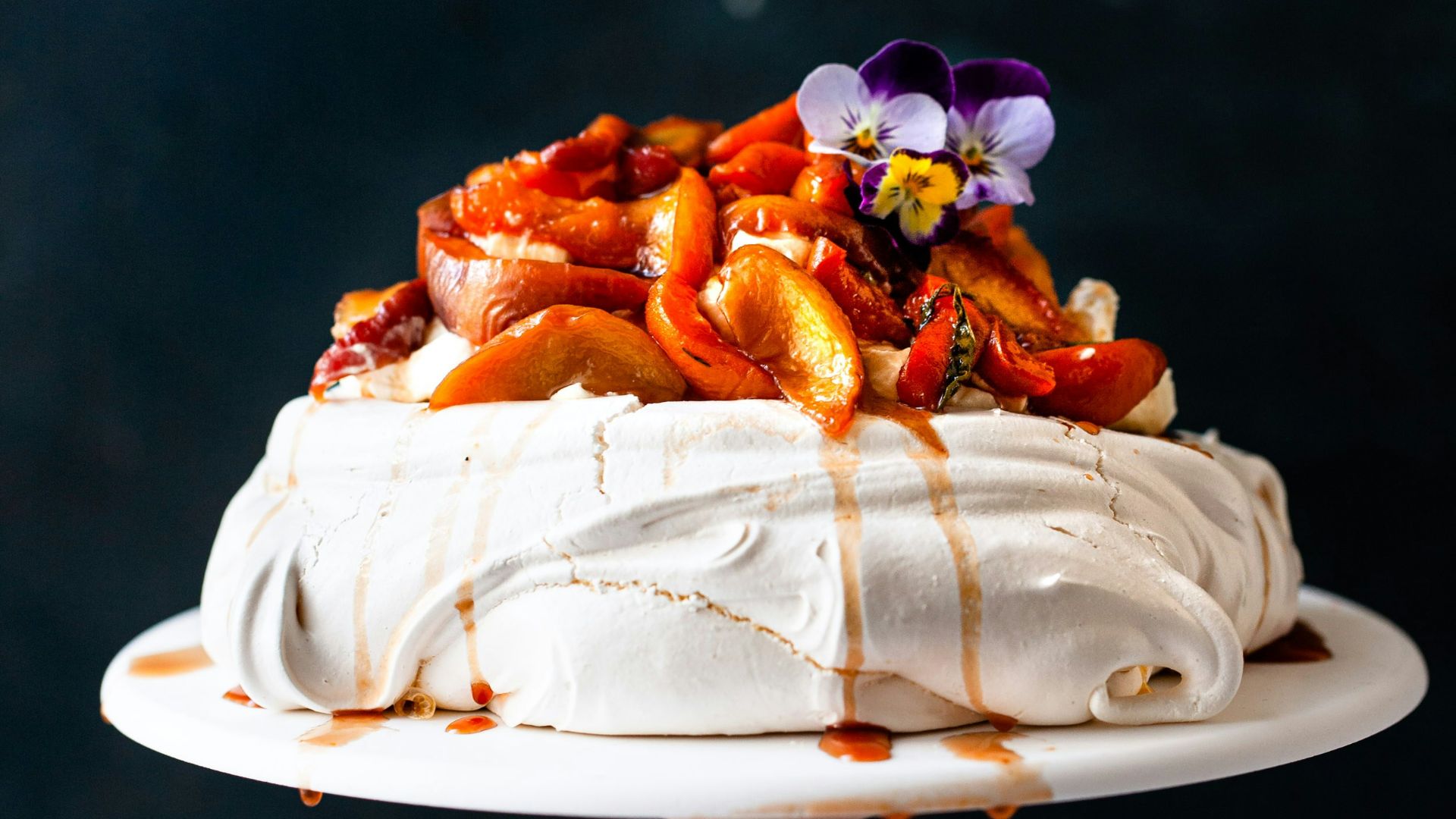
Australia and New Zealand have been arguing over pavlova for generations. Both countries claim the meringue dessert topped with cream and fruit was created in honor of Russian ballerina Anna Pavlova after she toured the region in the 1920s. New Zealand has some early recipes on its side, while Australians have their own historical evidence, leaving this dessert rivalry very much alive.
4. Chicken Tikka Masala
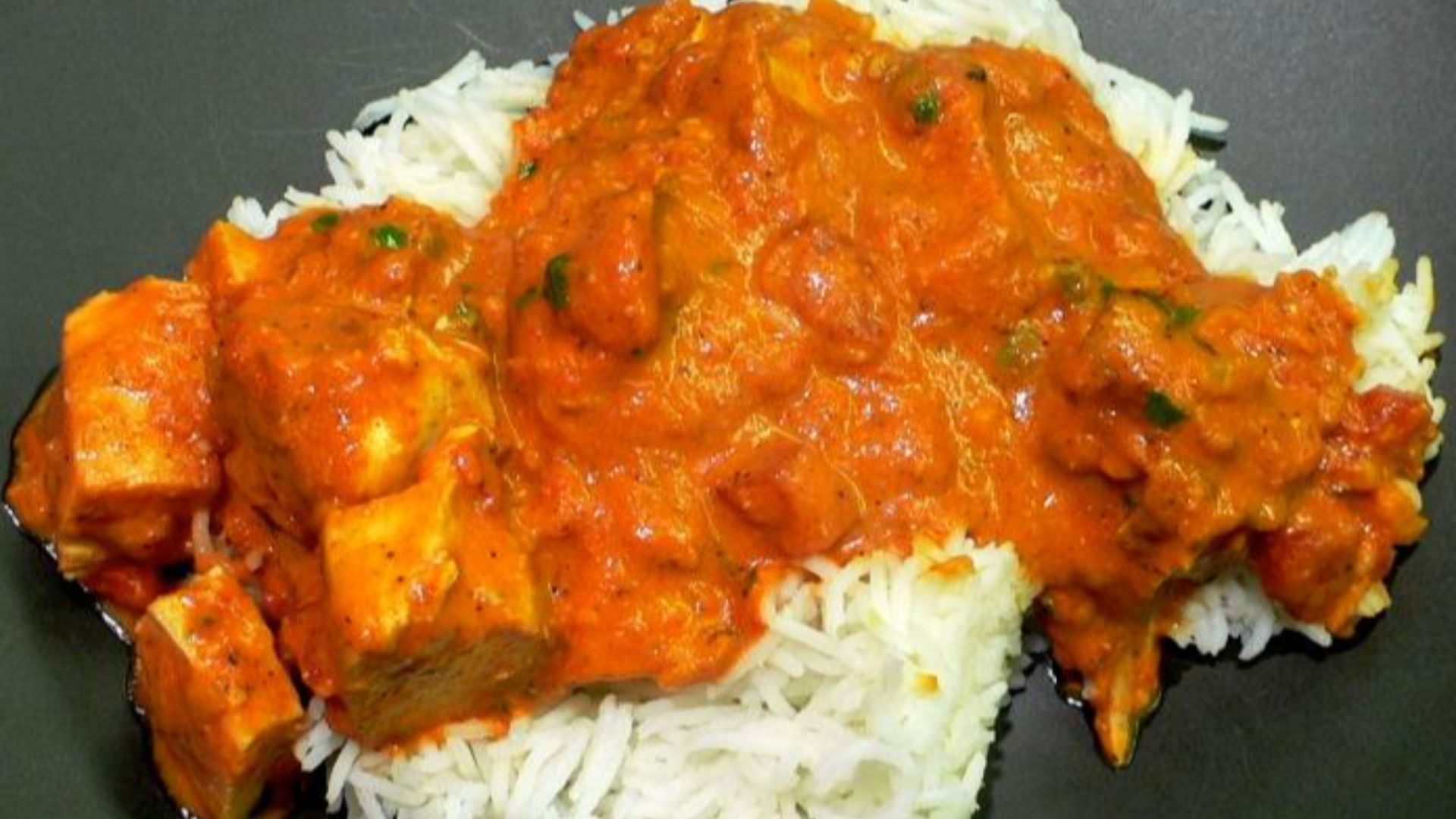
Chicken tikka clearly has South Asian roots, but the creamy sauce surrounding it creates the controversy. One famous account credits Glasgow restaurateur Ali Ahmed Aslam with improvising the dish for a customer who wanted sauce with his chicken, while others argue similar preparations already existed in South Asian cooking. As a result, chicken tikka masala can comfortably appear on both British and Indian restaurant menus without settling the question.
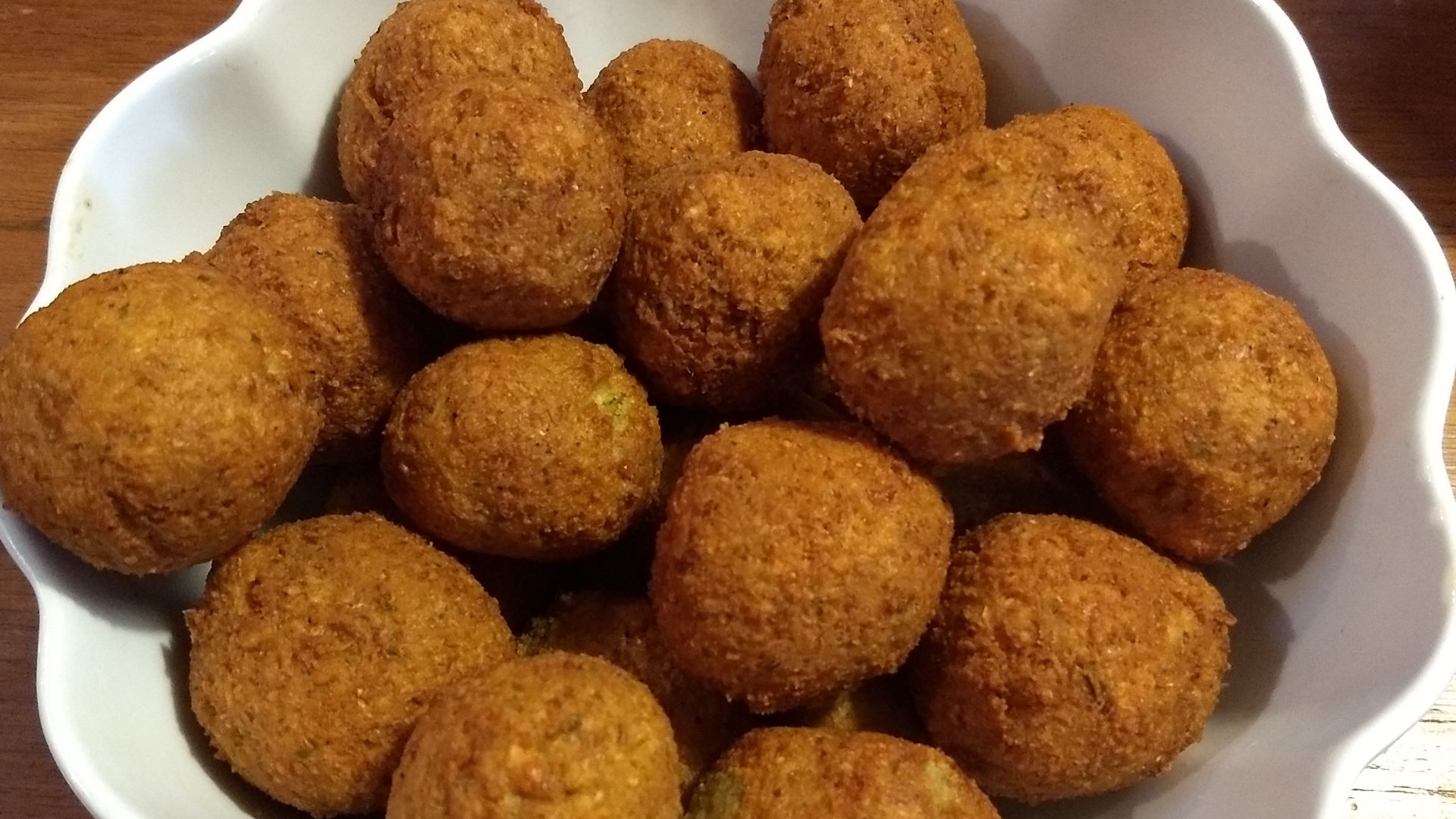
5. Falafel
Falafel is eaten throughout the Middle East, but agreeing on where it began is another matter. Egypt is often suggested as an early birthplace, where the dish may originally have been made with fava beans, while versions built around chickpeas became widespread elsewhere. Palestinians, Lebanese, Syrians, Israelis, and other communities have all incorporated falafel deeply into their food traditions, making a single national origin hard to establish.
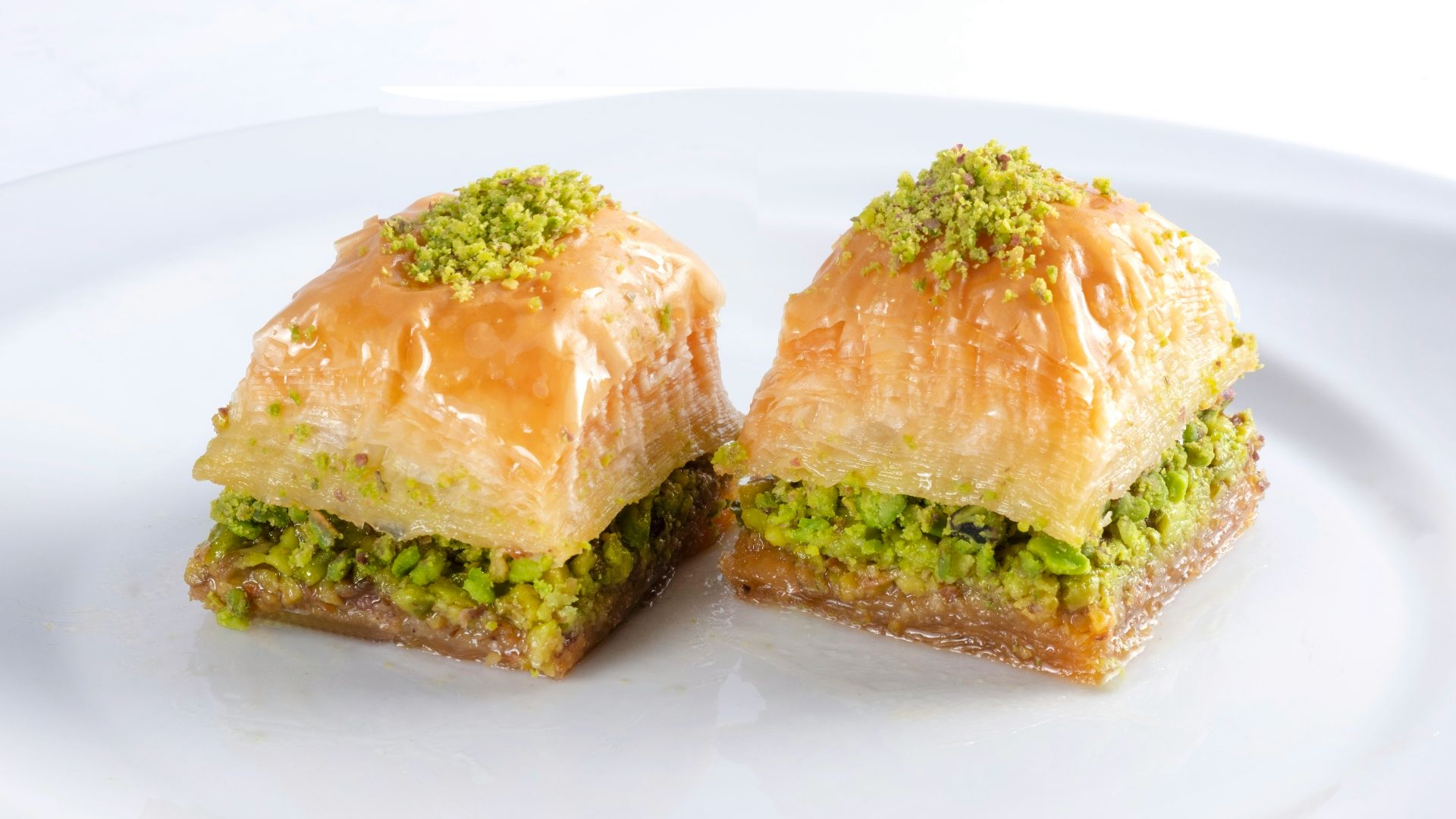
6. Baklava
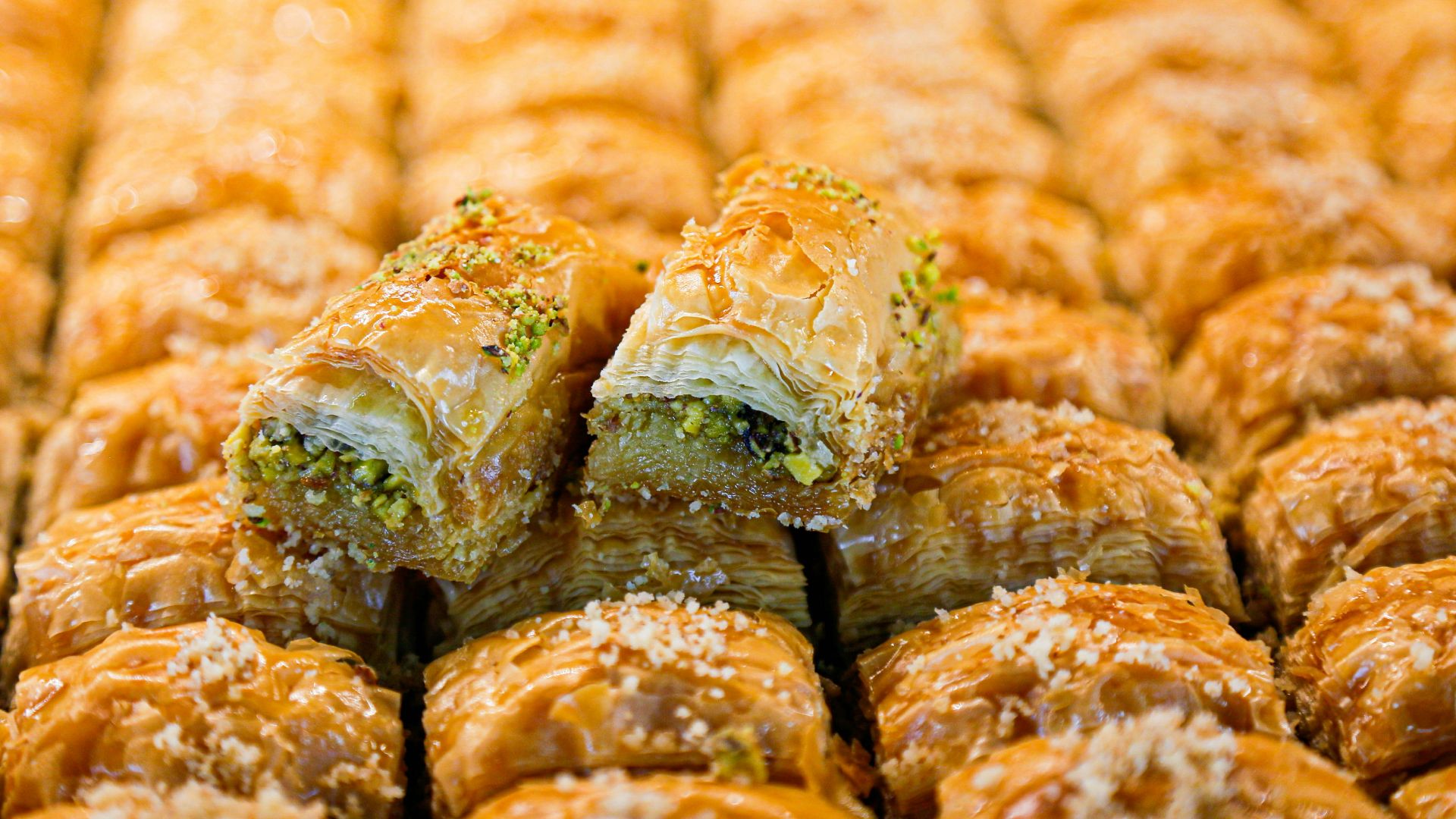
Few desserts can start a regional debate as quickly as baklava. Turkey, Greece, Armenia, and several Middle Eastern and Balkan cultures all have their own version of a pastry based on honey, nuts, and phyllo dough. The type people recognize today was strongly associated with the Ottoman Empire, but its earlier influences stretch across so many cultures that calling it exclusively one country's invention oversimplifies things.
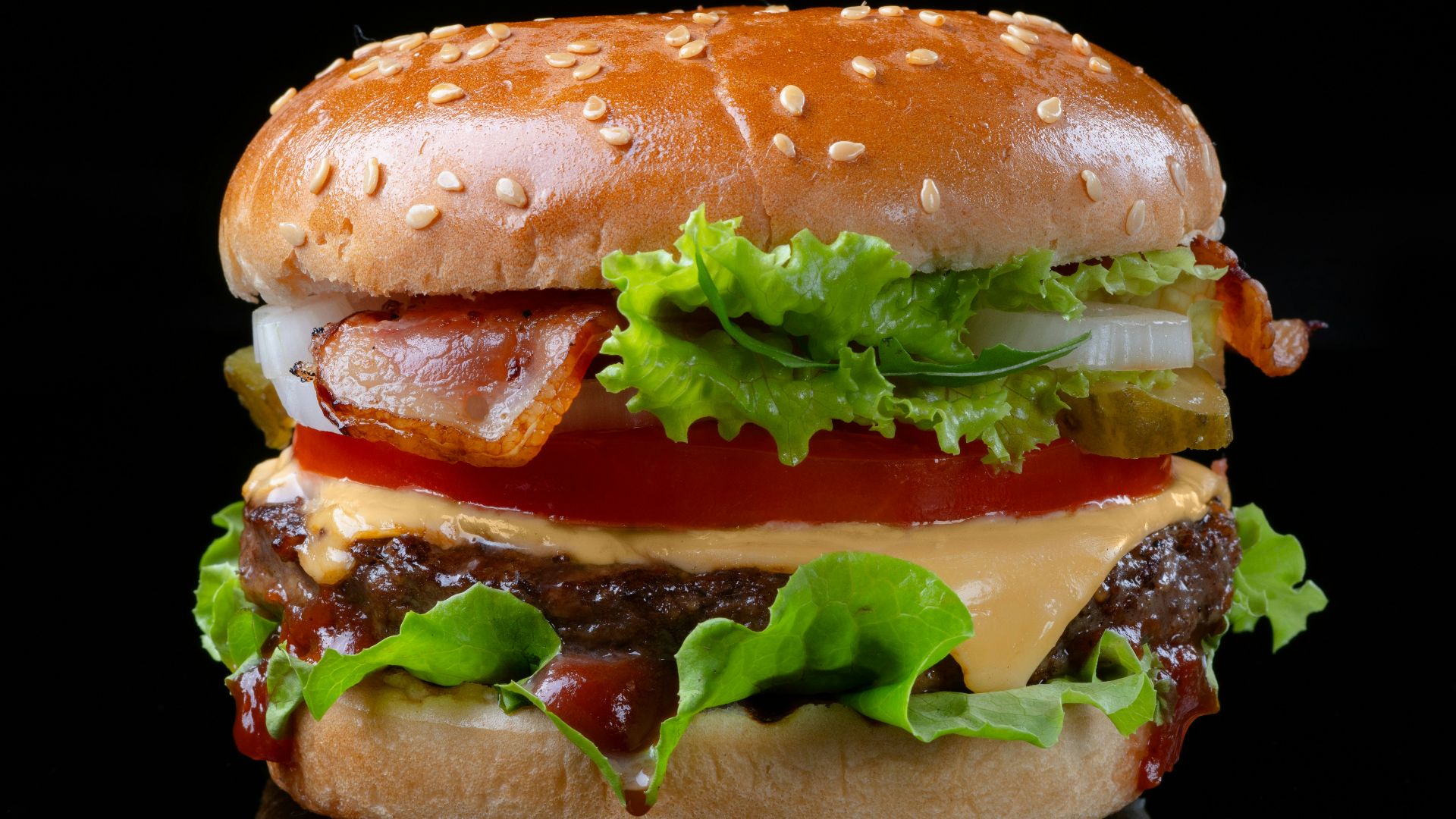
7. The Hamburger
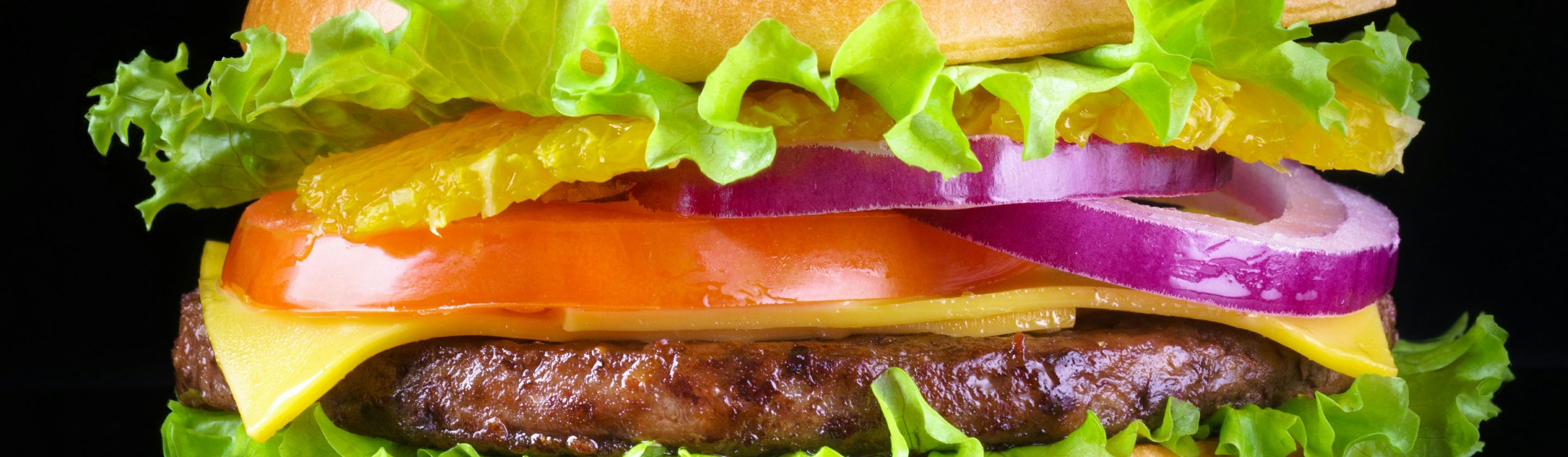
Ask several American cities where the hamburger was invented, and you might get several different but very confident answers. Claims have come from several U.S. cities, but the truth is that placing where someone first placed ground beef between bread proves difficult. Hamburg-style chopped beef existed even earlier, so determining who first transformed it into the modern sandwich has proved difficult.
 David Foodphototasty on Unsplash
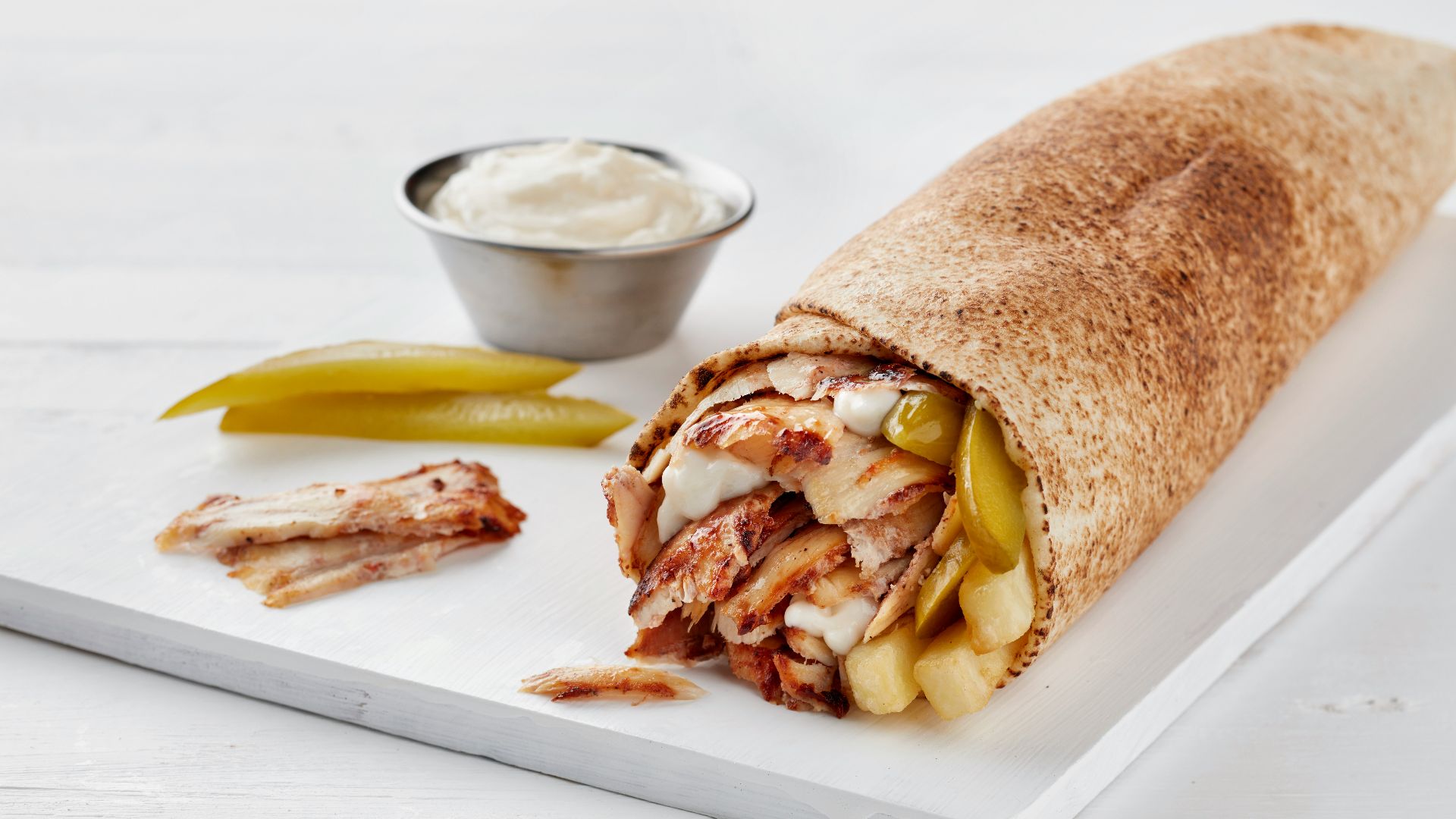
8. Shawarma
Shawarma is closely associated with several Middle Eastern cuisines. The cooking technique of roasting meat on a vertical spit is generally linked to the Ottoman Empire, but Turkey, Lebanon, Syria, and other countries all have strong historical ties to versions of the dish. Because it spread across the region and evolved locally, no single modern country has an uncontested claim to inventing it.
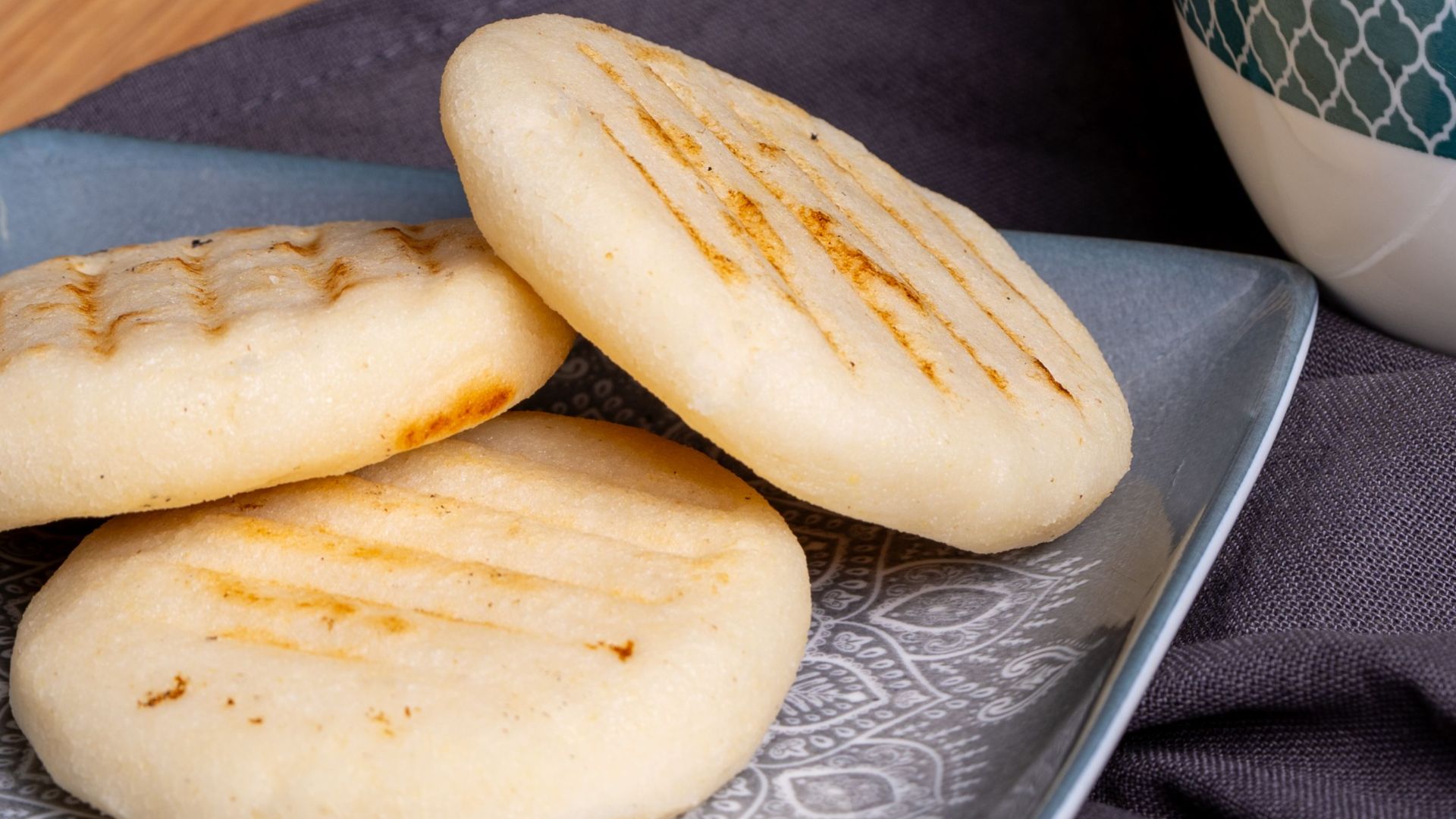
9. Arepas
Colombia and Venezuela have spent years debating which country can truly claim the arepa. Both have deeply rooted traditions surrounding the corn-based flatbread, but its history stretches back to Indigenous communities that lived in the region long before modern borders existed. That makes it difficult to award ownership to either country, but that doesn't stop Colombians and Venezuelans from arguing their case.
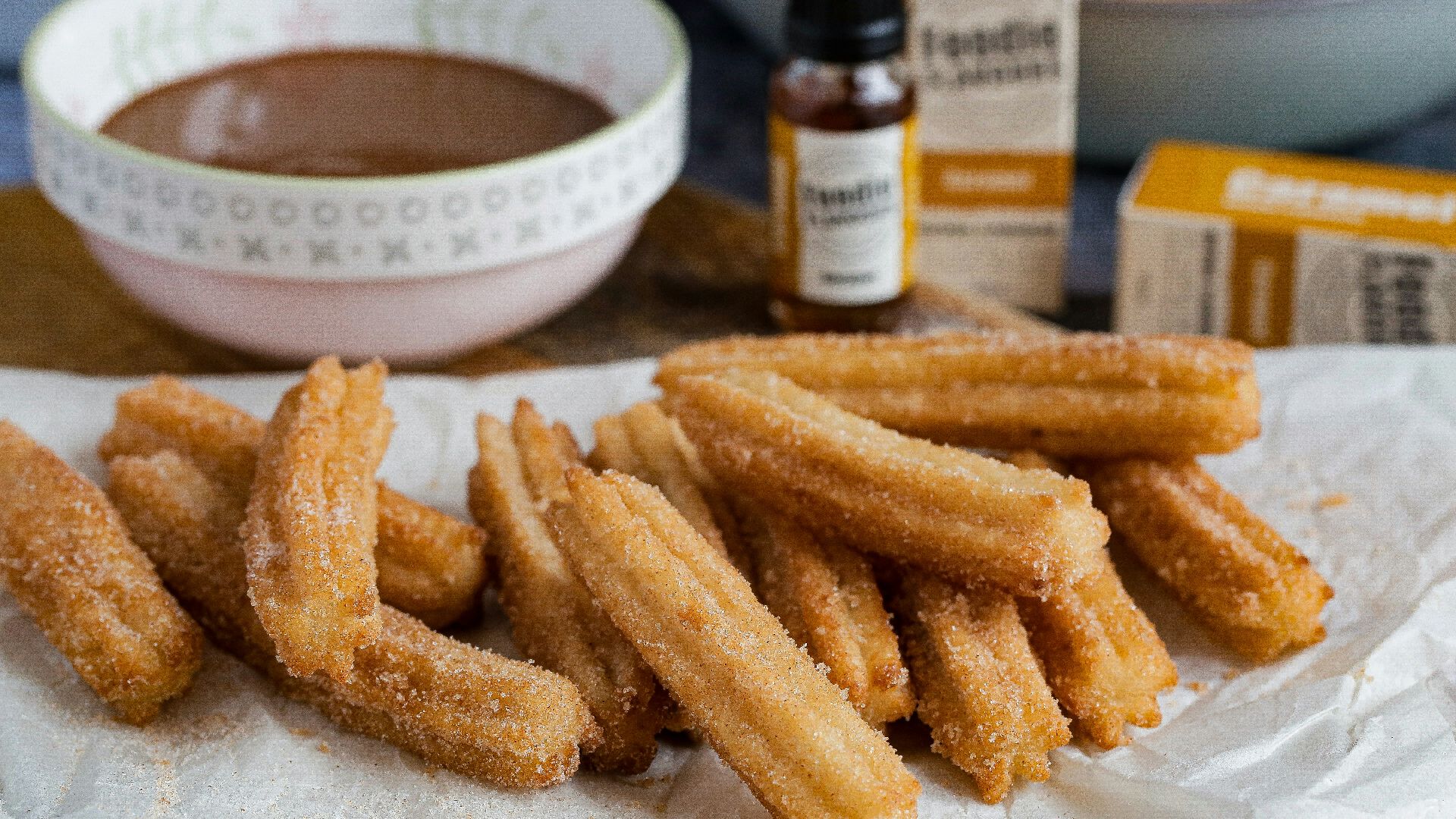
10. Churros
Spain is strongly associated with churros today, although exactly how the fried pastry developed remains uncertain. One theory connects the snack to Spanish shepherds who needed an easy dough they could fry, while another links it to Asian fried dough traditions that Portuguese travelers may have encountered. The evidence isn't strong enough to turn either story into a definitive answer, leaving churros with a surprisingly international mystery behind them.
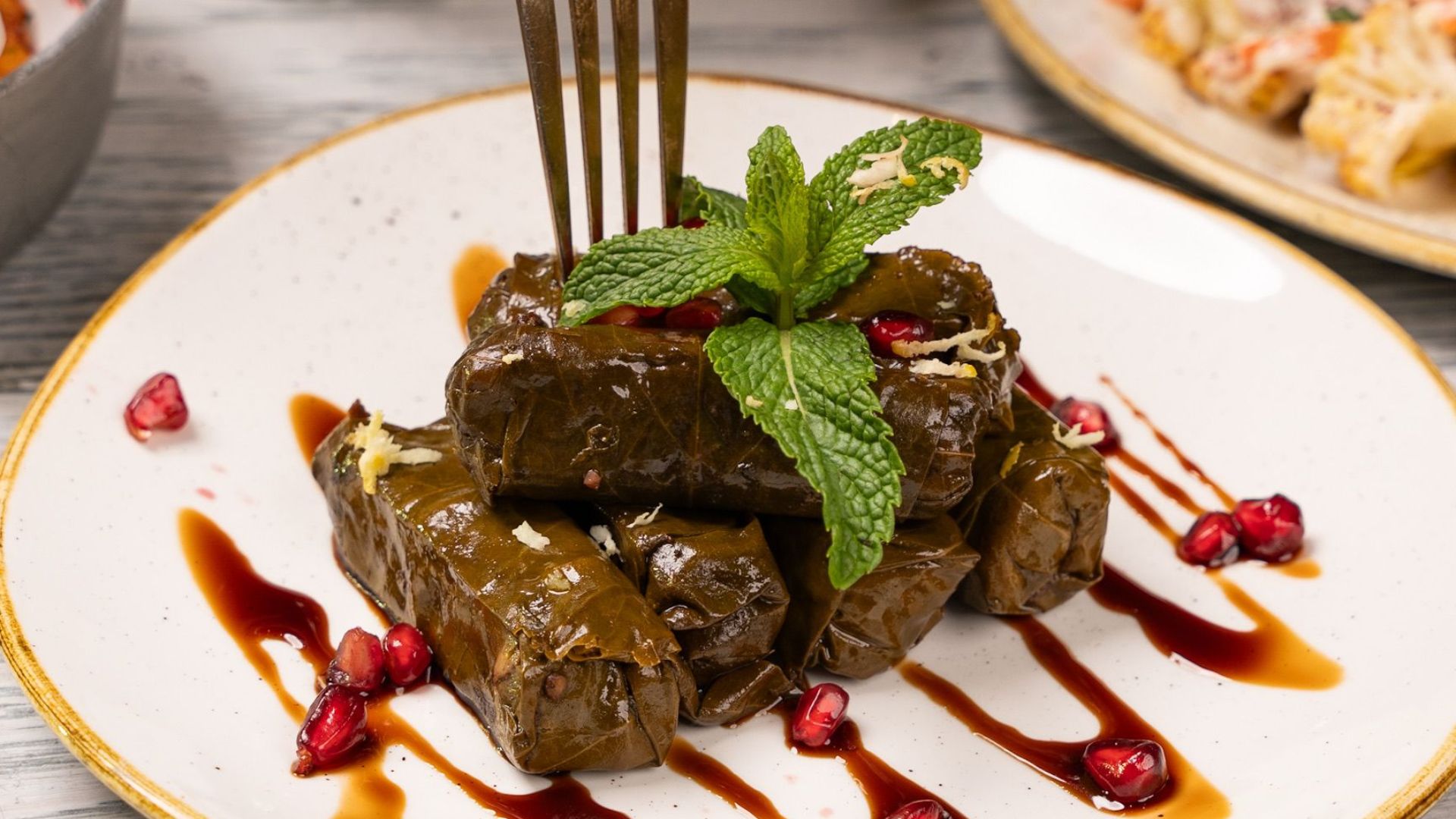
11. Dolma
Several countries across the eastern Mediterranean, Balkans, Caucasus, and Middle East claim dolma as part of their culinary heritage. Turkey, Greece, Armenia, Azerbaijan, and others all have long traditions of stuffing grape leaves or vegetables with seasoned fillings, and the dish spread widely during the Ottoman era. Its exact birthplace is difficult to establish because so many regional versions developed over centuries.
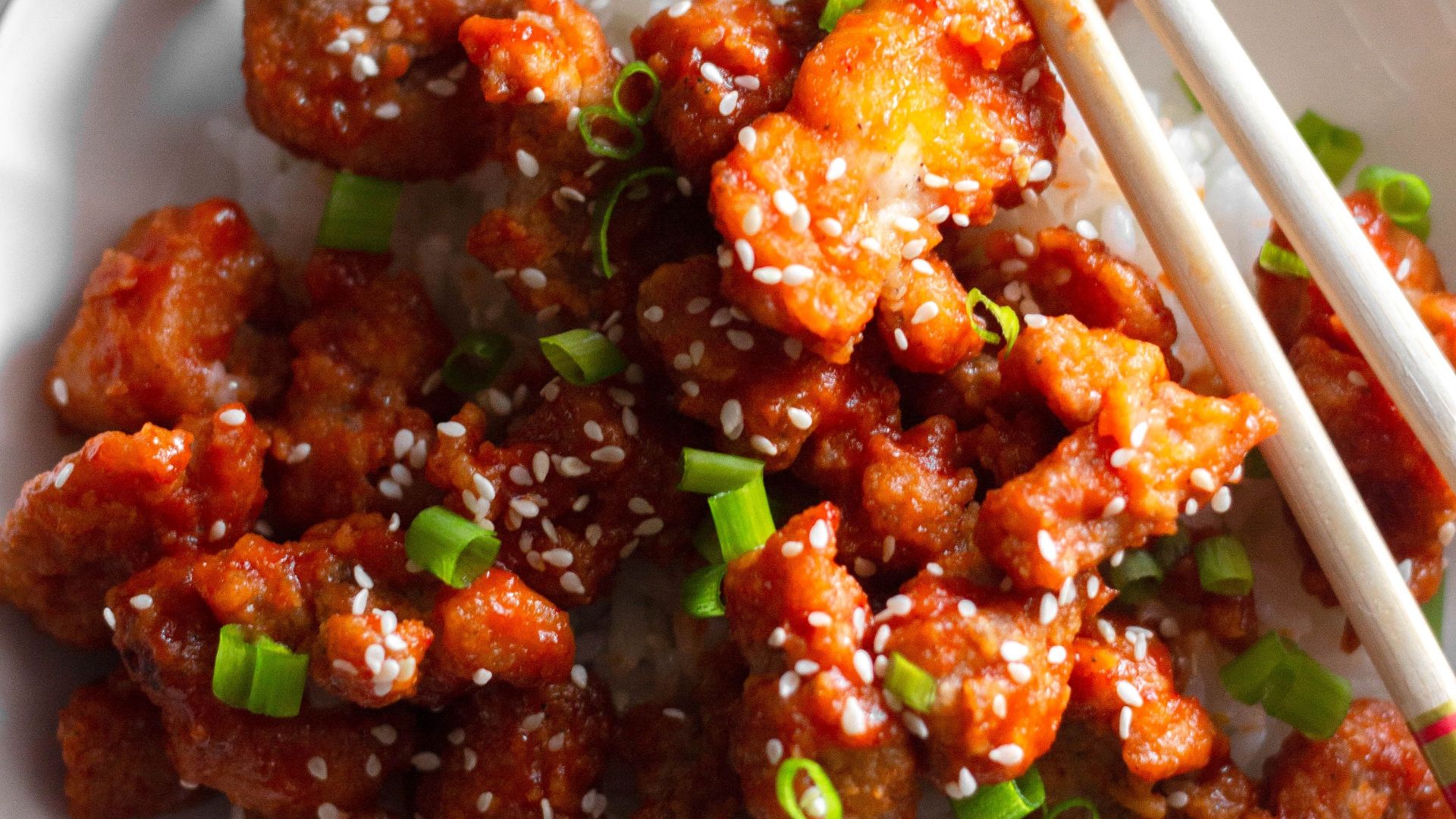
12. General Tso's Chicken
General Tso's chicken has competing stories stretching from Taiwan to New York City. Chef Peng Chang-kuei is widely associated with an earlier Taiwanese version, while Chinese-American restaurateurs later developed the sweeter, heavily sauced form familiar to many Americans. Even disagreements over who modified whose recipe have become part of the dish's history.
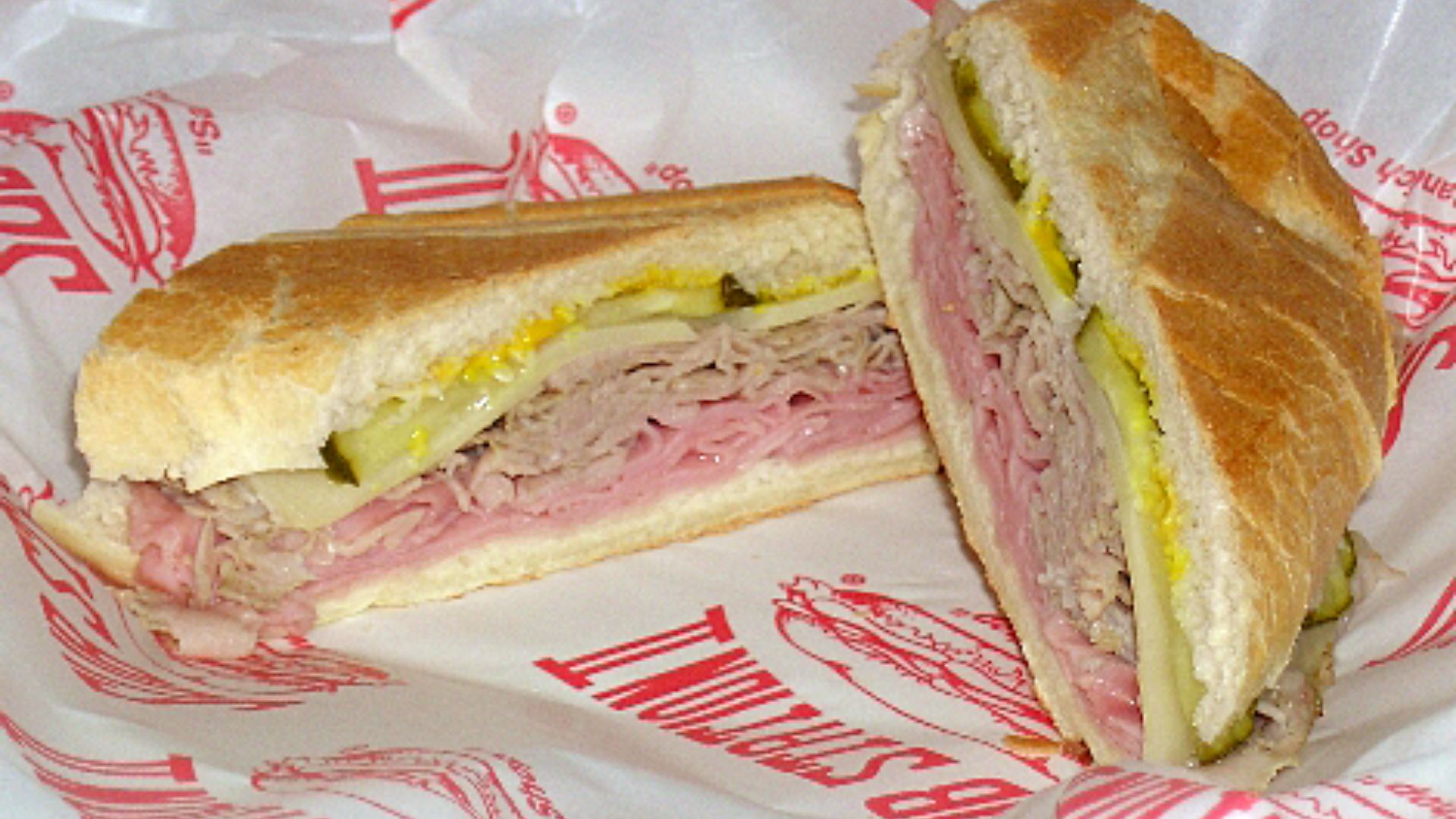
13. The Cuban Sandwich
Miami and Tampa have spent years debating which Florida city deserves credit for the Cuban sandwich, but one thing's certain: it wasn't invented in Cuba. Tampa's version traditionally includes salami, reflecting the city's Italian population, while Miami became closely associated with a version that generally leaves it out. Cuba itself has older sandwiches involving similar ingredients, which adds another layer to the argument over exactly where the modern Cuban sandwich took shape.
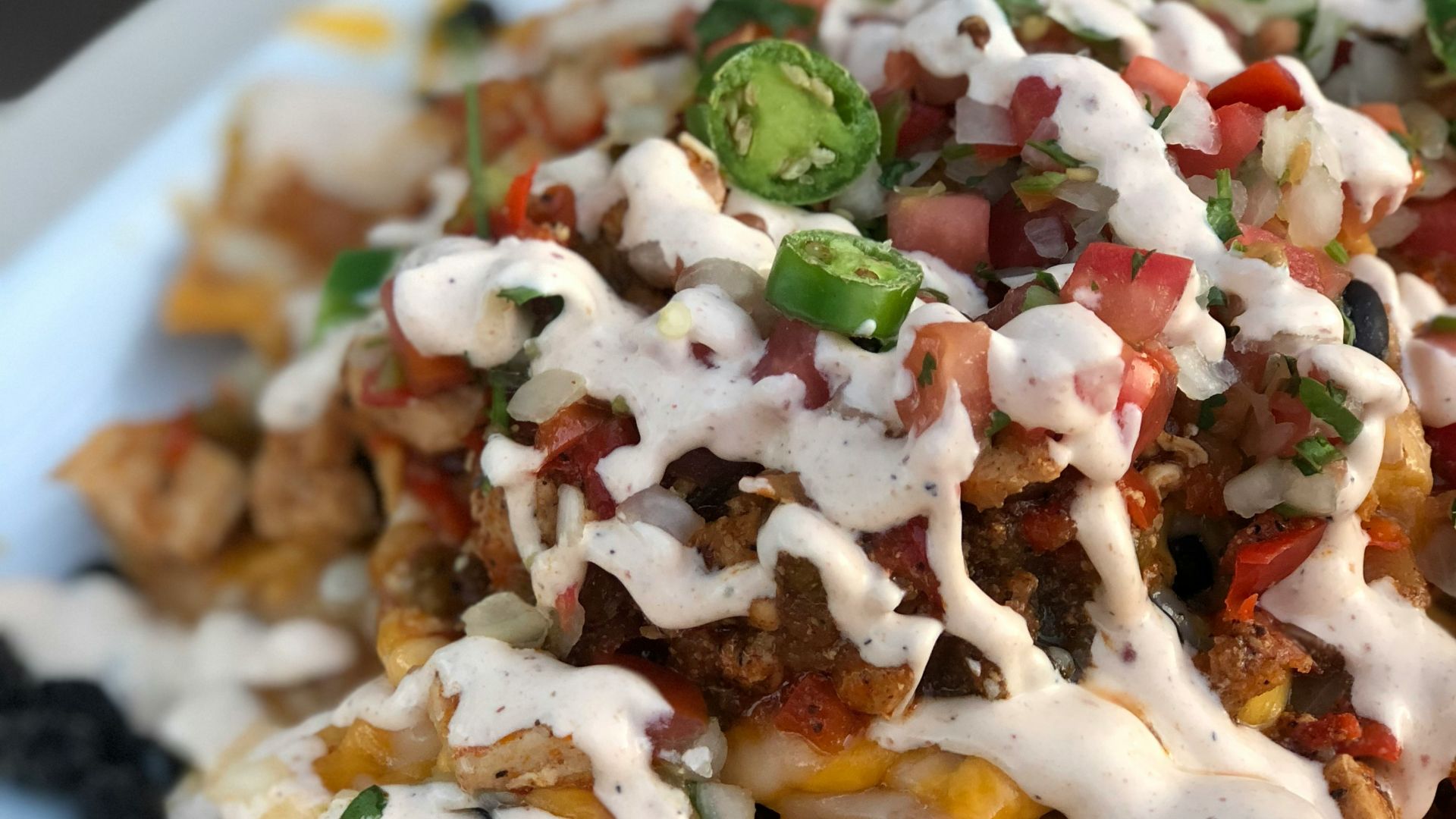
14. Nachos
The basic origin of nachos is fairly well documented, but exactly who deserves the broader credit gets a little murkier. Ignacio "Nacho" Anaya is traditionally said to have assembled tortilla chips, cheese, and jalapeños for customers in Piedras Negras, Mexico, during the 1940s. Questions remain about how much the restaurant staff contributed and how quickly similar dishes spread, although Anaya's name remains the one most closely connected to the creation.
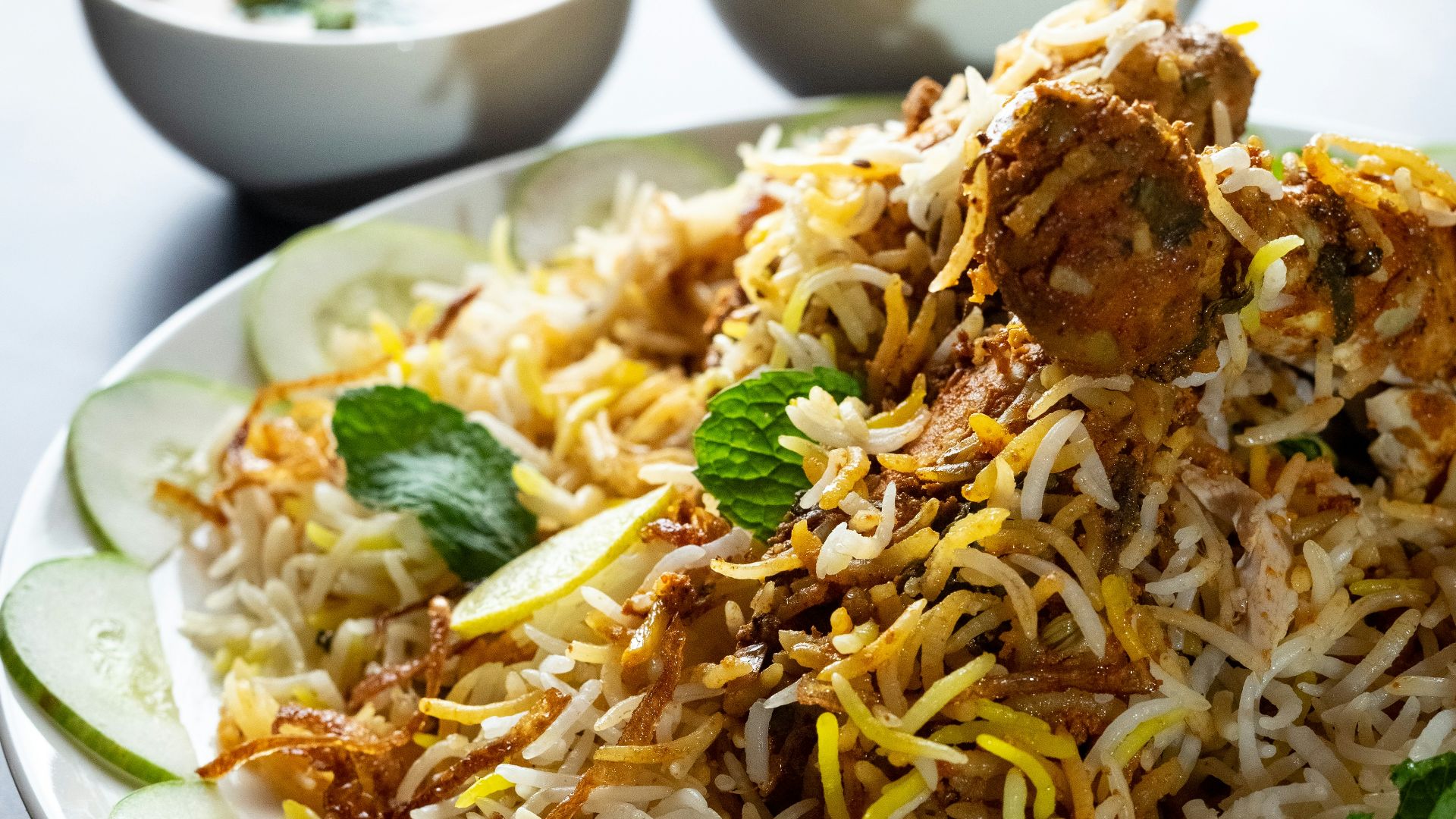
15. Biryani
Trying to give biryani one birthplace means wading through centuries of migration, royal courts, and regional cooking. Some histories connect the famous mixed rice dish to similar Persian dishes brought to the Indian subcontinent, while others argue that versions developed locally through the blending of existing South Asian traditions. Hyderabad, Lucknow, Kolkata, and numerous other regions eventually created distinctive biryanis, making each version much easier to trace.
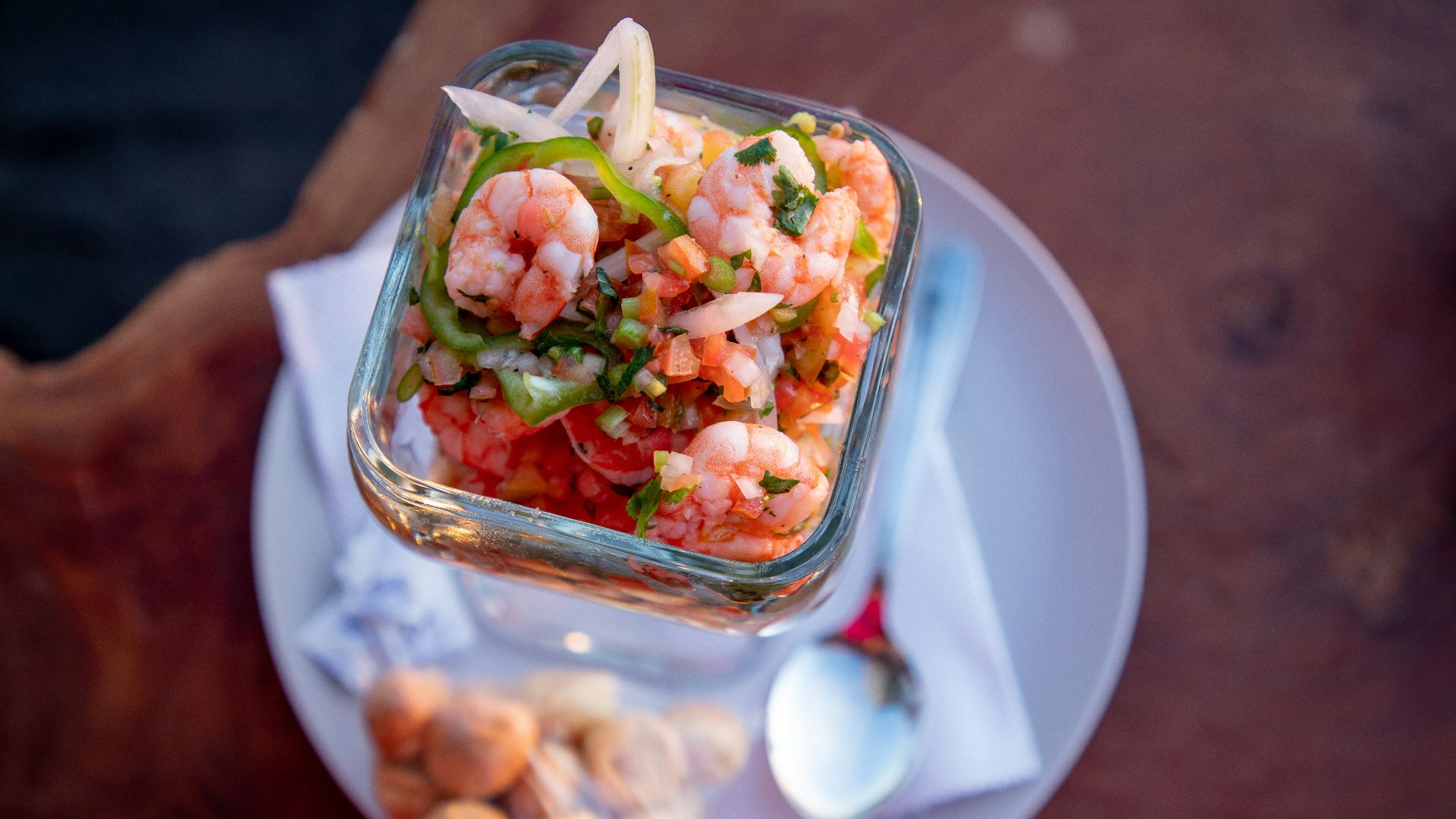
16. Ceviche
Peru is most strongly associated with ceviche today, but several Latin American countries have their own claims and long-standing versions of the dish. Ecuador, Mexico, Chile, and others developed distinct preparations using local seafood, citrus, and seasonings, while the earliest roots may go back to pre-Columbian coastal cultures. Because the modern dish evolved across different regions over centuries, its exact point of origin is still debated.
17. The Reuben Sandwich
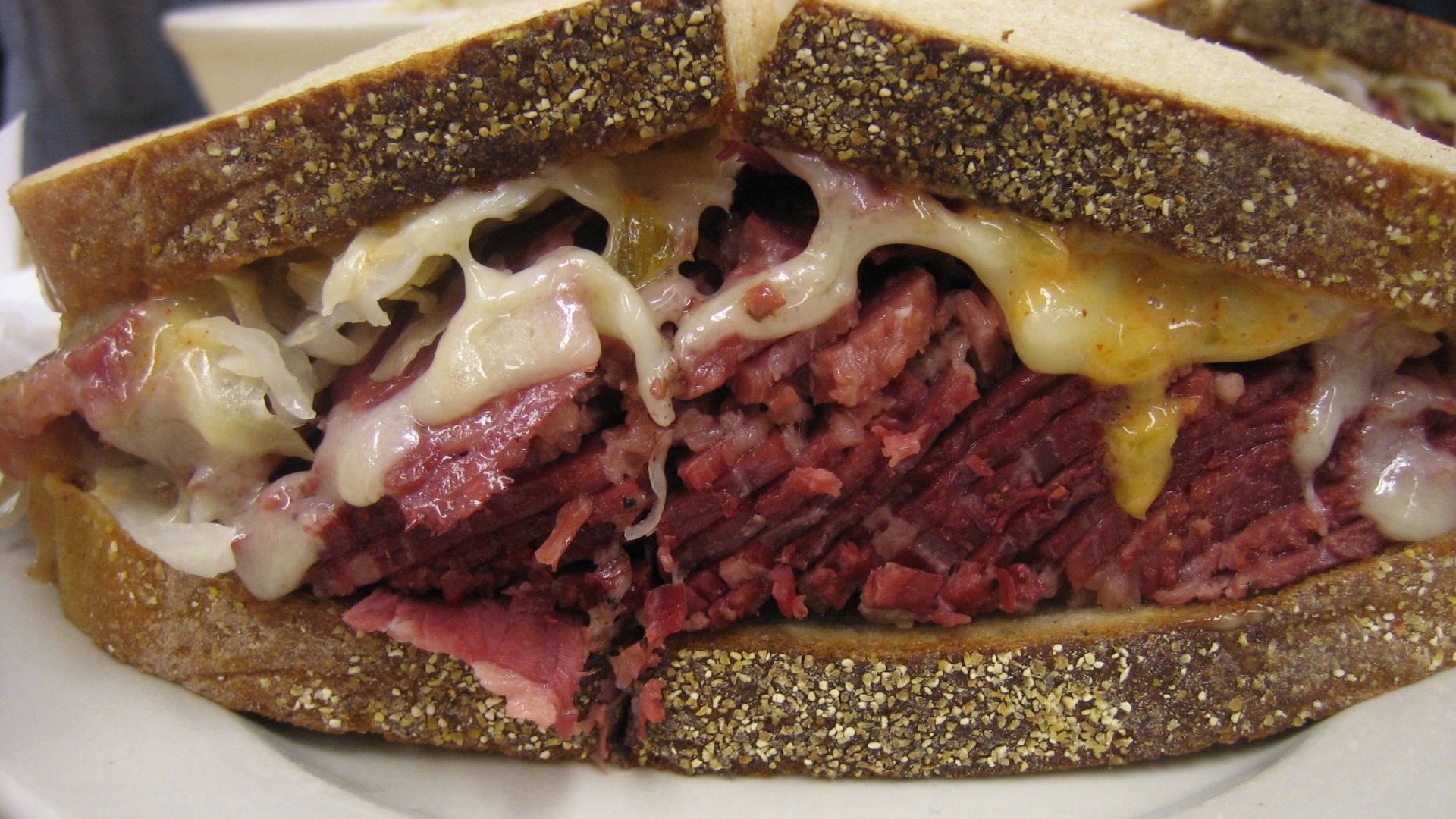
Even the Reuben sandwich has rival American origin stories. Omaha, Nebraska, claims that grocer Reuben Kulakofsky helped create the sandwich during a regular poker gathering, while New York tells a competing story involving restaurateur Arnold Reuben. Both accounts date to the early 20th century, and neither has completely pushed the other out of food history.
18. Ice Cream
There's no shortage of legends about who invented ice cream, with stories involving ancient China, Persia, Italy, and France frequently entering the discussion. Frozen desserts existed in several cultures long before modern refrigeration, but they weren't necessarily the creamy ice cream we would recognize today. Because recipes and freezing methods evolved gradually across different regions, historians usually treat ice cream as a product of centuries of development rather than one person's invention.

19. Doughnuts
Cultures worldwide fried dough in oil or fat for thousands of years, including ancient Egyptians and Romans, which makes the doughnut's origins difficult to untangle. Something similar to the modern version is largely thought to have been brought over to the U.S. by Dutch settlers in the 17th century. American ship captain Hanson Gregory is credited with creating the iconic ring shape with the hole, but even that story has competing versions.

20. Key Lime Pie
Key lime pie seems inseparable from Florida, yet even this regional favorite has an uncertain history. Traditional stories place its creation in Key West kitchens during the late 19th century, sometimes crediting local cooks known as "Aunt Sally," but written recipes proving those accounts are scarce. Some food historians have instead connected the dessert to condensed milk companies and recipes developed elsewhere, turning a supposed Florida original into another culinary mystery.
 Kimberly Vardeman on Wikimedia
KEEP ON READING
20 Dishes That Built Modern American Cuisine