Your Kitchen Is Full of Dangers
Chances are, you ate some rice this week. Maybe paired it with some zucchini, or canned tuna. You probably have a coffee every morning, too. For your kids, they probably have an apple juice box sitting in their lunch bag right now. We don't mean to scare you, but plenty of everyday foods contain potentially toxic compounds. While most of them are safe in normal portions, you still might want to be cautious with the ones on this list.
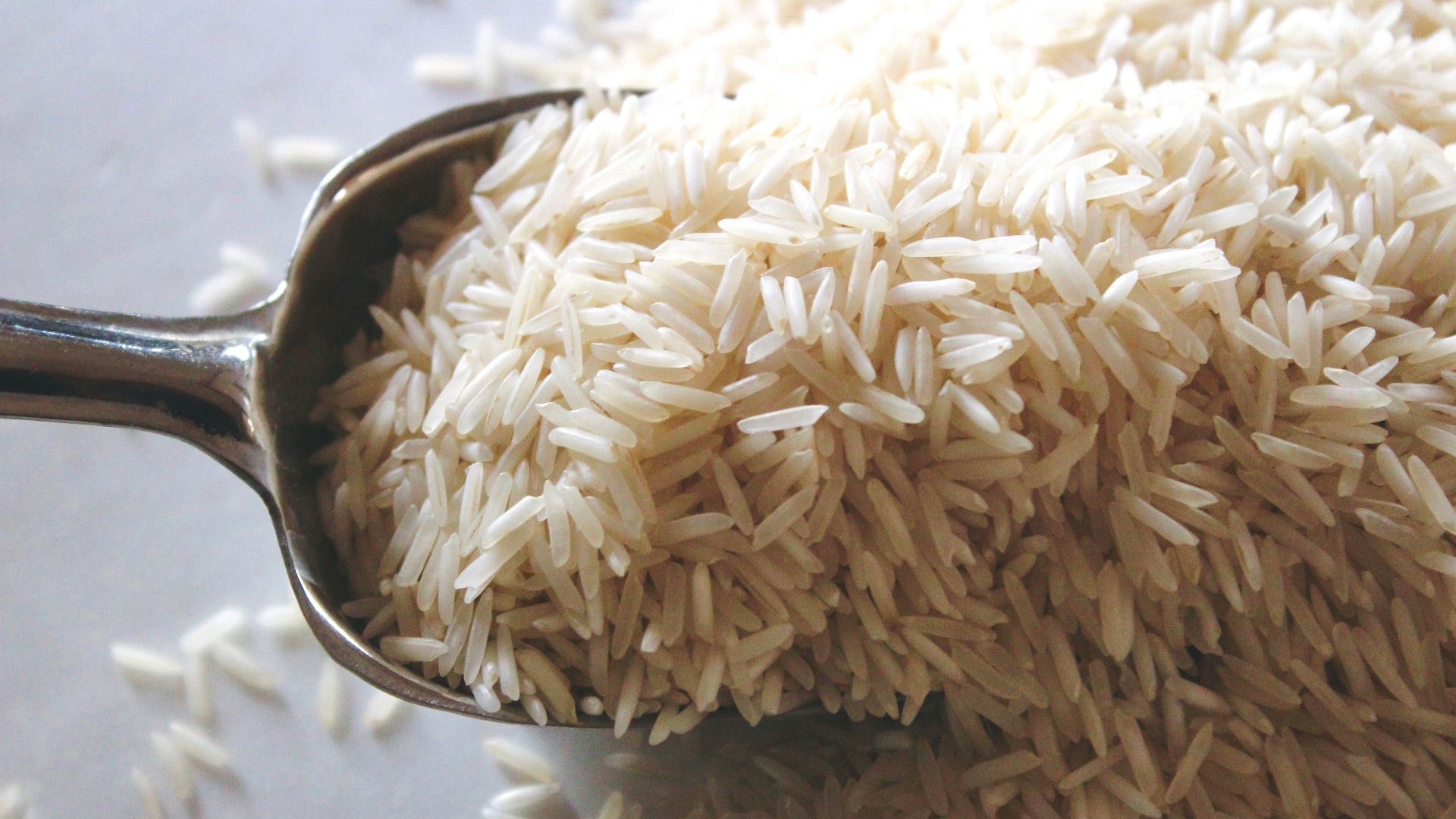
1. Rice
Sorry, rice lovers—your favorite bowl of fluffy white grains can actually absorb inorganic arsenic from soil and water, meaning small amounts can end up in your dinner and potentially cause health risks. While cooking it in a large amount of water and draining the excess can substantially reduce its arsenic content, this method may also remove some added nutrients.
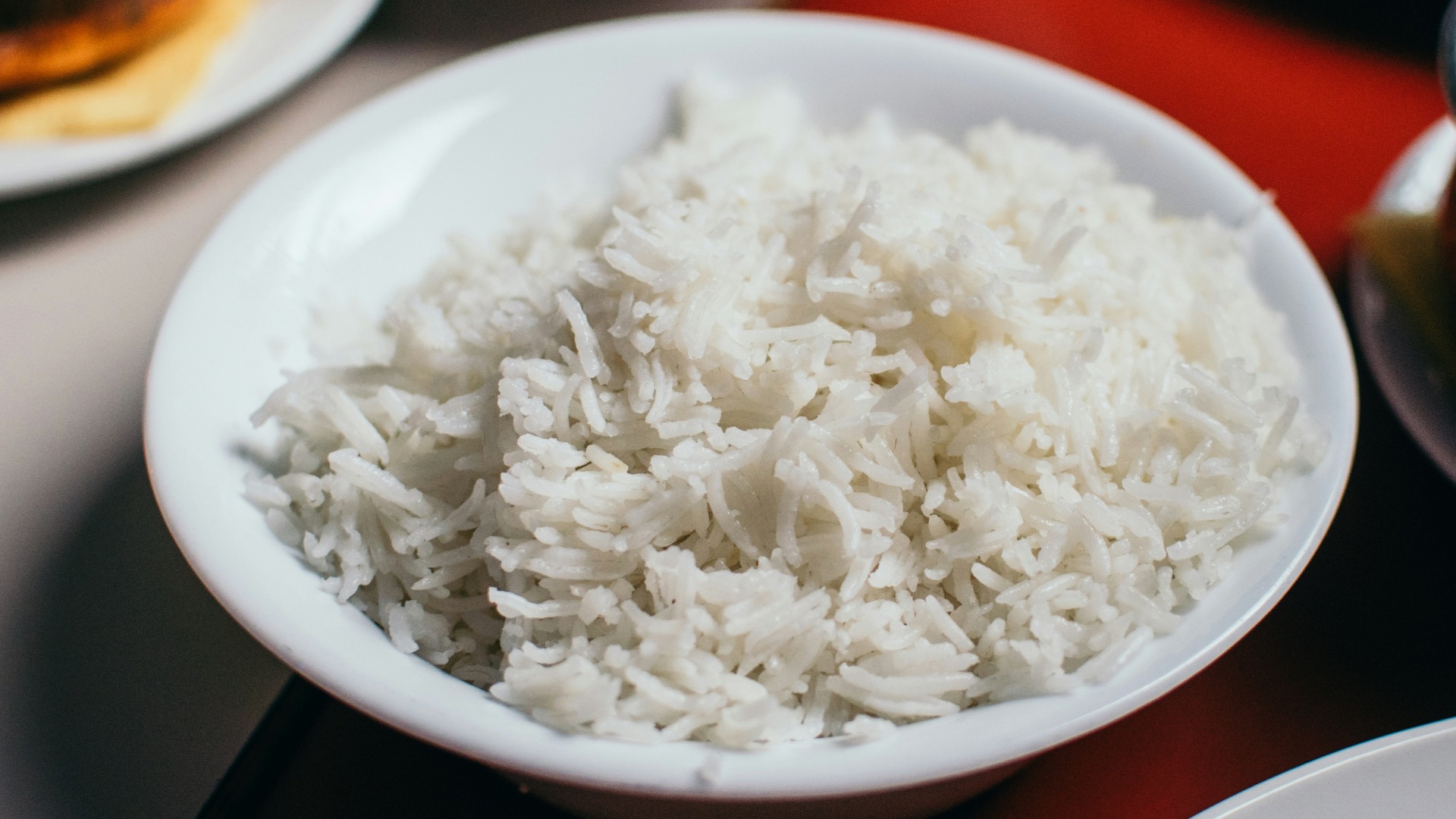
2. Tuna
Your tuna sandwich might look harmless enough, but here's a fact that may ruin your lunch: your fish of choice can contain methylmercury, a highly toxic compound that can damage your brain and nervous system. The amount varies considerably by species, with albacore generally containing more than canned light tuna. For most adults, reasonable amounts aren't a concern, but frequent consumption deserves more attention, and you'll want to pay special care for children and people who are pregnant or breastfeeding.
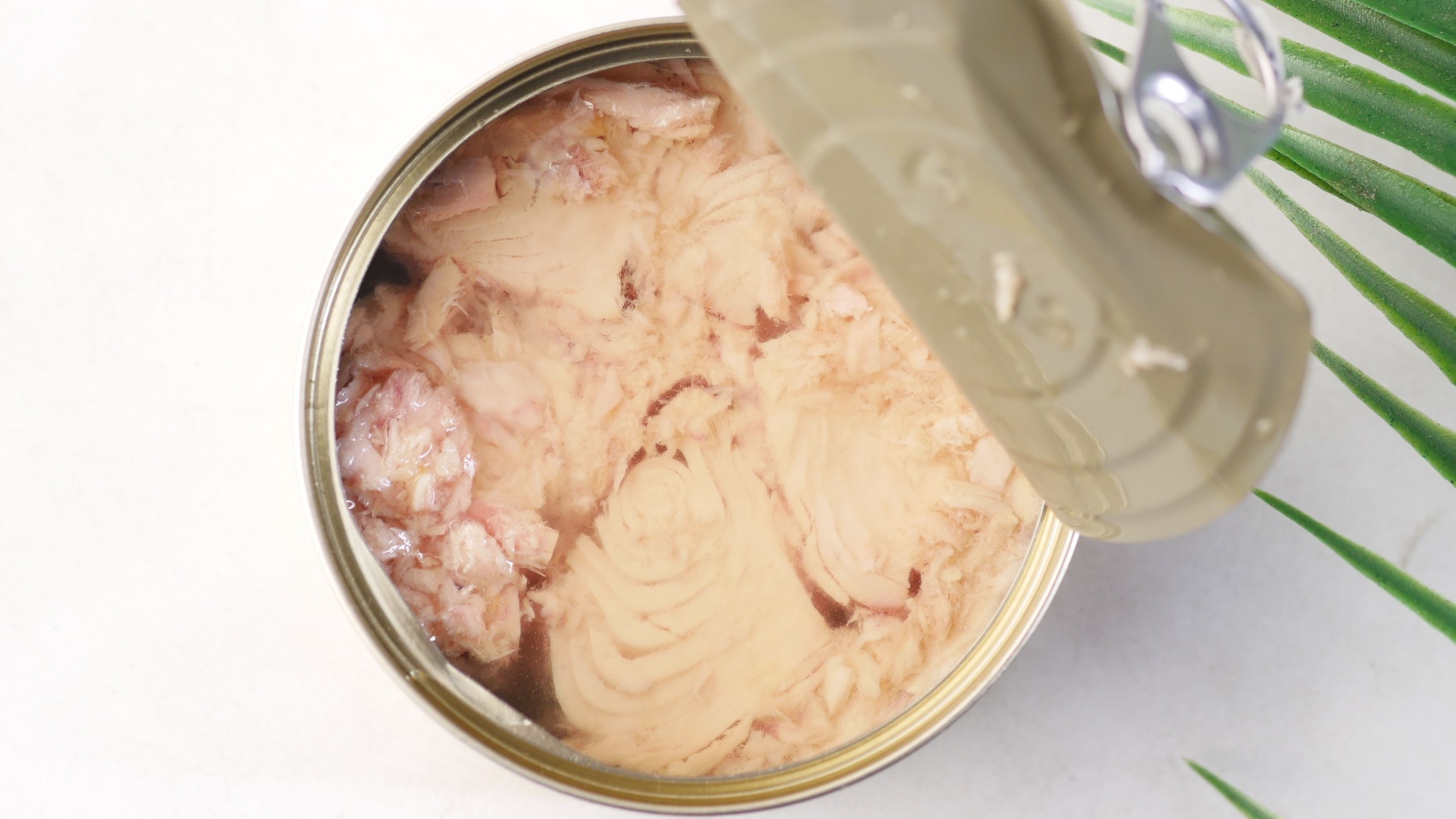
3. Cinnamon
Like your oatmeal with a sprinkle of cinnamon? Well, you might want to think twice about your habit. Cinnamon may contain coumarin, a naturally occurring compound found in especially notable amounts in cassia cinnamon. Normal use isn't usually considered dangerous, but large quantities may cause problems in the liver, especially in susceptible individuals.
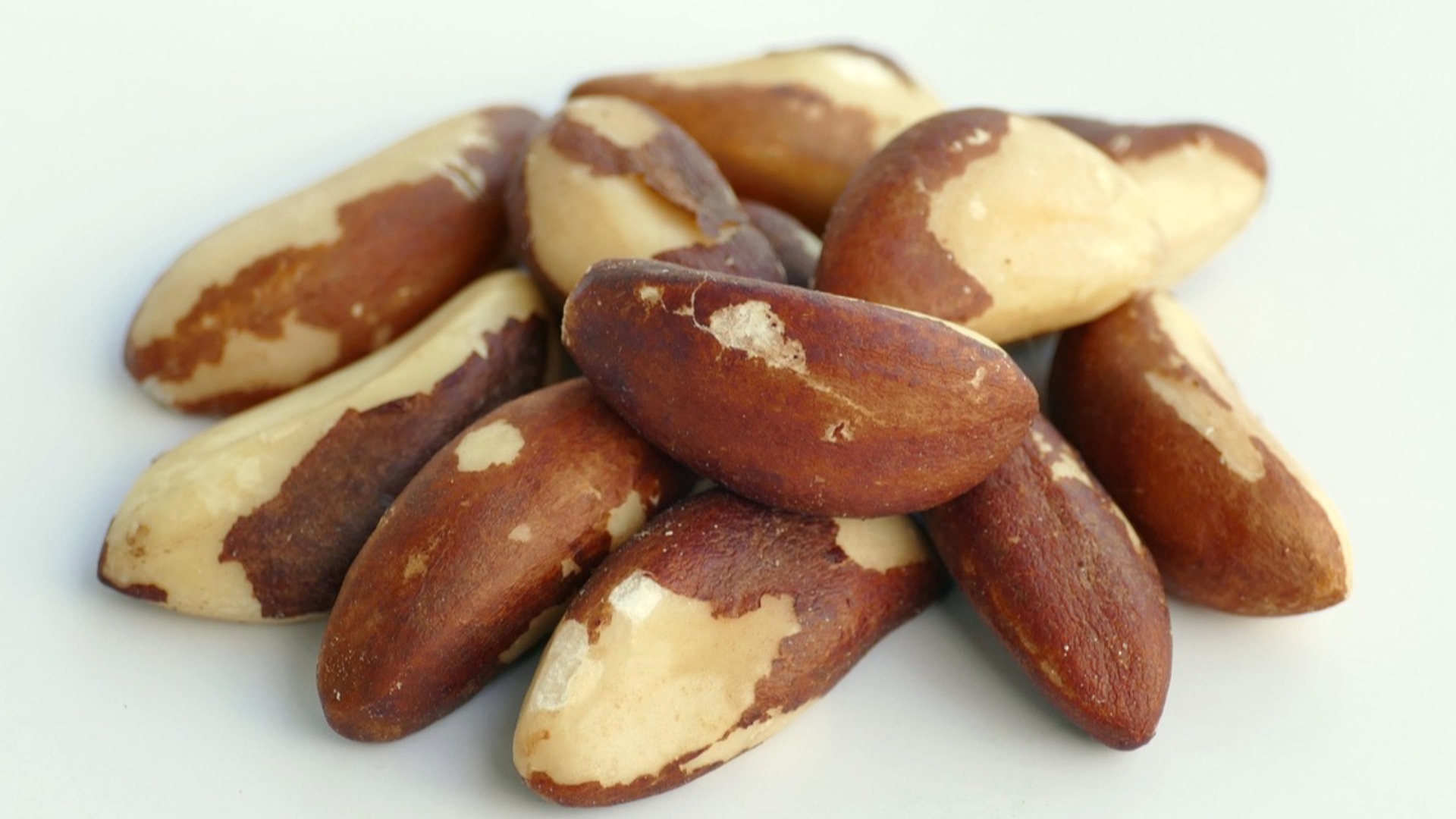
4. Brazil Nuts
Brazil nuts pack so much selenium into a small serving that going overboard can actually produce selenium toxicity. Case in point: a single nut may contain roughly 68 to 91 micrograms, while the adult upper intake limit in the United States is 400 micrograms per day. If you eat too many, that can lead to nausea, hair and nail problems, fatigue, and nervous system symptoms.
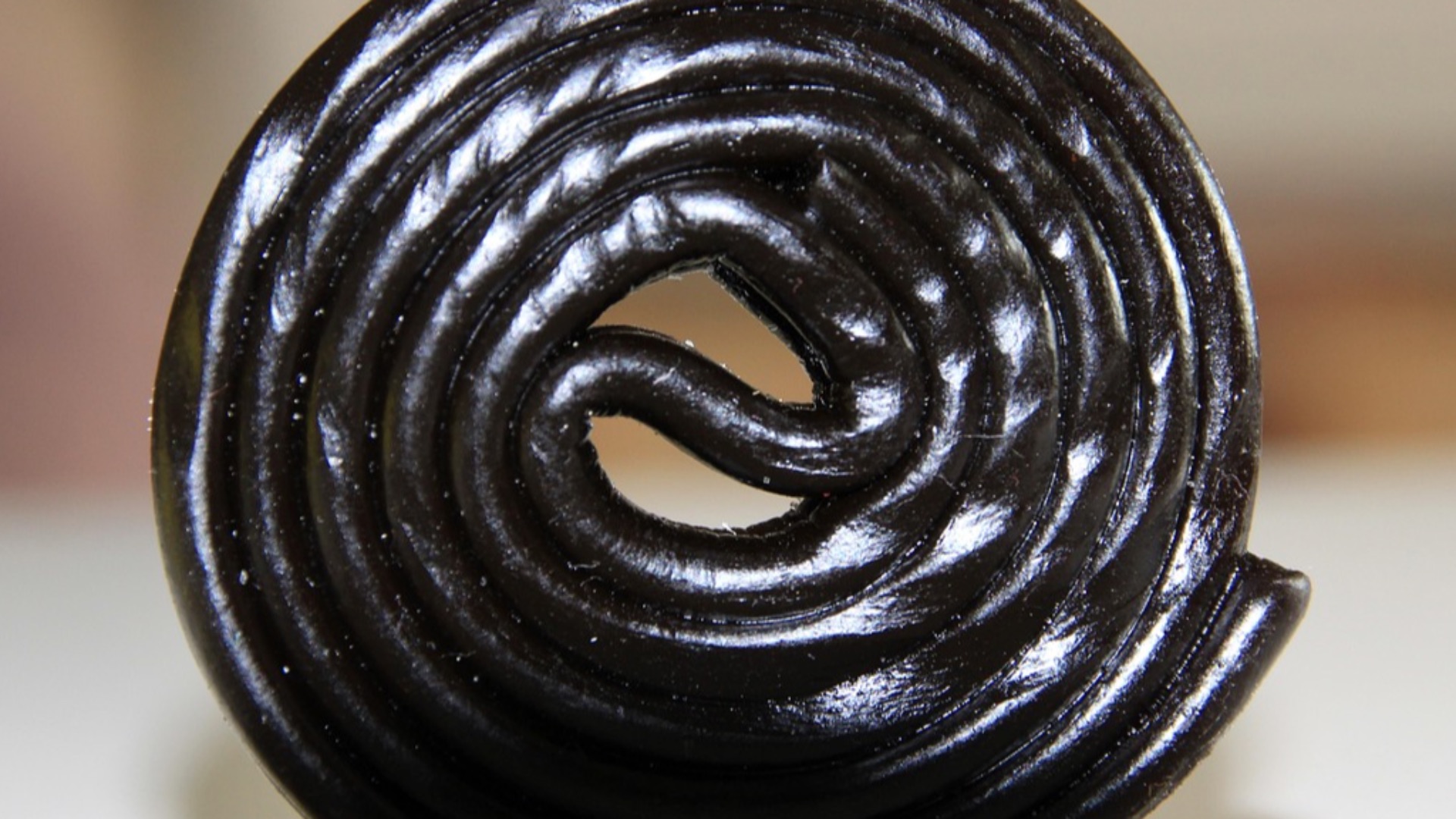
5. Black Licorice
No one really likes licorice, but if you're the rare person who does, be careful of certain varieties. Real black licorice, for example, contains glycyrrhizin—a compound that can interfere with the body's potassium balance. Eating large amounts over time may lead to high blood pressure, abnormal heart rhythms, muscle problems, and dangerously low potassium. Thankfully, many licorice-flavored candies don't contain much actual licorice root, but you should still check the ingredients.
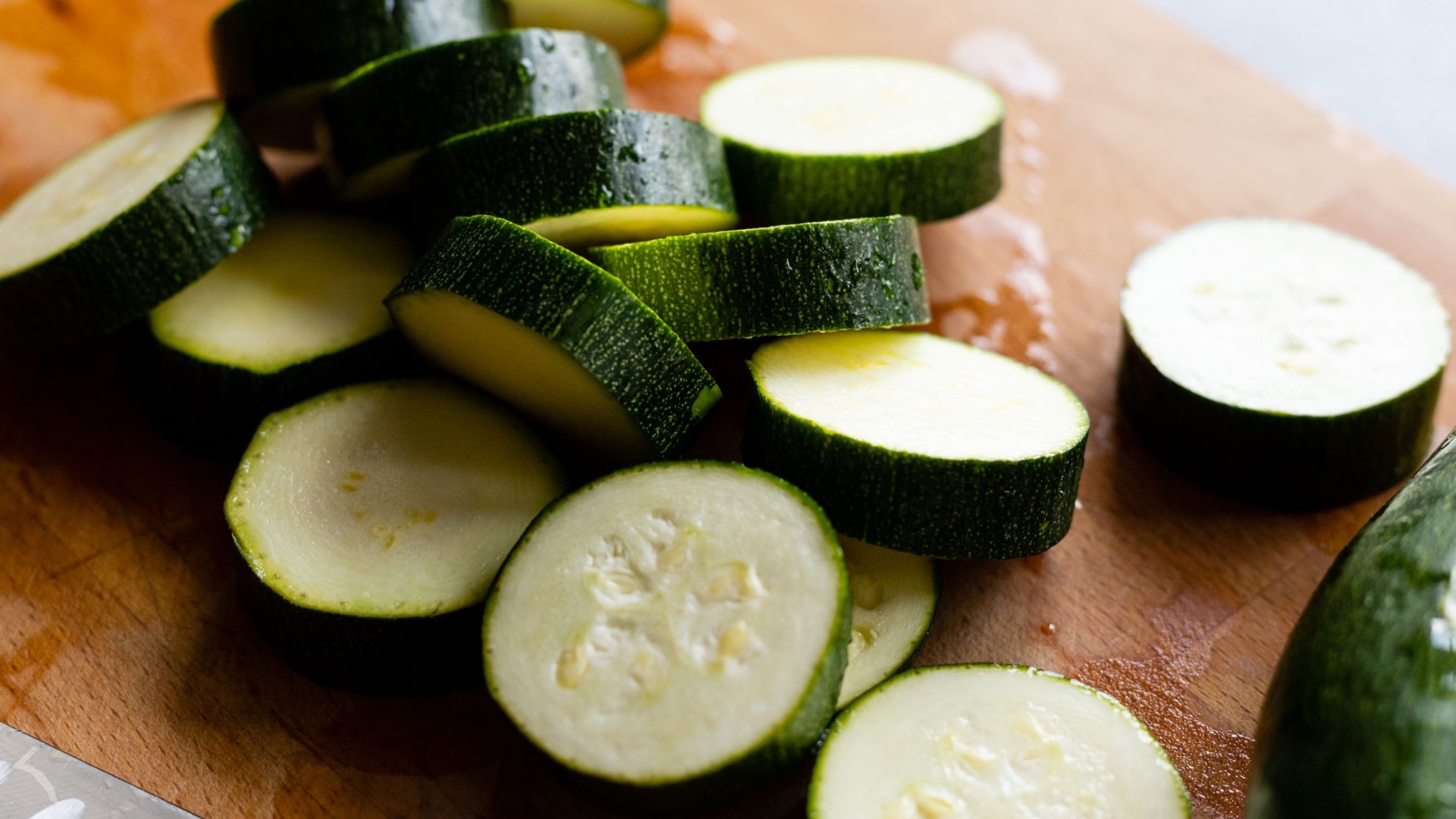
6. Zucchini
Most zucchini is perfectly safe, so don't scour your fridge and toss it all out immediately. What you should watch out for are the unusually bitter ones: these may contain elevated levels of plant chemicals called cucurbitacins, which can cause intense nausea, diarrhea, and abdominal pain. Cooking doesn't reliably destroy them, either. If a zucchini tastes extremely bitter, throw it out.
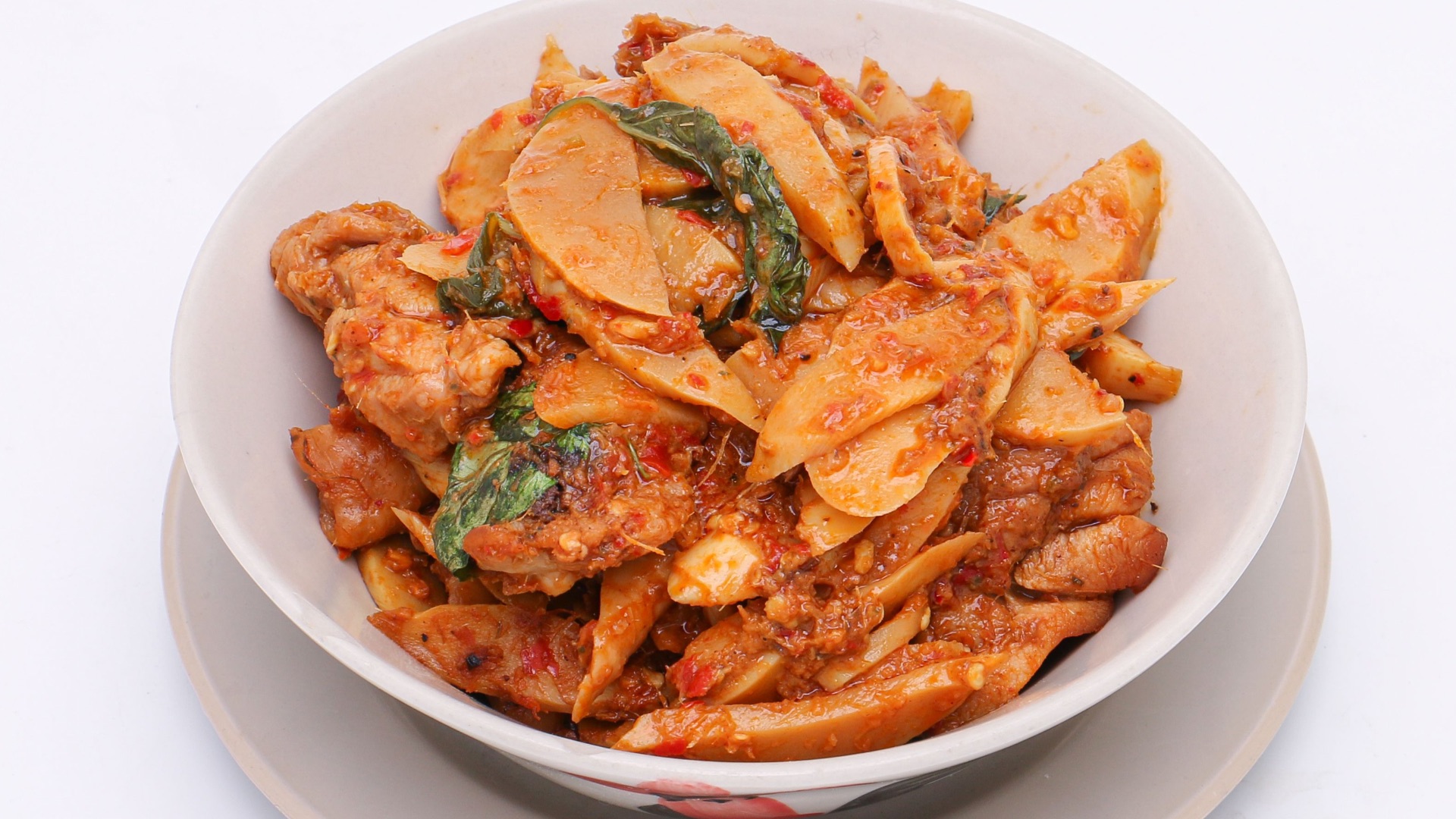
7. Bamboo Shoots
Fresh bamboo shoots naturally contain cyanogenic glycosides, which can release cyanide when the plant tissue is eaten. Prepared shoots aren't generally something to worry about, but fresh shoots need adequate cooking before they're added to stir-fries, soups, or other dishes.
8. Fava Beans
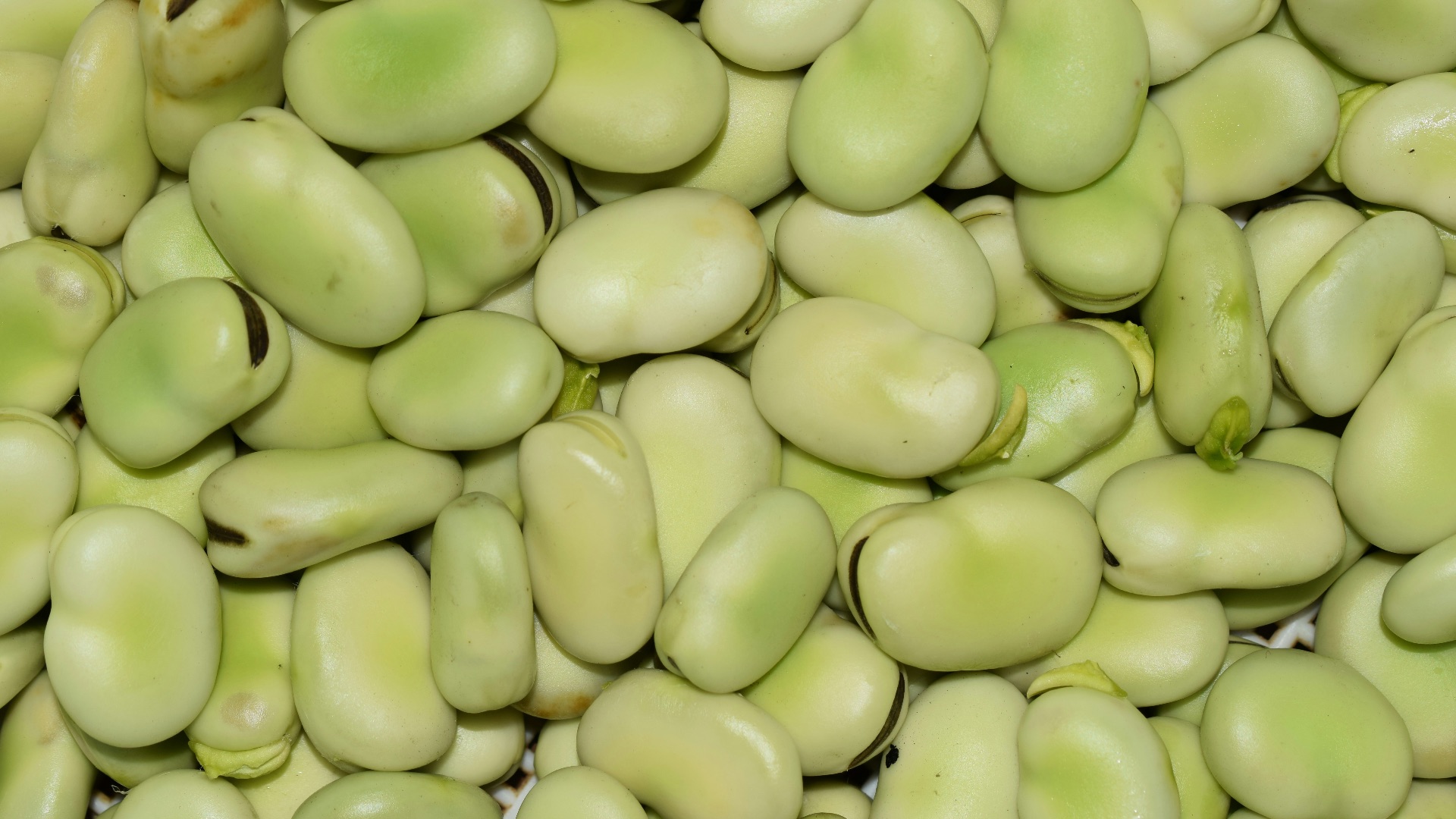
For most people, fava beans are simply a nutritious source of plant protein. In those with a G6PD deficiency (a genetic condition where you lack G6PD enzymes), however, their natural compounds vicine and convicine can be dangerous. In susceptible individuals, those substances can trigger favism, or a rapid destruction of red blood cells. People diagnosed with G6PD deficiency are generally advised to avoid fava beans.
9. Coffee
You probably don't think much about the coffee you have every morning. After all, it's easy to forget that caffeine is a stimulant that can be toxic at sufficiently high doses. Excessive intake can cause vomiting, a racing or irregular heartbeat, seizures, and other serious effects. Even if you're not drinking concentrated caffeine powders or supplements, your daily brew still contributes to the total.

10. Chocolate
Chocolate contains theobromine and caffeine, two stimulants belonging to the methylxanthine family. While humans process theobromine pretty effectively, it's important to note that enormous amounts can still produce unpleasant effects. Keep in mind, too, that dark chocolate contains considerably more theobromine than milk chocolate.

11. Table Salt
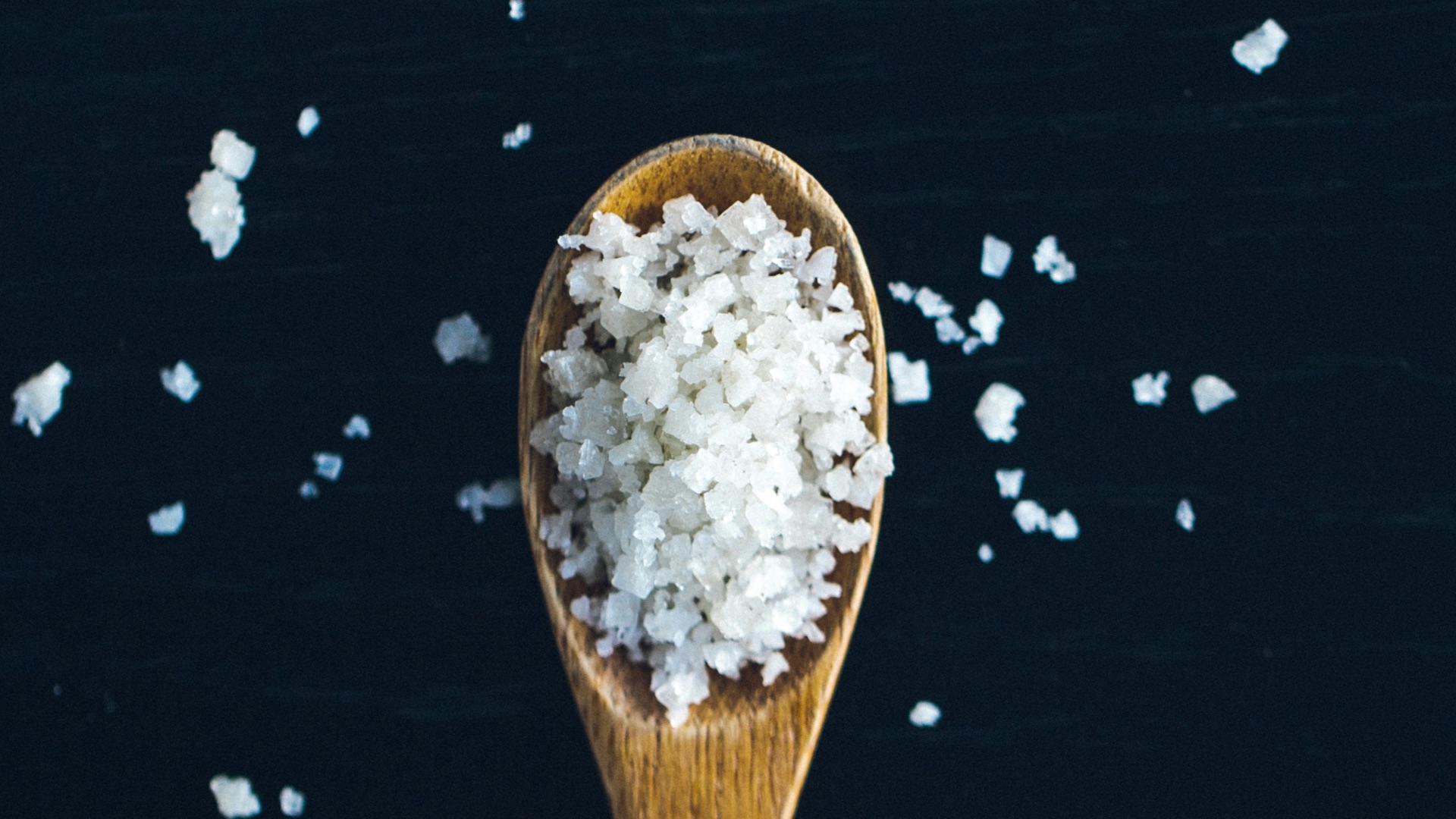
Sodium is essential, but too much of a good thing can still be a bad thing. Consuming large amounts of salt in a short period can also be fatal: severe salt poisoning can drive sodium concentrations in the blood dangerously high, potentially leading to confusion, seizures, and brain injury.
12. Spinach
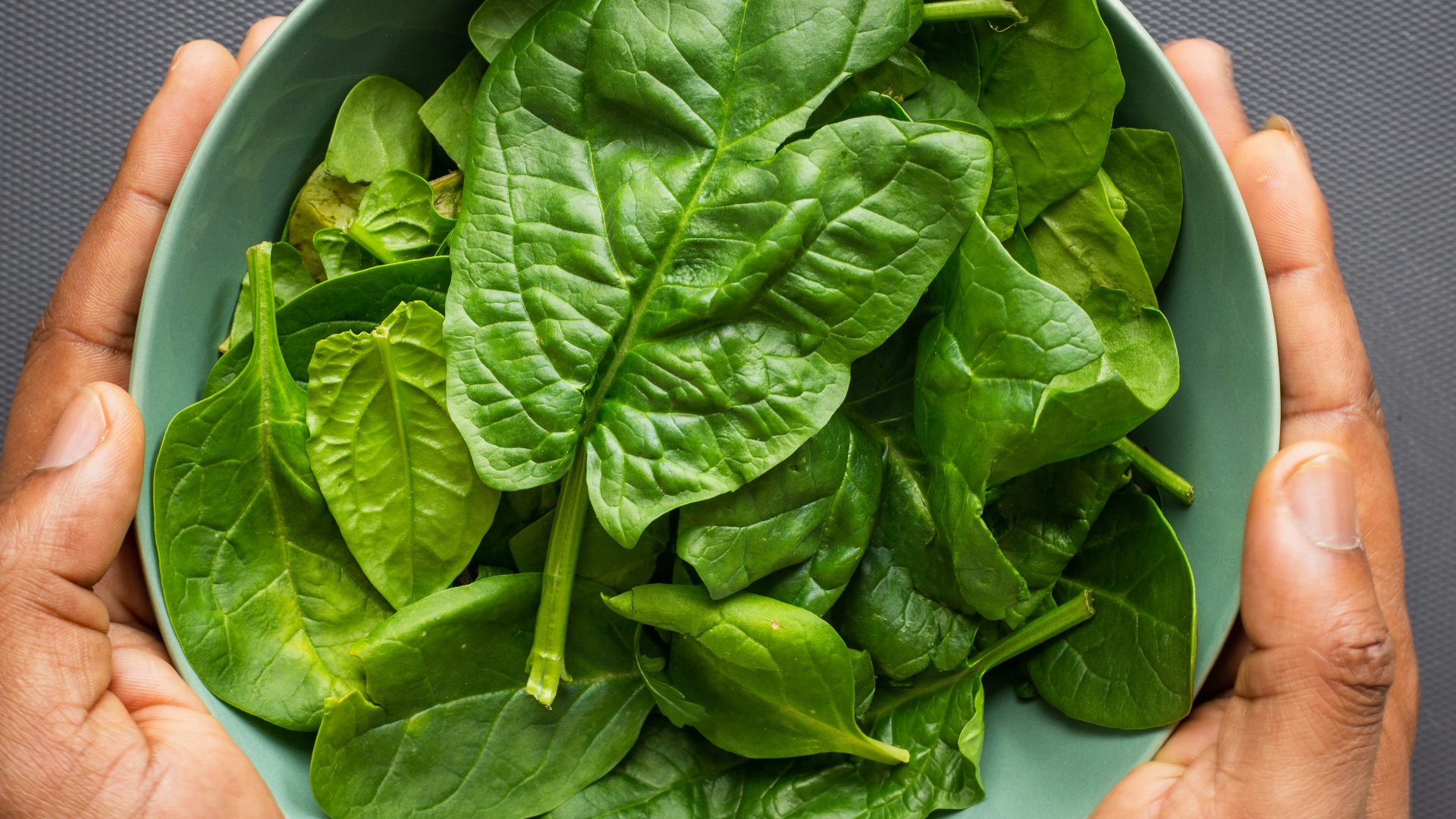
You've heard that spinach is good for you, but you've probably never heard of the bad points. These healthy greens actually contain oxalates, which can contribute to calcium oxalate kidney stones in susceptible people. If you have a history of calcium oxalate stones, it's best to limit high-oxalate foods or listen to your doctor's instructions.
13. Peanuts
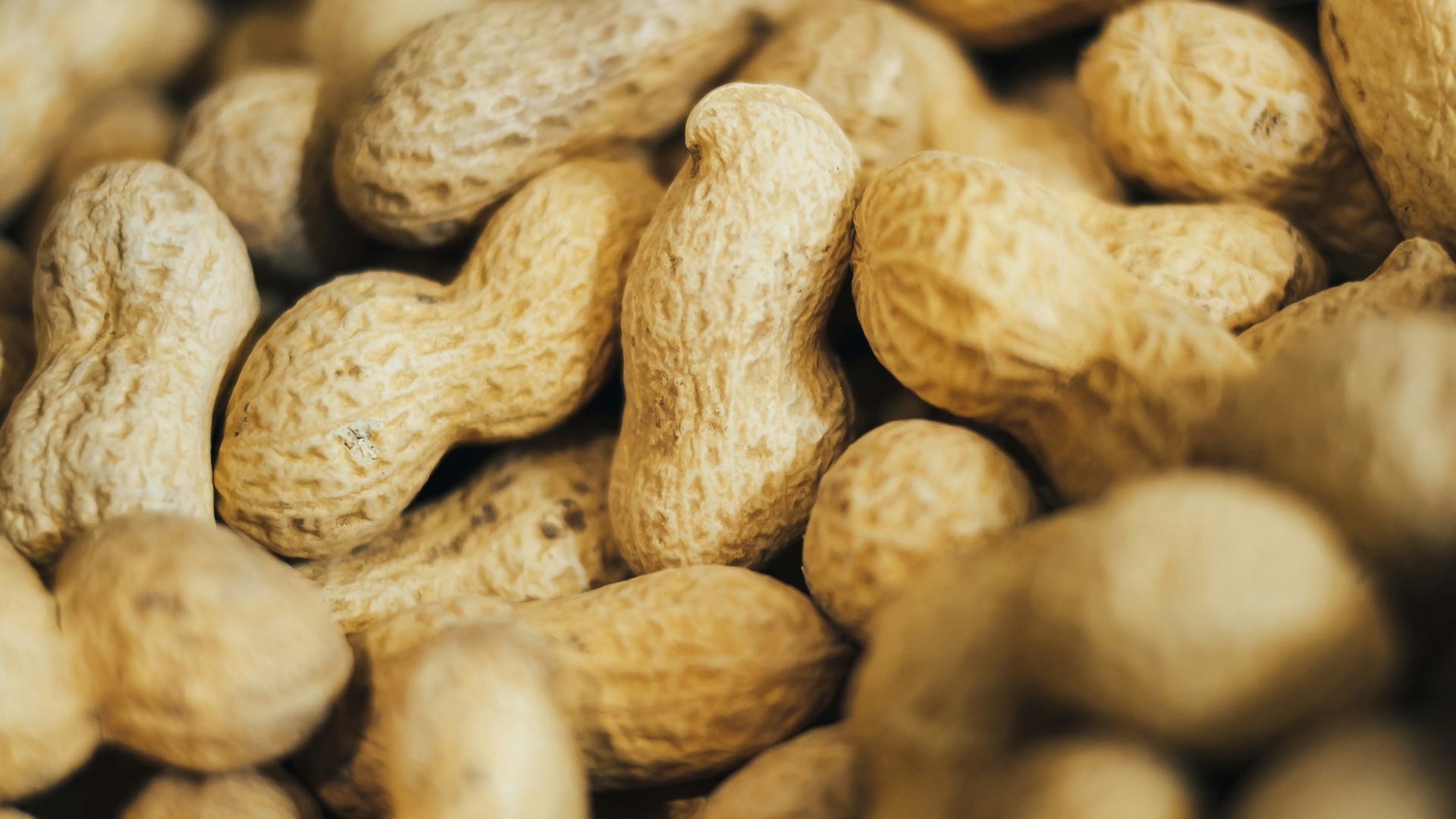
Not only are peanuts one of the most common food allergens in children, but they may also occasionally become contaminated with aflatoxins—poisonous compounds produced by certain molds that grow under humid conditions. Long-term exposure to sufficiently high levels can damage the liver and increase serious health risks. If you have peanuts at home, make sure to store them properly, and toss out any that have become visibly moldy or spoiled.
14. Raw Flour
Sure, flour looks harmless. It's just white, fluffy powder, right? Well, sorry to say that the bag sitting in your pantry may actually carry harmful organisms such as E. coli or Salmonella. That's one reason sneaking bites of uncooked cookie dough or cake batter comes with a real food-poisoning risk.

15. Raw Eggs
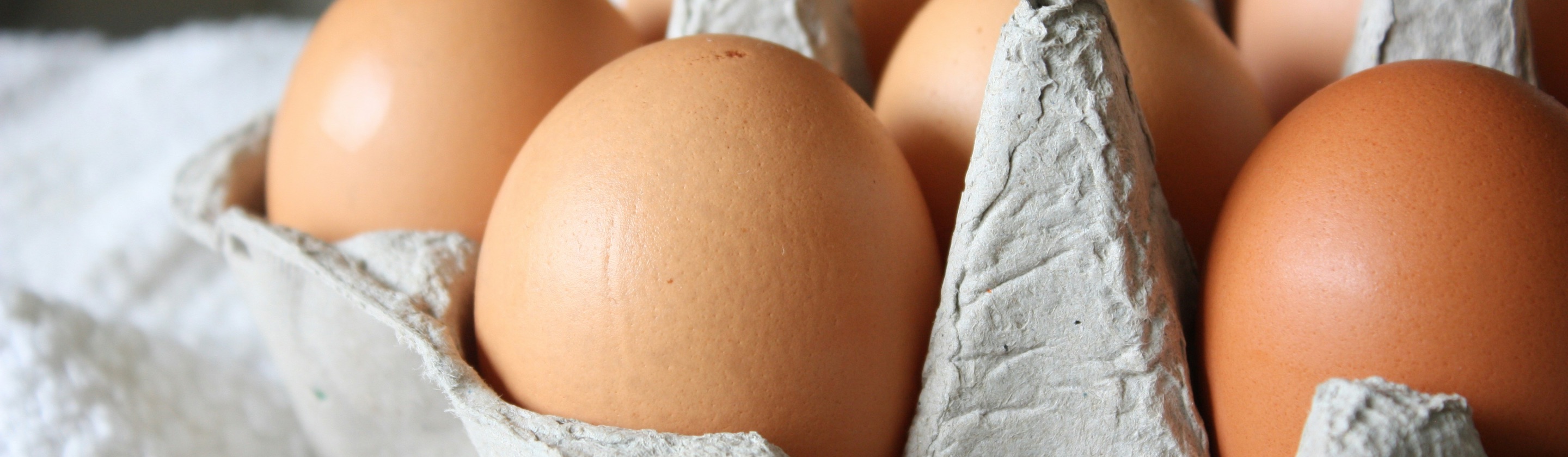
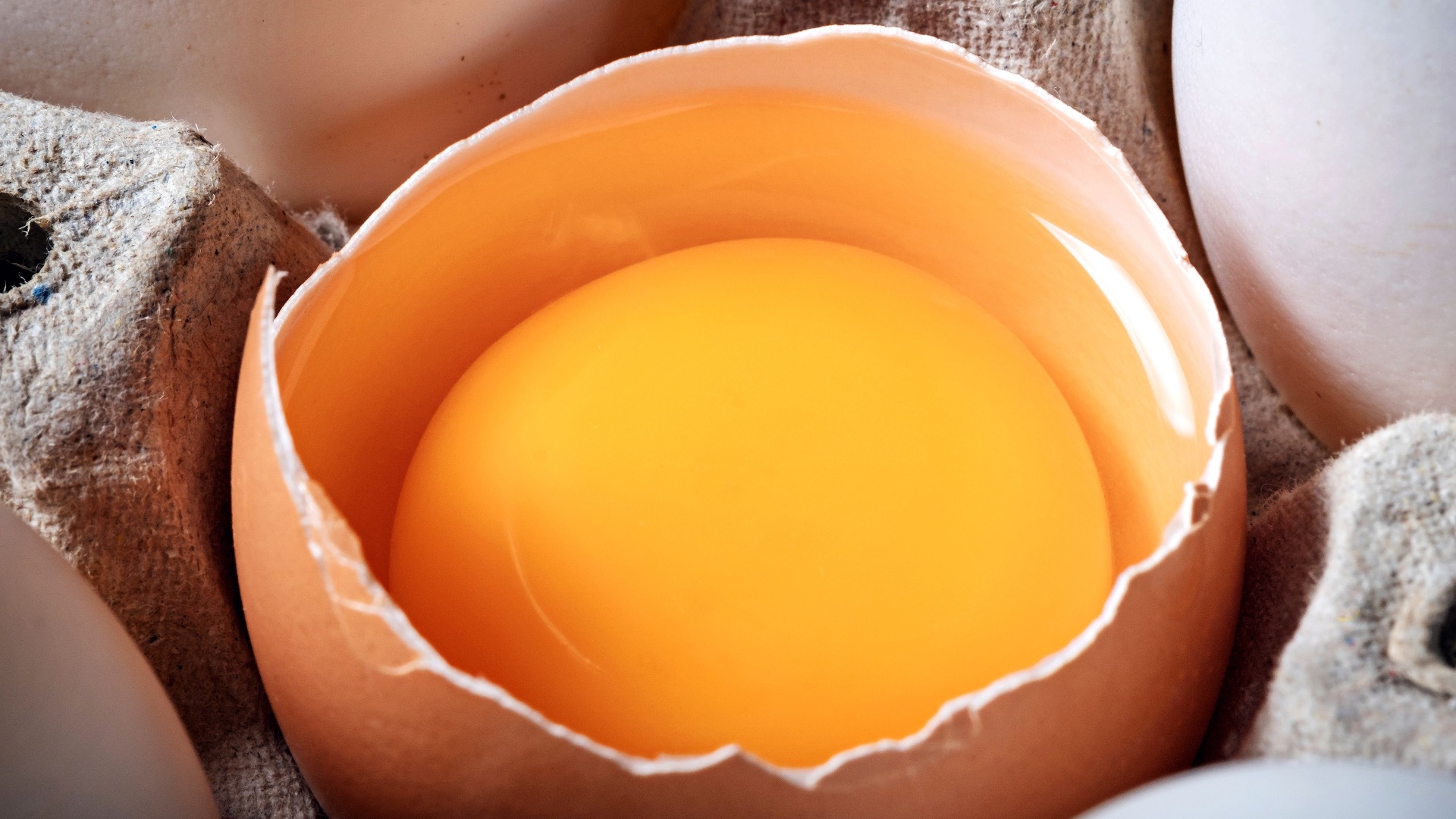
Eggs are another everyday food you should watch out for: raw or lightly cooked eggs can contain Salmonella, which can cause fever, diarrhea, and more serious illness in vulnerable people. If your recipe calls for uncooked eggs, make sure to choose pasteurized eggs, not the standard raw ones.
16. Alfalfa Sprouts
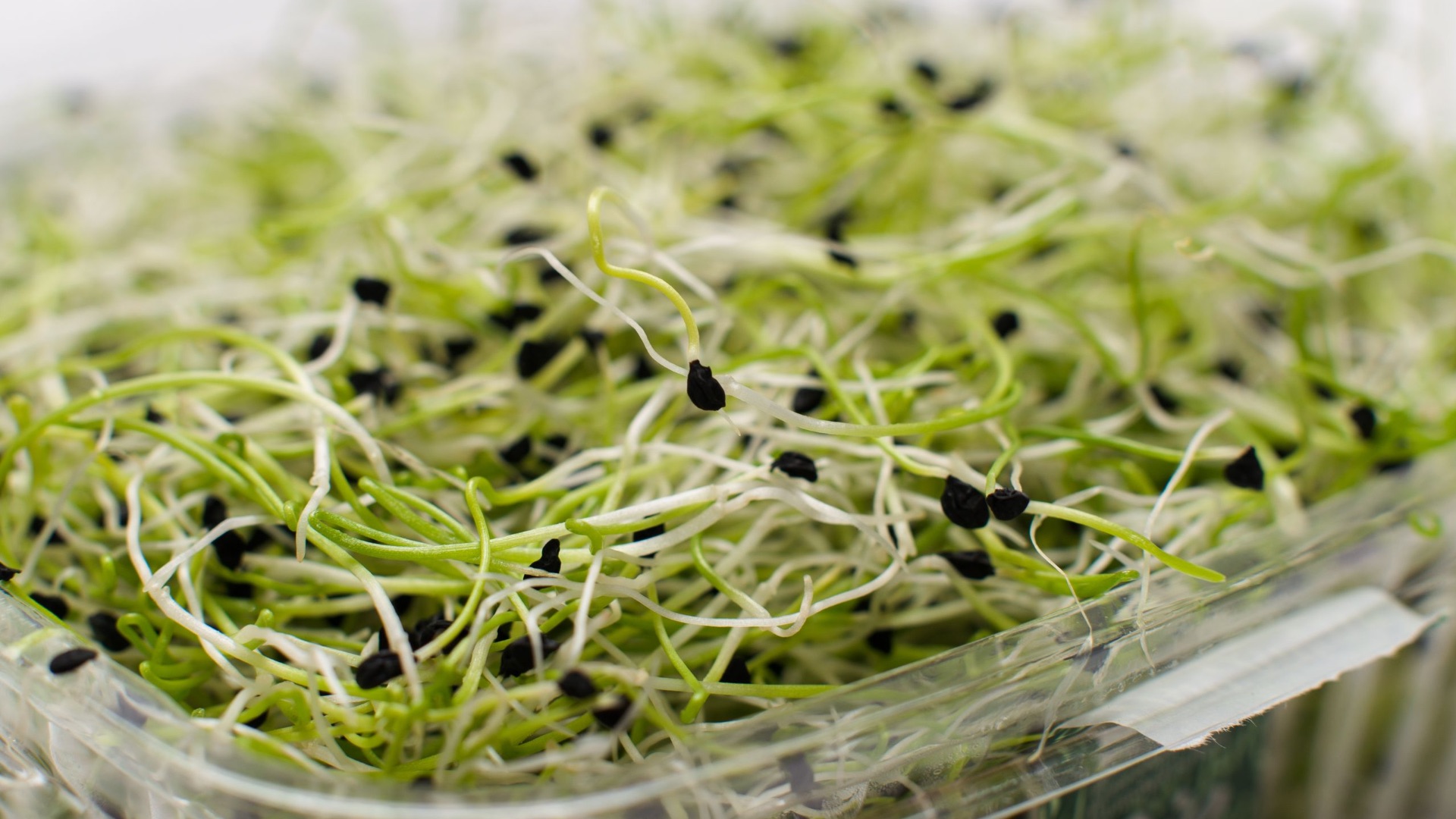
Sprouts are grown in the same warm, moist conditions that bacteria happen to enjoy, so you can probably see where the problem is—Salmonella, E. coli, and Listeria have all been associated with sprouts. While properly cooking them reduces the danger, those with weakened immune systems should exercise caution with raw sprouts.
17. Toast
Did you know even the toast you have for breakfast can be potentially dangerous? Alas, browning starchy foods can create acrylamide, a chemical that forms naturally during high-temperature cooking. High exposures have produced harmful effects in laboratory research, though no consistent link has been found. To err on the safer side, stick to a lighter golden color.
 Seriously Low Carb on Unsplash
18. Charred Meat
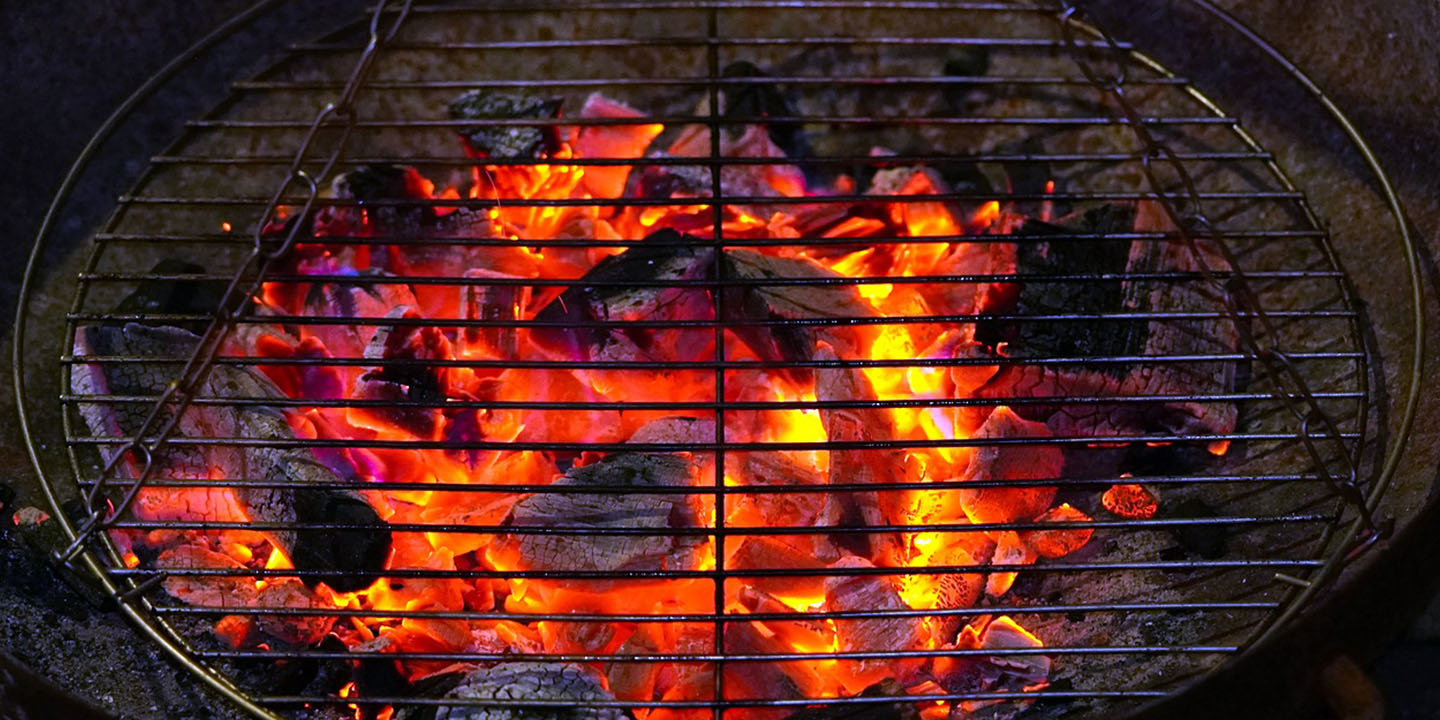
Barbecue lovers should be careful: cooking meat at very high temperatures can produce compounds known as heterocyclic amines and polycyclic aromatic hydrocarbons, which can damage DNA and may raise your risk of cancer. You don't need to abandon the grill, but you should still limit your intake of charred foods.

19. Processed Meat
If you regularly have bacon every morning, it might be time to stop. Along with it, you should probably stop regularly consuming hot dogs and other cured meats, too. Why? Processed meats are packed with nitrites—some of which are known or suspected to be harmful. Just as you should limit your intake of charred meats, add cured meats to the list, too.

20. Apple Juice
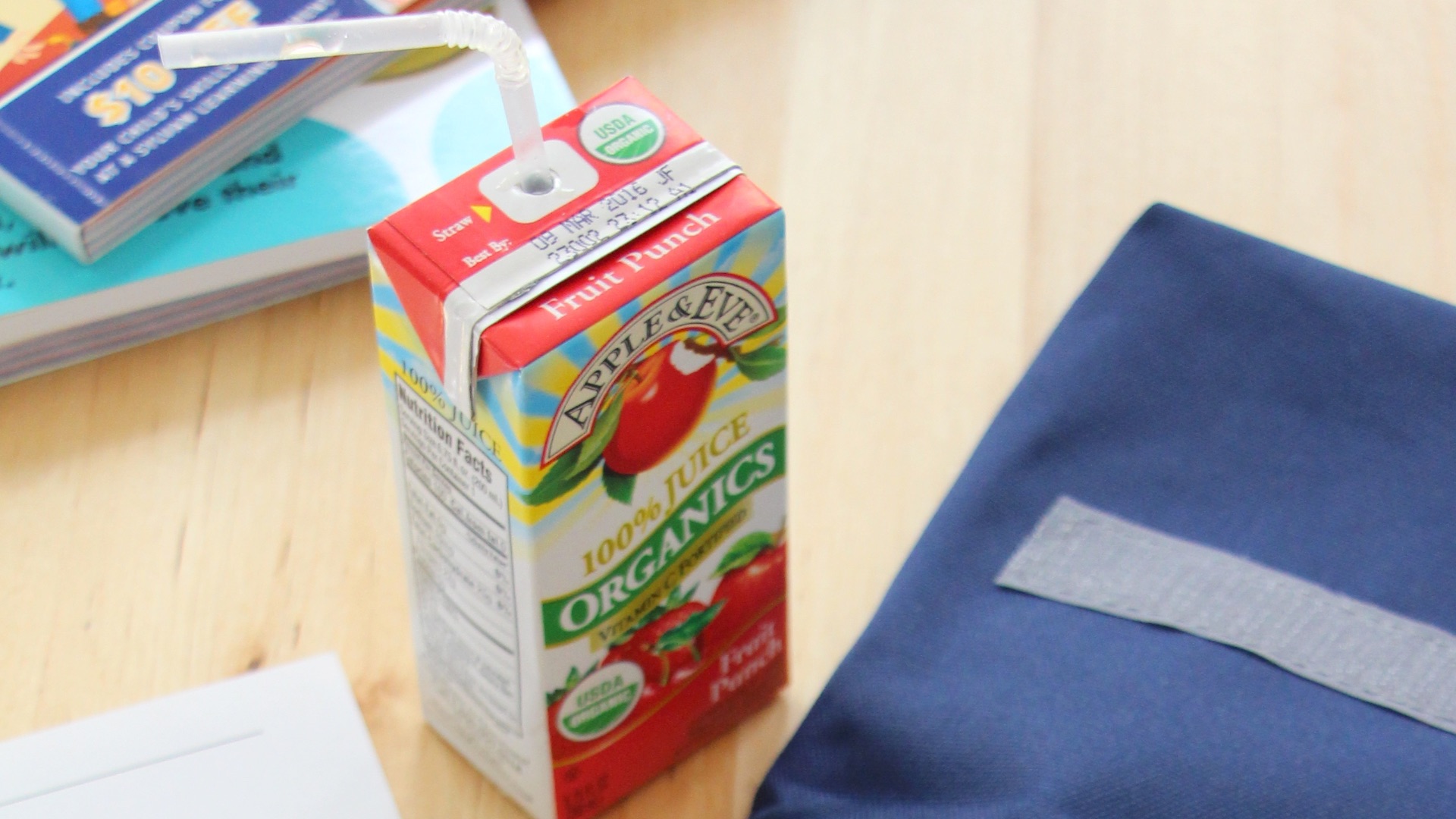
Arsenic isn't limited to rice. In fact, it can also turn up in fruit juices, including apple juice. Though regulators often monitor juice for inorganic arsenic and other contaminants, children are at greater risk when they drink large amounts.
 Personal Creations on Wikimedia
KEEP ON READING