You Might Have The Story Wrong
Food origin stories get repeated at restaurants, family dinners, and holiday tables until they start to feel settled. A dish gets tied to one city, one inventor, and the messier parts fall away. That’s usually where the better story lives, though: immigrant cooks adjusting to new ingredients, restaurants trying to please local diners, companies pushing smart marketing, and old claims getting repeated because they’re easy to remember. Some of these myths are harmless, while others erase the people and places that actually shaped the food. These 20 foods still carry origin stories that are simpler than the real ones.
1. Spaghetti And Meatballs
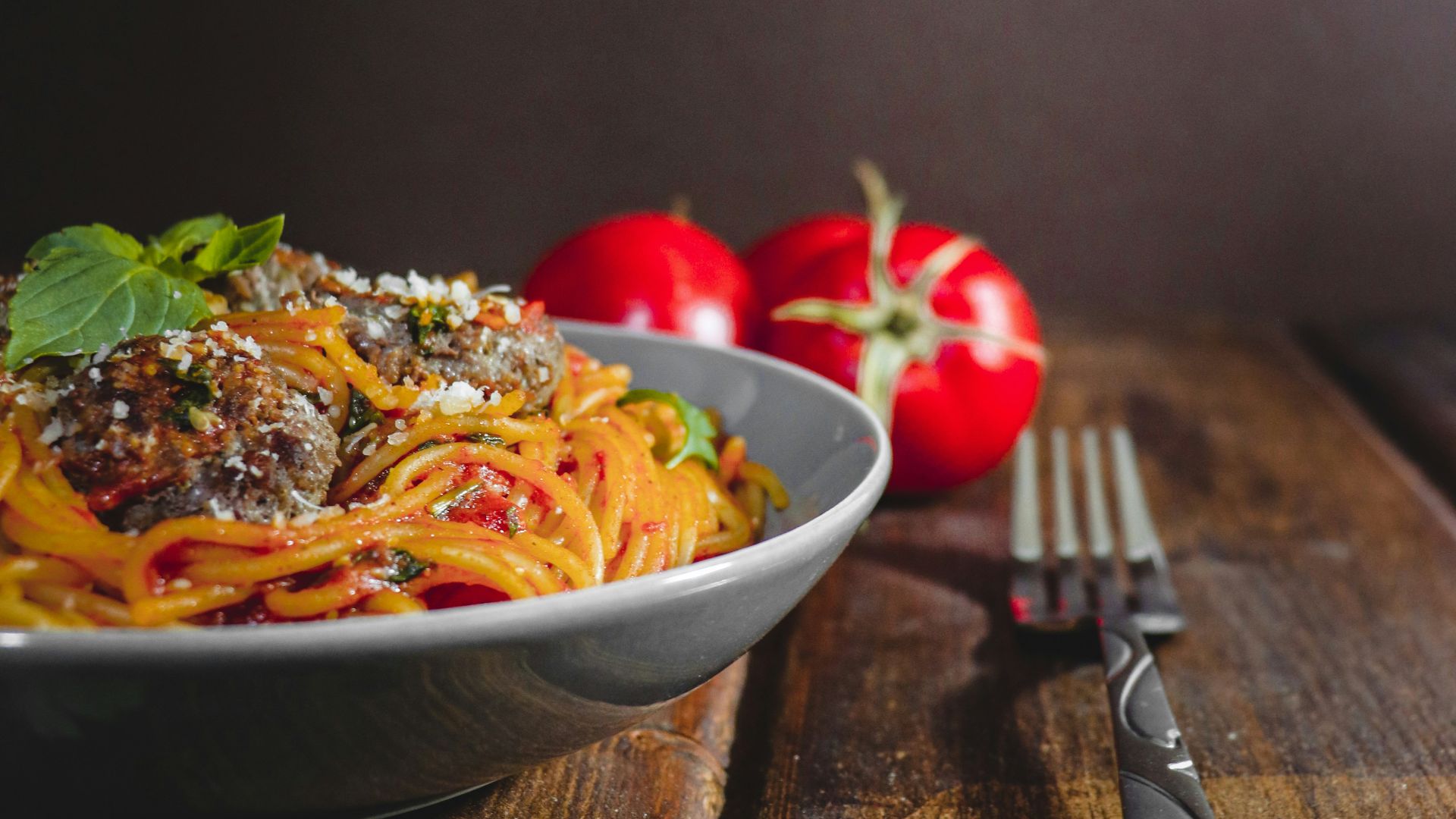
Spaghetti and meatballs often get pictured as an old Italian dinner, with a huge pot of sauce and meatballs big enough to cover your protein intake. The version we see today is much more westernized, shaped by Italian American immigrants in the United States in the late 19th and early 20th centuries. Meat was easier to buy here than it had been for many families in Italy, so the portions got bigger, saucier, and much more American.
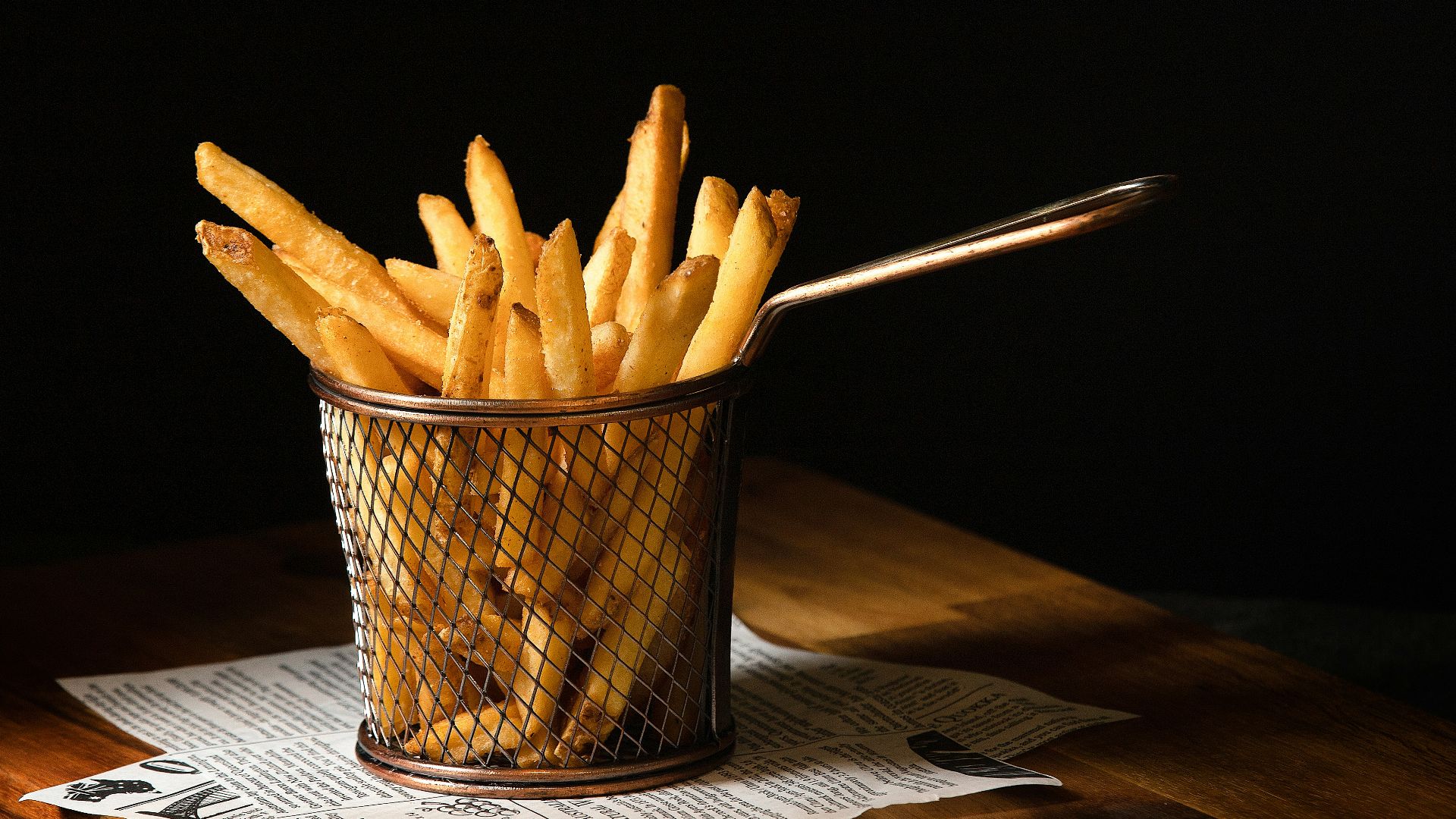
2. French Fries
French fries obviously sound like they come from France, but that isn’t necessarily the case. France and Belgium both have long-running claims to the food, and historians still dispute their origins. What we can say safely is that fried potatoes were part of European cooking before they became a fast-food side in paper sleeves.
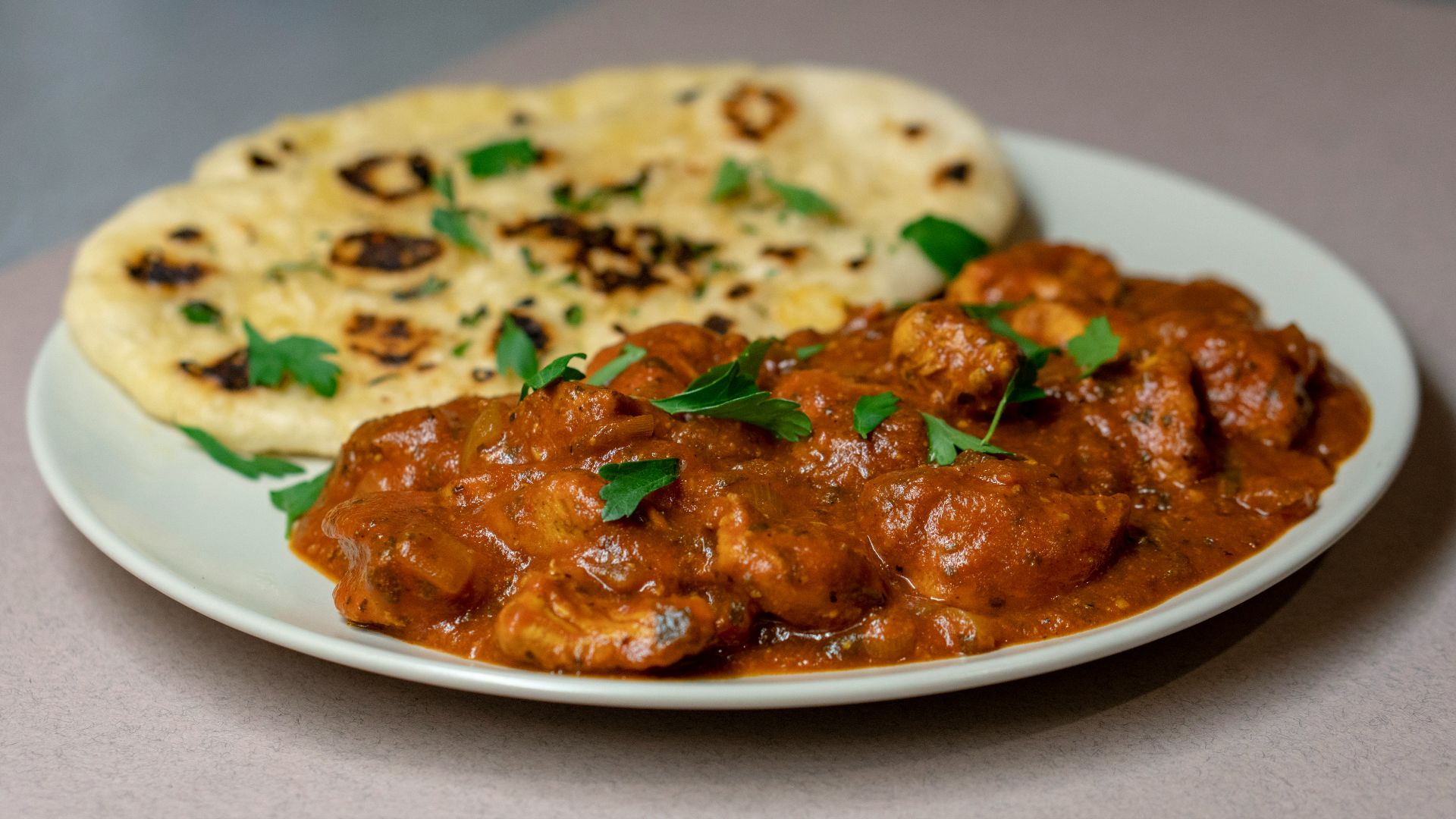
3. Chicken Tikka Masala
Chicken tikka masala is often treated like an Indian dish, even though its modern story is usually tied to Britain. One famous claim places it in Glasgow, where a South Asian restaurant kitchen paired chicken tikka with a creamy tomato sauce for local diners. The exact origin is still debated, but the dish clearly grew out of migration, restaurant work, and British curry-house culture.
 amirali mirhashemian on Unsplash
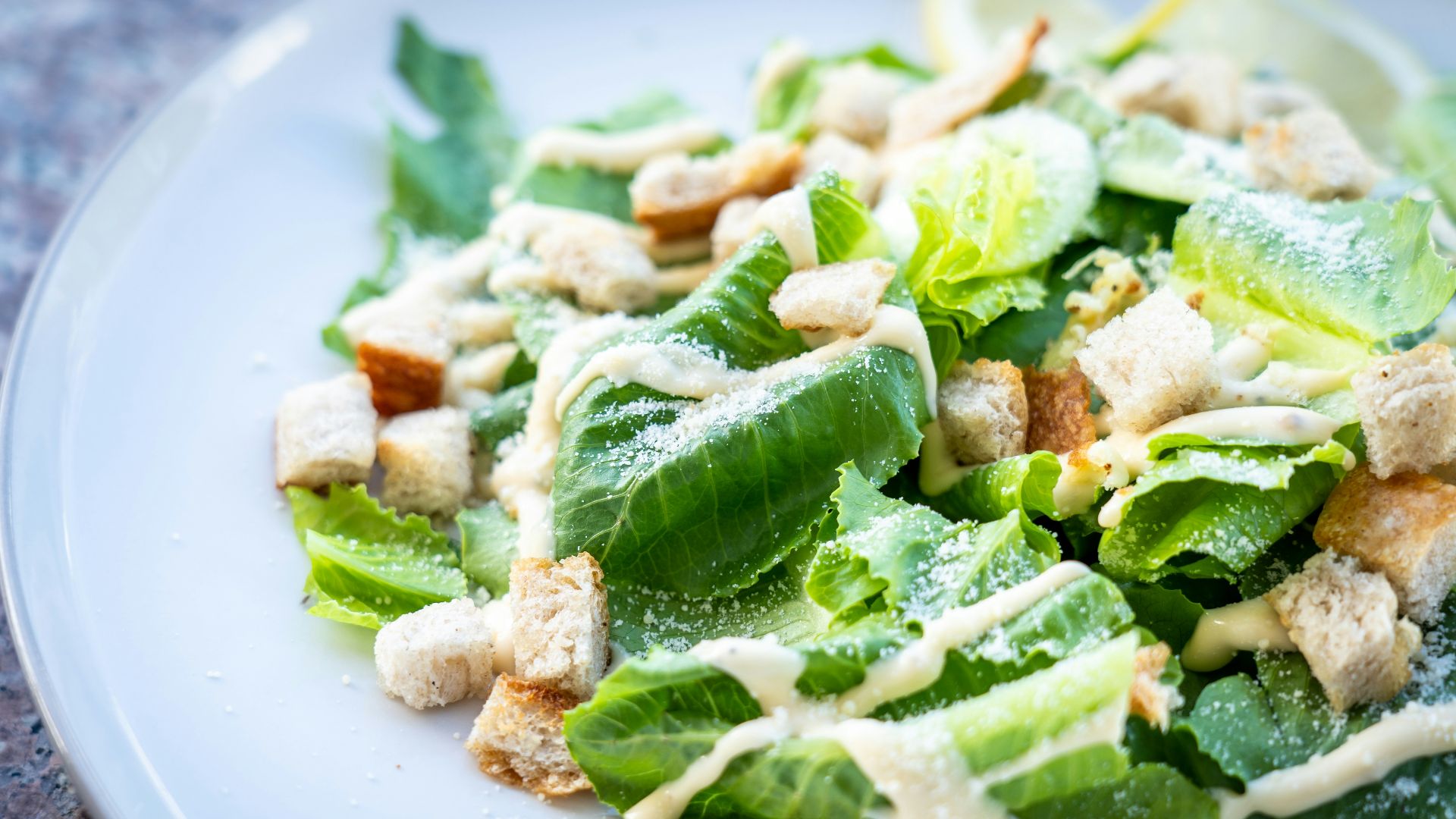
4. Caesar Salad
Caesar salad sounds like it should have something to do with ancient Rome. In reality, the salad is most closely linked to Caesar Cardini, an Italian immigrant restaurateur working in Tijuana, Mexico, in the 1920s. The original had more to do with Prohibition-era border traffic than ancient history.
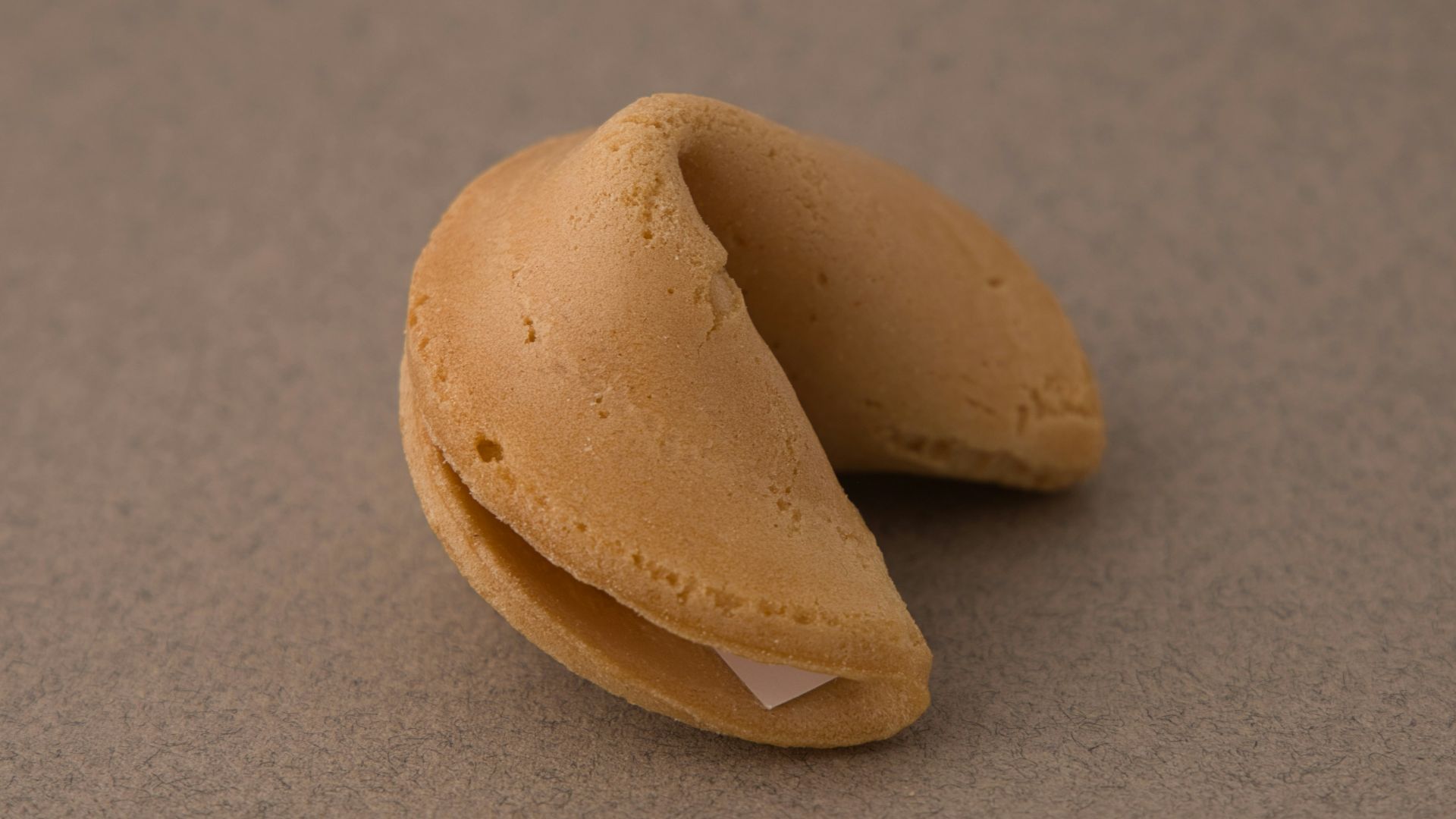
5. Fortune Cookies
Fortune cookies may arrive with the check at Chinese restaurants, but they’re not an old Chinese custom. They’re closely tied to Japanese confectioners in California, including San Francisco’s Japanese Tea Garden and early 20th-century bakeries. Chinese-American restaurants later helped make them familiar to millions of diners.
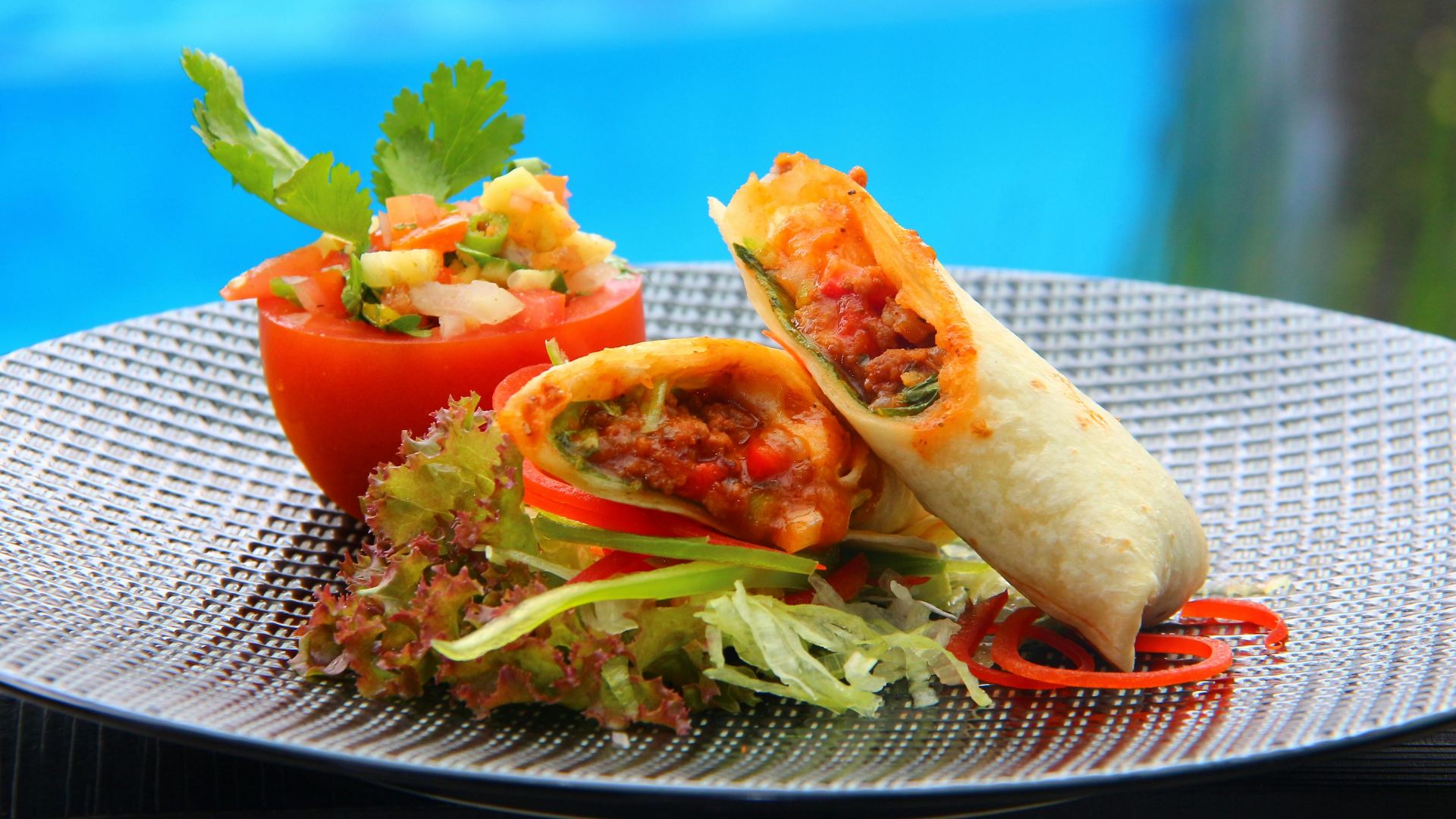
6. Chimichangas
The chimichanga often gets described as a Mexican dish, but its best-known backstories sit in Arizona. Tucson and Phoenix restaurants have competing claims, but regardless, the chimichanga is a staple of Mexican-American and Southwestern cooking.
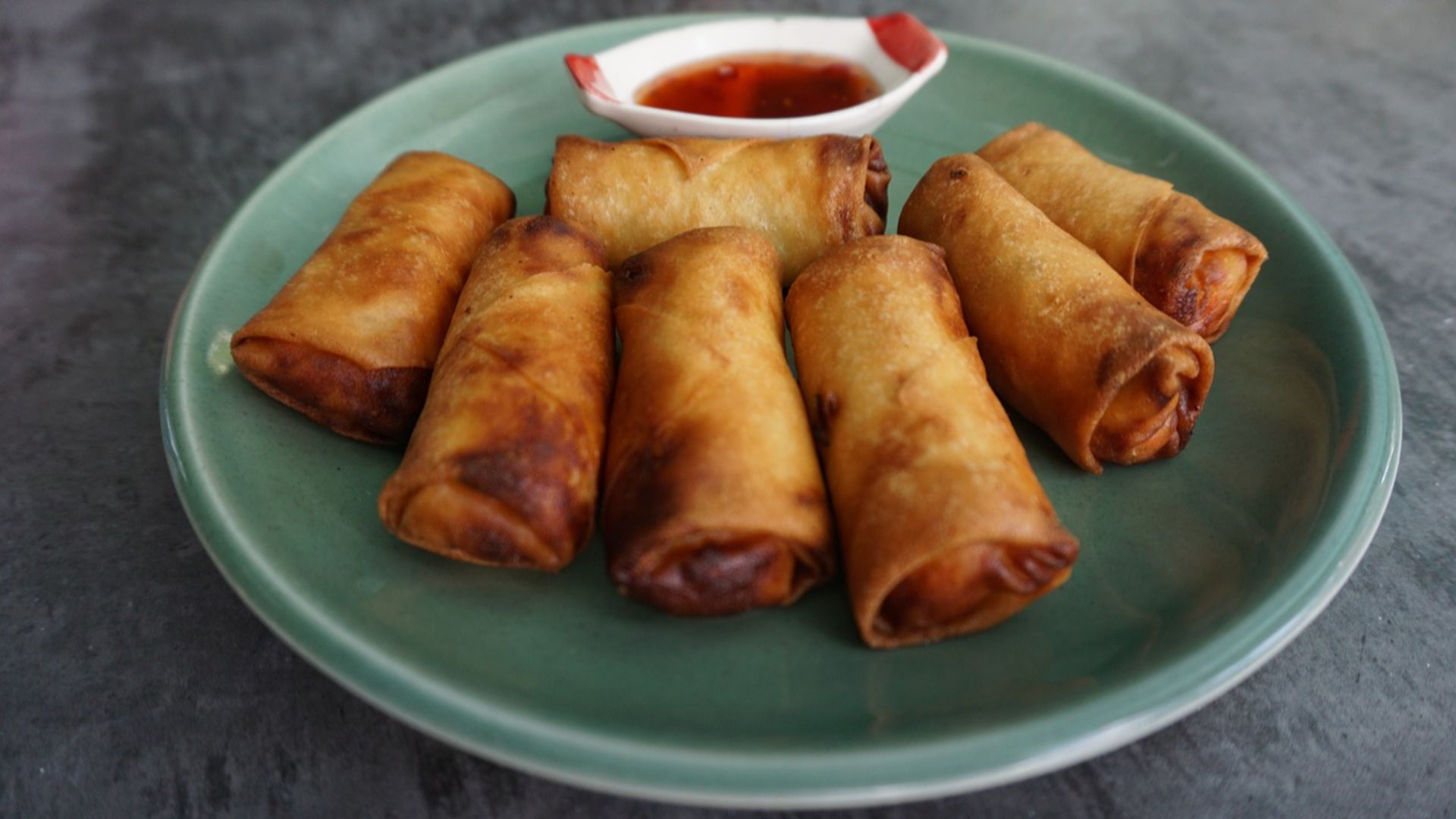
7. Egg Rolls
Egg rolls borrow from Chinese food traditions, but the takeout version many Americans know is incredibly westernized. The thick wrapper, cabbage-heavy filling, and deep-fried crunch became common in U.S. restaurants in the 20th century.
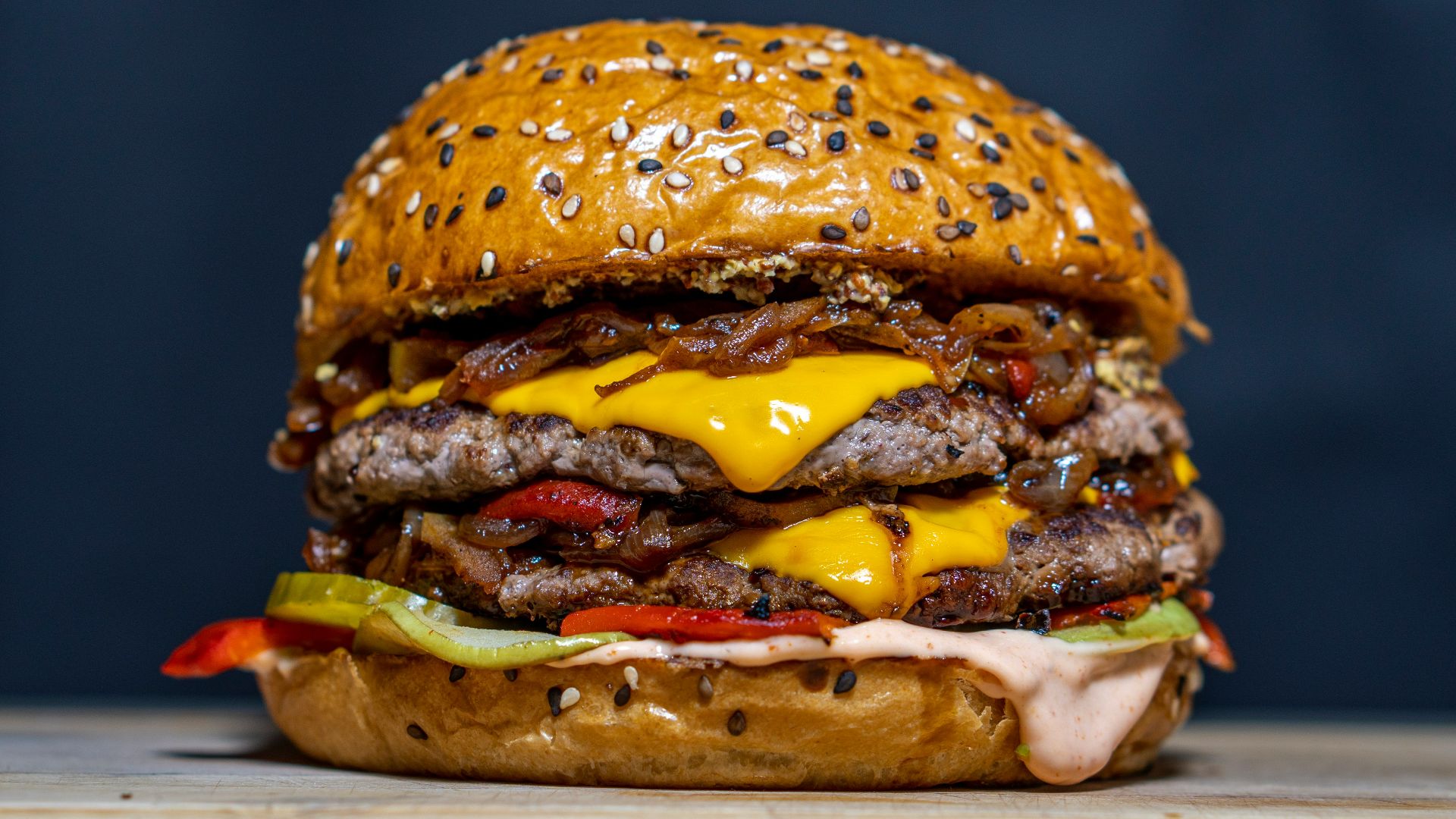
8. Hamburgers
The hamburger has attracted more origin claims than one sandwich really deserves. Louis’ Lunch in New Haven, Connecticut, is famously linked to an early hamburger sandwich around 1900, but ground beef dishes and Hamburg-style chopped meat came before that. The modern burger came together through older meat traditions, U.S. lunch counters, and the rise of casual restaurant food.
 amirali mirhashemian on Unsplash
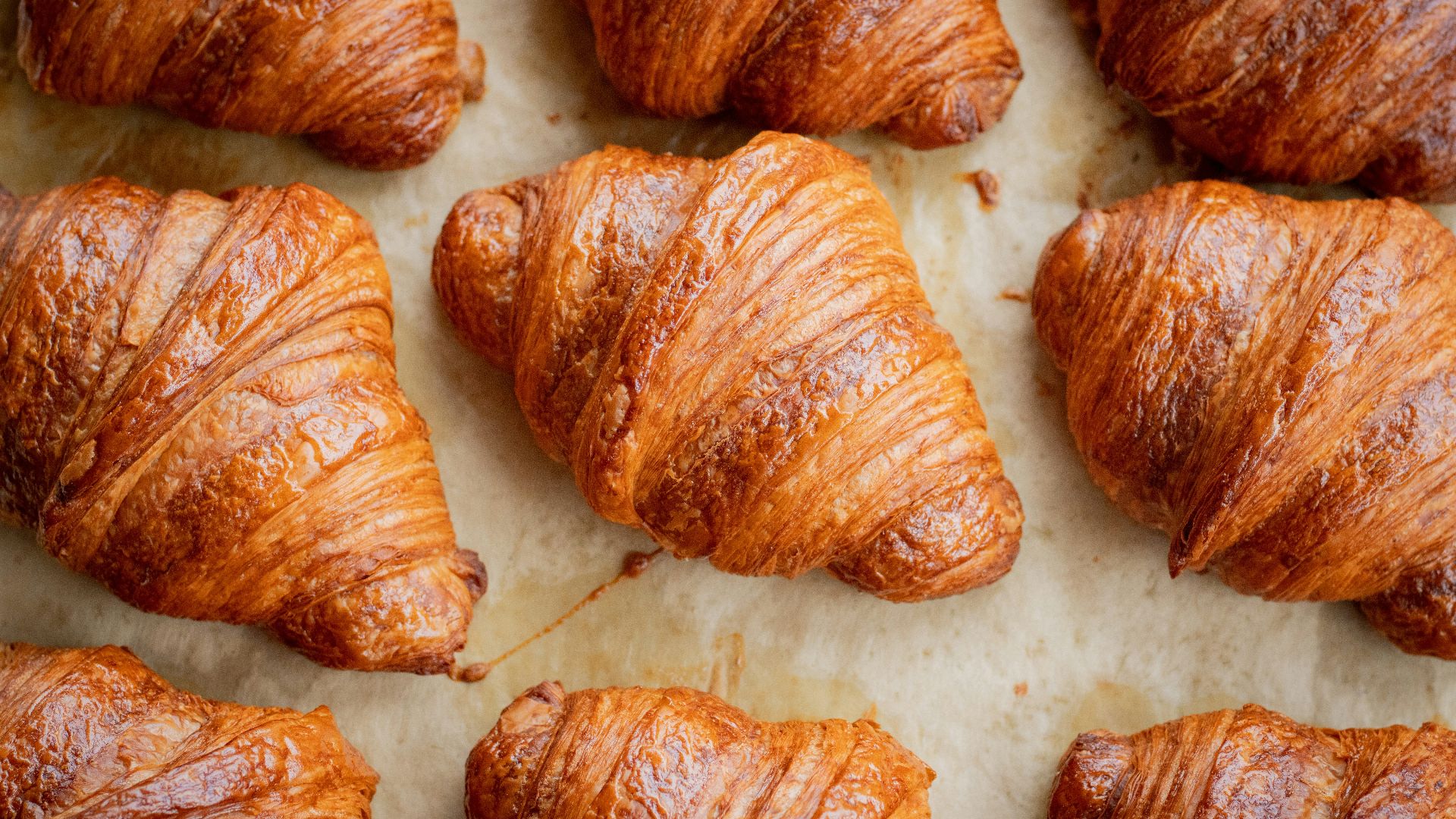
9. Croissants
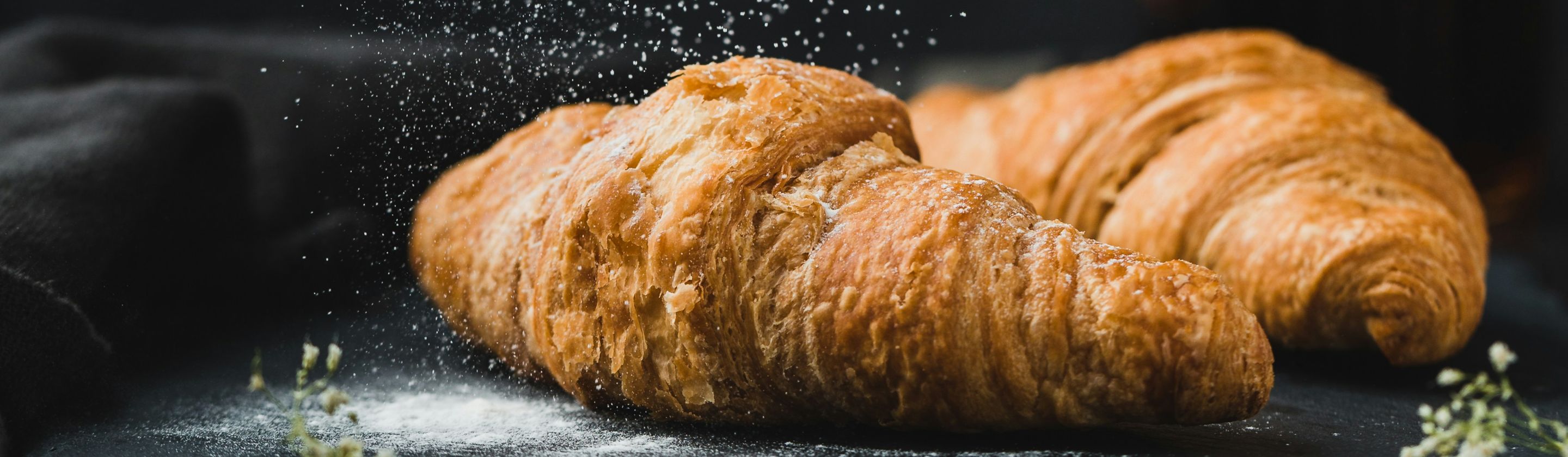
Croissants are deeply associated with the French today, but their family tree comes from outside of France’s borders. Crescent-shaped pastries such as the Austrian kipferl came before the modern buttery croissant.
10. Peanut Butter
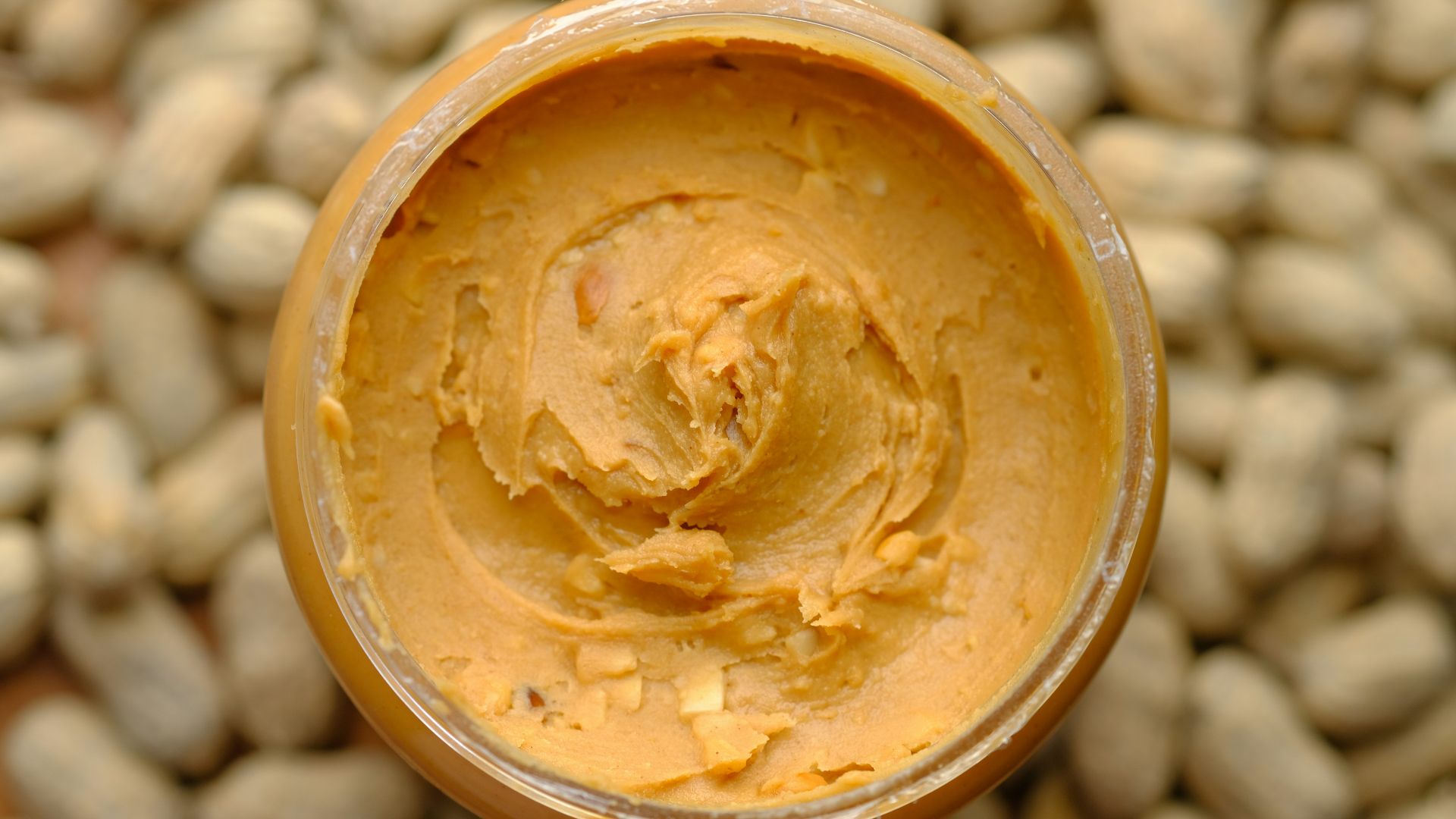
George Washington Carver still gets credit for inventing peanut butter, but that isn’t the whole story. Carver did important work with peanuts and helped promote them as a crop, especially for Southern farmers. Ground peanut pastes existed long before him, primarily in West African cuisine.
11. MSG
MSG’s story is less about where it came from and more about what people were told to fear. Japanese chemist Kikunae Ikeda identified glutamate’s savory taste in the early 1900s, and MSG became a useful seasoning. The latter panic around it, especially in American restaurant culture, leaned heavily on rumor and suspicion rather than solid evidence.
12. Tang
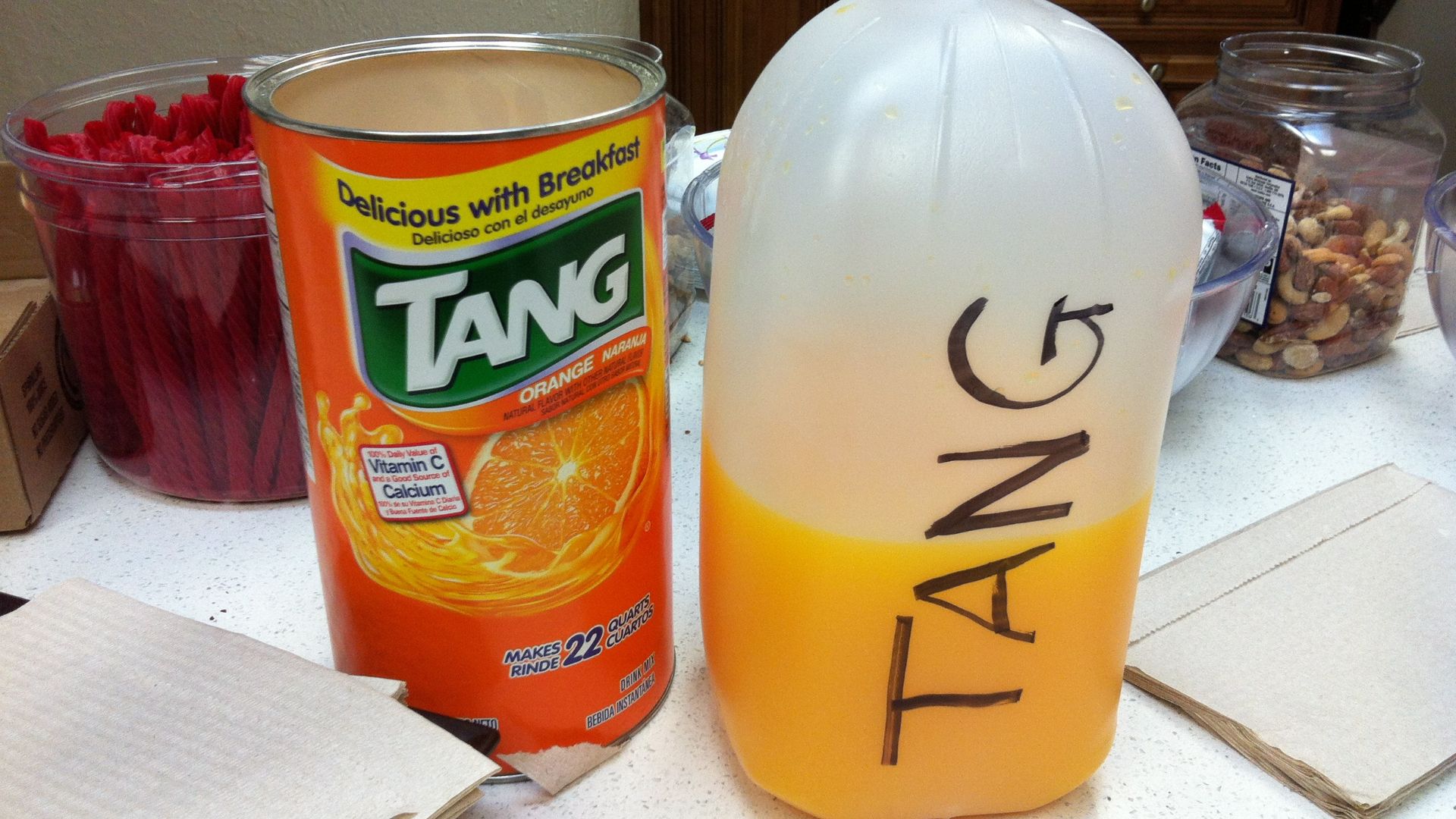
Tang wasn’t invented for NASA, no matter how many people learned that it was. General Foods created the orange drink powder before astronauts took it into space. The NASA connection made Tang famous, which is a pretty nice marketing boost for something that started as a grocery-store product.
 Chris Radcliff from San Diego, CA, USA on Wikimedia
13. Sushi
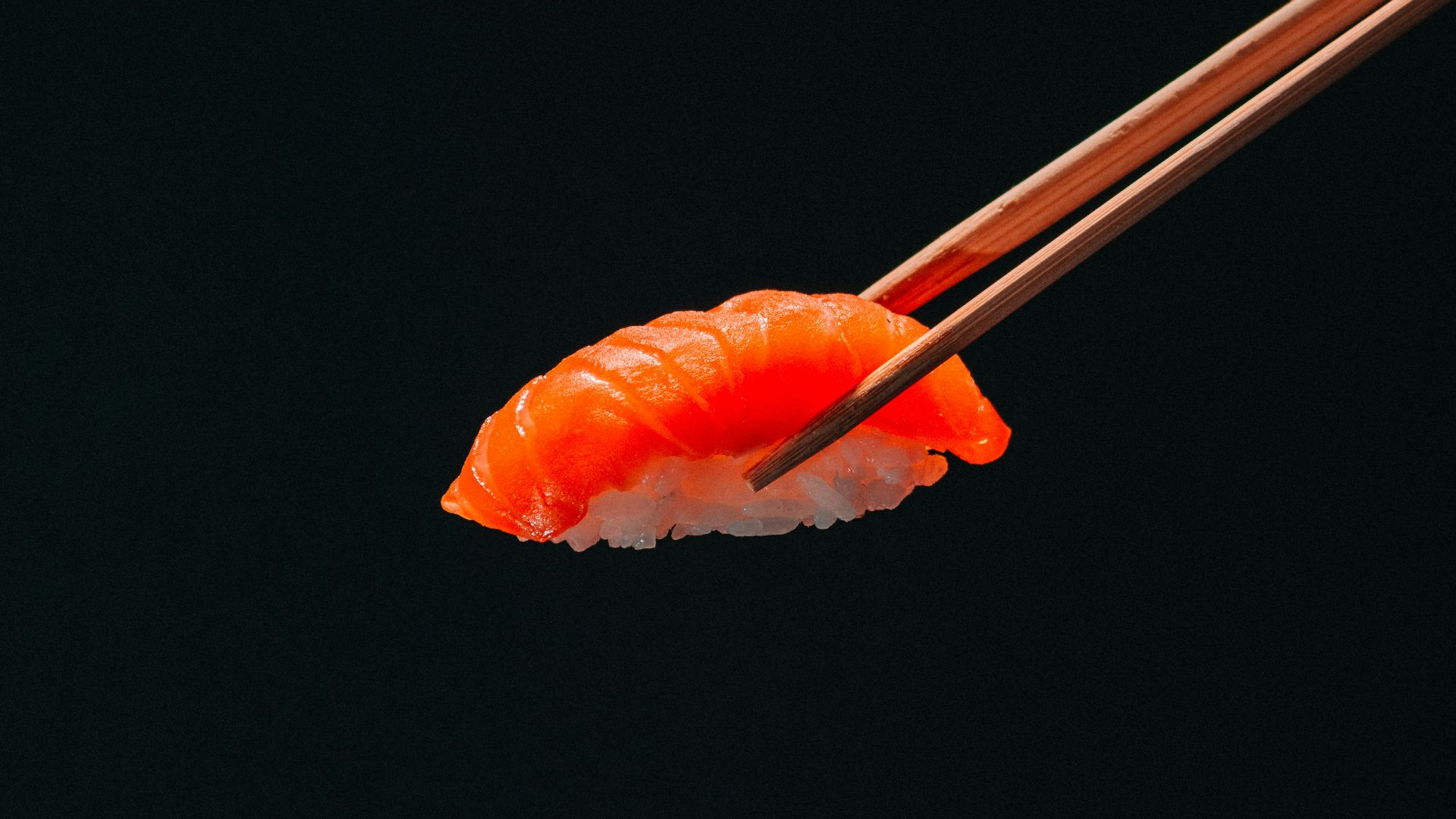
Sushi often gets reduced to simple raw fish, but this idea leaves out centuries of the food’s evolution. Older forms of sushi were tied to preserving fish with fermented rice. The sushi most Americans know, including California rolls and spicy tuna rolls, came much later through Japanese tradition and U.S. restaurant adaptation.
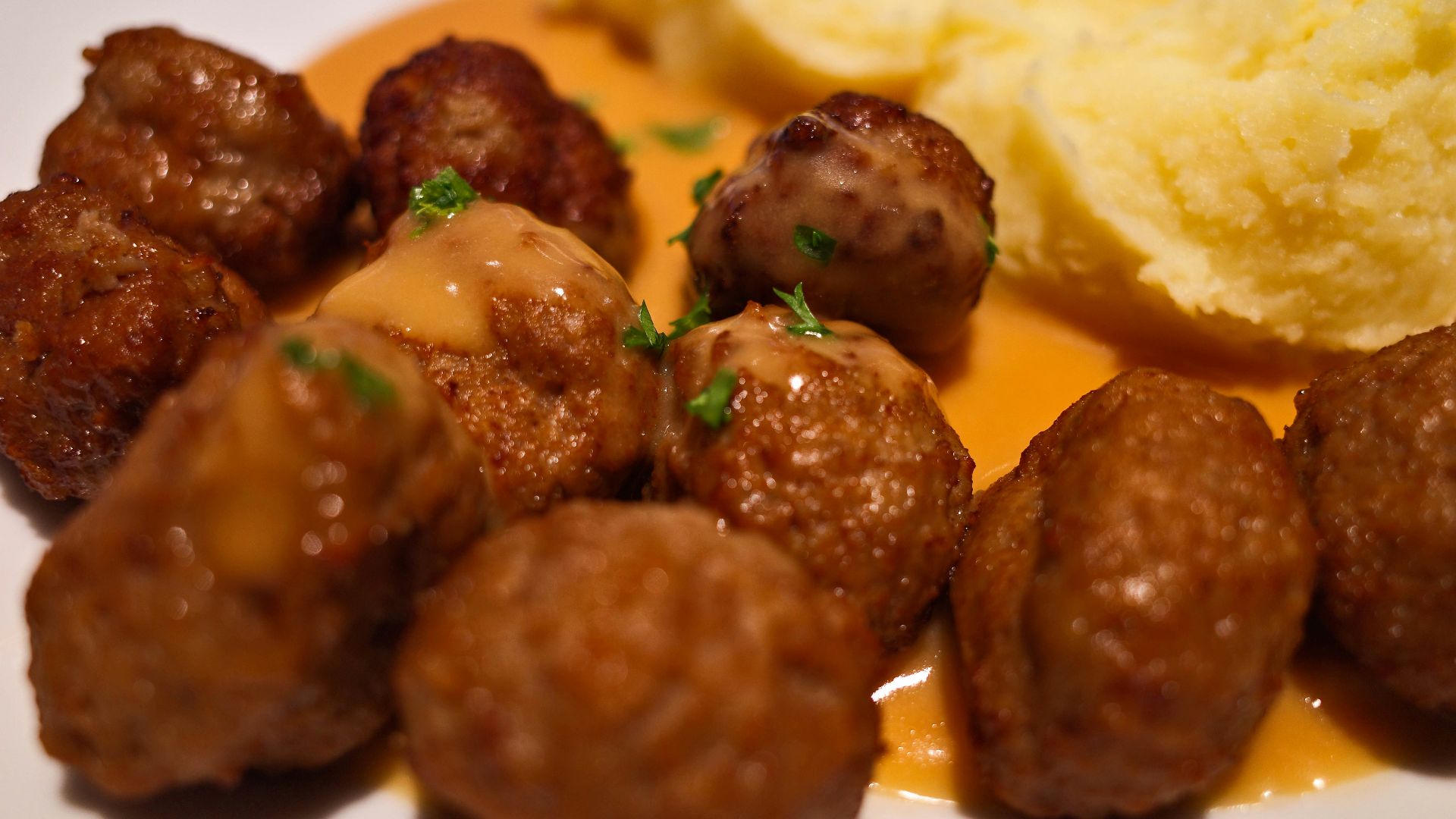
14. Swedish Meatballs
Swedish meatballs did not begin at IKEA, although IKEA did make them globally familiar. Sweden’s meatball tradition is older, and some claims connect it to wider European and Ottoman influences.
15. The First Thanksgiving Meal
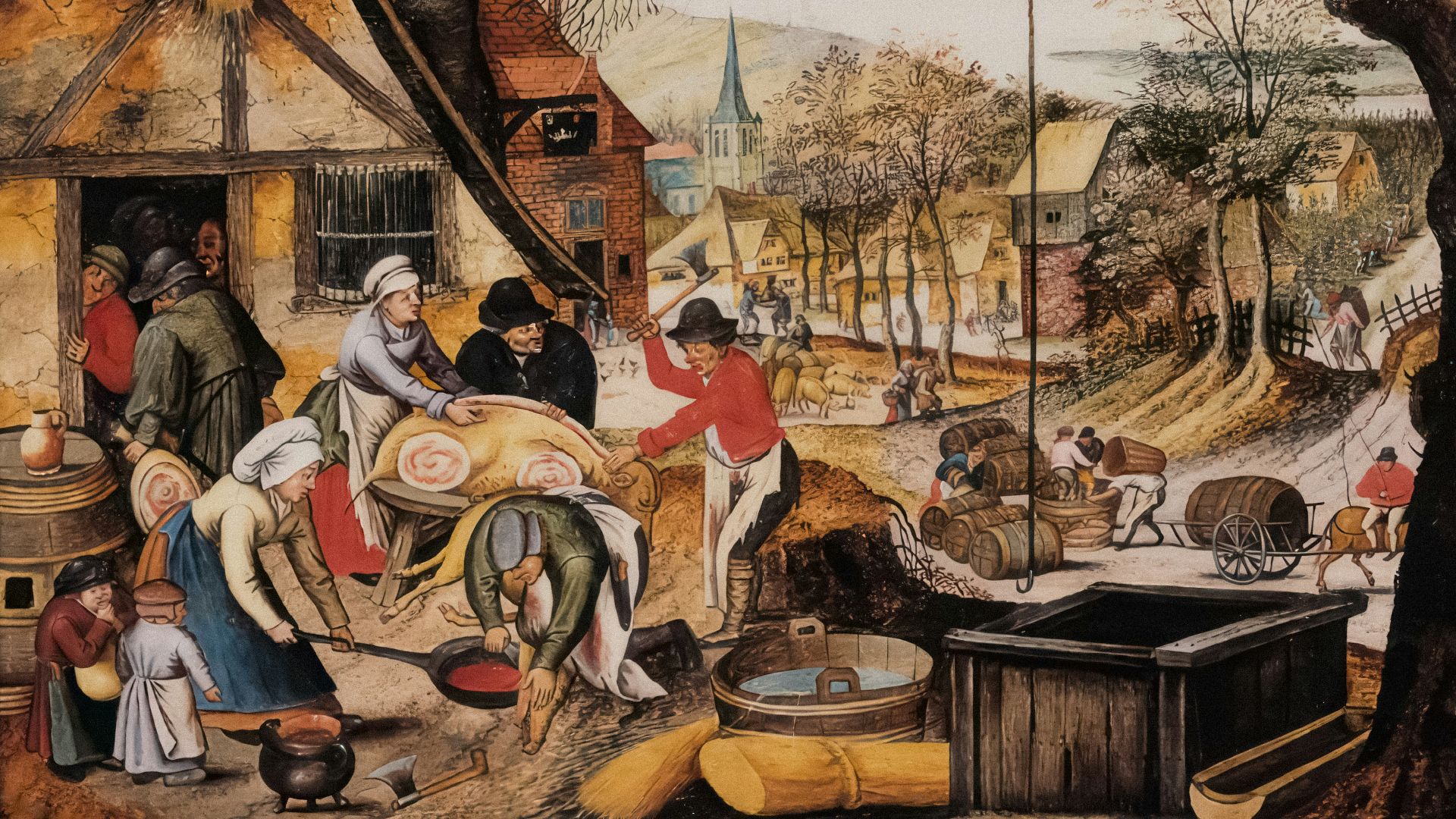
The first Thanksgiving meal wasn’t the polished turkey-and-pie spread people now imagine. The 1621 harvest gathering likely included wildfowl, venison, corn, and seafood, based on what was available in Plymouth and nearby Wampanoag foodways.
 National Historical Museum of Sweden (NHM) on Unsplash
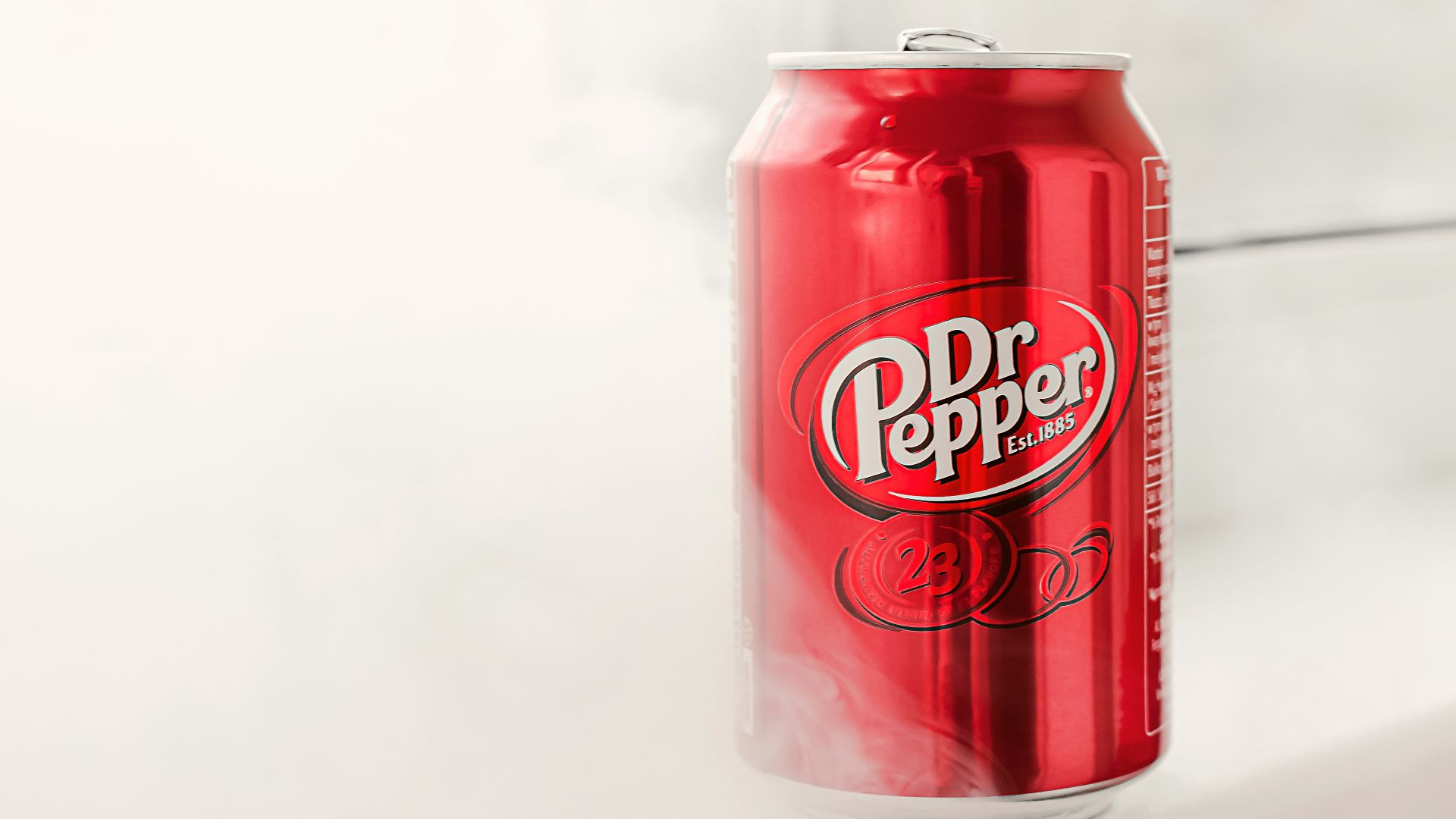
16. Dr Pepper
The prune juice rumor has followed Dr Pepper for decades. The soda’s flavor has always been hard to pin down, which probably helped the rumor survive. The company has denied that prune juice is part of the recipe, so this one belongs more to playground gossip and old soda-counter chatter than food fact.
 Katherine Kromberg on Unsplash
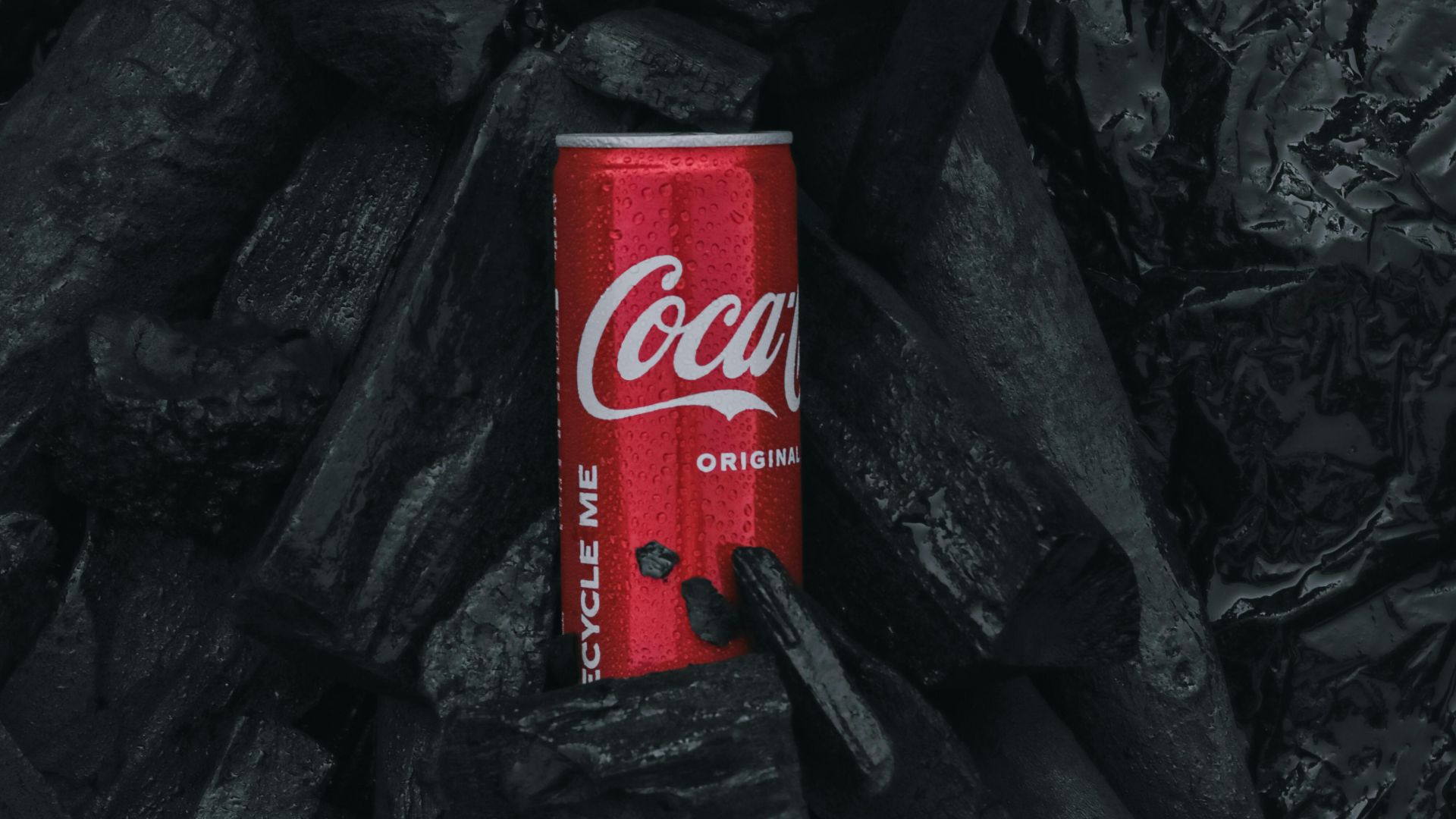
17. Coca-Cola
Coca-Cola’s origin story gets exaggerated because one uncomfortable detail is actually true. Early Coca-Cola did use coca leaf-derived cocaine, as many patent-medicine drinks did in the late 1800s. The formula changed in the early 1900s, so the modern version of the story usually makes the old drink sound far more scandalous than the historical record supports.
18. Coffee
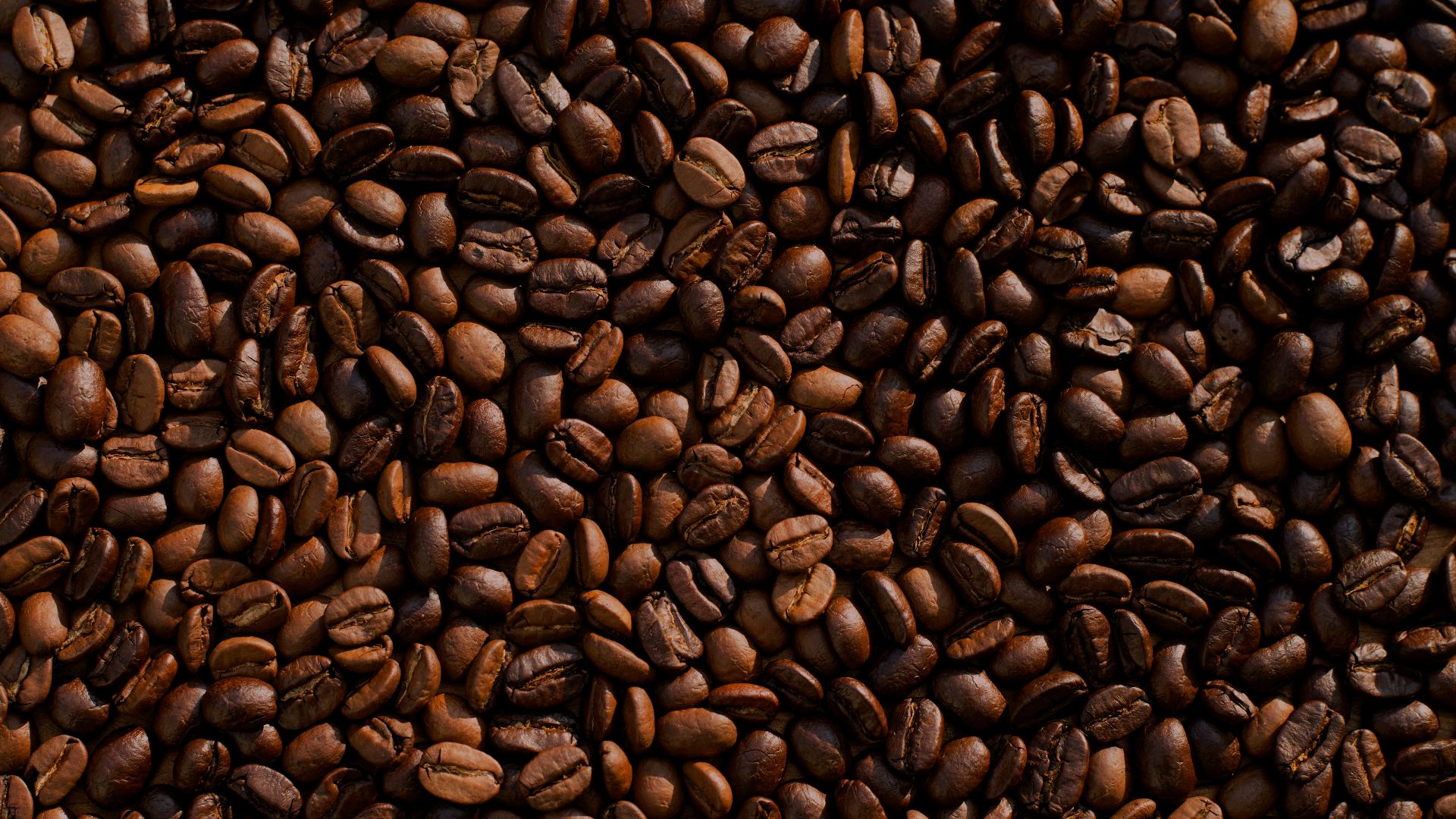
Once labeled “Satan’s drink” in 16th-century Europe, coffee spent a long time at the epicentre of a global hate train. In American history, folks said the drink caused sterility, hysteria, and digestive issues. Of course, it’s now considered one of the most popular drinks today.
19. Pasta
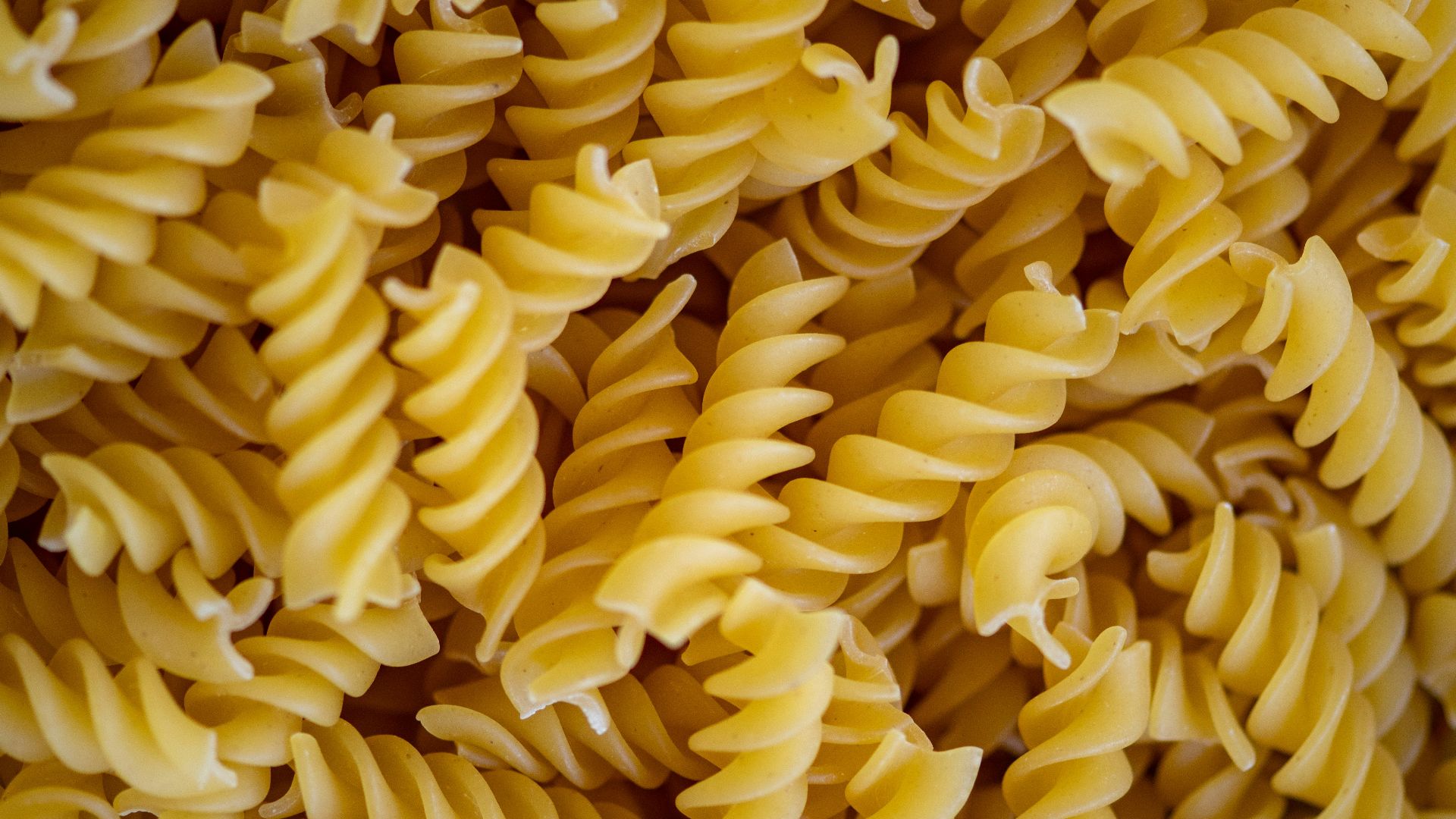
While we widely associate pasta with Italian culture, it actually existed long before then. Pasta originated in Asia before making its way to the Mediterranean. A common legend about the food talks about a man named Marco Polo, who imported the dish from China, but it’s more likely that this story was made up in the 20th century for advertising purposes.
20. Butter Chicken
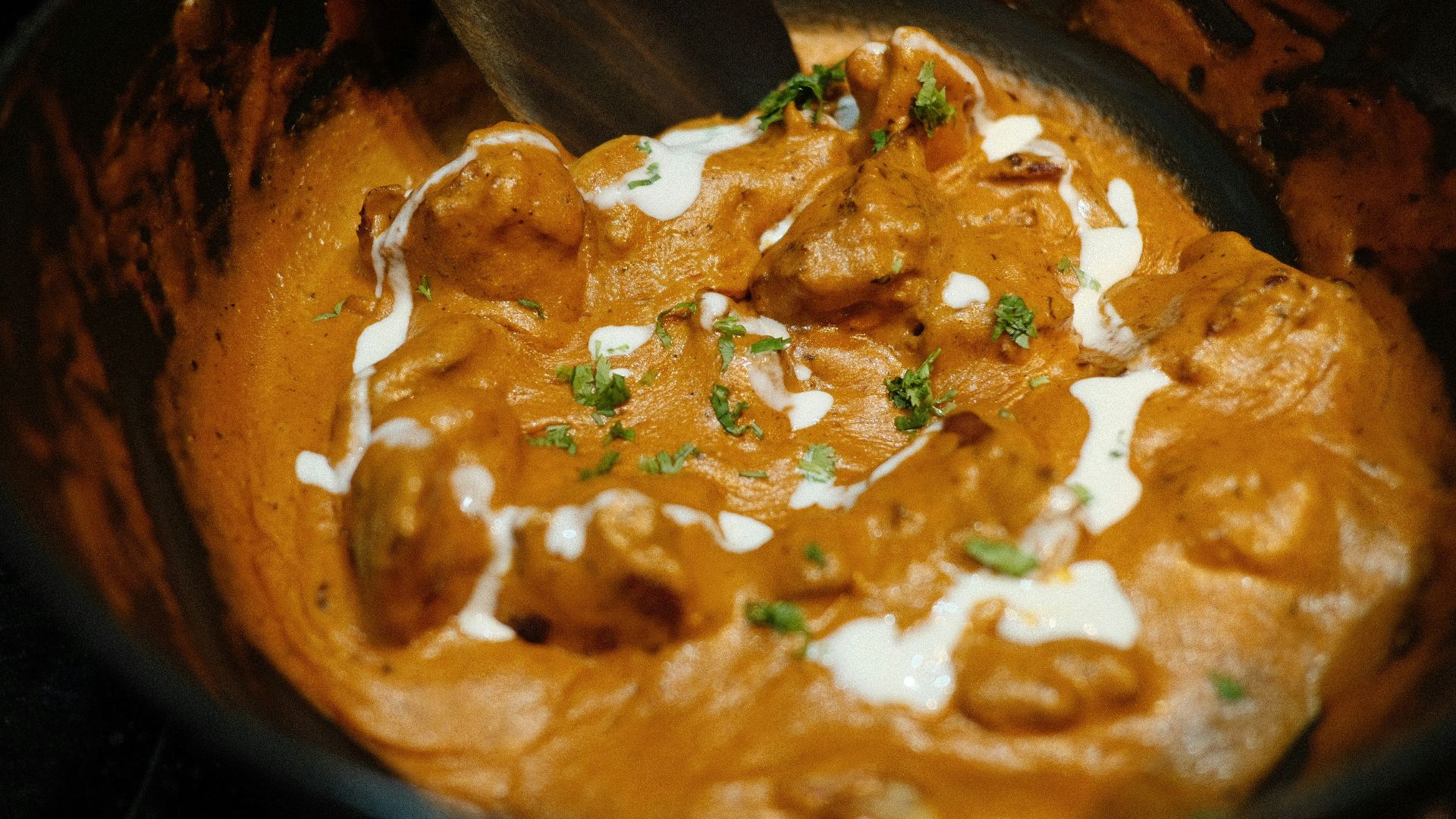
Butter chicken seems like it has ancient origins, but its strongest modern story is tied to restaurant cooking in North India. The dish is closely associated with Moti Mahal and the post-Partition Delhi food scene, where tandoori chicken met butter, tomatoes, cream, and practical kitchen problem-solving. Its exact origin is still argued over, but it’s better understood as a modern restaurant classic than an ancient palace dish.
KEEP ON READING
You’re Storing Tomatoes Wrong in This Heat
You’re Storing Potatoes Wrong in This Heat
You’re Storing Peppers Wrong in This Heat
You’re Storing Carrots Wrong in This Heat