It’s easy to stick to the same vegetables you already know, especially when they’re convenient and familiar. Over time, many nutritious and flavorful options have quietly disappeared from everyday meals. These lesser-known vegetables were once common in kitchens but have been overshadowed by more popular choices. Bringing them back into your routine can add variety and depth to your meals. It’s also a simple way to reconnect with ingredients that have stood the test of time.
There’s also a growing interest in rediscovering ingredients that offer both nutritional value and unique flavor. Many of these vegetables are rich in vitamins, minerals, and fiber, making them a strong addition to a balanced diet. They often thrive in a range of climates, which makes them practical as well as versatile. By giving them another chance, you’re expanding your options in a meaningful way.
Rutabaga: The Overlooked Root With Staying Power
Rutabaga is often confused with turnips, which may be part of why it’s overlooked. It has a slightly sweeter, earthier flavor and a denser texture that holds up well in cooking. Historically, it was a staple in colder regions because it stores well through winter. Despite that practicality, it’s rarely a first choice in modern kitchens.
Nutritionally, rutabaga offers a solid mix of vitamin C, potassium, and fiber. These qualities make it a useful addition to meals that need both substance and balance. It’s also relatively low in calories while still being filling. This combination makes it a practical ingredient for a wide range of diets. Many people overlook it simply because they’re unfamiliar with how to prepare it. Once you try it, though, it tends to become easier to incorporate.
One of the reasons rutabaga deserves a comeback is its adaptability. It pairs well with both simple seasonings and more complex dishes. You can treat it as a substitute for potatoes or use it alongside them for added variety. Its slightly sweet profile works especially well when roasted. With a bit of experimentation, it can become a reliable part of your cooking routine. It’s the kind of ingredient that rewards a second look.
Kohlrabi: The Crisp Vegetable That Deserves More Attention
Kohlrabi isn’t always easy to recognize, which may explain why it’s often passed over. Its round shape and thick stem can make it seem unfamiliar at first glance. However, once peeled, it reveals a crisp texture similar to a mild, slightly sweet broccoli stem. It’s been used in European cuisines for centuries, yet it’s still not widely used in everyday cooking.
From a nutritional standpoint, kohlrabi provides vitamin C, fiber, and a range of antioxidants. These qualities support overall health while adding a refreshing crunch to meals. It can be eaten raw in salads or cooked in a variety of ways. This flexibility makes it easier to integrate into different dishes.
Kohlrabi’s versatility is one of its strongest advantages. It can be sliced thin for a crisp addition to slaws or roasted for a softer texture. Its mild flavor allows it to blend well with other ingredients without overpowering them. This makes it a useful option when you want to add variety without changing a dish completely. It’s also quick to prepare once you know how to handle it. That ease can make it more appealing over time.
Sunchokes: The Nutty Option You Might Be Missing
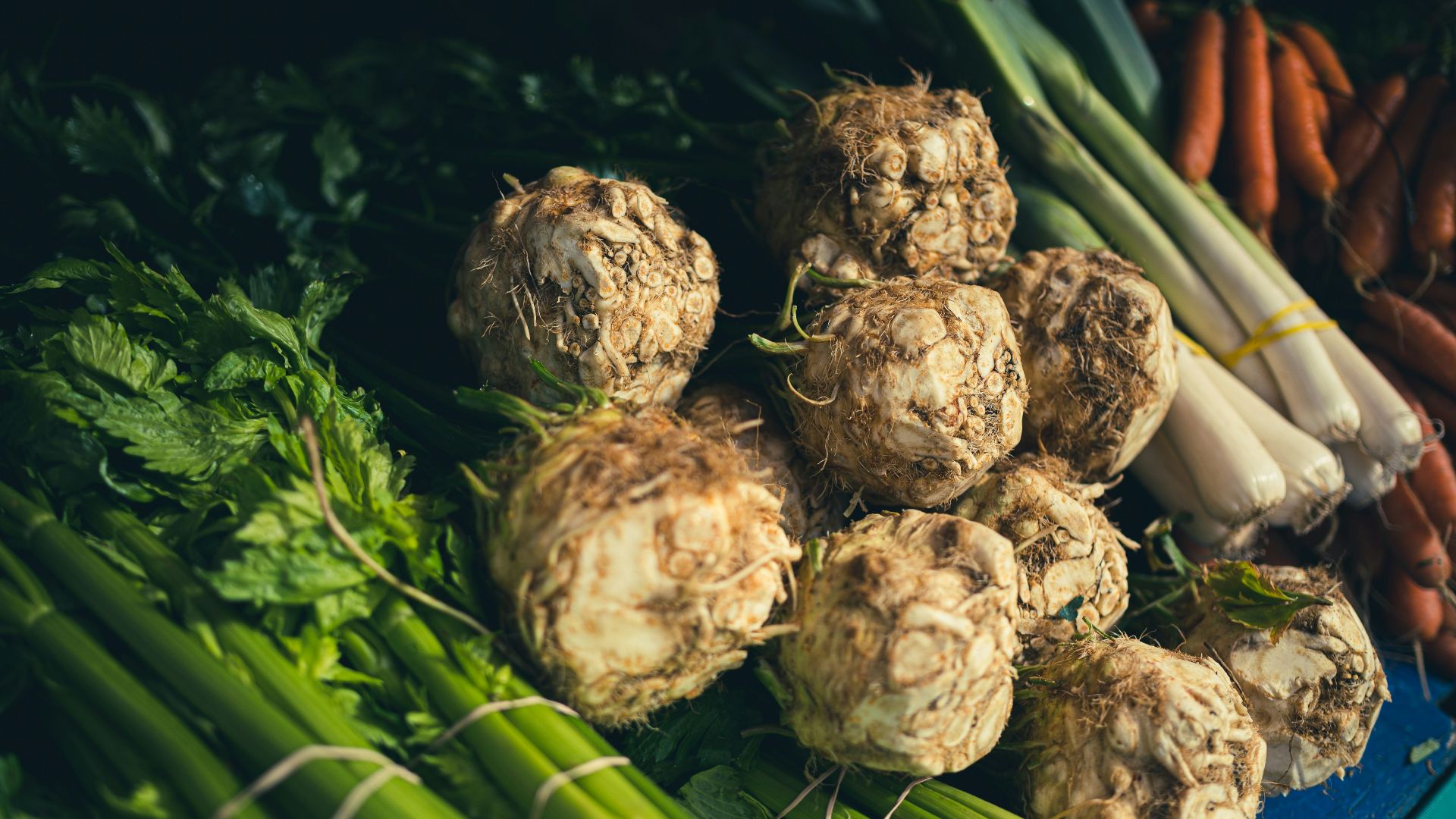
Sunchokes, also known as Jerusalem artichokes, are often overlooked despite their unique qualities. They’re not related to artichokes, but rather a type of sunflower root. Their slightly nutty, mildly sweet flavor sets them apart from more common vegetables. Historically, they were widely used before being replaced by more familiar staples.
These root vegetables are rich in fiber, particularly a type called inulin. This supports digestive health and adds to their nutritional value. They also provide iron and potassium, making them a well-rounded addition to meals. While they may not look as uniform as other vegetables, their benefits are clear. Many people simply haven’t been exposed to them often enough. Greater awareness could easily change that.
Sunchokes can be prepared in several ways, from roasting to pureeing. Their texture becomes soft and slightly creamy when cooked, which works well in soups and side dishes. At the same time, they can be sliced thin and used raw for a crisp bite. This range of uses makes them more versatile than they first appear. With a little experimentation, they can become a regular part of your meals. They’re a great example of how underrated ingredients can surprise you.
Underrated vegetables may not always get the attention they deserve, but they offer plenty of reasons to bring them back into your meals. By exploring beyond the usual options, you can add variety, nutrition, and interest to your cooking. These ingredients have lasted for generations for a reason, even if they’ve been temporarily overlooked.
KEEP ON READING

The 5 Most Consumed Foods in the Entire World