20 Foods You'd Throw Away If You Didn't Know They Were Supposed to Look Like That
Somebody Did This on Purpose
Every food on this list was made this way deliberately by people who knew exactly what they were doing. Mold arrives from a spray bottle, and a brick of soybeans goes up on a rafter to catch whatever is drifting through the air. The results look like the thing at the back of the fridge that you throw out without opening. Most of them took centuries to refine and a strong stomach to pioneer. Here's 20 foods engineered to look like they have gone bad.
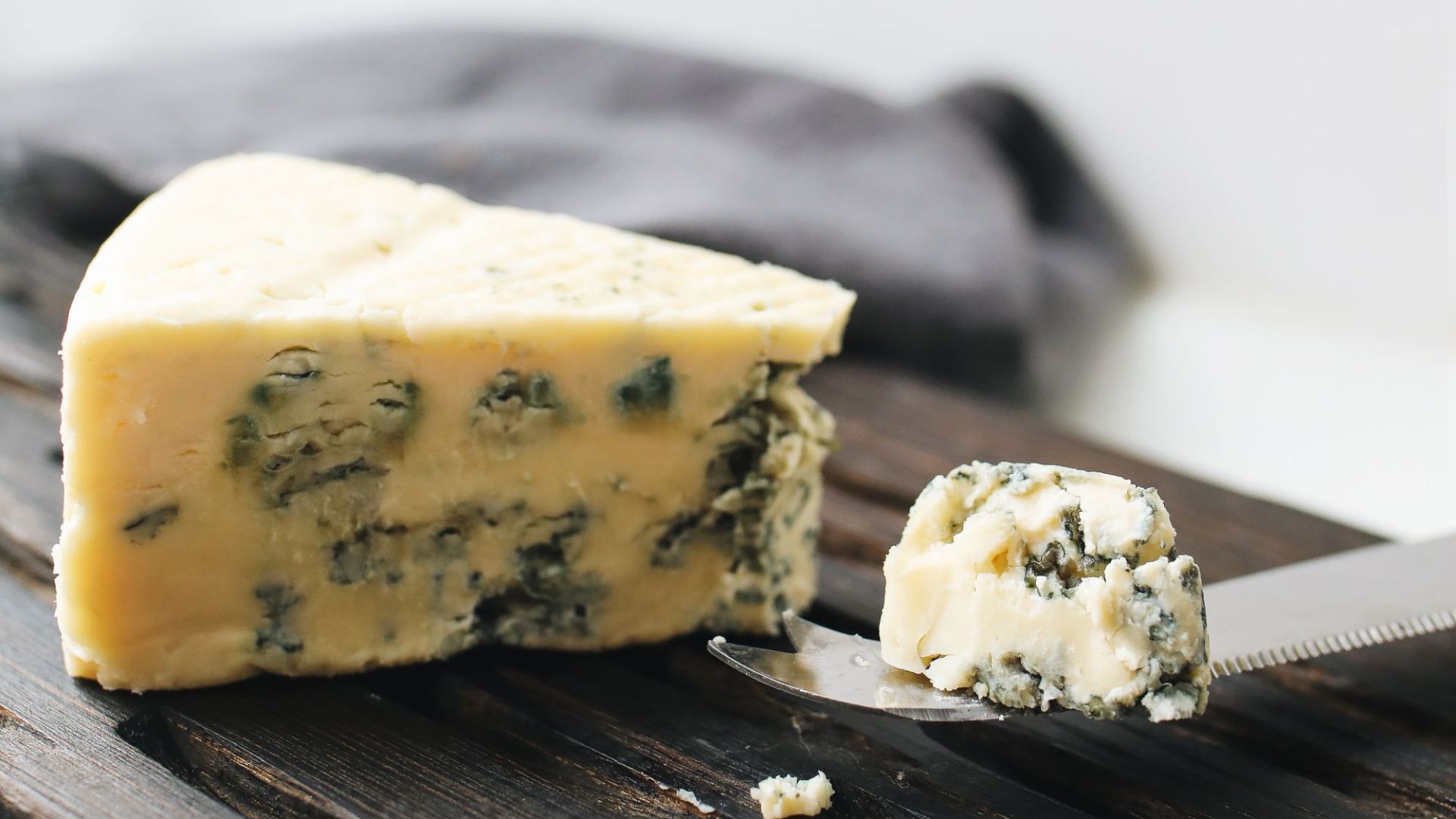
1. Roquefort
Blue-green veins running through a wheel of cheese arrive by invitation. Penicillium roqueforti was traditionally introduced on moldy rye bread left in the Combalou caves, and the color spreads along needle holes punched through the wheel to let air reach the middle. The protected name still requires those caves.
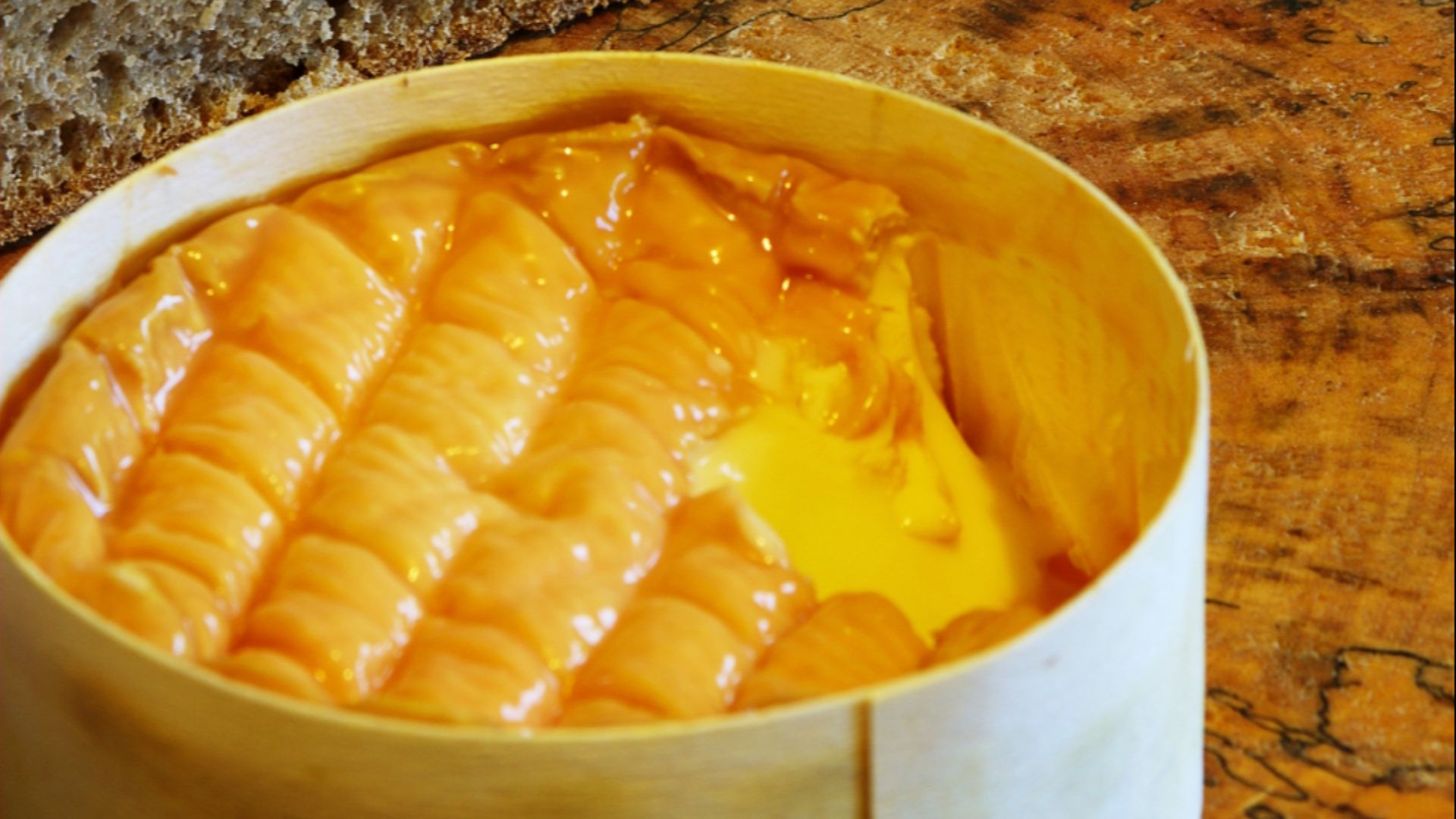
2. Époisses
Cheesemakers wash this rind over and over in brine and marc de Bourgogne, which gives Brevibacterium linens the damp salty surface it wants. What develops is orange and tacky and impossible to hide in a shared refrigerator. The paste inside is mild by comparison.
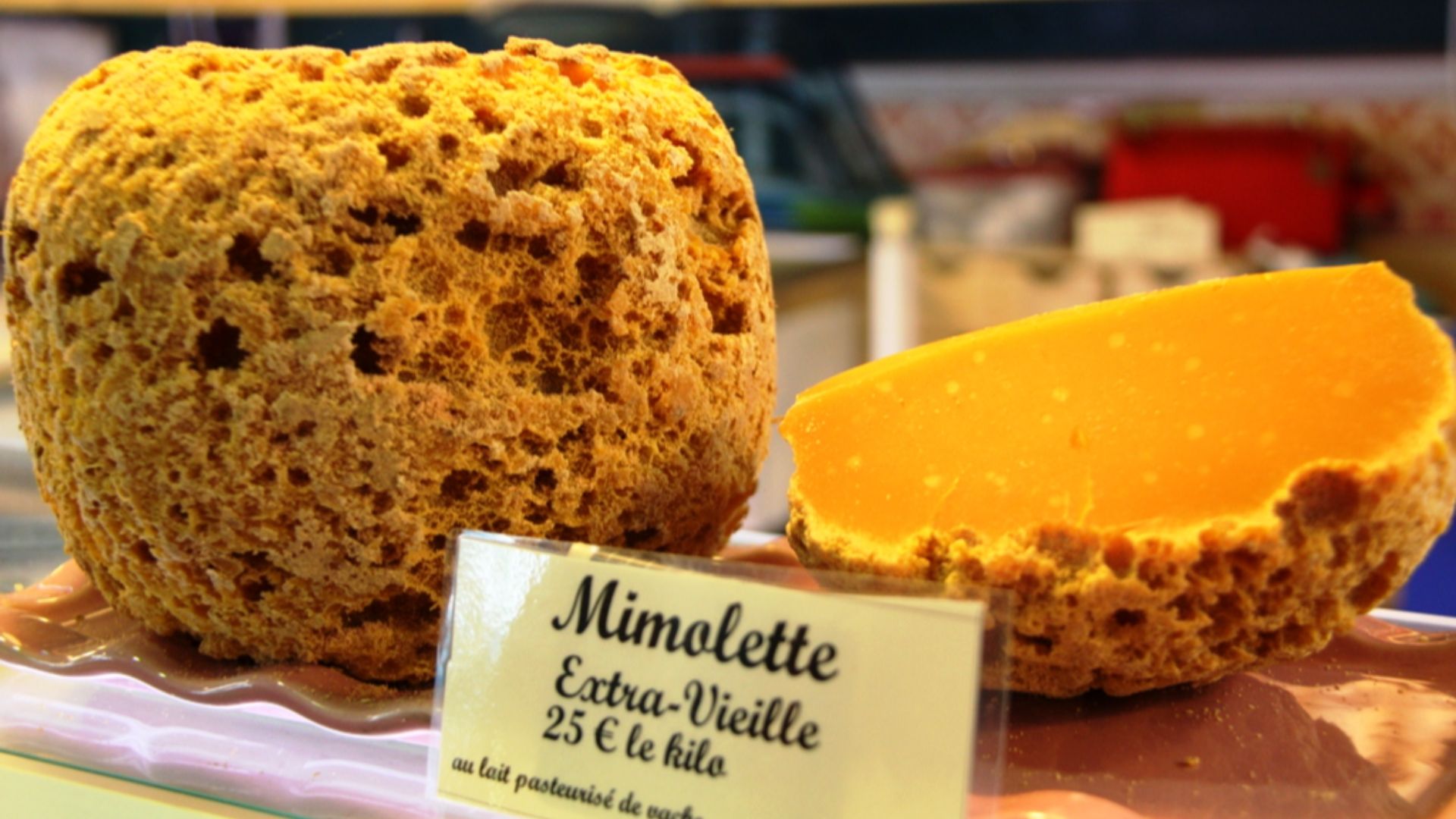
3. Mimolette
That pitted gray crust is the work of cheese mites, introduced on purpose to chew the surface while the wheel ages. The FDA blocked shipments in 2013 over mite counts before the cheese found its way back onto American shelves, and nobody eats the rind anyway.
 Javier Lastras from España/Spain on Wikimedia
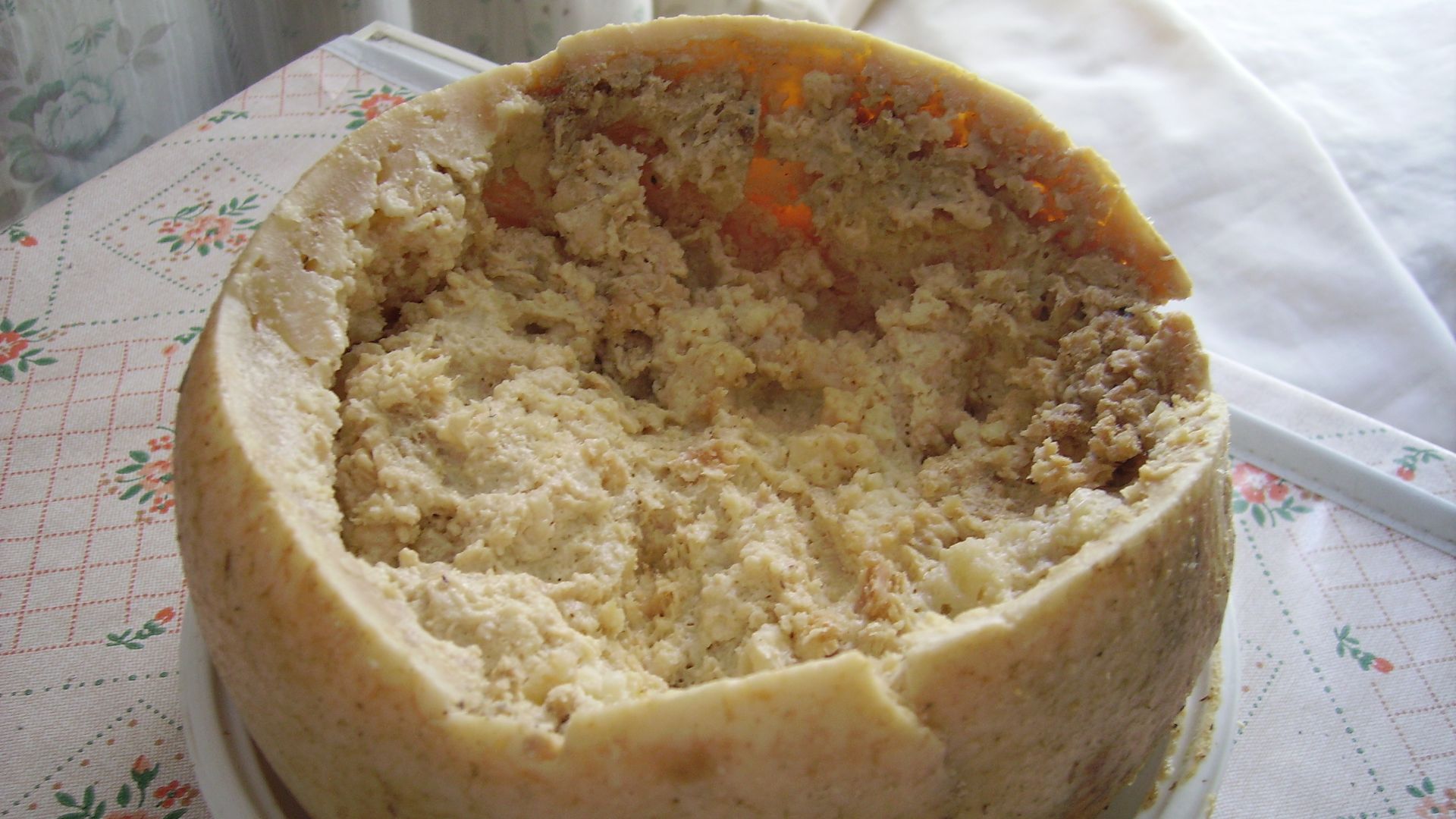
4. Casu Marzu
Sardinian cheesemakers let cheese flies lay eggs in a pecorino and let the larvae digest the fat as they tunnel through it. What comes out is soft and weeping and visibly in motion. EU hygiene rules keep it off the legal market, and Sardinians have gone on making it anyway.
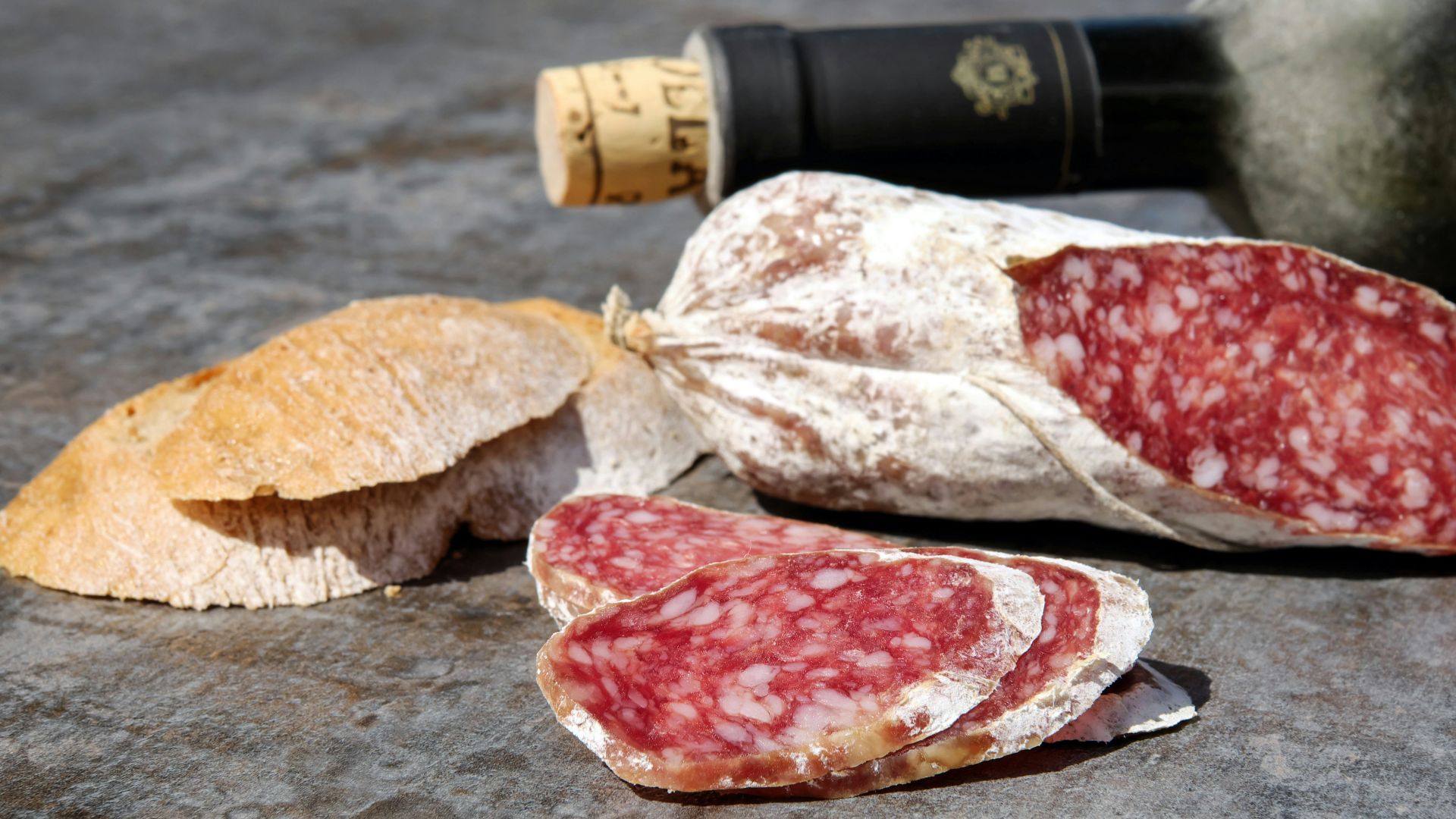
5. Salami
Penicillium nalgiovense goes onto the casings from a spray bottle, which accounts for the chalky white coat on a good dry-cured sausage. The mold crowds out species nobody wants and helps the meat dry at an even rate. Wipe it off or eat it, depending on your feelings about mold.
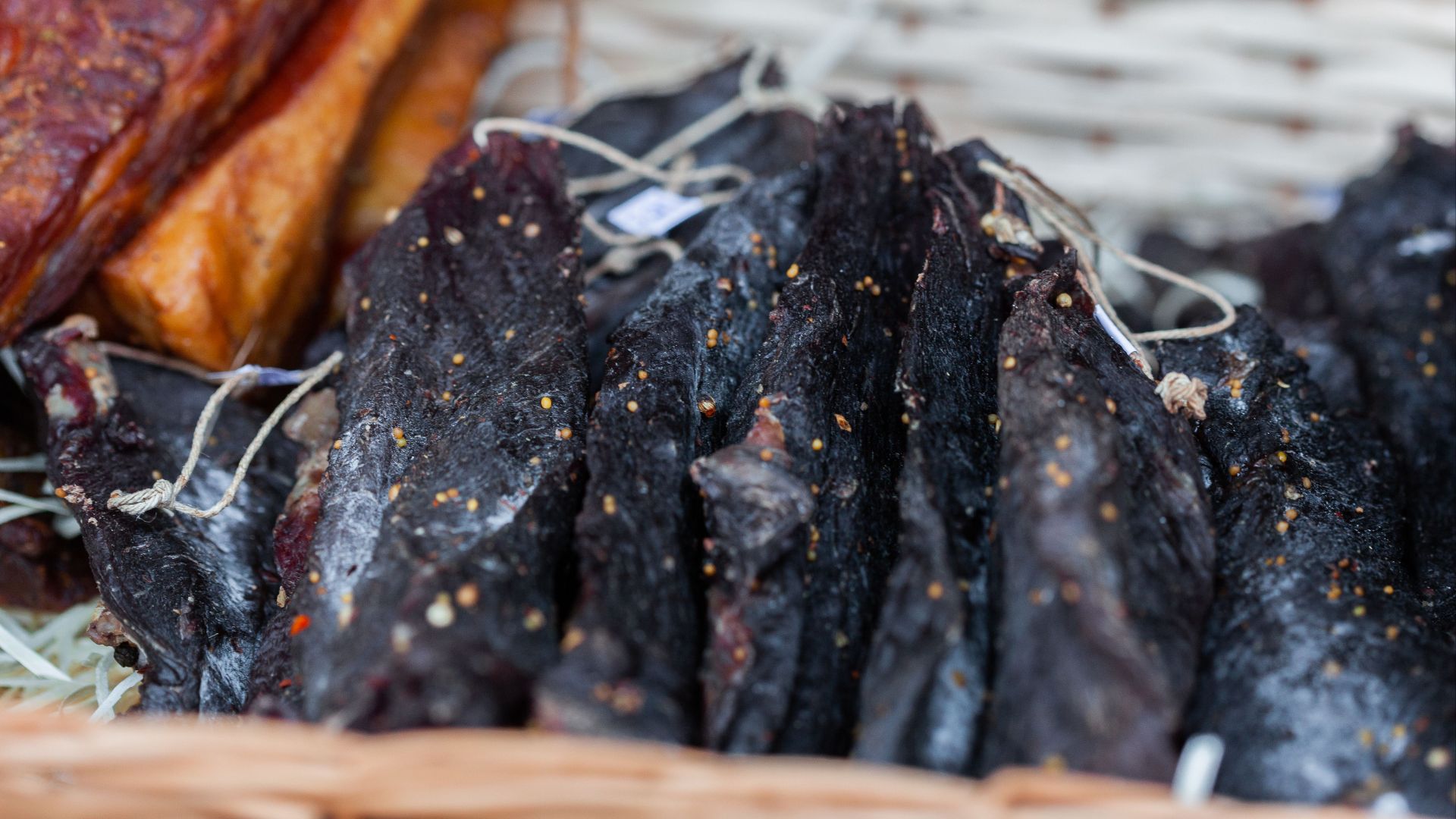
6. Dry-Aged Beef
The crust on a dry-aged primal would shut down a restaurant anywhere else, dark and hardened after a month or more hanging in a cold room. Enzymes break down connective tissue while moisture evaporates and concentrates what is left. The butcher trims the entire exterior away before any of it reaches a pan.
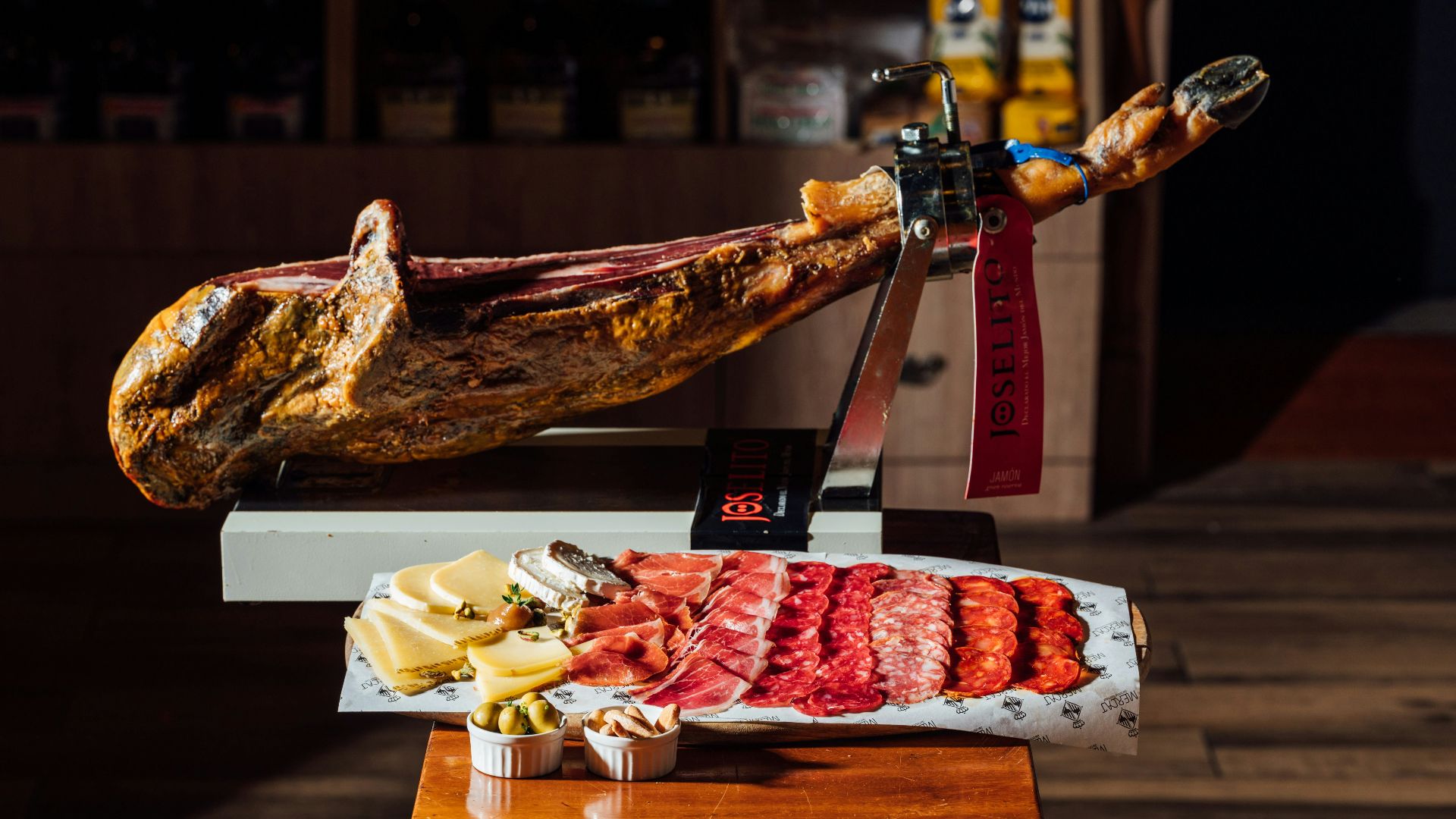
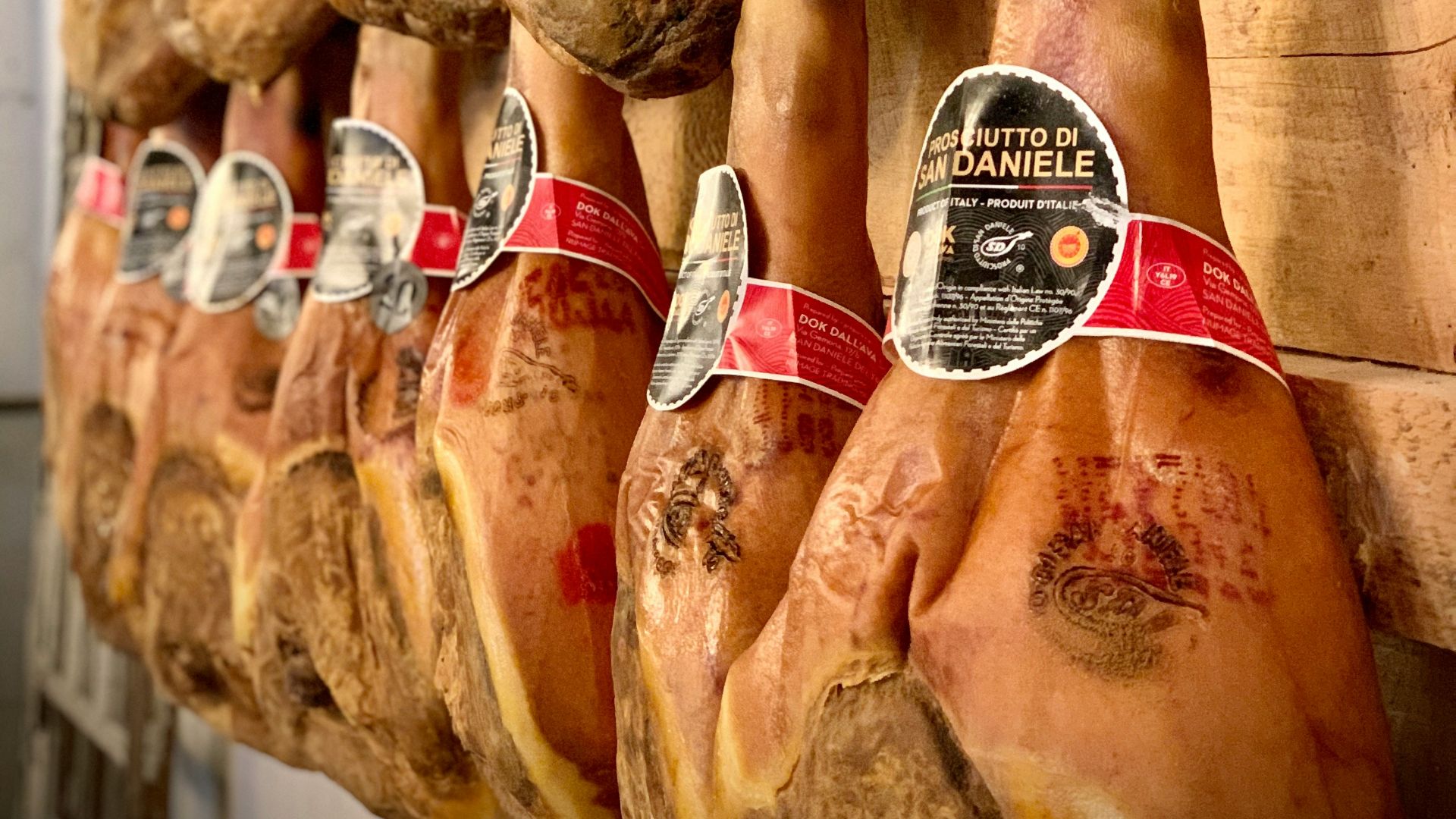
7. Jamón Ibérico
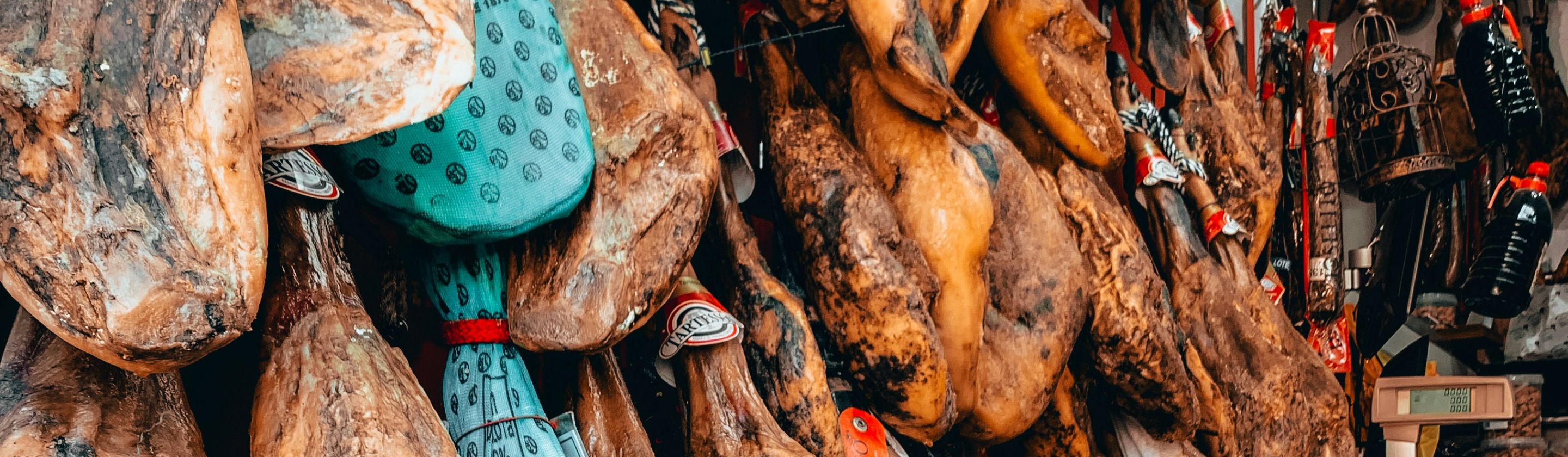
A leg hangs for two to four years and picks up a bloom of mold across the outside, which producers wipe back with oil. Those white specks in the sliced meat are tyrosine crystals thrown off by the long cure. Both are evidence the clock did its job.
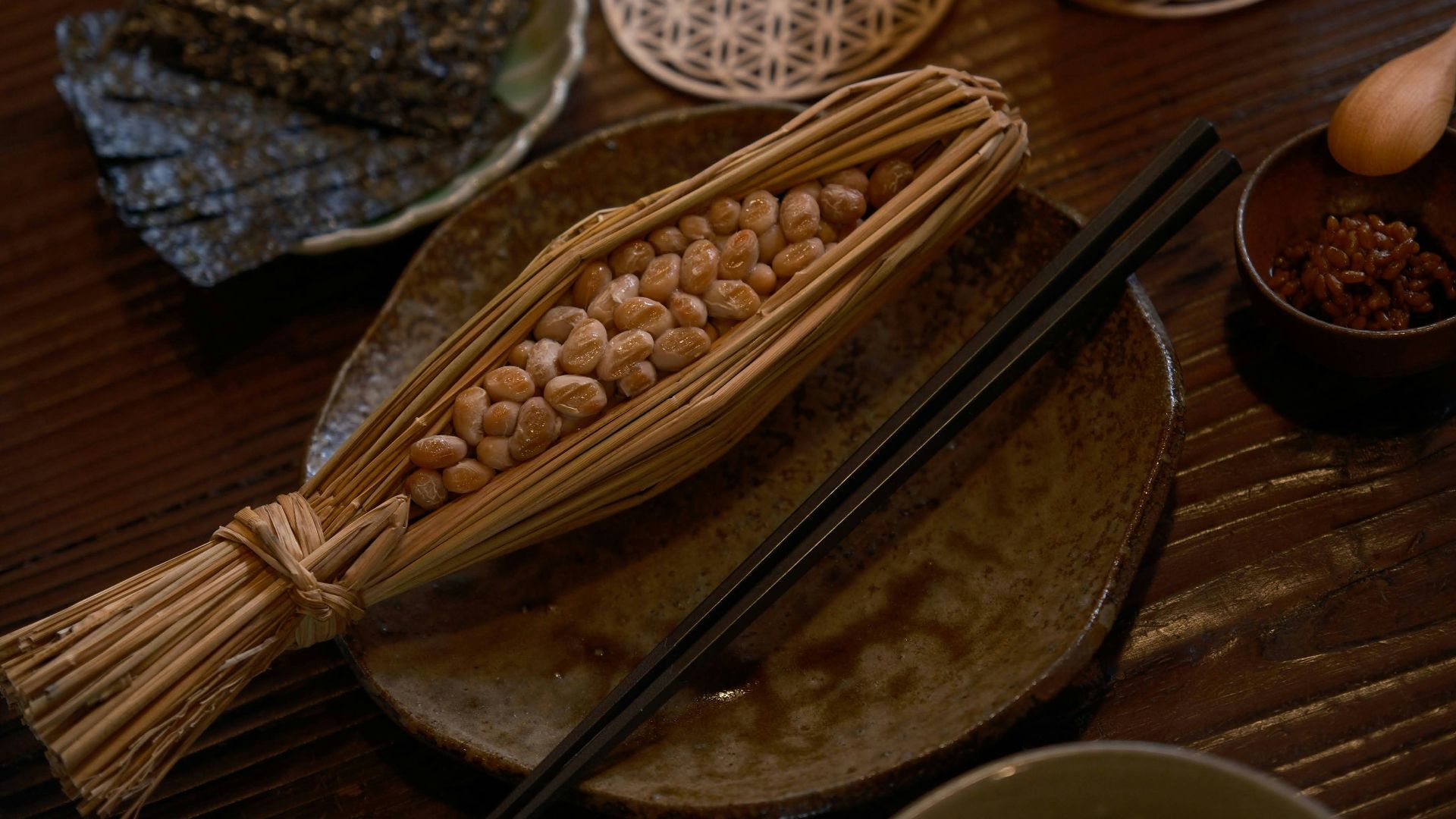
8. Natto
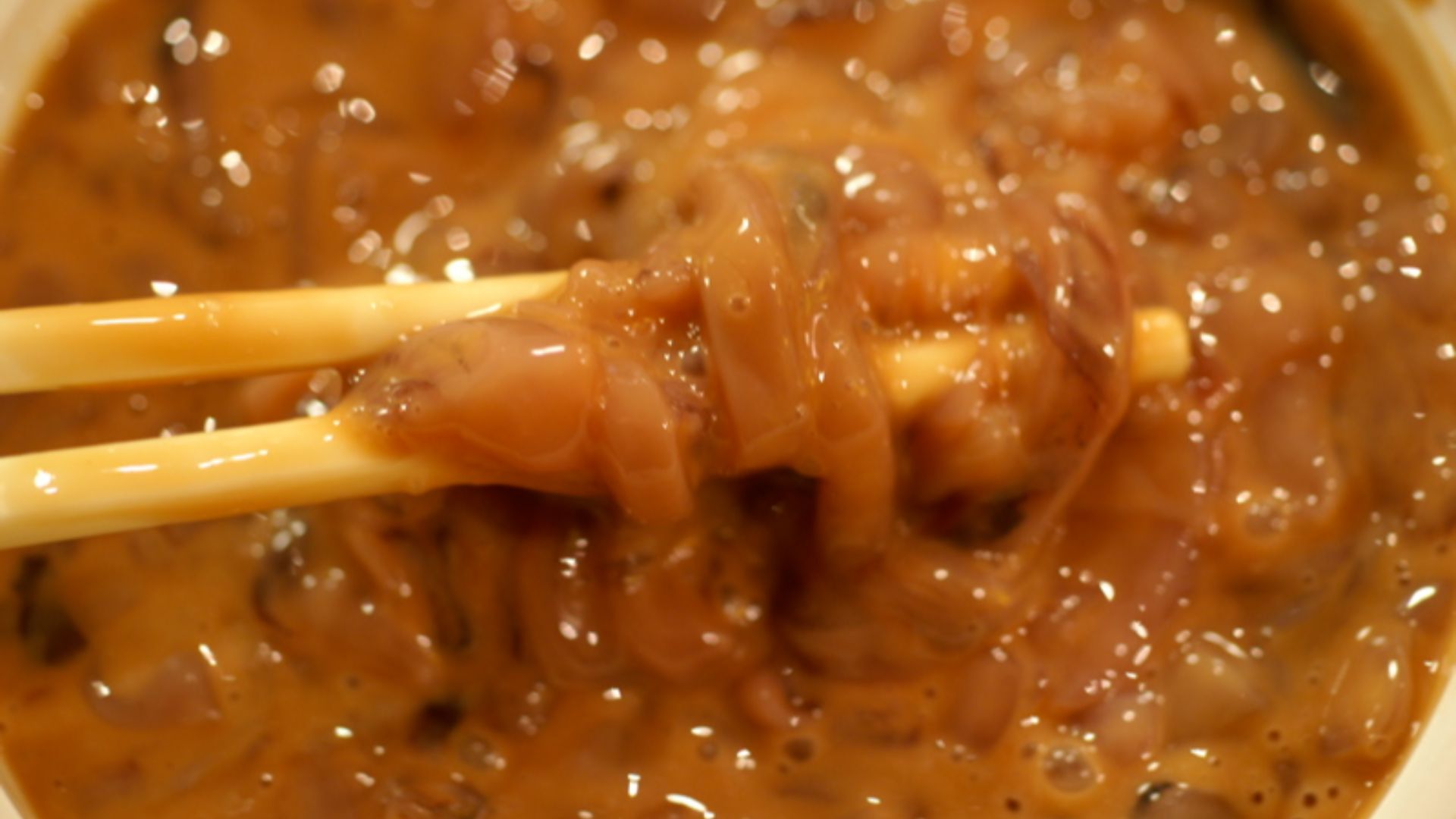
Threads stretch several inches out of a stirred bowl of natto before they finally break. Steamed soybeans inoculated with Bacillus subtilis and held warm overnight turn slick and stringy exactly as intended. Breakfast across eastern Japan has run on the stuff for generations.
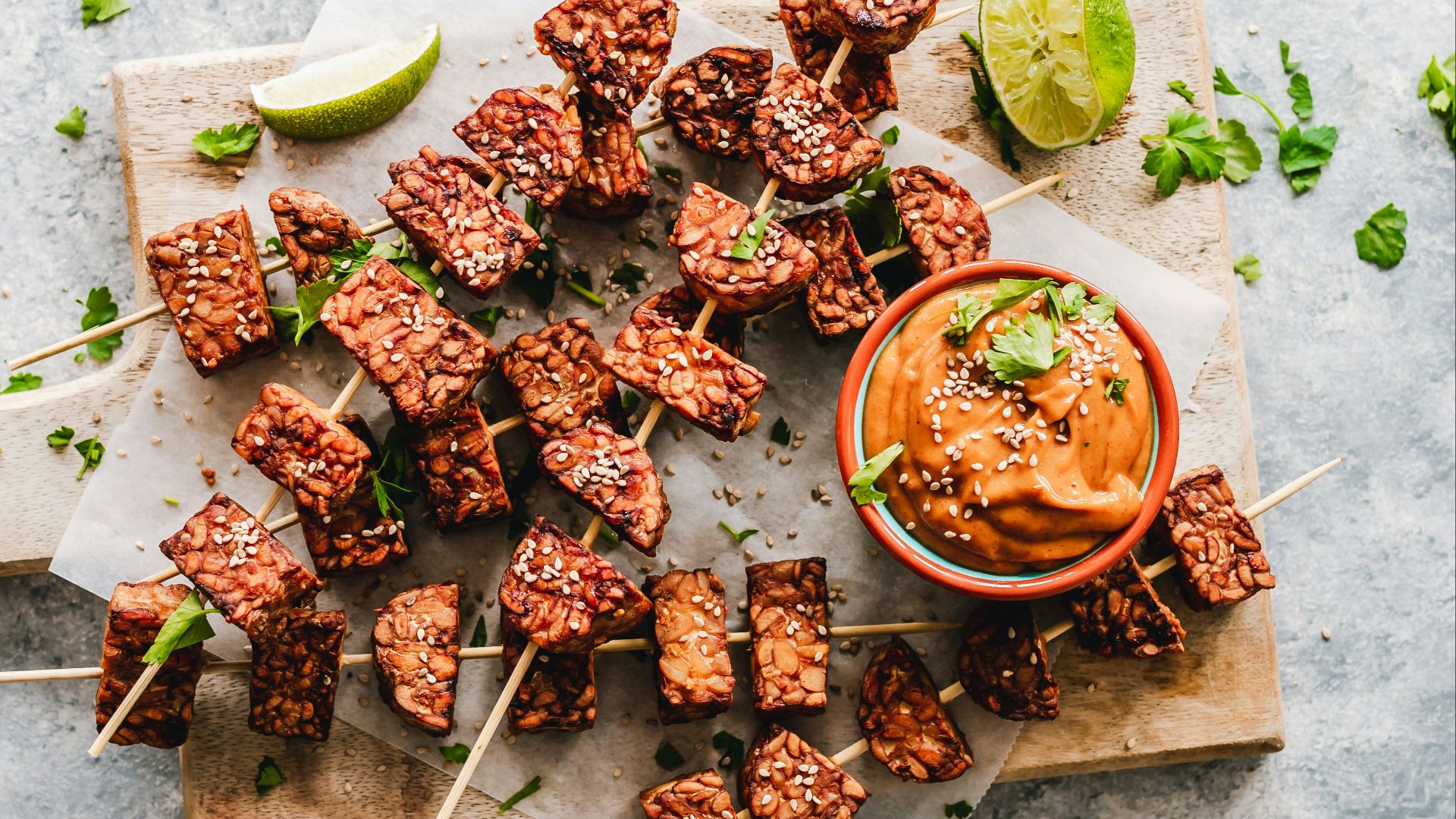
9. Tempeh
Rhizopus mold grows straight through a tray of cooked soybeans and knits them into a firm white cake that holds its shape only because the mold is holding it. Black or gray patches on the surface are that mold sporulating, which signals maturity rather than trouble.
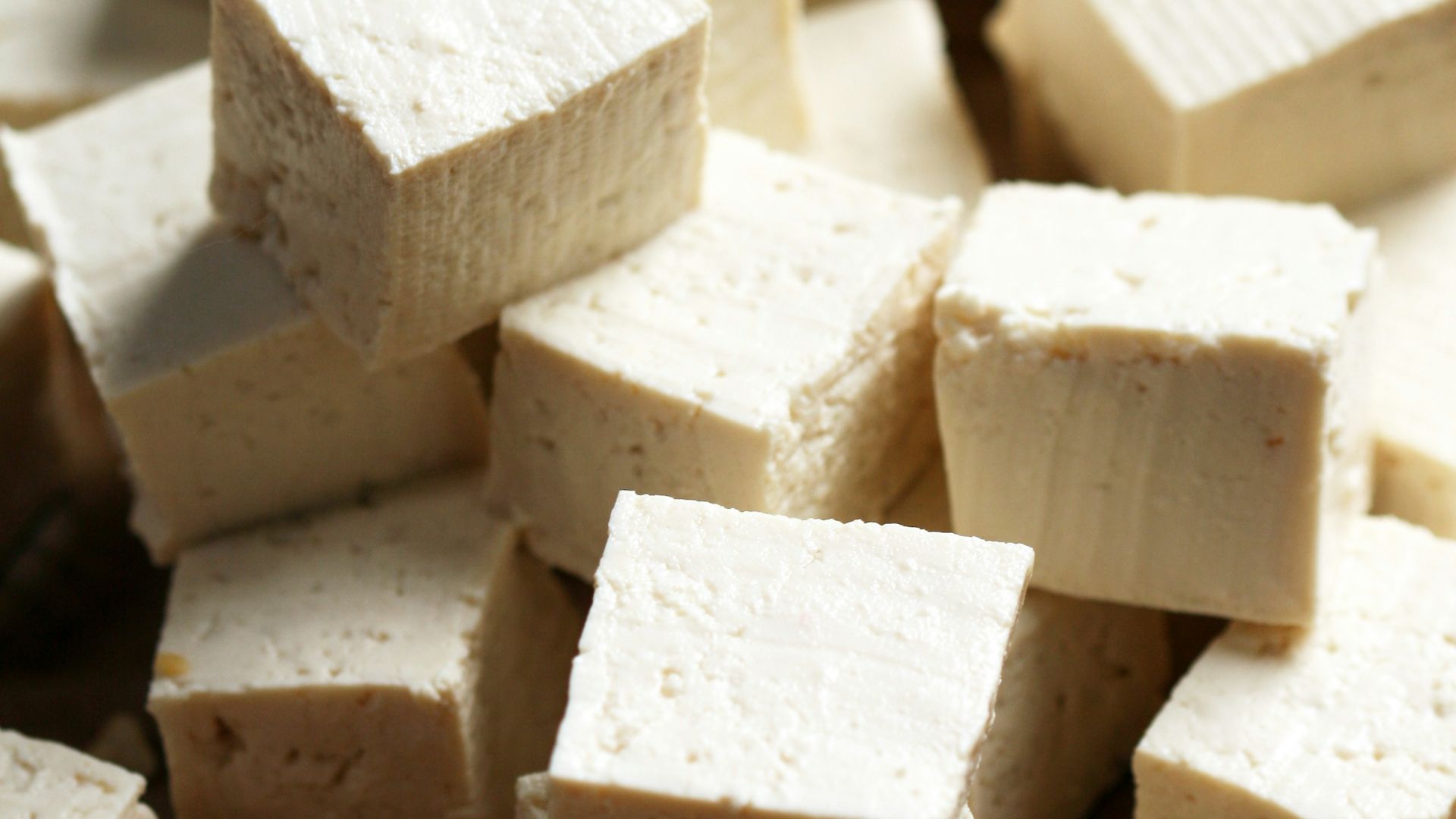
10. Hairy Tofu
Máo dòufu from Anhui province grows a coat of white fur before anyone considers it ready, sometimes an inch long. A Mucor mold does the growing, and the tofu goes into a hot pan once the coat is thick enough. The fur browns and crisps while the inside turns to cream.
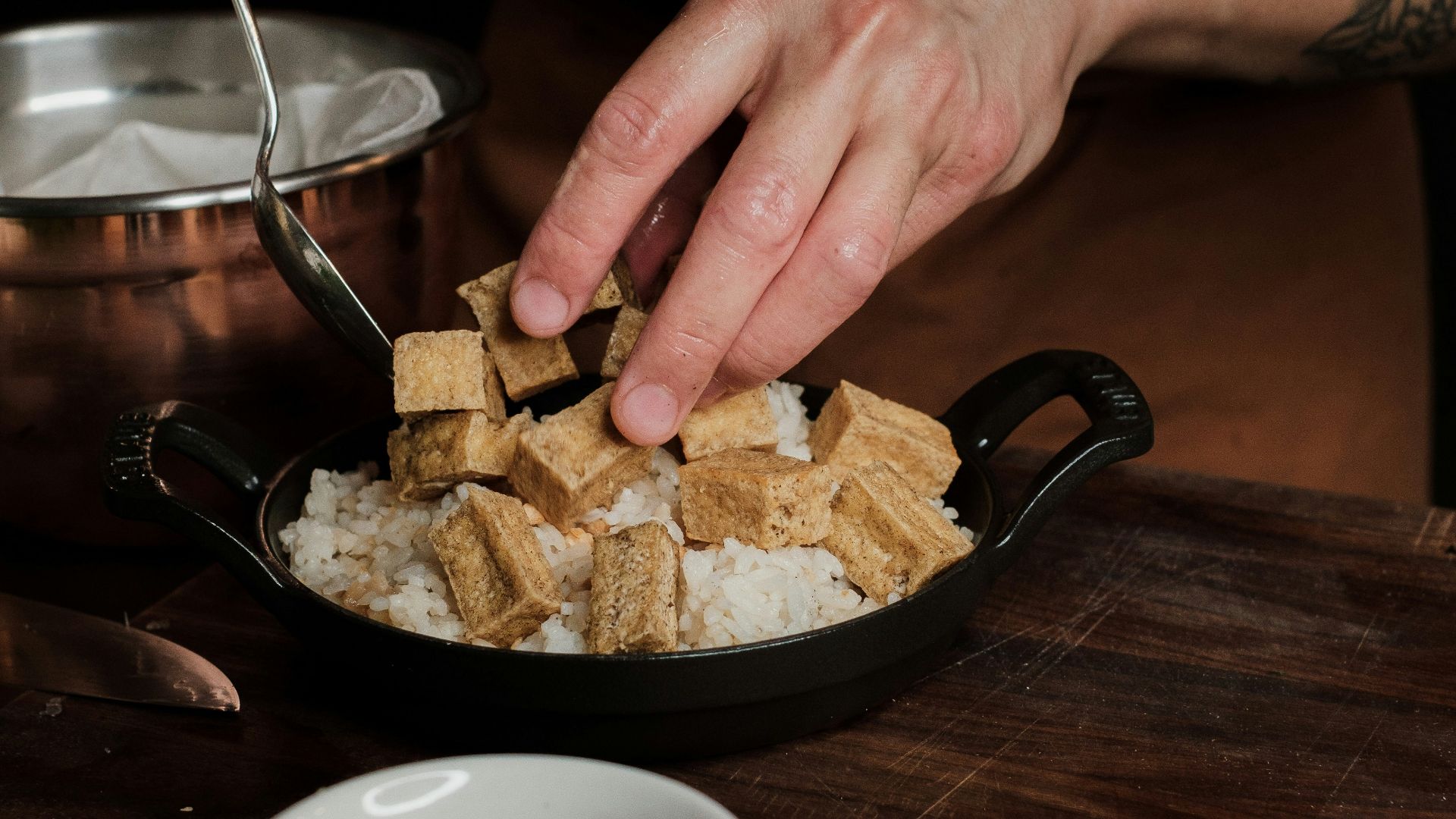
11. Stinky Tofu
Blocks of tofu soak in a brine that has been fermenting for months and occasionally years, built from vegetables and milk and whatever else the maker decides to add. The smell arrives at a street corner well ahead of the cart. Deep-frying softens the texture and does nothing whatsoever to the aroma.
12. Fermented Bean Curd
Jars of furu hold cubes of tofu suspended in cloudy red or brown liquid that looks like the last thing you want near your rice. A mold ferments the cubes first, then brine and rice wine finish the job over several months. One cube seasons a whole bowl of congee.
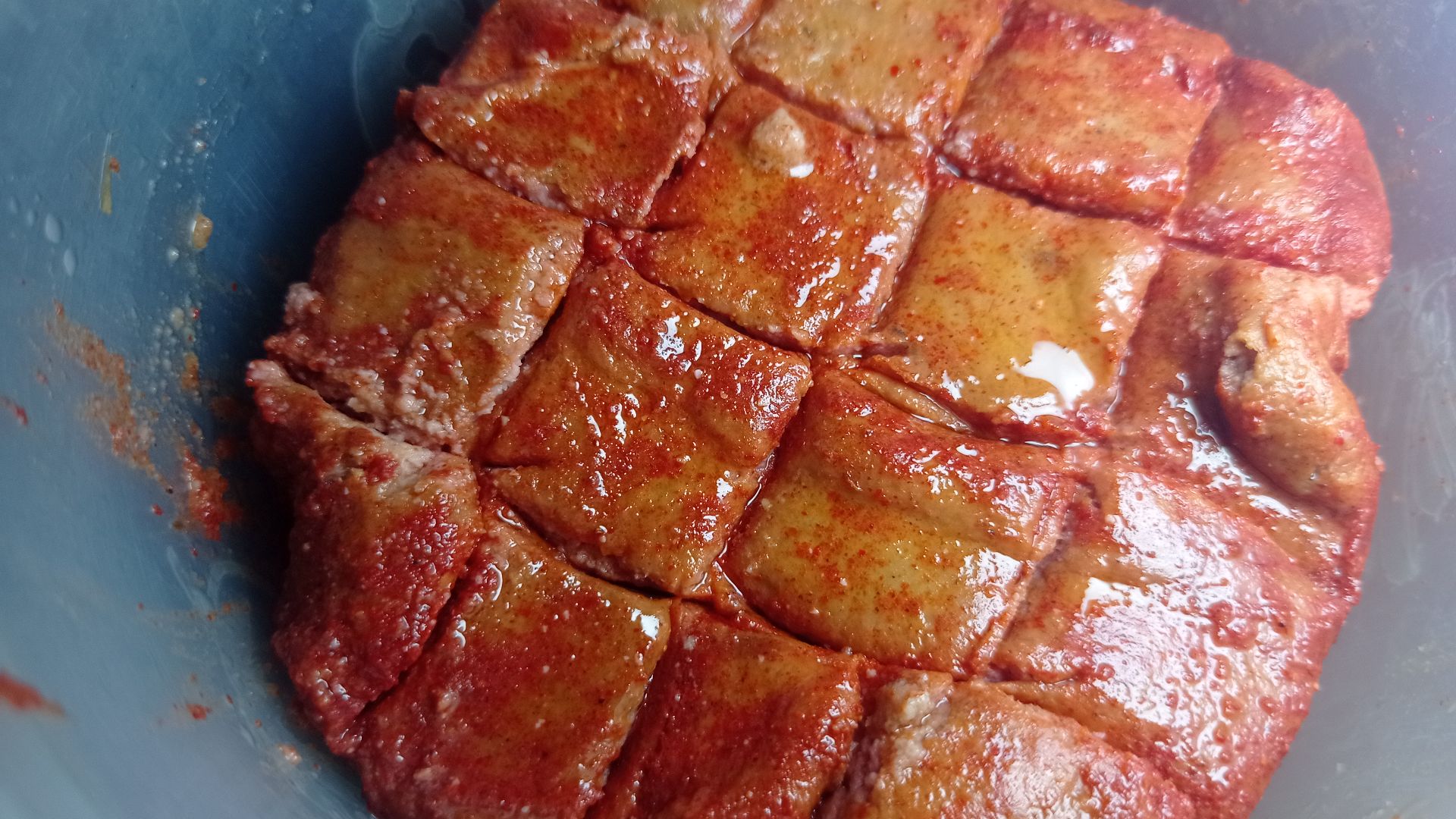
13. Meju
Korean cooks press boiled soybeans into bricks and hang them from the rafters on straw rope to catch whatever mold and bacteria drift past. The bricks go furry and split open as they dry through the winter. Doenjang and Korean soy sauce both start there.
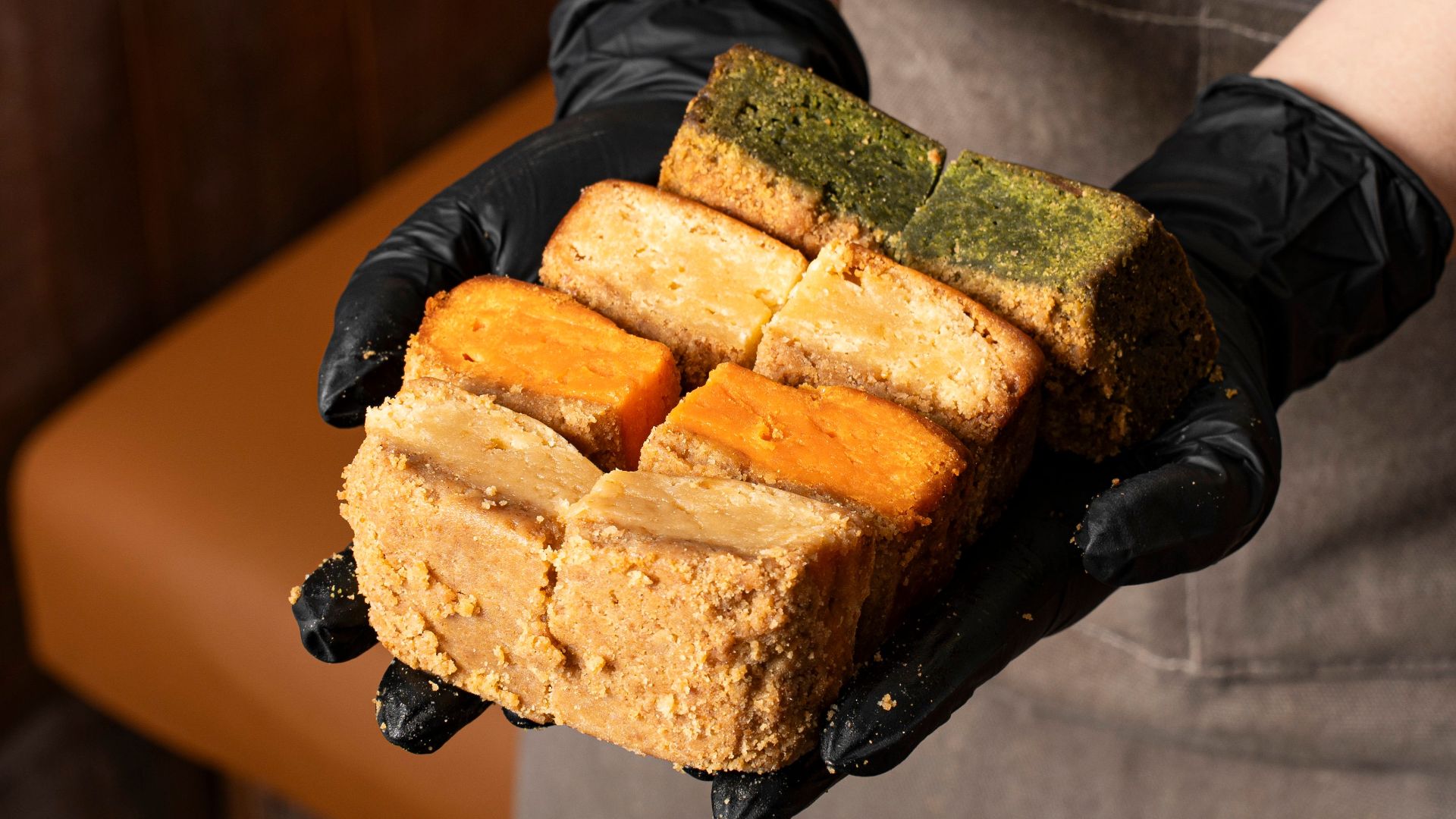
14. Century Eggs
Weeks packed in an alkaline mix of clay and salt raise the pH of a duck egg until its proteins rearrange themselves, turning the white translucent brown-black and the yolk dark green. No century is involved and nothing has rotted.
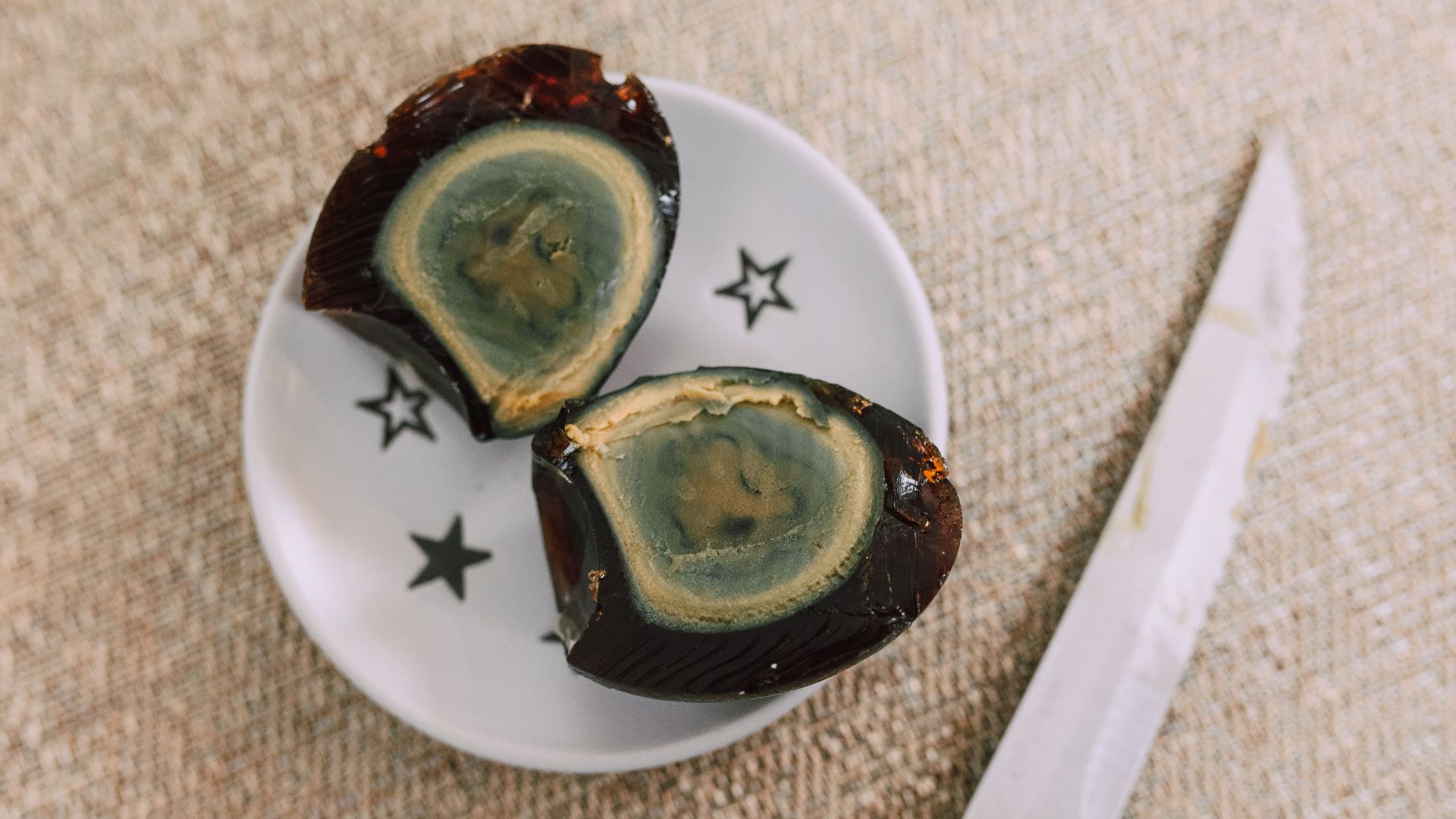
15. Black Garlic
A few weeks at controlled warmth and humidity drive a slow Maillard reaction through an entire head of garlic. The cloves emerge the color of charcoal, sweet and sticky with none of the raw bite. Nothing ferments and no microbe gets involved at any stage.
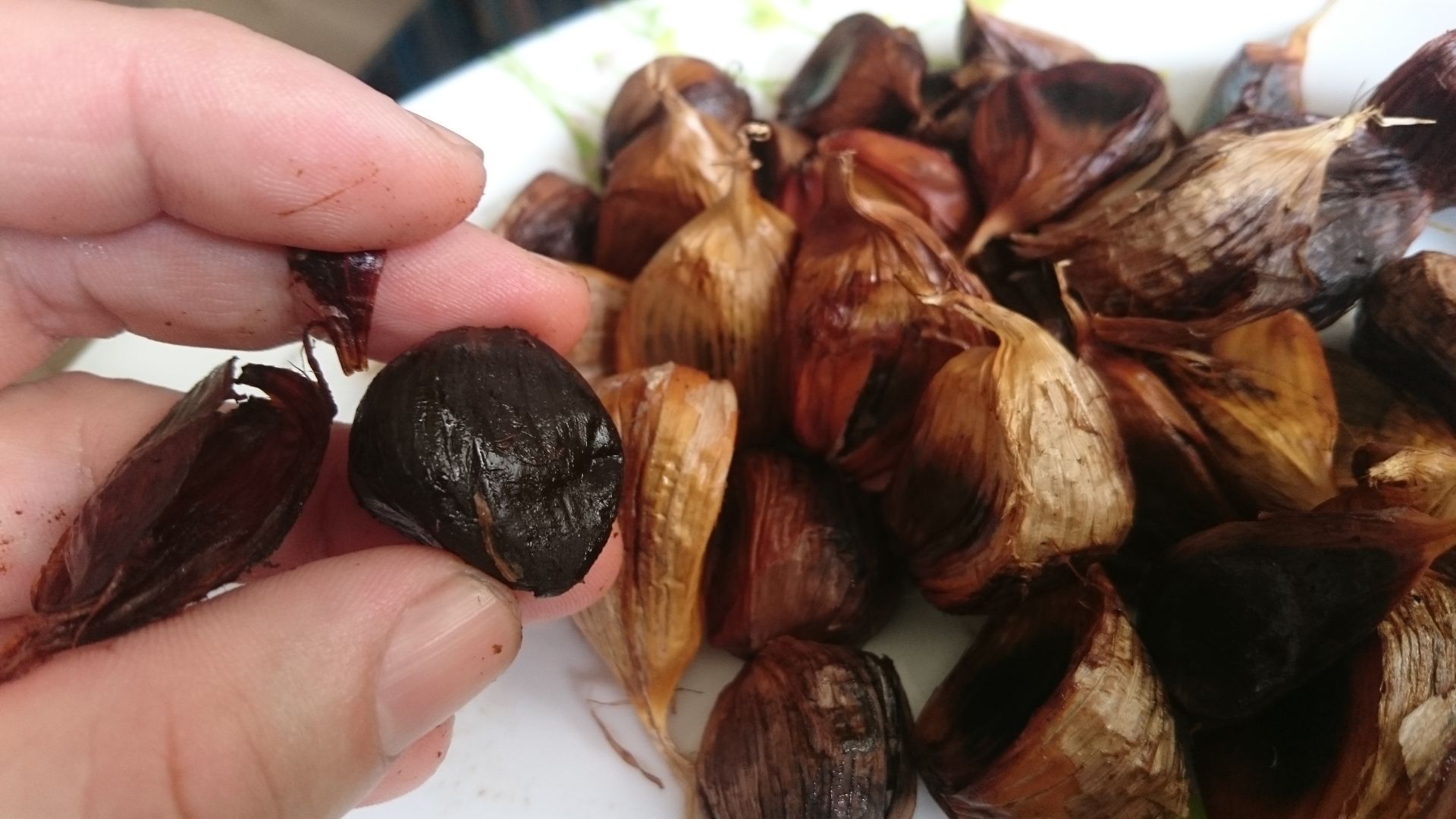
16. Surströmming
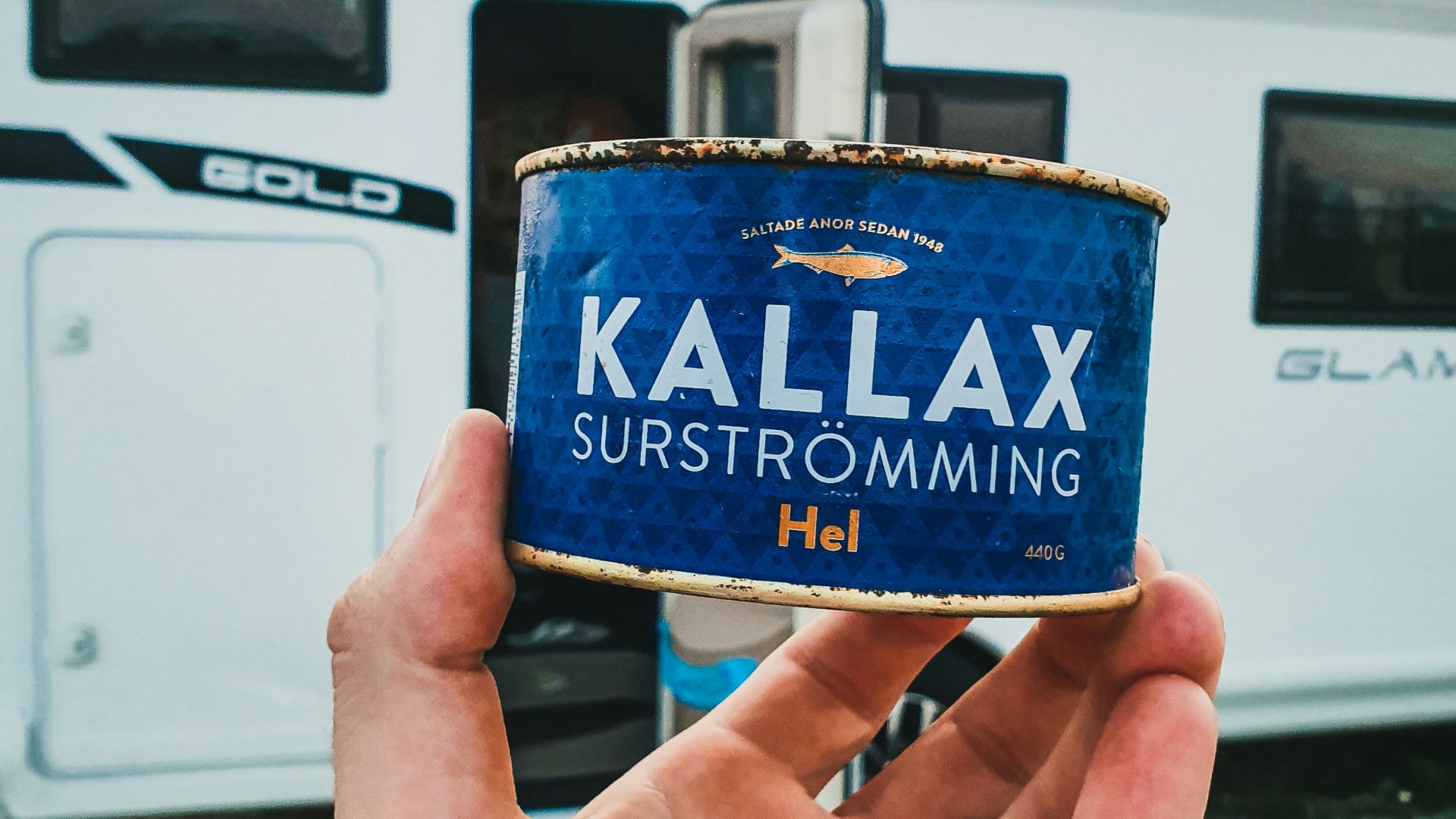
The can bulges before anyone opens it, which is why several airlines have refused to carry the stuff. Baltic herring goes into a barrel with just enough salt to stop it rotting outright, then keeps fermenting inside the sealed tin. Swedes open it outdoors and often underwater.
17. Hákarl
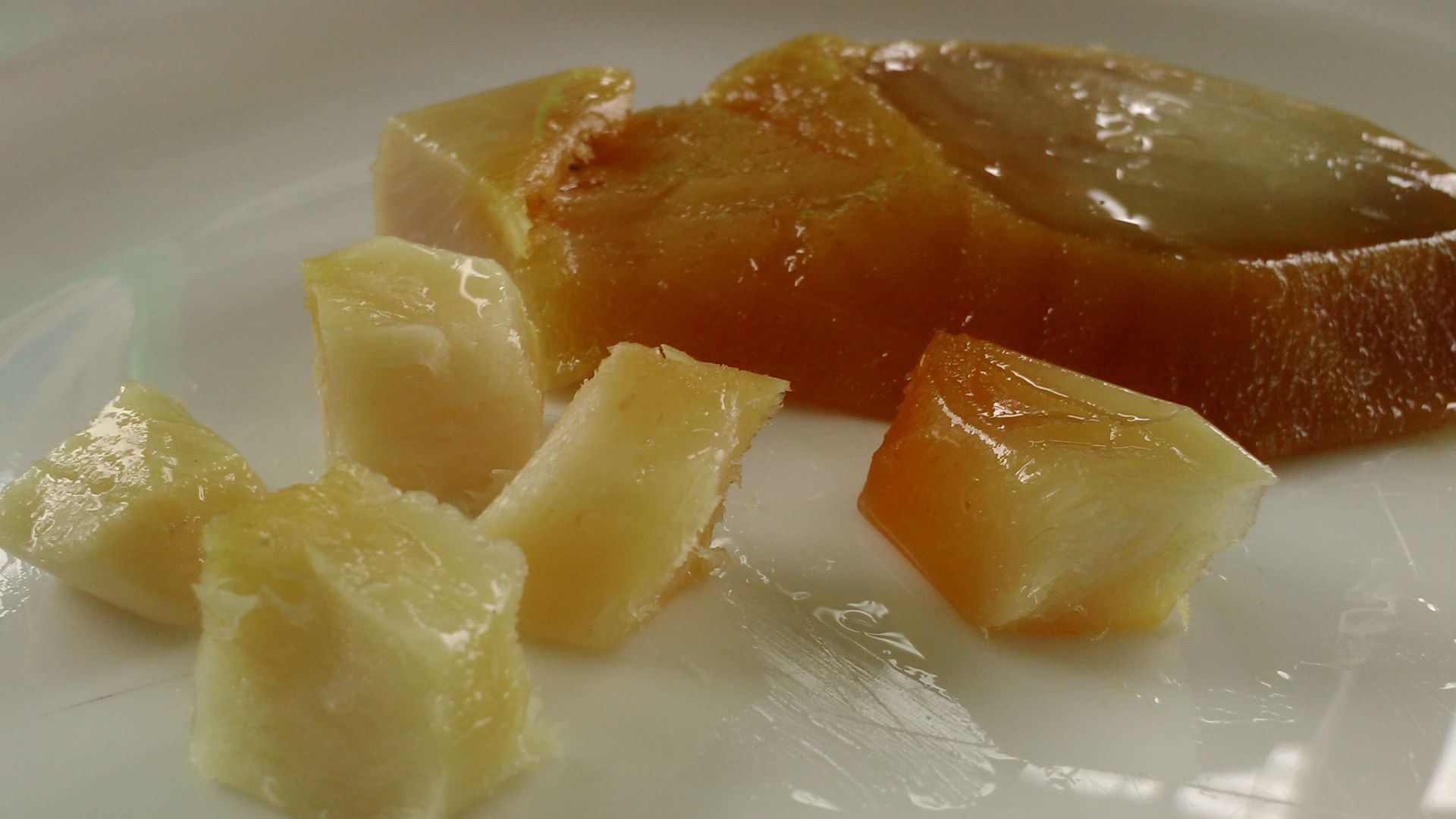
Greenland shark flesh holds enough urea to poison anyone who eats it fresh. Icelanders press the fluids out over several weeks, then hang the cubes to dry for months until the ammonia calms down enough to eat. It smells like a cleaning cupboard and tastes considerably milder than it smells.
18. Lutefisk
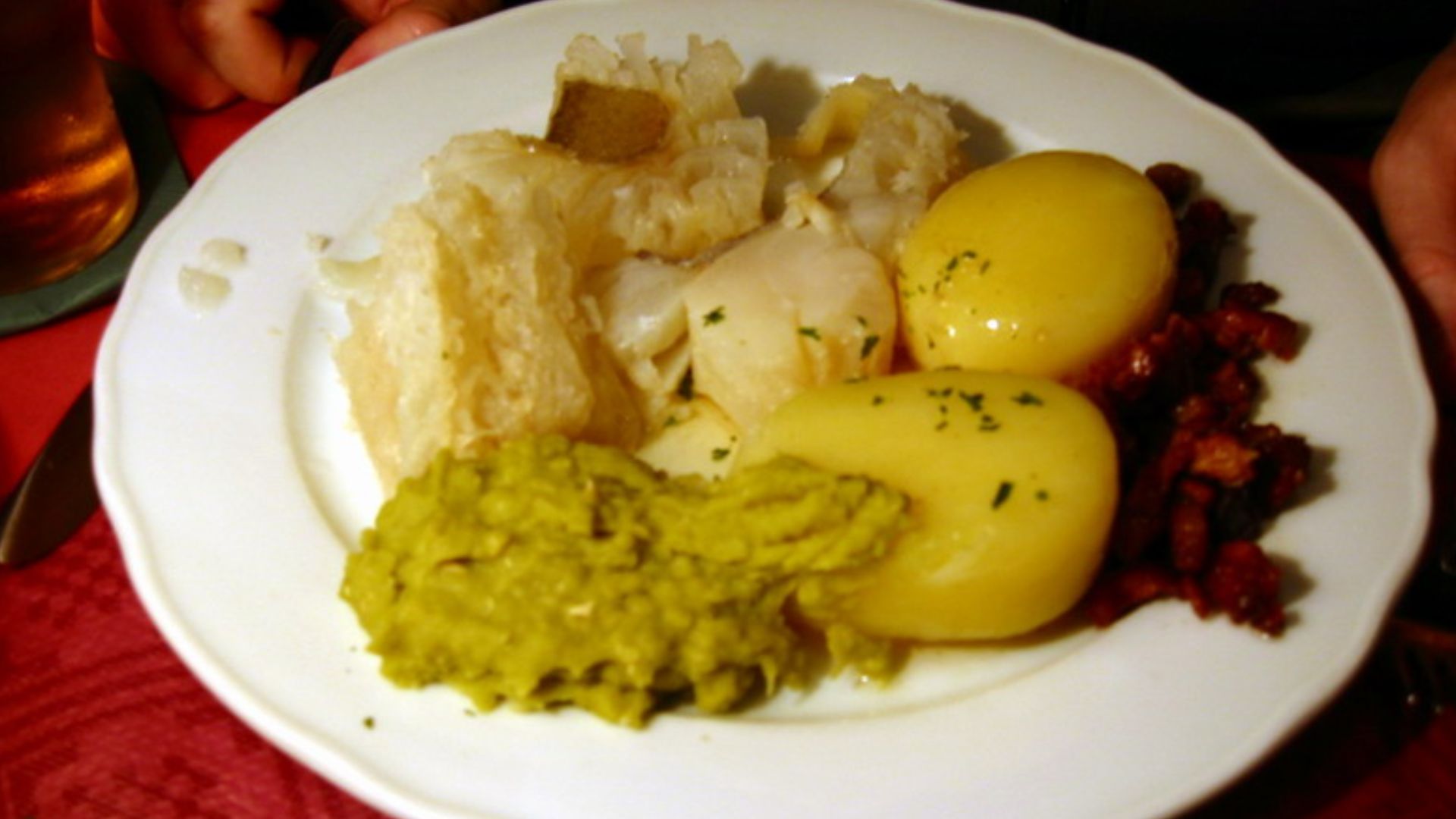
Dried cod soaks in a lye solution until the flesh turns translucent and gelatinous, which is exactly the texture being aimed for. The pH climbs high enough that the fish needs days of rinsing before anyone can cook it. Norwegian and Midwestern families put it on the table at Christmas.
 Ennorehling (talk · contribs) on Wikimedia
19. Shiokara
Shiokara comes to the table in a small dish alongside a great deal of sake, and the sake is not decorative. Squid or fish gets chopped and packed in salt with its own viscera, then left to break itself down using its own enzymes. The texture is the part people describe cautiously.
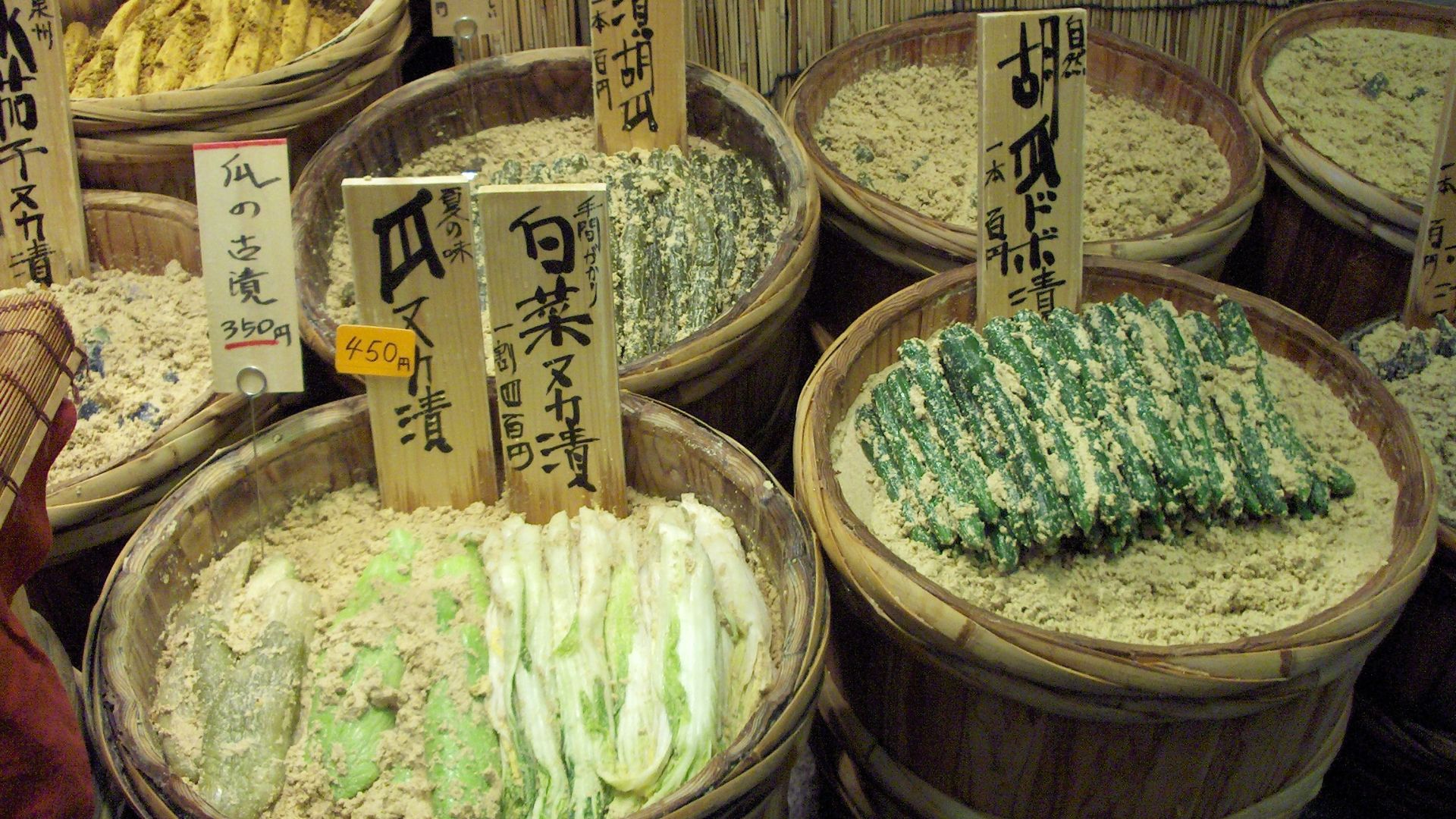
20. Nukazuke
Vegetables get buried in a bed of fermenting rice bran that resembles wet sawdust and smells sharply sour. The bed gets turned by hand daily, and some families have kept the same one going for generations. A cucumber goes in and comes out a day later tasting like something else entirely.
 commons.wikimedia.org on Google
KEEP ON READING
Why Americans Still Love Foods From The ’90s
Should You Follow a Low-FODMAP Diet?