The Plant Behind the Product
By the time food reaches your kitchen, most of it has been husked or ground past recognition. Cinnamon shows up as rust-colored dust in a glass jar, a long way from the tree bark it came off. Almost nothing in the pantry resembles the plant that produced it. Some of those plants grow underground, and others hang fruit off branches nobody would suspect. Here's 20 familiar foods that look bizarre before they're harvested.
1. Cashews
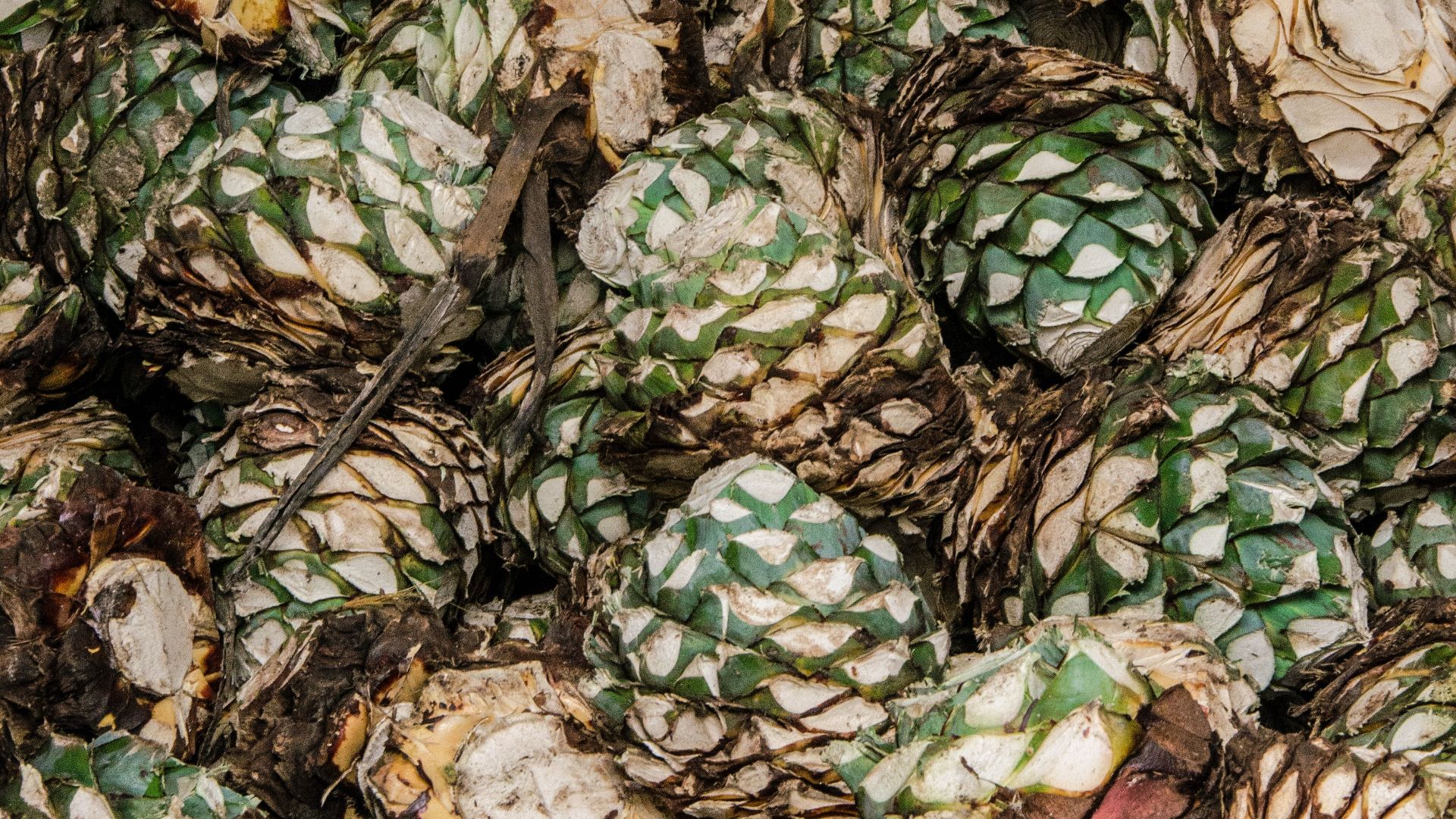
A cashew grows on the outside of its fruit, hooked onto the bottom of a fleshy red or yellow cashew apple like a green comma. One nut per fruit, every time. The shell holds a caustic oil related to poison ivy, which is why nobody sells cashews unshelled. The apple is sweet and juicy, too delicate to ship, and mostly pressed into juice near where it grows.
2. Nutmeg
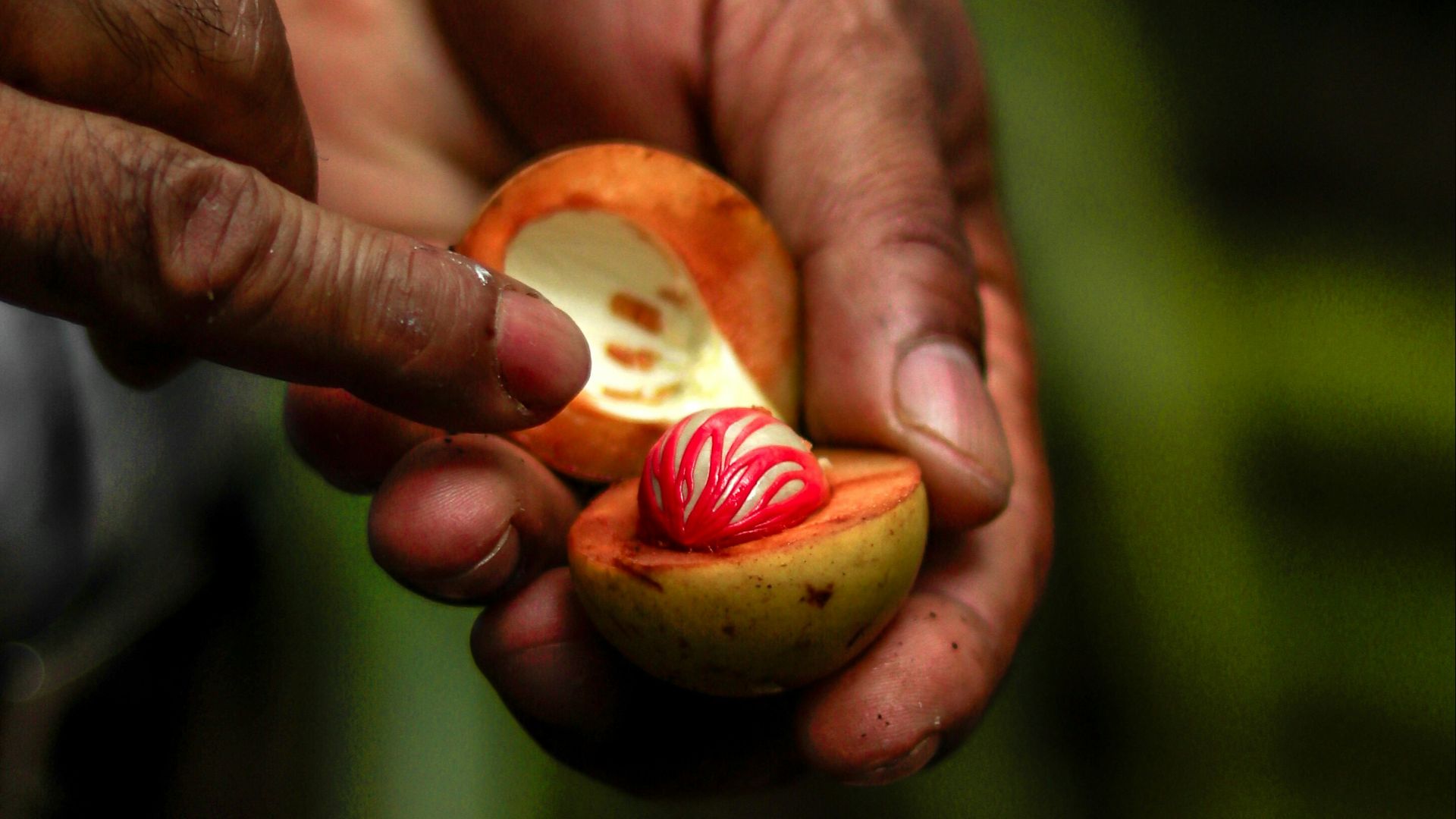
The fruit passes for a small apricot until it splits down the middle while still on the tree. Inside sits a dark brown seed caged in a scarlet web of lacy tendrils, closer to deep-sea coral than to anything in a spice rack. That red cage is mace, sold as its own spice, and the seed underneath is nutmeg. One tree can keep producing both for 60 years.
3. Brazil Nuts
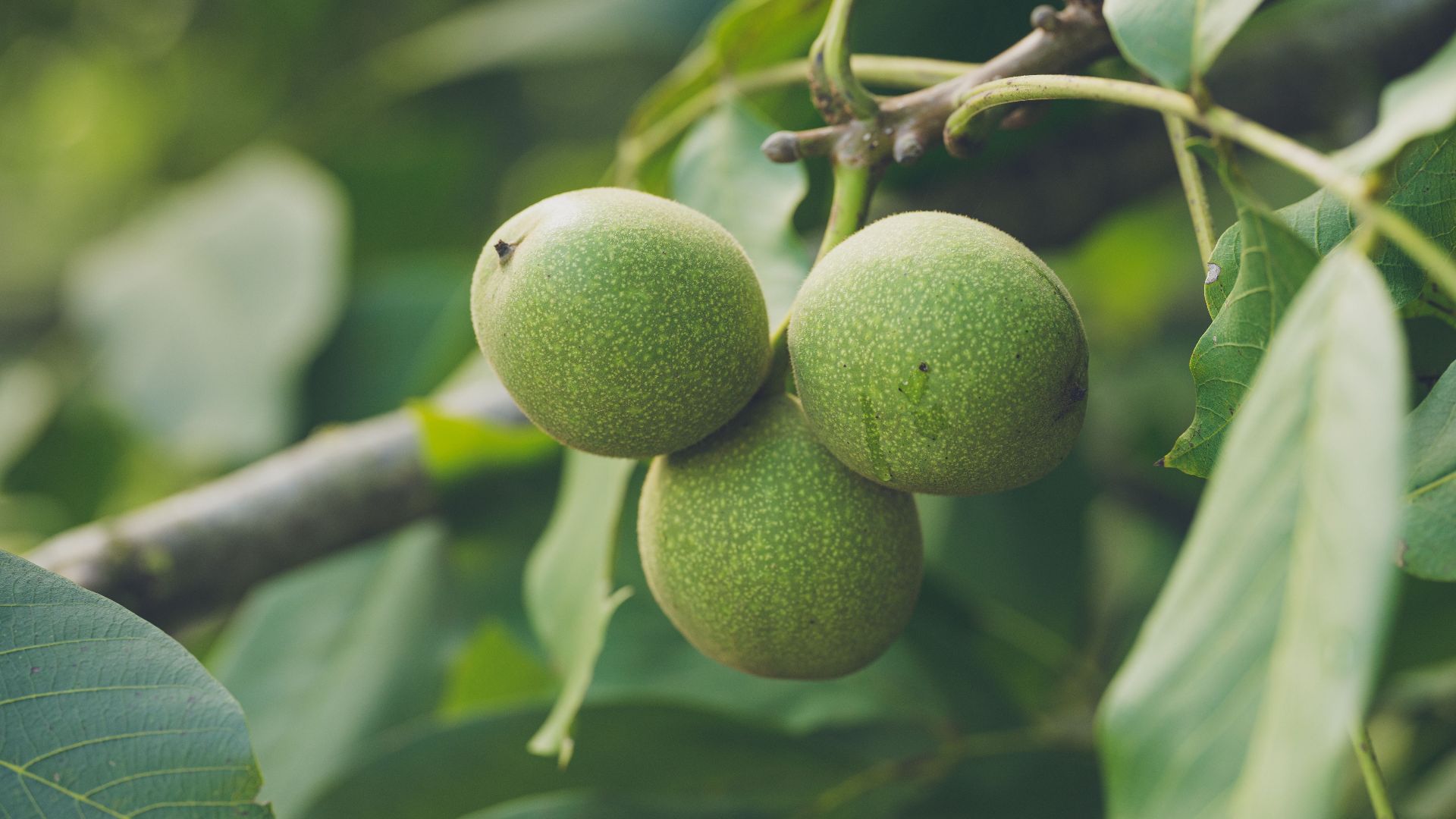
The pod is a hard brown shell the width of a grapefruit, heavy enough at four pounds to kill a person when it drops from 150 feet up. Crack one and the nuts sit packed inside like orange segments, 10 to 25 in a tight ring. Collectors work the rainforest floor during the rainy season, many of them in helmets.
4. Chestnuts
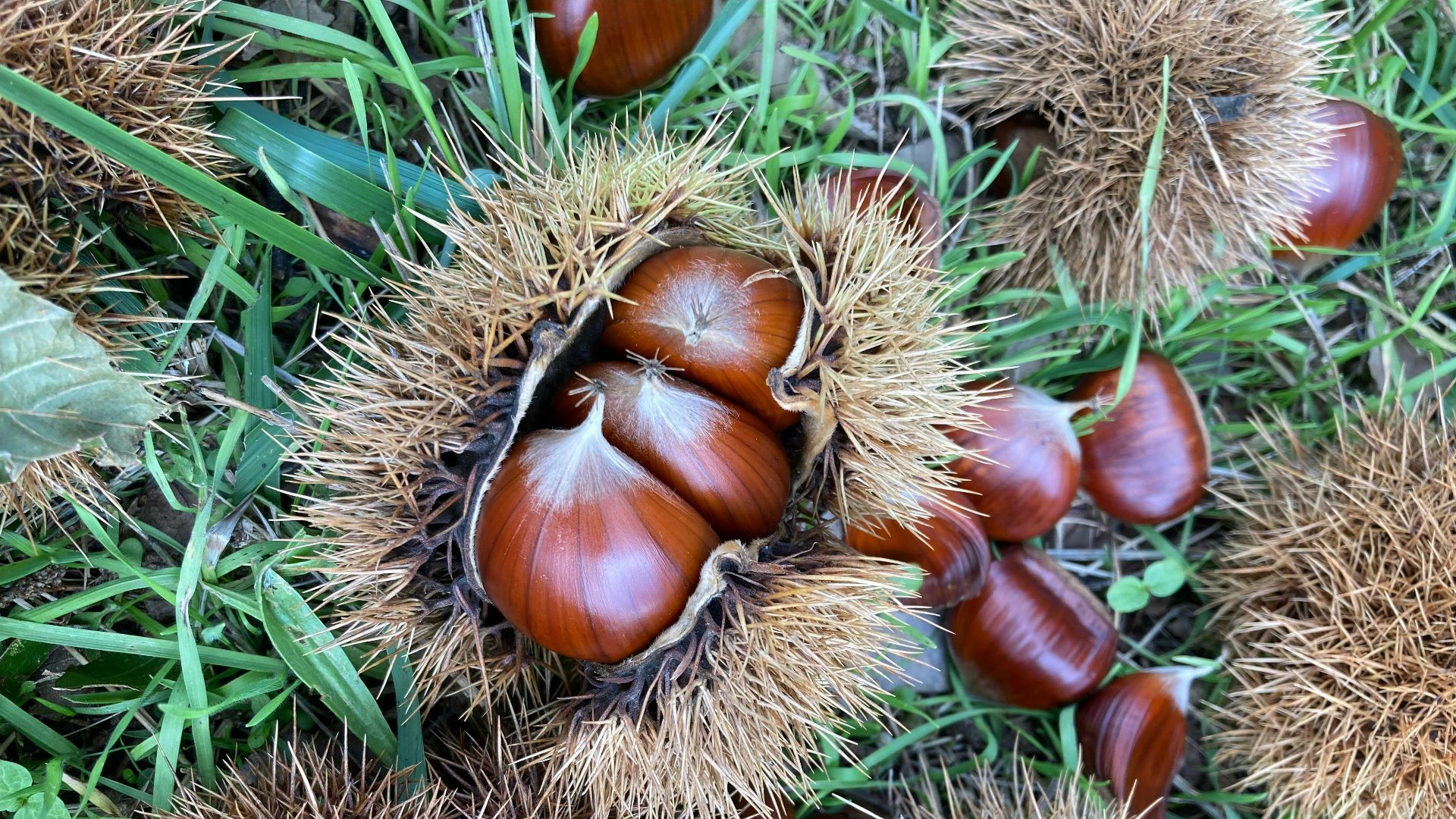
Chestnut trees drop what appear to be green sea urchins. Each burr bristles with needle-sharp spines, and pickers either wear thick gloves or roll the burrs open underfoot. Two or three glossy brown nuts sit inside. Squirrels get through the spines anyway.
5. Peanuts
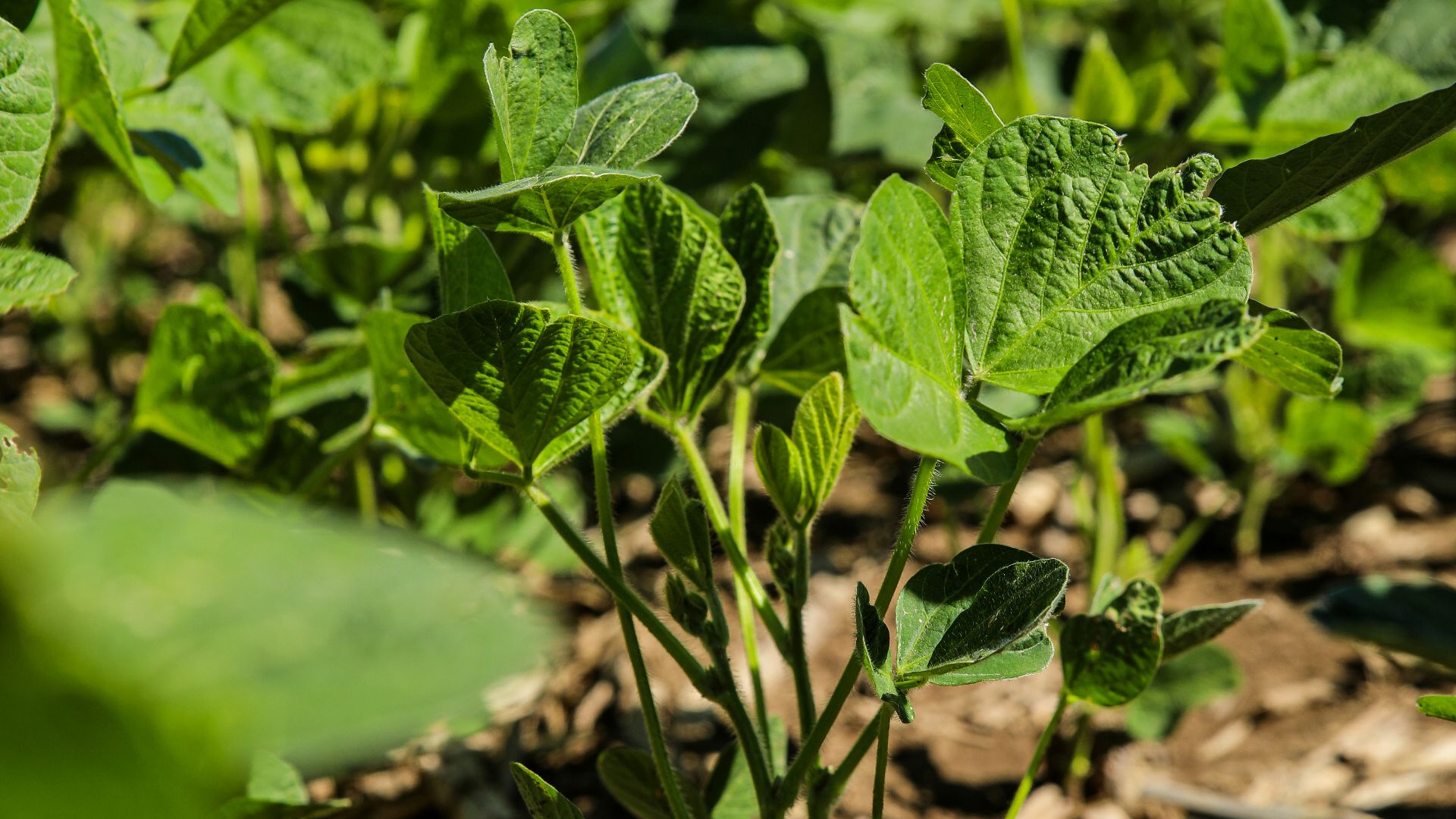
Peanut flowers bloom above ground, then the stem bends over and burrows into the soil, where the pods develop. Pull one up and you get a bush with dozens of wrinkled shells dangling off the roots. Harvesters flip the whole plant upside down and leave it in the field to dry, which turns a peanut farm into rows of shaggy inverted shrubs. They're legumes, closer to peas than to any nut.
6. Brussels Sprouts
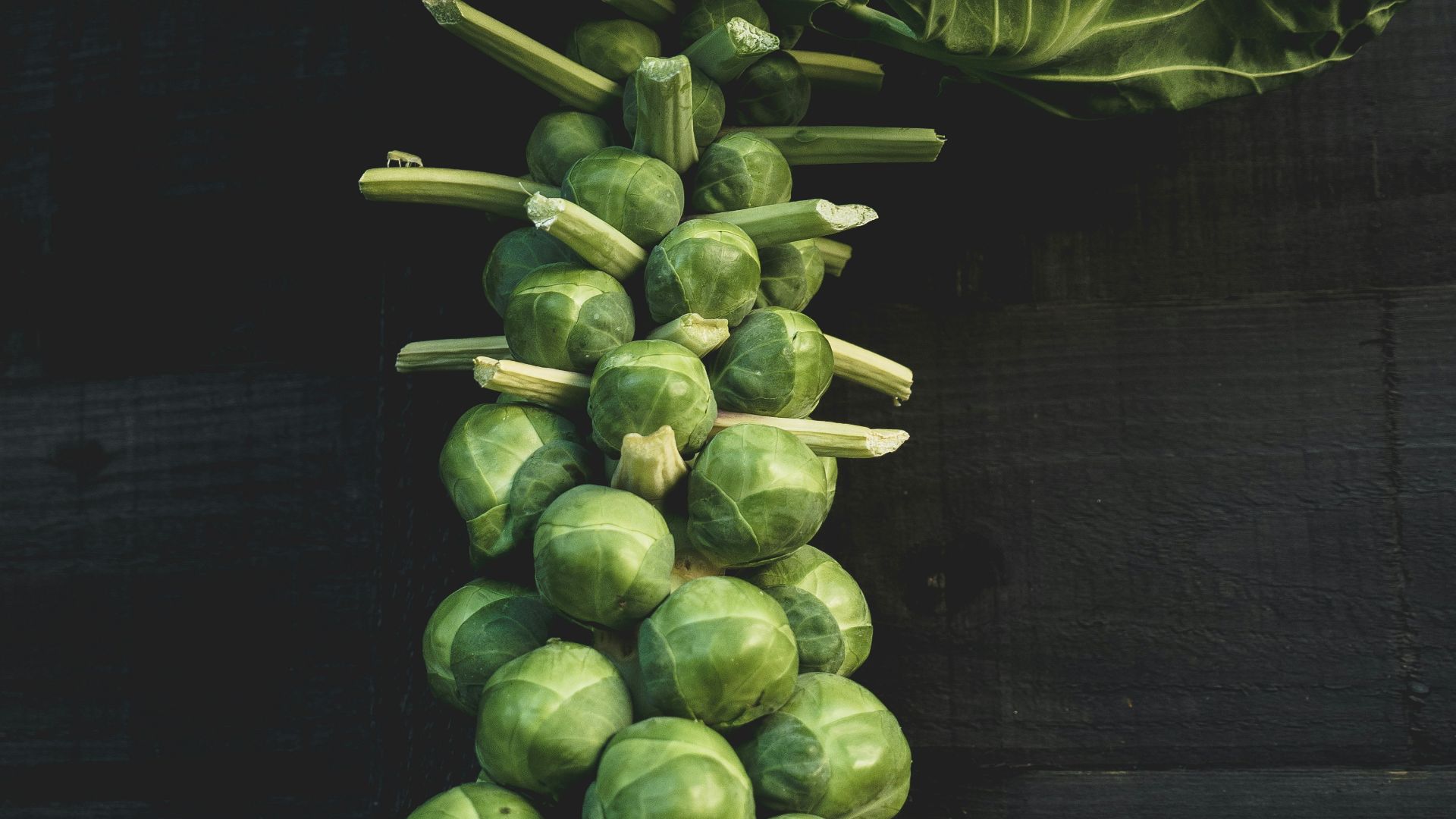
The sprouts spiral up a thick central stalk, dozens of them, under a canopy of huge floppy leaves. A harvested stalk resembles a green club studded with knobs, and one can hold 80 sprouts. A light frost sweetens the flavor, so the season peaks in late fall. Some stores sell whole stalks around the holidays.
7. Cocoa
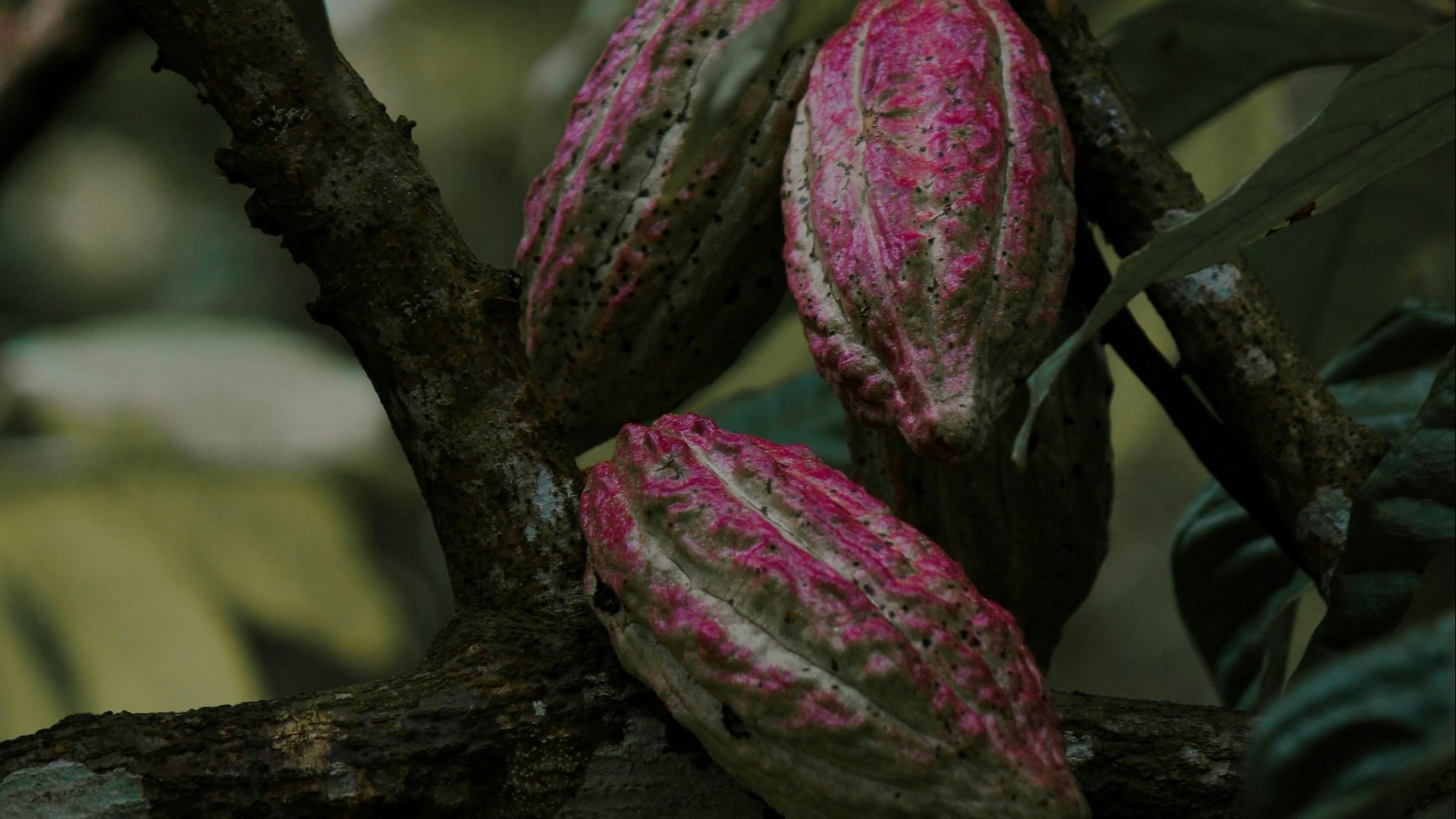
Cacao pods sprout straight from the trunk, in colors from green to deep purple, hanging off the bark where no fruit should be. Split one open and you find beans coated in white pulp that tastes like tropical fruit. Farmers pile the wet beans under banana leaves to ferment for about a week before any chocolate flavor shows up. The pods keep coming year-round, at every stage of ripeness at once.
8. Pistachios
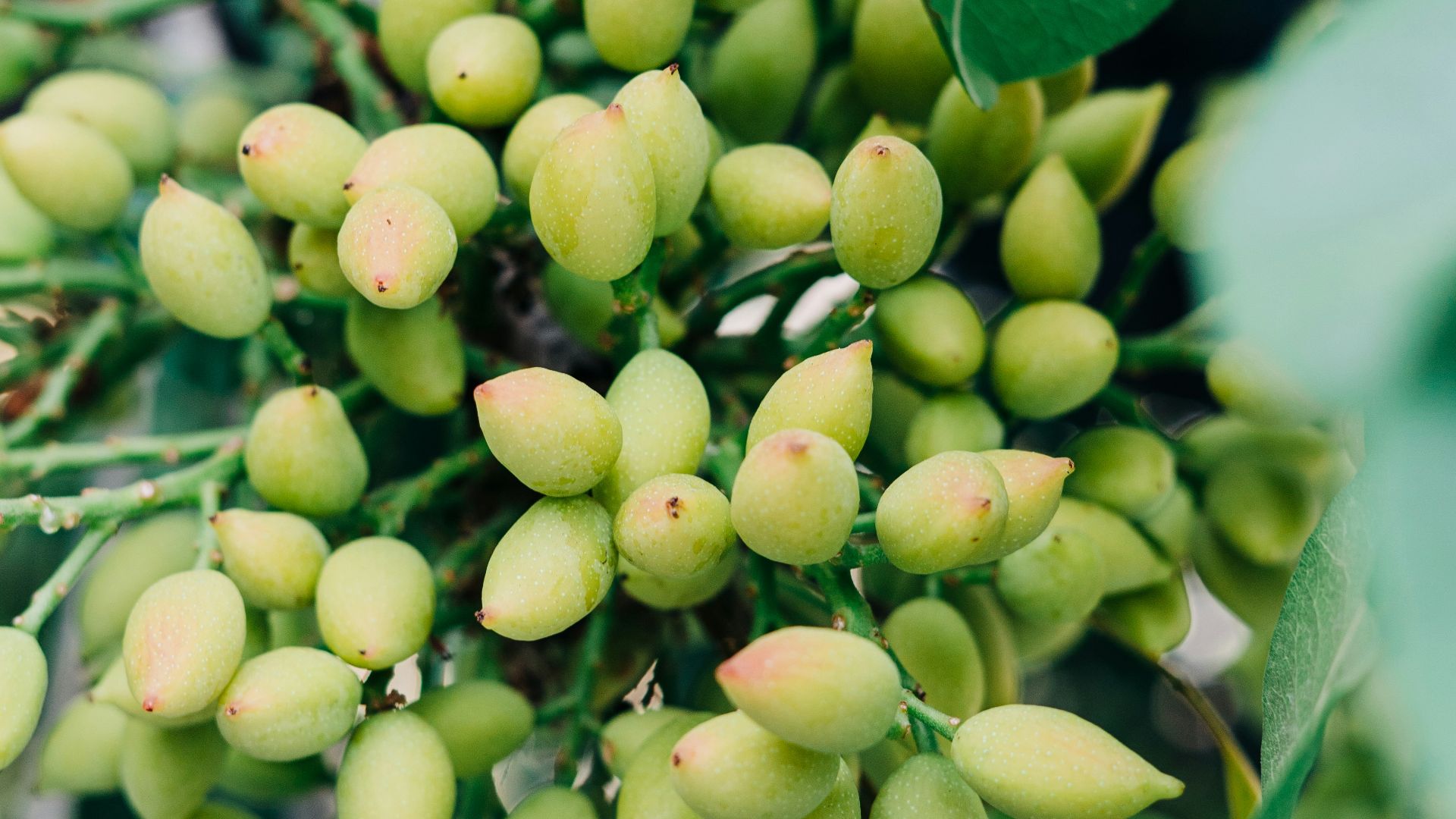
The clusters hang like grapes and flush pink and red as they ripen, so an orchard in season could pass for a vineyard. Each shell splits open with an audible crack while still hanging, which growers call smiling. The pink hull gets stripped during processing, and that part never reaches a store. A shell that fails to split gets sorted out and sold for oil.
 Gabriella Clare Marino on Unsplash
9. Asparagus
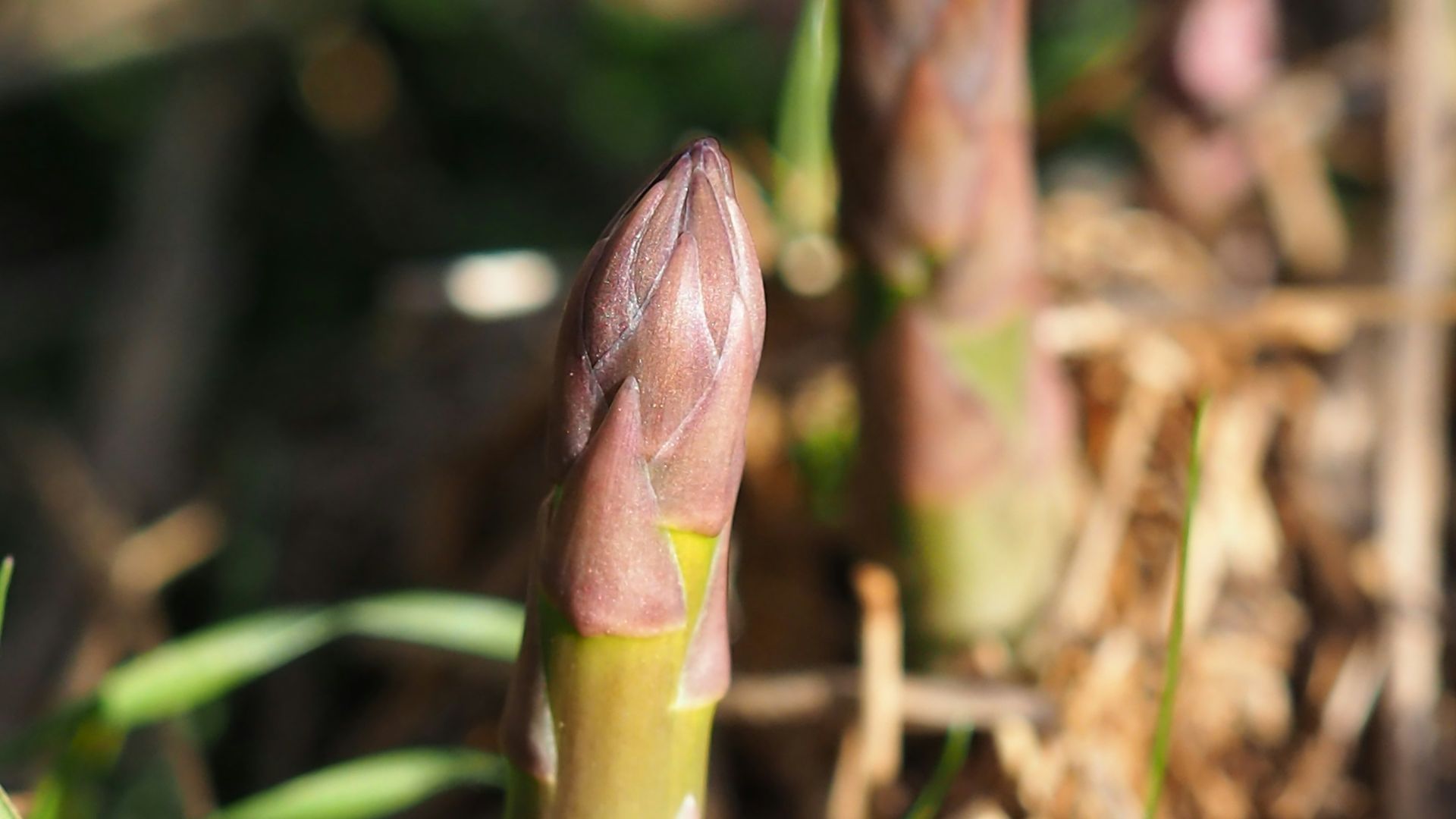
Nothing marks the spot until the spears push straight up out of bare dirt, like fingers coming through the ground. Left uncut, each one unfurls into a feathery fern five feet tall that nobody would connect to the vegetable. A warm day can push a spear up seven inches. Growers wait three years after planting before cutting any of it.
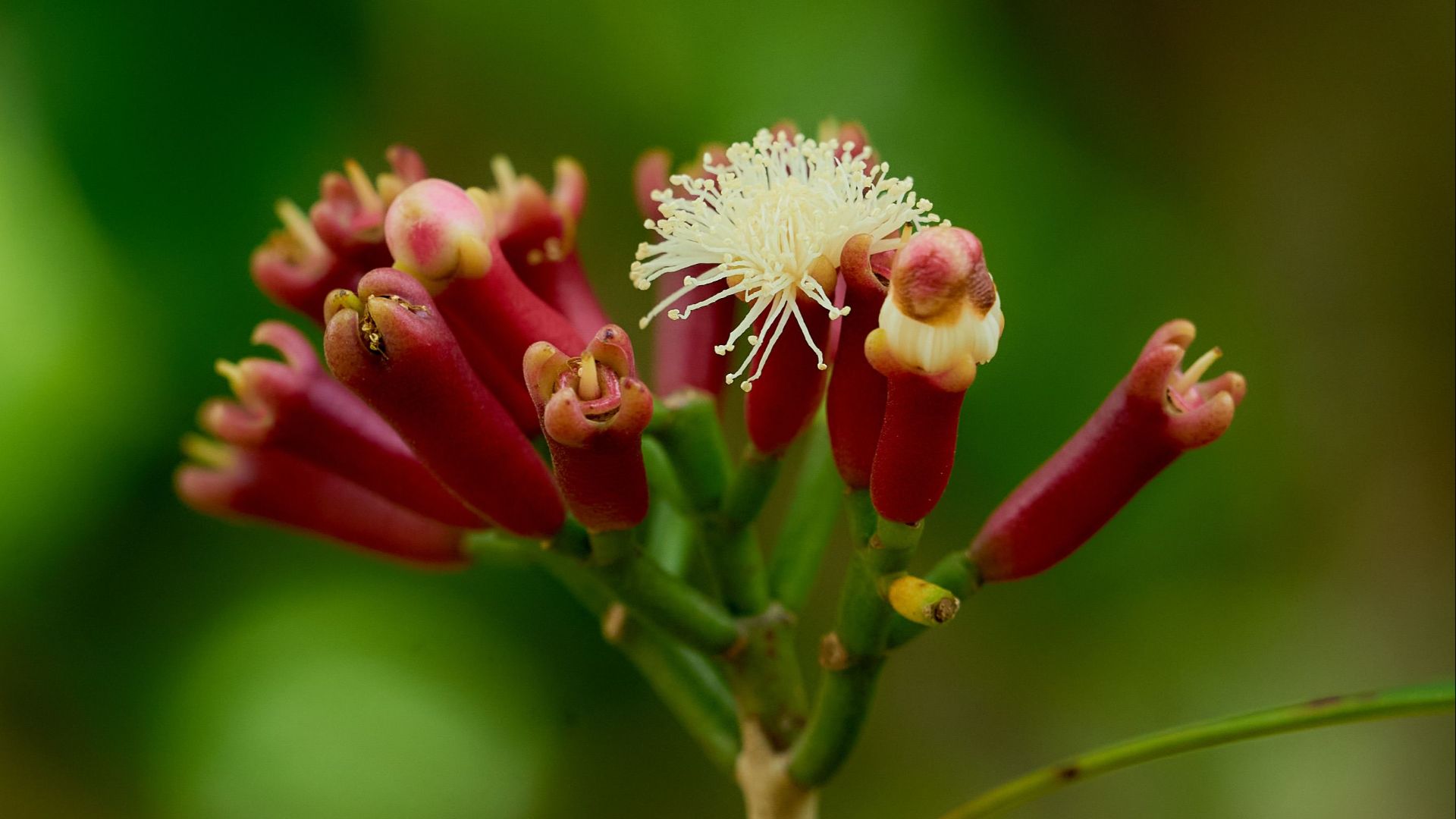
10. Cloves
A clove is a flower that never got to open. Harvesters climb the trees and pick the buds while they're still pink, before the petals part, then dry them until they turn hard and brown. Miss the window by a few days and the crop is worthless as a spice. Zanzibar built an economy on getting the timing right.
11. Star Anise
The eight-pointed star in your mulled wine is a woody seed pod that grows on an evergreen tree in southern China. It comes off the branch soft and green, with a seed tucked into each point. Drying is what turns it into the dark brown star you'd recognize. A Japanese cousin of the tree makes a nearly identical pod that's toxic.
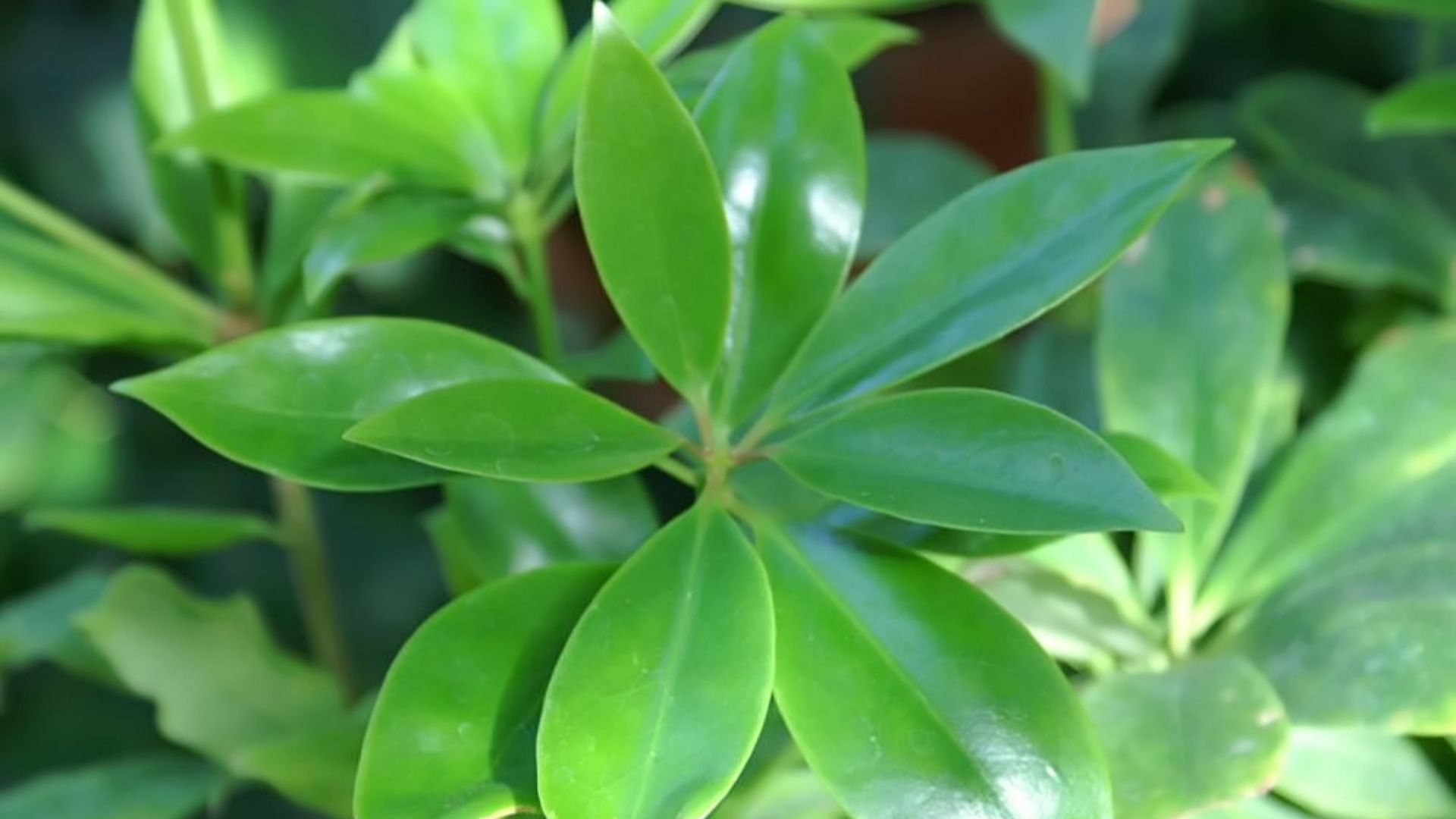 Photo by David J. Stang on Wikimedia
12. Poppy Seeds
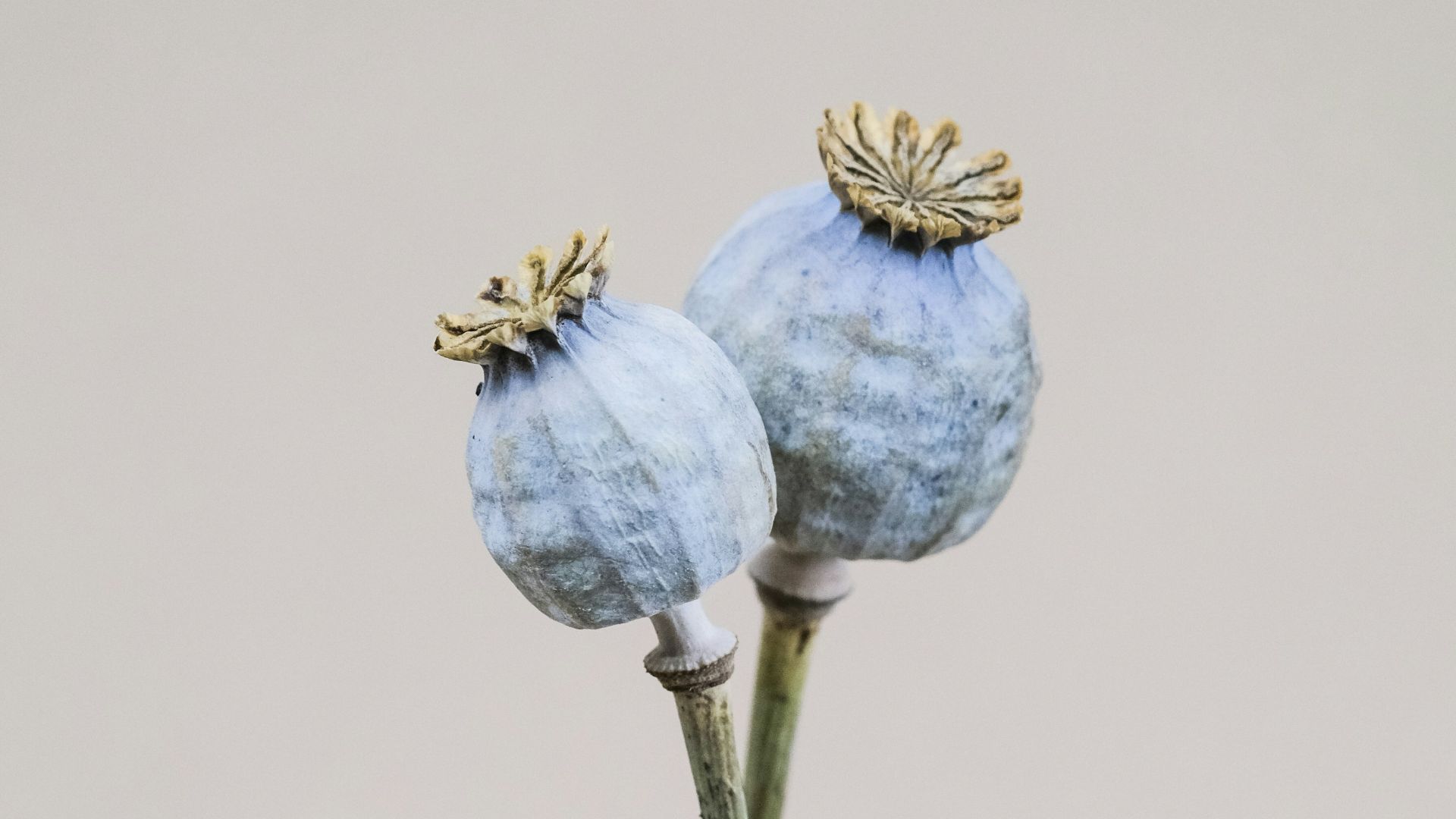
Every bagel seed starts inside a hard gray-green capsule about as big as a walnut, topped with a little crown. The pods rattle when they dry, and growers cut them before they split open. One capsule holds thousands of seeds, which explains the count on a single bagel.
13. Chickpeas
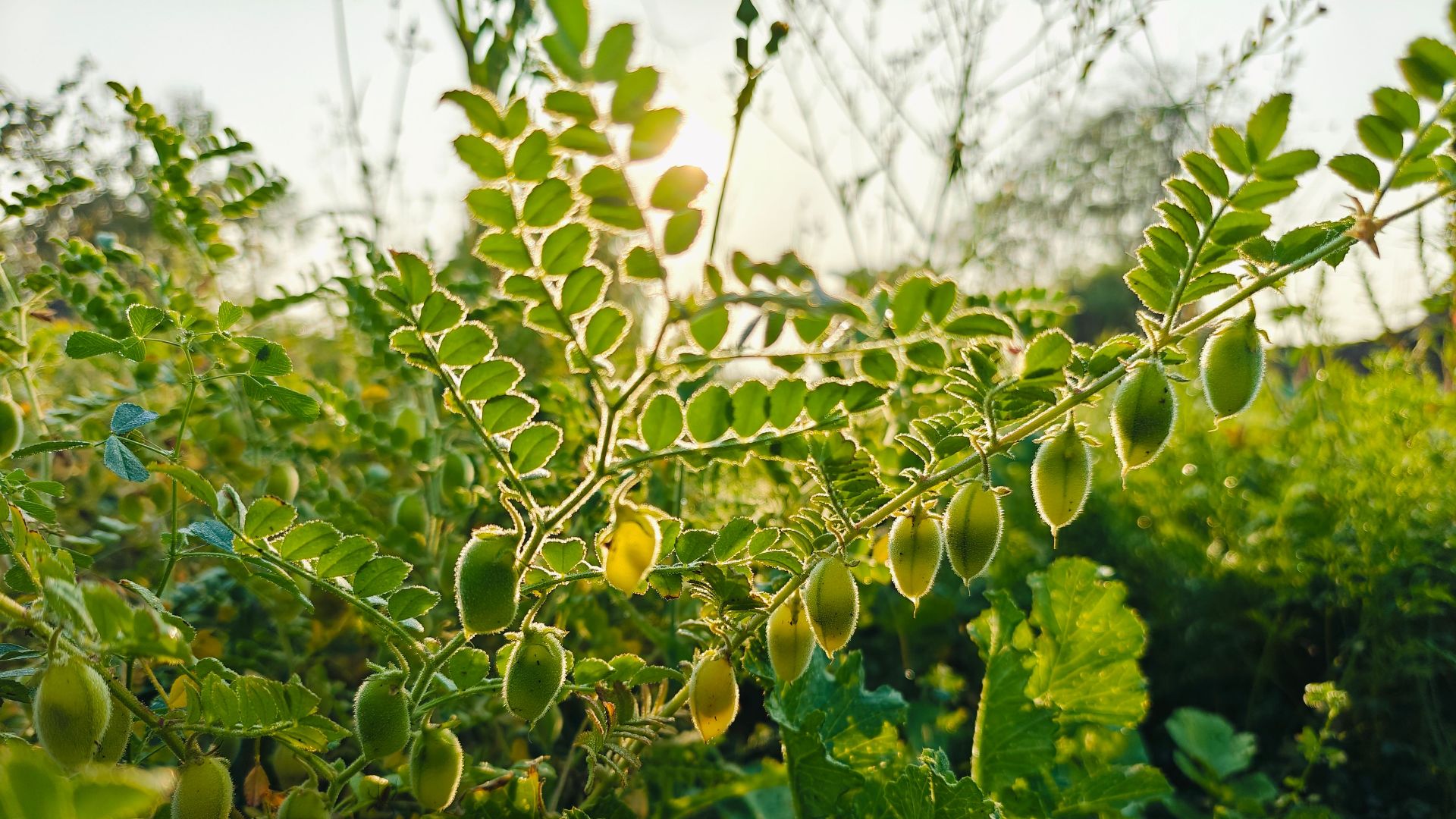
The plant appears to be covered in tiny green balloons. Each inflated pod holds one or two peas and nothing else, which makes for a lot of pods per meal. The leaves secrete an acid strong enough that pickers have complained about it burning their skin. Farmers once collected the dew off them to sell as medicine.
14. Hops
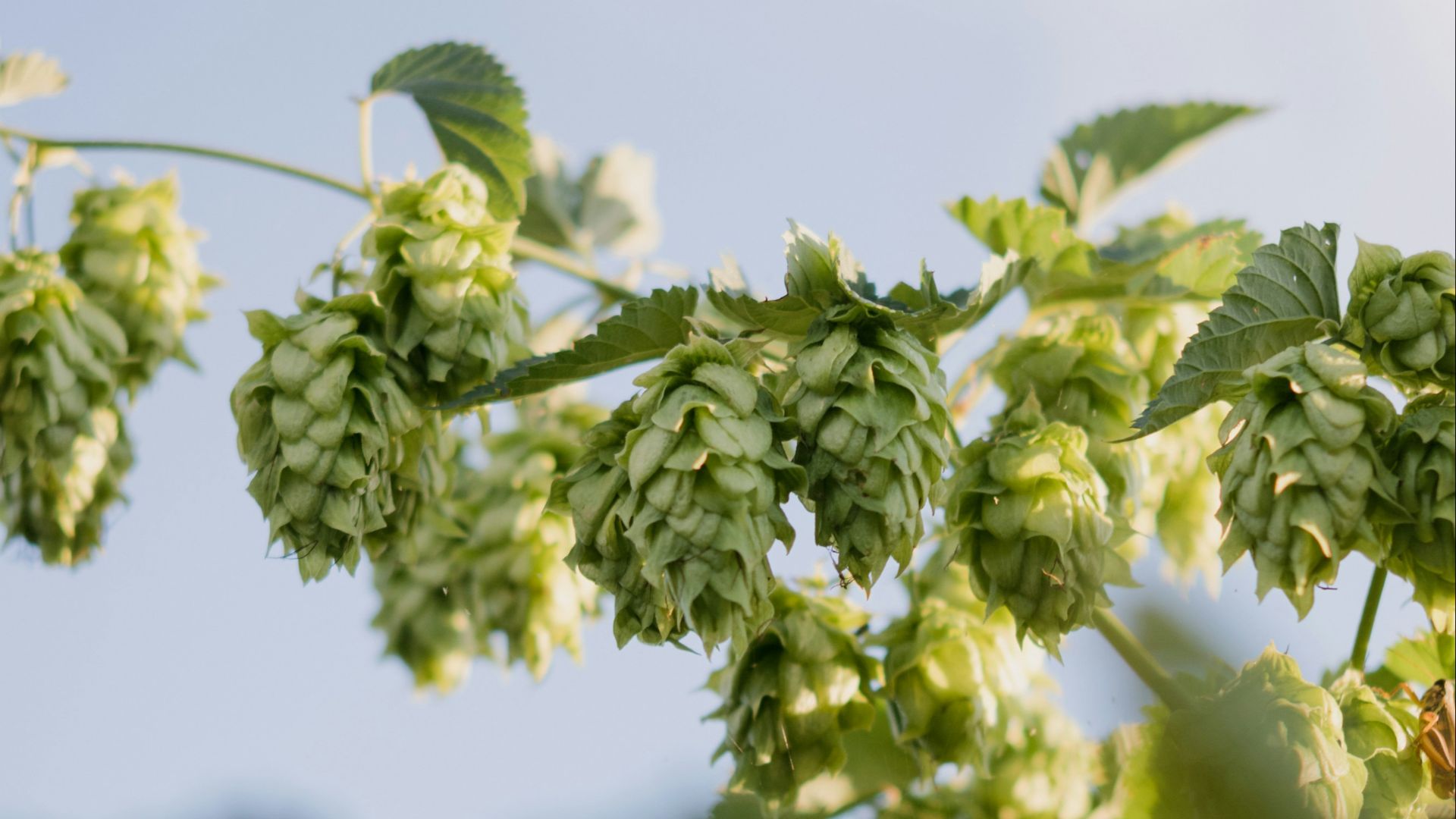
Hops grow on bines that climb 18 feet of trellis wire, and the cones look like soft green pinecones made of paper. Harvest means cutting the whole bine down and running it through a machine that strips the cones off. Rub one between your fingers and the yellow powder inside is what flavors beer. The plant can climb a foot a day in midsummer.
15. Maple Syrup
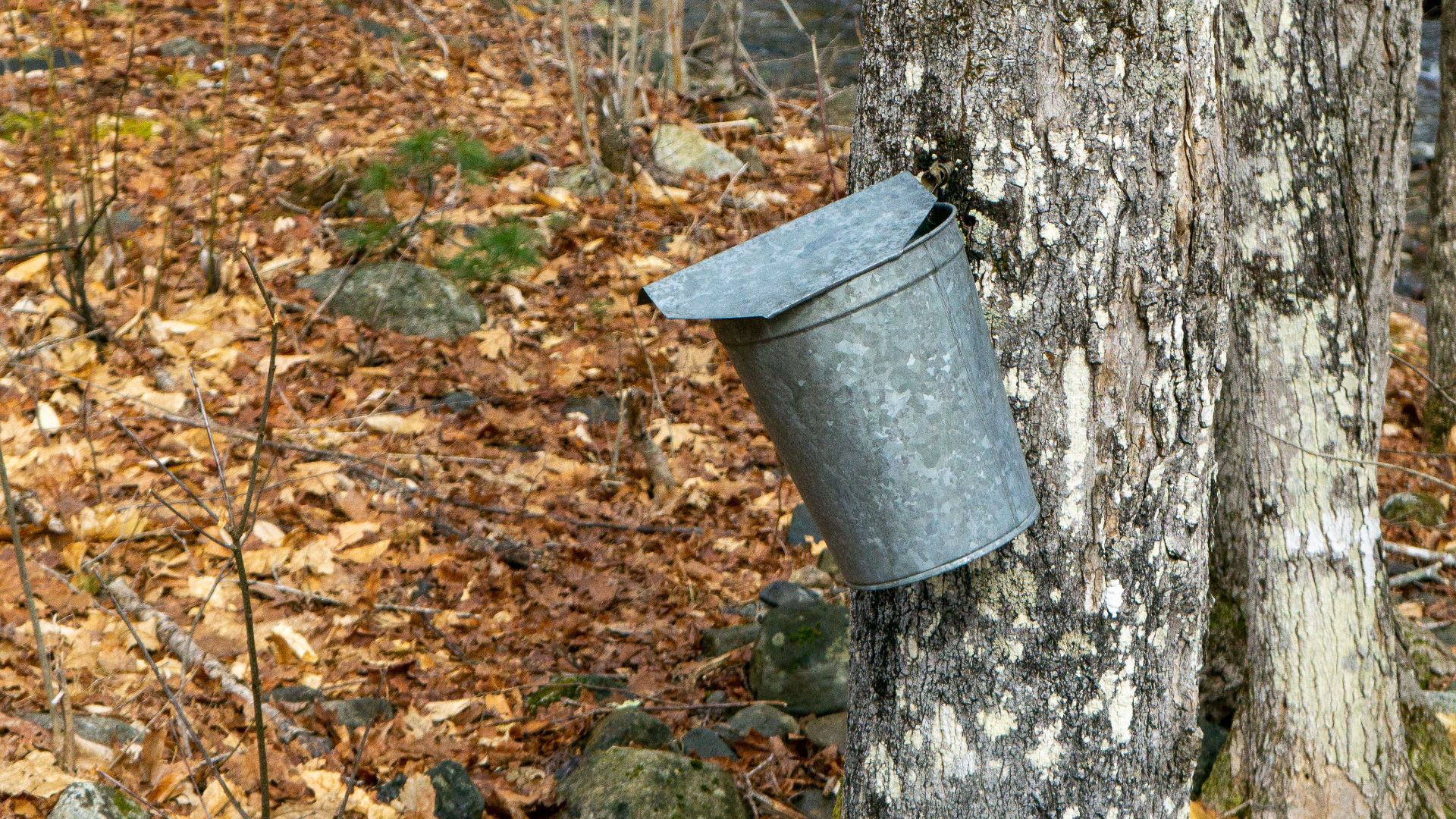
What runs out of the tap looks like water and tastes faintly sweet. Sap runs about 2% sugar, so producers boil roughly 40 gallons of it down to make a single gallon of syrup. The amber color and the flavor both come from the boiling. Early-season sap makes the palest syrup.
16. Tapioca
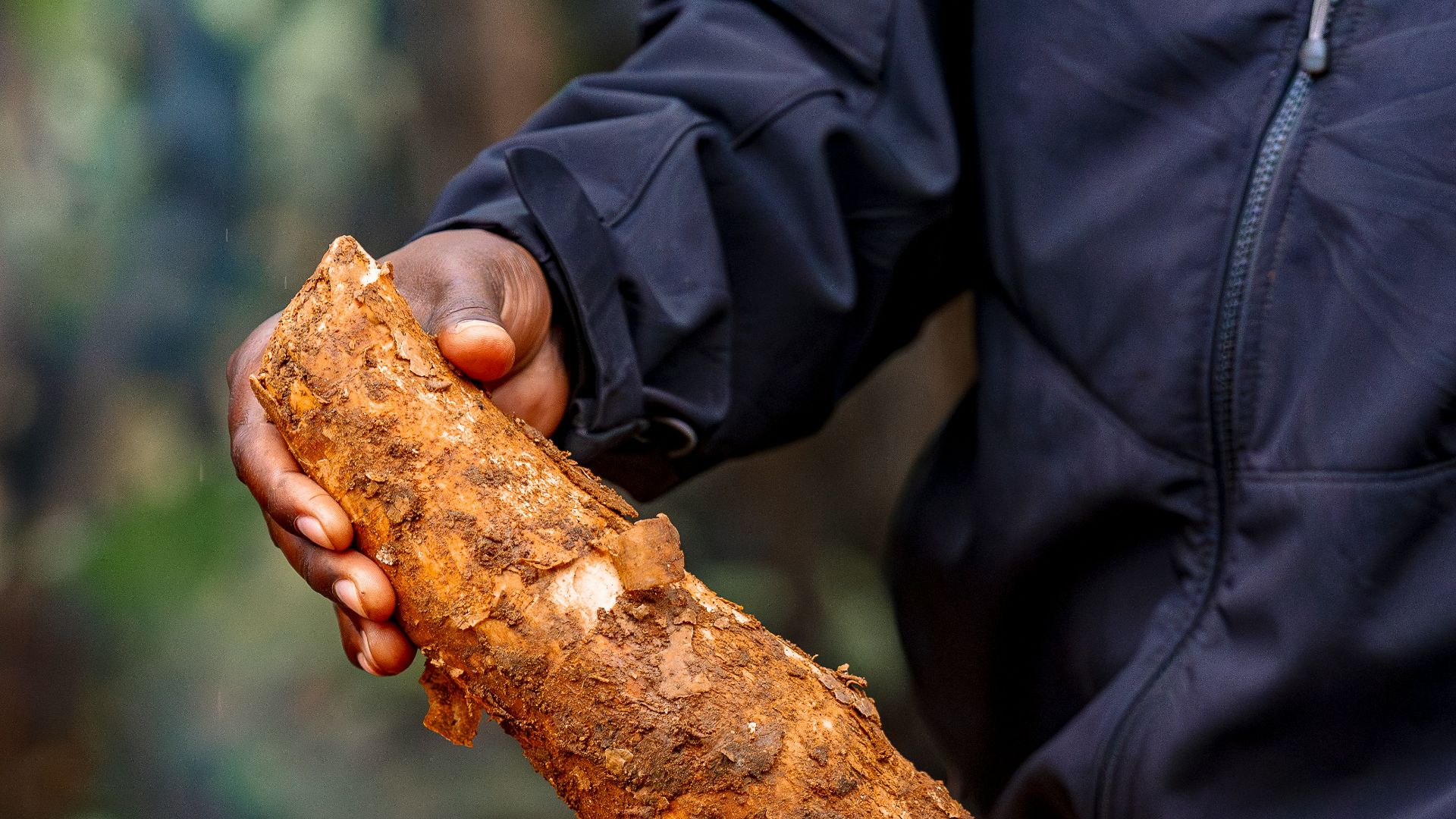
Those little pearls start as cassava, a long brown root that could be mistaken for a rough sweet potato. Raw cassava carries compounds that release cyanide. Peeling and soaking make it safe to eat. The pearls are pure starch, washed from the root and rolled into beads.
17. Belgian Endive
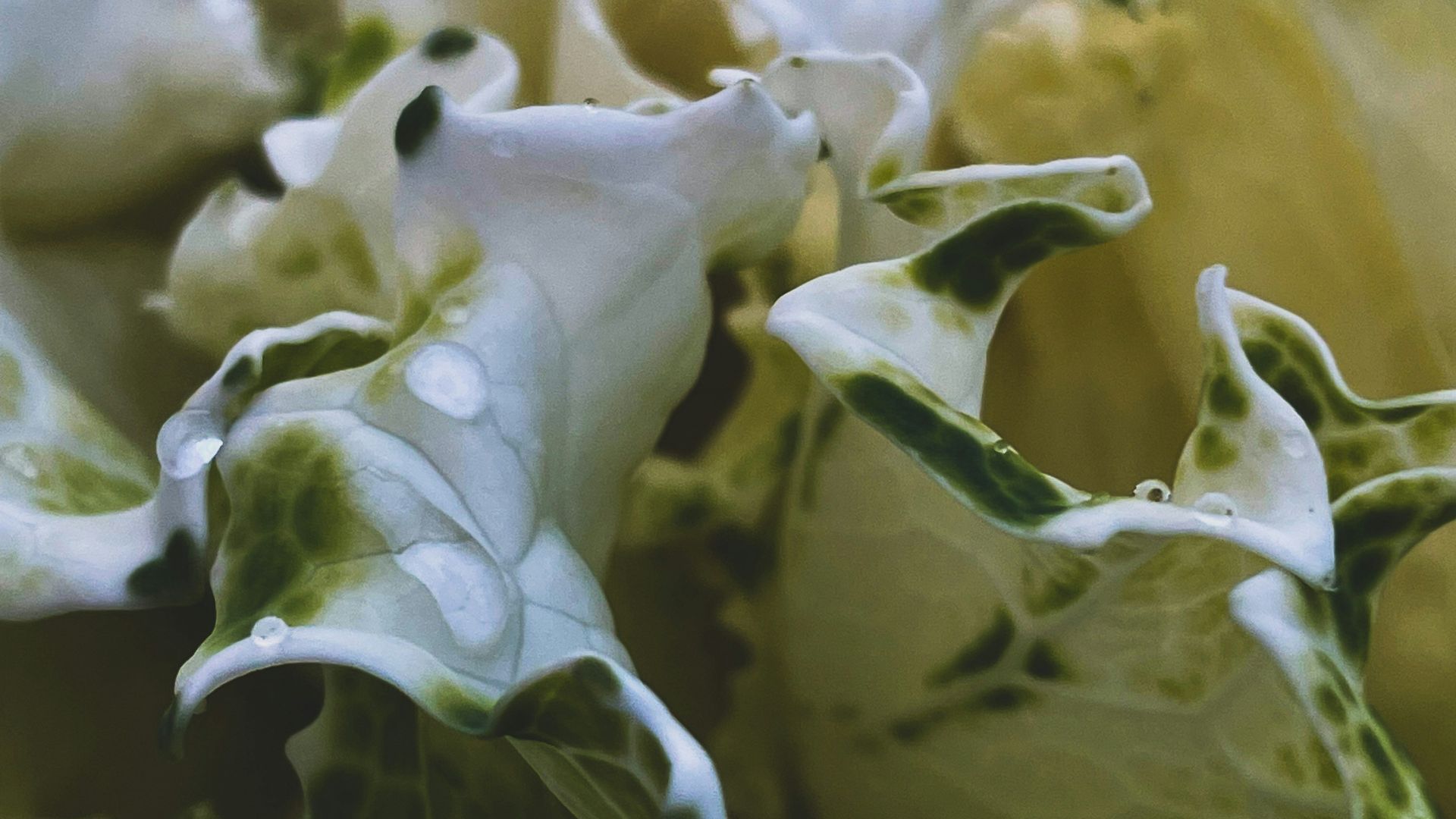
The pale yellow torpedo in the produce case grows in total darkness. Farmers dig up chicory roots and force them in dark rooms, where the head forms without ever seeing light. Left outdoors, the same plant is a scruffy weed with blue flowers. Belgian farmers stumbled onto the trick in the 1830s.
18. Cauliflower
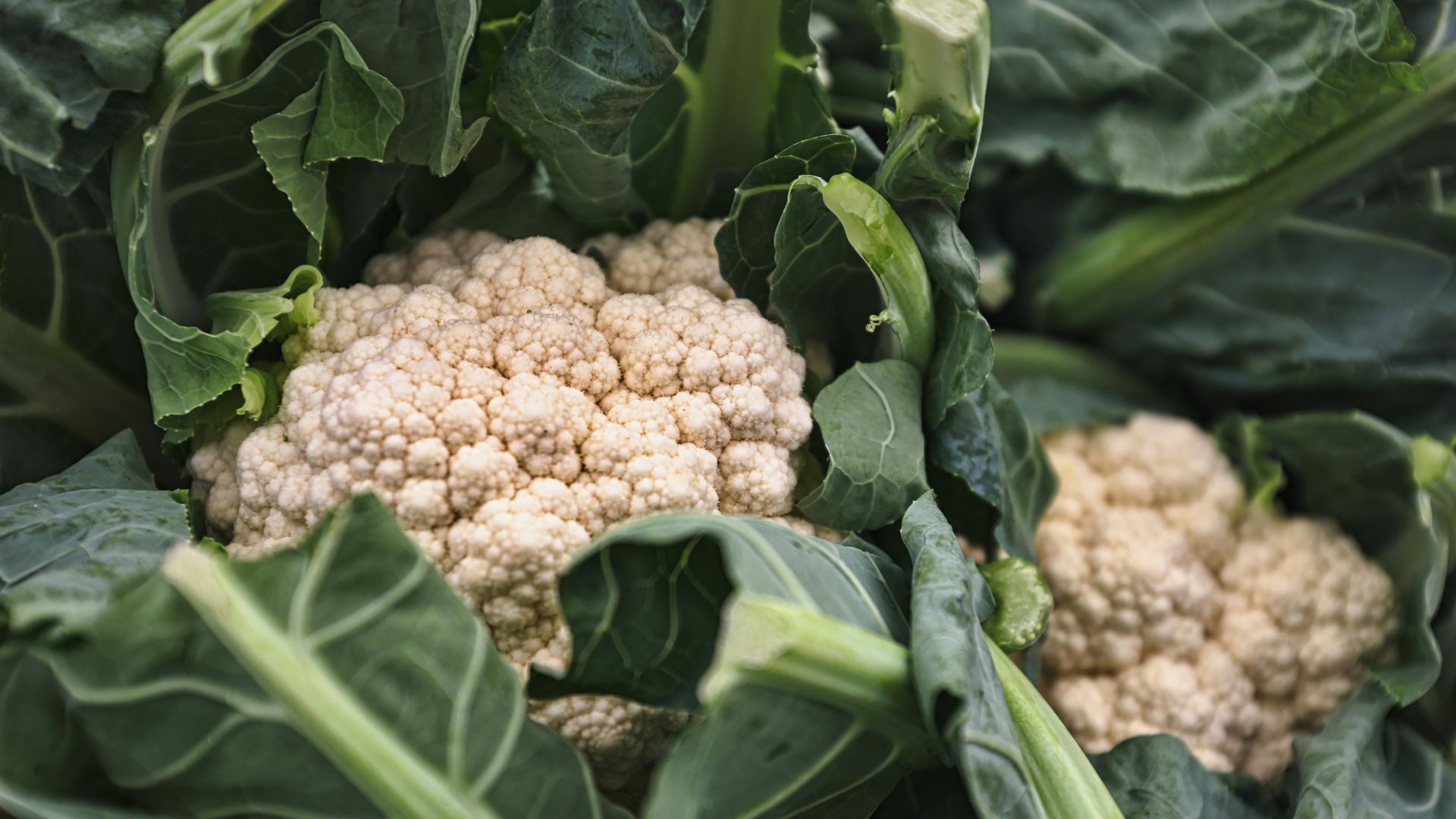
A cauliflower field can look like rows of heads wrapped in bandages. Growers fold the big outer leaves over each head and sometimes tie them shut, blocking the sun so the curd stays white instead of turning yellow. Modern self-blanching varieties handle it on their own, with leaves that curl over the head without help.
19. Celeriac
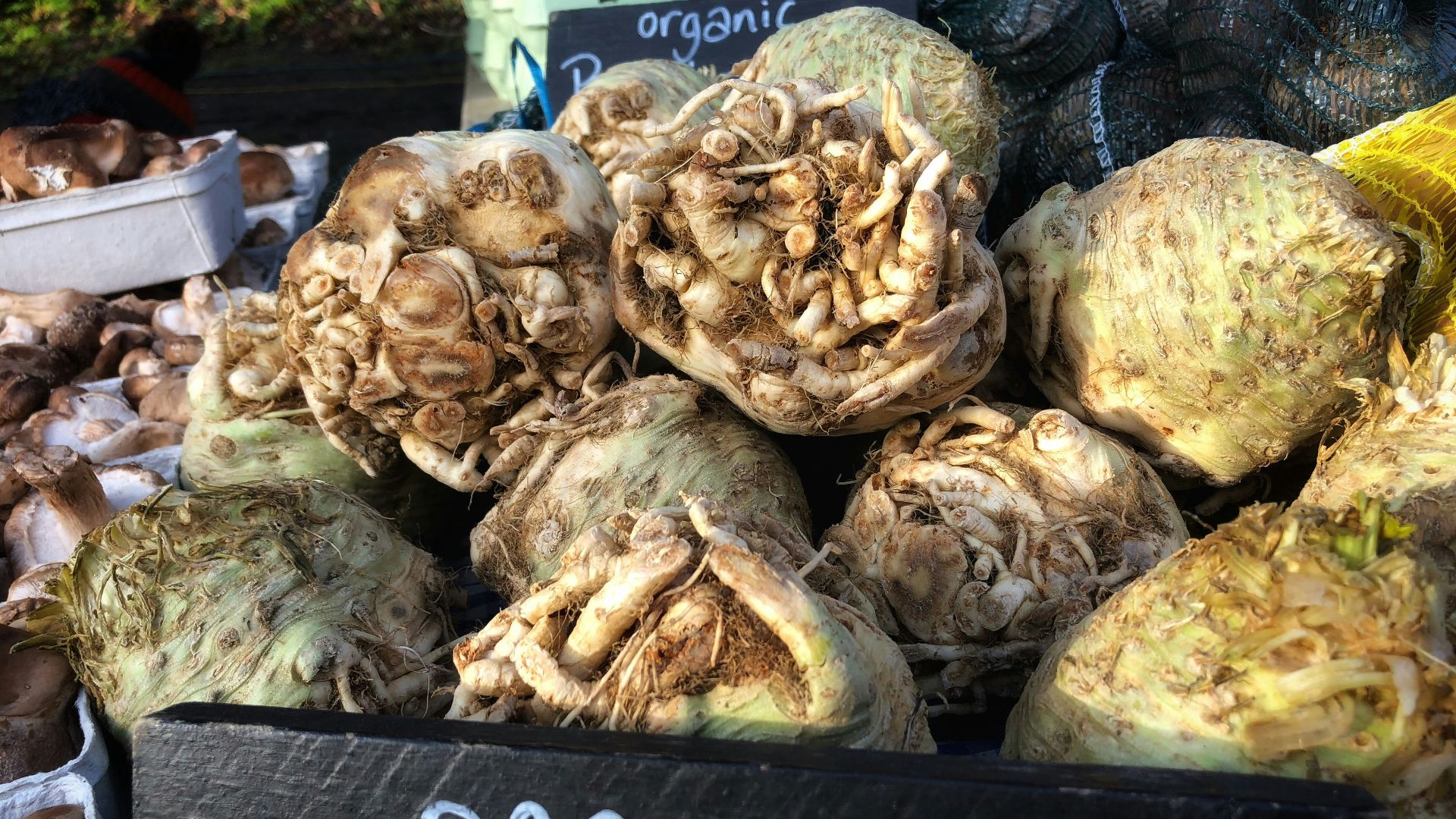
Celeriac arrives from the field as a lumpy brown softball trailing a beard of tangled roots. The top sprouts stalks and leaves identical to celery, because it is the same species. Trimming one for the kitchen costs you a good third of it, and the peel comes off in thick strips.
20. Agave
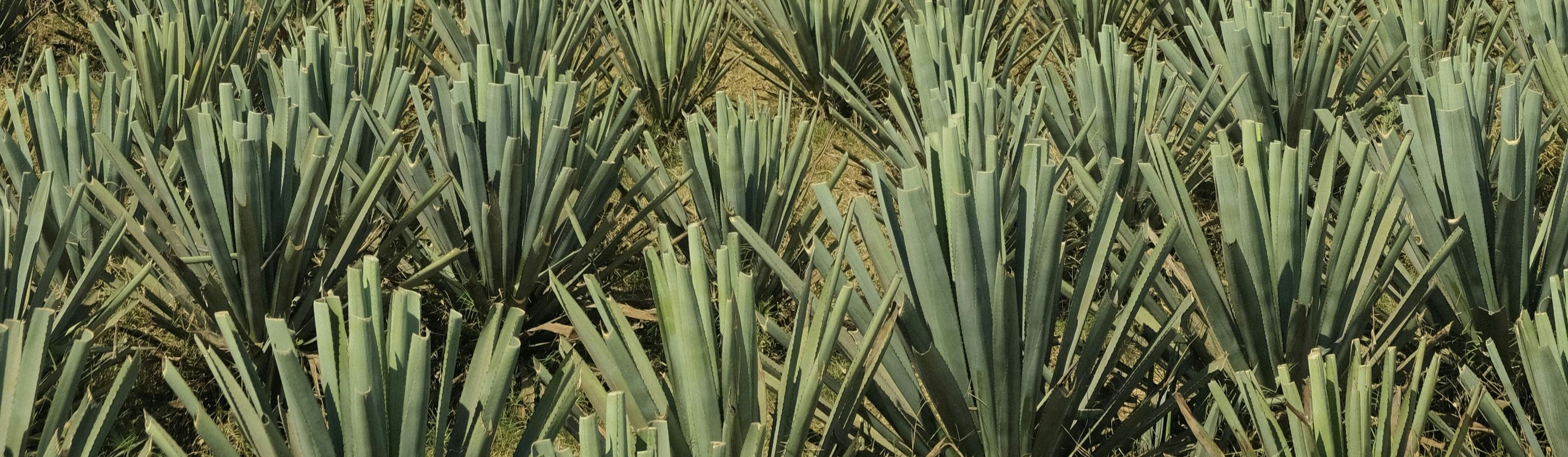
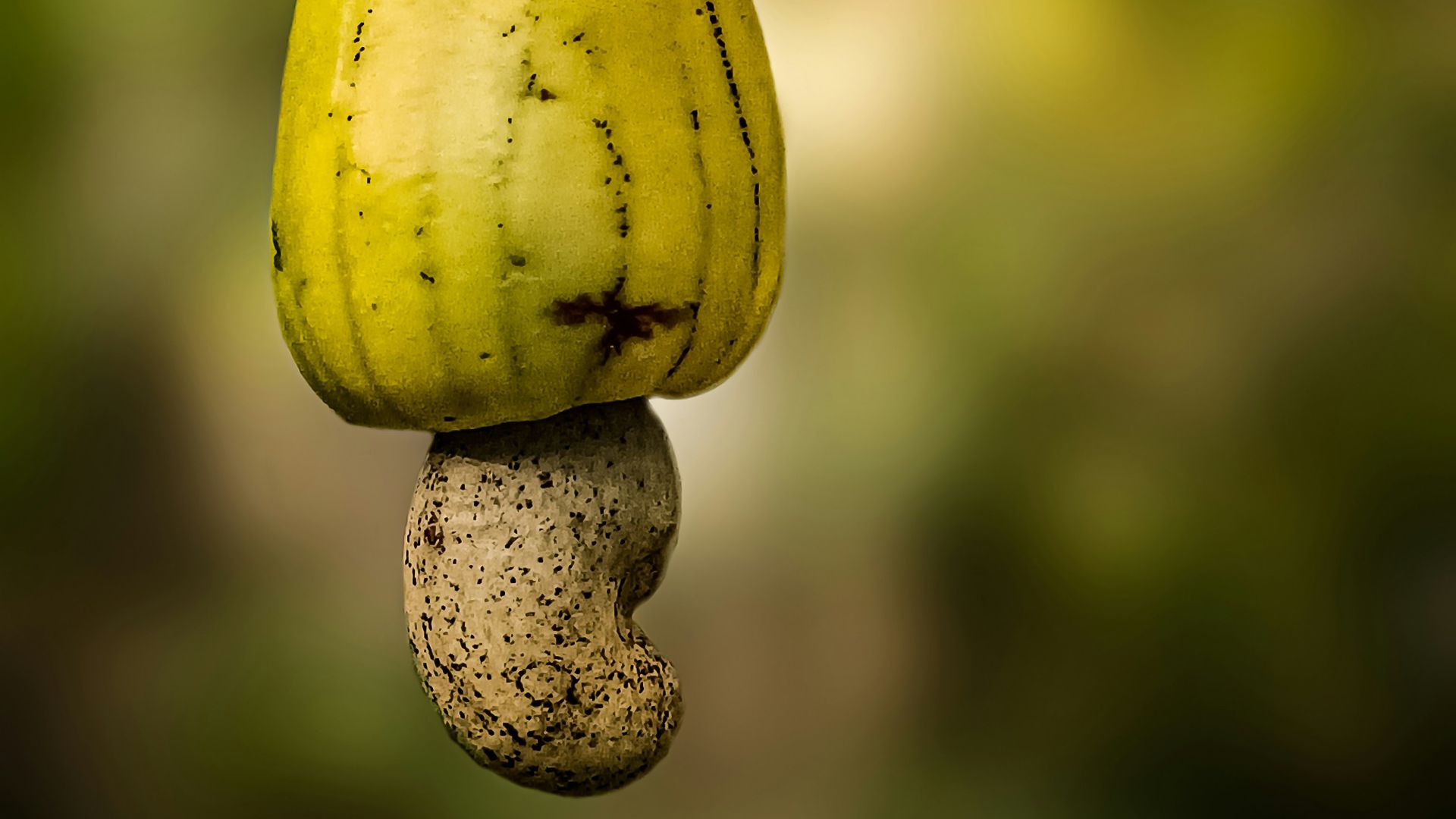
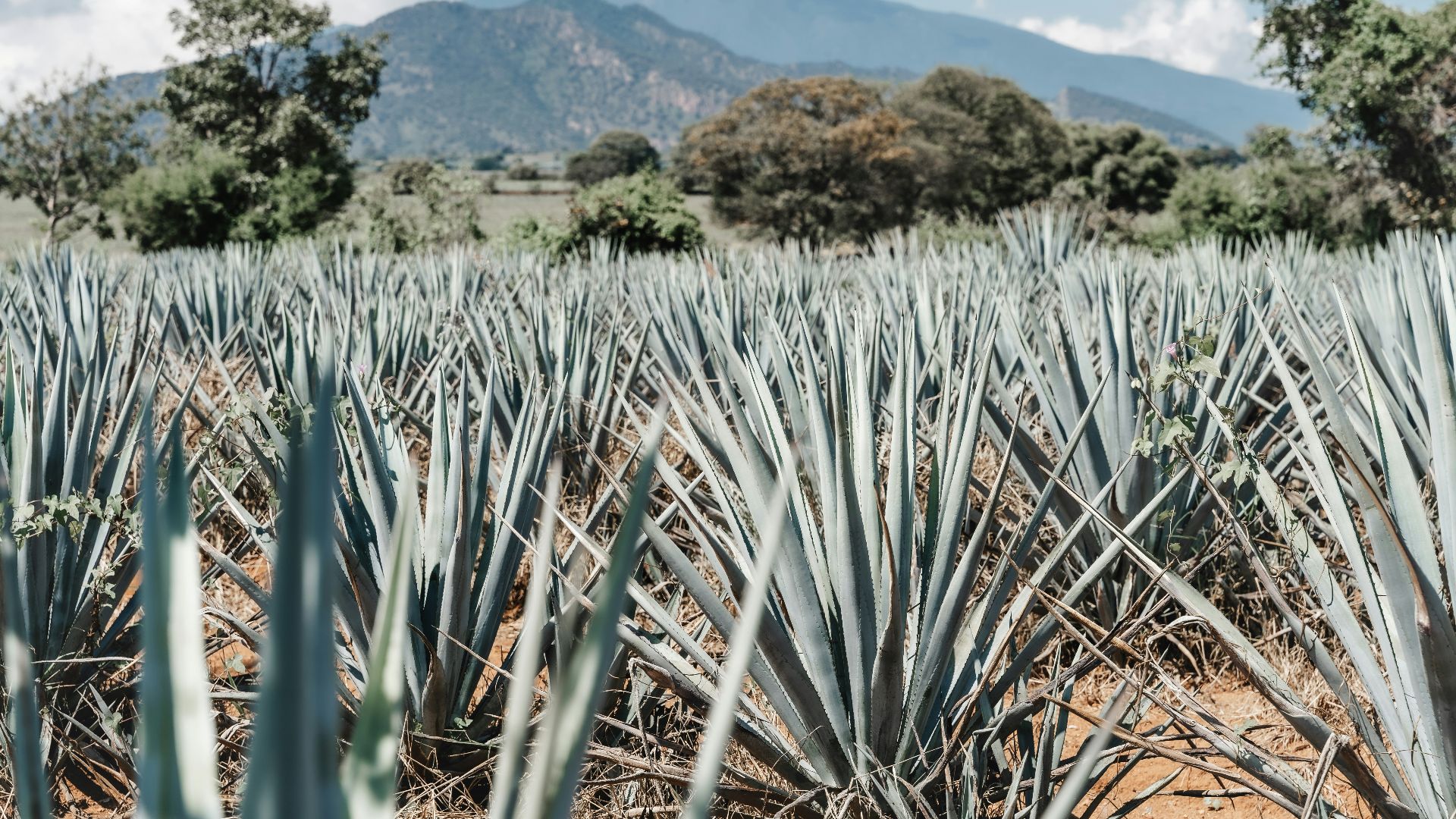
Tequila starts with a plant built like a giant blue-gray aloe, all sword-shaped leaves and spines. Workers called jimadores hack those leaves off with a flat blade, leaving a heavy core called a piña that resembles a 100-pound pinecone. The plant grows six to eight years before it's ready for that, and it only flowers once.
KEEP ON READING
The Most Popular Signature Dishes Around the World