Someone Did the Hard Part
The price sticker on a jar of olives tells you nothing about how it got there. Machines took over the easy crops decades ago, and the delicate ones still come down to fingers, knees, and a long season. Somebody stood in a cold room pulling meat out of crab shells for eight hours, or walked the same row of plants three times in a week waiting for fruit to color up. The gap between that effort and the shelf price is the whole reason these foods stay affordable. Here's 20 everyday groceries that hide a staggering amount of human work.
1. Vanilla
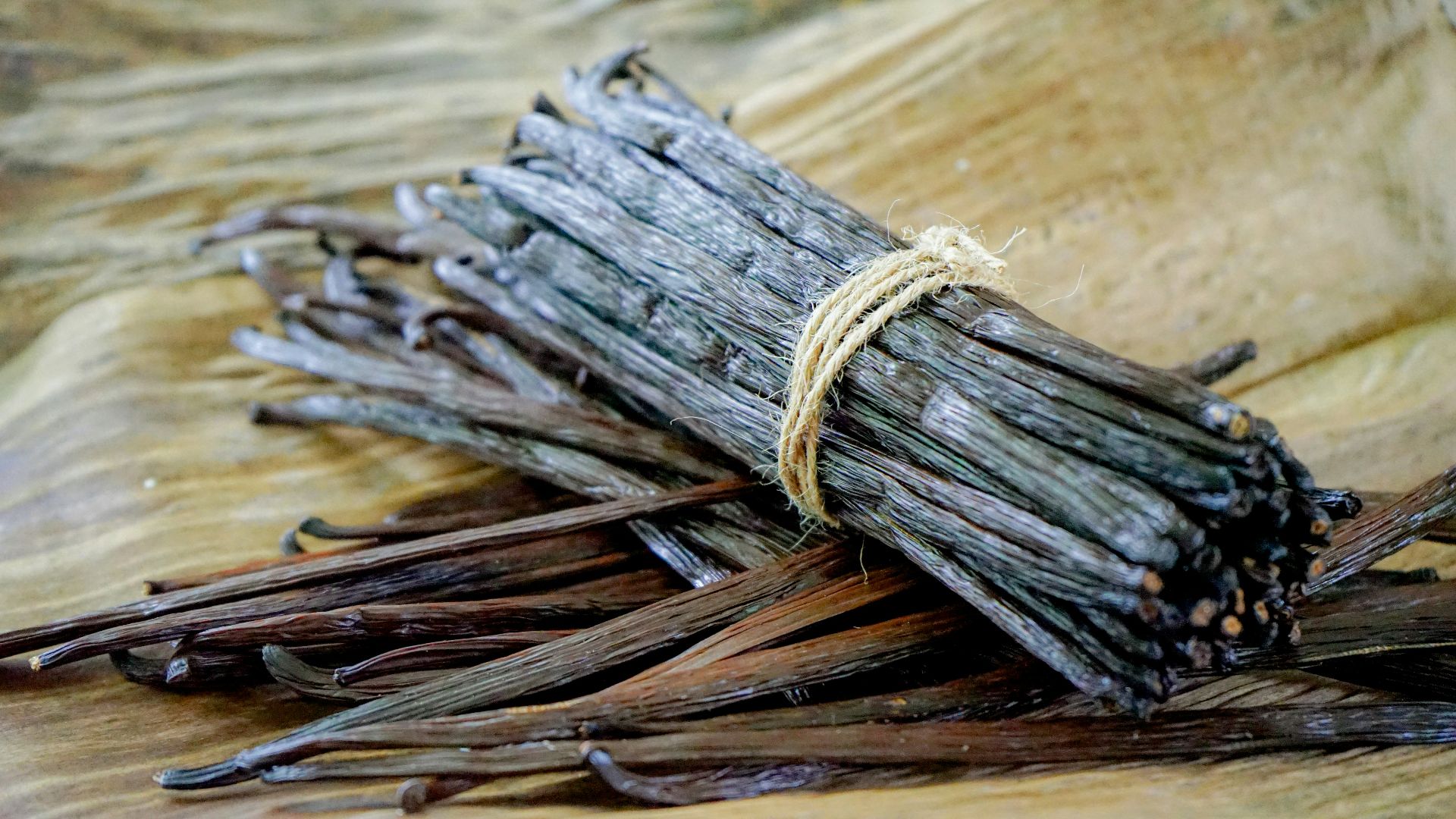
Vanilla orchids open for roughly one day, and outside Mexico no local insect pollinates them. Growers move down the rows with a sliver of bamboo, lifting the flap inside each flower to press the pollen into place. The pods cure for months after that, and a bottle of imitation extract sells for a couple of dollars.
2. Saffron
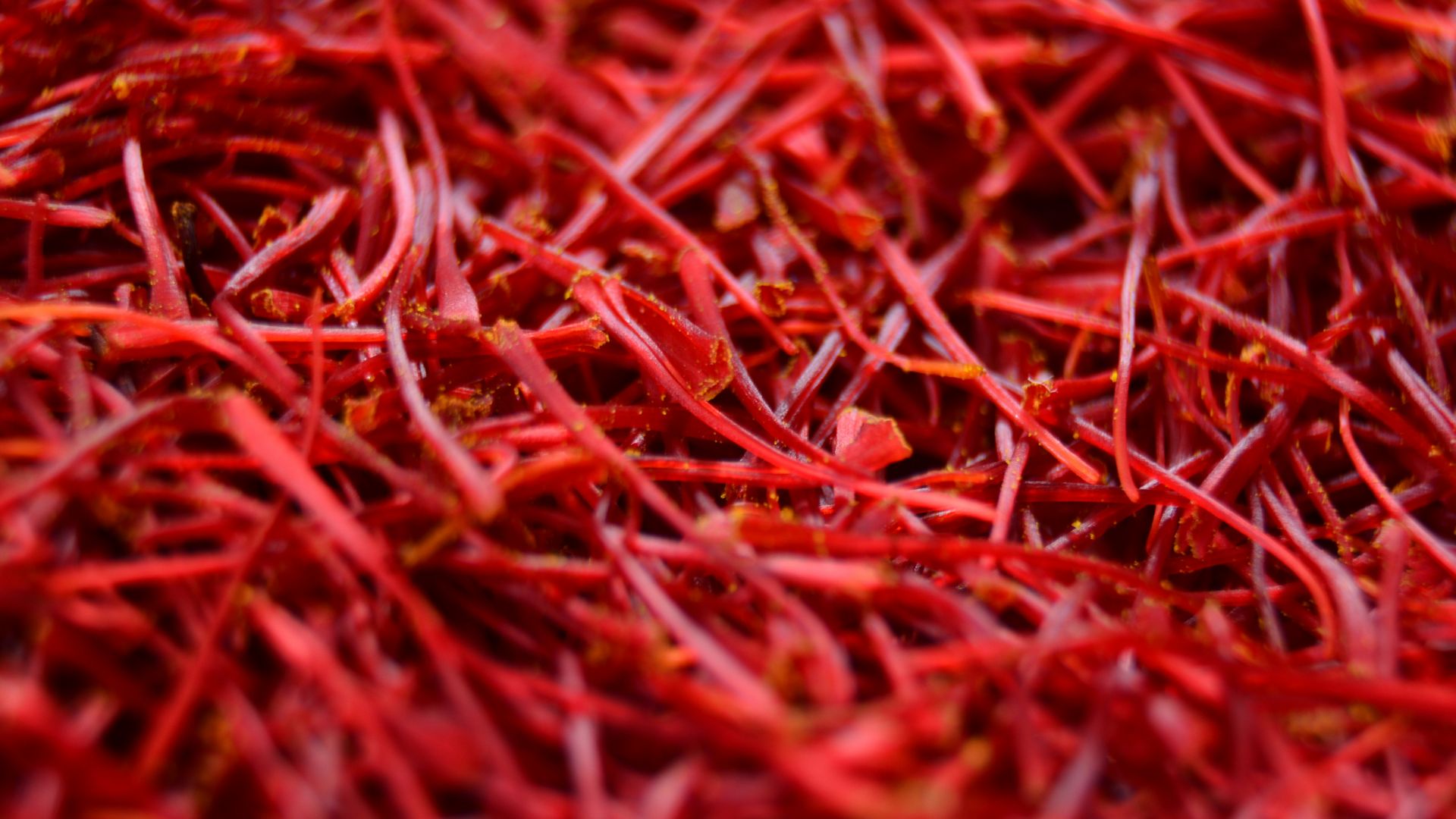
It takes something like 150,000 crocus flowers to produce a single kilogram of saffron. Pickers work at dawn, before the blooms open wide, and every flower gives up exactly three red threads. Iran grows most of the world's supply in a season that runs a few weeks.
3. Cashews
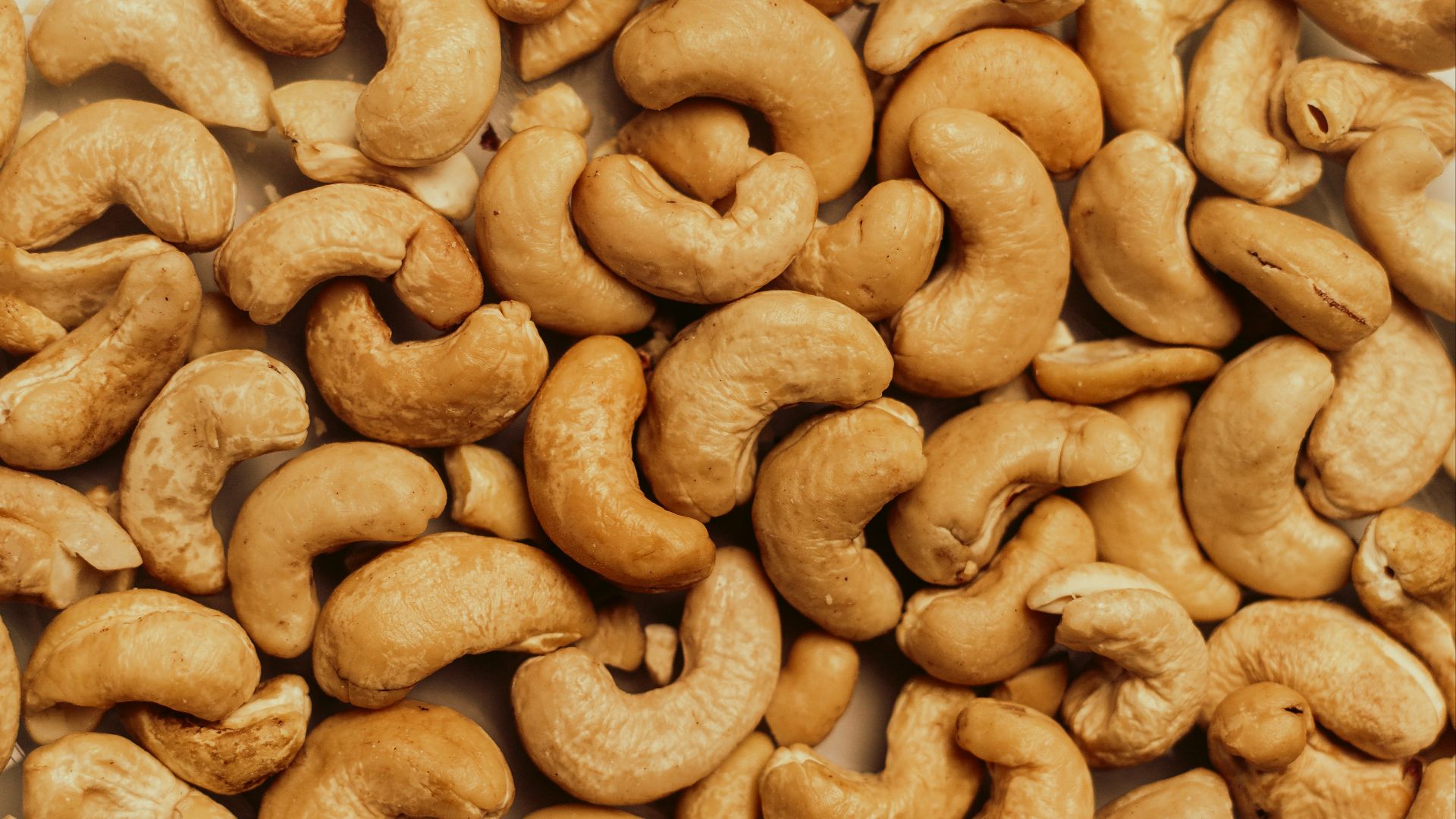
The shell around a raw cashew holds a caustic oil related to the irritant in poison ivy. Workers in India and Vietnam, most of them women, crack those shells and pull out the kernels with blistered fingers. A thin inner skin has to come off afterward, nut by nut.
4. Coffee
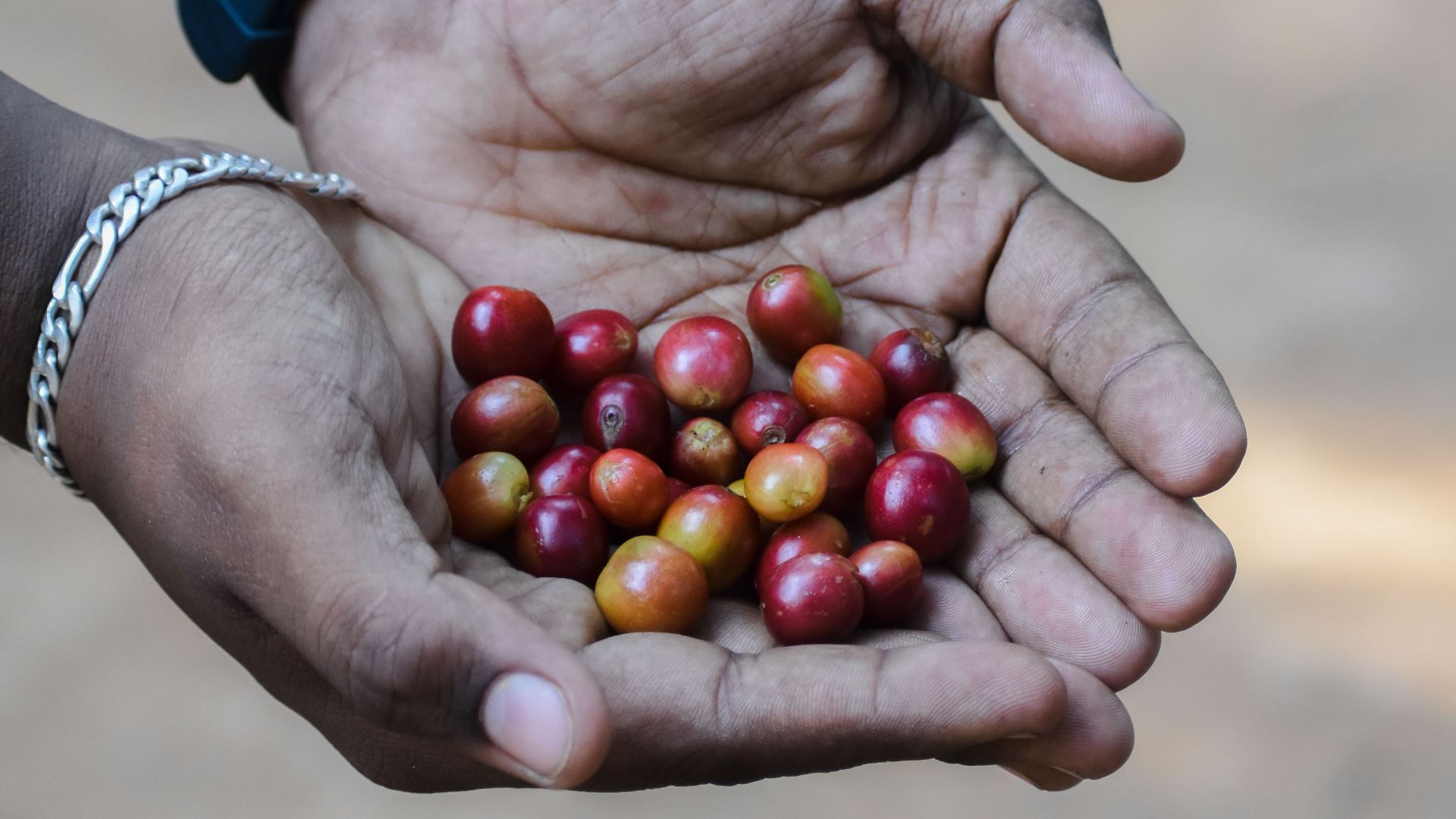
Cherries on a single coffee branch ripen on their own schedule, so pickers return to the same tree again and again through the season. A strong picker in Colombia might bring in around 100 pounds in a day. The beans then ferment in tanks and dry in the sun before a roaster ever sees them.
5. Crab Meat
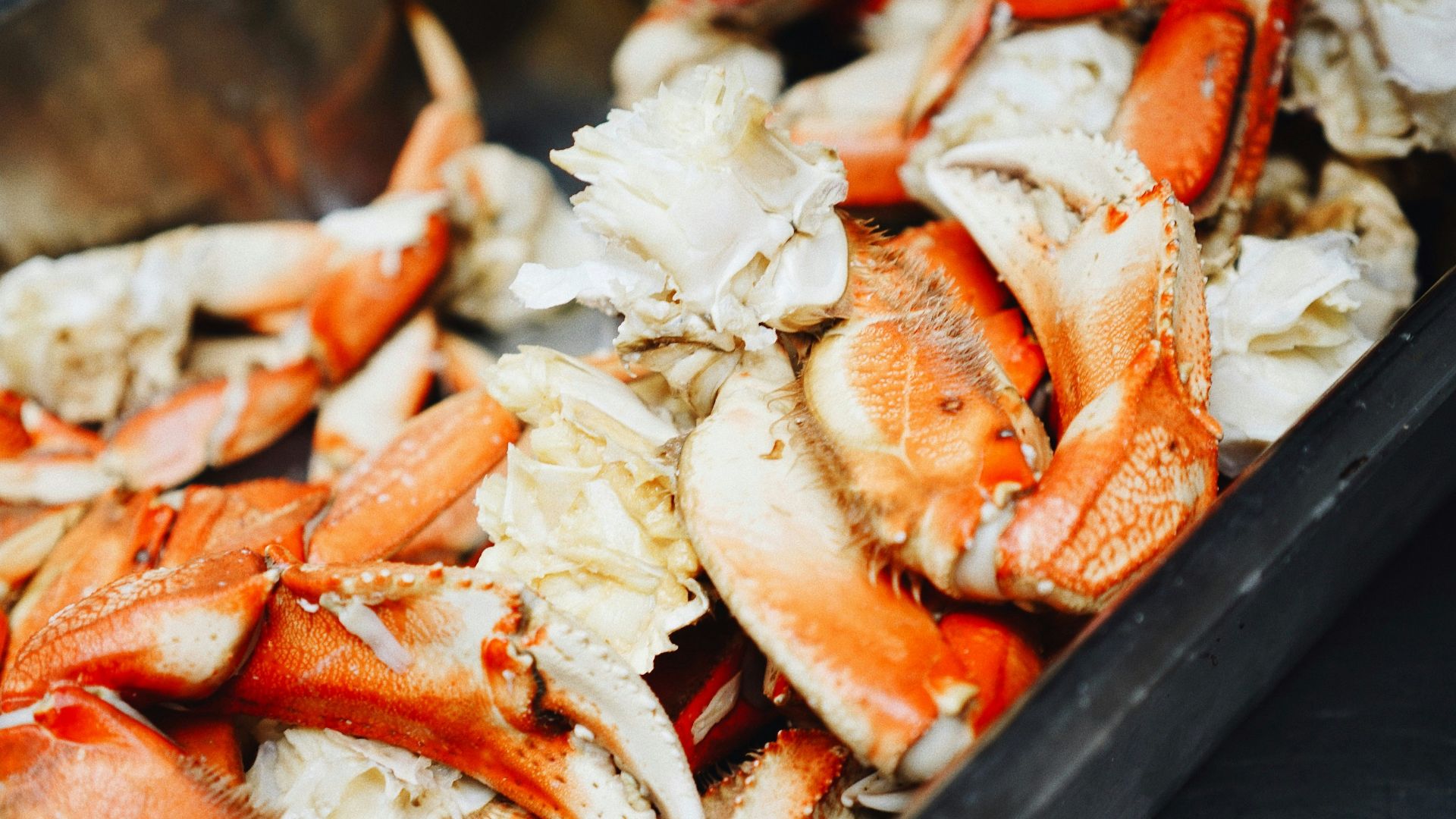
Crab picking happens in cold rooms, largely by workers on H-2B visas in Maryland and along the Gulf Coast. A practiced hand separates lump meat from cartilage in seconds, then reaches for the next crab, and the next one after that. Repetitive strain injuries run high in the trade.
6. Strawberries
Strawberries bruise under almost any pressure, which rules out the machines that handle sturdier crops. Crews move down the beds bent at the waist or dragging themselves along on their knees. The same field gets picked over repeatedly as new fruit ripens.
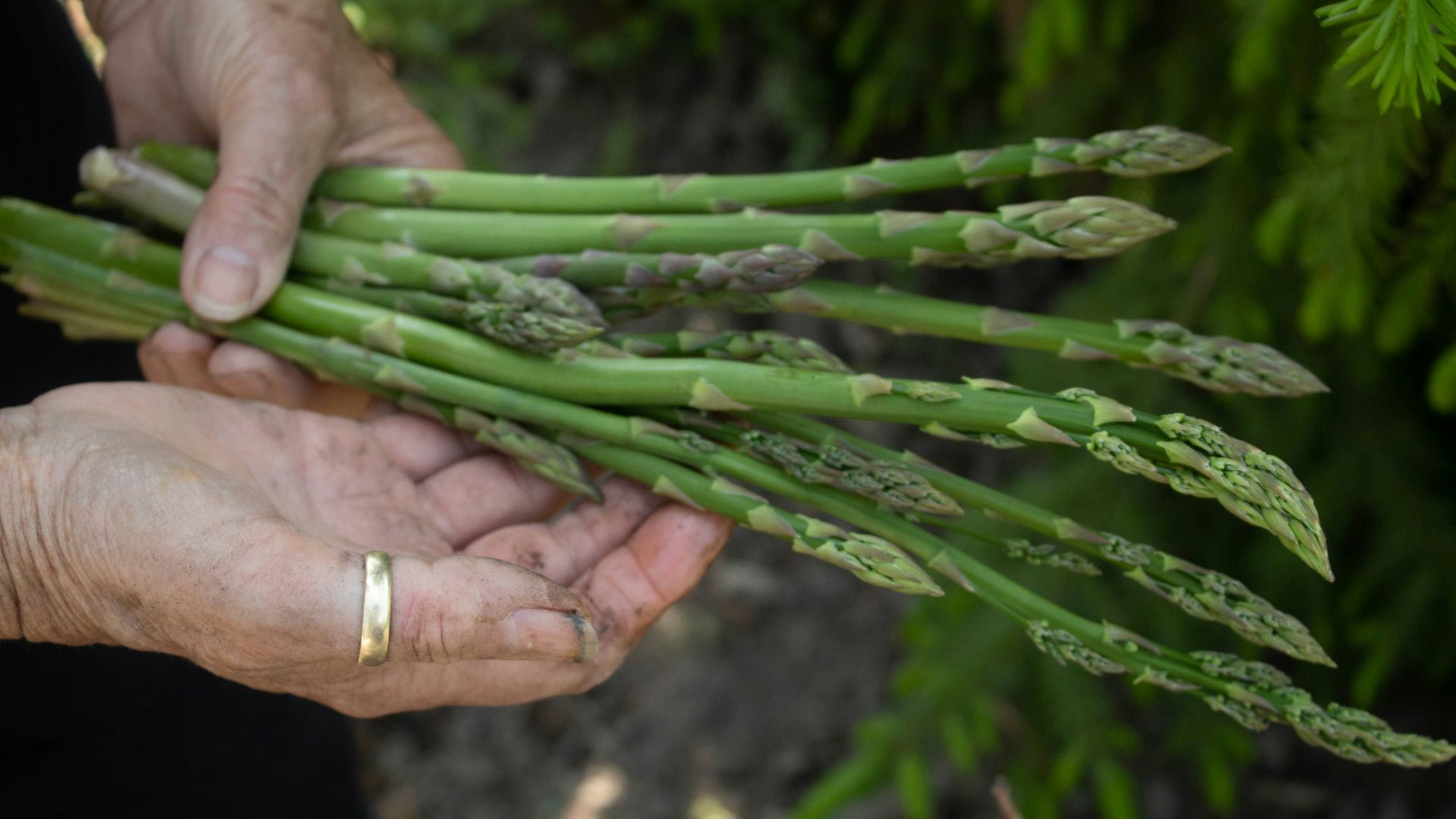
7. Asparagus
Spears push up at their own pace, so fields in Peru and Michigan get walked every single day during the cutting season. Each one is sliced off individually at ground level. Skip a day and the crop shoots right past the length buyers want.
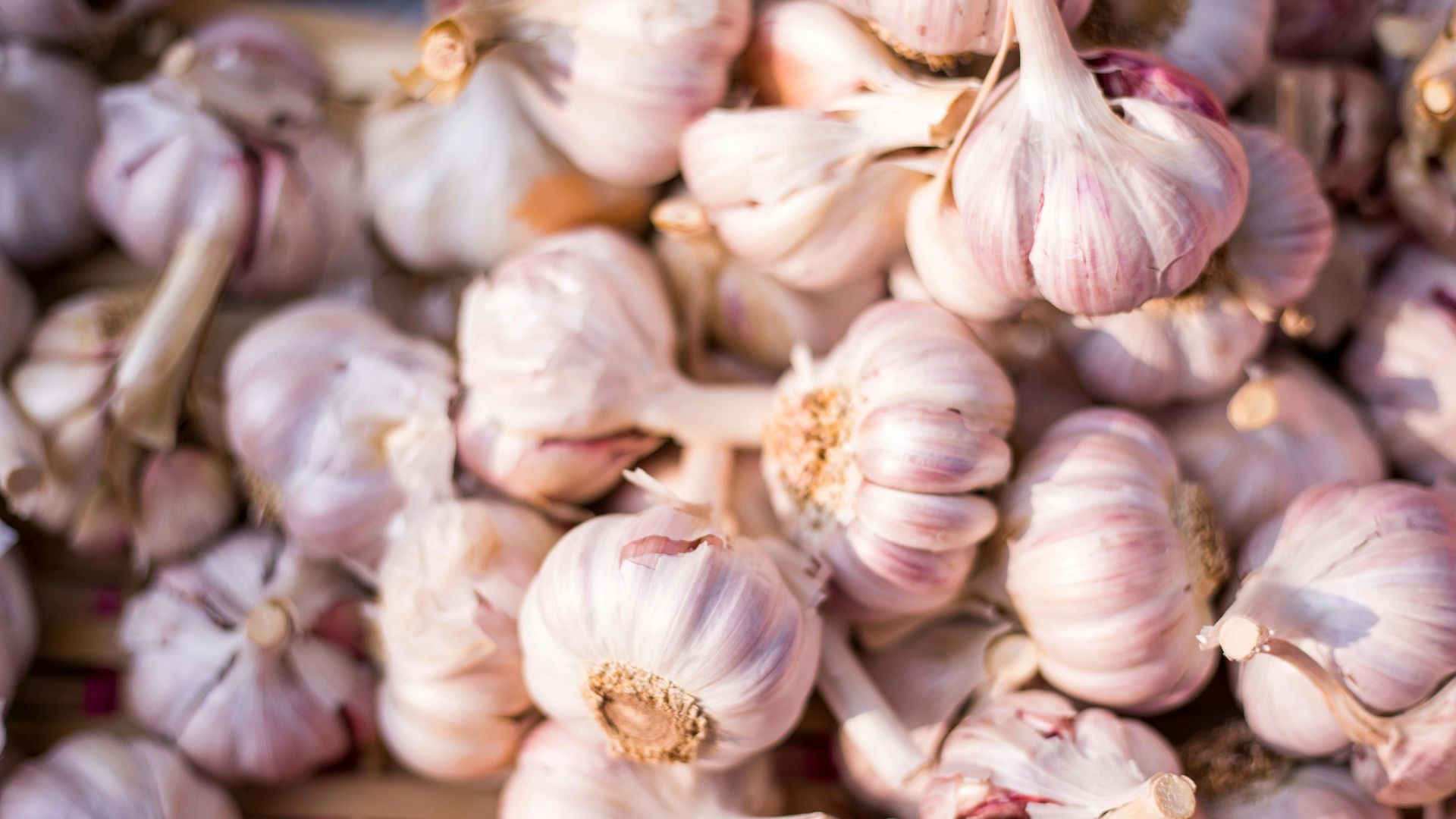
8. Garlic
Garlic goes into the ground one clove at a time. Harvest means digging each bulb, curing it for weeks, and trimming away the roots and stalk. Peeled cloves in a jar passed through even more hands before they reached the shelf.
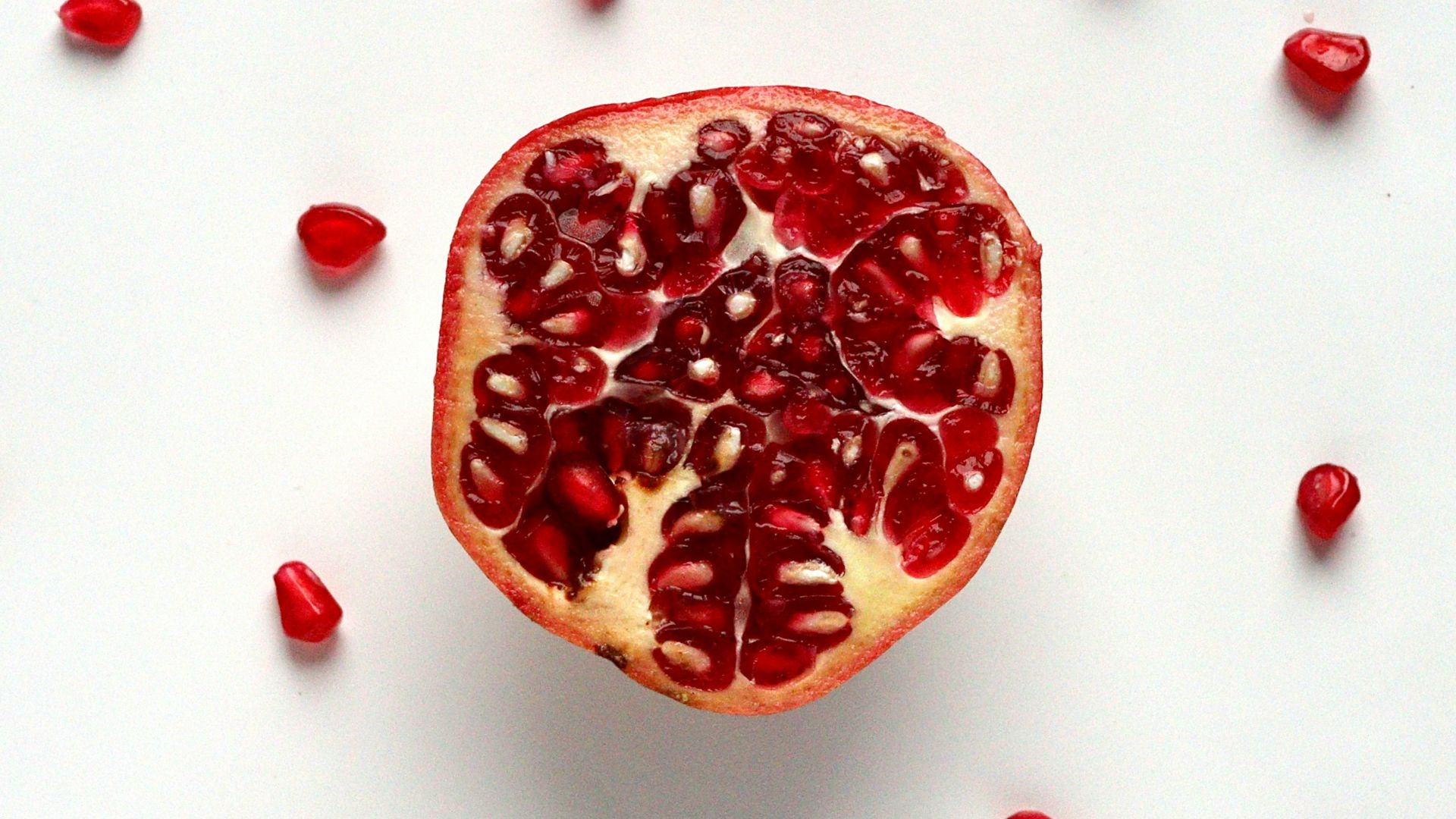
9. Pomegranate Seeds
Freeing the arils from a pomegranate without crushing them is slow, sticky work, and machines bruise the seeds. Someone picks the bitter membrane away pocket by pocket. That plastic cup in the refrigerated case holds about an hour of it.
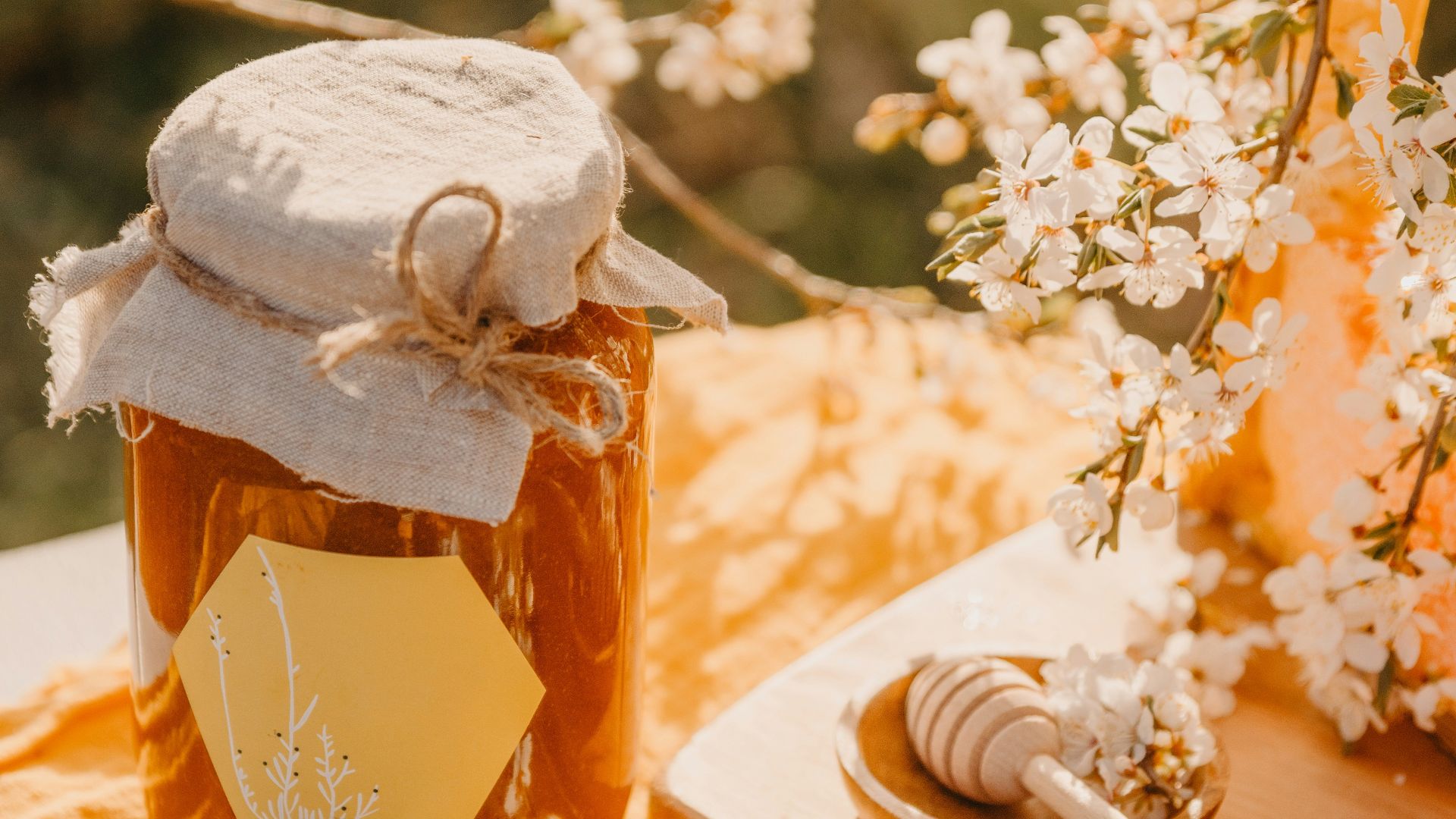
10. Raw Honey
Beekeepers tend their hives all summer before pulling a single frame. The wax caps come off with a heated knife, and the frames spin in an extractor until the honey drains out. Weather and forage decide how much a hive gives up.
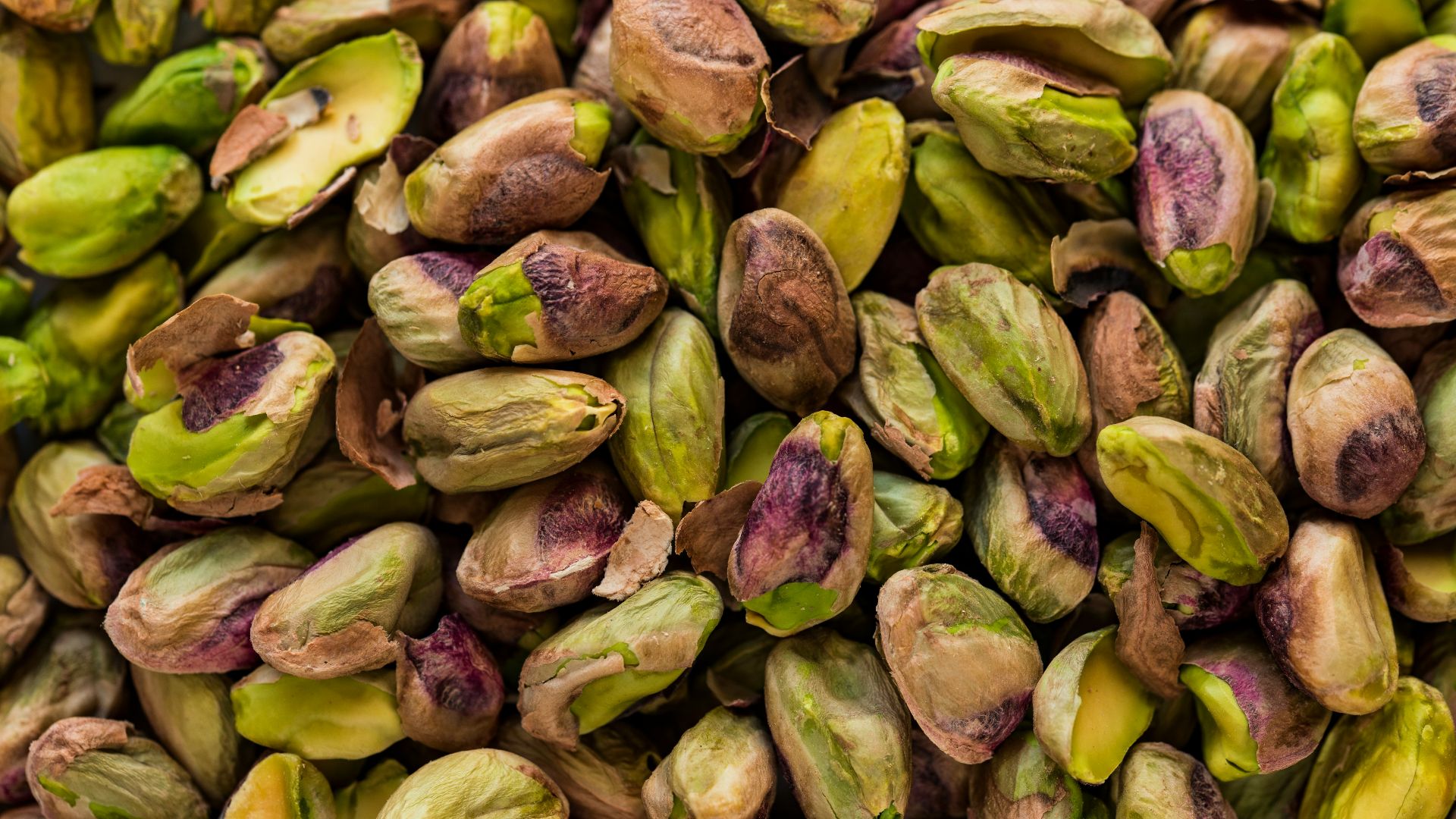
11. Shelled Pistachios
Not every pistachio splits open on the tree, and the holdouts get pulled aside and cracked separately. Shelled kernels need their papery skin rubbed off before they can go into a baking mix. The tree itself takes years to bear a real crop.
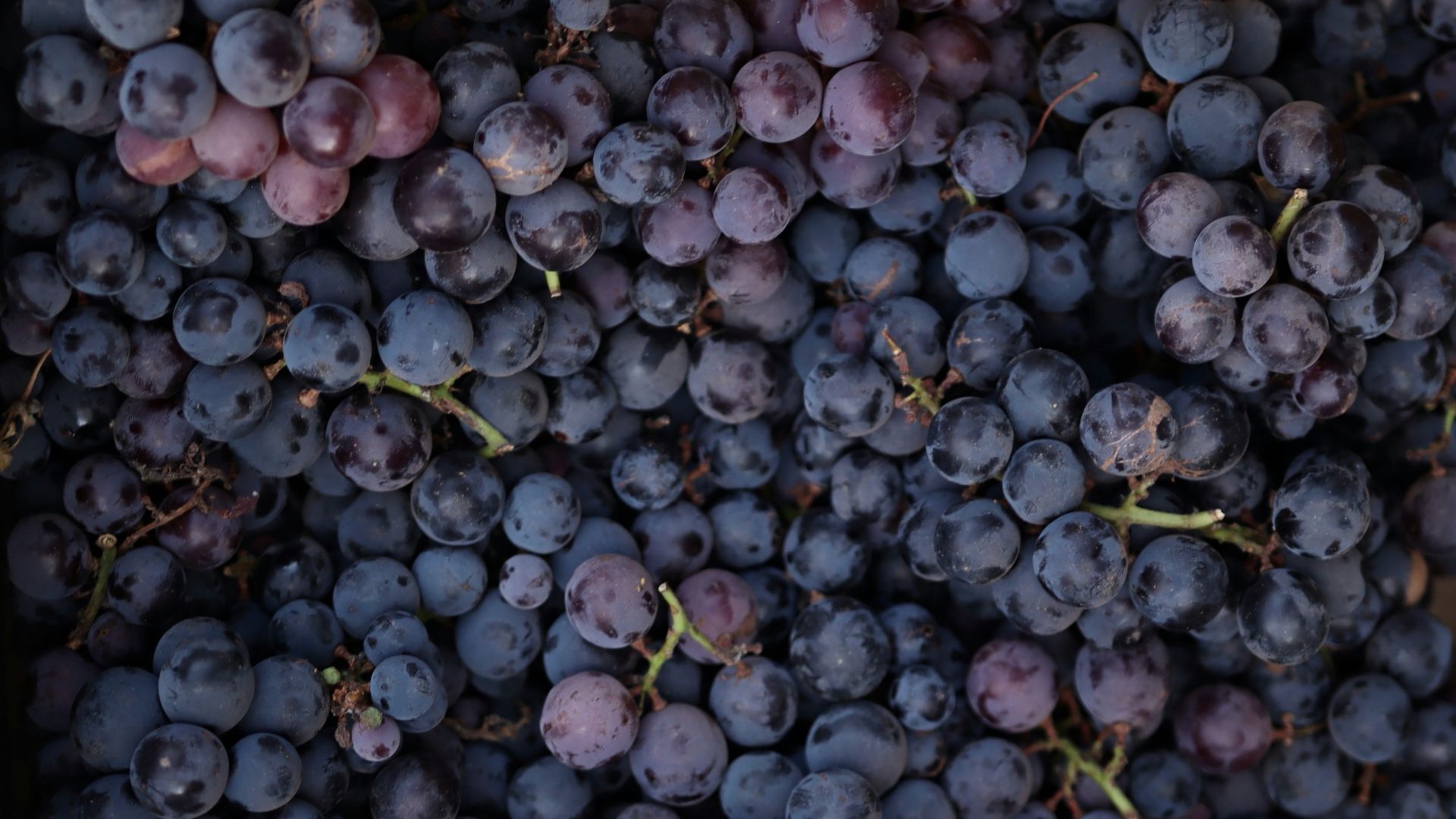
12. Table Grapes
Grape crews cut each bunch with shears and trim out the shriveled berries before packing the clamshell right there in the row. The boxes get carried out of the vineyard on a picker's shoulder. All of it happens in August heat, with the vines holding the air still.
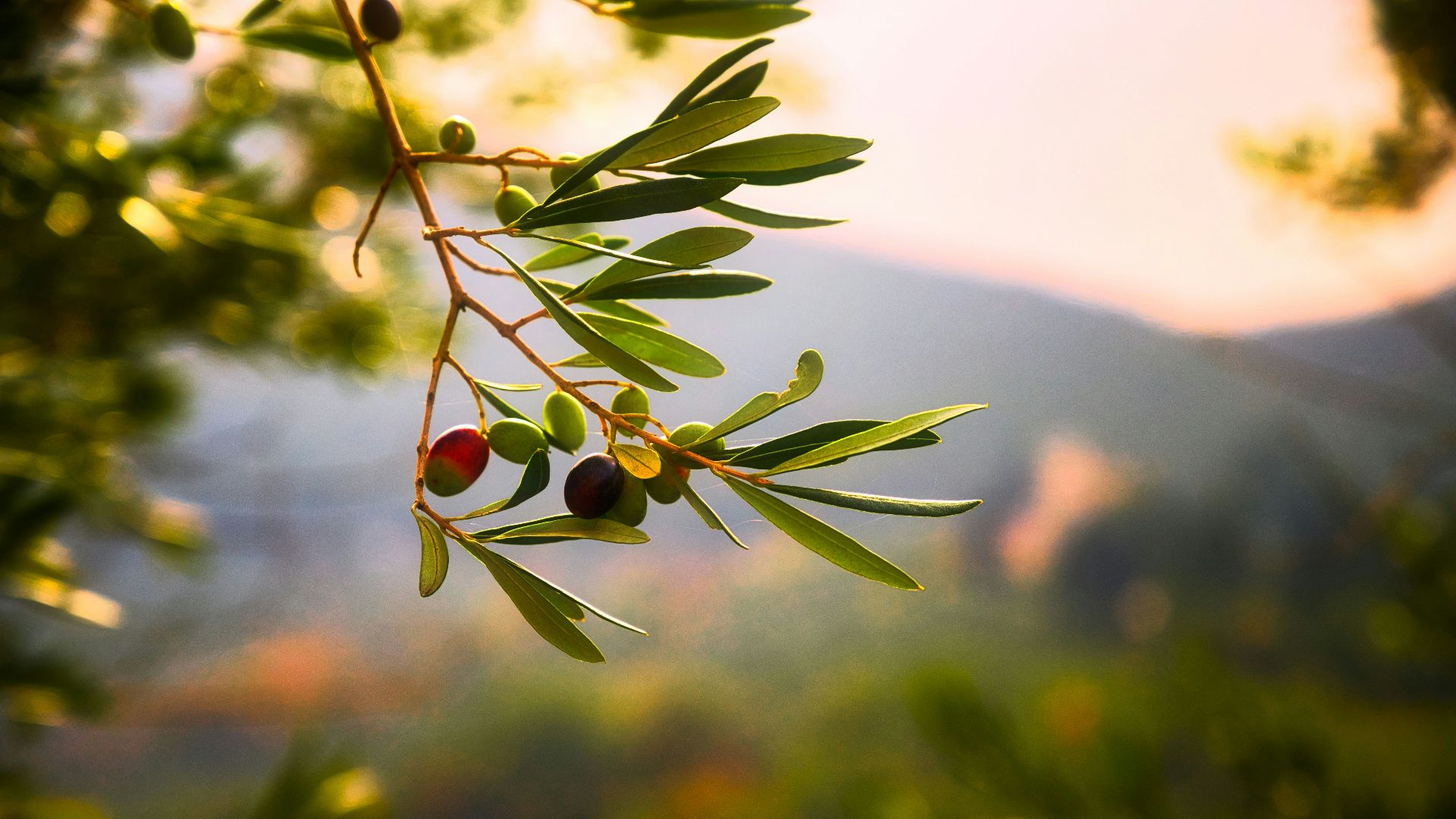
13. Olives
An olive straight off the tree is bitter enough to spit out. Table varieties get picked without machines to keep them whole, then sit in brine or lye for weeks until they taste like anything. The jar on the shelf usually costs less than a sandwich.
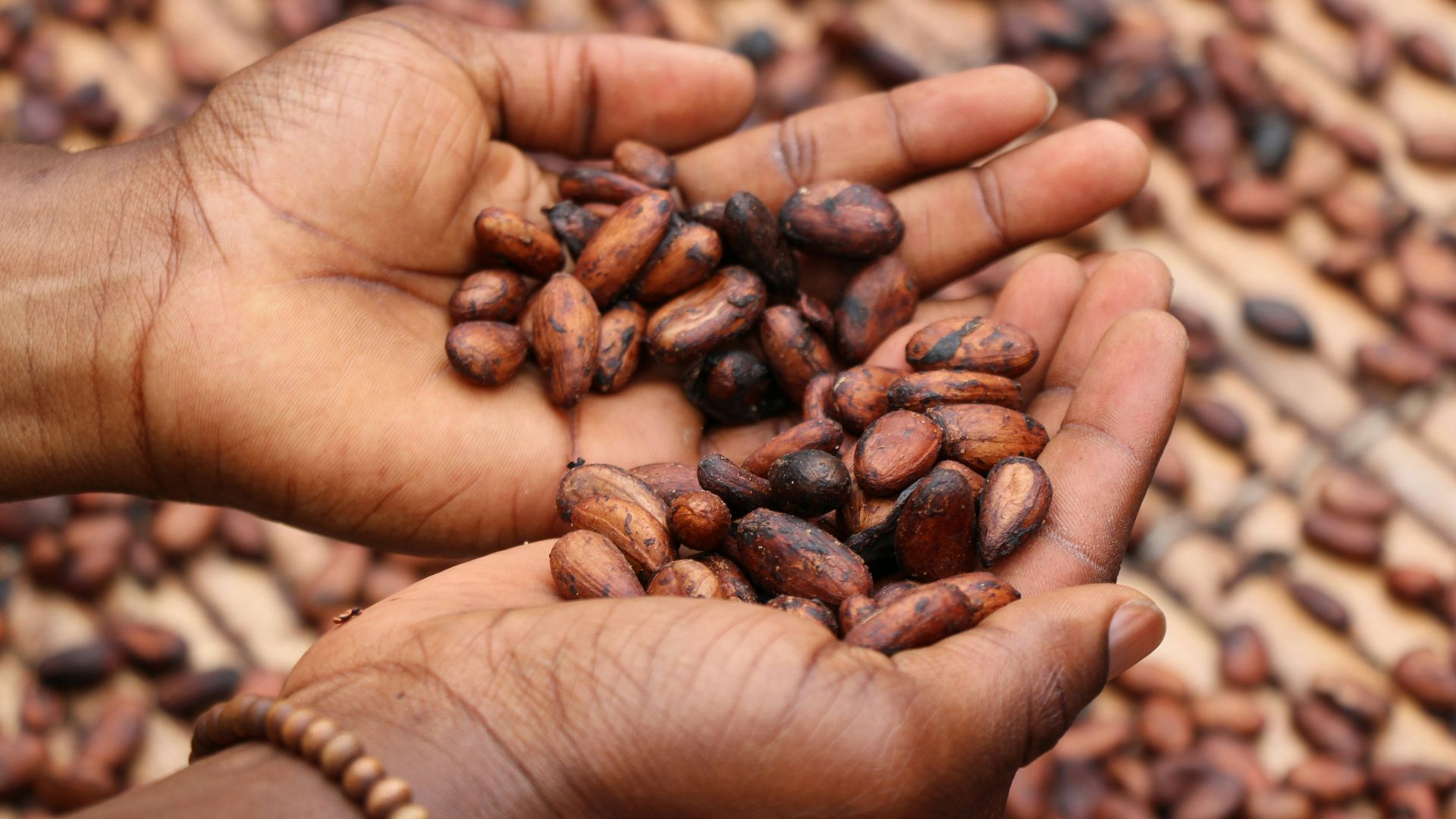
14. Cacao
Cacao pods grow straight out of the trunk and come down under a machete swing. Farmers split them open and scoop the slippery beans into piles to ferment under banana leaves for about a week. Most of that happens on small farms in Ghana and Ivory Coast.
15. Rice
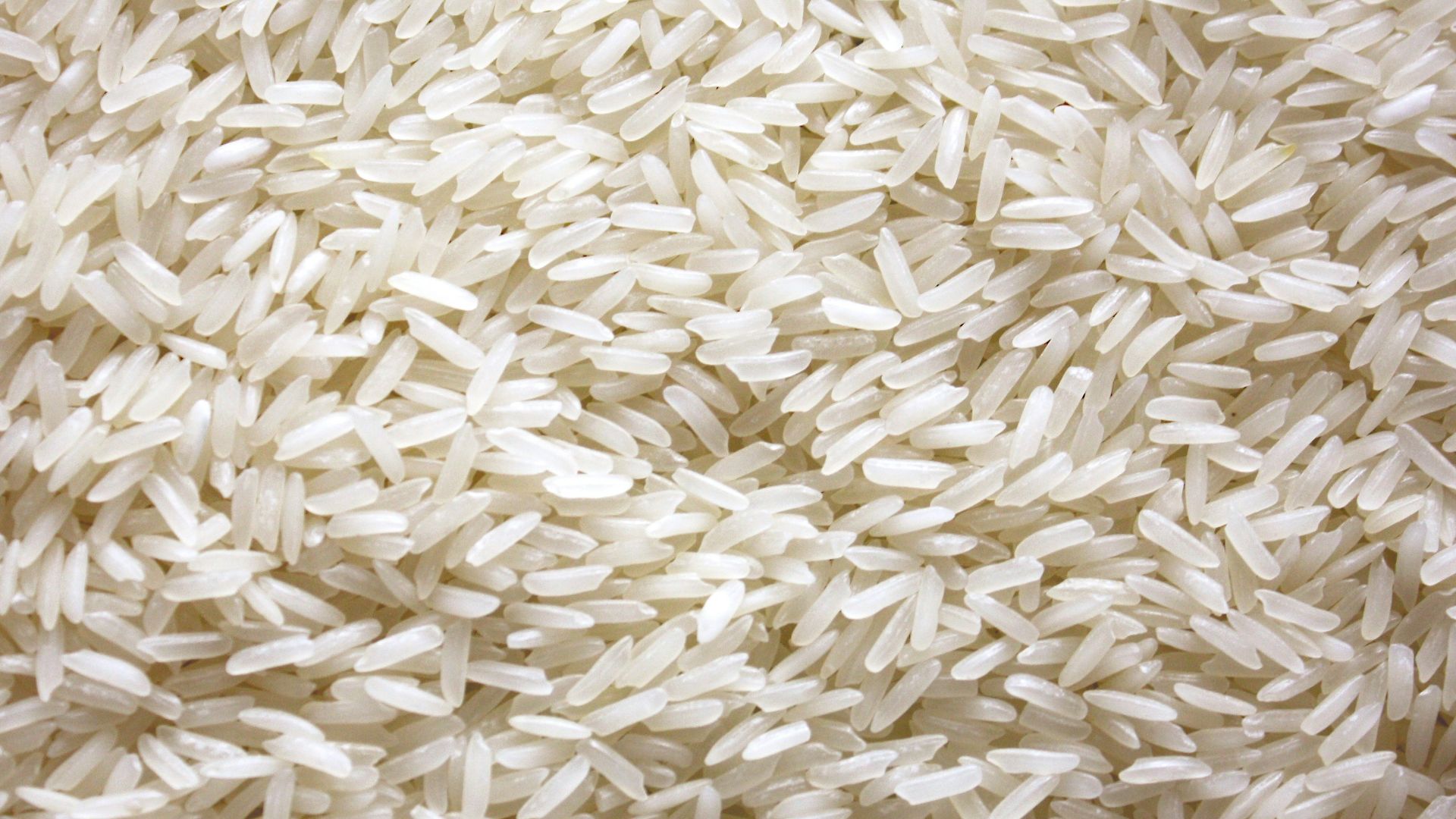
Across much of Asia, rice seedlings go into flooded paddies by hand, pressed into the mud at a stoop. Weeding runs the same way, with workers standing in warm water for hours. Transplanting machines exist, though they don't fit the small terraced plots common in the region.
16. Maple Syrup
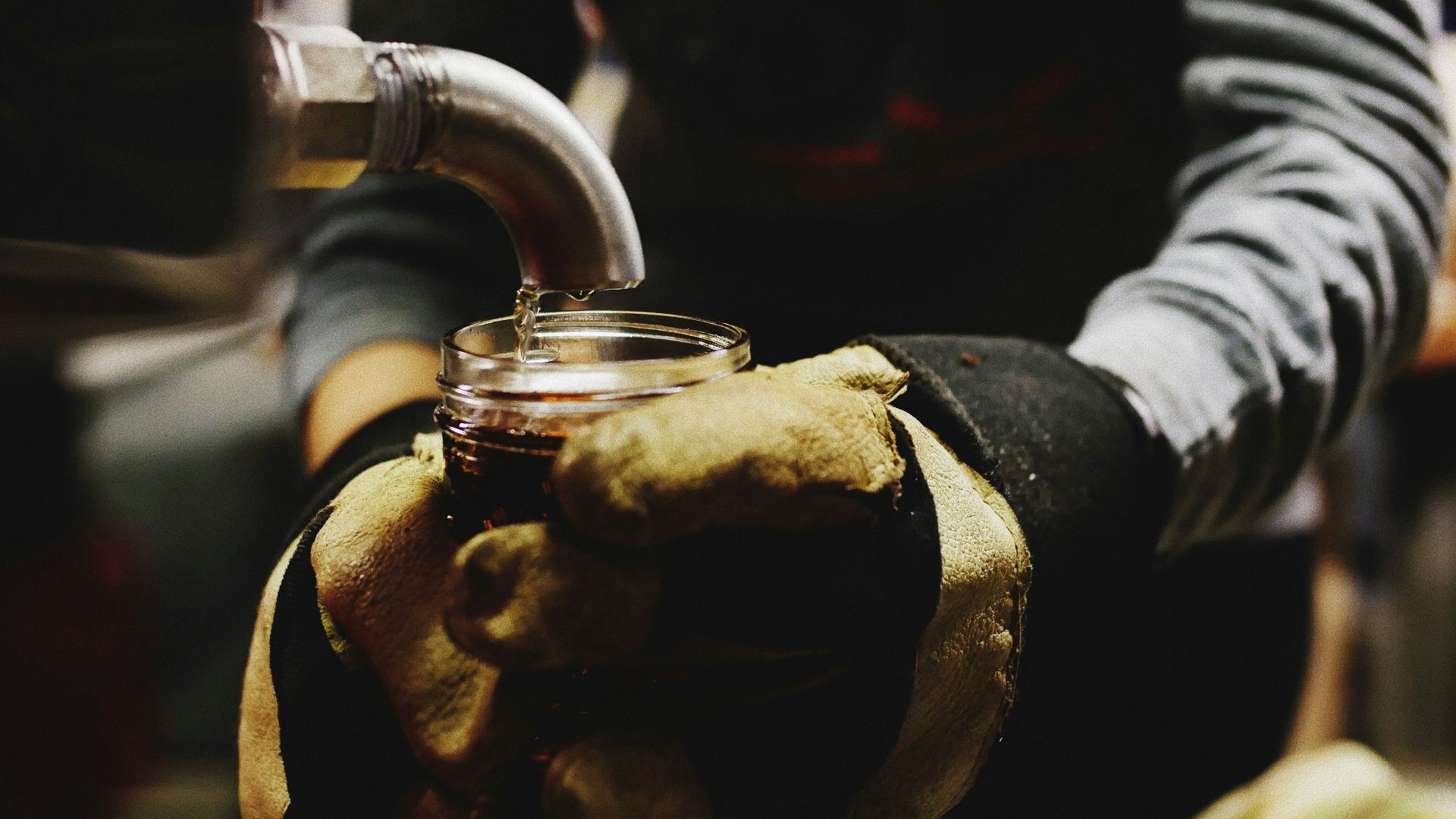
Roughly 40 gallons of sap boil down into one gallon of syrup, which means hours at a hot evaporator for every jug. Taps go in each spring and come out by summer. The sap only runs when nights freeze and days thaw, so an early warm spell shuts the whole thing down.
17. Sea Salt
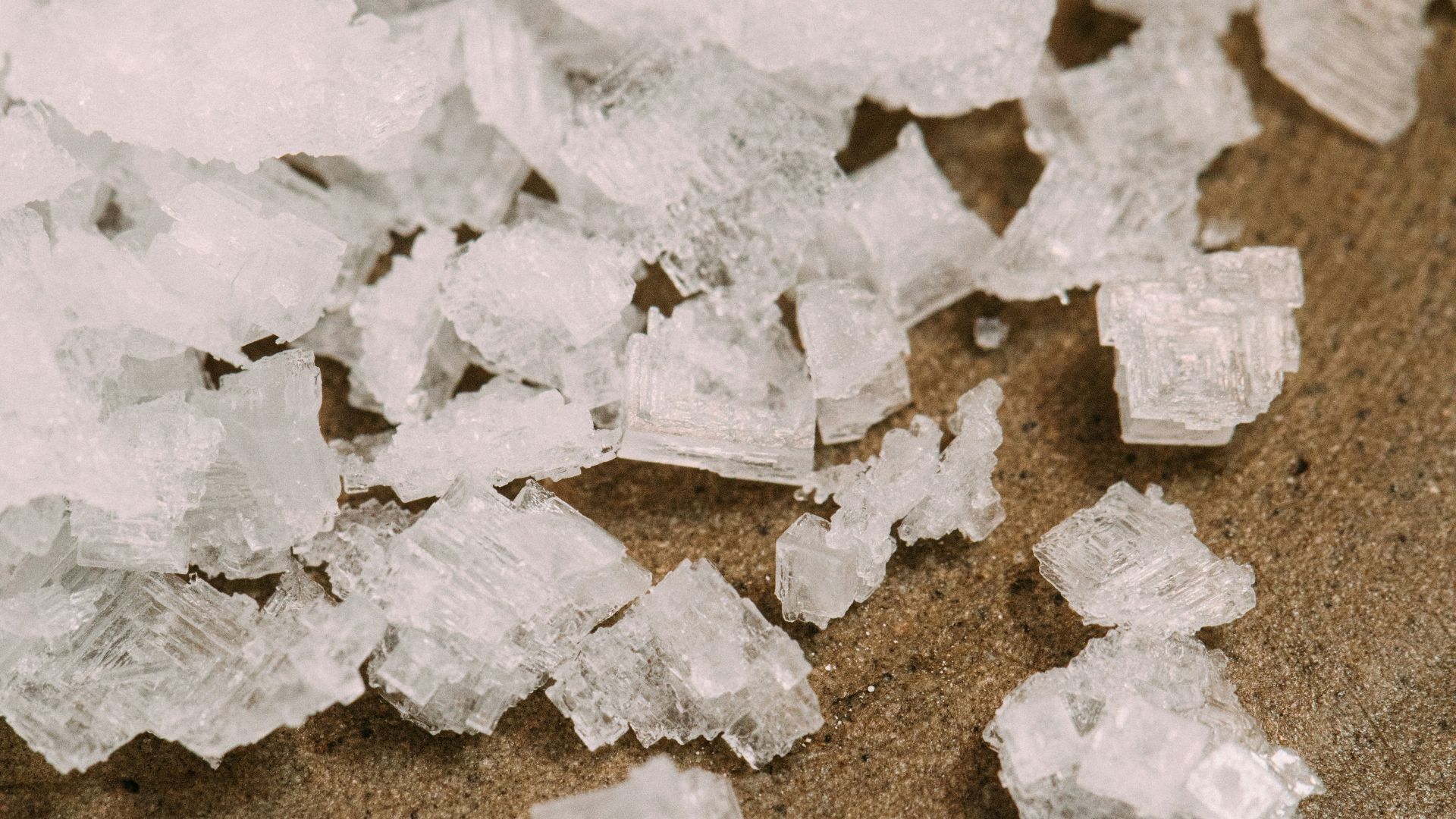
Traditional salt pans run on sunshine and muscle. Workers rake crystallized salt into ridges along shallow ponds, then haul it out under the same sun that made it. Rain at the wrong moment dissolves a week of work.
18. Baby Corn
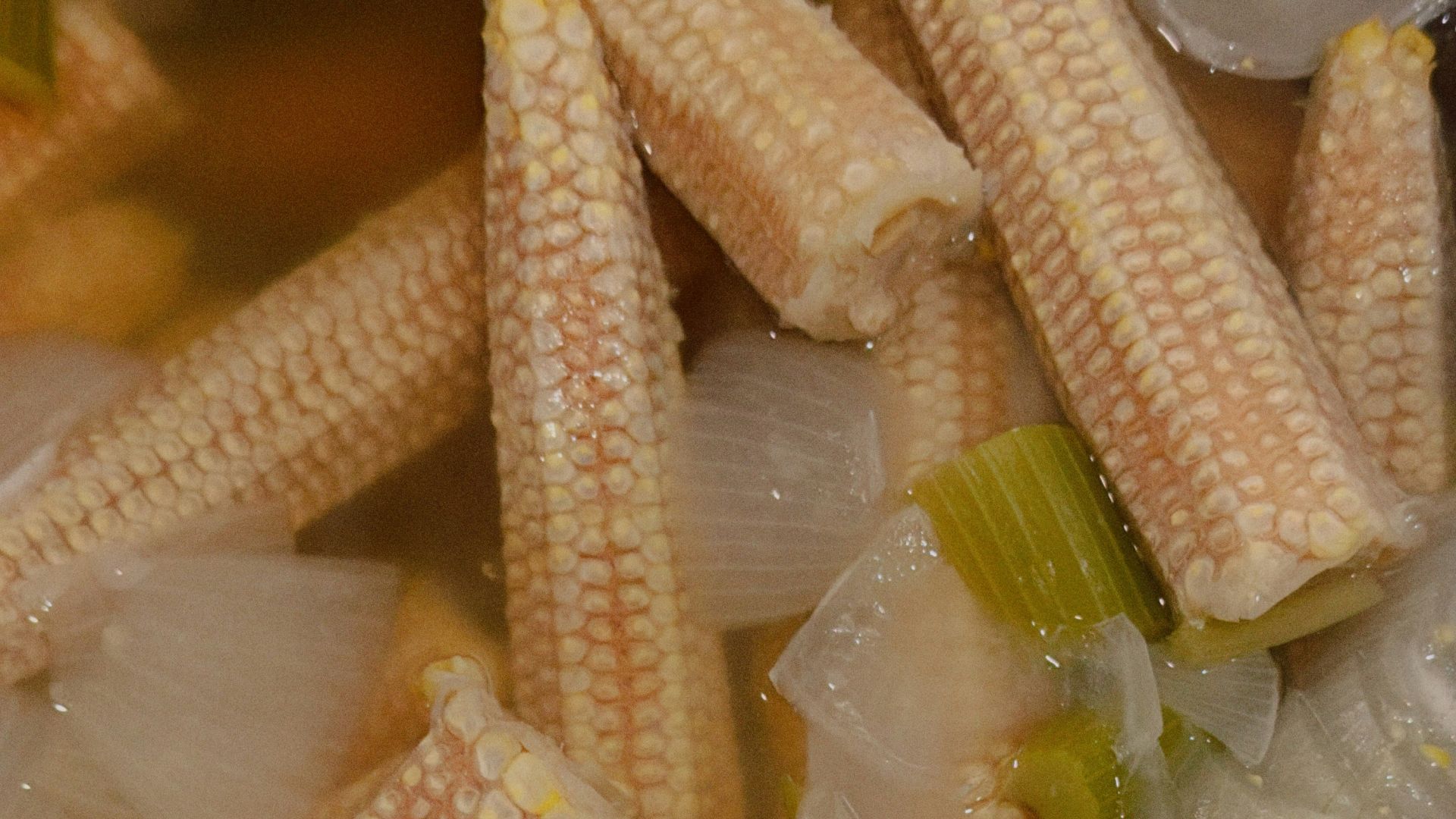
Baby corn gets cut the moment the silks appear, which means someone walks the field daily to catch it. Each ear is snapped off, husked, and trimmed down to size. Leave that ear on the stalk another week and it becomes ordinary corn.
19. Fresh Peas
A pound of pods yields a surprisingly small pile of peas, and every pod gets opened with a thumbnail. Frozen peas run through machines that handle the job in bulk. The fresh-shelled ones at a farmers market came out of somebody's fingers over a long afternoon.
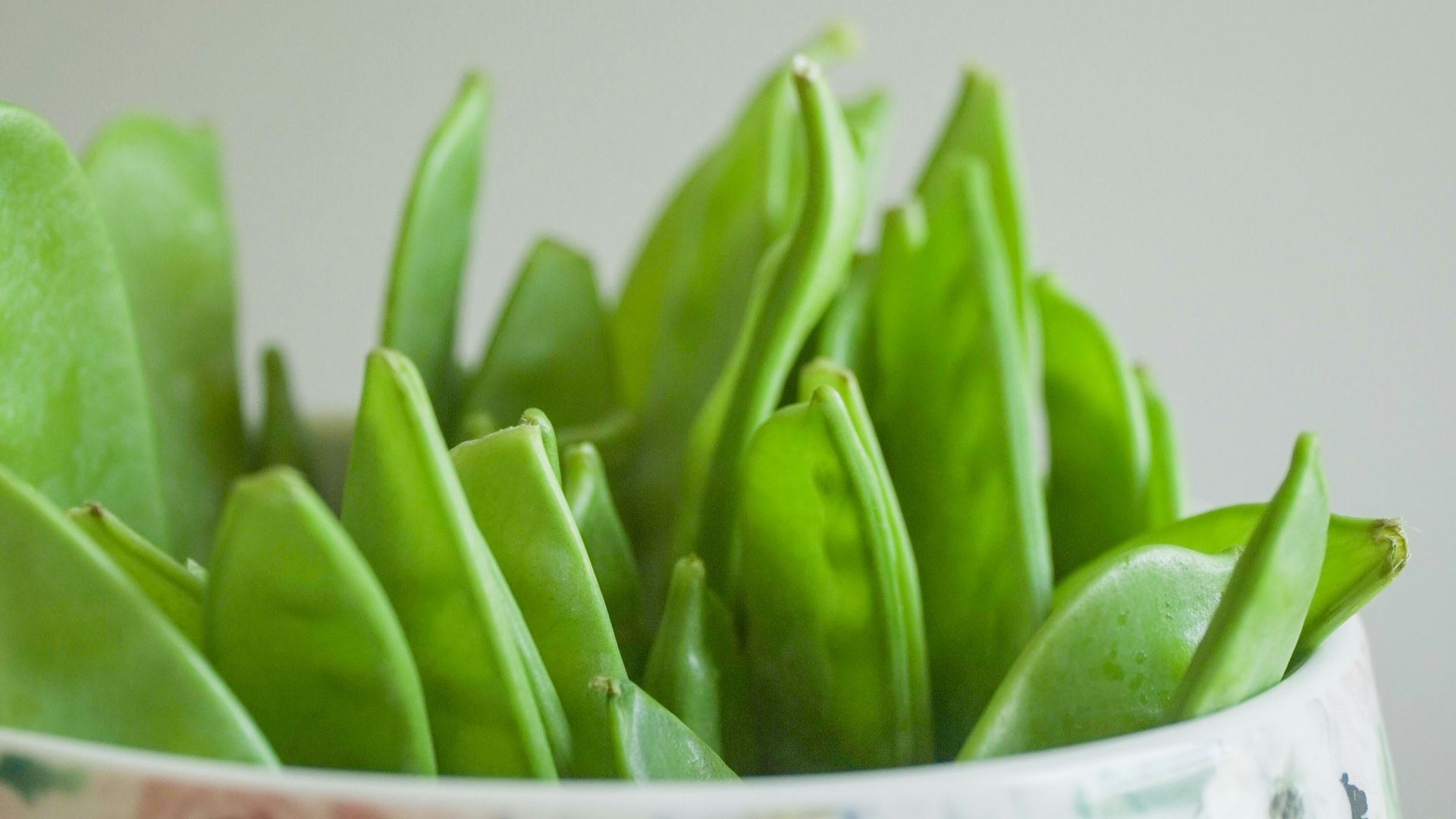 Karolina Kołodziejczak on Unsplash
20. Hand-Peeled Shrimp
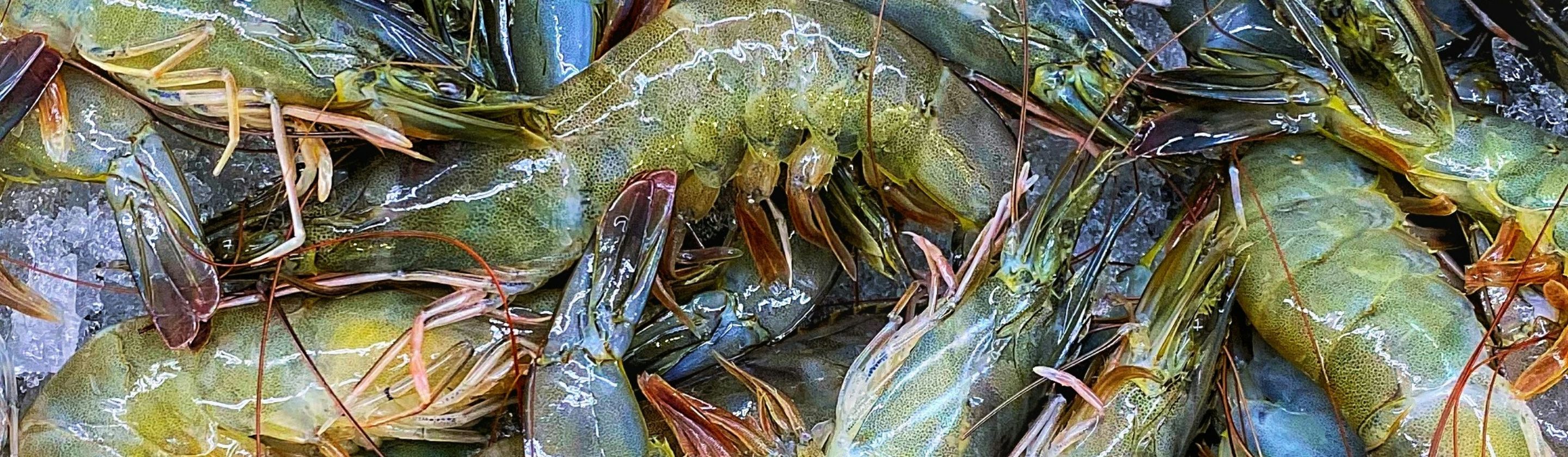
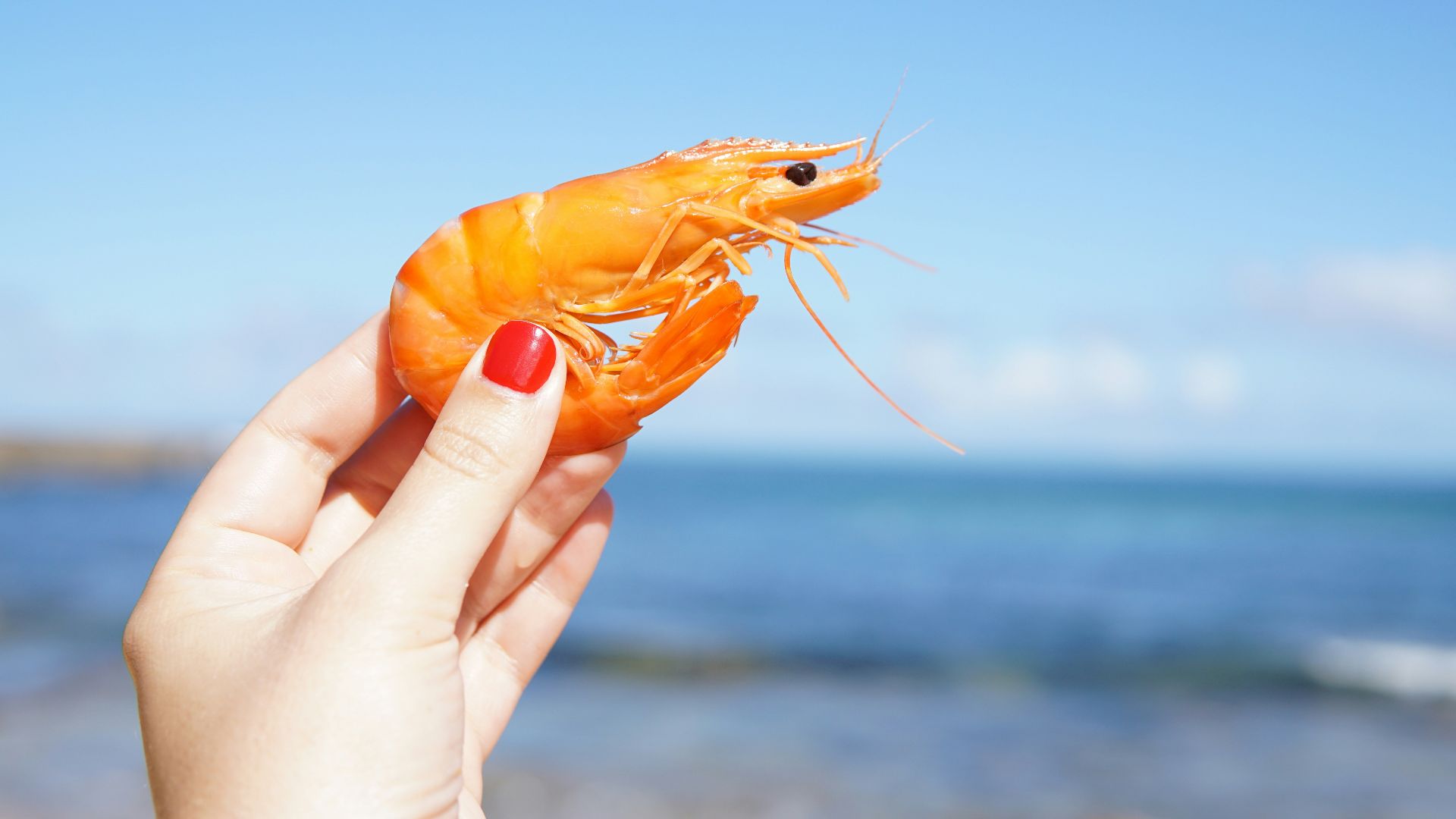
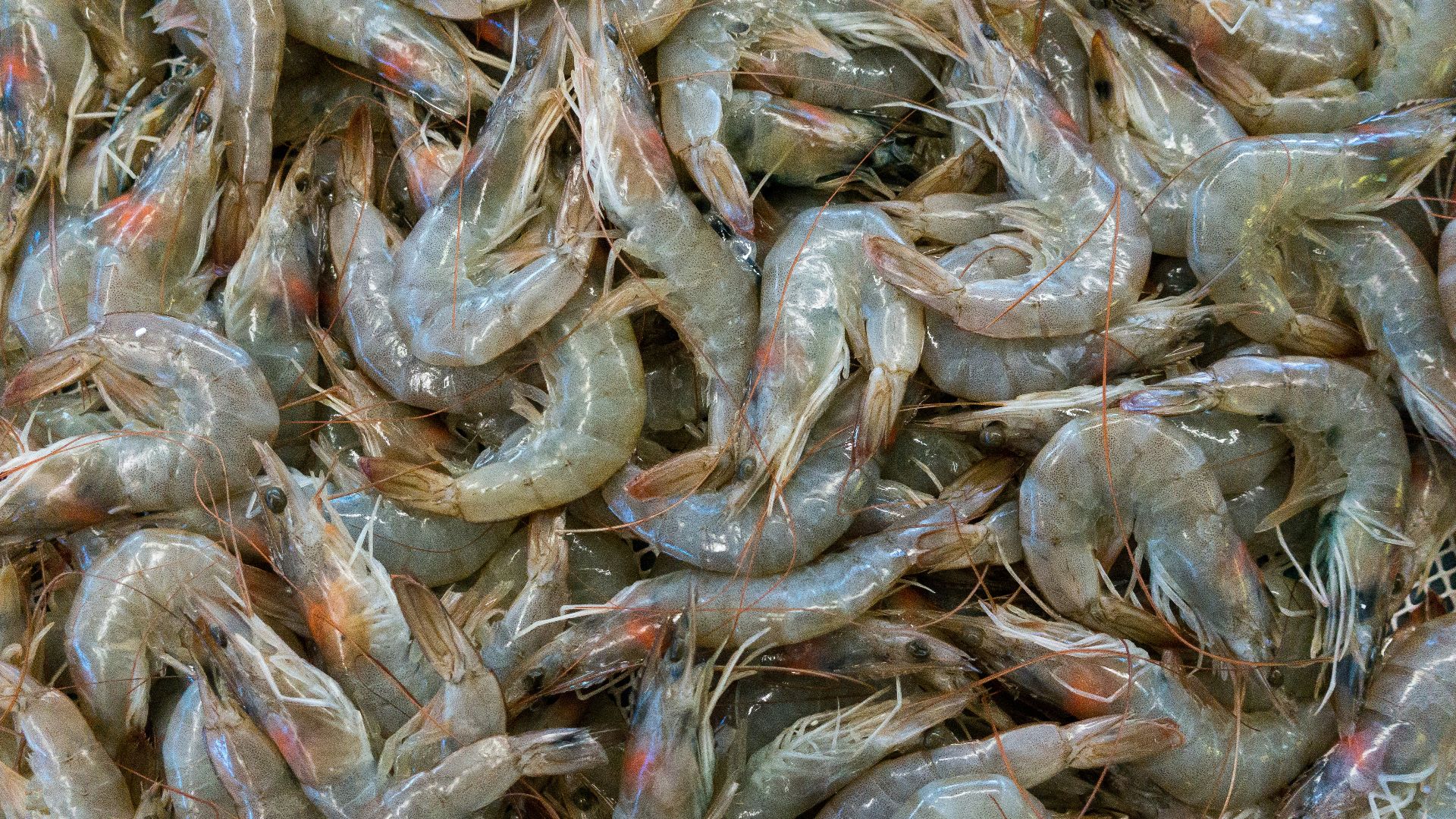
Peeling and deveining is manual work across much of Southeast Asia and India. An Associated Press investigation in 2015 found peeling sheds in Thailand staffed with forced labor, including children, and the reporting won a Pulitzer the following year. Shrimp remains one of the cheapest proteins in the freezer aisle.
KEEP ON READING
The Most Popular Signature Dishes Around the World