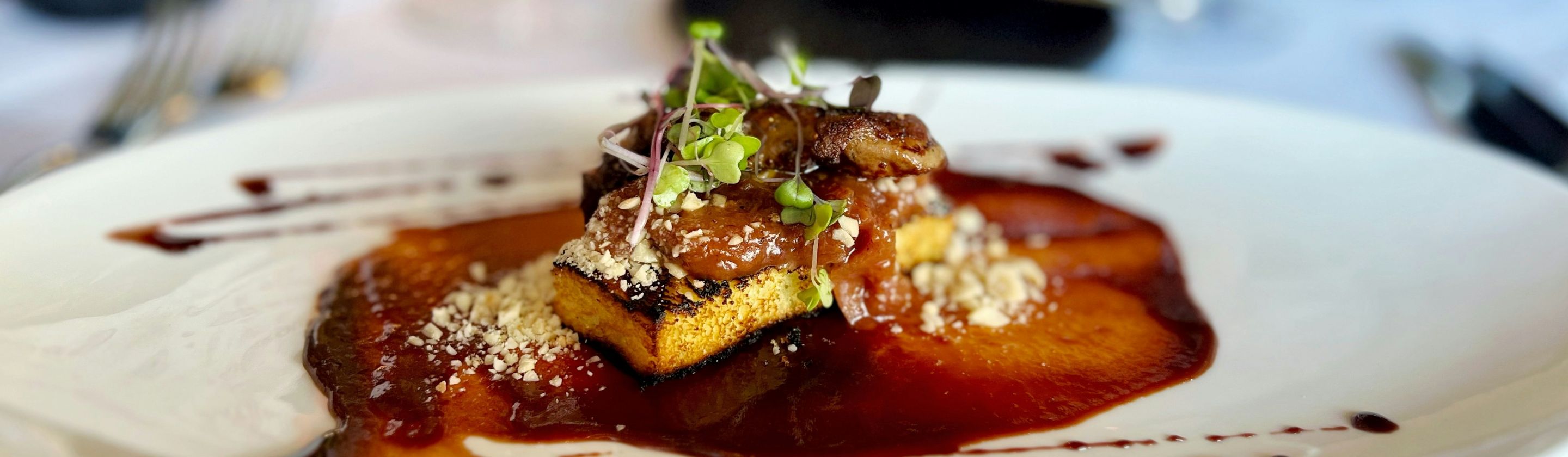
From Humble Beginnings to High-End Menus
Not every gourmet food started as a luxury. In fact, many dishes and ingredients you now see on upscale menus were once considered cheap, undesirable, or even food for the poor. Over time, shifting tastes, clever marketing, and changing supply chains transformed these foods into coveted delicacies. You might even be surprised to learn how many everyday “treats” began as practical, low-cost solutions. Here are 20 gourmet foods that were once considered low rent.
1. Lobster
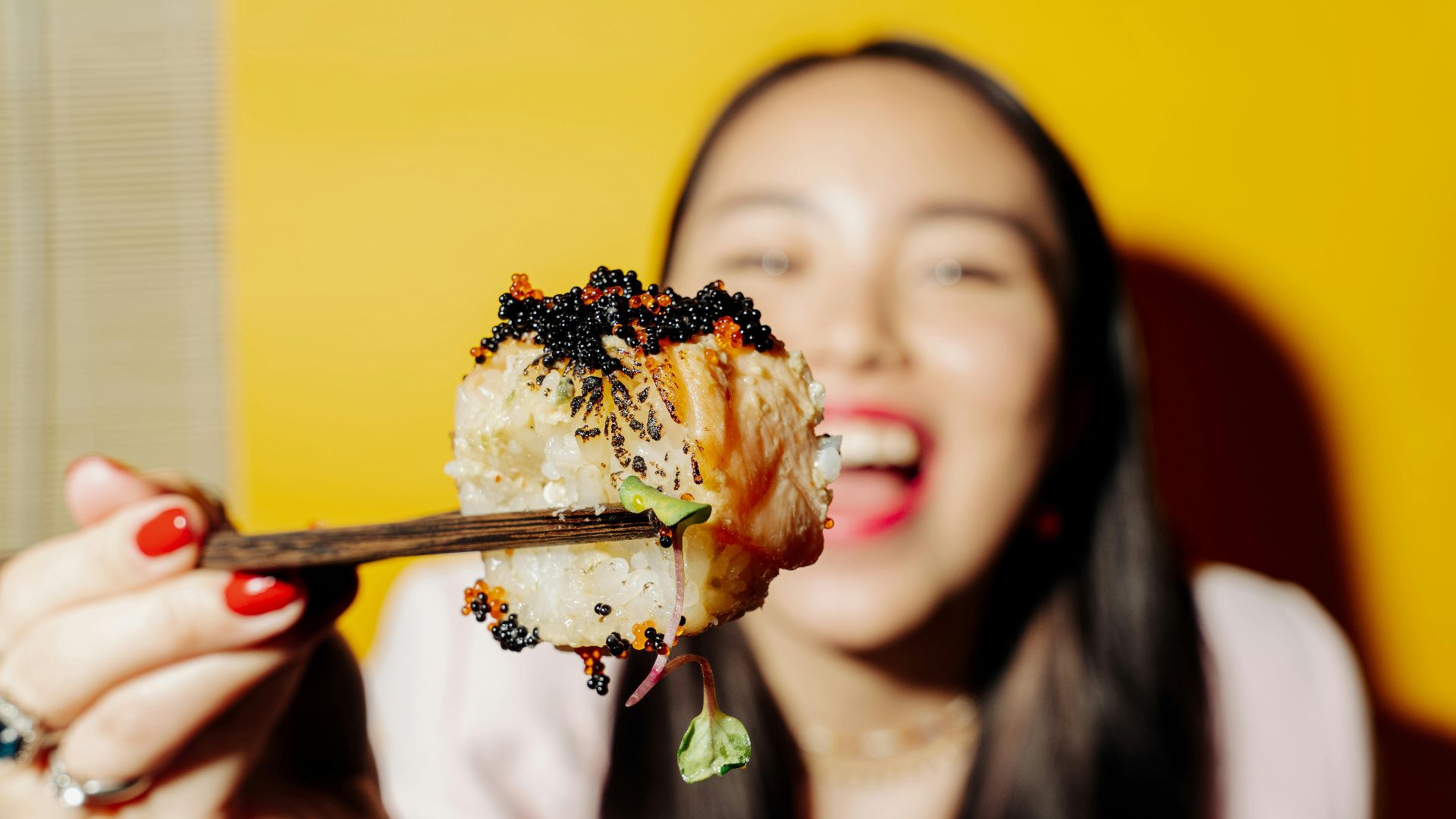
Lobster was once so abundant in North America that it washed up on shores in piles. It was commonly fed to prisoners, servants, and the poor because it was considered low-quality protein. Over time, improved transportation made it easier to ship lobster inland, where it became rare and desirable. Today, it’s a symbol of fine dining and often comes with a premium price tag.
2. Oysters
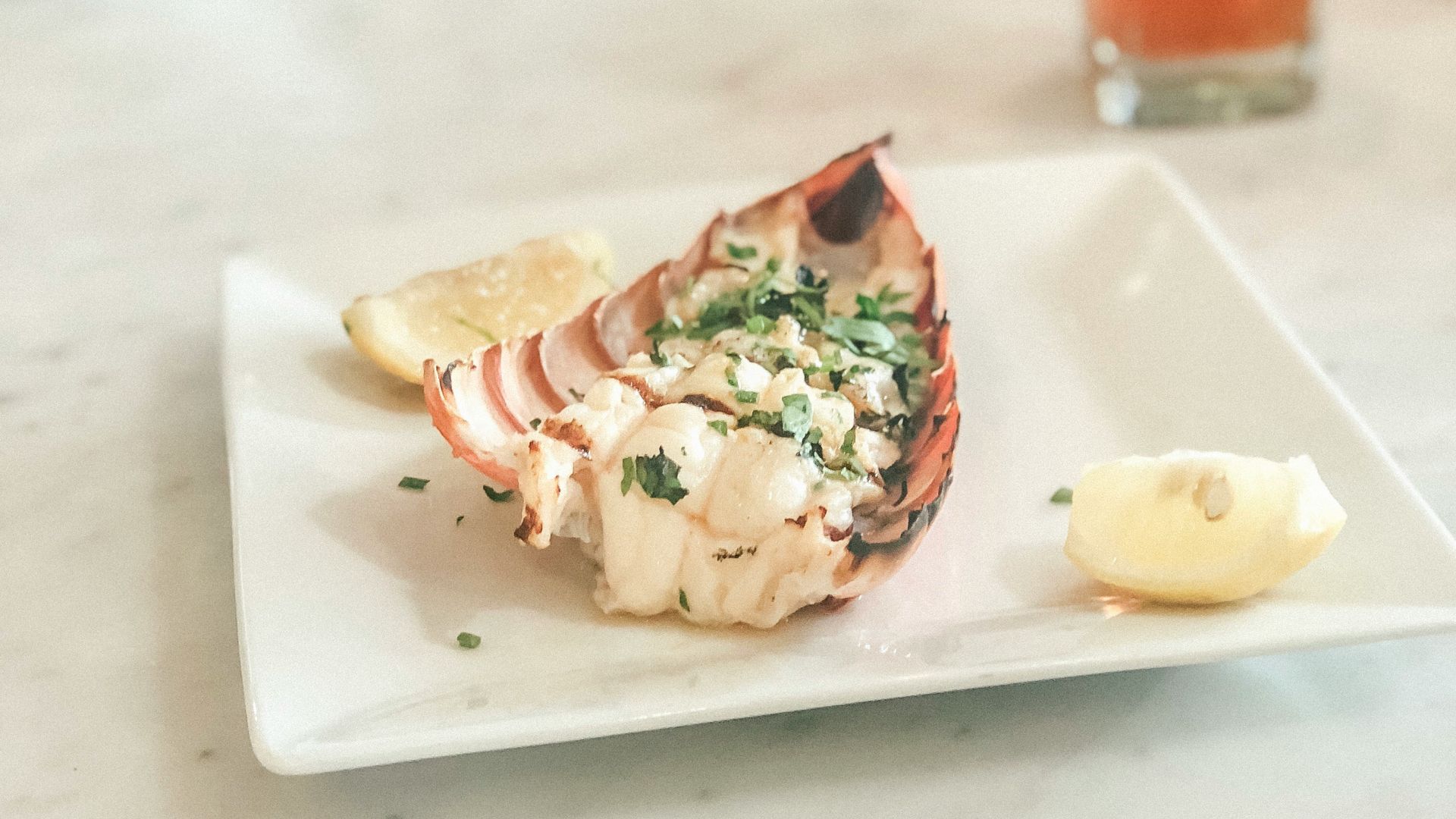
Oysters used to be cheap street food in cities like New York and London. They were plentiful, easy to harvest, and consumed by working-class populations. As pollution reduced oyster beds and demand increased, prices rose dramatically. Now, they’re served chilled on ice in upscale restaurants and associated with luxury.
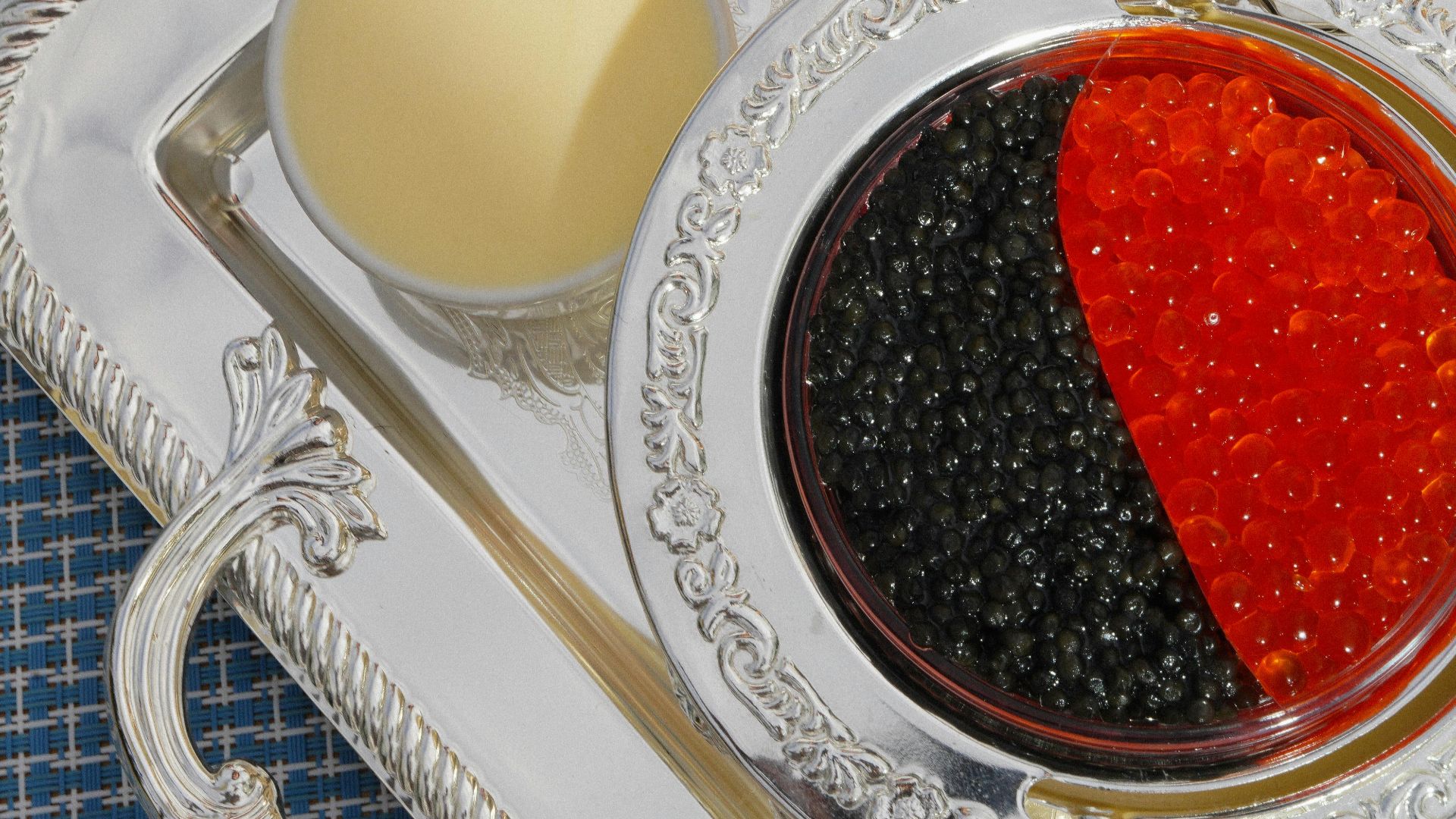
3. Caviar
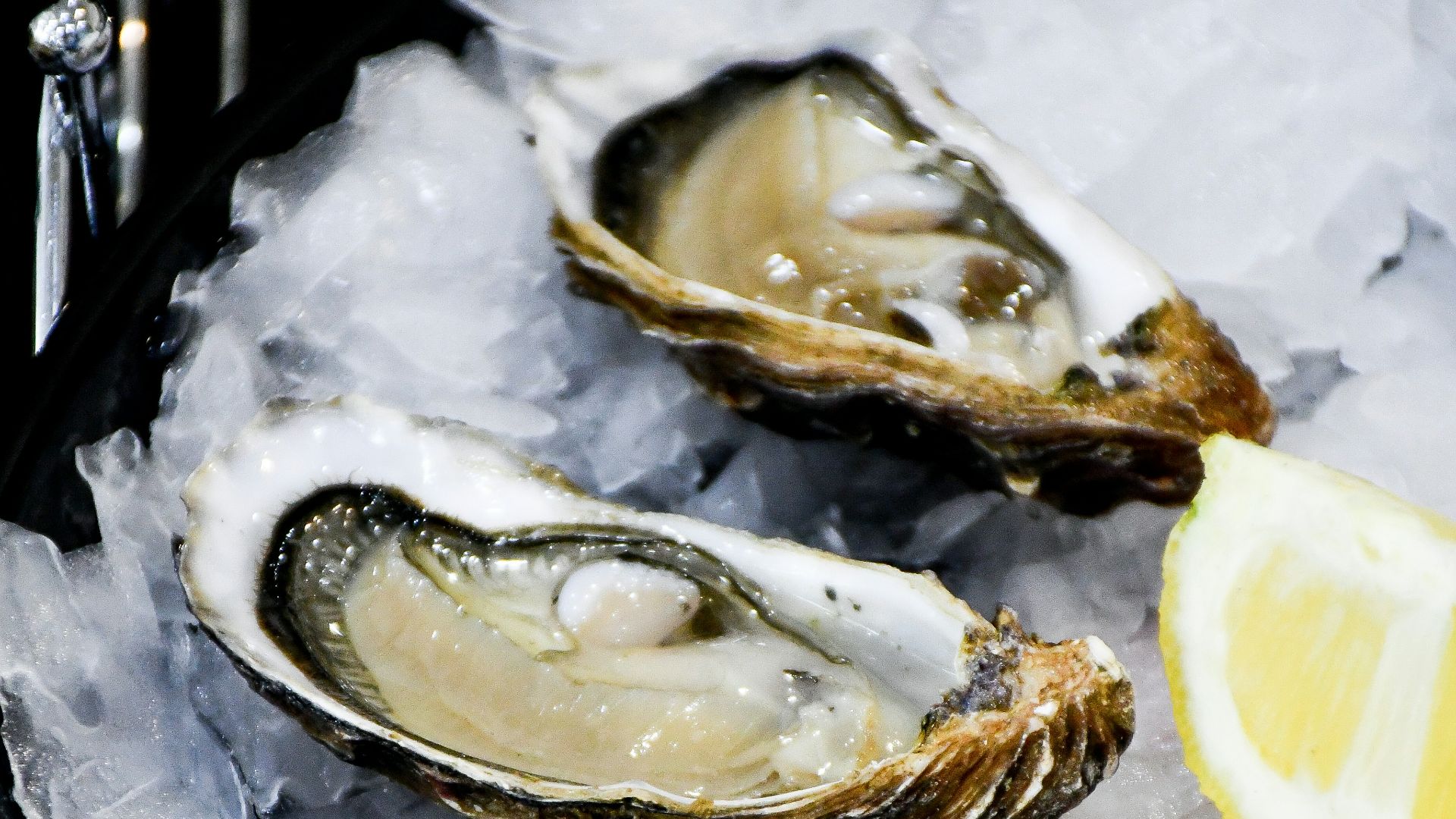
Originally, caviar was a byproduct of sturgeon fishing and not particularly valued. Fishermen often ate it themselves or gave it away. As European aristocracy developed a taste for it, demand increased, and supply dwindled. Today, it’s one of the most expensive delicacies in the world.
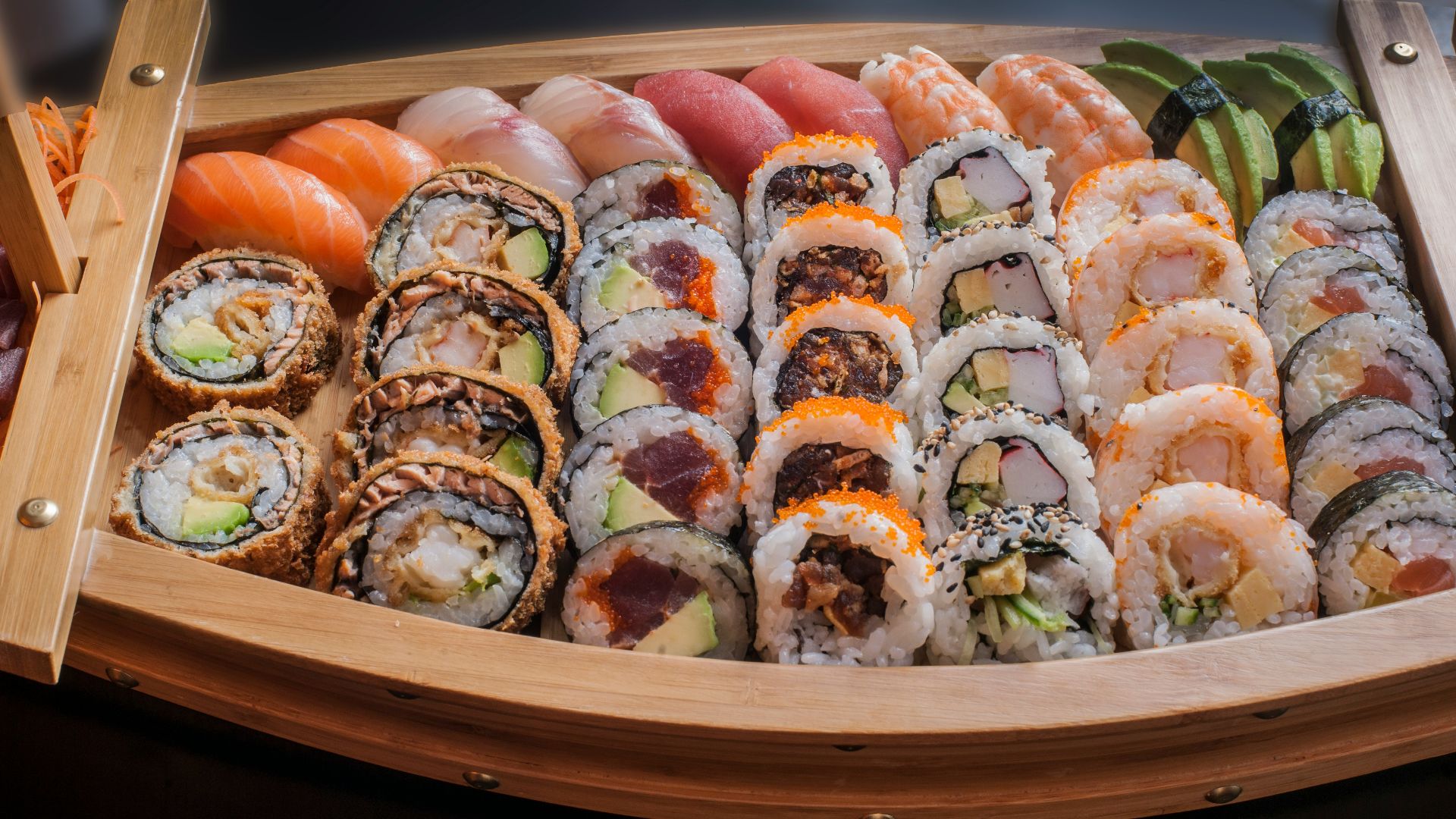
4. Sushi
Sushi began as a method of preserving fish through fermentation. It was a simple, practical food rather than a refined culinary experience. Over time, Japanese chefs refined the technique into the fresh sushi you know today. Now, high-end sushi restaurants can charge hundreds of dollars for a single meal.
 Riccardo Bergamini on Unsplash
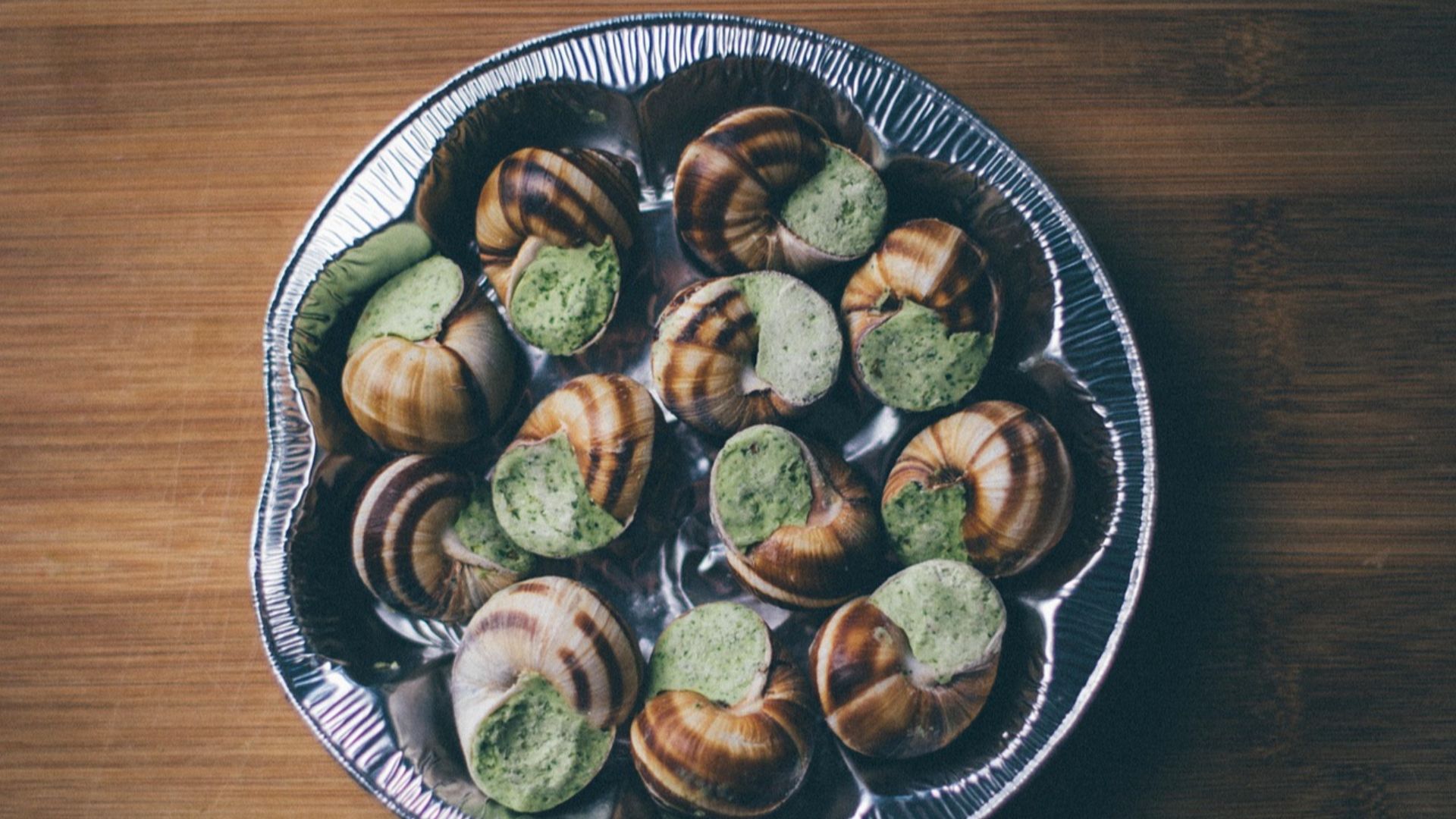
5. Escargot
Snails were once gathered as a free and accessible food source in rural Europe. They were commonly eaten by peasants who needed inexpensive protein. French cuisine later elevated escargot by pairing it with butter, garlic, and herbs. Today, it’s a classic dish served in fine dining establishments.
6. Polenta
Polenta was a staple for poor Italian families, made from inexpensive cornmeal. It was filling, easy to prepare, and often eaten daily. Over time, chefs began experimenting with textures and flavors, transforming it into a versatile dish. You’ll now find it featured in upscale Italian restaurants.
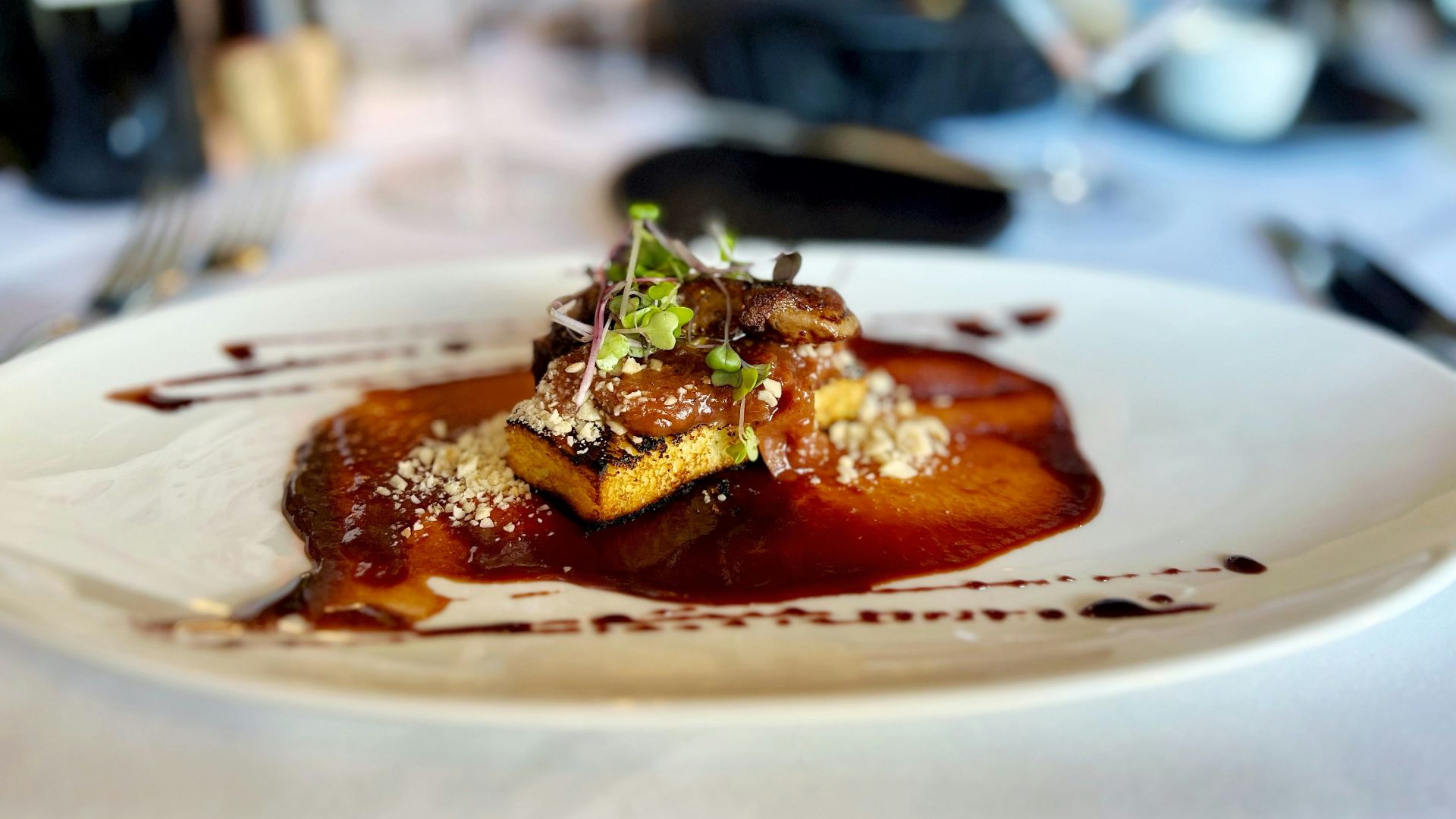
7. Foie Gras
While foie gras has ancient roots, it was once a regional food rather than a luxury item. Farmers produced it locally without the prestige it carries today. French culinary tradition elevated it into a symbol of refinement and indulgence. Now, it’s considered one of the most controversial and expensive delicacies.
 David Todd McCarty on Unsplash
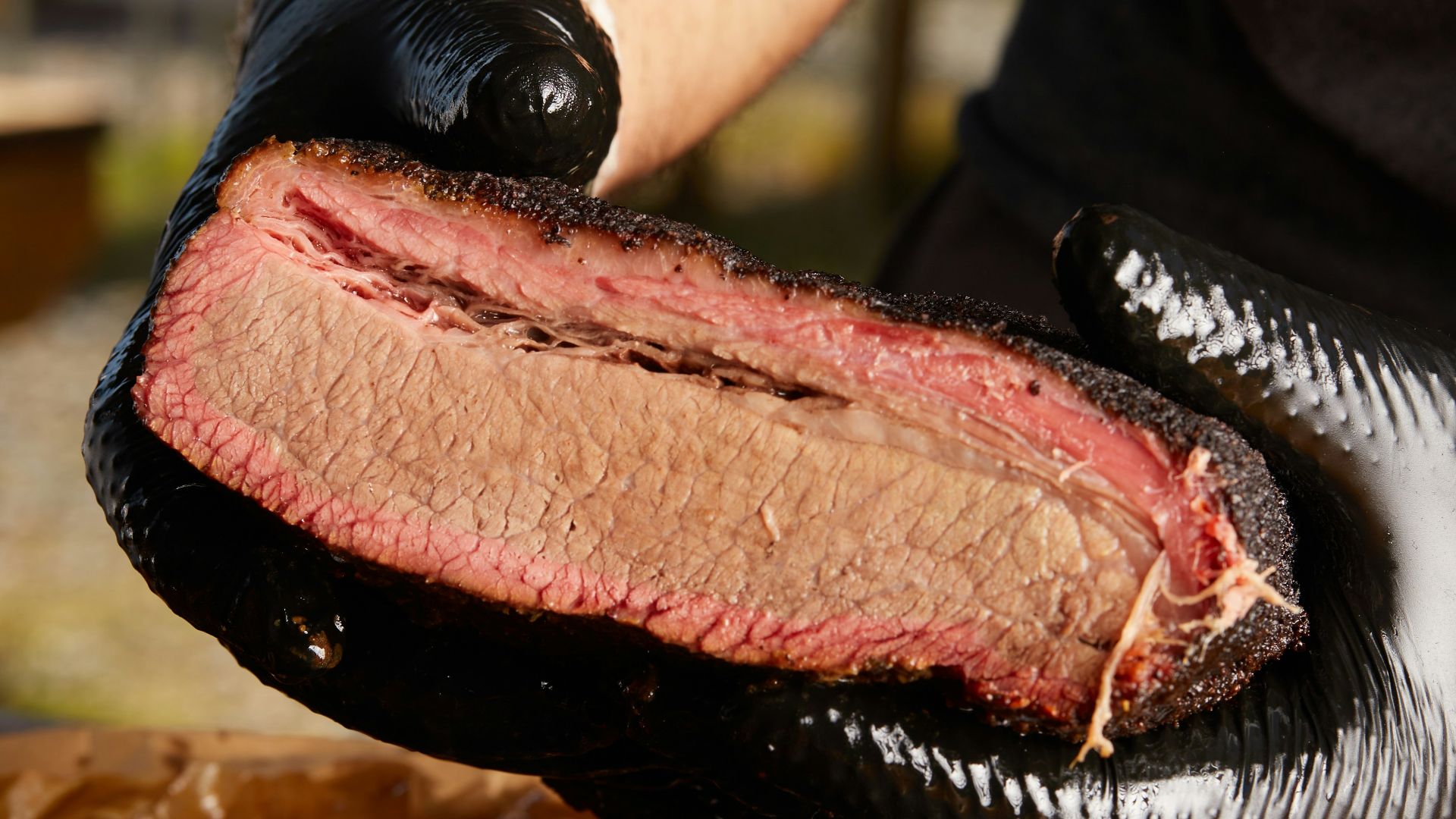
8. Beef Brisket
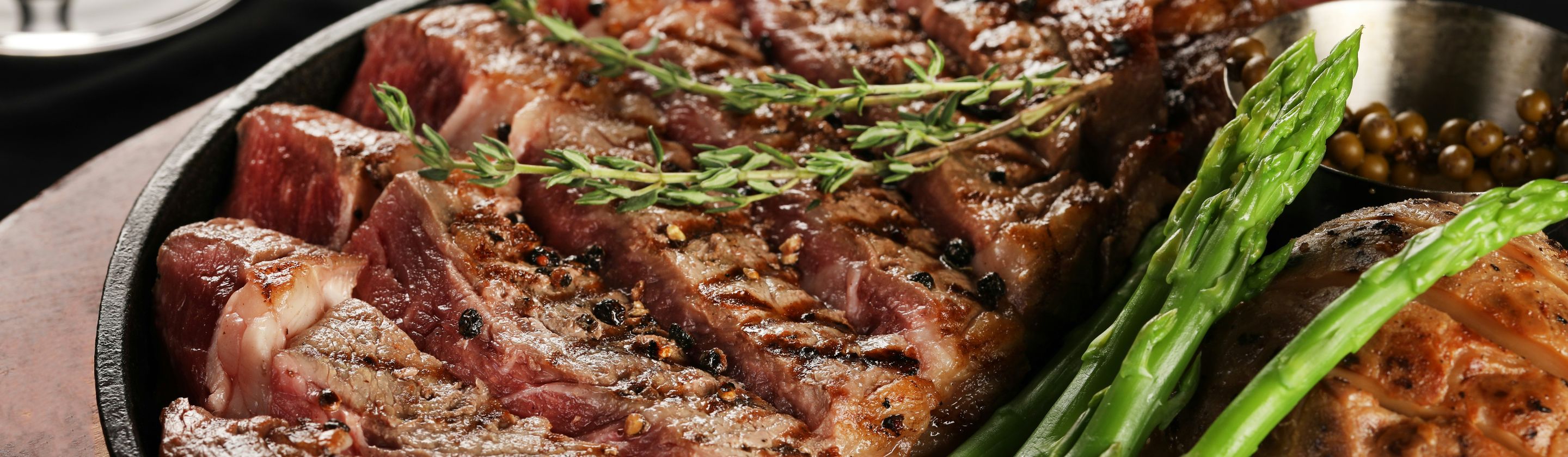
Brisket comes from a tough cut of meat that was traditionally inexpensive and slow-cooked by working-class families. It required time and patience to become tender, making it less appealing for quick meals. Barbecue culture and culinary innovation turned it into a celebrated dish. Today, expertly smoked brisket is highly sought after.
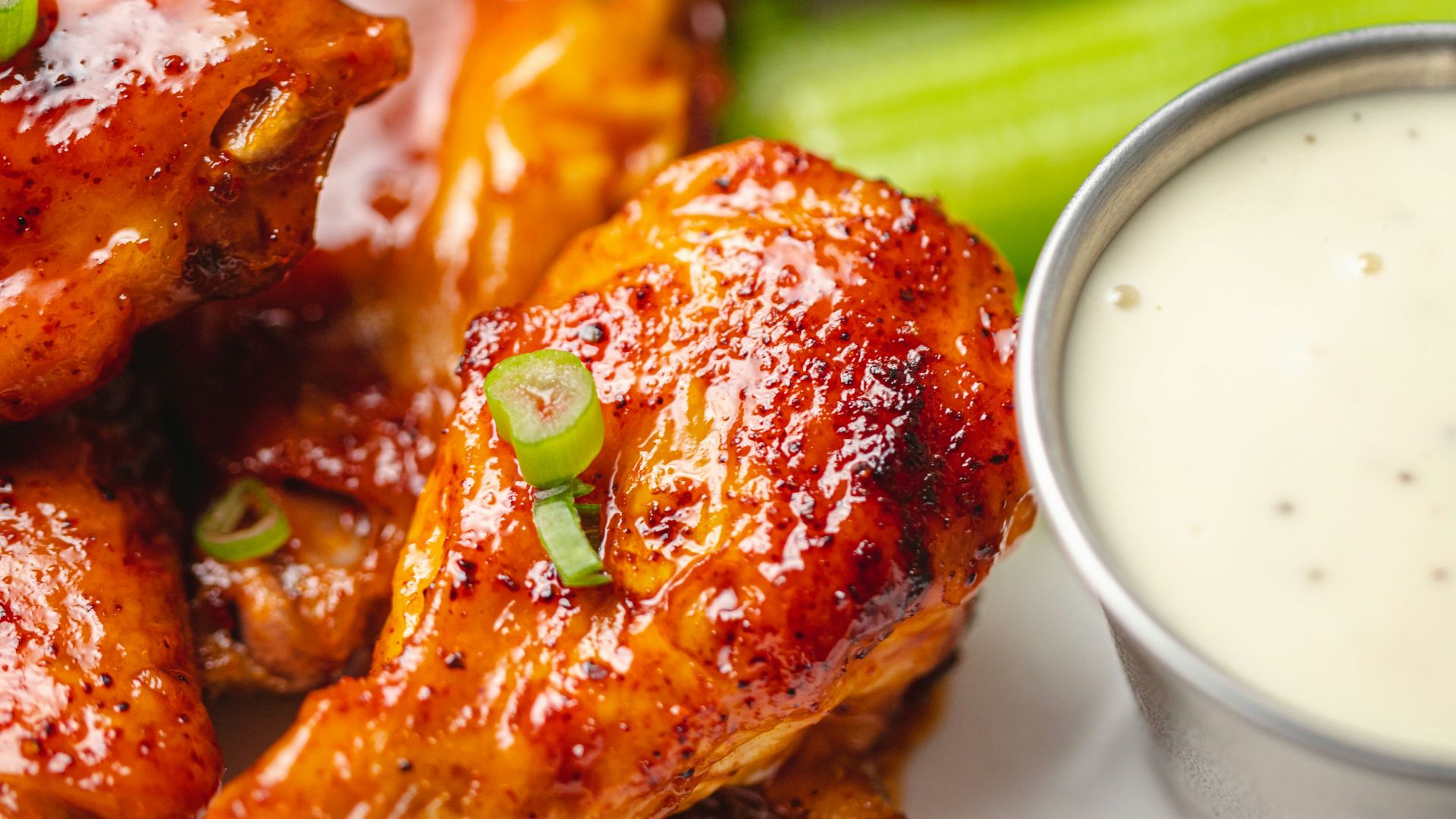
9. Chicken Wings
Chicken wings were once considered scraps and often discarded or used for stock. They had little meat and weren’t seen as desirable. The invention of Buffalo wings in the 1960s changed everything. Now, they’re a staple of restaurants and can be surprisingly expensive.
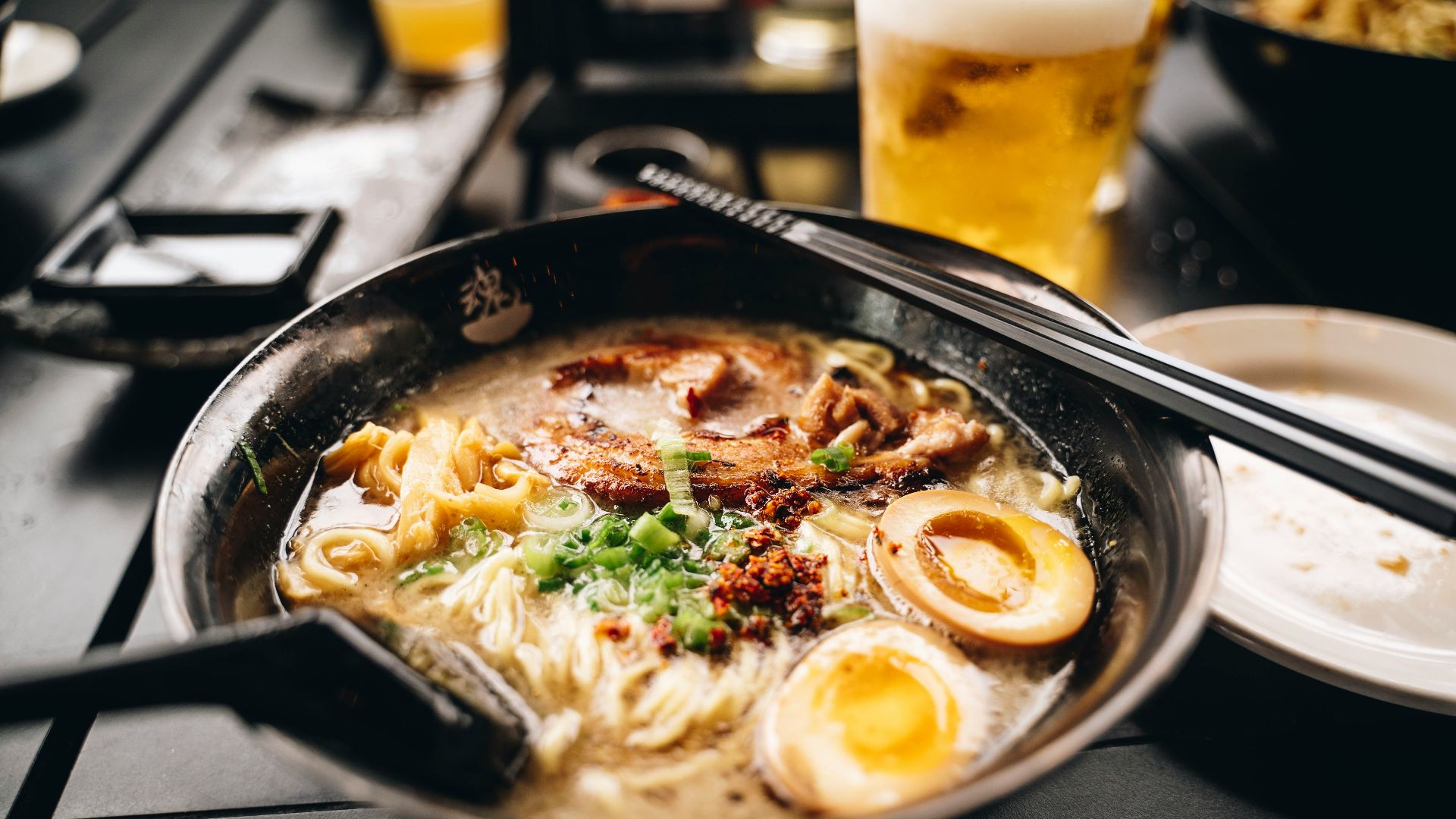
10. Ramen
Ramen started as an affordable street food in Japan. It was quick, filling, and designed for workers needing a cheap meal. Over time, chefs began crafting gourmet versions with rich broths and high-quality ingredients. Today, you can find ramen shops that rival fine dining experiences.
11. Quinoa
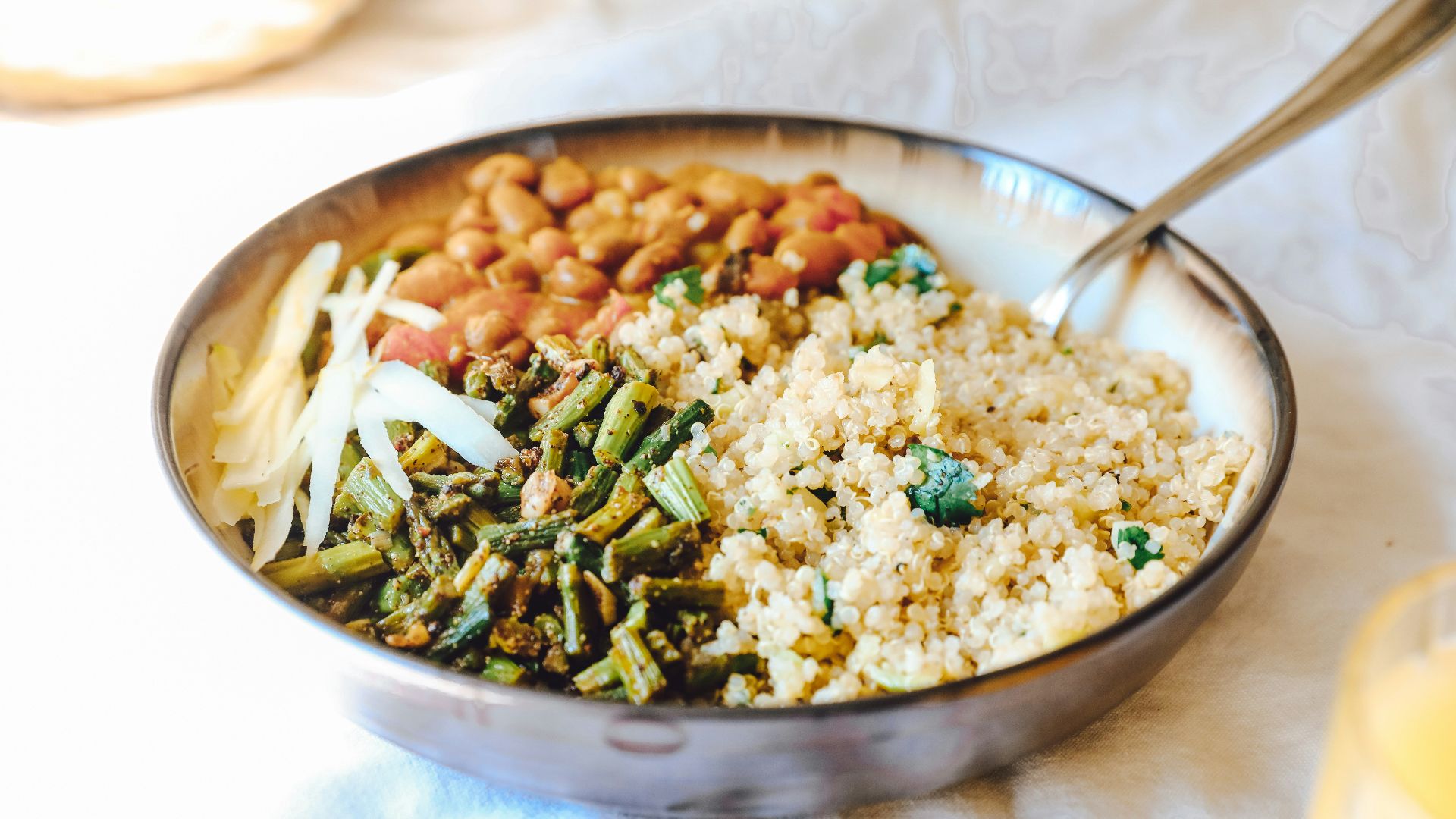
Quinoa was a staple grain for Indigenous peoples in South America. For centuries, it was largely ignored by global markets and considered a basic food. As its nutritional benefits gained attention, demand skyrocketed worldwide. It’s now marketed as a superfood and often comes at a premium price.
 Shashi Chaturvedula on Unsplash
12. Kale
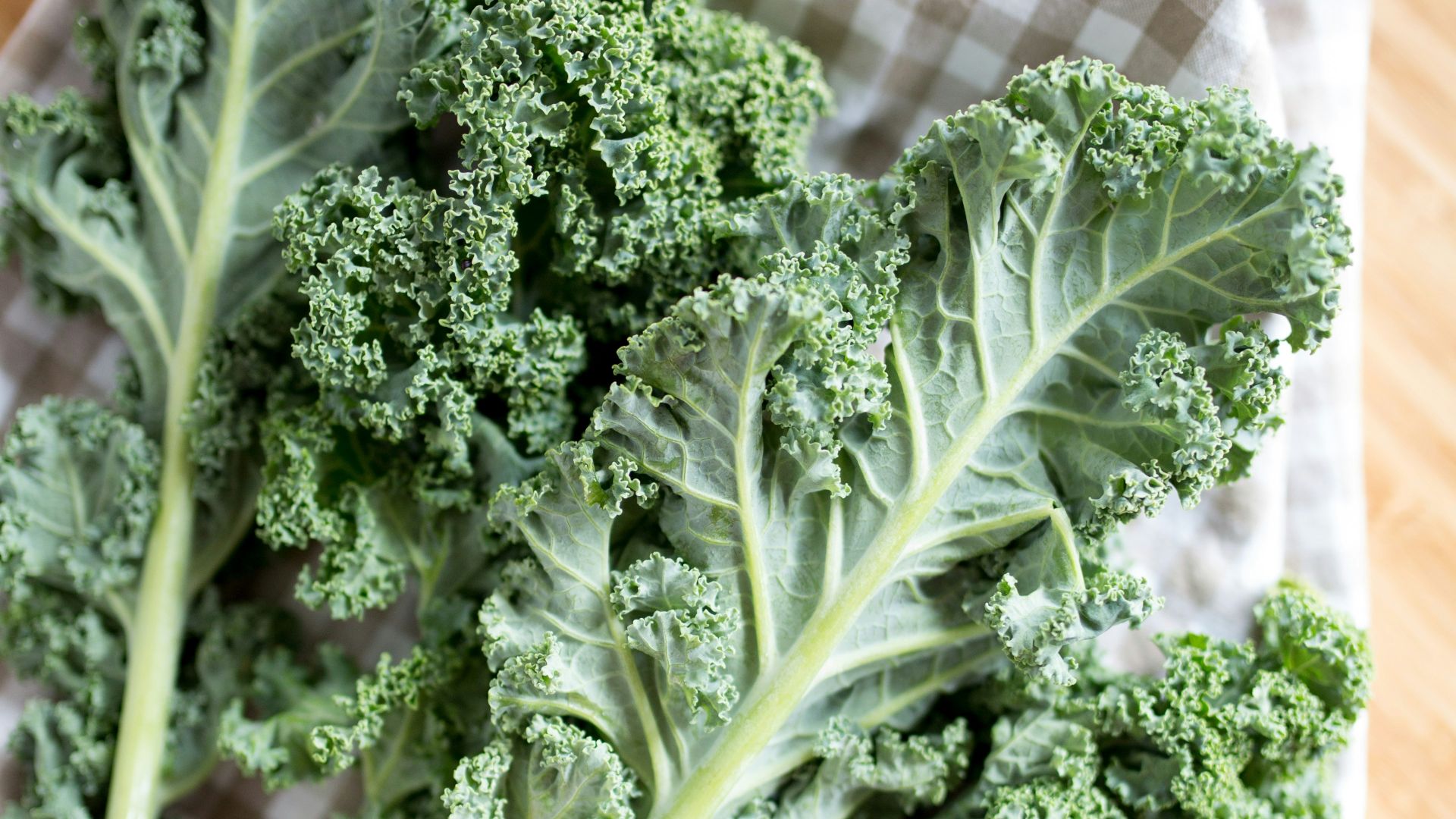
Kale was once primarily used as animal feed or a decorative garnish. It wasn’t considered a desirable vegetable for human consumption. Health trends in the early 2000s brought it into the spotlight as a nutrient-rich option. Now, it’s a key ingredient in salads, smoothies, and upscale menus.
13. Truffles
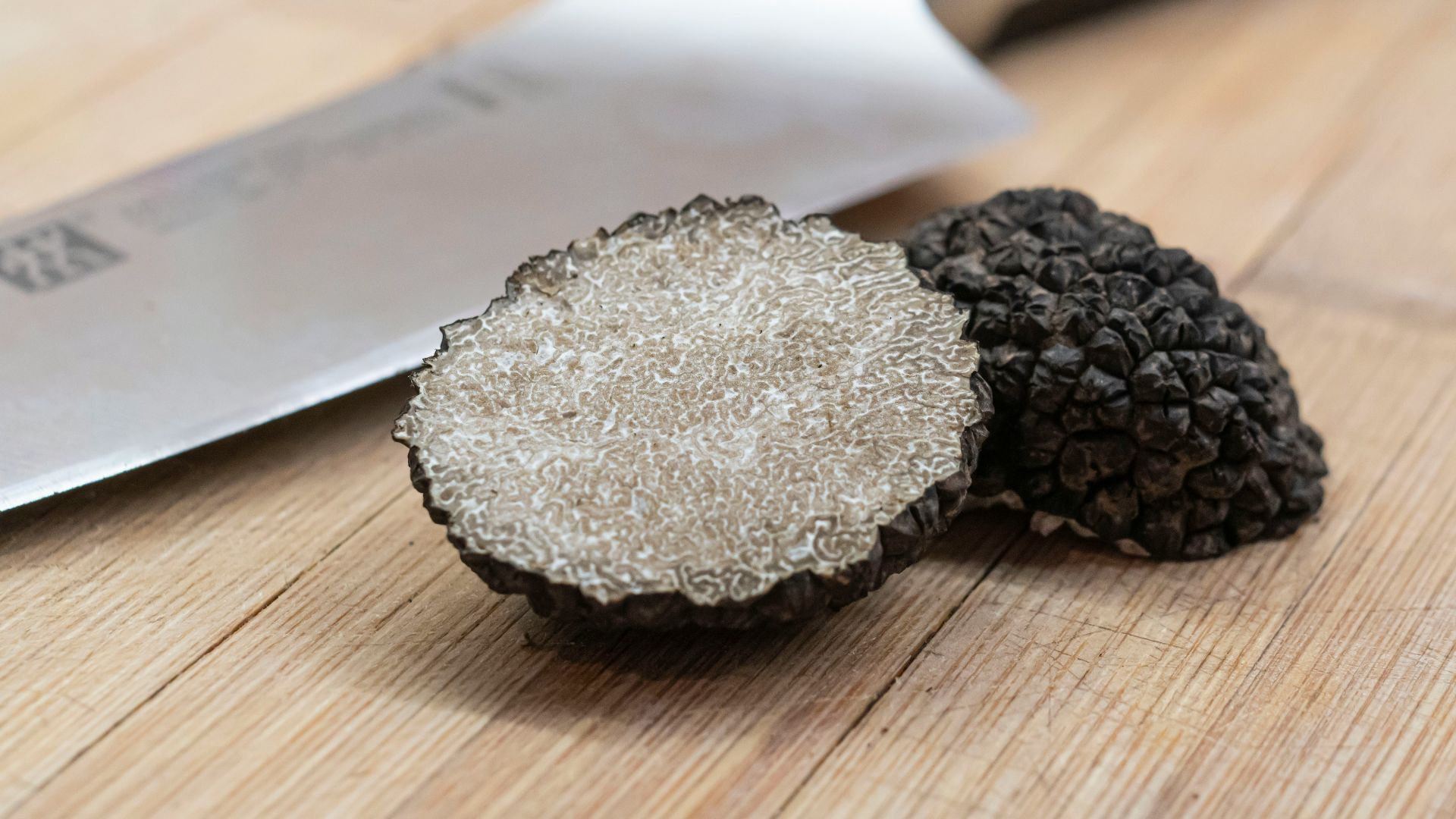
Truffles were once foraged casually by rural communities. They were appreciated locally but not widely commercialized. As chefs began to highlight their unique aroma and flavor, demand increased dramatically. Today, certain varieties sell for thousands of dollars per pound.
 amirali mirhashemian on Unsplash
14. Macarons
Macarons originated as simple almond cookies. They were not initially associated with luxury or elegance. French pastry chefs refined the recipe, adding fillings and vibrant colors. Now, they’re a staple in high-end patisseries around the world.

15. Pizza
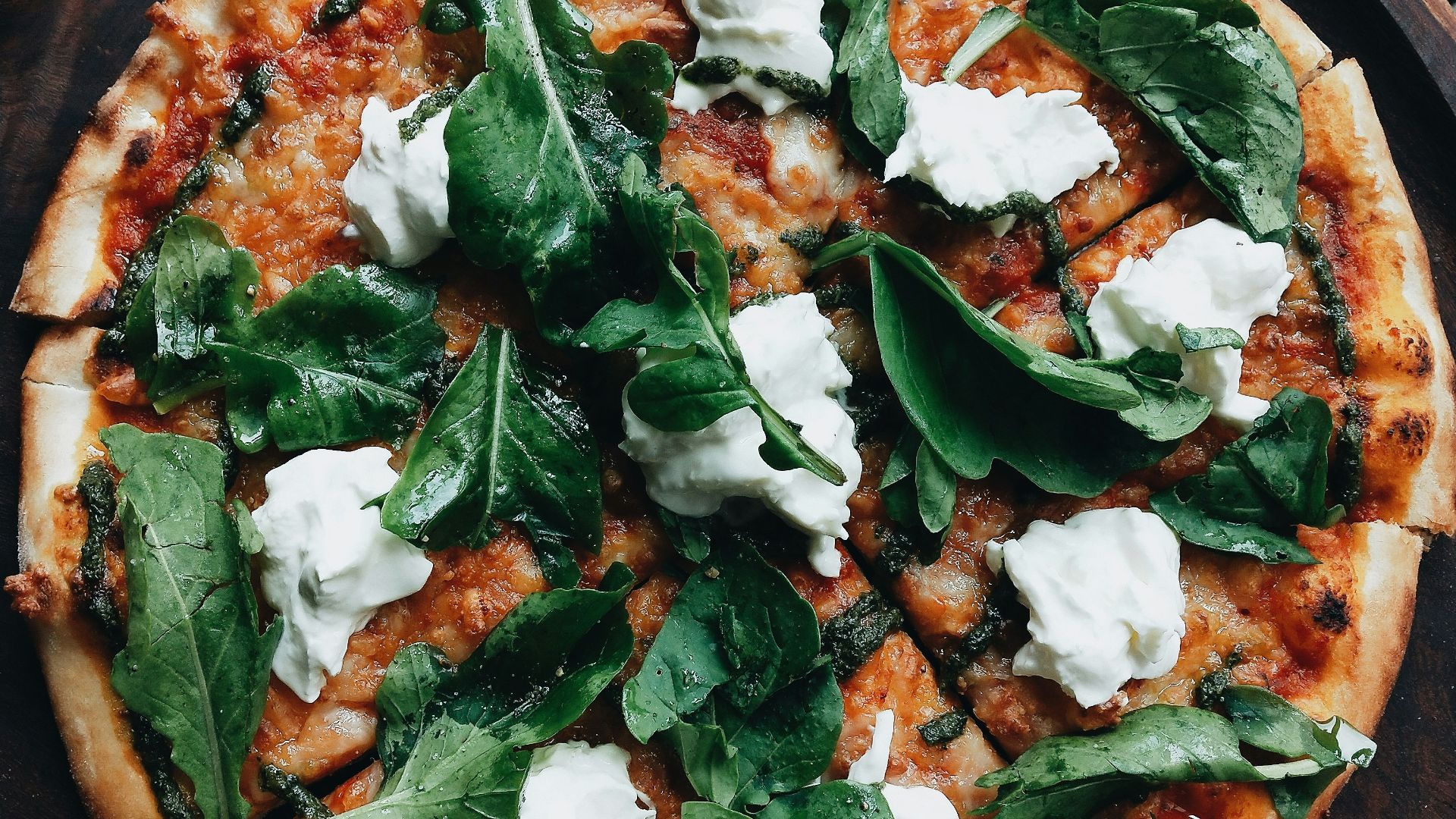
Pizza began as a humble street food in Naples, made with simple, inexpensive ingredients. It was a meal for the working class rather than a culinary statement. As it spread globally, chefs began elevating it with gourmet toppings and techniques. Artisanal pizzas can now be found in many upscale restaurants.
 Saundarya Srinivasan on Unsplash
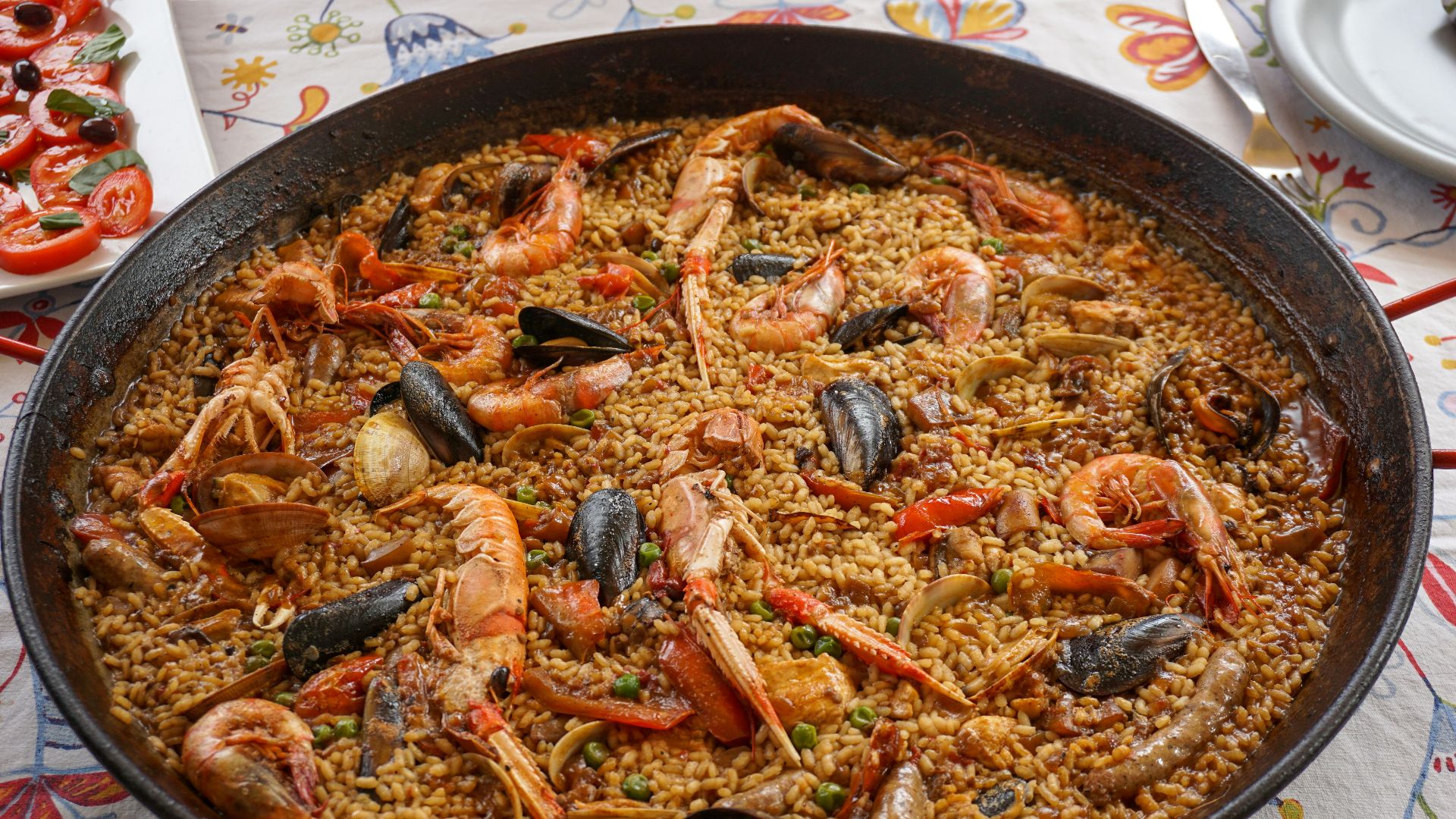
16. Paella
Paella was originally a farm dish made with whatever ingredients were available. It often included rice, vegetables, and small amounts of meat or seafood. Over time, it became associated with Spanish culinary tradition and celebration.
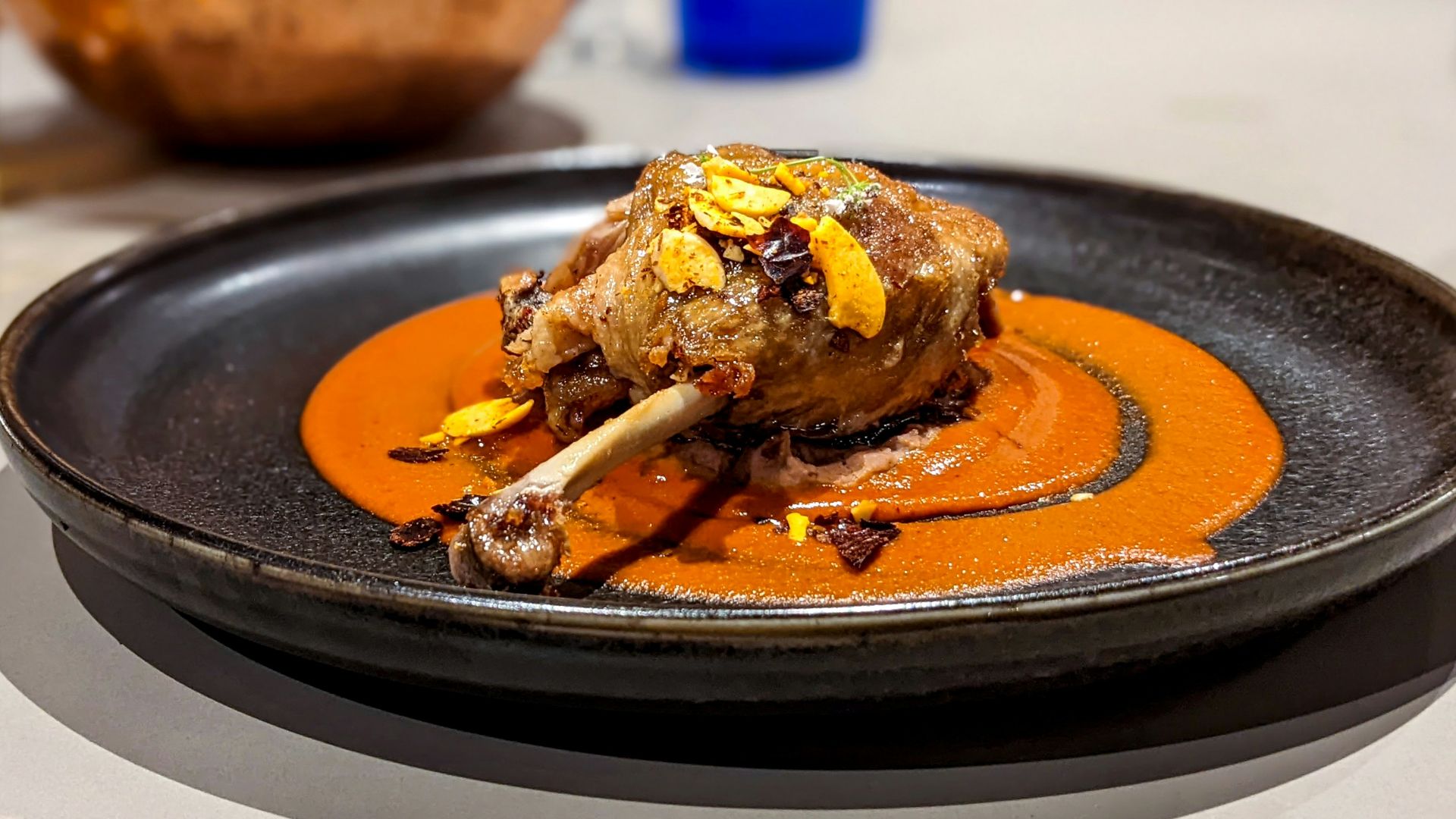
17. Duck Confit
Duck confit was developed as a preservation method in rural France. Cooking duck in its own fat allowed it to last longer without refrigeration. It's now considered a refined dish and appears frequently on gourmet menus.
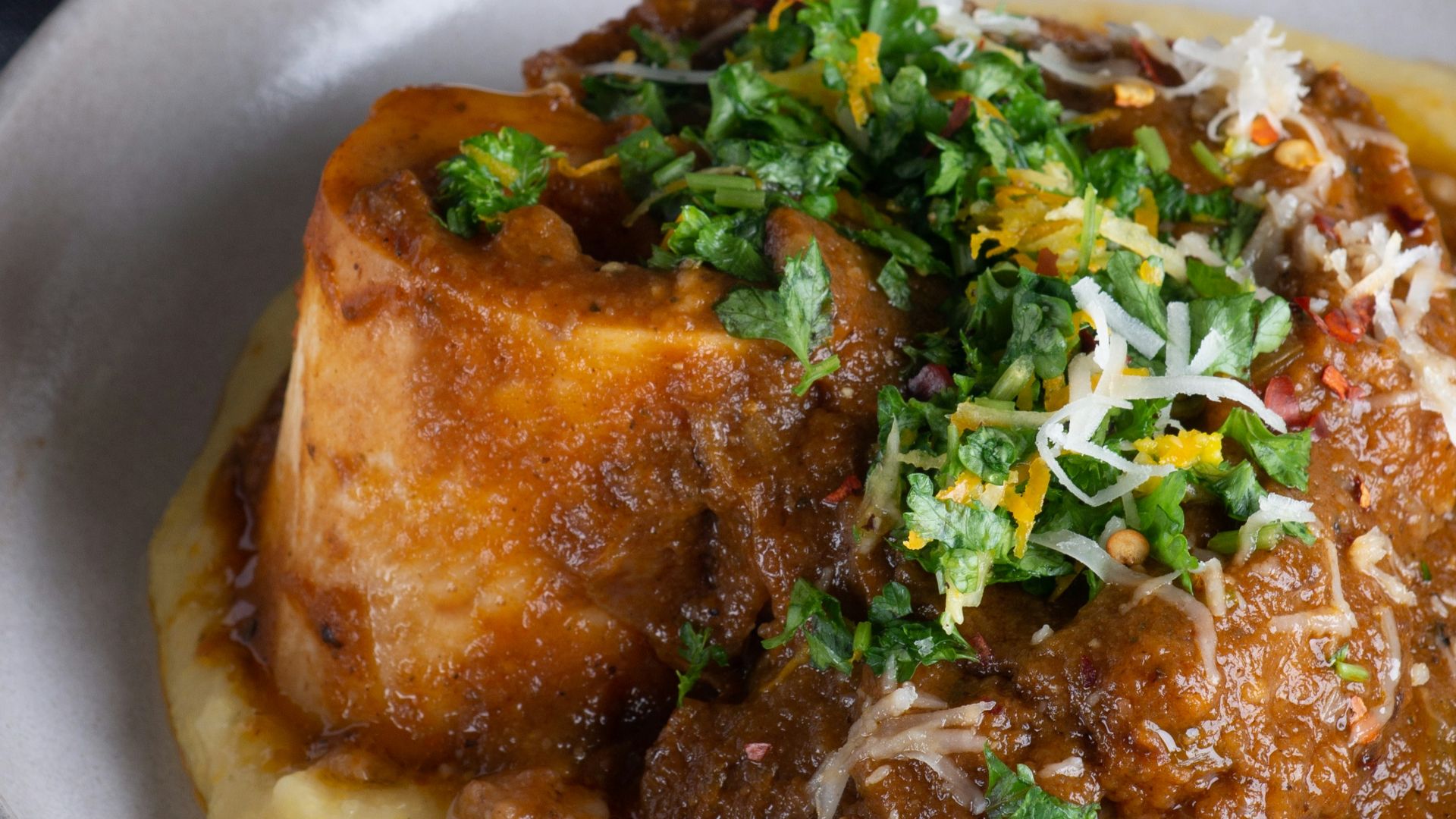
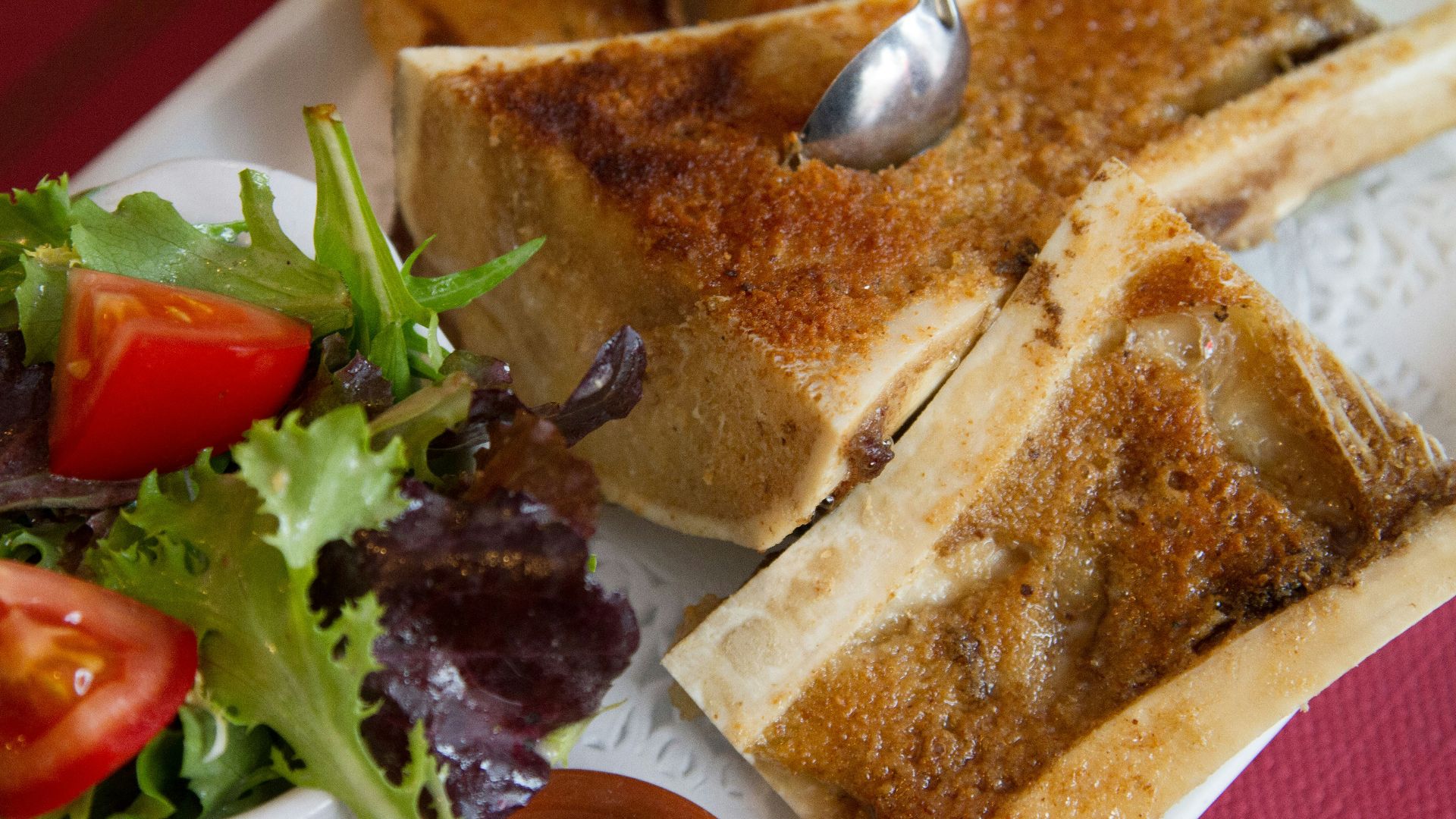
18. Bone Marrow
Bone marrow was once used out of necessity to avoid wasting any part of an animal. It was commonly eaten by those who couldn’t afford prime cuts. Now, it’s served roasted and presented as a delicacy.
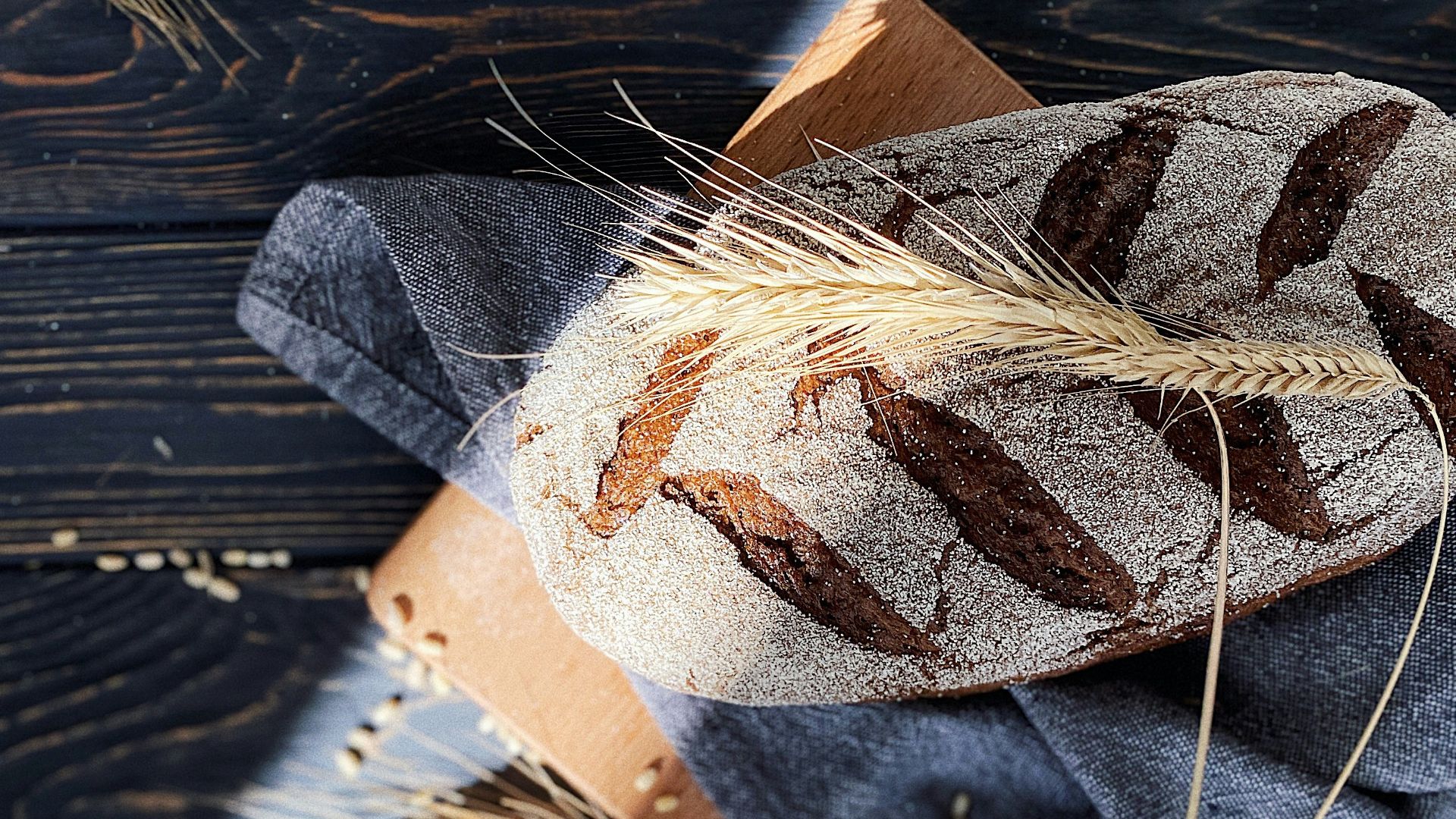
19. Artisanal Bread
Bread has always been a staple food, especially for lower-income households. It was simple, affordable, and widely available. You’ll now find expensive loaves in specialty bakeries.
20. Gelato
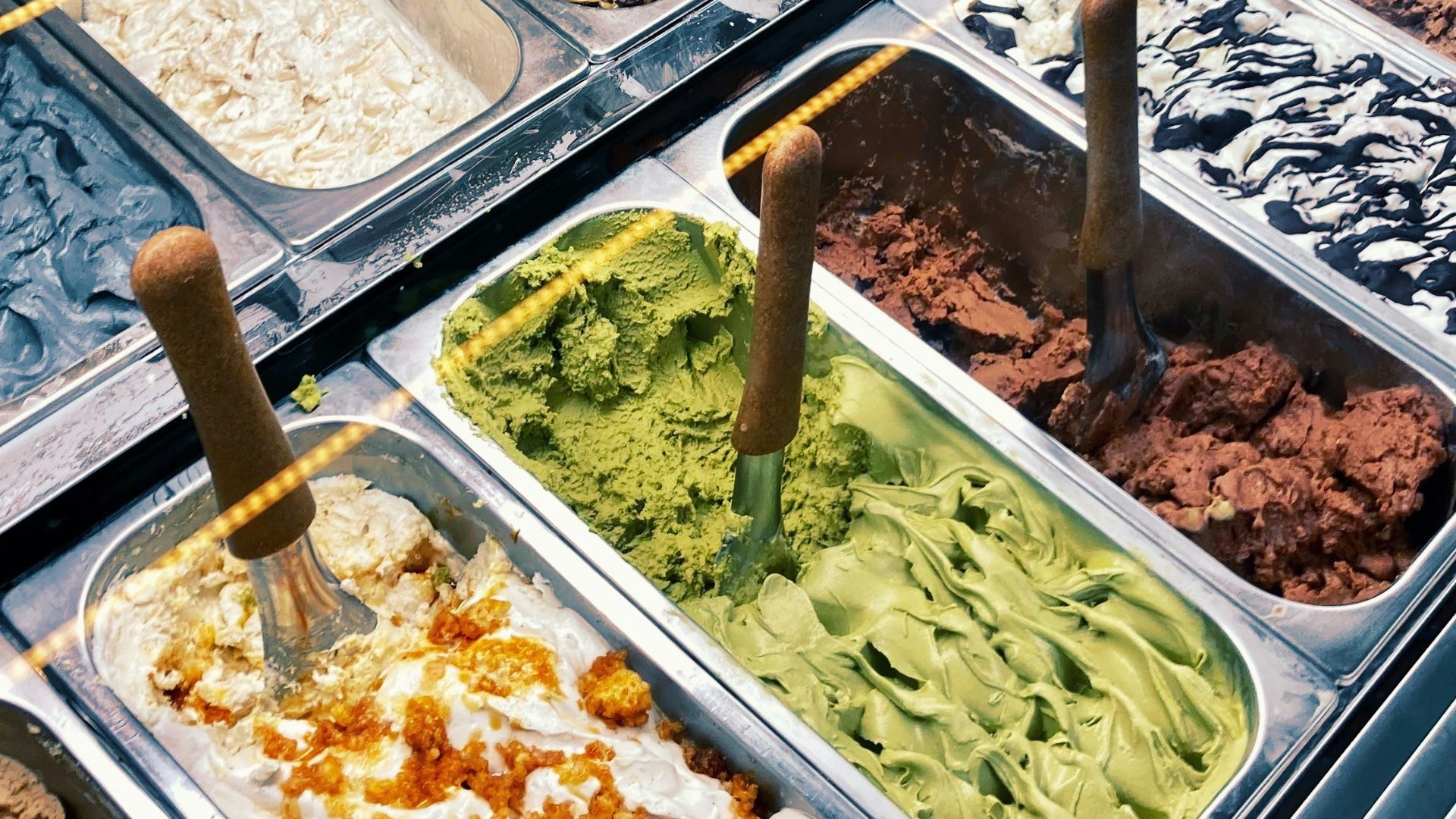
Gelato was originally a regional treat in Italy, made with basic ingredients. It was enjoyed casually and wasn’t considered exclusive. Currently, high-quality gelato is often marketed as a gourmet dessert.
KEEP ON READING