Perpetual Stew: Would You Eat a Soup That’s Been Cooking For 100+ Years?
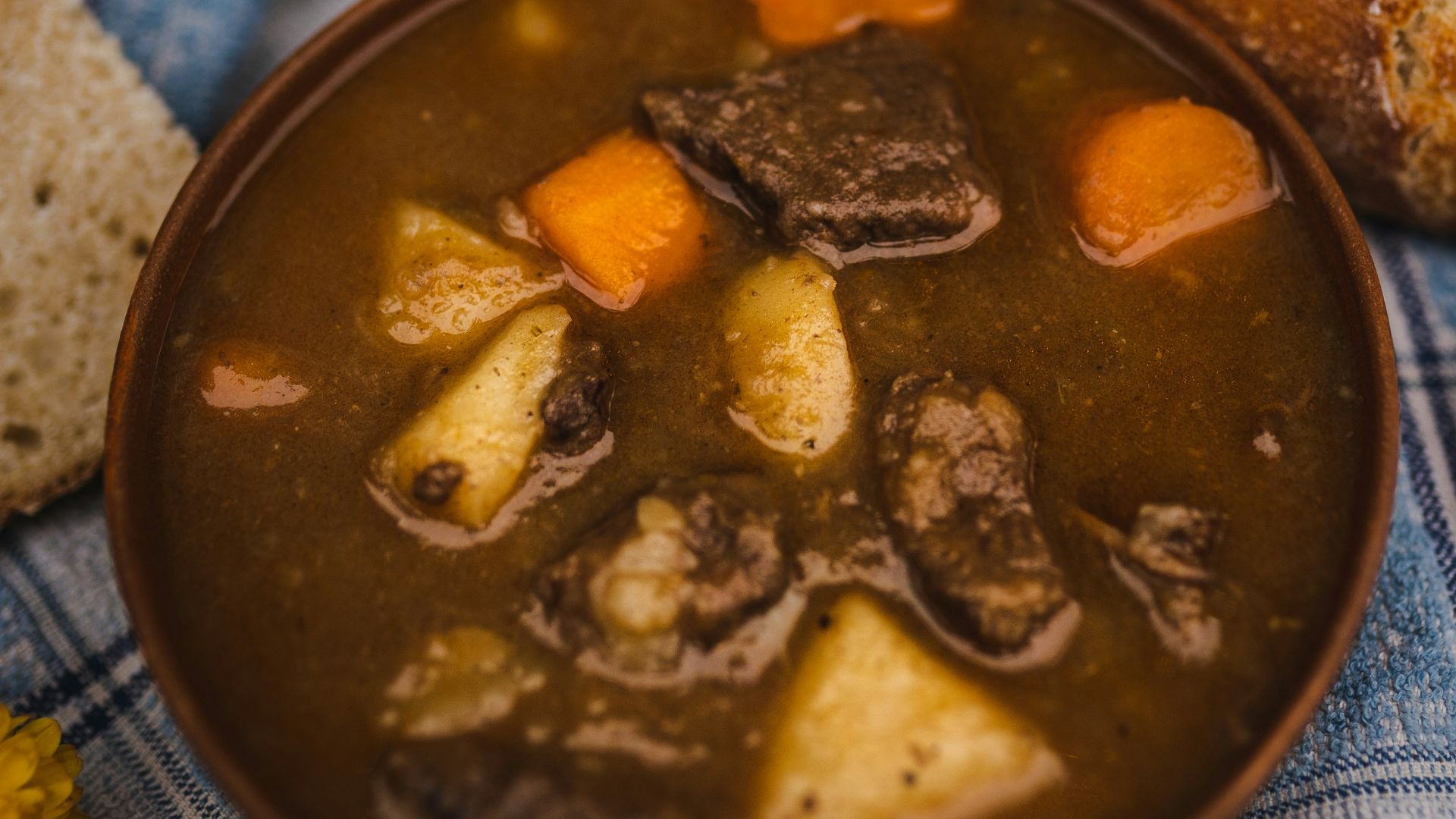
Imagine walking into a cozy, historic tavern where the savory aroma of a rich broth has been wafting through the air since the previous century. It might sound like a tall tale told by weary travelers, but the concept of a perpetual stew is a very real and fascinating culinary tradition. This method involves keeping a pot of soup constantly simmering on a heat source, where ingredients are replenished as they're consumed to ensure the vessel never actually becomes empty. It is essentially a liquid history that has been evolving one bowl at a time for years, or in some extreme cases, even decades.
While the idea of eating "old" food might make some modern diners a bit squeamish, this practice was once a practical necessity in many parts of the world. Before the era of refrigeration and easy waste disposal, keeping a pot on the fire was the most efficient way to ensure nothing went to waste while providing a hot meal at any hour. Today, a handful of restaurants around the globe still maintain these ancient pots as a testament to their heritage and unique flavor profiles. It may lead to curiosity about how such a thing is even possible without causing a major health crisis for unsuspecting patrons.
The Science of Simmering Safety
There is often curiosity about how nothing harmful grows in a pot left on a stove for years. To begin with, it is constantly being cooked at a high temperature. Harmful bacteria cannot grow when the liquid is continuously simmering. The temperature is carefully monitored to ensure the broth remains at a simmer or higher, usually around 160 degrees Fahrenheit. That range is known as a pasteurized temperature, making it safe to consume. For all intents and purposes, when it is allowed to simmer like that, the pot is effectively cooking anything that would normally be able to cause illness.
In addition, restaurant kitchens with pots like these constantly ensure that the temperature of the liquid remains high enough to prevent anything from growing. There must not be any areas of the broth that become chilled to the point where bacteria can thrive. When vegetables or meat are added to the pot, they must be boiled before being introduced to the batch. Because of this, if a restaurant closes, the fire must be monitored at all times. There is no reliable way to confirm whether it went out overnight for an extended period, so if that were to happen, the entire batch, sometimes decades old, would be discarded.
Salt can also act as a preservative to help prolong the base. The pot must be strained regularly to prevent old particles that no longer have any flavor from burning and making the broth taste bitter. Salt can help prevent that as well. What is being consumed is not vegetables or rice that have been cooked for decades, but rather a broth that contains all the developed flavors and compounds that have previously been part of the pot.
Famous Pots Around the Globe
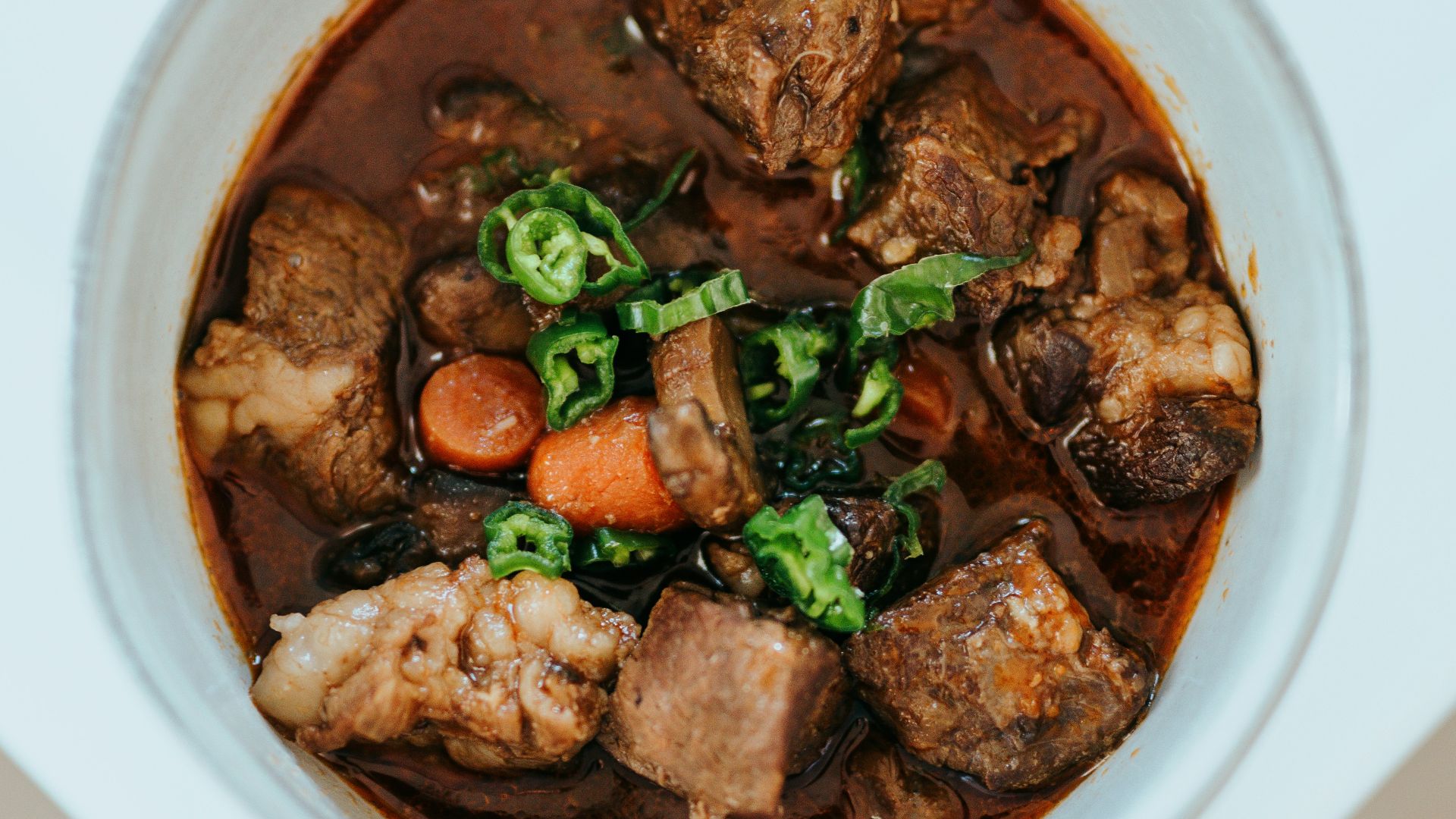
If searching for one of the most famous examples of this culinary tradition, a visit to Wattana Panich would be required. This family-run establishment has been simmering the same beef noodle soup for over forty-five years, passing the responsibility down through three generations of cooks. The massive pot is never fully scrubbed clean, allowing a thick crust of hardened broth to form on the rim as a badge of honor and flavor. The dark, concentrated liquid bubbles away daily, drawing in crowds of locals and tourists eager to taste a recipe that is literally older than many of its patrons.
In Europe, the tradition stretches back even further into the medieval era when an "innkeeper’s pot" was a standard feature of roadside lodging. Historical accounts suggest that some French "pot-au-feu" batches were maintained for more than a hundred years before the disruptions of the World Wars forced them to be restarted. These stews were incredibly versatile, absorbing whatever game or garden produce was available that day to create a complex, layered profile that cannot be replicated in a single afternoon. Each spoonful reflected the changing seasons, from spring leeks to winter root vegetables.
Even in modern America, the concept has seen a revival among adventurous home cooks and trendy gastropubs looking for a unique culinary identity. While most of these modern versions only last for a few weeks or months, they still capture the spirit of communal dining and resourcefulness that defined the original tradition. Events centered around "community soup" sometimes invite neighbors to contribute ingredients to a single pot that simmers for the duration of a festival or a particularly cold winter week. These gatherings celebrate the idea that food can serve as a continuous, living connection between people and their shared history.
KEEP ON READING
20 Food-Related Art Projects