Before you pop that bag of chips or gummy bears into your cart, you might want to flip it around and read its ingredient list. Believe it or not, the stuff you love snacking on probably has at least one or two carcinogens mixed into the recipe. Those hard-to-pronounce chemicals you see on the back label are what you should be especially wary of—some of them might be raising your risk of cancer.
These ingredients aren't found in obscure or niche products, either; they show up in everyday foods (and even cosmetics and inedible items) that many people eat without a second thought. Knowing what these substances are and why they're concerning can help you make more informed choices about what goes into and onto your body.
Sodium Nitrite
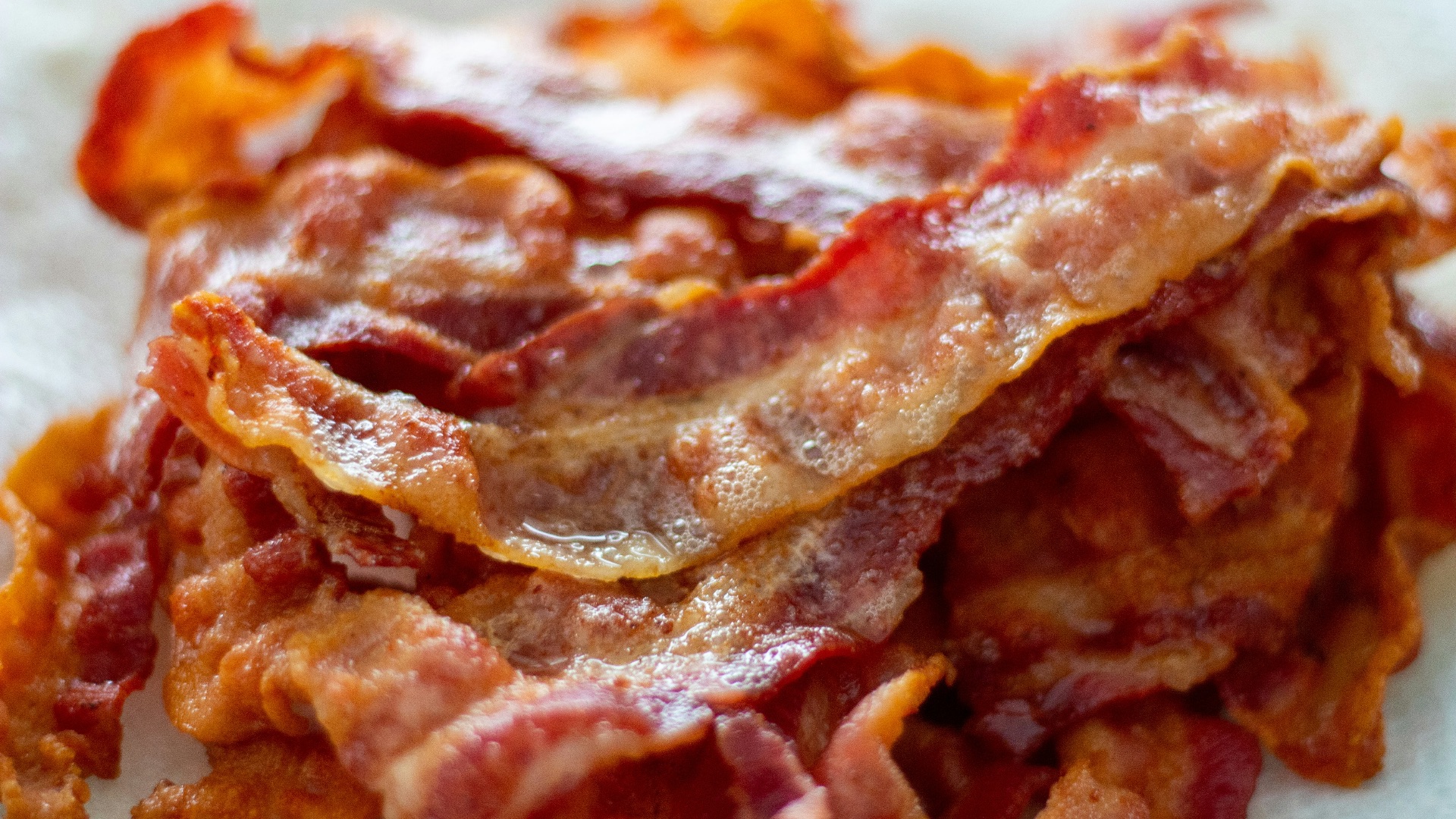
Sodium nitrite is a preservative and color-fixing agent that's commonly added to processed meats like bacon, hot dogs, deli turkey, and cured sausages. You read that right: it's found in bacon, the thing you're probably eating for breakfast every morning. Why is this chemical so widely used by the food industry? Easy: because it helps prevent bacterial growth and gives cured meats their characteristic pink hue (without it, these meats would look gray). And yet, the health implications tied to regular consumption are difficult to ignore.
When sodium nitrite is exposed to high heat during cooking, or when it interacts with certain compounds in the stomach, it can form nitrosamines; these are chemical compounds that have been classified as probable human carcinogens. The World Health Organization's International Agency for Research on Cancer (IARC) has classified processed meats as a Group 1 carcinogen, meaning there's sufficient evidence linking their consumption to cancer in humans. That's the same category as tobacco and alcohol, which puts the risk in sharper perspective.
This goes to show that it isn't just the chemical that you should be avoiding. In fact, experts have warned us for years that higher consumption of processed meats is associated with an increased risk of colorectal cancer. That means if you eat processed meats regularly, you might want to start cutting back or switch to nitrite-free alternatives, unless you're willing to harm your body further.
Butylated Hydroxytoluene (BHT)
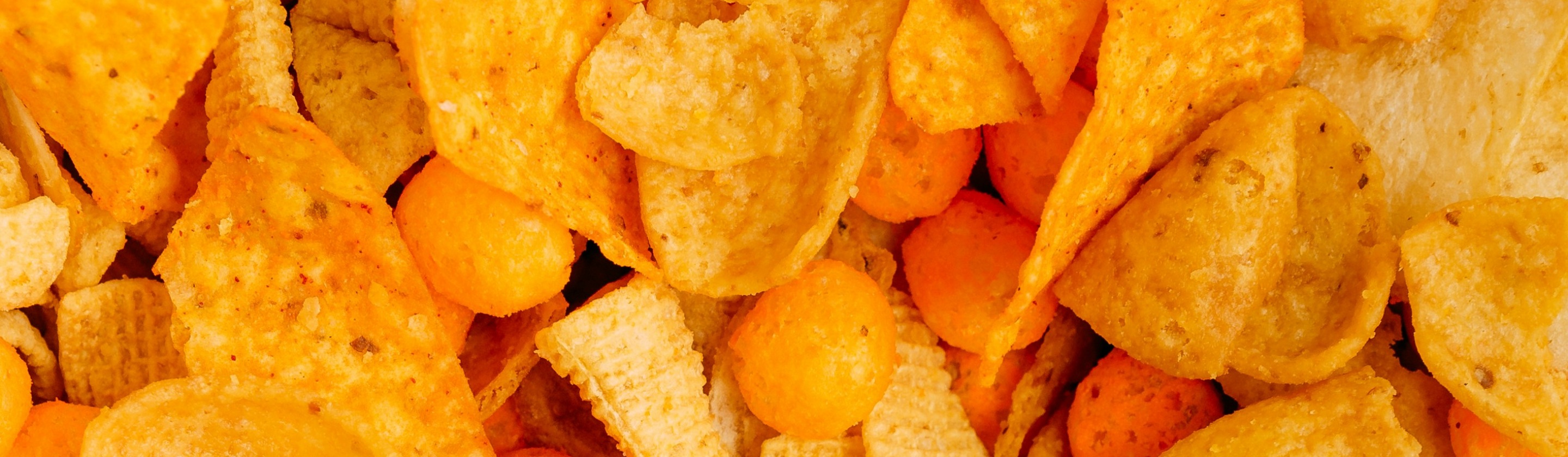
If you ate cereal this morning or snacked on a bag of chips, you're familiar with this ingredient. Butylated hydroxytoluene, better known as BHT, is a synthetic antioxidant added to foods, cosmetics, and even packaging materials to prevent fats from going rancid and extending shelf life. You'll find it listed on the labels of many products you buy daily. The U.S Food and Drug Administration (FDA) had classified it (along with BHA—butylated hydroxyanisole) as generally recognized as safe (GRAS) for many years, but that designation hasn't stopped researchers from raising serious questions about its long-term effects. It wasn't until February 2026 that the FDA decided to reassess these preservatives.
And that's no surprise. Animal studies have shown that BHT can promote tumor growth, particularly in the lungs and liver, when administered at high doses. While those findings don't automatically translate to the same outcomes in humans, they've been enough to prompt regulatory scrutiny in several countries. The European Food Safety Authority has also reviewed BHT and flagged concerns about its potential genotoxicity, meaning its capacity to damage genetic material at the cellular level.
What makes BHT particularly tricky to avoid is how broadly it's used across product categories. It appears not just in food but in packaging that can transfer the compound to the product inside over time. Checking labels carefully and opting for products that use natural preservatives like vitamin E (tocopherols) instead is a reasonable way to reduce your cumulative exposure.
Titanium Dioxide
Titanium dioxide is a bright white powder used extensively as a colorant and whitening agent in foods, medications, cosmetics, and sunscreens. In food products specifically, it's often found in candies, chewing gum, salad dressings, and coffee creamers, where it gives items a clean, uniform appearance. It's also a common ingredient in toothpaste and foundations, making it one of the more widespread synthetic additives encountered in daily life.
The IARC classified titanium dioxide as a Group 2B carcinogen, meaning it's possibly carcinogenic to humans, particularly when inhaled in large quantities as fine particles. More recently, concerns have extended to its safety as a food additive; the European Food Safety Authority concluded in 2021 that titanium dioxide could no longer be considered safe for consumption, citing evidence that it may damage DNA. The European Union formally followed through by banning it as a food additive in 2022.
The United States hasn't yet taken the same regulatory step, and titanium dioxide remains permitted in American food products. If you'd prefer to err on the side of caution, it's worth scanning ingredient lists for E171, which is the additive code used for titanium dioxide in some labeling systems. Brands that prioritize clean-label or minimally processed formulations are far more likely to leave it out entirely, so that's a useful filter when you're shopping for food in general.
KEEP ON READING
You’re Storing Tomatoes Wrong in This Heat
You’re Storing Potatoes Wrong in This Heat

You’re Storing Peppers Wrong in This Heat
You’re Storing Carrots Wrong in This Heat