Chain Restaurants Figured Out How to Bottle Nostalgia, And It's Why You Keep Going Back
Chain Restaurants Figured Out How to Bottle Nostalgia, And It's Why You Keep Going Back
You can say you’re only there for the fries, the chips and salsa, the cheddar biscuits, the skillet cookie, whatever your usual order is. Chain restaurants have been selling something bigger for a long time, though, and a lot of it has nothing to do with hunger. In NPR’s 2025 reporting, carried by WSKG, chain restaurants were described as affordable, familiar, and reassuring, which is a pretty good summary of why they keep pulling people back.
That pull is bigger than people sometimes realize. CivicScience reported in 2025 that 63% of consumers say nostalgia influences their food choices at least a little, and another CivicScience report found that 48% of U.S. adults are at least somewhat likely to buy something that reminds them of the past. Sit with that for a second, and chain loyalty starts to look a lot less shallow. Sometimes you’re not just buying dinner. You’re buying your way back into a feeling you already trust.
Why The Memory Lands So Hard
Food gets into memory in a way that a lot of other things just don’t. A 2023 review in Current Opinion in Psychology found that food-evoked nostalgia can bring up especially positive autobiographical memories, and that those memories are tied to social connectedness and meaning in life. So when a certain fry, pizza sauce, or dipping cup hits you with a weird little rush, that reaction isn’t coming out of nowhere. Your brain has been saving that moment, quietly, for later.
That memory effect can shape what people want to eat, too. A study in Appetite found that nostalgic food labels increased purchase intentions and actual consumption compared with descriptive labels, and restaurant dishes were more likely to be chosen when they were framed with nostalgic wording. That’s a huge advantage for chains. They don’t have to build desire from scratch every time. They can put a familiar meal in front of you, wrap it in old feelings, and let the rest happen on its own.
There’s a social piece to this, and that part sticks. Research on nostalgia and consumer behavior links nostalgic feeling with social connectedness, which helps explain why familiar food can feel comforting even when you’re eating alone. The meal shows up carrying old birthday dinners, road trips, after-school stops, and all those random family rituals you didn’t think you were storing. That’s why the whole thing can feel bigger than a burger and fries. Sometimes it’s dinner, and sometimes it’s a tiny reunion.
Why Chains Win At This
Independent restaurants can be great. Chains just have a built-in edge when the whole game is recognition, because repetition is part of the product. The same menu, the same logo, the same booth, the same branded cup, the same little rituals at the table, all of it tells your brain that you already know what’s coming, which is calming in a way people don’t always say out loud. That’s all over the NPR reporting carried by WSKG, and it tracks.
Over time, that sameness can get weirdly personal. That same reporting described chains as personal landmarks, the kinds of places people tie to first dates, family celebrations, post-game dinners, and road trips. Once a restaurant gets folded into your own timeline, the food itself stops doing all the work. Part of what you’re ordering is the memory of ordering it before, and, yeah, that’s powerful.
That comfort matters even more when life feels expensive, unstable, or just plain tiring. The NPR piece framed chains as familiar and reassuring at a moment when a tough economy and constant change have left plenty of people craving something dependable, and CivicScience found that nostalgia was especially influential among Gen Z and households earning under $50,000. That doesn’t make a chain meal profound. It does make it understandable. A predictable dinner at a predictable place can feel like a small patch of steady ground.
How They Keep The Feeling Alive
Chains aren’t stumbling into this by accident. In 1 McDonald’s 2022 announcement for the Cactus Plant Flea Market Box, the company said it was “taking one of the most nostalgic McDonald’s experiences” and repackaging it for adult fans, complete with collectible figures including Grimace, Birdie, and the Hamburglar. That campaign didn’t just sell nuggets and fries. It sold the feeling of opening something familiar again, only now with adult money and a limited-time clock ticking in the background.
Other chains do the same thing by reviving the foods people already miss. Taco Bell’s 2022 Mexican Pizza announcement leaned into the fan response around petitions, memorials, and merch, and McDonald’s marketed the McRib’s 2022 return as a “Farewell Tour.” That combination of memory and scarcity is hard to resist. You remember the thing, then you’re told it might disappear again, and suddenly dinner starts feeling weirdly urgent.
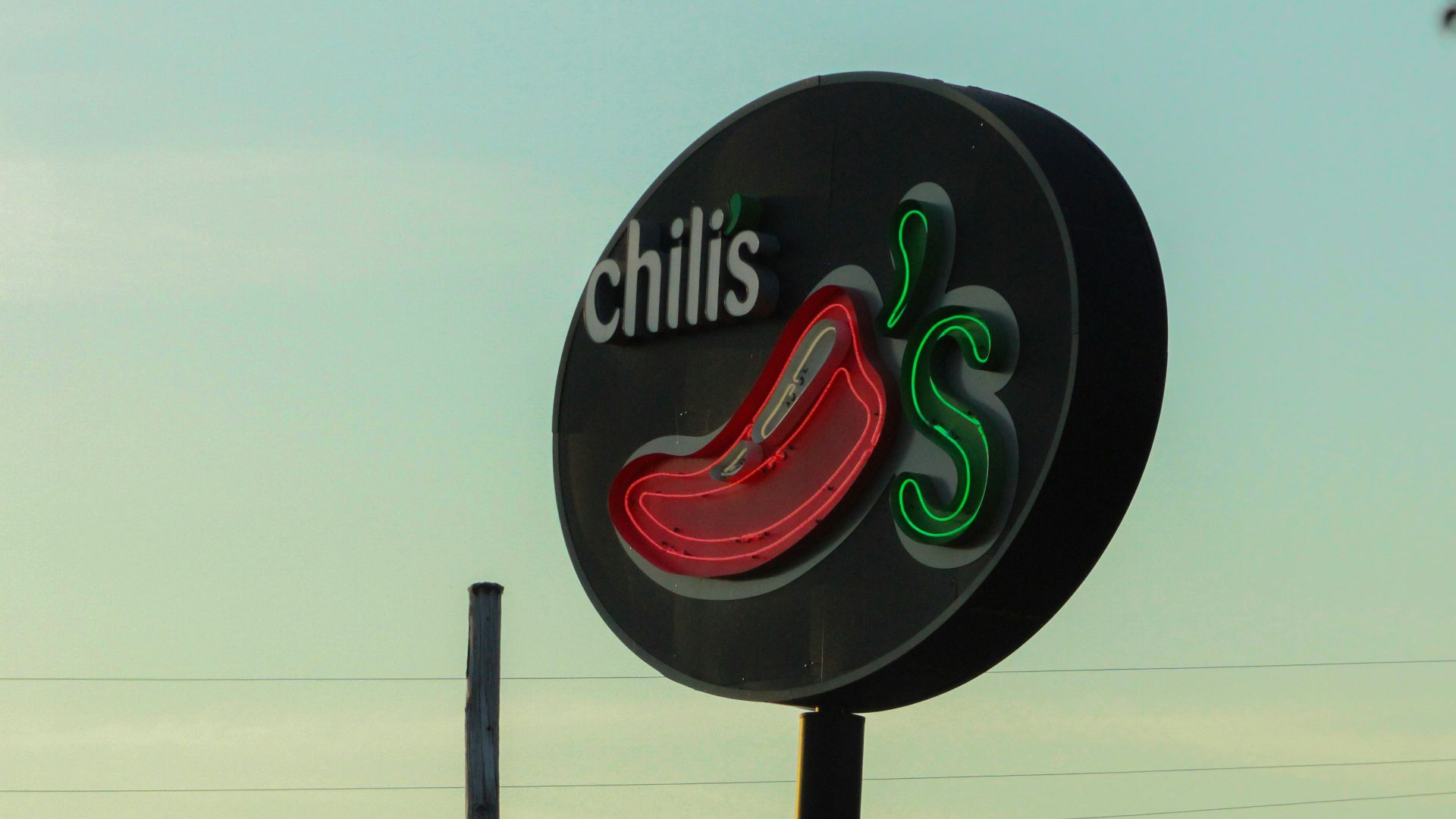
Some brands bring back an entire era instead of one menu item. Pizza Hut’s “Newstalgia” campaign revived PAC-MAN, BOOK IT!-era imagery, and the old dine-in mood, while Chili’s teamed up with Boyz II Men in 2023 to remake its “Baby Back Ribs” jingle more than 25 years after it first got lodged in people’s heads. Public opinion lines up with all of this in a very human way. When NPR asked readers to share their chain restaurant memories, again carried by WSKG, more than 150 people wrote in about cheddar biscuits, cheap margaritas, family outings, and the little rituals that made a place feel like theirs.
That’s the trick chain restaurants figured out. They learned how to make memory feel dependable, how to turn repetition into comfort, and how to package old feelings so neatly that going back can feel almost automatic. You may still be there for the fries, sure. A lot of the time, though, you’re there because the place knows exactly which version of your past to hand back to you, warm and right on cue.
KEEP ON READING
10 Healthy School Snacks to Pack for Your Kid
Why Some Foods Become Comfort Foods
10 Foods Gen Z Is Bringing Back From the Dead
Why Leftover Rice Deserves Extra Caution
20 Grandpa Flavors You Get Judged For Liking