What Deserves a Spot in Your Cart
What's on your grocery list? Eggs, milk, bread? Well, before you go on your next run, you should know that not everything is worth a spot in your cart, even the ones you think are essential. From deli meats (yes, sorry, including bacon) to protein bars and even everyone's breakfast drink, coffee, some products spell out bad news for both your wallet and your health. If you want to make room for better choices, skip these 20 grocery items.
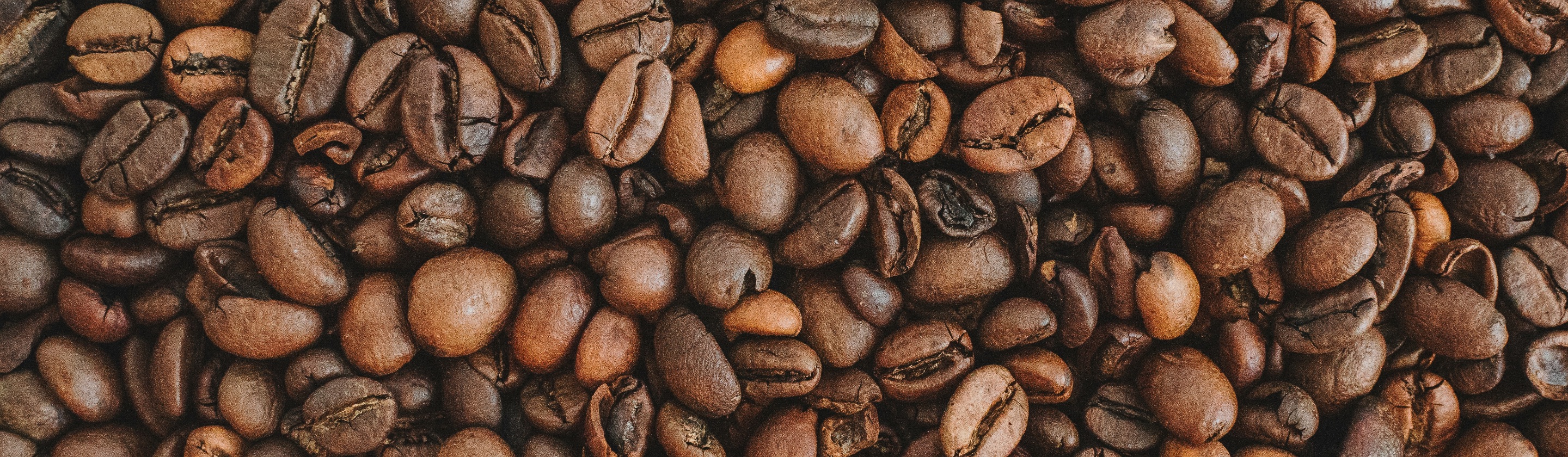
1. Coffee
If you're a coffee lover, your wallet might be taking a huge hit. Prices for these coveted beans have shot up in recent years, so if you're routinely buying premium brands or flavored varieties, be prepared for some considerable damage at checkout. Your best bet is to leave them out of your cart altogether; cut down on the caffeine!
2. Pre-Cut Fruit
Those little tubs of pineapple chunks and watermelon cubes are convenient grab-and-gos, but it's no surprise you're paying a premium for the preparation and packaging. Cut fruit also spoils faster, so buying a large container can actually backfire! Of course, you shouldn't cut fruit (pun intended) completely from your diet, so swap the pre-cut versions for whole fruit instead.
3. Out-of-Season Berries
Love berries? Well, they can become an expensive luxury when you buy them out of season. If you know you'll need them often, such as to make smoothies or top yogurt, do yourself a favor and go for frozen varieties.
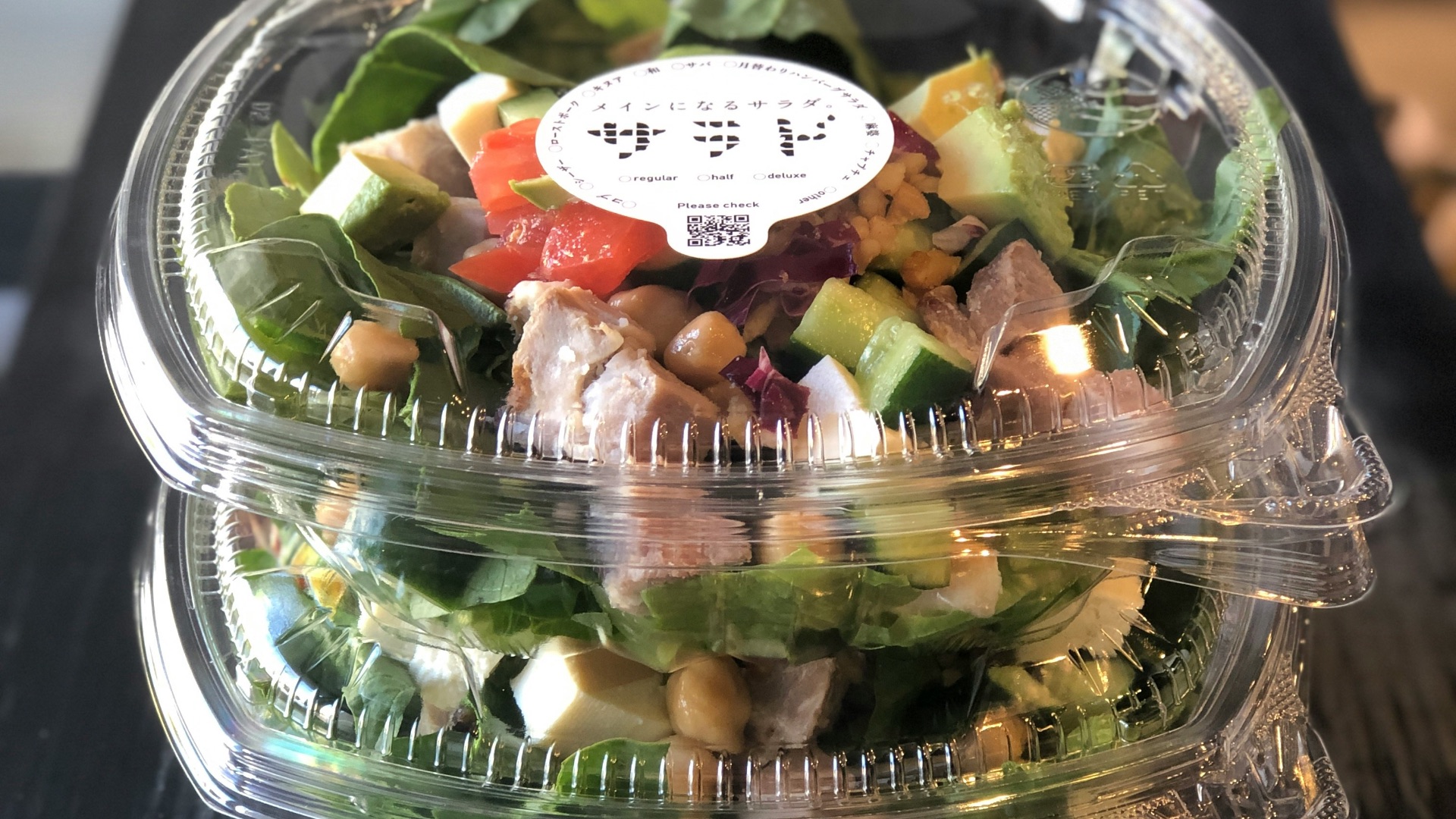
4. Bagged Salad Kits
A salad kit can make an easy meal—that is, until half the leaves turn slimy before you've even eaten half of it. They're also steeply priced given their convenience. While buying them occasionally makes sense, you shouldn't stock several bags at once.
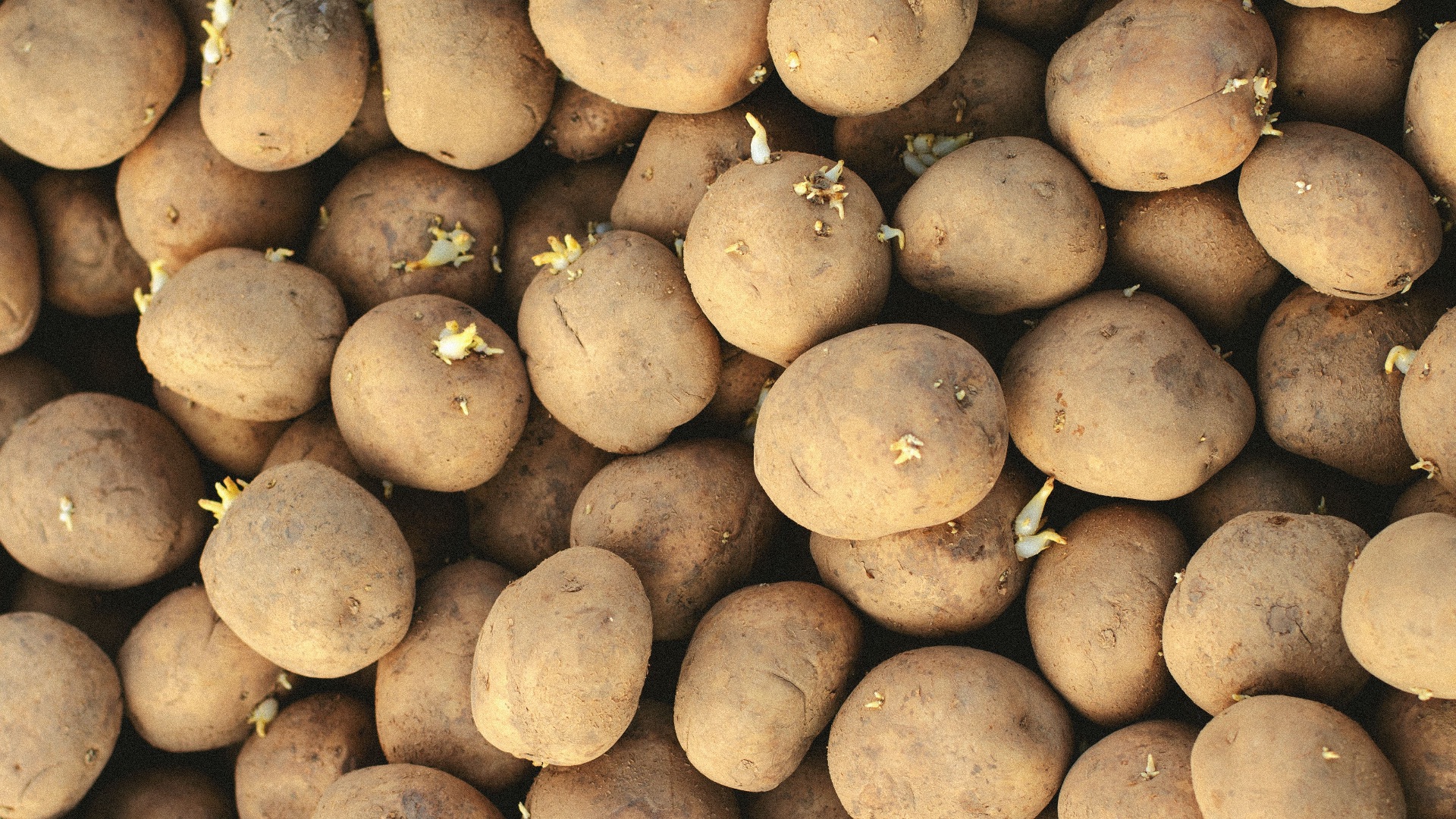
5. Potatoes That Are Already Sprouting
A bargain bag of potatoes isn't much of a bargain if several of them are already sprouting. You can make do with what you have if you really need them in a pinch, but rather than buying too much and storing them for weeks, opt for smaller amounts as needed to keep them in better condition.
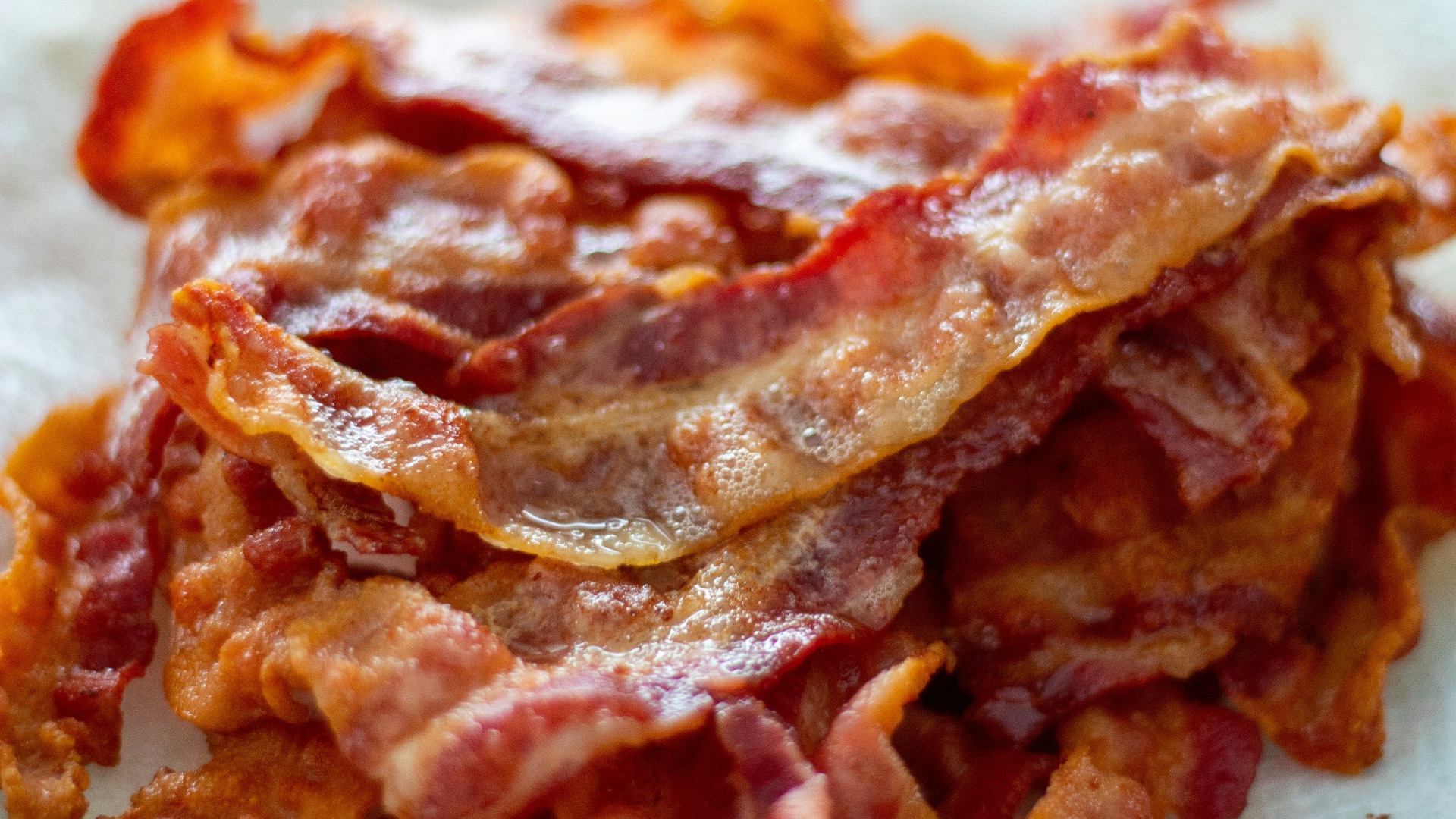
6. Deli Meat
A turkey sandwich or a bacon-and-egg plate might make a simple lunch, but when they're the default meals every day, that can become a problem. Processed meats are incredibly high in salt, and sodium nitrite (an ingredient in cured meats that may raise your risk of cancer) is also commonly used. Buying less of them is better for both your wallet and your health.
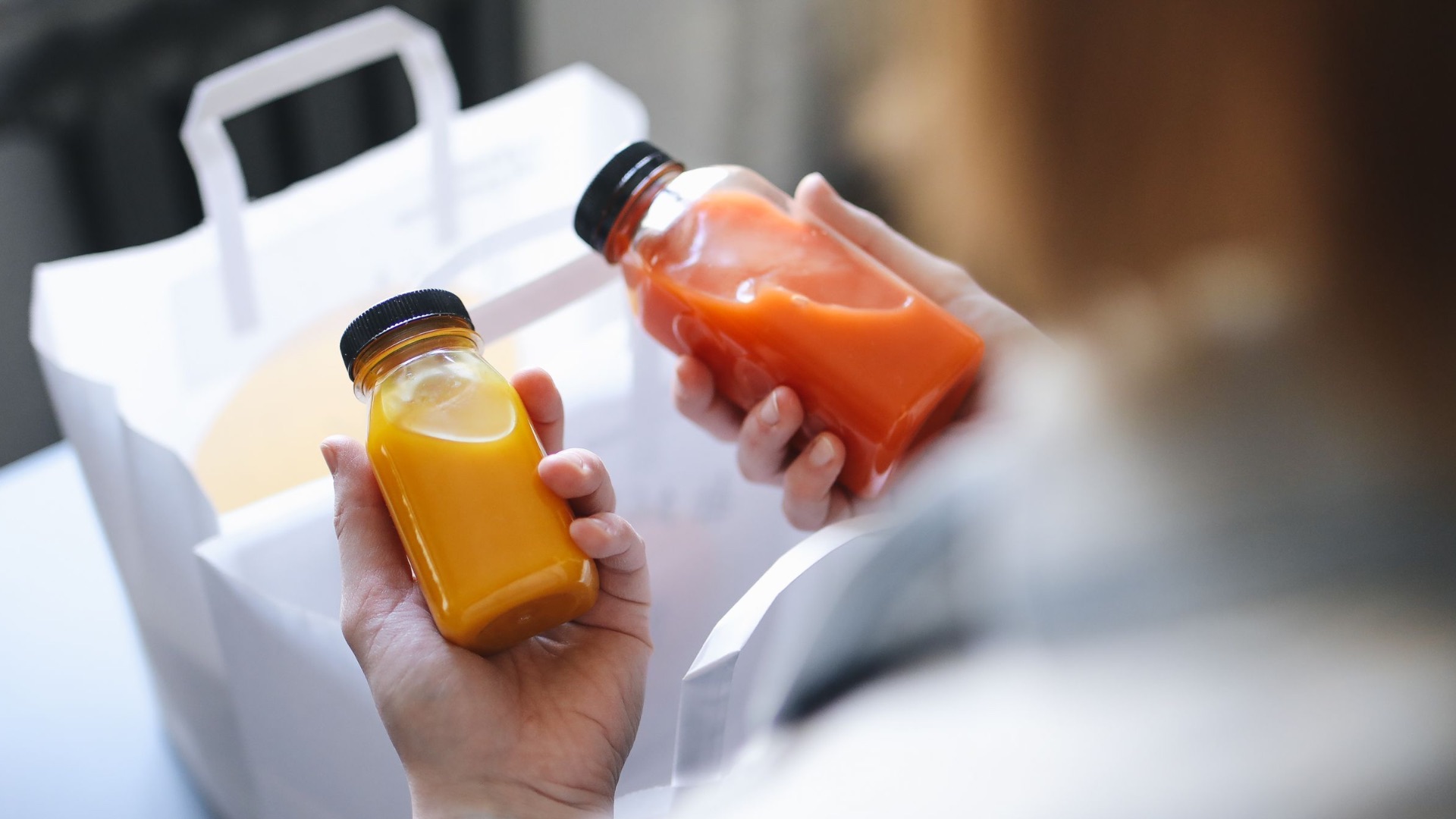
7. Bottled Smoothies
While a fruit smoothie sounds significantly healthier than soda, you should still take a closer look at the label. Some varieties contain substantial amounts of sugar! Instead of buying them at the store, making it at home gives you a lot more control over what goes in.
8. Single-Serve Snack Packs
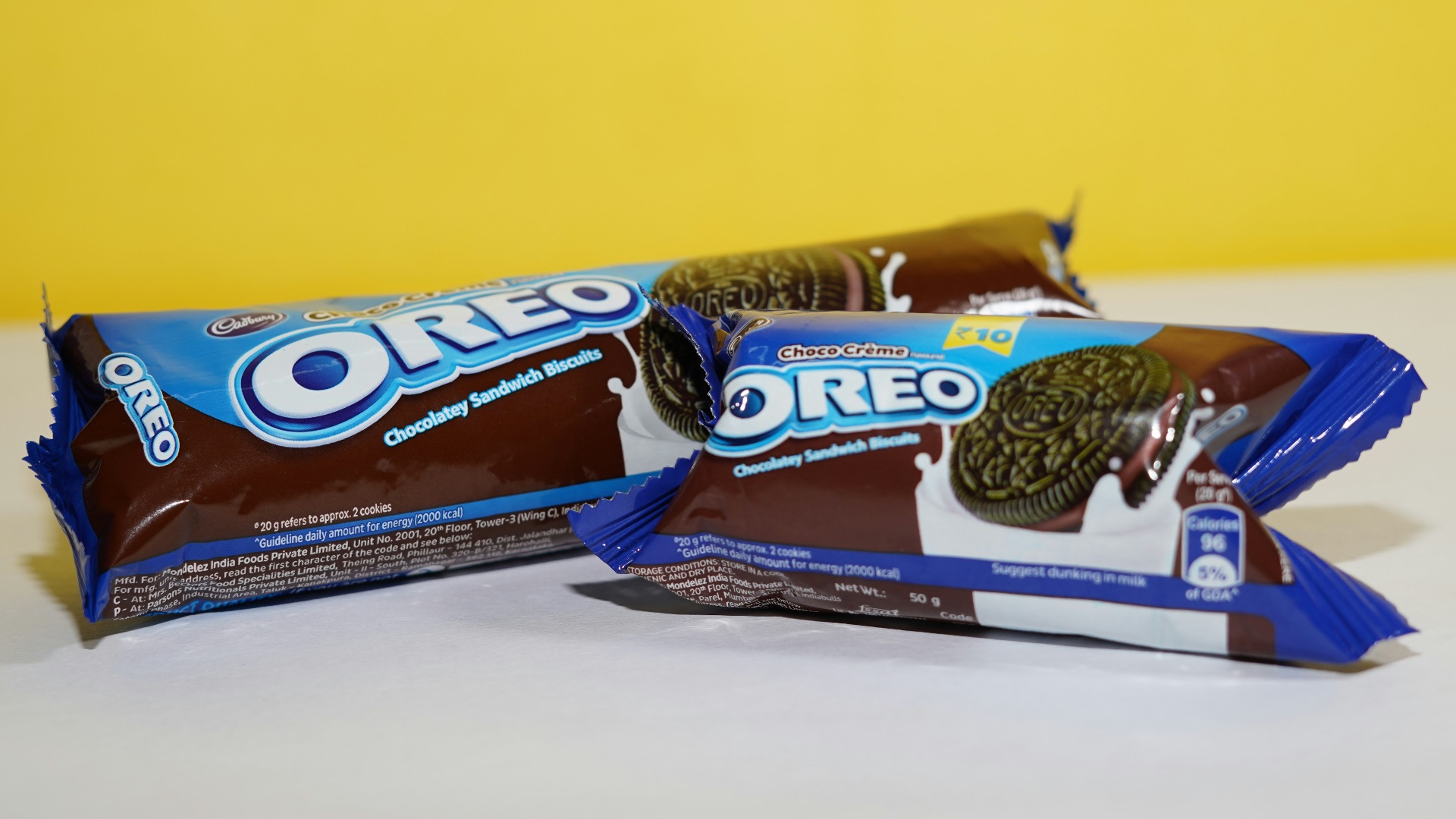
Those convenient little bags of crackers, cookies, and pretzels make great recess snacks for your kids, but you're paying for all those individual wrappers (not to mention all that plastic wrapping is bad for the planet). You'd be spending far less if you bought a larger package and portioned it yourself!
9. Sugary Breakfast Cereal
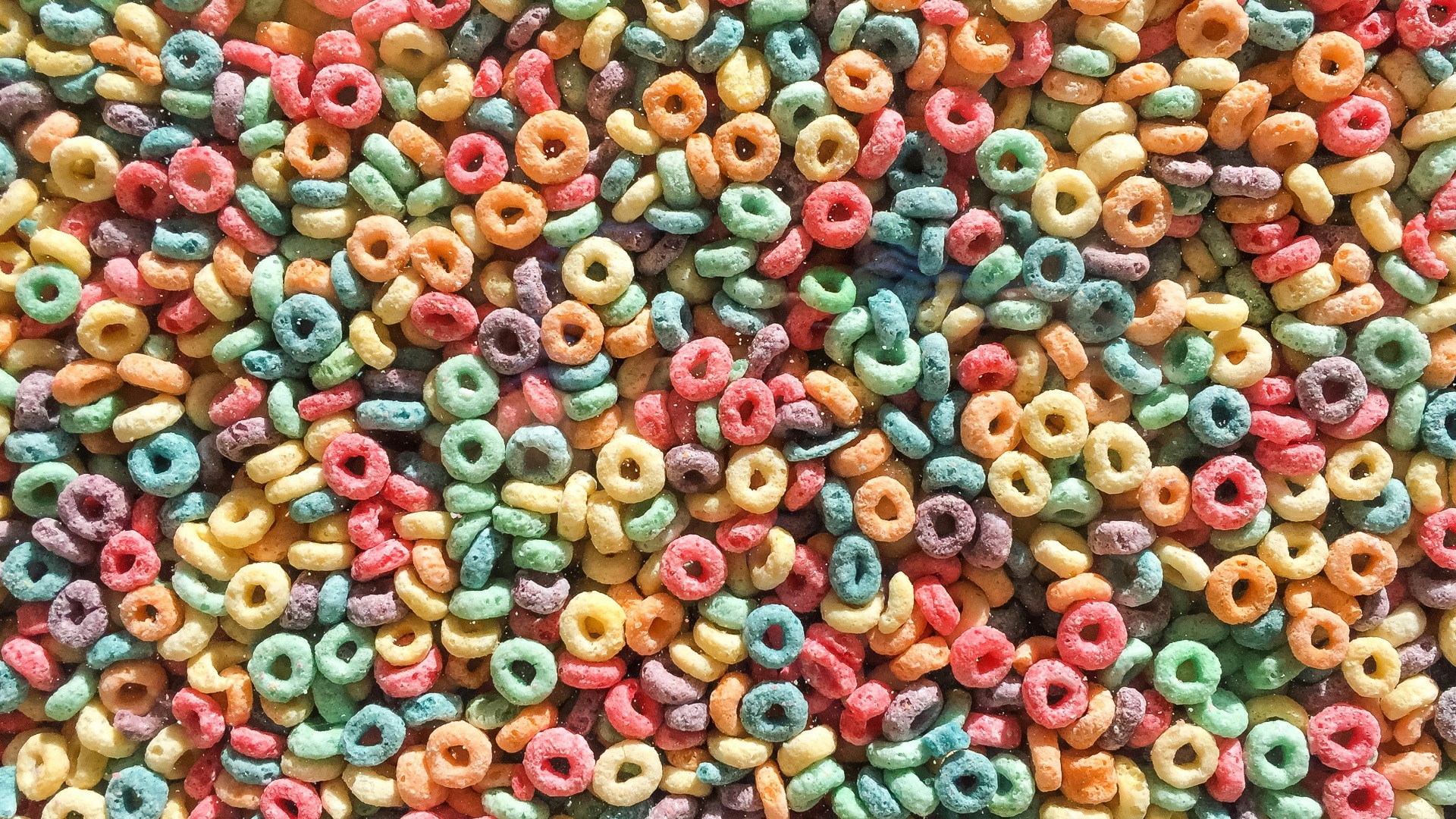
You don't need us to tell you why you shouldn't buy sugary cereal. But it's not just sugar you should be wary of; highly processed foods often contain a lot of sodium and saturated fat as well, which is why you should always look at the nutrition label beforehand.
10. Large Packs of Fresh Herbs
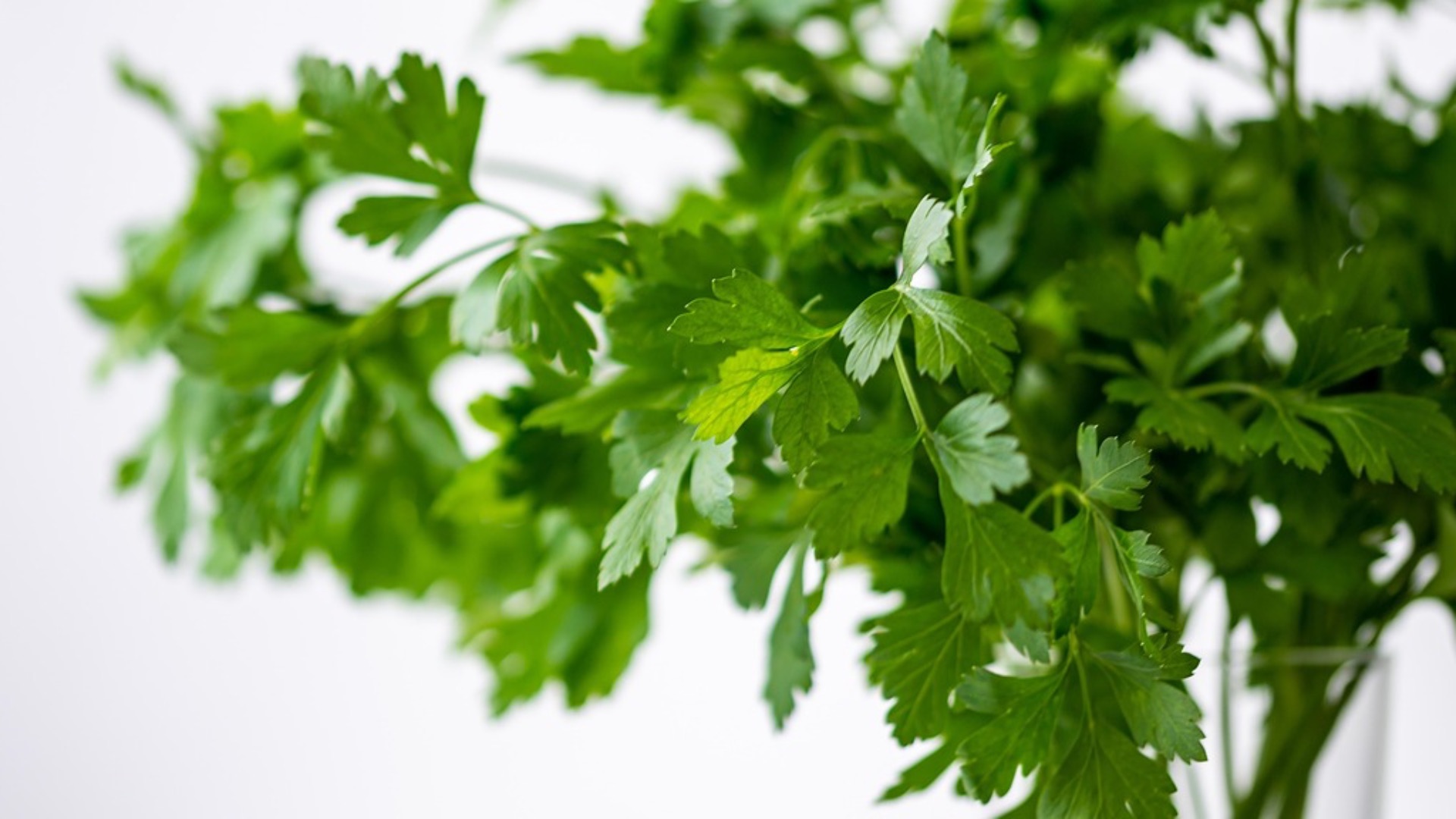
Your recipe might only call for a sprinkle of cilantro, but too bad—the store sells you an entire bunch. Worse yet, delicate herbs don't always last very long. If you're regularly throwing away wilted leftovers, always opt for the smallest quantity available or choose longer-lasting alternatives.
11. Frozen Dinners
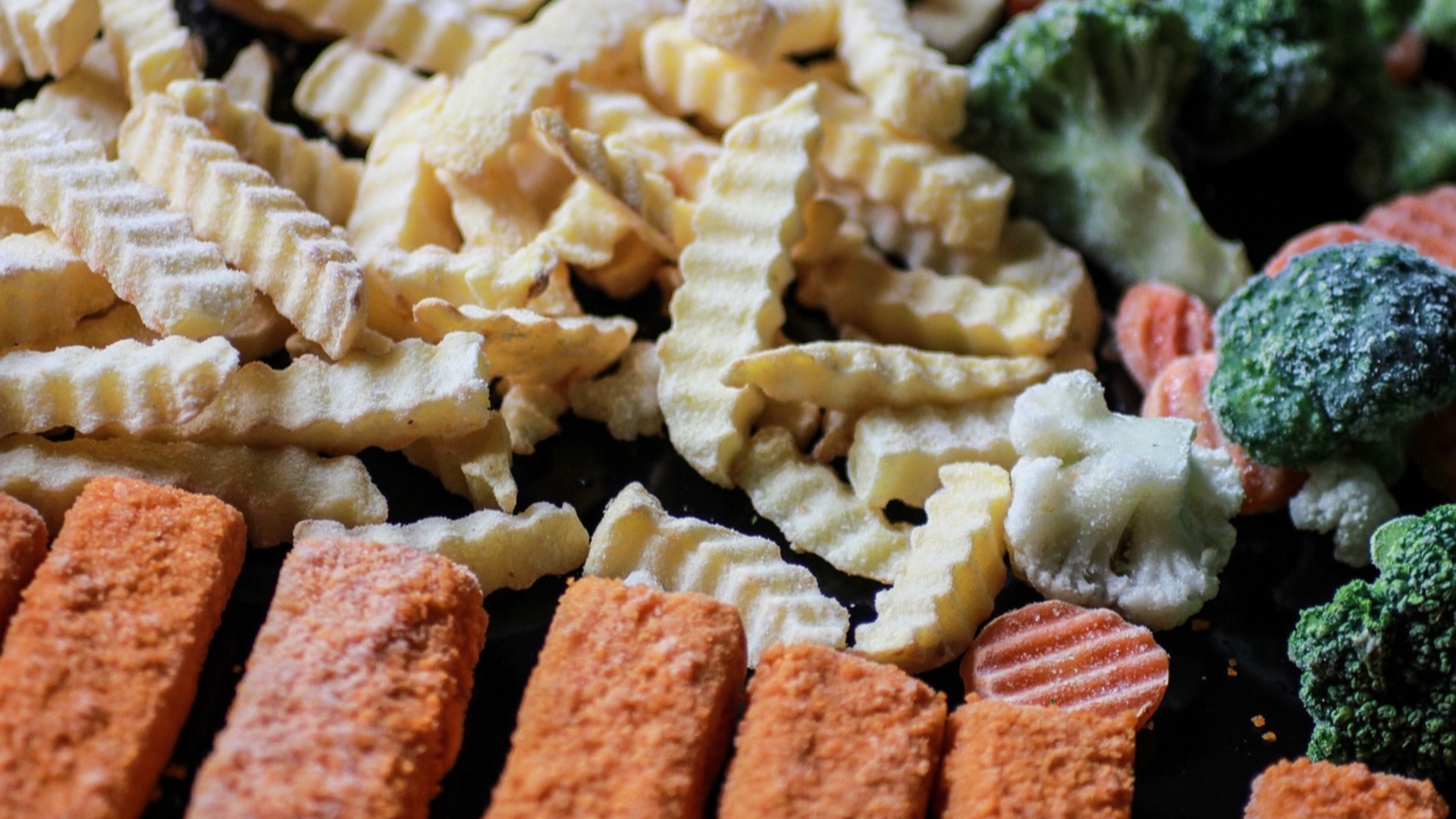
The freezer aisle can solve a whole lot of dinner problems, especially when you're exhausted, but you shouldn't rely heavily on them. Many highly processed frozen meals are high in salt or saturated fat. Keeping a couple around for emergencies is fine, but don't fill your freezer with them.
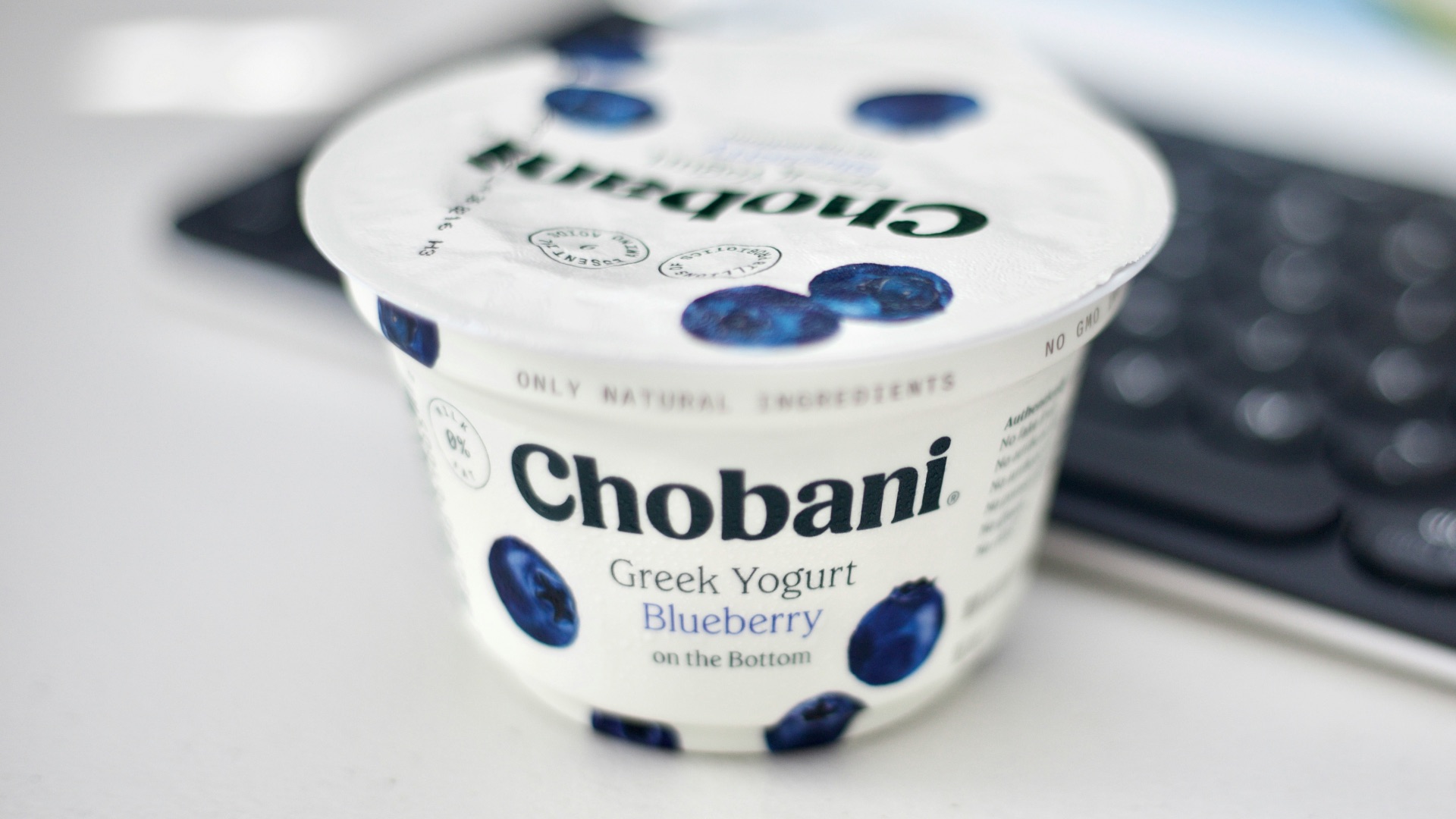
12. Flavored Yogurt
"Isn't yogurt healthy?" you might ask. Sure it is. Yet, while yogurt can certainly be a nutritious grocery staple, you should stay away from sweetened varieties. Plain yogurt with your own fruit (or a drizzle of honey) gives you far more control, and you won't end up with a sugar bomb.
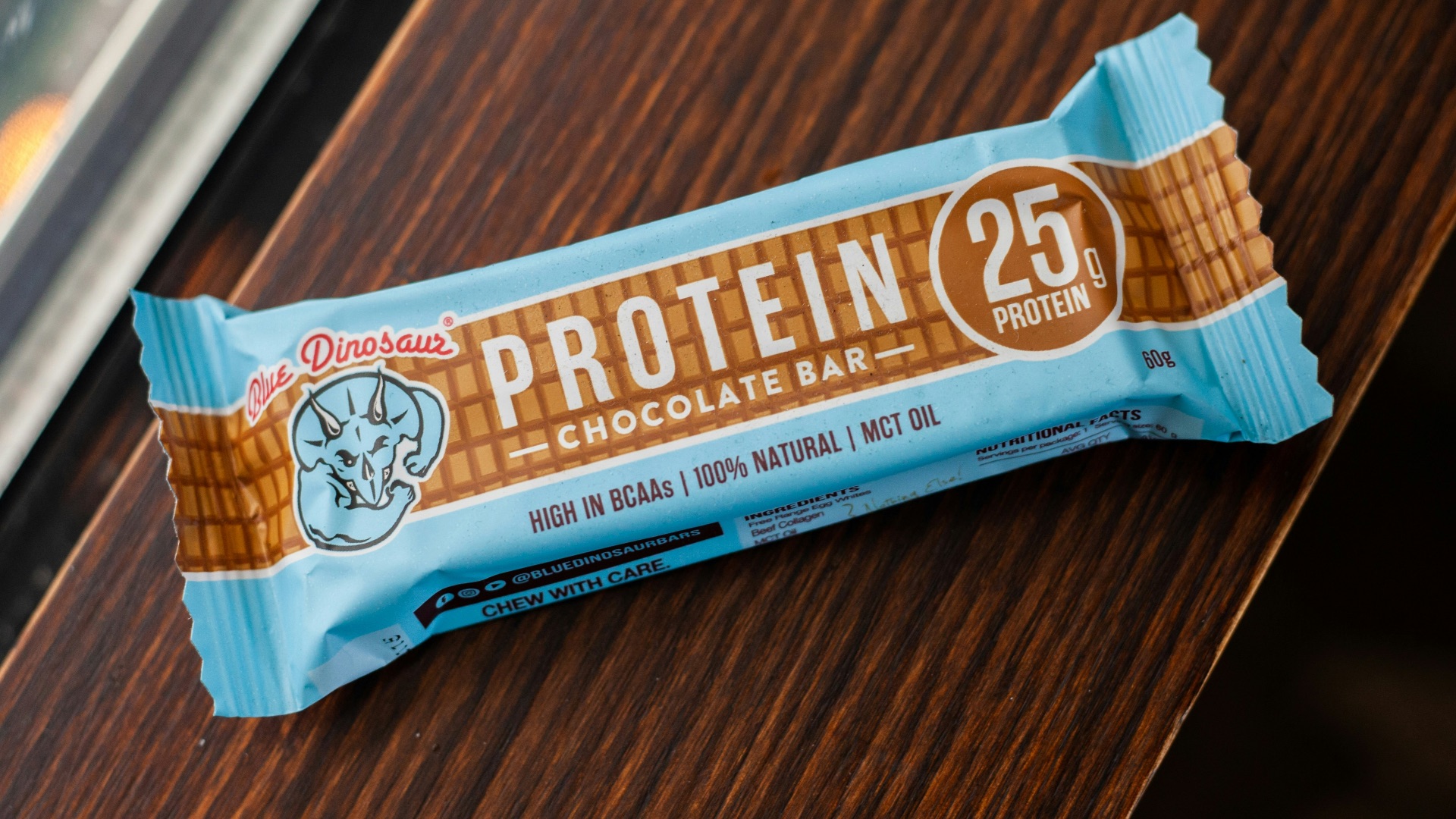
13. Fancy Protein Bars
Protein bars make healthy snacks before a gym session, but some resemble candy bars while also commanding a high price. If you're eating them simply because they're convenient, just know that foods such as nuts, yogurt, eggs, or fruit do the job far better at half the cost.
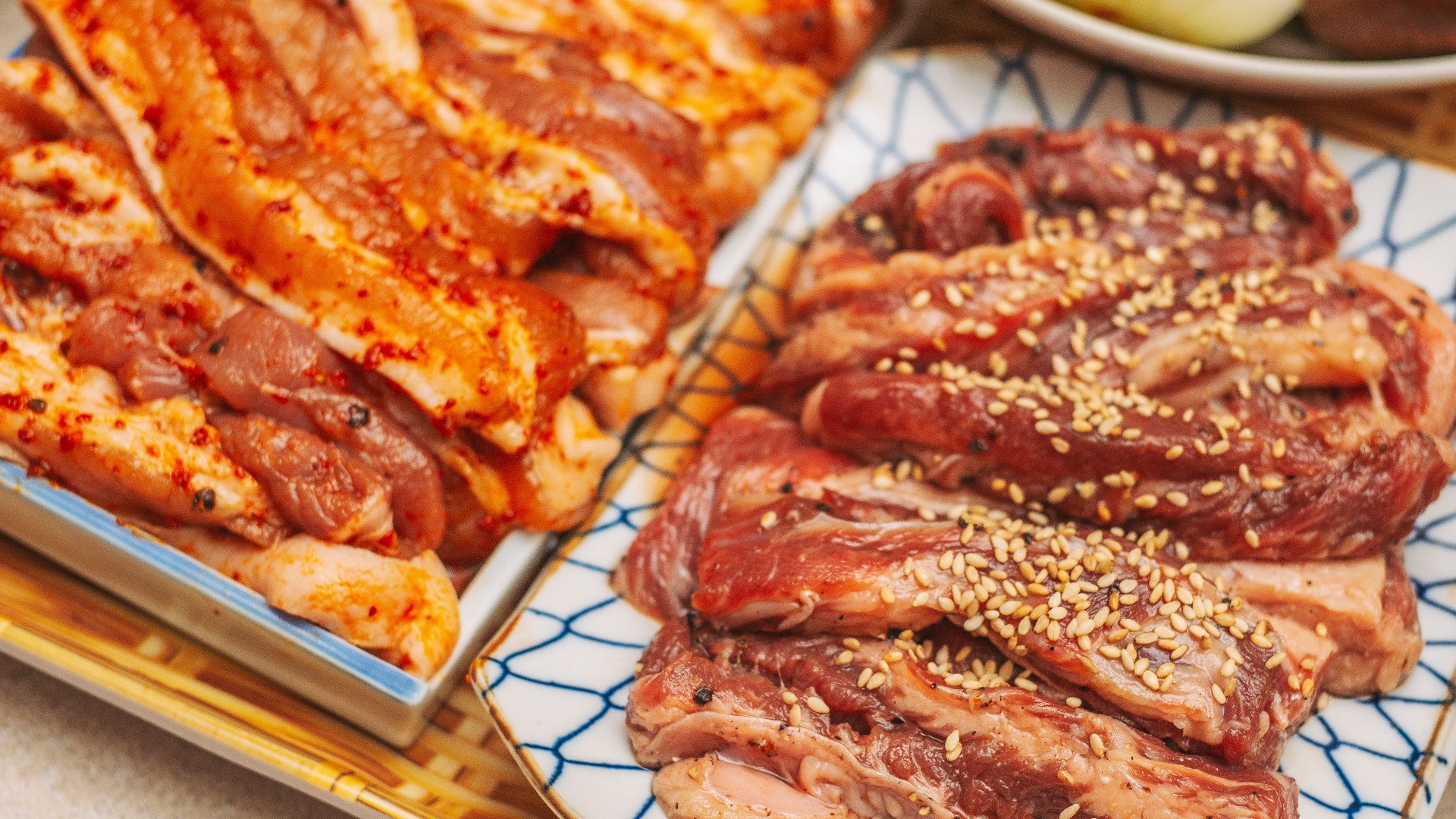
14. Pre-Marinated Meat
Too lazy to marinate meat yourself at home? Just know that as effortless as ready-made marinade can seem, convenience isn't free. You're often paying extra for seasoning and preparation while losing control over what ingredients are going into the finished dish. Tedious as it is, it's better to buy meat and marinate it yourself.
 White.Rainforest ™︎ ∙ 易雨白林. on Unsplash
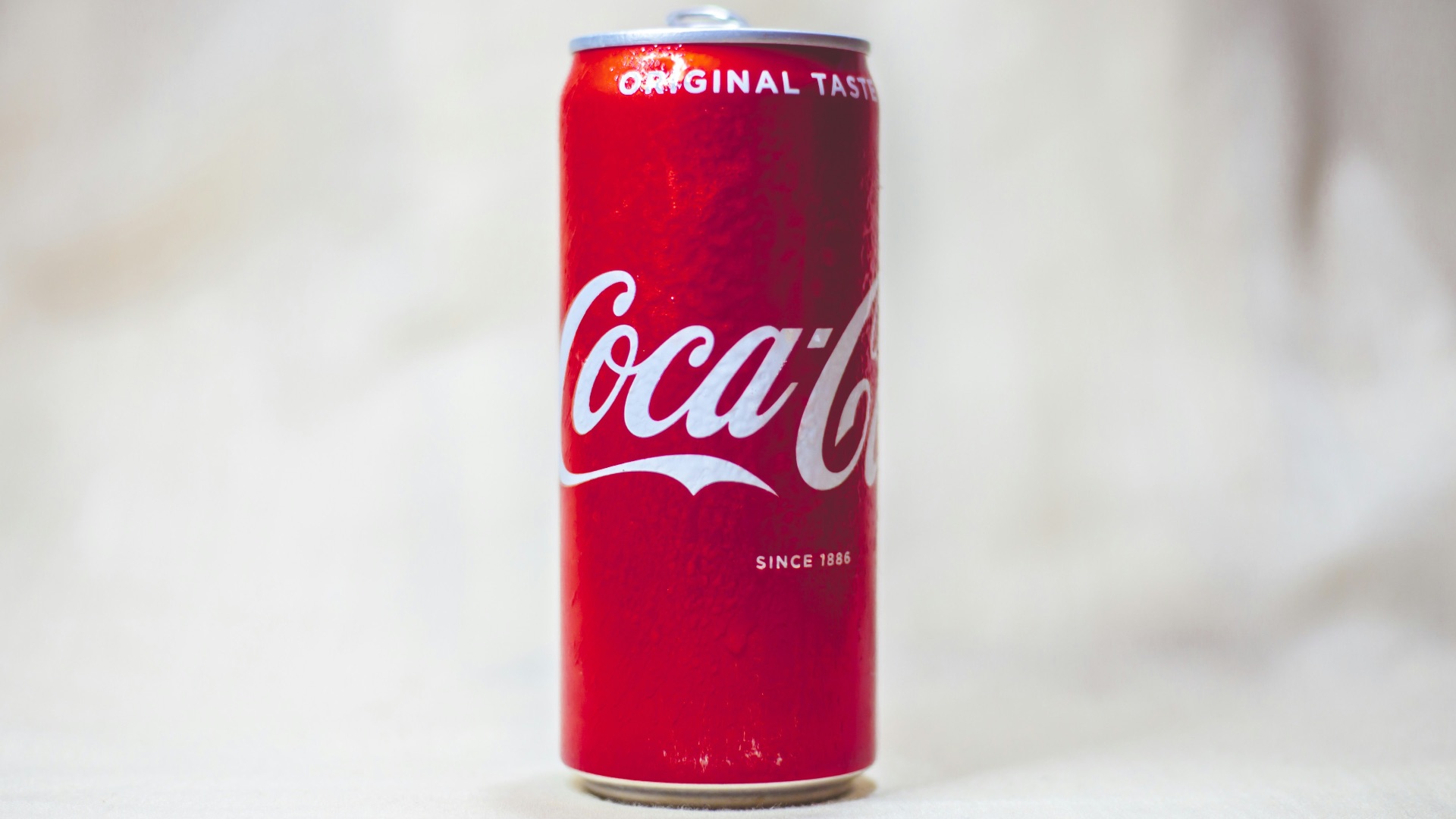
15. Soda
Adding that case of soda on sale to your cart seems like a no-brainer, but that also means you'll be drinking straight sugar for a couple weeks. Just like sugary cereal, you don't need us to remind you to limit your intake of sweetened beverages. Save your money and buy something more nutritious, like plant-based milk!
16. Bakery Muffins
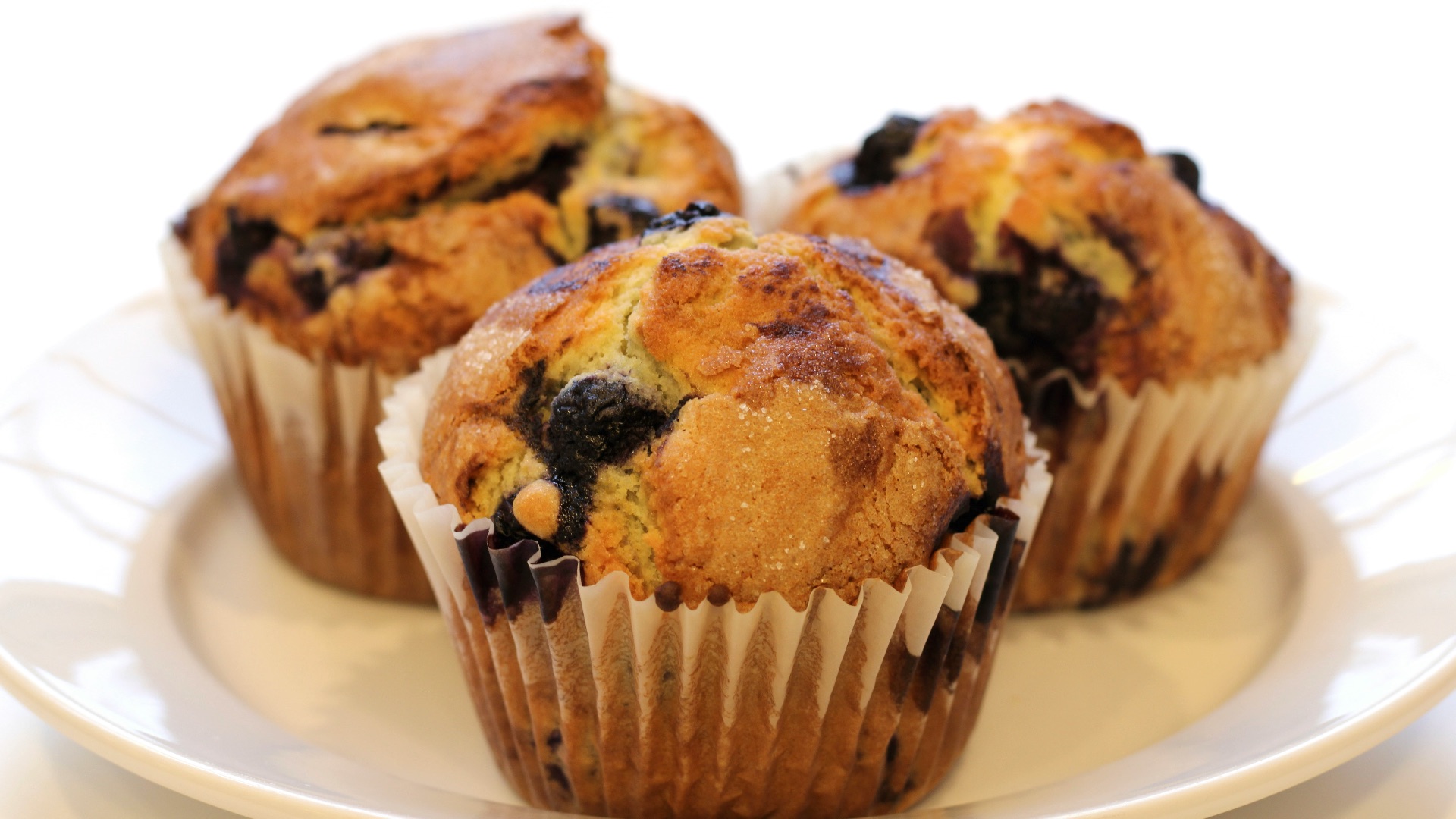
Those fluffy grocery-store muffins are sure tempting, but their recipes frequently rely heavily on refined flour, sugar, and fat. Commercial baked goods are among the highly processed foods you should avoid. They're perfectly reasonable as a treat, but buying a full multipack won't do much for your health.
17. Family-Size Bags of Chips
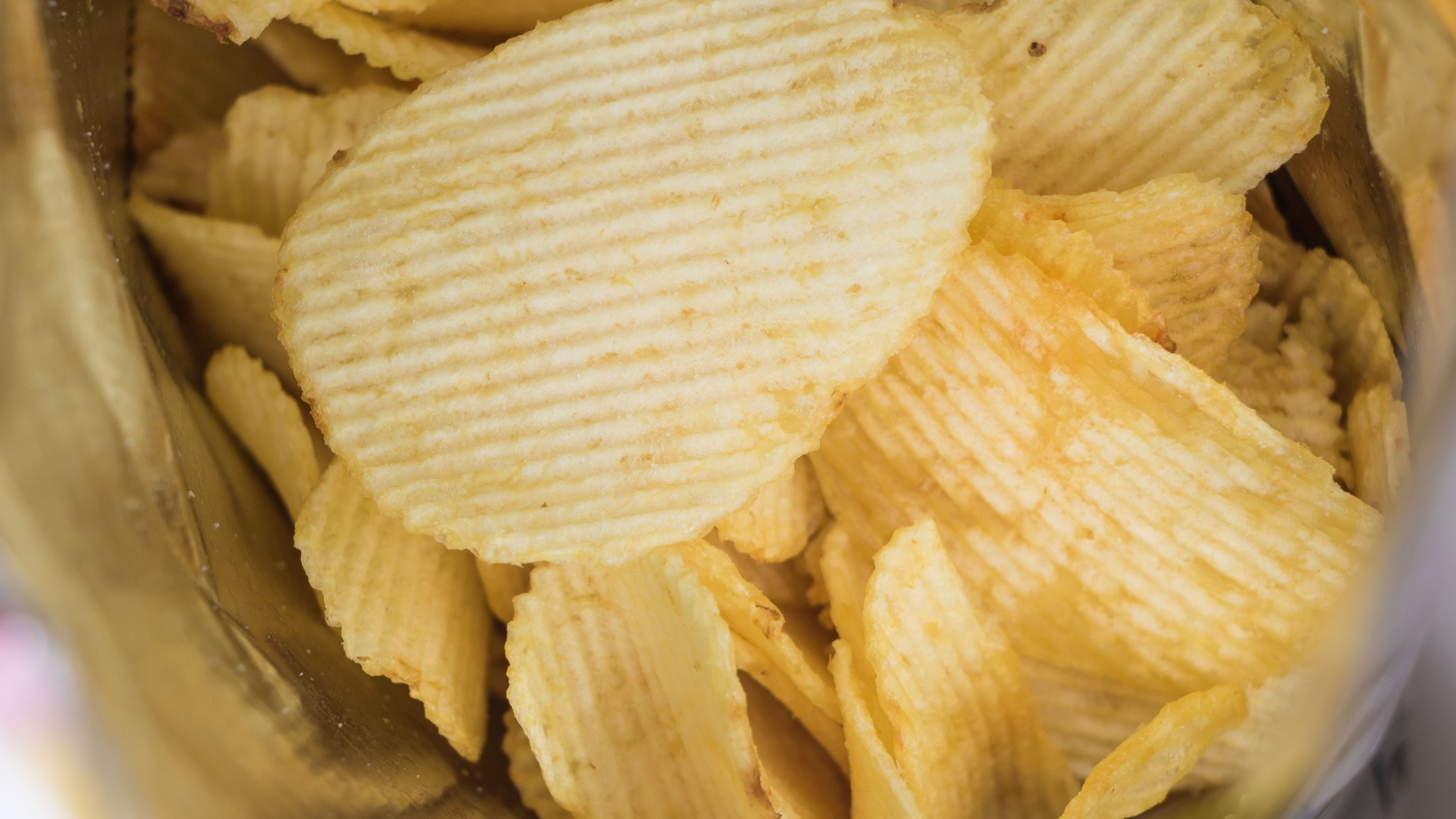
You know why you should avoid buying chips. Open a bag, say you'll have a few, and poof—the whole thing is gone. But their addictive taste is a combination of salt, sugar (yup, it's here, too), and fat. If you're really craving them, go for a small bag. Just avoid the huge family-sized ones.
18. Instant Ramen
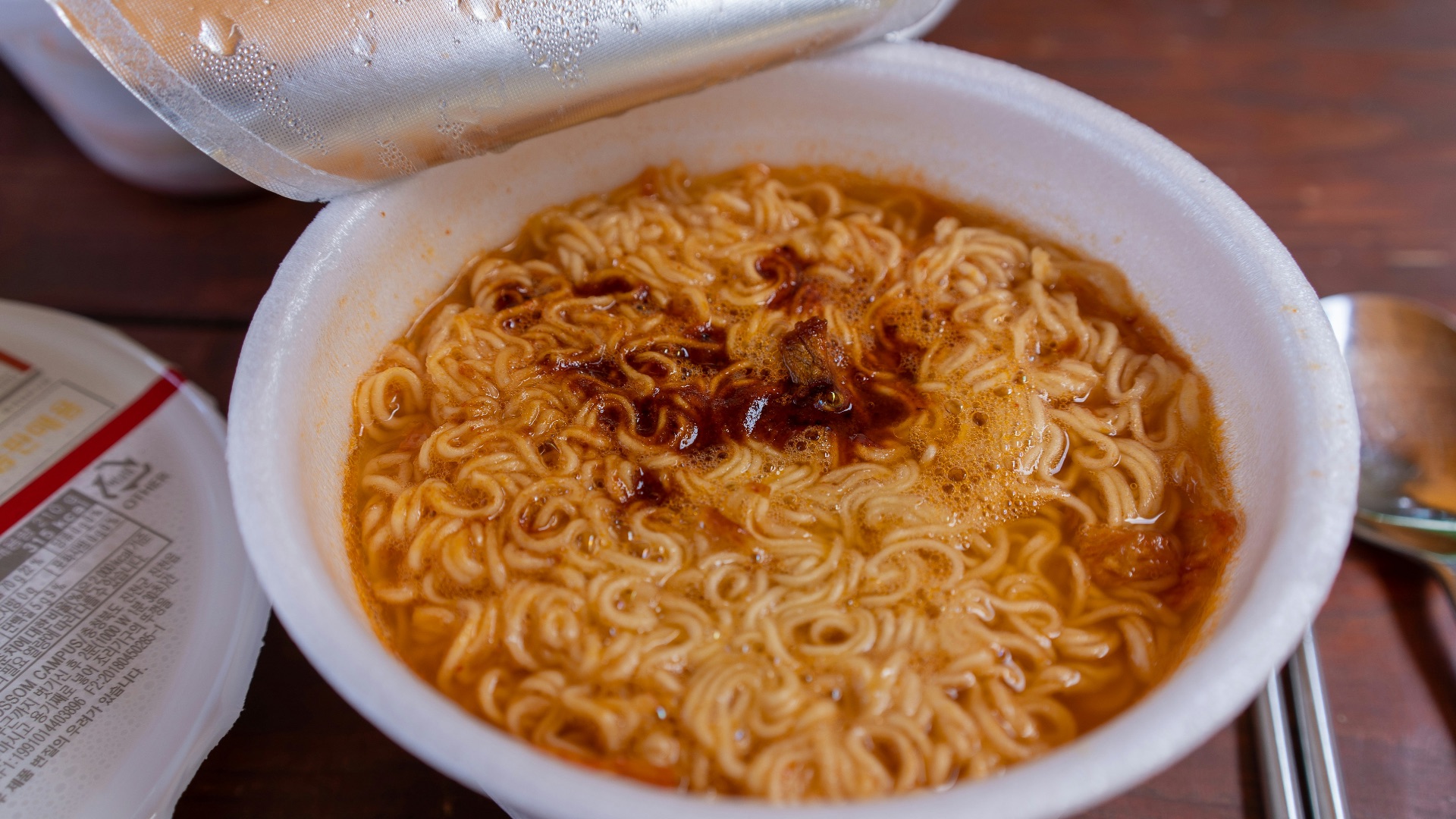
Instant ramen is a college staple, but it’s not something you necessarily want to rely on several times a week. Many varieties are high in sodium and relatively low in fiber, protein, and other nutrients unless you add more healthy ingredients yourself. Not to mention that noodles can be pretty costly these days as well!
19. Mold-Prone Soft Cheeses
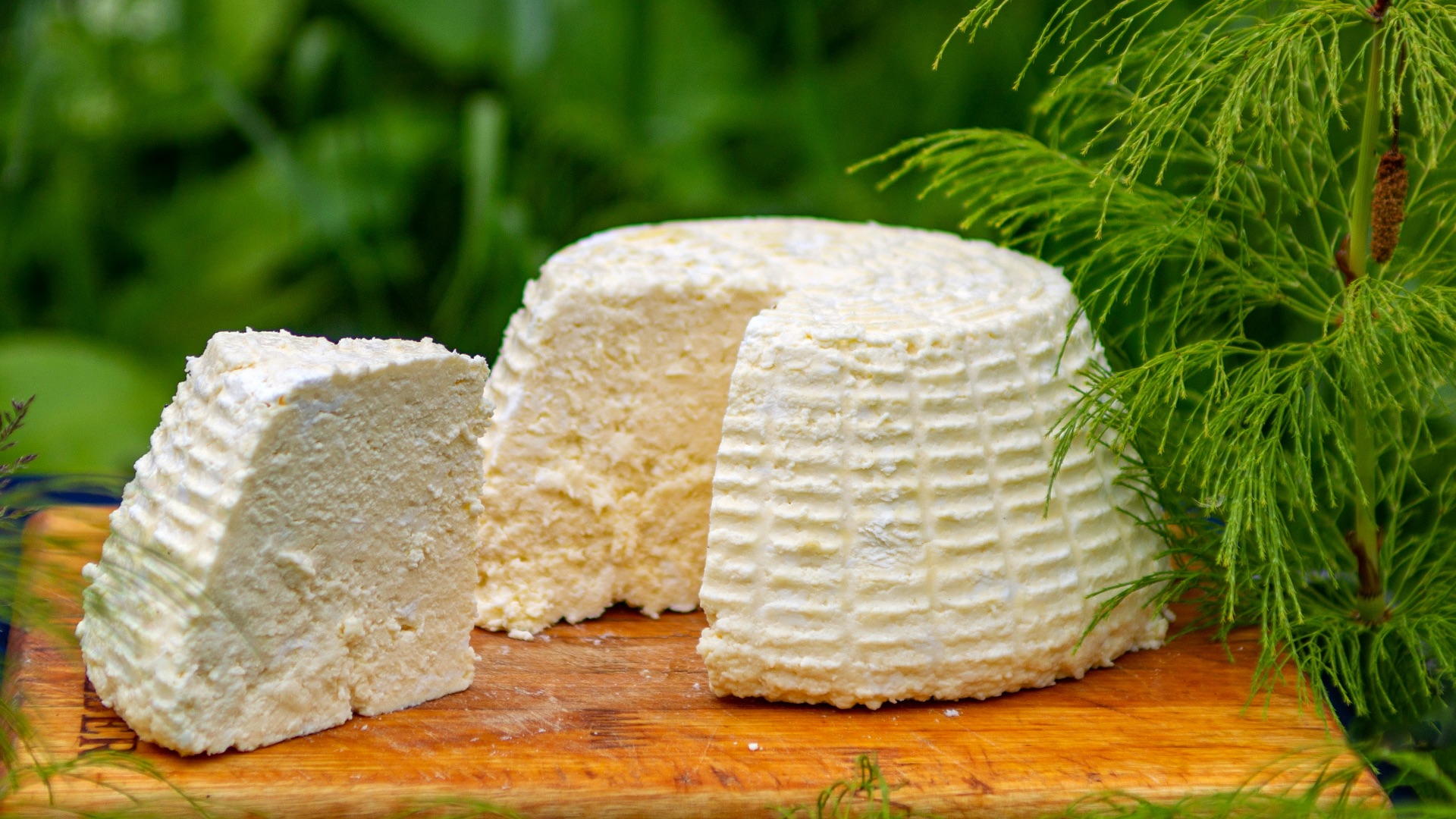
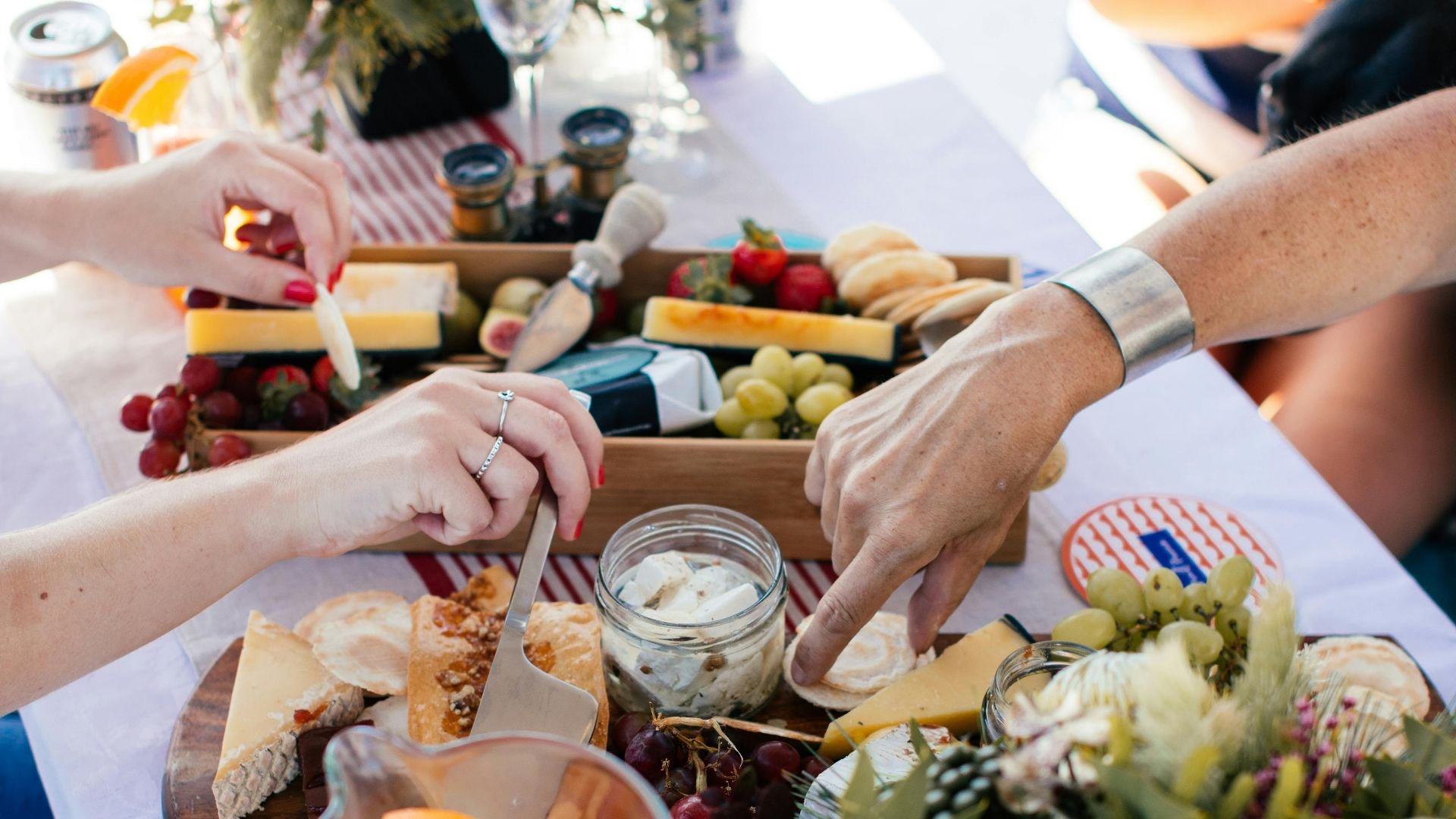
Unless you're a certified cheese lover or need to impress a date with a charcuterie board, avoid stocking up on cheeses. The variety you buy matters, too: unlike many hard cheeses, soft kinds spoil easily and will need to be tossed out, and that's food waste and money you won't get back.
 Aleksey Melkomukov on Unsplash
20. Bottled Water
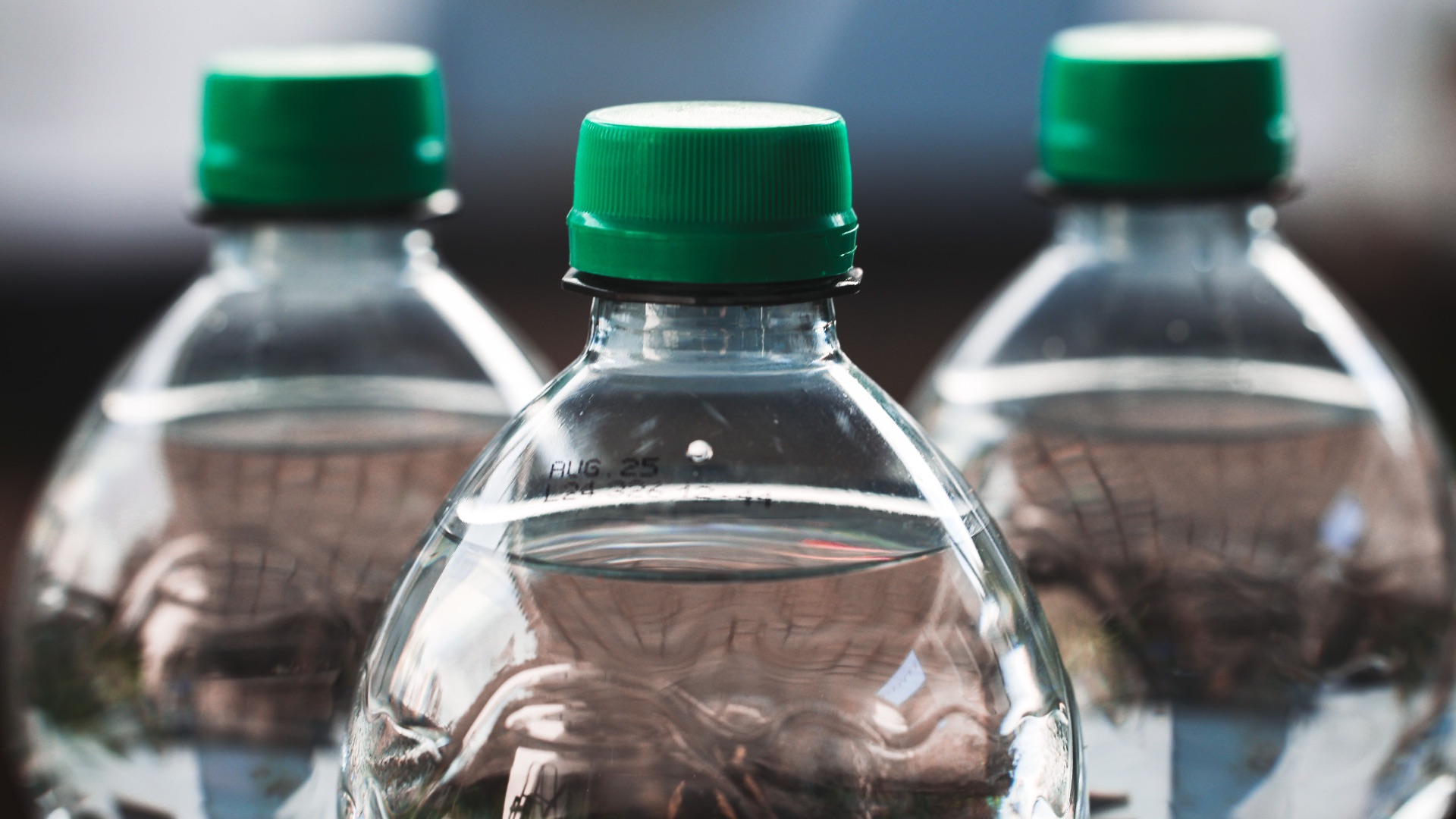
Be nice to your wallet and the planet. Instead of buying bottled water, buy a reusable thermos and fill it up yourself at home. Unless your local tap water is unsafe to drink (in which case, you should purchase a filter), there's little point in making this a recurring expense.
KEEP ON READING
Happy Hour: The 20 Best Foods For Social Snacking