The Store Wants You To Believe All Of This
Grocery stores run on habits nobody questions. You walk the same aisles every week, grab the same brands, and trust a dozen small assumptions about how the place actually works. Most of those assumptions came from somewhere reasonable, like a rumor from a coworker or a rule that used to be true and never got corrected. Some of it is marketing dressed up as common sense, and some of it is just an old habit that stuck around because it sounds plausible. Here's 20 of the most common ones, and what's actually going on behind them.
1. Milk In The Back Is The Freshest
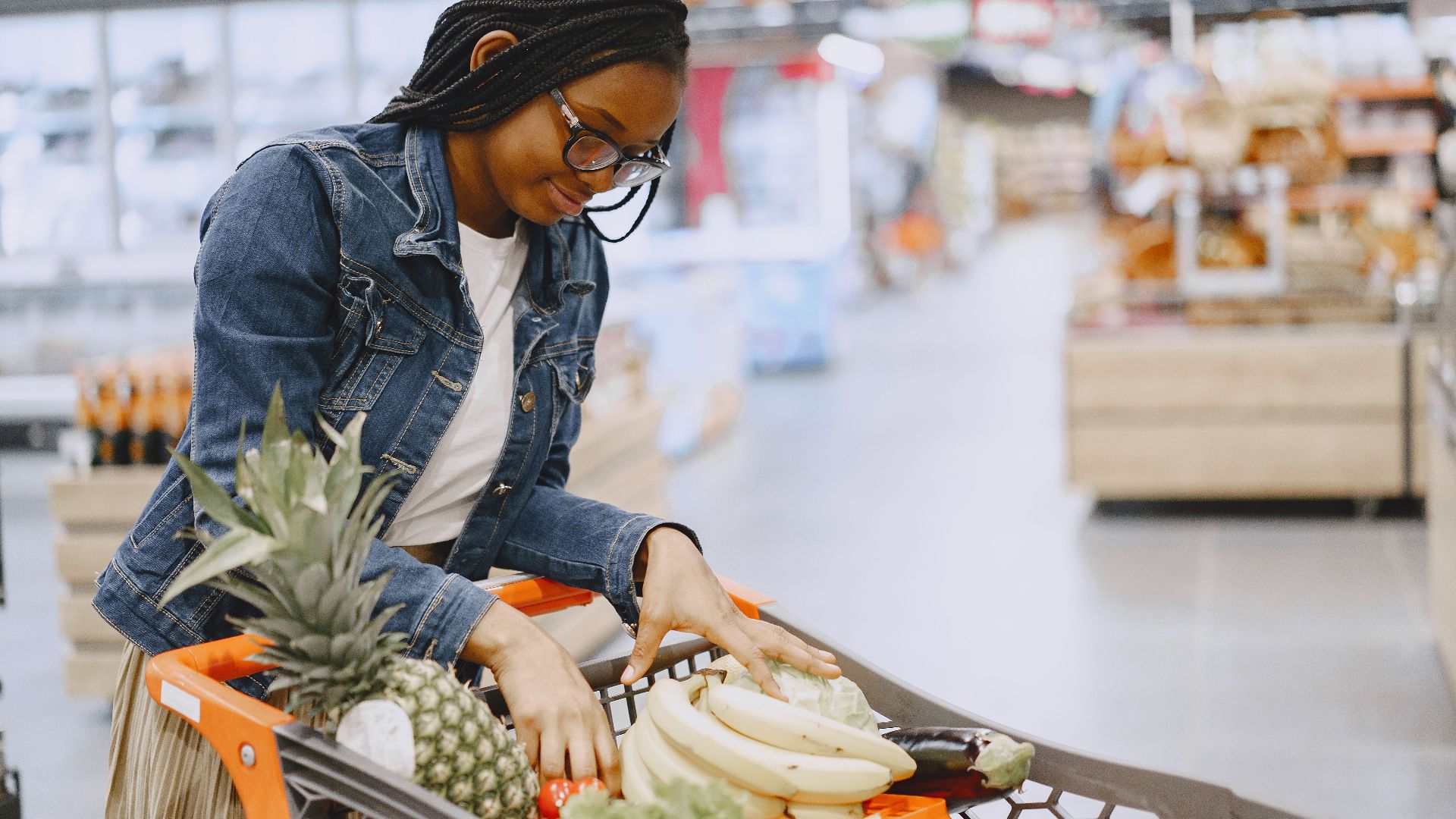
The milk near the back of the case usually is the newest delivery, but that's less a secret and more just basic stock rotation. Employees push older cartons forward so they sell first, which means the "back is freshest" trick only works because everyone already knows to do it. Reaching past the front row doesn't actually buy you much extra time.
2. Sell-By Dates Mean The Food Is Bad After That
A sell-by date tells the store when to pull an item from the shelf, not when it becomes unsafe to eat. Most packaged food is fine for days or even weeks past that date if it's been stored right, and things like pasta, rice, and canned goods can outlast the label by a wide margin. The date is a note to the retailer, not a countdown for your kitchen.
3. Organic Means No Pesticides
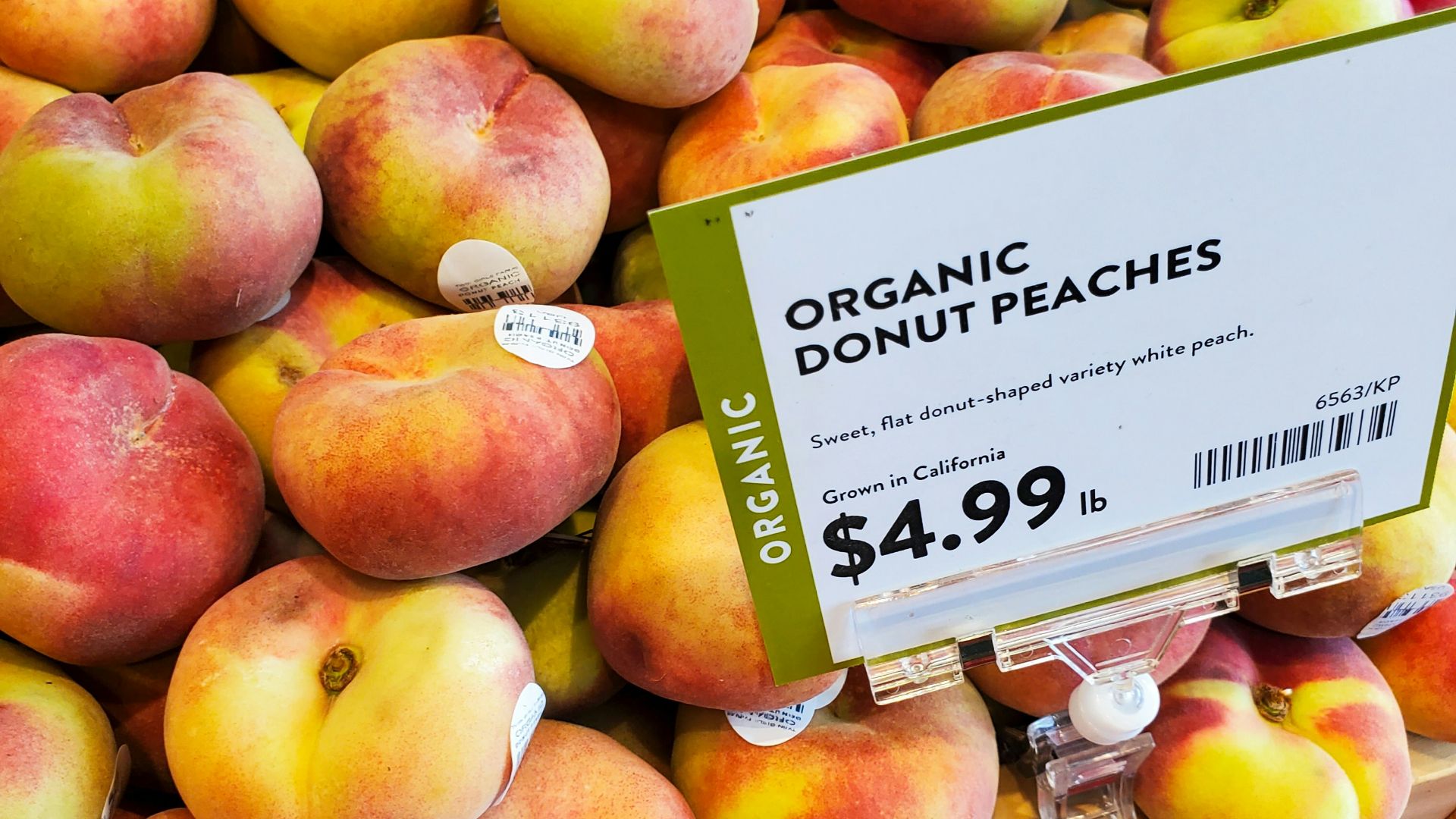
Organic farms are allowed to use pesticides too, just ones that come from natural sources instead of synthetic ones. Copper sulfate and pyrethrin show up on plenty of organic farms, and neither one is automatically gentler than a lab-made alternative. The organic label is about which inputs are allowed, not about avoiding them altogether.
4. Rotisserie Chicken Is Made From Stuff About To Expire
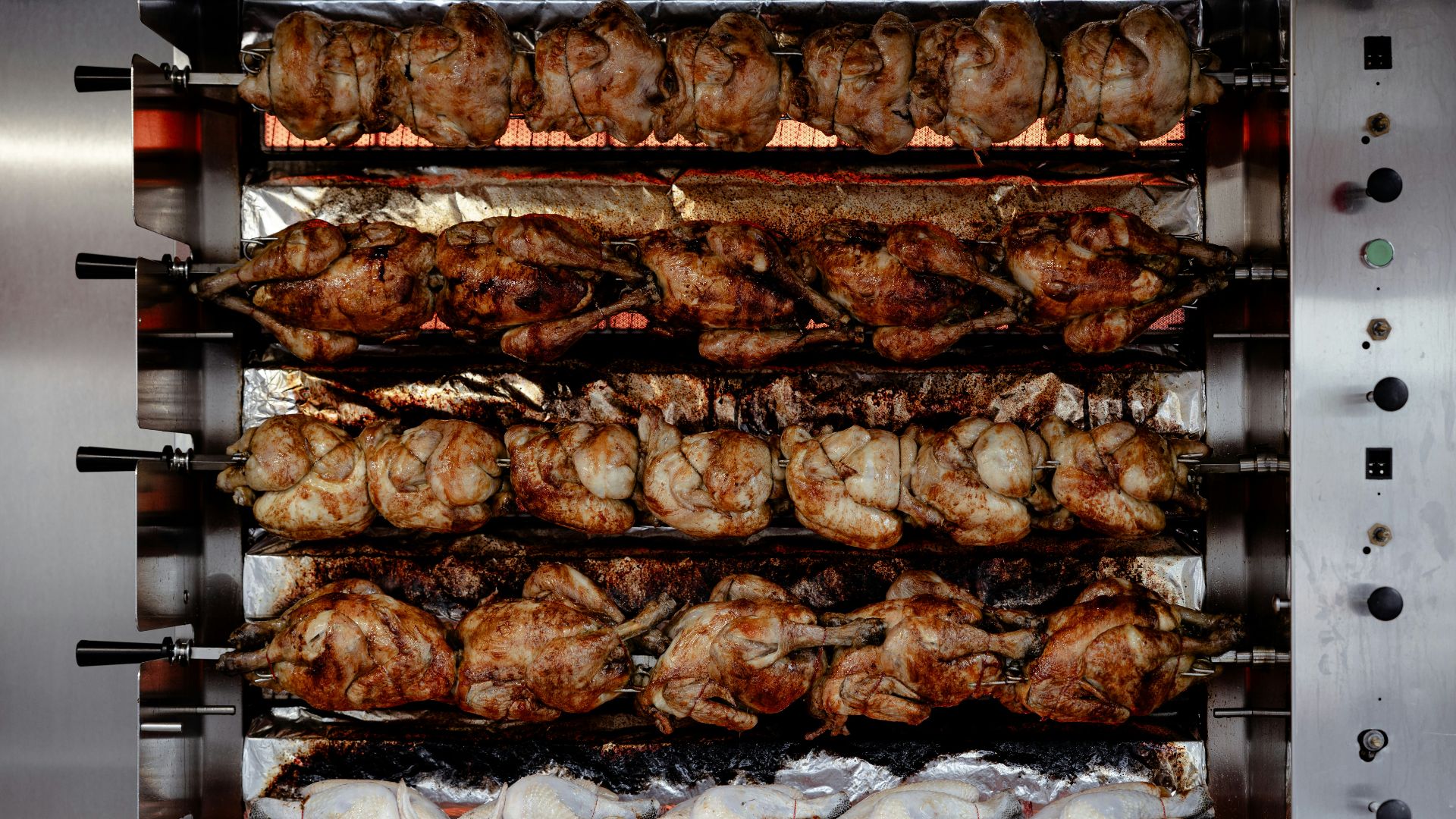
Rotisserie chicken has a reputation for being where stores dump birds that didn't sell fast enough, but most large chains actually order chicken specifically meant for roasting. It's a loss leader, priced low on purpose to pull people into the store, not a way to offload old inventory. The birds usually come from a separate order than the raw chicken sitting a few aisles over.
5. Store Brands Are Lower Quality
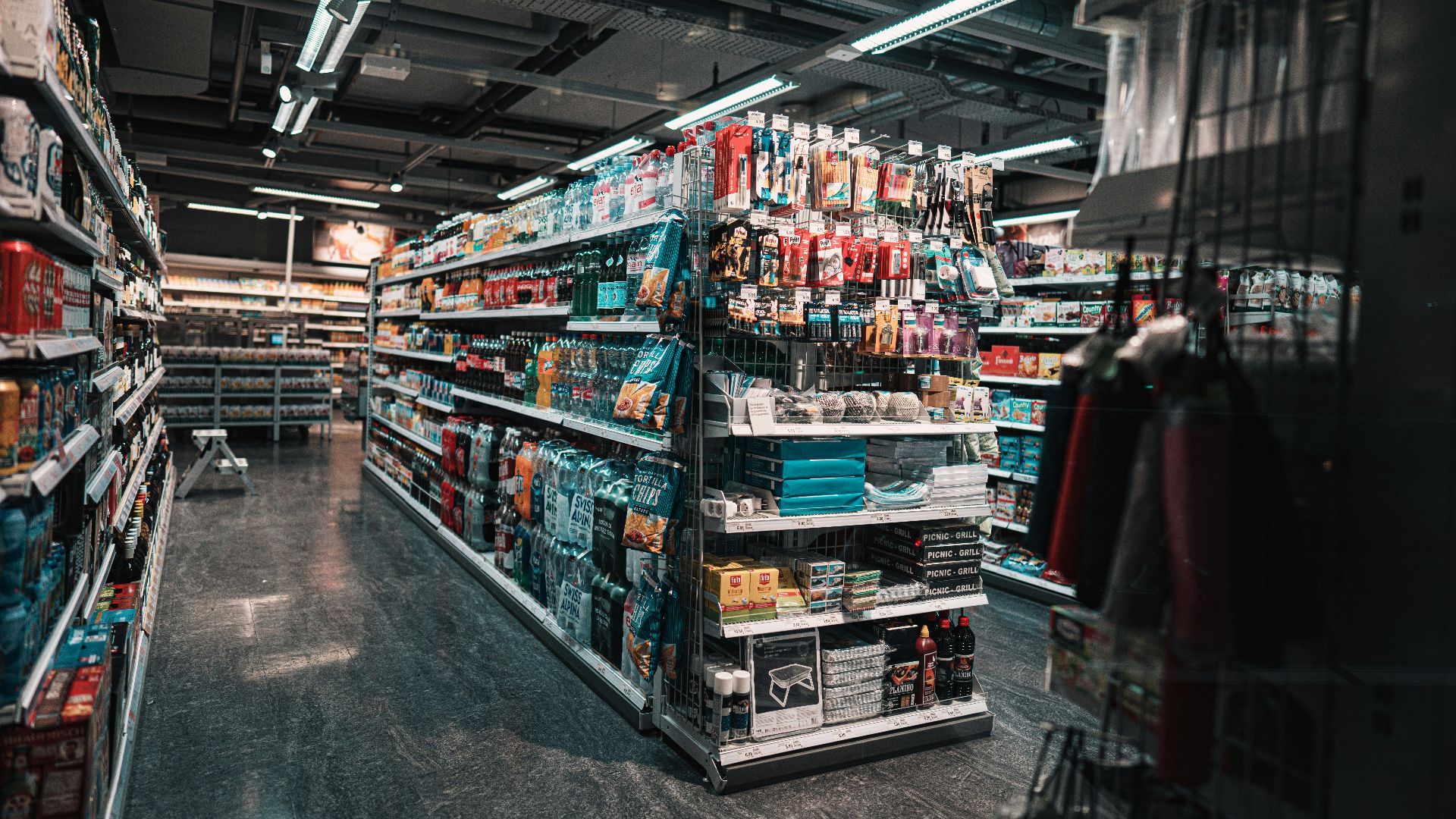
A lot of store-brand products roll off the exact same production line as the name brand sitting next to them. The manufacturer just packages a portion under a different label, sometimes with a slightly different recipe to hit a lower price point. Paying more for the name on the box doesn't guarantee a better product inside it.
6. A Sale Sign Always Means Real Savings
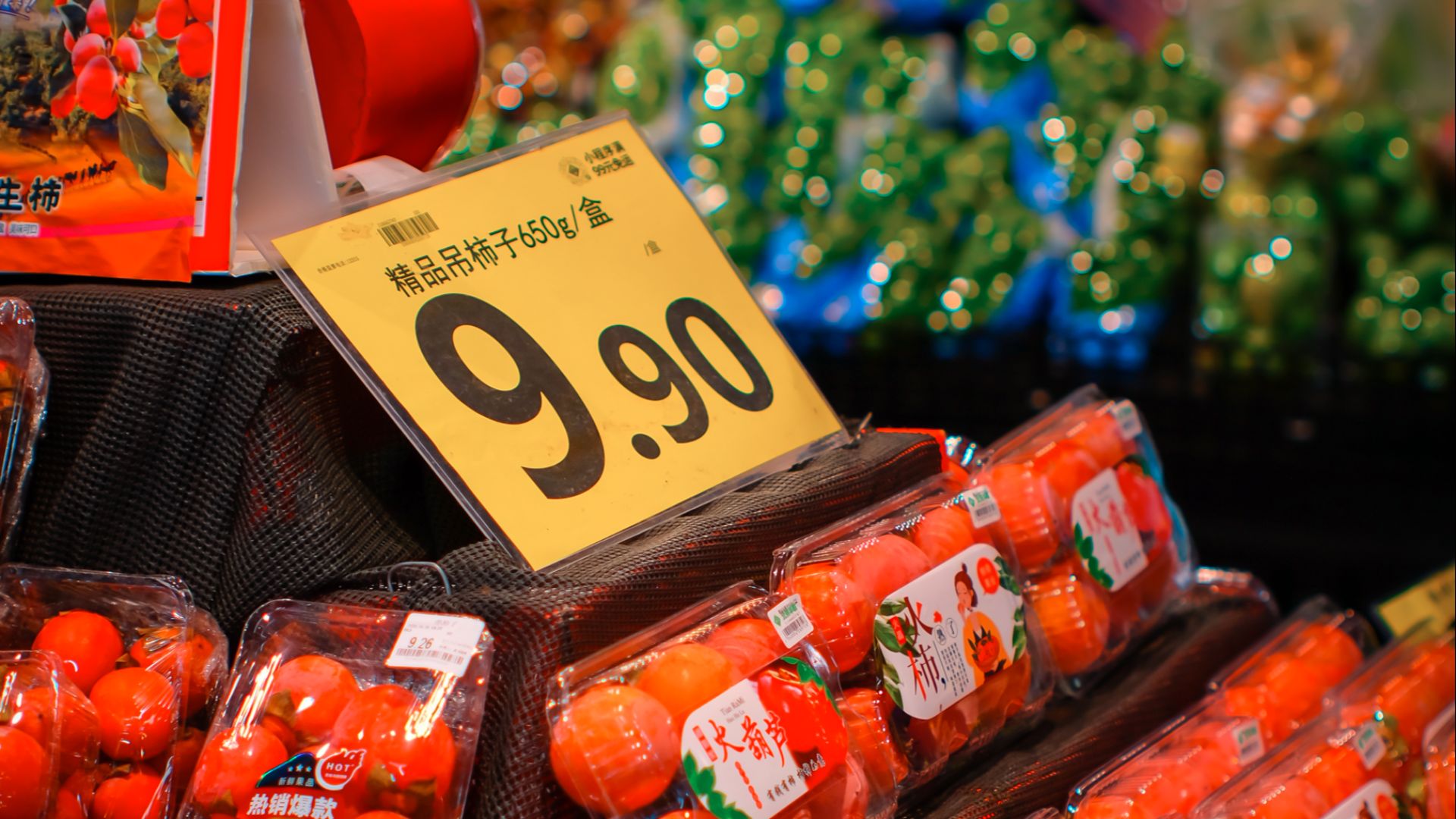
Retailers set a "regular" price high enough that the discount looks bigger than it is, then run that sale so often it basically becomes the normal price. A tag reading forty percent off only means something if the higher number was ever a price people actually paid. Checking an item's price history tells you more than the sign above it ever will.
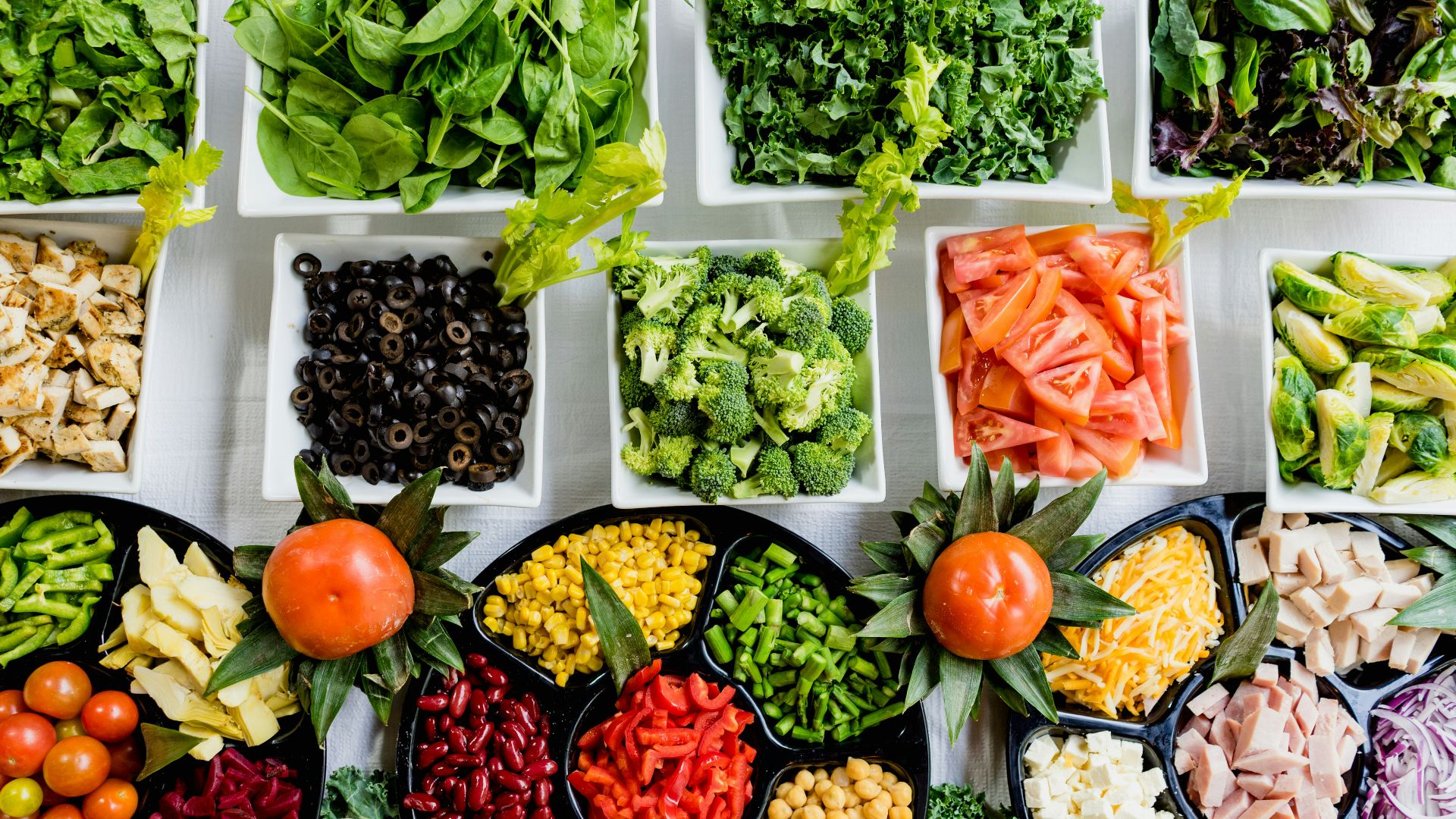
7. The Salad Bar Is Healthier Than Packaged Salad
An open salad bar sits at room temperature for hours under sneeze guards that do less than people assume. Bagged salad, by contrast, gets sealed and chilled right after it's washed and cut, which keeps bacteria growth down in a way an open bar can't match. The salad bar feels fresher because you can see it, but visibility isn't the same as safety.
8. Local Produce Is Automatically Fresher
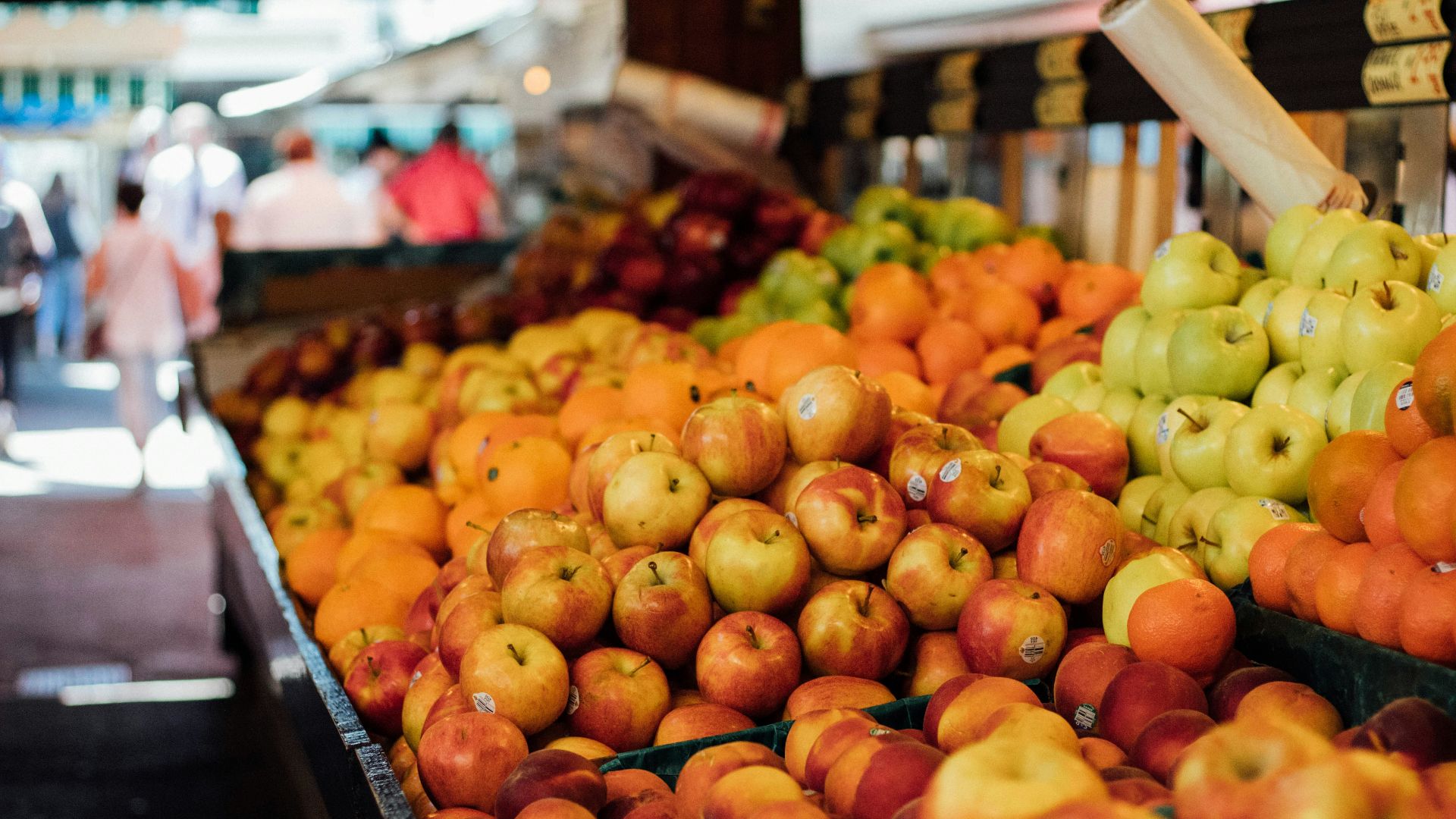
"Local" gets slapped on a sign without much regulation behind it, and plenty of stores use it loosely to mean somewhere in the state rather than down the road. A tomato trucked in from a bigger regional farm can sit in transit just as long as one shipped from farther away. The word carries a feeling of freshness that the label alone doesn't guarantee.
9. Bottled Water Is Cleaner Than Tap
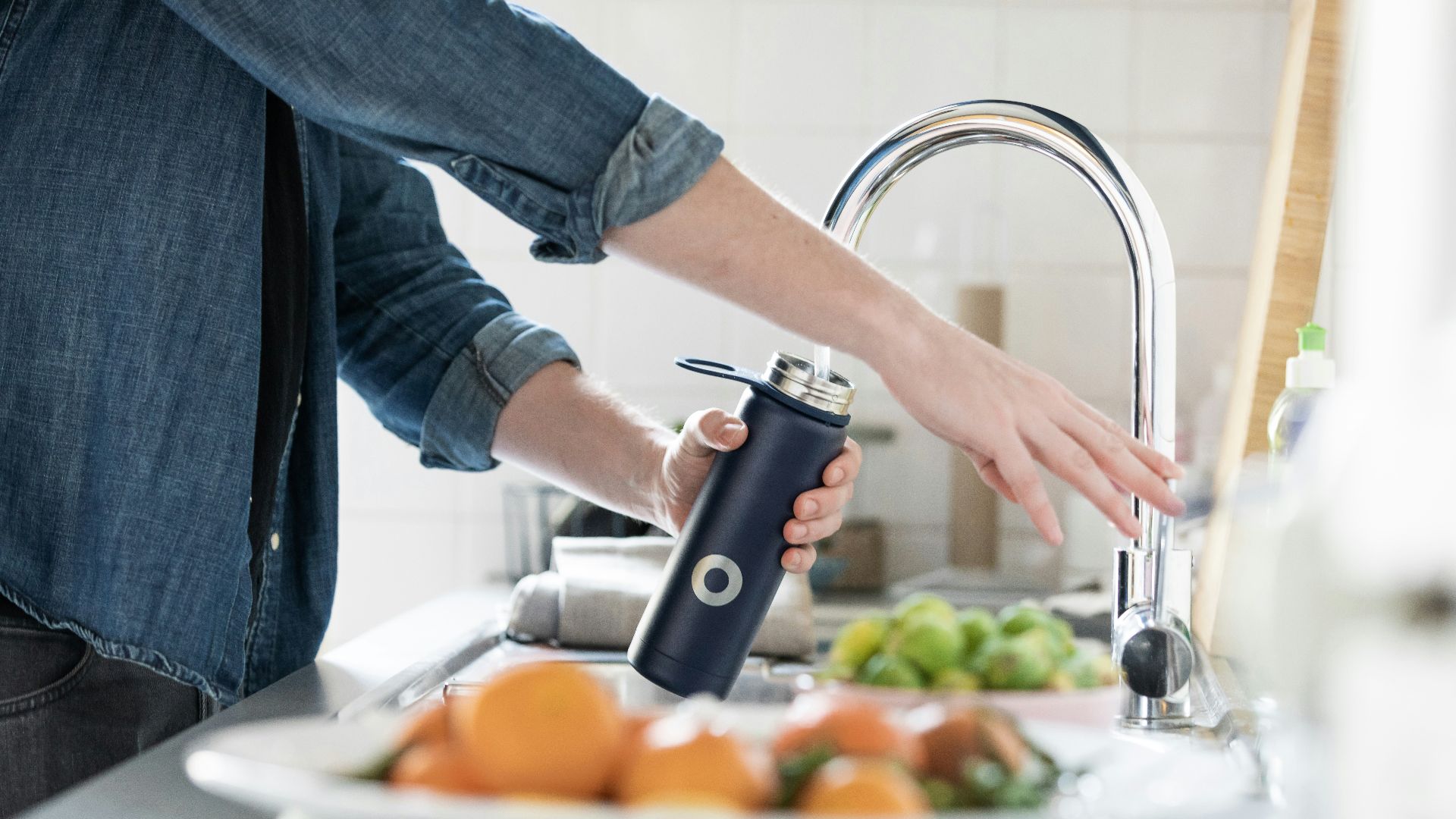
Bottled water goes through less regular testing than most municipal tap water, since the FDA oversees bottled water while the EPA handles tap and holds it to a stricter standard. A meaningful share of bottled water is just filtered tap water anyway, repackaged and marked up. The bottle communicates purity more than the water inside actually earns.
10. Free Samples Are Just For Kids
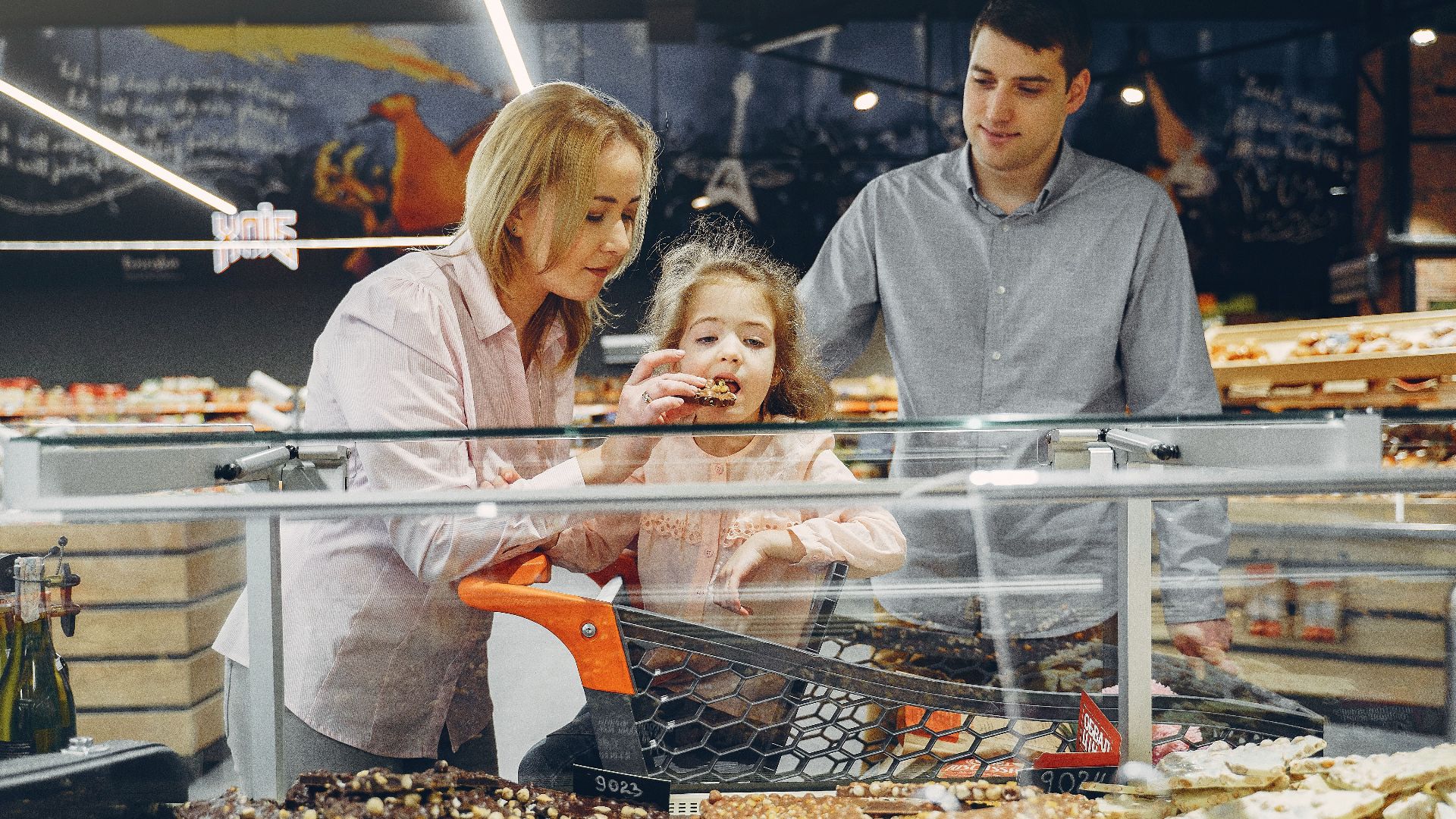
Adults take almost as many samples as kids do, and stores know it. Sample stations exist because tasting something in the store measurably increases the odds someone buys it, not because a company is being generous with snack time. Grabbing a second or third sample isn't rude, it's exactly the behavior the display was built to encourage.
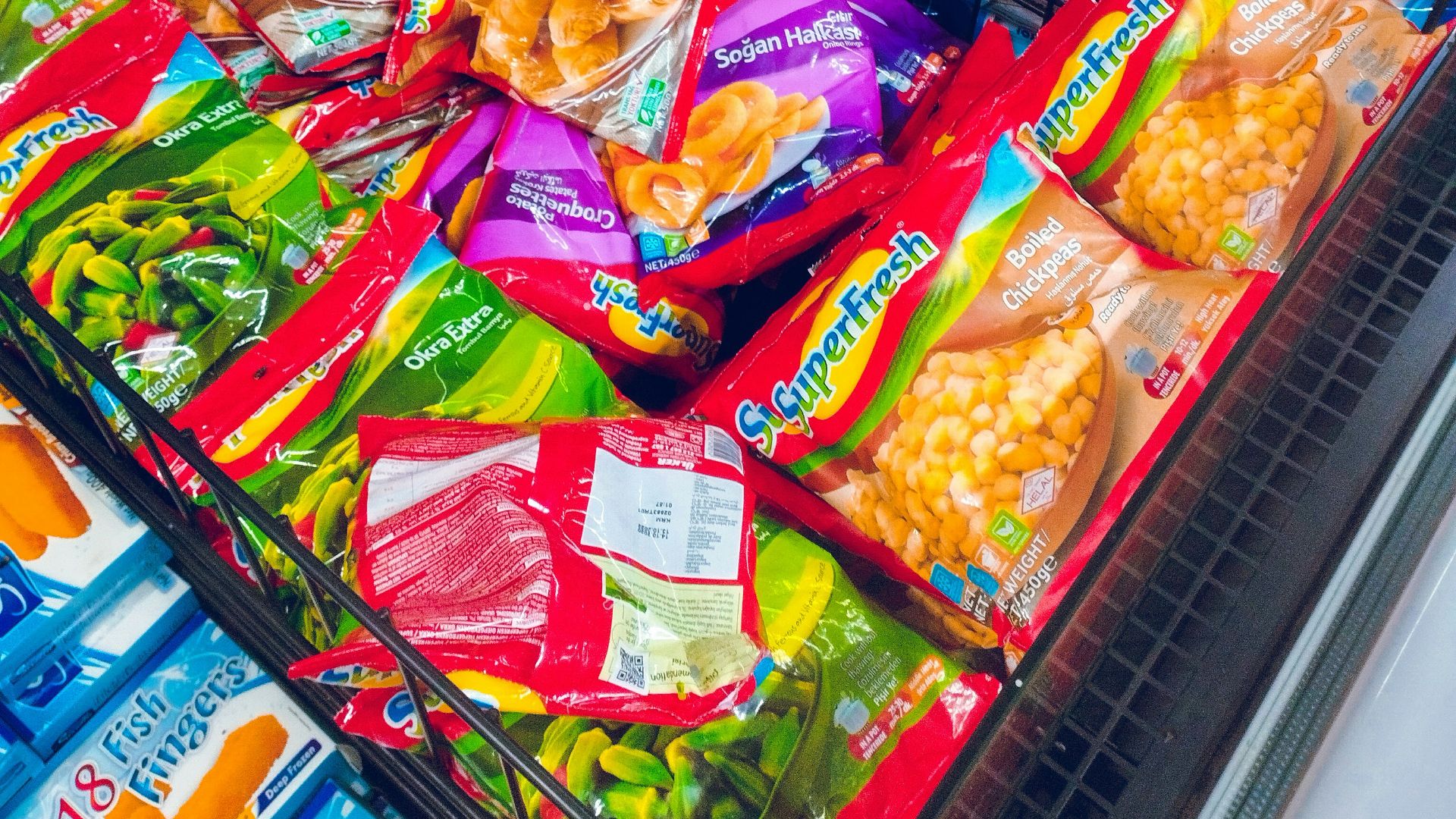
11. Frozen Vegetables Are Less Nutritious Than Fresh
Vegetables destined for the freezer usually get picked and frozen within hours, which locks in nutrients near their peak. Produce labeled fresh, meanwhile, can spend days in transit and storage before it reaches the shelf, losing vitamins the whole way. A bag of frozen peas often has more left in it than the fresh peas sitting two aisles over.
 Muhammed A. Mustapha on Unsplash
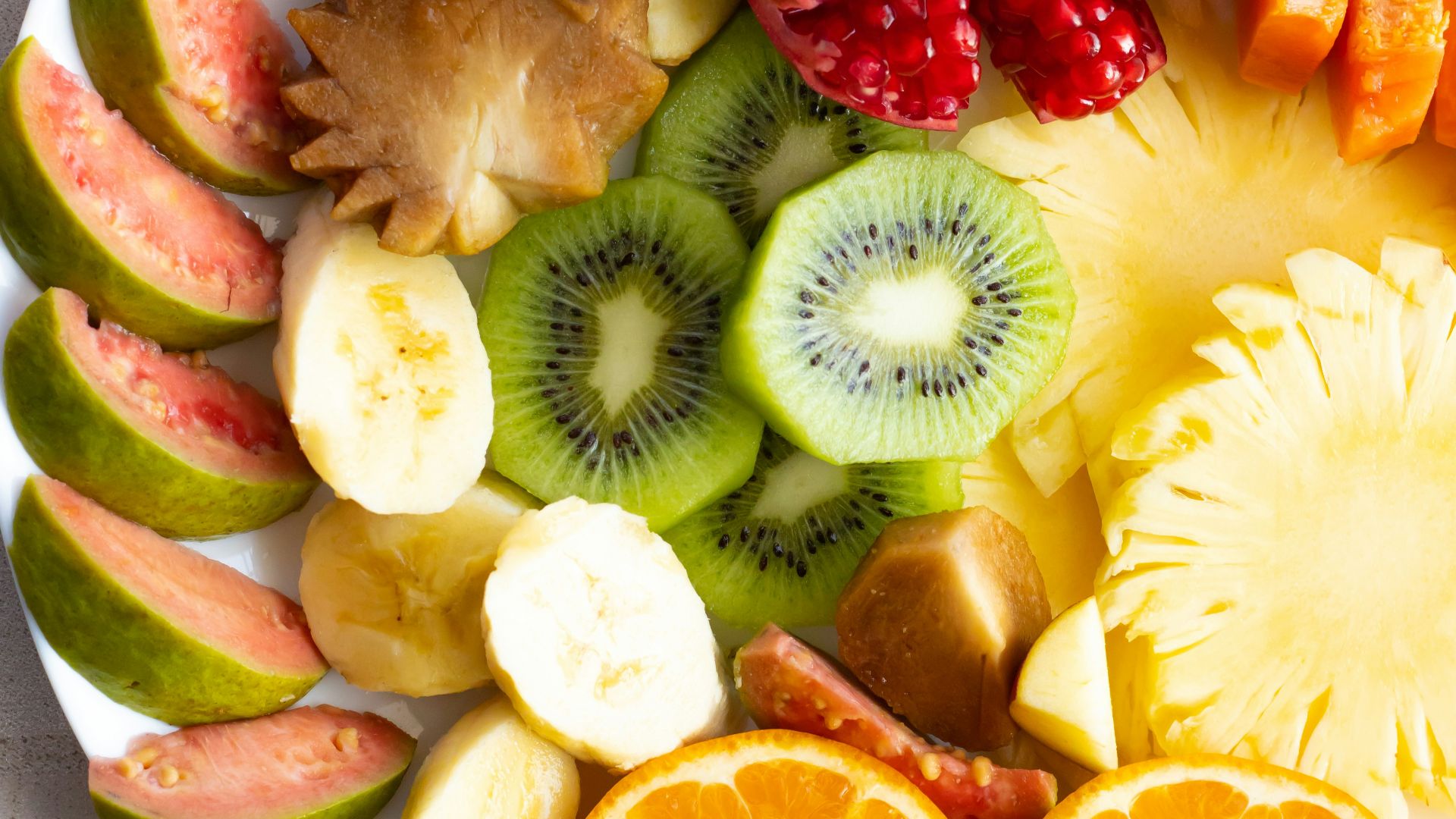
12. Precut Fruit Loses Its Nutrients Fast
Cutting fruit does speed up nutrient loss a little, but the difference over a few days in the fridge is small enough that it rarely matters for a normal diet. The bigger issue with precut fruit is usually price, not nutrition, since you're paying for the labor of someone else doing the chopping. Vitamin content isn't really the reason to think twice about the container.
13. Self-Checkout Isn't Watched
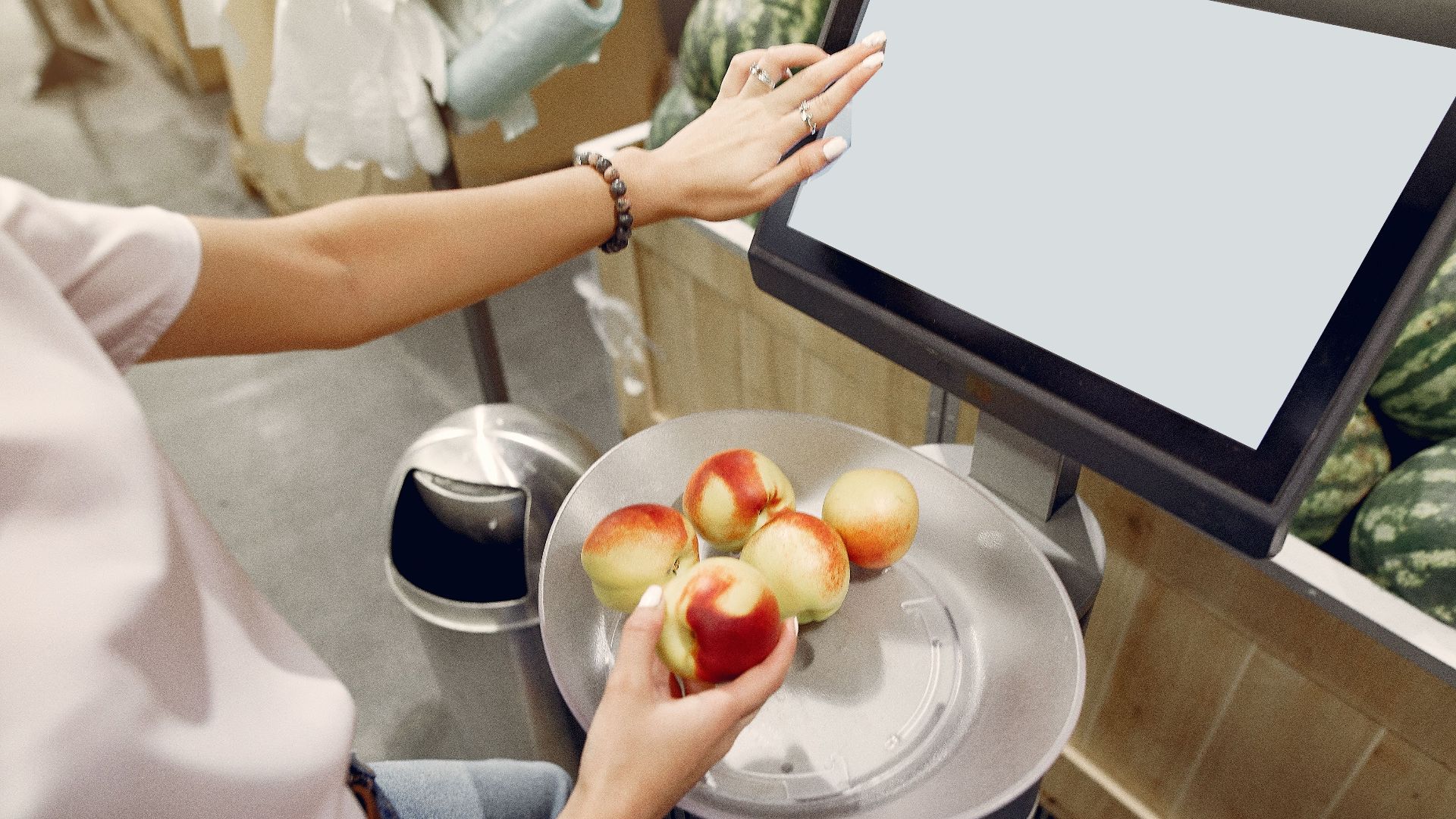
Self-checkout lanes are some of the most heavily monitored parts of a store, covered by overhead cameras and weight sensors built into the bagging area. Employees are also assigned specifically to watch the screens, and anything that doesn't match the expected weight gets flagged, even something as small as a bag of chips rung up as a cheaper item. No cashier standing there doesn't mean nobody's paying attention.
14. Bakery Bread Is Baked Fresh In-Store Every Morning
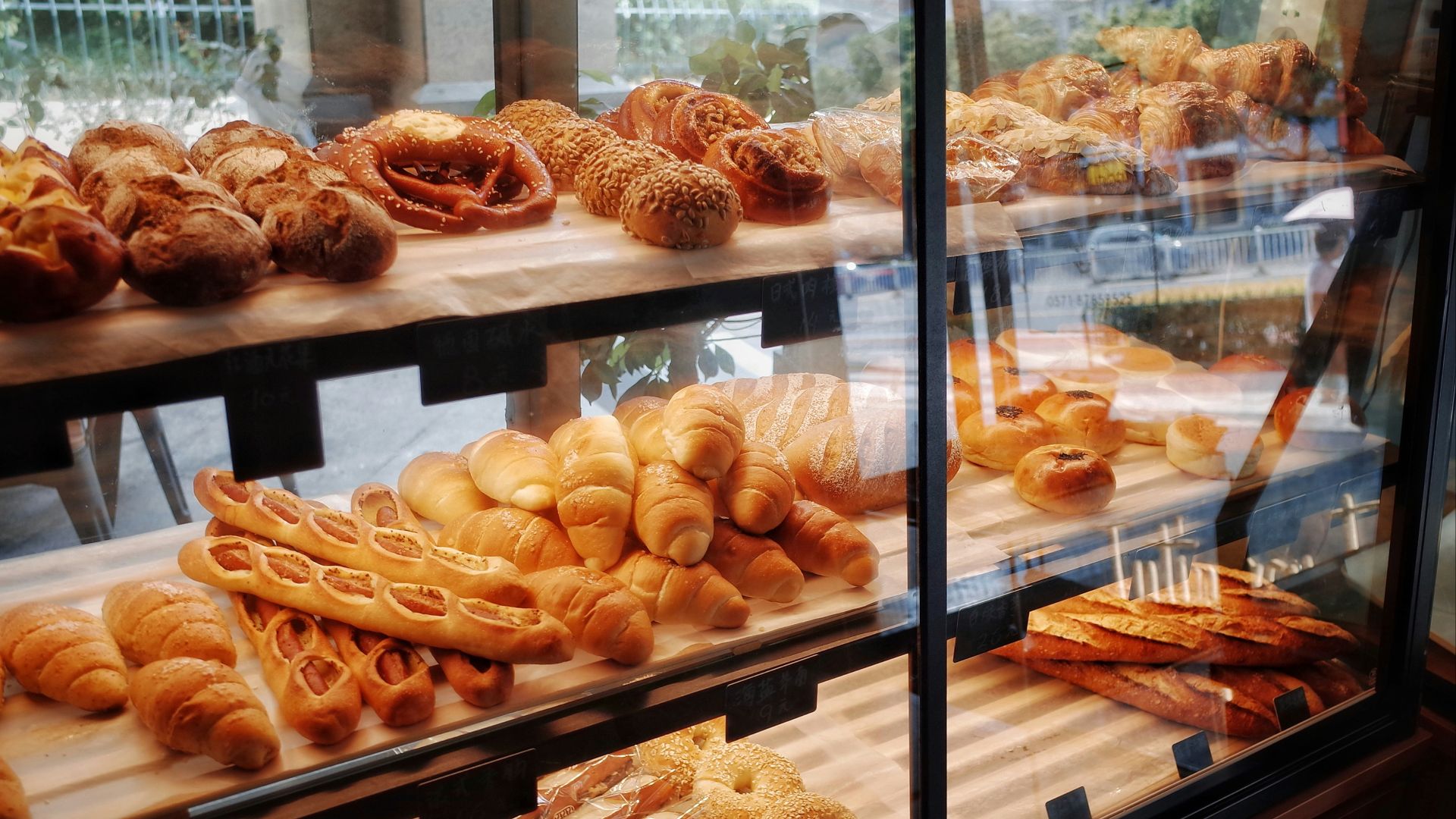
Some grocery bakeries do bake from scratch, but a large share bake off frozen, par-baked dough shipped in from a central facility. The smell of fresh bread still fills the store either way, which is part of why the assumption sticks. What's happening in the oven and what's happening in the mixing bowl aren't always the same operation.
15. Shelf Placement Is Random
Eye-level shelves get rented out to brands willing to pay for that spot, and products at kid height are picked with exactly that height in mind. Cheaper store brands often end up lower or higher, in spots that take more effort to reach. Nothing about a shelf layout in a modern grocery store happens by accident.
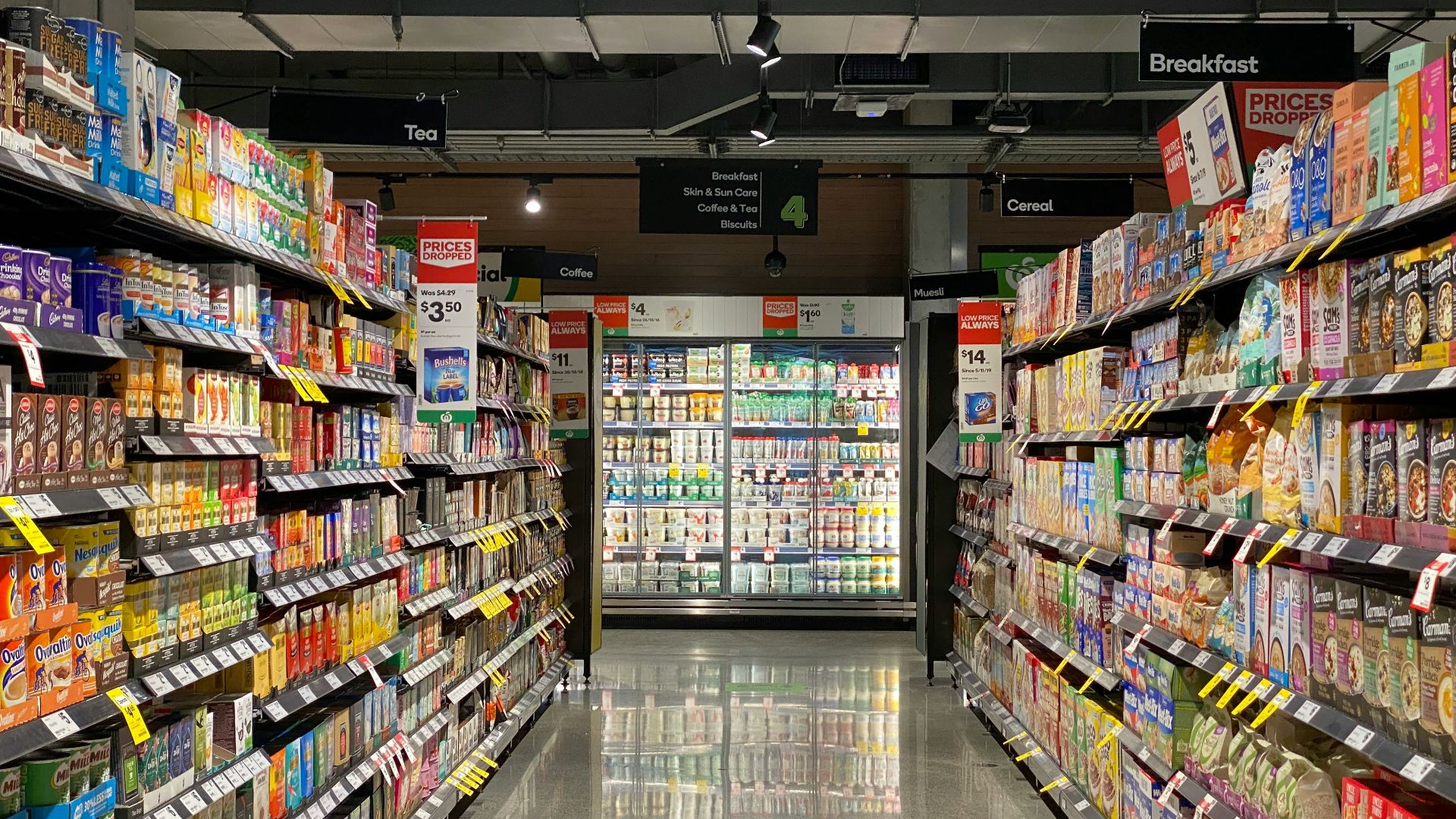
16. Clearance Carts Are Full Of Expired Food
Most clearance items get pulled for damaged packaging, a discontinued flavor, or a date that's still weeks out, not because the food has already gone bad. Stores generally aren't allowed to sell anything actually expired, clearance or not. The steep discount is about clearing space, not offloading something unsafe.
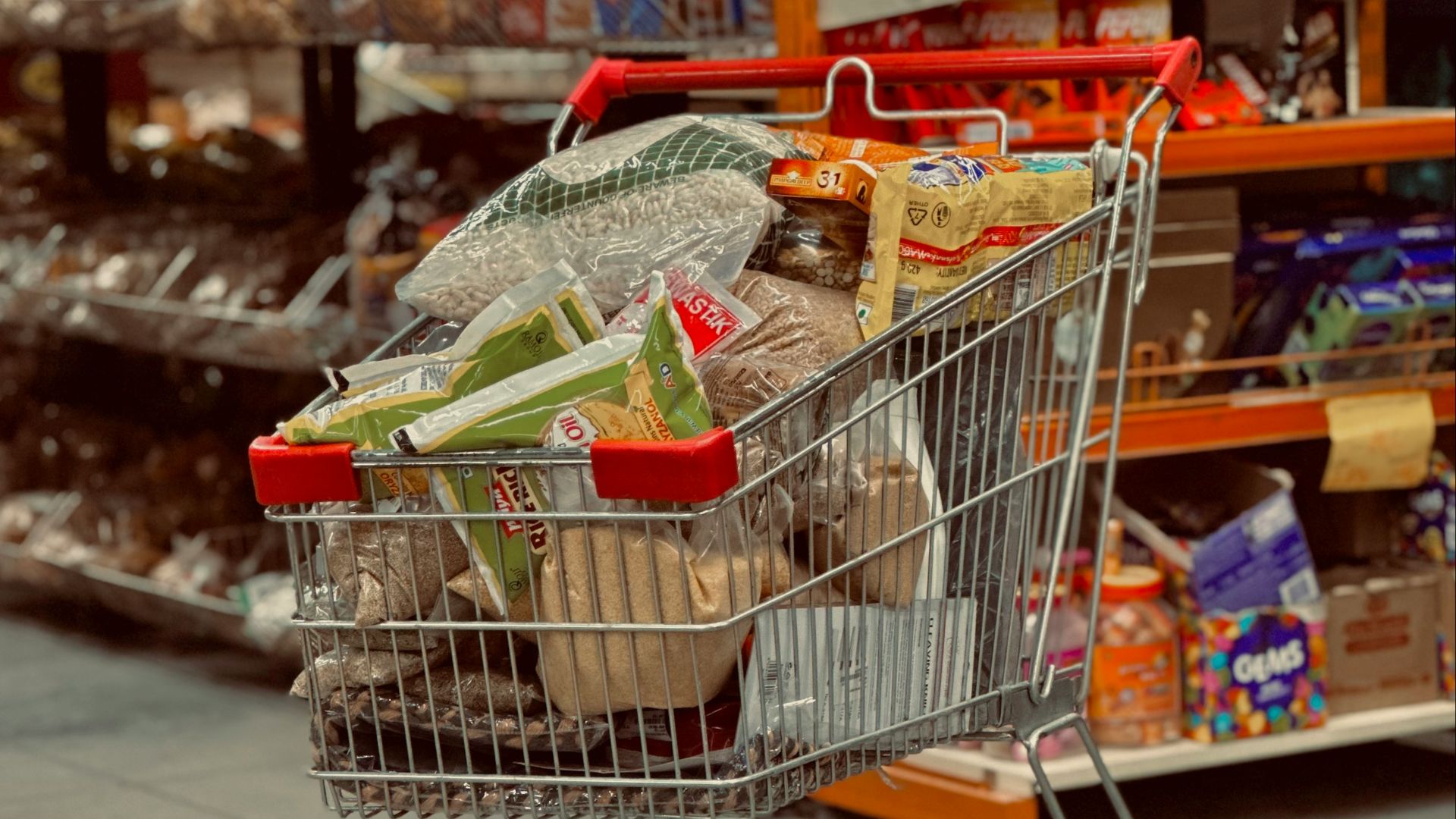
17. The Store Layout Is Arbitrary
Milk and eggs sit at the back of almost every grocery store on purpose, forcing a walk through aisles full of things you weren't planning to buy. Bread and produce often bookend the store for the same reason, stretching the trip and the impulse purchases along with it. Every turn in that layout got tested and adjusted long before you ever walked it.
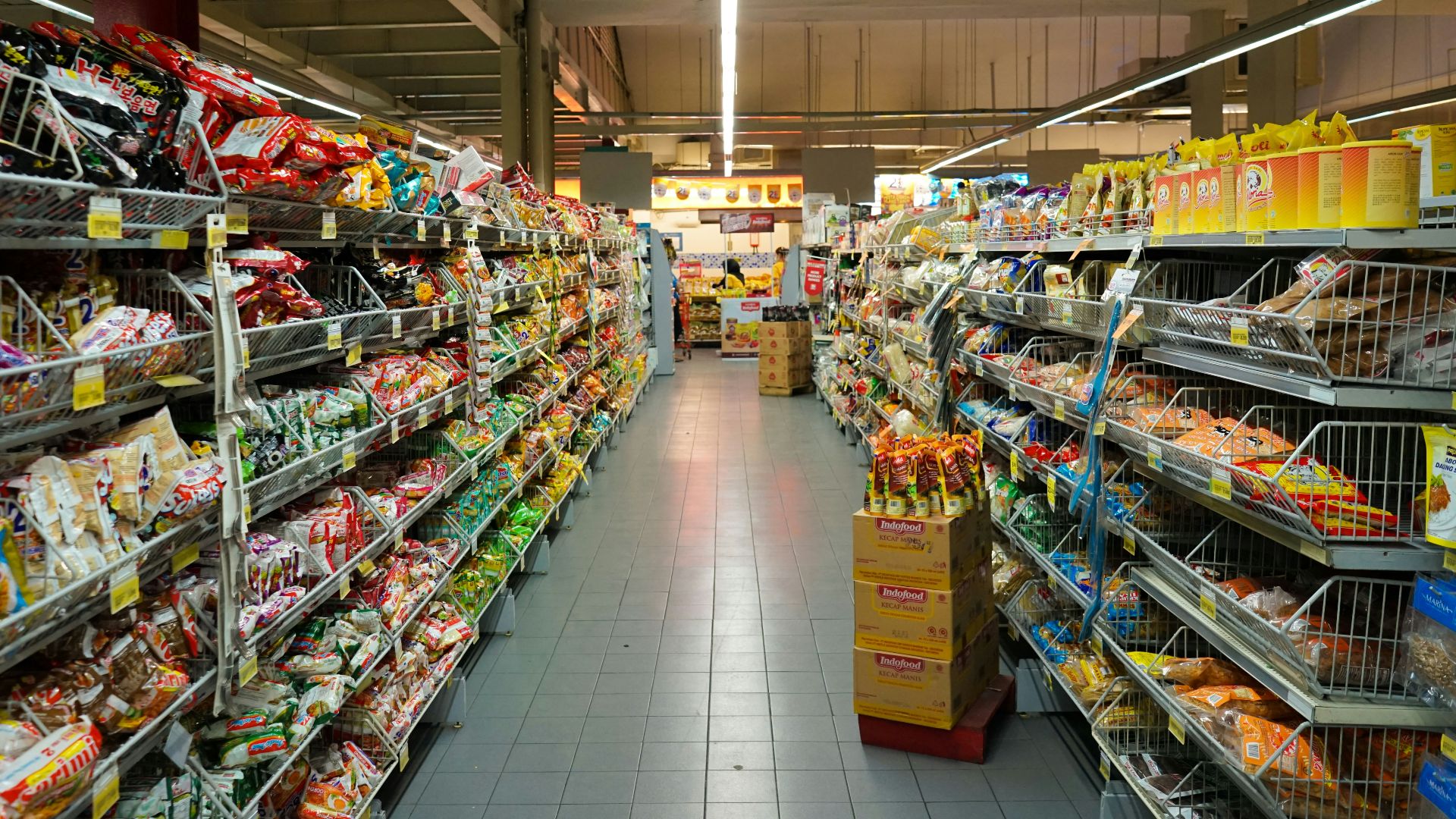
18. Natural On A Label Means Healthy
"Natural" has no strict legal definition the way "organic" does, so a product can carry the word while still being loaded with sugar or sodium. It's a marketing choice more than a nutritional one, and it tells you almost nothing about what's actually in the box. Reading the ingredient list still beats trusting the front of the package.
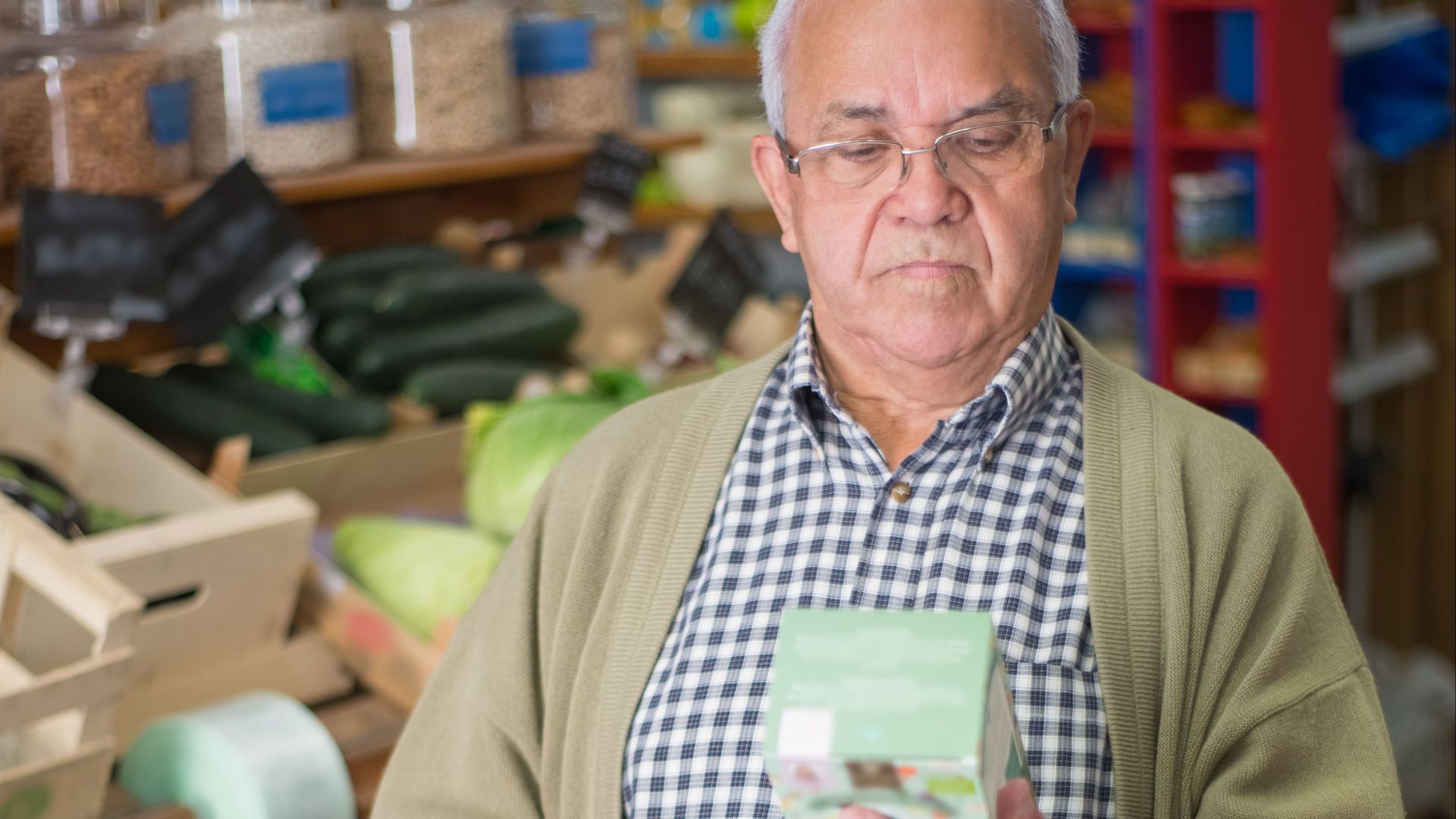
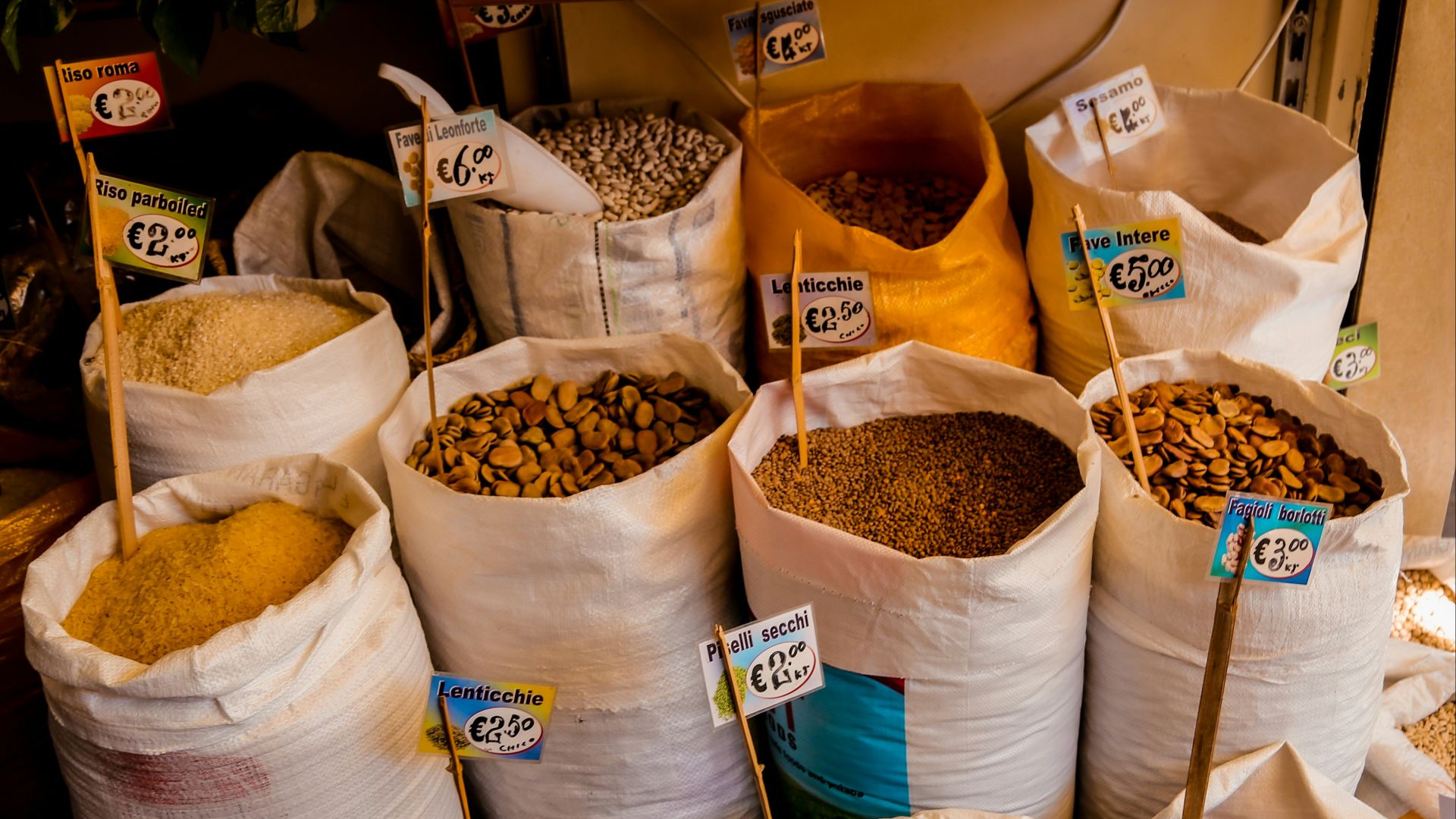
19. Buying In Bulk Always Saves Money
A bigger container isn't automatically cheaper per ounce, and warehouse stores especially count on people assuming it is without checking. Unit pricing on the shelf tag tells the real story, and sometimes the smaller size wins once you actually do the math. Bulk only pays off if you'll use the whole thing before it goes bad.
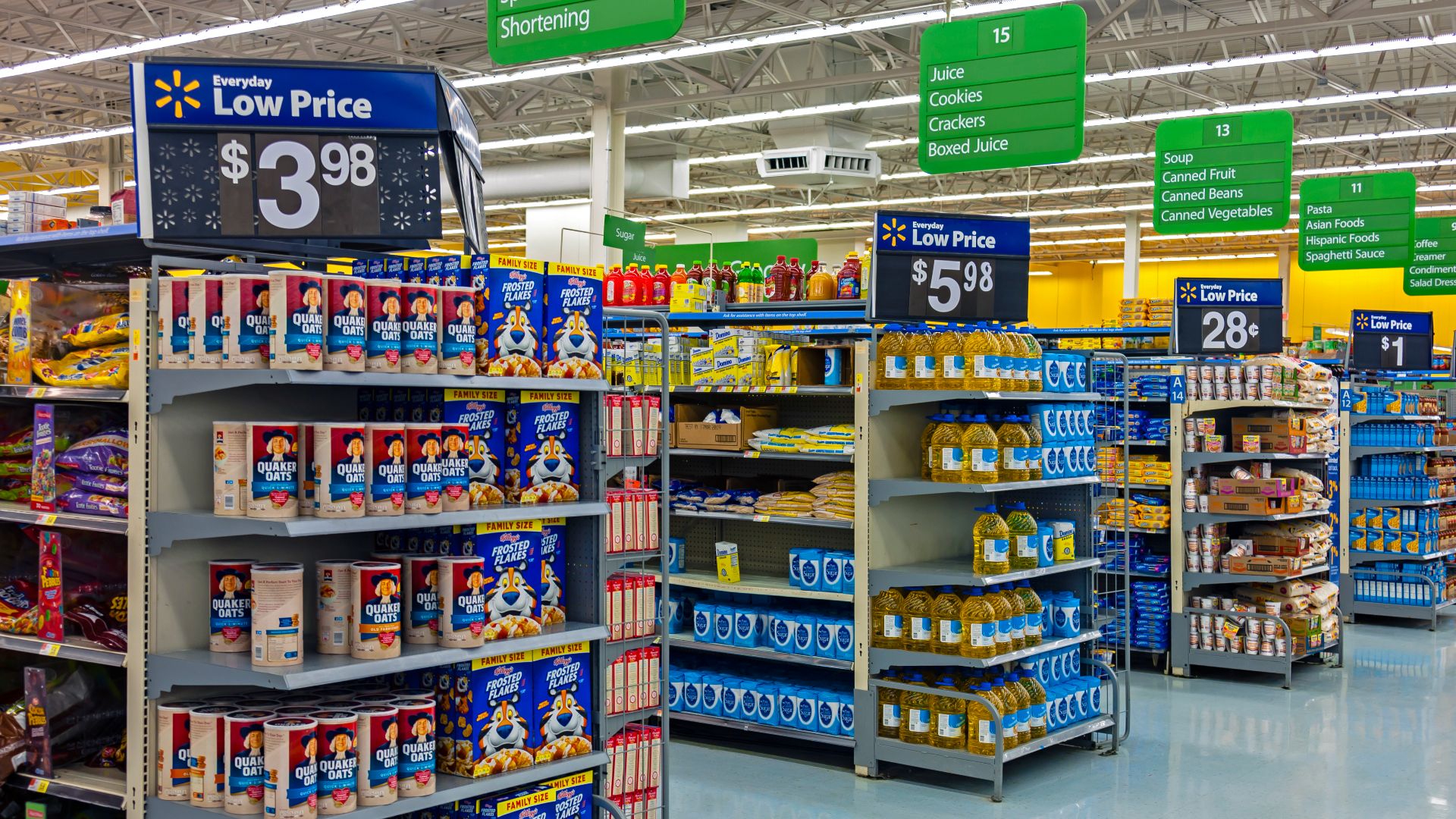
20. The End-Cap Display Is The Best Deal In The Store
End caps look like clearance corners, but brands pay for that space the same way they pay for eye-level shelving. An item sitting there isn't necessarily discounted at all, it's just positioned somewhere shoppers are likely to grab it without comparing. The display is doing marketing work, not bargain hunting on your behalf.
 commons.wikimedia.org on Google
KEEP ON READING

The Most Popular Signature Dishes Around the World