What You’d Eat On The Great Frontier
Stepping onto the Oregon Trail meant leaving behind the comforts of a stationary kitchen and learning how to cook over an open fire in every kind of weather. You would have been amazed at the creativity required to turn a few hundred pounds of flour, bacon, and dried beans into something that could sustain a family for six grueling months. With that in mind, here are 20 things the pioneers relied on to get them through.

1. The Classic Sourdough Biscuit
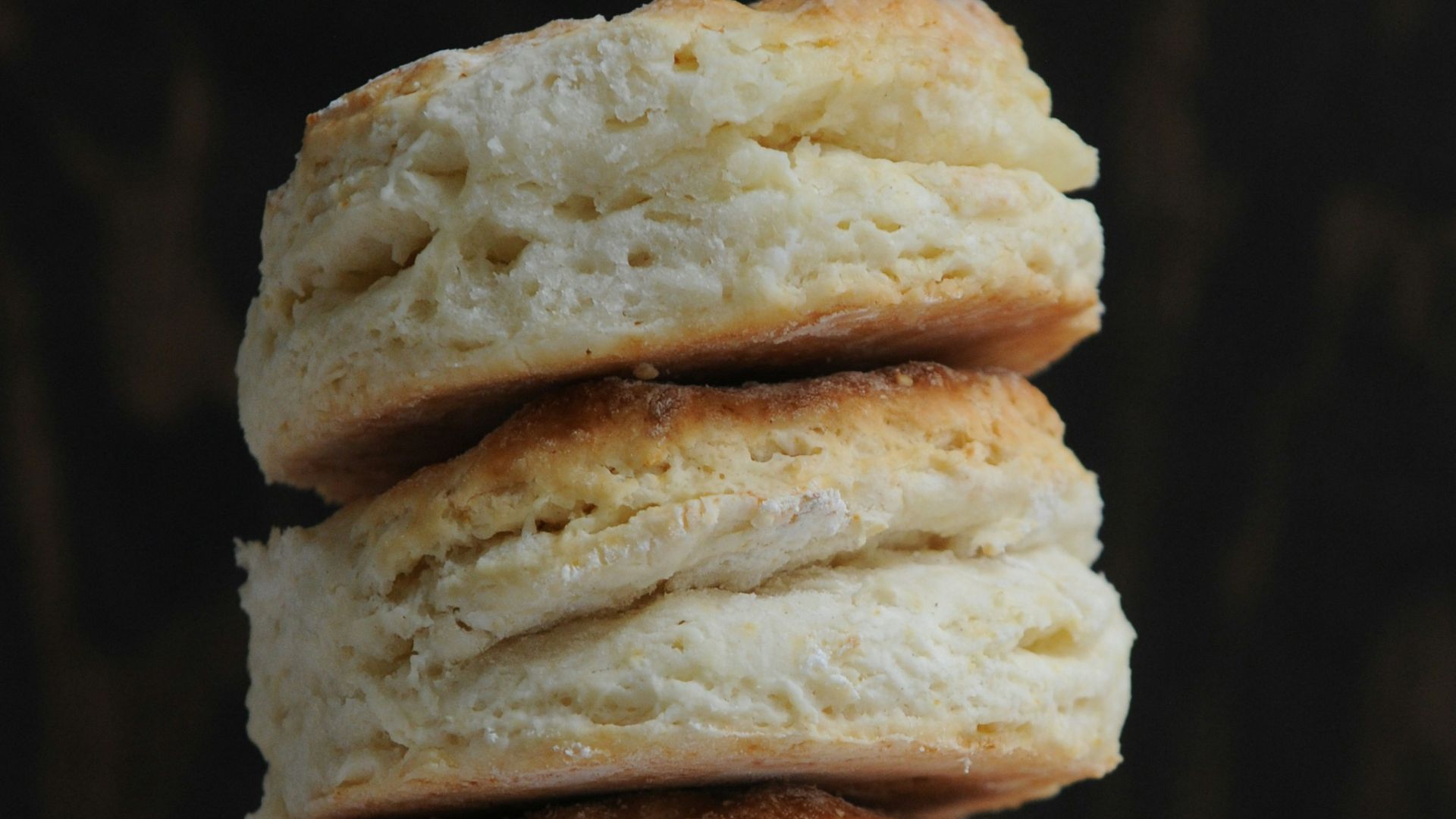
Every family had at least one bubbly sourdough starter safely stowed away in their wagon. You could combine it with flour and water to bake into fluffy biscuits. This served as a base for almost all breakfast meals.
2. Fried Salt Pork
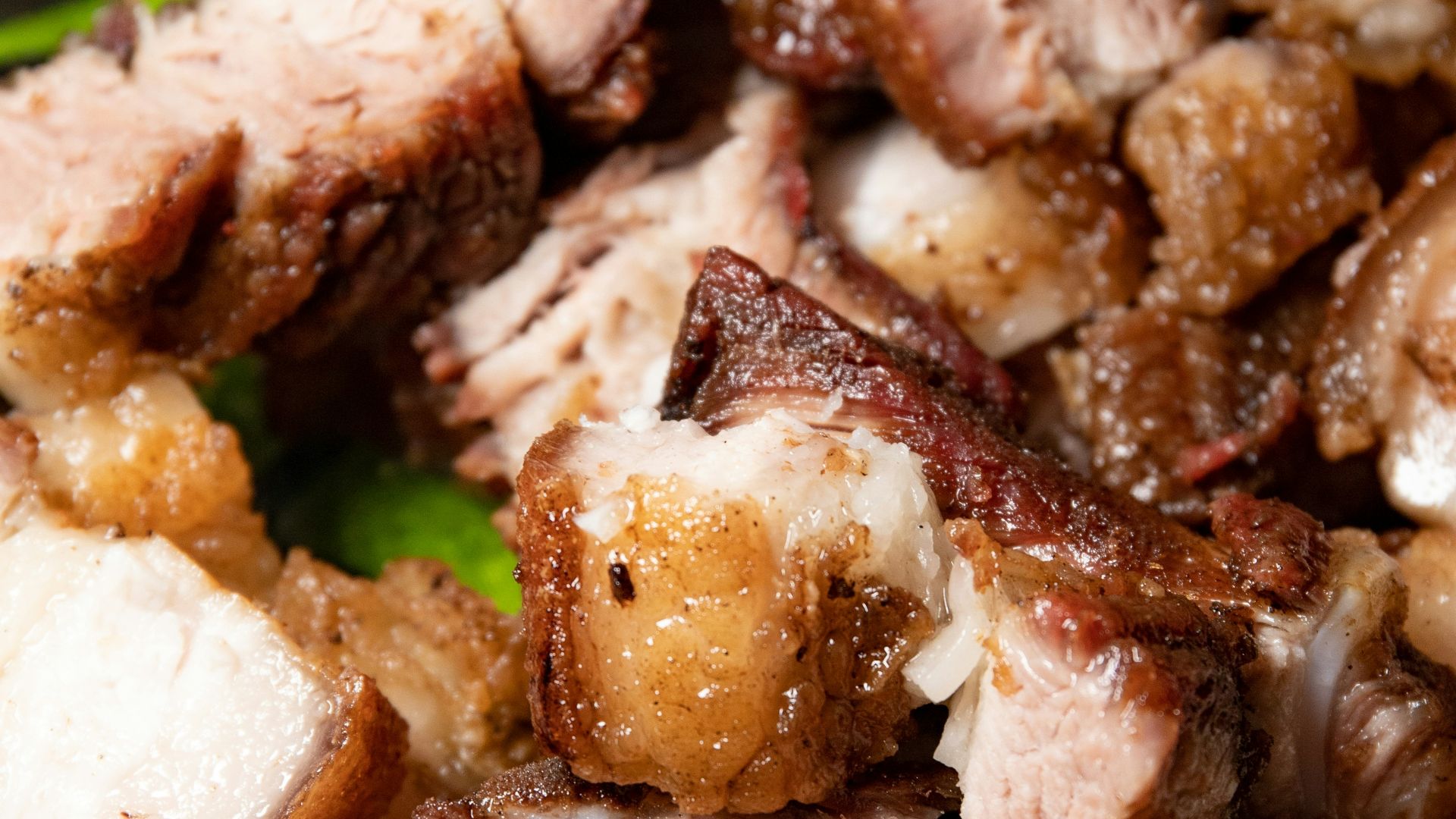
Travelers on the Oregon Trail usually subsisted on salt pork during the summer months, since fresh meat would spoil. Soak the pork in water first to remove some of the salt, then fry in a skillet until crispy. The resulting crispy strips were greasy and calorie-dense.
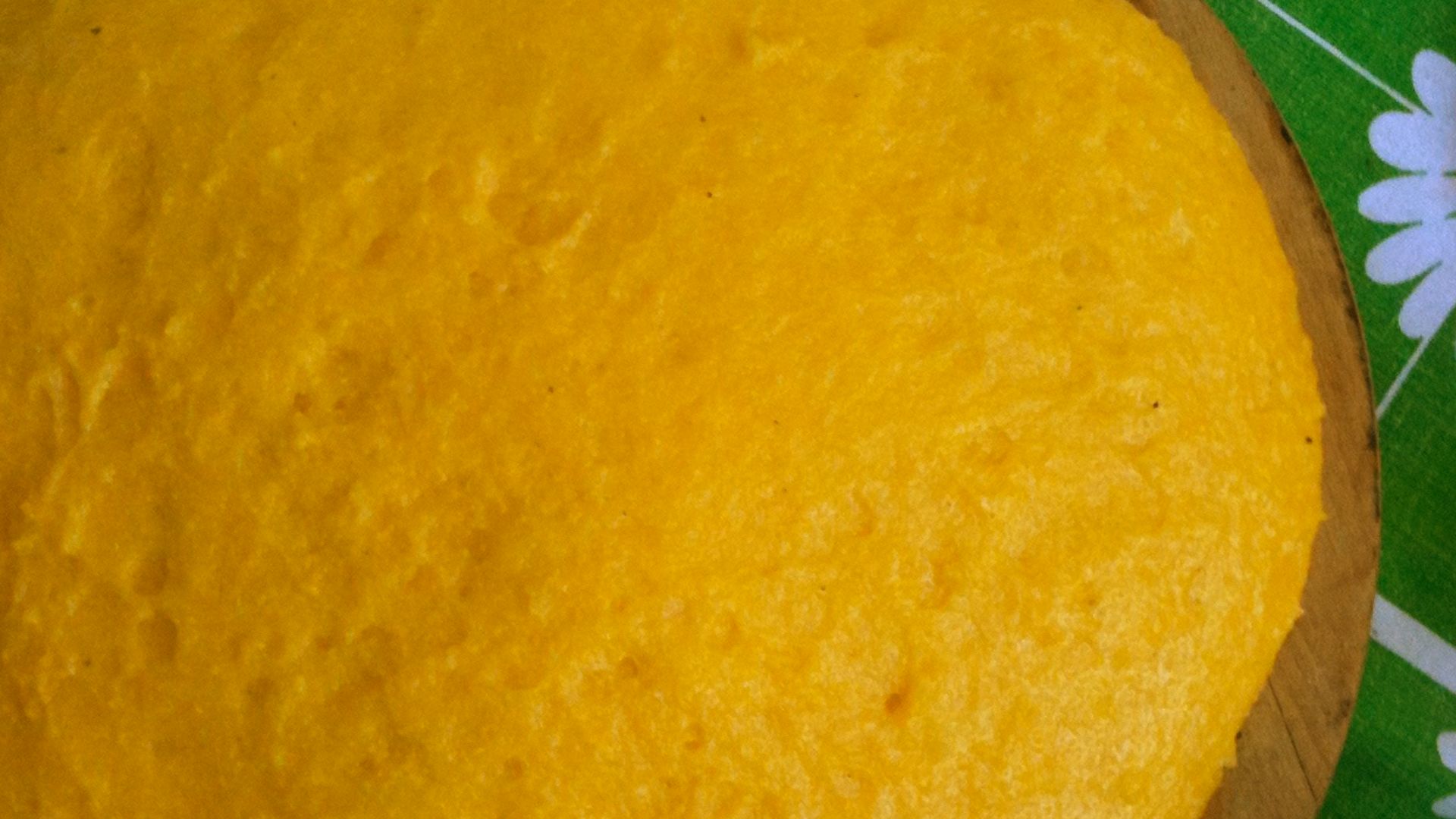
3. Cornmeal Mush
Cornmeal mush was cheap, lightweight, and relatively easy to store for long periods. Boil it in water until it thickens into a porridge consistency, then eat plain or with molasses. Overnight mush was often allowed to cool and harden so that it could be fried as a crunchy treat the next morning.
4. Hardtack Crackers
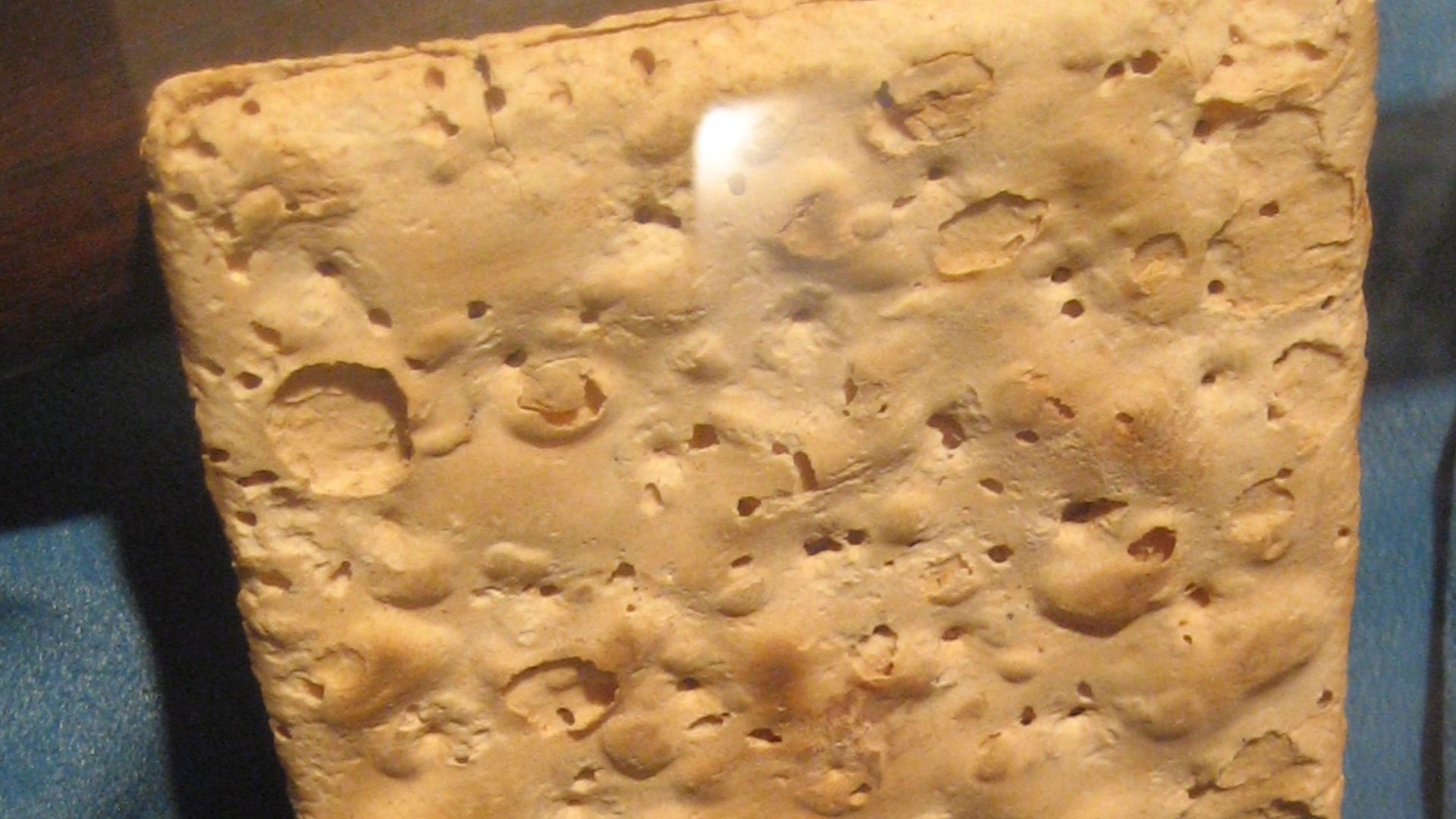
Flour and water mixed and baked into a dense cracker were known as "shoefly" or "hardtack." These crackers were so tough that you couldn't eat them without softening them in coffee or soup first. While hardly delicious, they could provide valuable carbohydrates when nothing else was available.
 Infrogmation of New Orleans on Wikimedia
5. Dried Apple Pie
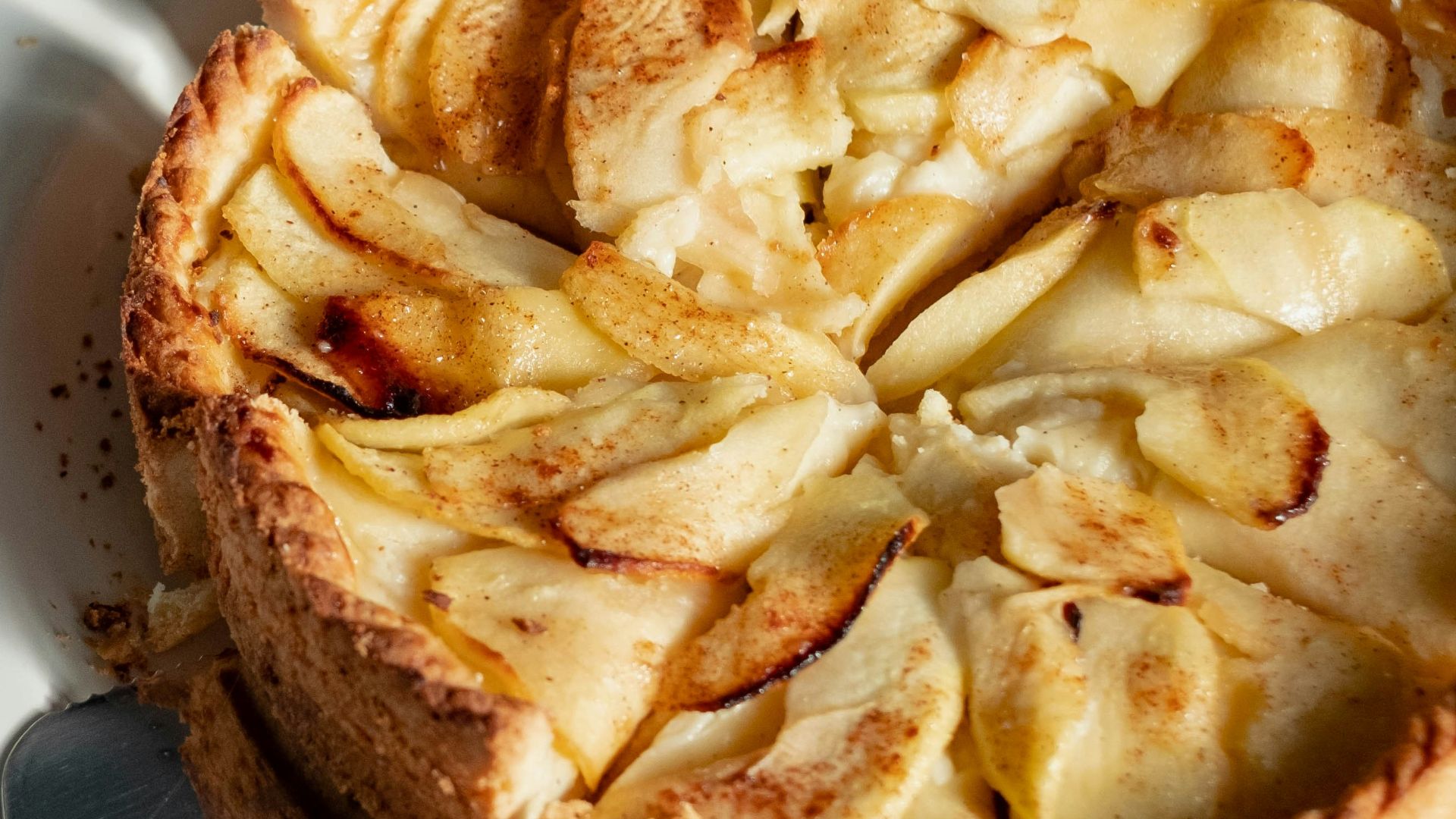
Few travelers could afford fresh fruit on the trail, but many packed bags of dried apples for dessert or to prevent scurvy. After rehydrating the apples in simmering water, you could wrap them in a flour-based pie crust and bake.
 Diliara Garifullina on Unsplash
6. Buffalo Jerky
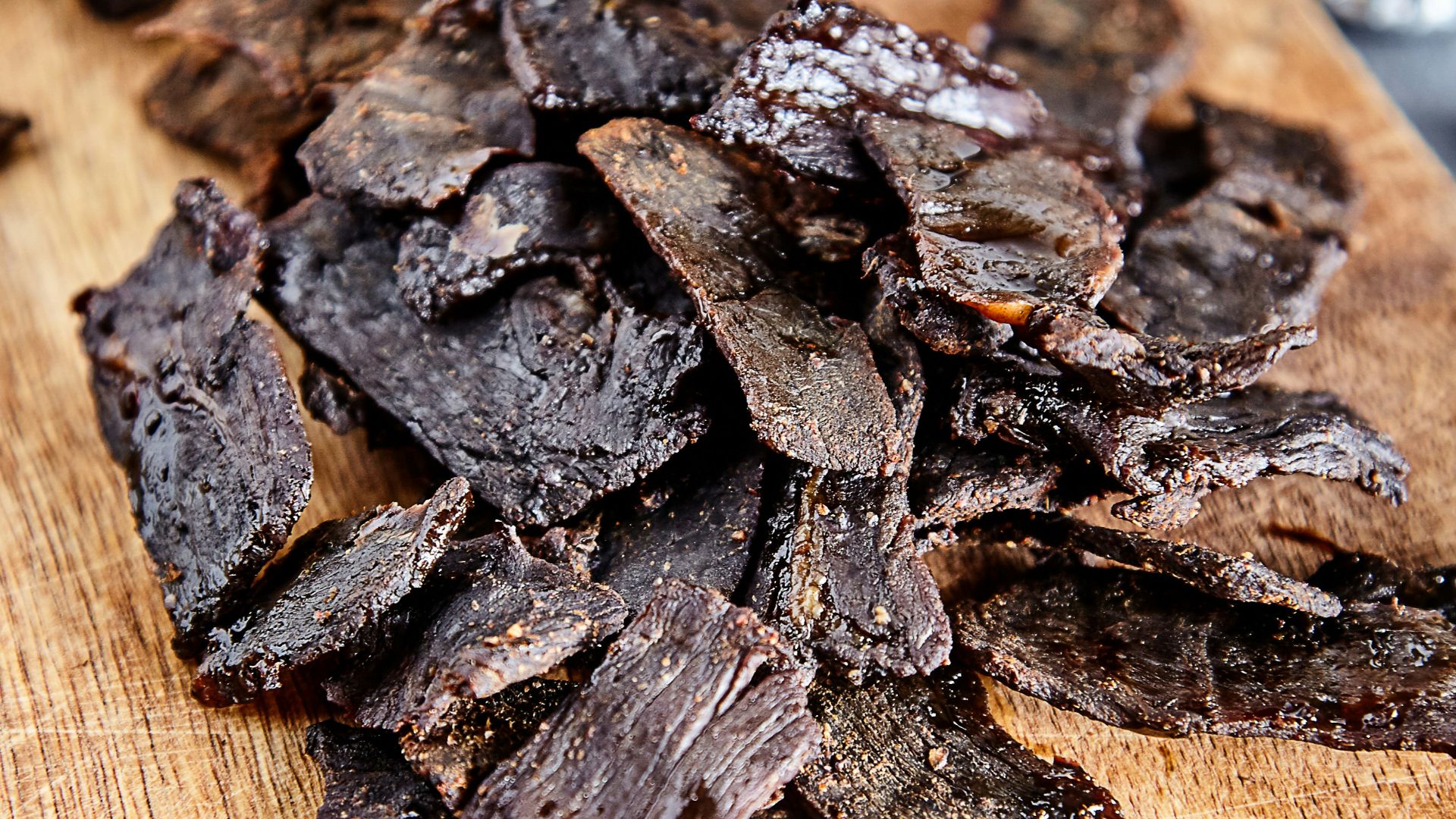
When the wagon trains reached the Great Plains, pioneers often traded with local tribes or went on hunts to secure fresh buffalo meat. They would slice the lean muscle into thin strips and hang them over a low fire or in the hot sun to dry out completely. This preserved protein was perfect for snacking on while walking alongside the oxen because it didn't require any further cooking.
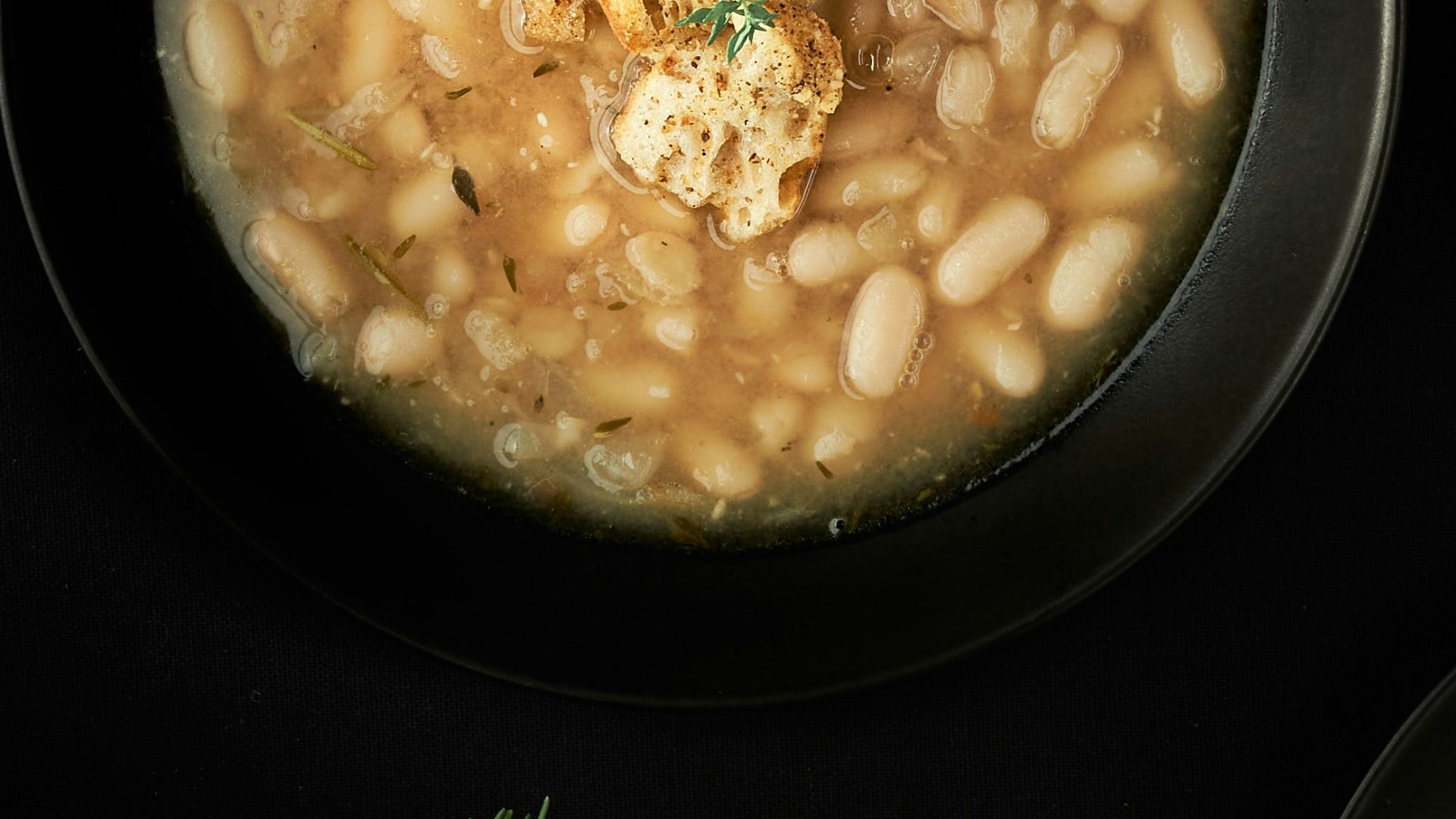
7. Bean Soup with Bacon
Beans cooked all day in a kettle were one of the more common dinner meals, since they stretched out the available meat supply. Simply toss some dried beans and salt pork into a pot of water, then allow them to simmer. Bean soup gave travelers the long-lasting carbohydrates needed to climb the mountains ahead.
8. Coffee with Molasses
Plain white sugar was typically too expensive for the average traveler, who usually substituted molasses for sweeter coffee. Coffee grounds were also typically roasted, then ground by hand just before dawn. Mix the coffee with water and your sweetener of choice, then drink up.

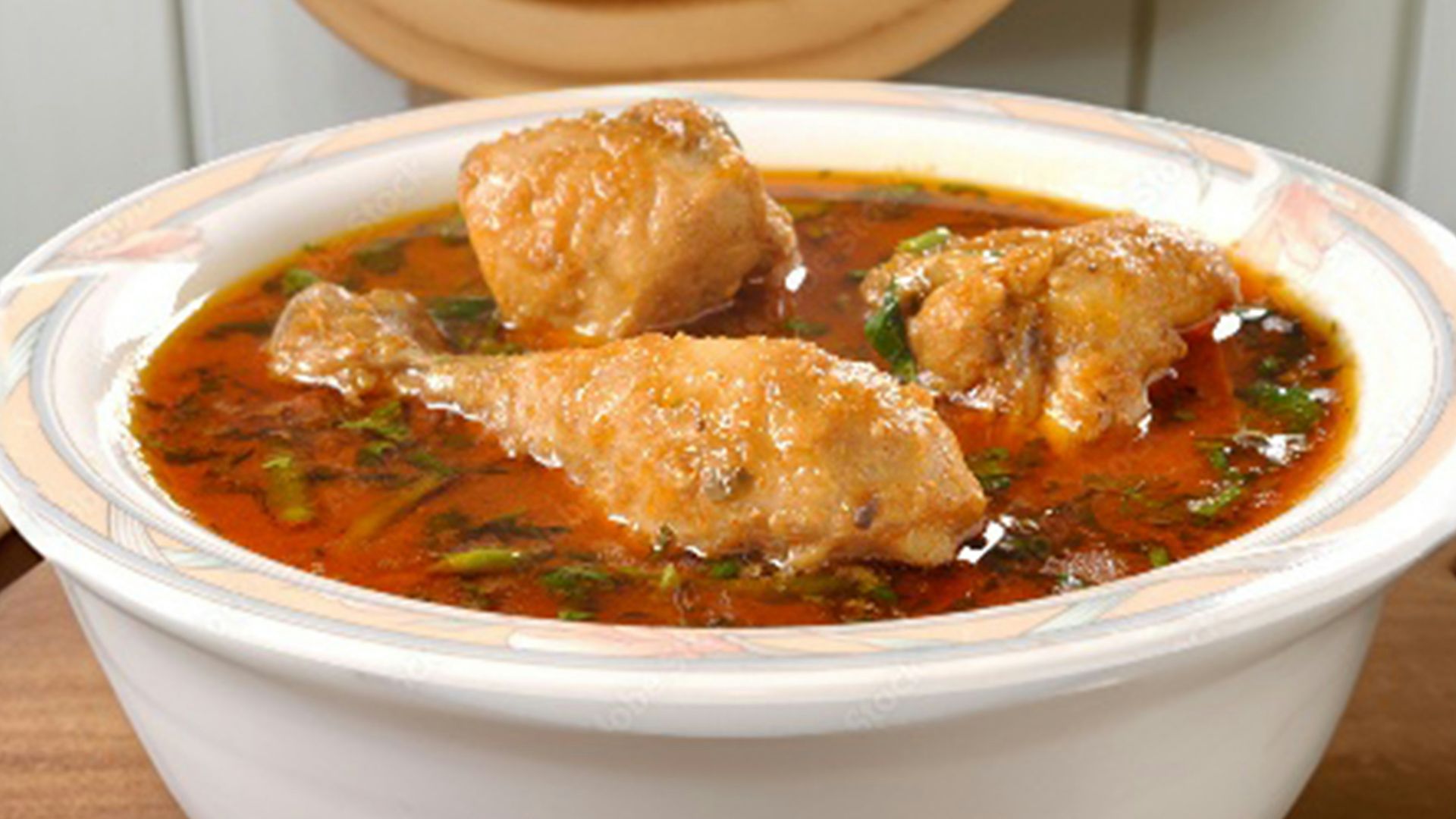
9. Stewed Sagebrush Chicken
Sage grouse was common along many stretches of the Oregon Trail and became a welcome alternative to salt pork. Remove feathers and simmer in water with wild onions, if available. Because sage grouse is technically a chicken, the meat can be stewed like any other poultry.
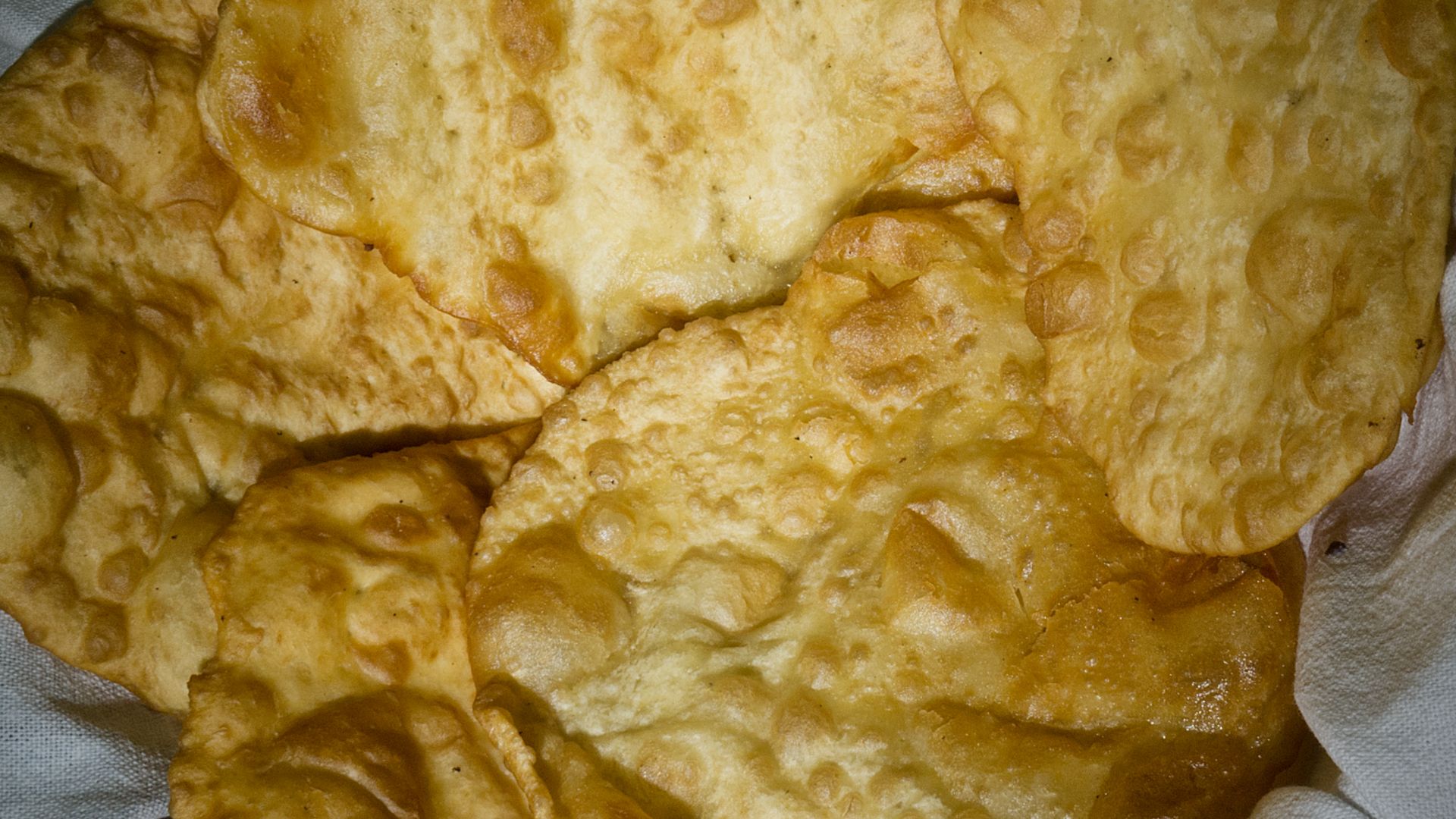
10. Johnnycakes
If you didn't have a skillet or griddle, pioneer travelers could make johnnycakes over the campfire. Combine cornmeal with salt and water until you have a thick batter that will stand up to direct heat. Pour the batter and cook until the edges begin to crisp.
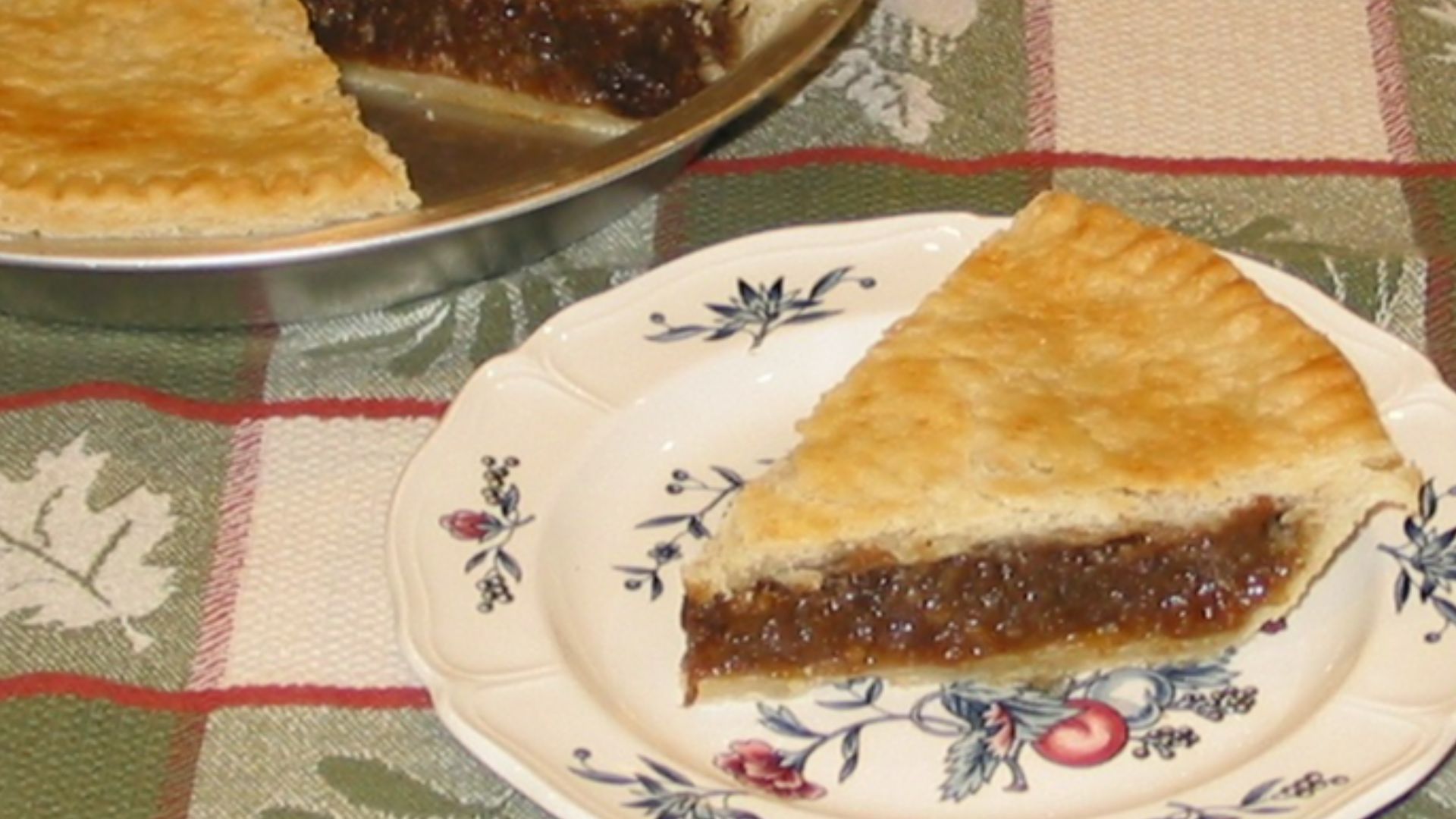
11. Vinegar Pie
Pie without sugar or fresh fruit was obviously out of the question for most people. Luckily, pioneer women learned that apple cider vinegar could taste remarkably similar to lemon when mixed with water and flour. Vinegar pie wasn't sweet, but it served to satisfy cravings for homestyle cooking.
12. Wild Berries and Cream
If you were traveling during the right season, the trail would occasionally offer up patches of wild blackberries or currants. If the family cow was still producing milk, the pioneers would enjoy the fruit with a splash of fresh cream and a sprinkle of sugar. These rare moments of foraging provided a much-needed break from the monotony of dry goods.
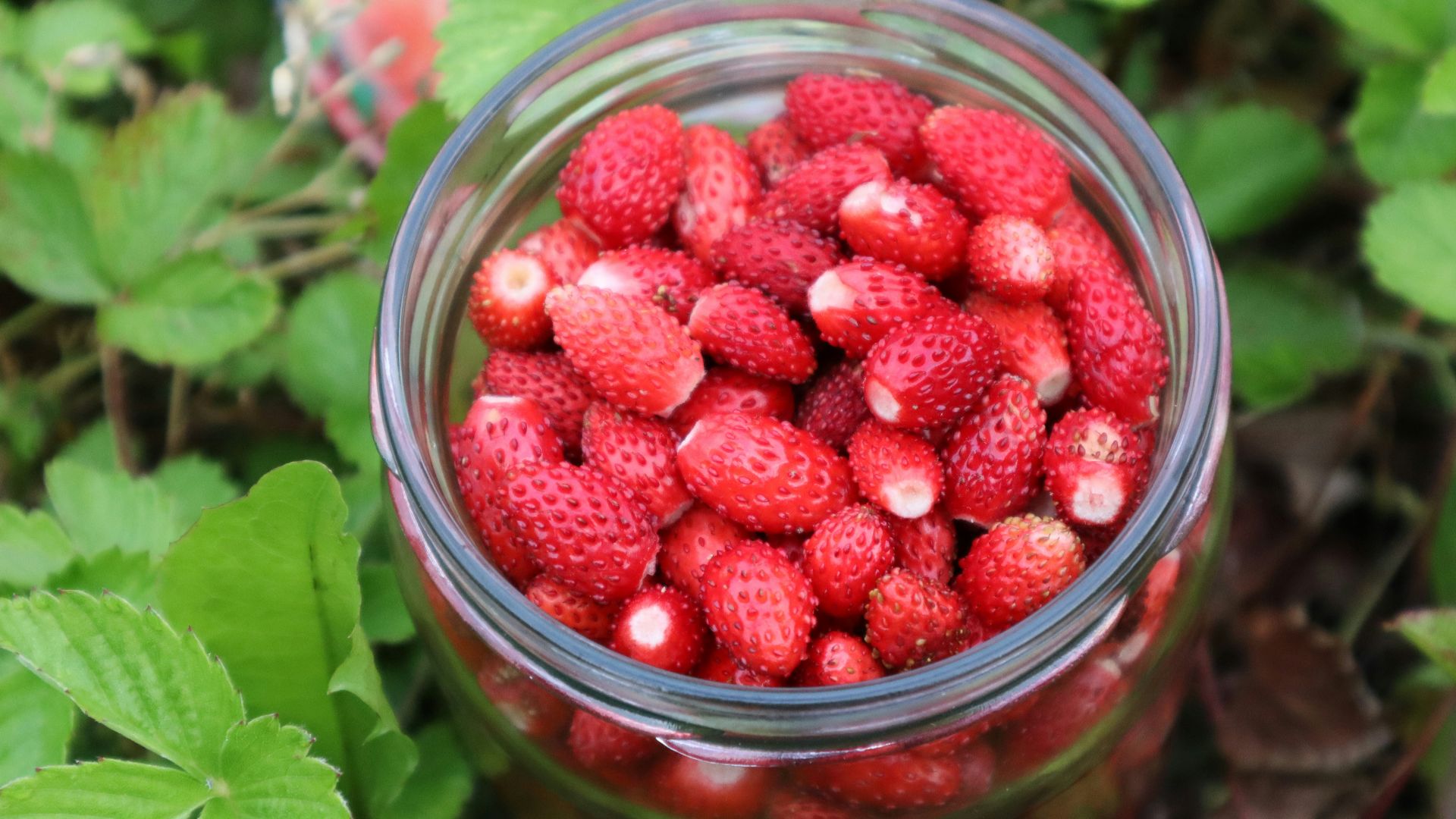
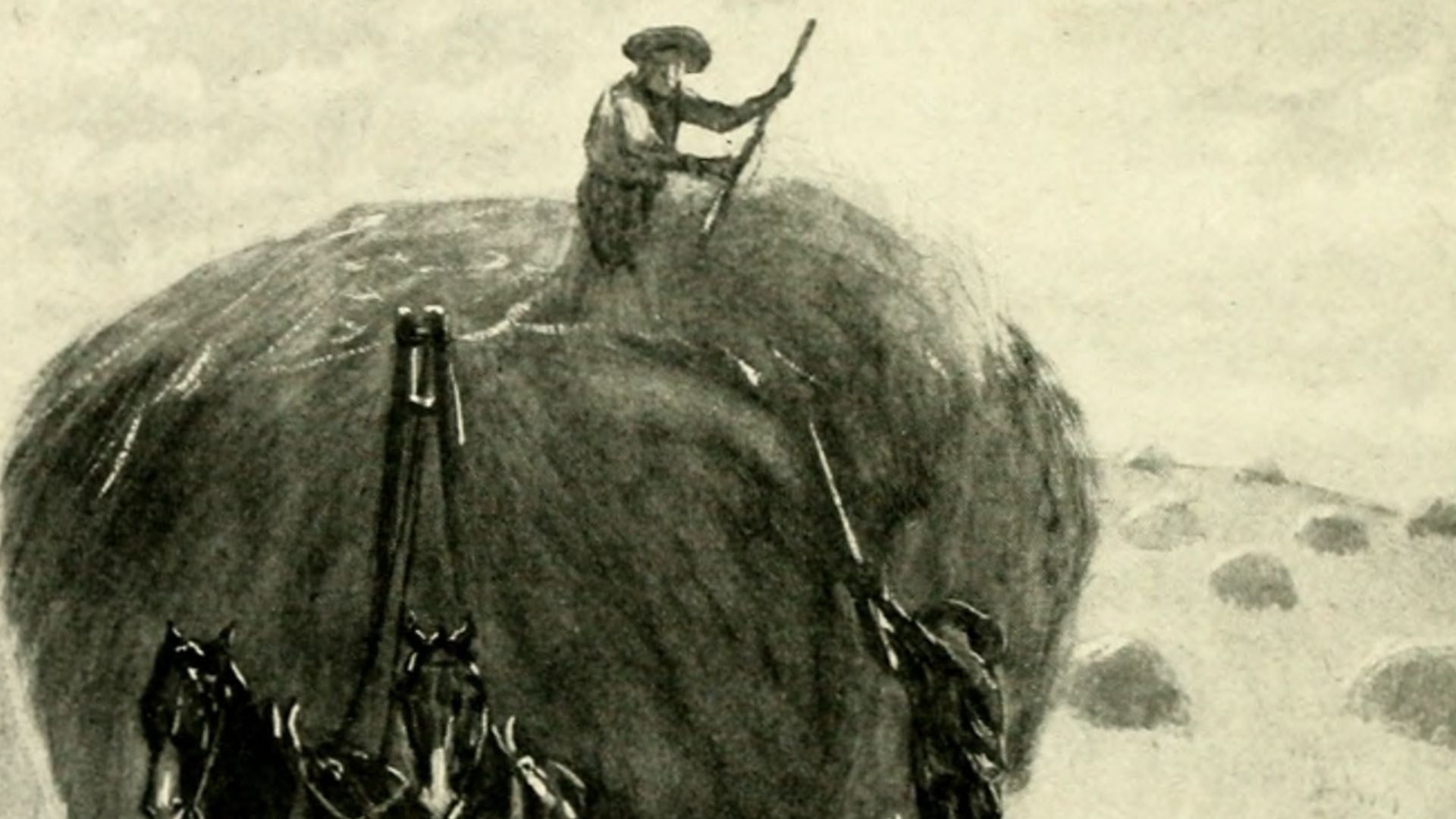
13. Switchel or "Haymaker's Punch."
A favorite hydrator on hot summer days was switchel, a concoction of water, ginger, vinegar, and molasses. It was thought to be more effective than plain water at preventing dehydration. Ginger also helped calm upset stomachs from breathing in too much dust.
 Internet Archive Book Images on Wikimedia
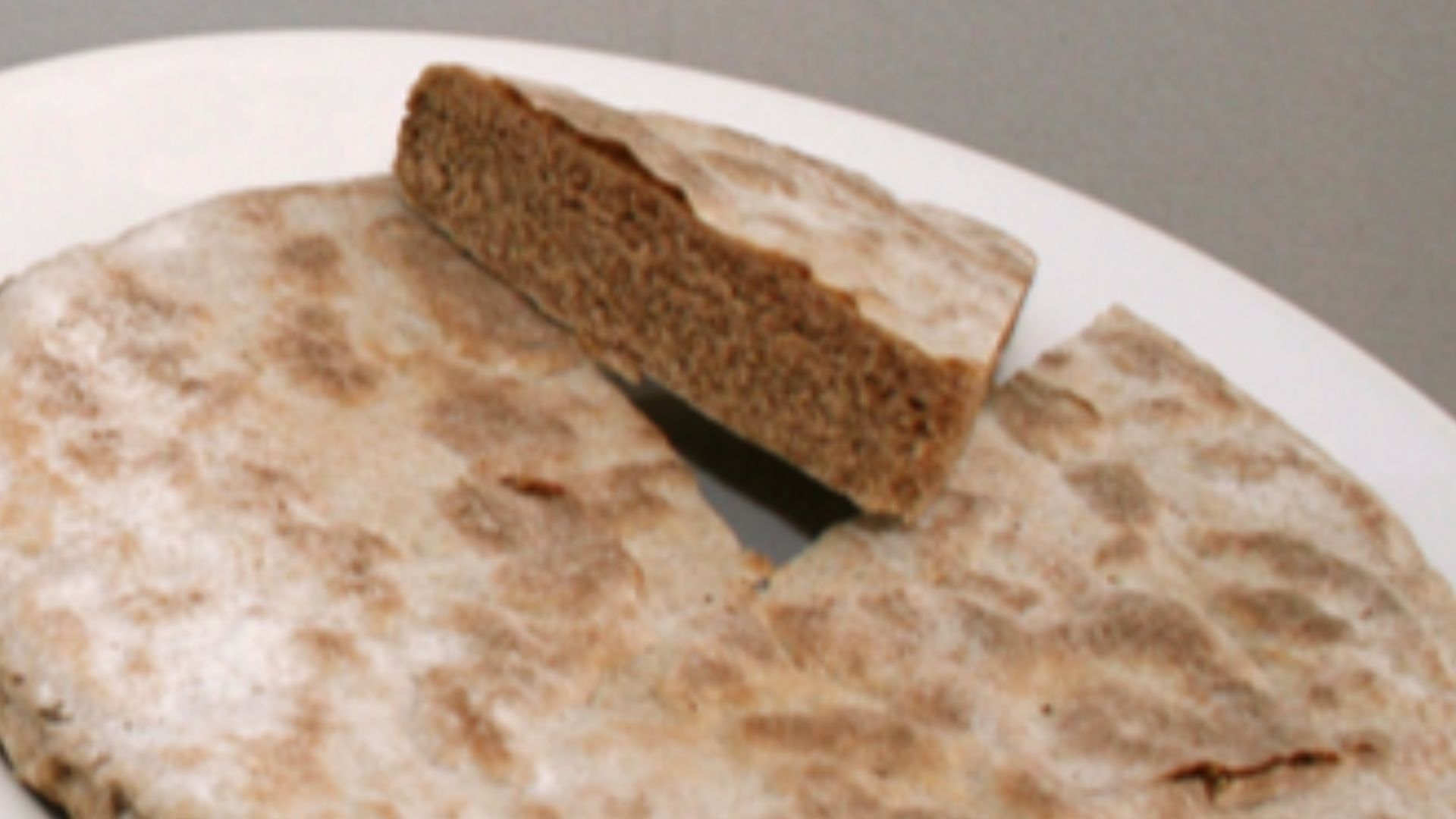
14. Skillet Bannock
Though time-consuming to prepare ahead, sourdough biscuits were not the only bread option for travelers. Skillet bannock was made by mixing flour, fat, and baking soda into a dough. The dense dough was then cooked like a pancake over hot ashes.
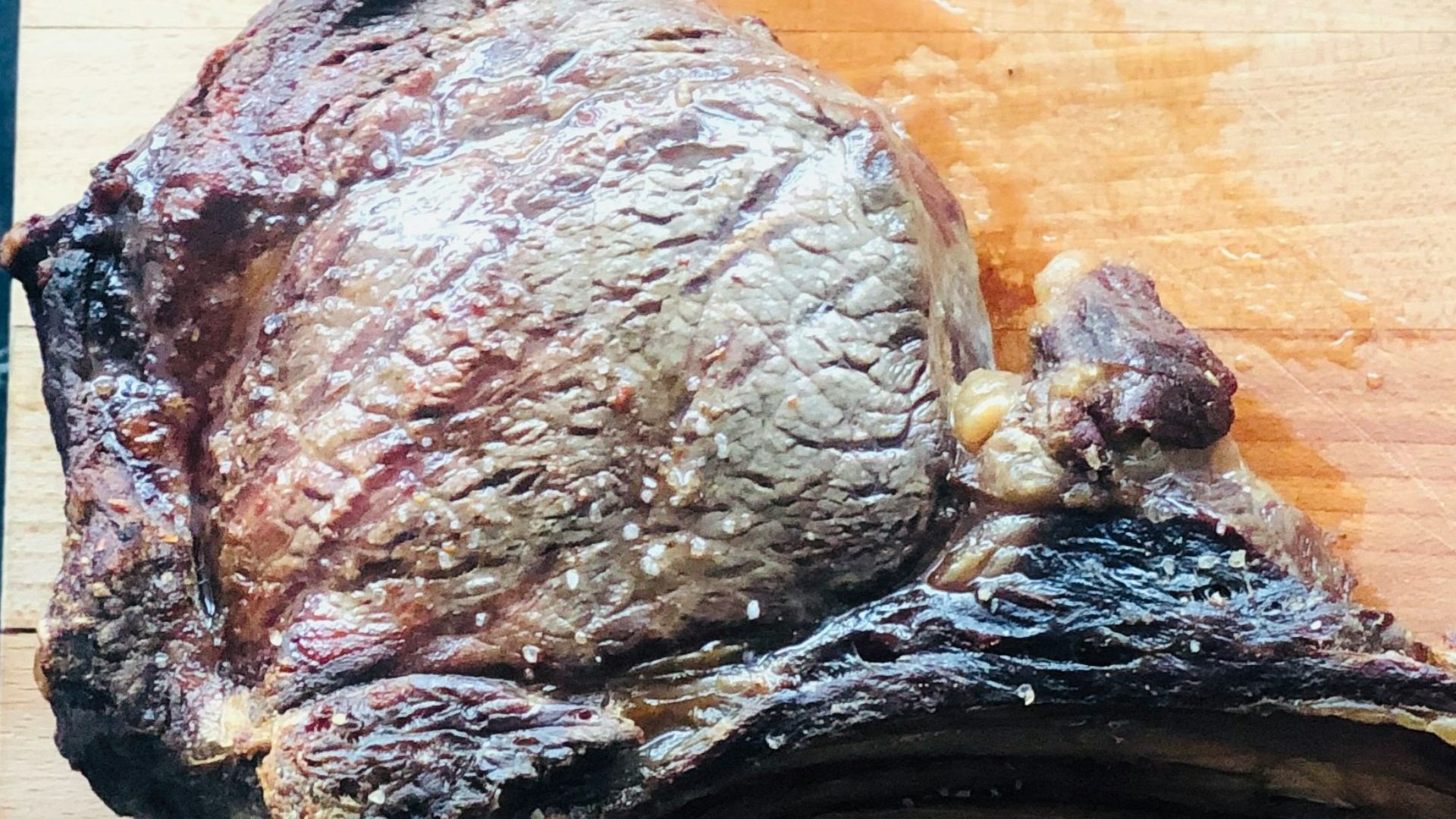
15. Roast Venison
After days or weeks of salted pork, most travelers were thrilled to fill their plates with fresh meat. Hunters would occasionally provide enough venison to feed an entire wagon train, so everyone got to enjoy tender meat at least once along the trail.
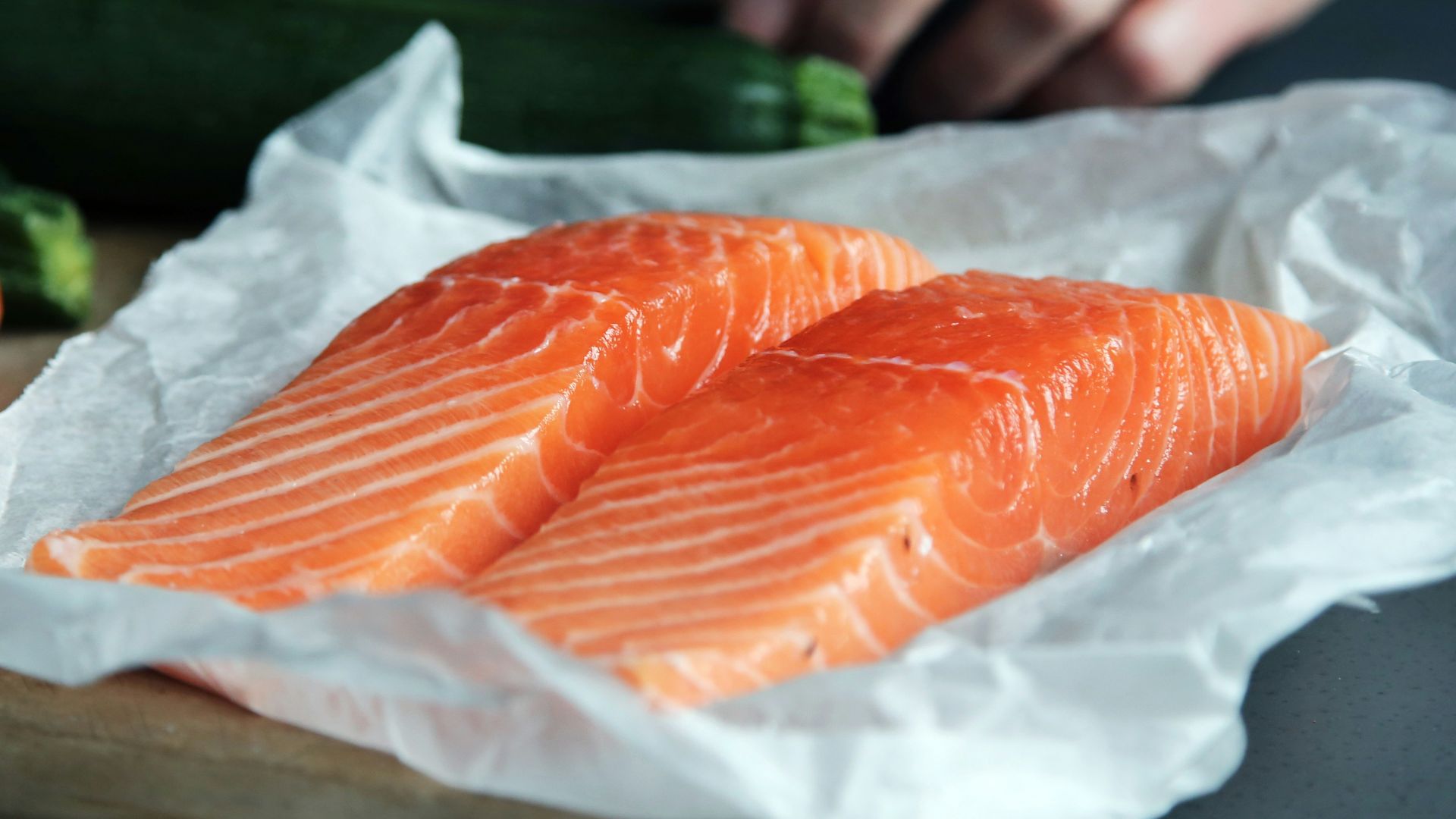
16. Salted Salmon
Native Americans along the Columbia River offered salmon to pioneers as they moved into Oregon territory. Tribes had often salted or smoked the fish themselves, so travelers could take them along without worry of spoiling. This change in protein was a welcome relief.
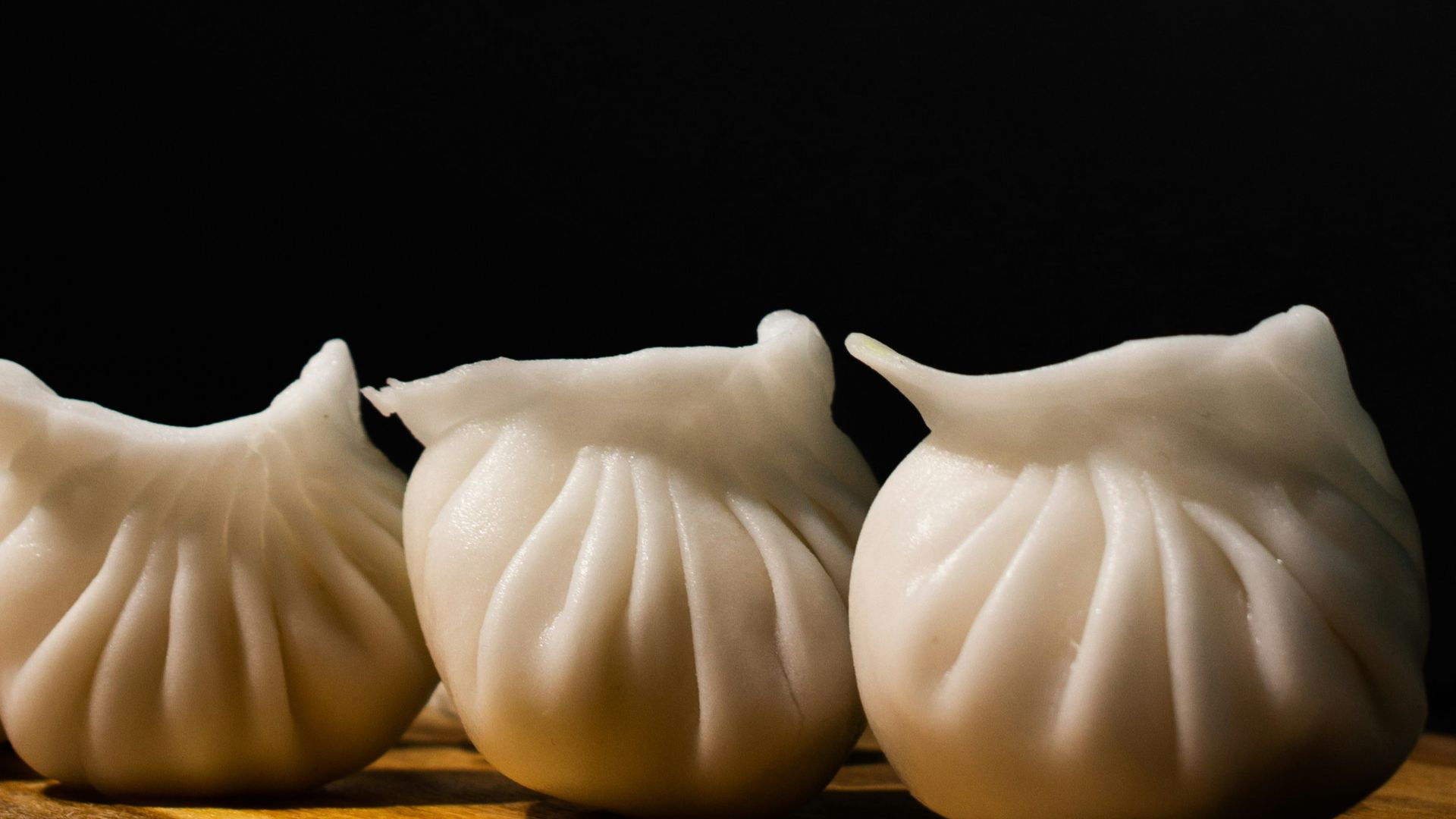
17. Dumplings in Broth
Don't have much meat? Make your flour and water supply go farther by adding dumplings to your stew. Drop spoonfuls of dough into boiling water or broth until they float to the top, then gather the family around the pot and enjoy.
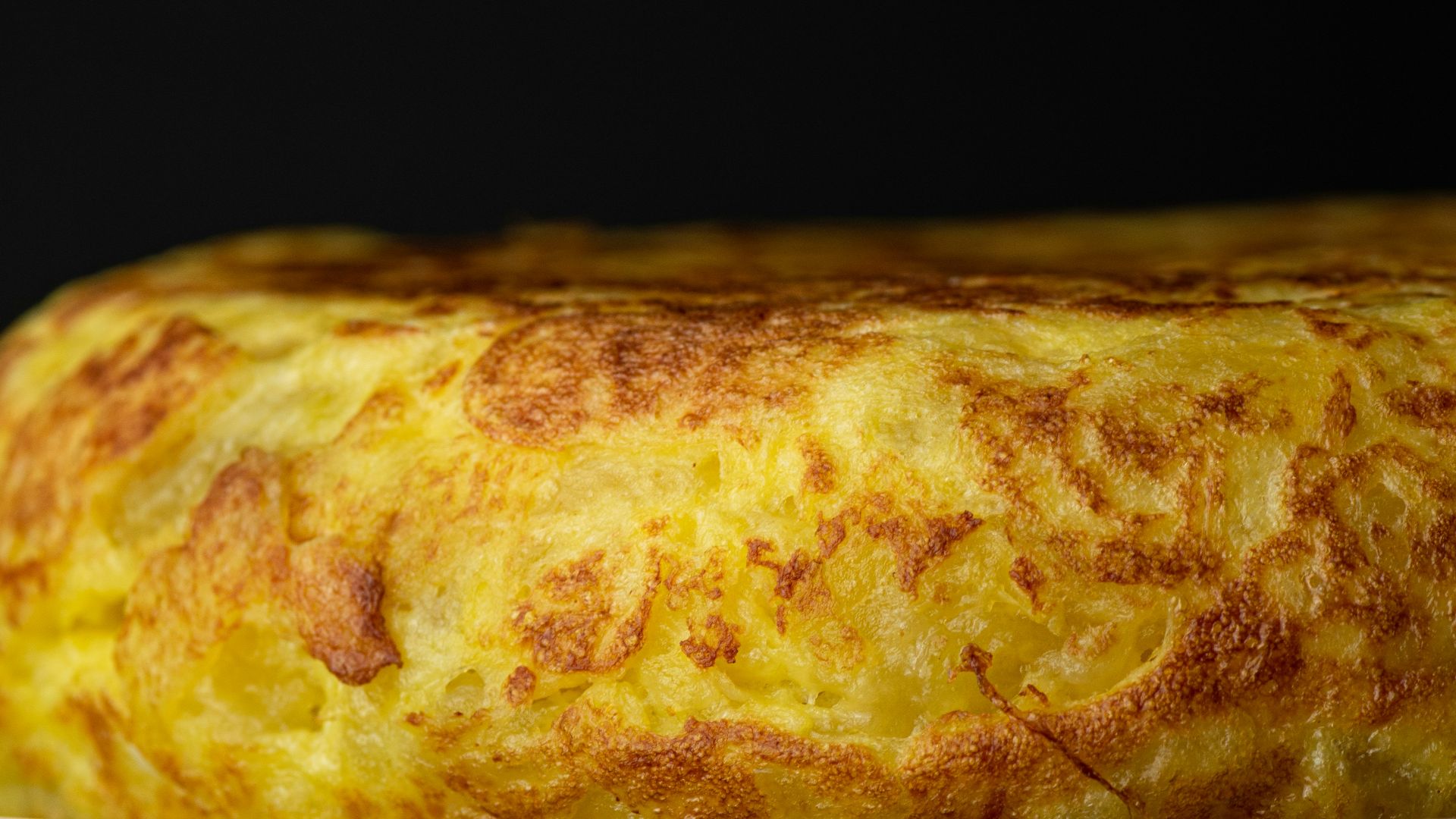
18. Wild Onion Omelets
If the travelers were lucky enough to have chickens that continued to lay eggs in their crates, they’d scramble them with gathered wild greens. You’d look for chives or wild garlic growing near creek beds to add some much-needed flavor. It was one of the few meals that felt like a true breakfast.
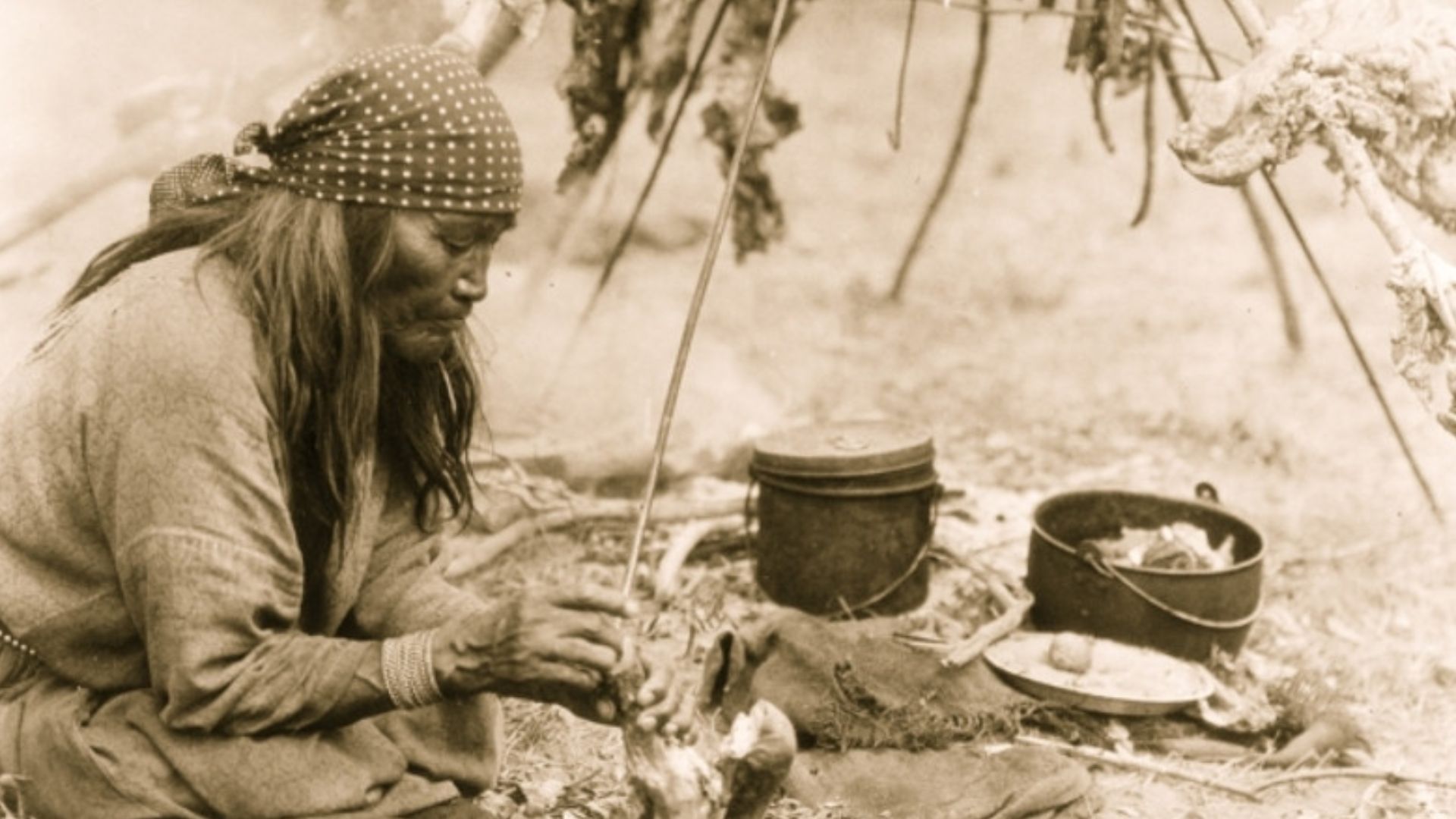
19. Pemmican Blends
The ultimate survival food, pemmican, was created by pioneers who followed the tradition of Native Americans. Meat was pounded into dust, then mixed with melted fat and berries. Pemmican could be eaten by itself or stirred into boiling water to form a nutritious soup.
 Unknown authorUnknown author on Wikimedia
20. Potluck Stew
On nights when multiple wagons stopped in the same area for safety, each traveler would contribute something to a large pot. Potluck stew was the opportunity to mix rice, potatoes, bacon, beans, or whatever else you had into one tasty meal.
KEEP ON READING
The Most Popular Chocolate Bars in the USA

The Most Popular Candies in the USA