Smelly Breath
Uh-oh, what's that smell? Even if you're sure you flossed after your meal, bad breath isn’t always about your oral care habits. In fact, what you eat can have a surprisingly big effect on how your breath smells, because some foods leave behind strong compounds while others help clean your mouth, boost saliva, or cover odors more naturally. If you’ve ever wondered why your mouth feels less than fresh after certain meals, here are 10 foods that can make your breath stink and 10 that can help freshen it up.

1. Garlic
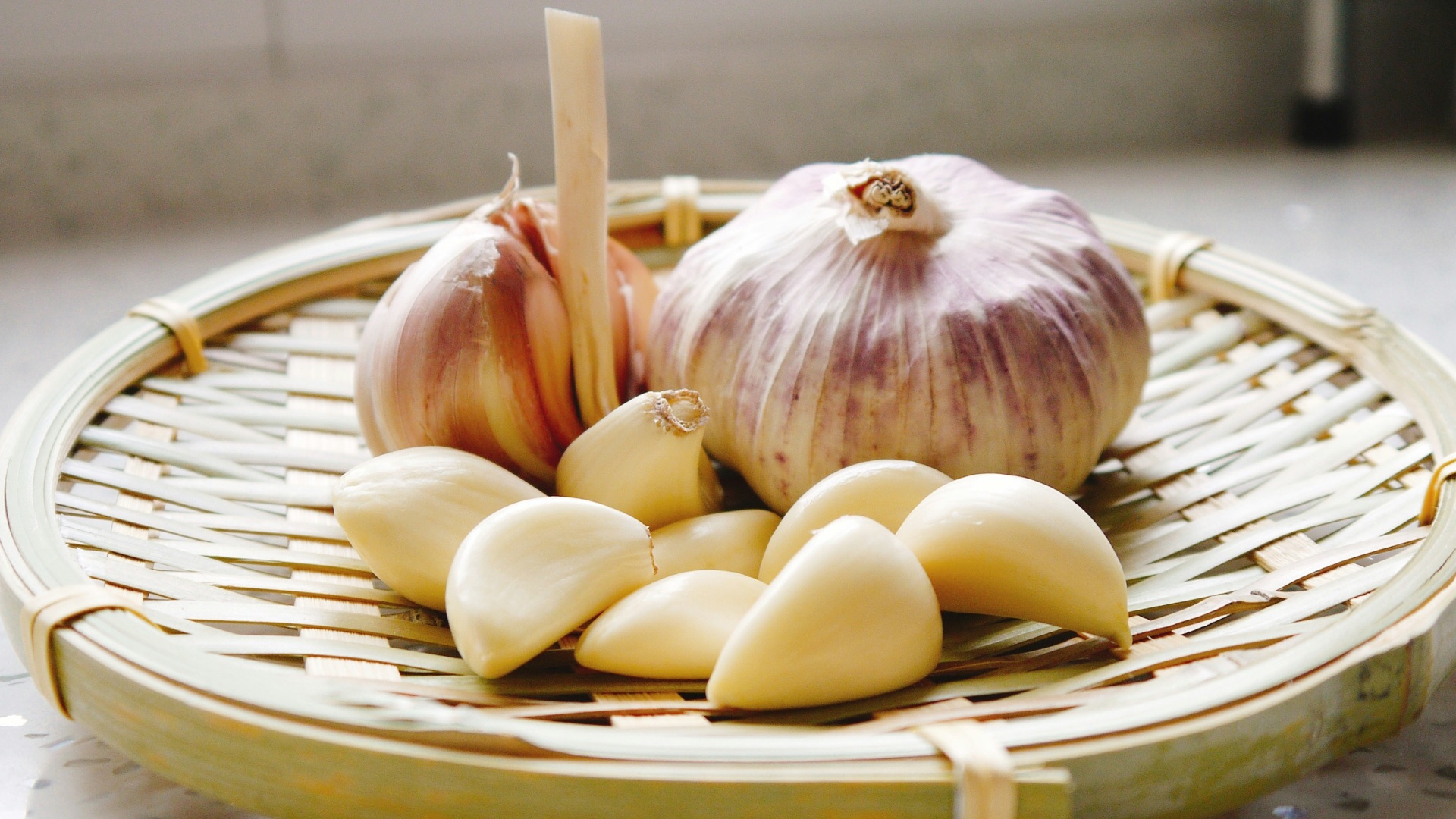
Garlic is one of the biggest offenders when it comes to bad breath because its sulfur compounds linger long after you’ve finished eating. Those compounds don’t just stay in your mouth, either, since they can enter your bloodstream and affect your breath as you exhale. That’s why brushing helps a little, but the smell can still hang around for hours.
2. Onions
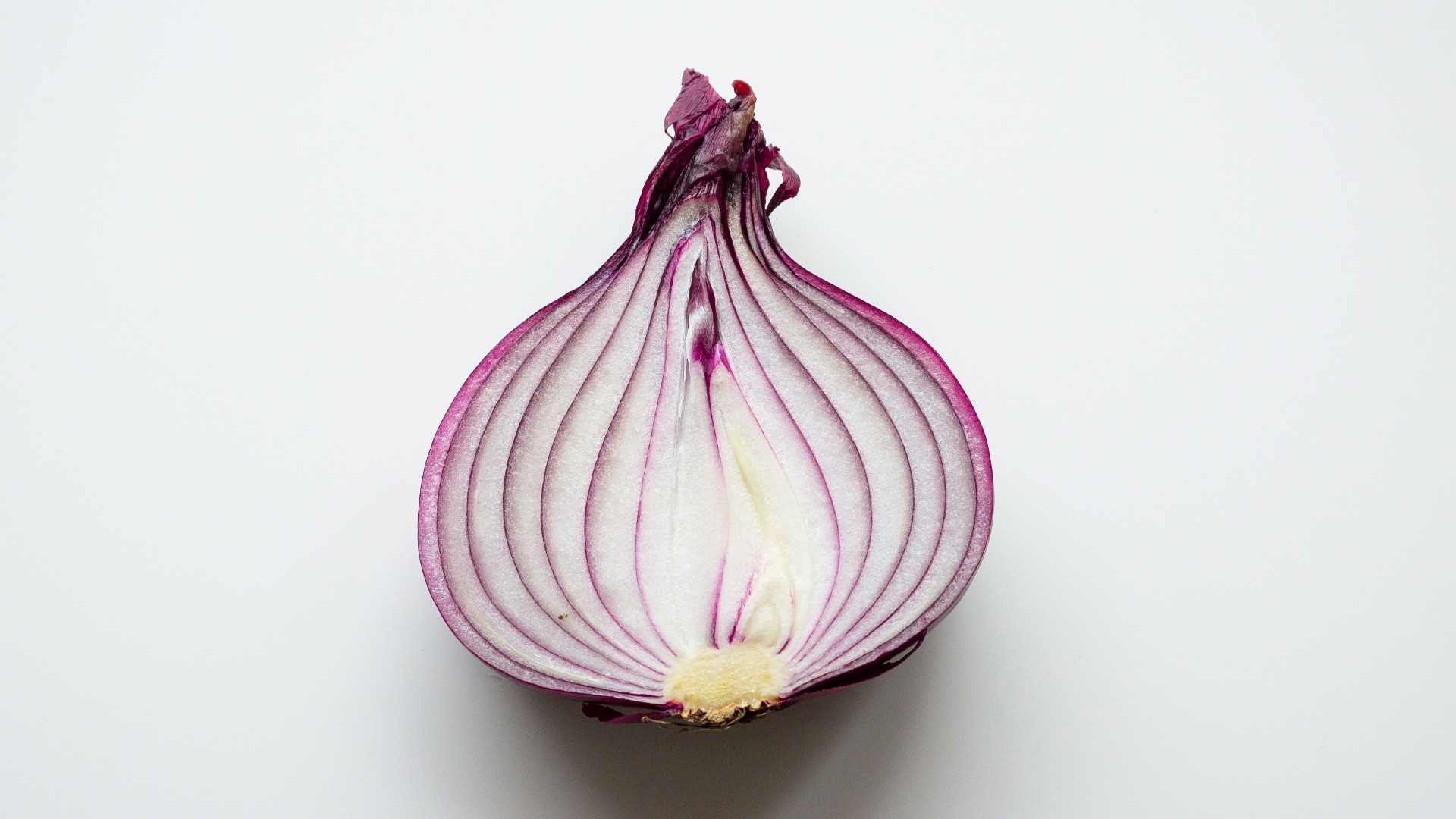
Raw onions are especially known for leaving behind a strong smell that can quickly take over your breath. Like garlic, they contain sulfur-based compounds that stick around in your mouth and continue to make themselves known after your meal is over. Even if they’re tucked into a salad or sandwich, they can still have a noticeable effect.
3. Canned Tuna
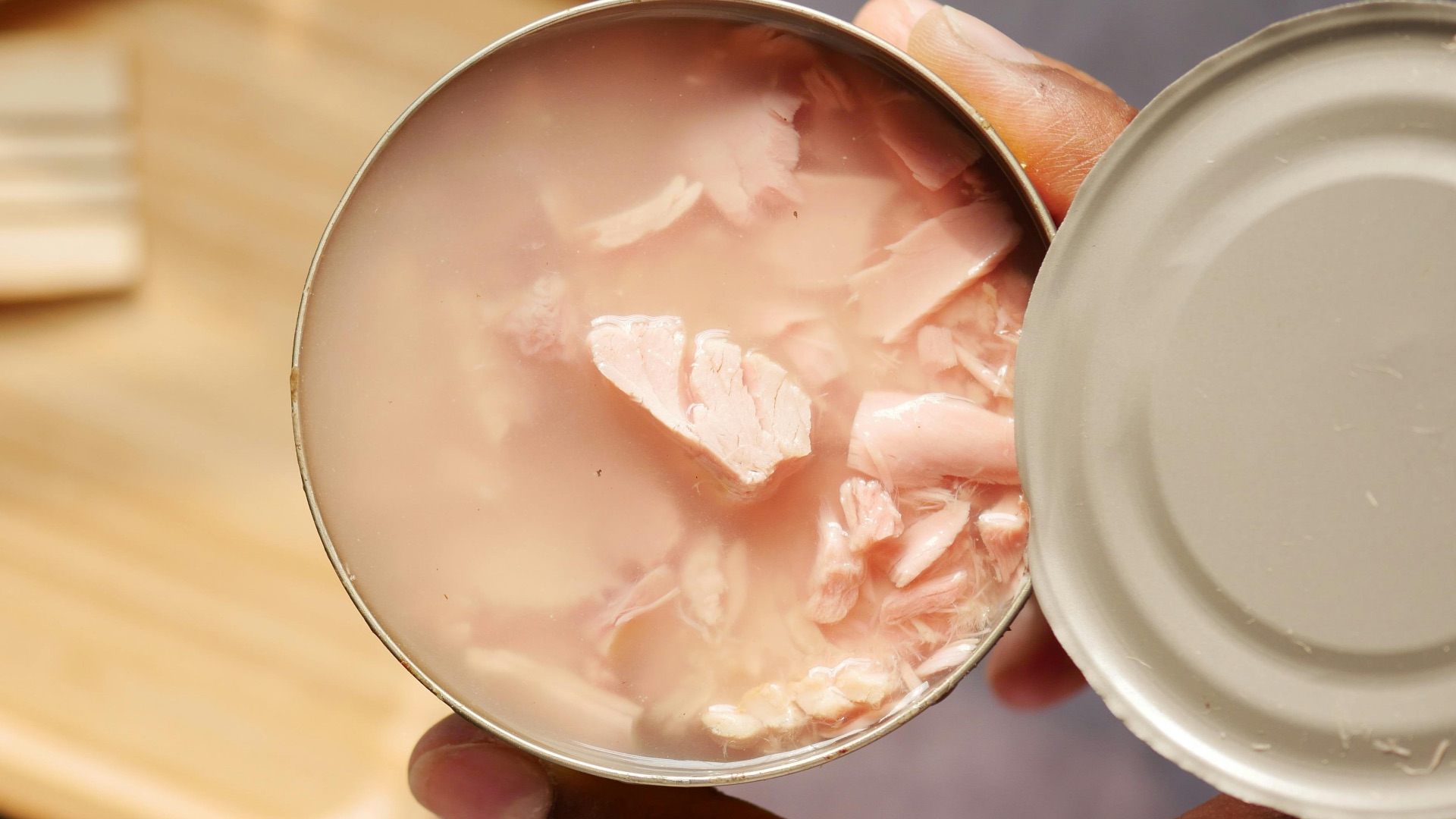
Canned tuna (and other fish dishes, like salmon) has a sharp, lingering smell that can easily transfer to your breath, but you probably don't need us to tell you that. Its strong fishy odor tends to stay on the tongue and in the mouth, particularly if you don’t drink water or brush soon afterward. When it’s mixed with creamy ingredients, that smell can be even more pungent.
4. Coffee
Coffee may wake you up in the morning, but it can also leave your mouth feeling dry and your breath less pleasant. A dry mouth means less saliva, and saliva is what helps wash away food particles and odor-causing bacteria. On top of that, coffee has its own intense aroma that doesn’t always fade quickly.

5. Alcohol
Before you pour yourself another drink or crack open a beer, you should know: alcohol can amplify bad breath. Why? Because like coffee, it also dries out your mouth and reduces saliva production. As your mouth gets drier, it's easier for bacteria to build up and create unpleasant odors. Cocktails may seem less obvious than straight liquor, but the effect can still show up the next morning or even sooner.

6. Blue Cheese
It probably goes without saying that blue cheese has a pretty strong smell before you even take a bite, so it’s no surprise that it can affect your breath afterward. Its pungent character tends to linger in the mouth, especially because creamy foods can coat the tongue and teeth. If you’re already prone to dry mouth, it can feel even more noticeable.

7. Sugary Candy
Sugary candy doesn’t usually smell strong on its own, but it feeds the bacteria in your mouth that create odor. As those bacteria break down sugar, they produce acids and compounds that can leave your breath smelling worse over time. Sticky candy—think taffy and caramel—is especially troublesome because it tends to cling to your teeth longer.

8. Bacon
Ever had bacon for breakfast and felt like the taste (and smell) of it lingered in your mouth all the way until lunch? You're not alone. Bacon can leave your breath smelling strong because of its smoky aroma and greasy residue. Since it’s also salty, it may contribute to a drier mouth, which gives odor-causing bacteria more opportunity to build up.

9. Fast Food
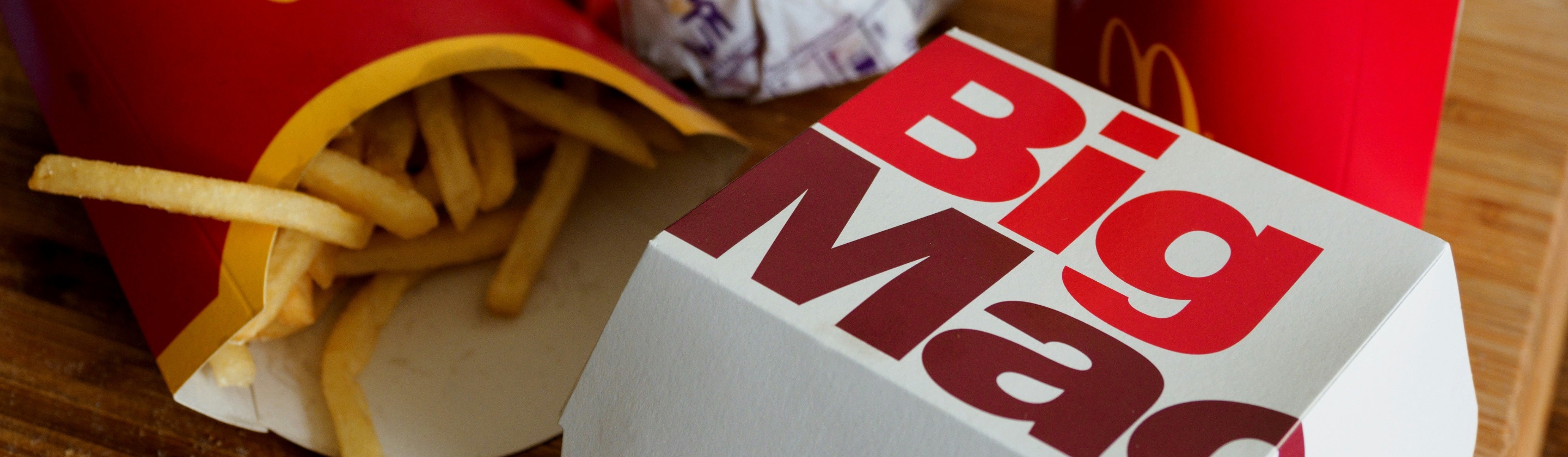
How often do you eat fast food? Sure it's quick, convenient, and tasty, but here's the bad news: your burgers and fries are also probably leaving your breath less than fresh. After all, fast food meals are often heavy in onions, garlic, grease, spice, and salt, all of which can contribute to unpleasant, lingering odors. The combination also tends to sit heavily in your mouth (and stomach), especially when fried foods, processed meats, or rich sauces are included.

10. Chips
Potato chips might not seem like a major culprit, but starchy foods can contribute to bad breath more than people realize. Starch breaks down into sugars, which give mouth bacteria more to feed on, allowing them to produce odor-causing compounds. Chips also tend to leave small particles behind, and that residue can stick around between your teeth.
Let's jump to the flip side now and take a look at 10 foods that can help naturally freshen your breath.

1. Apples
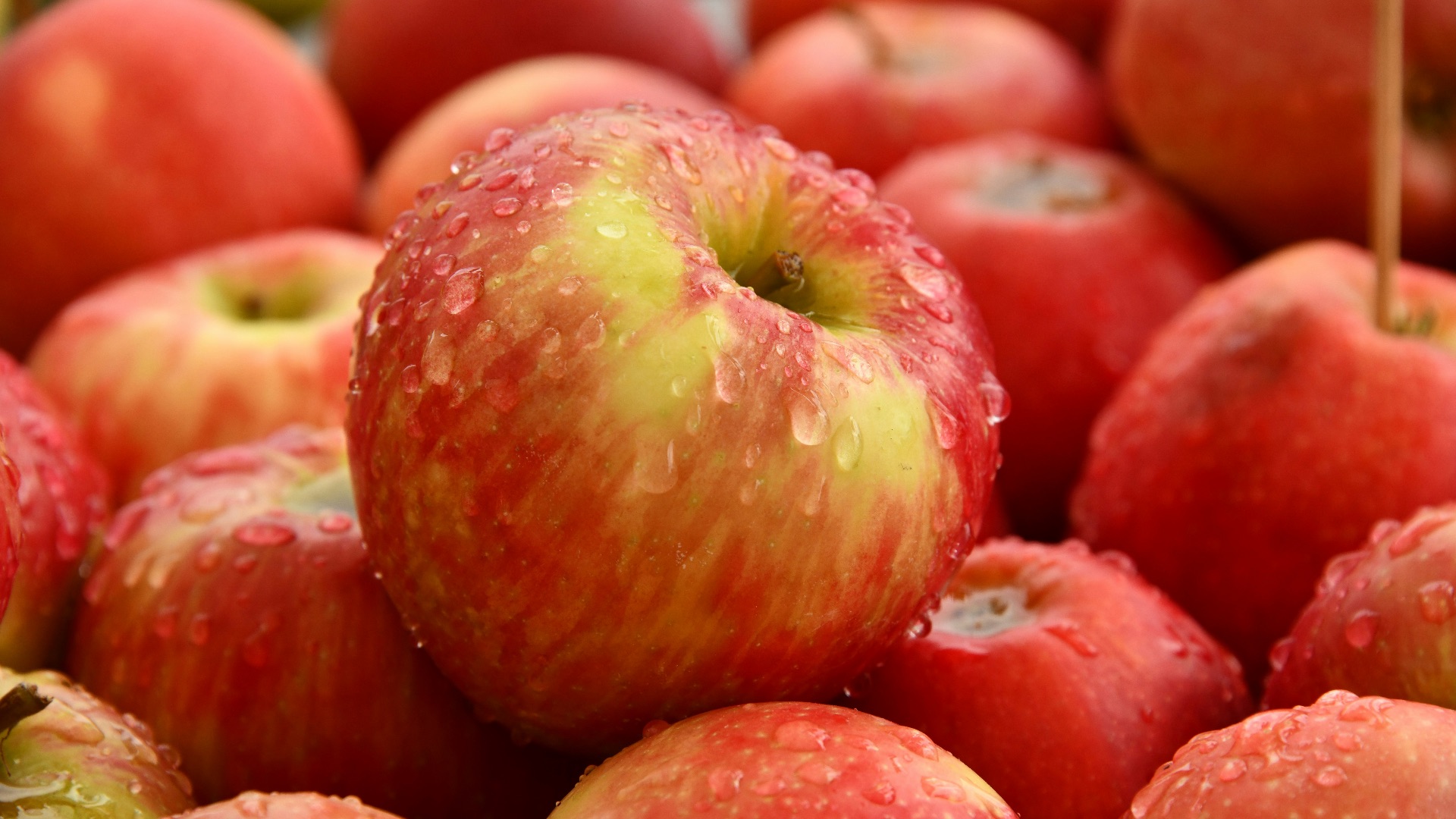
Apples can help freshen your breath because their crisp texture encourages chewing and stimulates saliva; that extra saliva helps rinse away food debris and some of the bacteria that contribute to odor. Snacking on a juicy, crunchy apple after a meal can also leave your mouth feeling cleaner overall. Plus, they're naturally sweet!
2. Parsley
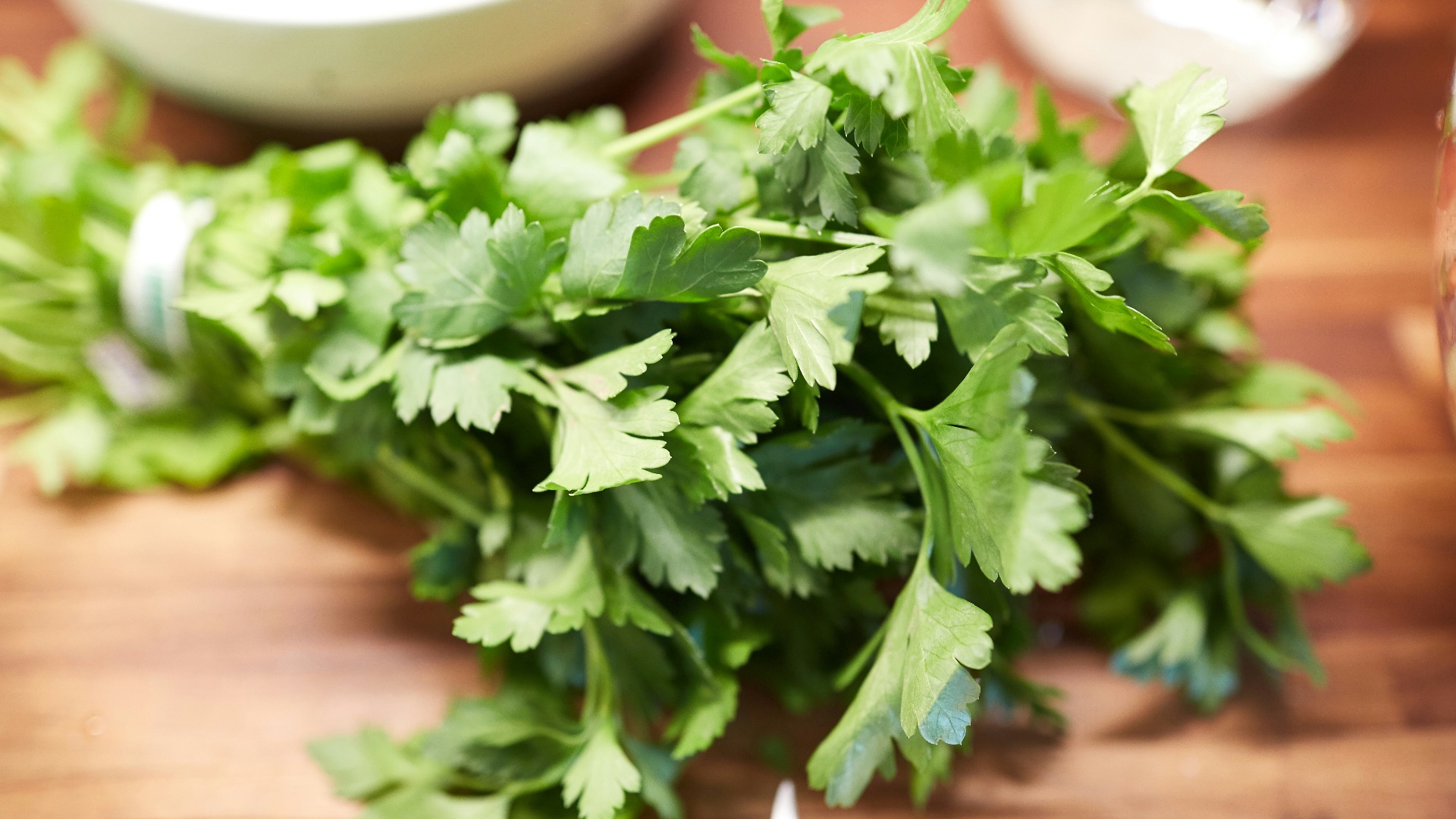
Parsley has long been associated with fresher breath, and there’s a good reason for that: namely, because its natural oils have a clean, bright scent that can help mask stronger food odors for a while. Sure, chewing a little after a garlicky meal won’t solve everything, but it can definitely help.
 David Todd McCarty on Unsplash
3. Mint
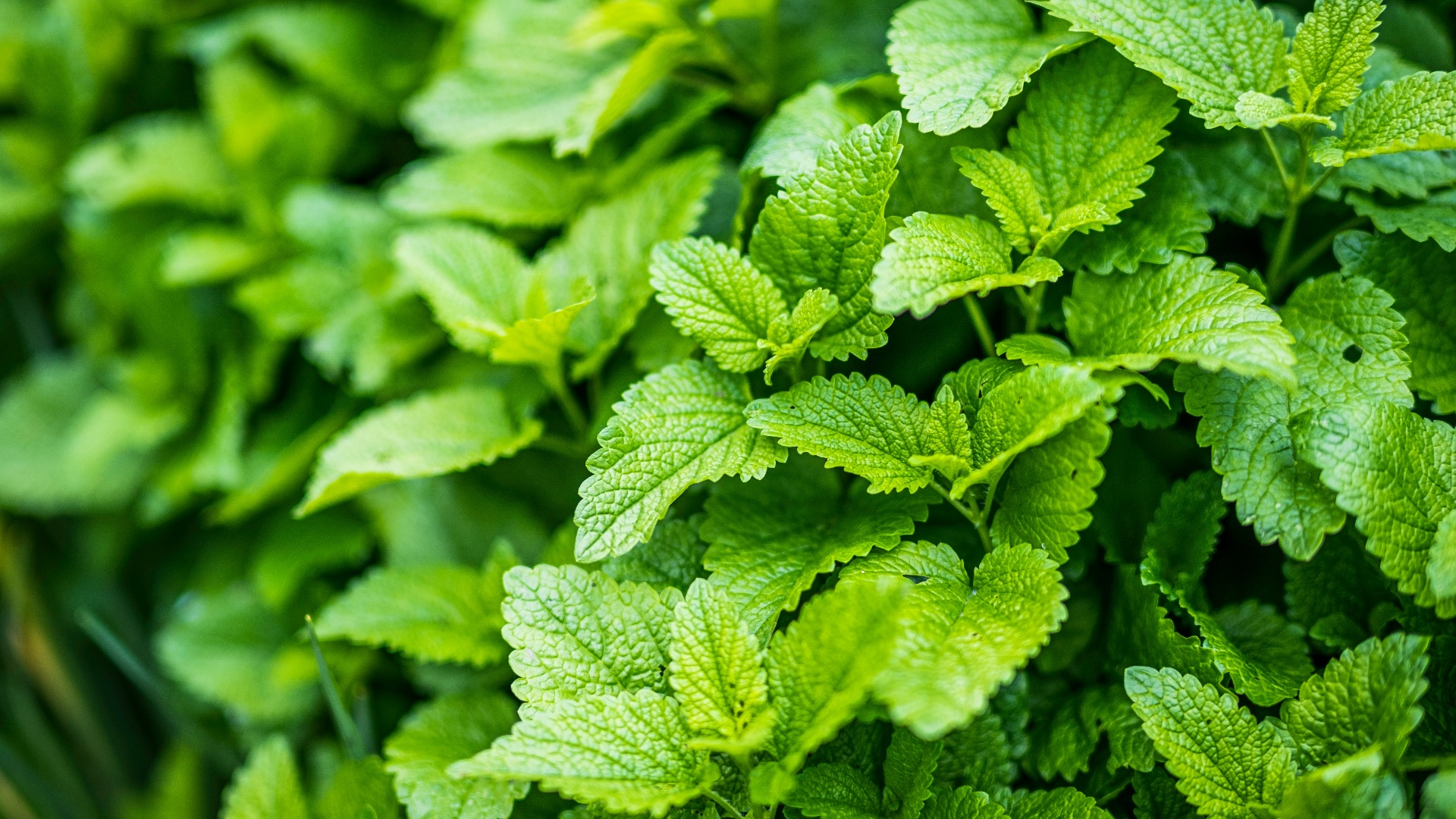
Mint is one of the most familiar breath-freshening herbs because it leaves a cool, clean taste in your mouth. Fresh mint leaves can temporarily cover unpleasant smells while also giving you that just-brushed feeling, so make yourself some mint tea! Keep in mind, though, that it tends to work best as a quick boost rather than a long-term fix.
4. Yogurt
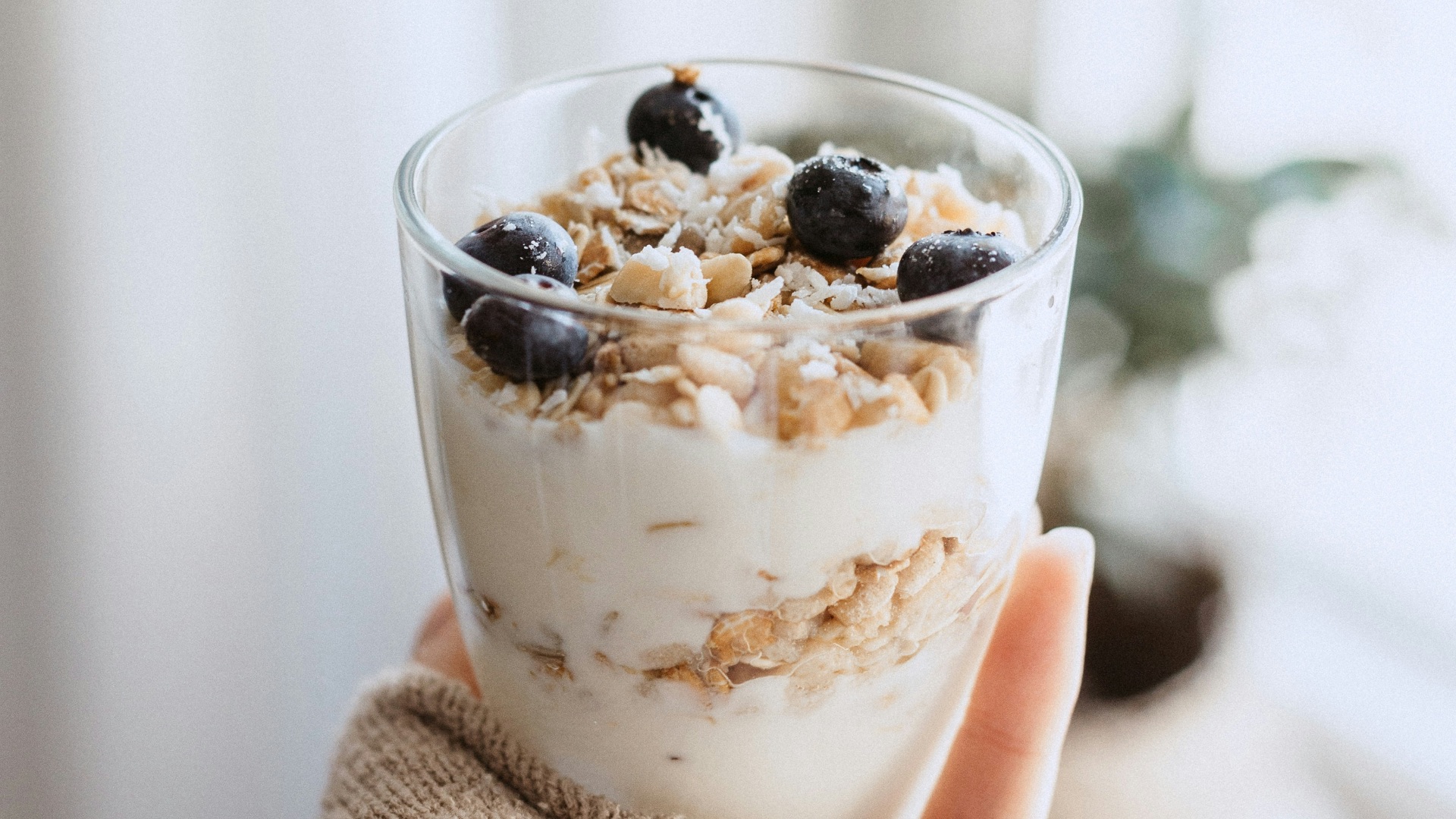
Plain yogurt may help improve breath because it contains beneficial bacteria that can support a healthier balance in your mouth. Some research also suggests it may reduce compounds linked to unpleasant odors when eaten regularly. Choosing a lower-sugar option makes more sense, since too much sugar can work against the benefit.
5. Celery
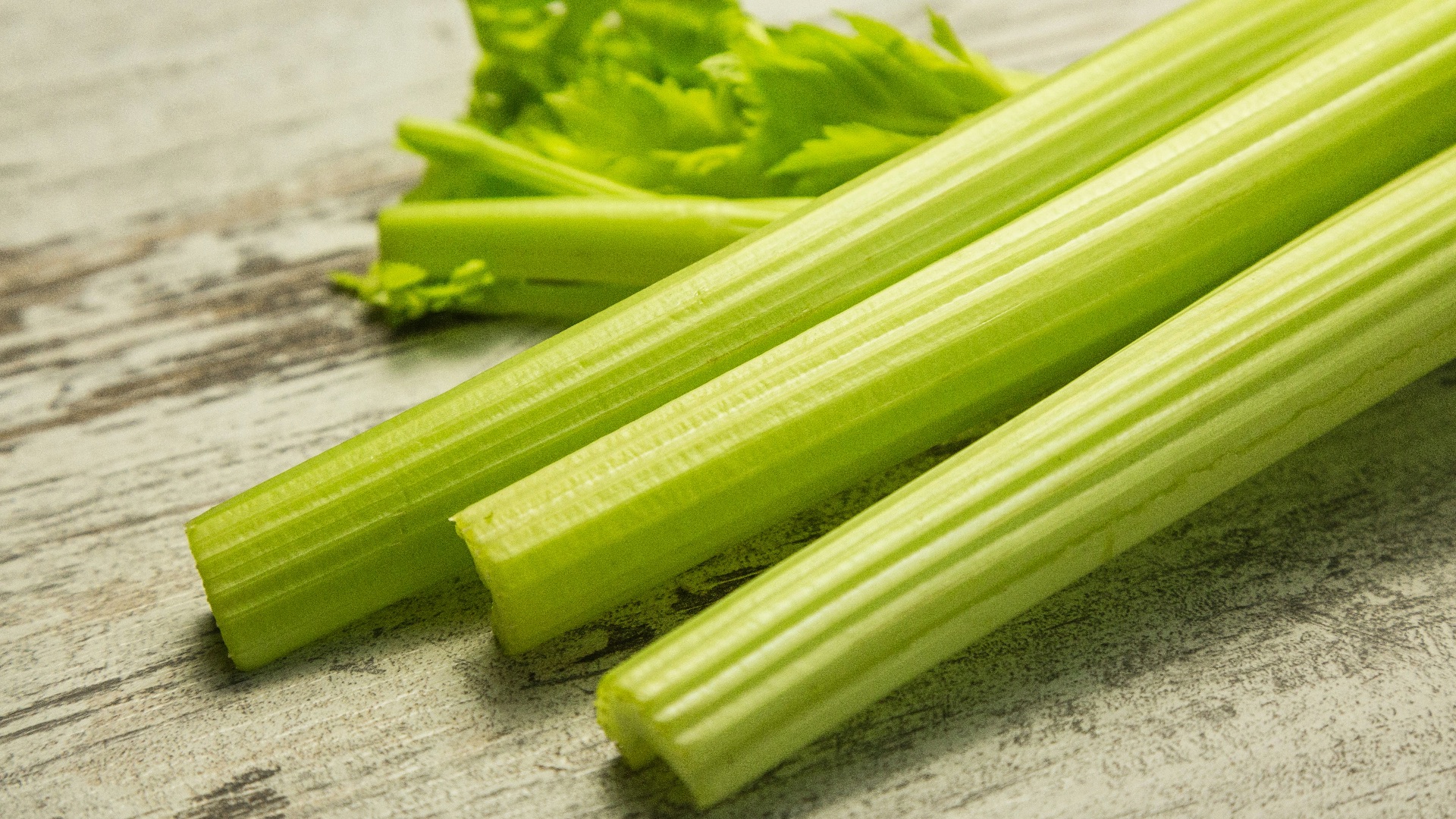
Sorry, celery haters, but crunching on these veggie sticks is actually really great for getting your mouth moving after a meal. Chewing it can help loosen food particles while its water content supports a fresher-feeling mouth. It’s also mild in flavor (though that can be subjective), so it doesn’t leave behind a strong smell of its own.
6. Cucumbers
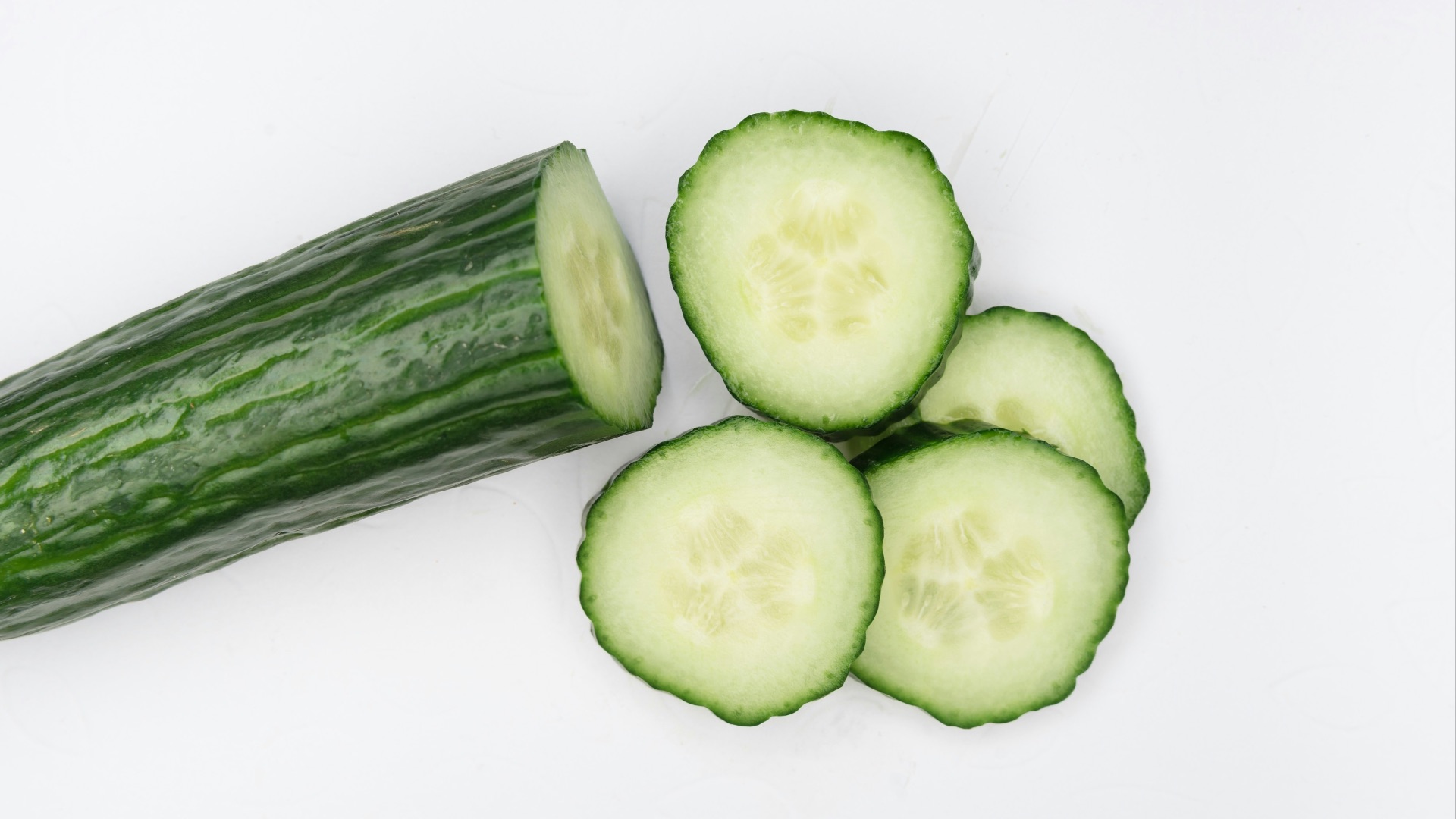
Cucumbers can help freshen breath because they’re high in water and have a very clean, light taste. The moisture helps with saliva production, which matters when you’re trying to reduce unpleasant odors in the mouth. Snack on them after eating salty or heavily seasoned foods; they'll taste especially refreshing!
7. Carrots
Raw carrots are another smart choice when your mouth feels less than fresh. Their firm texture encourages more chewing, which helps stimulate saliva and can gently clear away leftover food bits. Since they’re naturally sweet without being sticky like candy, they’re a much healthier option than sugary snacks.
 Antoni Shkraba Studio on Pexels
8. Fennel
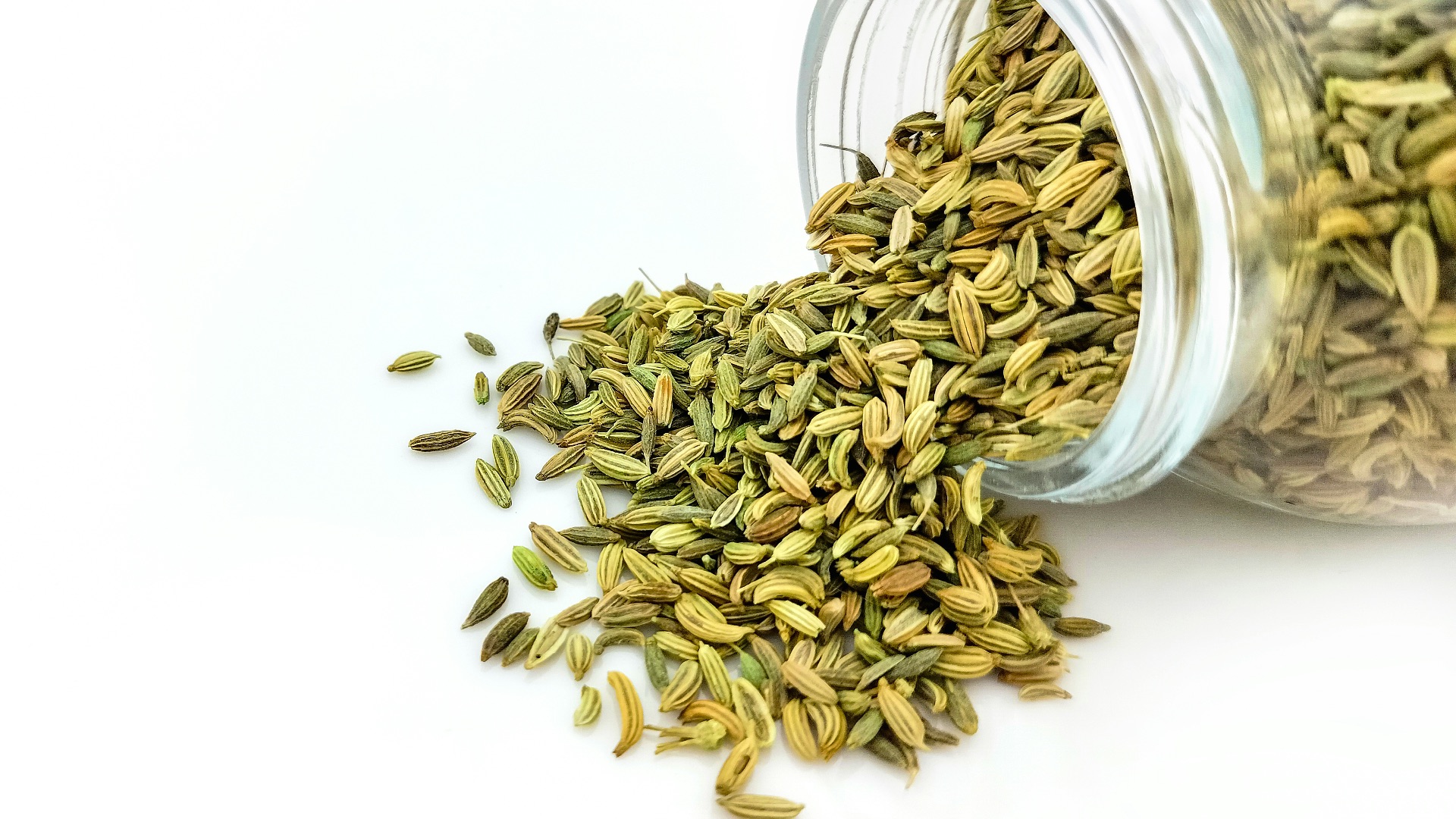
While fennel seeds are mainly used to aid digestion, they're also great for freshening breath due to their naturally clean and slightly sweet taste. People have chewed on these seeds after meals for years because they can help cover food odors and give your mouth (and gut) a quick reset. If you're not fond of mint or parsley, fennel might be a better pick.
9. Leafy Greens
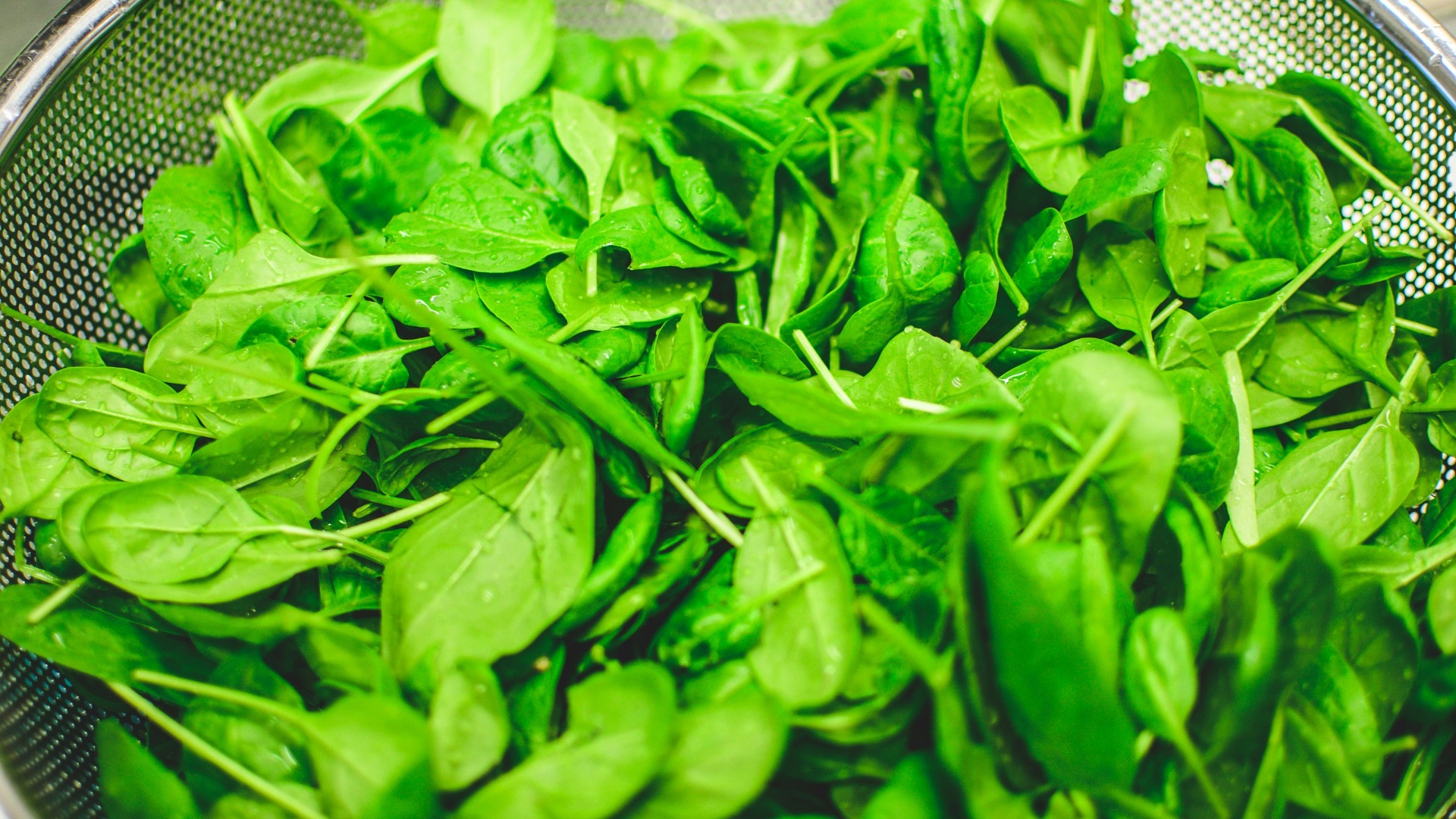
Leafy greens such as spinach and lettuce can help because they’re high in water and don’t leave behind a heavy smell. They also make a good base for meals when you want something lighter and less likely to linger on your breath. Adding more greens to your plate won’t replace brushing, of course, but it can make a noticeable difference.
10. Pineapple
Pineapple is often mentioned as a food that can leave the mouth tasting cleaner and fresher. Its juicy texture helps keep your mouth from feeling dry, and that alone can improve how your breath smells afterward. Since it has a bright, pleasant flavor, it’s a great treat to have after any meal.

KEEP ON READING




20 Reasons You Should Stop Eating Out