Every Country Has One Fight It Refuses To Settle
Ask someone where a dish really comes from and watch the mood in the room change. Food nationalism runs deep, and it rarely has anything to do with the recipe itself. It's about who gets to claim the story, who wrote it down first, and whose grandmother is right. Borders shift, empires fall apart, and diaspora communities carry recipes across oceans, but the dish stays put in everyone's memory as belonging to them alone. Here's 20 national dishes that have sparked genuine, long-running arguments about who actually owns them.
1. Paella
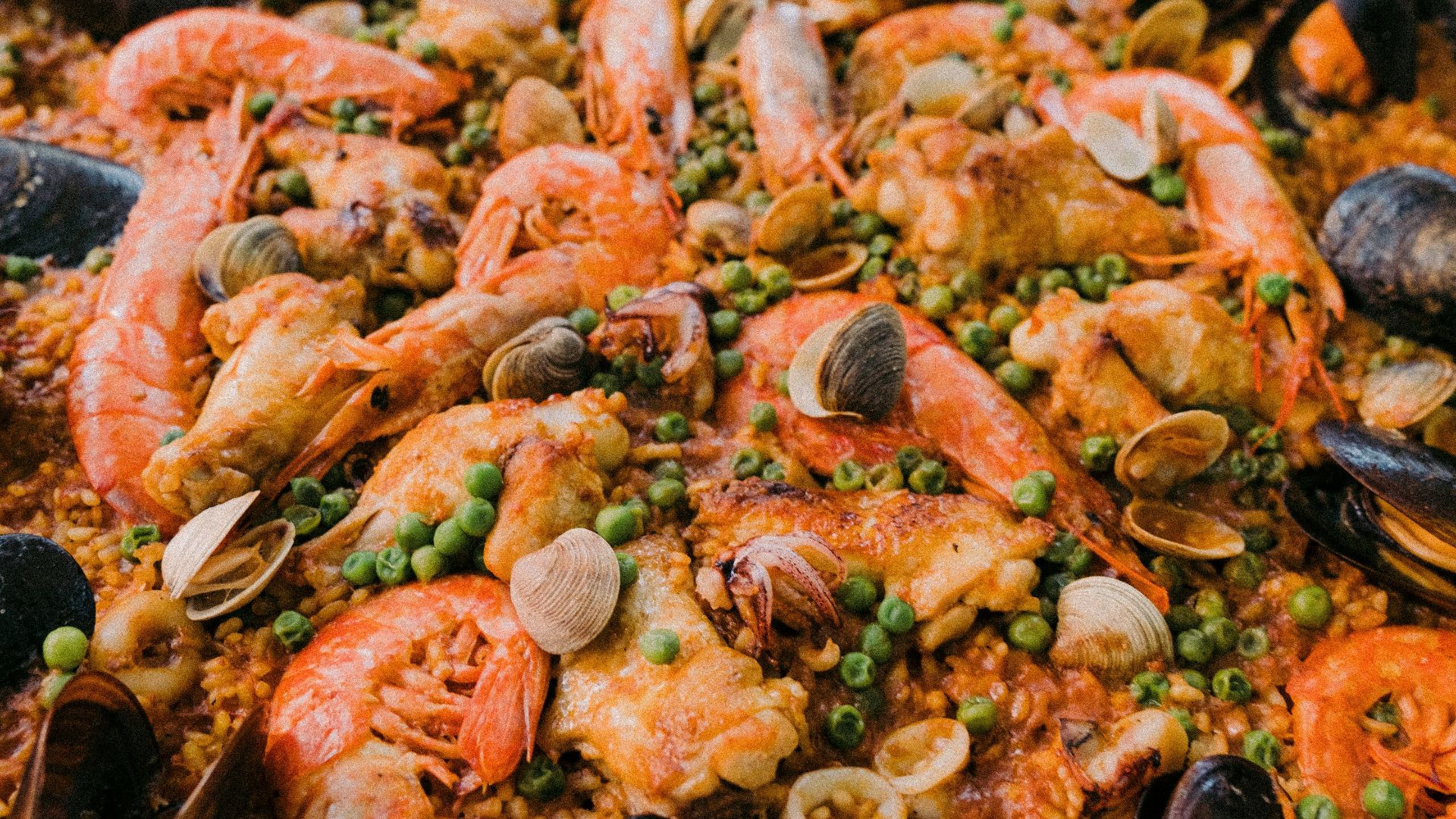
Valencians will tell you, without much patience, that paella means rabbit, chicken, and beans, and that seafood paella is a tourist invention. The rest of Spain disagrees loudly enough that regional cook-offs have turned into minor diplomatic incidents. Somewhere in the middle, most people just eat whatever version is in front of them and stay out of it.
2. Pavlova
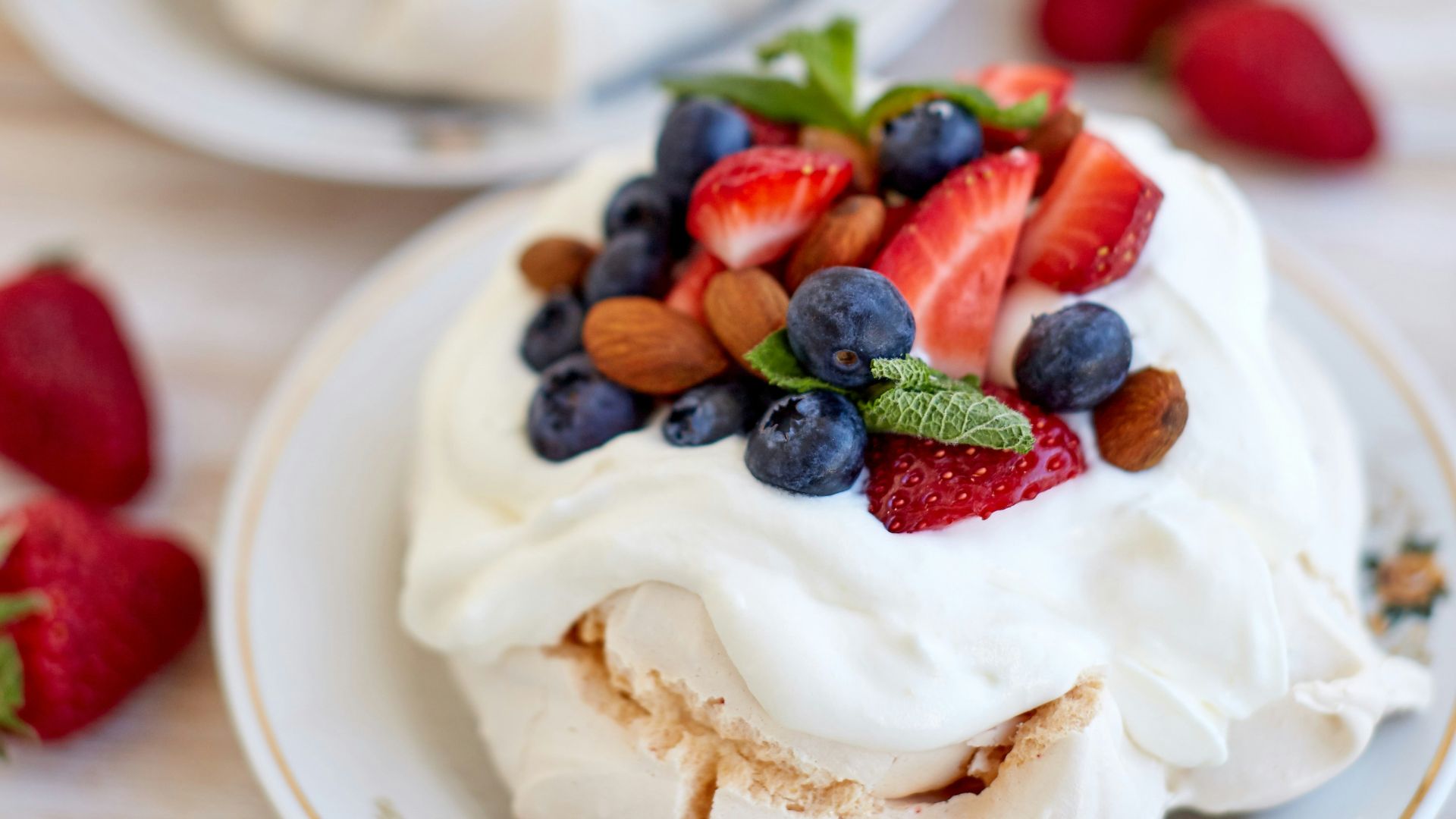
Australia and New Zealand have been fighting over this meringue dessert for close to a century, and neither side shows any sign of backing down. Historical records get cited, chefs get quoted, and somehow the argument always ends in a stalemate. Both countries keep making it anyway, which might be the only part everyone agrees on.
3. Hummus
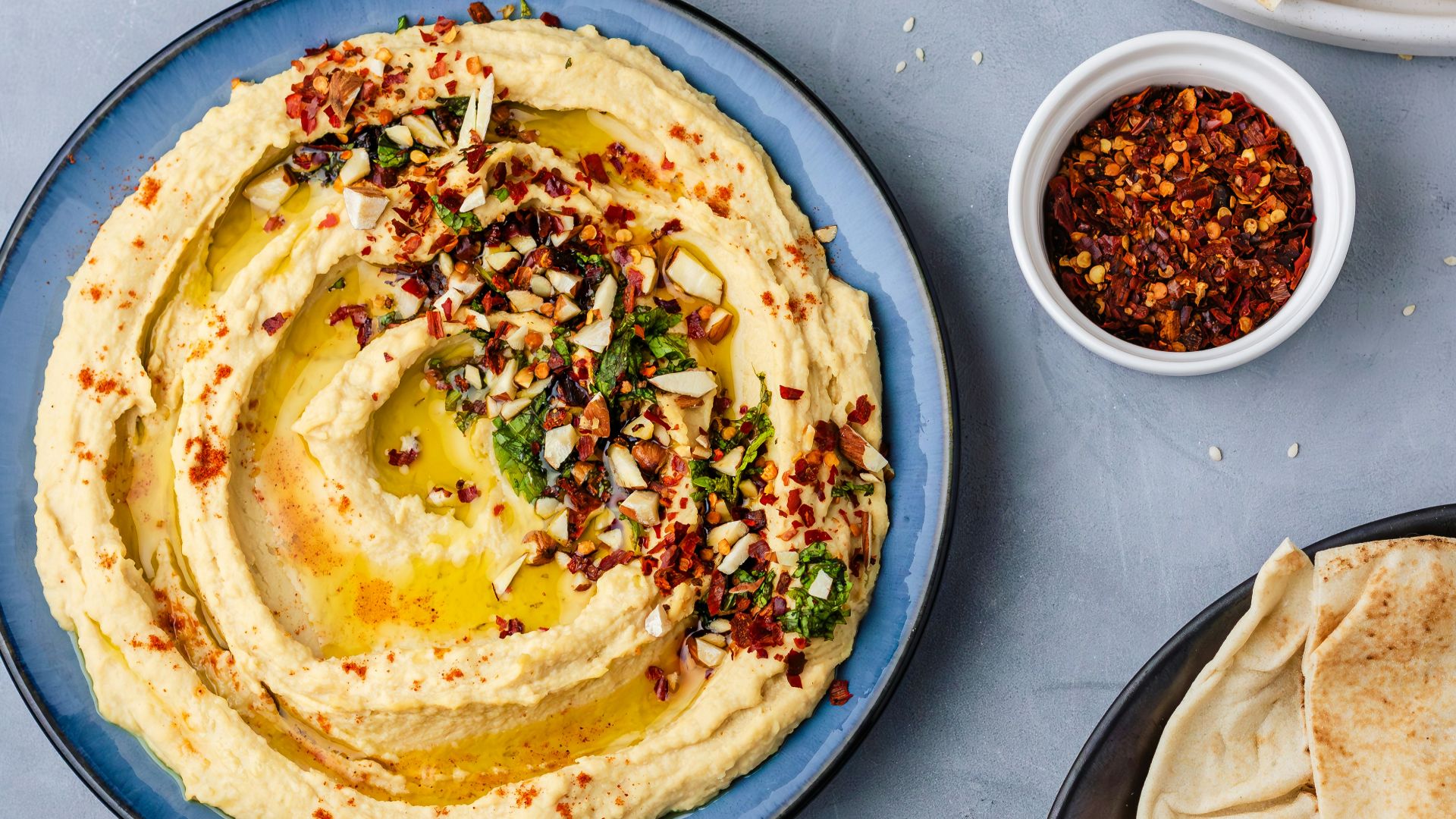
The chickpea dip at the center of Middle Eastern cuisine has become a real flashpoint, with Israel, Lebanon, and Palestine all staking a claim to it. Lebanon even tried to get it protected as a national product, which Israel pushed back on hard. Meanwhile, it just tastes better with too much garlic, regardless of whose flag ends up next to it.
4. Borscht
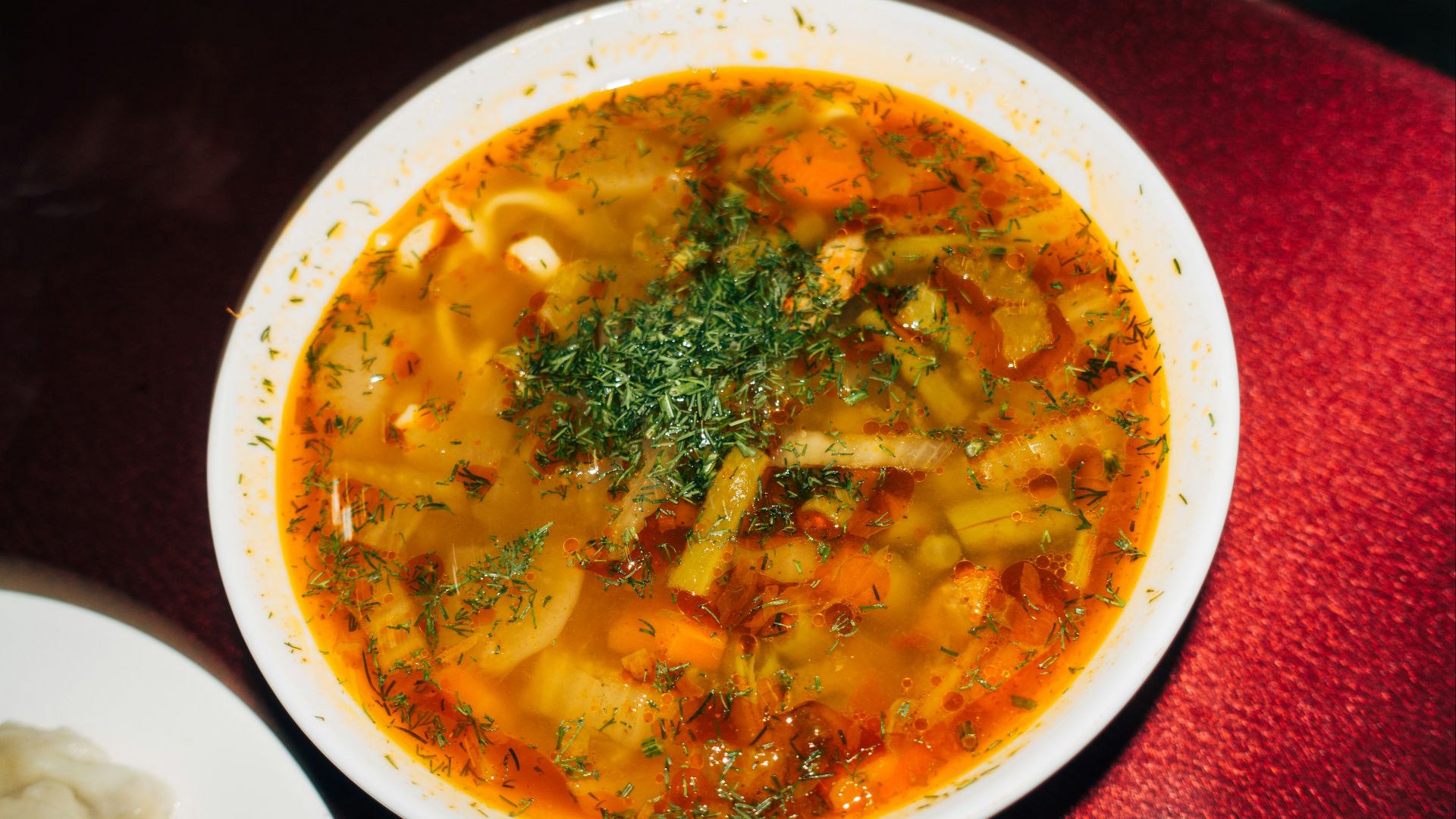
Ukraine successfully got borscht recognized by UNESCO as part of its cultural heritage, a move that did not sit well in Russia. The soup predates both modern nations by centuries, which hasn't stopped either side from treating it like recent property. Beets remain the one ingredient nobody argues about.
5. Goulash
Hungarians will insist real goulash is a thin, paprika-heavy soup, not the thick beef stew most of the world imagines. Austria, Czechia, and Germany all have their own versions, each one convinced theirs came first. The word alone has drifted so far from its origins that ordering "goulash" in three different countries gets you three different meals.
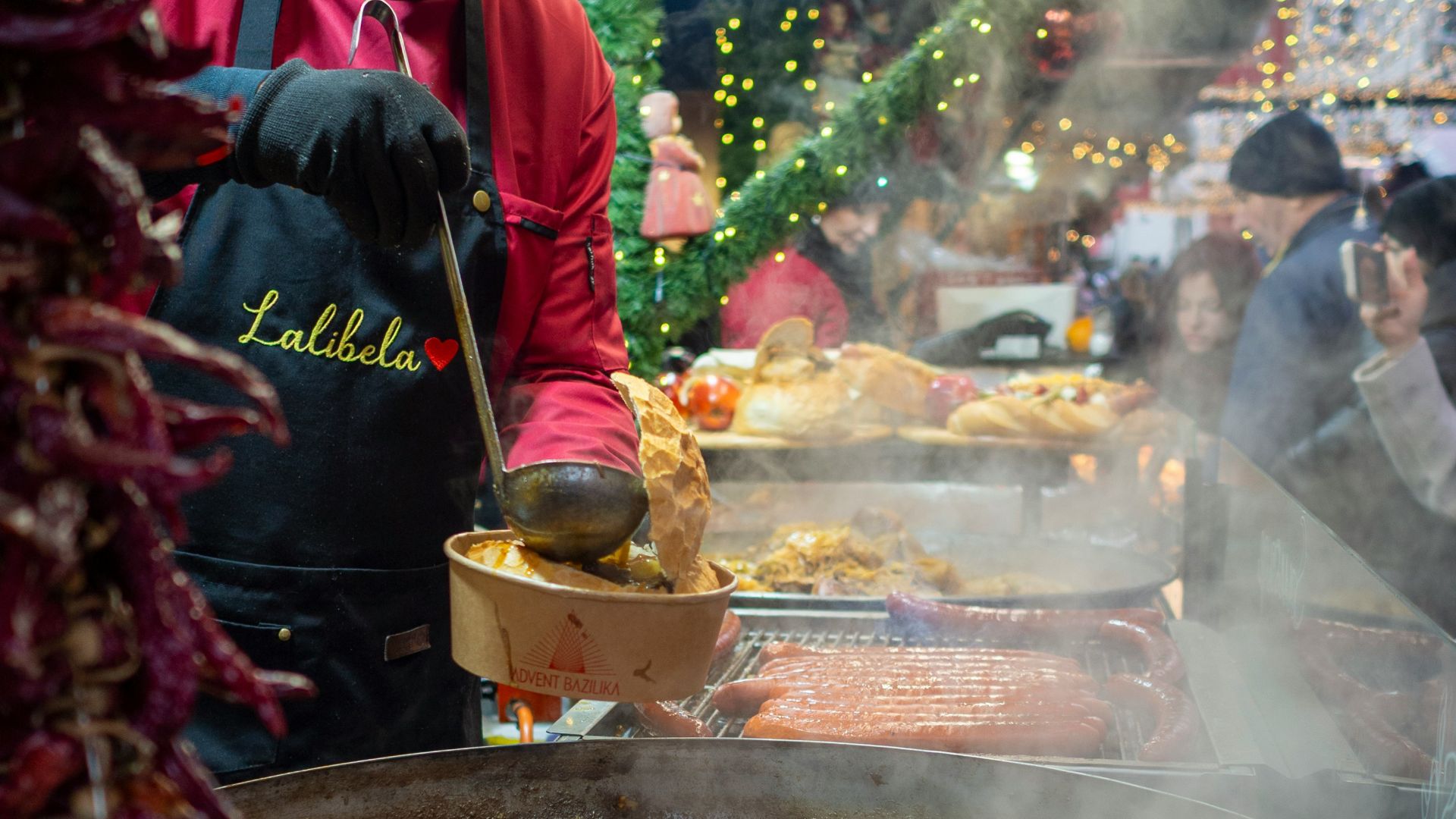 Tícia Vesztergombi on Unsplash
6. Dulce De Leche
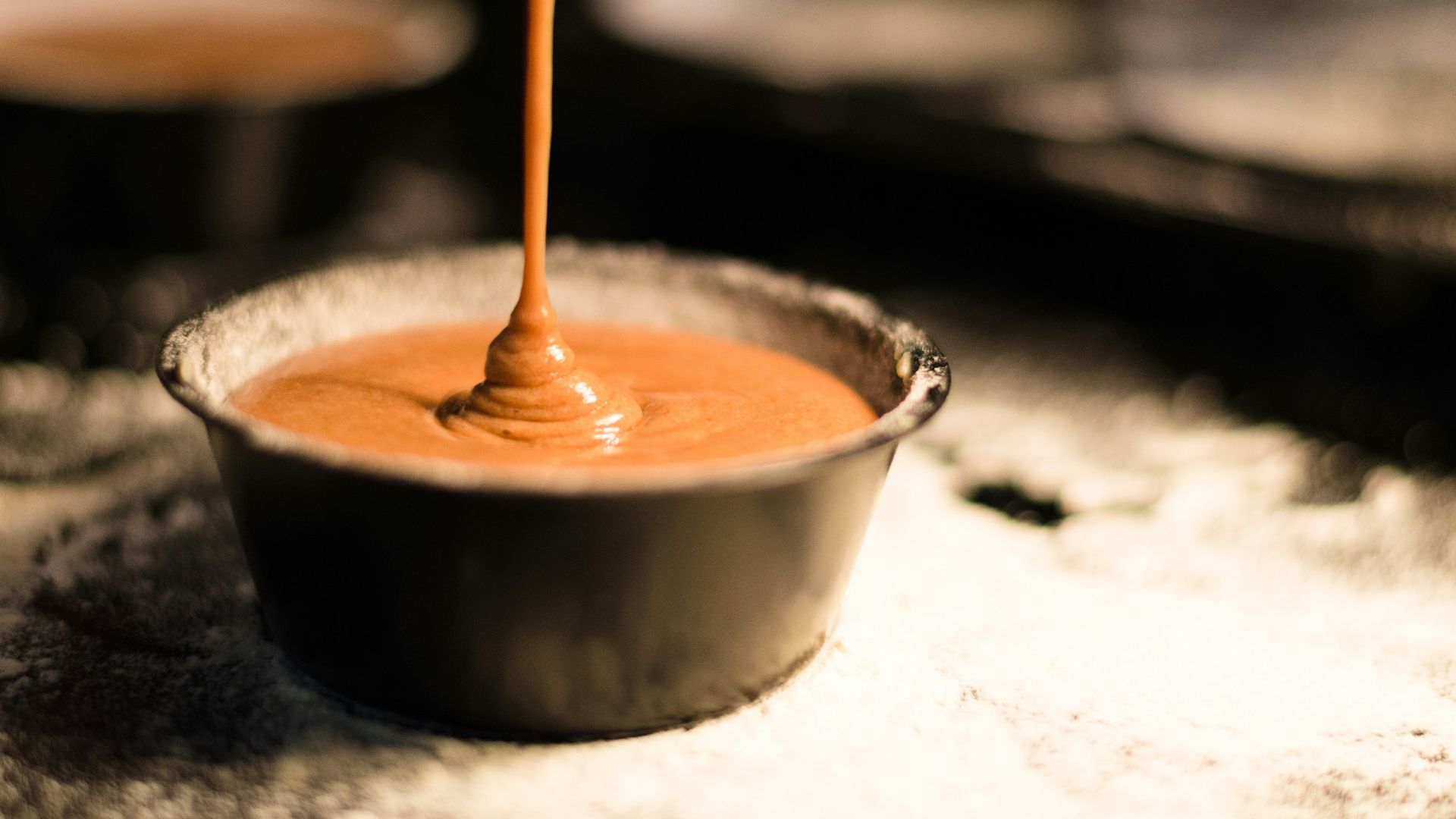
Argentina treats dulce de leche as untouchable national property, complete with a government-recognized holiday in its honor. Uruguay disputes that just as forcefully, pointing to its own centuries-old dairy tradition and its own name for the same spread. France has occasionally waded in too, insisting its confiture de lait came first, though nobody in Buenos Aires seems especially bothered by that argument.
7. Pisco Sour
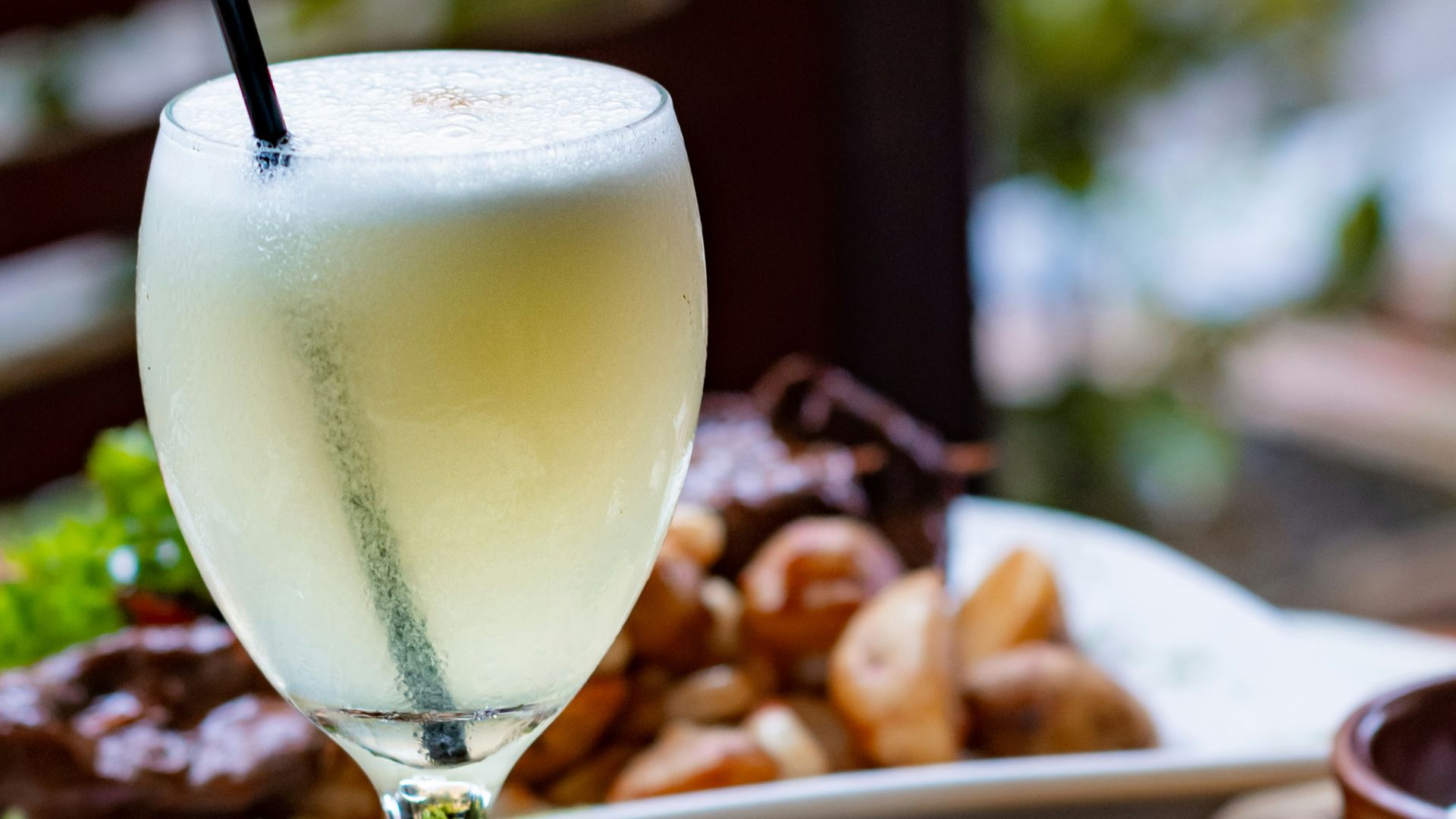
Peru and Chile have fought over pisco itself for more than a century, and the sour cocktail made from it just inherited the whole mess. Peru celebrates National Pisco Sour Day every February, a move Chile has never fully forgiven. Both countries distill the spirit differently enough that a side-by-side taste test settles nothing.
8. Halloumi
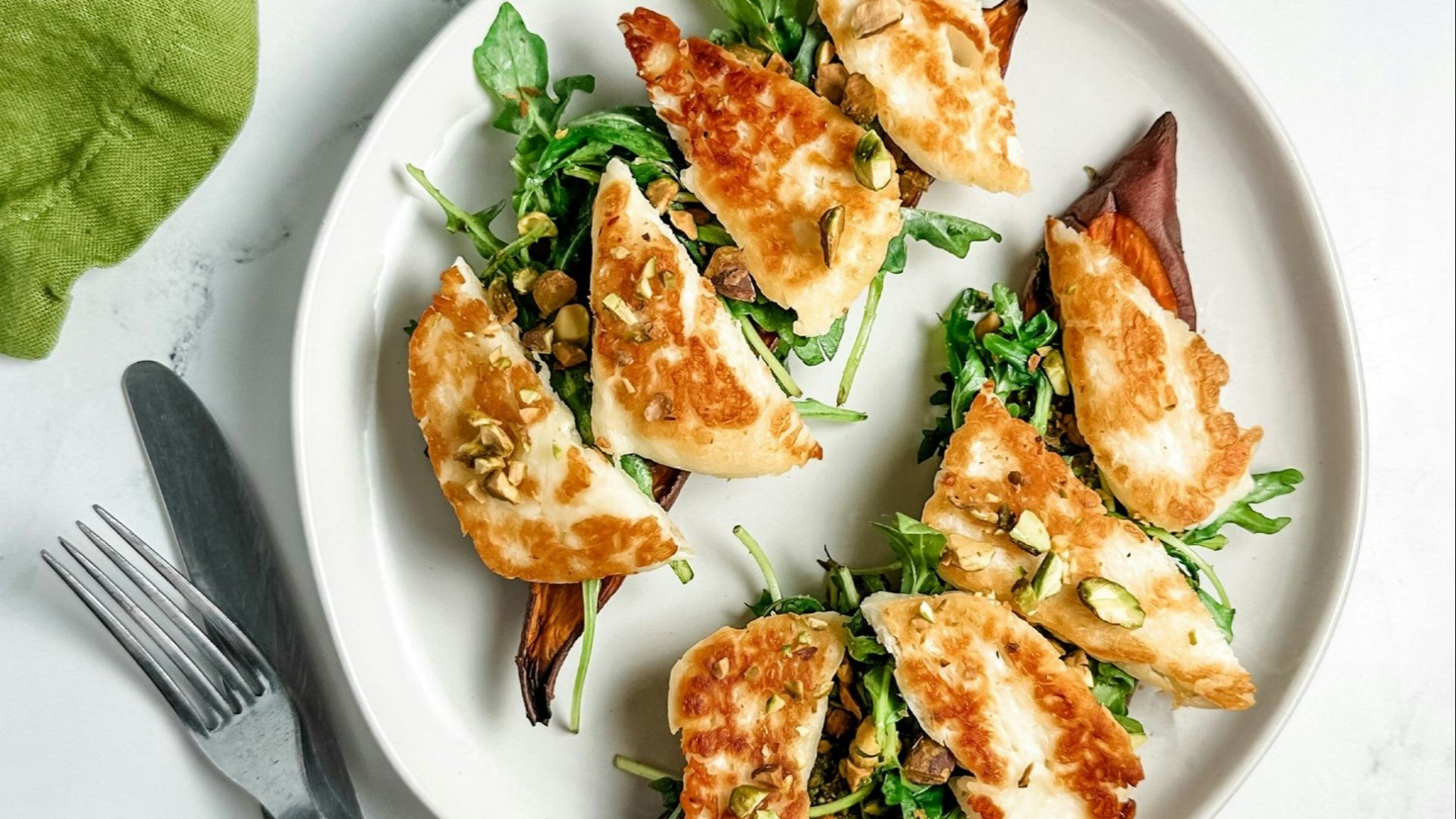
Cyprus secured European protected status for halloumi in 2021, a decision that set off a fresh round of tension with Turkey and the Turkish Cypriot north, where producers make and export their own version under a different name. Lebanon has its own centuries-old halloumi-style cheese too, and Lebanese producers were not thrilled to watch Cyprus lock down the name internationally. The cheese still squeaks the same way no matter which side of the dispute made it.
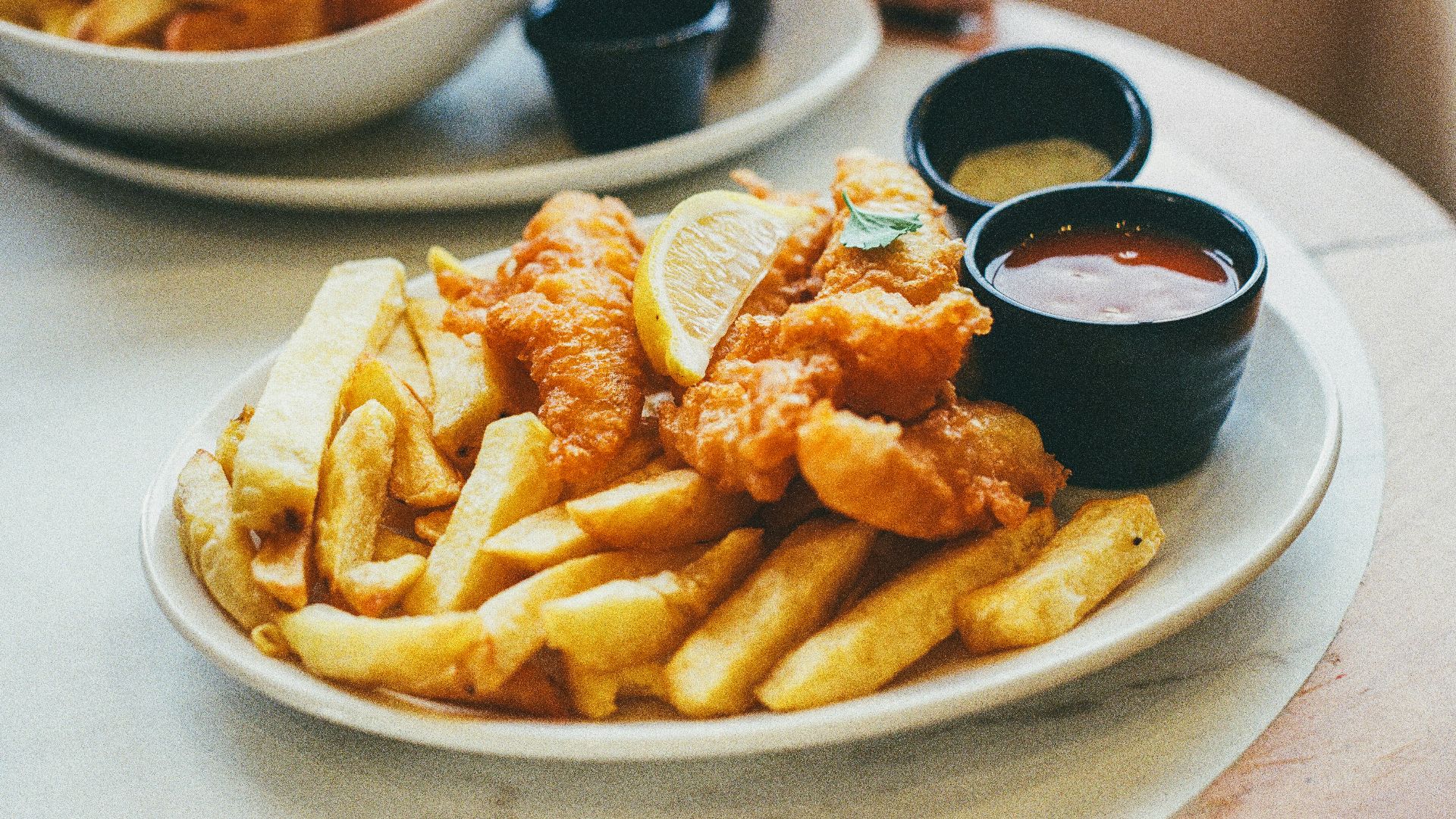
9. Fish And Chips
England claims fish and chips as a national dish, but the fried fish itself likely arrived with Jewish immigrants from Spain and Portugal, and the fried potato came from somewhere else entirely. Belgium has its own long-standing claim to inventing the fries, which the British side tends to wave off. The combination stuck in England regardless of where each half started out.
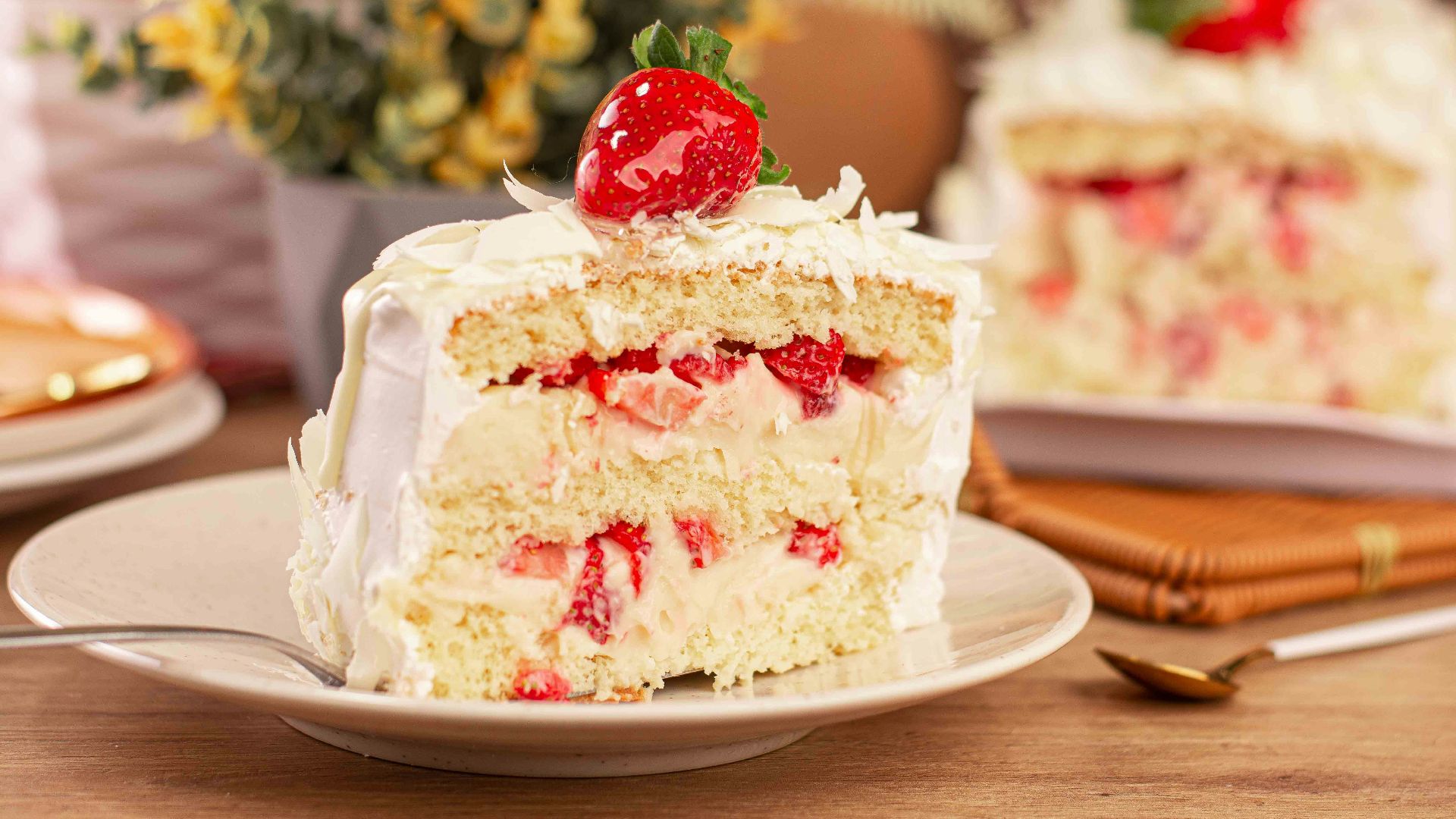
10. Tres Leches Cake
Nicaragua claims tres leches cake as a point of national pride, with recipes passed down like scripture in some families. Mexico pushes back just as hard, and food historians tend to land somewhere in the middle, tracing the soaked-sponge technique back further than either country's modern borders. The condensed milk industry's early twentieth-century marketing probably deserves more credit than anyone wants to give it.
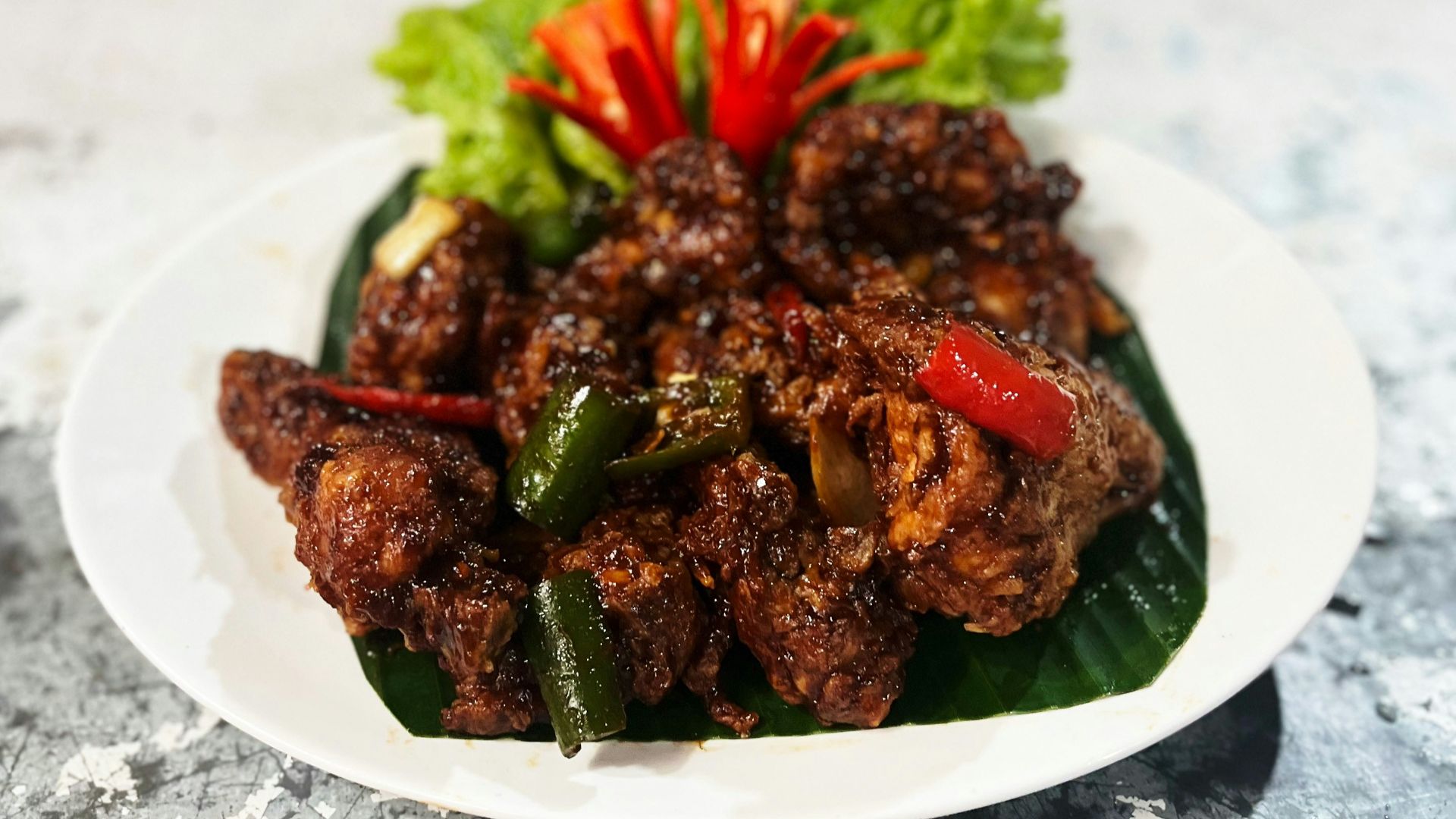
11. Rendang
Indonesia and Malaysia have argued over rendang for years, with both countries listing it as a national dish and neither willing to concede an inch. A 2018 international cooking competition reignited the whole thing when Indonesian officials publicly objected to how it was judged. The slow-cooked beef, dense with coconut and chili, remains delicious no matter which side of the border it comes from.
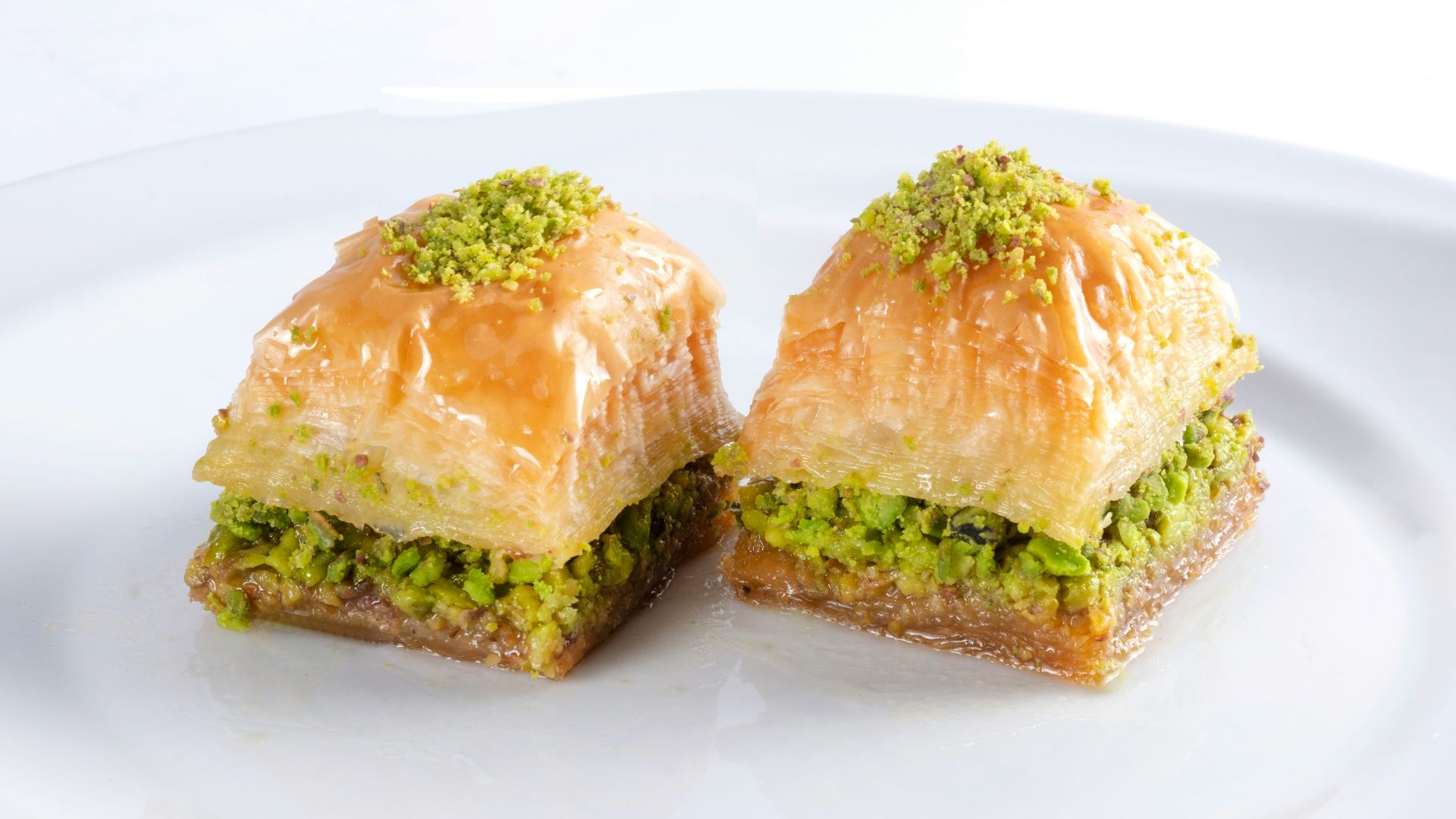
12. Baklava
Greece and Turkey have spent decades trading claims over baklava, though the layered pastry likely traces back through the broader Ottoman world rather than either single country. Armenia, Lebanon, and several Balkan nations have entered the conversation too, each with a version worth defending. The honey and phyllo dispute shows no sign of a peace treaty.
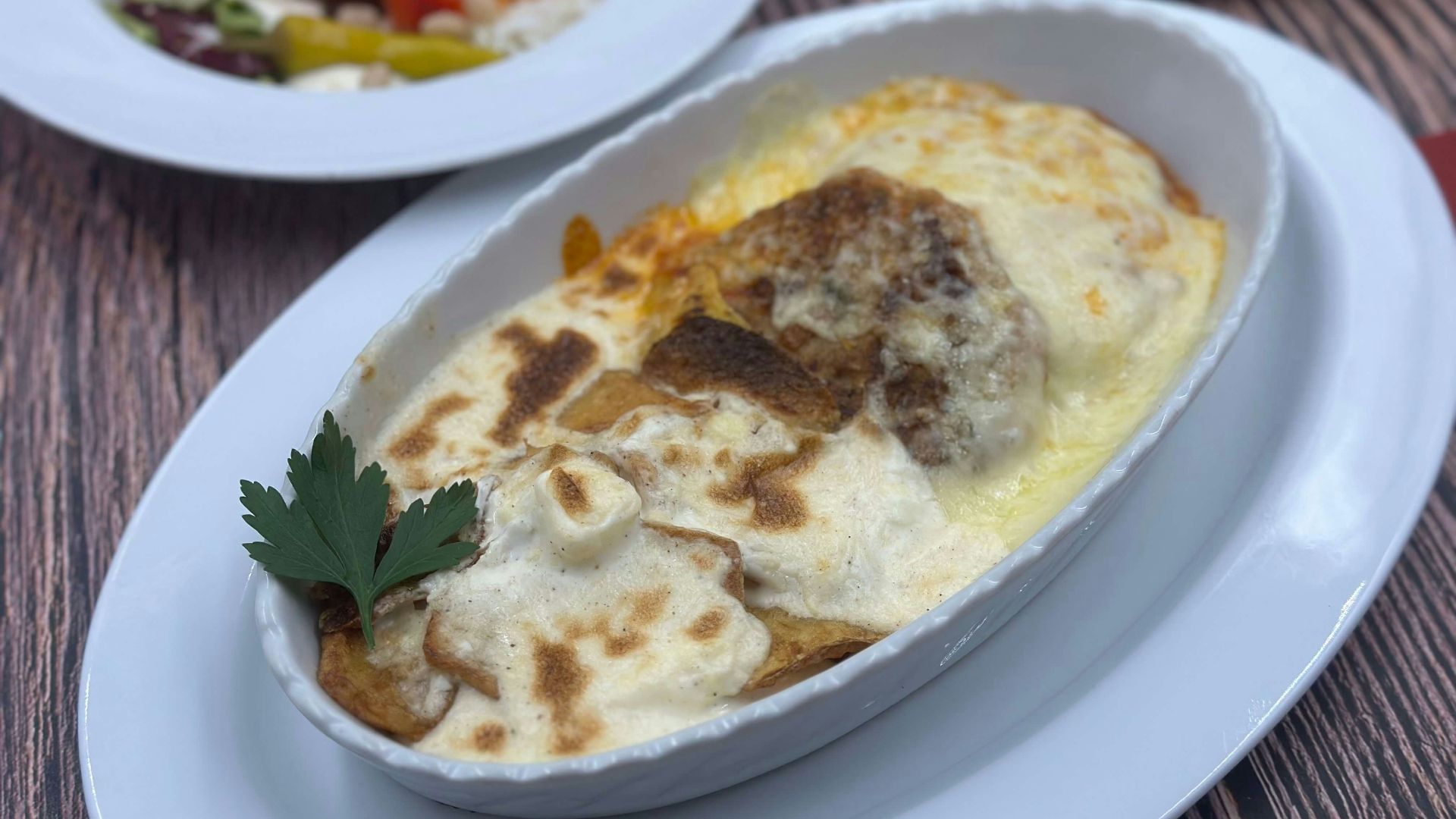
13. Moussaka
Greece treats moussaka as a point of national pride, but versions of the layered eggplant dish exist across the Balkans and the eastern Mediterranean under different names. The bechamel topping that Greeks consider essential is a relatively modern addition, borrowed from French technique in the early twentieth century. That inconvenient detail rarely comes up at the dinner table.
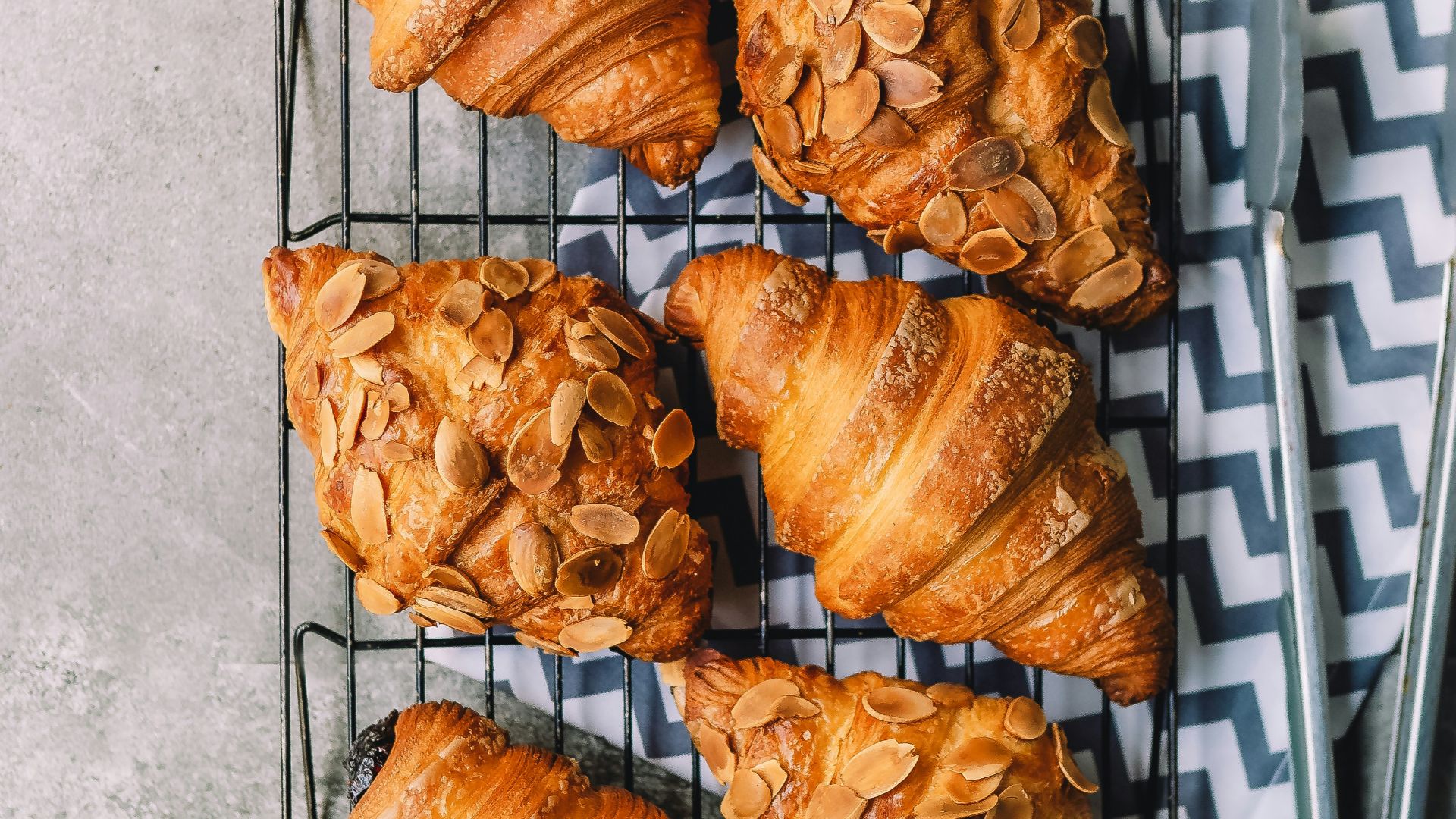
14. Croissant
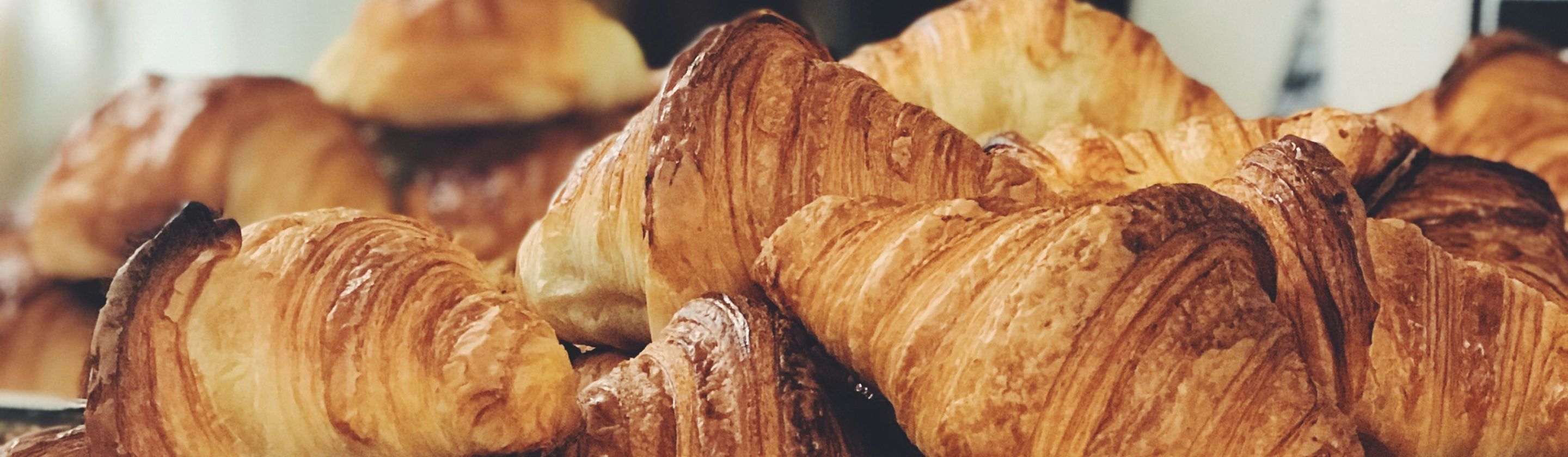
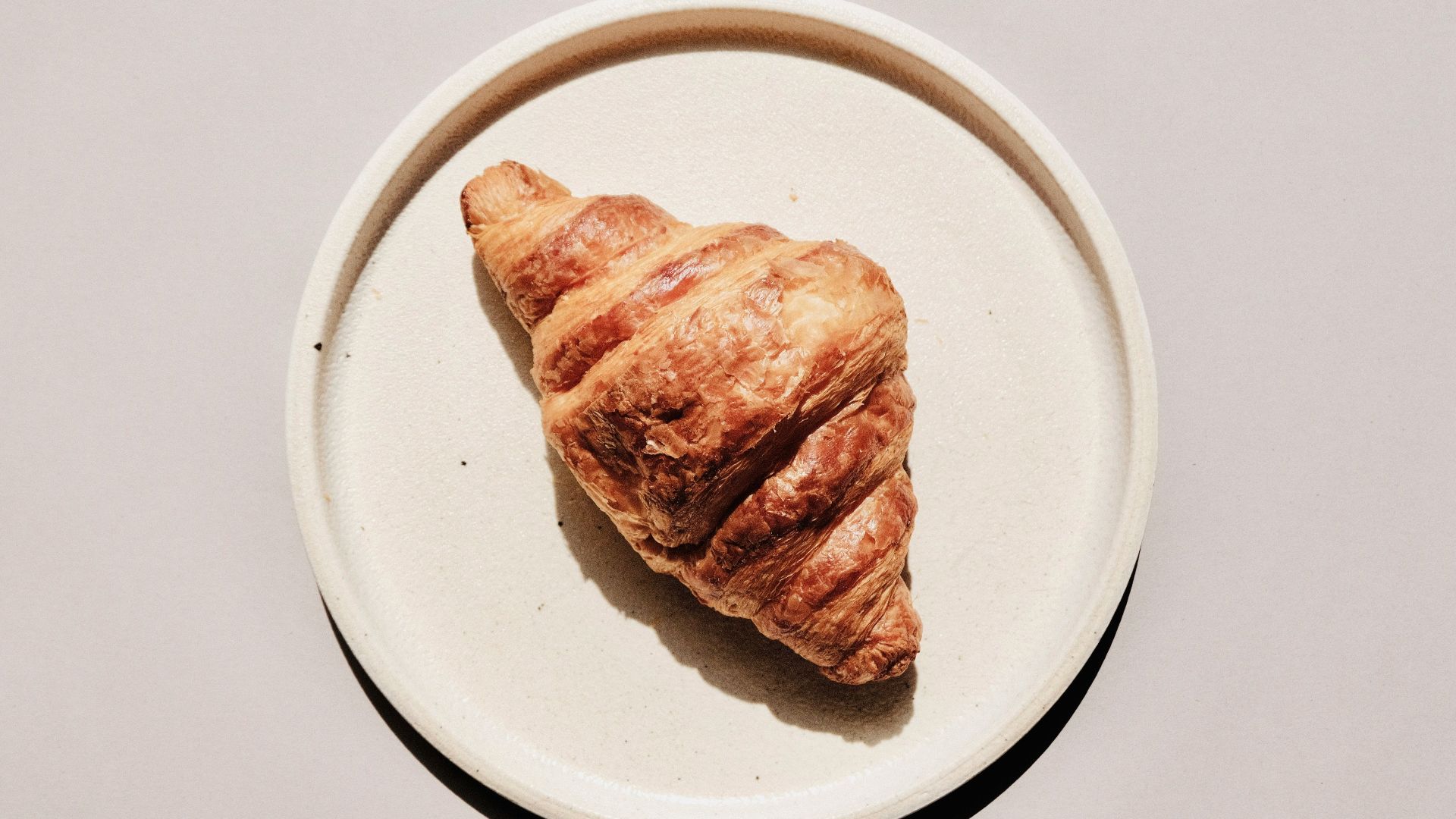
France claims the croissant as its own, but the shape and technique trace back to Austria's kipferl, brought to Paris by an Austrian baker in the 1800s. French pastry chefs eventually transformed it into something distinct with laminated dough, which is the part they tend to emphasize. Vienna still gets left out of most origin stories told in Paris bakeries.
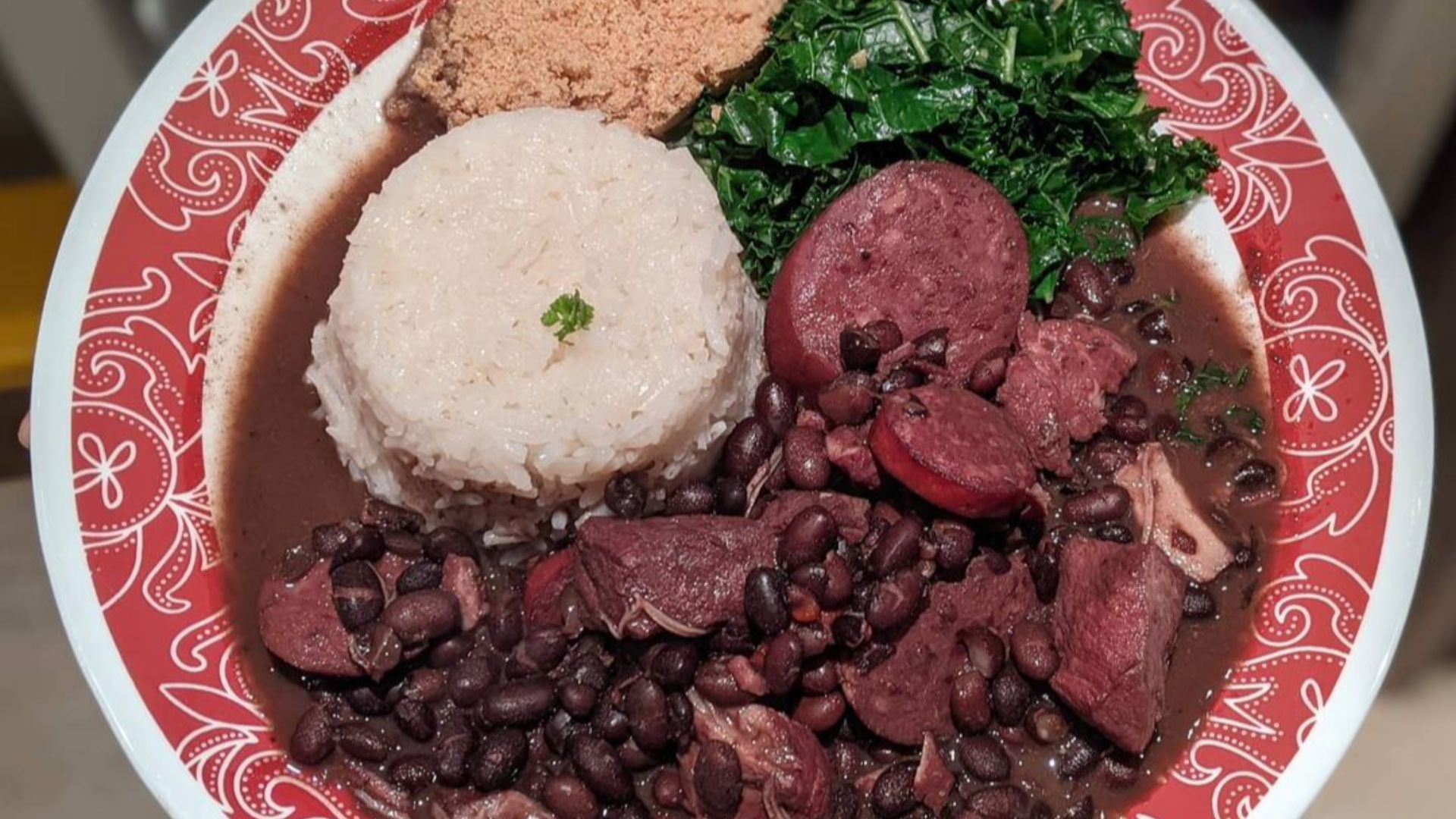
15. Feijoada
Brazil considers feijoada its national dish, a black bean and pork stew with deep roots in Portuguese cooking traditions. Portugal has its own regional feijoadas that predate the Brazilian version by a wide margin, which complicates the story Brazil usually tells about it. Both countries keep cooking their own take without much cross-talk.
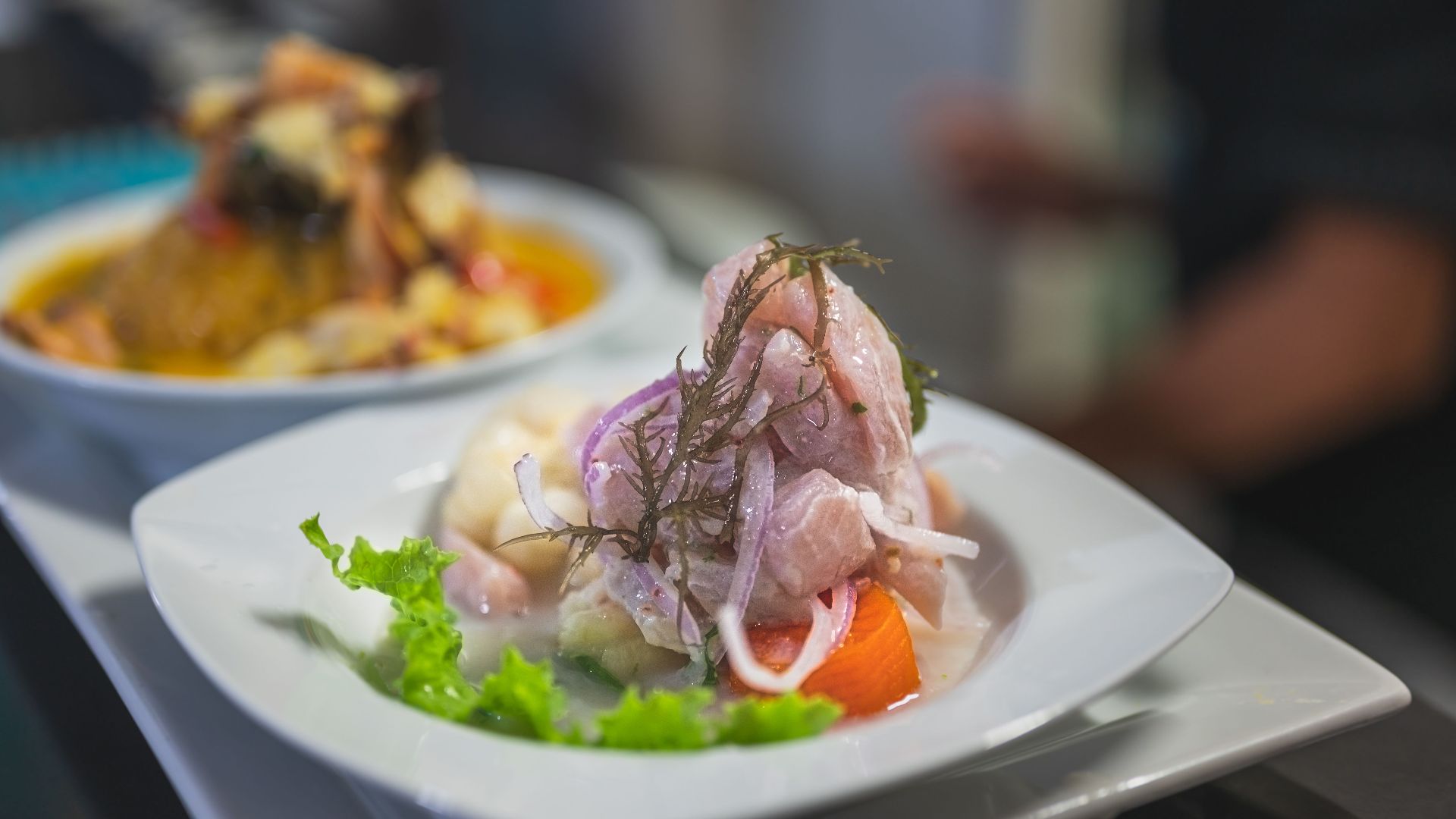
16. Ceviche
Peru and Ecuador have gone back and forth for years over who perfected ceviche first, with Peru eventually securing UNESCO recognition for its version. Ecuador's take leans sweeter and often includes tomato sauce, a detail Peruvian purists find close to sacrilegious. The raw fish, cured in citrus, stays delicious under either country's flag.
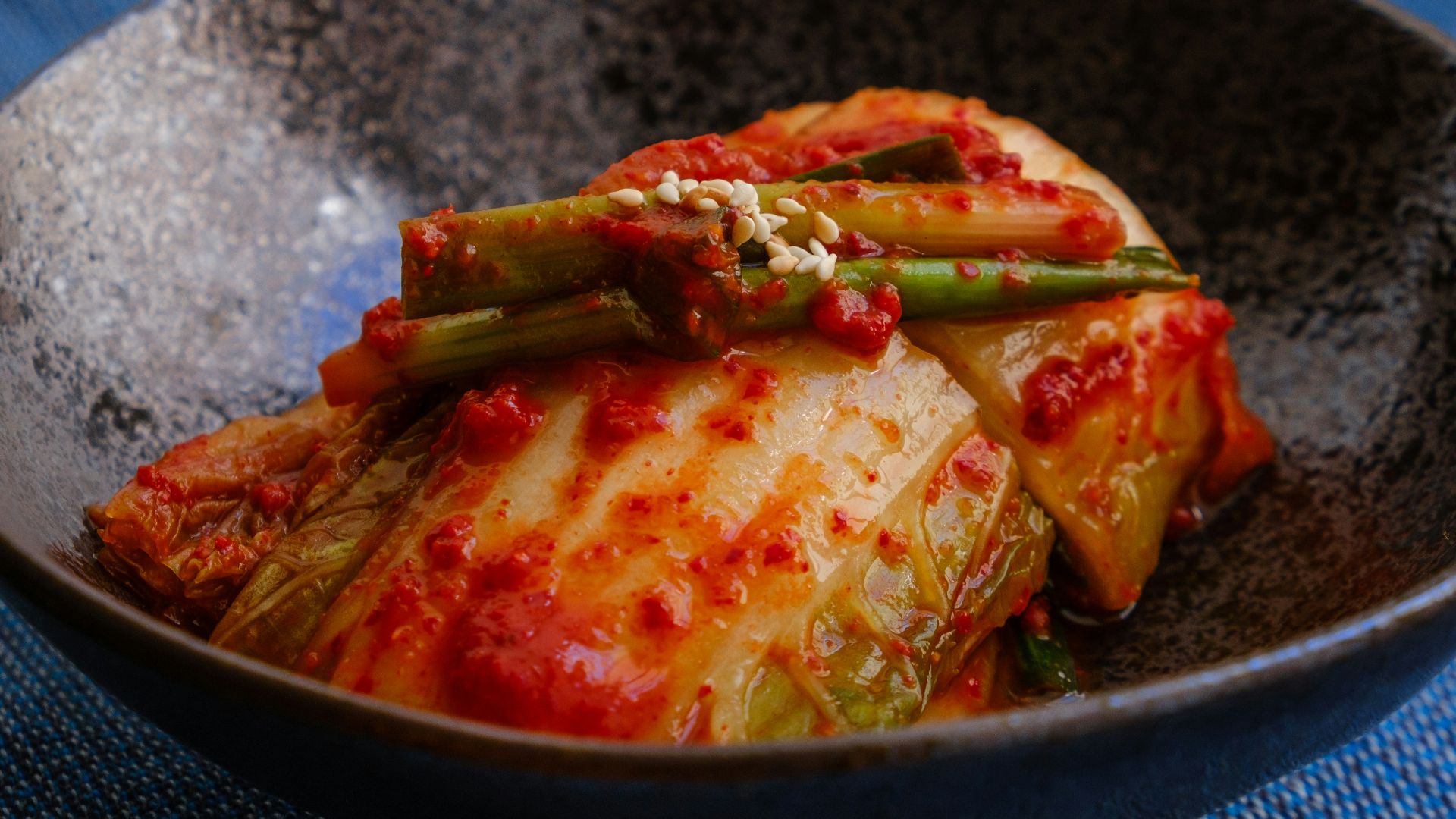
17. Kimchi
South Korea and China have clashed publicly over kimchi, especially after a Chinese pickled vegetable dish called paocai got labeled as an international standard by a Chinese-led organization. South Korea pushed back hard, insisting kimchi's fermentation process and cultural significance make it a distinct dish entirely. The argument has occasionally spilled into actual diplomatic statements, which says something about how seriously this gets taken.
 Portuguese Gravity on Unsplash
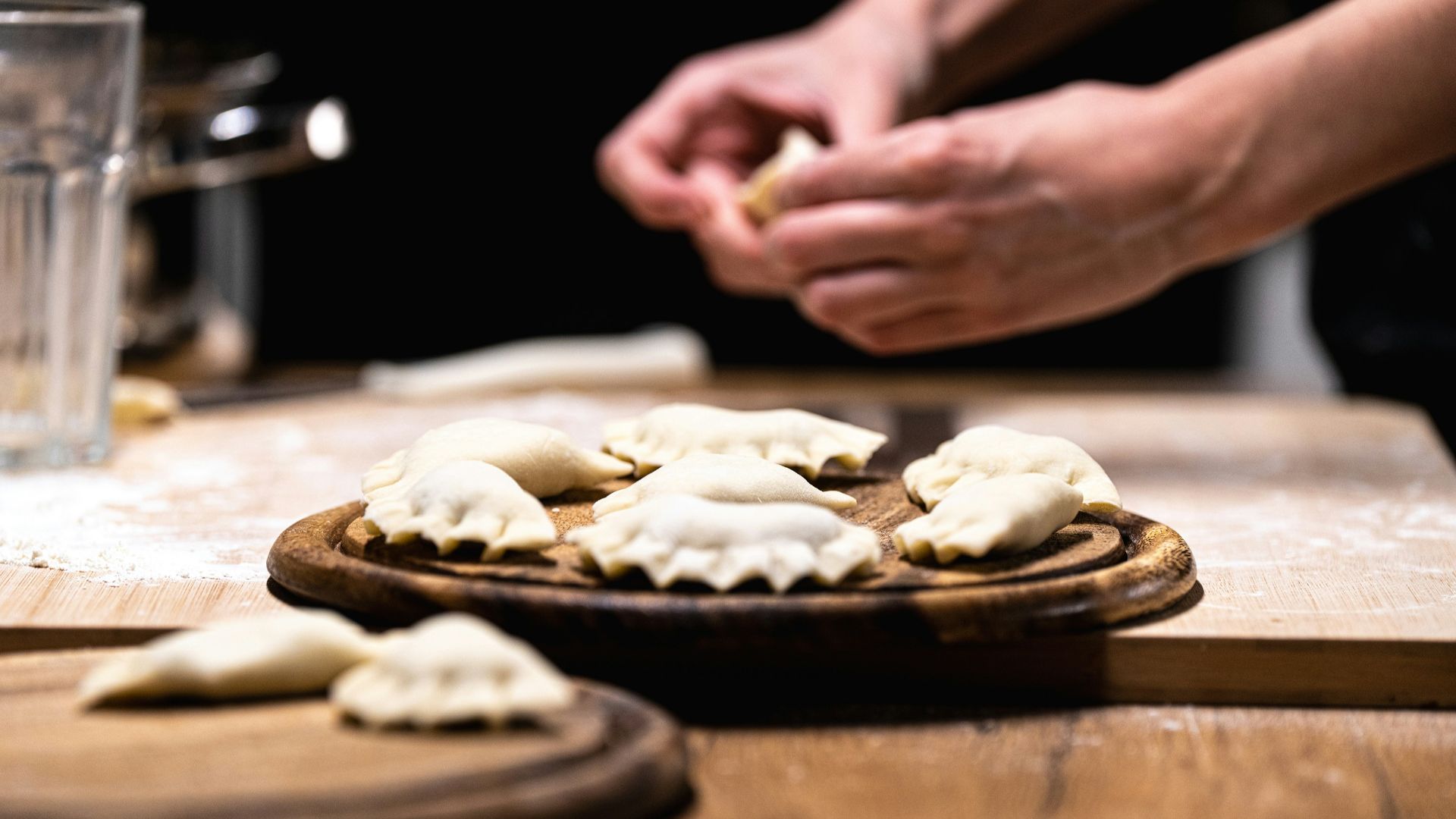
18. Pierogi
Poland treats pierogi as central to its identity, but Ukraine has its own version, varenyky, with a nearly identical shape and a long independent history. Slovakia and parts of Russia have their own dumplings in the same family, each insisting on small but important differences. The filling debates alone, potato versus cheese versus fruit, could fill a book.
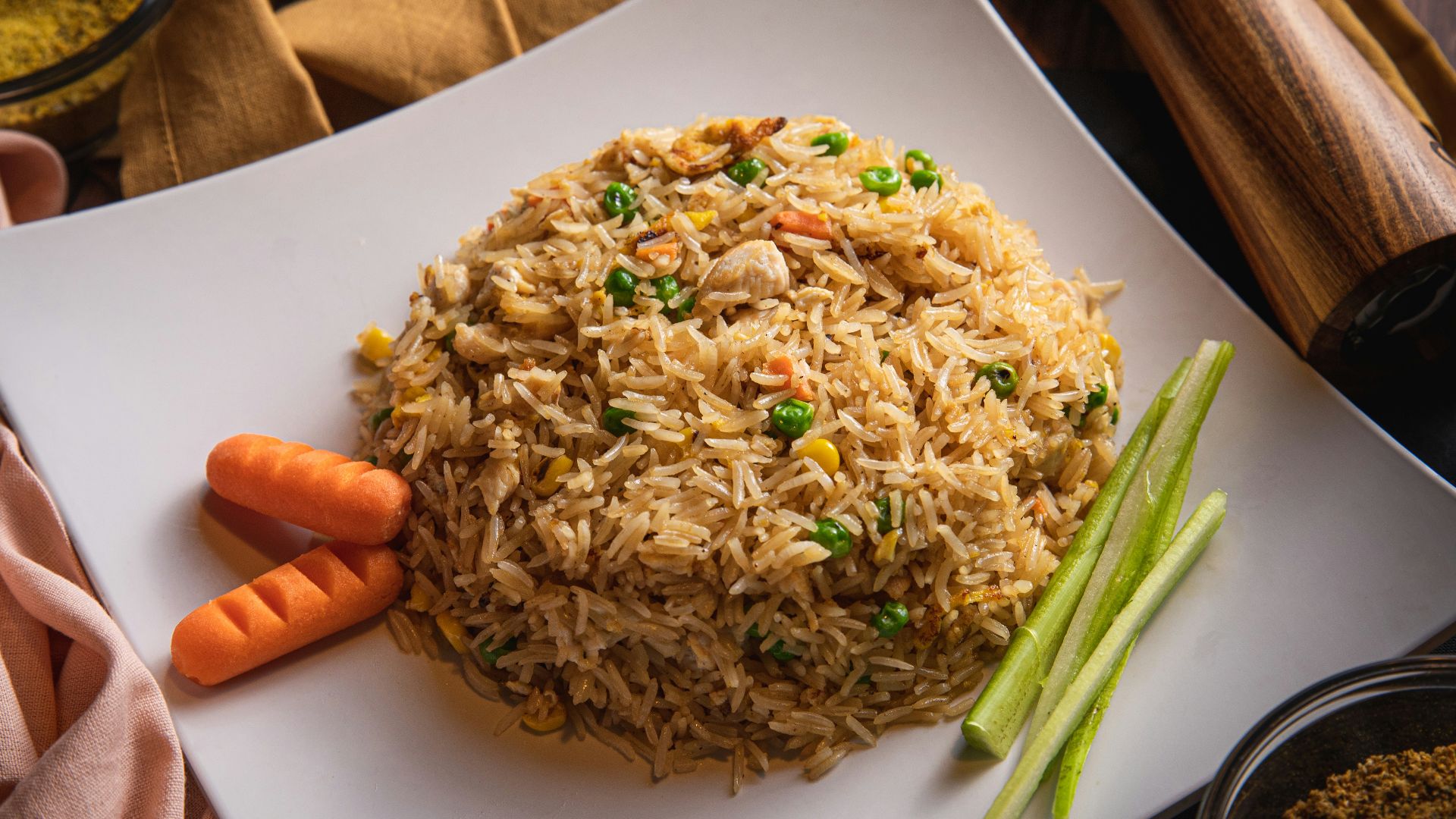
19. Chicken Rice
Singapore and Malaysia have argued over Hainanese chicken rice for years, both claiming it as a defining national dish despite its origins tracing back to immigrants from Hainan, China. Singapore's government has occasionally weighed in, treating the dish as something worth protecting culturally. Malaysian hawkers tend to find that a bit much, given how many versions exist just across the causeway.
 Christopher Alvarenga on Unsplash
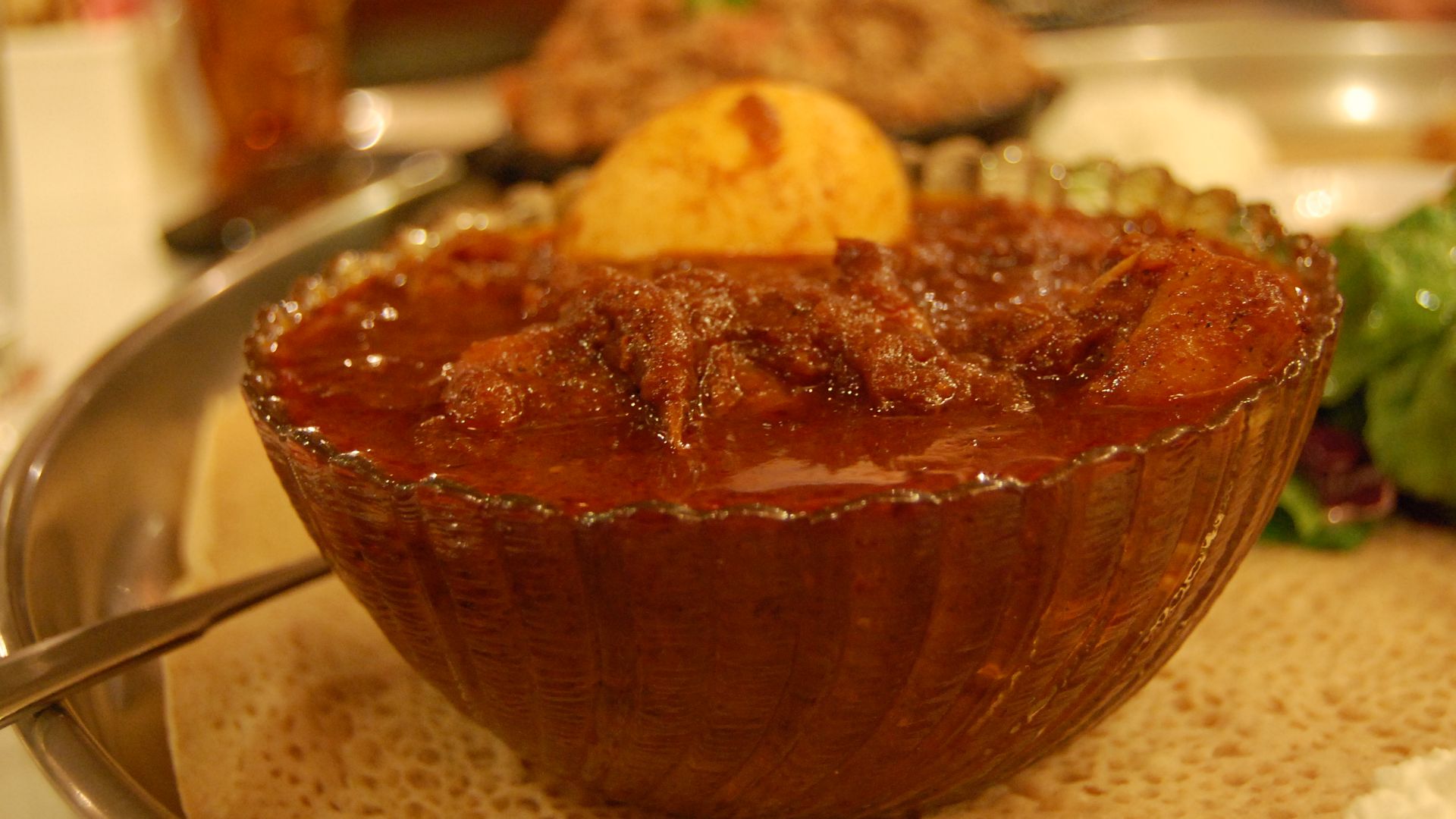
20. Doro Wat
Ethiopia and Eritrea both claim doro wat, a spiced chicken stew served over injera, as central to their national cuisine, a dispute tied closely to the countries' painful shared and separate history. The two nations were one country until 1993, which makes untangling culinary ownership from political history nearly impossible. The dish remains a staple at celebrations on both sides of the border, prepared with almost identical care.
KEEP ON READING
20 Dishes That Built Modern American Cuisine