The Love-It-or-Hate-It Snack Tour
Traveling the world is one of the best ways to open your mind, but it can also be an absolute minefield for your taste buds. Every culture has its own comforting, nostalgic treats that locals grow up eating and absolutely adore, yet these exact same items often leave visiting outsiders completely baffled. What feels like a sweet childhood memory to someone in one country might taste like a culinary dare to a traveler passing through.
1. Vegemite from Australia
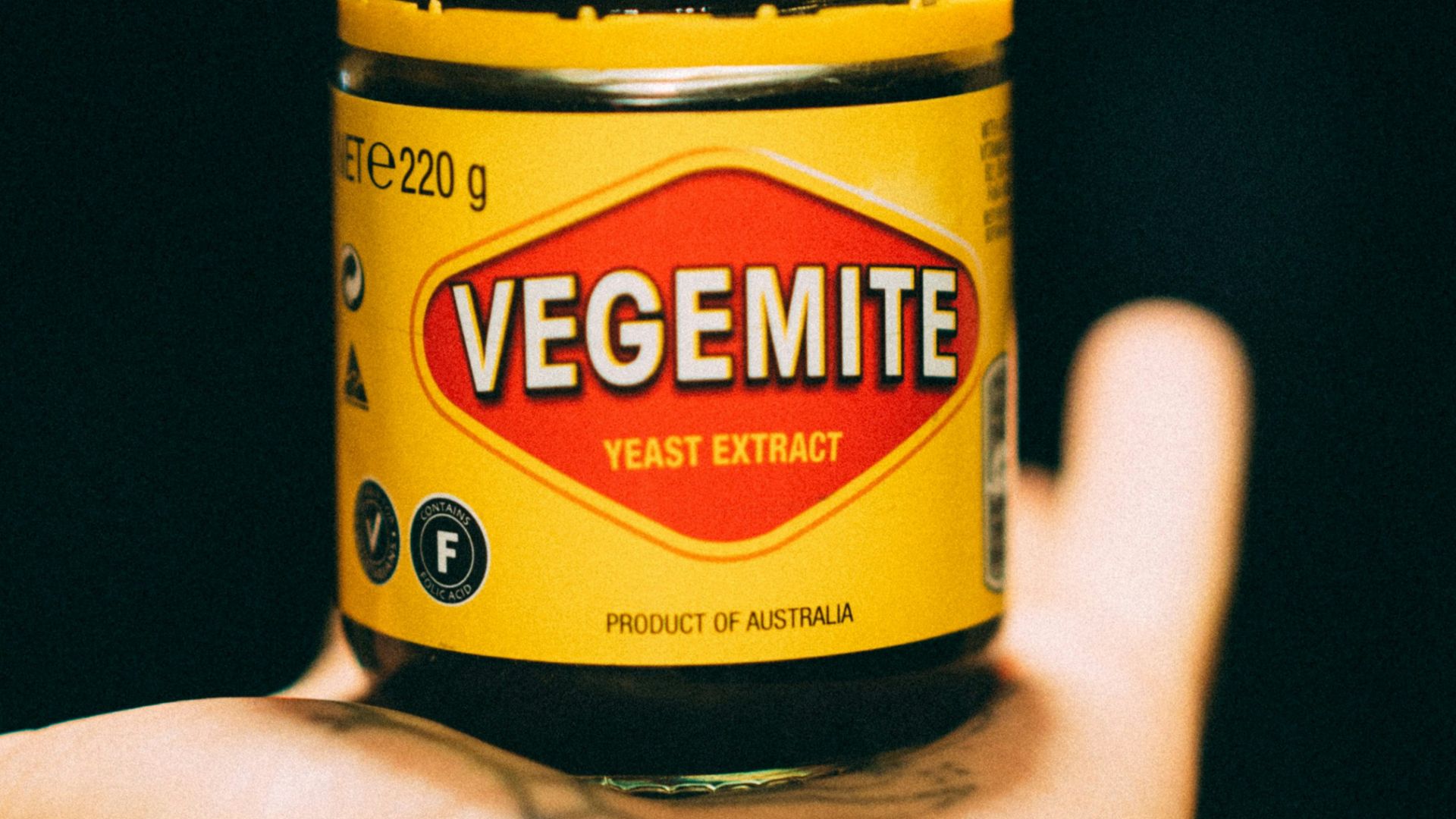
Spooned onto buttery toast at breakfast as a household ritual across Australia, Vegemite will forever stop unsuspecting travelers in their tracks at a hotel breakfast buffet. Tourists, however, frequently make the mistake of spreading it on like chocolate spread and end up overwhelmed by the intensely salty and umami punch.
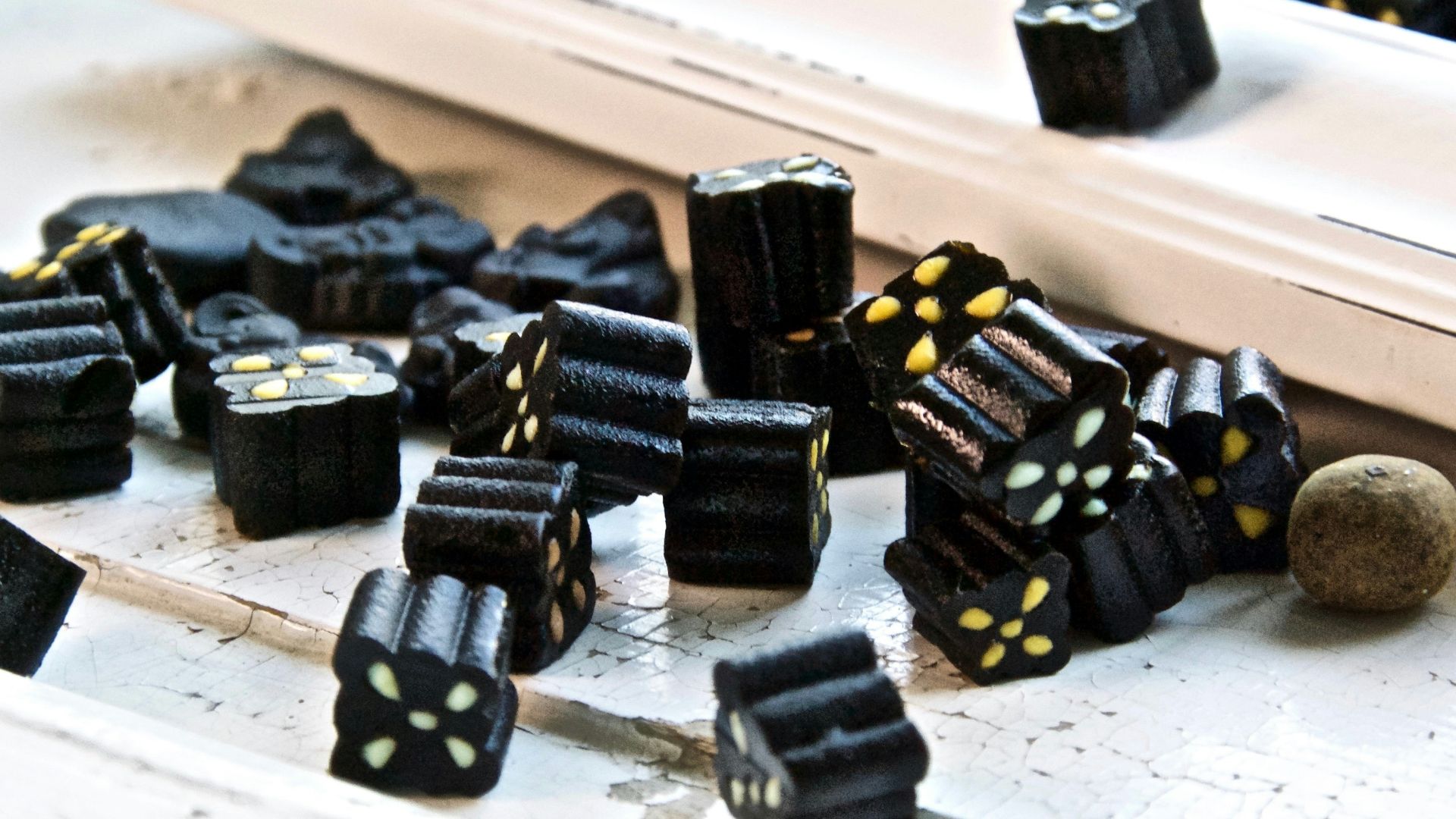
2. Salt Lakrits from Scandinavia
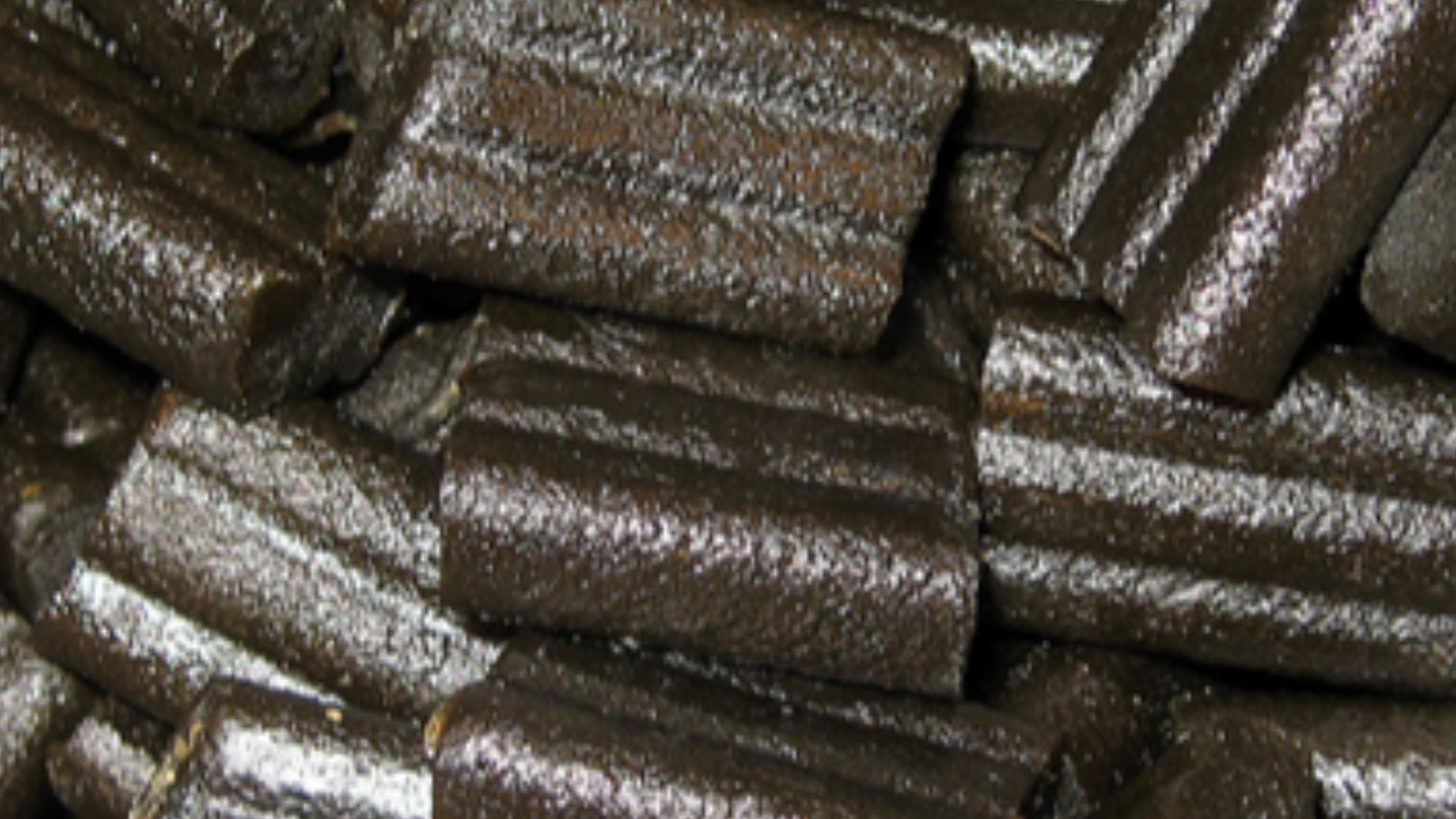
If you grow up in Northern Europe, salty black licorice is the ultimate candy treat, but outsiders usually find it incredibly shocking. This treat is heavily infused with ammonium chloride, which gives it a pungent, stinging saltiness that can make your eyes water instantly. First-time buyers often expect a sweet, familiar candy experience and are left completely unprepared.
 Josefine Stenudd from Gothenburg, Sweden on Wikimedia
3. Durian Fruit Chips from Thailand
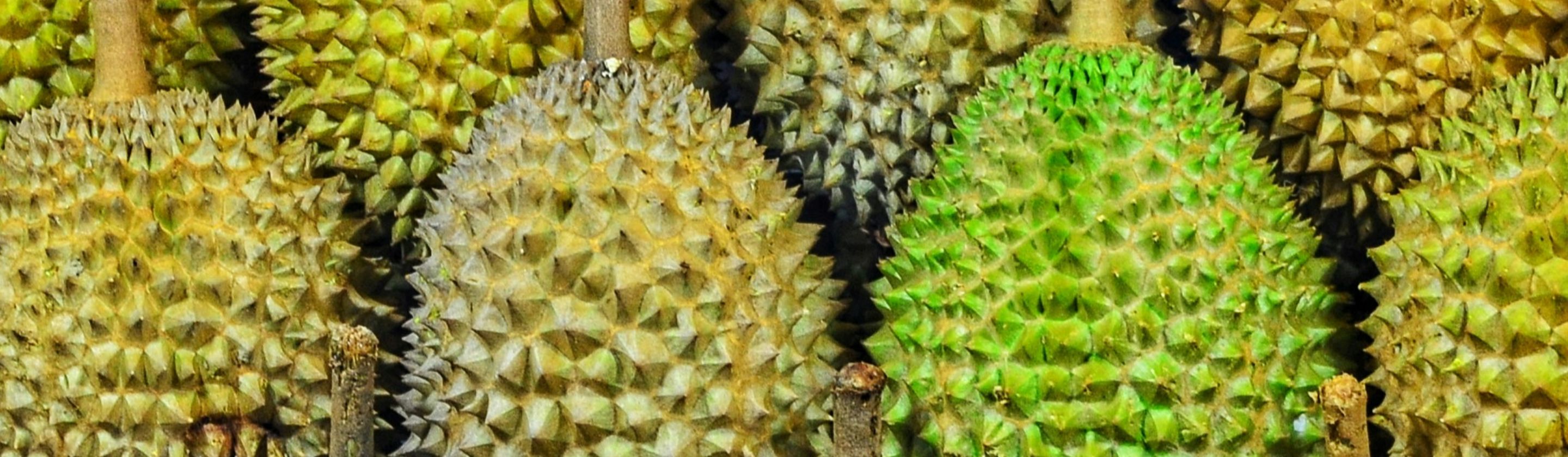
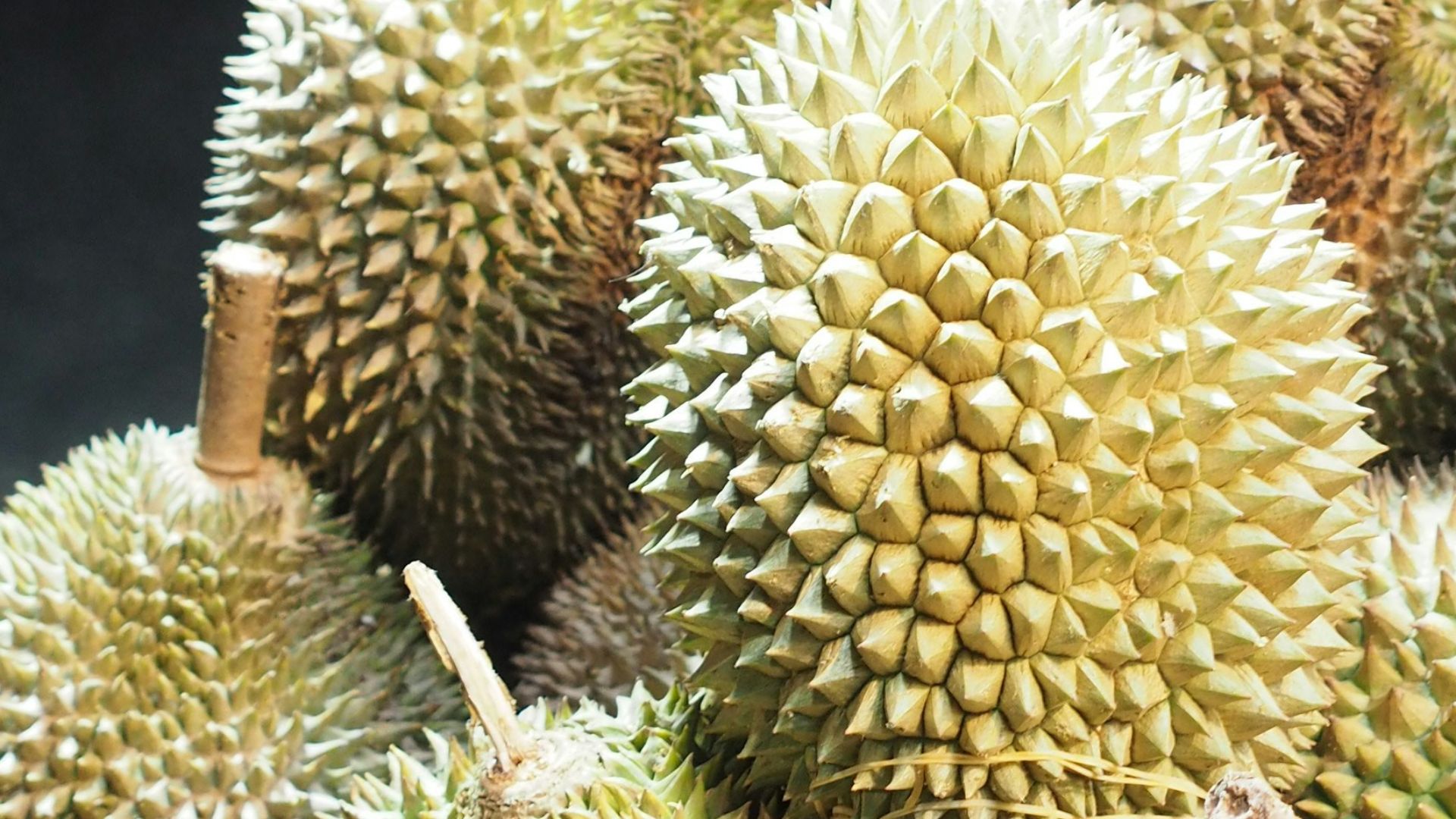
Durian is famous worldwide for its notoriously intense fragrance, which many people say smells like a mix of sweaty gym socks and rotten onions. While frying the fruit into crispy chips tones down the intense aroma quite a bit, the distinct flavor still manages to linger on your tongue long after the first bite. Many brave travelers buy a bag out of pure curiosity.
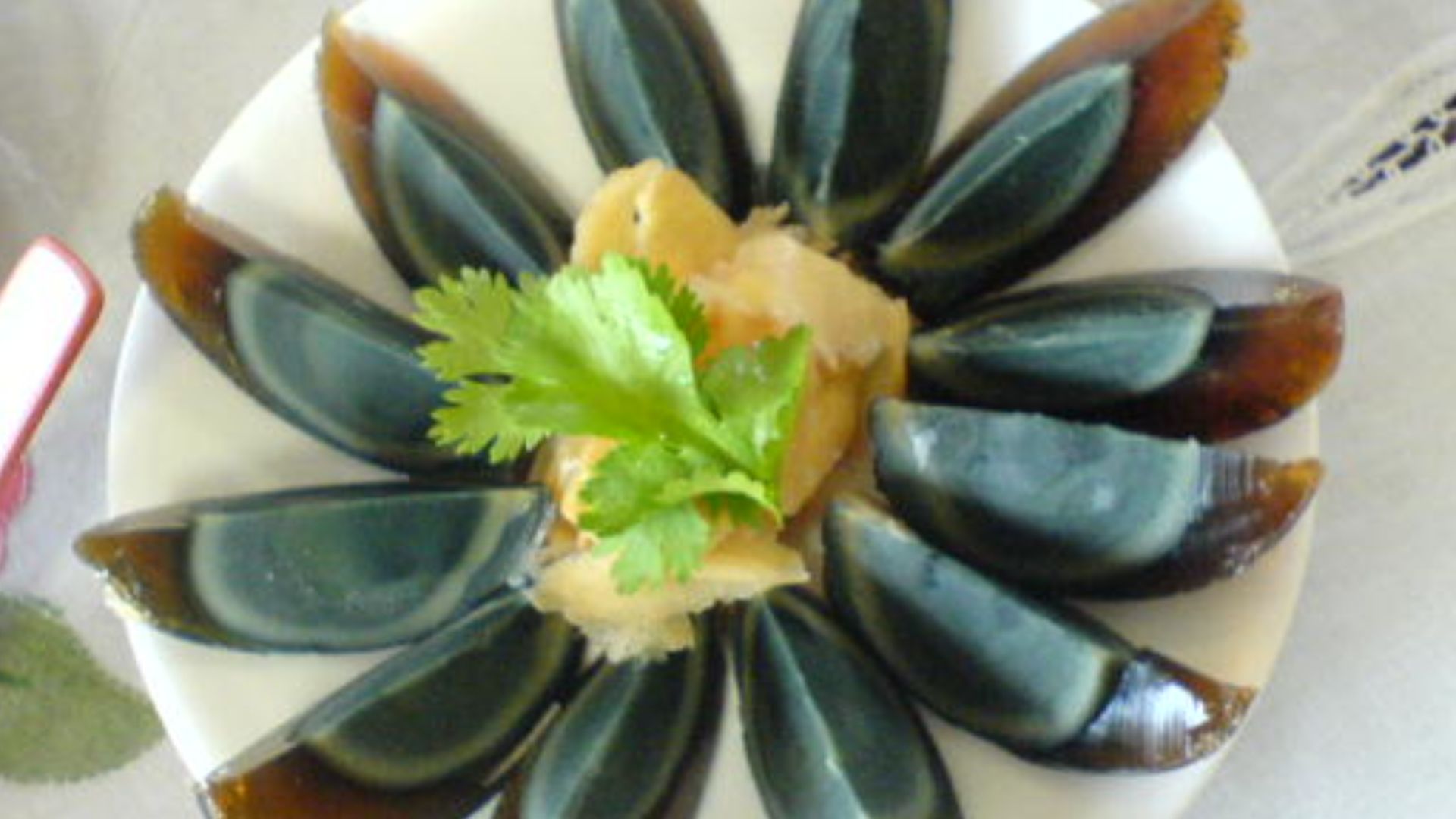
4. Century Eggs from China
Earthy, clay-colored preserved eggs are hard-boiled until their yolks turn into a smooth green cream and their whites become translucent brown casings with a strong ammonia odor. While century eggs taste amazing dunked into a warm bowl of rice porridge, their appearance is enough to make many visitors run for the hills.
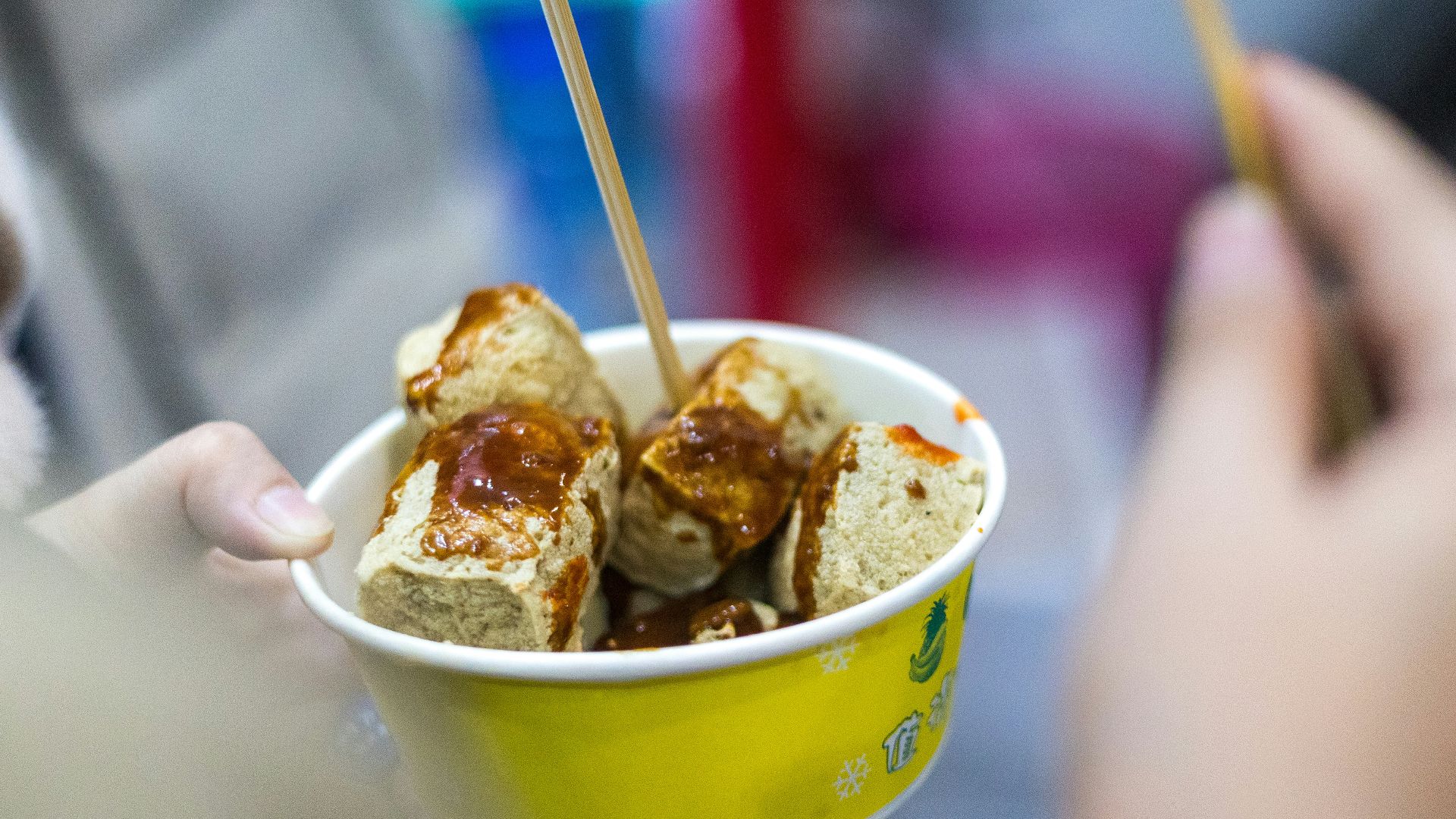
5. Stinky Tofu from Taiwan
You will definitely smell this popular night market street food long before you actually see the vendor's stall. The tofu gets its legendary, eye-watering aroma from a deep fermentation process. Many tourists simply cannot bring themselves to take that initial bite.
6. Hakarl from Iceland
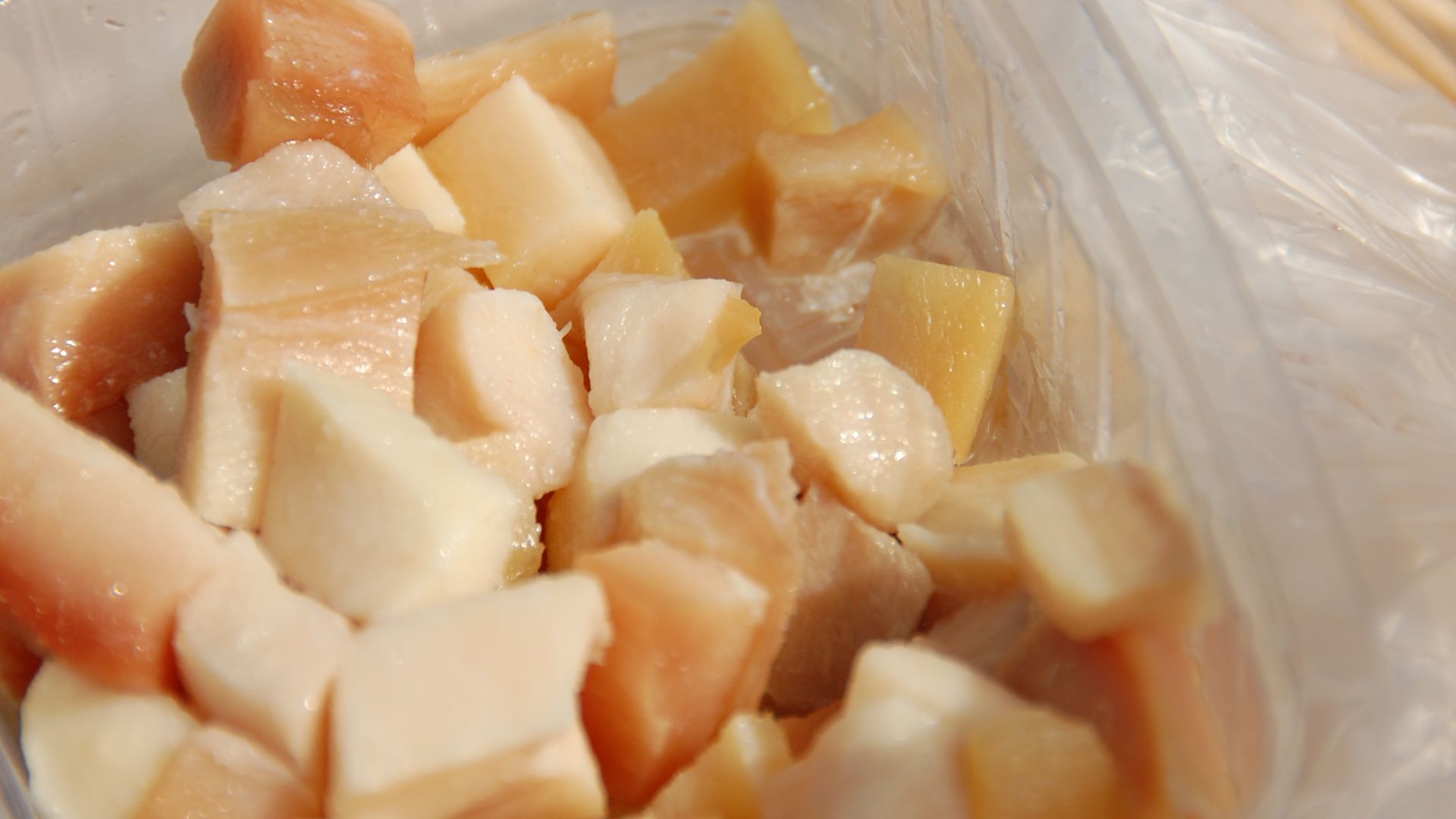
Consisting of cured Greenland shark that has been buried underground to ferment and then hung to dry for several months, this traditional dish is a challenge even for seasoned travelers. Because the shark meat is naturally toxic when fresh, the extensive fermentation process is entirely necessary. The final product has a rubbery texture and a massive blast of ammonia that hits you right in the sinuses.
 Audrey from Seattle, USA on Wikimedia
7. Tamarind Candy from Mexico
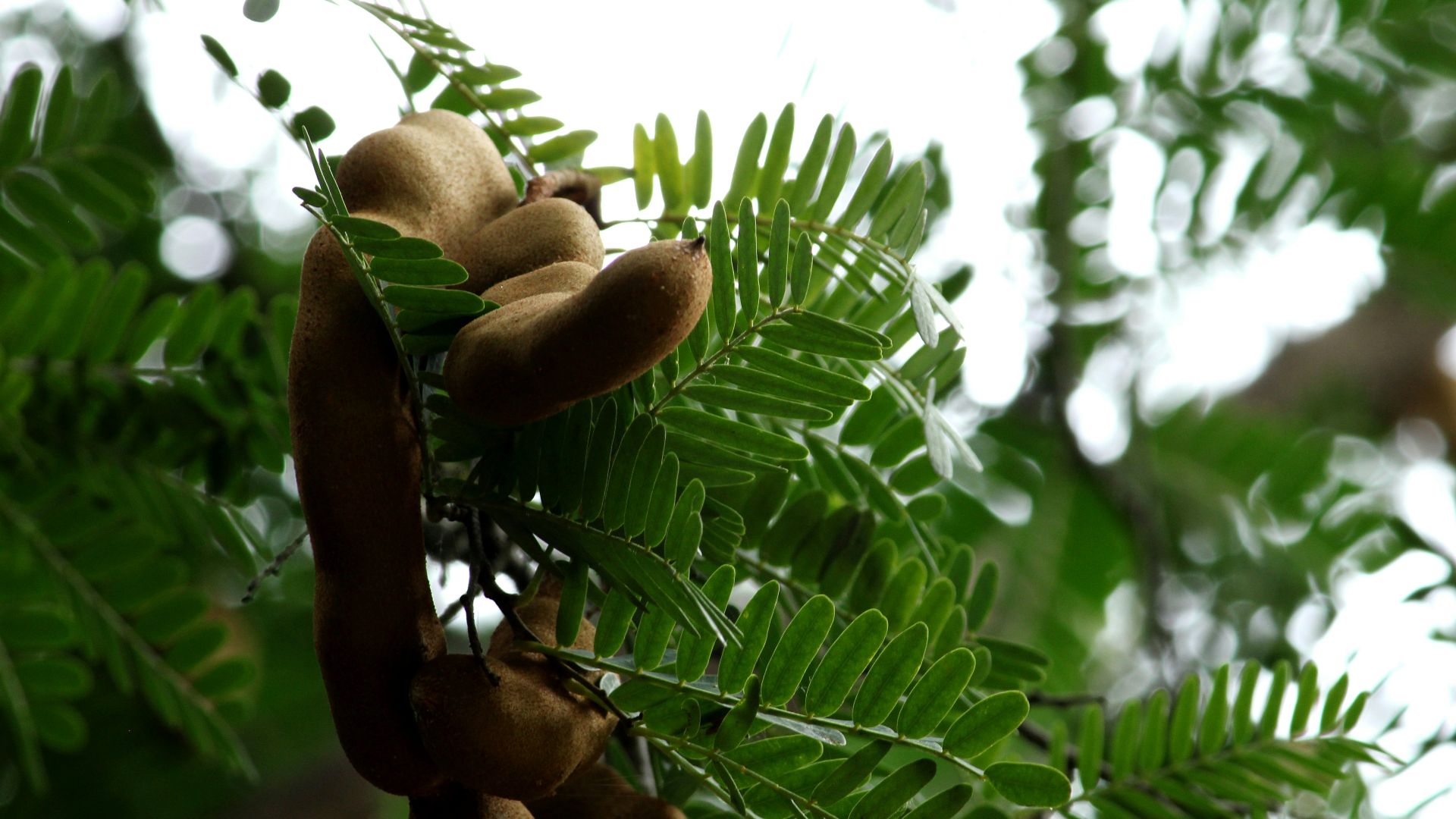
Travelers looking for a standard sugary treat are often caught completely off guard by the complex flavor profiles found in Mexican candy aisles. These popular sweets combine the naturally sour, sticky pulp of the tamarind fruit with a heavy dusting of chili. It is an amazing explosion of flavor that definitely divides opinion at the snack table.
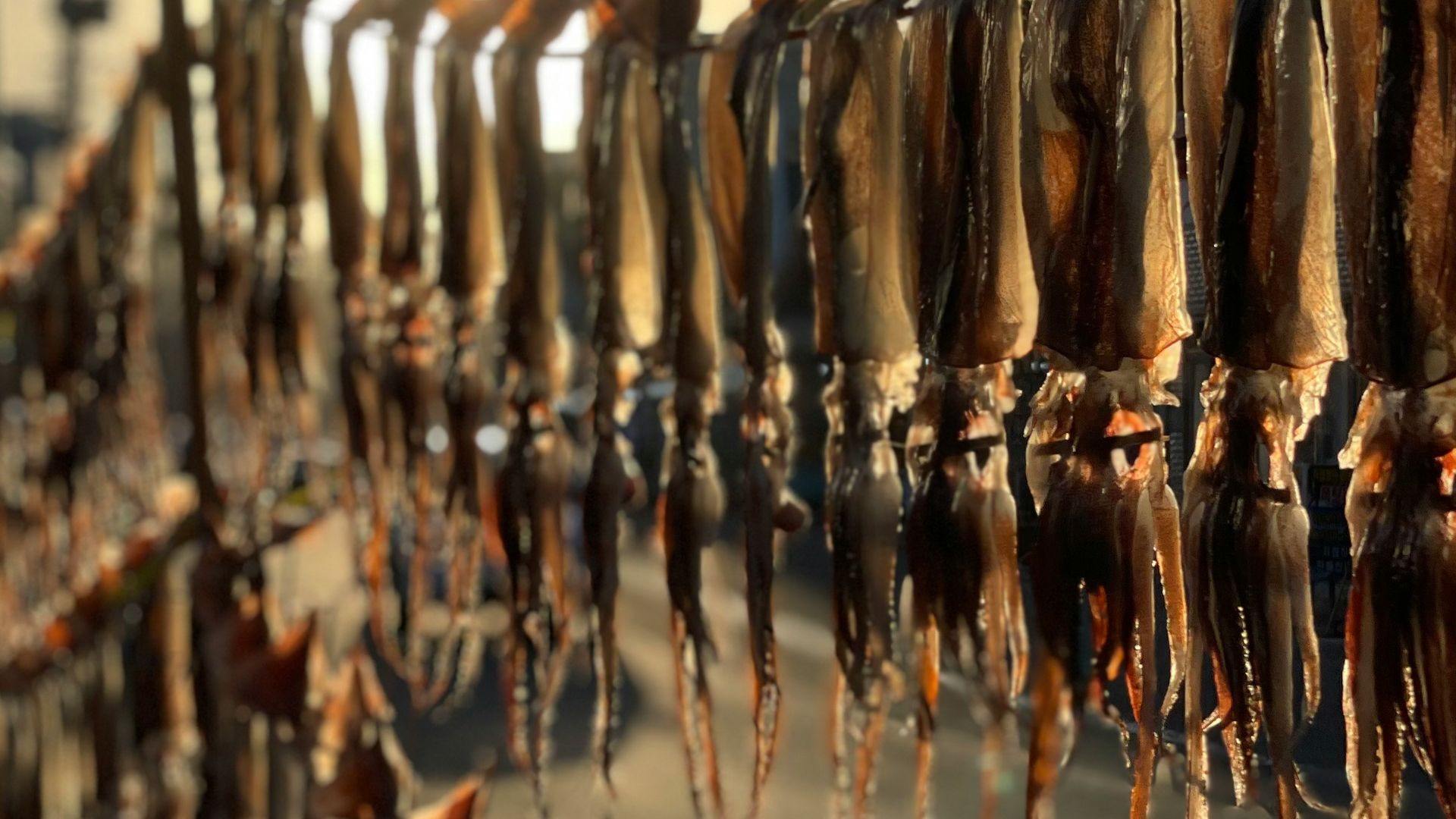
8. Dried Squid Strands from South Korea
Often enjoyed as a popular late-night bar snack alongside a cold beverage, this chewy seafood treat is everywhere across East Asia. The squid is shredded into thin ribbons and seasoned with a mix of sweet, salty, and spicy flavorings before being thoroughly dried.
Tourists often find the intensely fishy aroma a bit too aggressive.
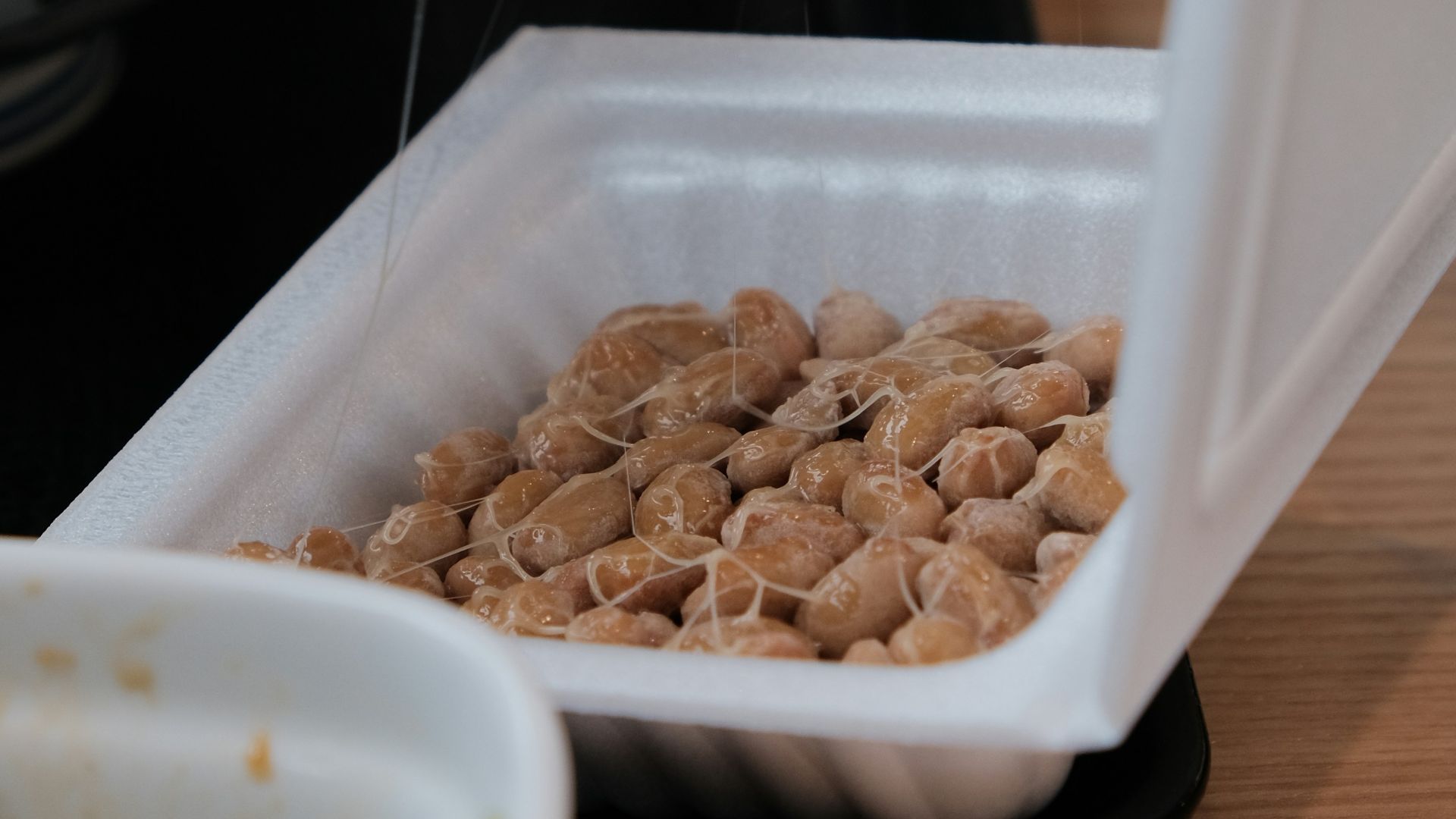
9. Natto from Japan
These fermented soybeans are a traditional breakfast favorite known for a highly unique, ultra-sticky texture that creates long, web-like strings when lifted. They possess a powerful, pungent smell similar to aged cheese and a distinctively earthy, slightly bitter flavor profile. Visitors frequently struggle with the slippery, slimy mouthfeel.
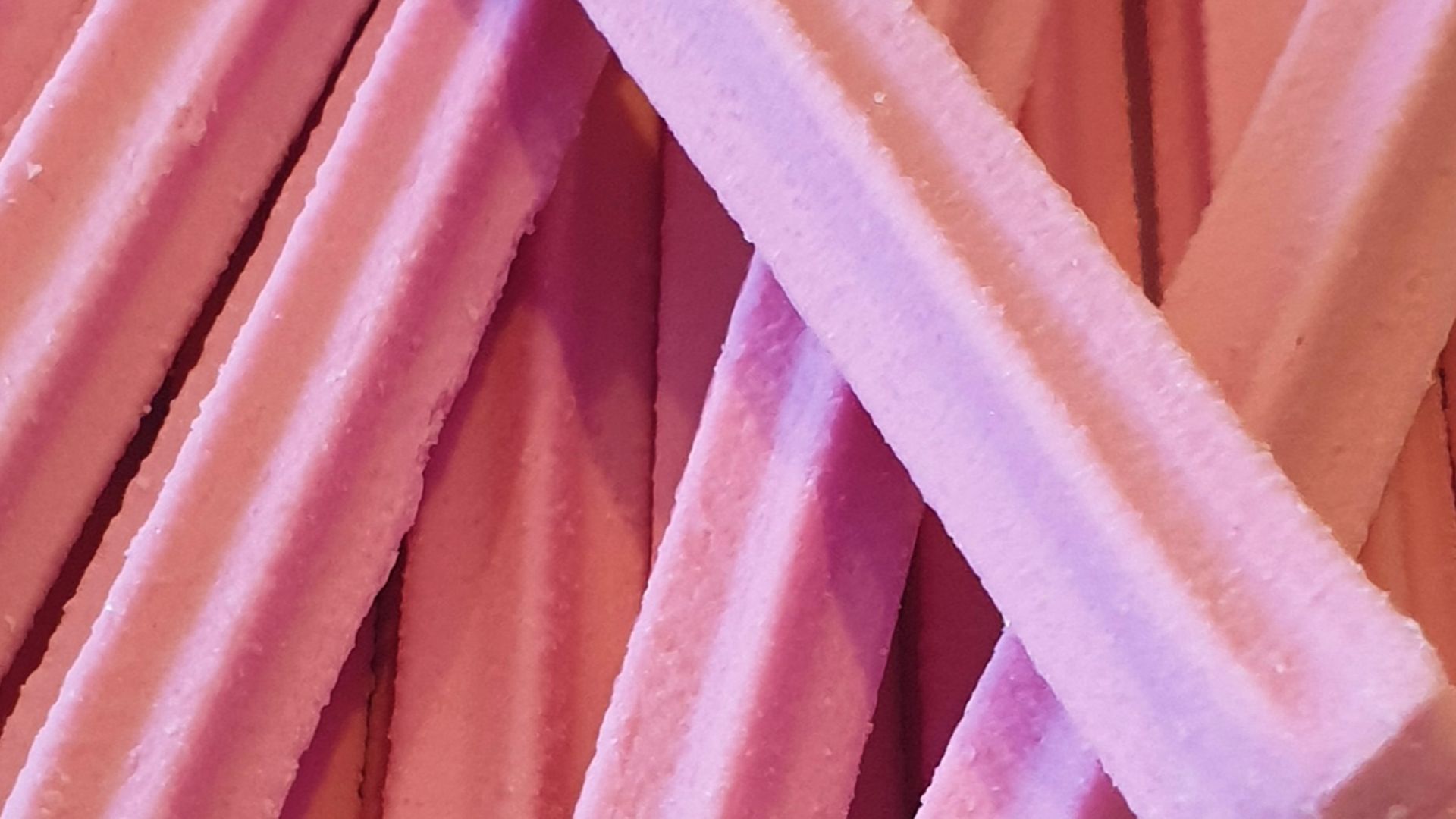
10. Musk Sticks from New Zealand
These bright pink, ridged candy cylinders smell and taste exactly like a bottle of traditional, old-fashioned musk perfume. Locals love the nostalgic, sweet floral taste, which has been a bakery and candy shop staple across the region for generations. Tourists, on the other hand, often feel like they are accidentally eating a piece of heavily scented bath soap.
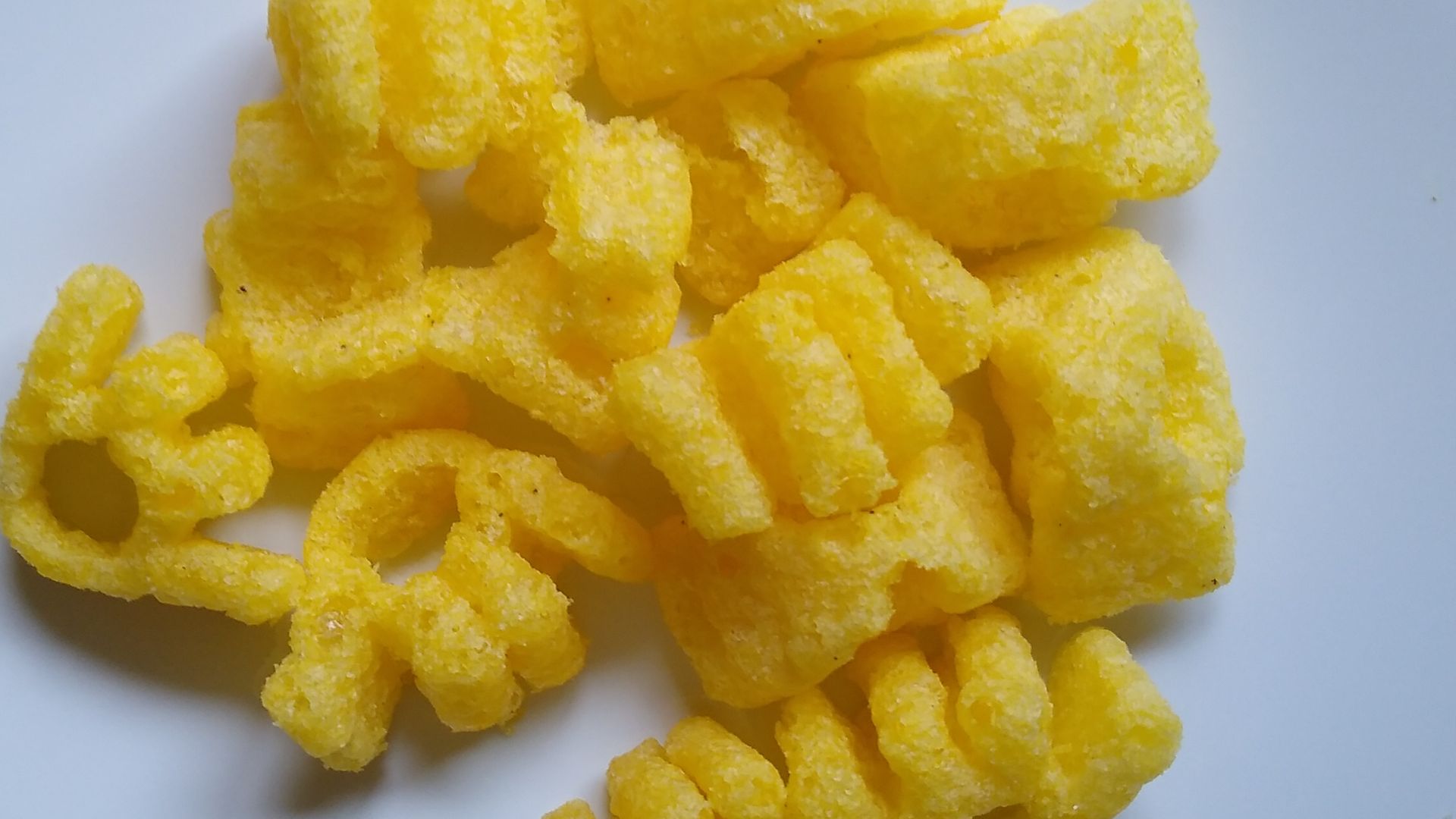
11. Pickled Onion Monster Munch from the United Kingdom
These iconic, claw-shaped baked corn snacks are deeply beloved across the British Isles for their intense, punchy flavor. The second you open the bag, a massive wave of synthetic, sharp pickled onion scent fills the air. The flavor is incredibly sour and vinegary.
12. Salmiakki Ice Cream from Finland
Taking their love for salty licorice to the absolute next level, Finnish grocery stores feature dark gray ice cream infused with salmiak ribbons. The contrast between the cold, creamy, and sweet dairy base and the sharp, medicinal saltiness of the licorice creates a really confusing experience.
It is a brilliant example of a sweet treat transformed by a very specific regional obsession.
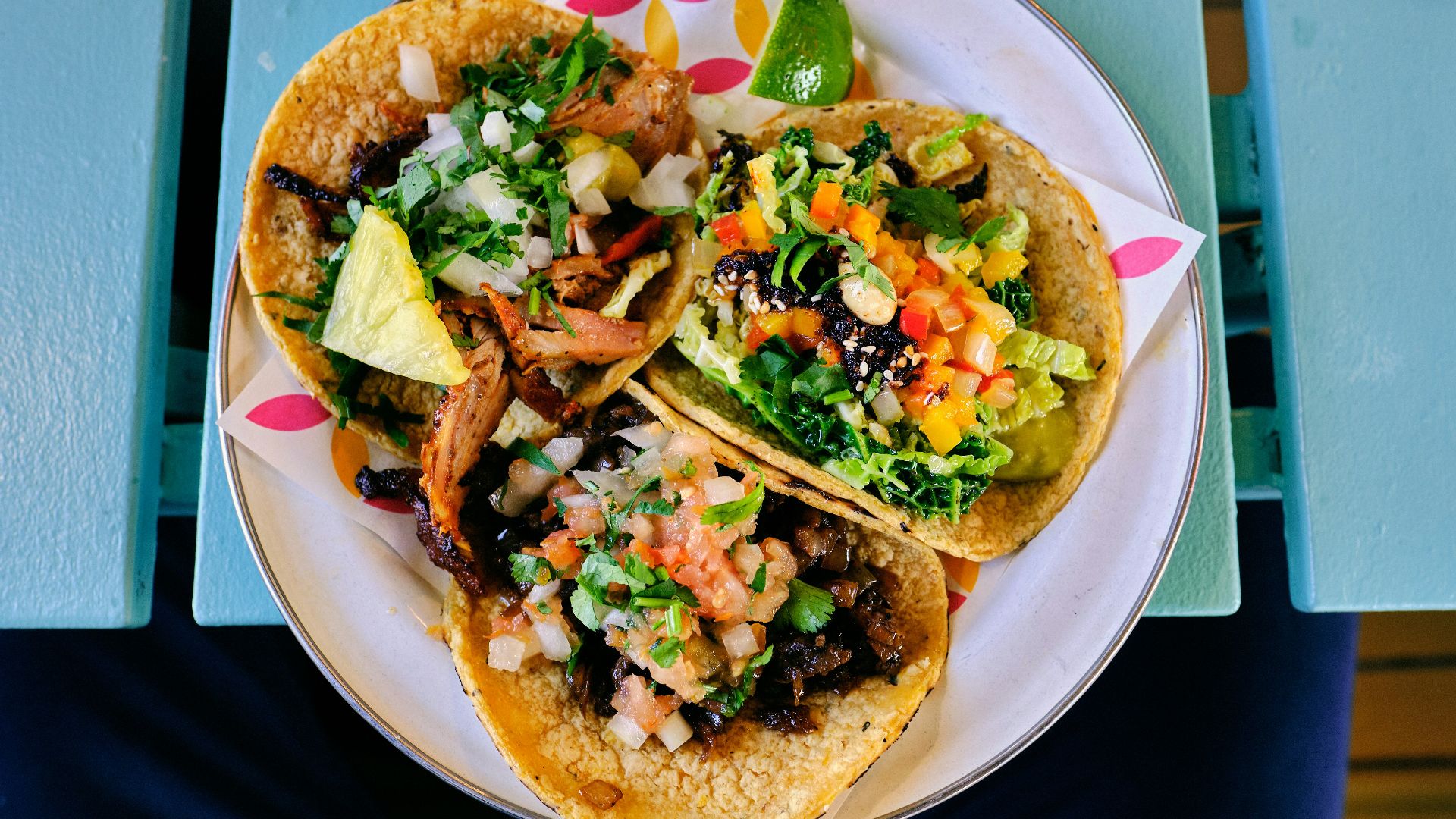
13. Grasshopper Tacos from Mexico
Known locally as chapulines, these small, crunchy insects are thoroughly toasted on a flat griddle and seasoned with garlic, lime juice, and salt. They are packed with sustainable protein and add a fantastic, nutty crunch to fresh salsa and warm corn tortillas. The mental hurdle of seeing tiny legs and antennae inside your dinner is too much for many travelers.
14. Root Beer Float Candy from the United States
While North Americans grow up loving the distinct, herbal taste of root beer, travelers from Europe and Asia are often deeply repelled by it. The sassafras flavoring used in these sweet candies tastes identical to the medicinal flavors of wintergreen syrups and antiseptic cough drops. It is a hilariously consistent cultural misunderstanding that happens daily.
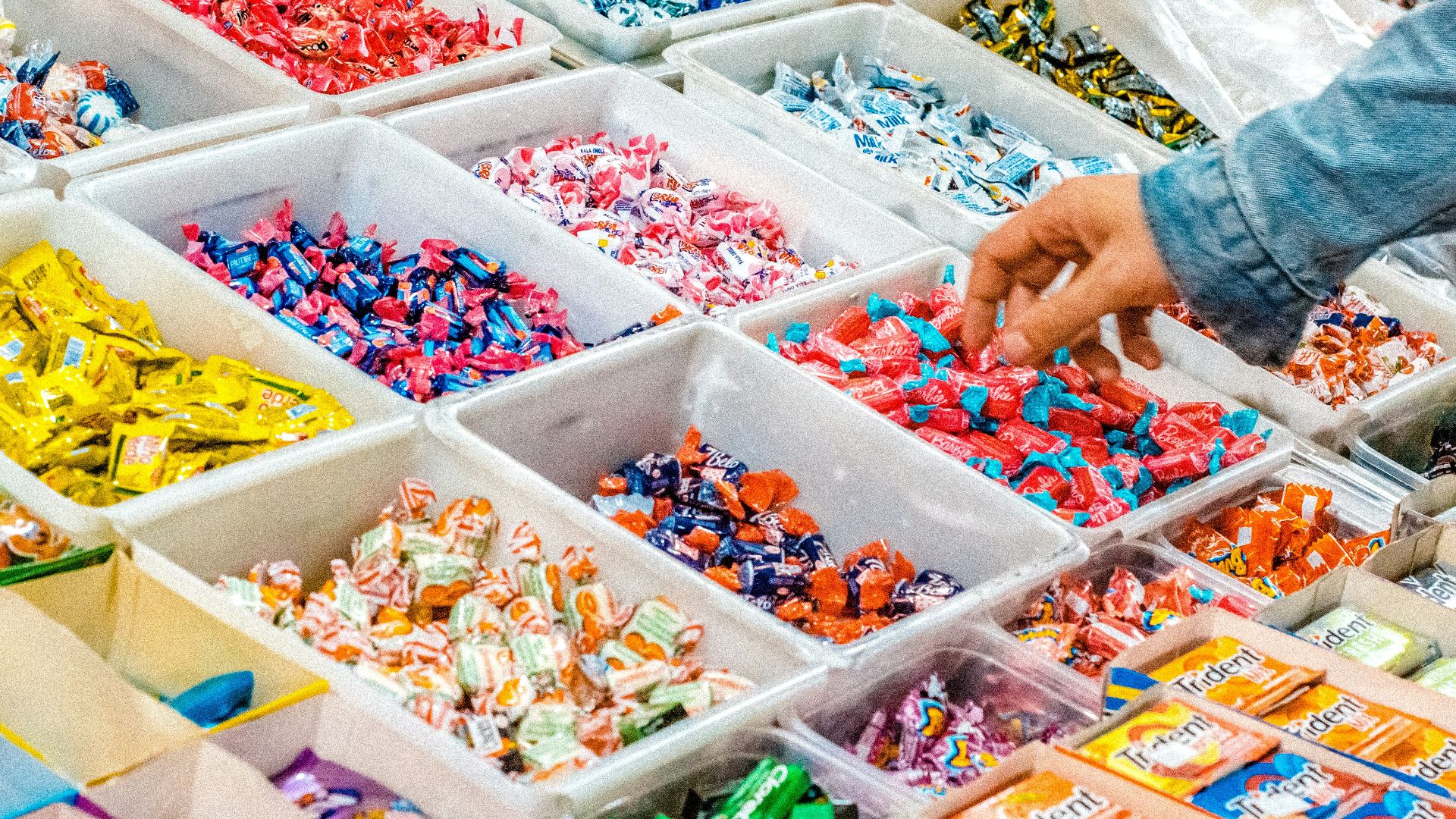
15. Irn-Bru Bars from Scotland
Scotland’s favorite bright orange carbonated soft drink is famous for its unique, hard-to-describe flavor that tastes like a mix of bubblegum and citrus. When that liquid syrup gets concentrated into a chewy, neon-colored candy bar, the sweetness level skyrockets. The intensely artificial flavor and bright coloring can feel a bit overwhelming.

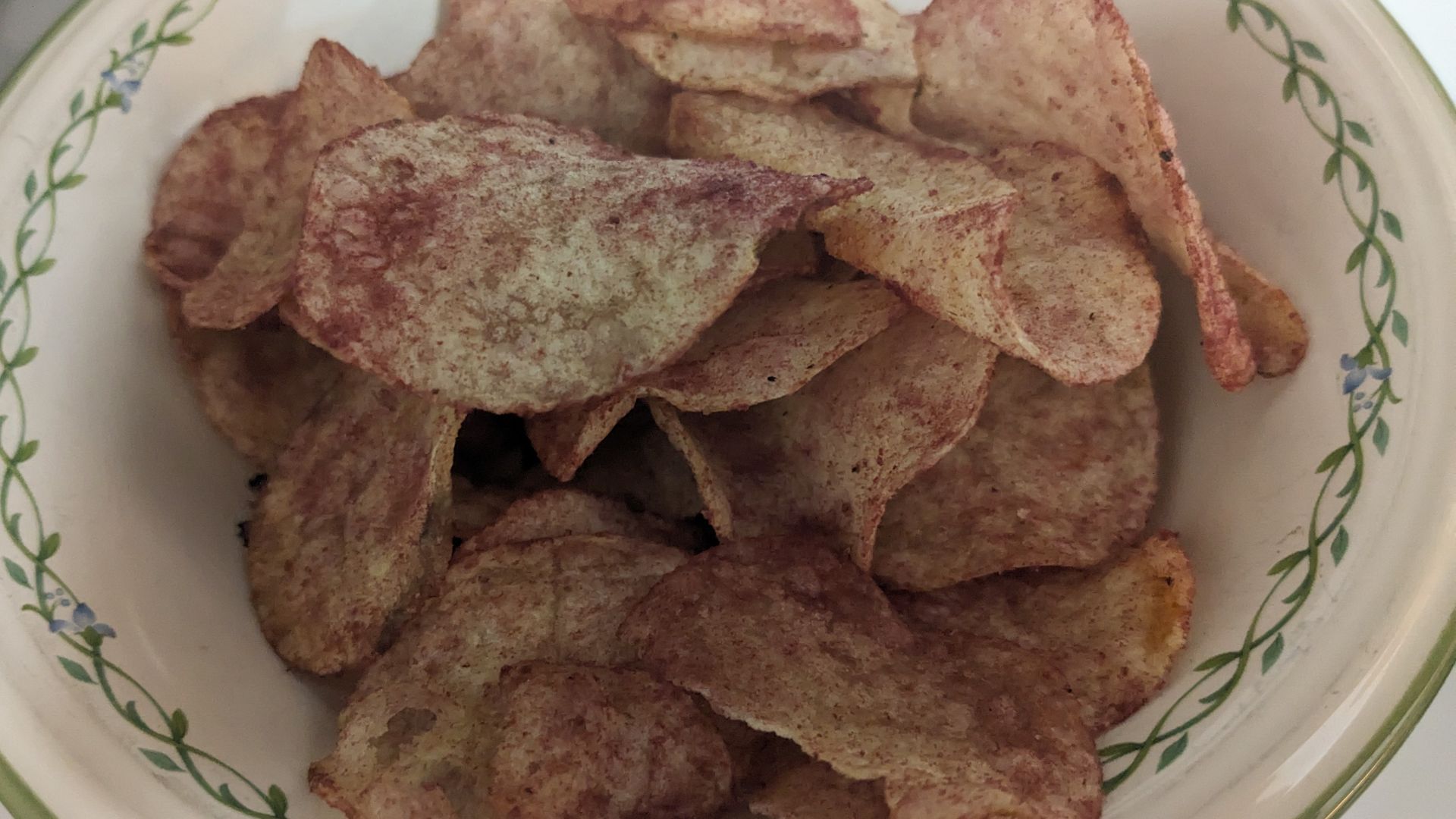
16. Ketchup Potato Chips from Canada
If you travel north of the border, you will find that potato chips dyed a vibrant, staining red color are an absolute staple in Canadian vending machines.
They offer a powerful blend of sweet tomato paste flavor, sharp vinegar, and a heavy dose of salt. It is a flavor profile that usually wins people over once they dare to try a handful.
17. Parma Violets from England
These hard, pastel purple candy discs have been manufactured in the United Kingdom since the 1940s and have divided families ever since. They are flavored with a delicate floral essence that mimics the scent of real violet flowers. This gives them a heavily perfumed taste.

18. Roasted Pig Brains from Thailand
Available at traditional street stalls in Northern Thailand, this unique dish involves mixing pig brains with curry paste, lemongrass, and kaffir lime leaves. The texture becomes incredibly soft, rich, and custard-like, which locals describe as a delicacy. Tourists usually struggle heavily with both the psychological aspect of the dish and the intensely creamy mouthfeel.

19. Salted Plum Candy from Taiwan
These traditional treats feature a dried, shriveled plum that has been heavily coated in a white powder of salt and licorice herb. When you pop one into your mouth, the initial taste is intensely sour and aggressively salty. The sudden dehydrating effect can cause your entire face to contort in a dramatic pucker.
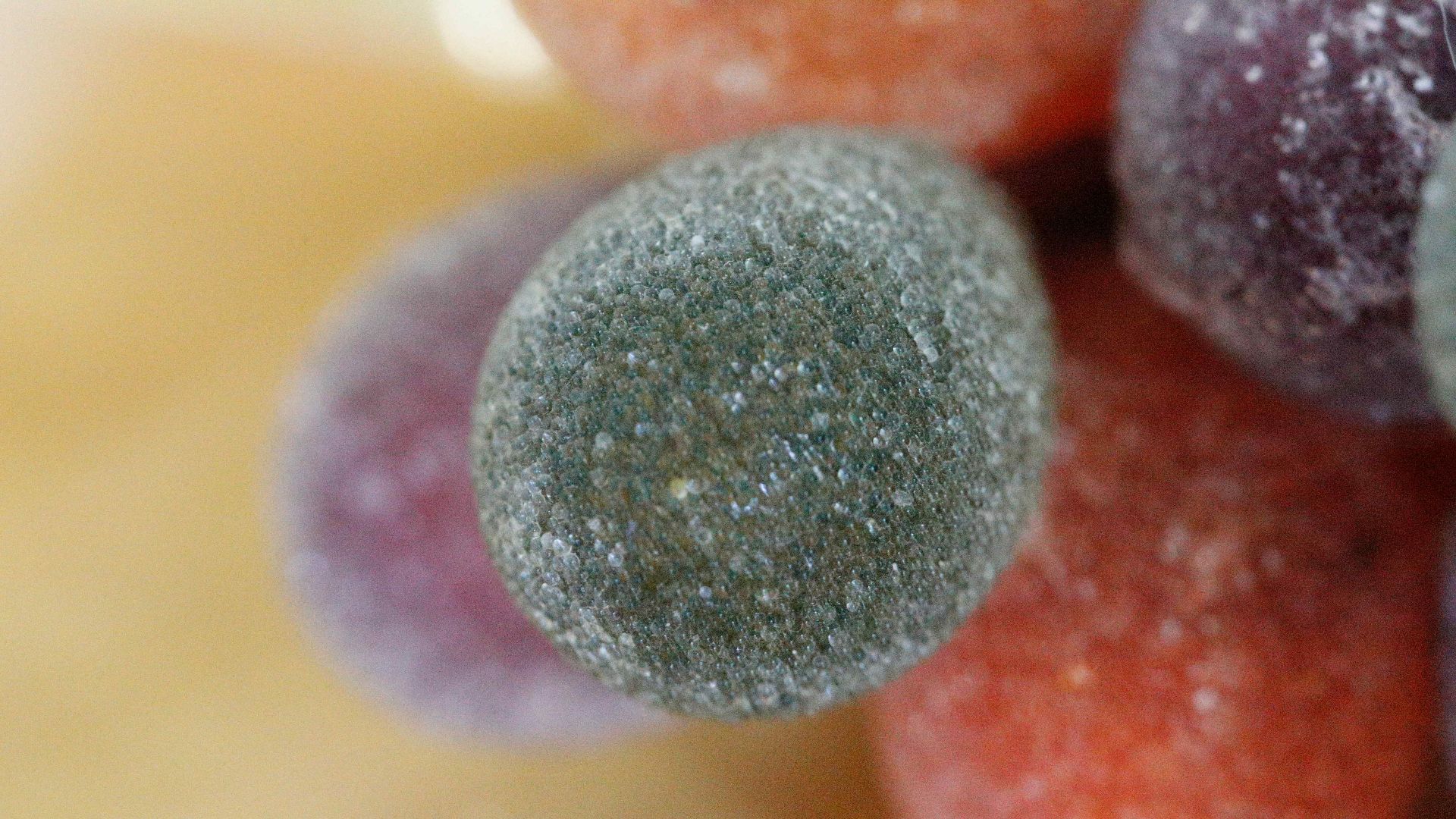
20. Marmite Chocolate from the United Kingdom
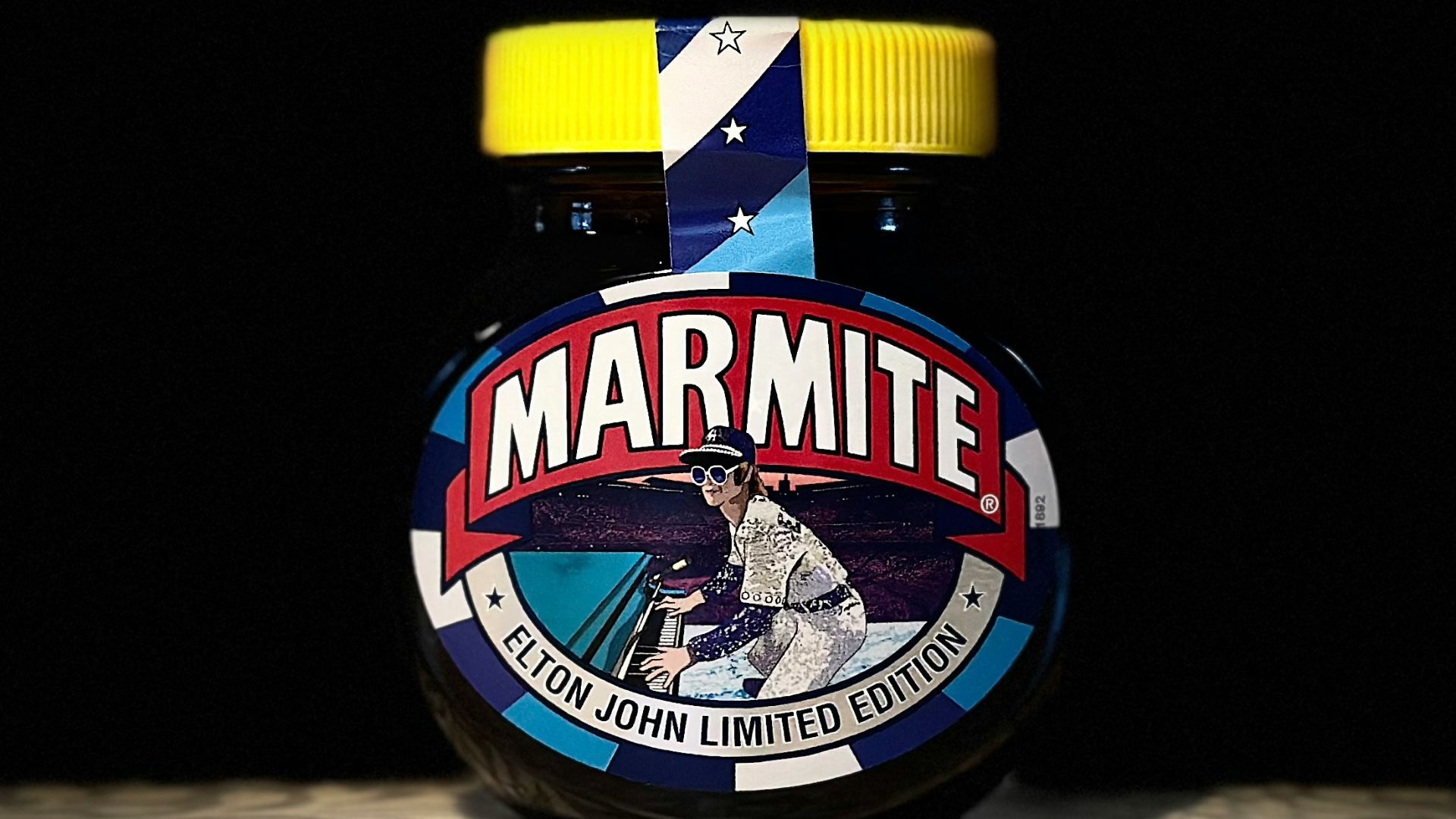
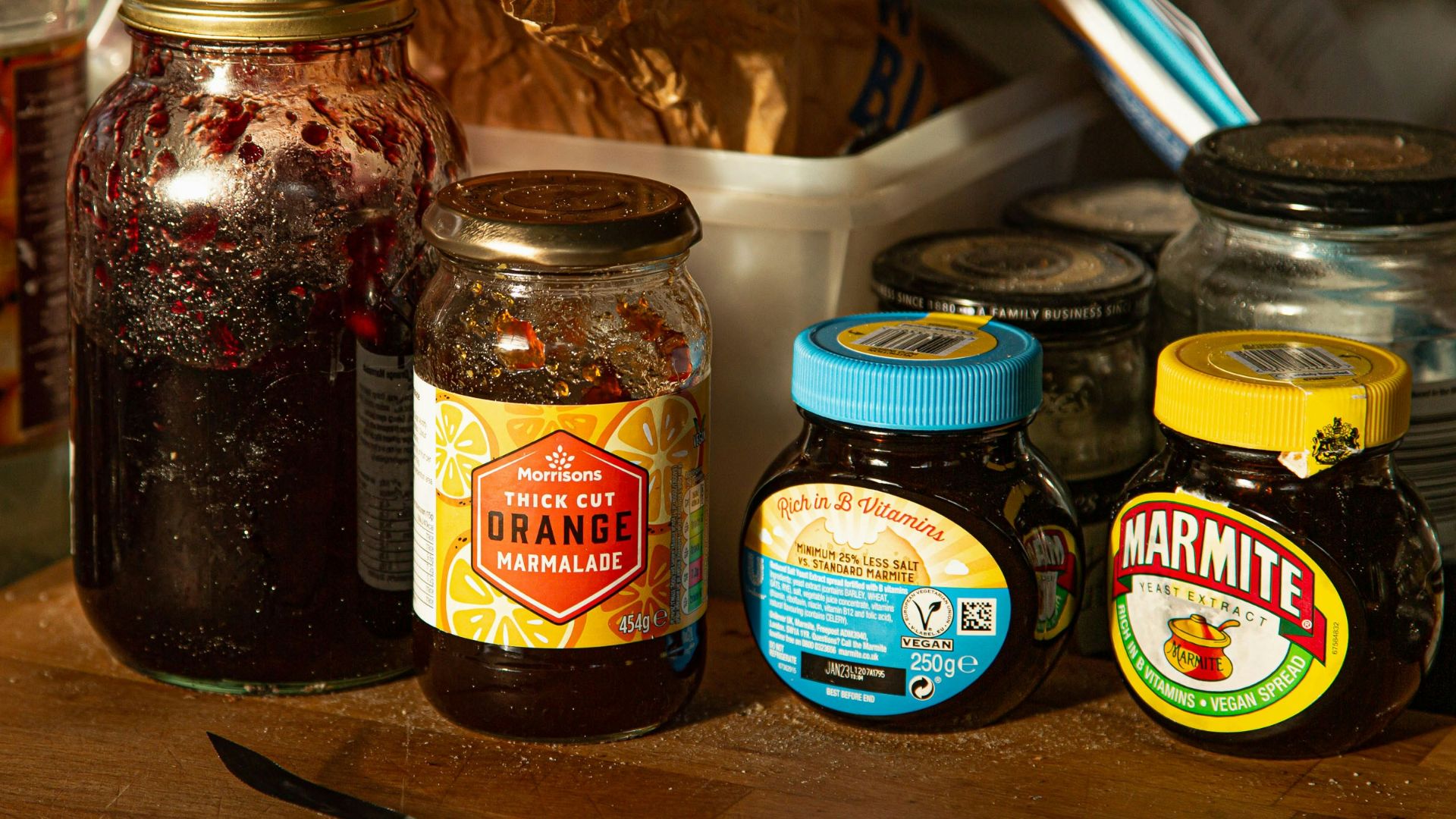
Just when you thought the classic British yeast spread debate couldn't get any more complicated, manufacturers decided to blend it directly into smooth milk chocolate bars.
The goal was to create a trendy, sweet-and-savory flavor profile similar to salted caramel. The underlying earthy, yeasty, and umami notes of the spread clash dramatically with the sweet cocoa butter.
KEEP ON READING