10 High-Protein Foods That Aren't as Healthy as They Sound & 10 Better Ones
10 High-Protein Foods That Aren't as Healthy as They Sound & 10 Better Ones
The Protein Label Trick That's Been Fooling Everyone
High protein has become the most powerful claim in the grocery store. You'll find it on jerky bags, yogurt cups, protein bars stuffed with ingredients you can't pronounce, and cereal boxes that somehow make 6 grams sound impressive. People are paying more, eating more, and sometimes just getting more of the wrong things while chasing a number on a label. The problem isn't protein itself. Protein is genuinely great for you. The problem is that "high protein" doesn't automatically mean healthy, and some of the most aggressively marketed sources are quietly undermining the very goals people are trying to hit. Here's 10 foods that aren't pulling their weight, and 10 that actually are.
 This Supplement Sucks on Unsplash
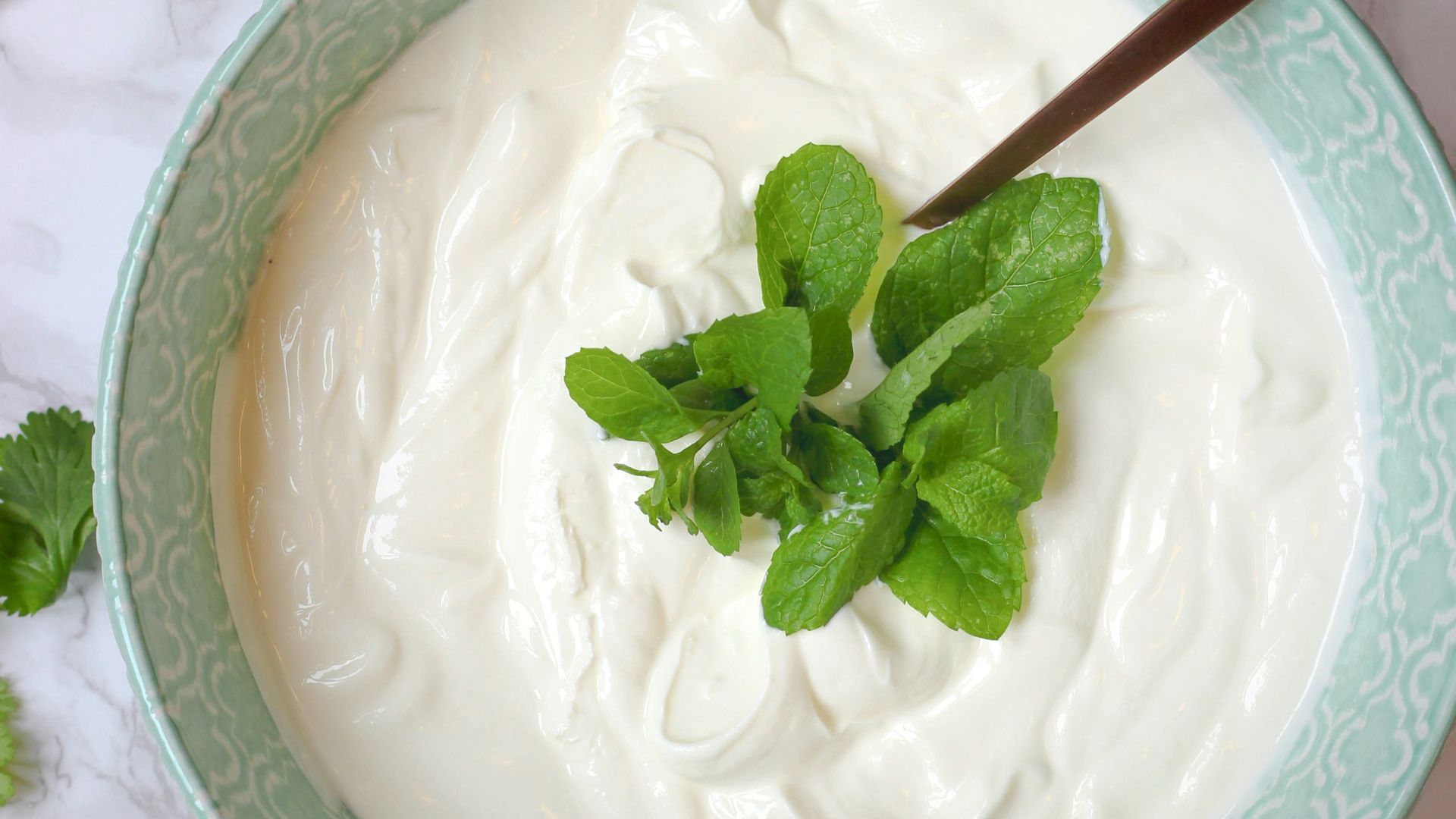
1. Flavored Greek Yogurt
Plain Greek yogurt is a legitimate nutritional win. The flavored versions, especially the ones with fruit on the bottom or a swirl of honey, are often loaded with added sugar, sometimes 15 to 20 grams per serving. You're essentially eating a dessert with a protein label on it.
 micheile henderson on Unsplash
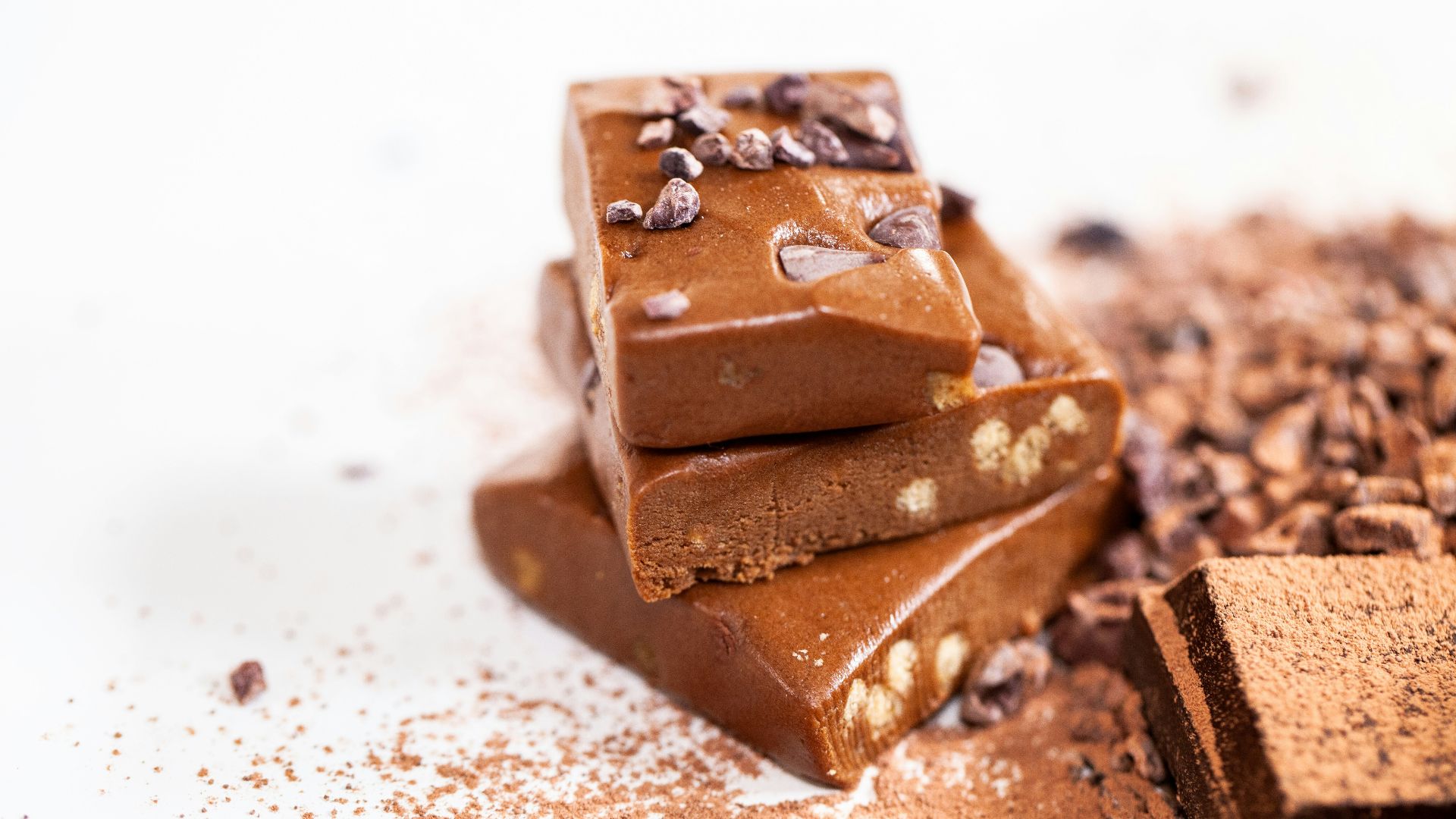
2. Protein Bars
Most protein bars are closer to candy bars with a PR team. They check the protein box, sure, but they also tend to deliver a hefty dose of sugar alcohols, palm oil, and artificial sweeteners that your gut isn't always thrilled about. A few solid options exist, but they're outnumbered by marketing-heavy imposters.
3. Deli Turkey
Sliced turkey sounds lean and responsible, but most deli versions are processed to the point where they barely resemble the original ingredient. The sodium content in two or three slices can be startling, and many brands add fillers, nitrates, and preservatives to extend shelf life and improve texture.

4. Peanut Butter Powder
Powdered peanut butter markets itself as a smarter choice because it's lower in fat and calories. But the fat in real peanut butter (mostly monounsaturated) is actually one of its best features. You're giving up what makes it genuinely nutritious and getting something more processed in return.
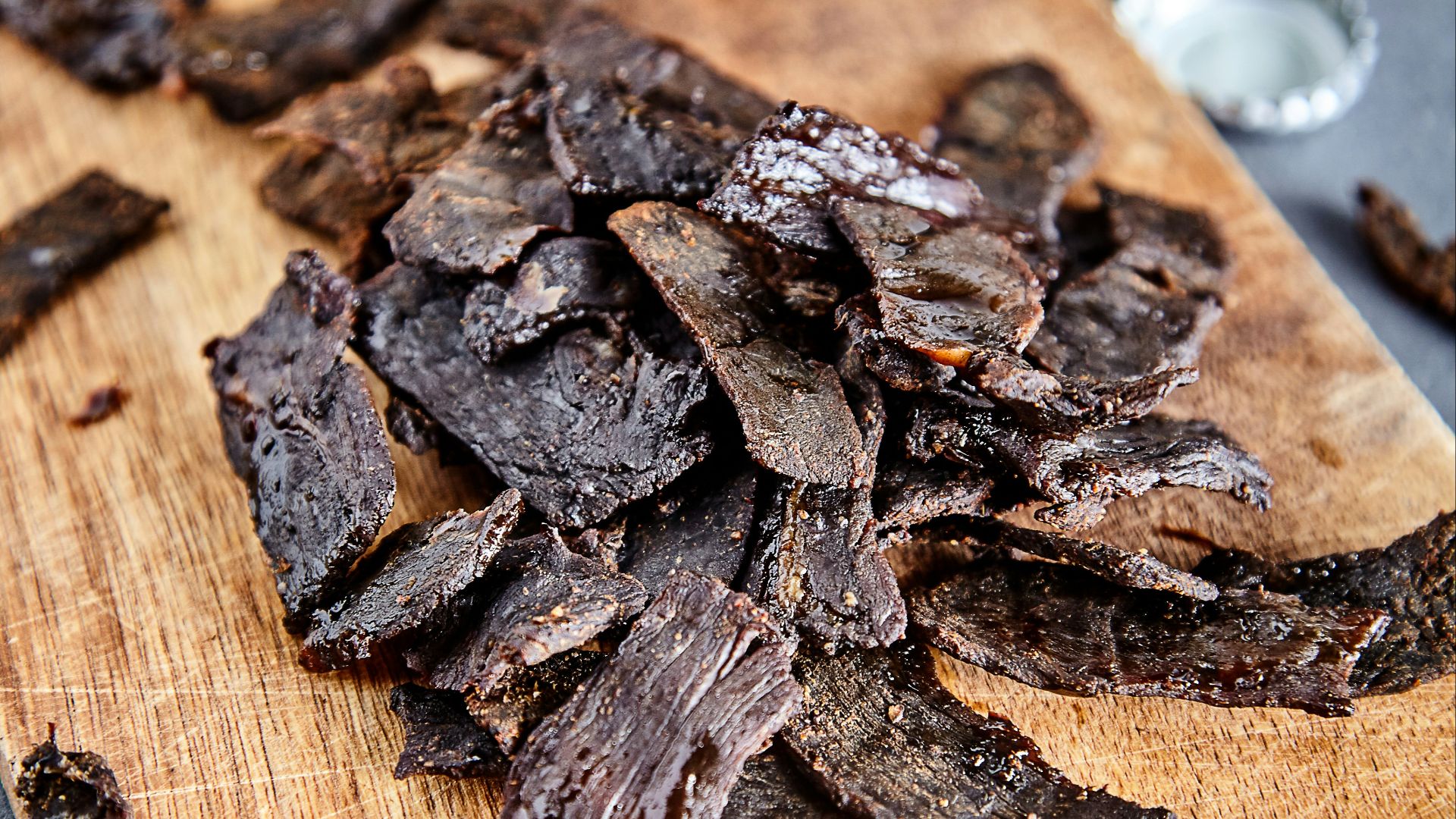
5. Beef Jerky
Jerky has had a real glow-up as a snack, and the protein content is real. What's also real is the sodium, which can top 500 milligrams in a single serving, and the sugar in sweeter varieties, which turns a savory snack into something more complicated than it looks.
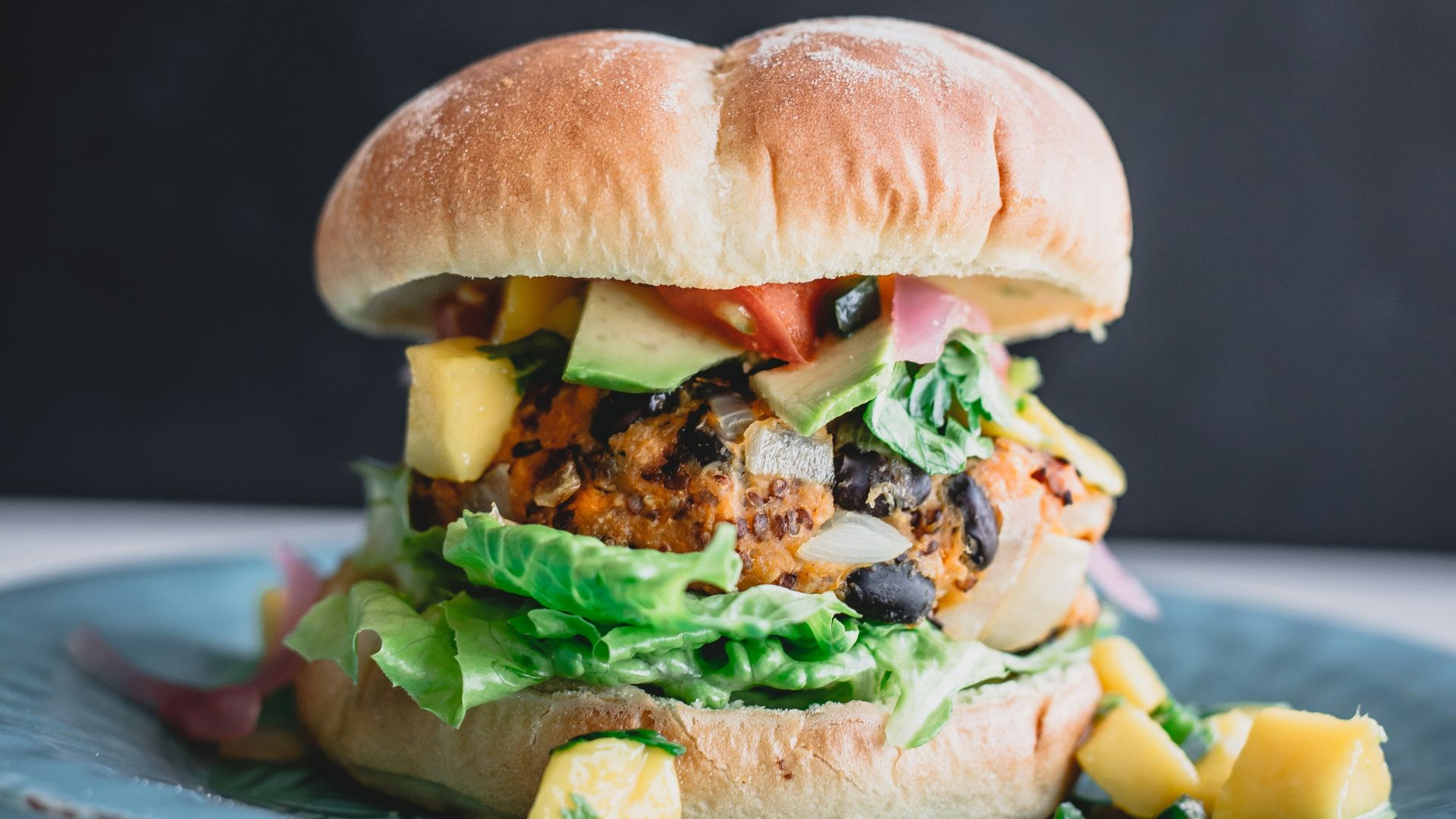
6. Veggie Burgers
Not all veggie burgers are bad, but the ones built on soy protein isolate and a long ingredient list often trade one set of problems for another. Some are genuinely highly processed, high in sodium, and not much more nutritious than the thing they're replacing. Reading the label matters here.
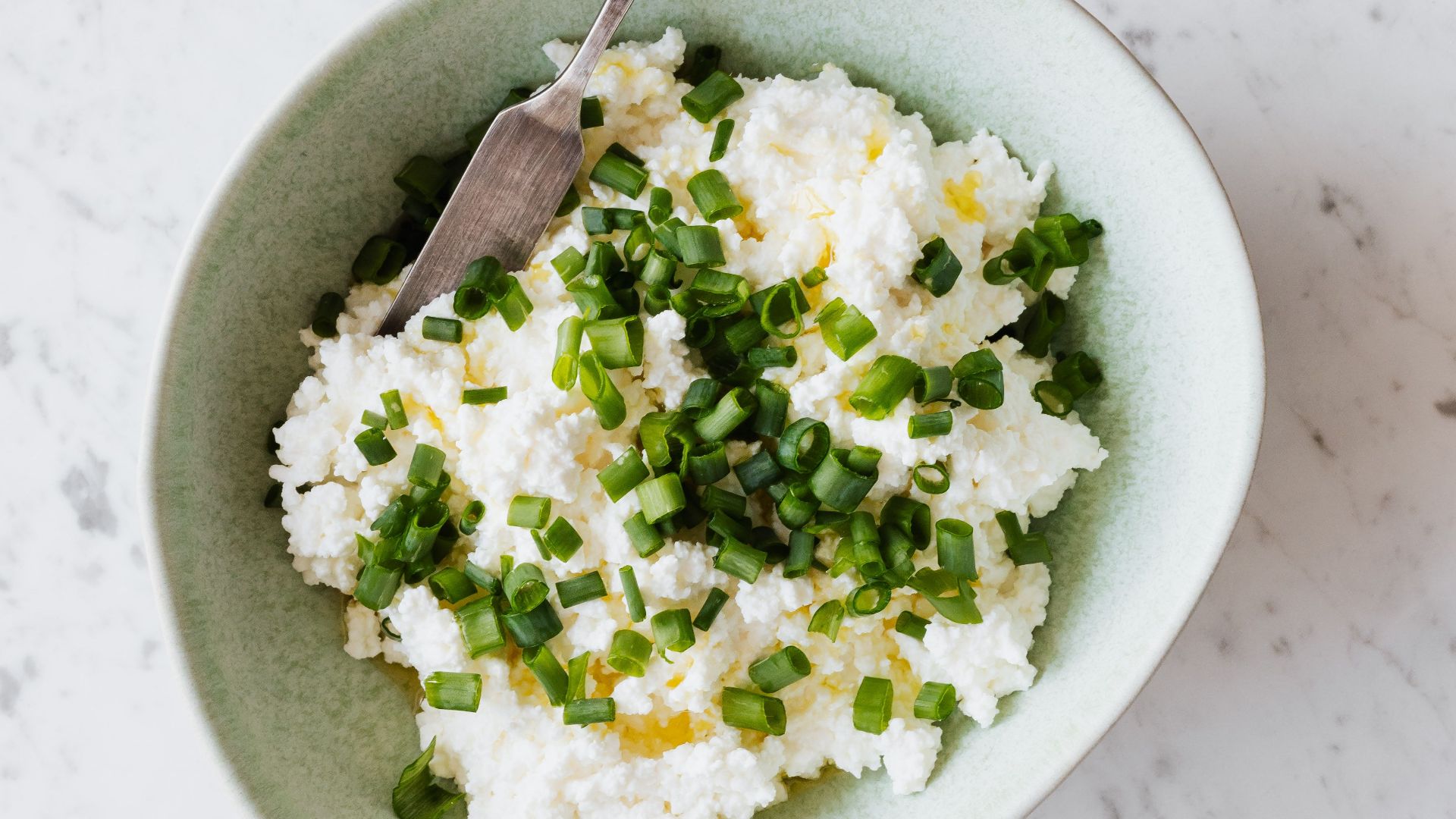
7. Low-Fat Cottage Cheese
Cottage cheese is having a moment, and the full-fat version deserves it. The low-fat and fat-free versions sometimes compensate for the flavor loss with additives and extra sodium. Fat helps you absorb nutrients and keeps you full longer, so removing it isn't always the upgrade it sounds like.
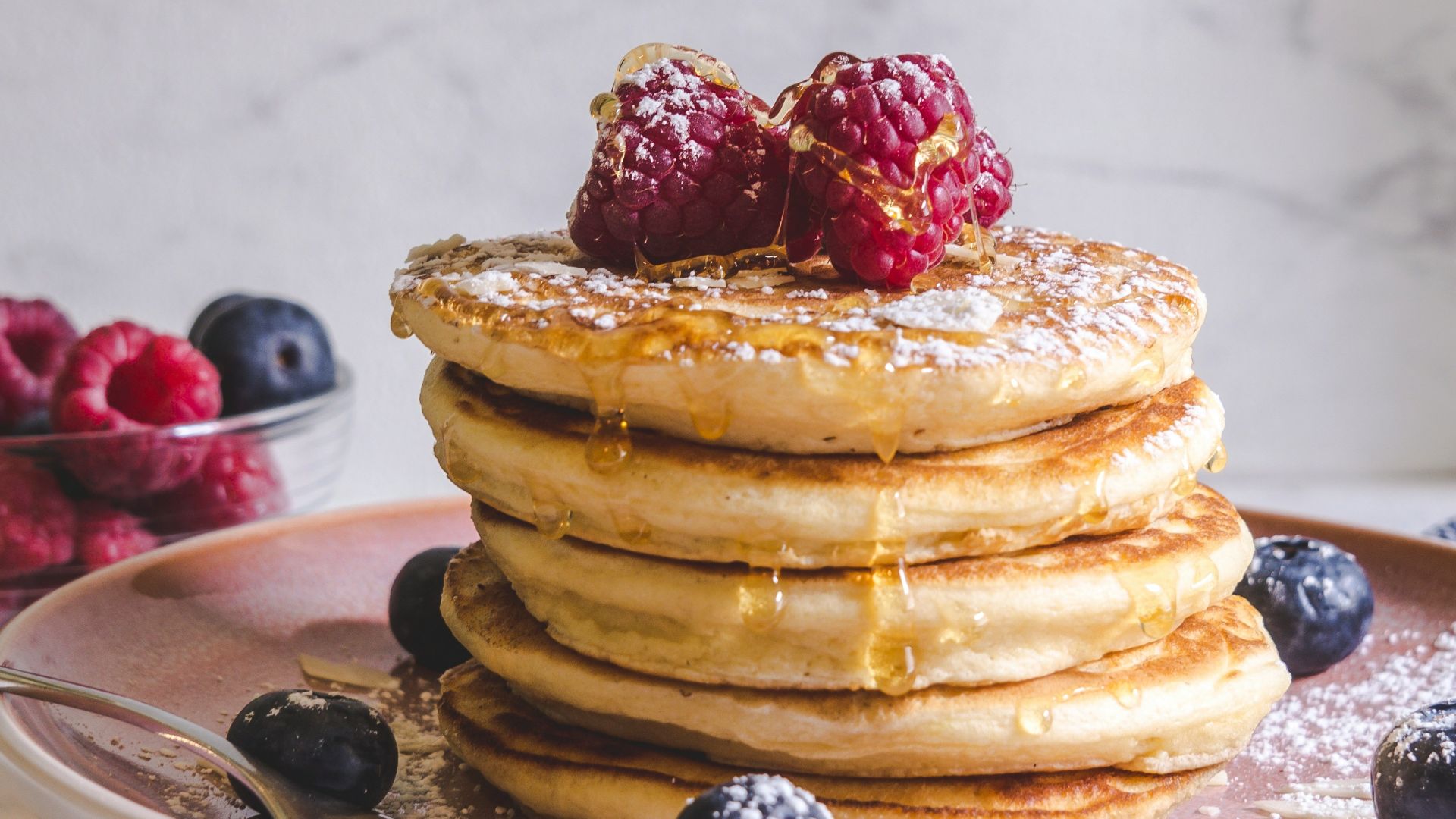
8. Protein Pancake Mixes
The idea of a protein-rich breakfast feels great. The execution, in many of these mixes, is less convincing. A lot of them are still primarily made from refined flour with a scoop of protein powder mixed in, which means you're getting a blood sugar spike with some protein on top, not a meaningfully different breakfast.
9. Store-Bought Protein Shakes
Pre-made protein shakes are convenient, and that's genuinely useful sometimes. But many of the ready-to-drink versions include a long list of thickeners, sweeteners, and synthetic vitamins that make them feel more like a science experiment than food. Whole food protein sources are almost always more nutrient-dense per gram.

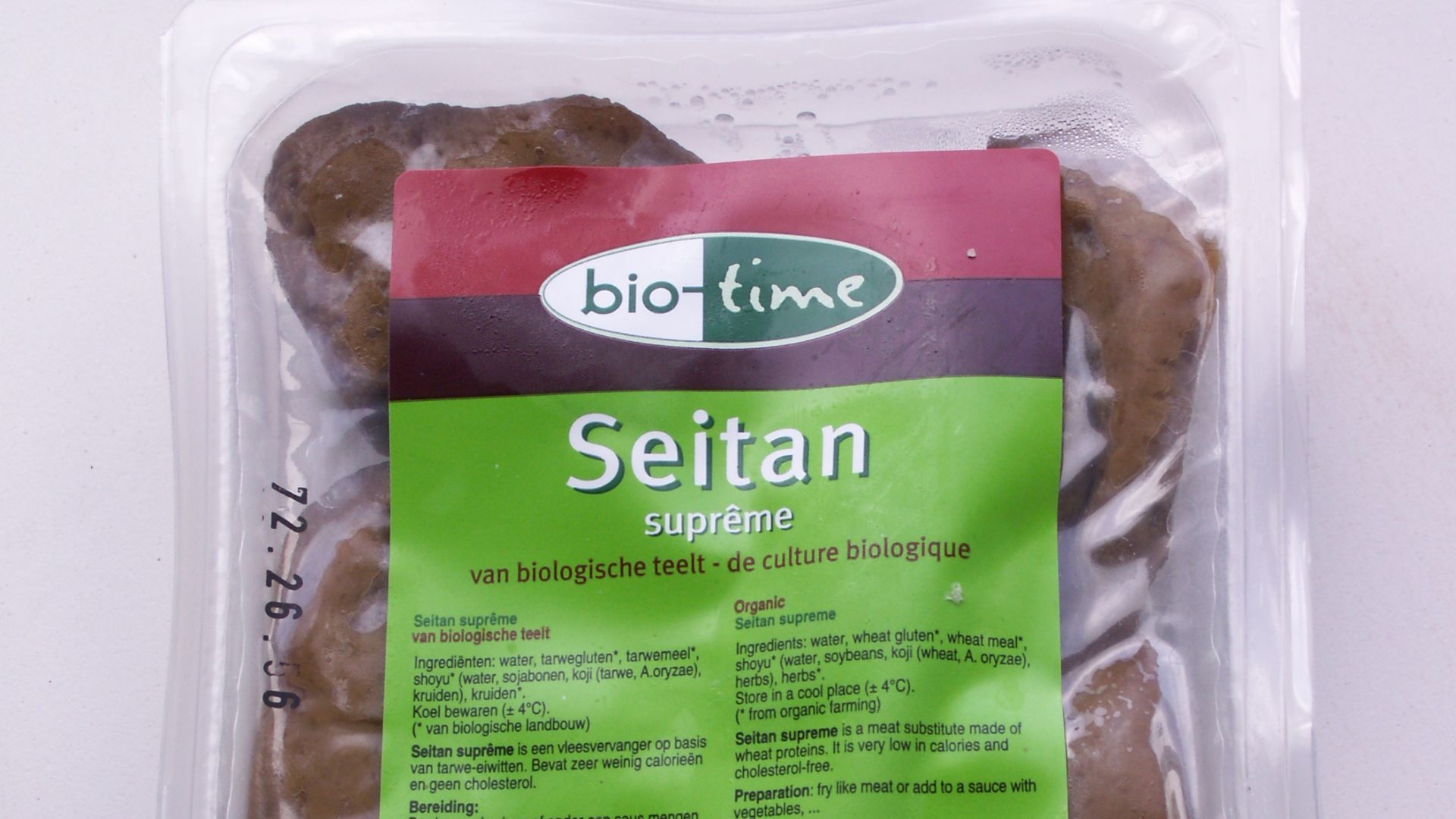
10. Seitan
Seitan is pure wheat gluten, and it's exceptionally high in protein by weight, which sounds great until you realize there's almost nothing else going on nutritionally. It's low in lysine, the amino acid that makes protein sources complete, and it's obviously not an option for anyone sensitive to gluten. It's not a bad food, but it gets more credit than it's earned.
Now, here's 10 better options that actually deliver.
 KVDP at English Wikipedia on Wikimedia
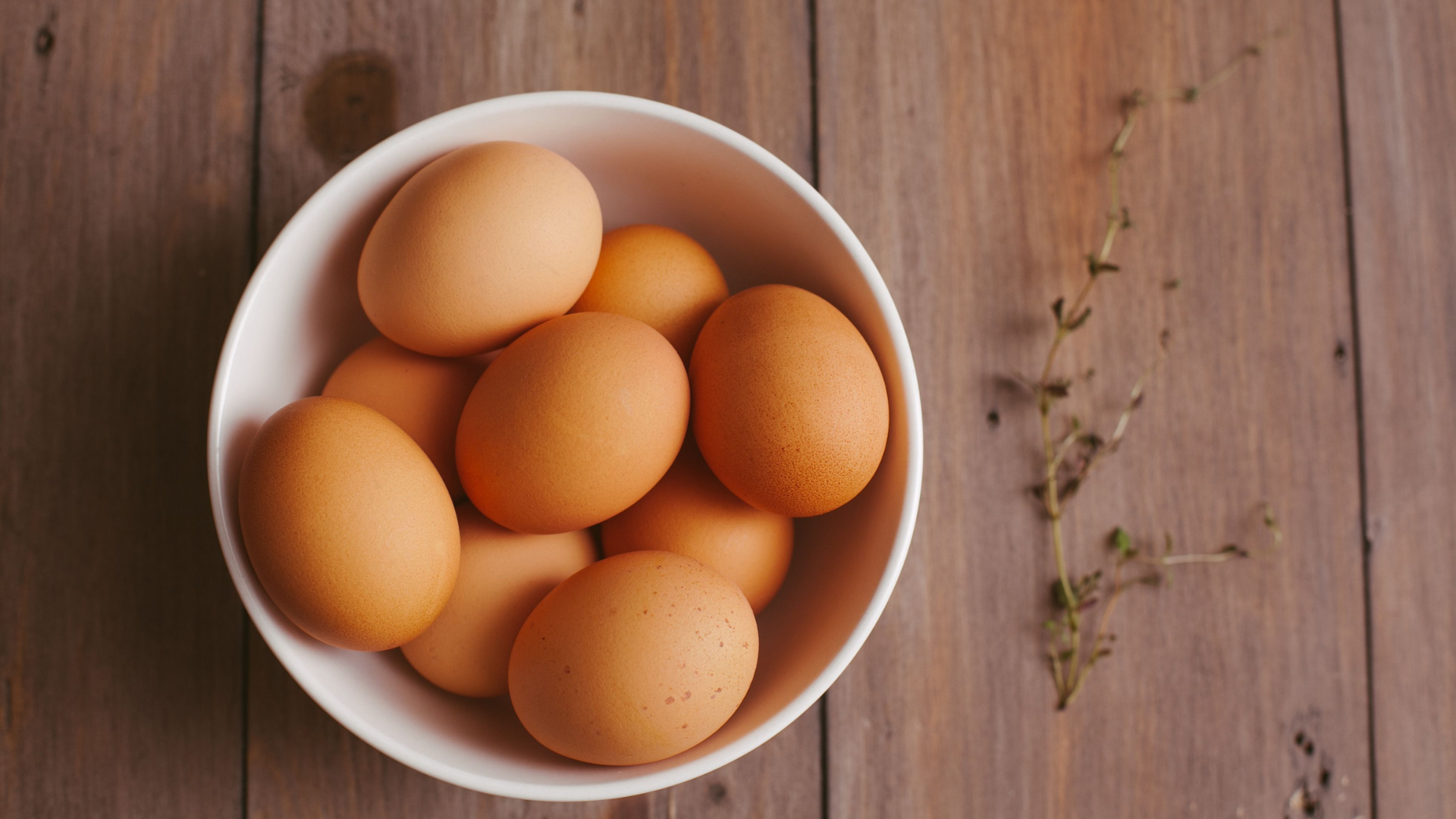
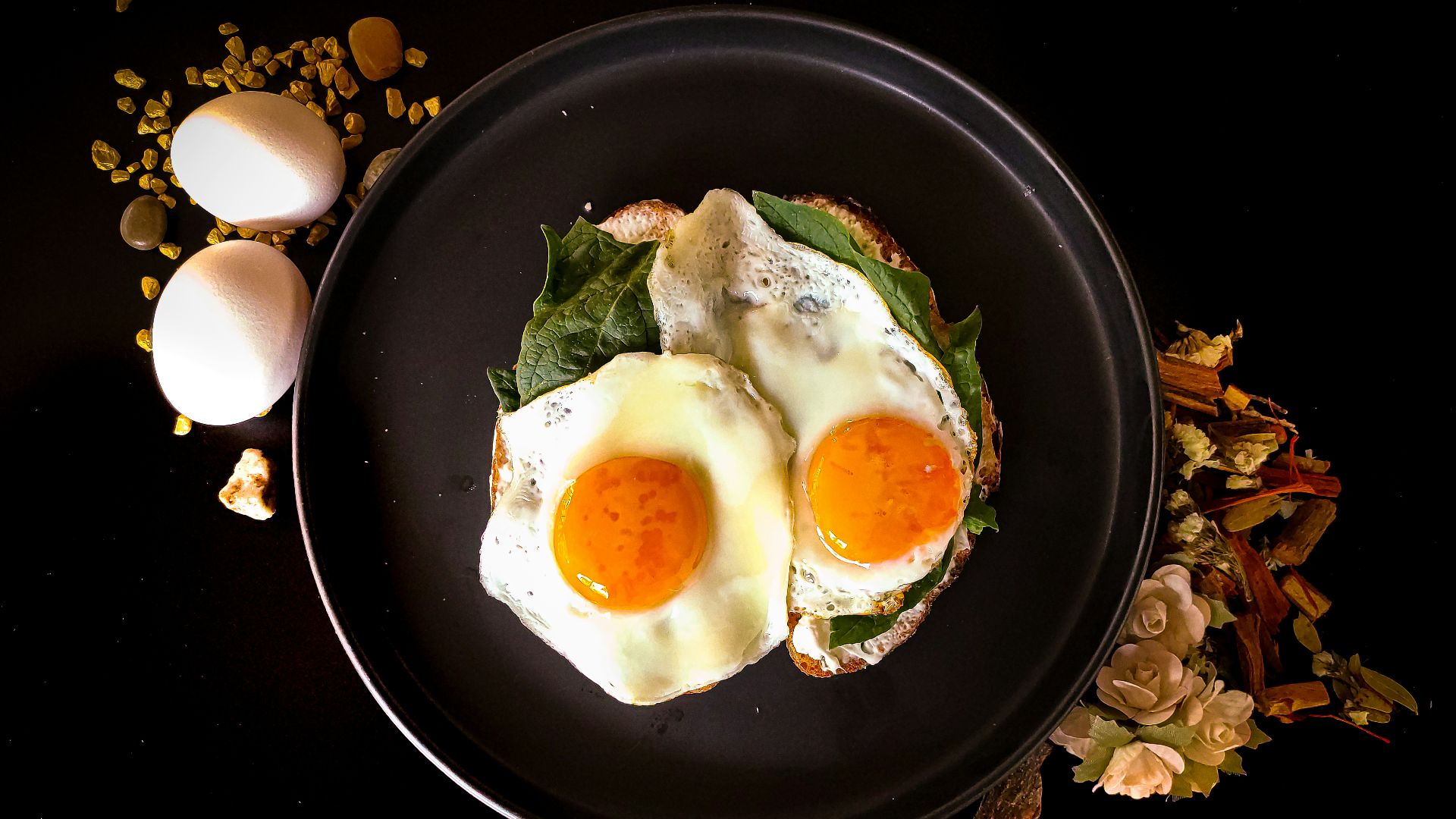
1. Eggs
Eggs are one of the most complete sources of protein you can eat, with all nine essential amino acids and a fat profile that's genuinely useful. Two eggs for breakfast keeps you full in a way that a protein bar almost never manages to replicate. They're also cheap, which never hurts.
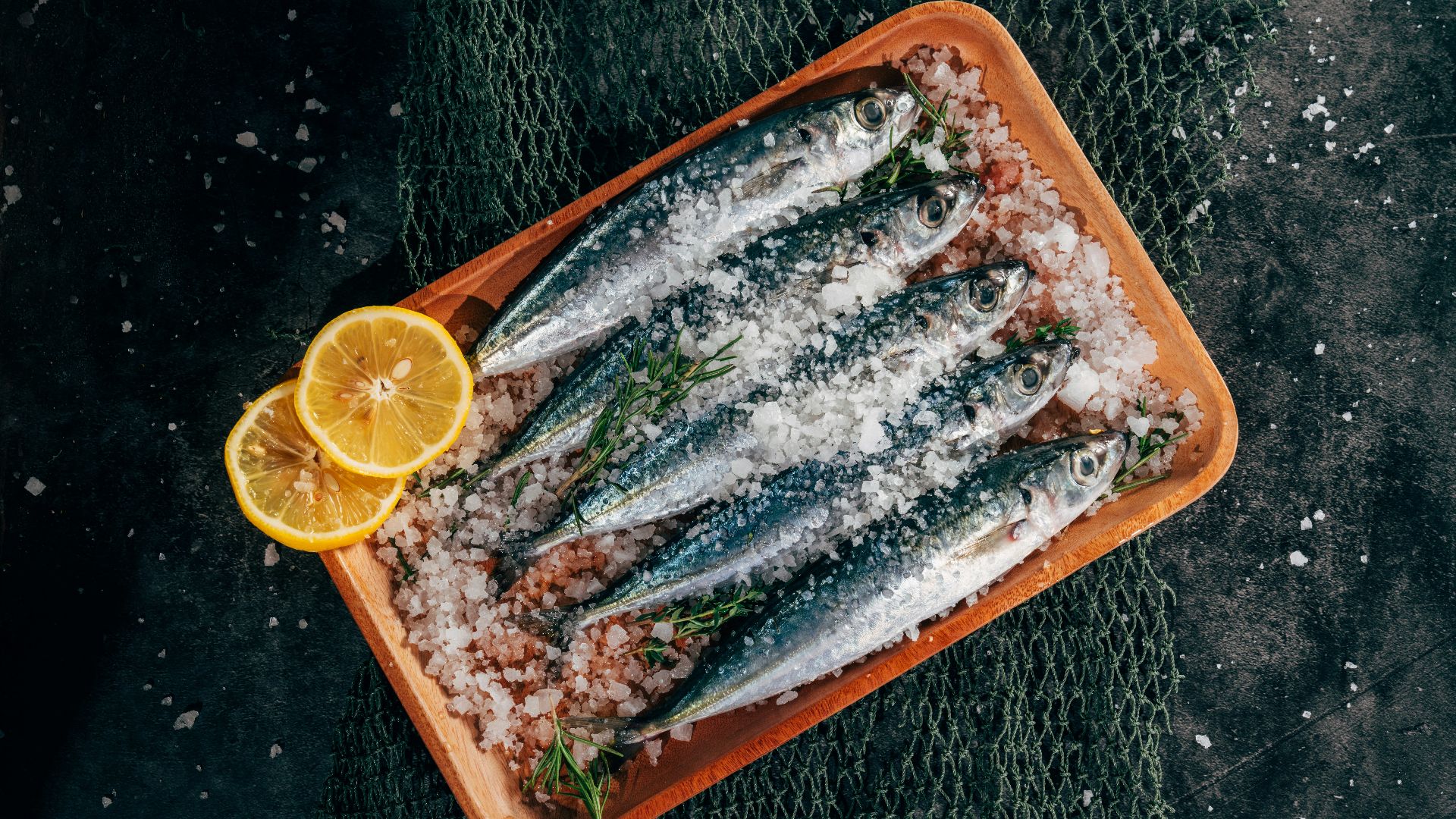
2. Canned Sardines
Sardines don't have a glamorous reputation, but they should. They're packed with protein, loaded with omega-3s, high in calcium, and low on the food chain, which means minimal mercury exposure. A tin over crackers or in a salad is one of the most nutritious quick meals you can pull together.
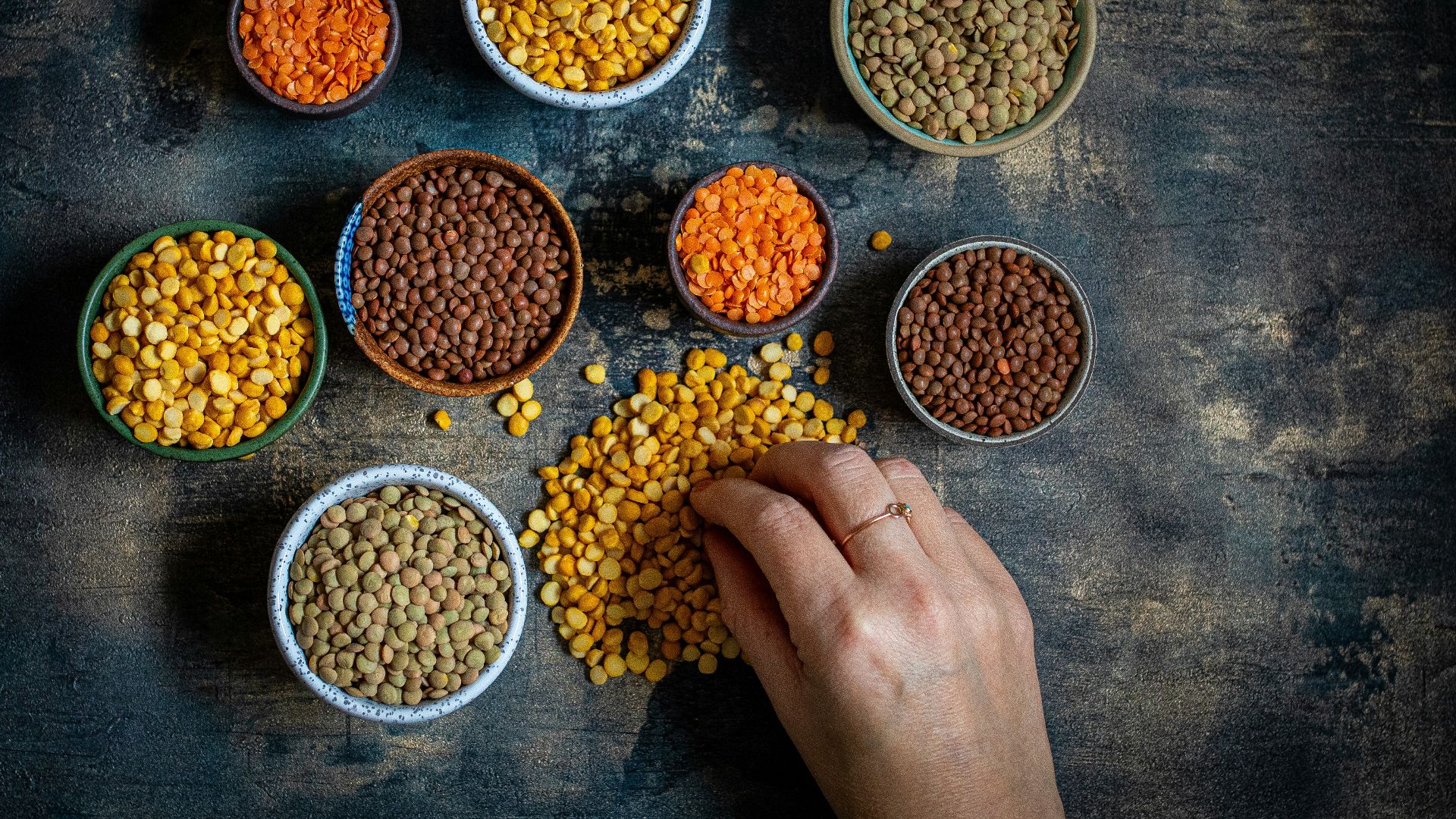
3. Lentils
Lentils offer a combination of protein, fiber, iron, and folate that's hard to match in a single ingredient. They're also one of the most affordable foods you can buy. A bowl of lentil soup is legitimately filling in a way that most processed protein products can't compete with.
4. Wild-Caught Salmon
Salmon hits protein, omega-3s, and vitamin D in one serving, a combination most people are chronically low on. Wild-caught tends to have a better fat profile than farmed, though farmed is still a reasonable option. Either way, it's one of the most nutritious proteins you can regularly eat.

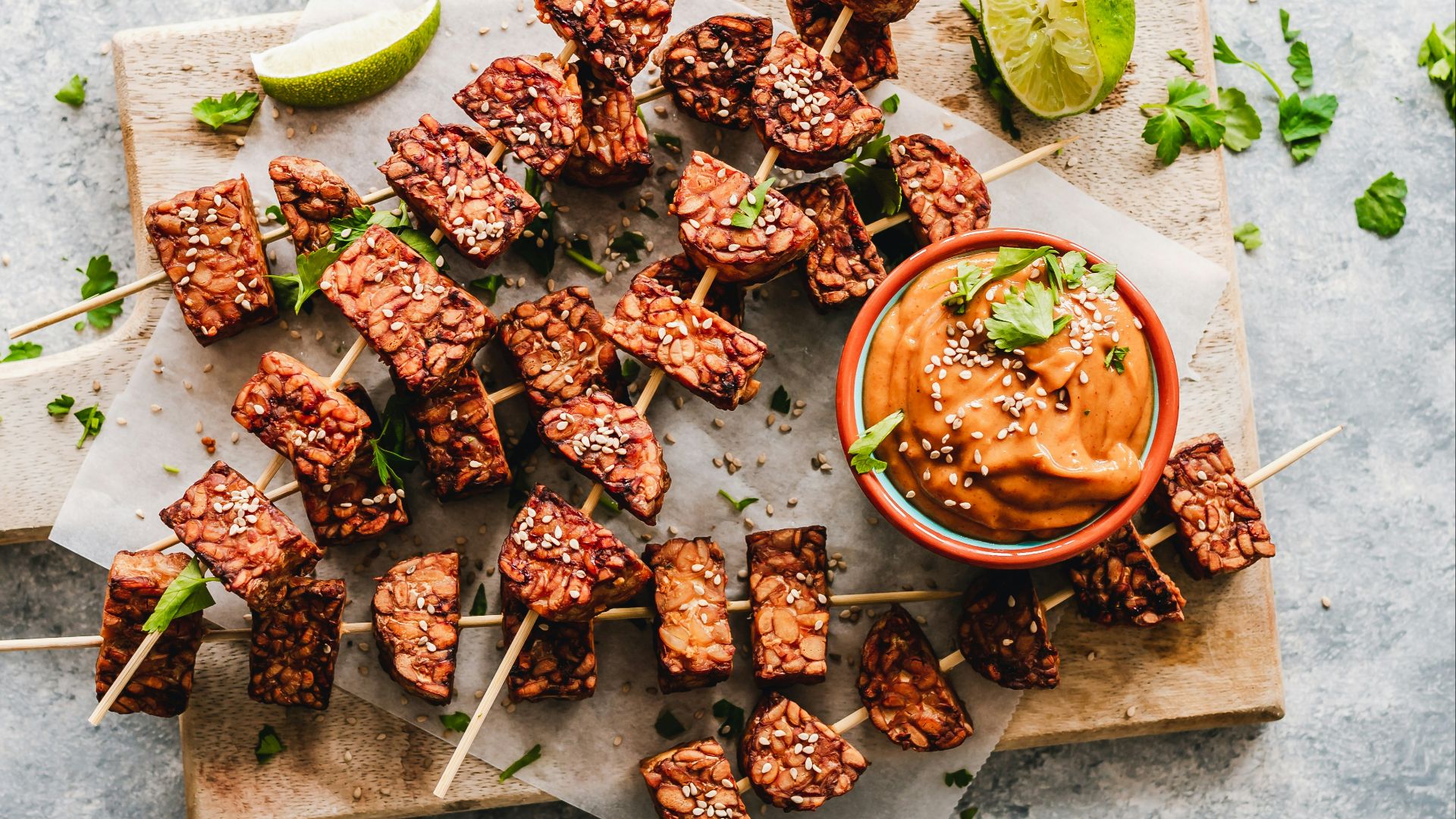
5. Tempeh
Unlike many soy-based protein products, tempeh is fermented, which makes it easier to digest and gives it a better nutritional profile overall. It's also a complete protein with a firm, satisfying texture that holds up well in cooking. It's worth getting familiar with if you're reducing meat intake.
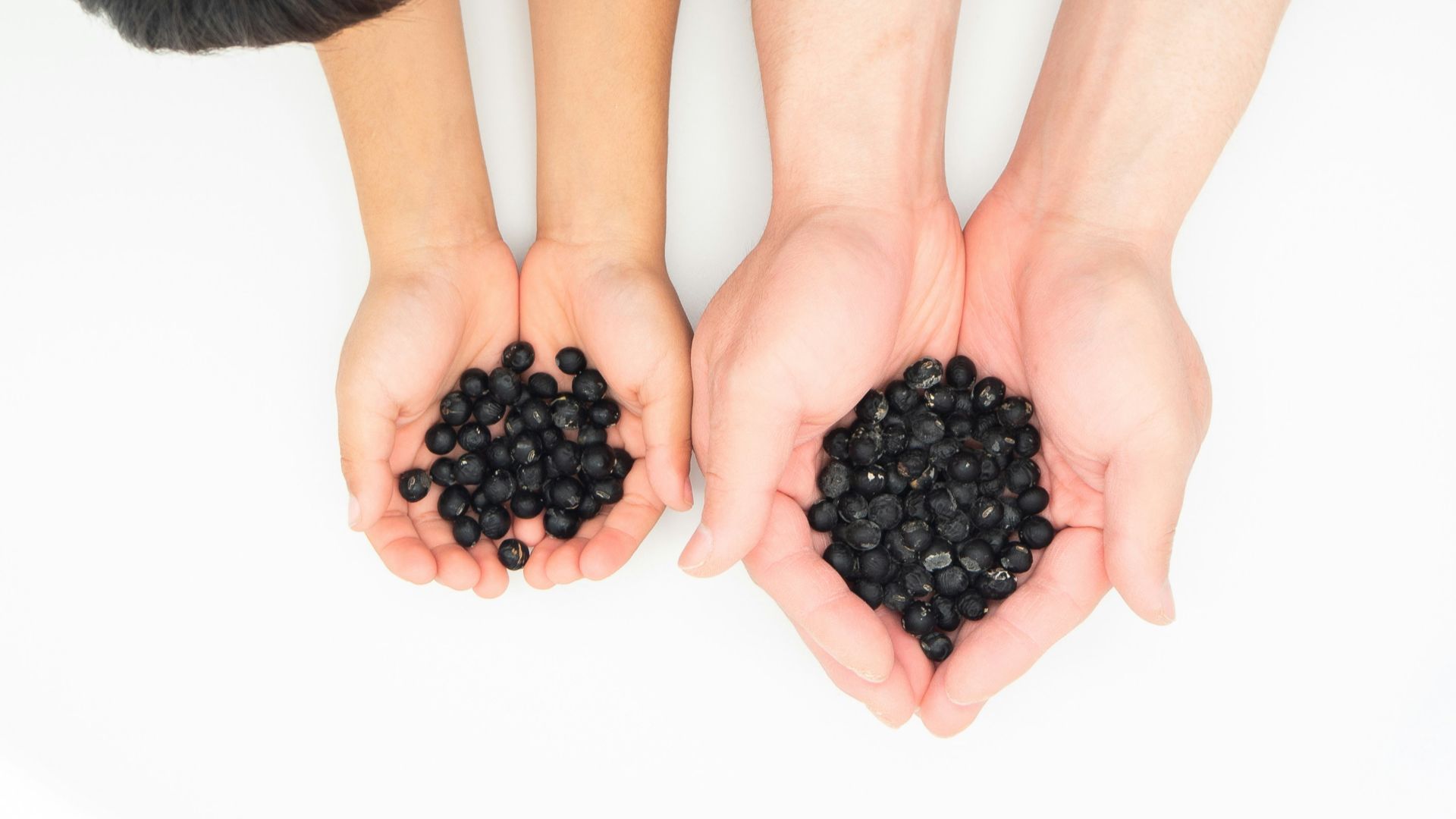
6. Black Beans
Black beans are one of those foods that quietly overdeliver. A cup cooked gives you around 15 grams of protein along with a serious amount of fiber, which slows digestion and keeps blood sugar stable in a way that most protein sources don't bother with. They're also filling enough that a bowl of black bean soup can genuinely carry you through an afternoon without a snack.
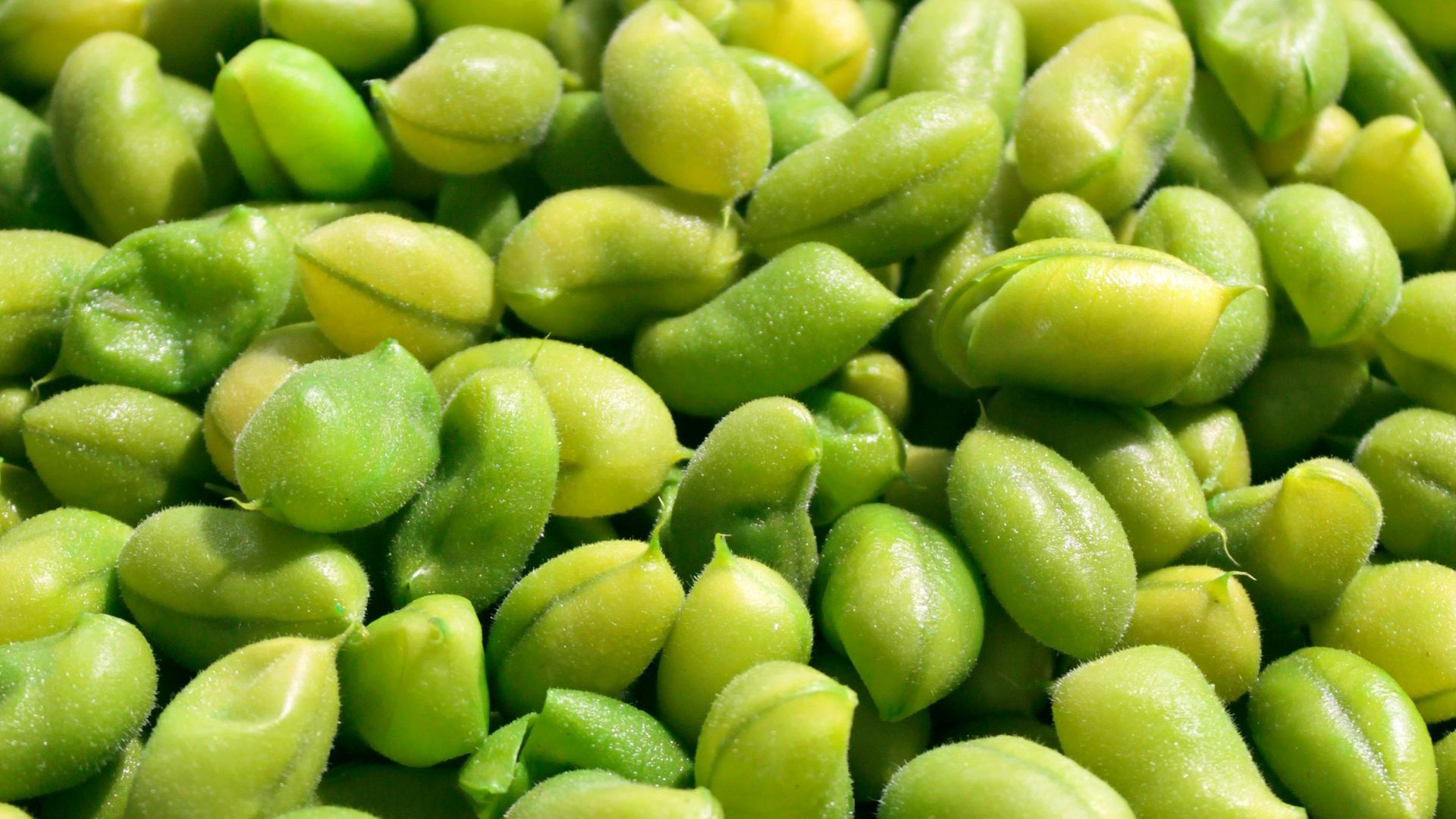
7. Edamame
Edamame is one of the few plant-based sources that qualifies as a complete protein, and it's high in fiber and folate on top of that. A bowl of steamed edamame with a little sea salt is also just a satisfying snack, which counts for something when you're trying to make consistent choices.
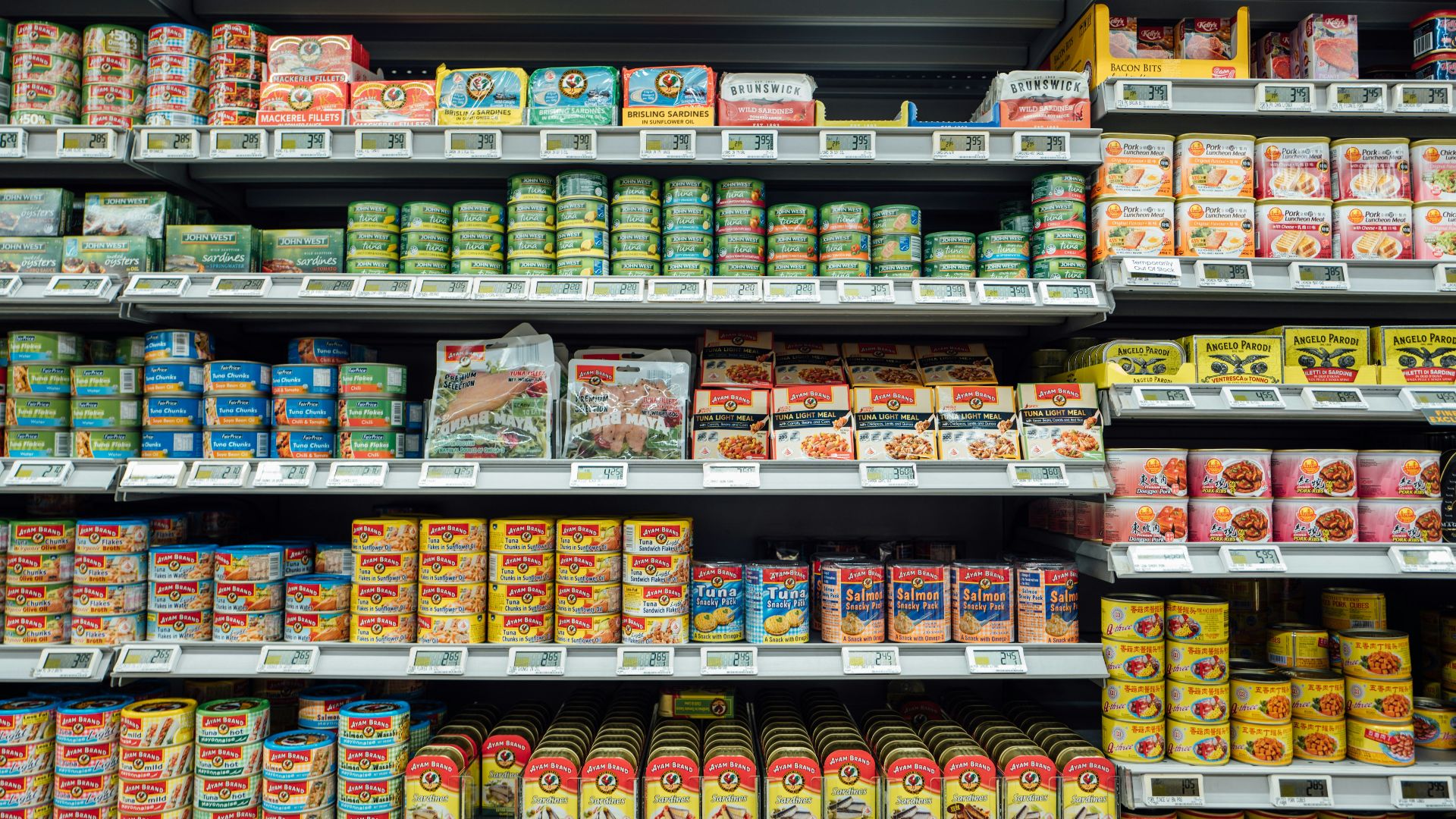
8. Tuna (Packed in Water)
Canned tuna is one of the most efficient protein sources you can buy, with around 25 grams per can and almost no fat to speak of. It's also fast — no cooking, no prep beyond opening a can and adding something to it. The main caveat is mercury, so eating it a few times a week rather than daily is a reasonable approach.
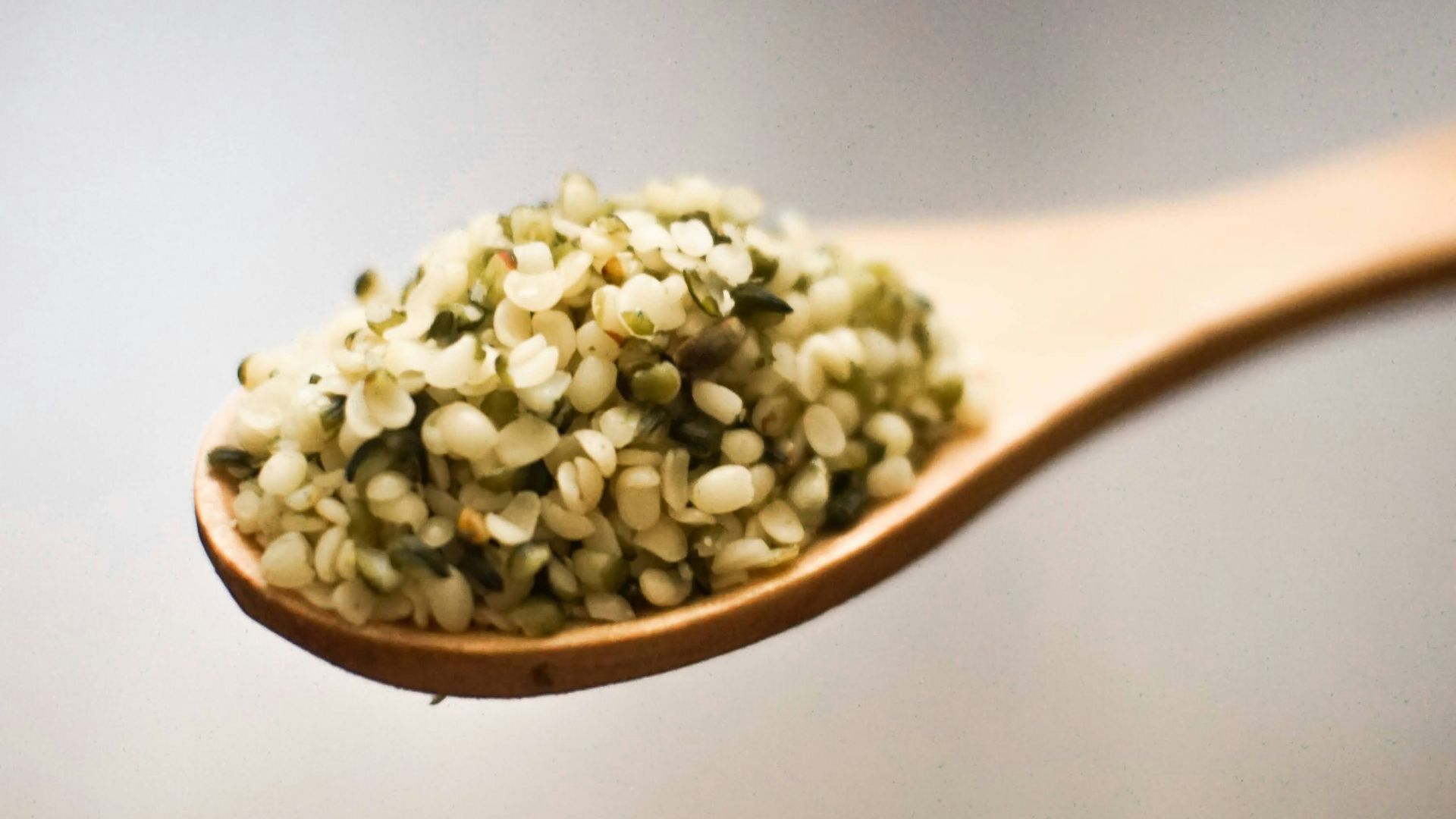
9. Hemp Seeds
Hemp seeds are small and easy to overlook, but three tablespoons give you around 10 grams of complete protein along with a solid hit of omega-3 and omega-6 fatty acids. They blend invisibly into smoothies, oatmeal, and salads, which makes them one of the easiest nutritional upgrades you can make with almost no effort.
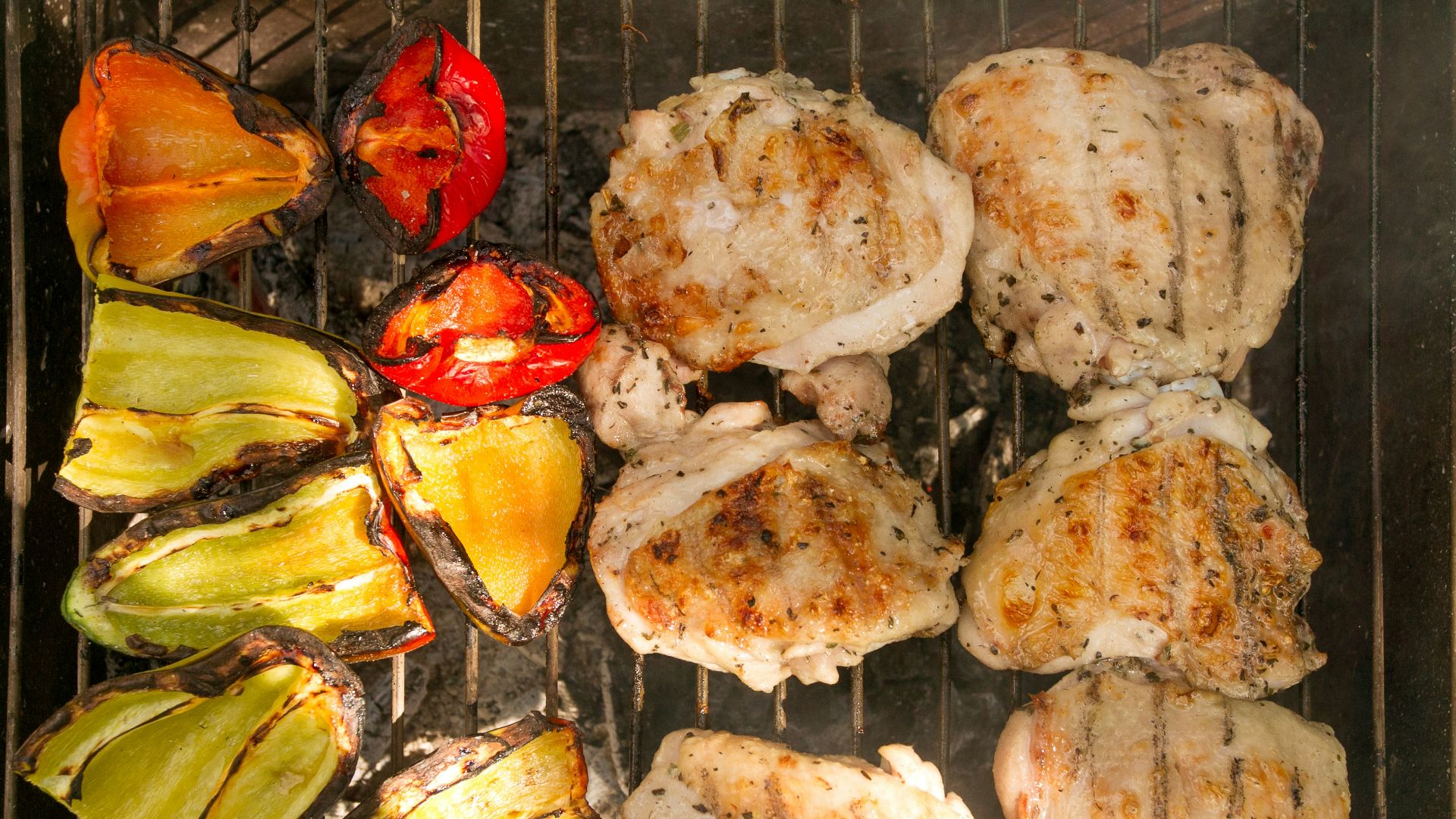
10. Chicken Thighs
Chicken breast gets all the attention, but thighs are underrated. They have more fat, which keeps the meat moist and makes it harder to overcook, and they're usually cheaper per pound. The protein content is nearly identical, and the eating experience is almost always better. There's really no good reason they're considered the lesser cut.
KEEP ON READING


10 Most Hated Foods in the Entire World