10 Mistakes You're Making with Your Nonstick Pan & 10 Tips to Keep It in Tip-top Shape
10 Mistakes You're Making with Your Nonstick Pan & 10 Tips to Keep It in Tip-top Shape
Your Nonstick Pan Needs Better Habits
If you're like most home cooks, you probably have a nonstick pan or three shelved away in your kitchen. After all, they make fixing up your favorite meals so much easier, whether you're scrambling eggs, reheating leftovers, sizzling a juicy steak, or making fluffy pancakes. But there's a downside: nonstick cookware can wear down faster than you might expect, and oftentimes, it's due to your bad habits. If you regularly use metal utensils or soak your pan in ice-cold water when it's still piping hot, you're cutting the lifespan of your cookware short. To make sure you get the most use out of your nonstick pan(s), avoid these common mistakes—and know what tips help keep it in shape.
1. Using Metal Utensils
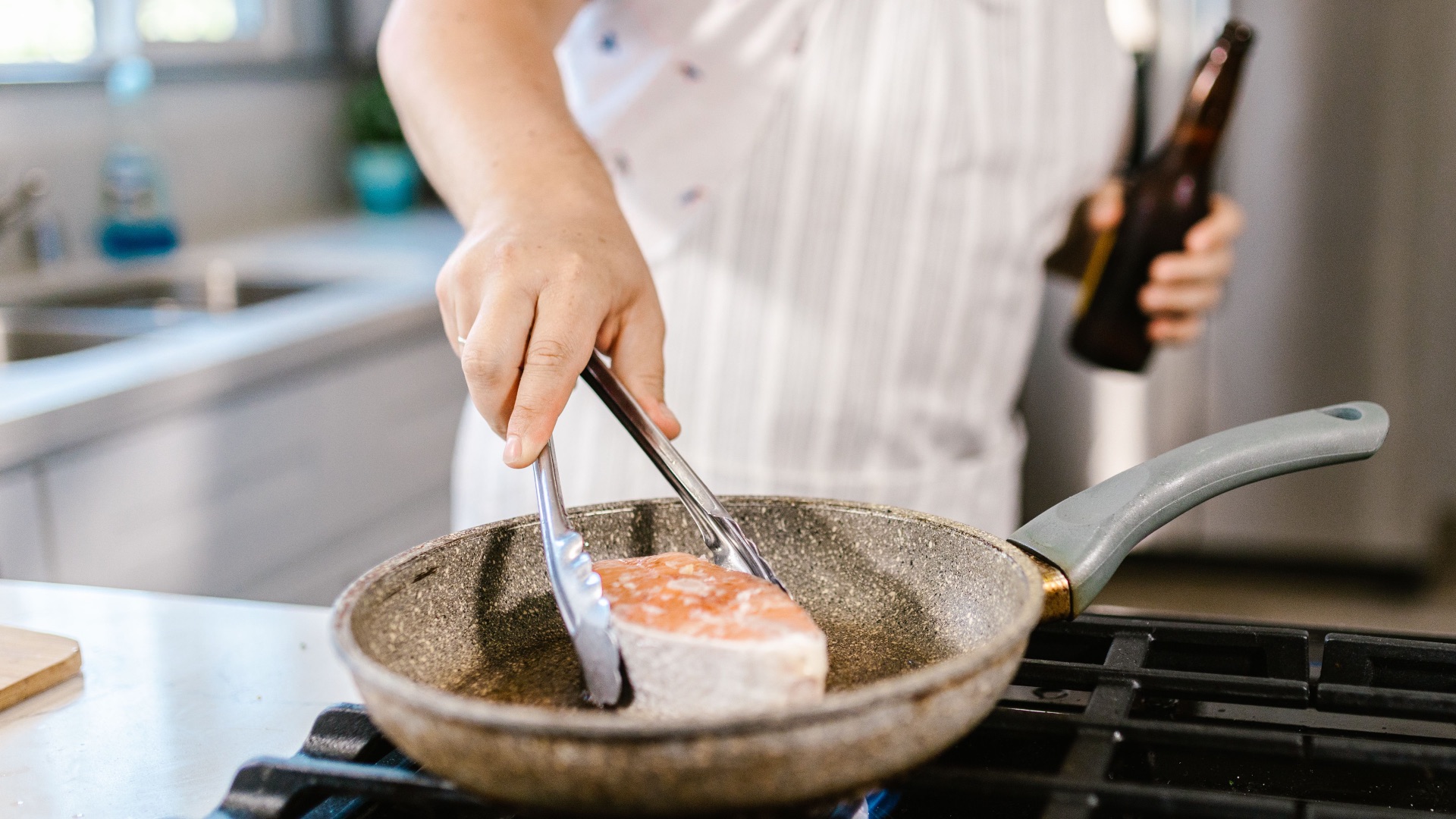
Metal spatulas, forks, and tongs can scratch the surface of a nonstick pan faster than you might expect. Even one careless scrape can leave marks that make the coating more vulnerable over time. Once the surface is damaged, food can start sticking in those worn areas. It’s better to save metal tools for stainless steel, cast iron, or carbon steel cookware.
2. Cooking on High Heat
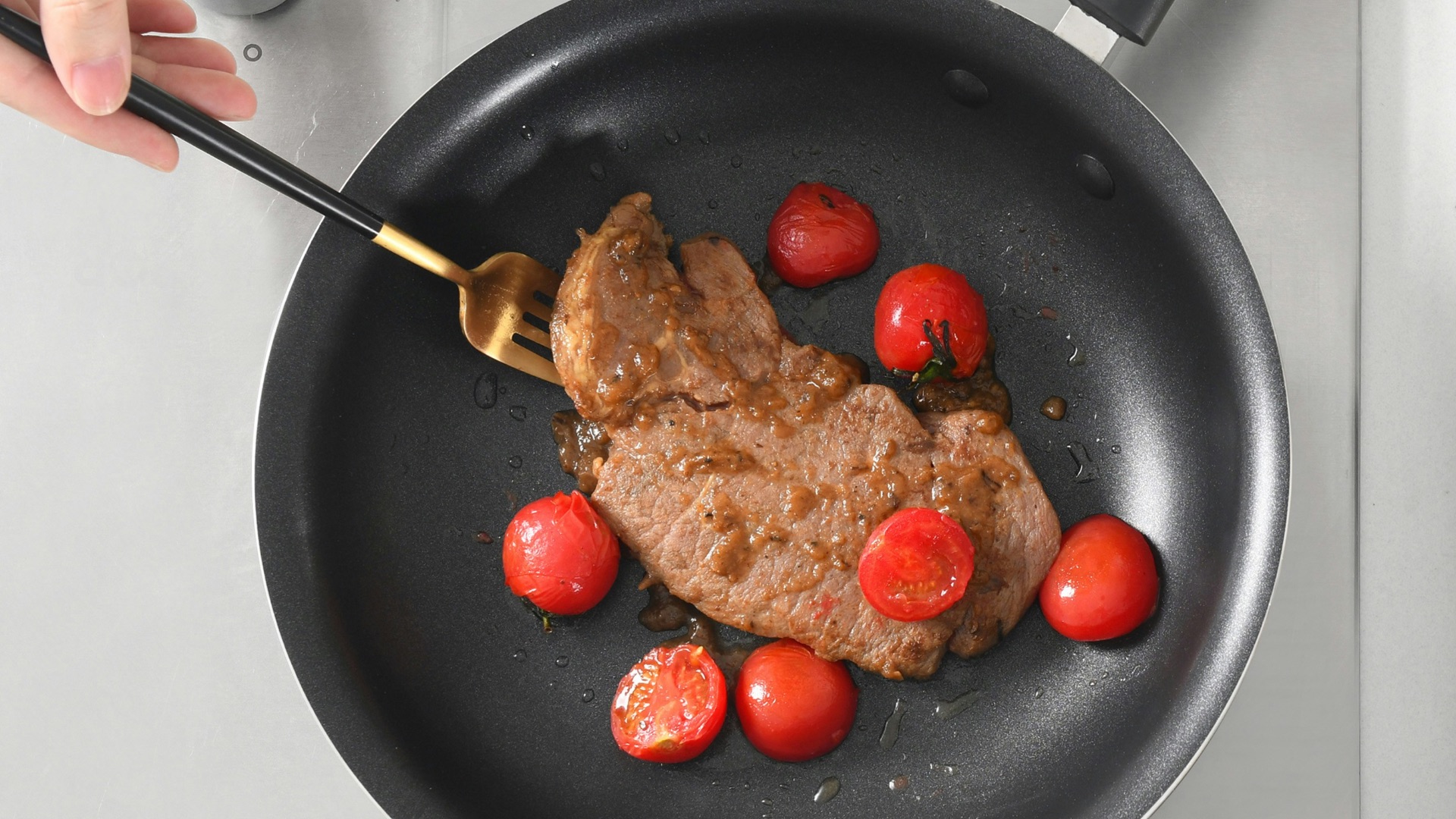
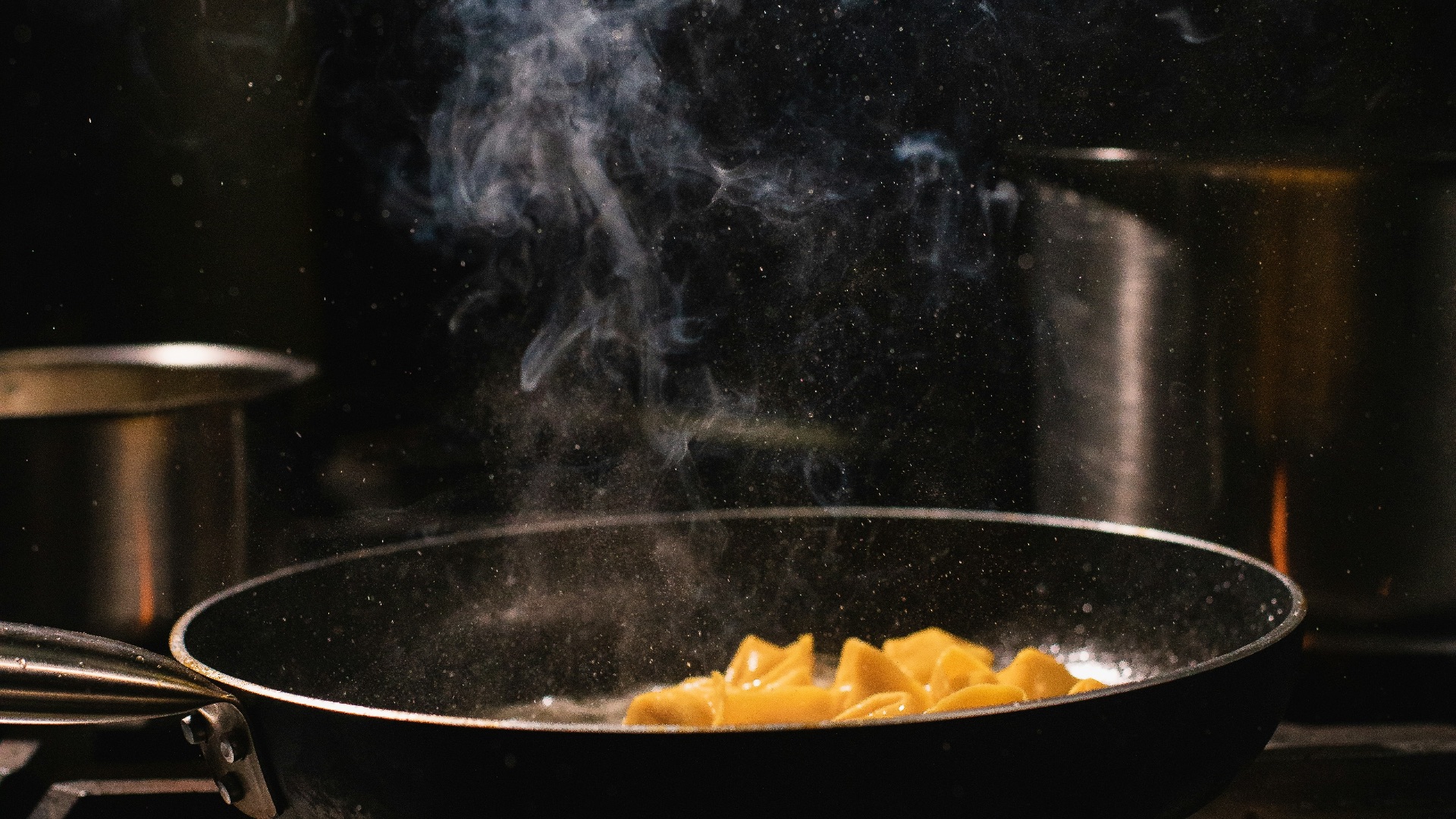
Nonstick pans usually don’t need high heat to work well, and blasting them with it can shorten their life. The coating is designed for moderate cooking, not intense searing or long stretches over a very hot burner. High heat can also cause the pan to warp, especially if it’s lightweight. If you want a deep sear on steak or burgers, another type of pan is usually a smarter choice.
3. Preheating an Empty Pan Too Long
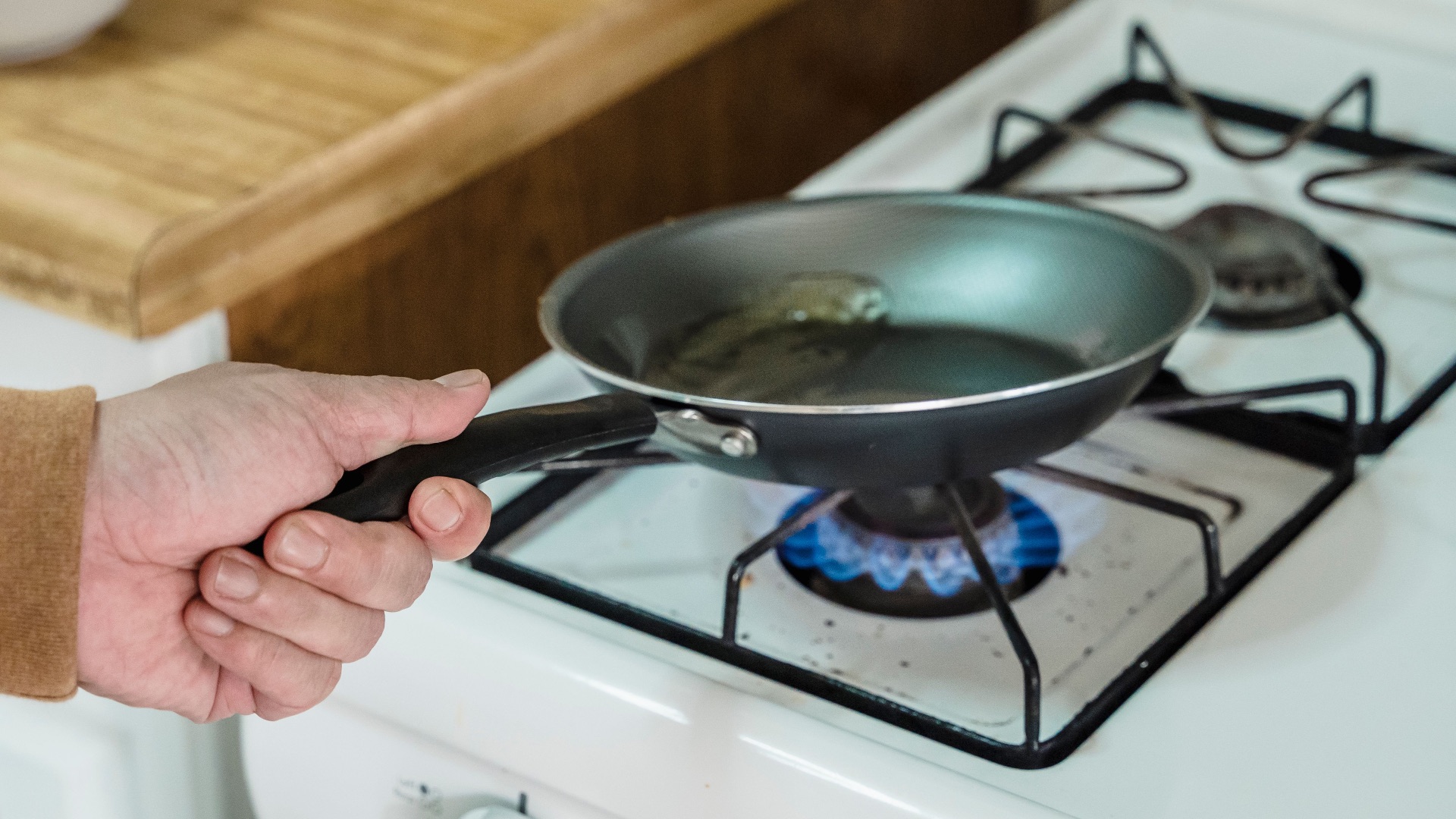
Leaving an empty nonstick pan on the burner while you prep ingredients can be a bigger problem than it seems. Without food, oil, or liquid in the pan, the temperature can rise quickly and unevenly. That extra heat can stress the coating before you even start cooking. It’s safer to preheat briefly, then add food before the pan gets too hot.
4. Using Cooking Spray Every Time
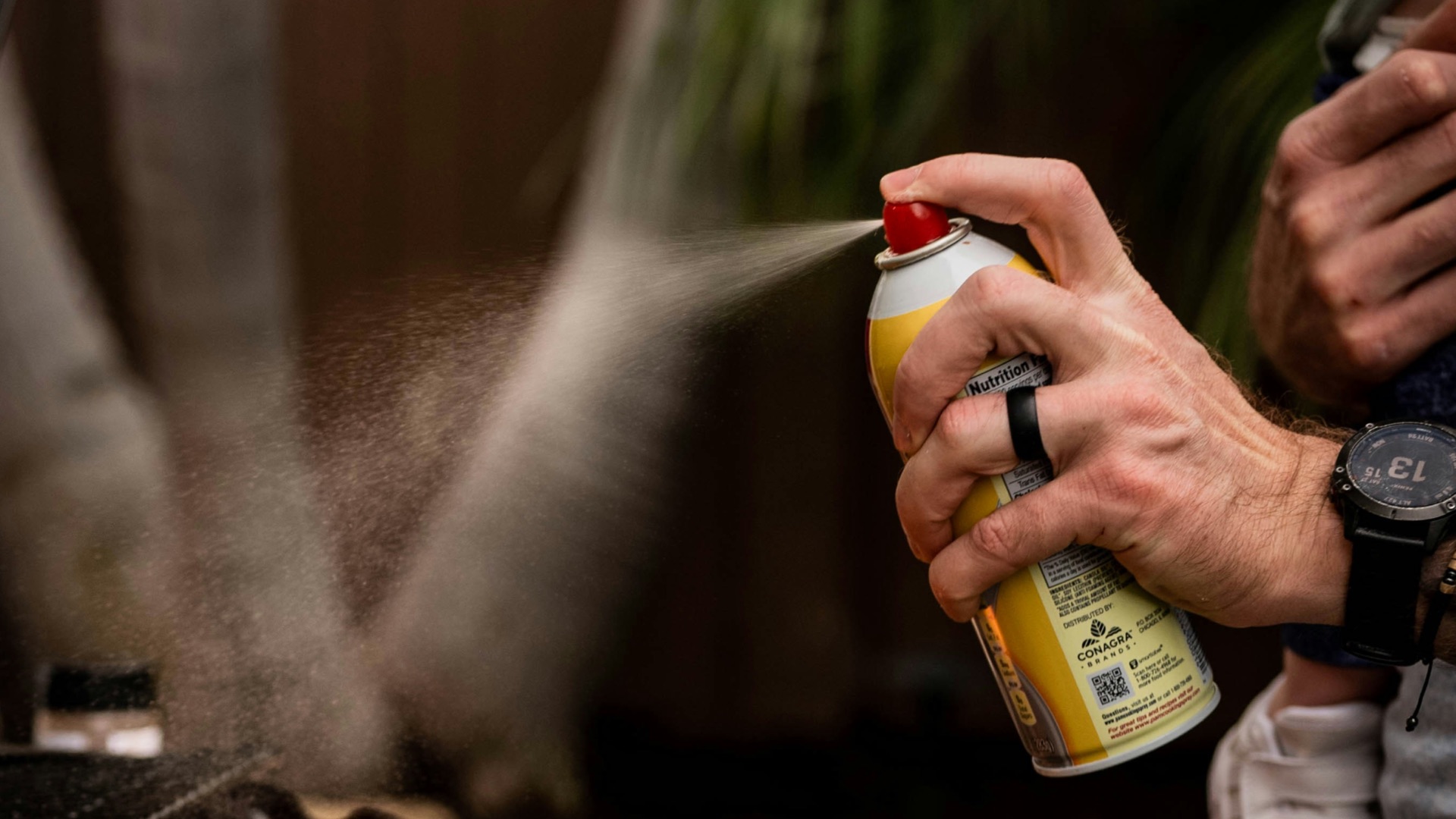
Aerosol cooking sprays might seem helpful, but they can leave behind a sticky film that’s hard to wash off. Over time, that residue can build up and make the pan feel less slick. You may notice food sticking even when the coating itself isn’t completely worn out. A small amount of butter or oil usually works better and is easier to clean away.
5. Cutting Food in the Pan
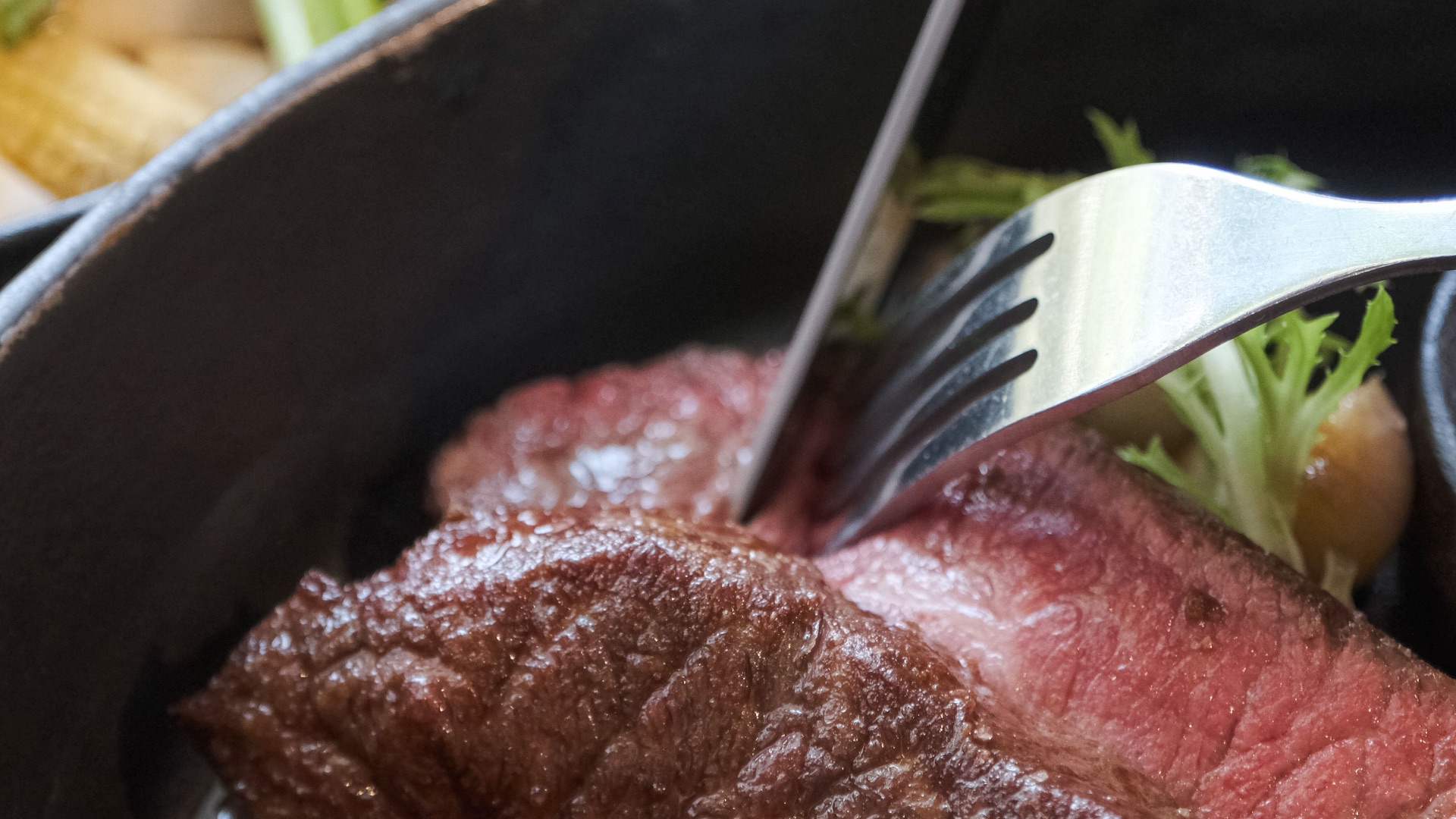
It’s tempting to slice an omelet, quesadilla, or grilled cheese right in the pan, especially when you’re in a hurry. Unfortunately, knives can damage the coating in a way that’s hard to fix. Even shallow cuts can create rough spots that catch food later. Moving the food to a plate or cutting board only takes a moment and helps protect the surface.
6. Stacking It Without Protection
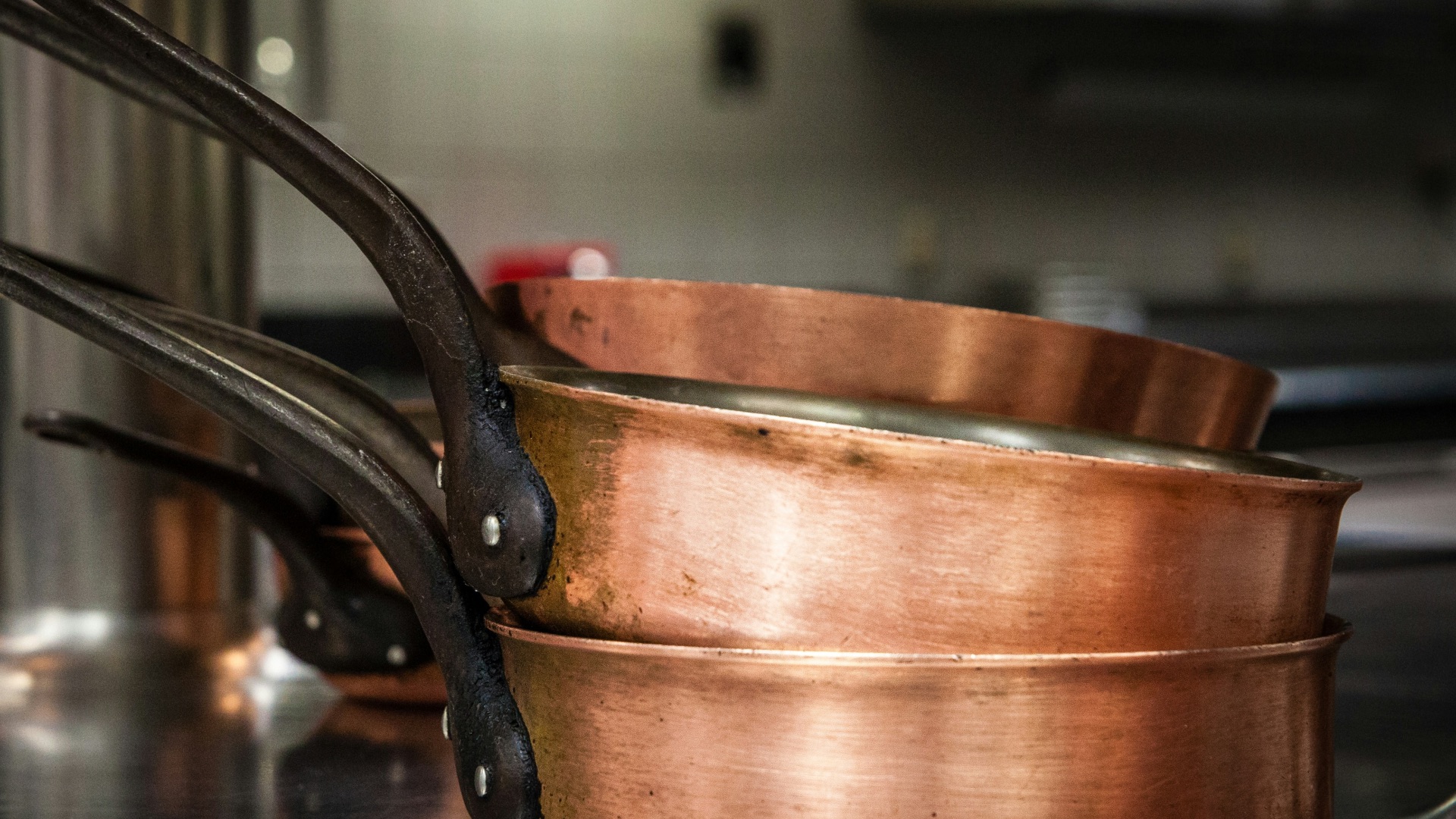
Stacking pans may save cabinet space, but it can be rough on nonstick cookware. The bottom of another pan can rub against the coating and leave scratches while you’re pulling things in and out. That kind of wear often happens slowly, so you may not connect it to your storage habits. A pan protector, dish towel, or paper towel between pans can make a big difference.
7. Washing It While It’s Still Hot
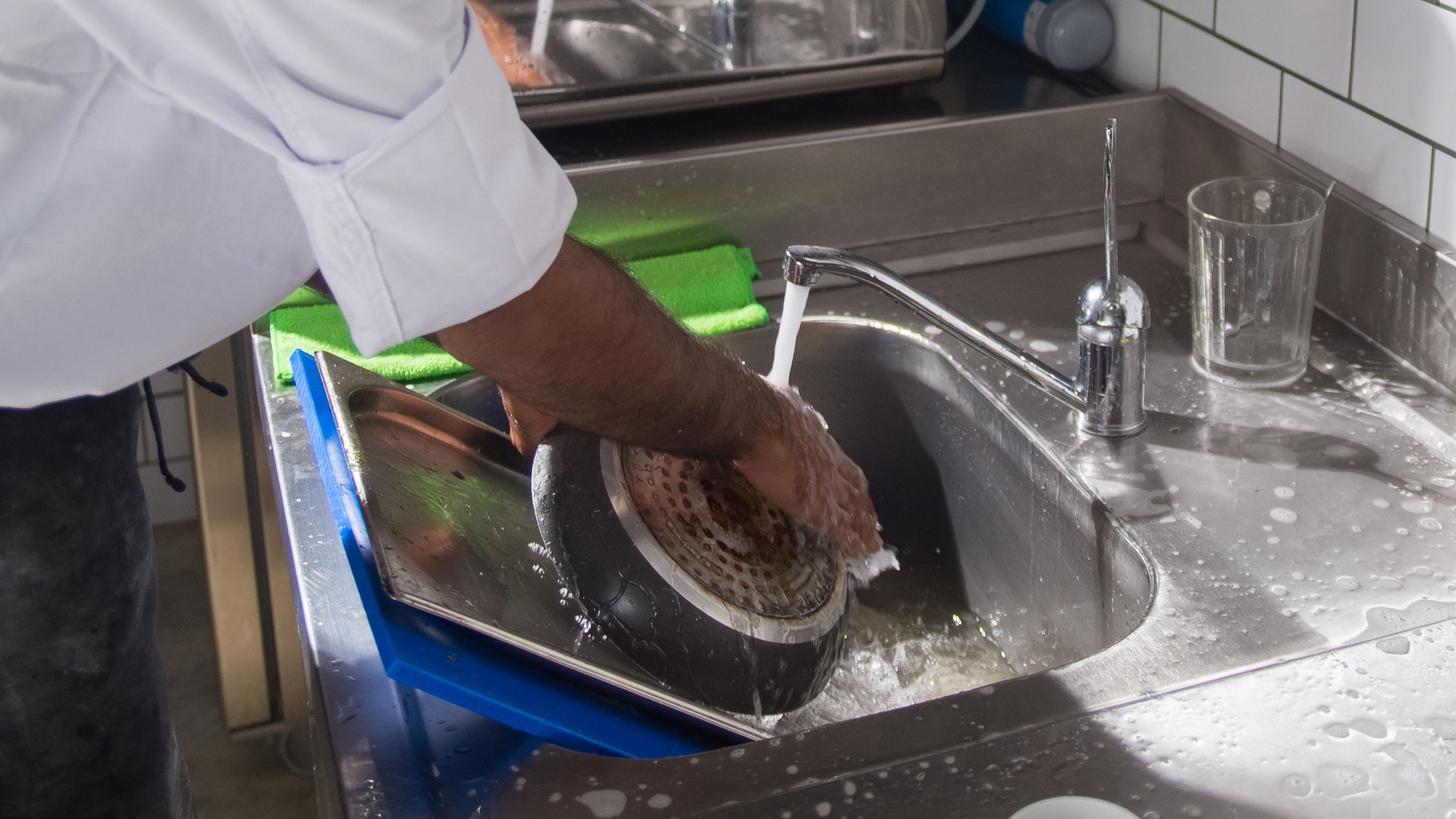
Taking a hot pan straight to the sink and hitting it with cold water can cause thermal shock. That sudden temperature change can make the pan warp, which affects how evenly it sits on the burner. A warped pan can cook unevenly and may not make proper contact with a flat stovetop. Letting it cool for a few minutes before washing is a simple habit that protects the pan.
8. Scrubbing with Abrasive Pads
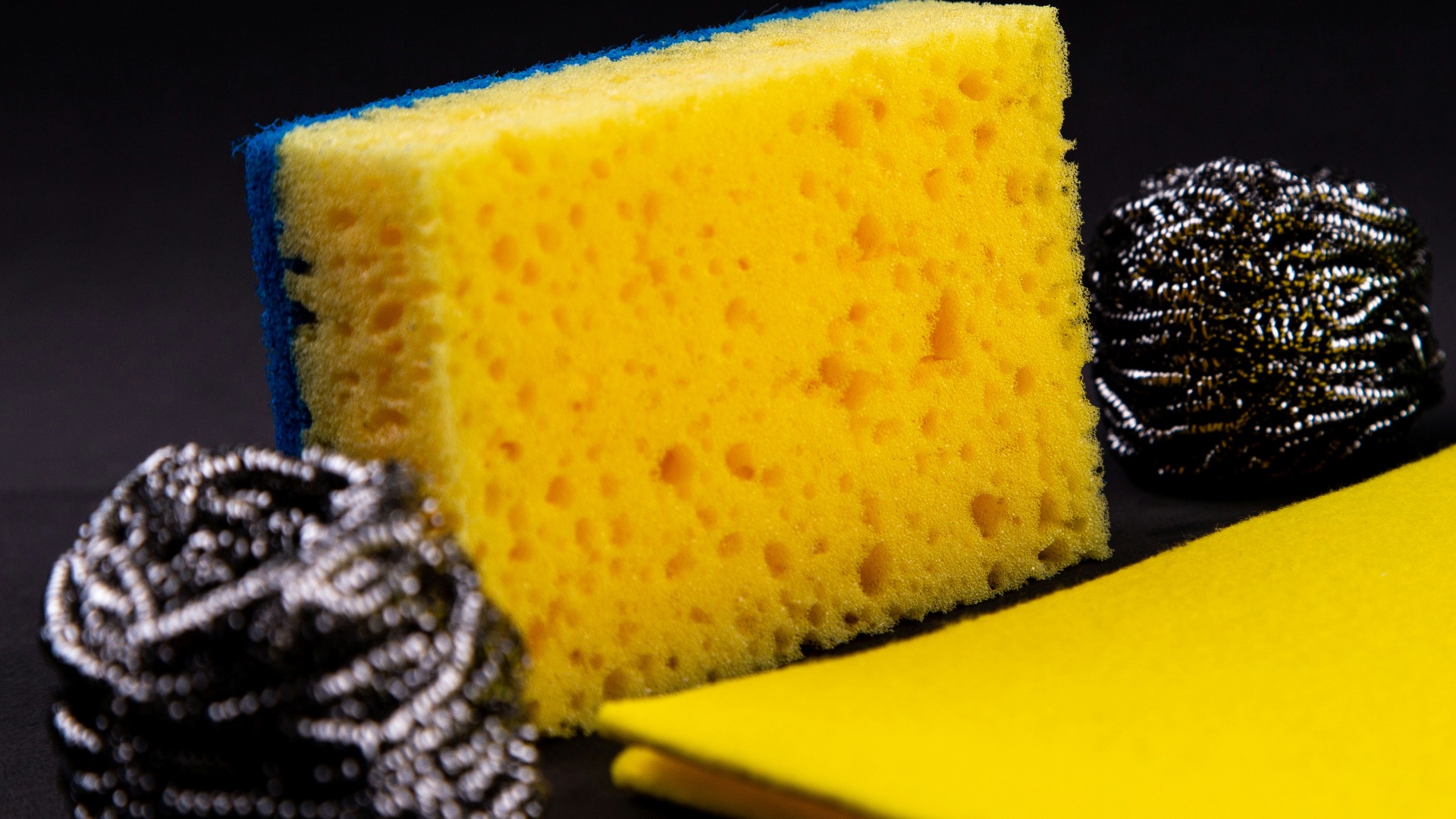
Steel wool, rough scouring pads, and harsh scrubbers are too aggressive for nonstick surfaces. They can wear down the coating and leave behind tiny scratches that grow worse with repeated cleaning. If food is stuck, soaking is much safer than attacking the pan with force. Gentle tools can still clean the surface well when you give them enough time.
 Volodymyr Hryshchenko on Unsplash
9. Running It Through the Dishwasher
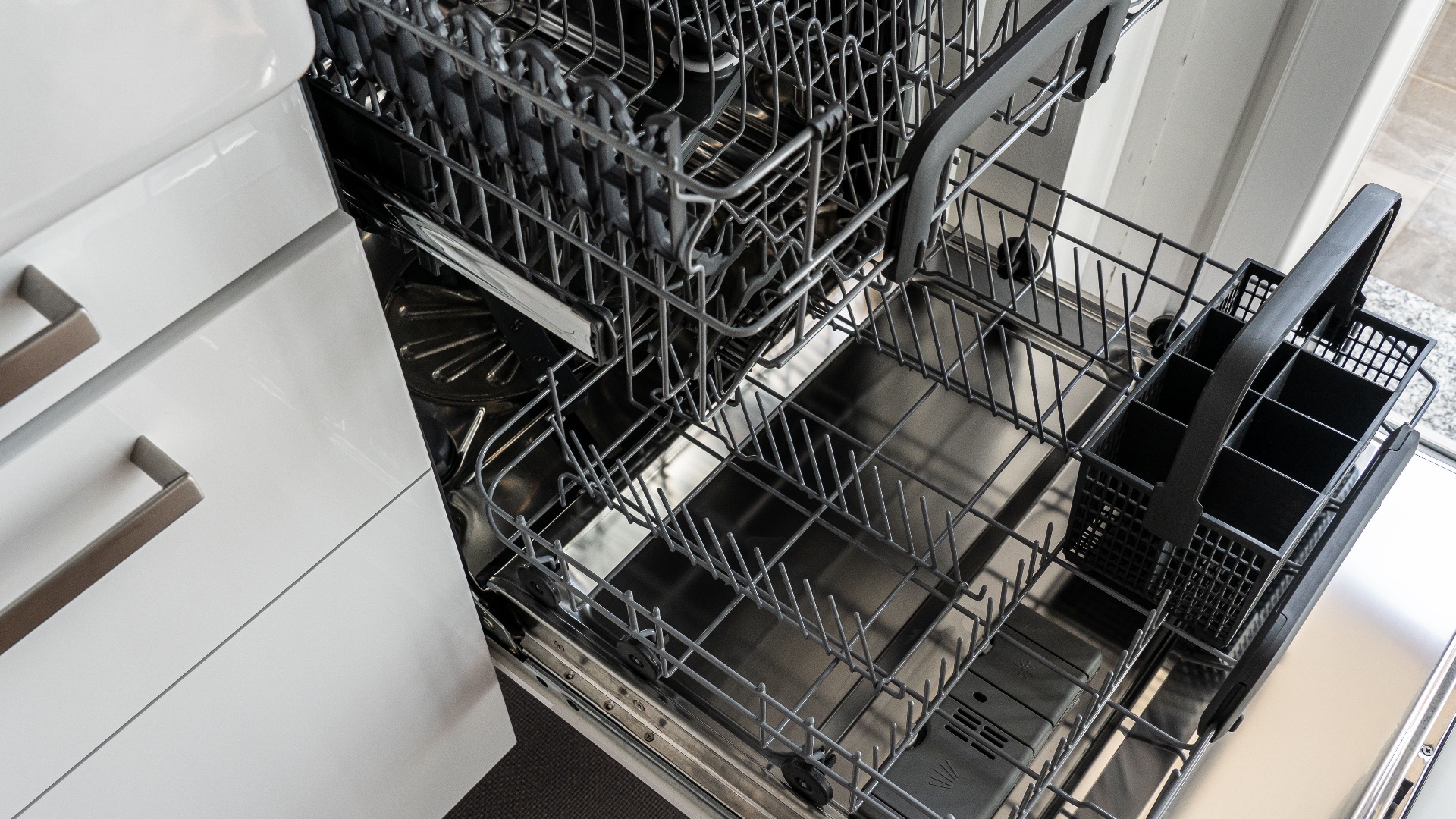
Some nonstick pans are labeled dishwasher-safe, but that doesn’t always mean the dishwasher is the best choice. Detergent, heat, and repeated cycles can be tough on the coating and the handle hardware. Hand-washing may take a little more effort, but it’s usually the better option for longevity. If you care about making the pan last, the sink is your friend.
10. Keeping It After the Coating Is Damaged
A nonstick pan doesn’t have to last forever, and pretending it does can lead to frustrating meals. When the surface is deeply scratched, peeling, flaking, or losing its slick feel, it’s usually time to replace it. Cooking on a badly damaged pan can also make cleanup more annoying because food clings to uneven spots. It’s better to retire it than fight with it every morning.
Of course, while a nonstick pan benefits from good habits, you don't always need to baby it. Here are 10 tips that'll help you keep it in good shape for longer.
 Anastasiia Lopushynska on Pexels
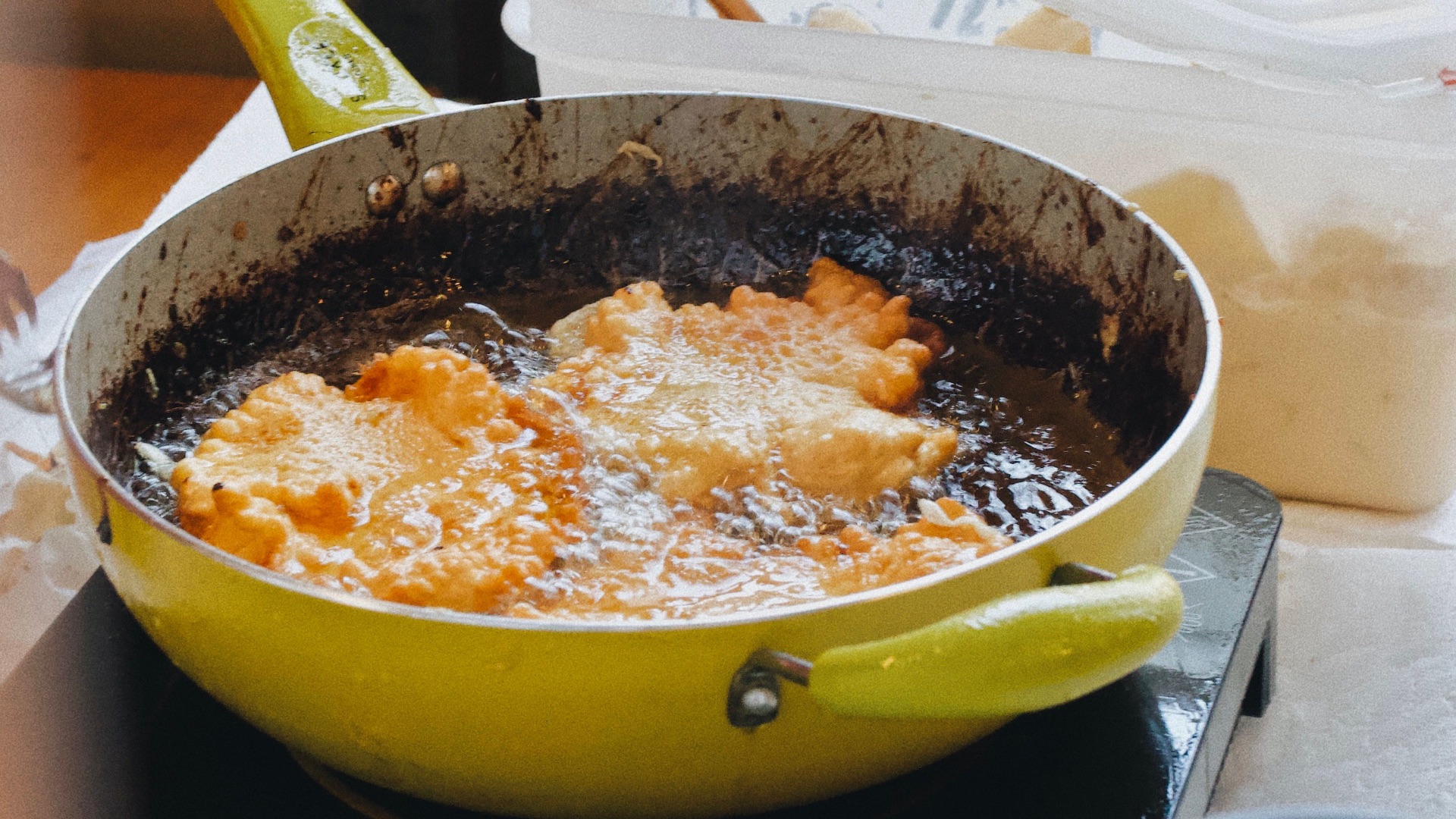
1. Use Silicone, Wood, or Nylon Tools
Soft utensils are much kinder to a nonstick surface than metal ones. Silicone spatulas are especially useful because they can flex under eggs, pancakes, and delicate foods without scraping the coating. Wood and nylon tools also work well, as long as they don’t have rough edges. Keeping the right utensils nearby makes it easier to avoid grabbing the wrong one.
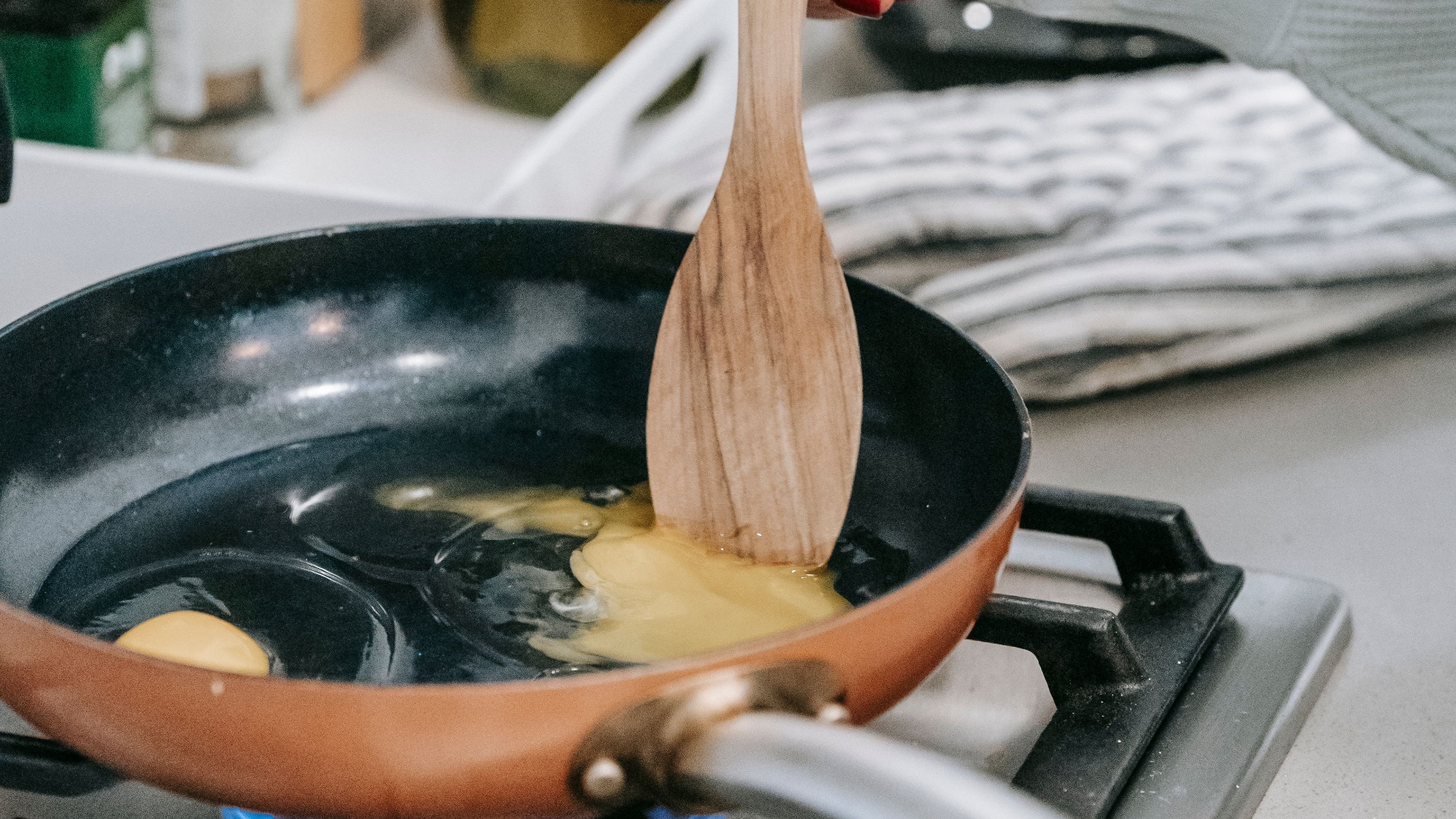
2. Stick with Low to Medium Heat
Nonstick cookware performs best when you let it do its job over controlled heat. Low to medium settings are usually enough for eggs, fish, crepes, pancakes, and reheating cooked food. You’ll also have better control over browning, texture, and timing when the pan isn’t overheating. Using gentler heat helps preserve the coating and makes cooking less stressful.
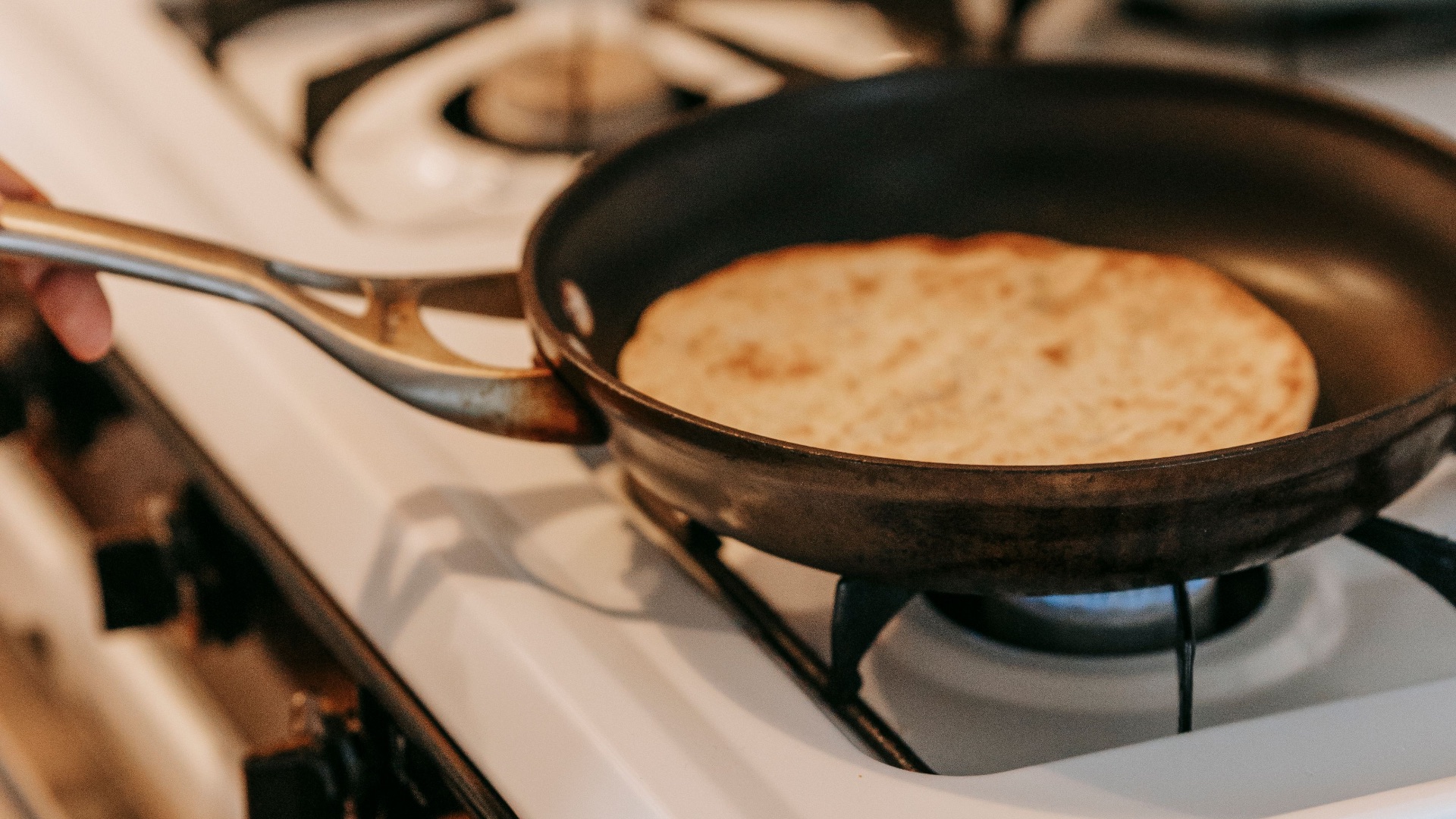
3. Add a Little Fat Before Cooking
Even though the pan is called nonstick, a small amount of oil or butter still helps. It creates a thin layer between the food and the surface, which can improve release and flavor. You don’t need much, especially if the coating is still in good condition. A light coating of fat can also help prevent delicate foods from tearing when you move them.
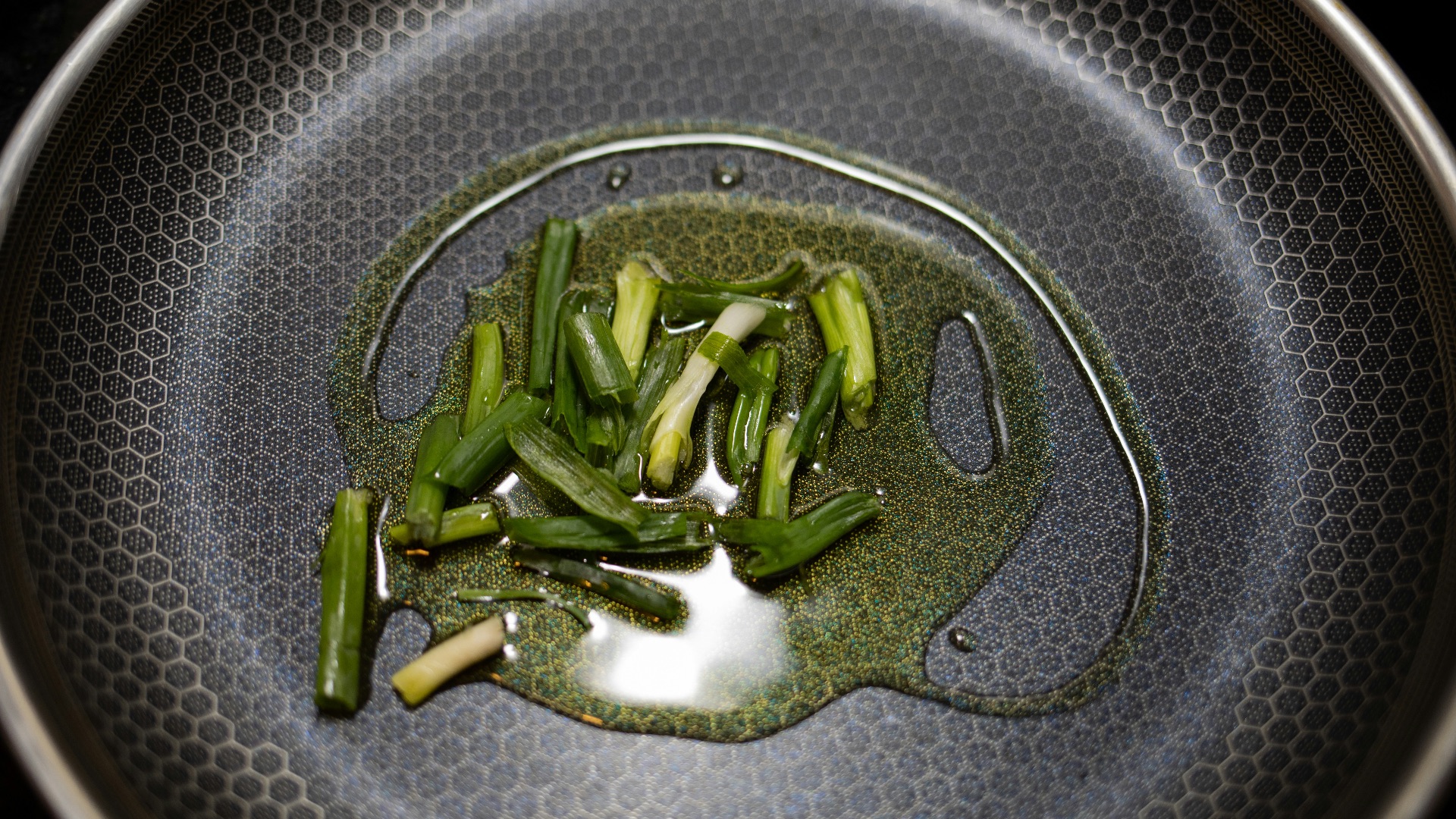
4. Let the Pan Cool Before Cleaning
Giving the pan a short rest after cooking protects it from sudden temperature changes. It also makes cleanup easier because leftover bits often loosen as the pan cools. Once it’s warm rather than hot, you can wash it with mild soap and a soft sponge. This small pause can help prevent warping and unnecessary stress on the cookware.
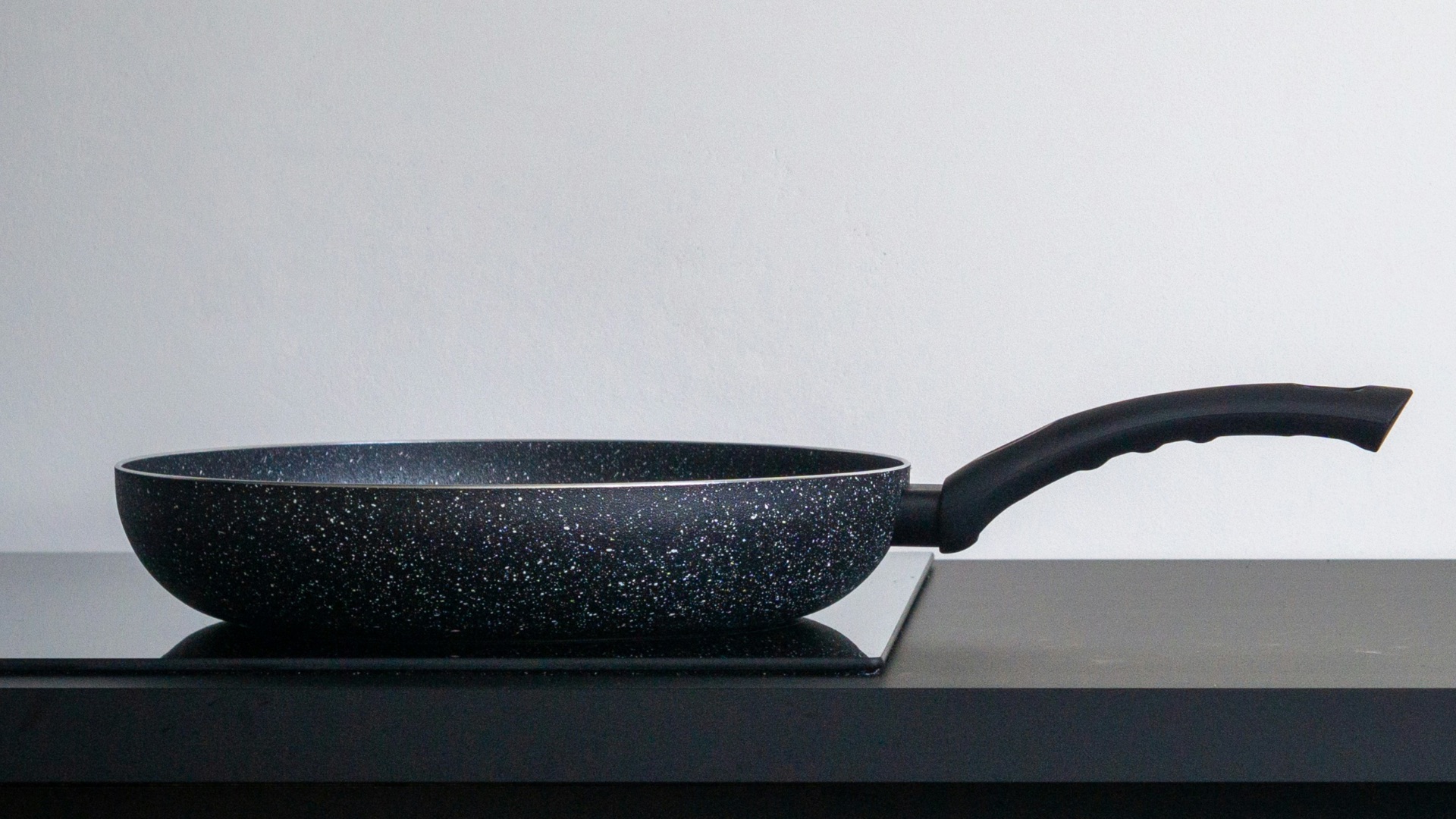
5. Wash It by Hand
Hand-washing gives you more control over how the pan is treated. Use warm water, mild dish soap, and a non-abrasive sponge to clean the surface without wearing it down. If there’s oily residue, take an extra moment to remove it rather than leaving it for the next cooking session. A clean surface helps the pan stay slippery and pleasant to use.
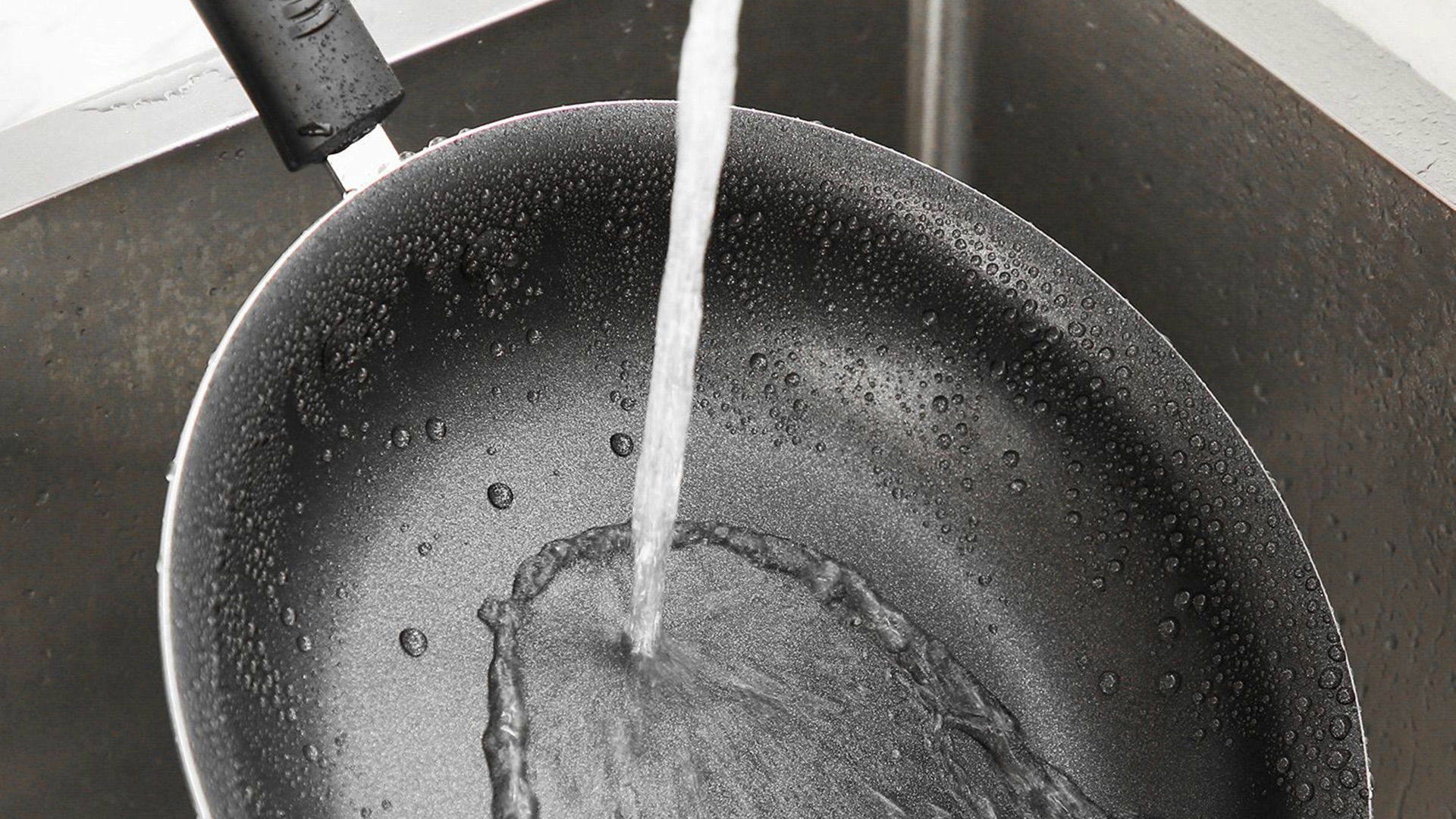
6. Soak Stuck-on Food Instead of Scraping
If something sticks, don’t panic and start digging at the pan. Add warm water and a little dish soap, then let the residue soften before wiping it away. For stubborn spots, a soft sponge or cloth usually works once the food has loosened. Patience is much better for the coating than pressure.
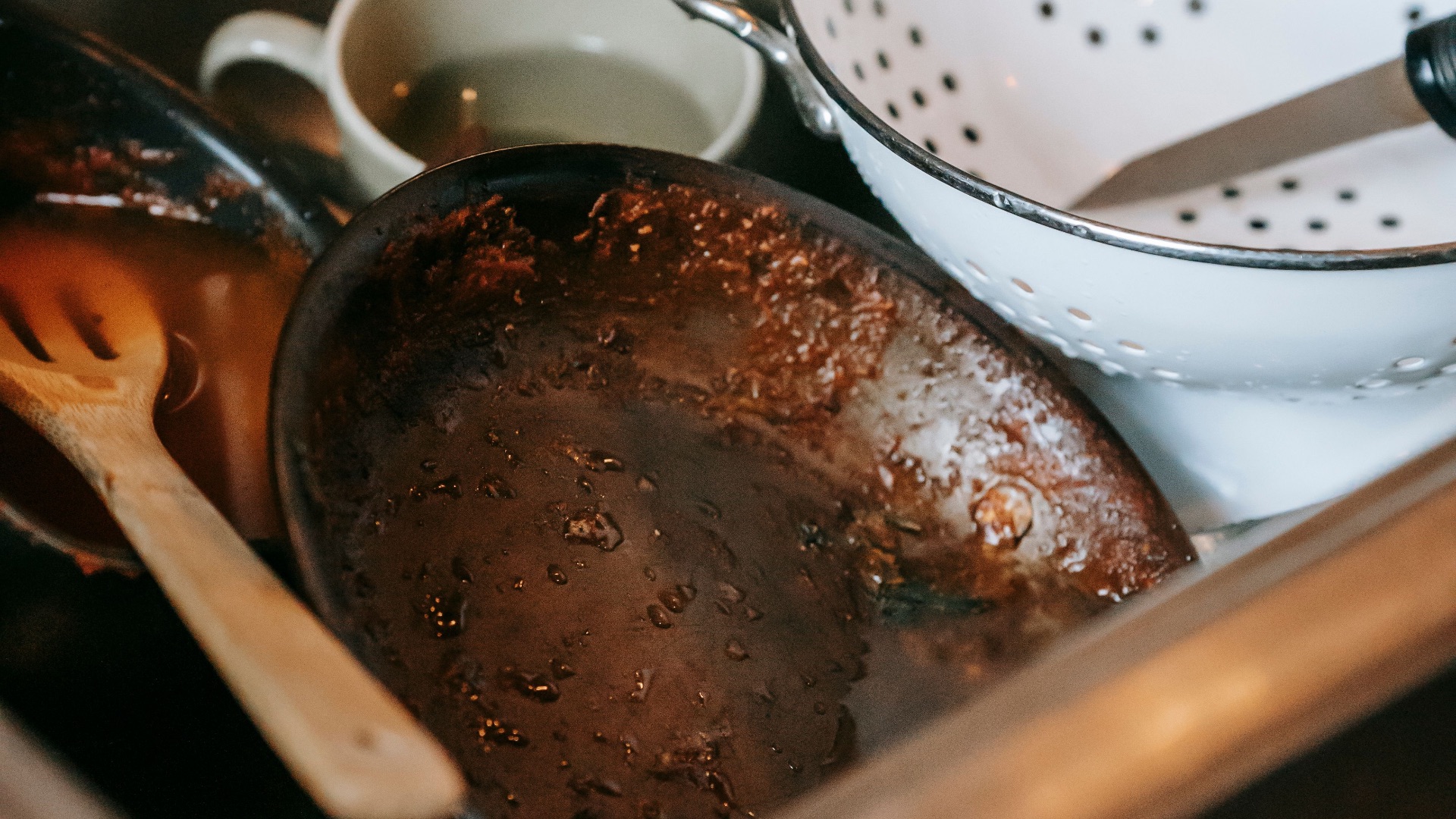
7. Store It with a Barrier
A simple storage barrier can prevent a lot of unnecessary damage. Pan protectors are helpful, but a clean dish towel, soft cloth, or sturdy paper towel can also work. The goal is to stop other cookware from rubbing directly against the nonstick surface. This is especially useful if your pans live in a crowded cabinet or deep drawer.
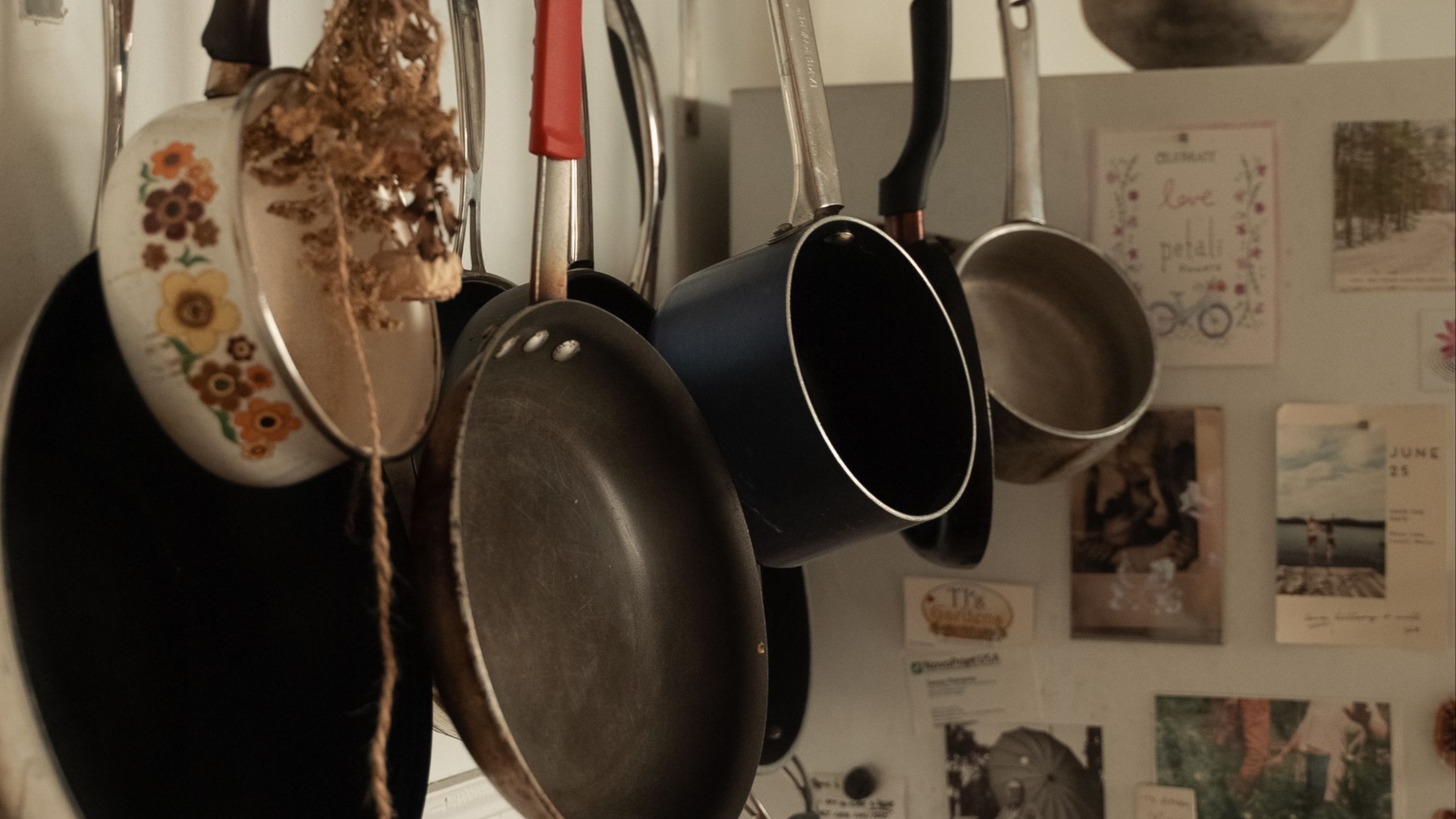
8. Choose the Right Pan for the Job
Nonstick pans are excellent for delicate foods, but they’re not ideal for every cooking task. Use them for eggs, tender fish, pancakes, and foods that benefit from easy release. For high-heat searing, broiling, or heavy browning, reach for stainless steel, cast iron, or carbon steel instead. Matching the pan to the task keeps your nonstick cookware from taking unnecessary abuse.
9. Clean Off Residue Before It Builds Up
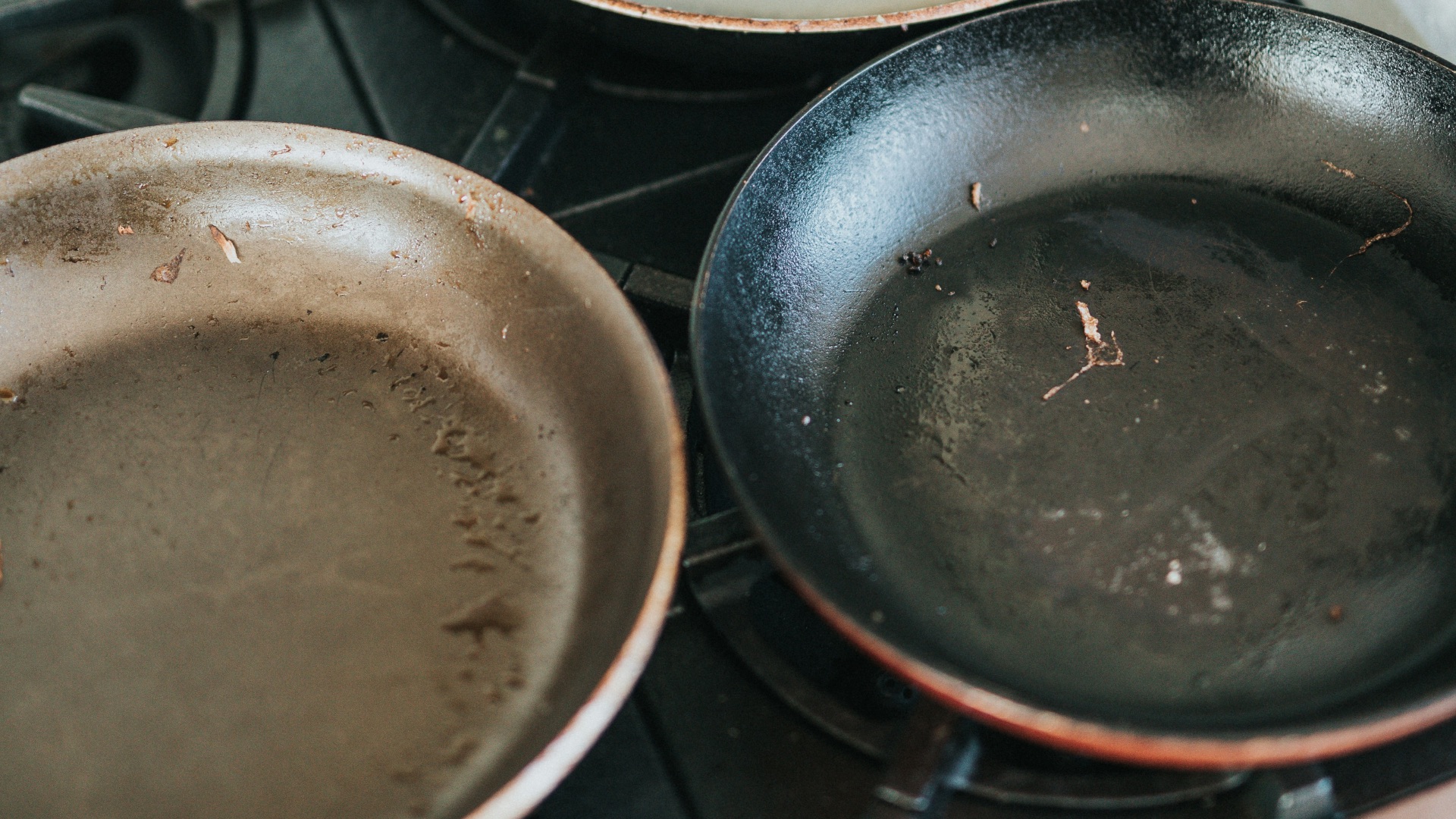
A pan can look clean while still holding onto a thin layer of grease or cooking spray residue. Over time, that buildup can make the surface feel tacky and less effective. Pay attention to the edges and rivets, where oil often collects. A thorough but gentle wash after each use helps the coating perform the way it should.
10. Replace It When It Stops Working
Even with careful use, nonstick pans have a limited lifespan. When food sticks constantly, the surface feels rough, or the coating shows serious wear, replacement is usually the best move. Hanging onto a worn-out pan can make cooking more frustrating than it needs to be. Treating it well helps it last longer, but knowing when to let it go is part of using it wisely.
KEEP ON READING

The Most Popular Signature Dishes Around the World