Eating Out Doesn’t Feel the Same
For a long time, going to a restaurant felt like an easy default if you wanted to enjoy a meal without cooking yourself. Alas, times have changed, and for most, it's likely more to do with rising costs and tipping expectations. After all, why sit down at a restaurant when you can get the same quality or better from a food court or ordering from a delivery app? Here's a look at why more and more people have changed their expectations around what a good meal actually looks like.
1. Restaurant Prices Have Gone Too High
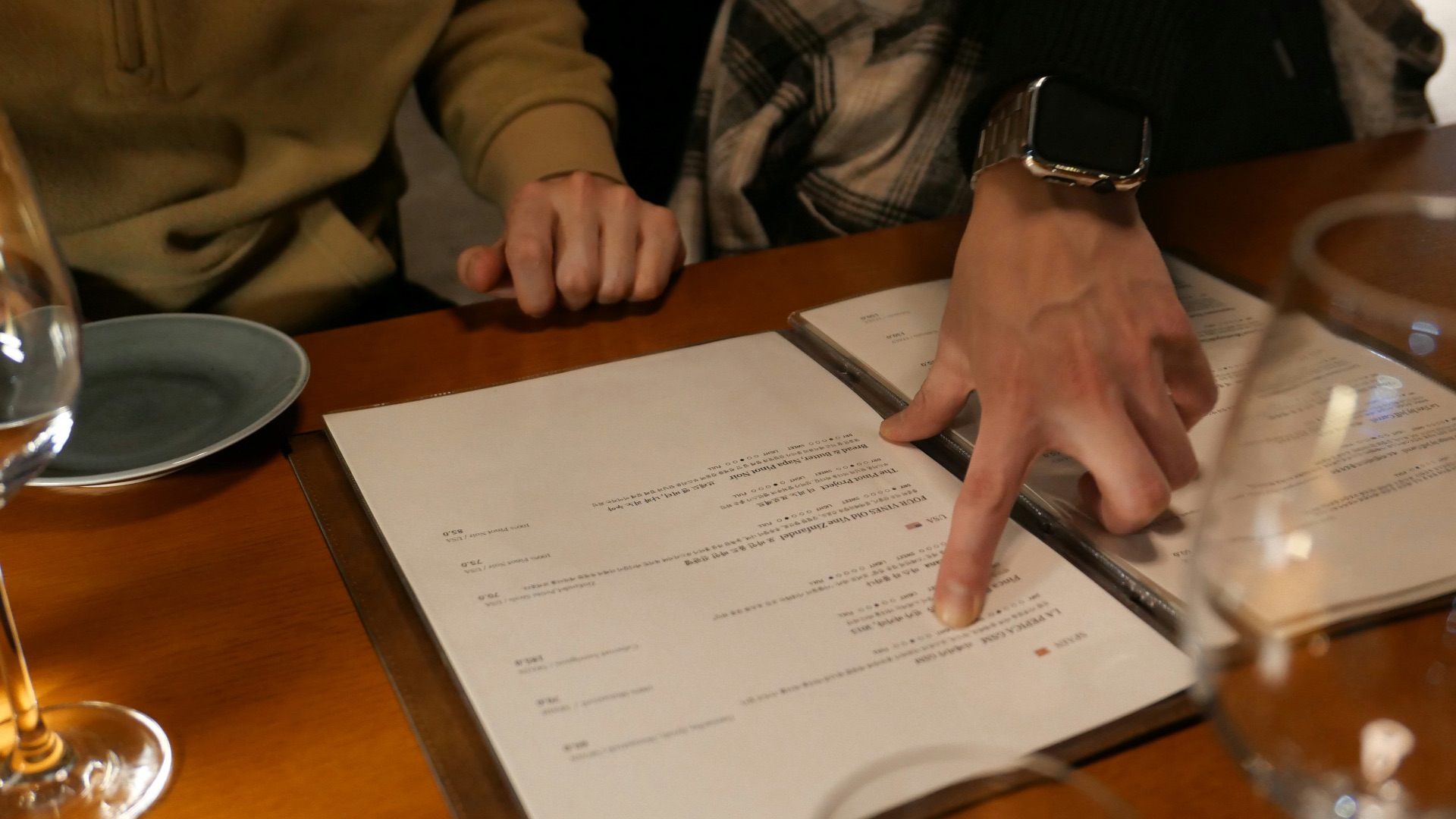
For many people, the first and most obvious reason is cost. A casual meal that used to feel affordable can now end up being surprisingly expensive once you add drinks, takeout box fees, tax, and tip. Even people who still enjoy eating out often find themselves thinking twice because the final bill no longer matches what the experience feels like it's worth.
2. Tipping Expectations Feel More Complicated
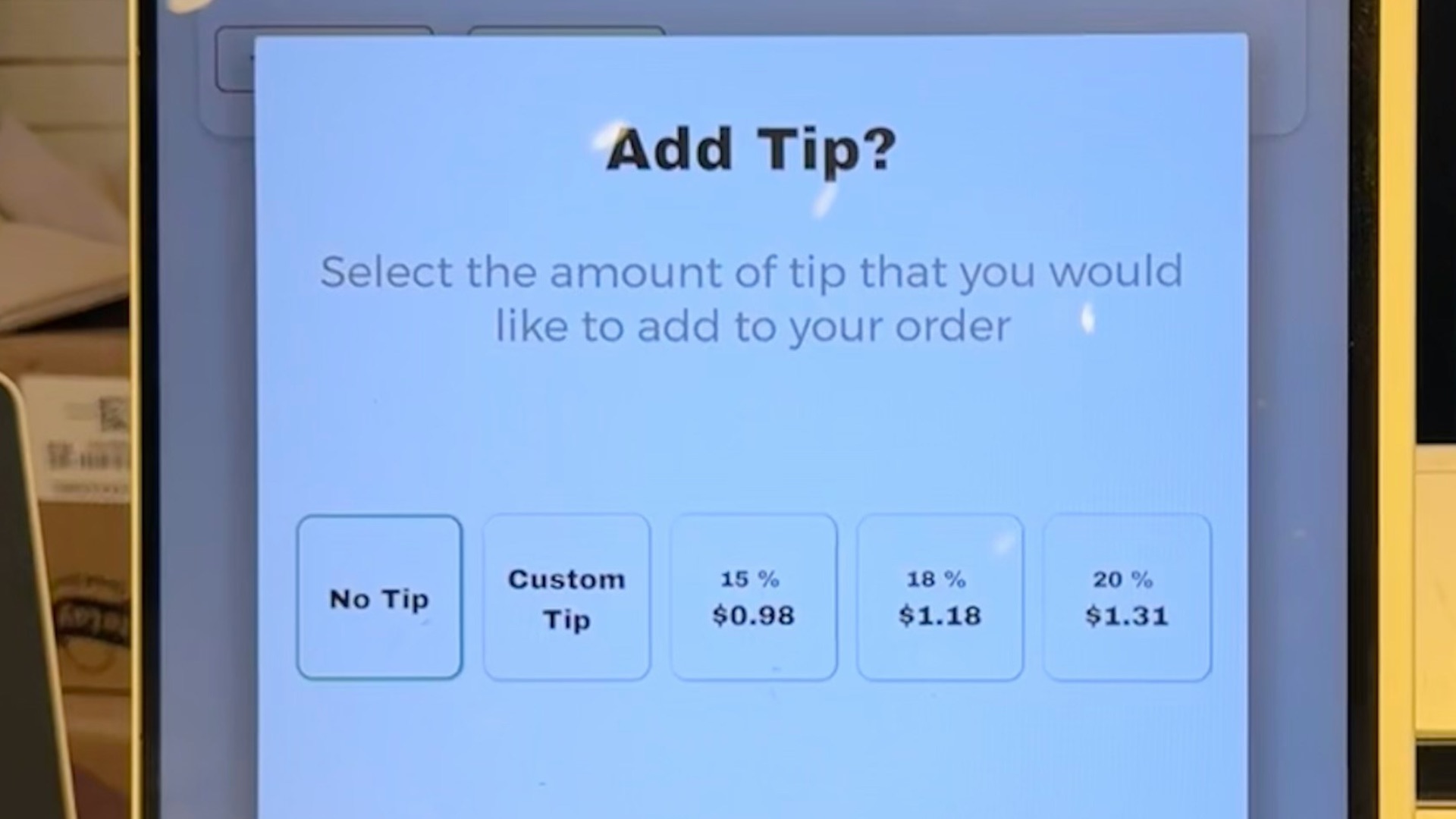
It’s not just the menu price that gives people pause; tipping has become a bigger source of stress, especially when suggested percentages keep climbing and digital payment screens make it awkward to enter an optional amount. Instead of ending the meal on a pleasant note, a lot of diners leave feeling like they’ve been forced to cough up more money than they were willing to spend.
3. People Can Make Better Food at Home Now
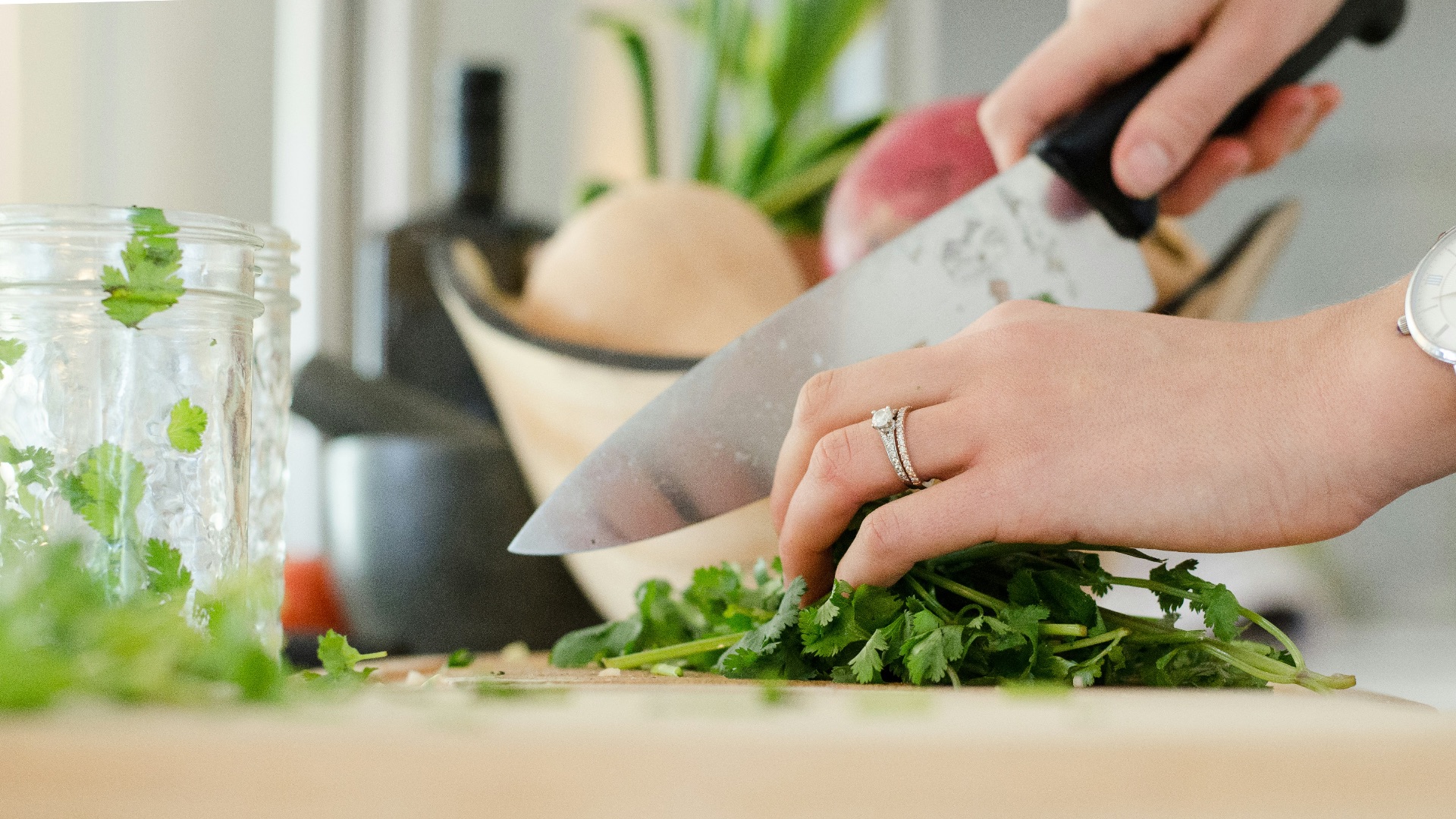
Home cooking has improved for a lot of people over the last several years.
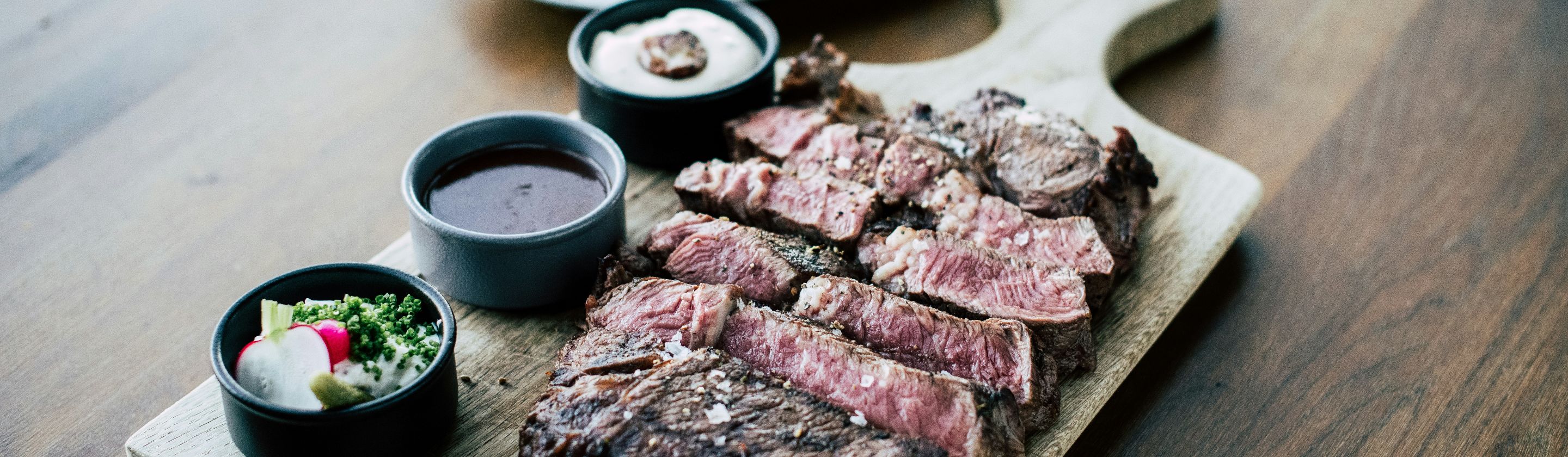
More recipes are accessible, better ingredients are easier to find, and many home cooks have become more confident in the kitchen than they used to be. When you can make a solid pasta dish, burger, or steak at home for much less money, restaurants have to offer something noticeably better to justify the trip and inflated meal cost.
4. Delivery Has Replaced the Need to Go Out
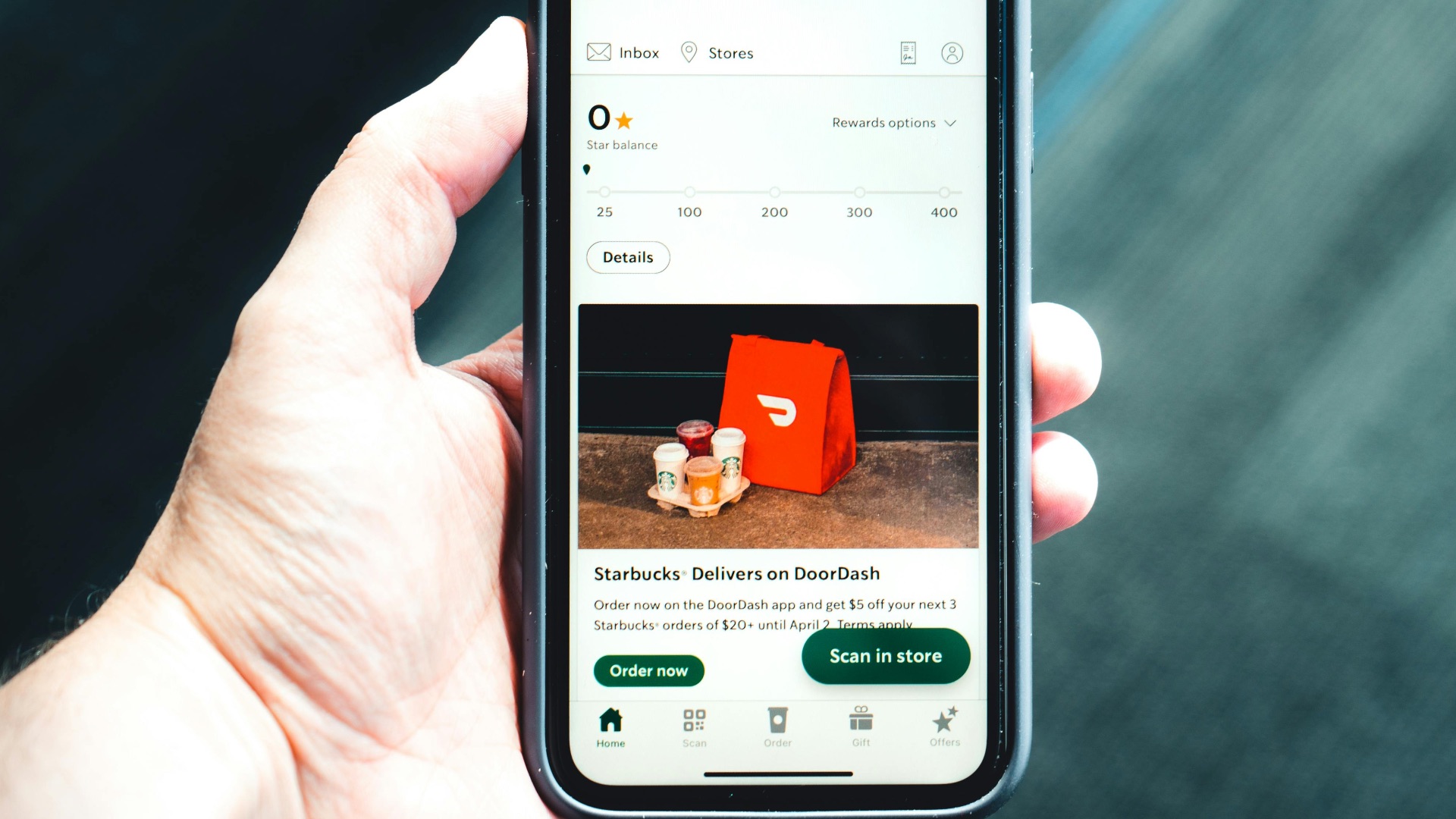
A restaurant used to be the only easy way to get a meal you didn’t have to cook. Now delivery apps have changed that completely, even if they come with their own extra costs. Plenty of people would still rather eat restaurant food at home in comfortable clothes than get dressed, spend time driving over, wait for a table, and sit through a whole outing.
5. Dining Out Takes a Chunk of Time
A restaurant meal can easily take up a large part of the evening. You have to get there, wait to be seated, order, wait again, eat, wait for the bill, and then finally head home. When you're already tired from work and daily responsibilities, that amount of time can feel less relaxing than just staying in.
6. Service Can Feel Inconsistent
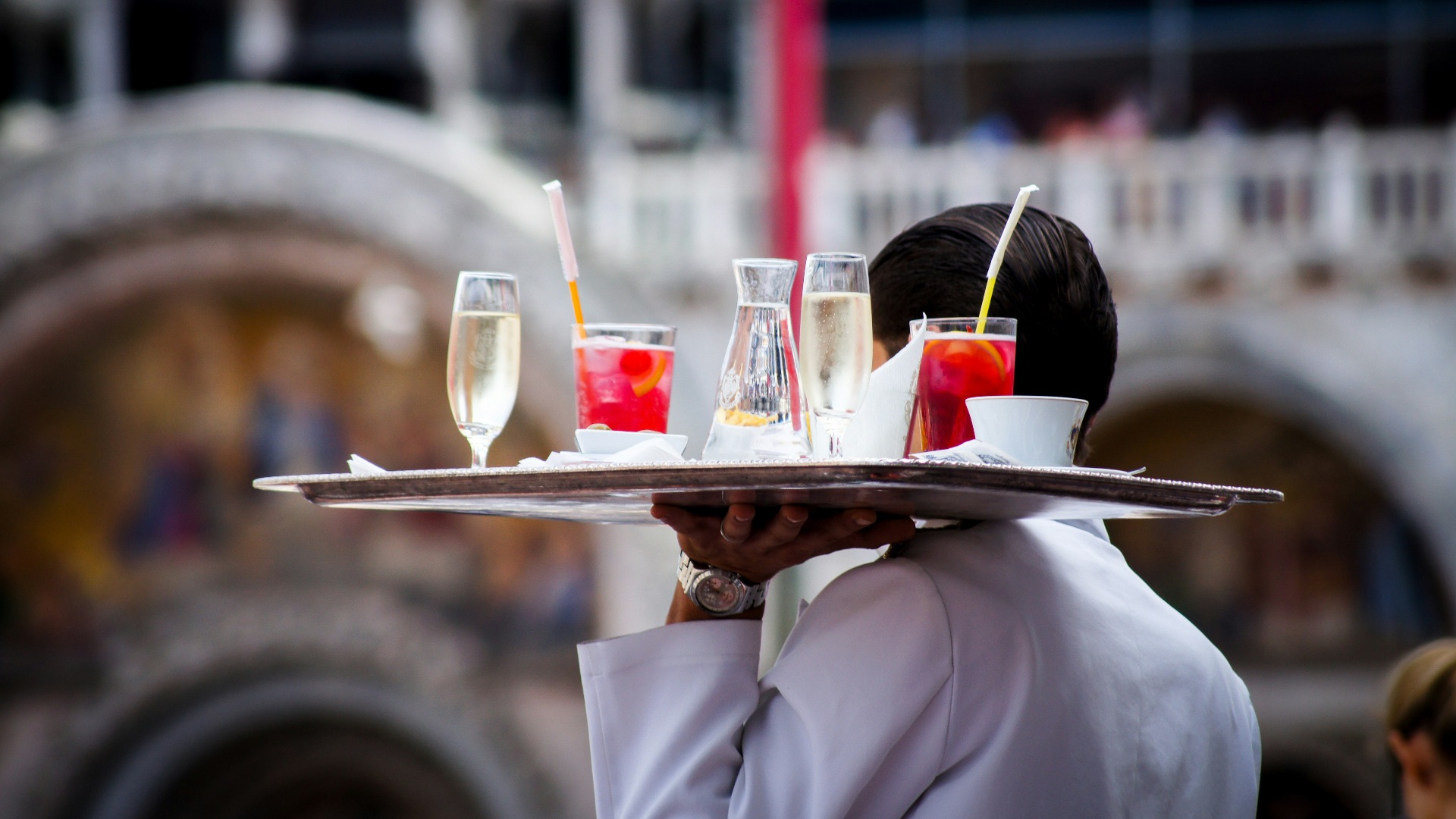
People are often willing to pay more when the service feels attentive and smooth, but that isn’t always what they get. Some restaurants are understaffed, some servers are overwhelmed (or just plain rude), and some places simply don’t deliver a consistent experience from one visit to the next. That unpredictability makes people less eager to spend money on something that could end up being a bad experience.
7. Sensitive to Noise Levels
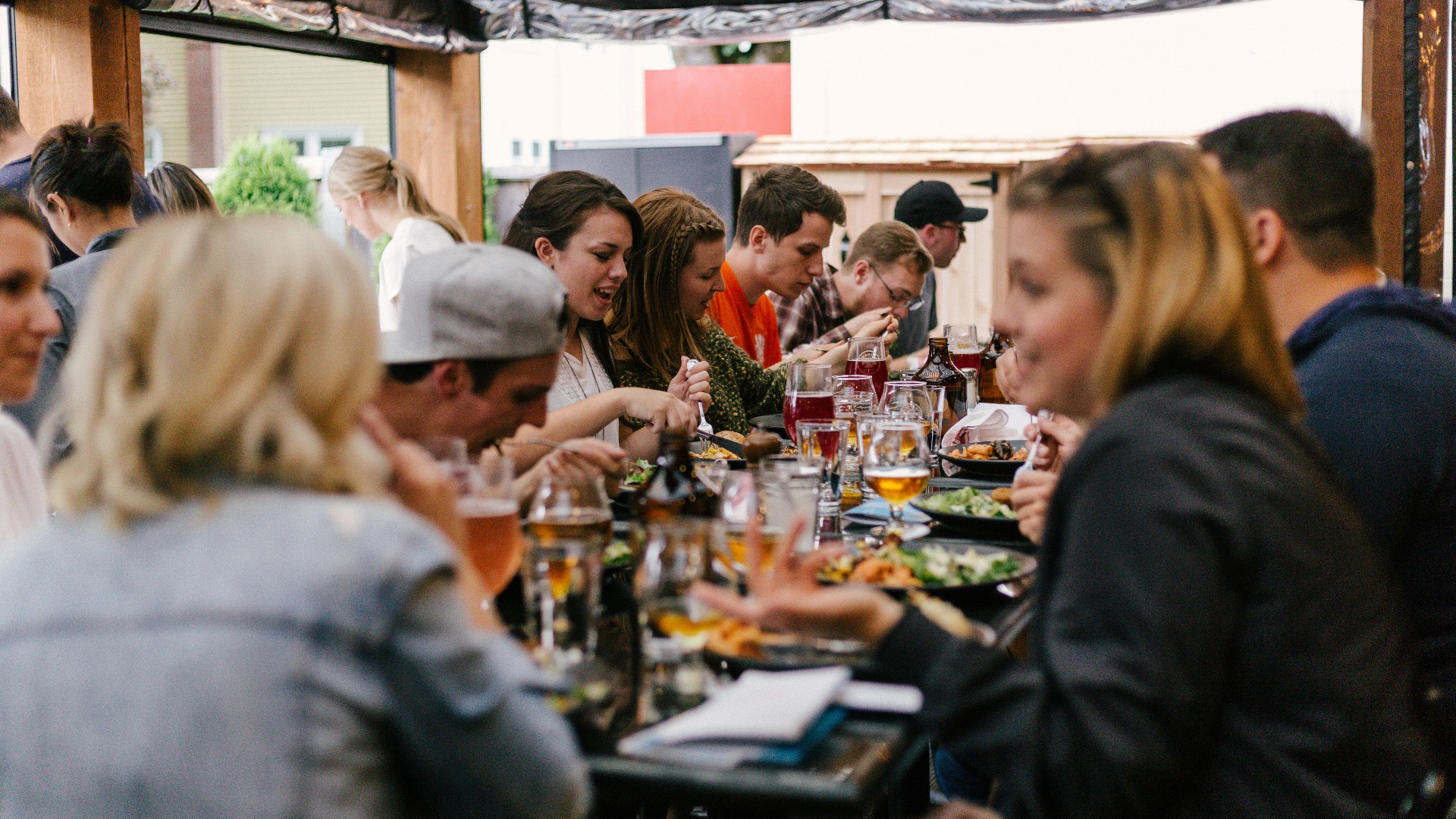
Many restaurants are way louder than people want them to be. Music is often too high, tables are packed too closely together, and the overall atmosphere can make intimate conversation harder than it should be. If you can’t comfortably chat with the person sitting across from you, annoyance can override enjoyment.
 Priscilla Du Preez 🇨🇦 on Unsplash
8. Portions and Quality Don’t Always Match the Price
One of the fastest ways to turn people off from restaurants is to make them feel like they overpaid for something. Smaller portions, lower-quality ingredients, or meals that look better on the menu than they do on the plate leave a lasting impression—and a bad taste in your mouth. Once you've felt you've been cheated a few times, you're much less willing to take another chance.
9. Cooking at Home Feels Healthier
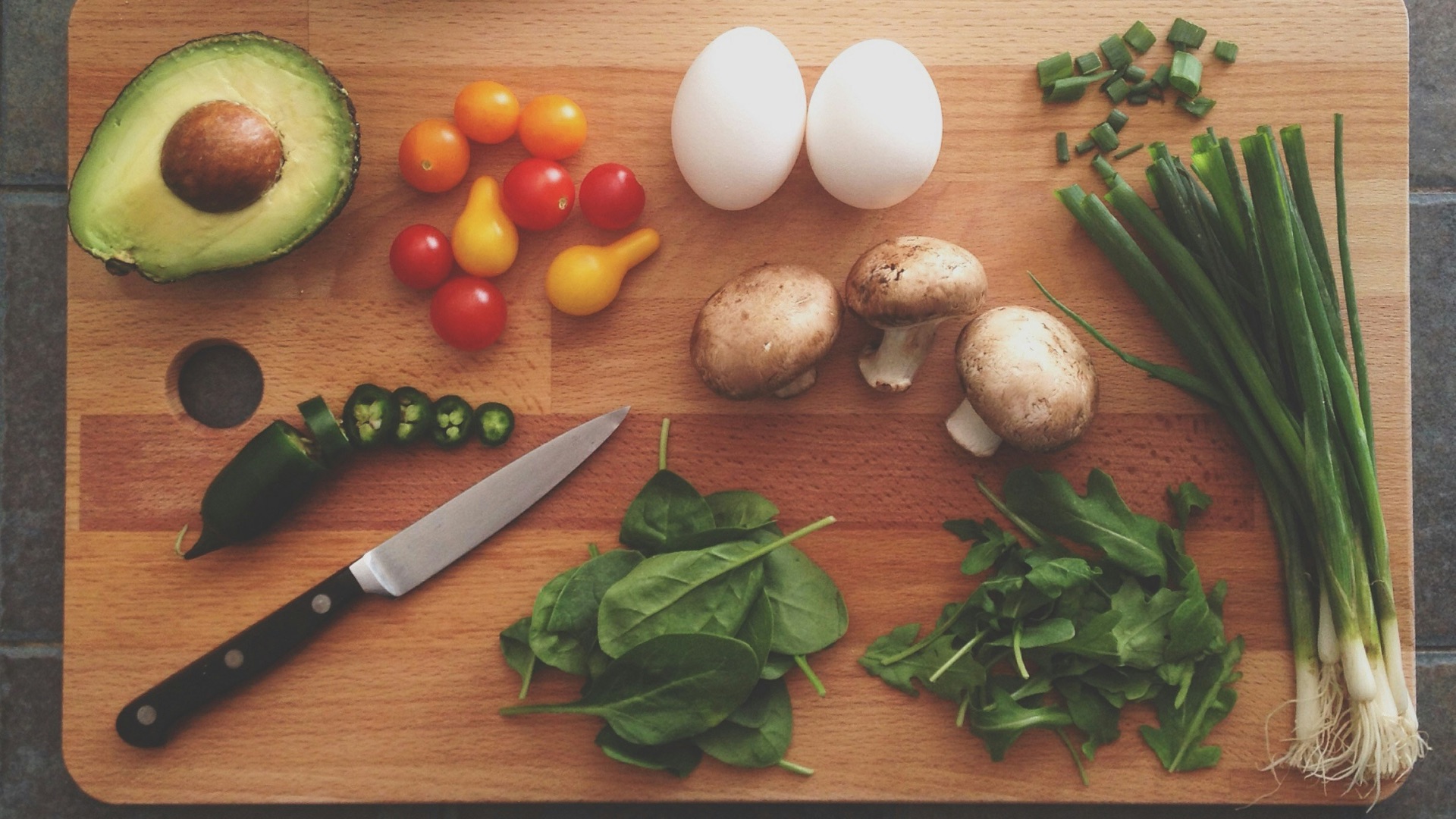
A lot of people simply feel better when they prepare their own meals. At home, you know how much oil, salt, sugar, or butter went into the food, and you can control the ingredients more easily. Even when restaurant meals taste good, many diners are more aware now of how heavy or overly rich they can be.
10. People Got Used to Staying In
Habits changed, and those changes stuck. After the pandemic, many of us probably got more comfortable with home-based routines, whether that meant cooking more, hosting friends at home, or choosing quieter nights in.
Once staying home started to feel like the norm, restaurants lost some of their pull.
11. Restaurants Don’t Always Feel Relaxing
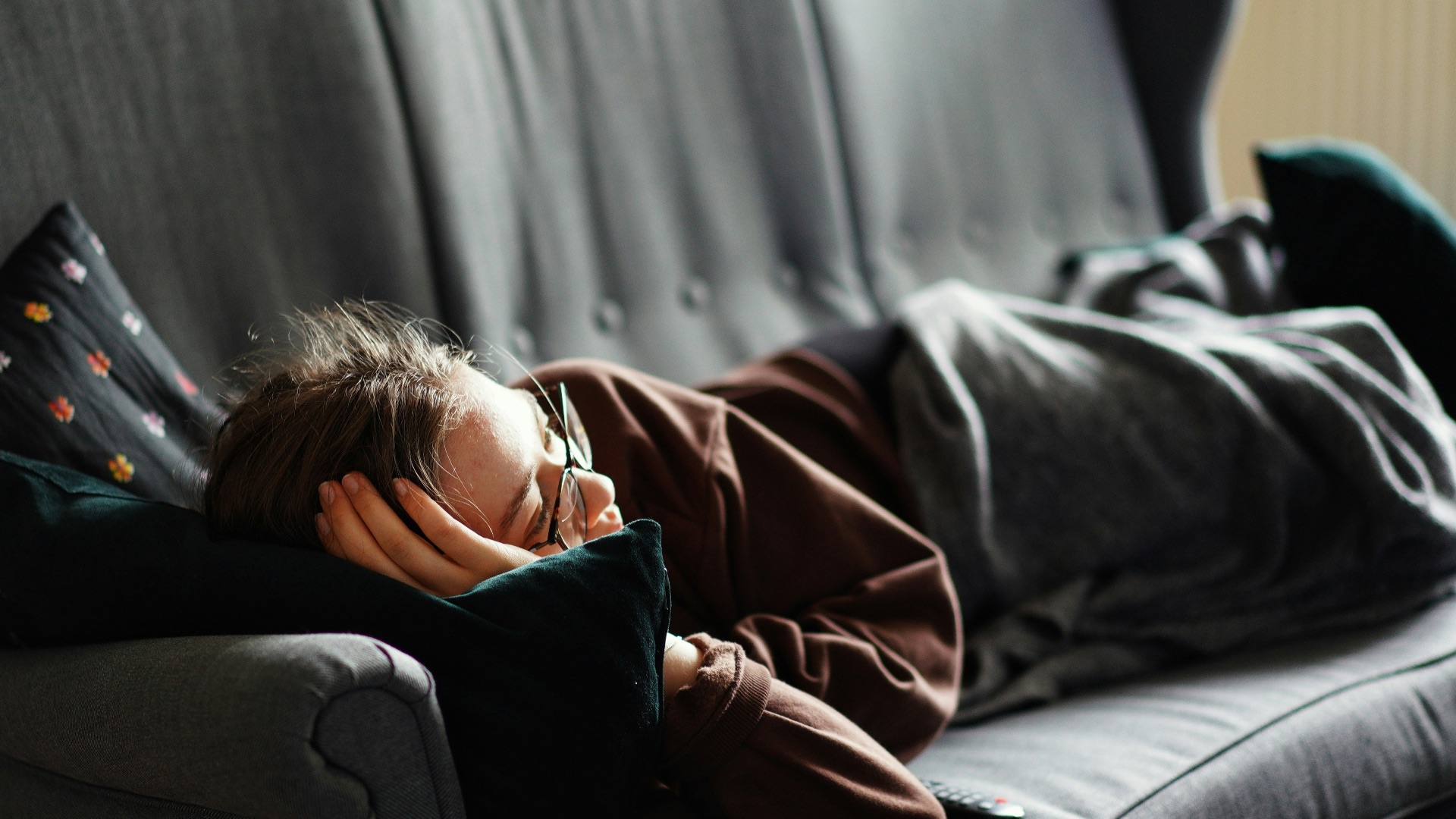
People often imagine dining out as a break, but it doesn’t always feel that way in practice. Crowded entryways, rushed staff, delayed orders, and tightly packed seating can make the whole experience feel more draining than pleasant. If the point was to unwind, a stressful meal out defeats the purpose.
12. Reservation Systems Can Be Annoying
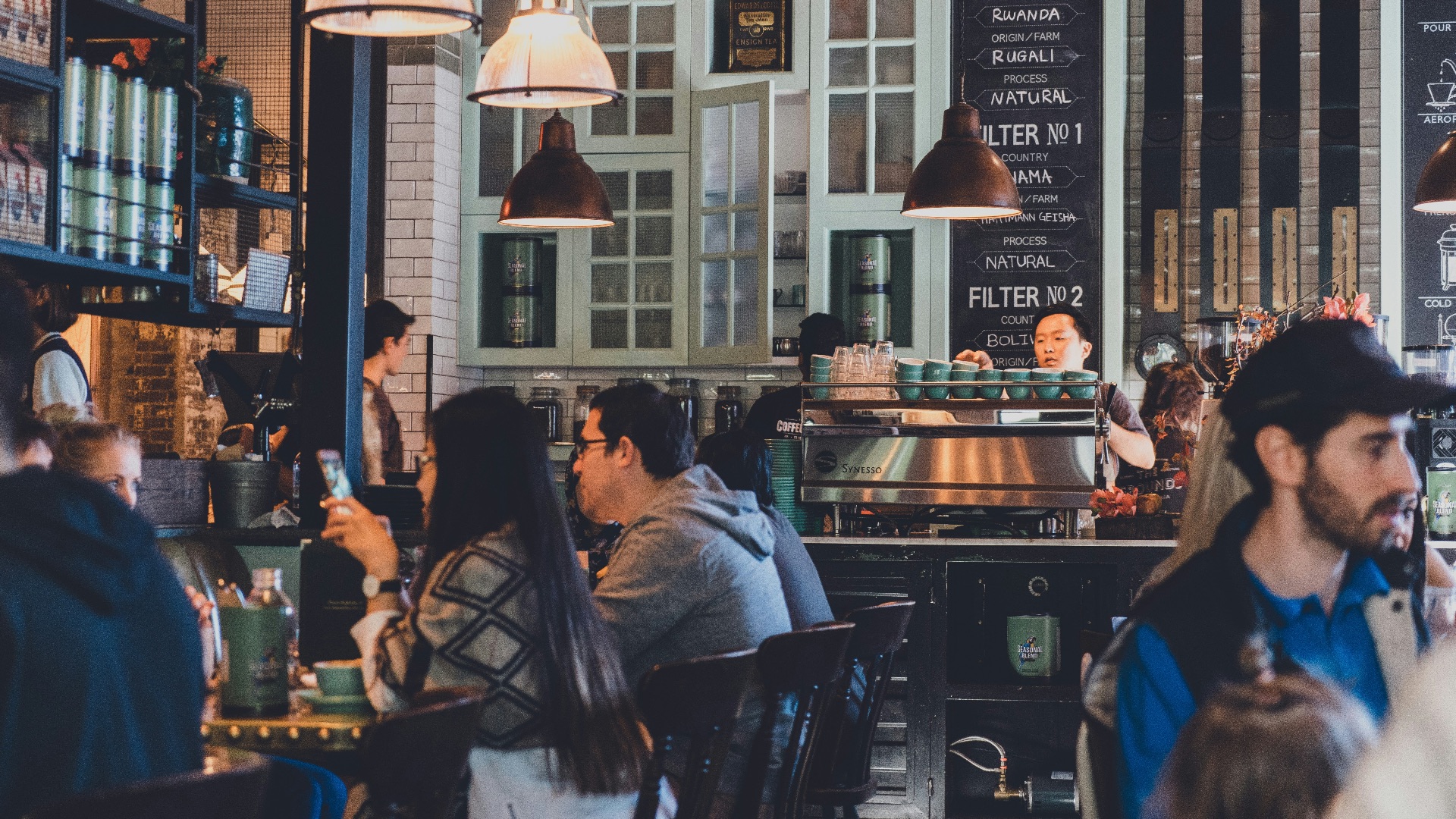
Trying to get a table at a popular place can feel like more work than it should. Some restaurants are booked far in advance, while others leave you refreshing apps or waiting in line with no clear sense of timing. For many people, that hassle makes the idea of eating somewhere else, or just eating at home, much more appealing.
13. Parking and Transportation Add Extra Friction
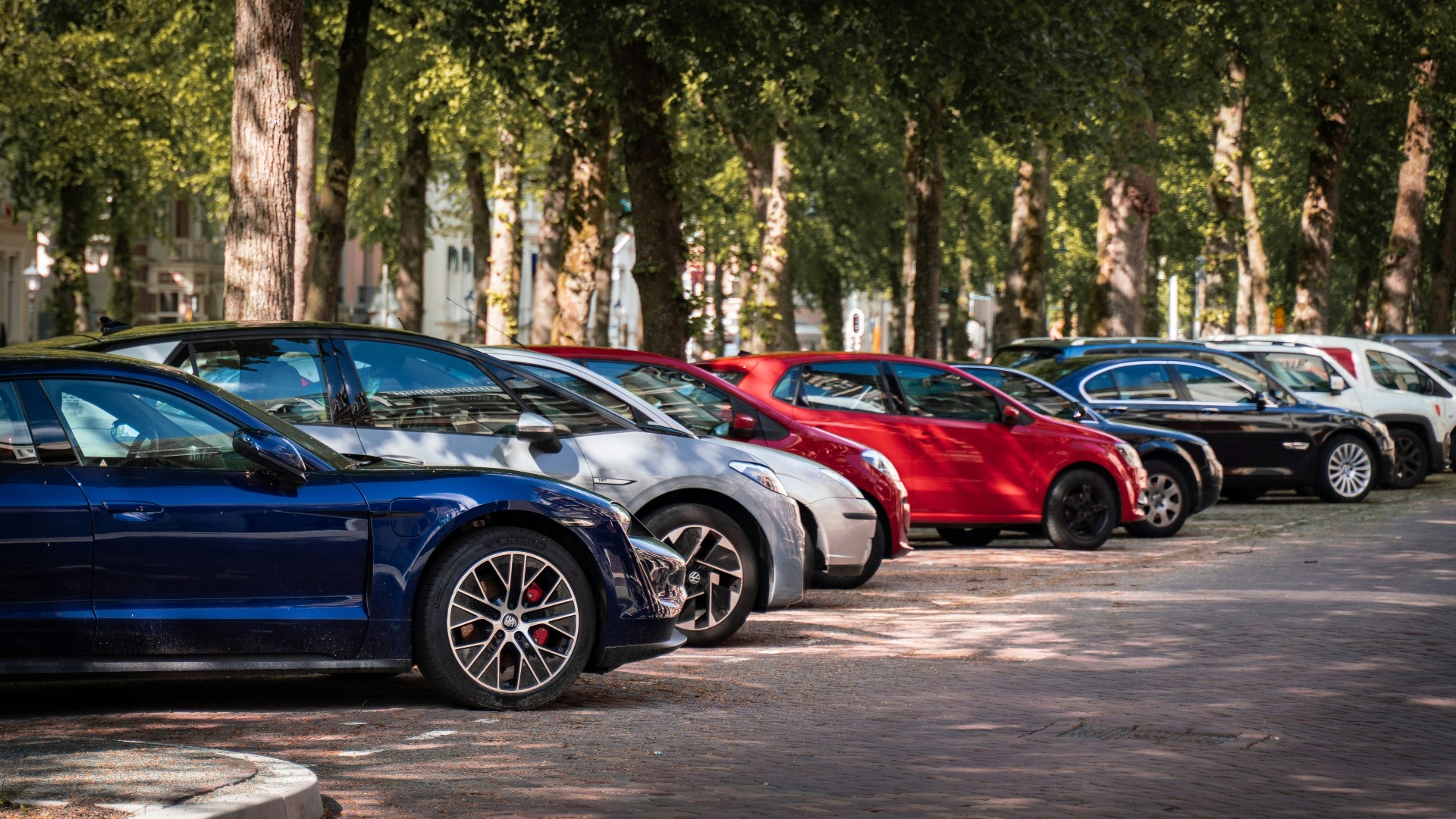
Getting to the restaurant isn’t always simple. In busy areas, parking can be expensive or hard to find, and public transit or rideshare costs only add to the total price of the night. That extra layer of inconvenience matters more than restaurants sometimes realize, because it starts affecting the experience before you even walk through the door.
14. People Are More Selective About Spending
Even those who can still afford restaurants may not feel comfortable spending casually the way they once did.
When groceries, rent, utilities, and other basic costs keep rising, discretionary spending gets examined more closely. A restaurant meal has to compete with a lot of other priorities now, and it often loses.

15. The Experience Feels Less Curated
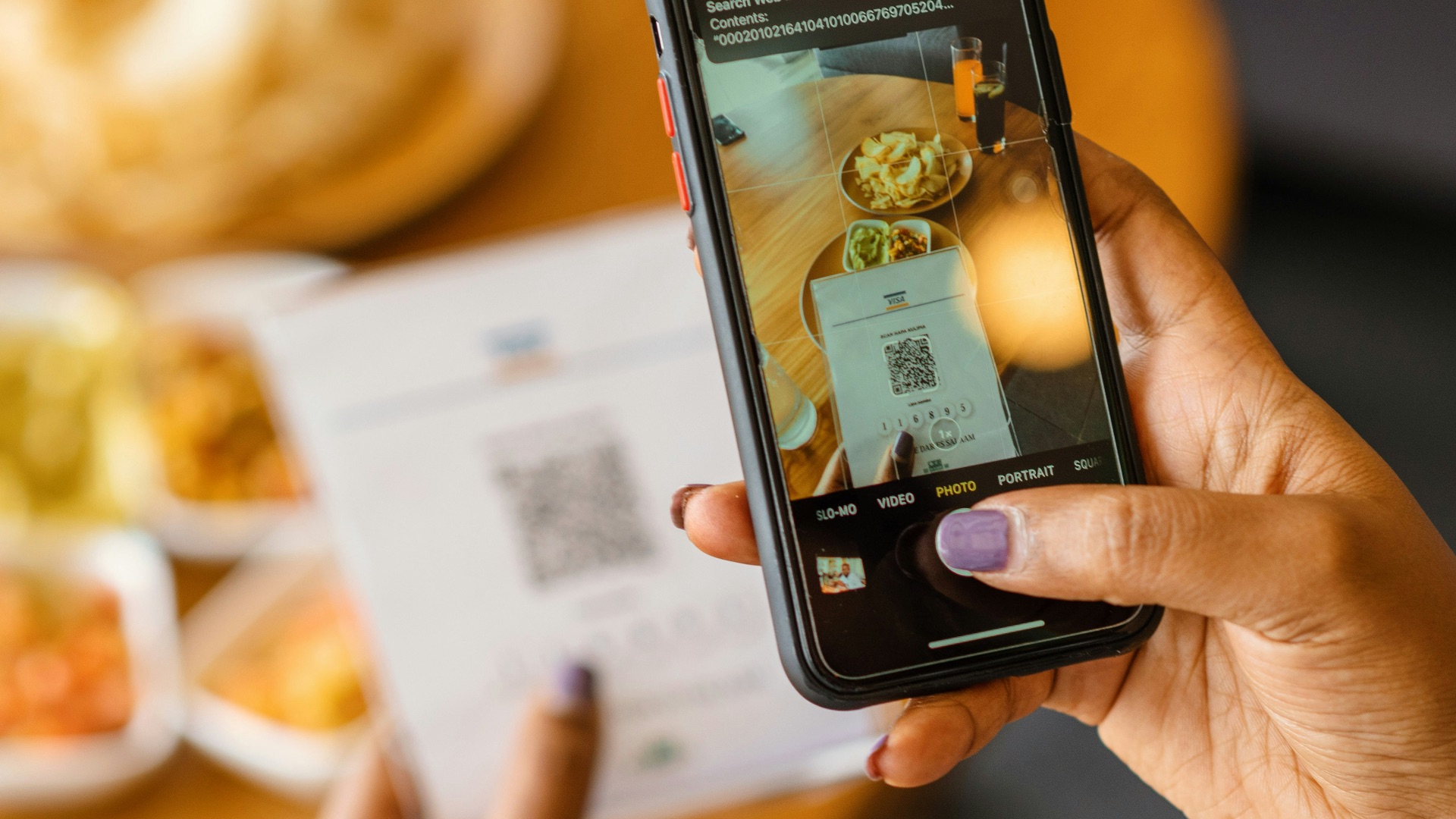
Some restaurants have become more transactional. QR code menus, rushed table turnover, and less interaction can make everything more efficient, sure, but also make the experience feel less curated, personal, and special. People may accept that occasionally, but they probably wouldn't want to come back often.
16. Everyone's Social Energy Is Lower Than It Used to Be
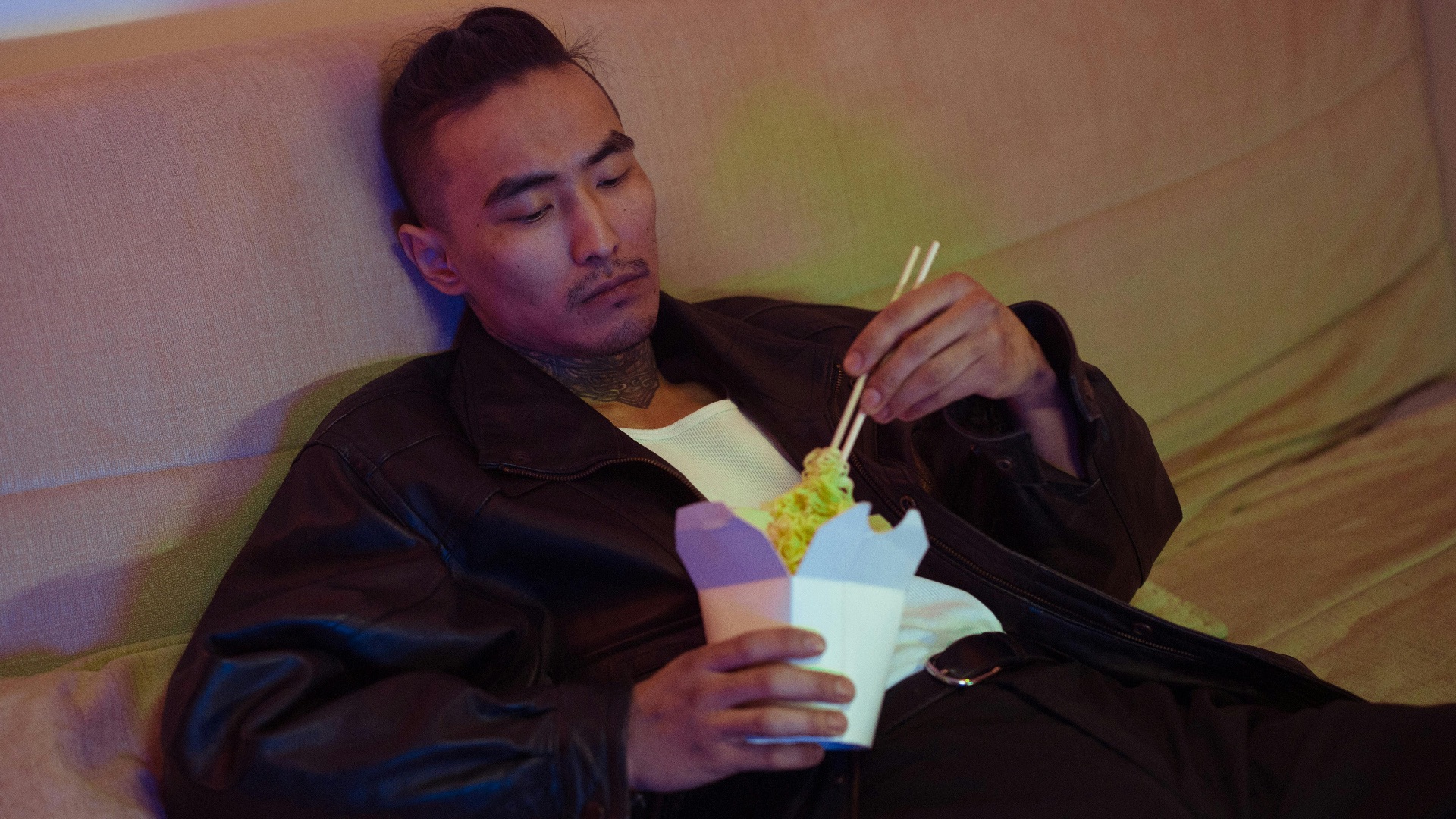
Deep down, we're probably all a little introverted, or it's just that we'd rather not have to expend so much energy. A restaurant outing usually means you have to get ready, be around strangers, make conversation, and stay engaged for a full sit-down experience. But when your days are already busy and tiring, sometimes all you want to do is have dinner at home.
17. Group Dining Has Become More Difficult
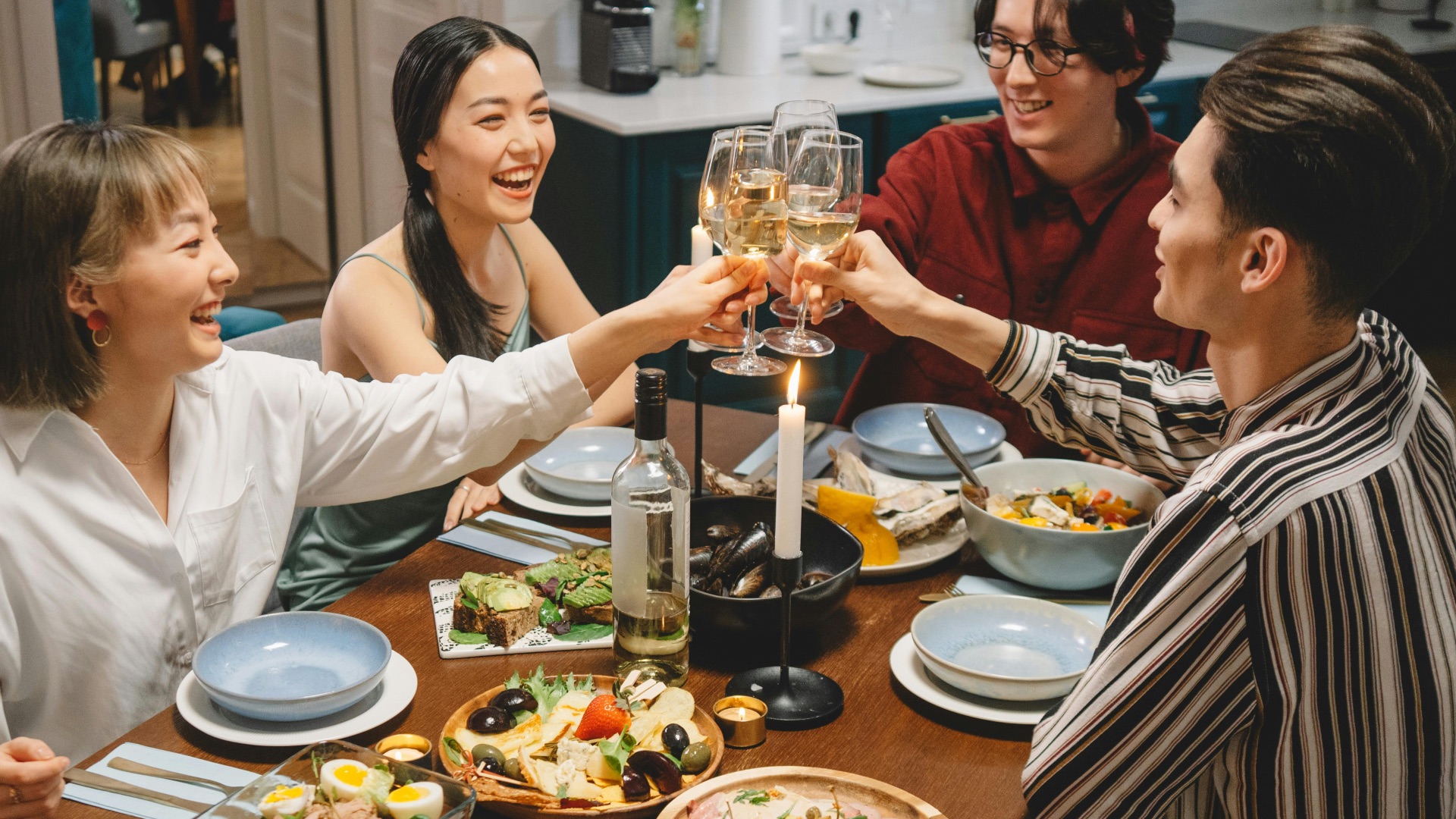
Going out with other people sounds fun until it comes to the planning part. Coordinating schedules, picking a place everyone likes, dealing with dietary restrictions, and splitting the check can make everything feel harder than it should be. Why do all that when you can just eat at a food court instead or grab takeout?
18. Online Reviews Have Made People More Cautious
People now walk into restaurants with a lot more information, but that doesn’t always make them more excited. Reading bad reviews, seeing complaints about service, or noticing photos that make the food look mediocre can lower expectations before the visit even happens.
Instead of feeling curious, many diners end up feeling skeptical.

19. Takeout Feels Like the Better Middle Ground
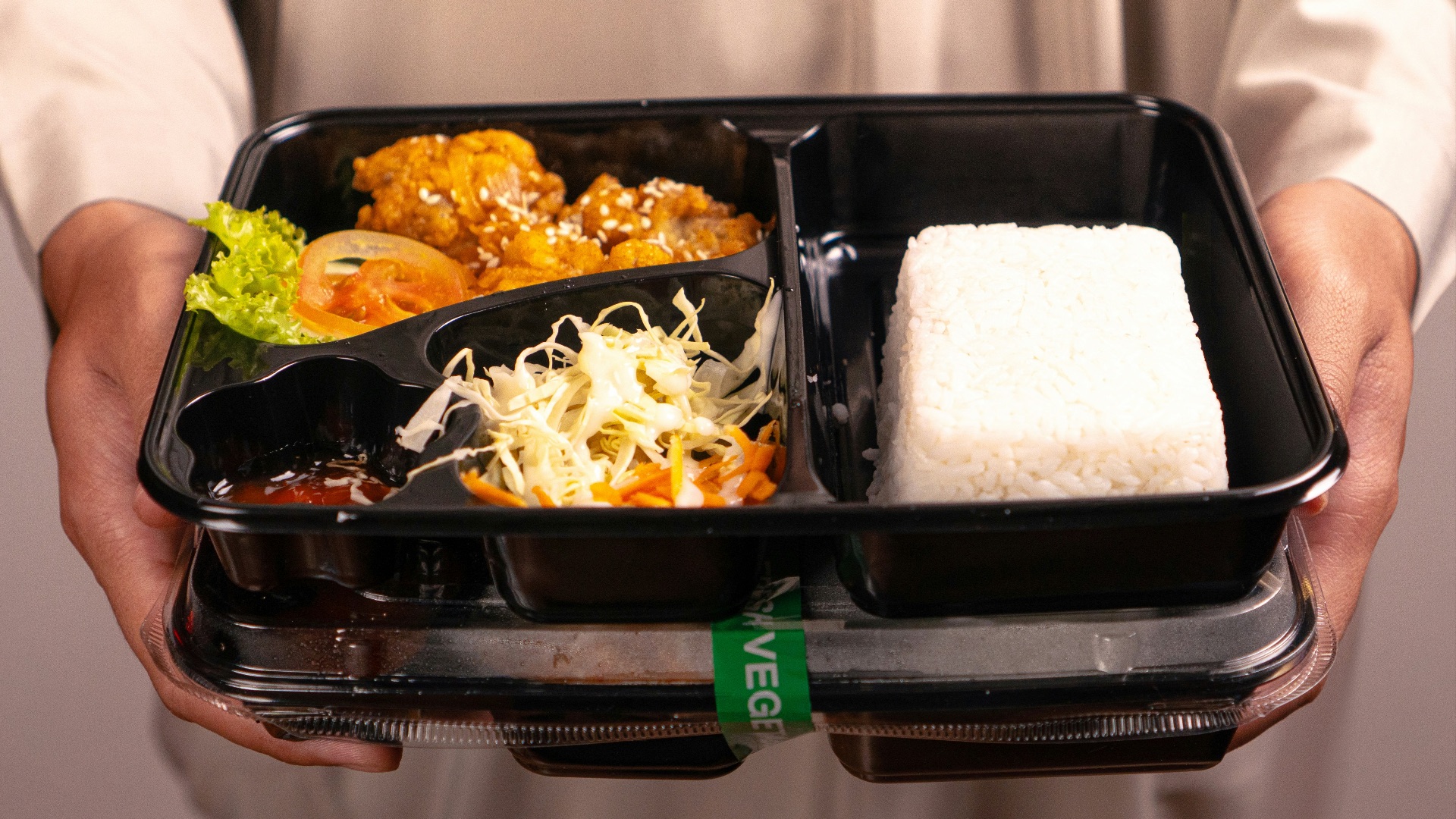
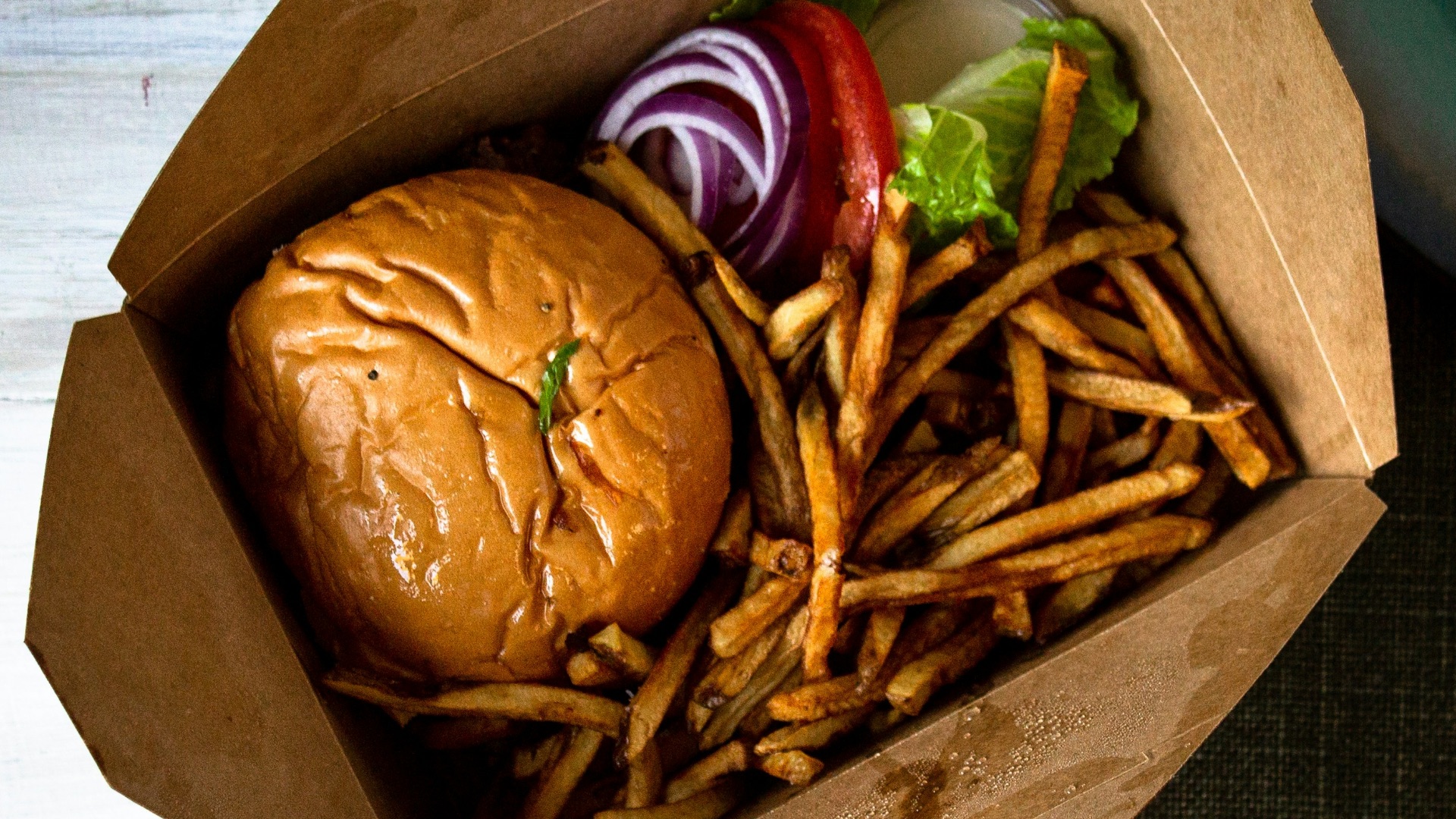
For people who still want restaurant food, takeout offers an easy compromise. You get the meal without the noise, the wait, the social effort, or the pressure to turn dinner into an event. That option has become so normal that it often wins over the full dine-in experience.
20. Restaurants No Longer Feel Like the Only Treat
There was a time when going out to eat felt like one of the most reliable small pleasures people could give themselves. Now there are more alternatives competing for that role, from specialty groceries to meal kits to well-made food enjoyed at home with complete control over the setting. Restaurants still have a place, but they aren’t automatically the most appealing choice anymore.