10 Things Diners Do That Make Chefs Hate Them & 10 That Make the Kitchen Care More
What the Line Notices
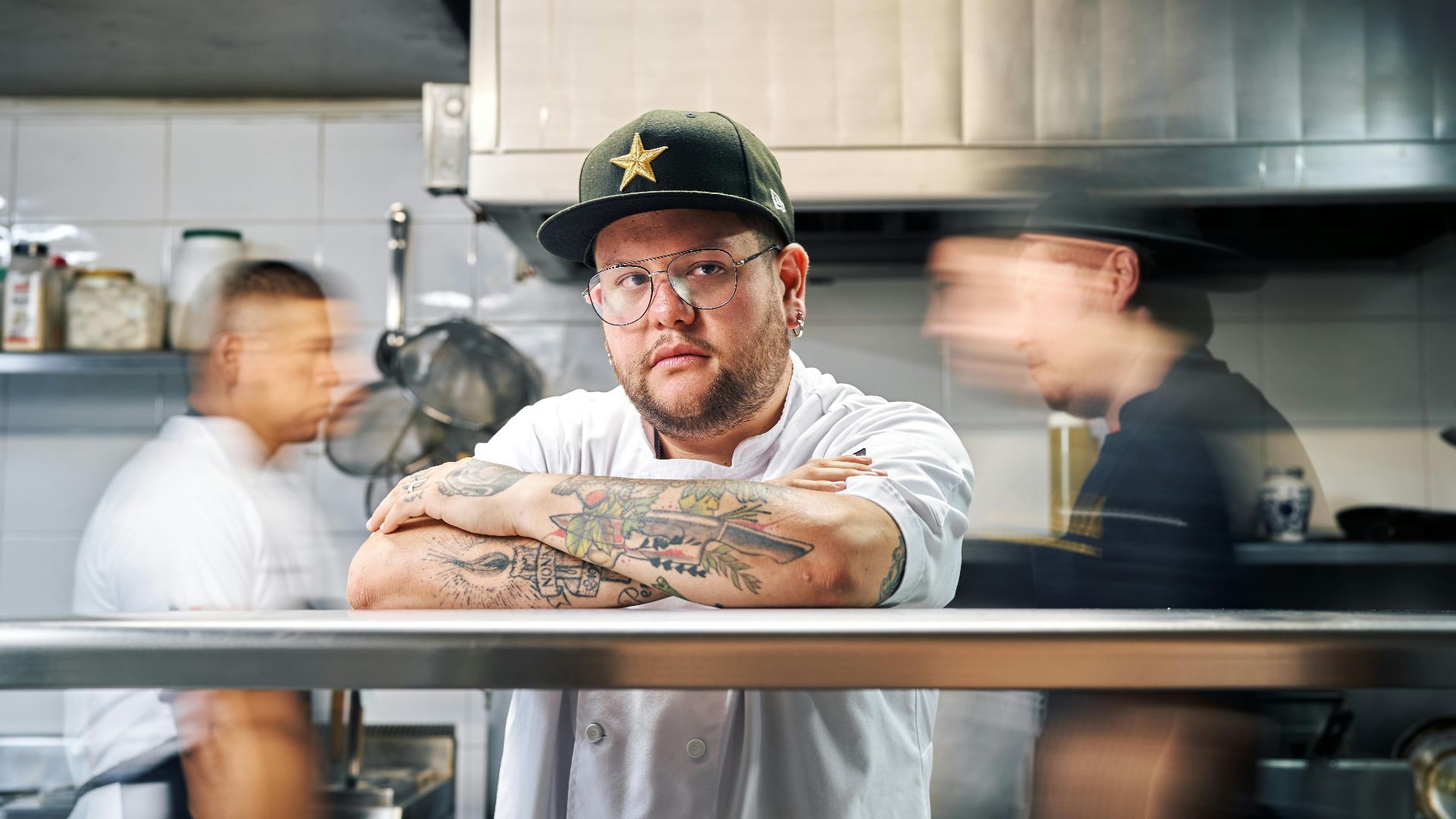
Most diners never see the kitchen, but the kitchen still gets a pretty good read on them. It comes through on the ticket, in the timing, in the server’s face, and in the little requests that turn a simple dish into a mess. Restaurants run on rhythm, and that rhythm is easier to break than people think. One awkward table can drag more attention than diners realize. Some habits make the back of house roll its eyes, and some make the whole place want to get it right for you. Here are twenty.
1. Rebuilding the Dish From Scratch
There is a difference between a simple change and treating the menu like a parts bin. When a diner asks for a pile of swaps, additions, and special handling, the kitchen is no longer cooking the dish on the page. At that point, the ticket starts feeling like homework.
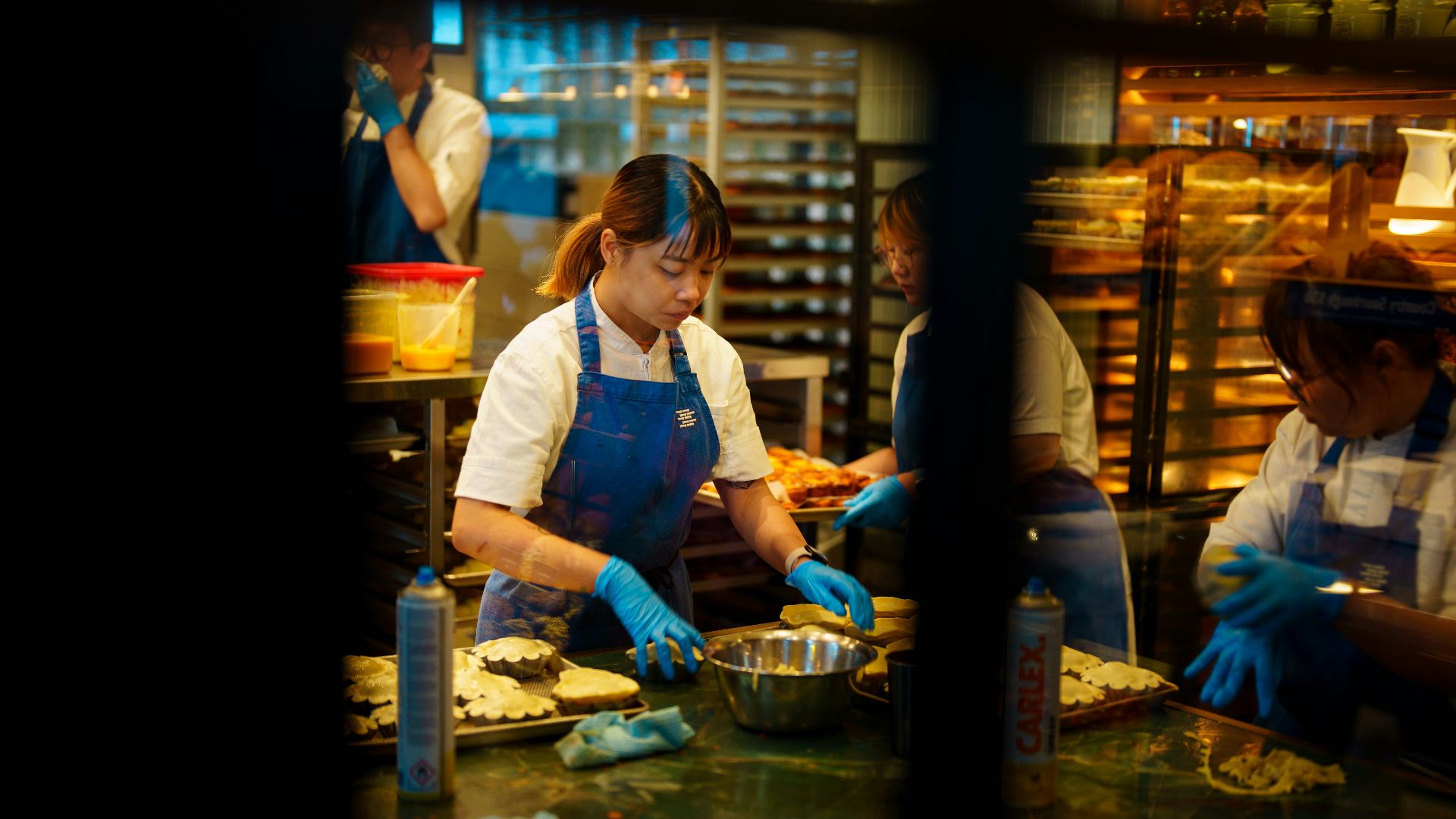
2. Sending Back Food They Ordered Correctly
If a steak comes out overcooked, fair enough. But ordering medium rare and then complaining that it is pink in the middle is the kind of thing that makes cooks go quiet. The same goes for ordering crispy skin or char, then acting surprised when it shows up.
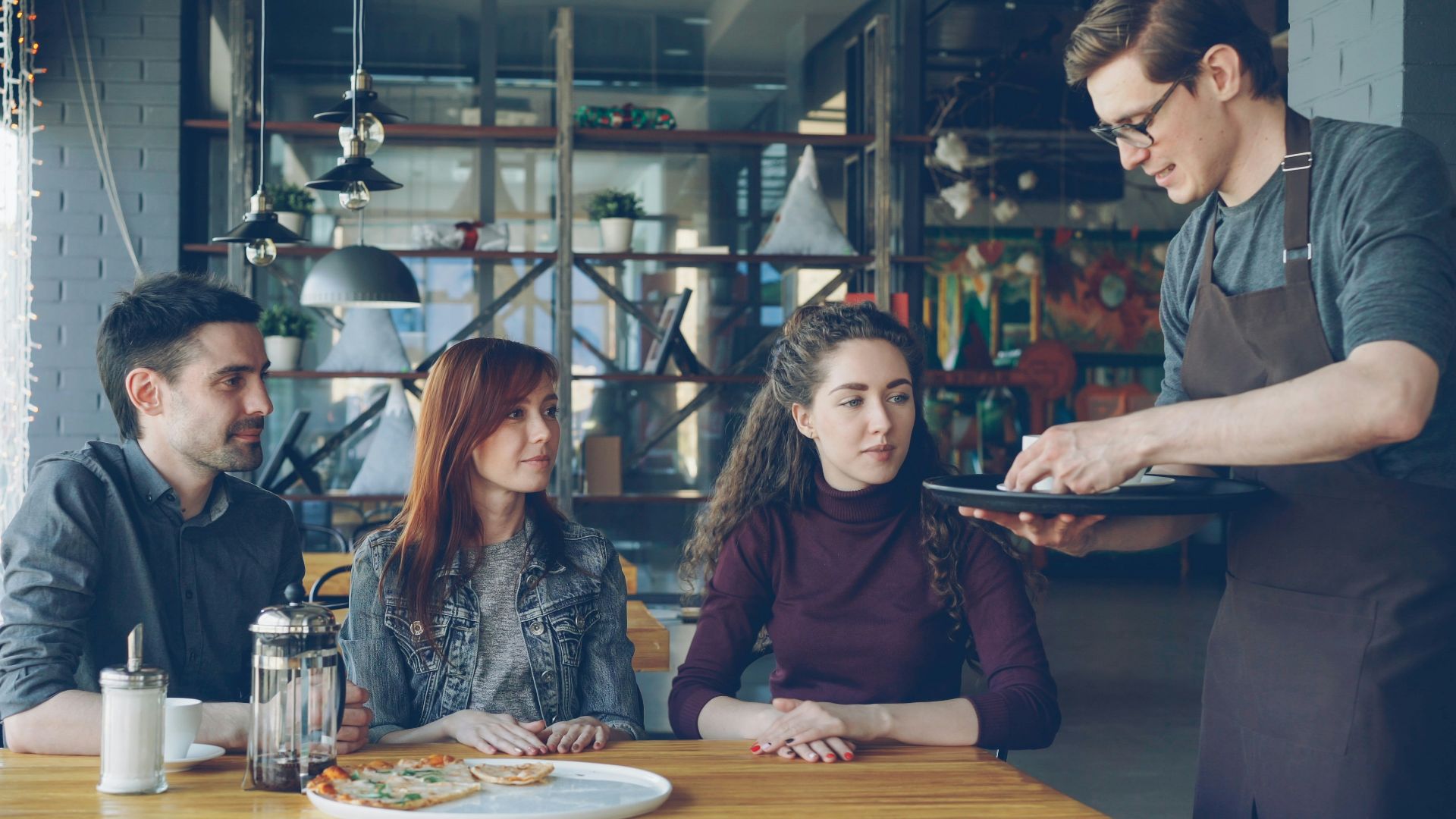
3. Walking In Right Before Close
This is the classic move everybody in restaurants knows by heart. The kitchen is cleaning down, people are counting the last few minutes, and then a table strolls in ready for the full experience. Nobody loves having the finish line move.
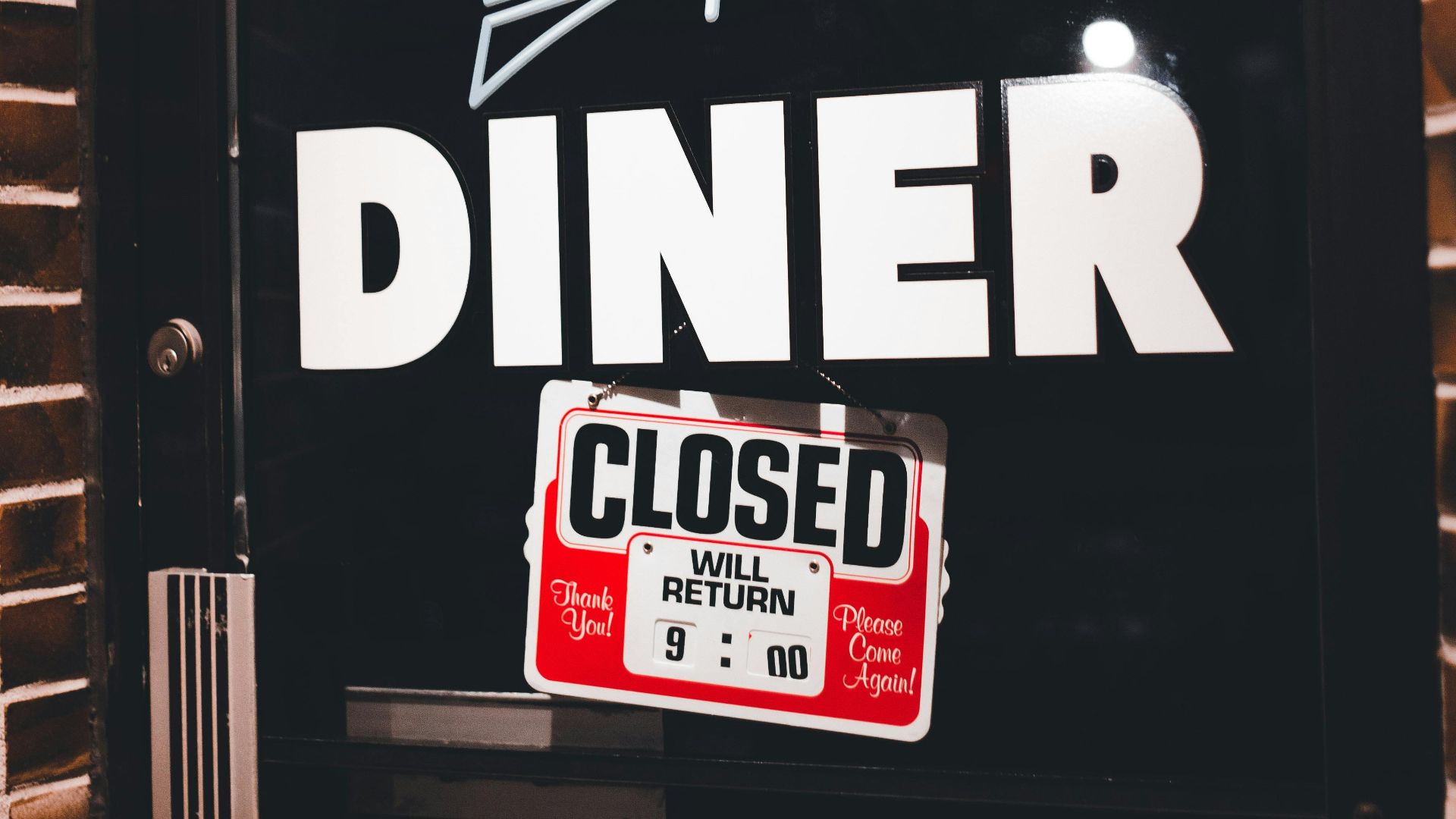
4. Ignoring the Server’s Warning
When a server says a dish runs spicy, takes a while, or does not really work with the change you want, that usually means they know what is coming. Pushing past that, then blaming the kitchen later, lands badly every time.
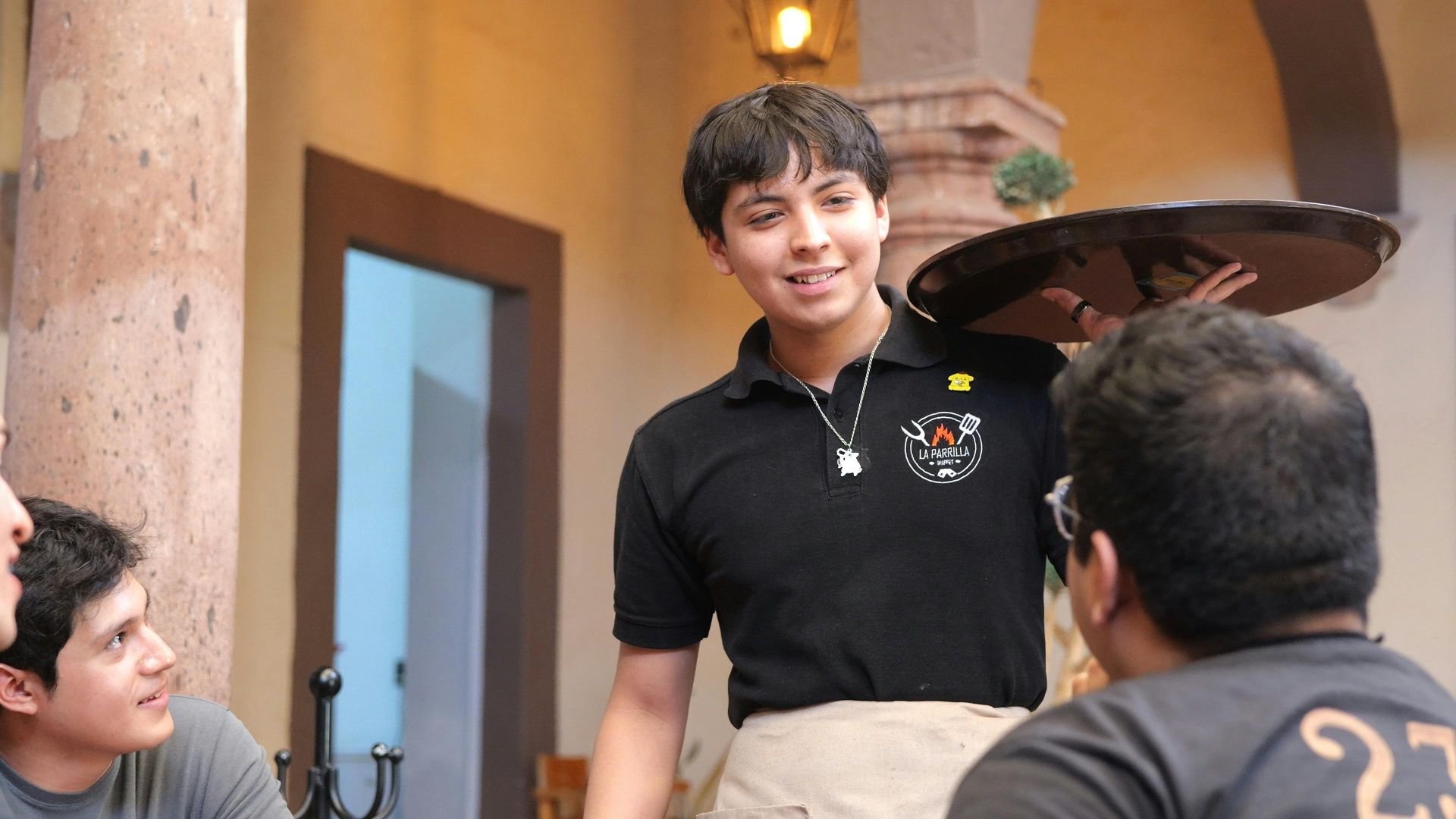
5. Using Allergies Like a Shortcut
Real allergies matter, and good kitchens take them seriously. That is why it hits a nerve when someone claims a major allergy, then casually orders around it later. It makes the whole system feel less trustworthy than it needs to.
6. Leaving a Disaster Behind
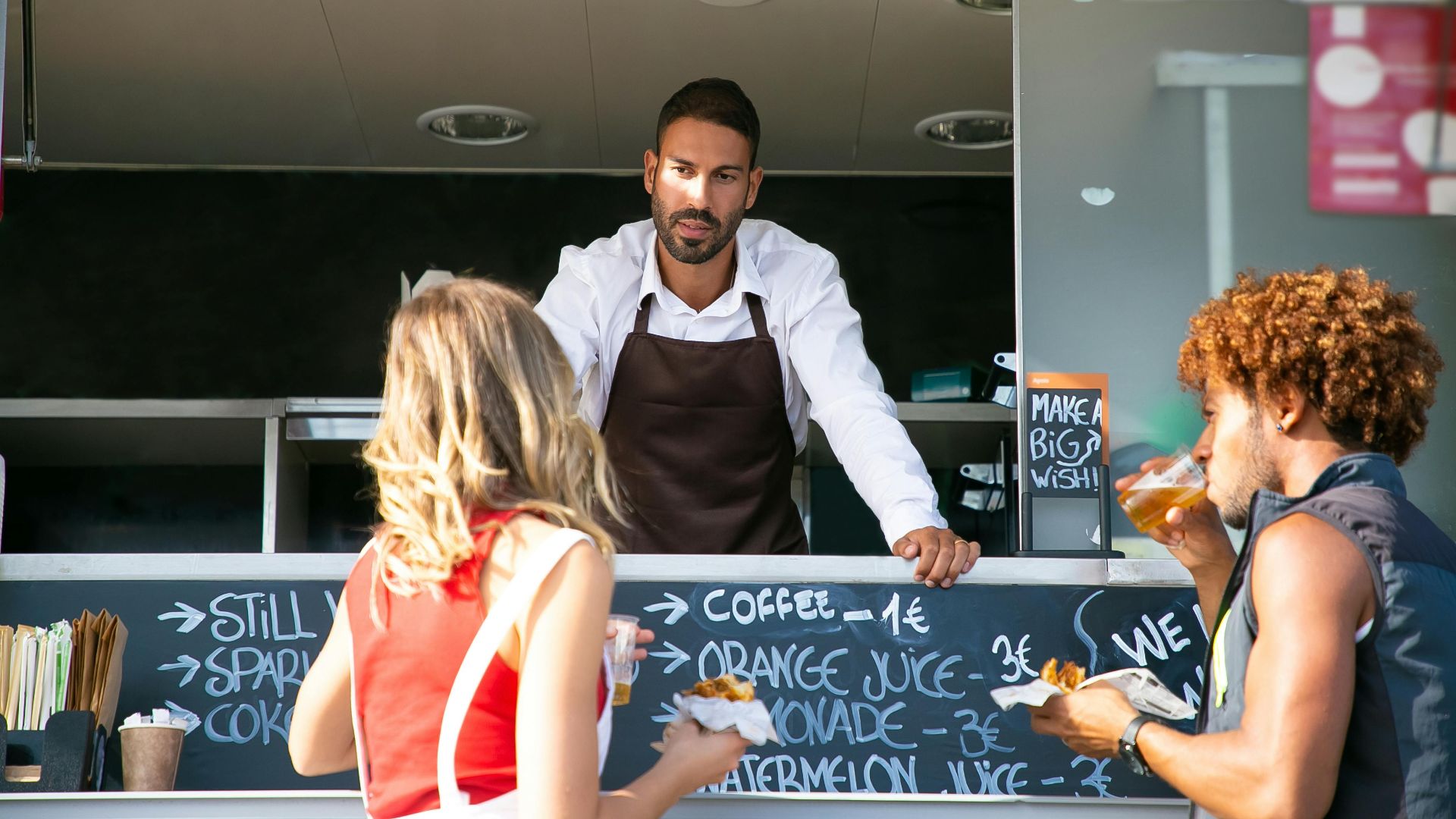
Chefs are not usually the ones scraping fries off the floor, but they still know when a table leaves wreckage behind. Smashed crackers, ketchup streaks, napkins everywhere, and puddles under the chair all read as disrespect. Staff can tell when nobody even tried.
7. Creating an Off-Menu Science Project During Rush
There is always one table that wants the pasta from one dish, the protein from another, and the sauce from something that is not even on at dinner. During a rush, one custom order can throw off more than the person ordering it realizes. The line needs repetition to stay fast.

8. Camping Long After the Meal Is Over
Nobody minds a table lingering a little. But when the check is paid, the plates are gone, and the table sits for another ninety minutes on a packed night, the whole restaurant feels it. Seats matter when people are waiting.
9. Being Nasty to the Server
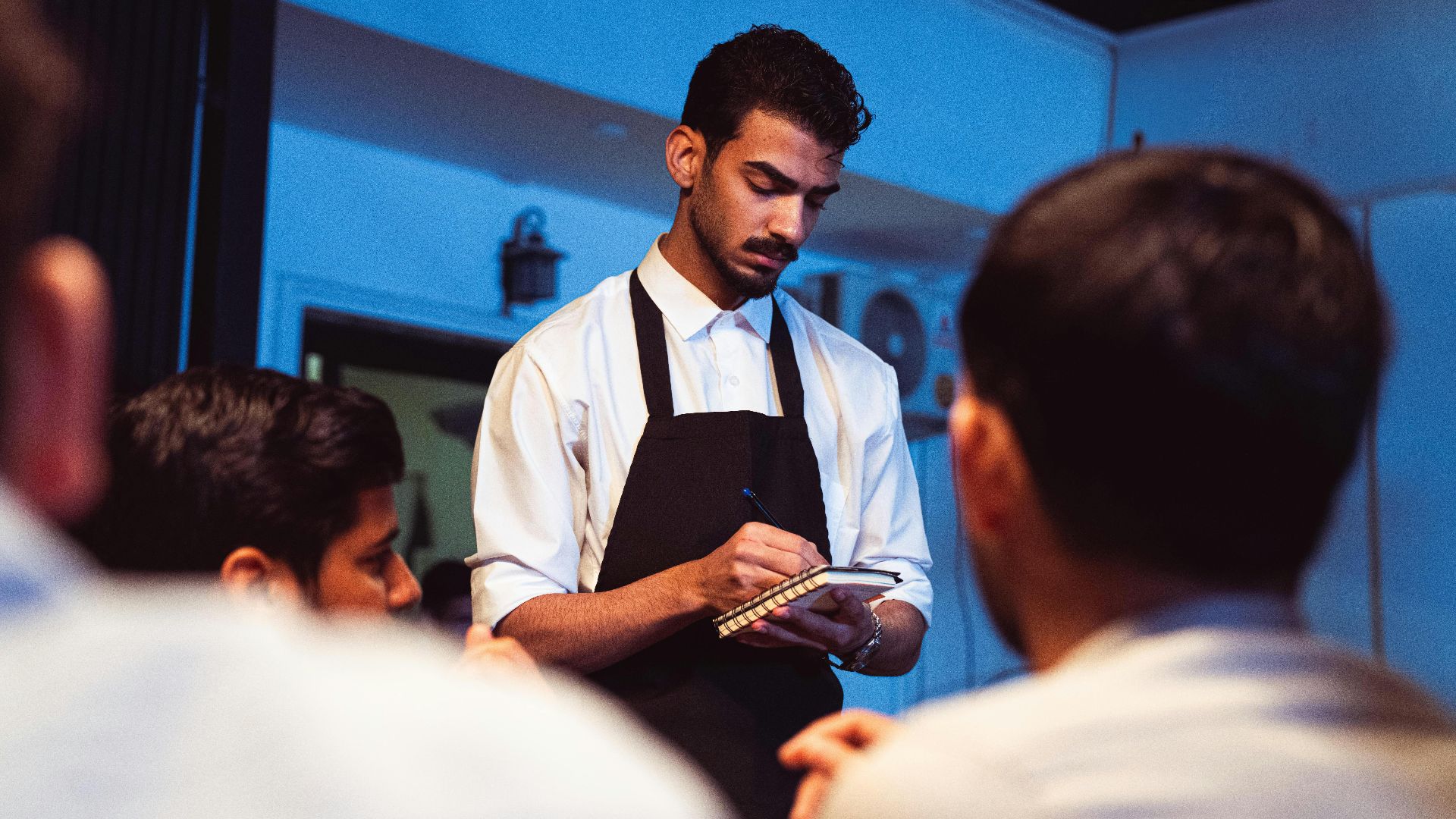
The kitchen may not hear every word, but it hears enough. When a diner talks down to the server or acts like basic courtesy is optional, that mood reaches the back fast.
10. Treating Dinner Like a Personal Production
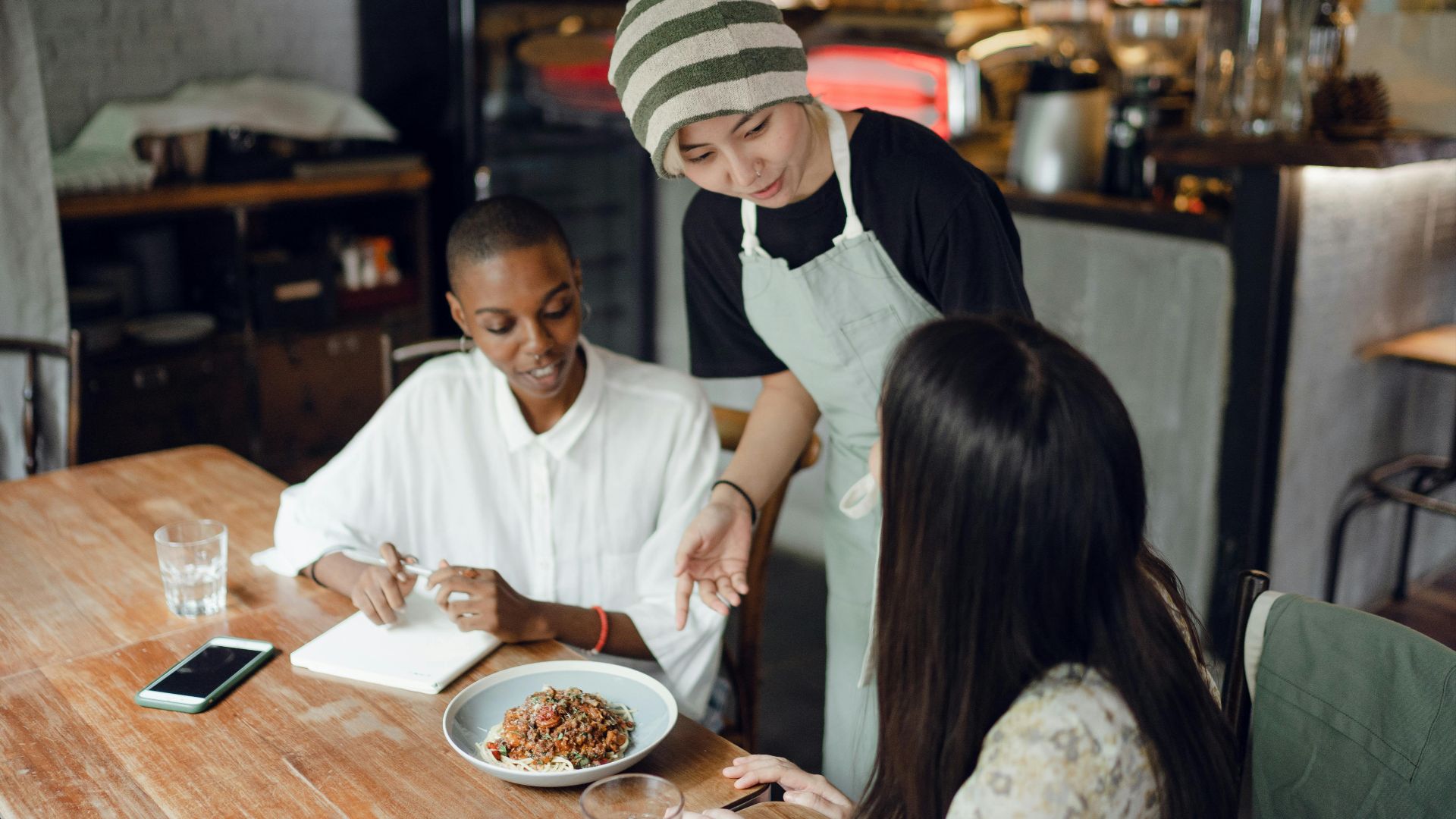
Some diners want more than a meal. They want a custom event built around their mood, their timing, and their standards, no matter how busy the place is.
The good news is that the opposite also stands out. Here are ten habits that endear you to the kitchen staff.
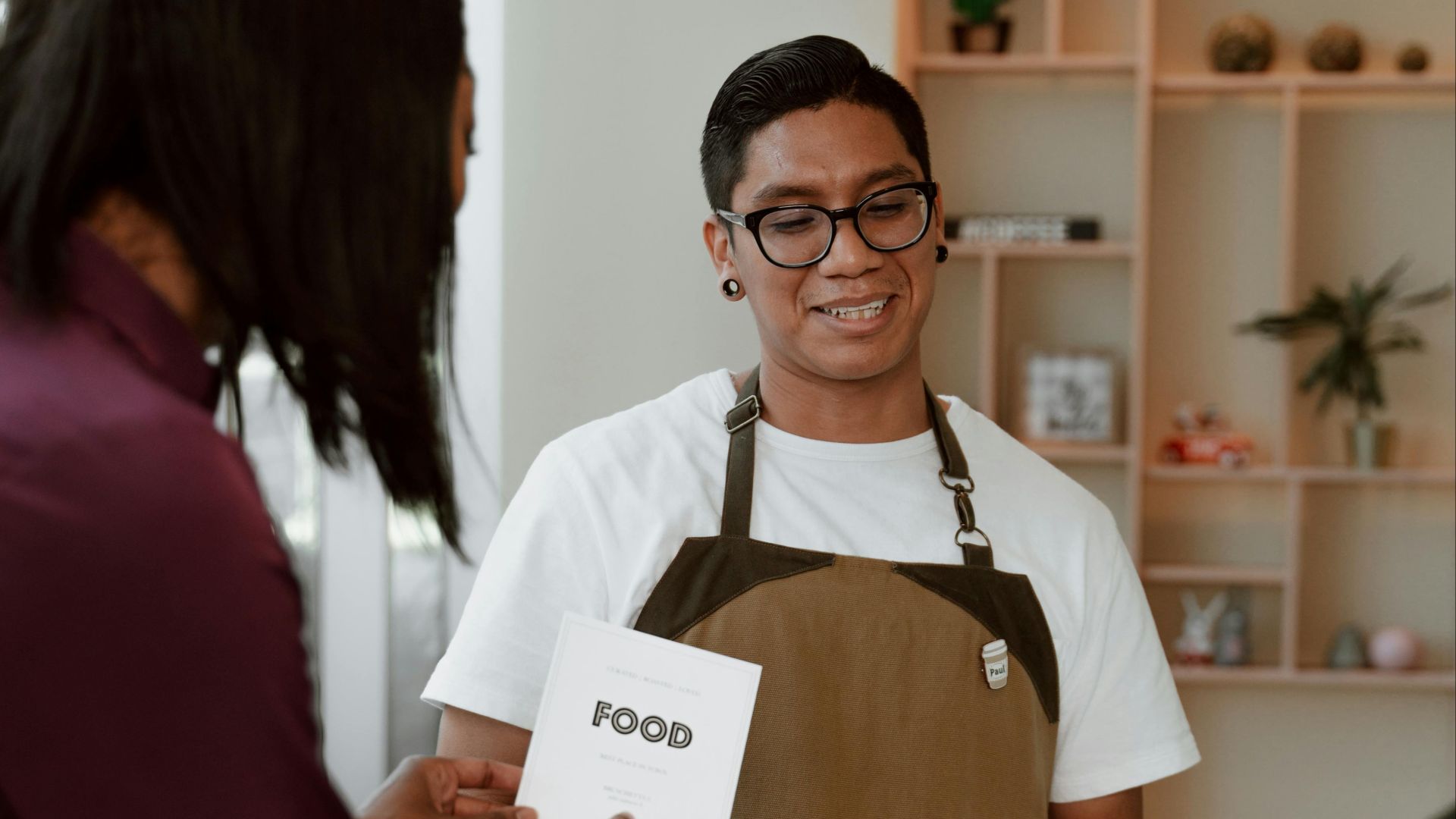
1. Ordering the Dish the Way It Is Written
This is one of the easiest ways to get the kitchen on your side. When you order the dish as designed, you are showing trust in the menu and the people behind it. That trust usually gets met with better energy.
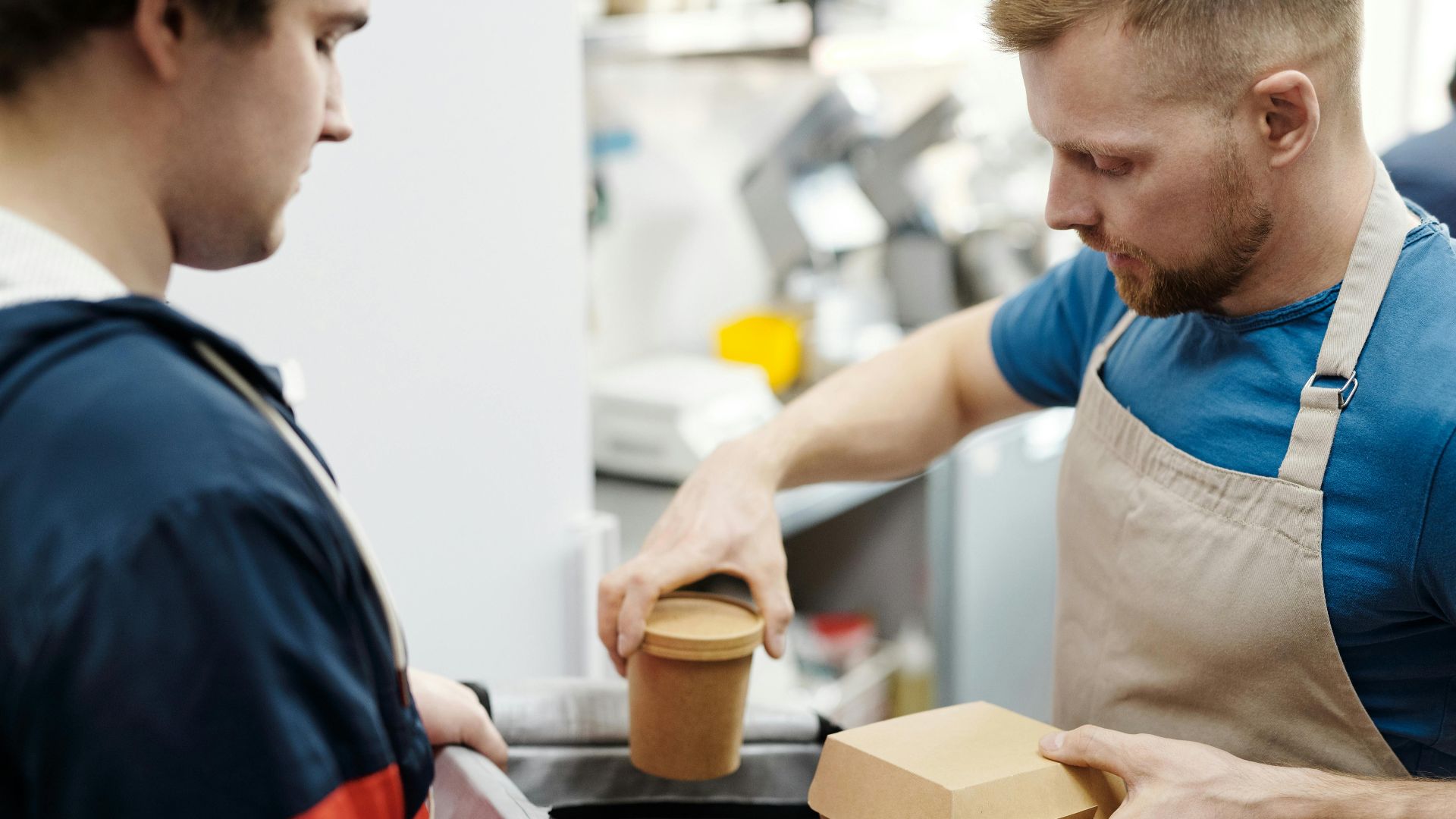
2. Knowing What You Want
You do not need to rush, but clarity helps. A table that orders cleanly keeps the server moving and keeps the line from chasing extra details. In a busy room, that matters.
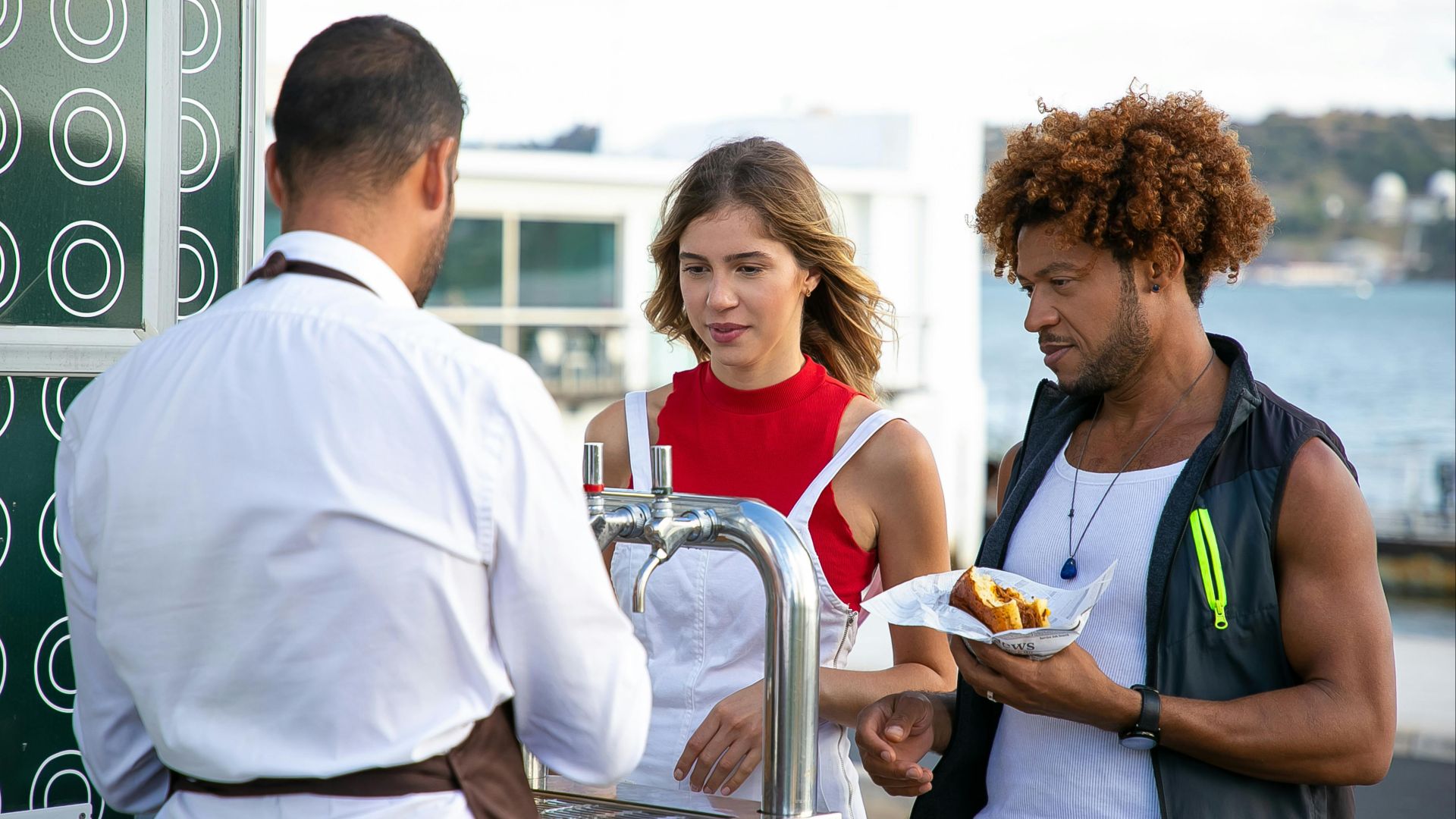
3. Mentioning Real Allergies Up Front
If you have an actual allergy, say it early and say it clearly. Good kitchens will take the extra steps when they know what they are dealing with. Being direct helps protect you and helps the staff work with confidence.
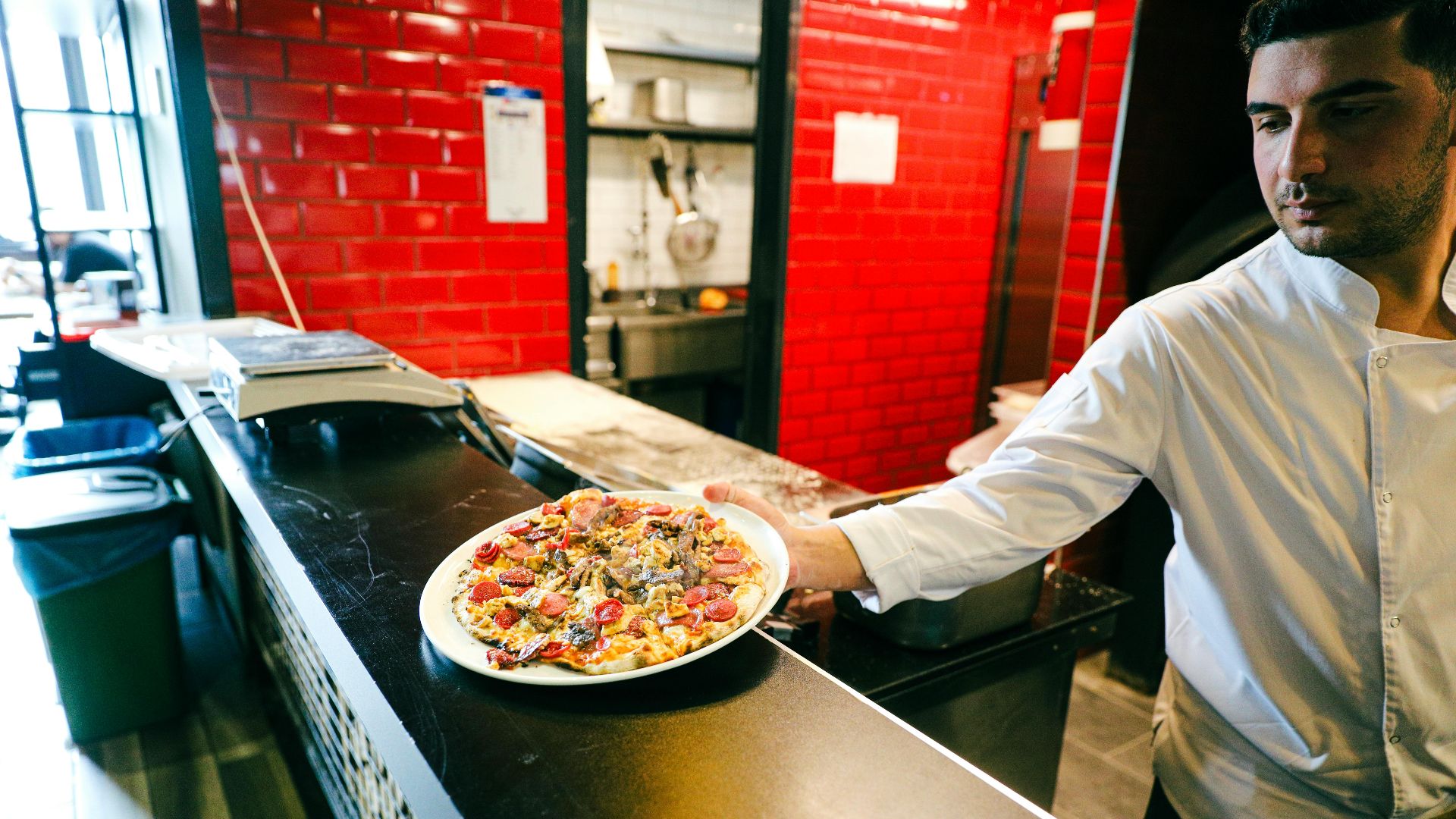
4. Listening to the Server
Servers know which dishes are working, what takes longer, and what substitutions are going to be a headache. When you listen to that guidance, things usually go better for everyone.
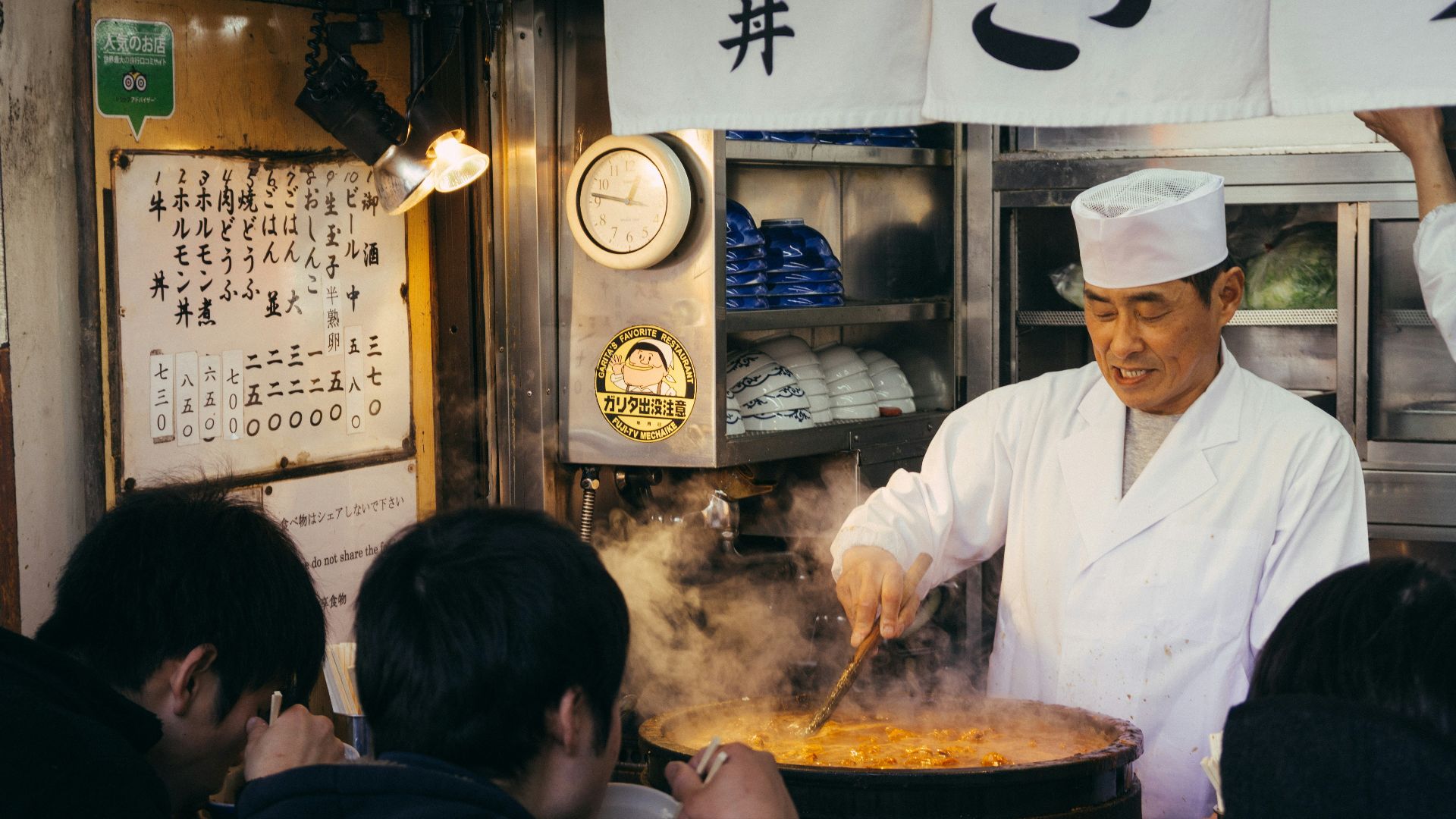
5. Showing Patience When the Room Is Slammed
Most diners can tell when a restaurant is deep in it. Tickets are stacked, drinks are dragging, and every staff member is moving at full speed. A little patience in that moment goes much further than people think.

6. Sending Back a Compliment
A quick word that the fish was great or the fries were perfect does not vanish into thin air. Servers bring that stuff back, and cooks remember it. Small praise can lift a rough service.
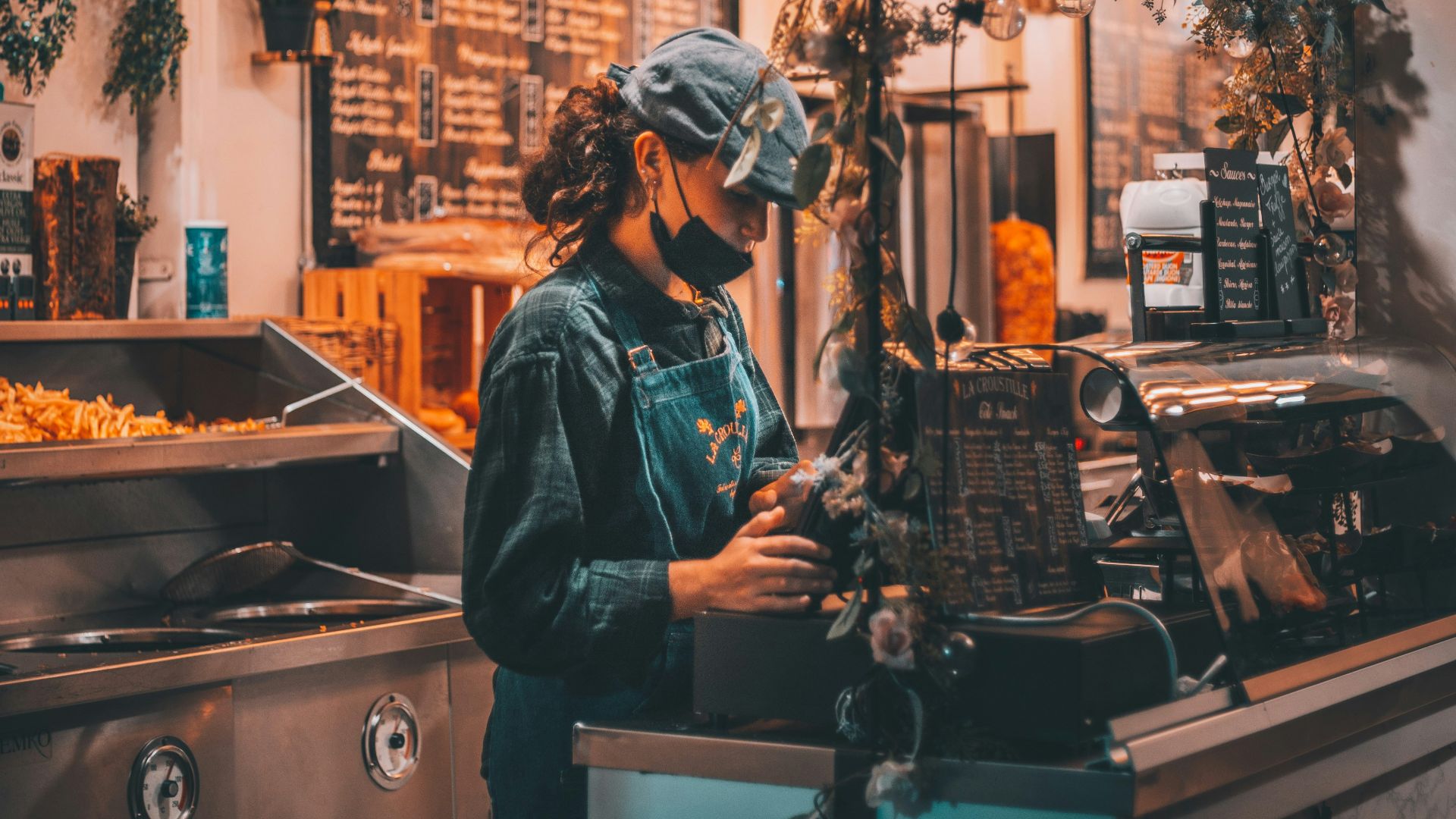
7. Asking for Small Changes Like a Grown-Up
Reasonable modifications are part of restaurant life. The difference is asking simply and politely instead of turning it into a negotiation.
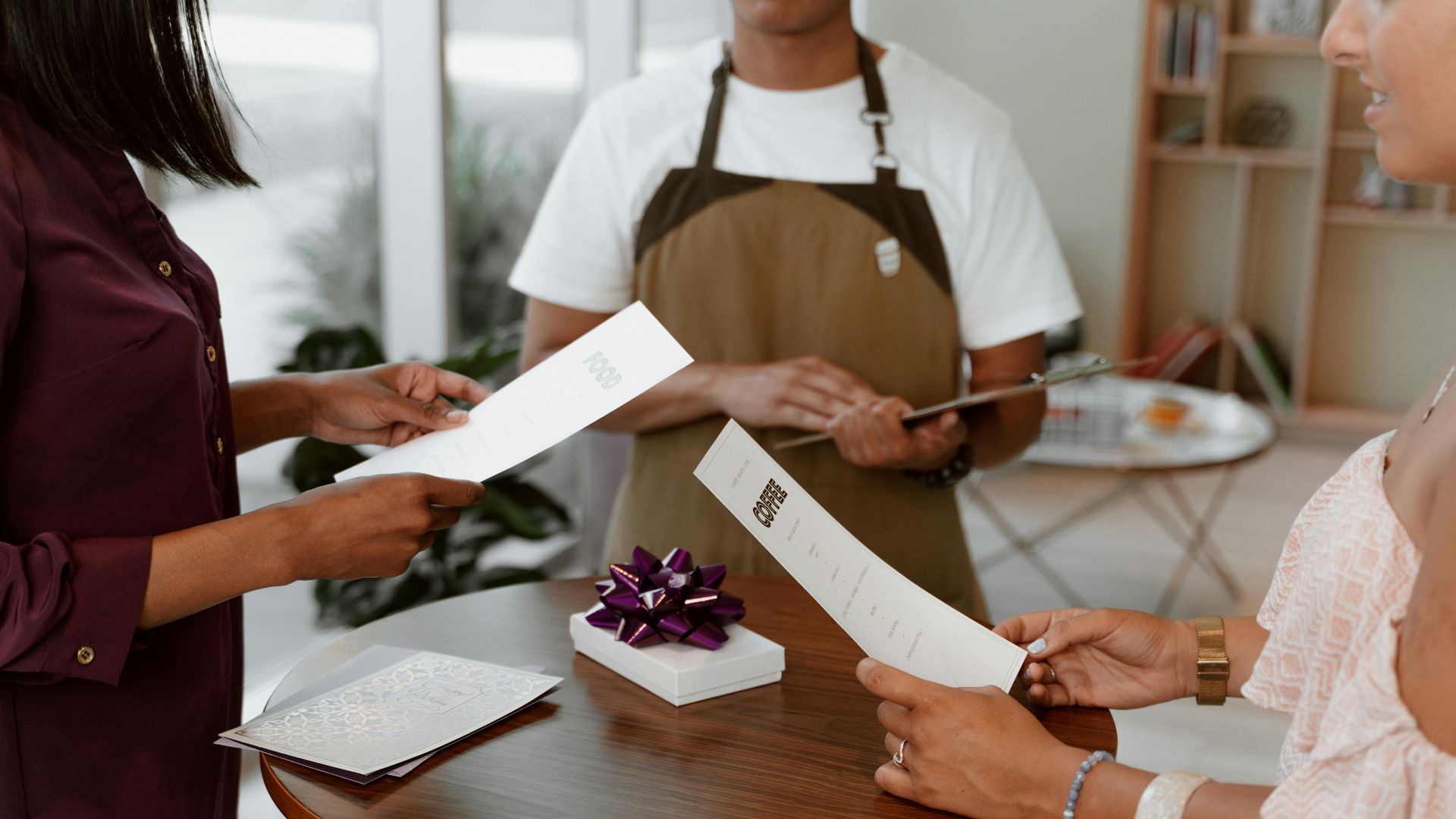
8. Keeping the Table Under Control
Nobody expects perfection, especially with kids. But there is a big difference between a lived-in table and one that looks like a storm hit it.

9. Coming In With Some Awareness
Showing up with enough time to eat before close buys goodwill immediately. So does understanding that Saturday at eight is not the moment to expect lightning-fast service. Diners who read the room usually get better care back.
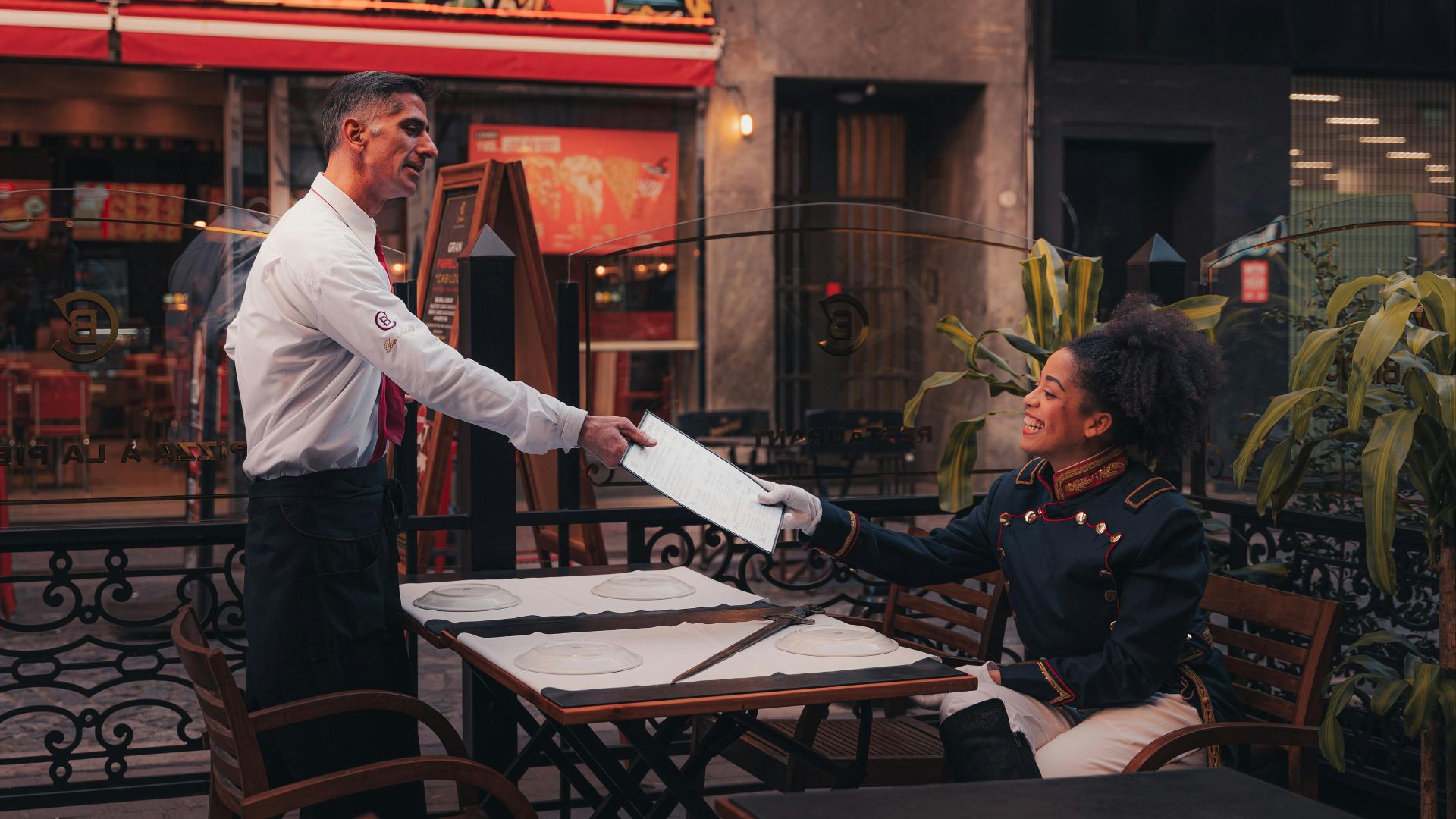
10. Acting Like the Staff Are Human
This matters more than any ordering trick or etiquette rule. A normal tone, a little warmth, and basic respect change the feel of the whole table.