The 90-Second Standard
Pull up to a drive-through window and the whole transaction usually takes under three minutes, which is a strange thing to accept as normal. A restaurant that cooks to order can't come close to that, and neither can your kitchen at home. What makes it possible has almost nothing to do with the cooking itself. Most of the speed gets built into the process long before anyone touches a grill, in supply chains, equipment design, and layouts refined over decades of watching where seconds get lost. Here's 20 things that make those three minutes possible.
1. The Food Arrives Mostly Finished
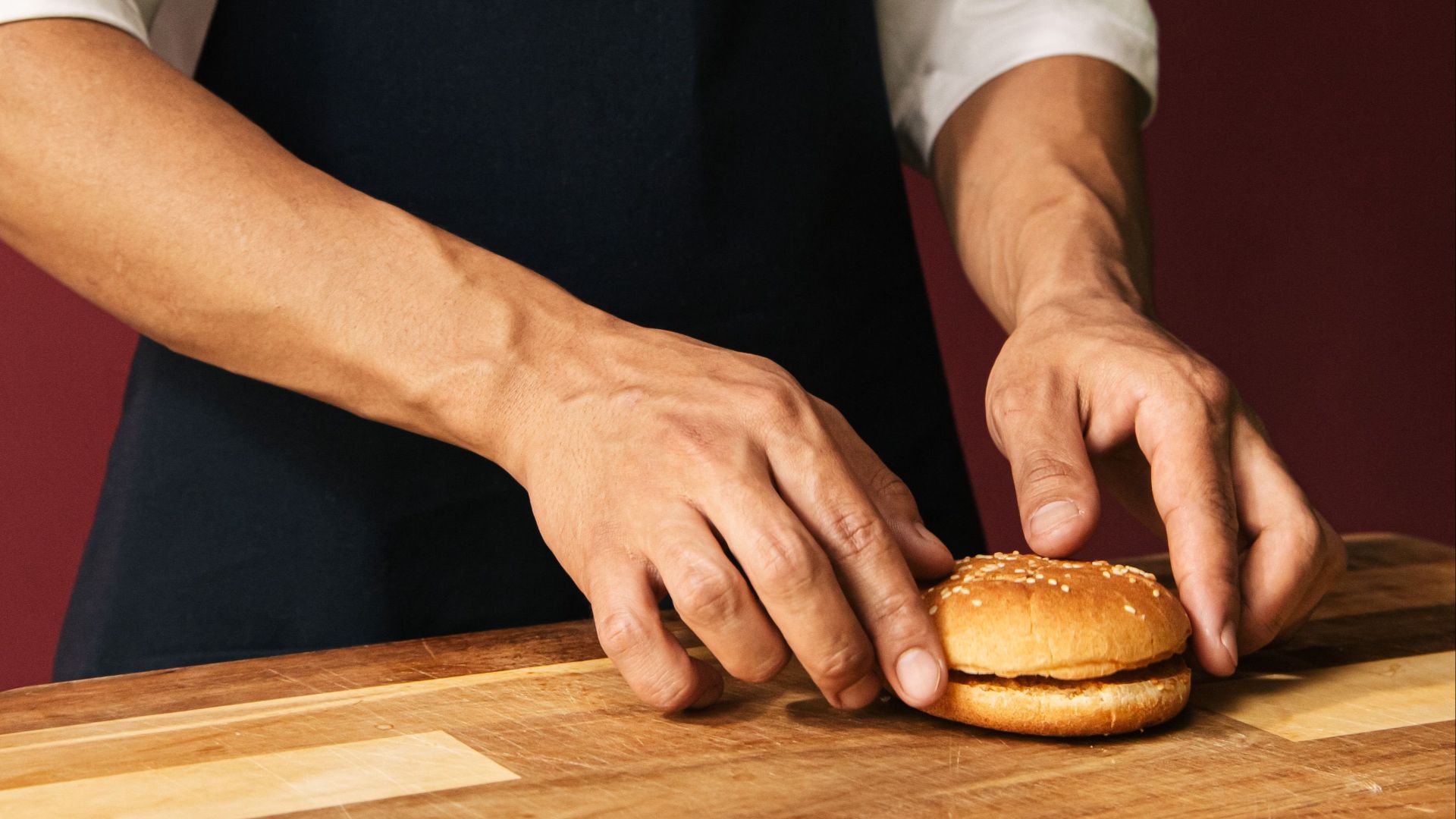
Patties come frozen and pre-formed to an exact weight. Fries arrive blanched, meaning they've already been partially fried at a processing plant before freezing. The restaurant is finishing food, not making it.
2. Timers Do the Thinking
Every fryer and grill runs on a preset timer that beeps when the item is done. Nobody has to judge doneness by eye, which means a two-week employee performs about as well as a two-year veteran. Consistency and speed come from the same design choice.
3. Clamshell Grills Cook Both Sides
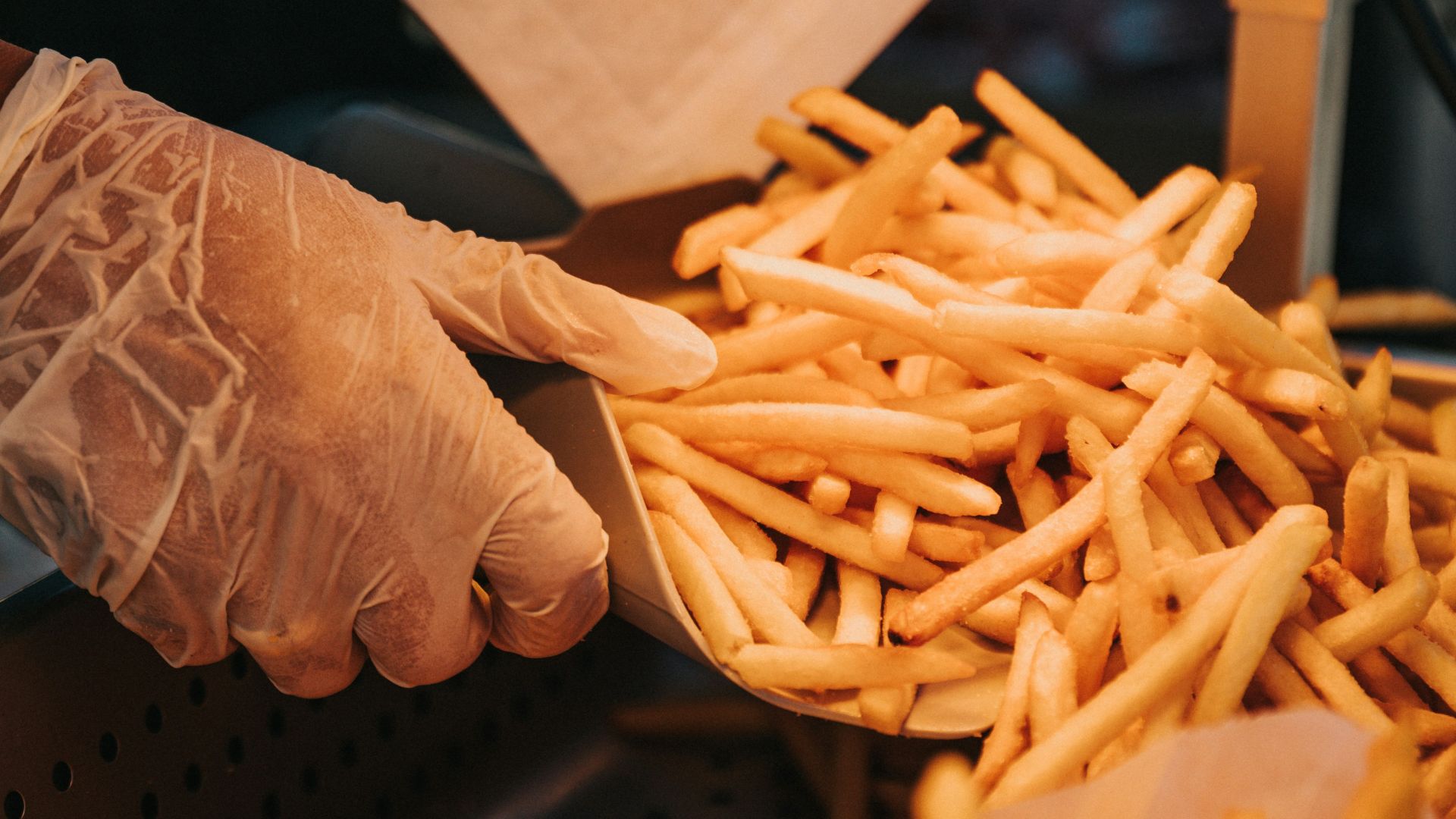
McDonald's grills close over the patties, cooking top and bottom at once. That cuts cook time roughly in half and removes flipping from the process entirely. A batch of ten burgers finishes in around 40 seconds.
4. Holding Cabinets Buy Time
Cooked patties and chicken sit in temperature-controlled cabinets that keep them safe for a set window, usually somewhere between 15 and 30 minutes. The food gets cooked ahead of the order rather than after it. When a cabinet runs empty, that's when your wait suddenly gets longer.
5. Menus Are Deliberately Small
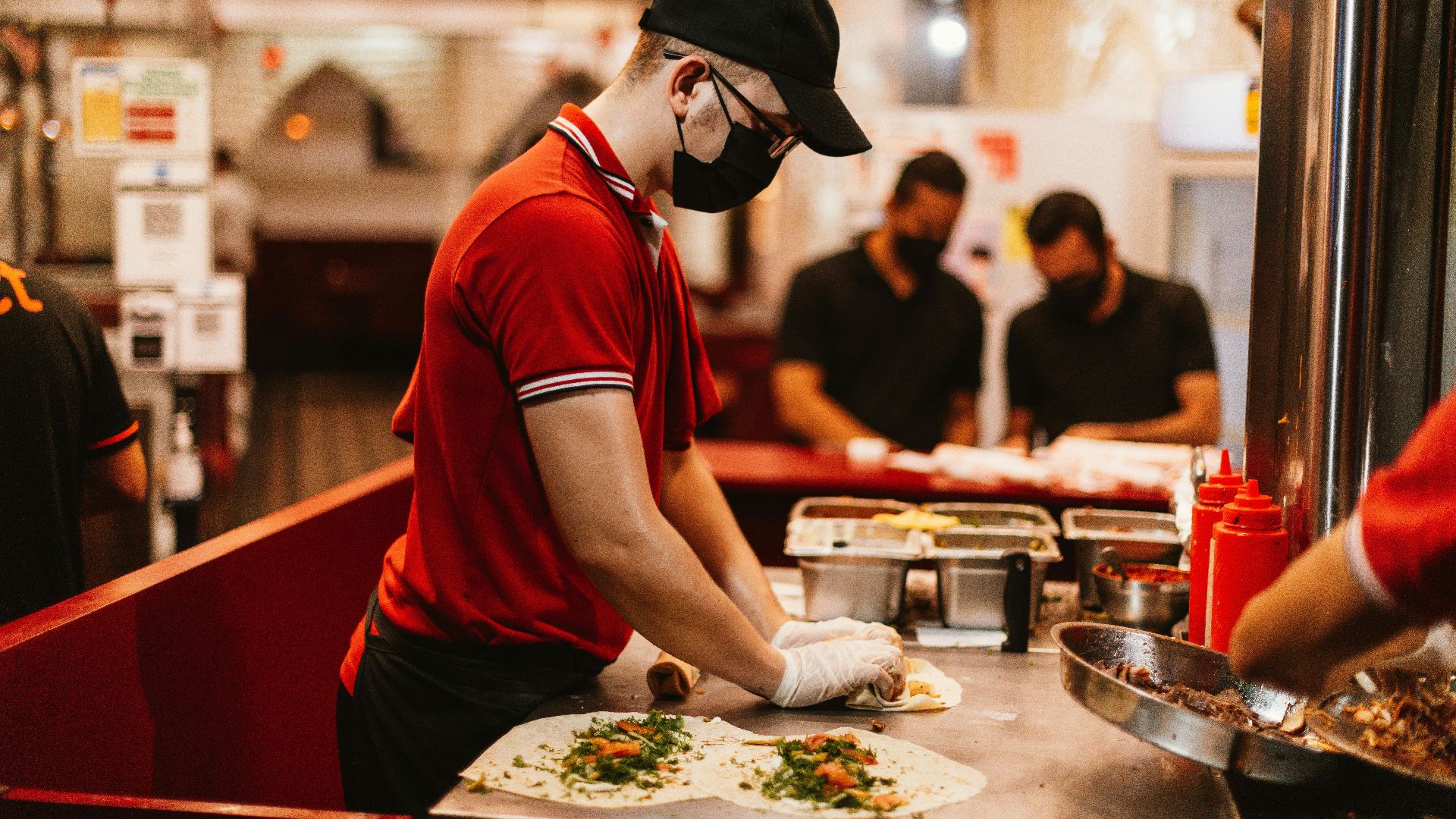
Every additional item slows the whole system down, which is why chains cull the menu regularly. In-N-Out has kept essentially the same four food items since the 1940s. Fewer variables means fewer decisions and less equipment.
6. Everything Shares Ingredients
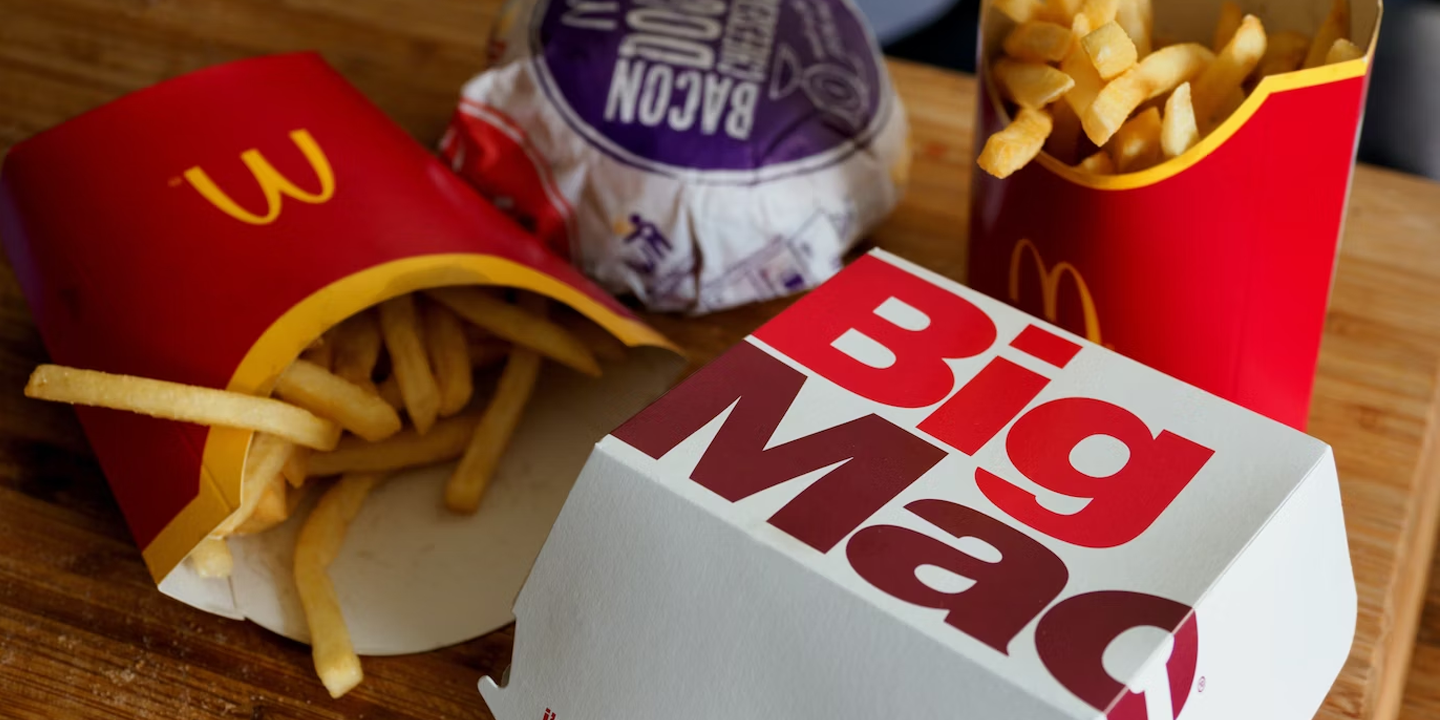
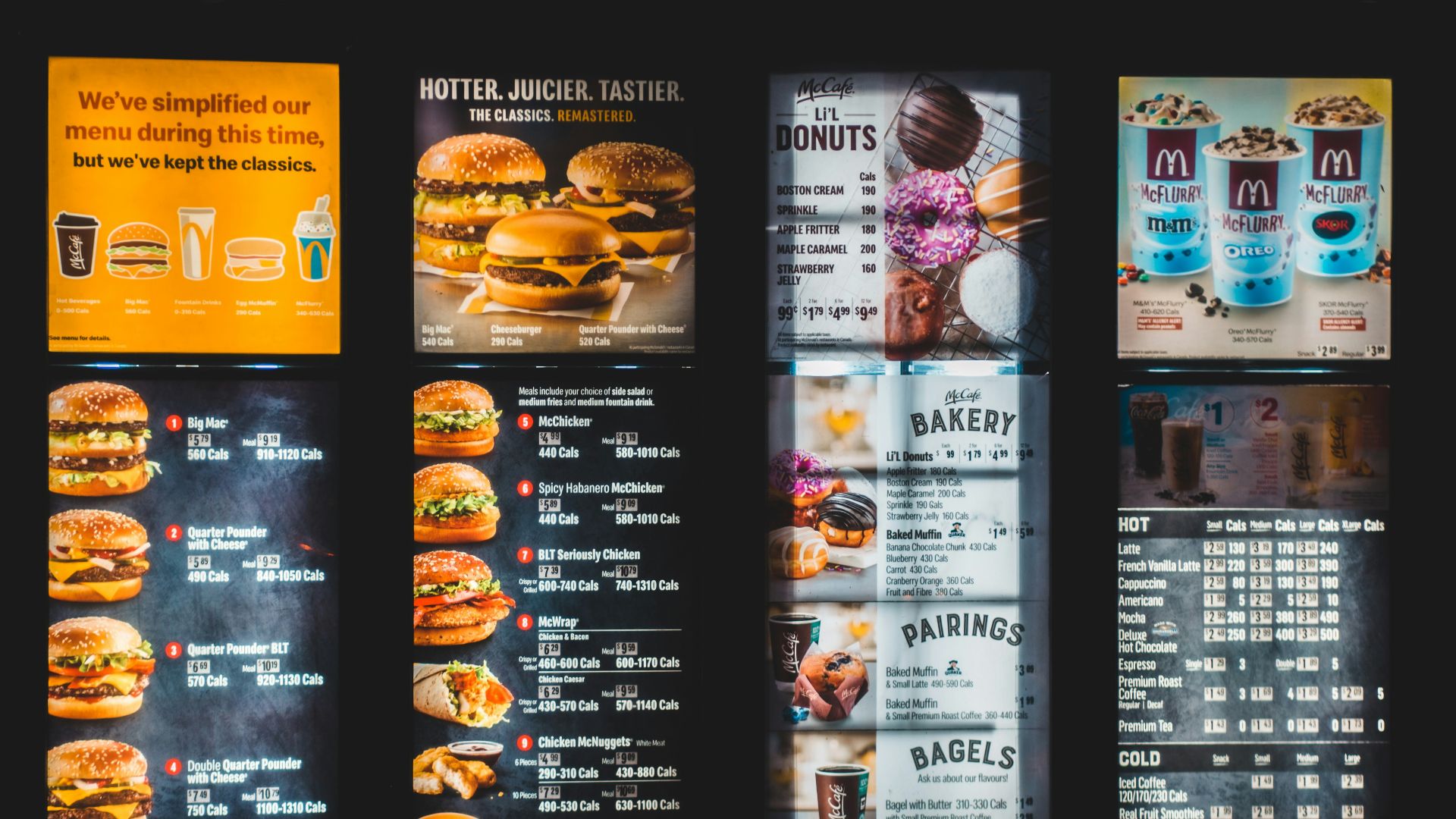
A Big Mac, a Quarter Pounder, and a McDouble draw from nearly the same set of components. The kitchen stocks a short list of parts and assembles them differently. Chipotle runs the entire menu off about a dozen ingredients sitting in the same line.
7. The Drive-Through Timer Is Always Running
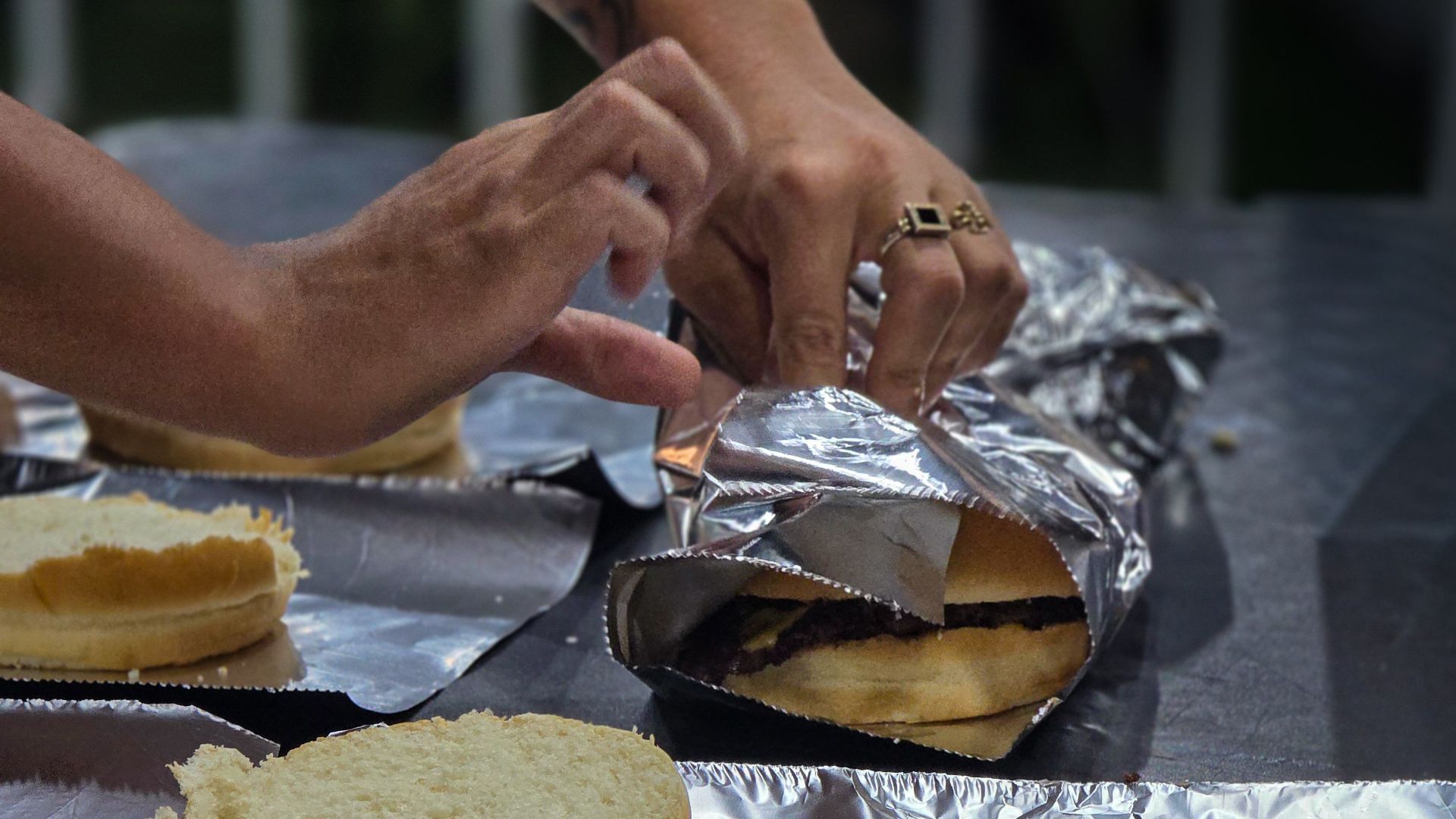
Corporate tracks average service time down to the second, and store managers get evaluated on it. Sensors in the pavement start the clock when your car arrives. Employees know the number, and it shapes how the shift feels.
8. Orders Get Pulled Forward
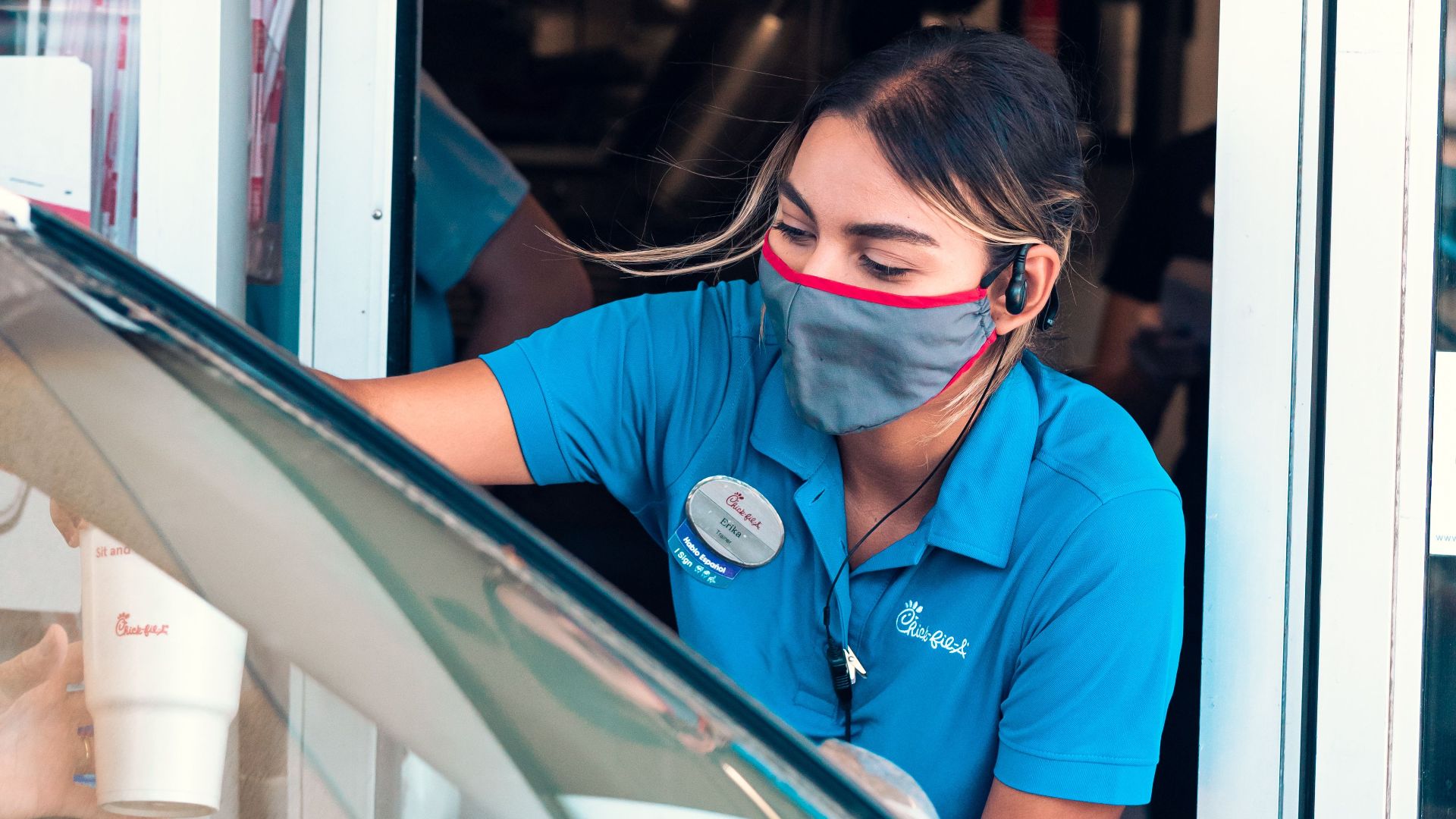
If your order takes longer than the target, they'll ask you to park in a numbered spot and someone runs it out. The clock stops the moment you leave the window. It's partly service and partly bookkeeping.
9. Bun Toasters Run Continuously
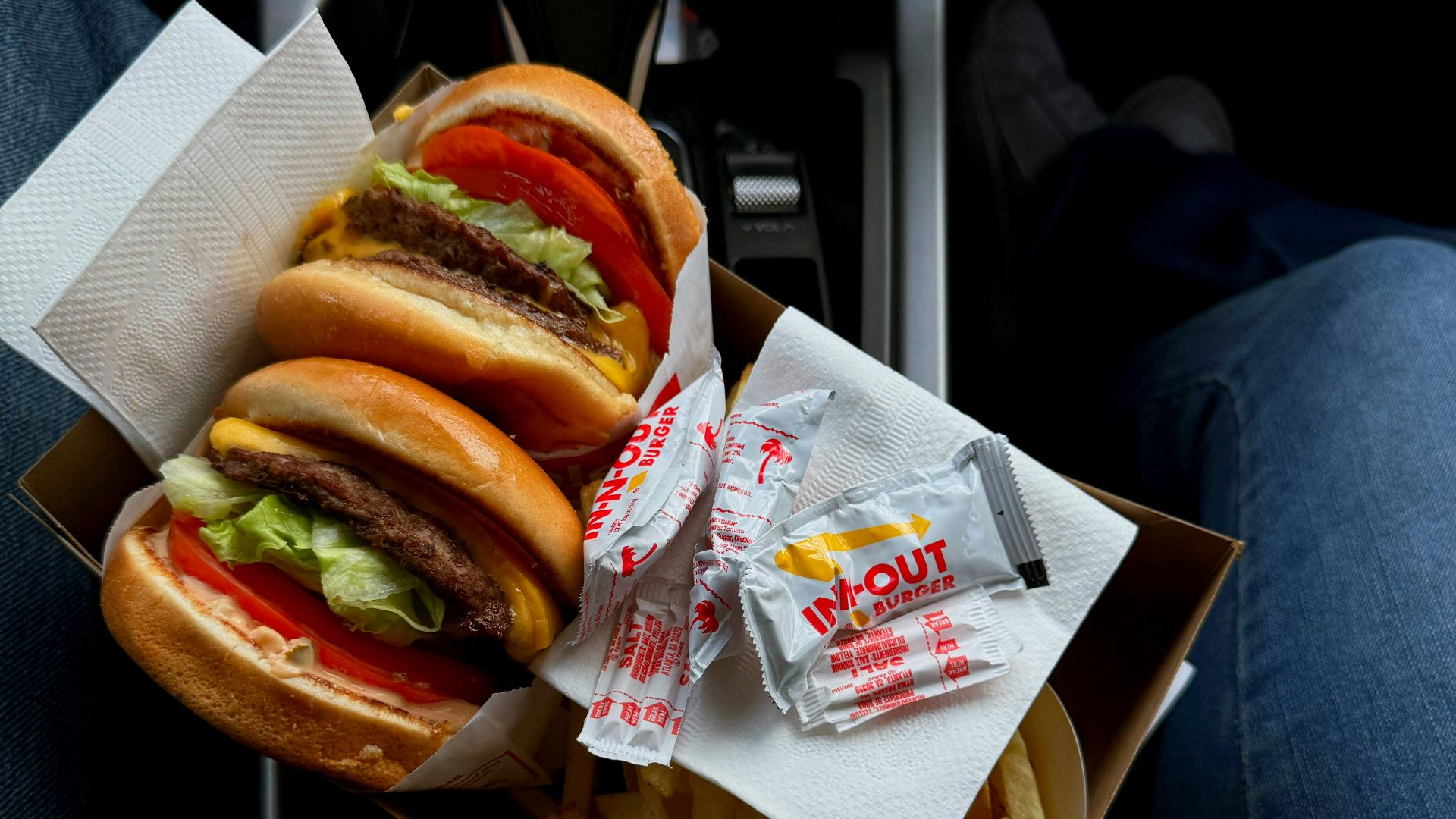
Buns move through a conveyor toaster that runs all shift, producing a steady stream of toasted halves at a fixed rate. Nobody waits on a toaster. The bun is usually ready before the patty is.
10. Prep Happens Before Open
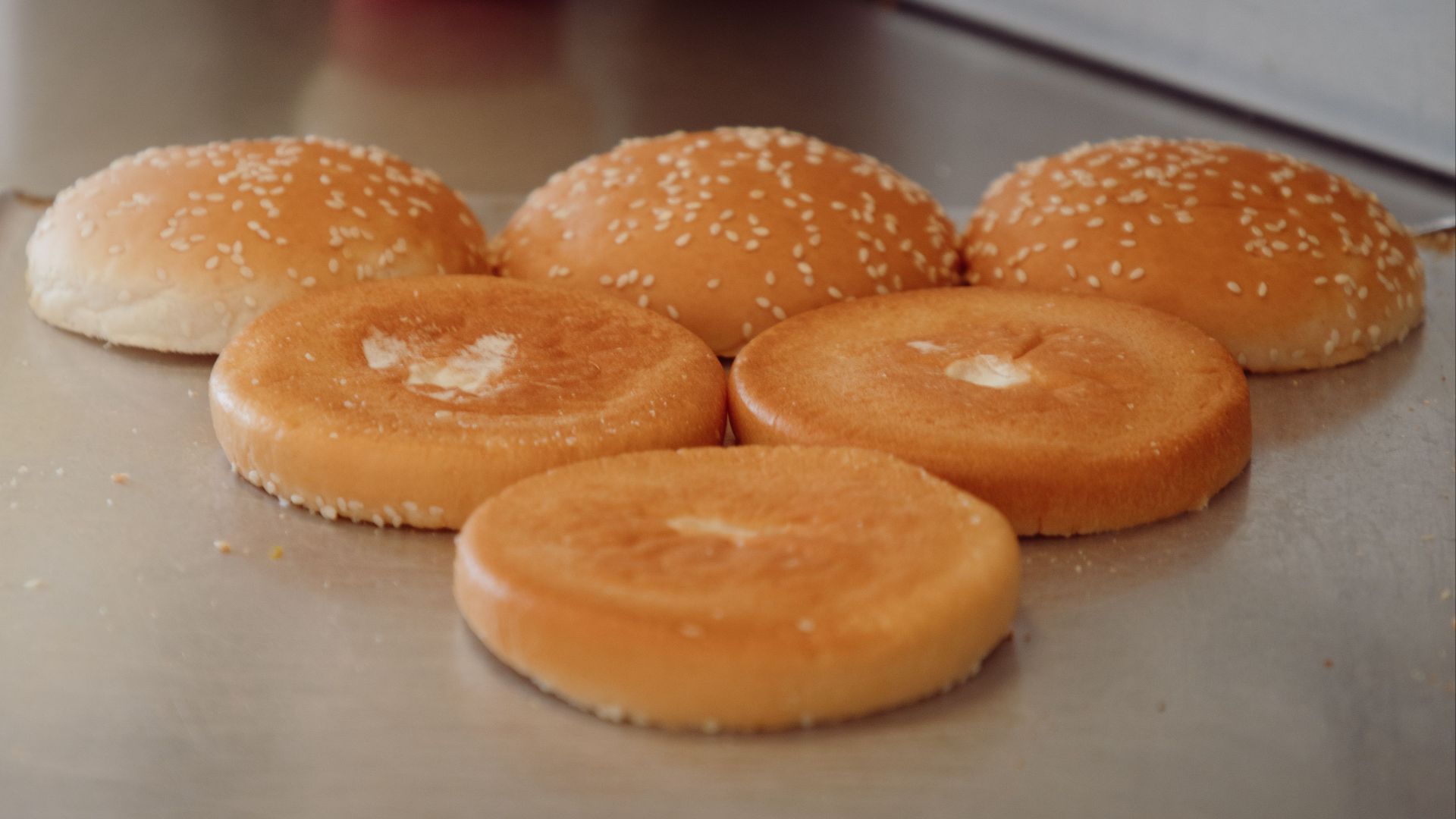
Lettuce is shredded, onions are diced, and sauces are portioned during the morning shift, hours before the lunch rush. Some of it arrives already prepped from a commissary. The rush is assembly work, almost entirely.
11. Stations Are Fixed by Distance
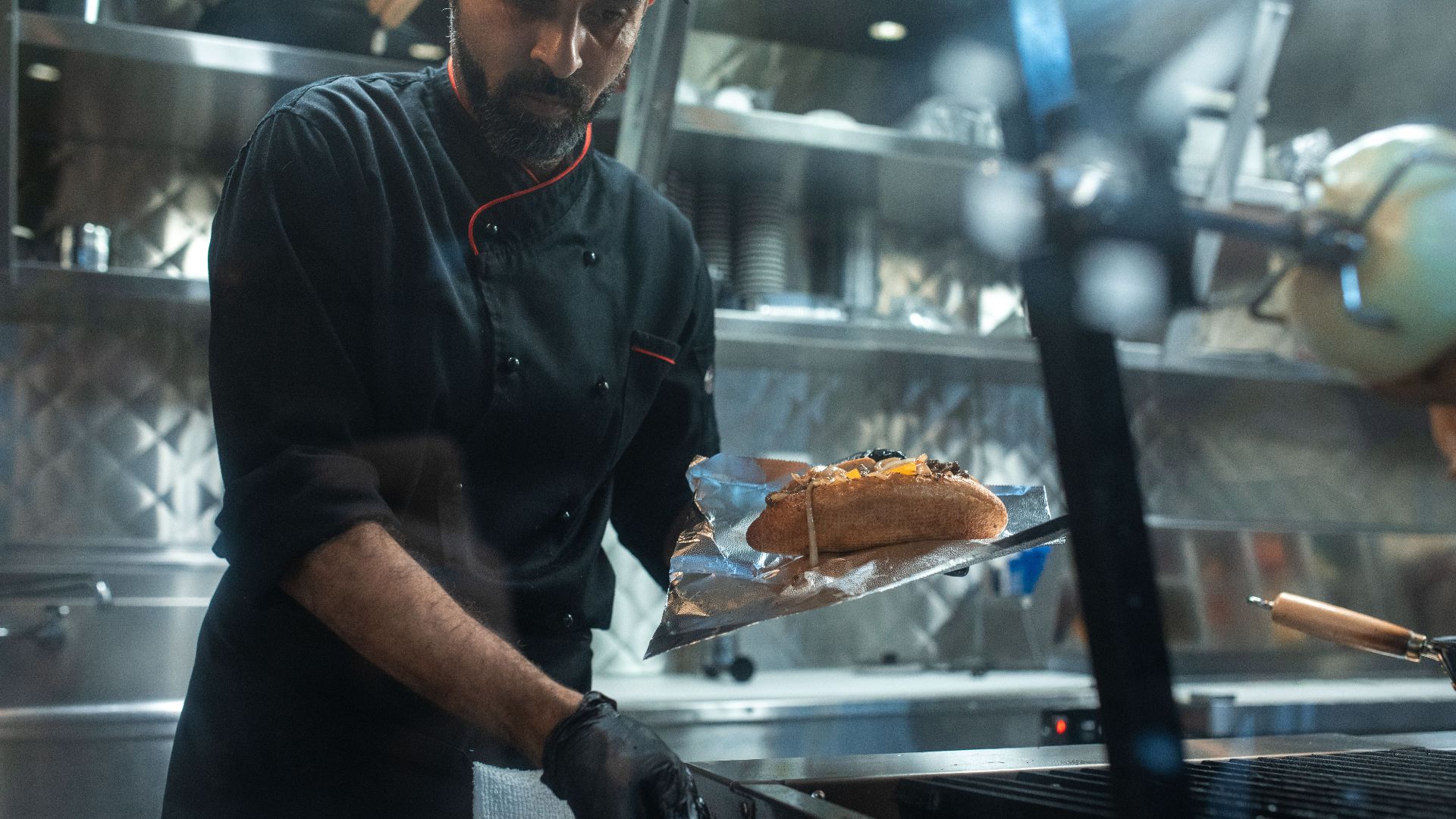
Kitchen layouts get designed so nobody takes more than a step or two between tasks. Wendy's and Taco Bell both redesigned their lines in the 2000s specifically to cut walking. Steps saved per order add up across thousands of transactions.
12. Fries Cook Faster Than You Think
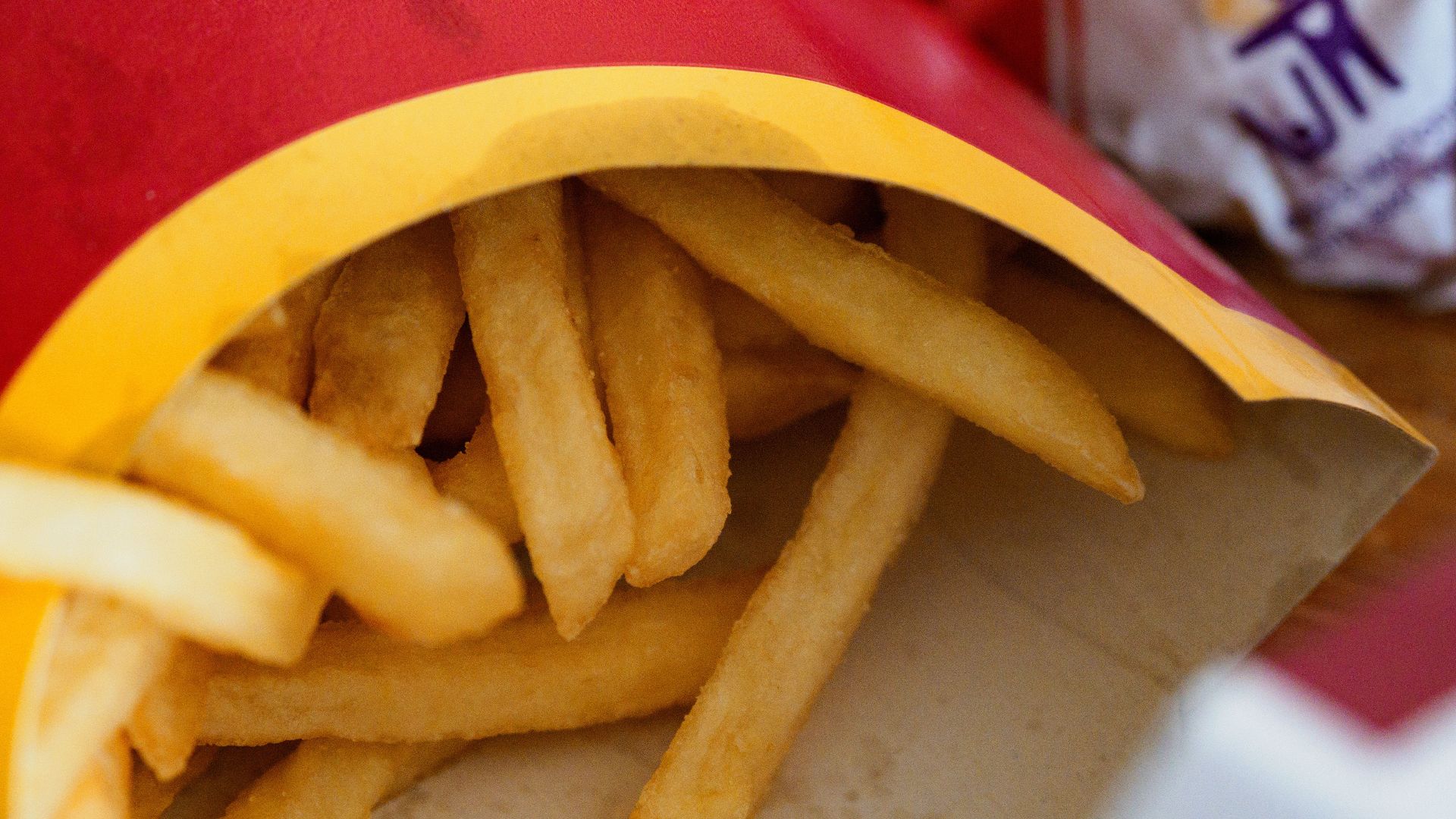
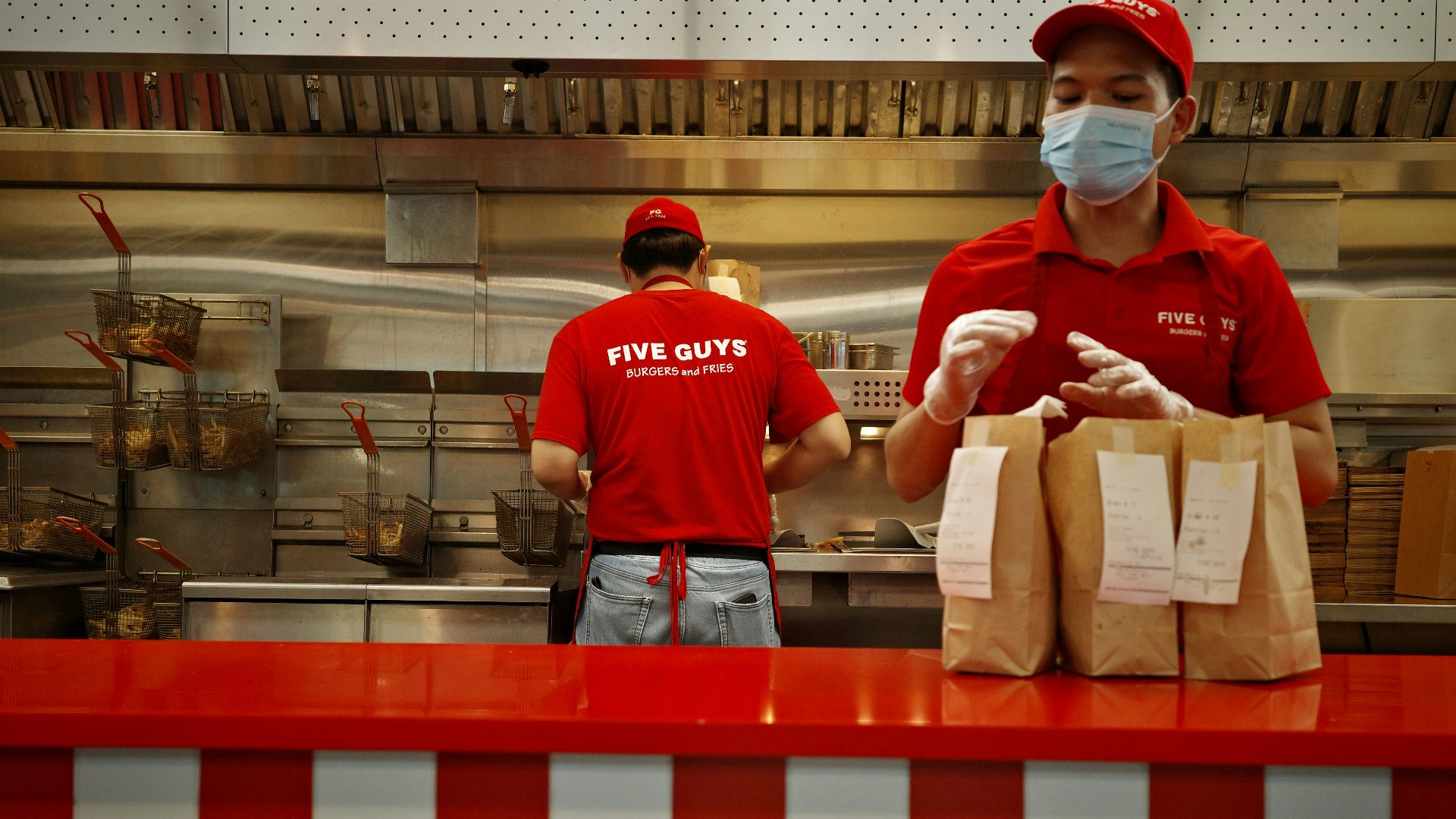
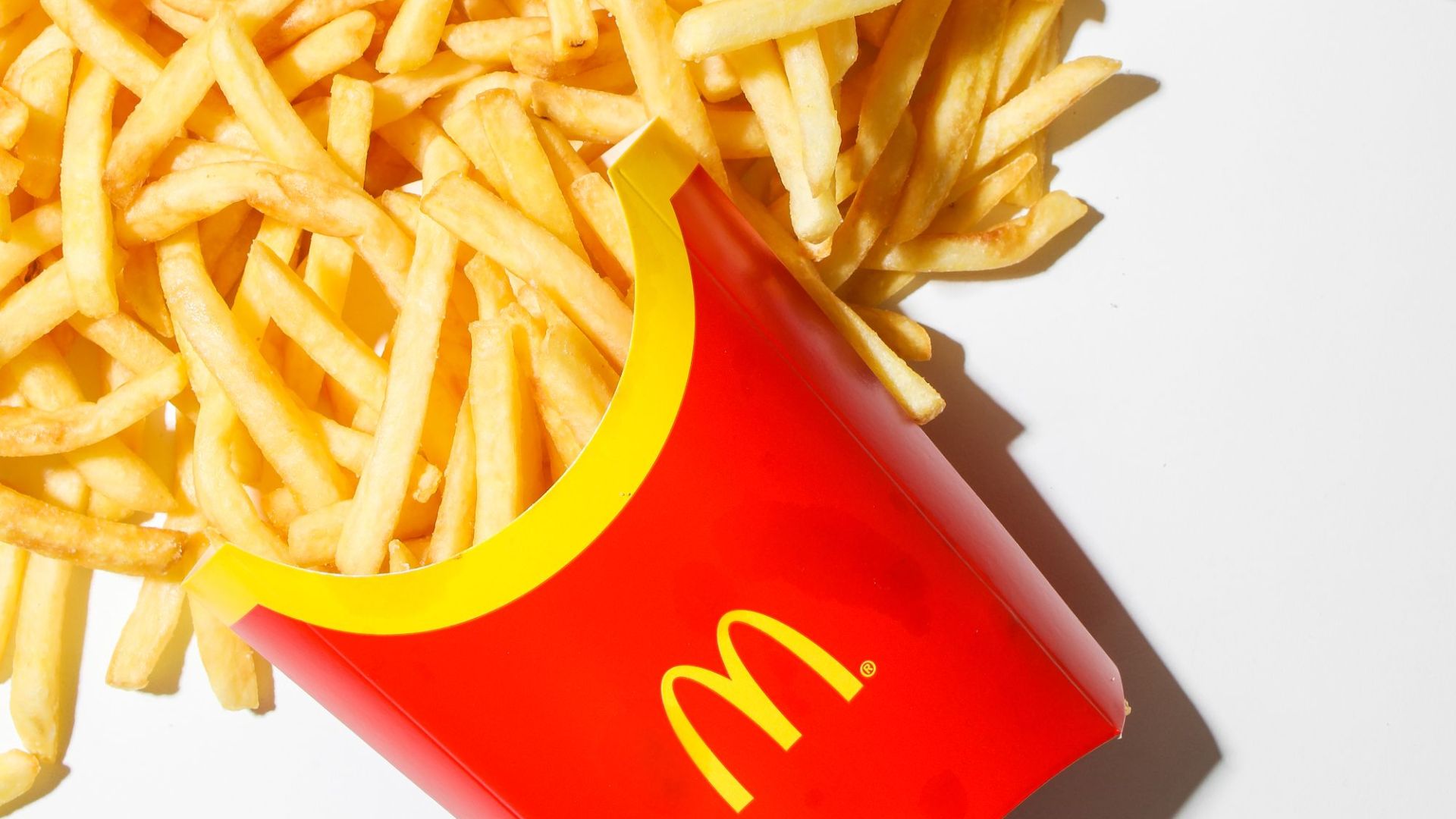
Frozen blanched fries hit the oil at around 340 degrees and finish in under three minutes. They're already partly cooked, so the fryer is just crisping the outside. The salt goes on within seconds of the basket lifting.
13. Headsets Route Everything
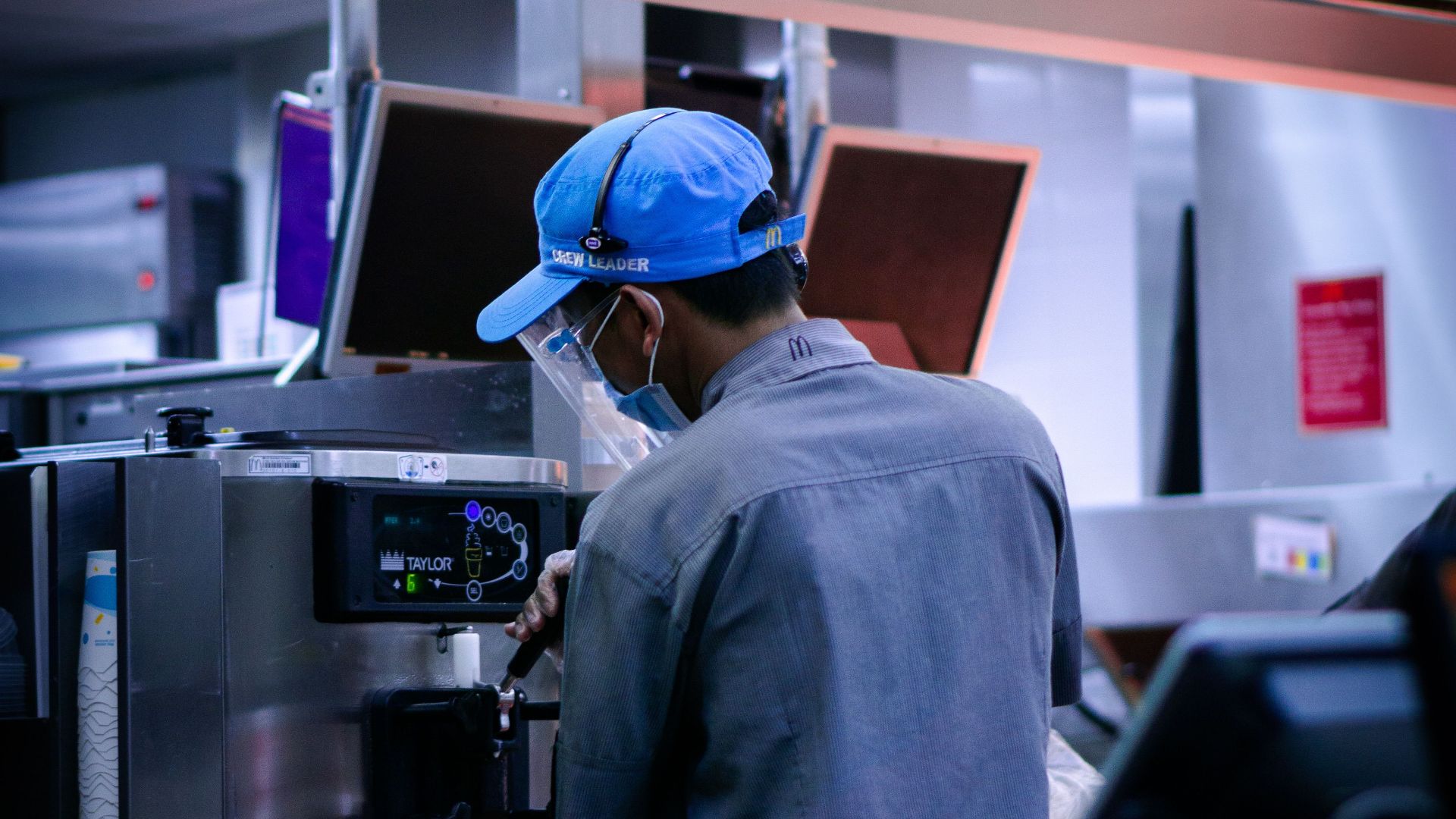
The order-taker, the assembler, and the window are all on the same channel, hearing the order at the same moment. Assembly starts while you're still talking. By the time you pay, your bag is usually sitting in a chute.
14. Screens Replaced Paper Tickets
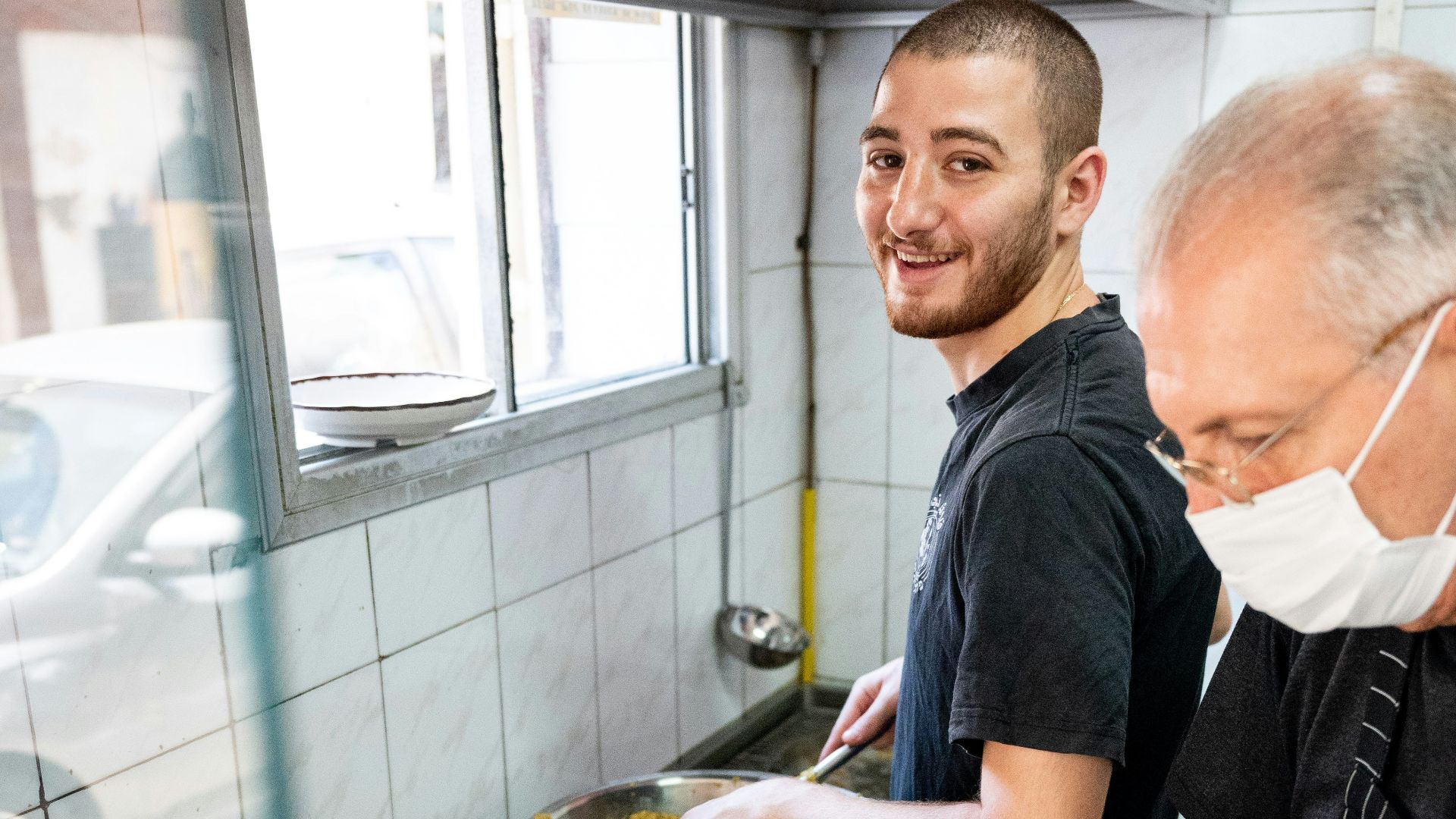
Kitchen display systems push orders directly to the station that handles them, color-coded by how long they've been sitting. No one is reading handwriting or shouting across a line. The oldest ticket stays visually loud until it clears.
15. Soda Machines Pour Themselves
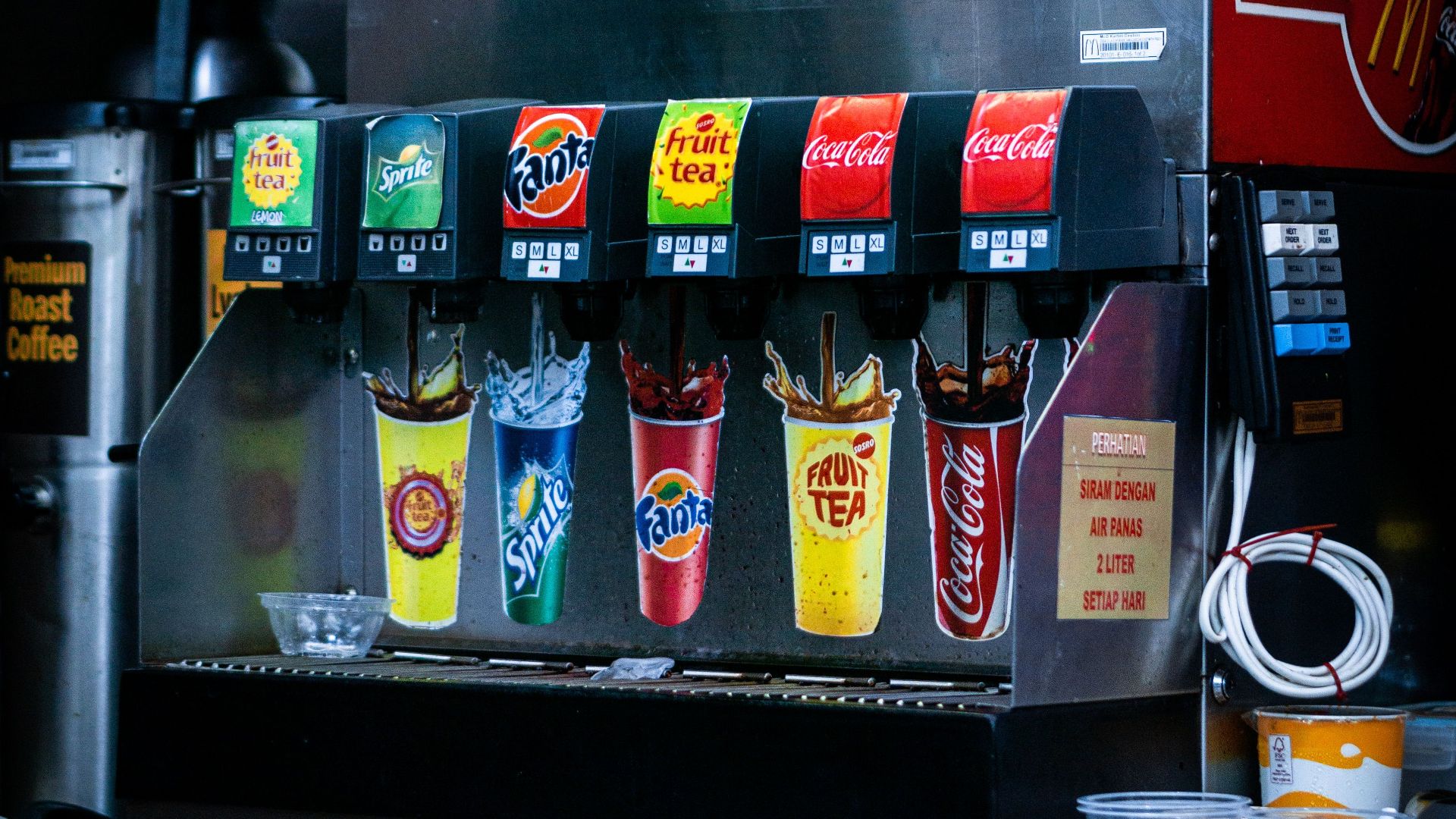
Automated dispensers fill the cup, add ice, and stop at the right level without anyone standing there. The employee grabs a cup, hits a button, and moves on. Chick-fil-A and McDonald's both run these at high-volume stores.
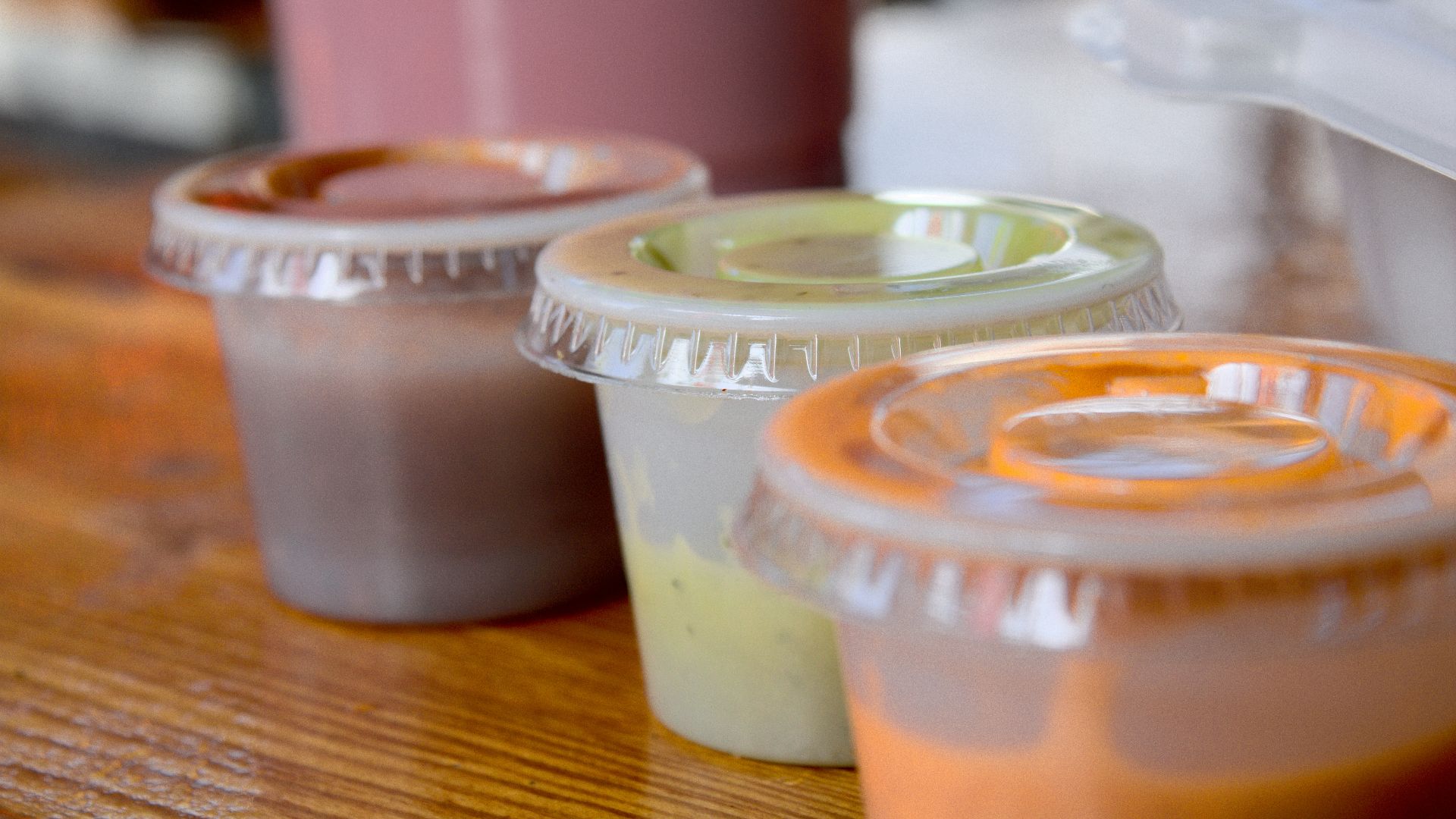
16. Sauce Comes in Portioned Packs
Every sauce arrives in a pre-measured pump or packet, so nobody is spooning or eyeballing anything. A single pump lands the same amount every time. Portion control and speed happen to be the same problem here.
17. The Second Drive-Through Lane
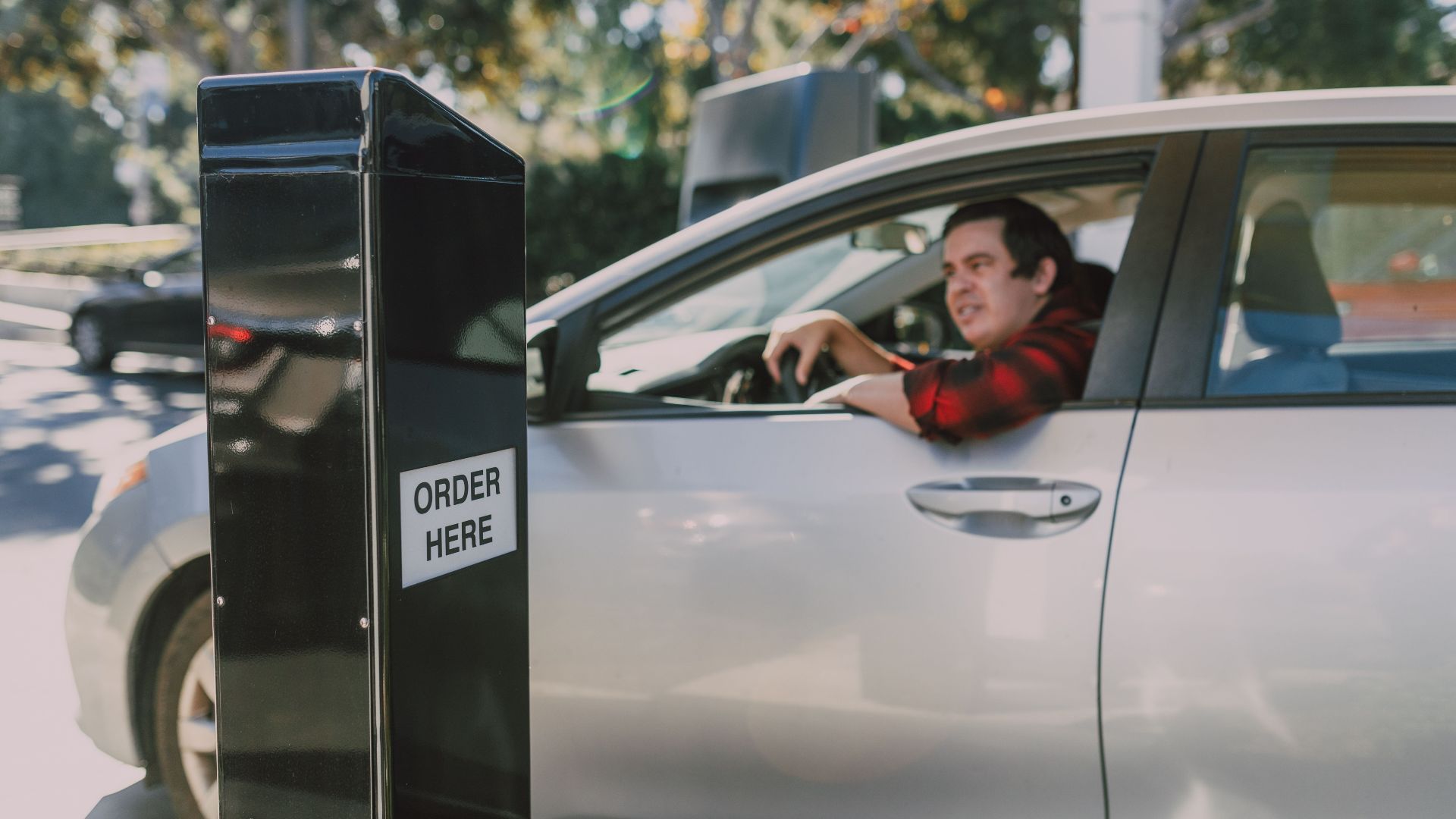
Adding a second ordering lane roughly doubles throughput at peak without expanding the kitchen. Taco Bell and Chick-fil-A both push hard on dual lanes. The merge point is where the design either works or falls apart.
18. Peak Hours Get Overstaffed on Purpose
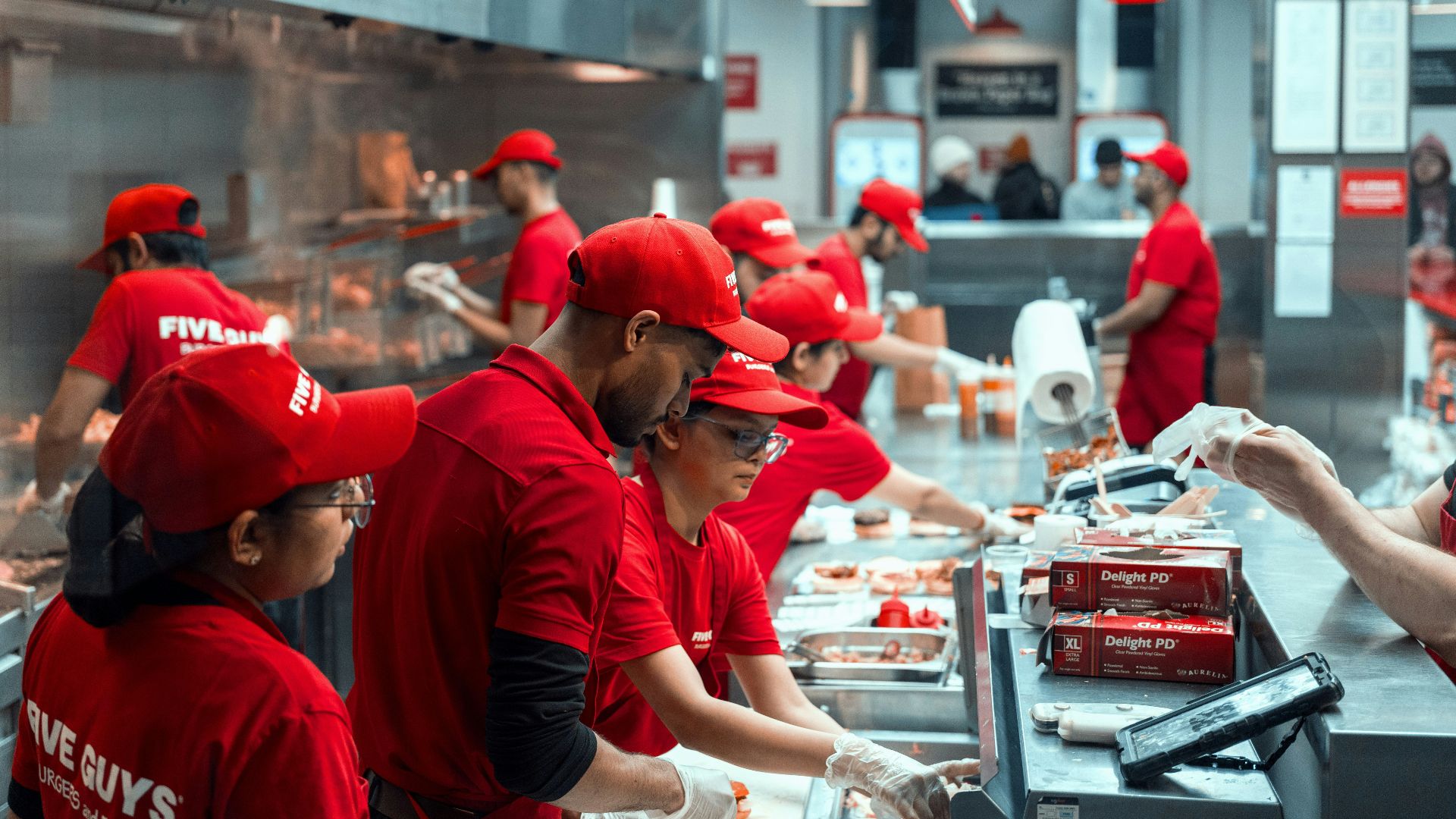
Labor gets scheduled against sales forecasts built from years of transaction data, hour by hour. A Tuesday lunch rush is predicted within a fairly narrow range. Managers staff to the forecast, not to the day's feel.
19. Chicken Fries in Pressure Cookers
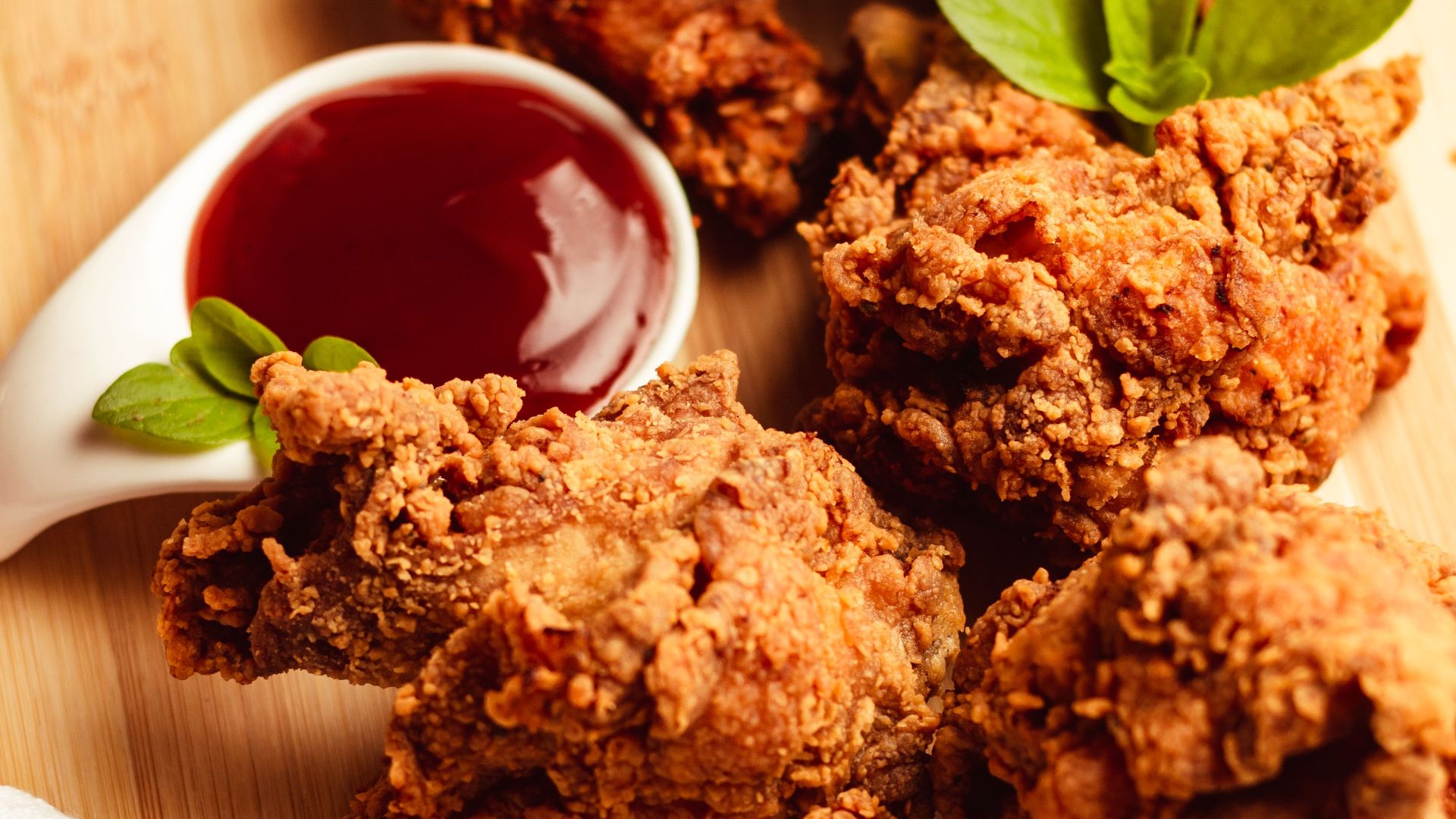
KFC and Popeyes use pressurized fryers that cook bone-in chicken in a fraction of open-fryer time. The pressure raises the effective cooking temperature without burning the coating. Colonel Sanders adapted a commercial pressure cooker in the 1930s to solve exactly this.
20. Mobile Orders Start Before You Arrive
App orders enter the queue with a location trigger, so the kitchen starts building when you get close. Starbucks and Chipotle both time it against your GPS. Your food was in progress before you opened the door.