Food Belief Runs Deep
Food picks up stories everywhere it goes. A bowl of beans in South Carolina, a plate of soba in Tokyo, or a whole fish on a Lunar New Year table can carry a lot more than flavor, especially when families repeat the same customs year after year. Some beliefs come from religion or mythology, while others started as household warnings, seasonal rituals, or generations-long kitchen folklore. These 20 foods show how luck, fear, love, and old stories still find their way onto the plate.
1. Black-Eyed Peas
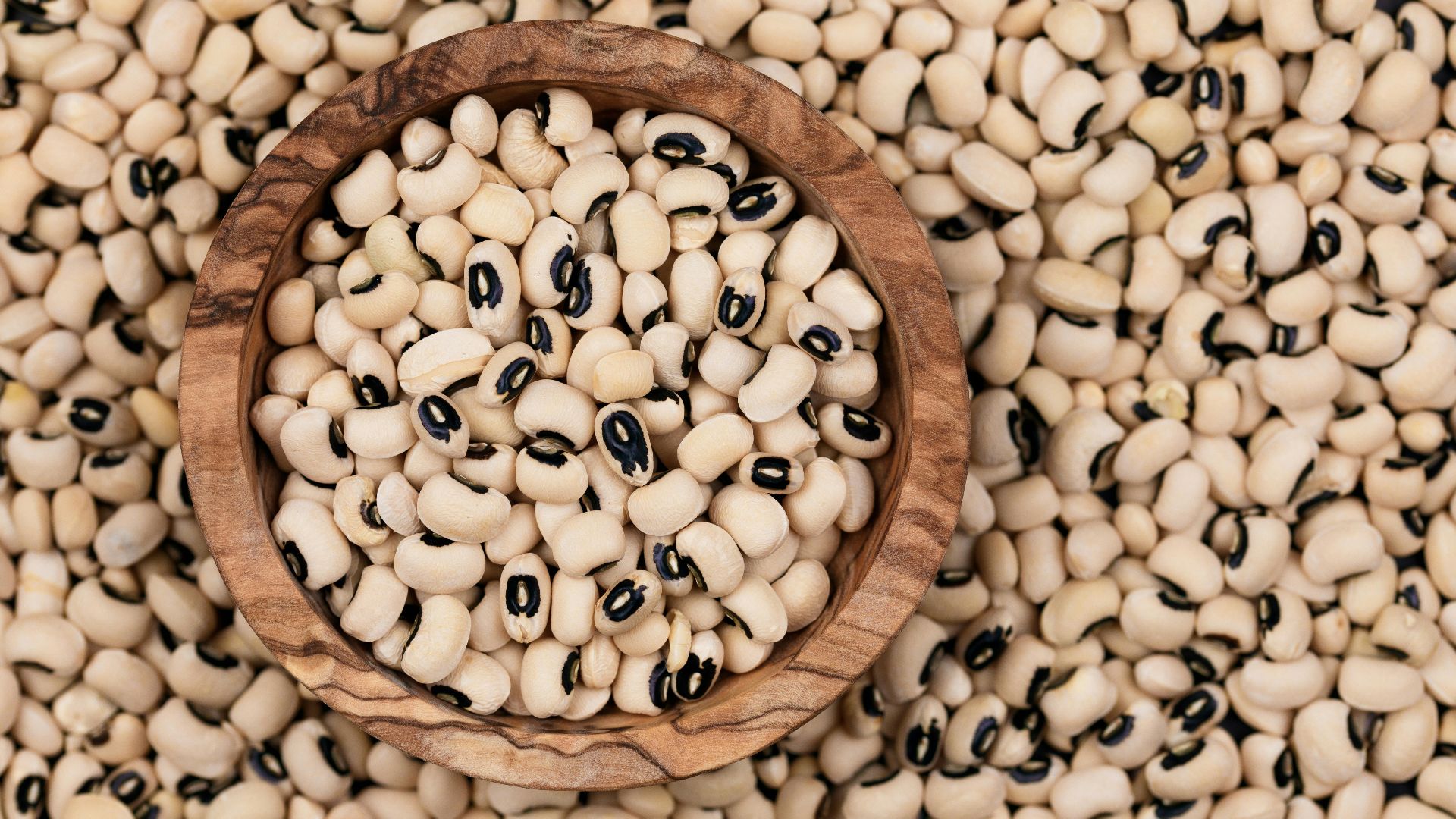
In the American South, black-eyed peas are a New Year’s Day staple, often served in Hoppin’ John with rice, pork, and greens. The peas are tied to luck and prosperity, and the tradition also reflects deeper Southern and African American food history that’s been passed through families for generations.
2. Grapes
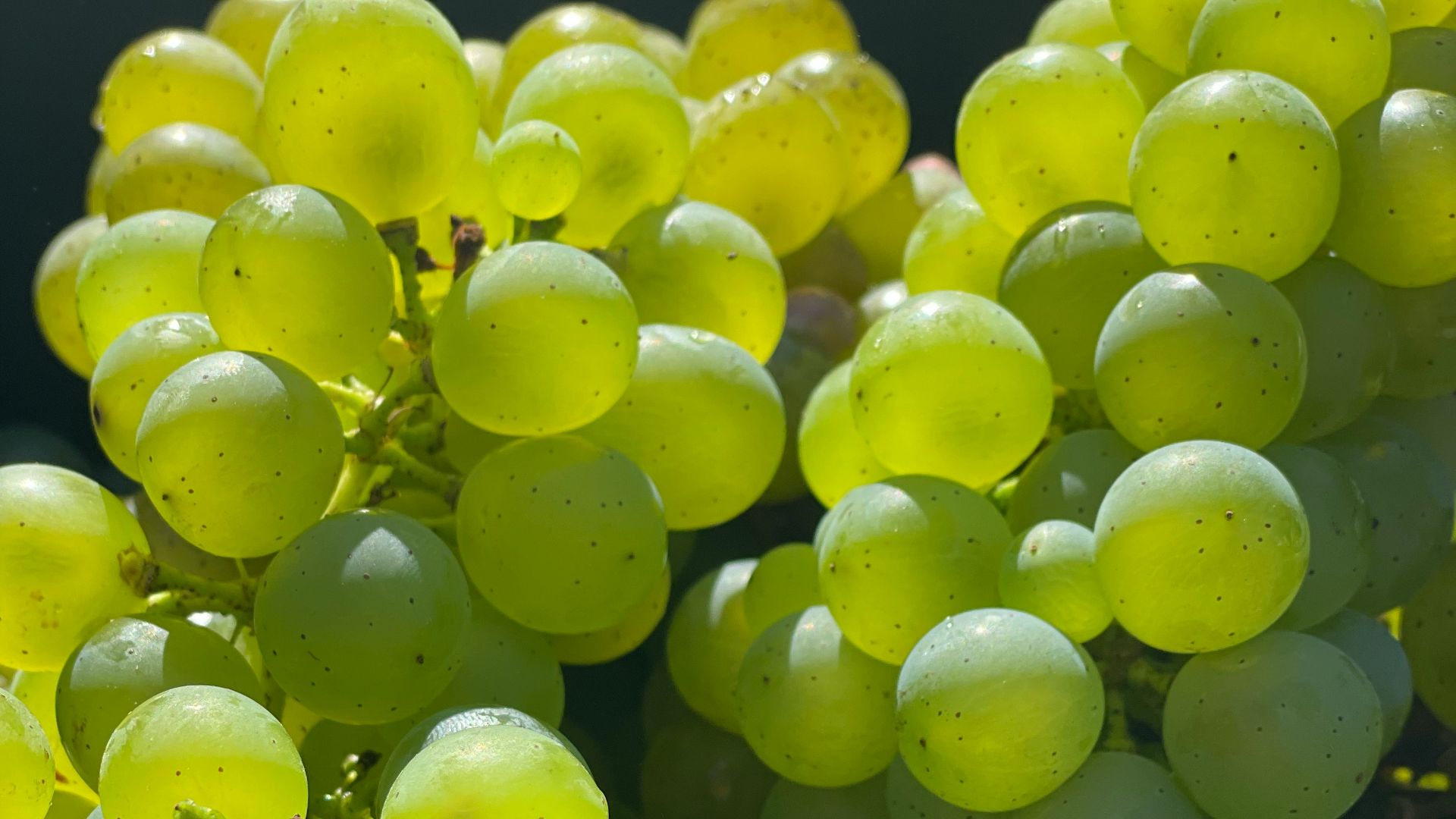
In Spain, especially around Madrid’s Puerta del Sol on New Year’s Eve, people eat 12 grapes as the clock strikes midnight. Each grape stands for one month of the coming year, and the custom, which was around by the late 1800s and spread widely in the early 1900s, is still treated as a way to welcome good luck.
3. Lentils
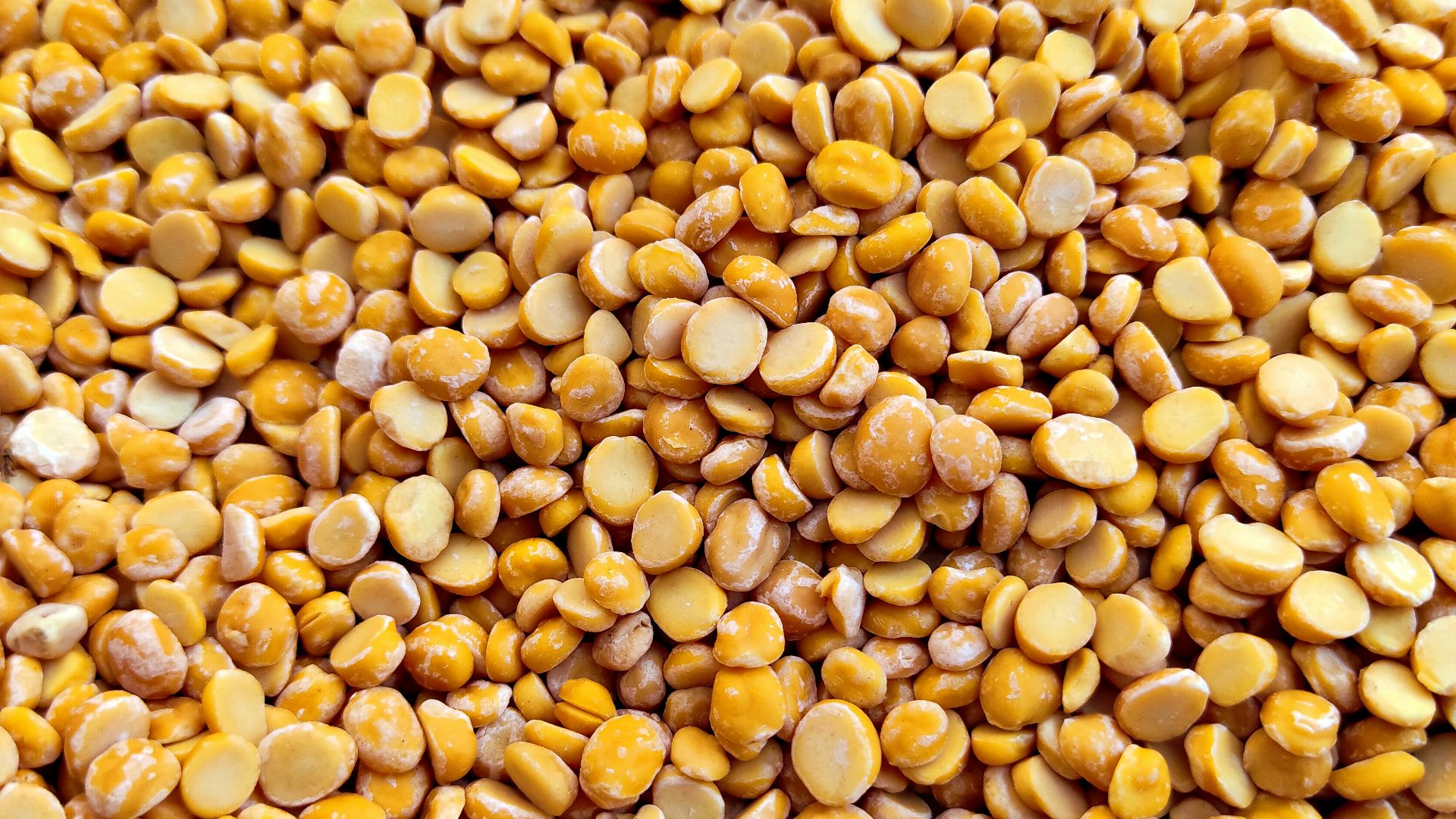
In Italy, lentils often show up on New Year’s tables with cotechino or zampone. Their small round shape is said to resemble coins, so eating them becomes a wish for money and comfort.
4. Garlic
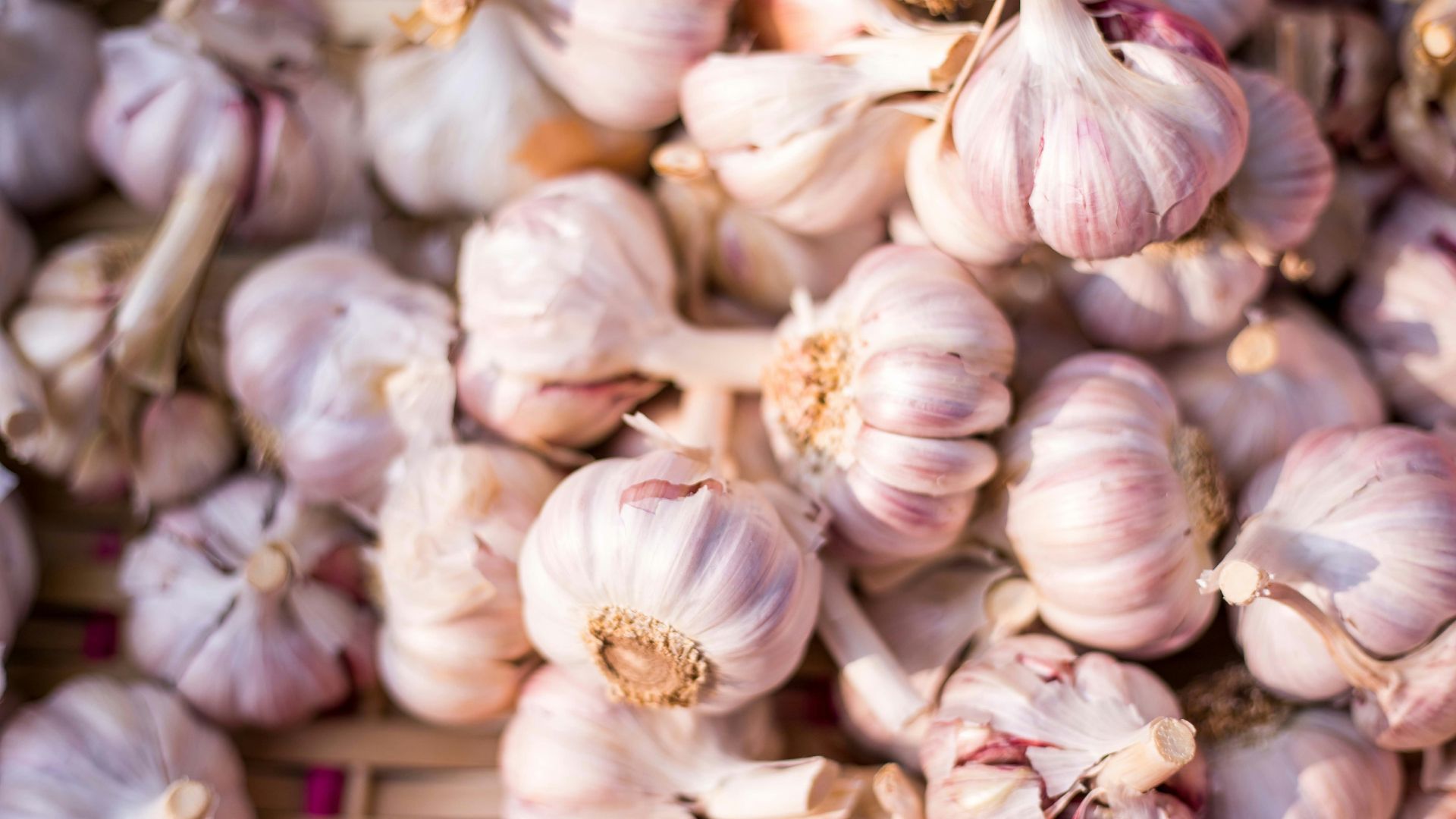
Garlic has a long history as a protective food in European folklore, especially in stories about vampires, evil spirits, and illness. Its strong smell and old medicinal reputation helped it earn that role. Honestly, if anything in the pantry could scare off trouble, garlic would be a reasonable candidate.
5. Salt
Spilled salt has been considered unlucky in many Western traditions, partly because salt was once valuable and closely tied to preservation. The familiar fix is tossing a pinch over the left shoulder, where folk belief says it can ward off bad luck or evil spirits hanging around.

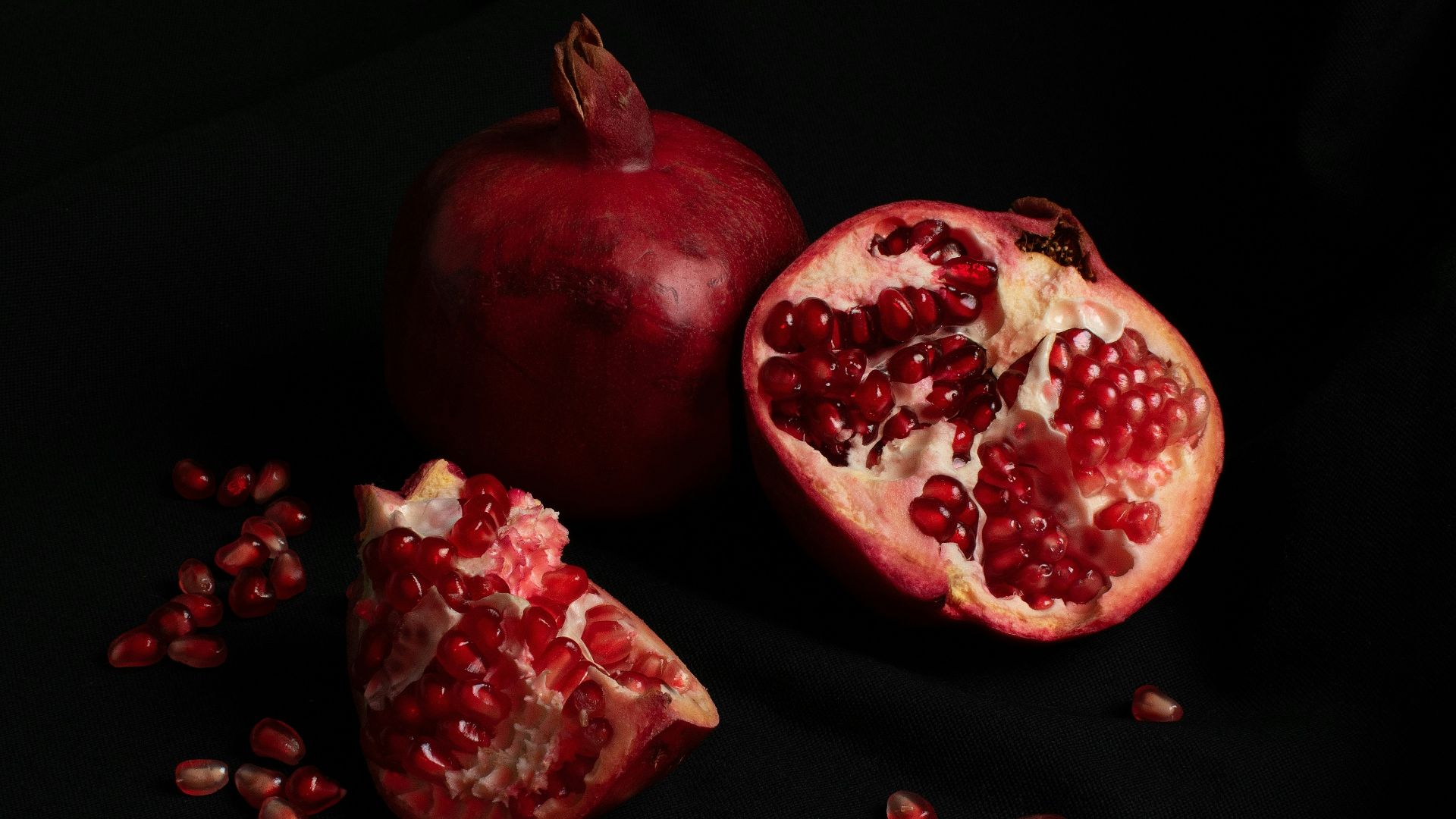
6. Pomegranate
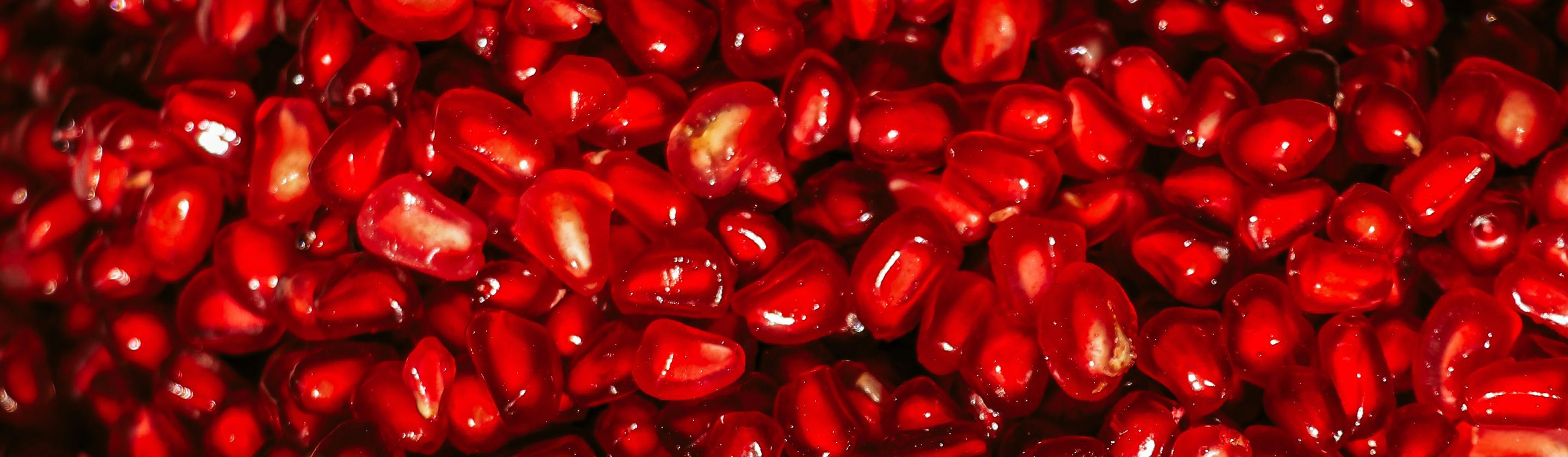
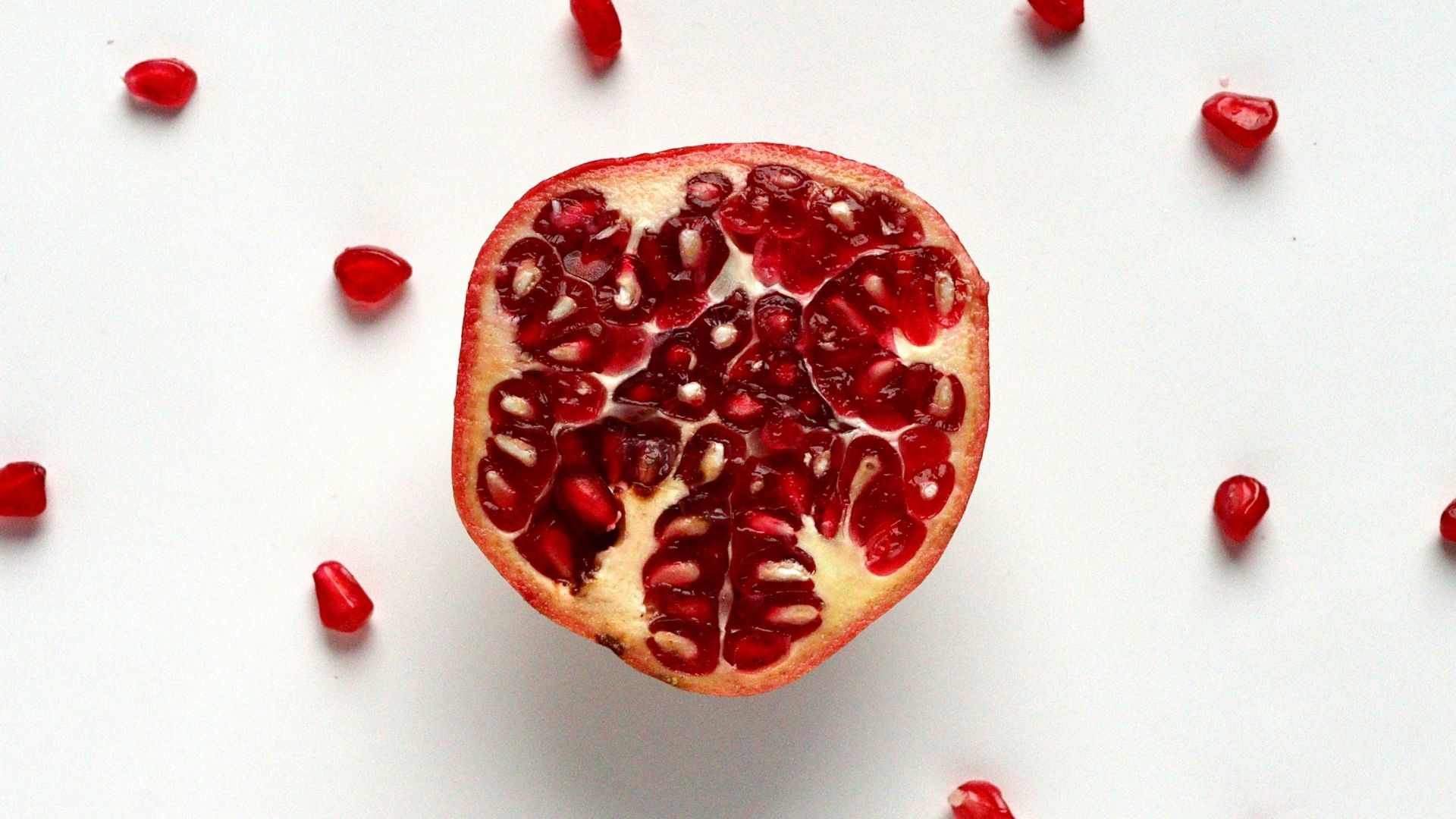
In Greek myth, Persephone eats pomegranate seeds after being taken to the underworld, which binds her to return there for part of the year. Different versions handle the details differently, but the fruit stays connected to seasonal change, fertility, death, and the ache of separation between a mother and daughter.
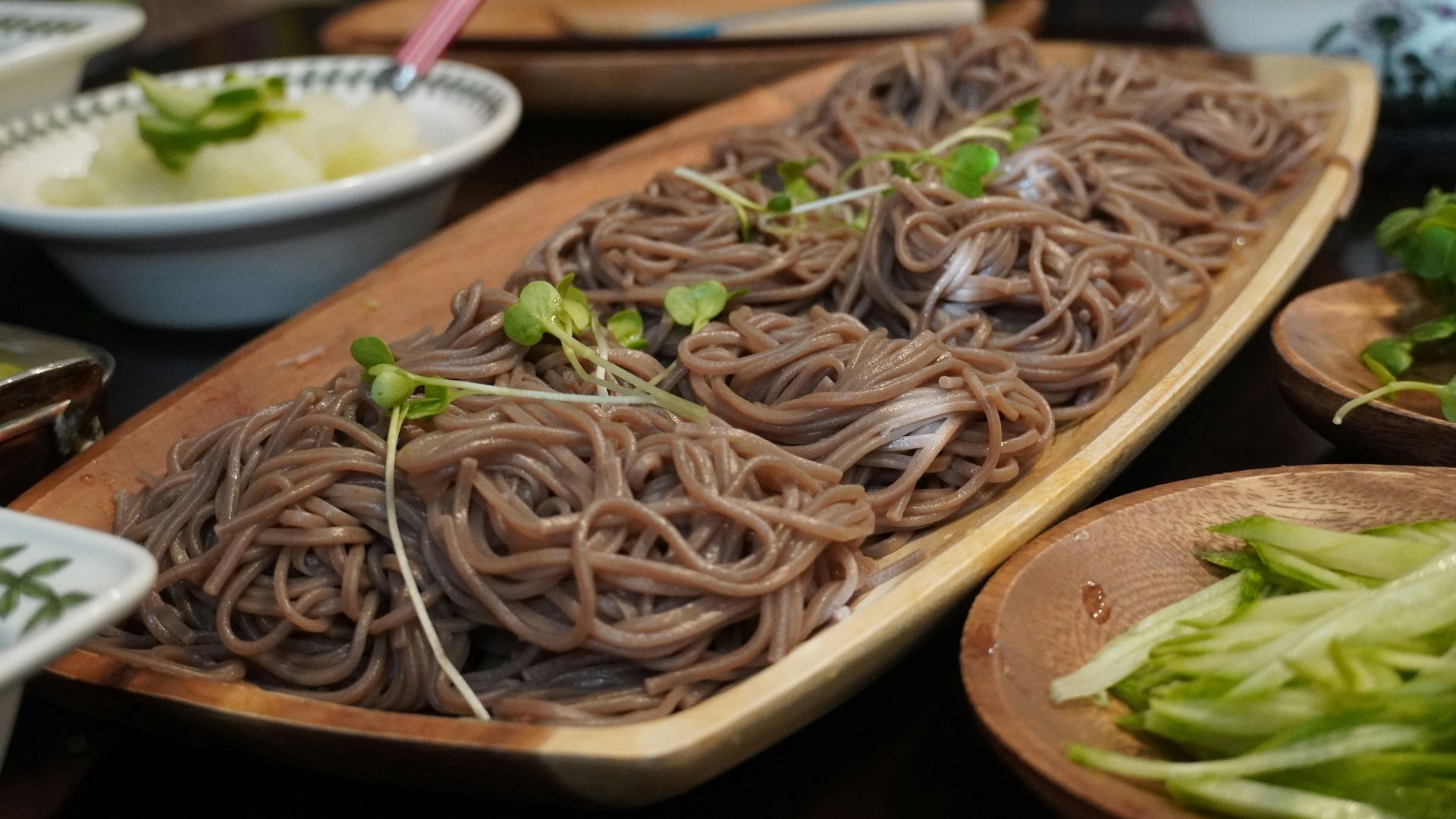
7. Soba Noodles
In Japan, toshikoshi soba is eaten on New Year’s Eve, with the name often translated as year-crossing noodles. The long buckwheat noodles are linked with longevity, while their easy break is said to help cut away hardship from the year that’s ending.
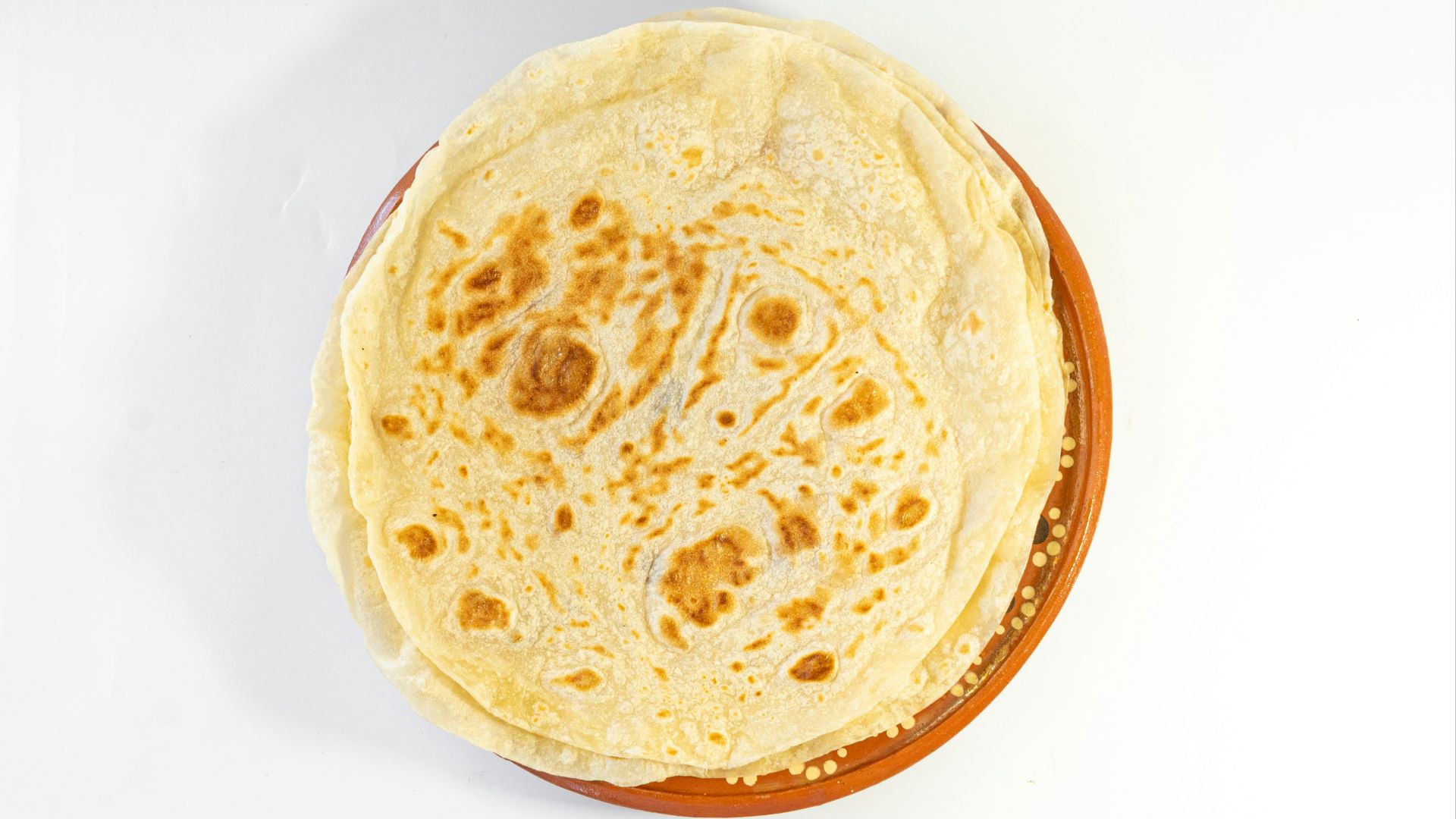
8. Tortillas
In Mexican household folklore, dropping a tortilla can be taken as a sign that company may be coming.
Some versions connect the visitor to in-laws or ancestors, but it’s more likely today that it was just an accident.
 Alimentos Fotogénicos on Unsplash
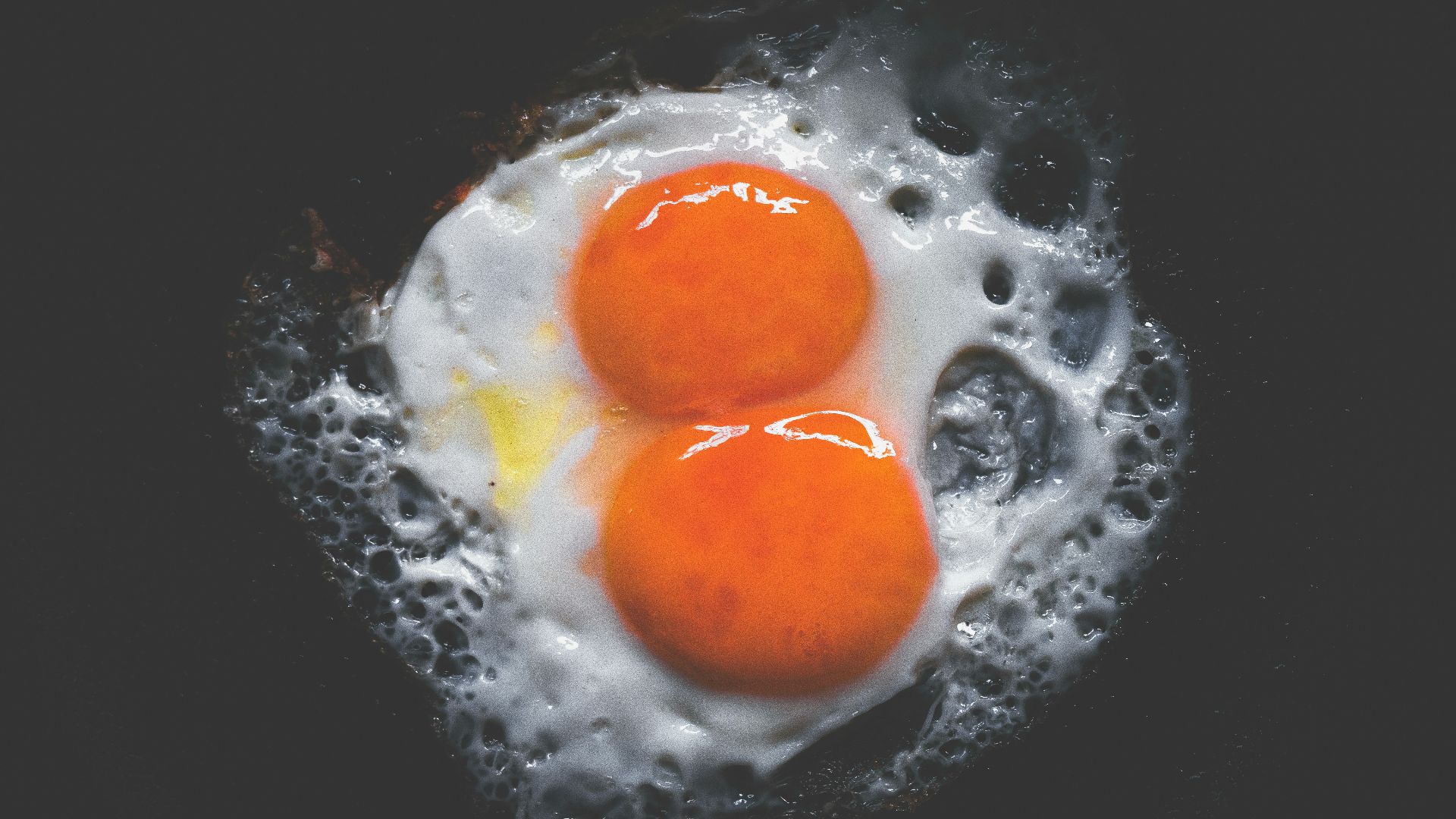
9. Double-Yolked Eggs
A double-yolked egg has often been treated as a sign of fertility, twins, luck, or some kind of surprise gain. Eggs already carry strong associations with new life, so finding two yolks in one shell gave people a little extra meaning in their breakfast.
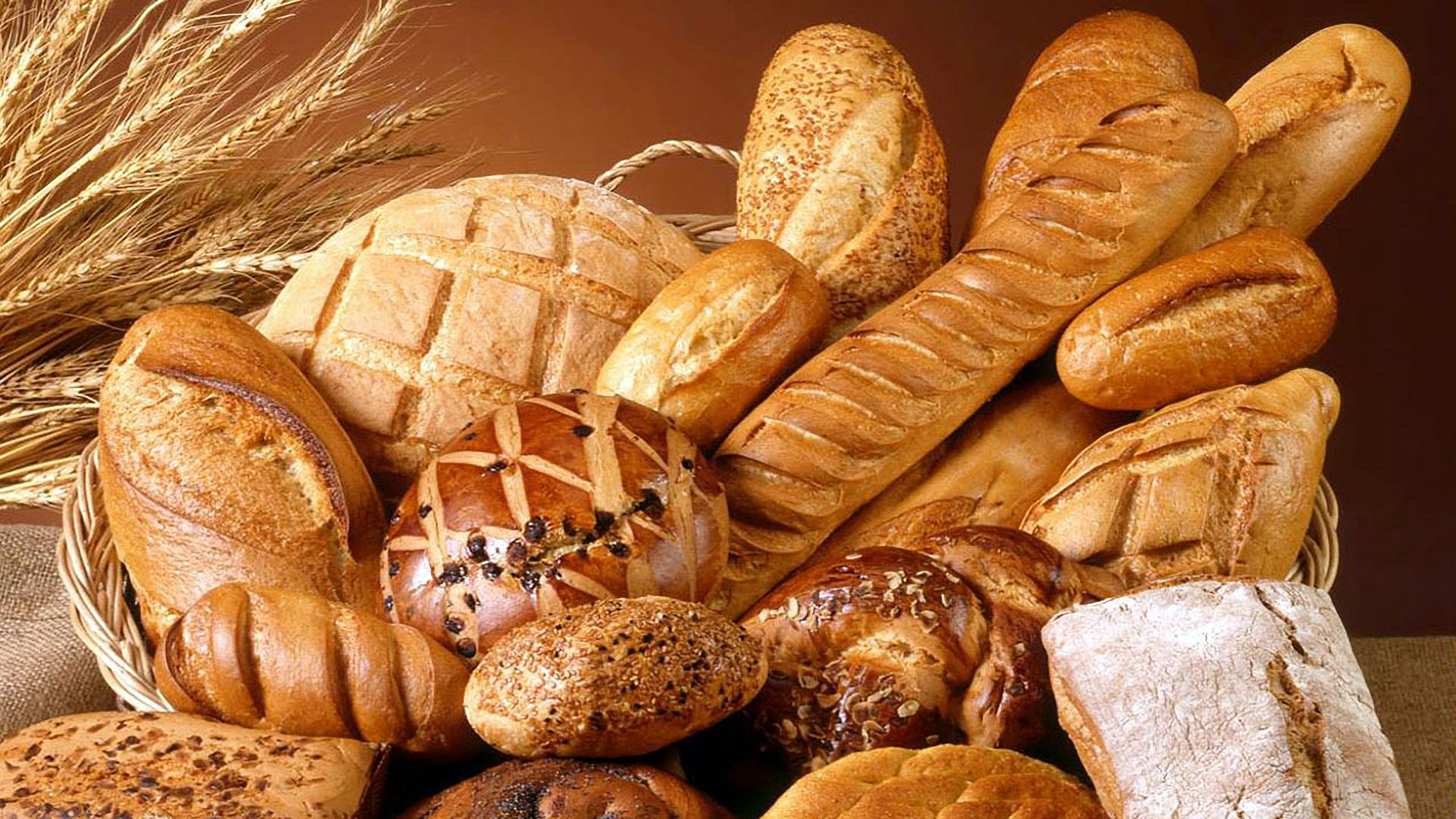
10. Bread
In French folklore, placing bread upside down is considered unlucky. One common explanation links the belief to old stories about loaves reserved for executioners, though today it mostly survives as a table habit that says bread should sit the right way up.
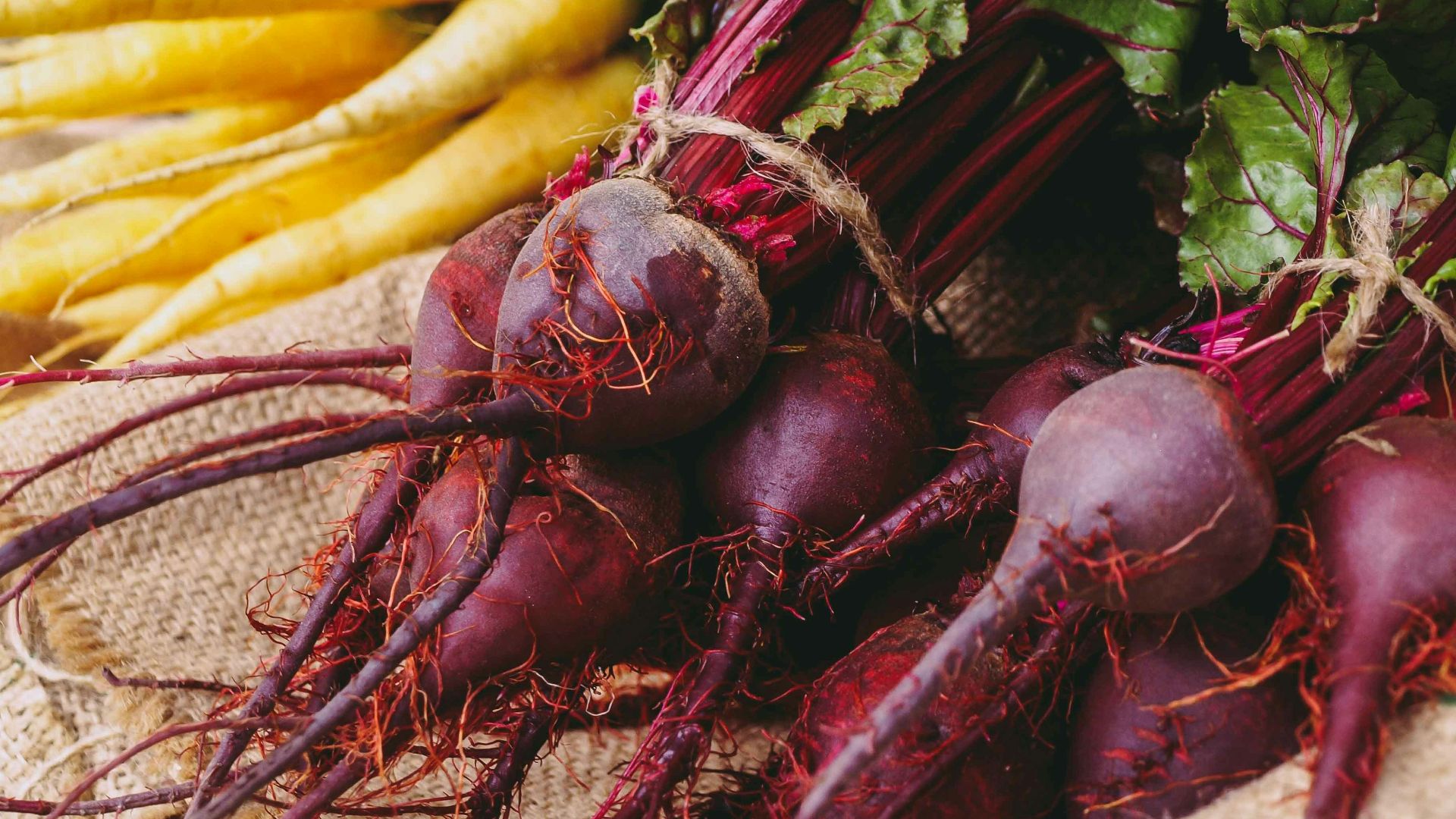
11. Beets
Beets have picked up older associations with love, health, and protection, helped by their deep red color. They’ve been used in folk beliefs around attraction and vitality, playing into ancient color theory that doesn’t come up as much today.
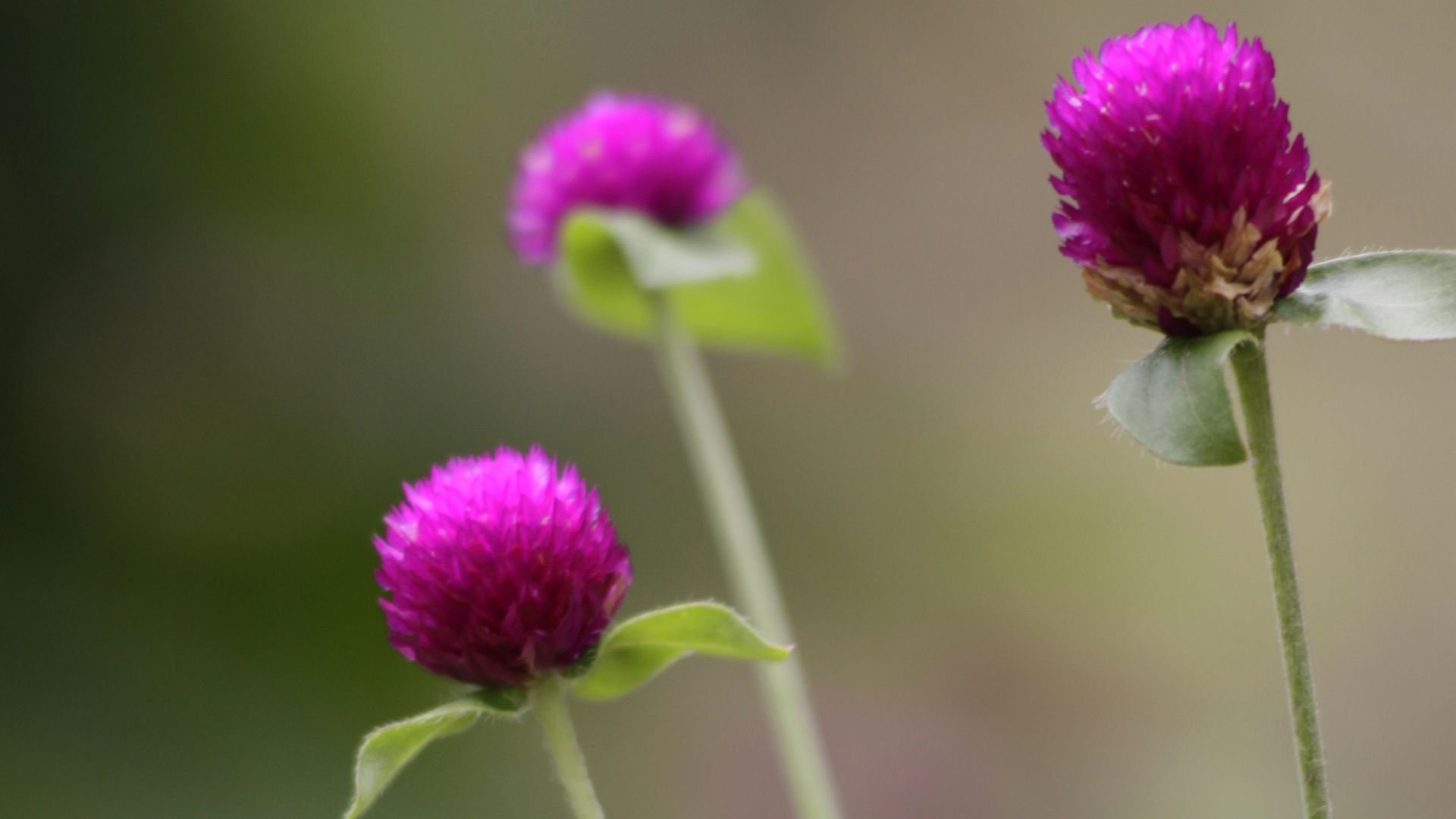
12. Amaranth
Amaranth was an important crop in pre-Hispanic Mesoamerica and had sacred meaning in Aztec ritual life. After the Spanish conquest in the 1500s, its religious use made it a target for suppression, though it survived in regional food traditions and later returned to wider attention as an ancient grain.
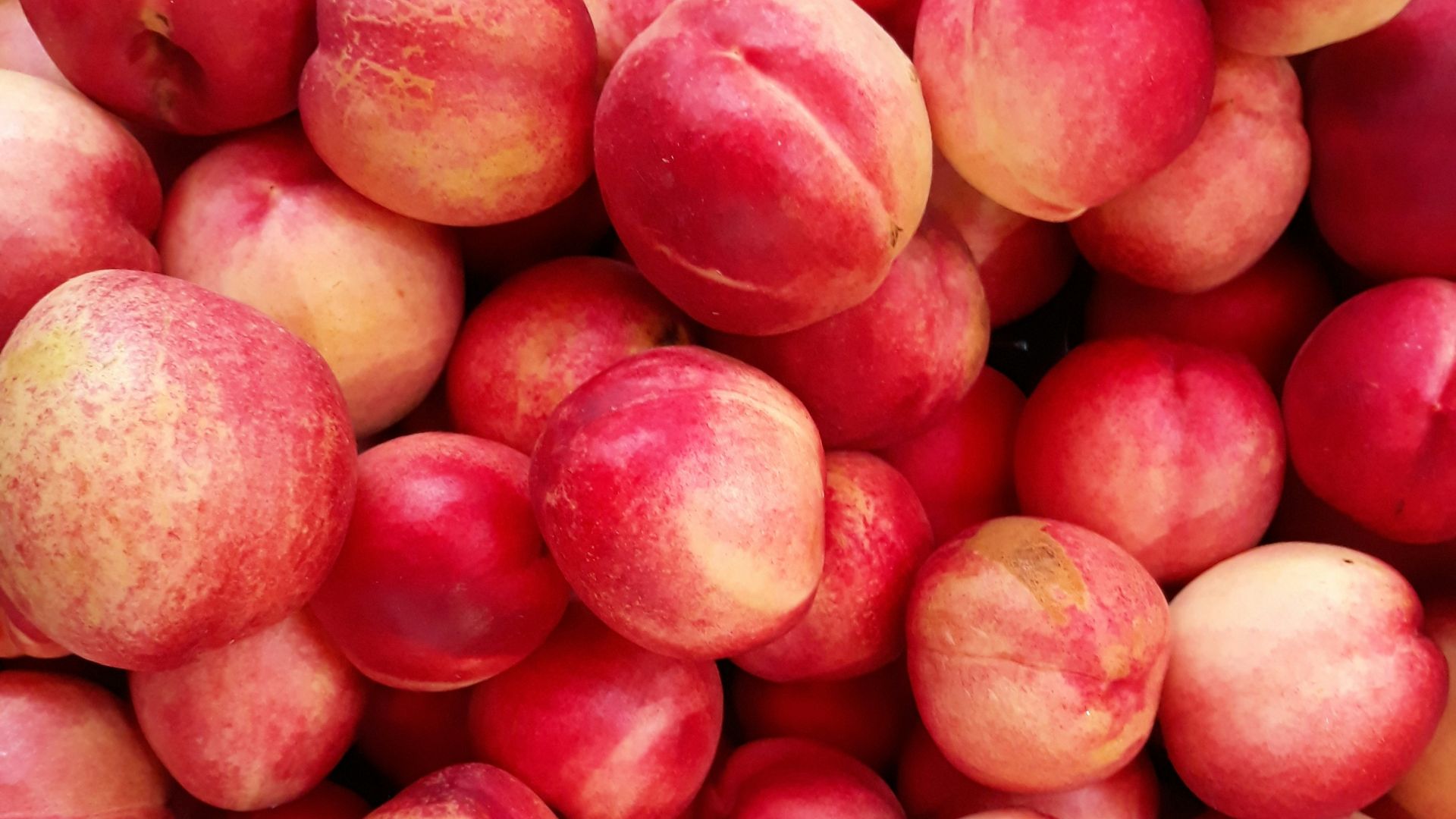
13. Peaches
In Chinese mythology, peaches are tied to longevity and immortality, especially through stories of Xiwangmu, the Queen Mother of the West.
The famous peaches of immortality were said to ripen only after thousands of years, so the fruit became a natural symbol of long life.
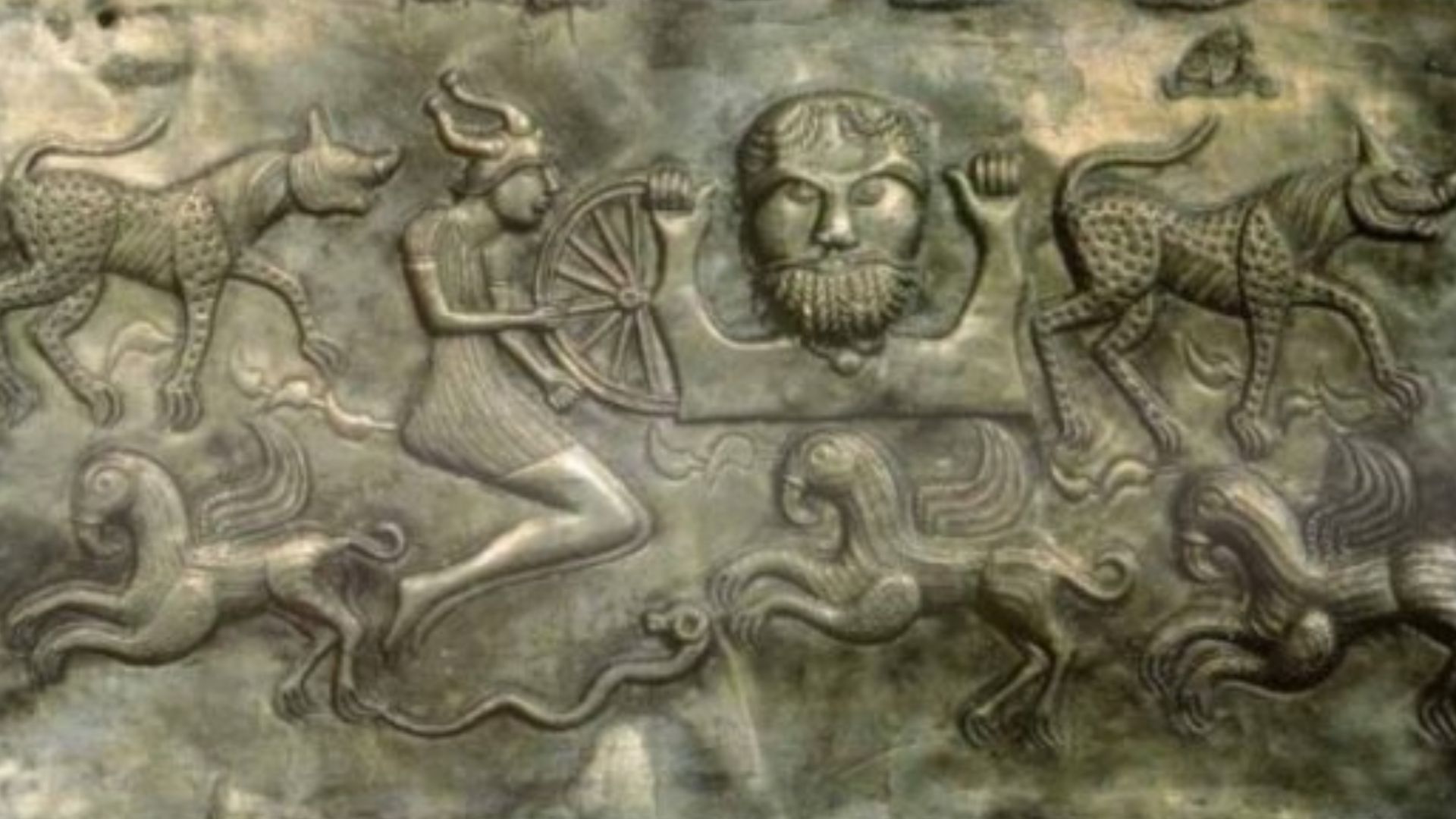
14. Dagda’s Cauldron
Irish mythology includes the Dagda’s cauldron, one of the great treasures associated with the Tuatha Dé Danann. Also called the Cauldron of Plenty, it was known for abundance and nourishment, with a promise that no one who came to it would leave hungry.
15. Ambrosia
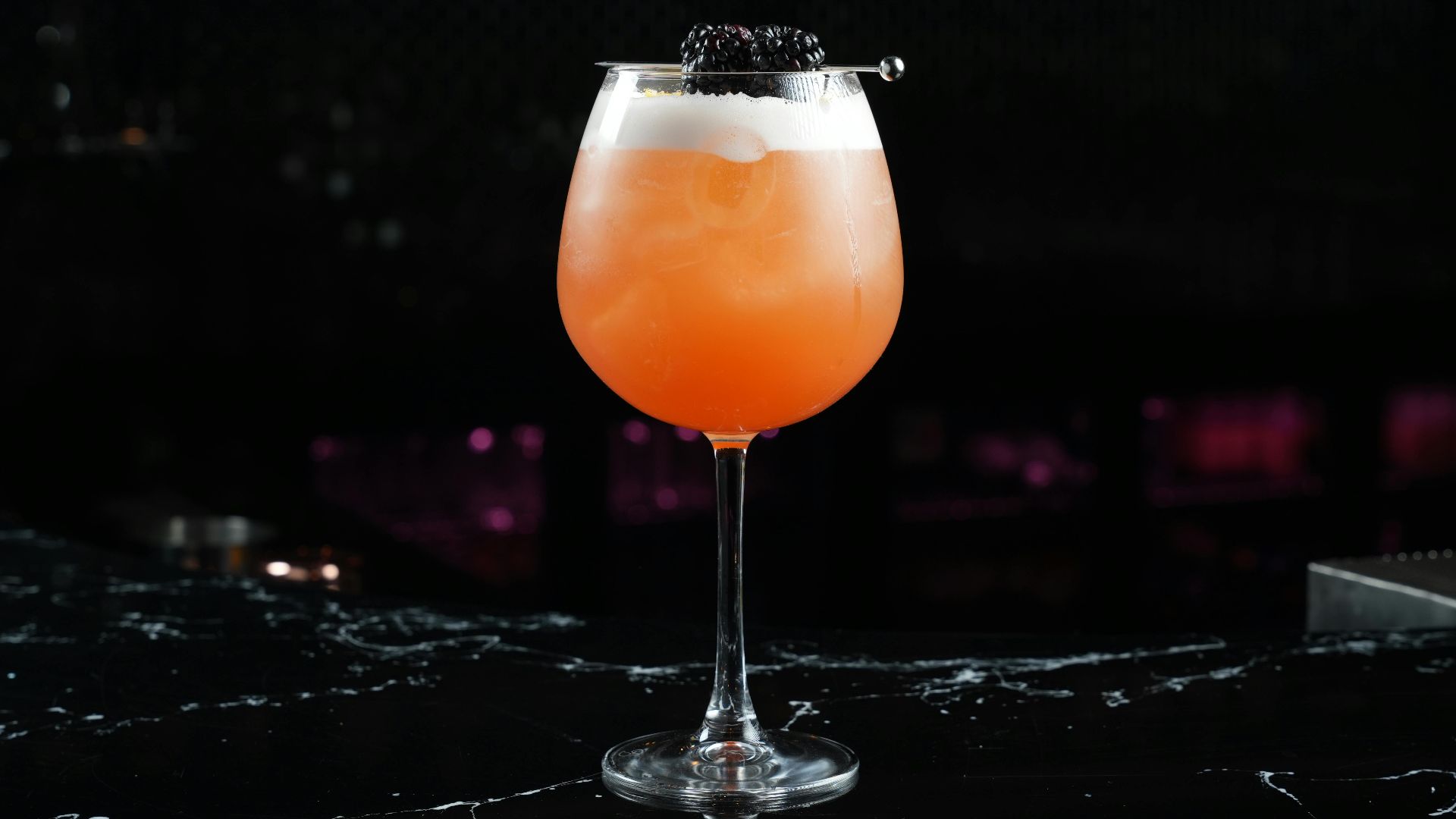
In Greek mythology, ambrosia was the food or drink of the gods and was closely tied to immortality. It appears with nectar in stories of divine feasts on Olympus, where mortals usually didn’t frequent.
16. Mead
In Norse mythology, the Mead of Poetry was a magical drink connected to wisdom, inspiration, and skilled speech. It’s said that Odin secured the drink as inpsiration for the Gods, as well as the poets of the world. His desire for the mead symbolizes our constant desire to gain knowledge and wisdom. The next time you have mead, remember who got it for you.

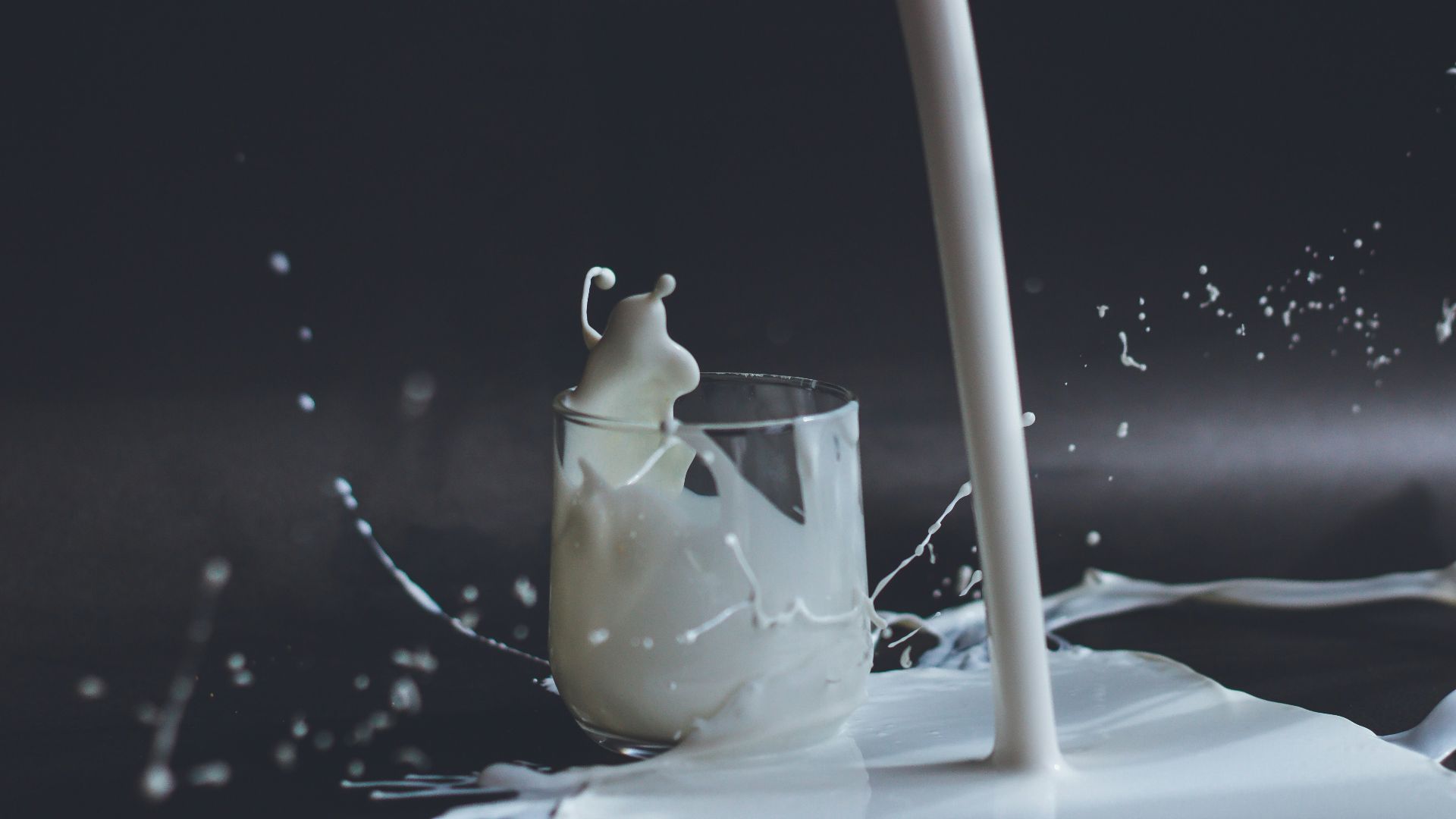
17. Spilled Milk
The saying about not crying over spilled milk is mostly practical advice, but milk has also carried folk meanings around nourishment and household care. In some traditions, wasting it could be seen as a small sign of bad luck, probably because losing food once felt a lot more serious than it does in a modern kitchen.
18. Onions
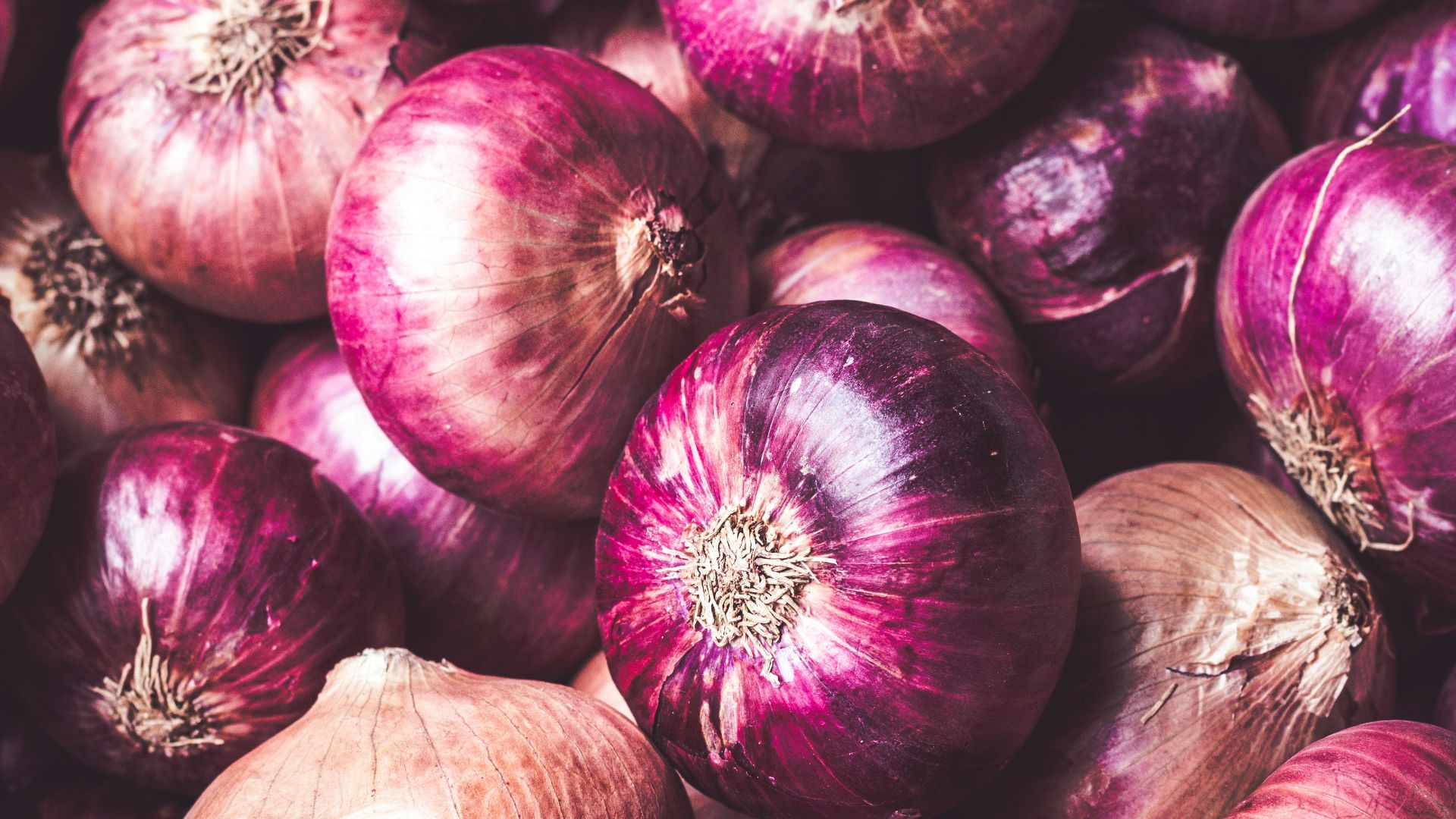
Ancient Egyptians gave onions symbolic meaning, connecting their round shape and layered rings with eternity and the afterlife. Onions appeared in burial rituals, giving them a much grander history than the one they usually get today.
19. Apples
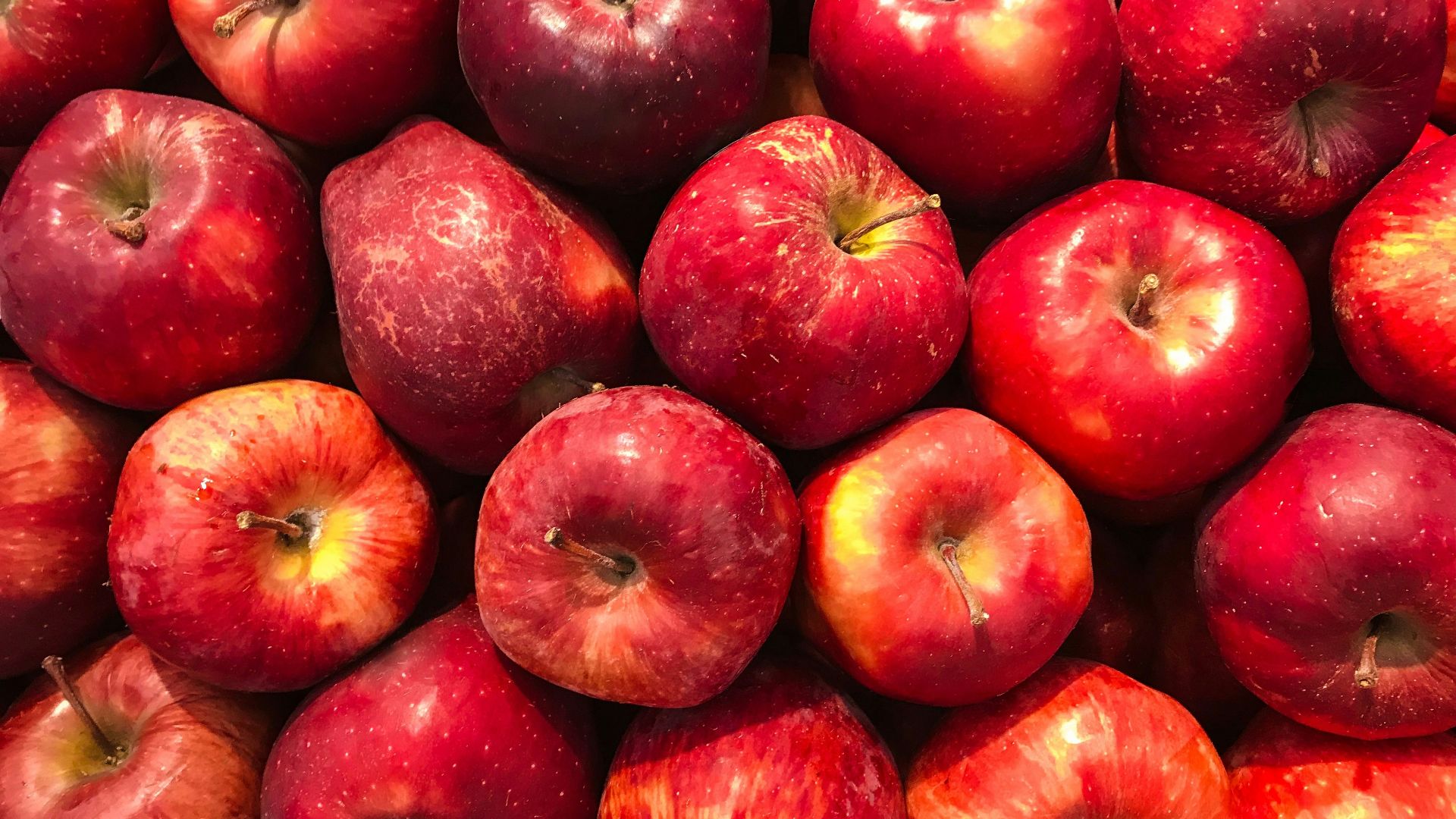
Apples have carried a mixed reputation in folklore, religion, and love divination. Later Christian tradition often pictured the forbidden fruit as an apple, even though the biblical text doesn’t name it, while old peel-tossing games used apple skins to guess at a future spouse’s initial.
20. Fish
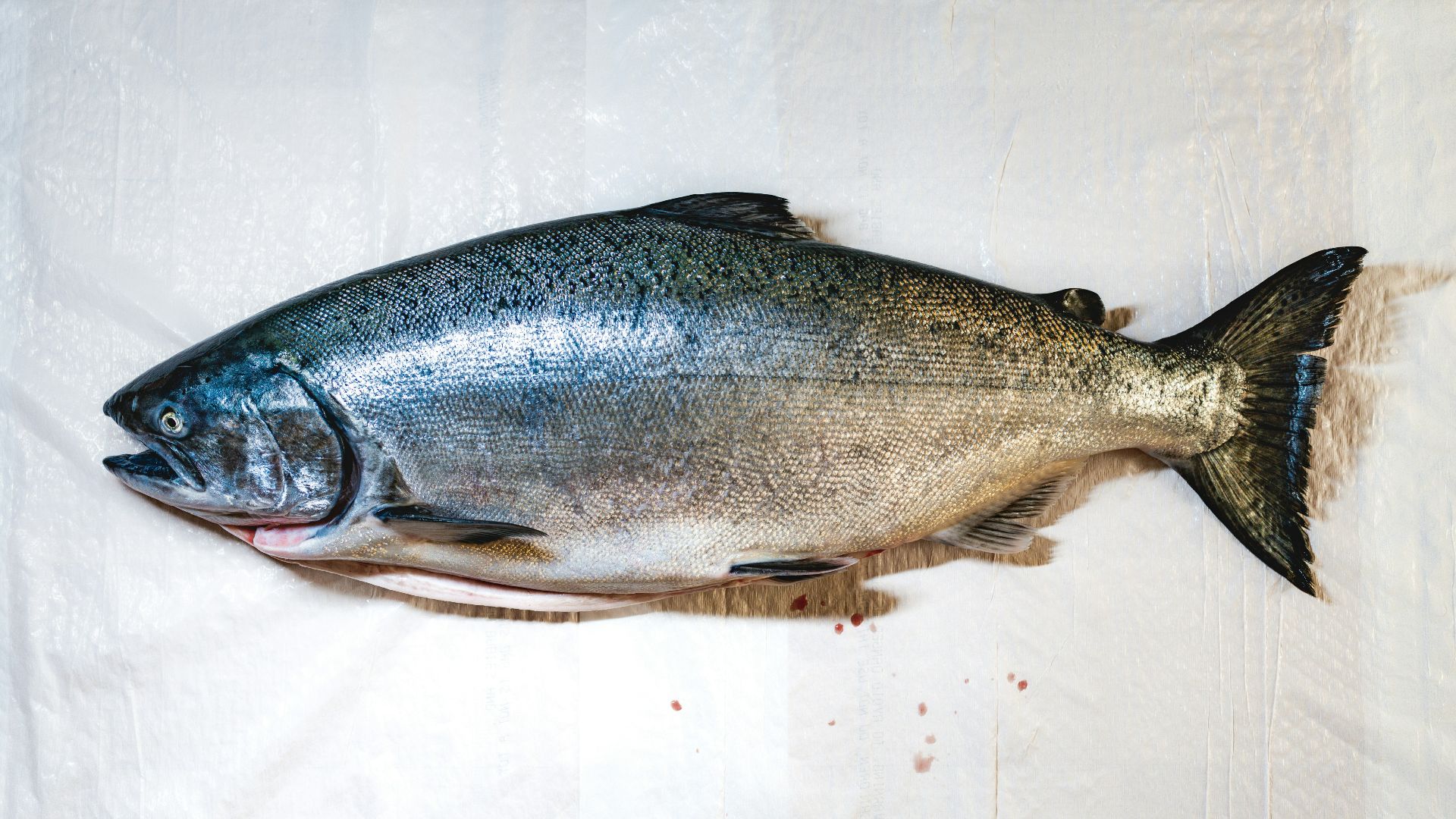
Whole fish is a lucky food for Chinese New Year and other celebratory meals, where it’s tied to abundance and completeness. In Chinese, the word for fish sounds like the word for surplus, and serving the fish with the head and tail intact adds a wish for a year that starts and ends well.
KEEP ON READING