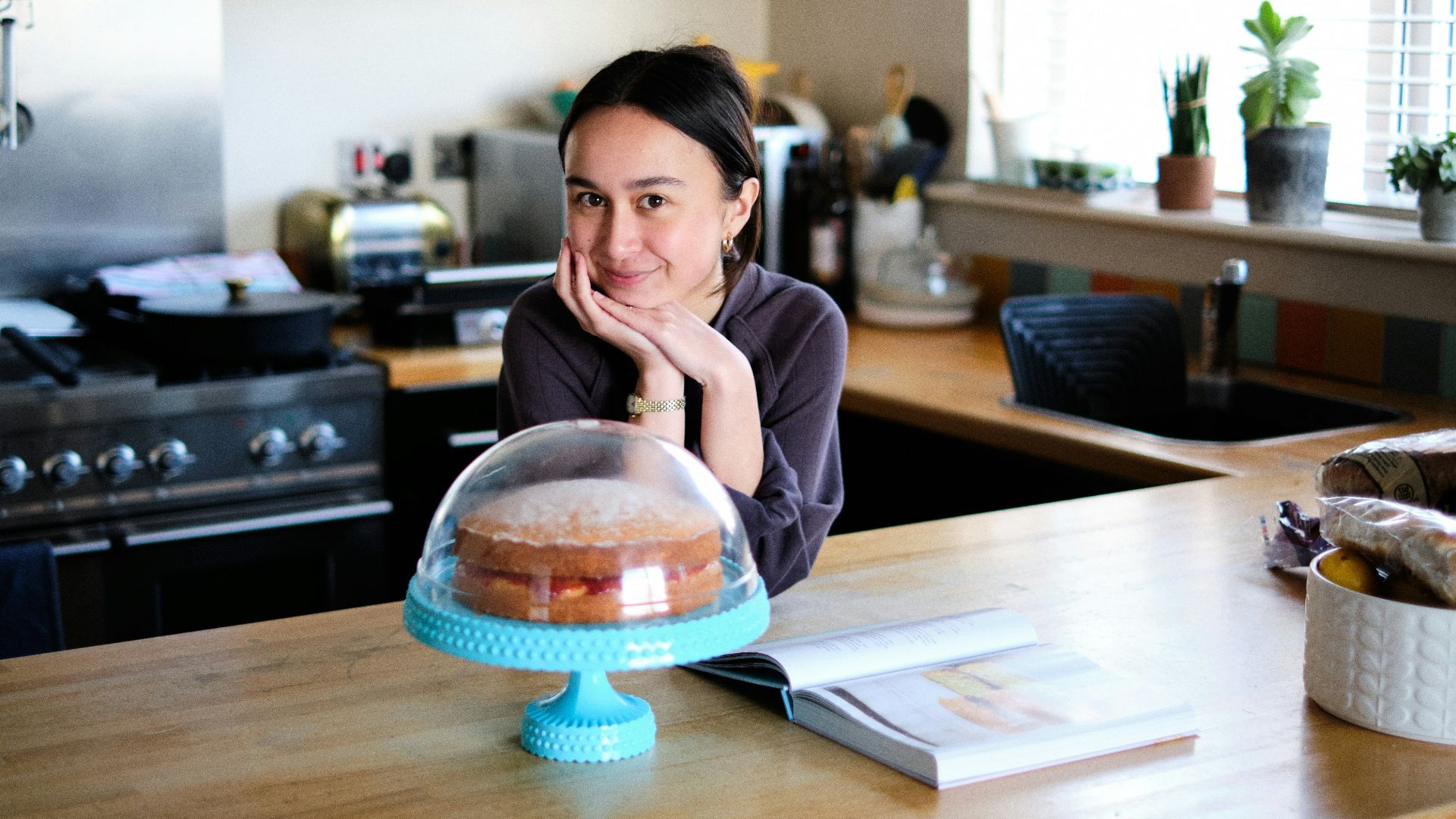
The recipe looked perfect, the ingredients were measured, and somehow the cake still came out dense as a brick or sunken in the middle like a sad little crater. Baking isn't quite the exact science we pretend it is, even though it demands precision. There's this strange alchemy that happens in the oven, and when things go wrong, they really go wrong. The good news is that most cake disasters trace back to a handful of mistakes that are completely avoidable once you know what to look for.
Opening the Oven Door Too Early
Stop peeking. Seriously. That urge to check on your cake fifteen minutes in can wreck everything you've worked toward. When you open the oven door, the temperature drops by as much as 25 degrees Fahrenheit. Your cake needs consistent heat to rise properly, and that sudden temperature shift causes the structure to collapse before it's set.
The proteins and starches in cake batter need time to firm up, and they're doing that most critical work in the first two-thirds of baking time. Opening the door creates a rush of cool air that interferes with this process. Wait until at least three-quarters of the baking time has passed before you even think about opening that door.
Using Ingredients Straight from the Fridge
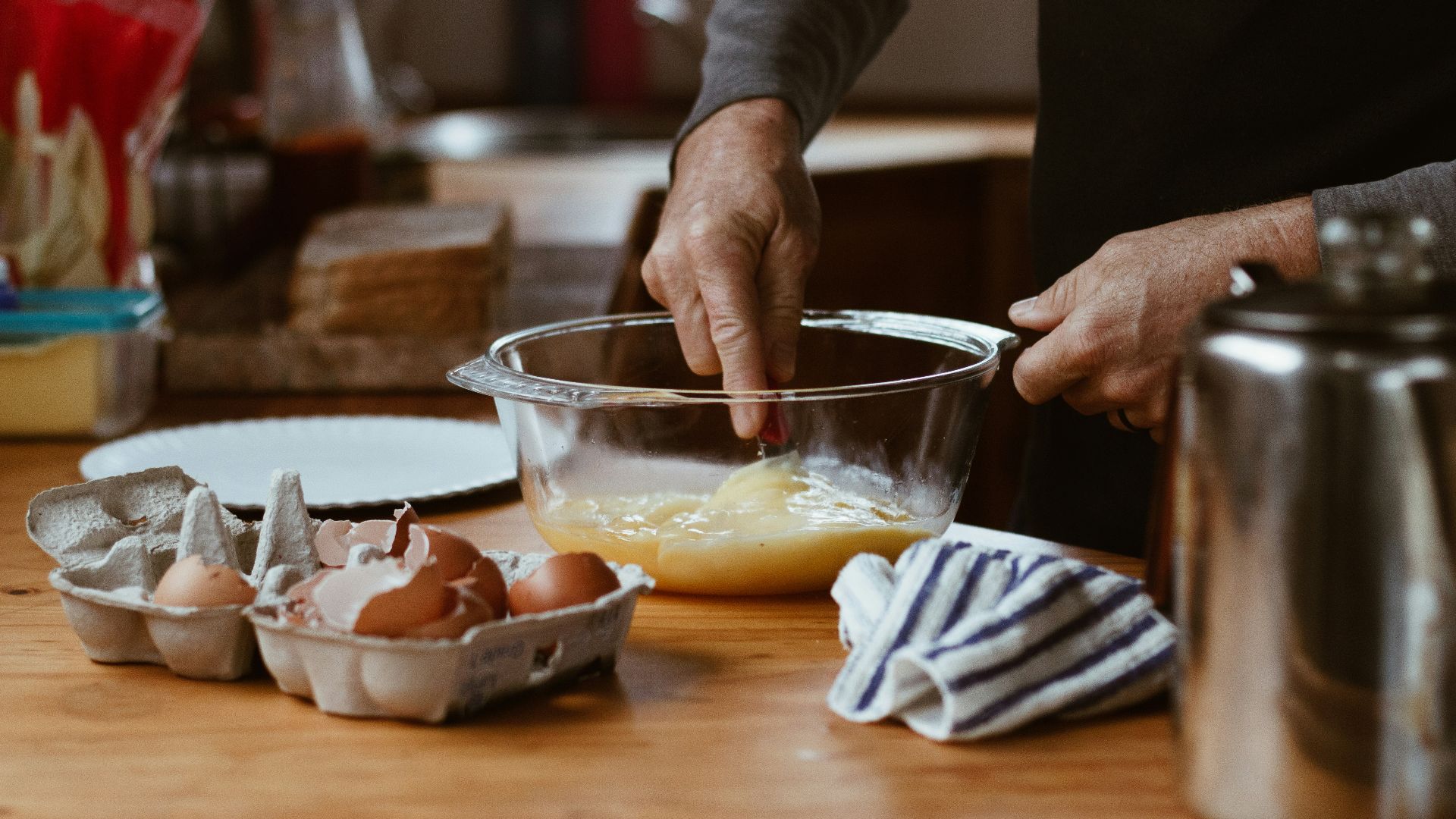
When recipes call for room-temperature butter, eggs, and milk, there's actual chemistry behind it. Cold butter won't cream properly with sugar, which means you're missing out on all those tiny air pockets that make cakes light and tender.
Cold eggs don't emulsify well with other ingredients. The mixture can curdle or separate, leaving you with an uneven batter that bakes up dense in some spots and hollow in others. Let eggs sit out for about 30 minutes before baking. Butter should be cool to the touch but leave a slight indent when pressed, usually around 65-70 degrees Fahrenheit.
This applies to milk and sour cream too. Anything cold will cause your butter to seize up again, undoing all that careful creaming work. Plan ahead. Pull everything out while the oven preheats.
Overmixing the Batter
Once flour enters the bowl, your mixing strategy changes completely. Flour contains gluten, and gluten develops when you stir. You want some gluten for structure, sure, but too much turns your cake into something chewy and tough.
The folding method exists for a reason. Those gentle motions keep gluten development minimal while still incorporating everything evenly. Professional bakers talk about mixing only until everything is combined, which means stopping the second you don't see dry flour anymore. A few small lumps won't hurt anything. They'll bake out.
Electric mixers make this mistake easier than ever. Hand mixing might feel tedious, but it gives you more control.
Measuring Flour Incorrectly
Here's where American baking gets frustrating. Volume measurements for flour are wildly inconsistent. Scoop flour directly from the bag with your measuring cup, and you can pack in 25 to 30 percent more flour than the recipe intended. That extra flour absorbs moisture, dries out the cake, and makes the texture dense.
The spoon-and-level method matters. Fluff the flour in its container, spoon it into your measuring cup without packing it down, and level it off with a straight edge. Better yet, use a kitchen scale. King Arthur Baking Company lists one cup of all-purpose flour as 120 grams, and weighing removes all the guesswork.
Skipping the Oven Thermometer
Your oven is almost certainly lying to you. Most home ovens run 25 to 50 degrees off from what the dial says, and many have hot spots that create uneven baking. You set it to 350, but one side is actually at 375 while the back corner barely hits 325.
An oven thermometer costs less than ten dollars and solves this immediately. Place it on the center rack and check what temperature you're really working with. Adjust the dial accordingly. Some ovens run hot, some run cool, and some do both depending on their mood that day. Convection settings can help too, though they're not necessary if you're willing to rotate manually.
KEEP ON READING
The Most Popular Chocolate Bars in the USA
The Most Popular Candies in the USA