Dishes That'll Test Your Patience
Cooking from scratch can satisfy your inner chef, but some dishes can be a real headache—which makes it all the more obvious why many choose to enjoy them at restaurants and bakeries instead. From fragile doughs to temperature-sensitive sauces, sometimes you just don't have enough patience or time to fix these recipes up. But hey, if you're up for a real challenge, maybe you can try putting your skills to work. Here are 20 of the hardest dishes to make from scratch.
1. Croissants
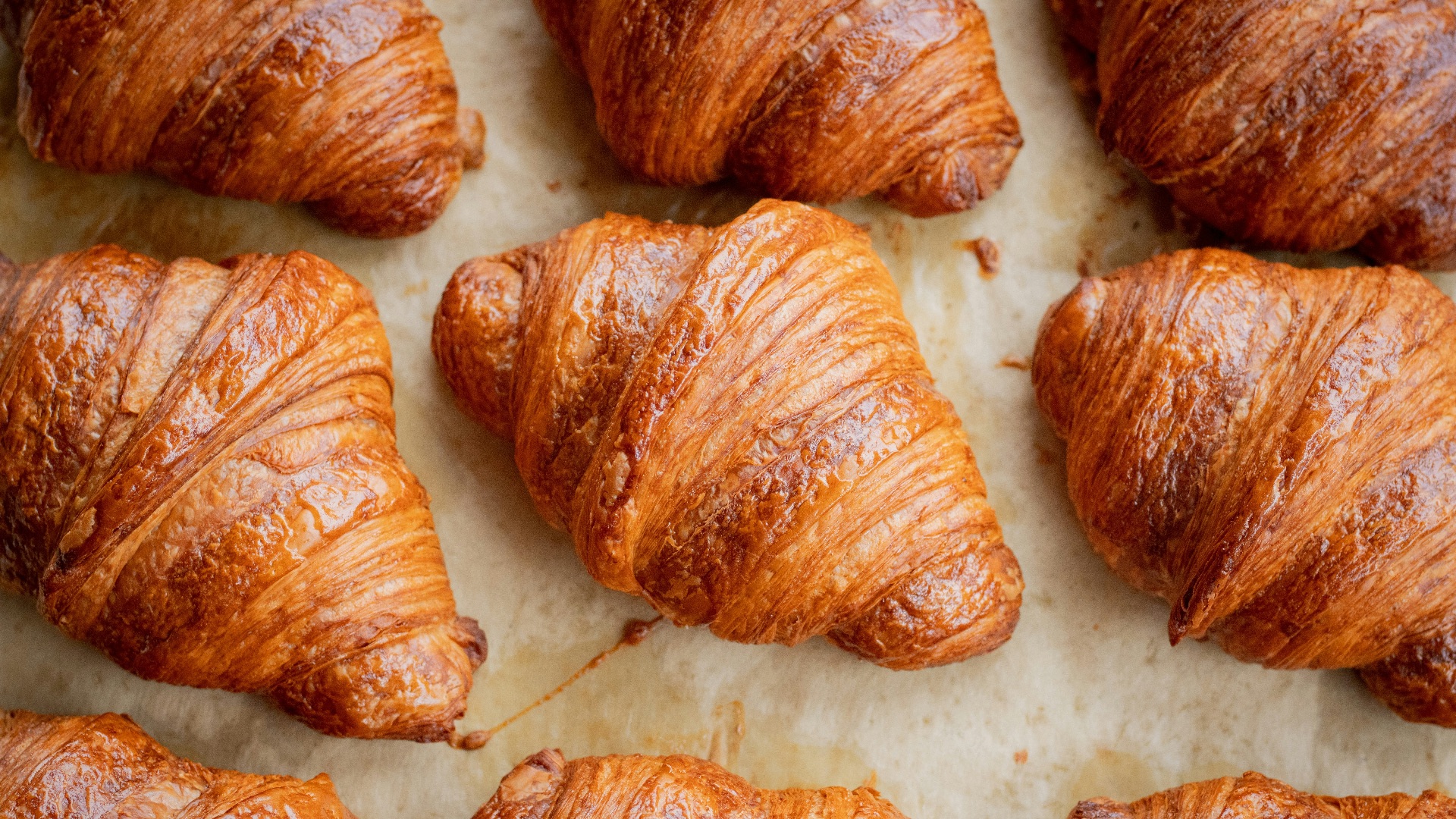
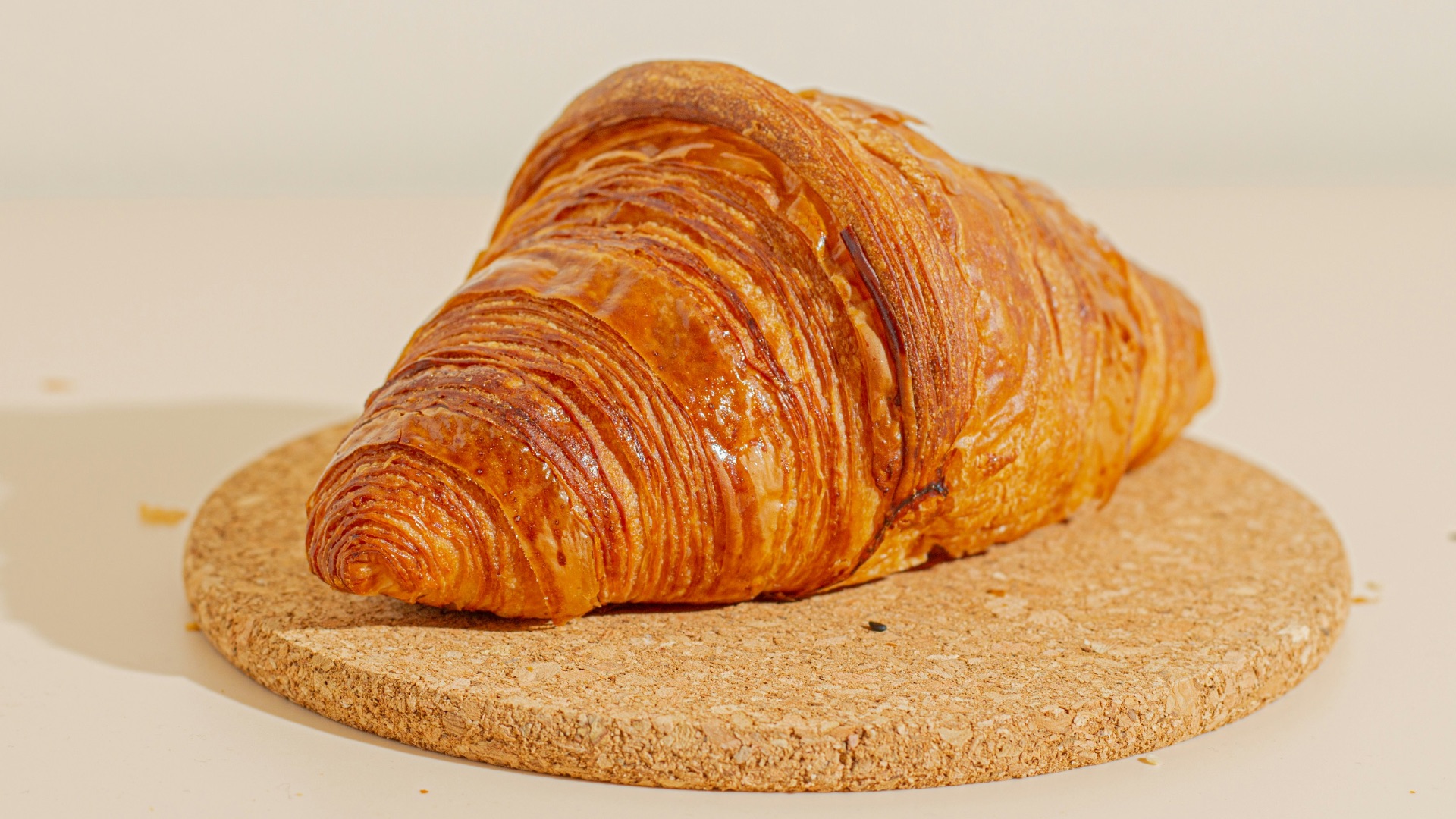
Few baked goods require the kind of commitment that croissants demand, since the lamination process alone involves folding butter into dough dozens of times over the course of two to three days. If the butter gets too warm, it melts into the dough rather than forming those distinct, flaky layers, and your croissants will come out dense instead of airy. You'll need a cool kitchen, a steady hand, and a whole lot of patience before you even get to the oven.
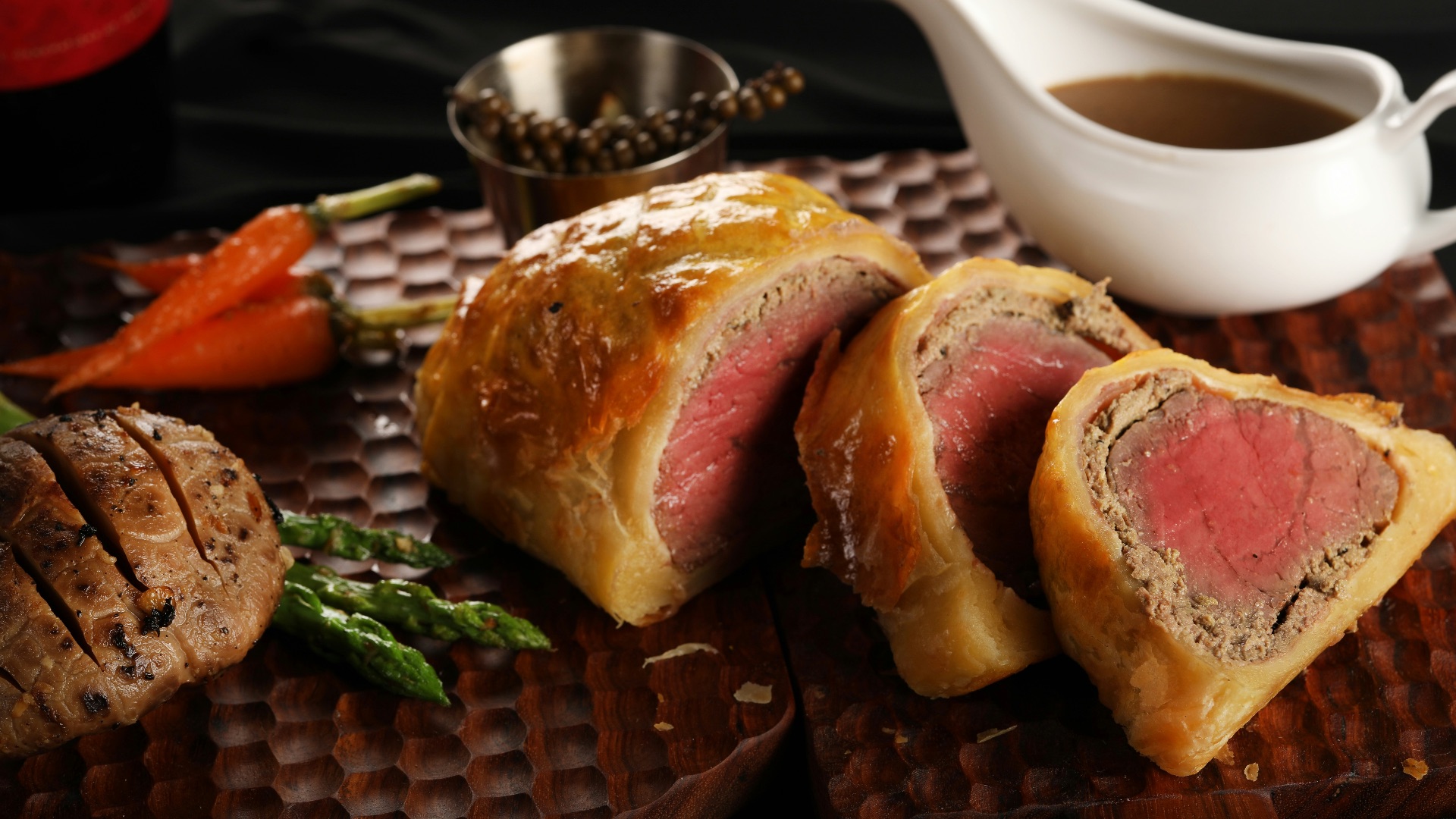
2. Beef Wellington
Wrapping a perfectly seared beef tenderloin in a layer of mushroom duxelles and puff pastry might sound easy...until you realize how many things have to go right at once. The pastry needs to bake through completely while the beef stays at a precise internal temperature, which means if you overcook it, you've ruined an expensive cut of meat. Getting the duxelles dry enough so the pastry doesn't go soggy is a challenge that trips up even skilled cooks.
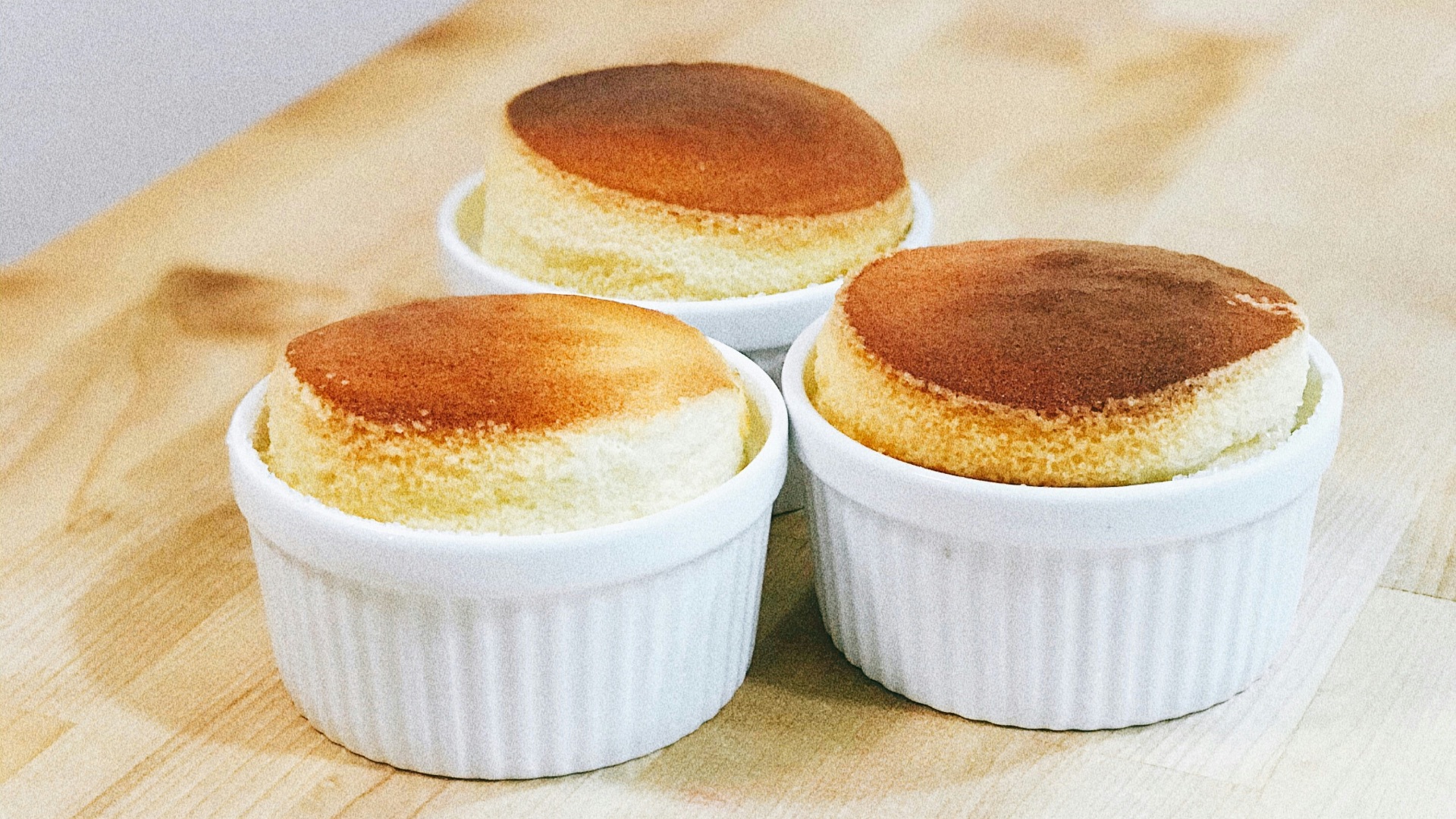
3. Soufflé
A soufflé is the kind of dish that keeps cooks on edge from the moment it goes into the oven until the second it reaches the table. The egg whites need to be whipped to exactly the right consistency, folded in gently enough to keep the air intact, and then baked in a preheated dish without a single door slam to disturb it. Even after all that careful work, you only have a few minutes between it rising beautifully and collapsing into a sad, deflated puddle.
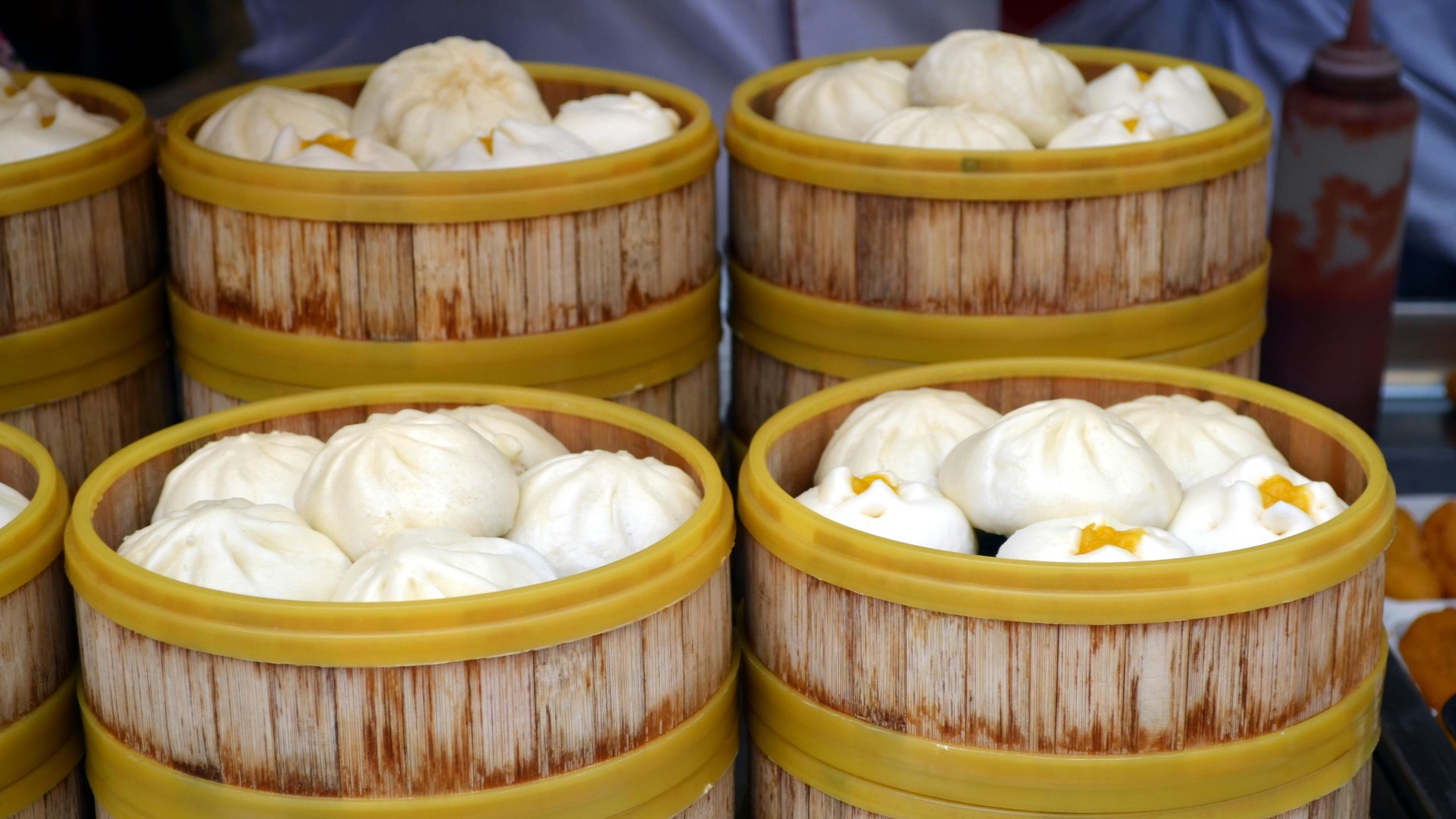
4. Bao Buns
Homemade bao buns, like char siu bao, require you to nail both the dough and the filling, which is already two recipes in one. The dough needs to be kneaded to a specific smooth, elastic texture and proofed correctly so the buns turn out pillowy and soft rather than tough or gummy. Then there's the folding technique, which takes real practice to execute neatly so the pleats actually hold during steaming.
 Inguaribile Viaggiatore on Pexels
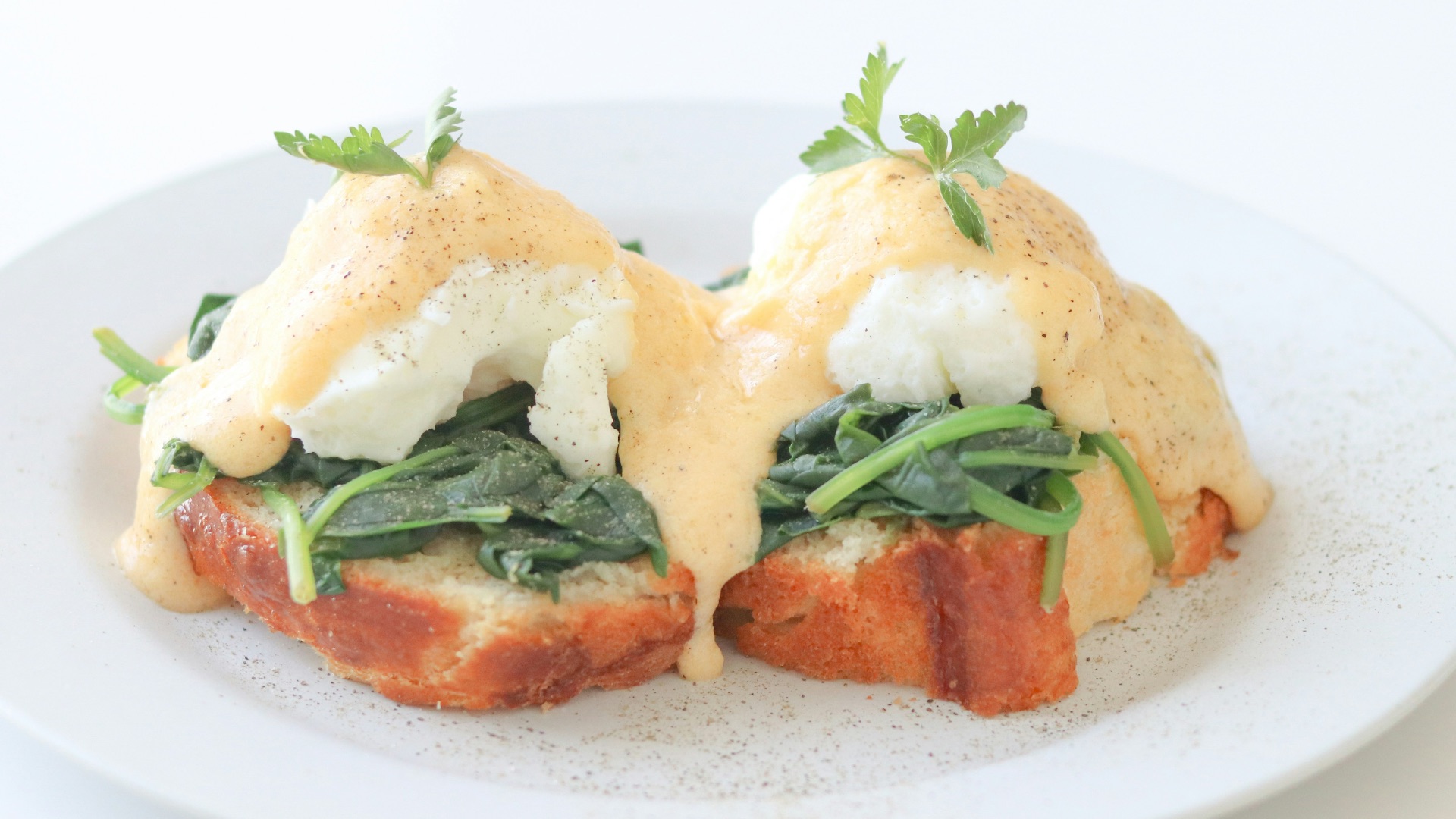
5. Hollandaise Sauce
Hollandaise is a classic French emulsion sauce that breaks just as easily as it comes together, making it a nerve-wracking addition to any breakfast spread. You're essentially cooking egg yolks over low heat while whisking constantly, then slowly incorporating butter so everything stays emulsified and silky. Too much heat at any point scrambles the eggs, too little and the butter won't incorporate, and the whole thing will split without much warning.
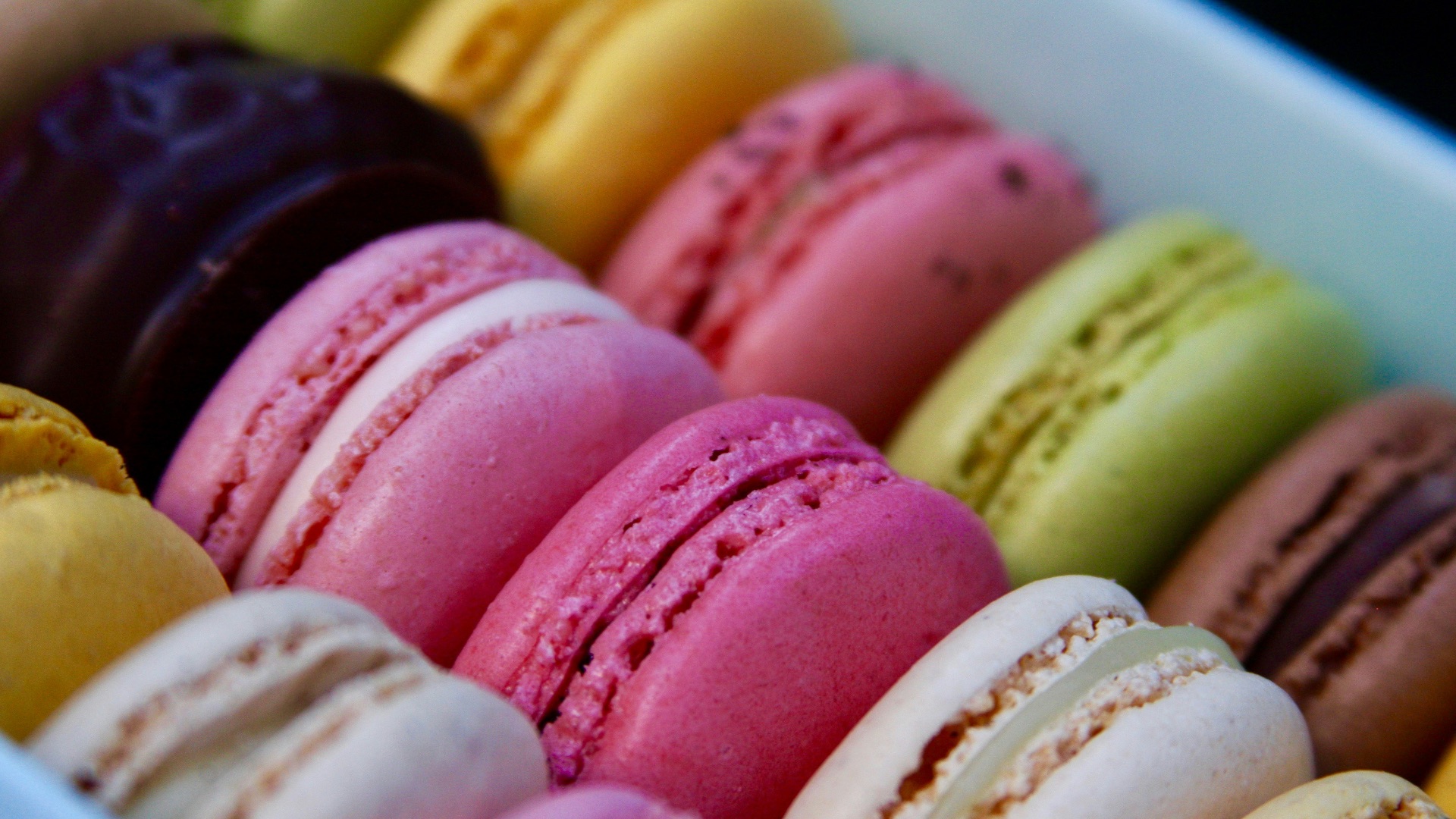
6. Macarons
French macarons have earned a reputation for being one of the most temperamental baked goods in existence, and that reputation is well deserved. The batter needs to be folded to a very specific consistency (too stiff and the shells crack, too loose and they spread flat), and even humidity in the air can affect how they turn out. Most home bakers go through several failed batches before they start producing macarons with the signature smooth tops and ruffled feet.
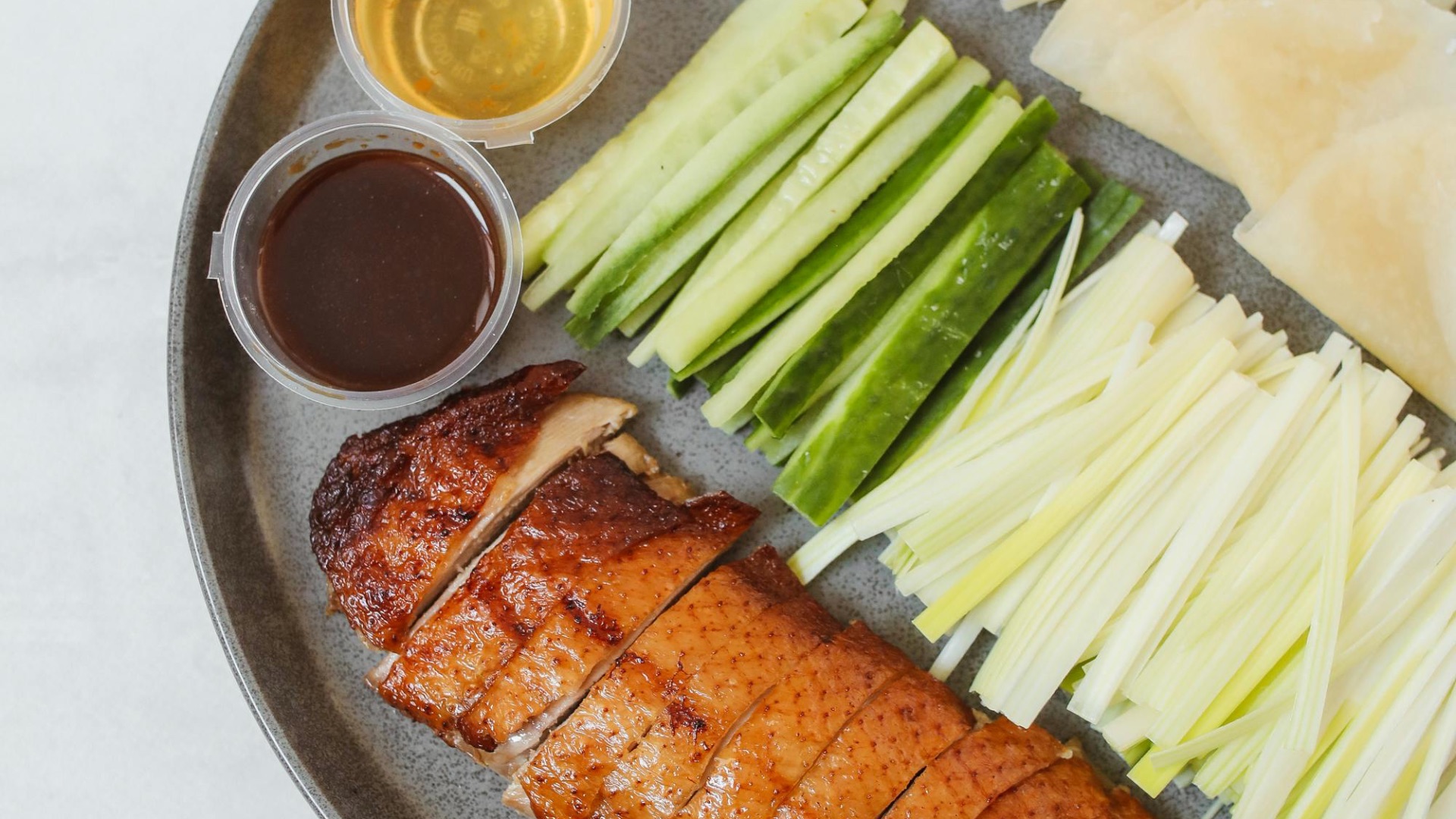
7. Peking Duck
Traditional Peking duck involves a multi-day preparation process that starts with air-drying the bird so the skin becomes perfectly lacquered and crispy when roasted. You need to carefully separate the skin from the meat, coat it in a glaze, and then hang or prop the duck so air circulates around it evenly as it dries. The roasting technique itself is specialized enough that many professional chefs use purpose-built ovens, which makes replicating it at home a serious undertaking.
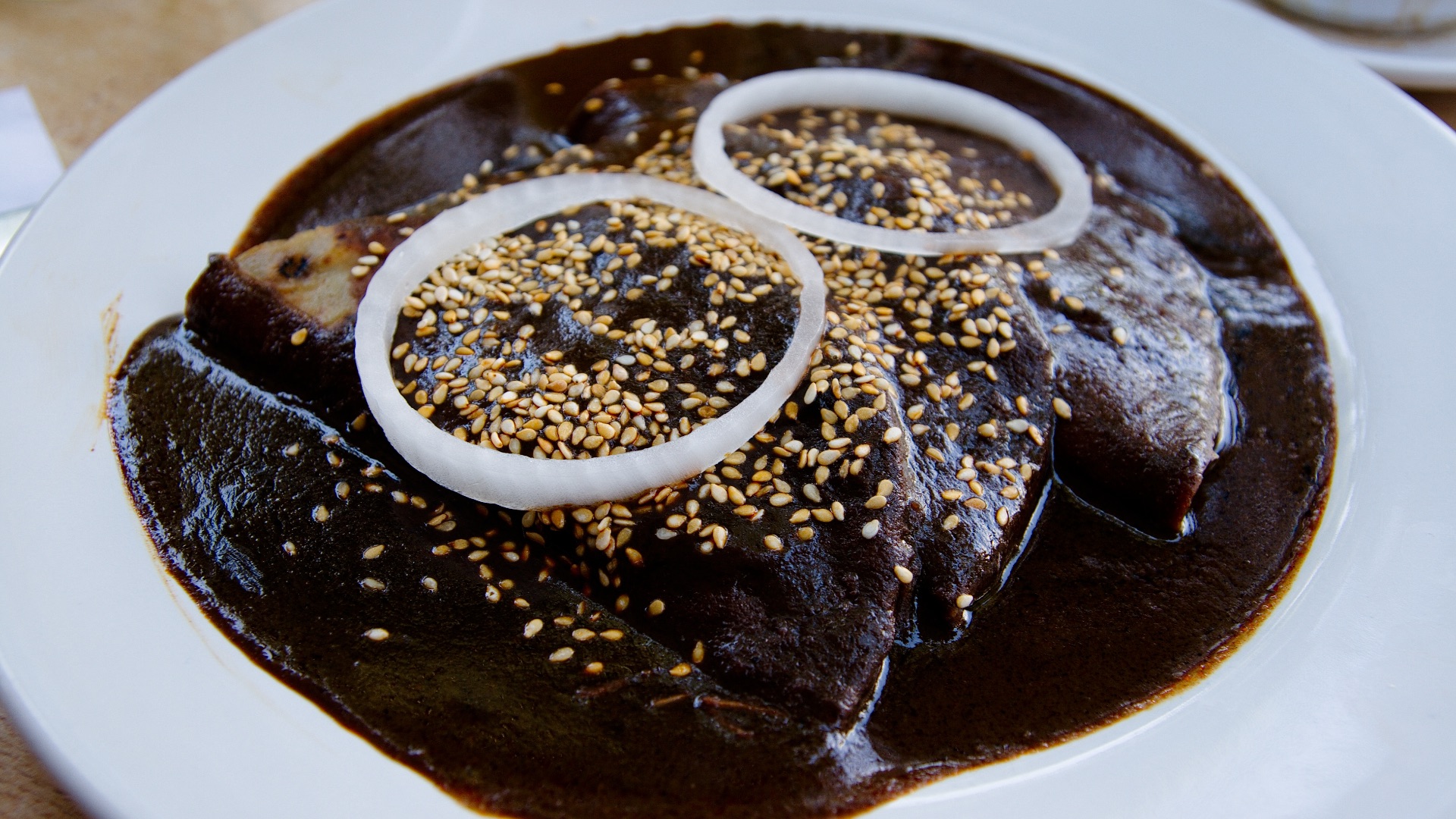
8. Mole Negro
Mole negro is one of Mexico's most complex sauces, sometimes containing upward of 30 ingredients including multiple types of dried chiles, chocolate, spices, and charred vegetables. Each component needs to be prepared separately—toasting, soaking, charring, frying—before everything gets blended and simmered for hours until the flavors meld. It's genuinely a full-day project, and rushing any single step will throw the entire balance of the sauce off.
 William Neuheisel on Wikimedia
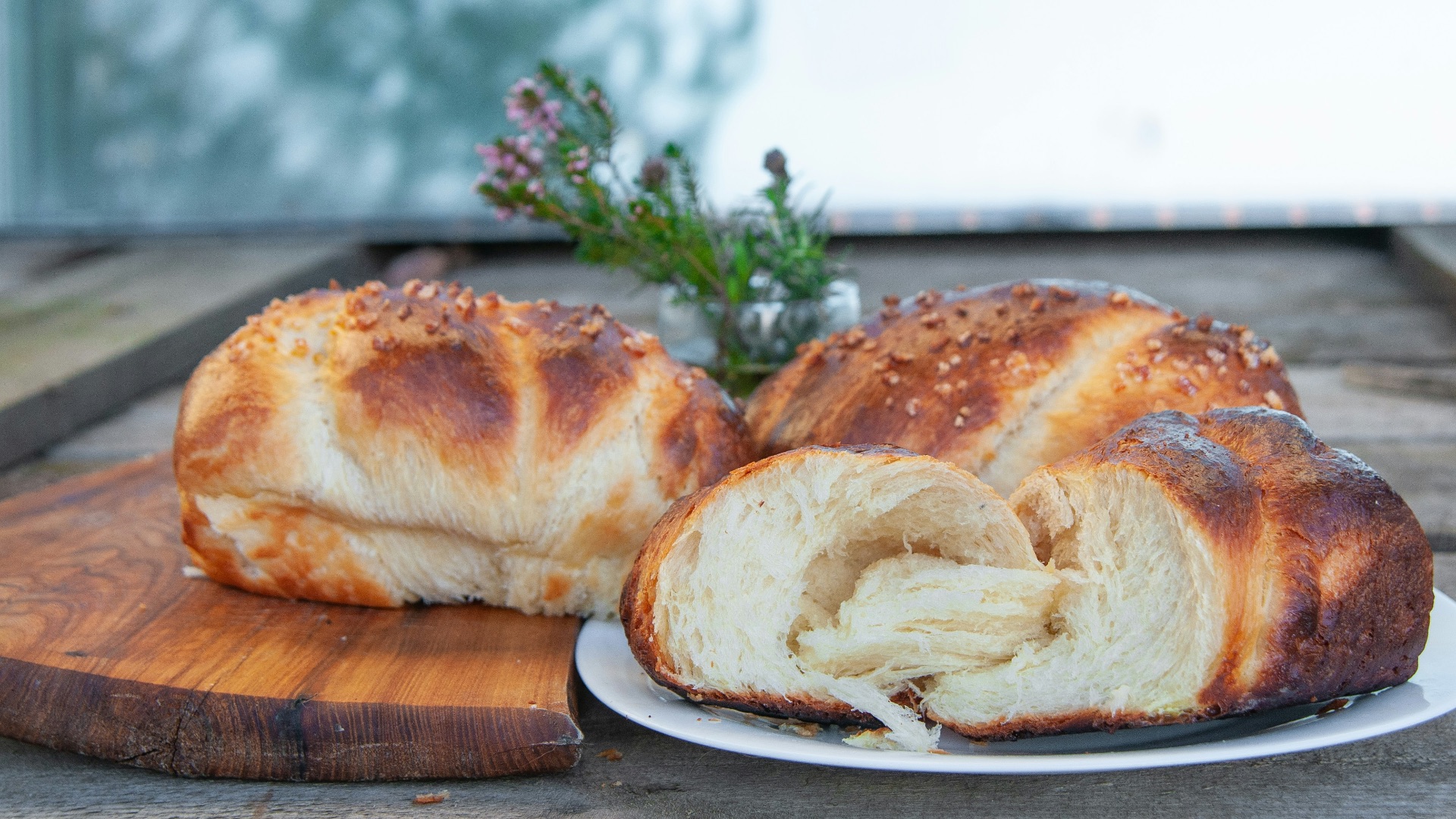
9. Brioche
Brioche dough is notoriously difficult to work with because of its high butter content, which makes it sticky, soft, and prone to overworking. The enriched dough needs to be kneaded long enough to develop proper gluten structure, then rested and folded multiple times before shaping and a final long proof, often overnight. Even after all that effort, brioche is sensitive to temperature during baking, and getting that perfectly golden, pillowy loaf requires real attention to detail.
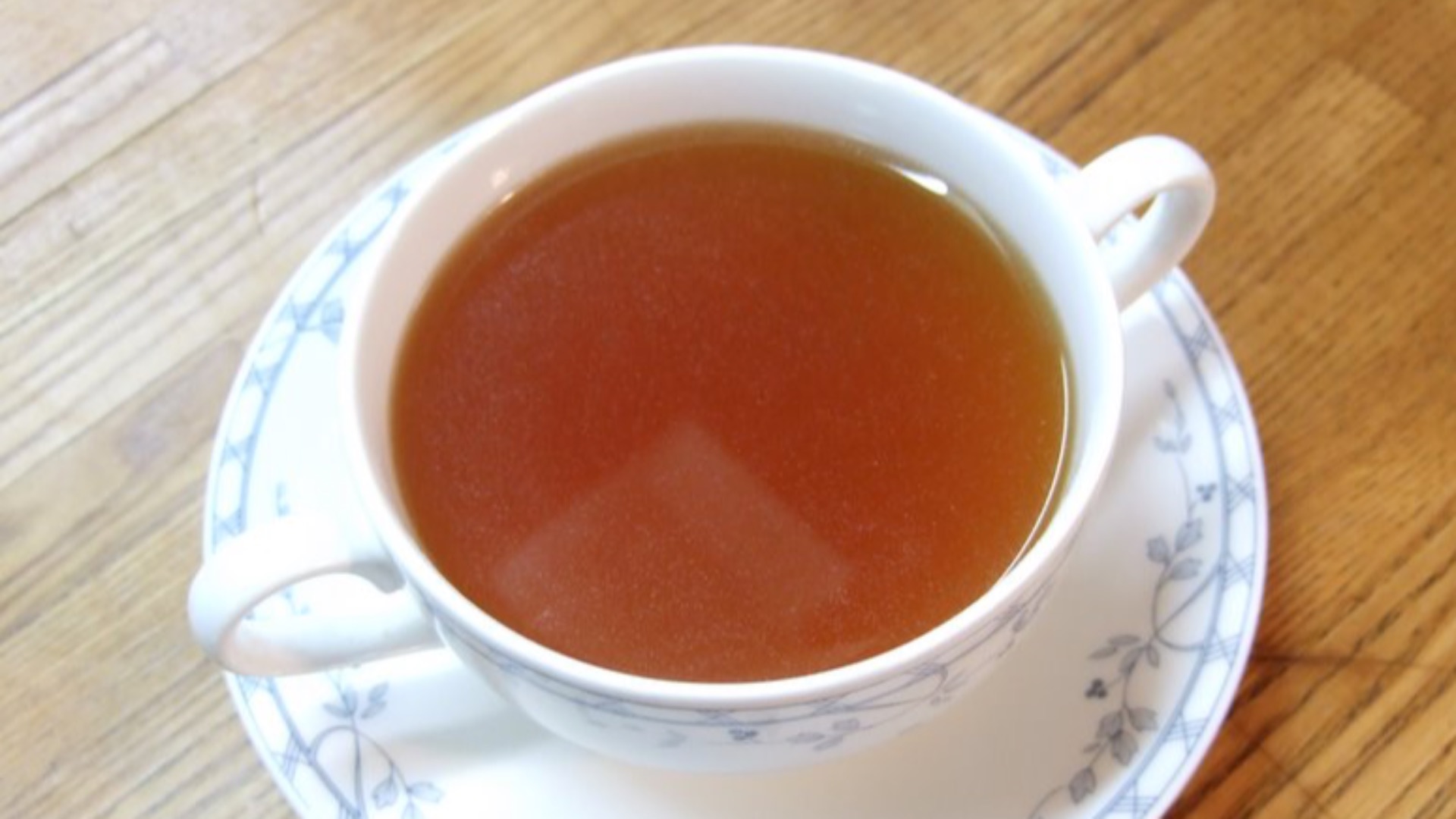
10. Consommé
A good consommé is a crystal-clear, deeply flavorful broth that's deceptively simple in appearance but incredibly technical to produce. The clarification process uses a raft made from ground meat, egg whites, and aromatics that slowly rises to the surface and traps all the cloudy particles as the stock simmers. Any aggressive boiling, straining too forcefully, or skipping steps will cloud the liquid, and you'll end up with an expensive, time-consuming bowl of slightly fancy stock instead.
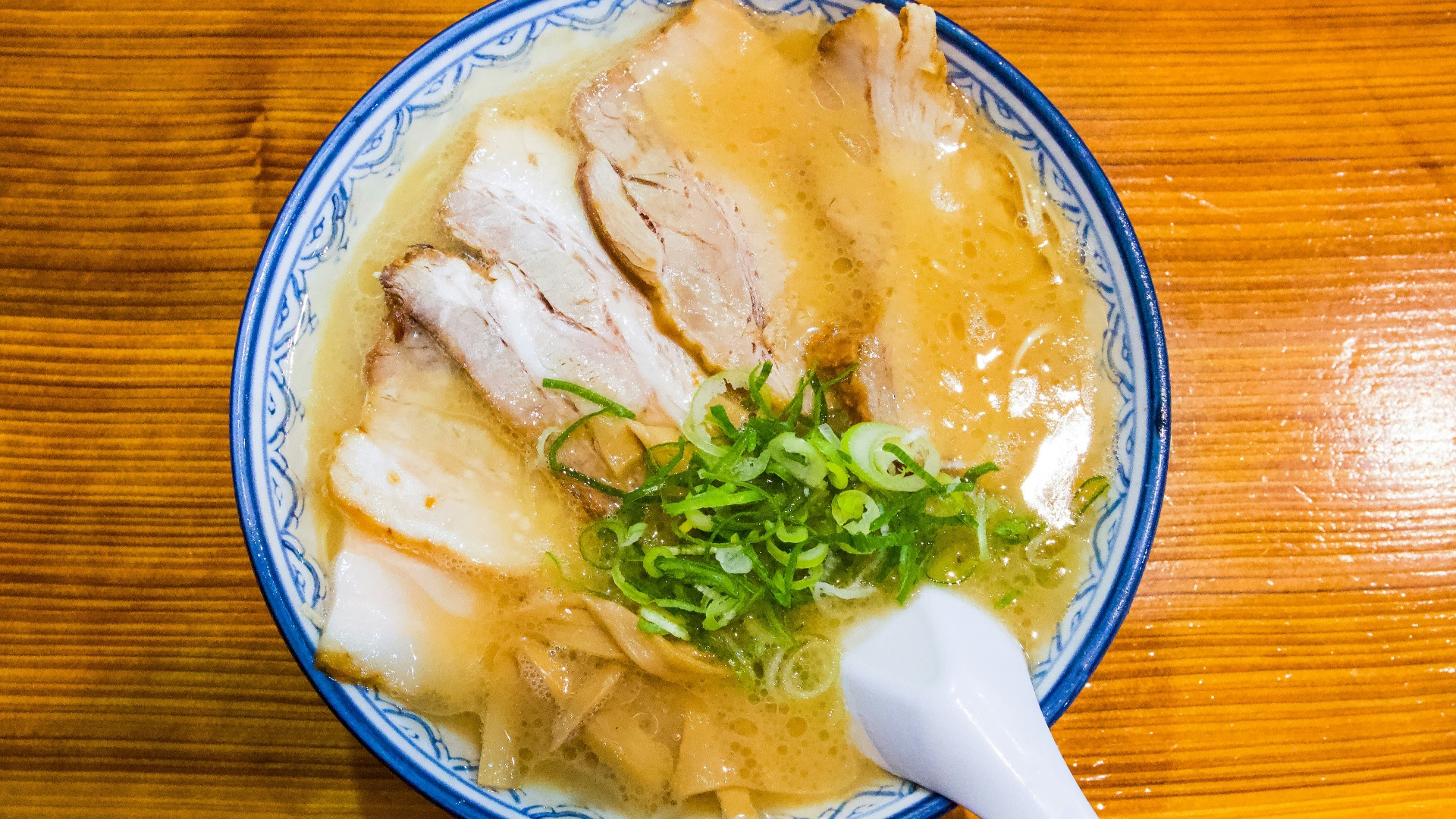
11. Tonkotsu Ramen Broth
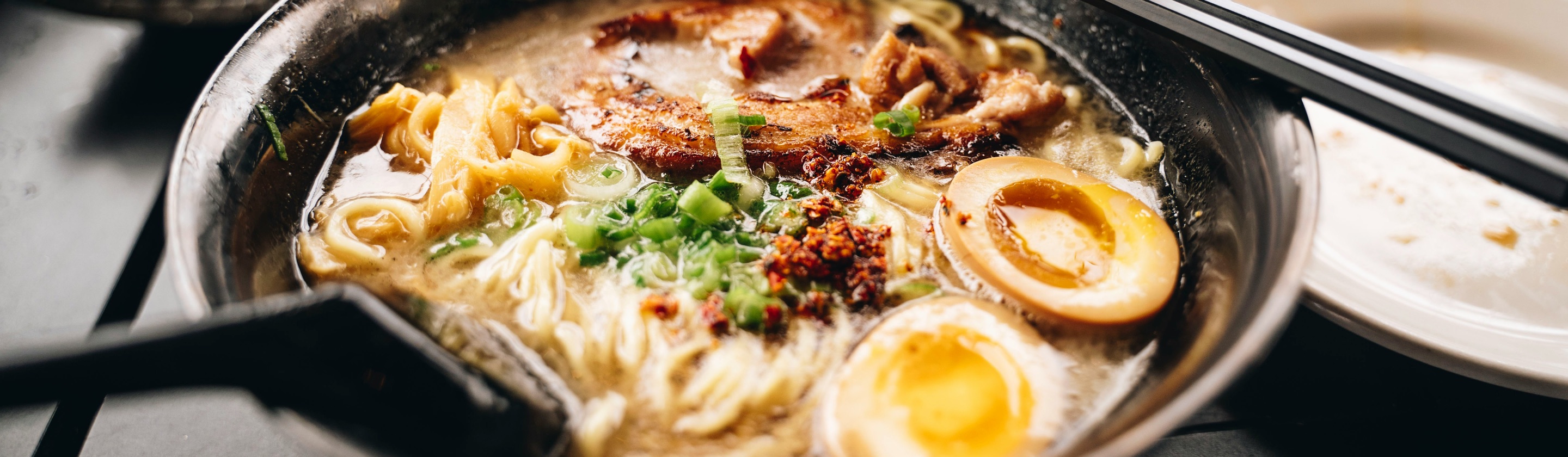
A truly authentic tonkotsu ramen broth requires simmering pork bones at a rolling boil for anywhere from 12 to 18 hours to extract the collagen that gives it that thick, milky consistency. That's before you even think about the tare (the seasoned sauce added to each bowl individually) or the toppings like chashu pork and marinated eggs that each require their own preparation.
 Frank from 5 AM Ramen on Unsplash
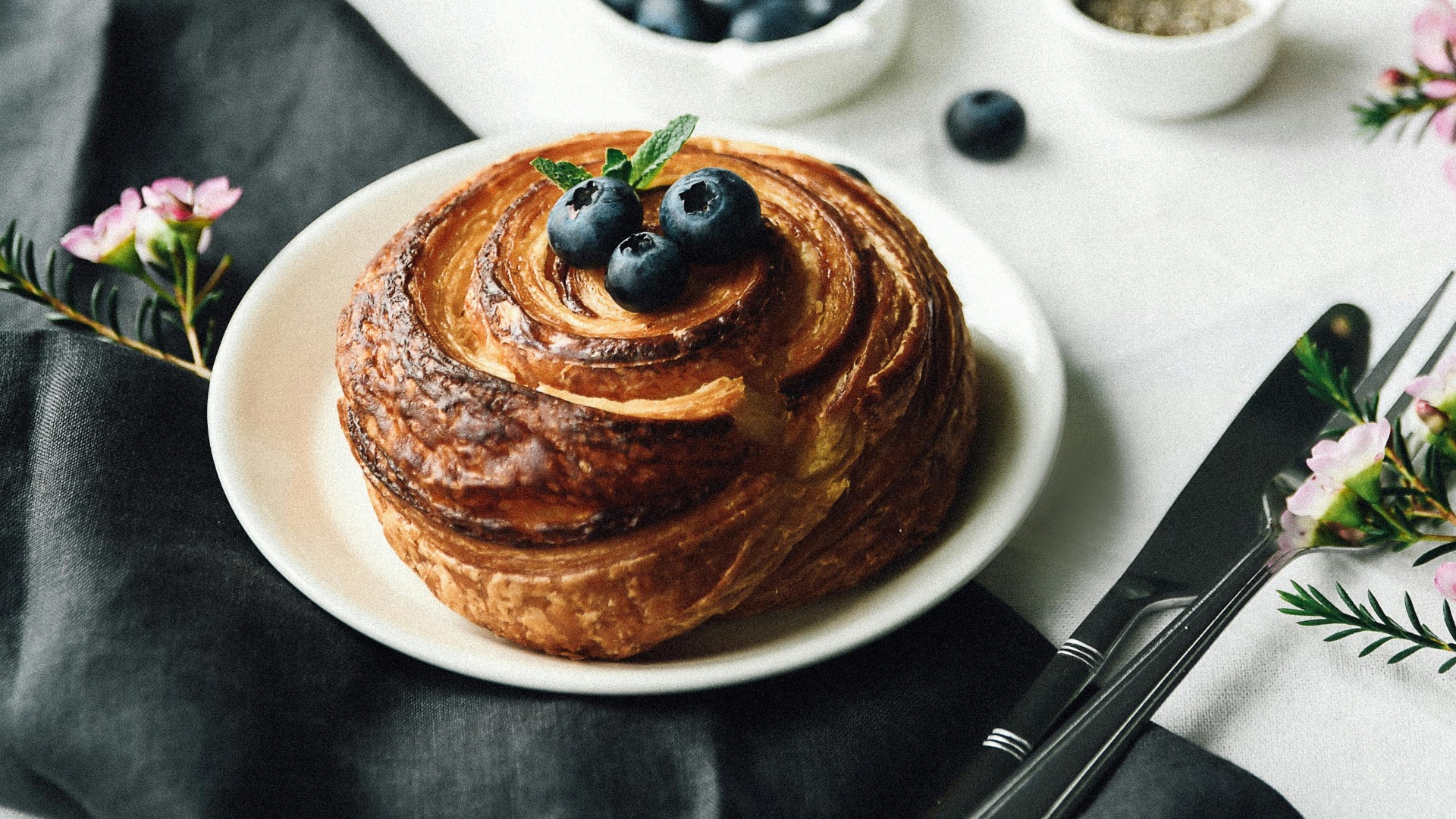
12. Kouign-Amann
Kouign-amann is a Breton pastry that takes the already-difficult laminated dough process and adds caramelized sugar into the equation, creating a whole new set of challenges. You need to roll sugar into the dough during the final folds, knowing that too much will burn and too little won't give you the signature crunchy, caramelized exterior. The timing in the oven is critical because the sugar needs to melt and caramelize without scorching the butter layers beneath it.
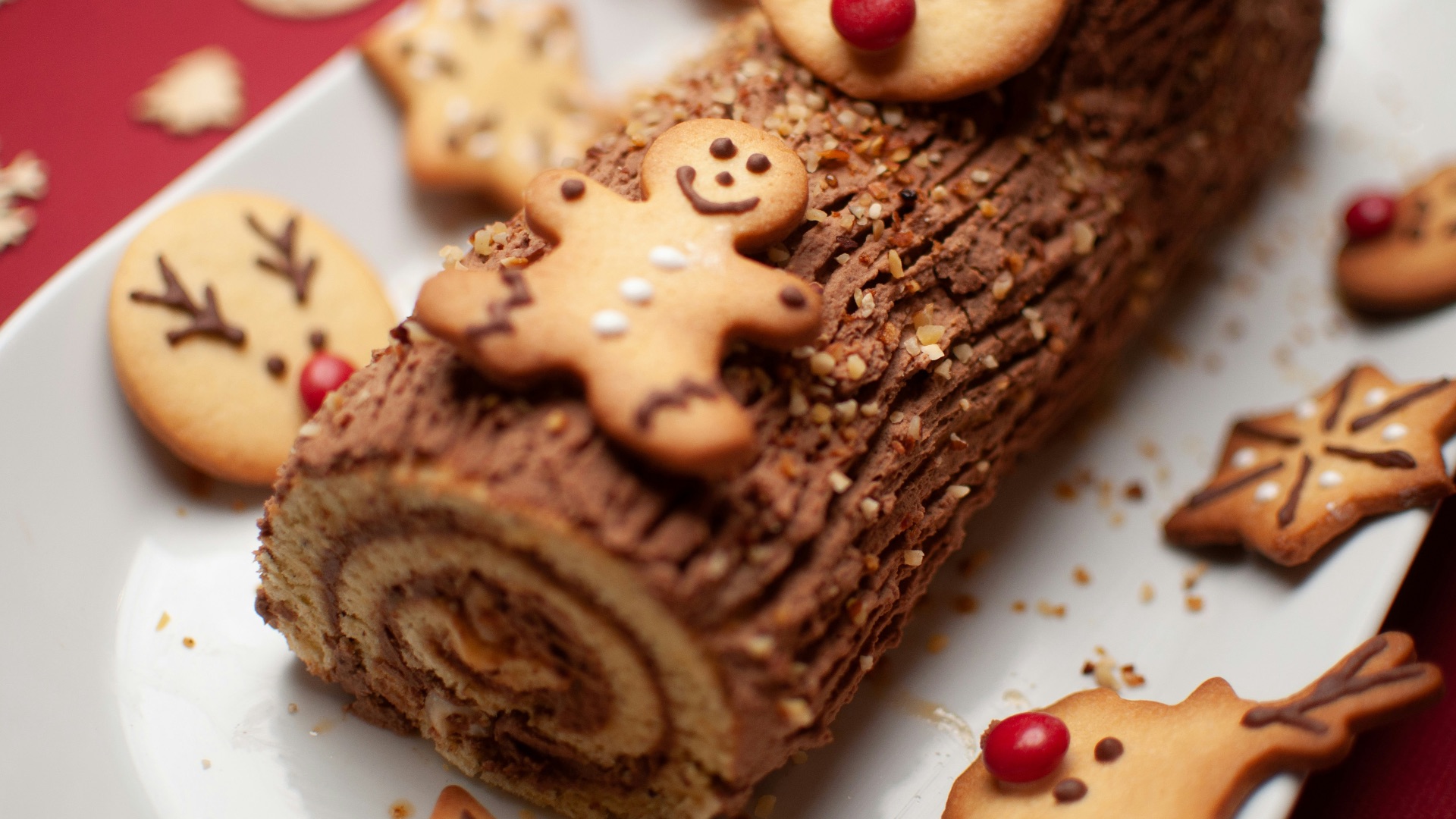
13. Bûche de Noël
A bûche de Noël requires you to successfully execute a Swiss roll, a French buttercream, decorative meringue mushrooms, and a realistic bark texture on the outside, all in one project. The génoise sponge used for the roll is notoriously prone to cracking if it's overbaked or rolled while too cool, which can turn the whole assembly into a crumbly mess. Decorating it to look polished also takes real artistic patience on top of the technical baking skills already required.
14. Éclairs
Choux pastry might look simple, but getting the dough to the right consistency before piping is genuinely tricky, since you're adding eggs one at a time and judging by feel and texture rather than a fixed measurement. If there's too much or too little egg, the shells either won't puff properly in the oven, or they'll collapse the moment they cool down. Then there's the filling, the glazing, and the assembly, all of which need to happen quickly before the pastry loses its crunch.
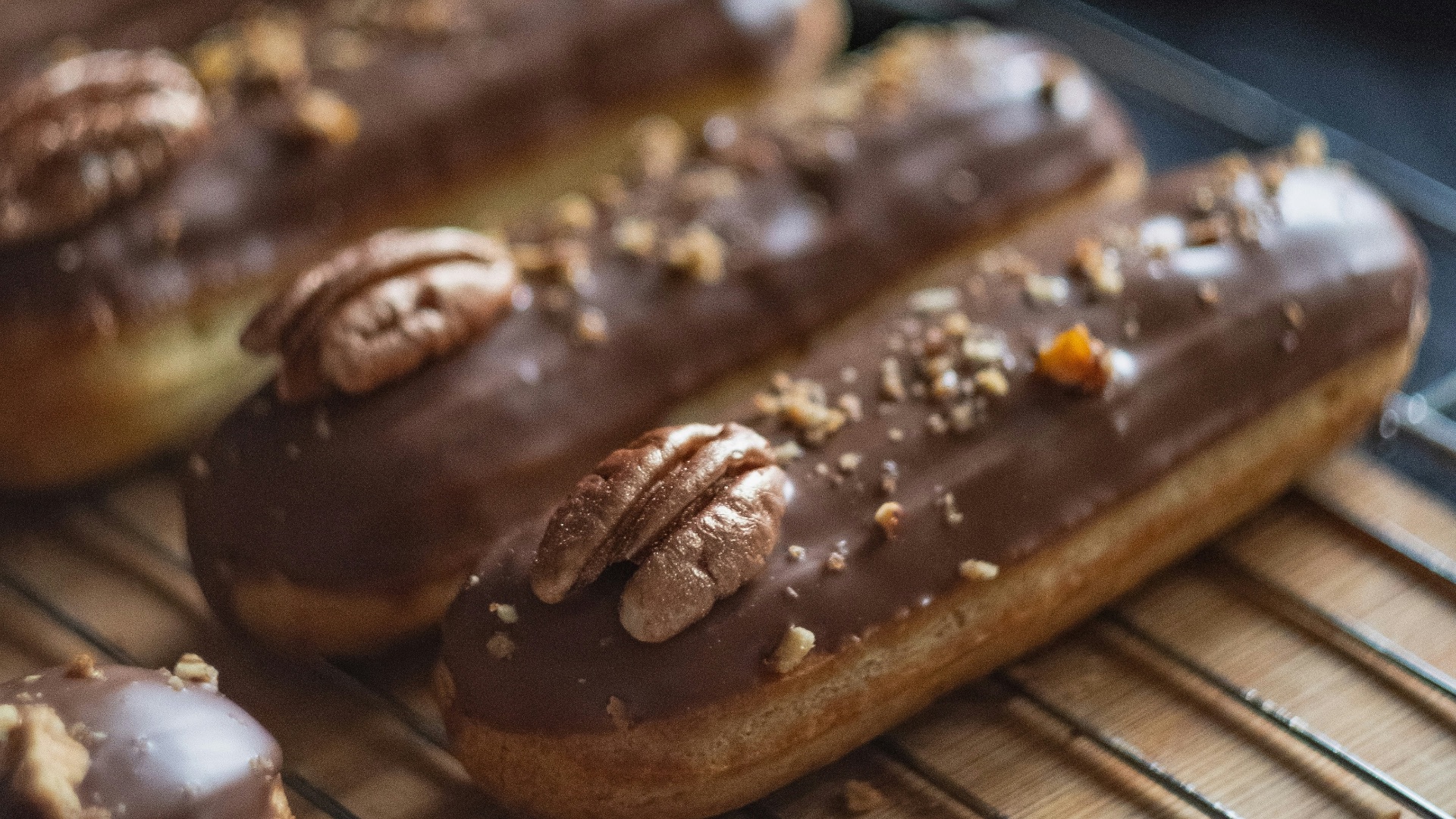 Diliara Garifullina on Unsplash
15. Beurre Blanc
Beurre blanc is a classic French butter sauce that's notoriously unstable and requires constant attention to keep it from breaking. You reduce white wine and shallots down to almost nothing, then whisk in cold butter piece by piece over very low heat, building a smooth, velvety emulsion held together by temperature alone. The second the sauce gets too hot or sits too long without being served, it separates into a greasy, oily mess with very little chance of saving it.
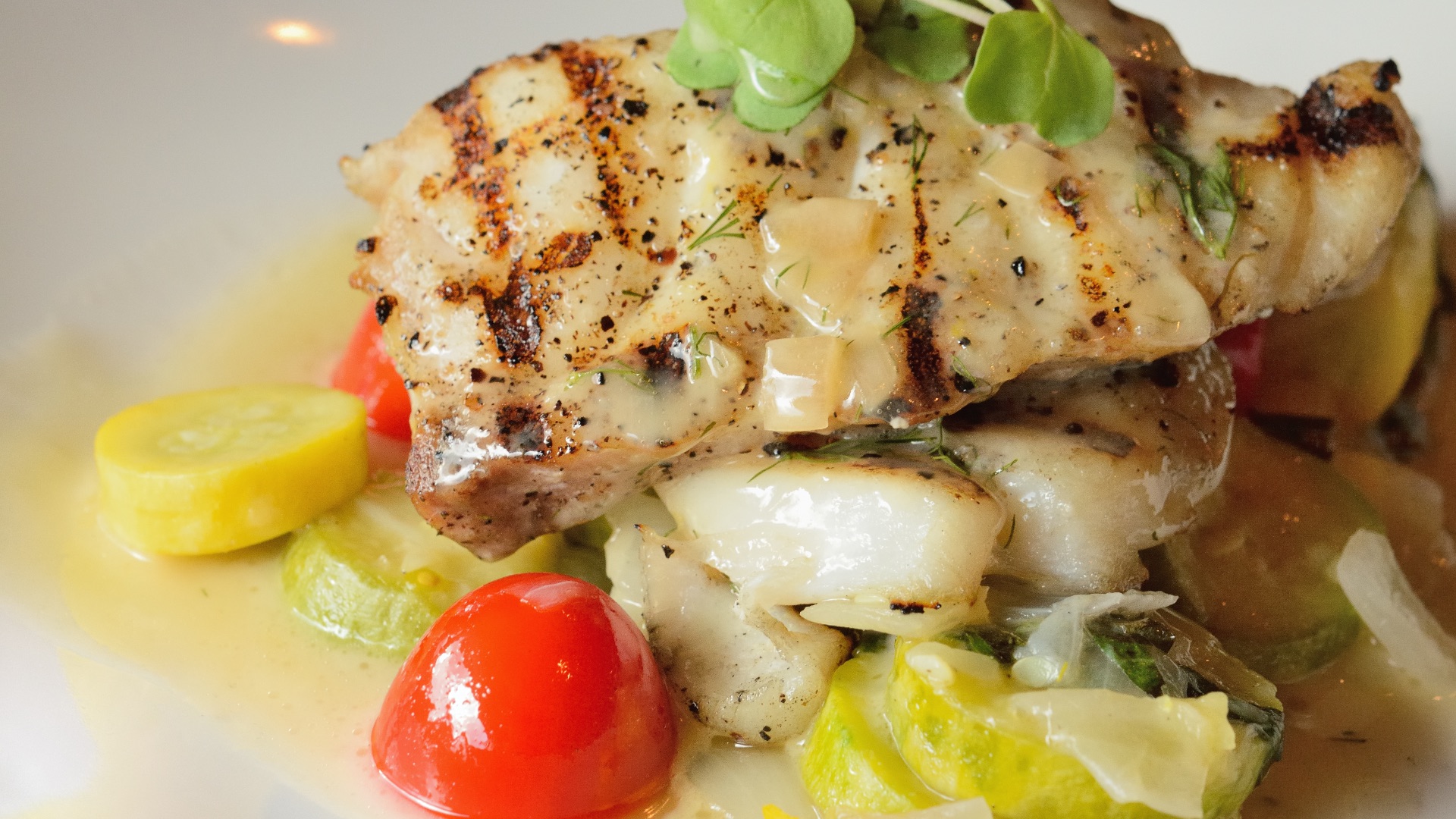 Ralph Daily from Birmingham, United States on Wikimedia
16. Hand-Pulled Noodles
Hand-pulled noodles are a staple of Chinese cuisine that professional noodle makers spend years perfecting, and attempting them at home gives you a quick appreciation for how skilled that craft really is. The dough needs to rest properly so the gluten relaxes enough to be stretched without tearing, and then the pulling technique requires a rhythmic, confident motion that keeps the noodles even from end to end. Even a slight inconsistency in your technique produces noodles that are thick in some spots and paper-thin in others.
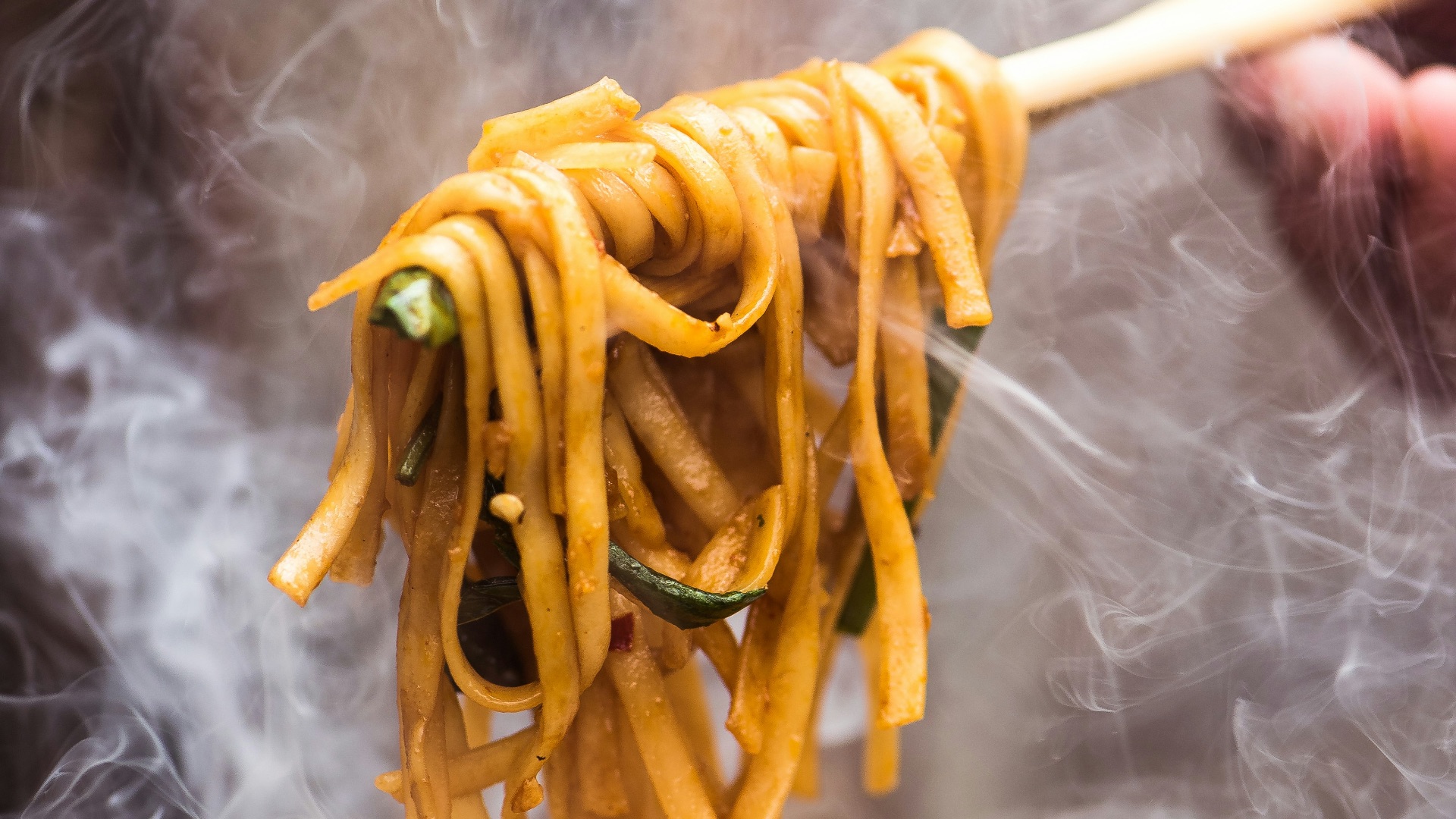
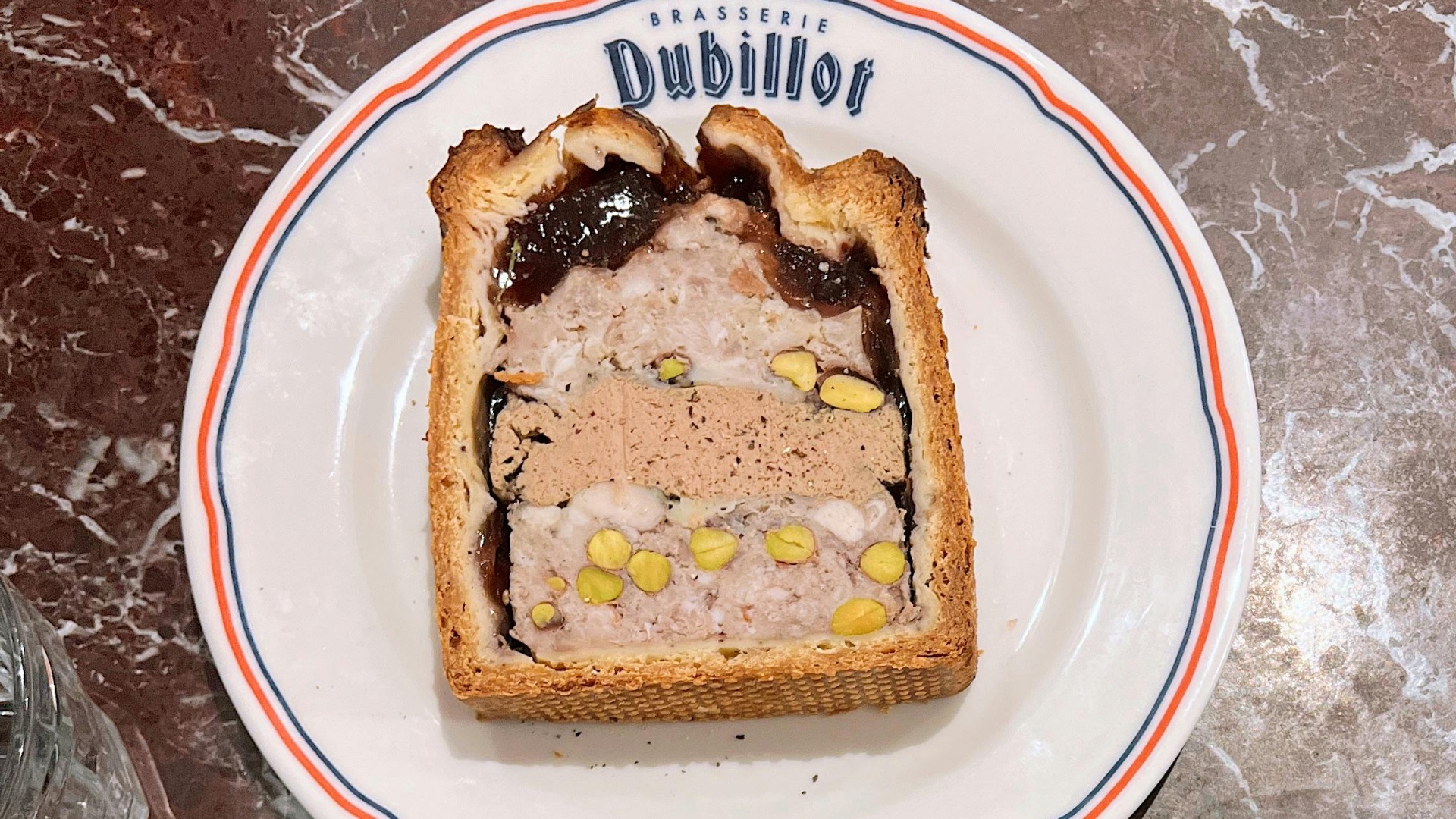
17. Pâté en Croûte
Pâté en croûte is a showpiece French dish that involves a forcemeat filling baked inside a decorated pastry crust, then finished with a savory aspic poured in through small holes in the lid. The pastry crust needs to be sturdy enough to hold its shape during baking without crumbling when sliced, and the filling has to be seasoned precisely because there's no adjusting it once it's sealed inside. Getting the aspic to set properly in all the gaps without creating air pockets is the kind of finicky detail that separates a polished result from a disappointing one.
18. Tempered Chocolate
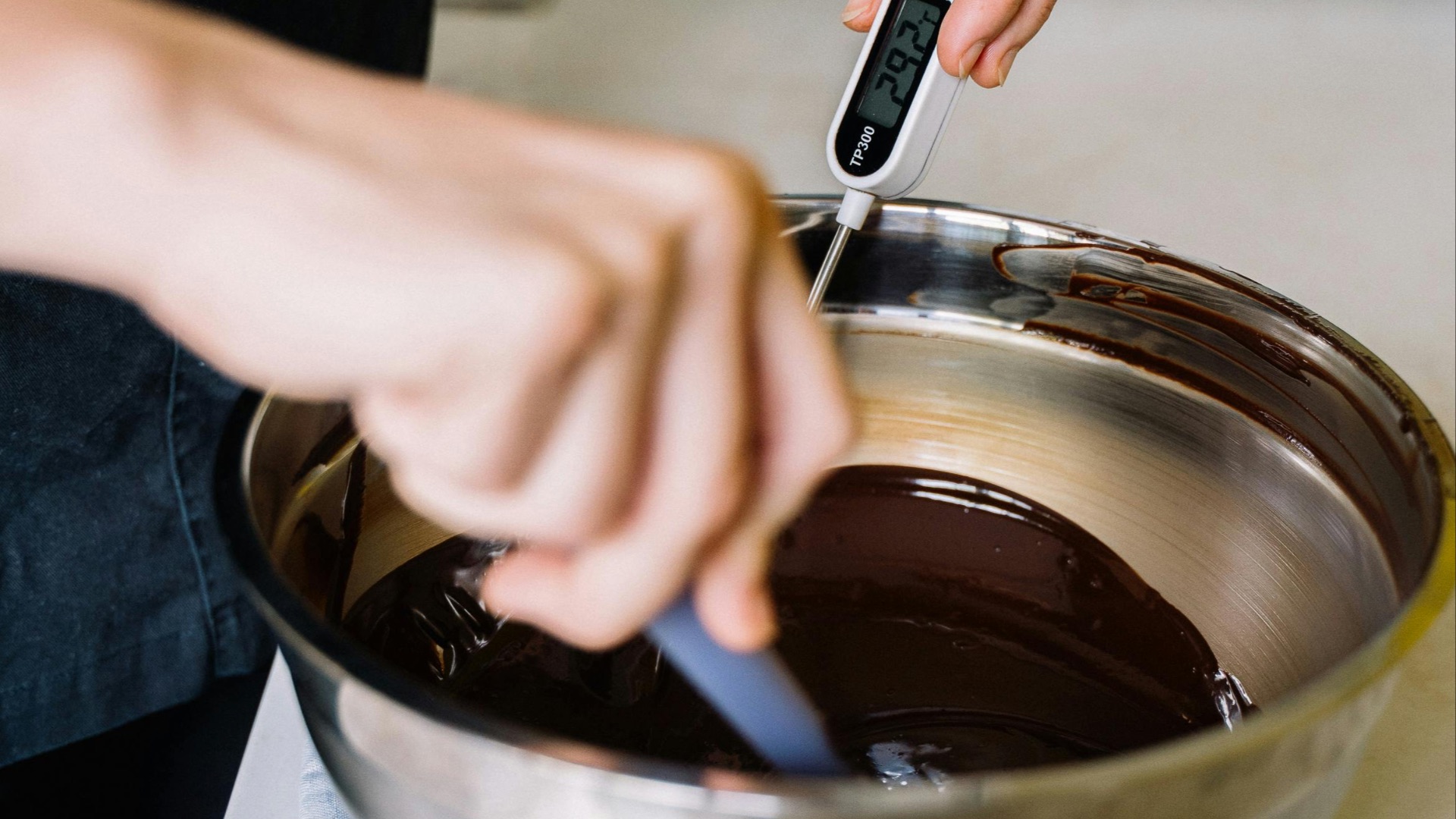
Tempering chocolate is a process that confectioners and pastry chefs train for specifically, and it involves carefully melting and cooling chocolate to precise temperatures to align the fat crystals in the cocoa butter. Done correctly, tempered chocolate has a glossy sheen, a satisfying snap, and a smooth melt; done incorrectly, it blooms with white streaks and has a dull, chalky texture. You'll need a thermometer, quick movements, and a workspace cool enough to help the chocolate set at the right rate.
19. Brown Butter Financiers
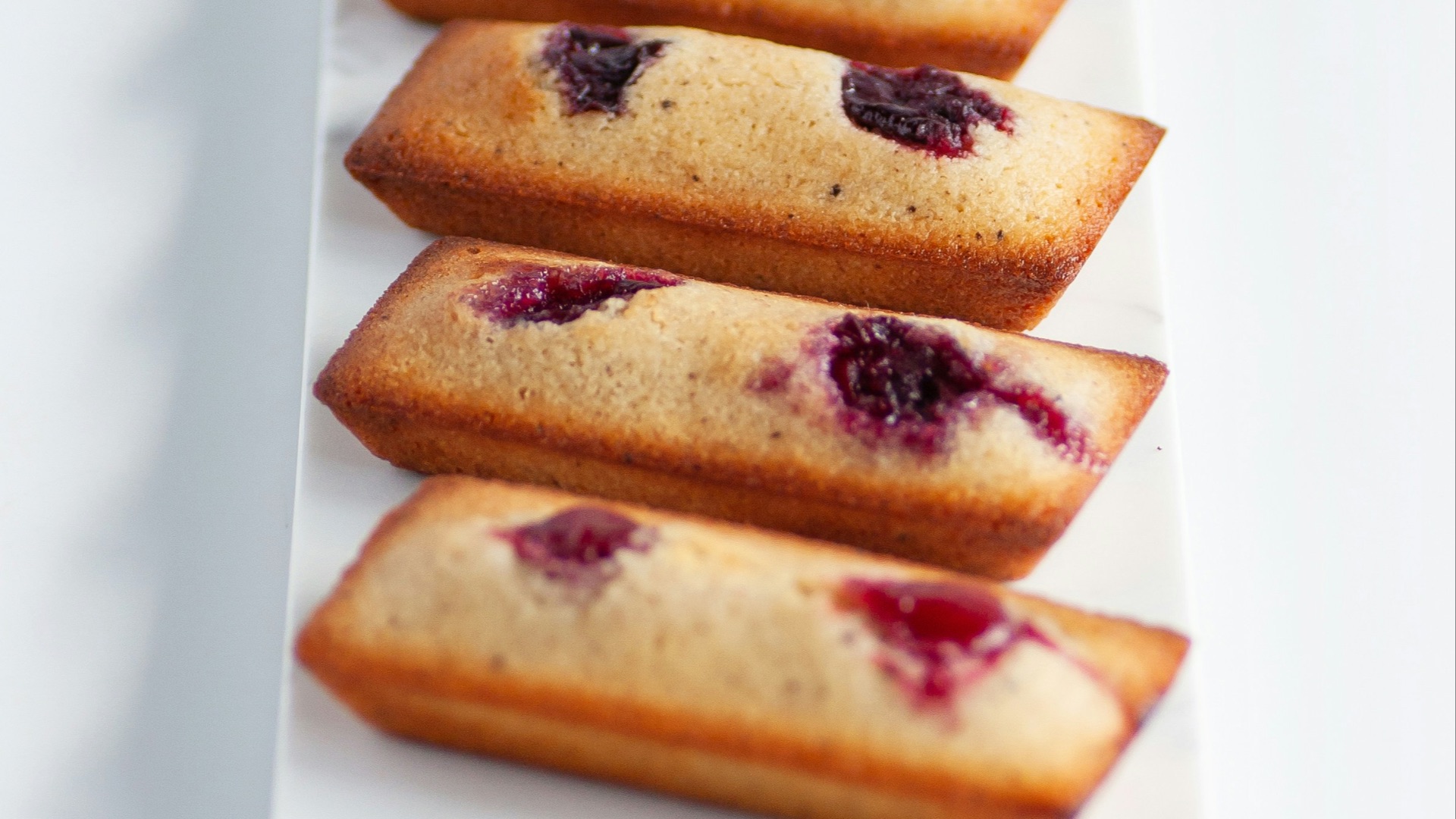
Financiers are small French almond cakes that require you to make beurre noisette, which means cooking butter just to the edge of burning without actually letting it burn. The line between nutty, fragrant brown butter and acrid, ruined black butter is a matter of seconds, and you need to pull the pan off the heat at exactly the right moment before residual heat takes it too far. The batter itself also needs to rest before baking, and skipping that step affects the final texture in ways that aren't immediately obvious until the cakes are already out of the oven.
20. Croquembouche
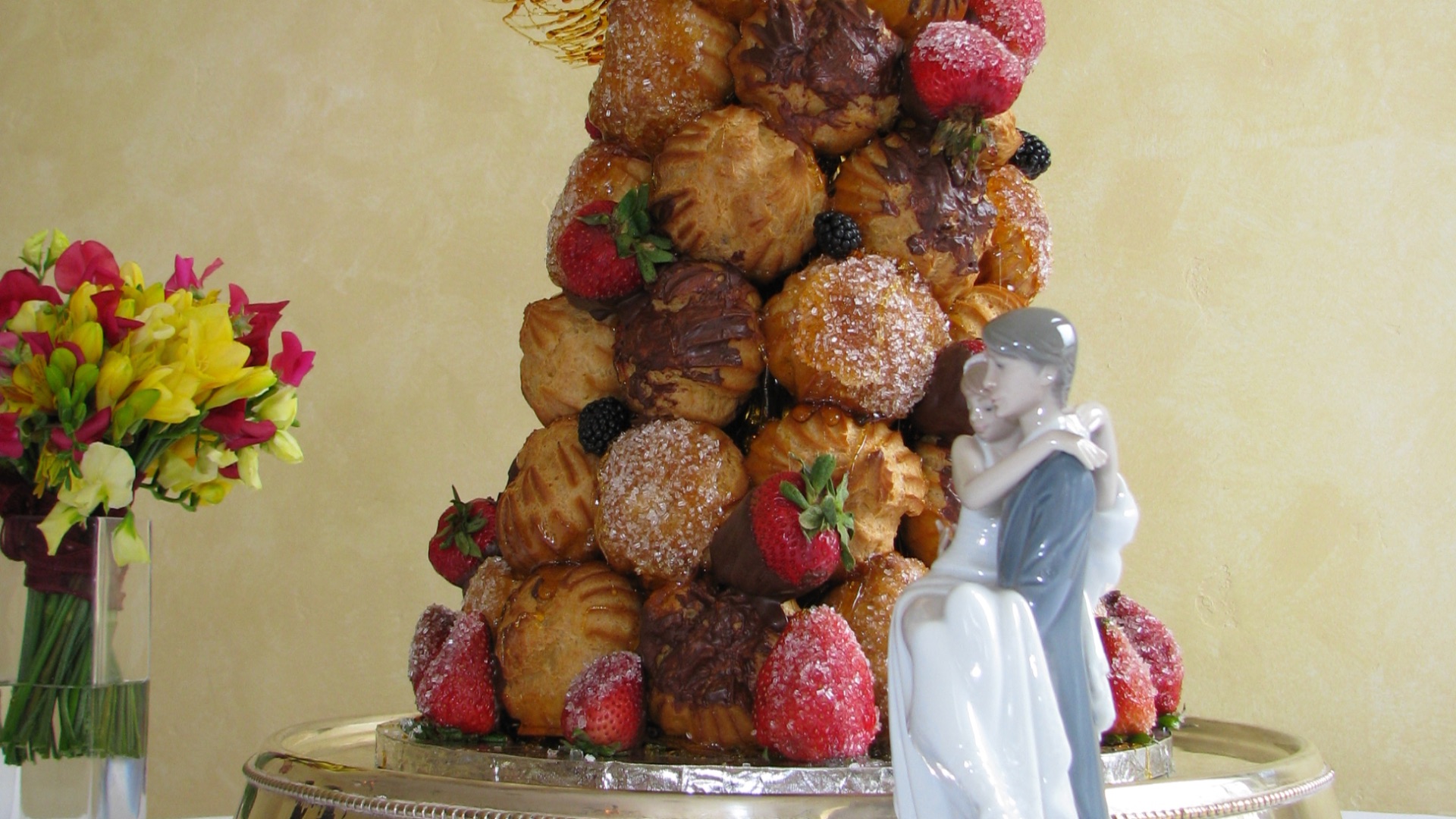
A croquembouche is a towering French dessert made from dozens of cream-filled choux puffs stacked into a cone and held together with spun caramel, and it's one of the most demanding things you can build in a home kitchen. You need to make perfect choux pastry, fill each puff cleanly, then work quickly with hot caramel to assemble the tower before it sets or hardens unevenly. The caramel is genuinely dangerous to handle at that temperature, the structure is delicate, and the whole thing needs to be assembled close to serving time so the pastry stays crisp and the caramel doesn't weep in humidity. Phew.
KEEP ON READING
You’re Storing Tomatoes Wrong in This Heat
You’re Storing Potatoes Wrong in This Heat
You’re Storing Peppers Wrong in This Heat
You’re Storing Carrots Wrong in This Heat