If you've only ever drunk coffee from a rarely-cleaned machine at work, you may be surprised to learn that there are several different ways of brewing it. You may be surprised even more to learn that these different methods yield drastically different results. Brewing the perfect cup of coffee doesn't just depend on the beans you buy, but also how you brew them.
Each method produces a unique cup of coffee, and it isn't as simple as swapping one out for another. The world of coffee is wide-reaching with a devoted following, but we'd like to focus on three big preparation methods: drip brew, Moka pot, and French Press. Let's start with drip brew, as it's the method most people are familiar with.
Drip Brew
 Angela CoffeeRank (coffee-rank.com) on Wikimedia
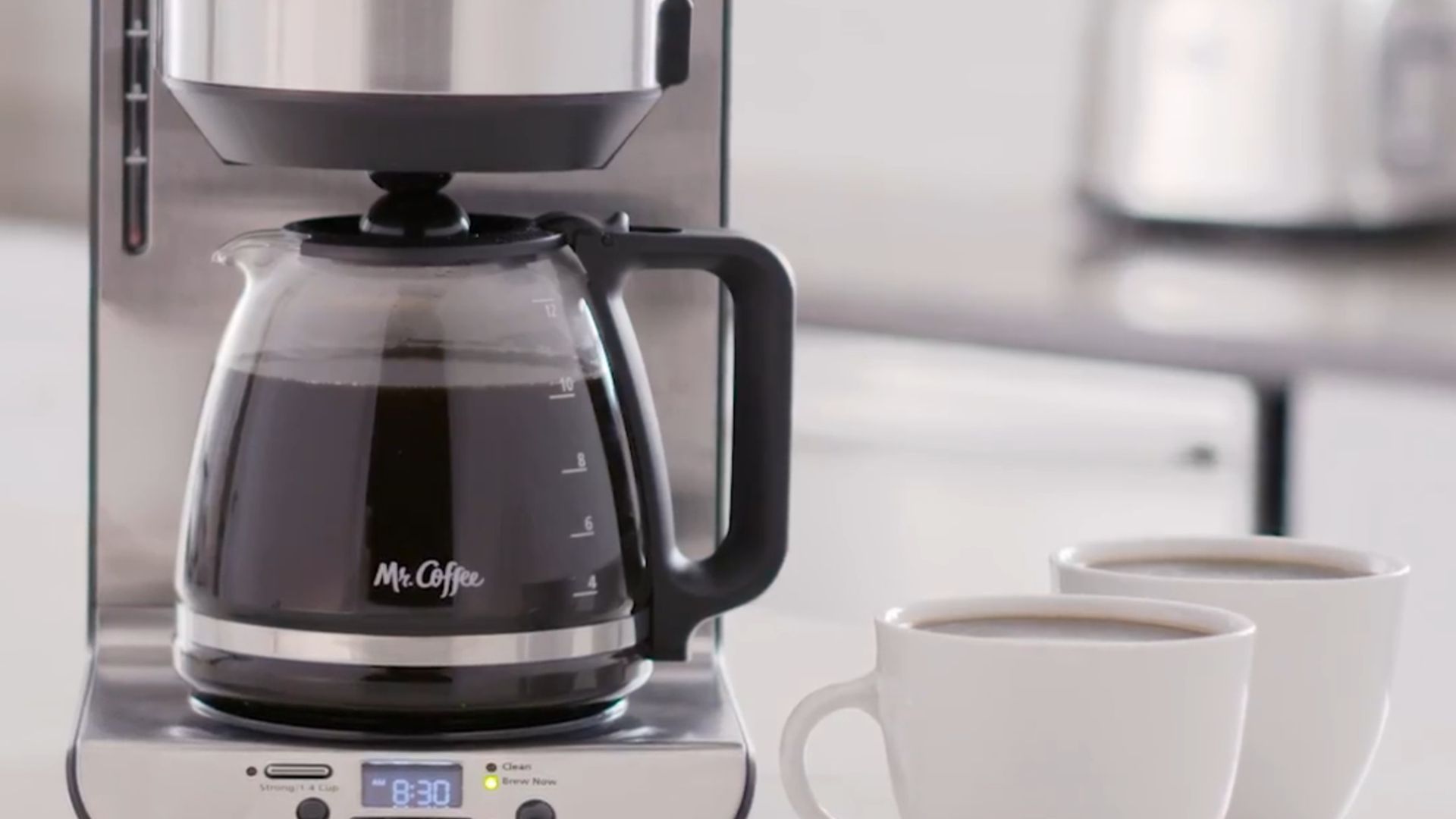
Also known as filtered or pour-over coffee, drip brew coffee is the variety you're most likely to find in offices and diners across North America. This method involves dripping hot water over coffee grounds either manually or by machine. Drip brew is usually light in both color and flavor.
The paper filters that most people use for drip coffee trap the oils that would otherwise mix into your brew. These oils aren't necessarily bad, but they can complicate the flavor somewhat. Drip machines produce a smooth and clean cup of java that's easy to drink.
Light roasts with fruity notes shine when used for drip brew, as it allows their flavors to blossom without being overpowered by the intensity of espresso. For many casual coffee drinkers, a drip brew cup is the Goldlilocks of coffee: just right. Most cold brew or iced coffee is made with drip brew coffee.
Moka Pot
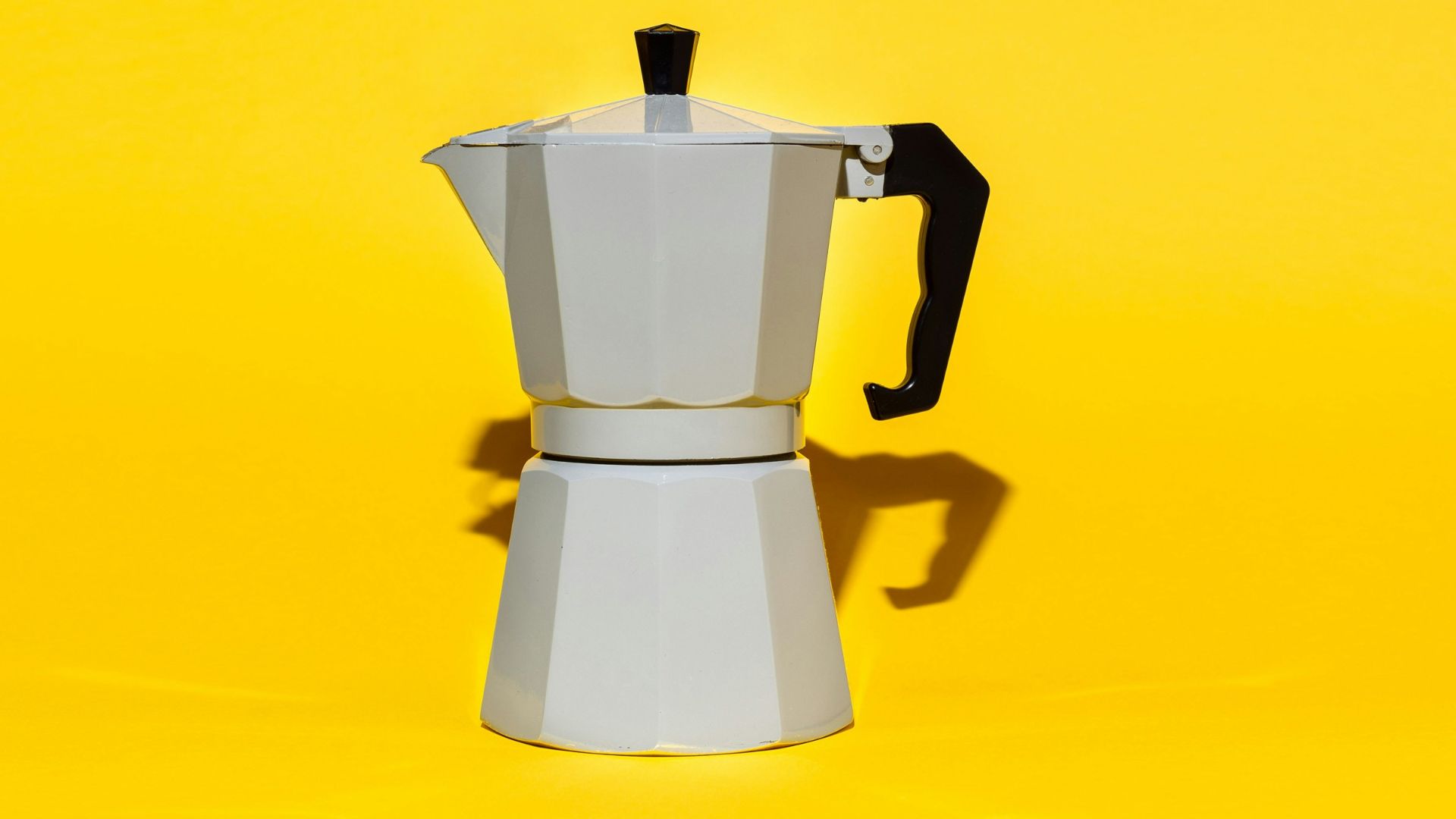
Let's move onto a classic Italian method: the moka pot! Using this method requires a bit more know-how than just filling a filter and pressing start. A moka pot is like a pressure cooker for your coffee, forcing hot water through the grounds. Moka pot coffee is similar to espresso with a strong body and rich flavor.
Moka pots require a stove, generating both steam and pressure to push boiling water upwards, mingling with the ground coffee for a cup that will put hair on your chest. This method is a little more time and labor-intensive, as you need to watch the stove to prevent your coffee from boiling over. While it takes a few tries to get brewing down to a science, a moka part isn't difficult to use.
Medium roasts are recommended for moka pots. Dark roasts can be risky as they can come out way too bitter if your measurements are even slightly off. The high-pressure bubbling of a moka pot is just right for a roast that isn't too coarse or too fine.
French Press
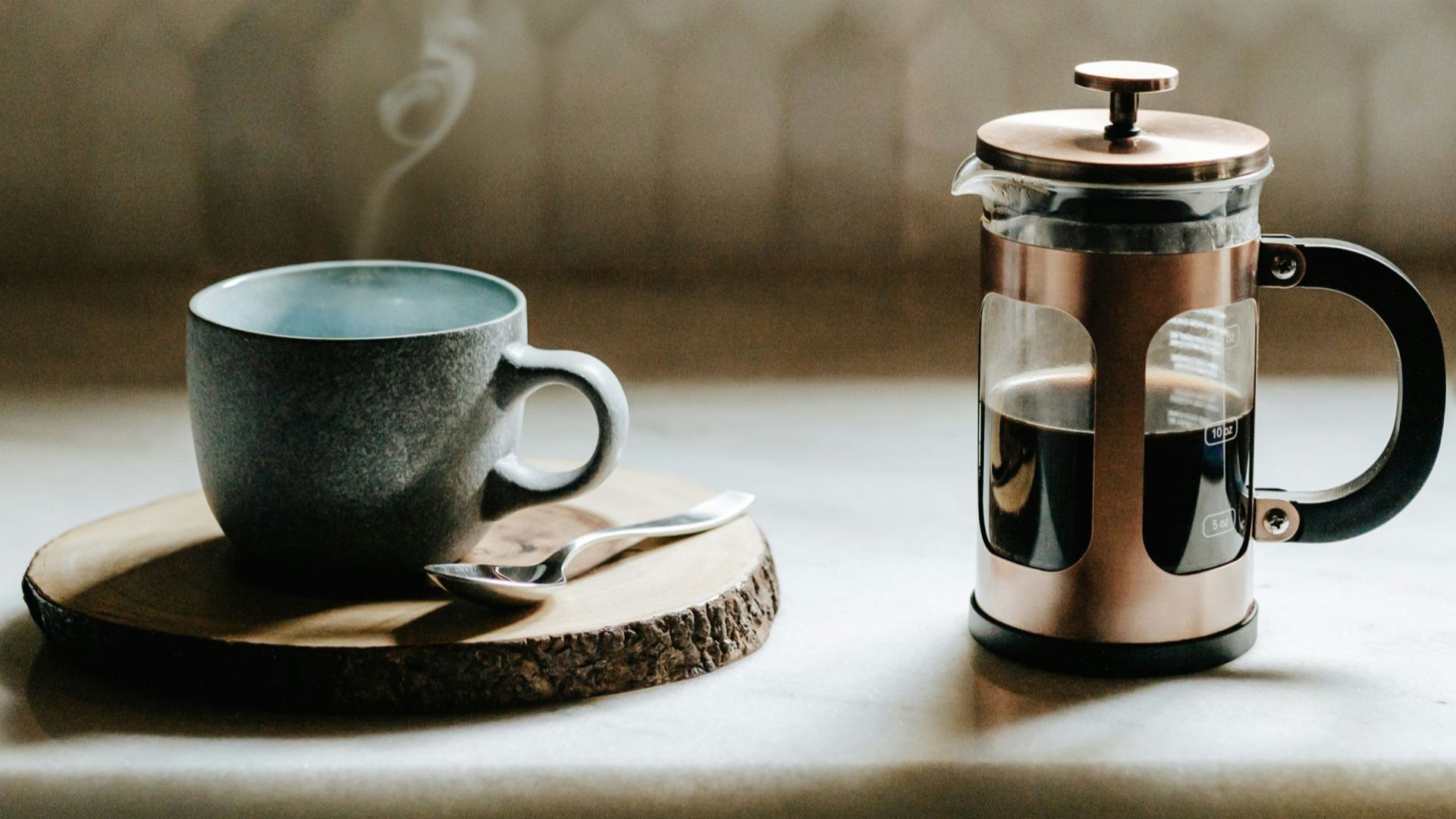
Our last method is French press coffee. If you're a regular tea drinker, you'll probably enjoy French press coffee. French press coffee is full-bodied and bold, generally stronger than drip coffee, but not as strong as a moka pot.
A French press brews coffee by steeping, pushing a plunger down after about five minutes. The coffee and the water are left to mingle, with the oils creating a more complex mouthfeel than other methods.French press coffee is one of the easiest methods to make, though cleaning the press itself can be a little more time-consuming.
If you're using a French press, you'll want to look for a coarser grind, similar to cooking salt. Medium and dark roasts, especially those with chocolate notes, pair best with the process of a French press. Just like a cup of tea, water temperature and steeping time contribute to the profile of your brew.
KEEP ON READING

20 Dishes That Define Modern American Cuisine