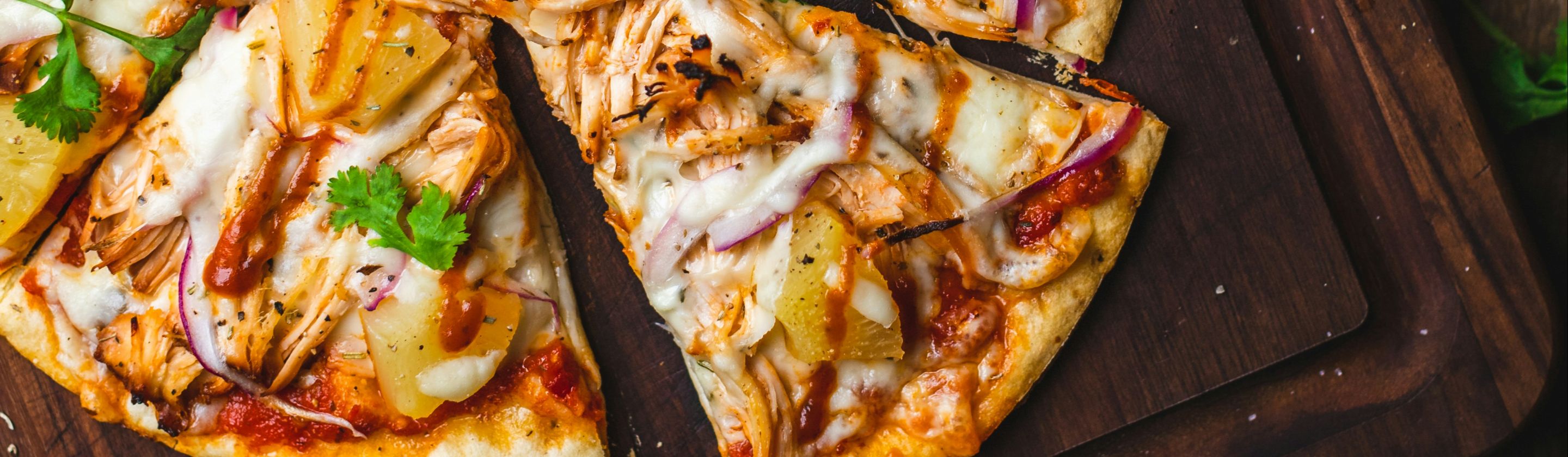
Does Pineapple Taste Better In Burgers Than Pizza? Here's Why It Works
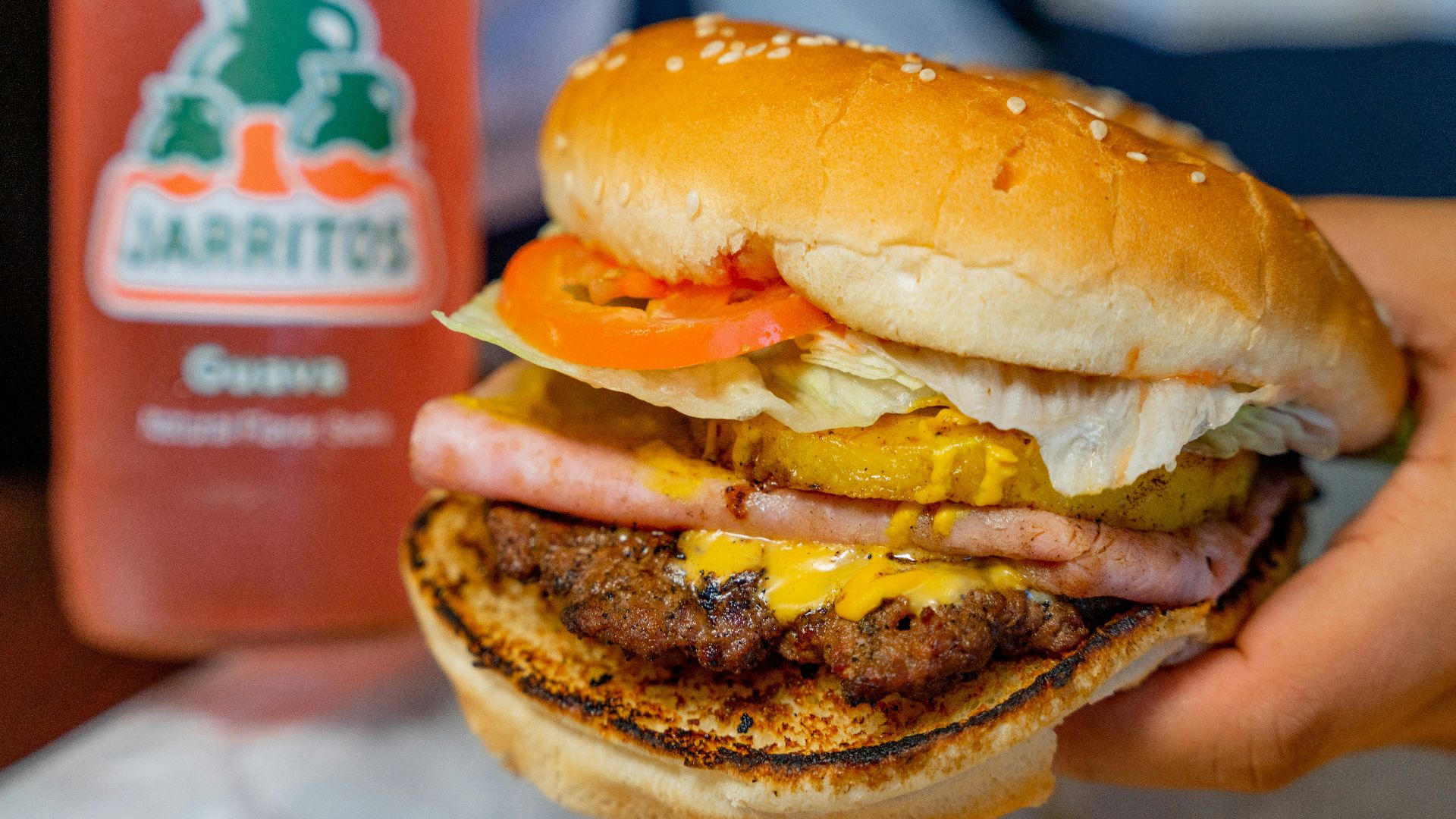 Jarritos Mexican Soda on Unsplash
Safe to say the pineapple debate rages on across dinner tables and social media feeds, with passionate defenders and critics on both sides. But here's an interesting twist: while pineapple on pizza remains one of the most controversial food topics of the modern era, pineapple on burgers has been quietly winning hearts without sparking the same heated arguments.
The contrast between sweet caramelized pineapple and savory beef creates something genuinely craveable, while that same golden fruit sparks outrage when paired with marinara and mozzarella. Well, the difference isn't about the pineapple itself, but everything surrounding it. Understanding why this tropical ingredient thrives in one context while struggling in another reveals fascinating truths about flavor compatibility, texture dynamics, and culinary tradition. Let’s read further.
The Science Of Sweet And Savory Balance
A burger delivers multiple textures and temperatures simultaneously: the char on the beef, the crunch of lettuce, the creaminess of the sauce, and the soft bun. Pineapple, especially when grilled, adds a sweet-tart punch that cuts through the richness of beef fat in a way that feels natural and refreshing. The enzymes in fresh pineapple, particularly bromelain, help break down proteins, making this fruit an effective meat tenderizer during consumption.
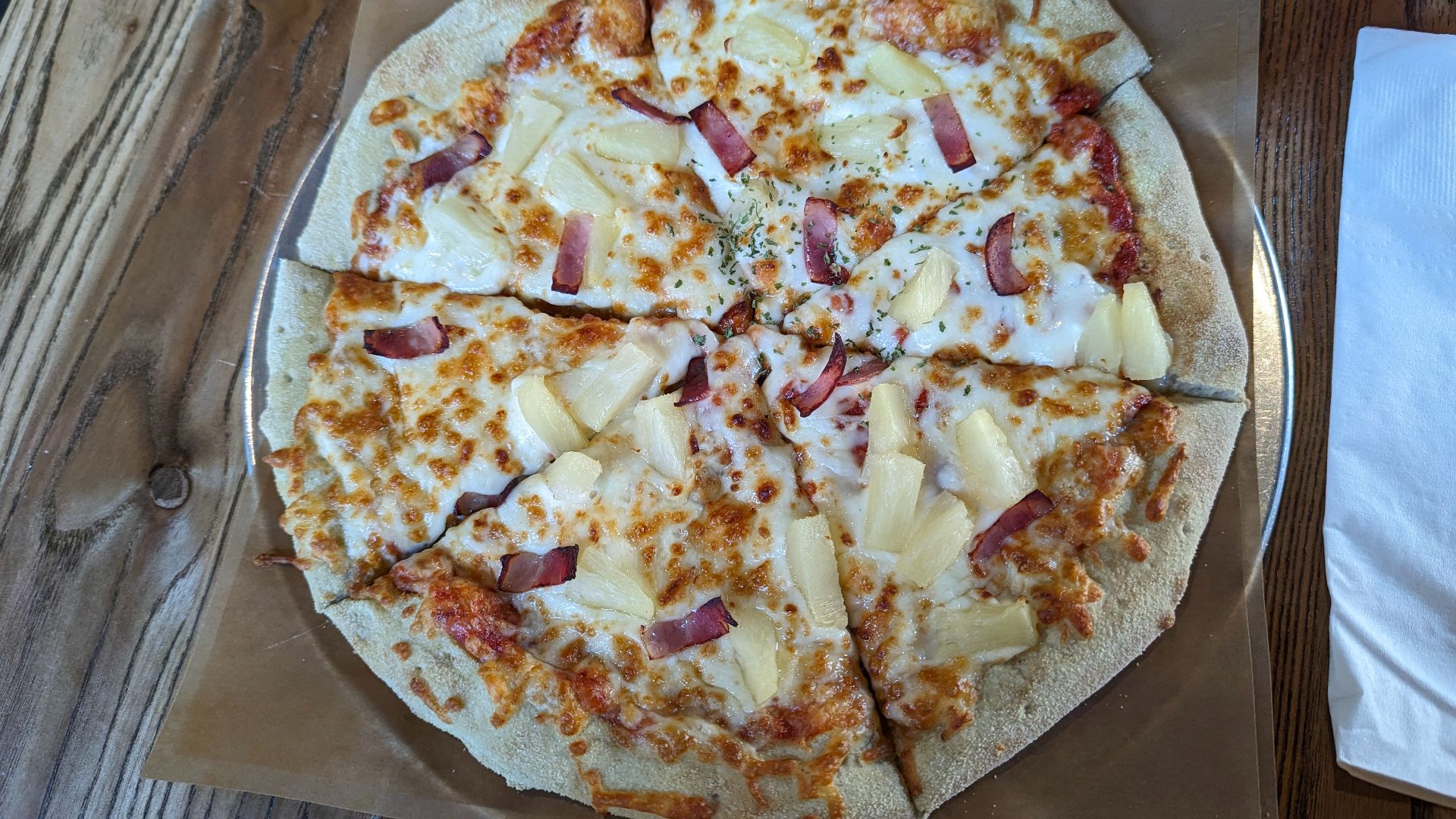
Pizza offers a distinct flavor landscape. The combination of tangy tomato sauce, creamy cheese, and herbs like oregano and basil evolved together in Italian cuisine over centuries, creating a flavor profile that feels inherently complete. Adding pineapple introduces a tropical sweetness that clashes with this Mediterranean foundation. The texture also suffers dramatically: pineapple releases moisture as it bakes, creating soggy spots that disrupt pizza's ideal crispy-chewy balance.
In a burger, that same juiciness becomes an asset, adding moisture and preventing dryness with every bite.
Cultural Context And Culinary Evolution
Did you know that Hawaiian burgers have roots in Pacific Rim cuisine? Here, sweet-savory combinations represent tradition rather than controversy. Teriyaki burgers topped with grilled pineapple emerged naturally from Hawaii's and the West Coast's culinary traditions, where Asian and American flavors have blended for generations.
The burger format is also inherently more experimental. Everything from fried eggs to peanut butter has found acceptance on burgers without the same cultural backlash that pineapple pizza endures. Pizza carries the weight of Italian tradition, and for many people, adding pineapple feels like culinary sacrilege. The resistance isn't really about taste alone but about respecting a dish that's remained relatively unchanged for over a century.
Burgers, being thoroughly American inventions, carry no such baggage. Customization has been part of burger culture since the beginning. The verdict? Pineapple isn't the problem. On a burger, grilled pineapple's caramelized edges and tropical sweetness complement charred beef, tangy barbecue sauce, and sharp onions perfectly.
On pizza, the fruit fights against flavors that don't want assistance. Sometimes the best ingredients just need the right stage to shine, and pineapple has finally found its perfect home between two toasted buns.
KEEP ON READING

10 Healthy School Snacks to Pack for Your Kid
Why Some Foods Become Comfort Foods
10 Foods Gen Z Is Bringing Back From the Dead
Why Leftover Rice Deserves Extra Caution
20 Grandpa Flavors You Get Judged For Liking