
What's better than having a great meal at a restaurant and then bringing some delicious leftovers home to enjoy the next day? Sadly, all the magic of the moment disappears the moment you place your leftovers in the microwave. Sure, it's convenient, but it's also the easiest way to ruin the texture and taste of your food.
If you love food and want to stretch out your restaurant experience from the previous day, you need to resist popping leftovers in the microwave and pressing that "30-second" button. Luckily, there is a much better option.
Let's look at why you should never put leftovers in the microwave, and a better reheating method that will make you feel like you never left the restaurant.
Microwaving Leftovers Kills Texture
Uneven heating causes leftovers to fall apart while being microwaved. This is because microwaves heat food differently from an oven or a stovetop. They work by exciting water molecules, which causes rapid yet inconsistent heating throughout food. This often results in certain areas getting extremely hot while others remain cold.
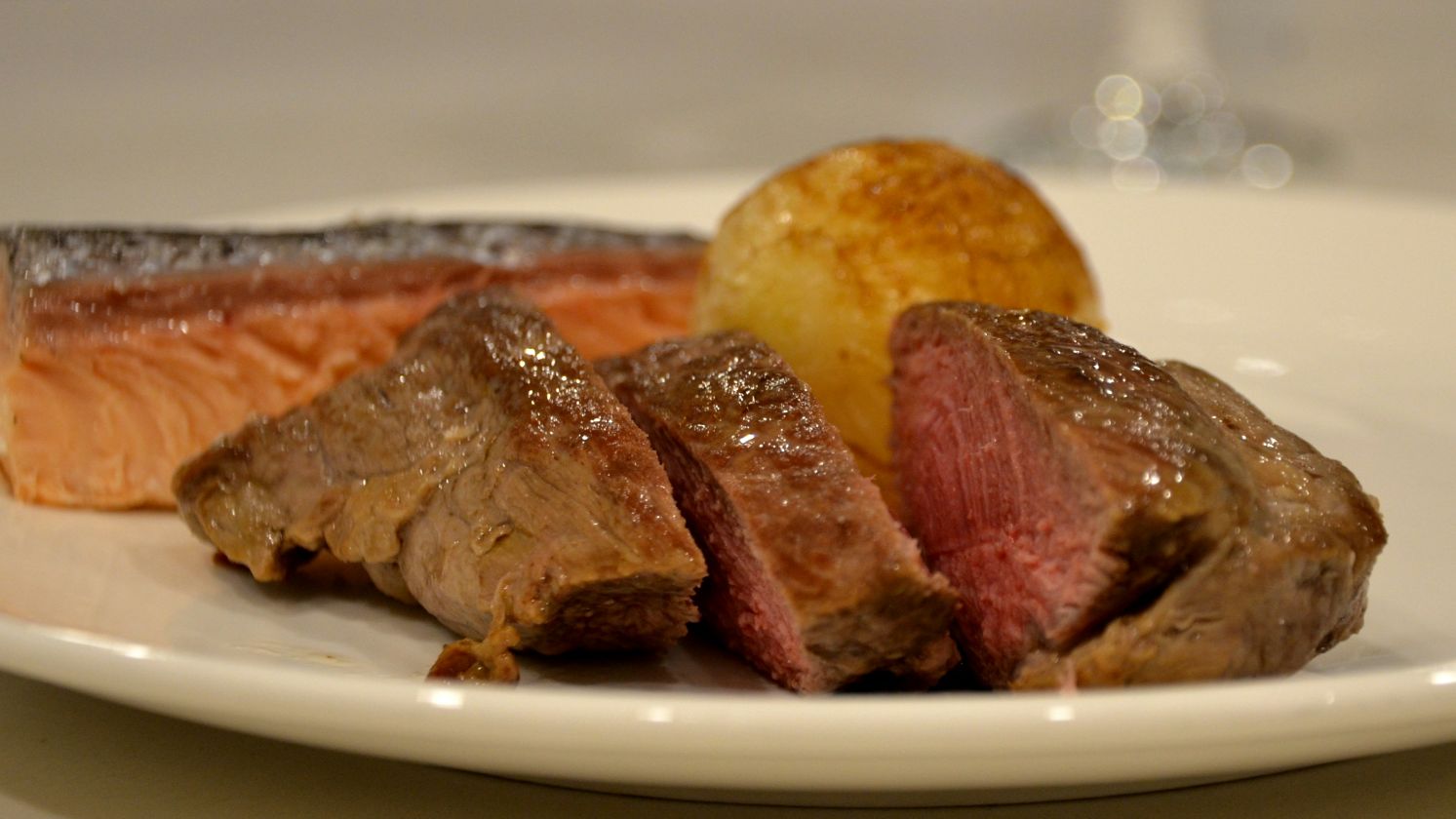
The worst thing to microwave is protein. The microwaving process can make chicken rubbery, steak gray and tough, and dry out fish. Even beautifully roasted vegetables will lose their crispness and become limp. Then, there are items you should never microwave, like bread, French fries, pastries, and sandwiches.
While microwaving can save time, food will lose all its texture and no longer taste like the delicious meal you enjoyed the night before.
The Microwave Makes Food Lose its Flavor
Flavor is as big a casualty of microwave cooking as texture. Sauces are one of the toughest items to heat in a microwave. They can separate as the fat and water components heat at different rates. Furthermore, creamy sauces will break without fail and can become grainy. Microwaving tomato-based dishes can amplify their acidity, and spices can taste much harsher after being microwaved.
Foods that need caramelization or browning lose all complexity, as the microwave can't replicate dry heat. This means that the crisp, flavorful edges on a perfectly-seared steak will soften. You end up with protein with a muted flavor, and that looks strange.
Reheat With Real Heat
If your goal is to have your leftovers taste almost as good as when you first ate them, use real heat, not a microwave. This means reheating food on a stovetop or in an oven or air fryer.
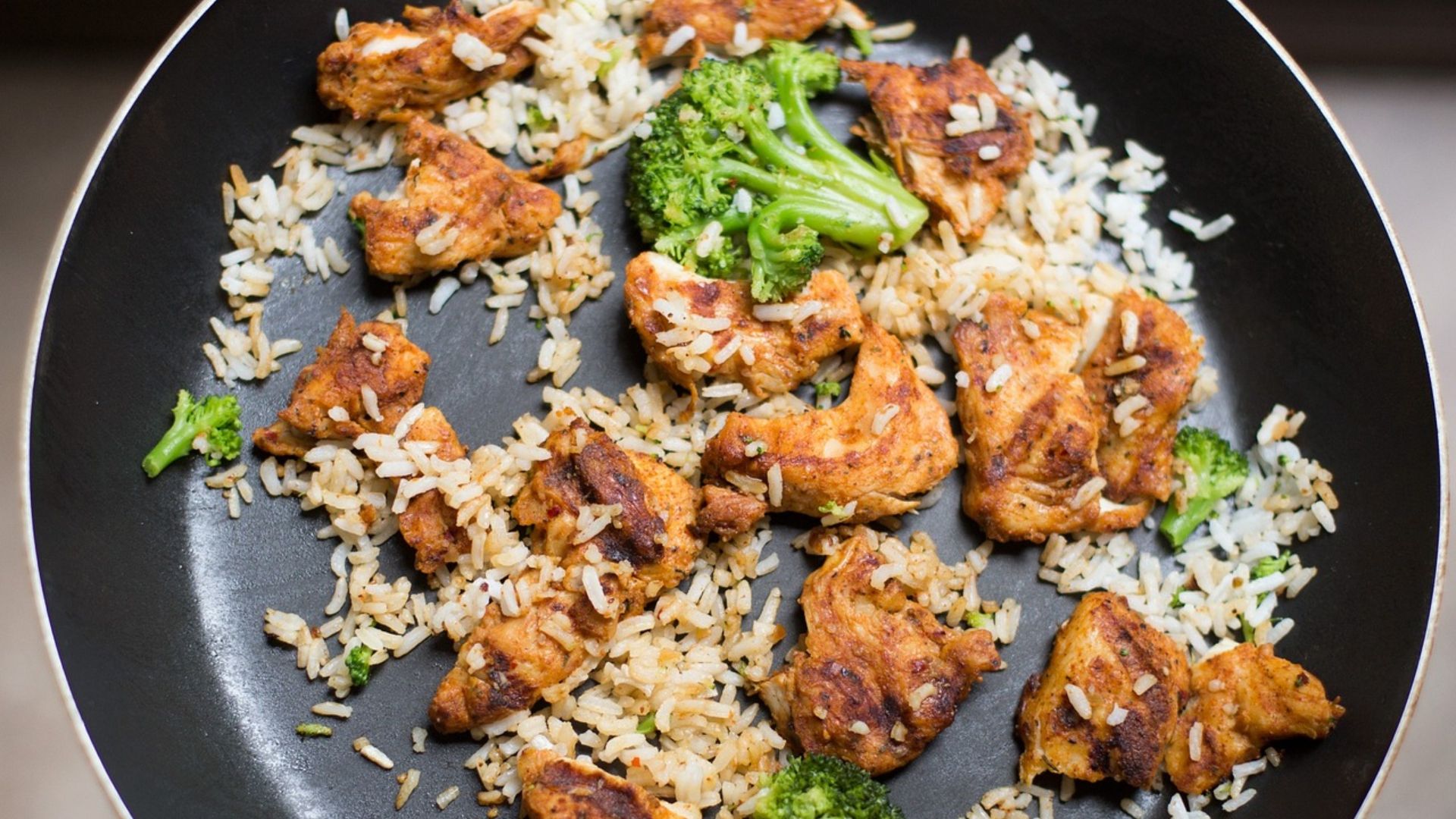
Reheating food in a skillet can help it regain its crispiness. It's a great option for French fries, chicken, stir-fry, pasta, or even steak. Reheat low and slow, add a little water, stock, or oil, and give the food time to warm evenly.
For baked dishes, like lasagna or roasted meats, the oven is the best choice. Reheat at a low temperature and let it gently warm your leftovers without drying them out.
If you love food and are excited about the carton of leftovers in your fridge, consider the microwave your worst enemy. It wrecks texture, removes flavor, and turns a meal into a bland and soggy mess. Take a little more time to reheat leftovers in your oven or air fryer, or on your stovetop. You won't regret it.
KEEP ON READING
The Best Gifts to Give To Any Baking Lover


10 Iconic Australian Foods You Need to Try