Freezer-Burned Chicken, Anyone?
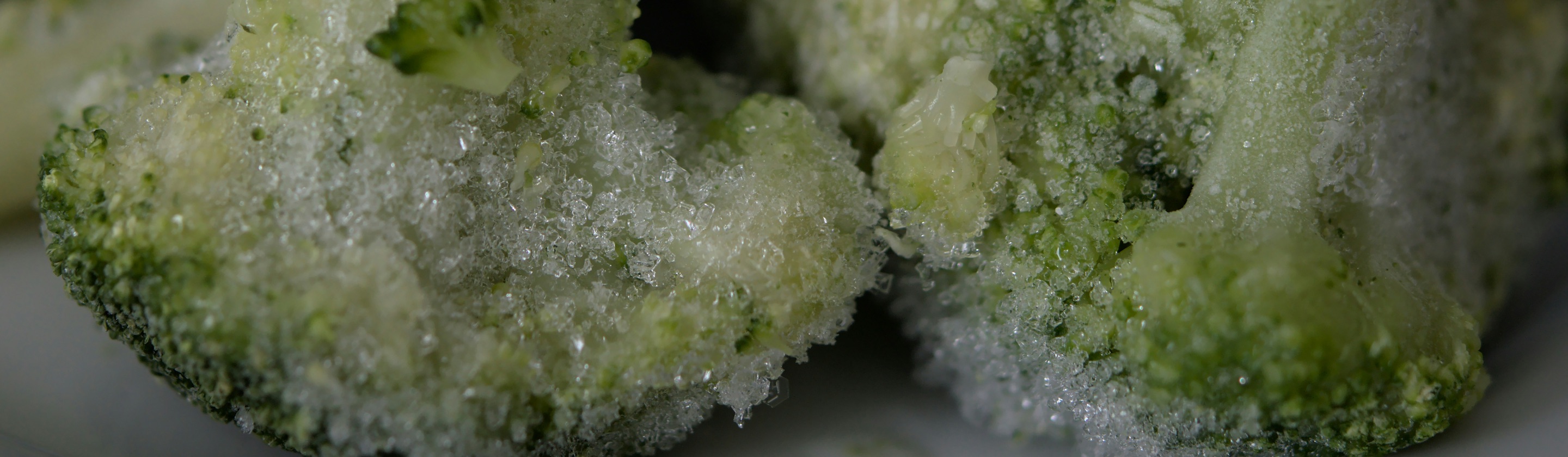
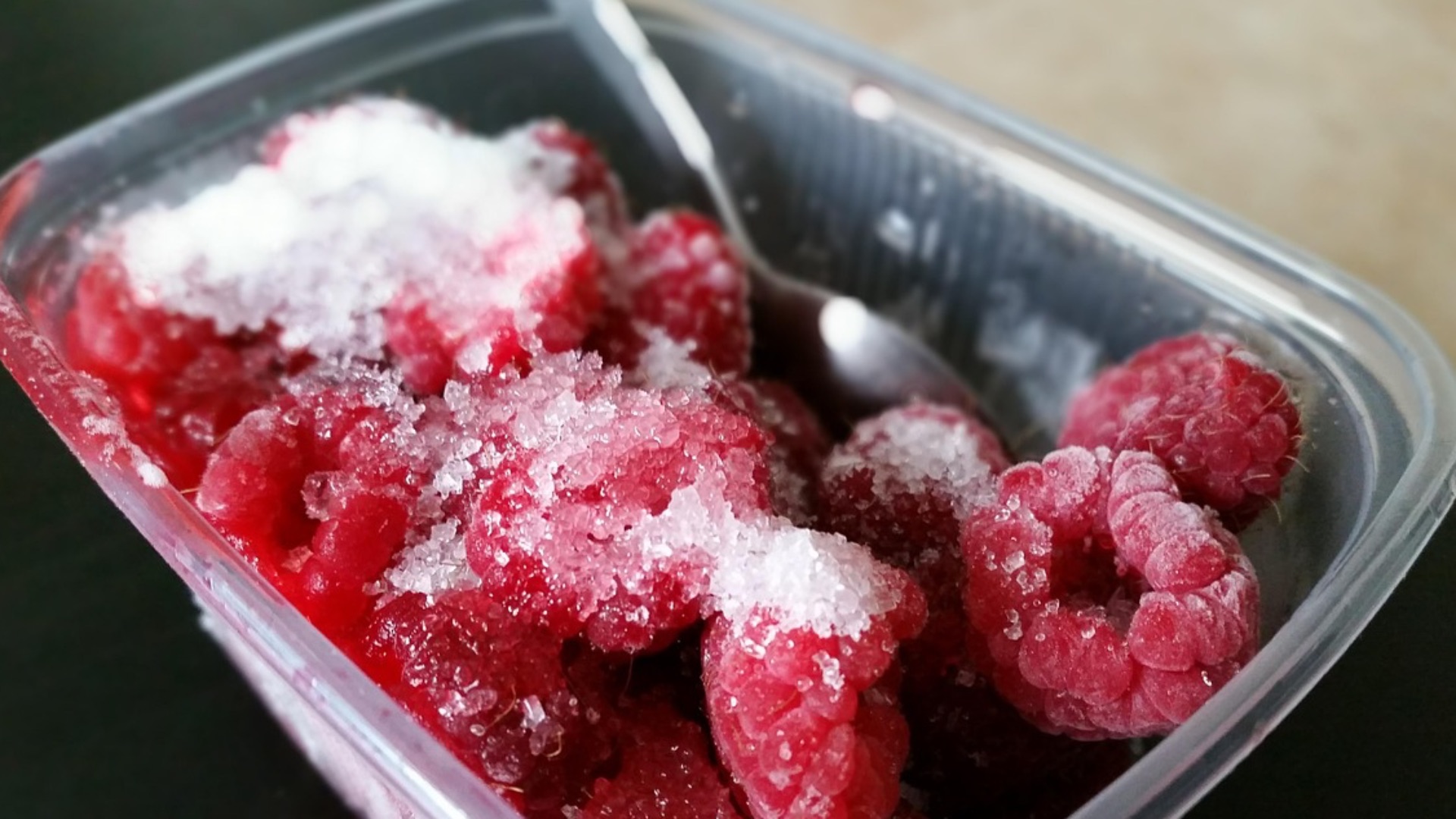
If you've ever pulled a piece of chicken out of the freezer only to find it covered in grayish-white patches and frost crystals, you've experienced freezer burn firsthand; now, you have no choice but to toss it out or grin and bear it. Despite being one of the most common frustrations for anyone who relies on their freezer for meal prep or long-term food storage, freezer burn is surprisingly misunderstood. While frosted-over food doesn't technically mean it's gone bad or that your freezer itself is broken, it's probably better to swap your habits for better ones. Read on, and we'll show you why freezer burn happens, and how to fix it.
1. Improper Packaging
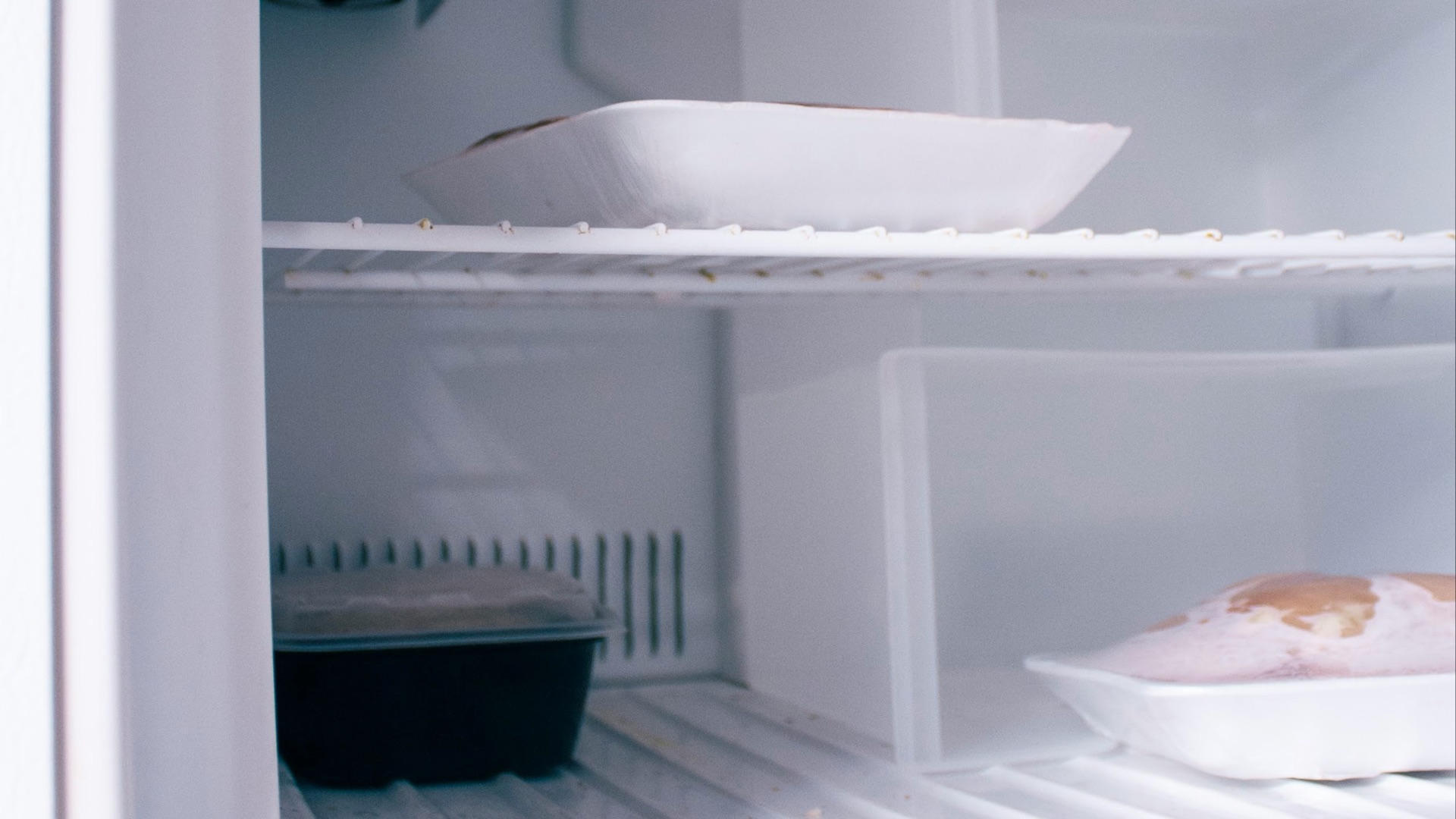
One of the biggest culprits behind freezer burn is food that hasn't been sealed properly before freezing. When there's too much air surrounding your food, moisture escapes from the surface and turns into ice crystals. A loose zip-lock bag or a container that's not airtight is essentially an open invitation for freezer burn to set in.
2. Storing Food for Too Long
Even when food is packaged correctly, leaving it in the freezer indefinitely will eventually lead to quality loss. Every type of food has a recommended freezer storage window, and exceeding it gives moisture plenty of time to migrate and cause damage. Beef, for example, is best used within four months, while chicken holds up well for up to nine months.
3. Fluctuating Freezer Temperatures
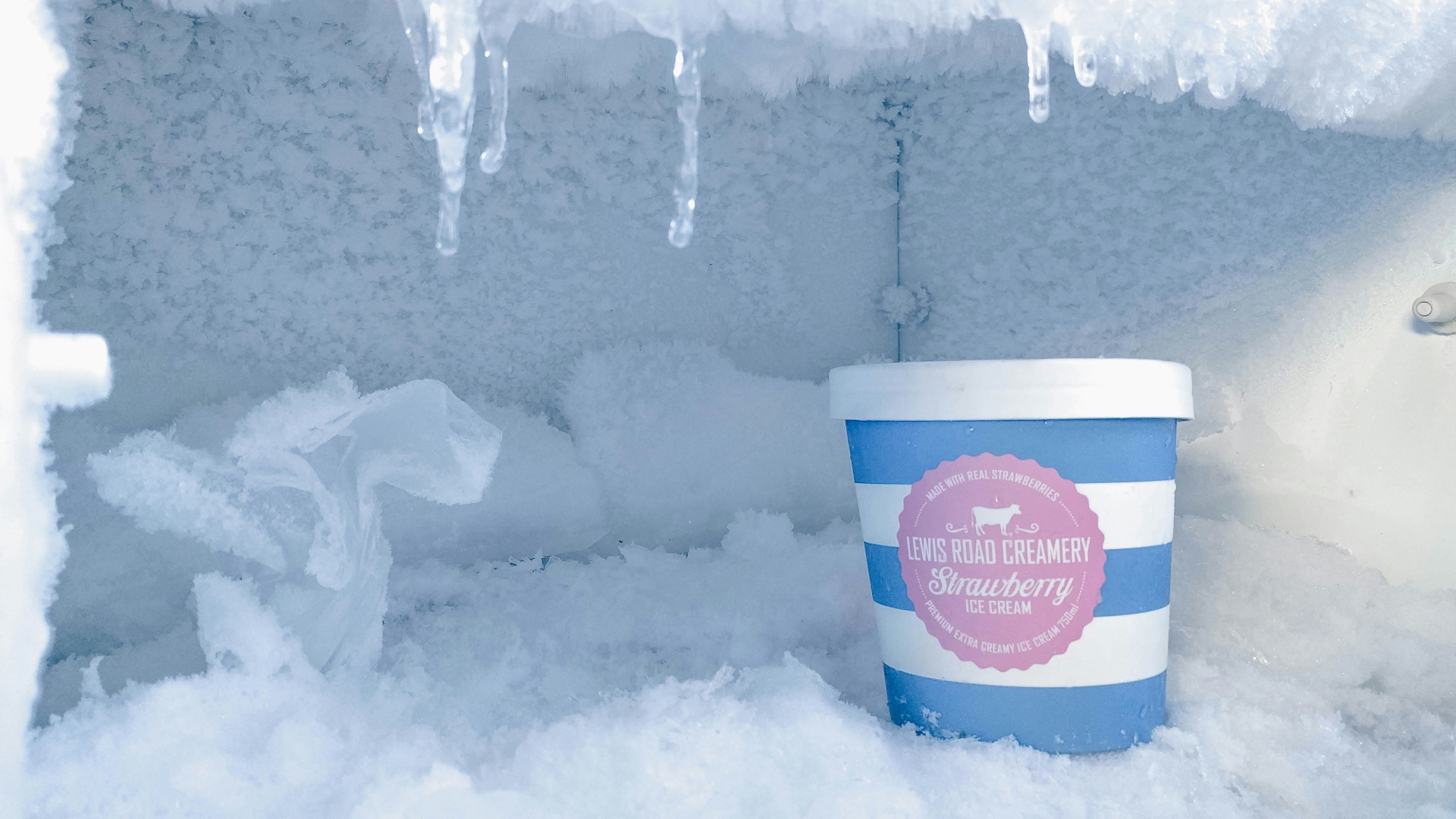
A freezer that cycles through temperature changes, whether due to frequent door openings or a thermostat that's not set consistently, creates conditions where food repeatedly thaws slightly and refreezes. Each of these mini-thaw cycles allows moisture to escape from the food's surface and refreeze as frost. Keeping your freezer at a steady 0°F (−18°C) is the safest way to avoid this cycle.
4. Thin or Single-Layer Wrapping
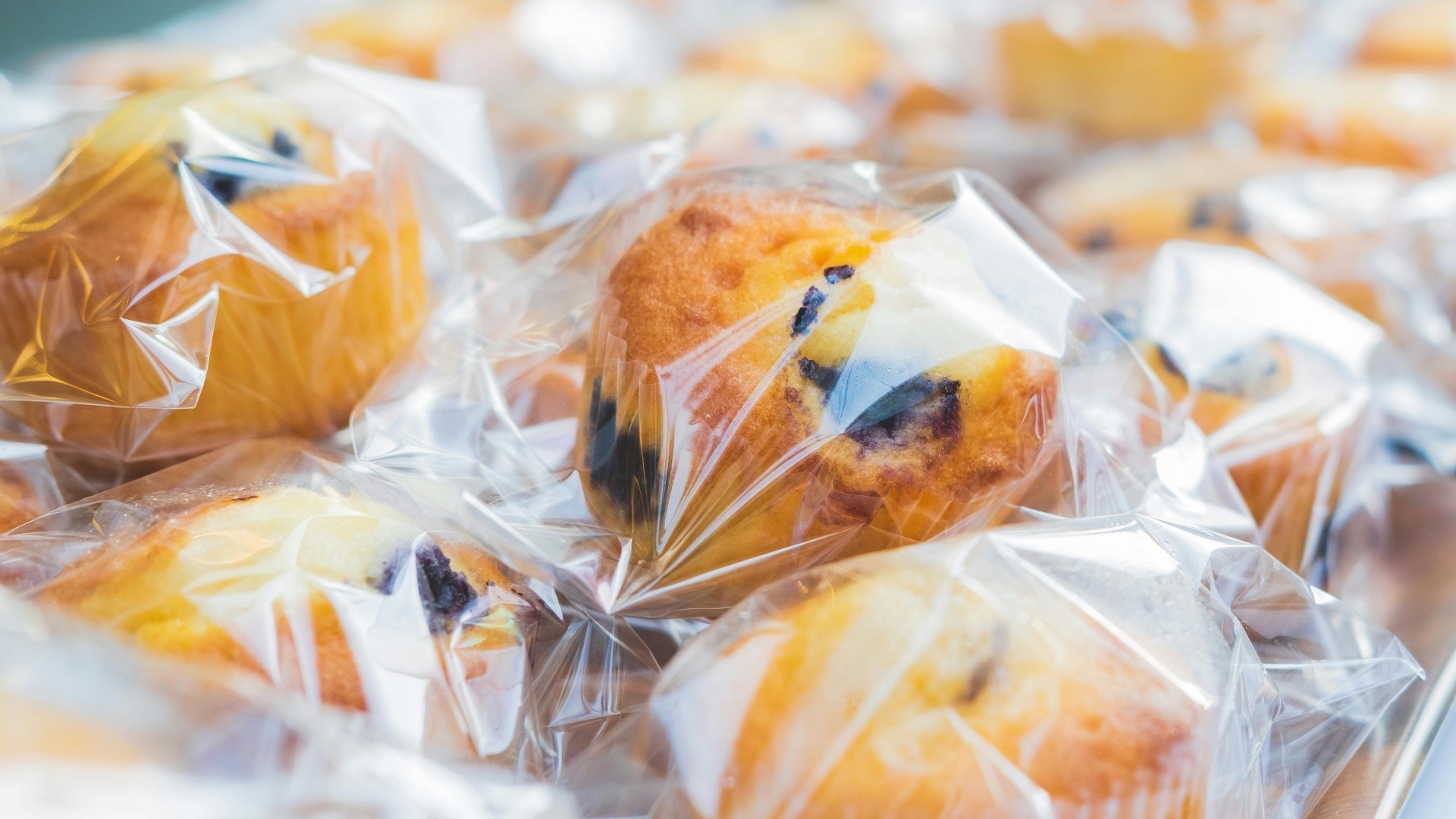
Not all wrapping materials are created equal when it comes to protecting food from the freezer environment. A single layer of plastic wrap, for instance, provides minimal protection against the cold, dry air that causes moisture loss. Foods that are stored without enough of a barrier between them and the freezer air are far more susceptible to developing freezer burn.
5. Freezing Warm or Hot Food
Placing food that hasn't fully cooled into the freezer introduces steam and excess moisture into the packaging. That trapped moisture freezes on the food's surface, creating the icy, degraded texture associated with freezer burn. It also raises the temperature inside the freezer temporarily, which can affect the quality of everything else stored nearby.
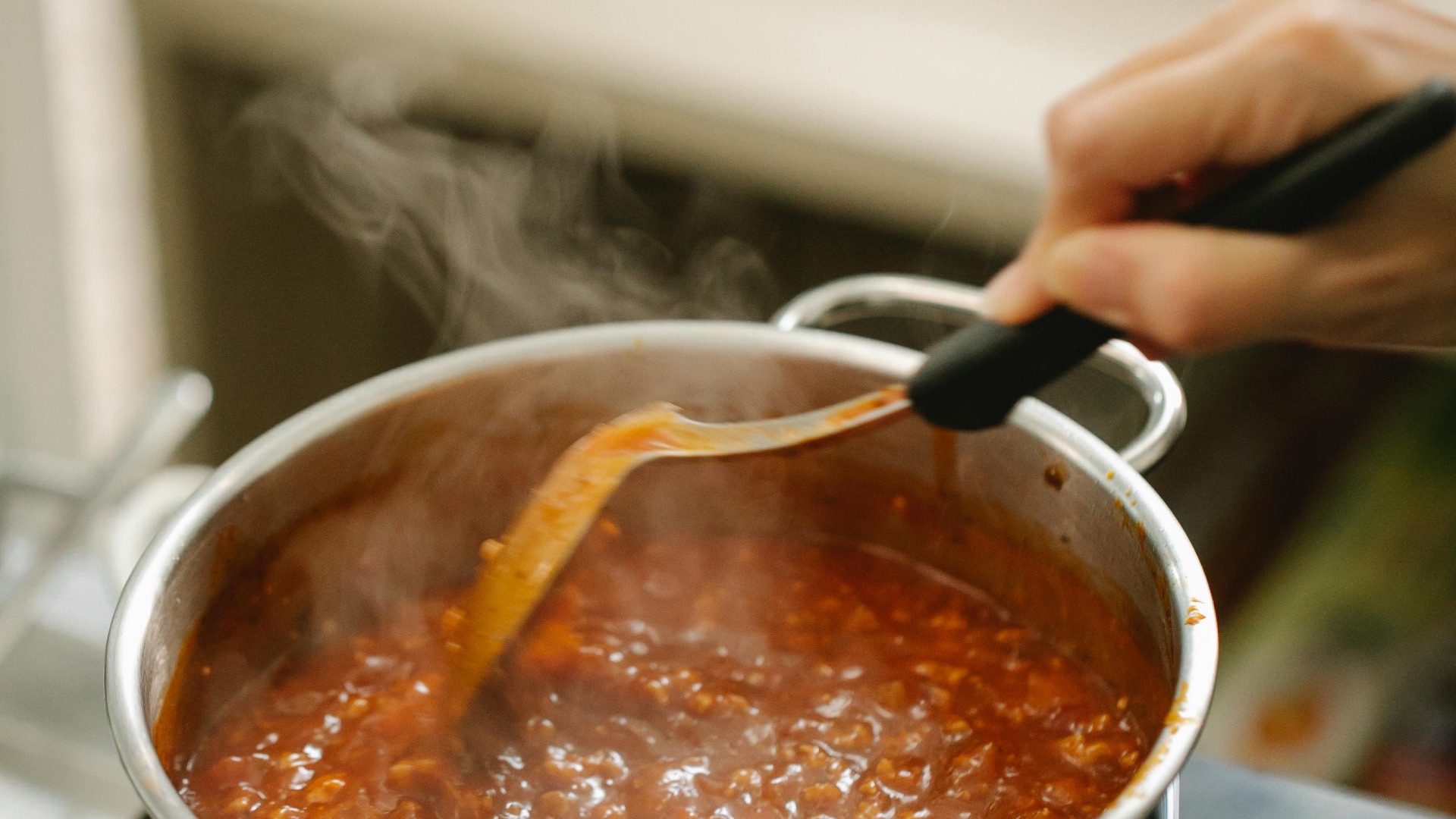
6. Leaving Too Much Air in Containers
Even when you use a container with a tight-fitting lid, the air space inside matters more than you might think. That pocket of air holds moisture that will eventually condense and settle on your food as frost. Minimizing the headspace in containers, especially for liquid-based foods, significantly reduces the risk of freezer burn developing over time.
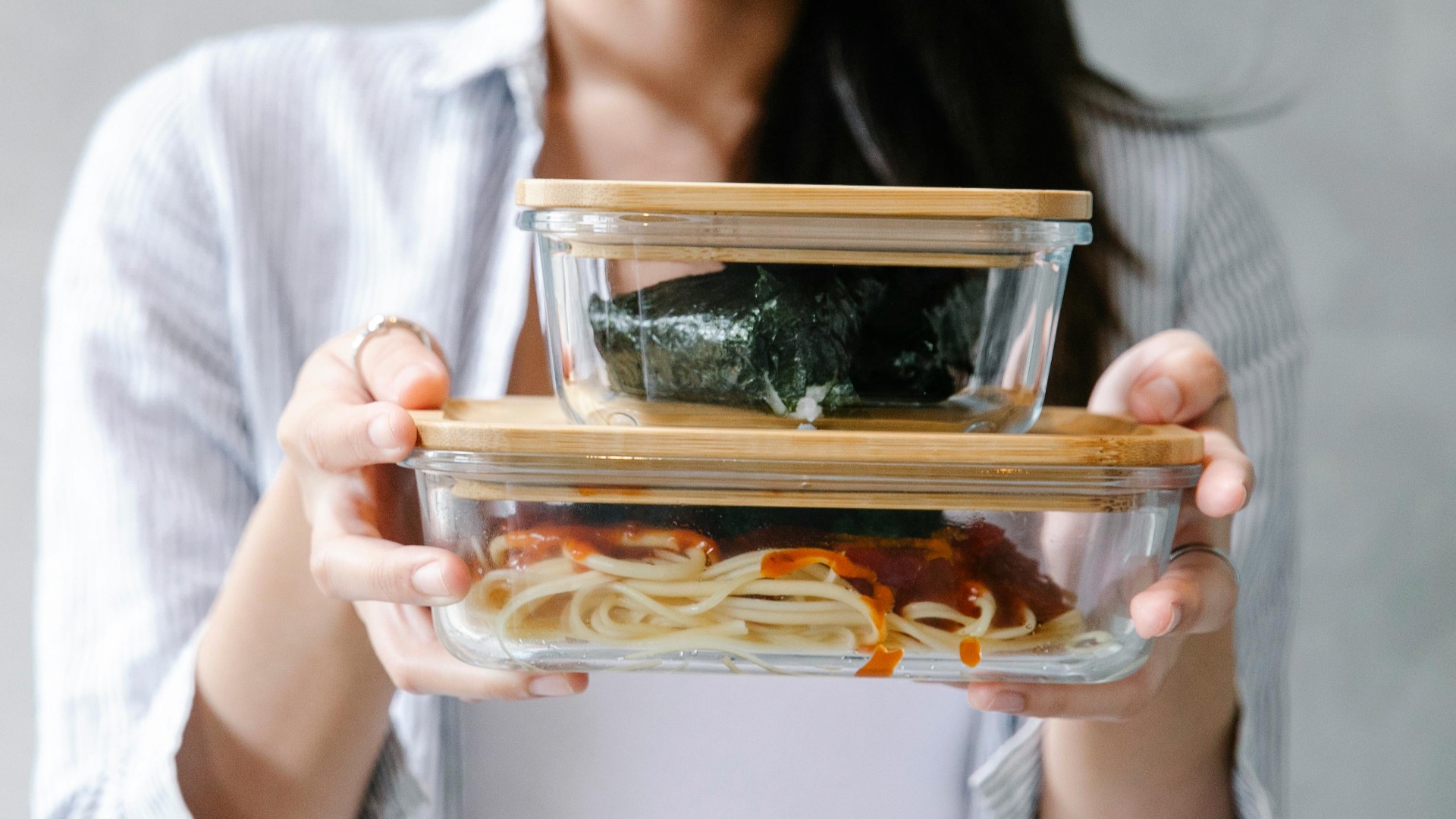
7. Storing Food Near the Freezer Door
The area near your freezer door is one of the most temperature-unstable spots in the entire unit. Every time the door opens, that zone is exposed to warmer air from the kitchen, which causes minor fluctuations that accumulate over time. Foods stored in this location are at a higher risk of surface moisture loss compared to items kept toward the back of the freezer.
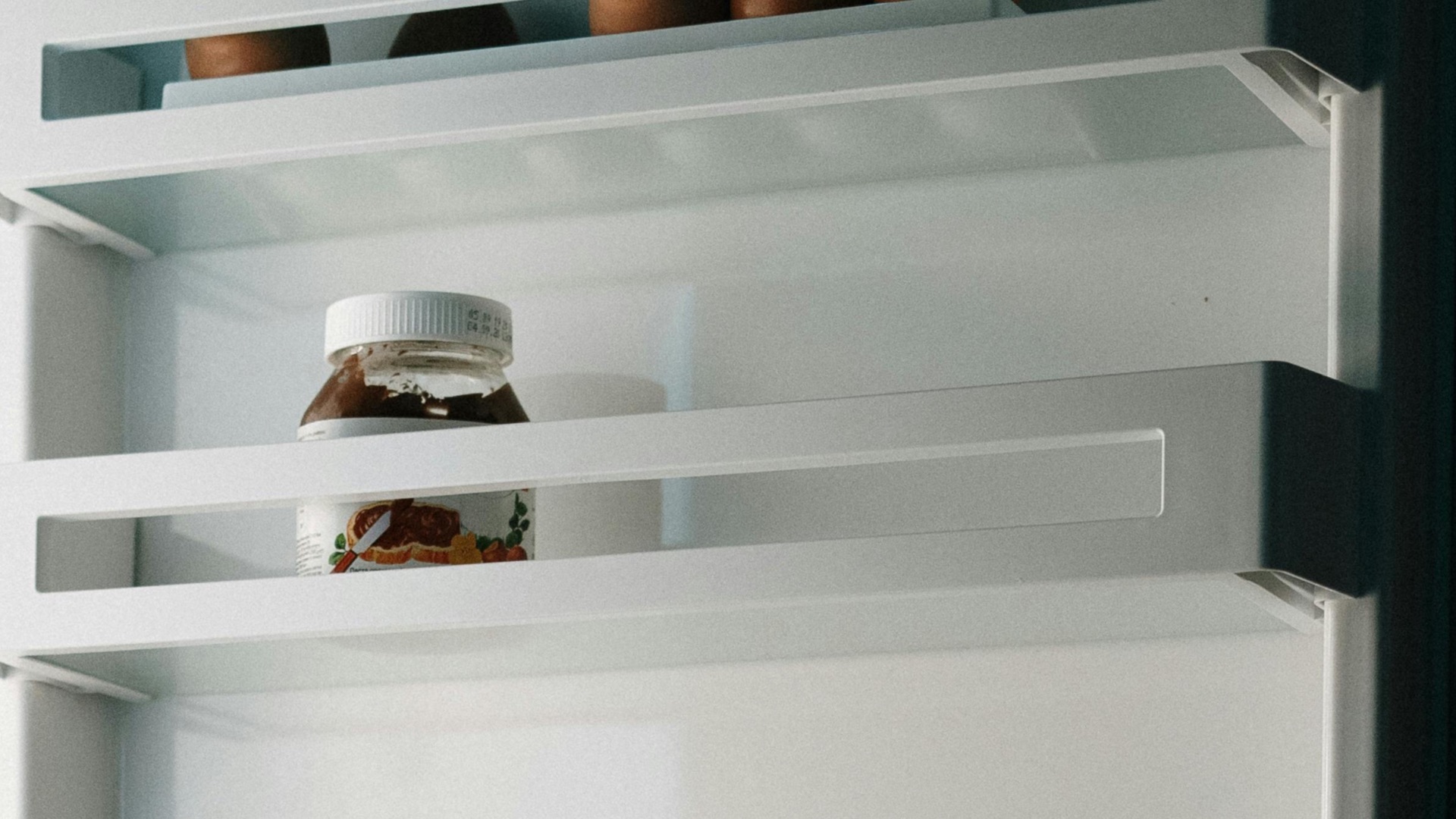
8. Using the Wrong Container Size
Storing a small portion of food in an oversized container leaves a lot of unnecessary air space around it. All of that extra air creates an environment where moisture evaporates from the food and circulates within the container. Choosing a container that closely matches the volume of the food you're storing is a simple but effective way to reduce that risk.
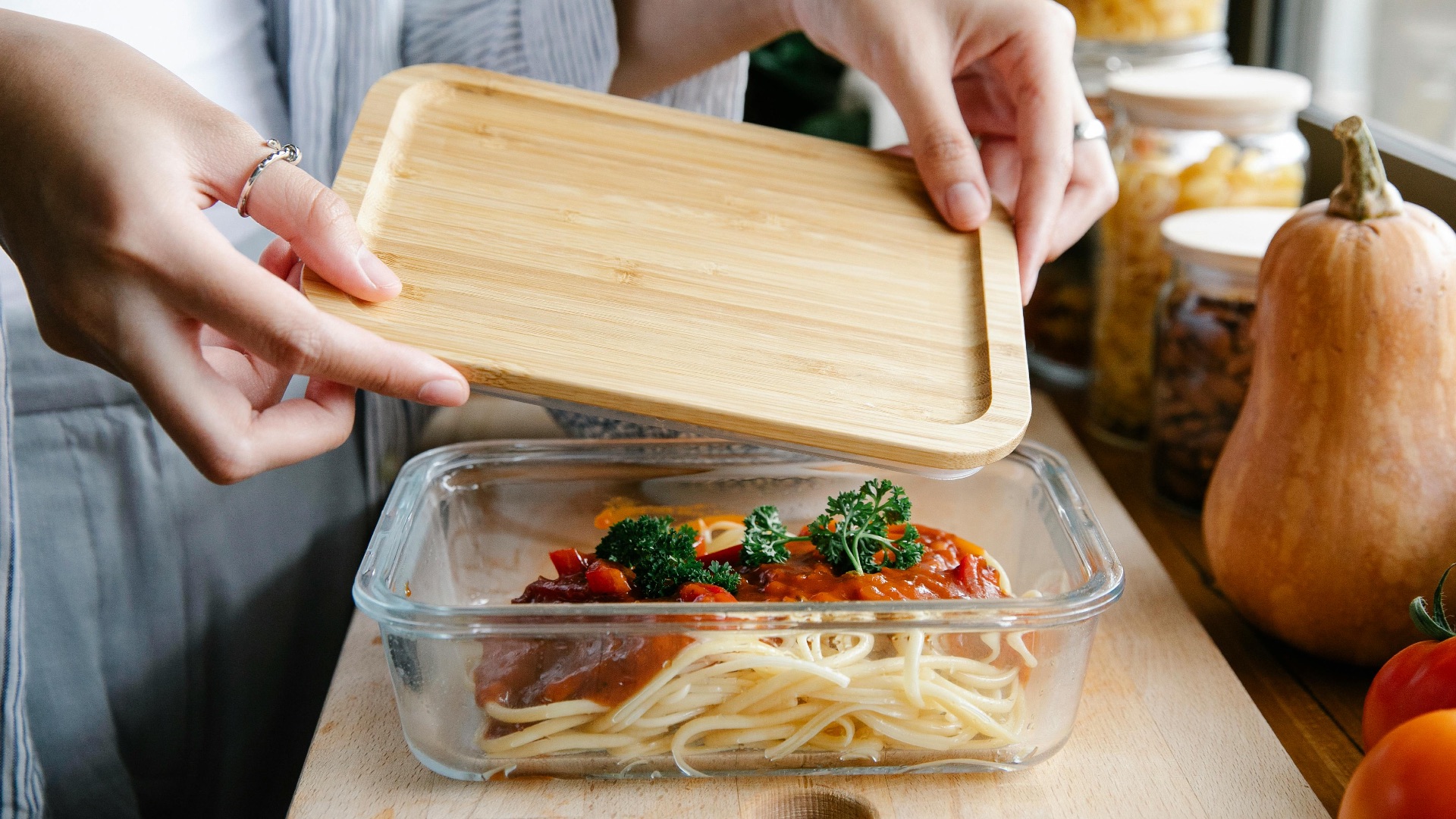
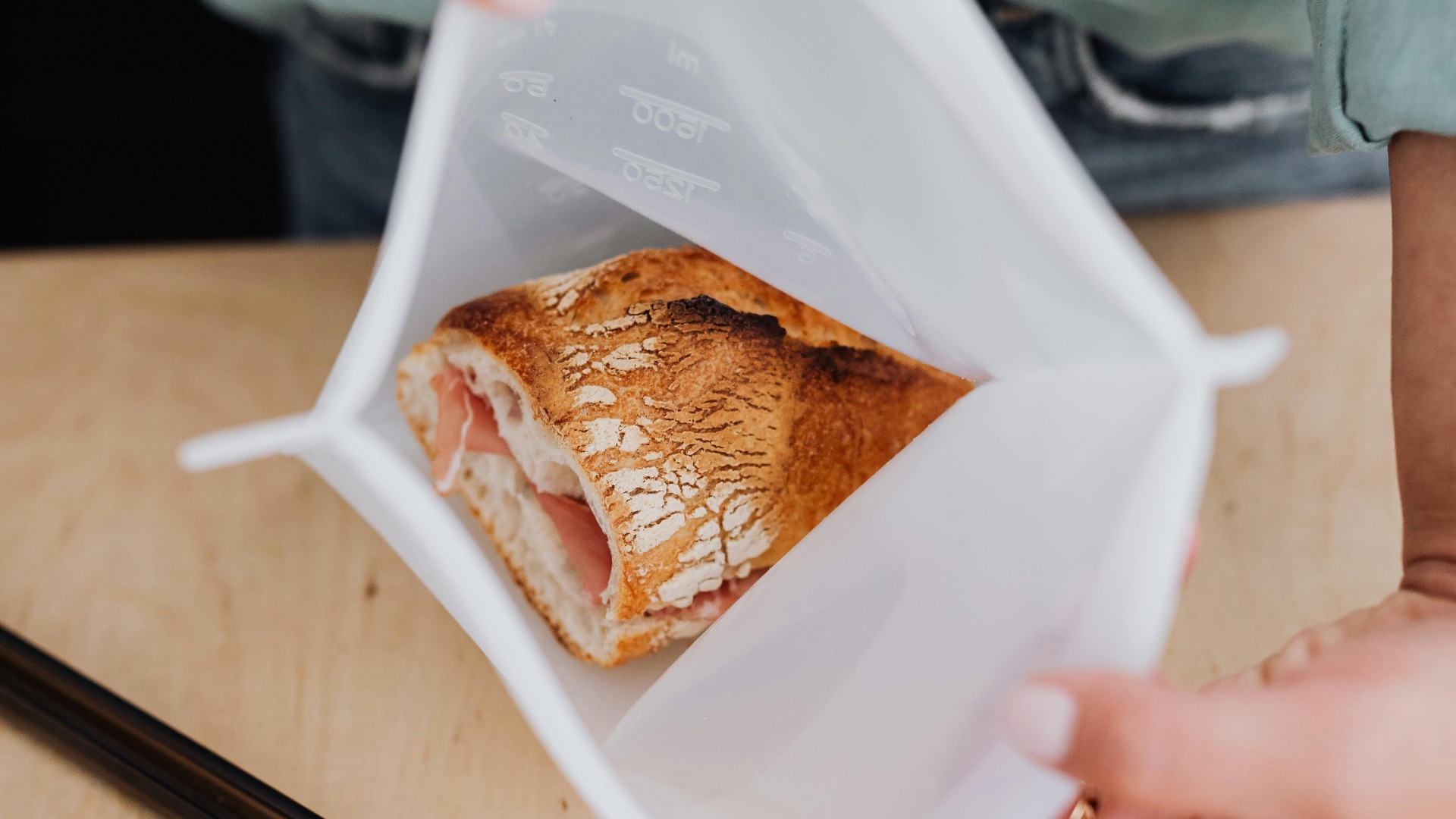
9. Not Removing Excess Air from Bags
Zip-lock freezer bags are a popular storage choice, but they only work well if you actually remove the air before sealing. Many people seal the bag while there's still a significant amount of air trapped inside, leaving the food exposed to exactly the conditions that cause freezer burn. Pressing the bag flat or using a straw to suction out the remaining air makes a noticeable difference.
10. An Older or Poorly Maintained Freezer
A freezer that's past its prime or hasn't been maintained properly may not be able to hold a consistent, cold temperature. Door seals that have worn down, for example, allow small amounts of warm air to seep in regularly, which disrupts the internal climate. If you notice frost buildup on the walls or your food seems to be developing freezer burn faster than expected, it's worth checking whether your appliance is functioning as it should.
Now that you know what's causing the problem, let's jump into how you can keep everything in your freezer tasting just as good as the day you put it in.
1. Use Airtight, Freezer-Safe Containers
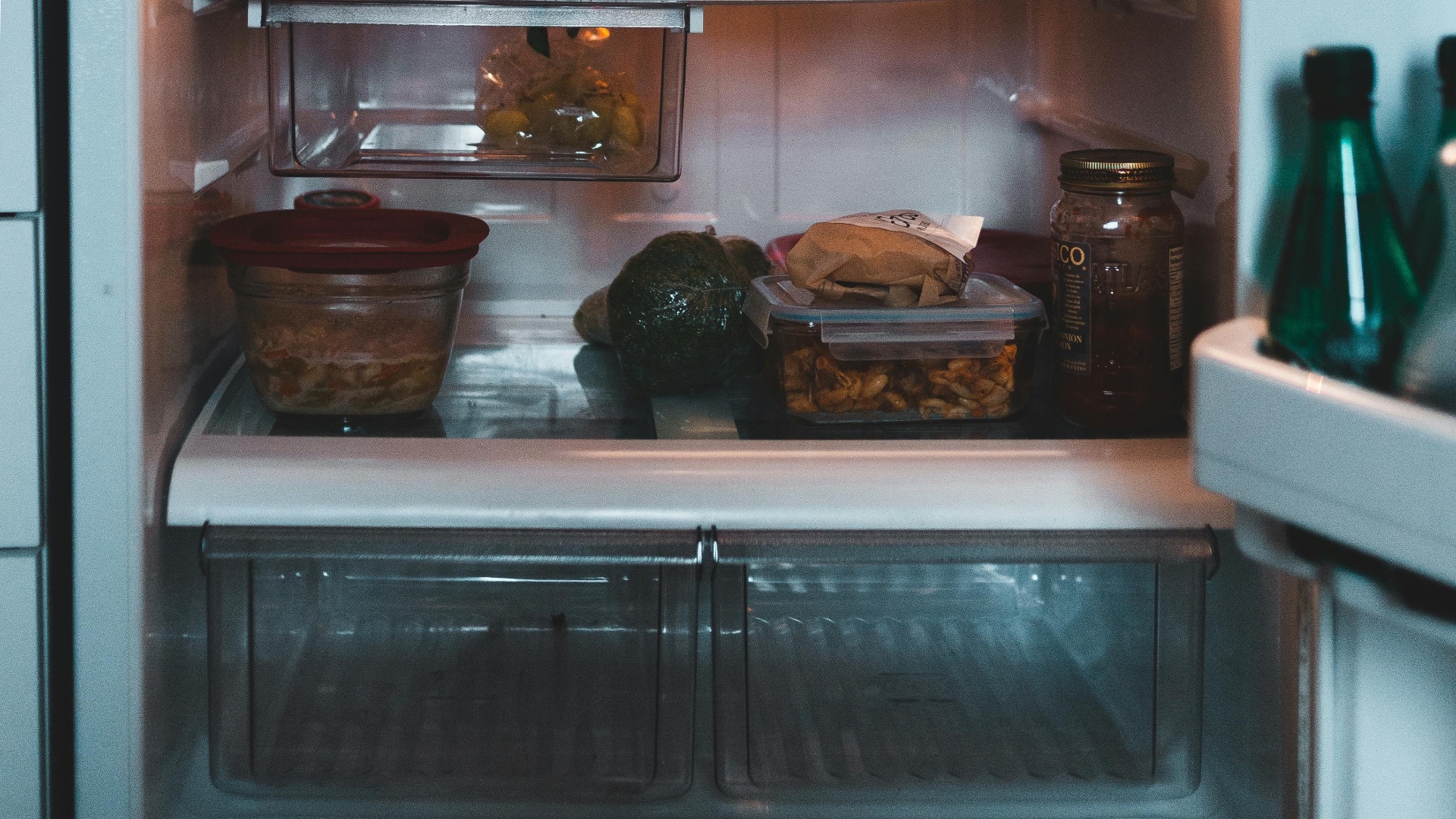
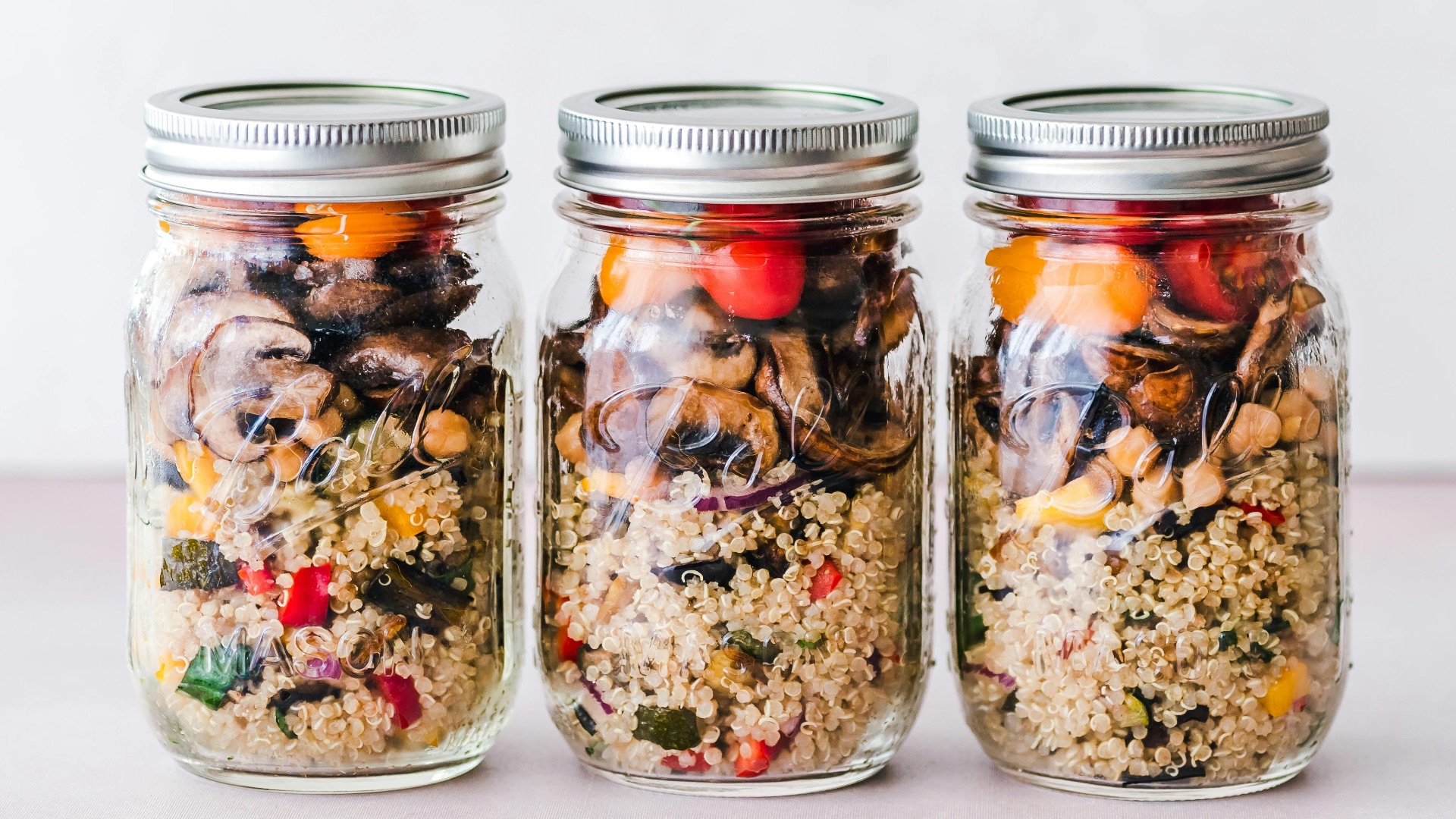
The single most effective thing you can do to prevent freezer burn is to store food in containers specifically designed for freezer use. Freezer-safe containers are built to withstand the cold without cracking, and their seals are tight enough to keep air out. Look for containers labeled as freezer-safe rather than just food-safe, since not all food storage products offer the same level of protection.
2. Wrap Food in Multiple Layers
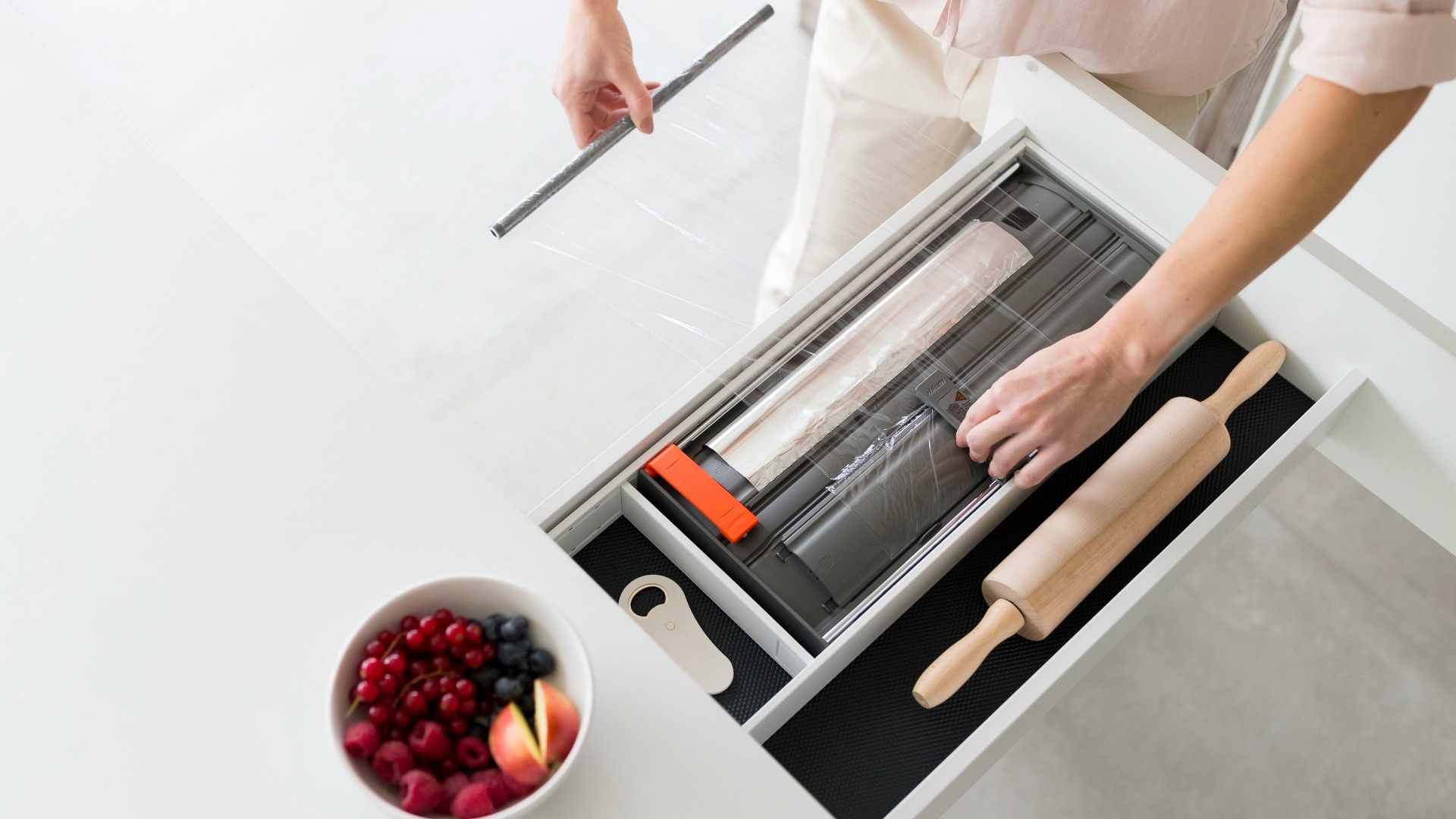
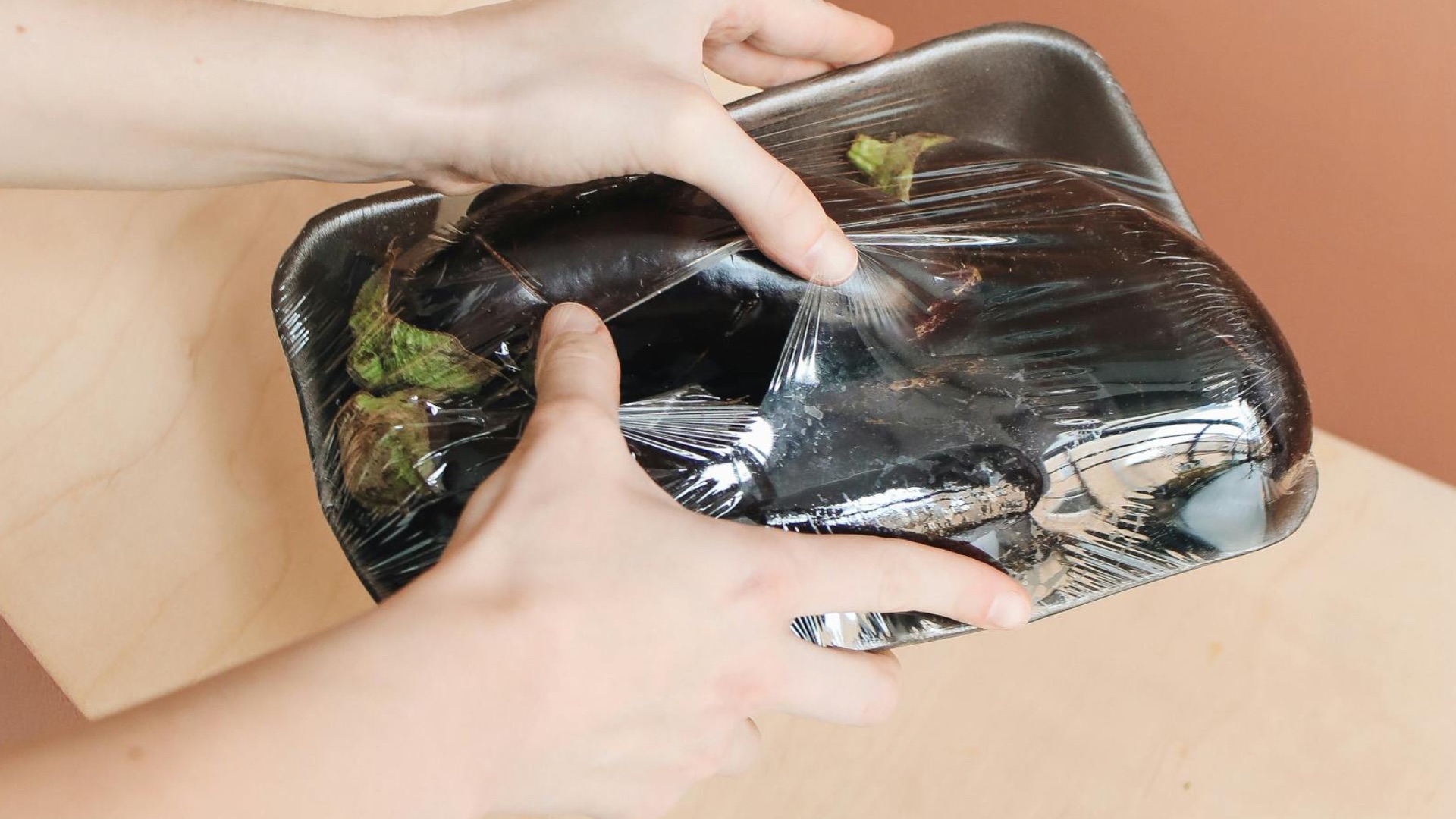
For items like meat, bread, or baked goods, wrapping in multiple layers provides a much stronger barrier against freezer air. Start with plastic wrap directly against the food's surface, then add a layer of aluminum foil or place the wrapped item inside a freezer bag. This double-layered approach locks in moisture far more effectively than a single wrap ever could.
3. Squeeze Out as Much Air as Possible
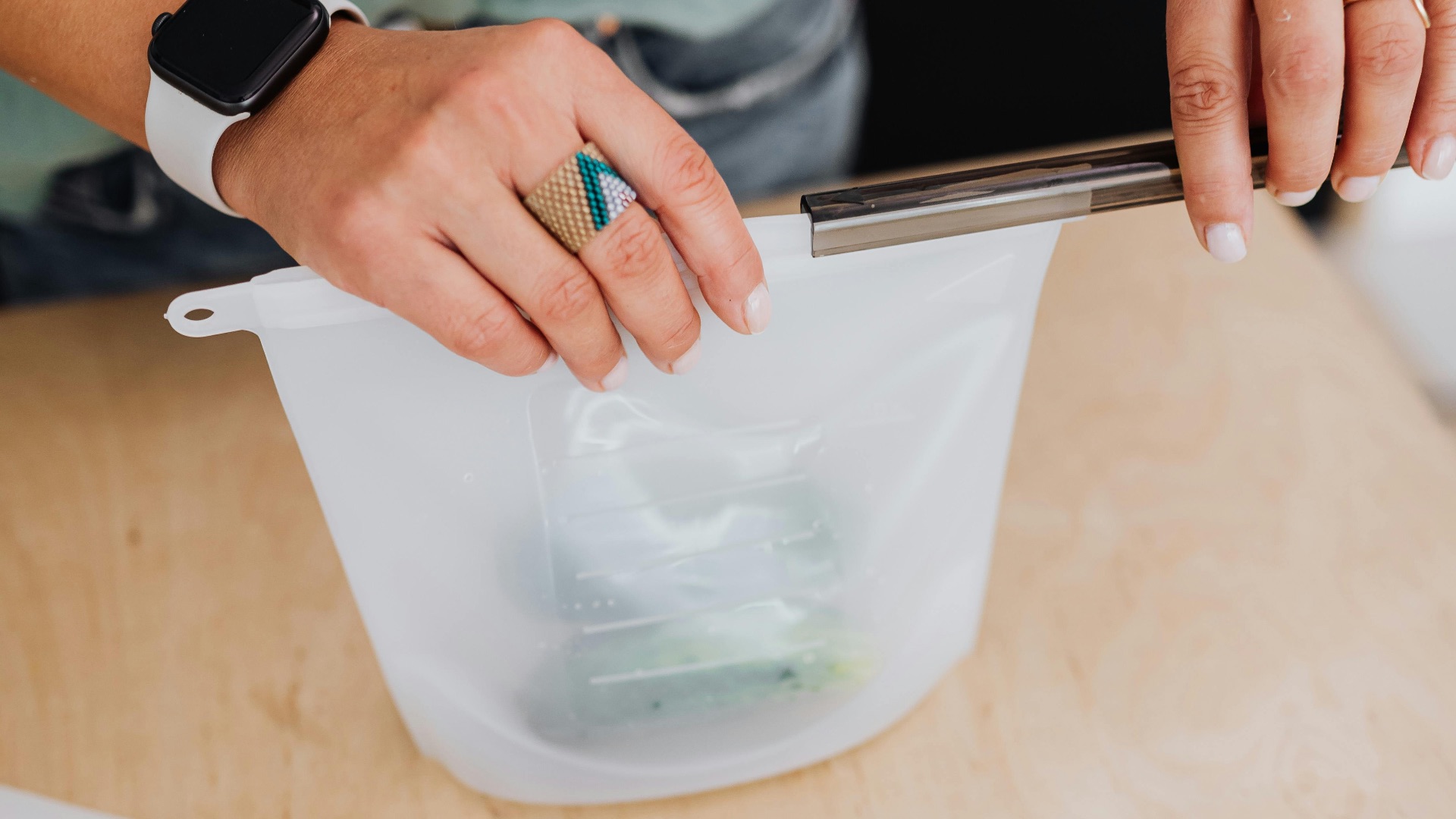
When using freezer bags, take a moment to remove as much air as you can before sealing them. You can do this by hand, pressing the bag flat from the bottom up, or you can insert a straw and gently suck out the remaining air before pulling it out and sealing quickly. The less air that's in contact with your food, the less opportunity there is for moisture to escape.
4. Consider a Vacuum Sealer
If you freeze food regularly, investing in a vacuum sealer is one of the smartest purchases you can make for your kitchen. These devices remove virtually all the air from specially designed bags, creating a tight seal that dramatically extends how long food stays fresh in the freezer. Studies have shown that vacuum-sealed food can last two to three times longer than food stored in conventional freezer bags.
5. Cool Food Completely Before Freezing
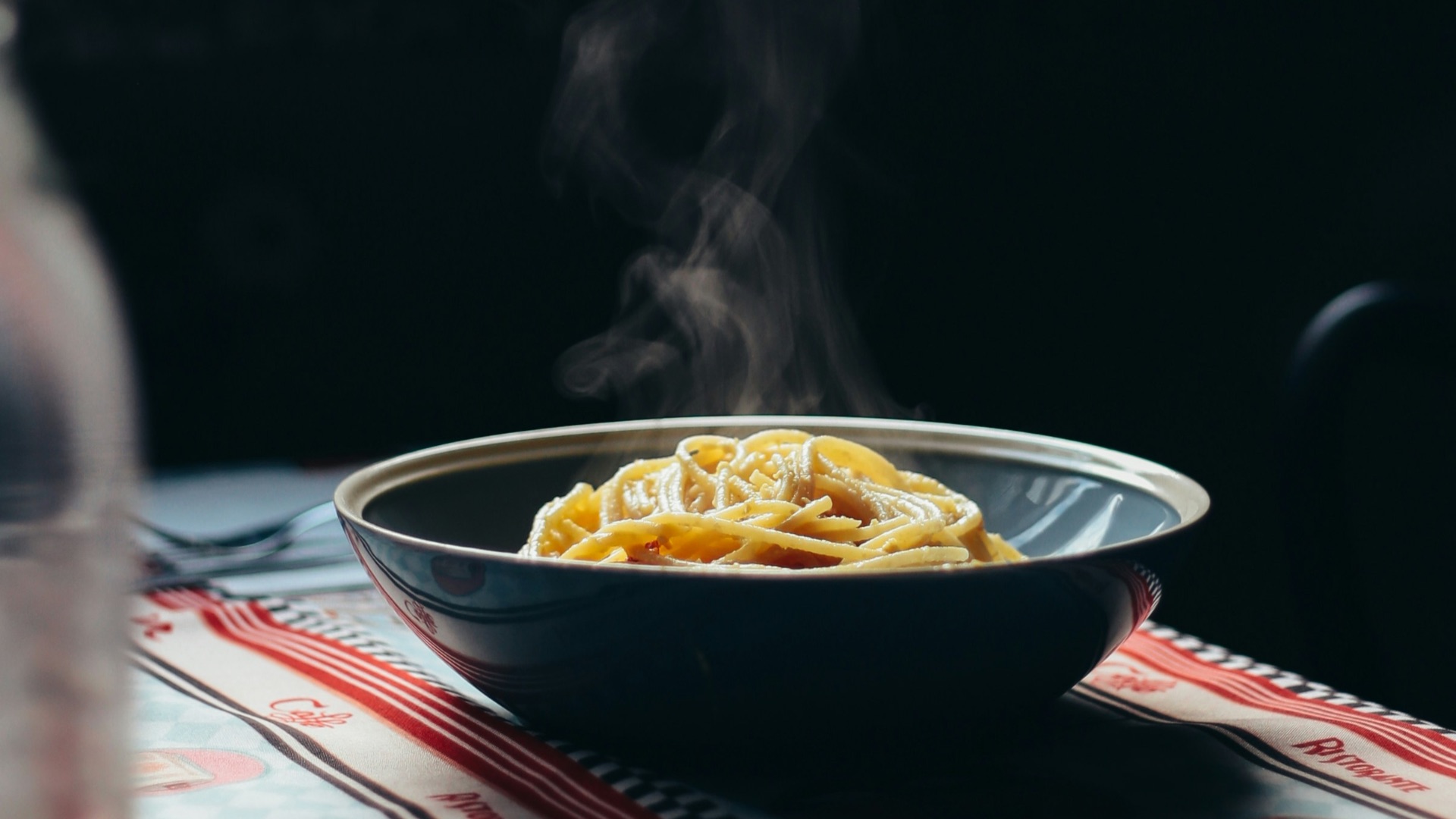
Always allow freshly cooked food to cool to room temperature before placing it in the freezer. Rushing this step traps steam inside your packaging, which then condenses and leads to frost formation directly on the food. Cooling food in the refrigerator for an hour or two before transferring it to the freezer is an especially good practice for soups, stews, and casseroles.
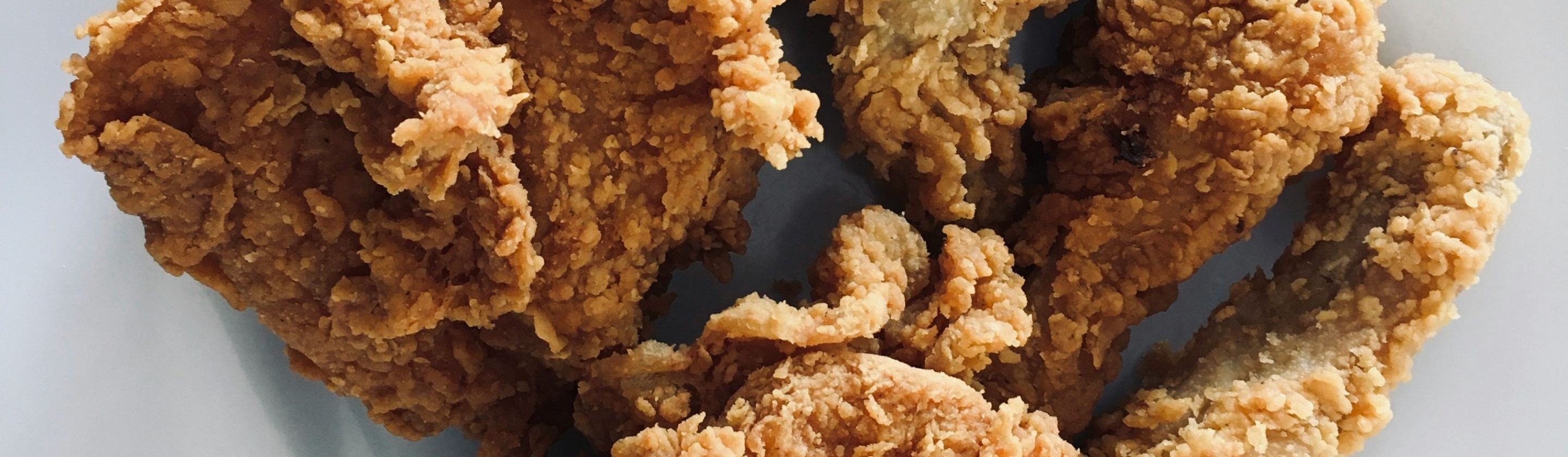
 Leonardo Cirimbelli on Unsplash
6. Label Everything with a Date
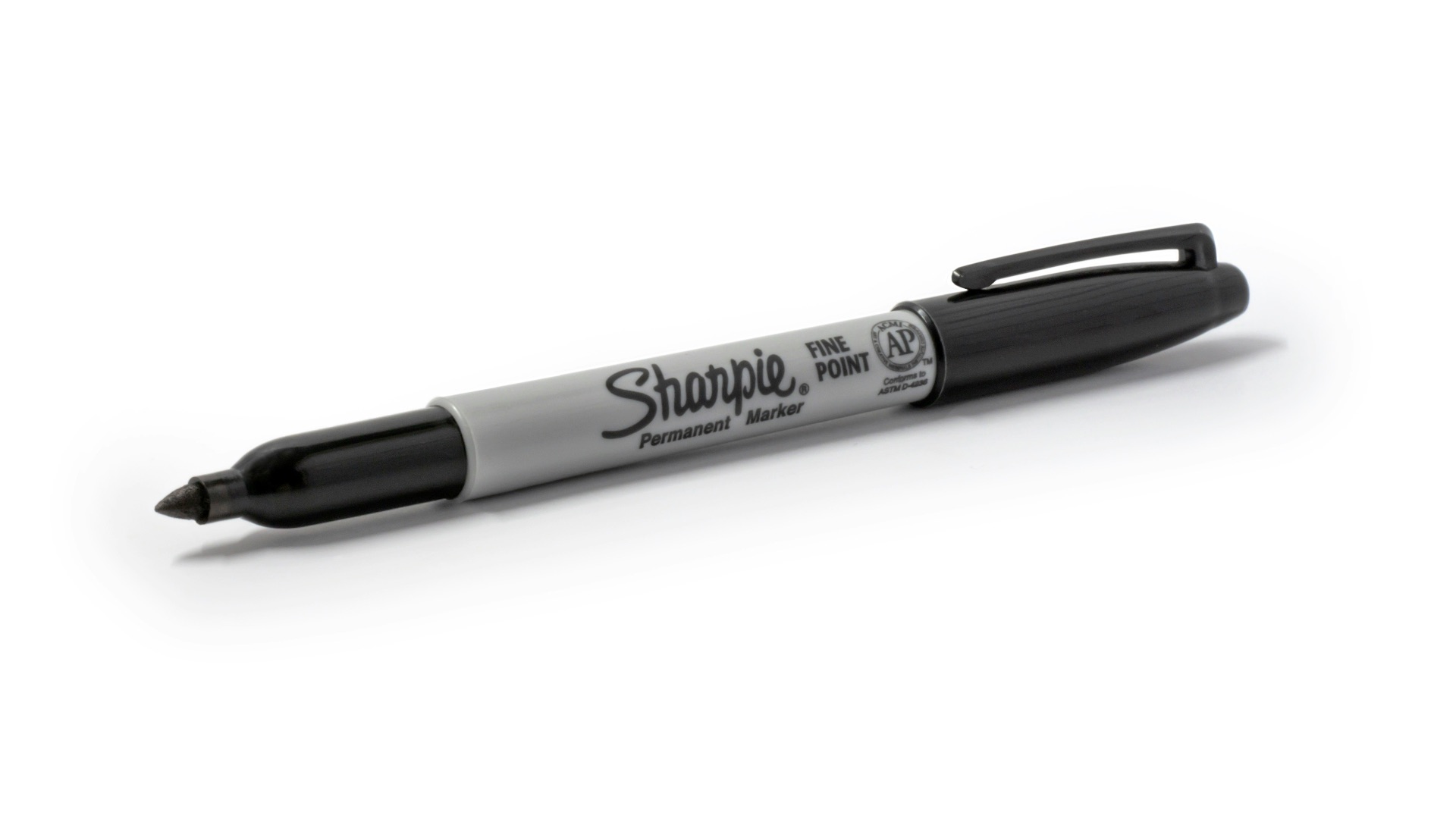
It's easy to lose track of how long something has been sitting in the freezer, especially when it's buried under other items. Writing the date directly on the packaging or a piece of freezer tape ensures you always know exactly how old each item is. From there, you can prioritize using older items first and avoid the trap of keeping food stored long past its recommended window.
7. Maintain a Consistent Temperature
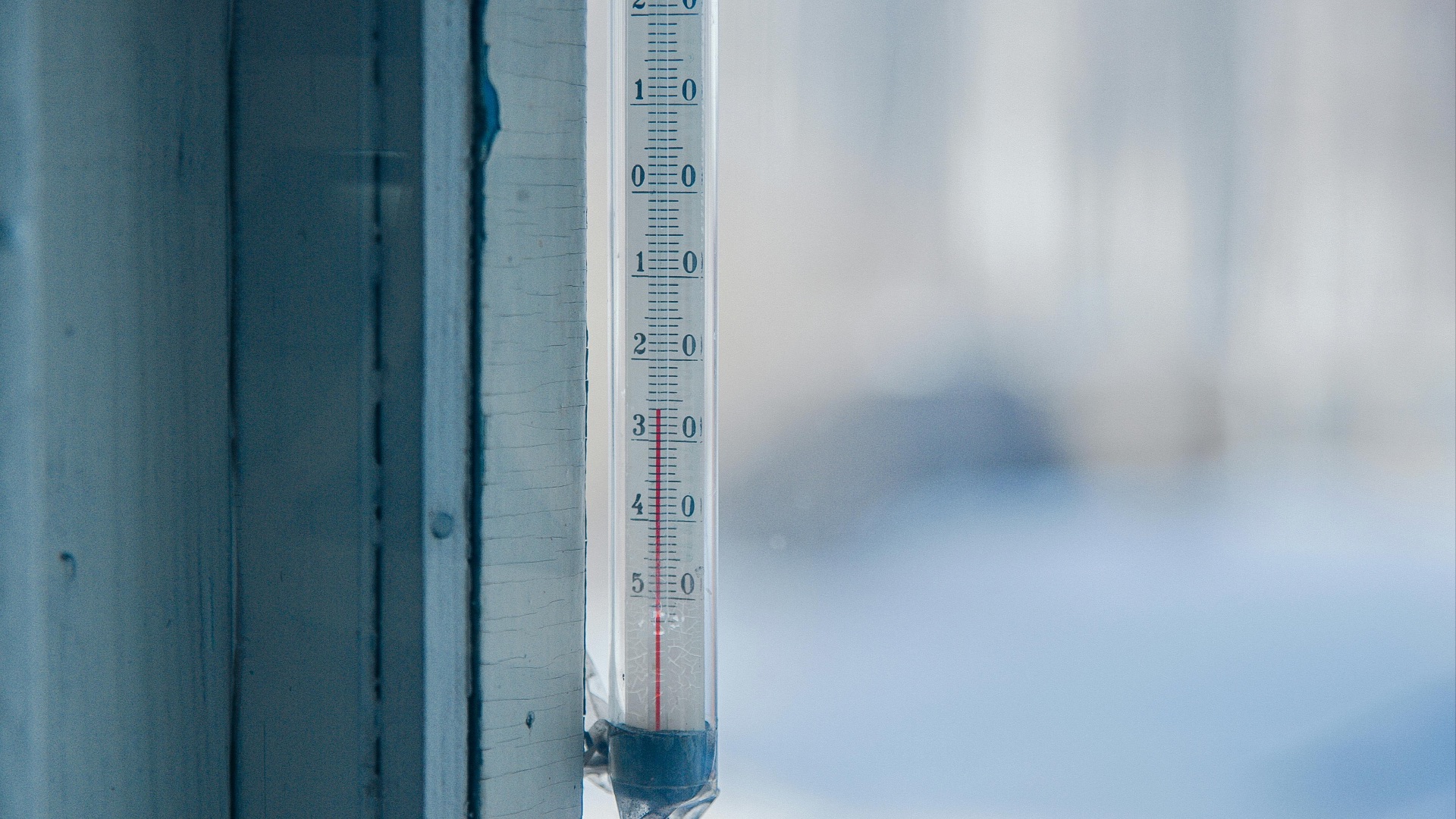
Your freezer should be set to 0°F (−18°C) and kept there as steadily as possible. Use an appliance thermometer to verify the internal temperature, since the dial settings on many freezers aren't always accurate. Avoiding unnecessary door openings and checking that the door seal is still in good condition are both easy habits that help maintain a stable temperature.
8. Store Food Toward the Back
The back of your freezer stays at the coldest and most consistent temperature, making it the best place for items you plan to store long-term. Reserve the door shelves for things you go through quickly, since that area is the most vulnerable to temperature fluctuations. Rearranging your freezer with this layout in mind can meaningfully extend the lifespan of the food you've stored.
9. Use the Right Container Size for the Job
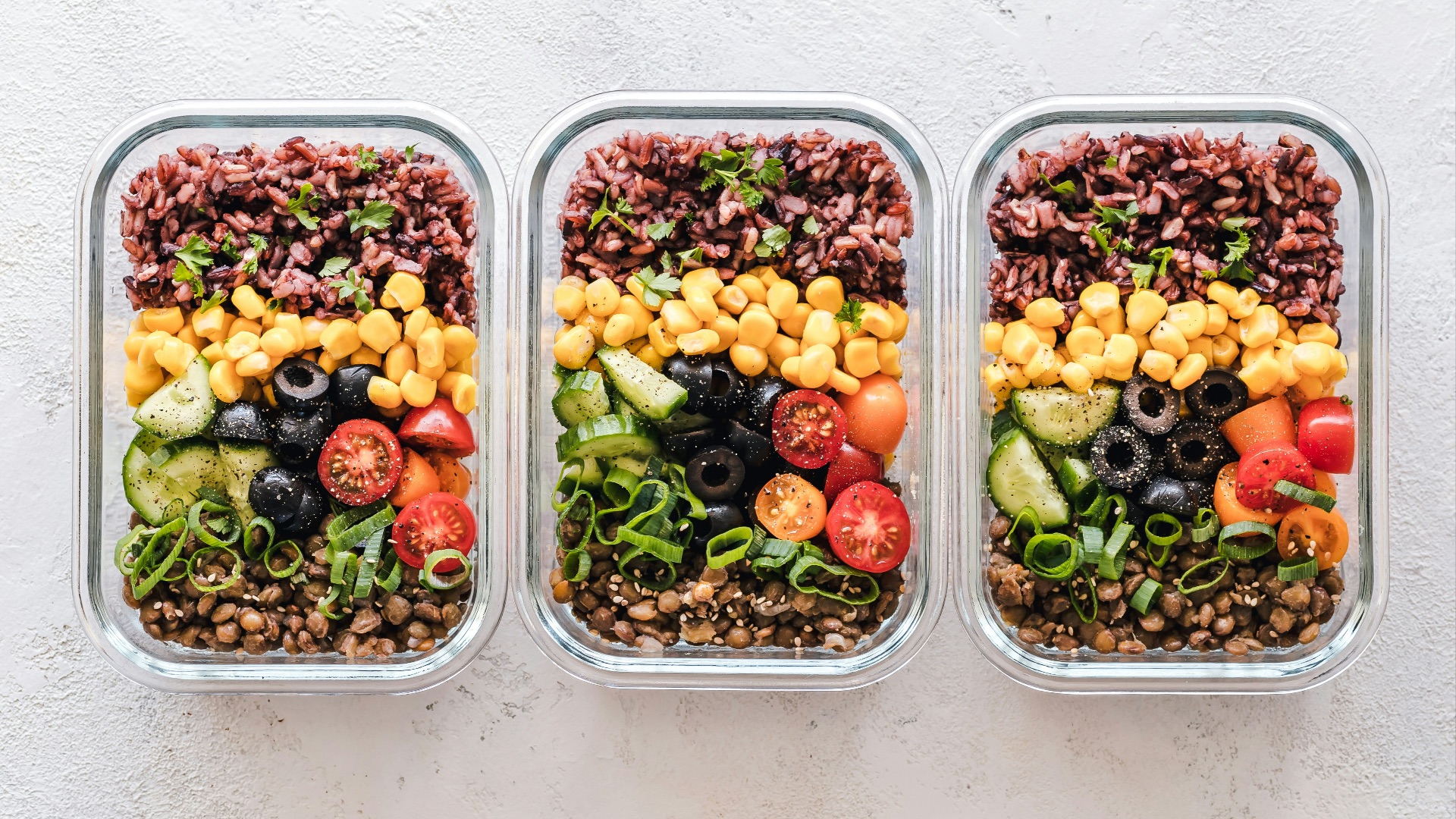
Matching your container size to the amount of food you're storing helps eliminate unnecessary air pockets that contribute to moisture loss. If you're only freezing a single portion, opt for a smaller bag or container rather than filling a large one halfway. It's also worth portioning out food before freezing so that each container holds exactly what you'll need for one use, reducing both waste and the chance of repeated thawing.
10. Regularly Clean Out and Organize Your Freezer
A cluttered, disorganized freezer makes it harder to find what you need, which leads to longer door-open times and more frequent temperature swings. Set aside time every few months to sort through what's in there, toss anything that's past its prime, and rearrange items so older food moves to the front. Keeping your freezer organized isn't just a good habit for reducing freezer burn; it also means less food waste and a much less stressful dinner prep.
KEEP ON READING


20 Worst Foods for Your Liver