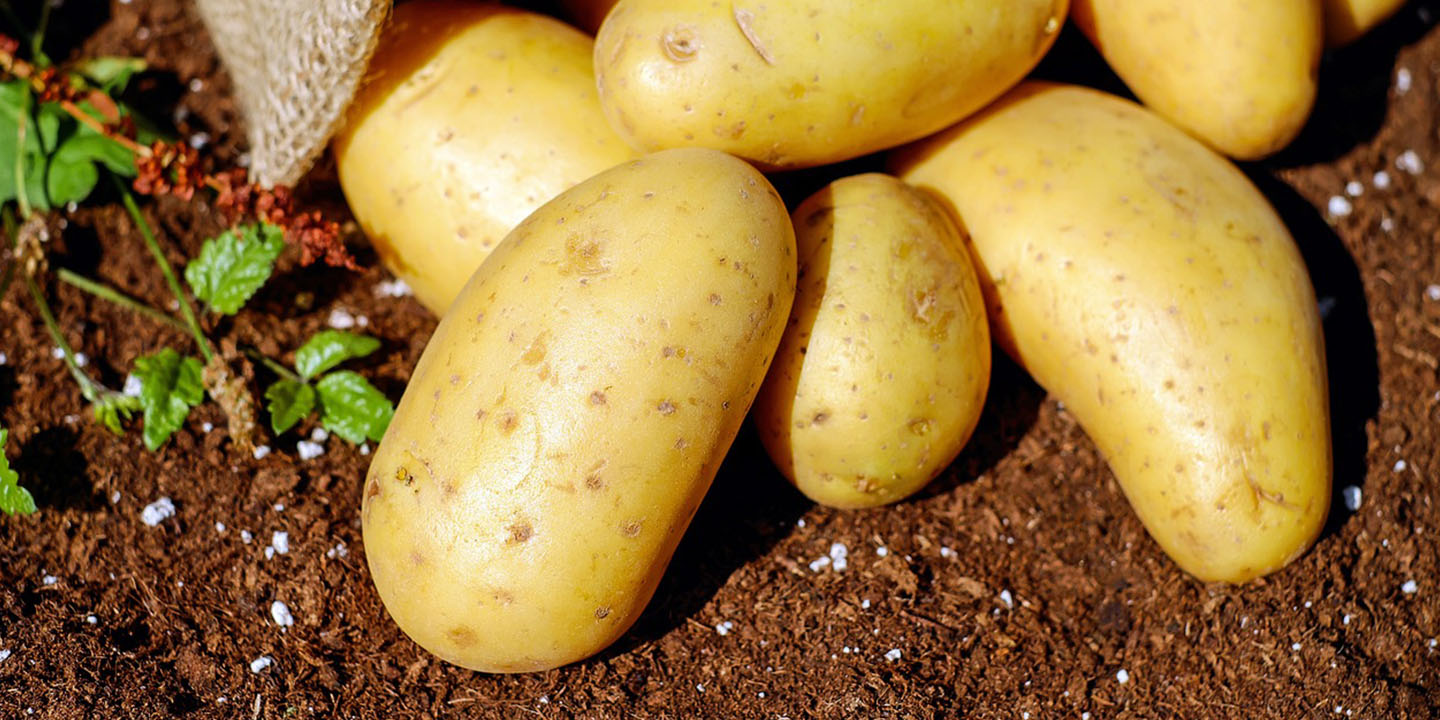

Food tourism is one of the easiest ways we can feel connected to a place. A market stall, a neighborhood bakery, a farm lunch, or a dish you’ve never tried before can provide you with a more personal experience that a popular landmark can’t quite replicate. Still, all that eating, traveling, and tasting comes with a footprint. When food tourism grows without care, it can create waste, strain busy neighborhoods, and morph local food traditions into a watered-down, palatable version for visitors.
A more sustainable version of food tourism doesn’t have to feel joyless or restrictive. It simply asks travelers, restaurants, hotels, and tour operators to think more clearly about where money goes, what gets wasted, and whose culture is affected.
Supporting The Folks Behind The Food
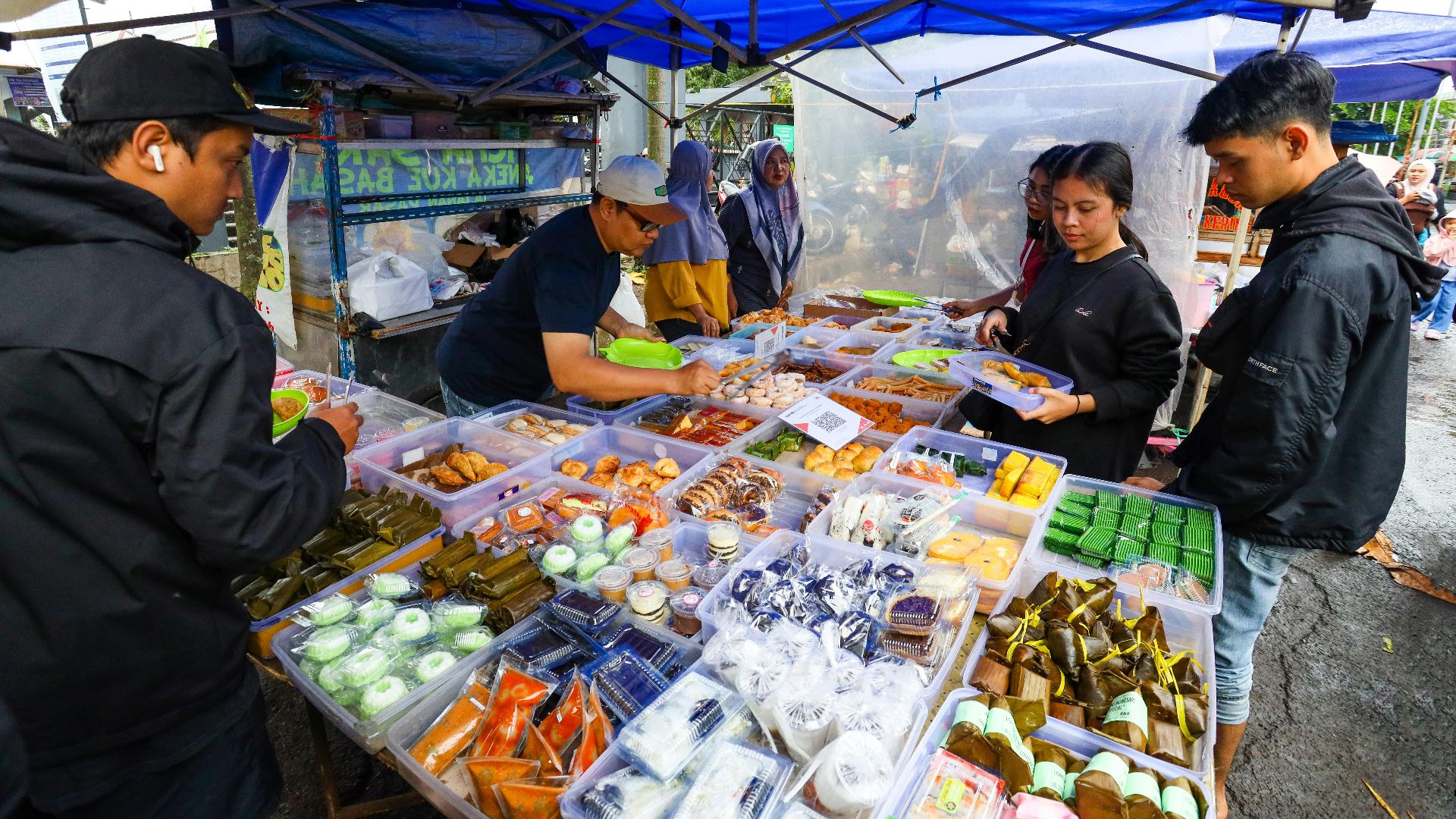
Thinking more sustainably about your travel food usually starts with a little bit of research. Look past the famous restaurant or market stall that promises a taste of a community’s culture. Travelers can make a lasting difference by choosing locally owned restaurants, small producers, neighborhood markets, and food tours that work directly with the people who grow, cook, sell, and explain the food. Sure, you can still hit the hot spots, if you’d like, but your food tour doesn’t have to start and stop at one location.
Food tourism goes further than what we put in our mouths. Before a meal reaches your plate, it crosses the paths of farmers, fishers, bakers, vendors, cooks, and servers, all of whom play a role in creating this culinary experience that you’re tasting. Another good way to practice food sustainability is to do your research on any hotel or tour you’re crossing paths with. If the hotel boasts that they source from local producers when they can, or that tour operators collaborate fairly with the restaurants and vendors they highlight, you know that you’re contributing to the local economy.
The culinary culture as a whole also needs respect. This is known as intangible cultural heritage, which UNESCO defines as the practices, representations, expressions, knowledge, and skills that communities recognize as part of their cultural heritage. Food traditions often fit naturally into this idea, as recipes, seasonal rituals, cooking methods, and festive meals can carry family history, migration stories, religious meaning, and regional identity.
You don’t need to be an expert in whatever local culture you’re traveling to, but a little humility goes a long way. Learning the proper name of a dish, listening to a local guide, asking thoughtful questions, and respecting market etiquette can make the food and the experience much richer. Sustainable food tourism should leave visitors with more understanding.
Waste Reduction
Food waste is one of the largest areas where food tourism can improve. Think about any hotel breakfast buffets, cruise dining rooms, cooking classes, festivals, tasting menus, and food tours. All of these areas order more food than a group of people can reasonably eat. Food loss and waste are linked to food security and nutrition concerns, environmental pollution, ecosystem degradation, biodiversity loss, and wasted resources. It’s estimated that food loss and waste account for eight to 10 percent of global greenhouse gas emissions.
Tourism businesses can cut waste without making guests feel shortchanged. Smaller buffet trays, better planning, flexible portion sizes, and menu design can all help to reduce waste. Depending on local rules and infrastructure, surplus food may also be redirected through safe donation systems or used in other practical ways.
As a traveler, you have a role here as well.
Only order what you plan to eat, or share large, family-style dishes with your fellow travelers. Skipping the urge to over-order for photos is a small but meaningful way to make your personal travel experience less wasteful.
Make It Delicious
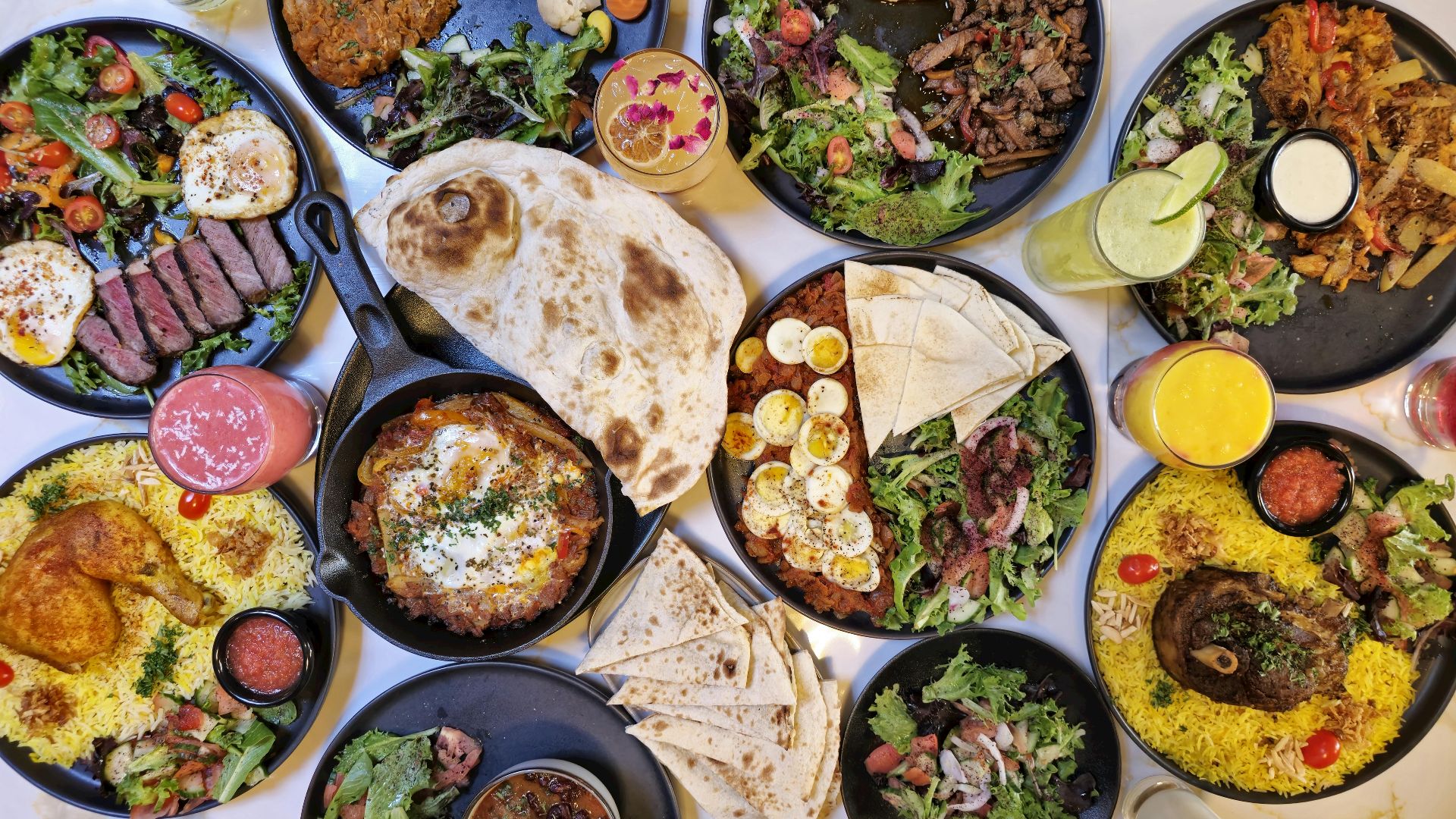
Traveling sustainably doesn’t mean the food itself needs to be lackluster. Many lower-impact meals are already part of traditional food cultures, from bean stews and lentil dishes to seasonal vegetables, grains, herbs, nuts, fruit, and preserved foods. A plant-forward meal can still be rich, filling, and deeply tied to its region. The problem is often presentation, not flavor.
Food systems as a whole have a major environmental footprint. The UN’s Food and Agriculture Organization reports that agrifood systems account for about one-third of total human-caused greenhouse gas emissions, with global agrifood systems emissions reaching 16.5 billion tonnes of carbon dioxide equivalent in 2023. The World Resources Institute notes that beef and lamb have some of the highest environmental costs among protein-rich foods, and that they generally produce much higher greenhouse gas emissions, land use, and water pollution per ounce of protein than other protein alternatives.
If you’re itching to try a local meat dish, this isn’t to say you should hold back. Food is emotional, cultural, and personal, and a strict all-or-nothing approach can miss the point of travel.
A more practical approach is to choose more plant-forward meals when they fit naturally with the destination. Many places already have beloved dishes built around beans, greens, grains, mushrooms, squash, eggplant, chickpeas, lentils, or fresh fruit.
Other Ideas
 Agenlaku Indonesia on Unsplash
When you go can also make those choices feel even more connected to the trip. Eating what is grown, caught, harvested, fermented, or preserved nearby gives a place more texture than a generic menu ever could. A seasonal dish can tell you about the climate, the local harvest, and the habits of people who live there year-round. It also gives restaurants, hotels, and guides a natural way to highlight local producers.
In terms of things like packaging, takeaway containers, or bottled water, the eco-friendly rules we’ve been learning about still apply. Businesses can offer refill stations, reusable serviceware, efficient equipment, and lower-waste dining systems where local infrastructure supports them. Travelers can help by carrying a reusable bottle, refusing extra cutlery, and choosing sit-down meals over takeout.
In the end, sustainable food tourism is really about paying attention. A great food trip should support the people who make the meal possible, respect the culture behind it, and avoid leaving unnecessary waste behind. UN Tourism’s gastronomy tourism guidelines describe a practical framework for destinations, including planning and management recommendations for national tourism administrations, tourism organizations, and destination management organizations. When destinations, businesses, and travelers all take that seriously, food tourism can still feel joyful, generous, and memorable, without overdoing your carbon footprint.
KEEP ON READING


The 5 Most Consumed Foods in the Entire World