
How Subway Isn’t As Popular As It Once Was—So Who’s Taking Over The Hoagie Game?
How Subway Isn’t As Popular As It Once Was—So Who’s Taking Over The Hoagie Game?
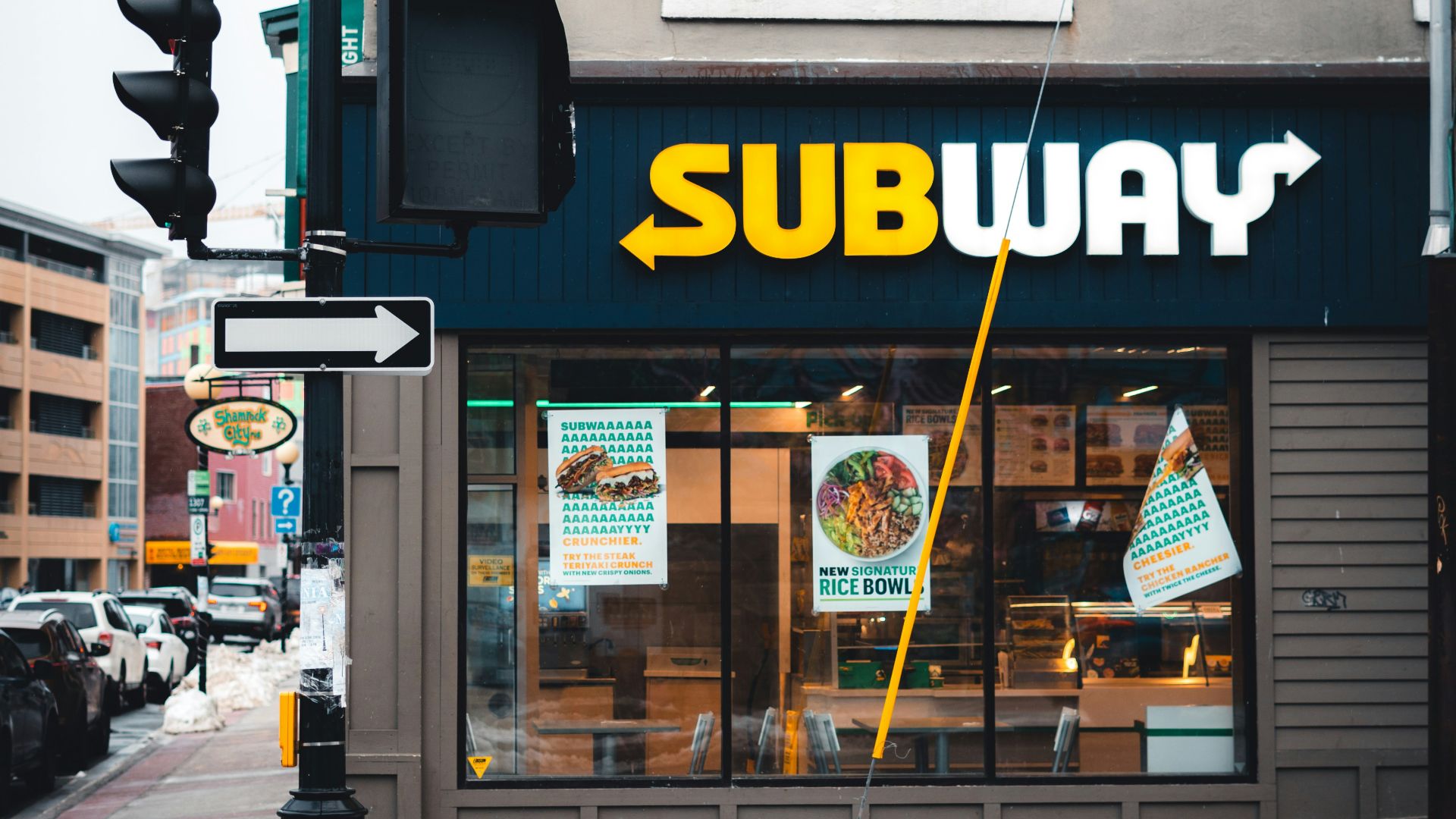
You’ve seen it everywhere: the green-and-yellow sandwich shop that once felt like the default quick bite. But lately, you’ve probably noticed fewer of those stores and more talk of newcomers dominating the sub-sandwich scene. Subway’s dominance is slipping—and the rise of other brands is no coincidence.
This piece highlights what is happening and how this shift affects you when you’re hungry for a good hoagie.
Why Subway’s Grip Is Loosening
Subway peaked with more than 27,000 U.S. outlets around 2015, but by 2024, it dropped below 20,000 locations, with a net 631 closures in one year alone based on the QSR Magazine database. That dramatic decline tells you that the brand is no longer the automatic go-to it once was.
The closures reflect deeper issues—oversaturation, customer fatigue, and growing competition.
The market share also tells a similar story. Subway held over 60 % of the U.S. sub-sandwich market at one point; today it’s down to around 44 % (Restaurant Business Online). When the leading brand loses this much ground, it signals both vulnerability and opportunity—for rivals and for you as the customer.
But why is this happening?
Reports on Marketing Scoop point to several triggers, such as menu stagnation and pricing that no longer felt like a bargain. These factors all together form a shift in how you think about “grab a sandwich.” If you’re not getting value or excitement, the default chain loses its appeal.
The New Sandwich Leaders Stepping In
While Subway struggles, a handful of competitors are gaining strength. For instance, The Daily Meal mentions that Jersey Mike’s Subs is cited for strong growth and for carving out market share with a model focused on freshly sliced meat, in-store preparation, and a premium feel.
Another brand, Firehouse Subs, is expanding aggressively and positioning itself as the up-market alternative in the sub-sandwich field.
What differentiates these challengers?
A more distinct brand identity and specialization, rather than trying to be everything to everybody.
Higher quality ingredients, service experience, or menu innovation.
Expansion into underserved markets and relaxed growth strategies compared to Subway’s overbuilt model.
Now, when you head out for a hoagie, you’re likely to find more tasty, thoughtful options and less “generic sandwich number five.”
What To Choose:
You may not care about franchise counts or market share—but you’ll feel the difference. Brand fatigue opens the door for better sandwiches, better value, and more creativity.
So, when selecting your next sub, start by checking where freshness and preparation take place in-store. Next up, consider price vs perceived quality. And finally, don’t assume that the biggest chain is the best option for your tastes because the sandwich market is reshuffling.
Subway’s era of dominance isn’t gone overnight—but its hold is slipping. The challengers are ready, and if you’re open to exploring, you could end up with better choices.
KEEP ON READING

10 Healthy School Snacks to Pack for Your Kid

Why Some Foods Become Comfort Foods

10 Foods Gen Z Is Bringing Back From the Dead
Why Leftover Rice Deserves Extra Caution
20 Grandpa Flavors You Get Judged For Liking