That coffee you're drinking at home doesn't have to taste like watered-down disappointment. We keep throwing money at fancy cafés when most of what makes their coffee better comes down to technique, not equipment that costs more than a used car. You've probably got decent beans already. Maybe even a grinder. The gap between your morning cup and what you'd pay five dollars for isn't as wide as the coffee industry wants you to think, and closing it doesn't require barista training or an espresso maker bigger than your microwave.
Water Temperature Matters More Than You Think
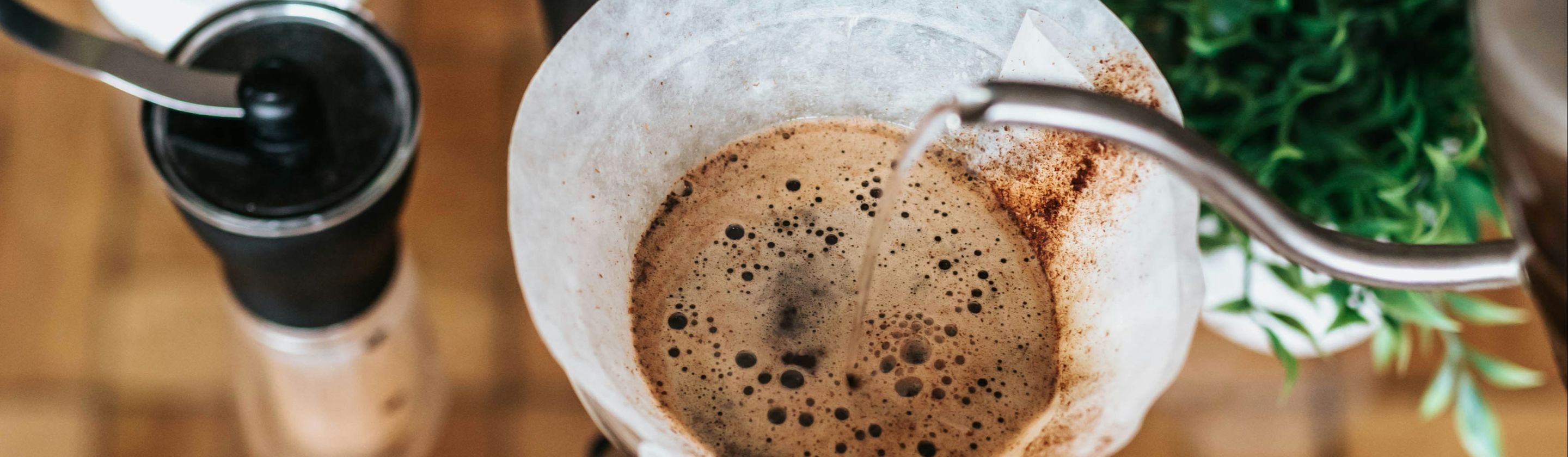
Those bitter, harsh notes that make you reach for extra cream and sugar are what happens when you pour water that's too hot over your grounds. The Specialty Coffee Association sets the ideal brewing temperature between 195 and 205 degrees Fahrenheit. The difference is startling once you taste coffee brewed at the right temperature versus something scalded into submission.
Cooler water also extracts flavor more slowly and evenly, which is why cold brew tastes so different despite using the same beans. Temperature controls which compounds dissolve and when. Too hot, and you're pulling out all the stuff that makes coffee taste like burnt tires.
The Ratio Is Everything
Two tablespoons per six ounces of water. That's the golden ratio according to the National Coffee Association, and yet most home brewers use maybe half that much coffee. We've been conditioned to stretch our beans, making weak pot after weak pot because good coffee feels expensive.
Fifteen grams of coffee to 250 grams of water gives you a proper cup, and once you've dialed in that ratio, you can scale it up or down without guessing. Volume measurements lie because coffee grounds settle differently depending on the roast and grind size.
Cafés don't skimp on coffee. That's partly why their cups taste fuller and more complex.
They're using enough grounds to actually extract the flavors you paid for when you bought those beans.
Grind Right Before Brewing
Pre-ground coffee starts going stale within fifteen minutes of grinding. Those oils and aromatics oxidize fast when exposed to air. Whole beans stay fresh for weeks if stored properly, while ground coffee is basically doomed from the moment it leaves the grinder.
Even a basic blade grinder beats pre-ground, though a burr grinder gives you consistency that actually matters for extraction. Different brewing methods need different grind sizes anyway. Espresso wants powder-fine grounds, while French press needs something coarse enough that it won't slip through the mesh.
The smell of fresh-ground coffee should smack you in the face. If it doesn't, your beans are already past their prime, or you're grinding them too far in advance.
Clean Your Equipment Regularly
Over time, coffee oils build up and go rancid. Your machine or French press is probably coated in a thin film of old coffee that's adding stale, bitter flavors to every new batch. Cafés clean their equipment obsessively because they know what happens when you don't.
Once a week, run a cleaning cycle with proper coffee equipment cleaner, or at minimum, wash everything with hot soapy water and rinse thoroughly.
Those permanent filters need scrubbing. The carafe needs scrubbing. Even the water reservoir can develop buildup that affects taste.
Use Filtered Water
Tap water contains minerals, chlorine, and whatever else your local water treatment facility decided was acceptable. Coffee is 98 percent water, so if your water tastes off, your coffee will too. You can't hide bad water behind good beans.
A simple carbon filter removes most of the chlorine and weird flavors that make tap water taste like tap water. Some minerals are actually good for extraction, which is why distilled water makes flat-tasting coffee, but just keep in mind where your water is coming from if you want to taste the coffee itself rather than the municipal water supply's contribution to the cup.
KEEP ON READING