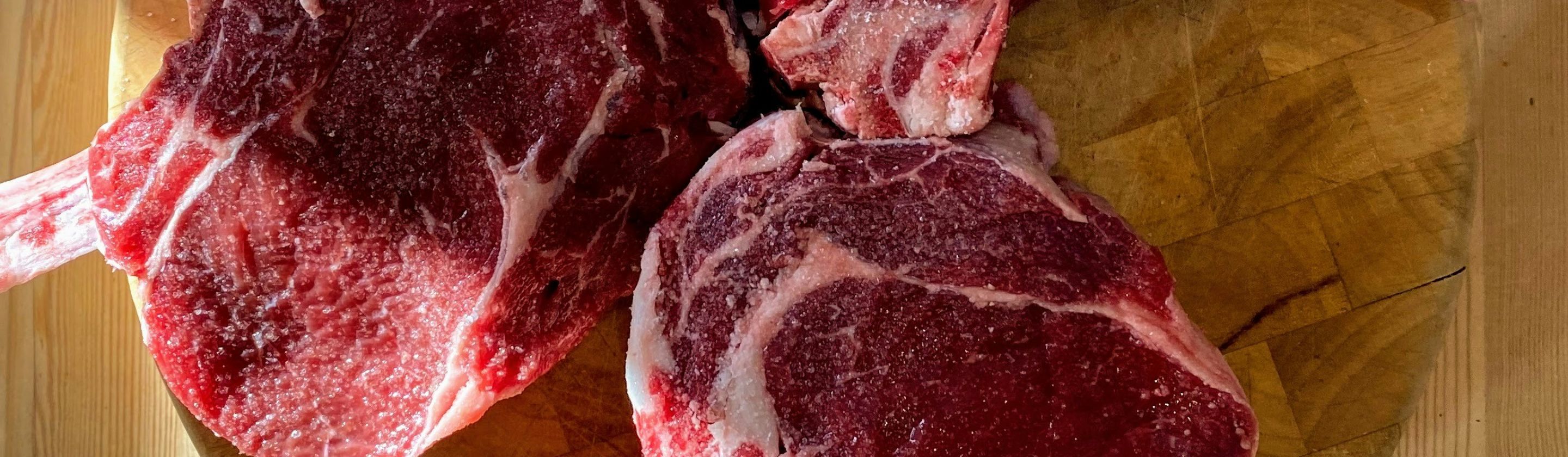
Before you grill up your red, juicy steaks, you might want to think twice. What research has said about red meat for years hasn't been entirely positive, and that alone should give you pause. But what is it about red meat that makes it so bad for you, and is it really as bad as experts make it out to be?
Why Is Red Meat Bad?
Why is red meat considered bad for you in the first place? Nutritionists and dietitians have always highlighted the importance of getting enough protein in every meal, so isn't it a good thing to be getting your fix through any means possible, especially through options that are seen as excellent sources of protein? Have you been led astray all this time?
The answer is varied, though. While red meat is considered a great source of complete protein, experts often say it's best to limit your intake. This is because red meat is often high in saturated fat, which can increase your LDL ("bad") cholesterol levels. Even if you don't need to keep an eye on your cholesterol levels, eating too much saturated fat can lead to excessive weight gain, thus increasing your risk of developing other health conditions, such as diabetes and cardiovascular disease.
Can Eating Too Much Cause Cancer?
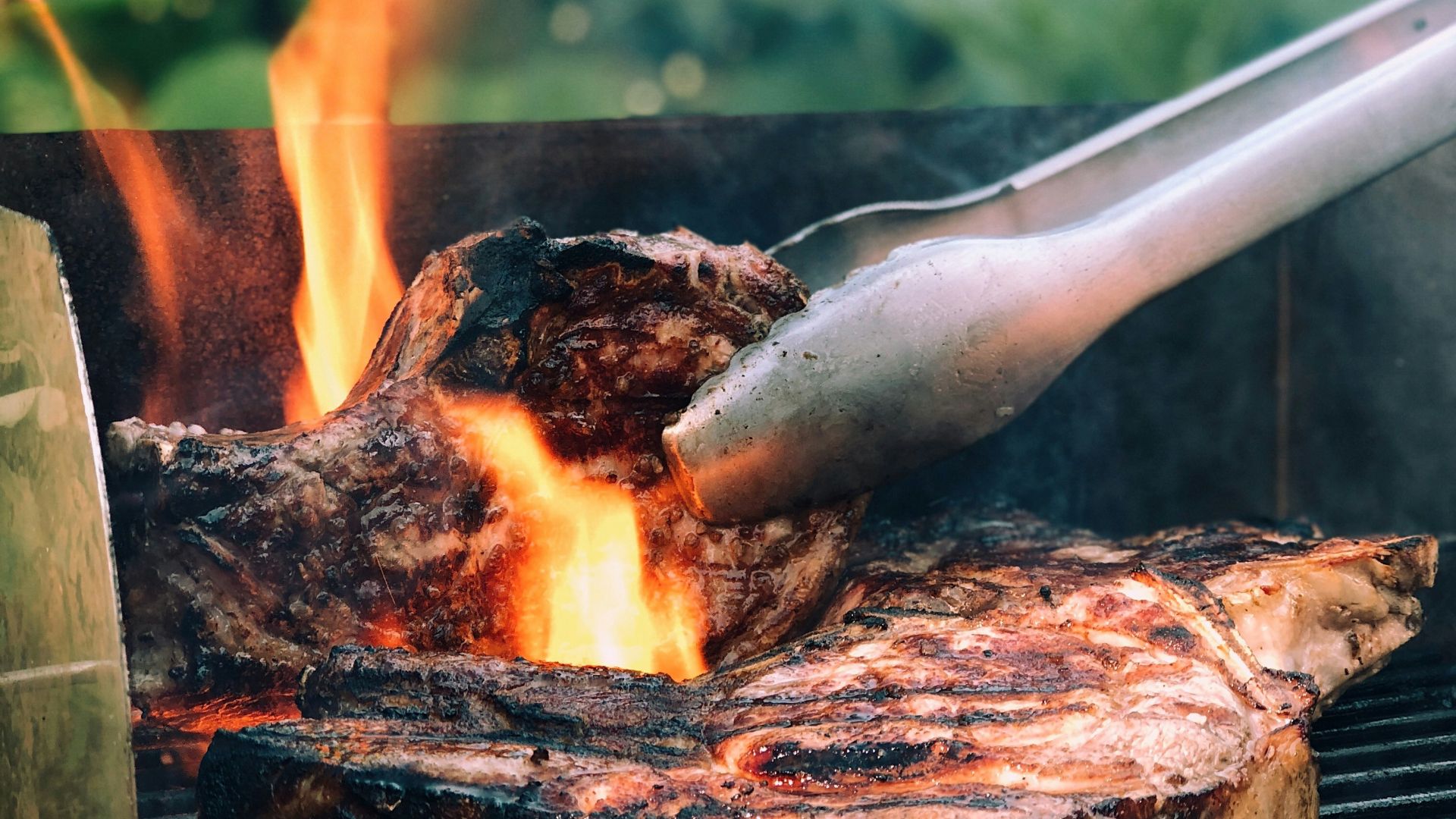
According to the American Institute for Cancer Research (AICR), your risk of colorectal cancer increases in proportion to the amount of red meat you eat per week. Eating more than 18 ounces in a week puts you in the danger zone. You should aim to stay between 12-18 ounces, or around three portions per week.
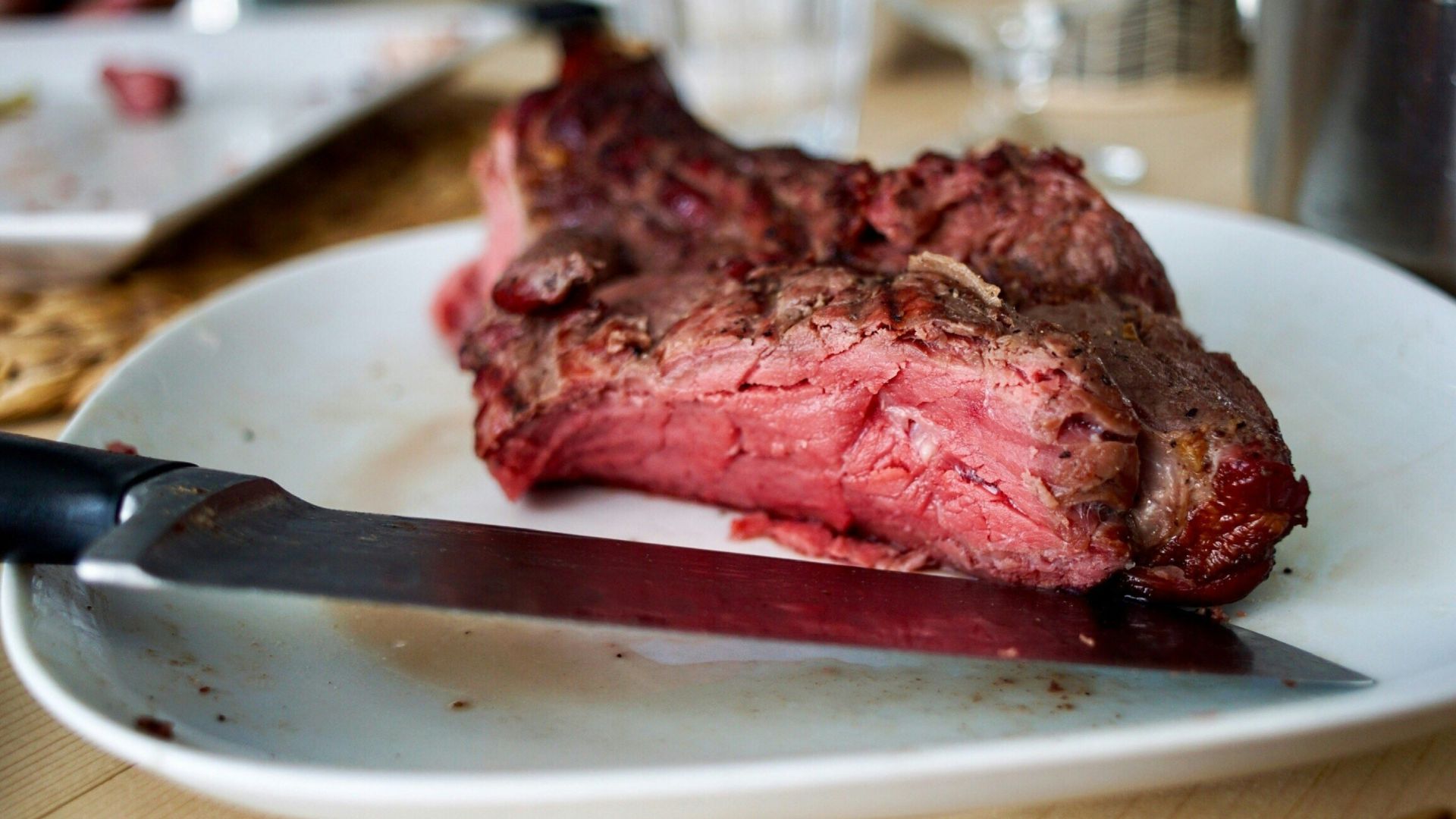
A higher intake of red meat is often linked to an increased chance of developing colorectal cancer. The AICR claims that this is due to red meat being rich in heme iron, which may promote the growth of tumors or polyps in the colon. But another reason has to do with the way you cook your meat. At high temperatures, chemicals like heterocyclic amines (HCAs) and polycyclic aromatic hydrocarbons (PAHs) can form. HCAs and PAHs have been found to be mutagenic, meaning they can alter your DNA and raise your cancer risk.
The Risk with Processed Meats
Bacon and other processed meats—think hot dogs, sausage, corned beef, and jerky—aren't safe, either, and you should also limit your consumption of them. Not only are they high in saturated fat, but they're also rife with chemicals and preservatives, like nitrates and nitrites, which can increase your risk of colorectal cancer as well.
Eating too much processed meat can hurt your heart as well. In a study published by the American Heart Association in 2022, they found that chemicals produced in the gut after eating red meat may partially contribute to a higher risk of cardiovascular disease. Heart disease, according to the US Centers for Disease Control and Prevention, is the number one leading cause of death in the United States and around the globe for people of all genders and ages.
Bottom Line
What does this all mean for you, then? While this doesn't mean you should cut red meat out of your diet entirely, it may be wise to limit your consumption. It's still important to get enough protein (and iron) in your meals, and red meat may be one of the best ways to get essential nutrients.
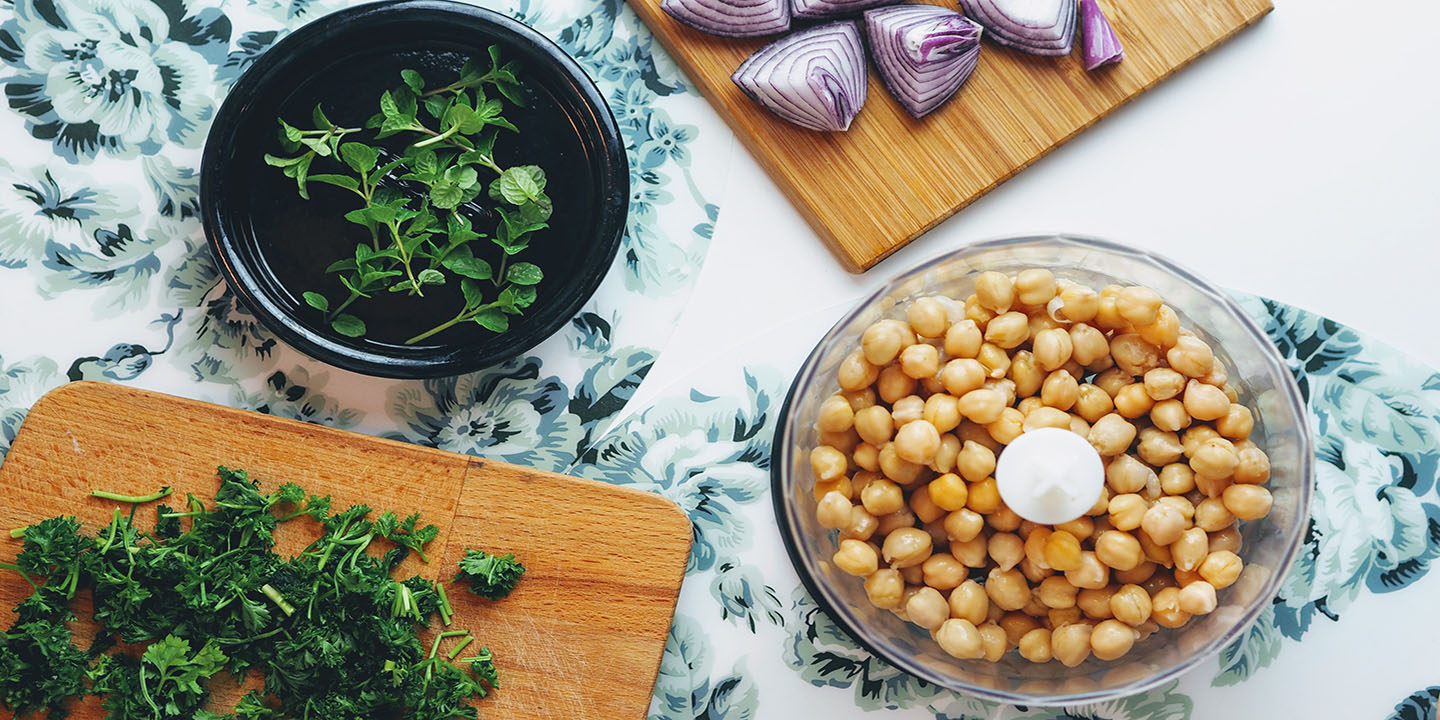
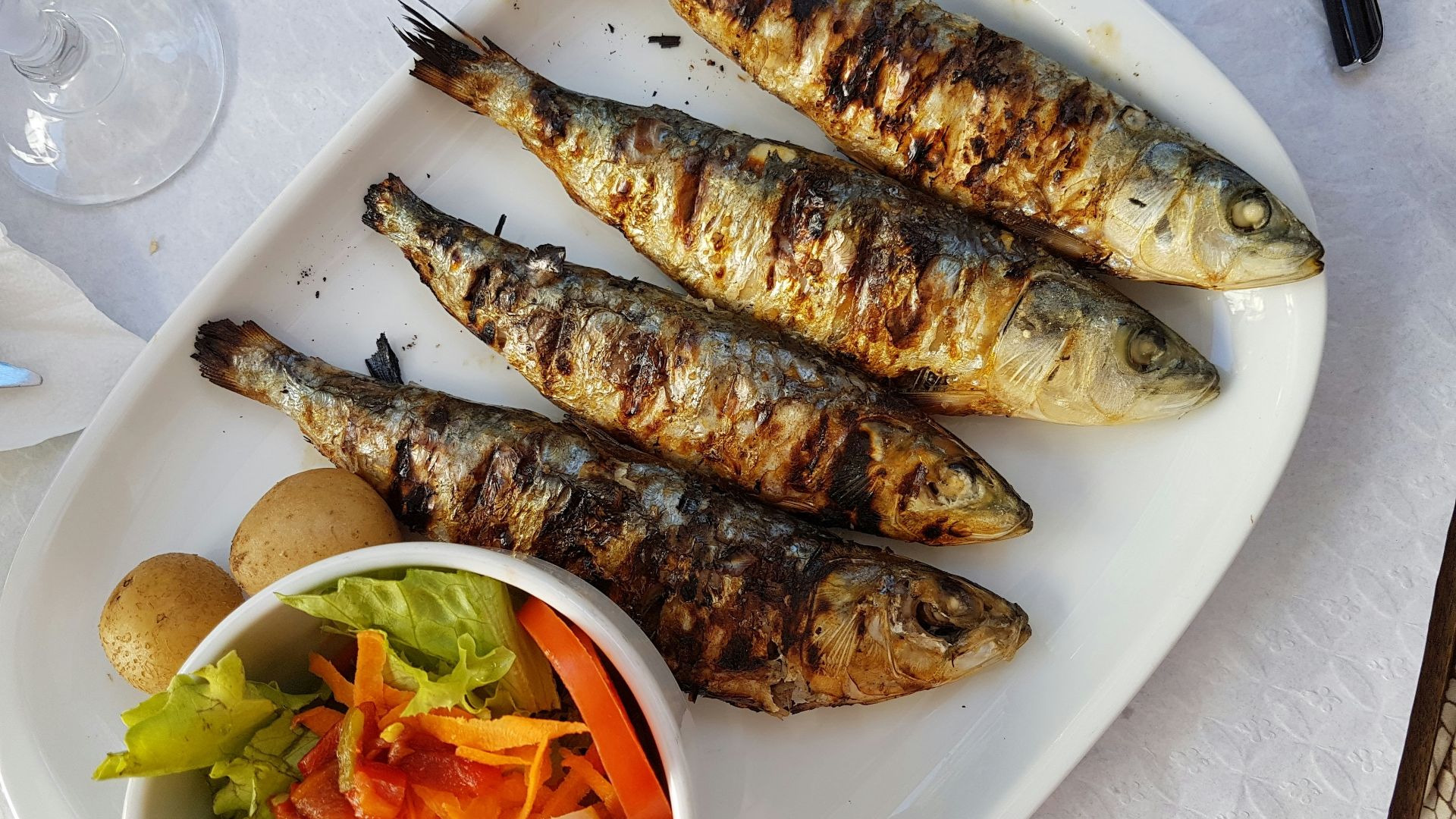
But you may also want to think about incorporating other types of protein, such as plant-based proteins, into your diet if you're thinking of limiting your red meat intake. Fish, beans, lentils, tempeh, and many other options exist, and changing up what regularly appears on your plate might just help save your life.
KEEP ON READING

The Most Popular Signature Dishes Around the World