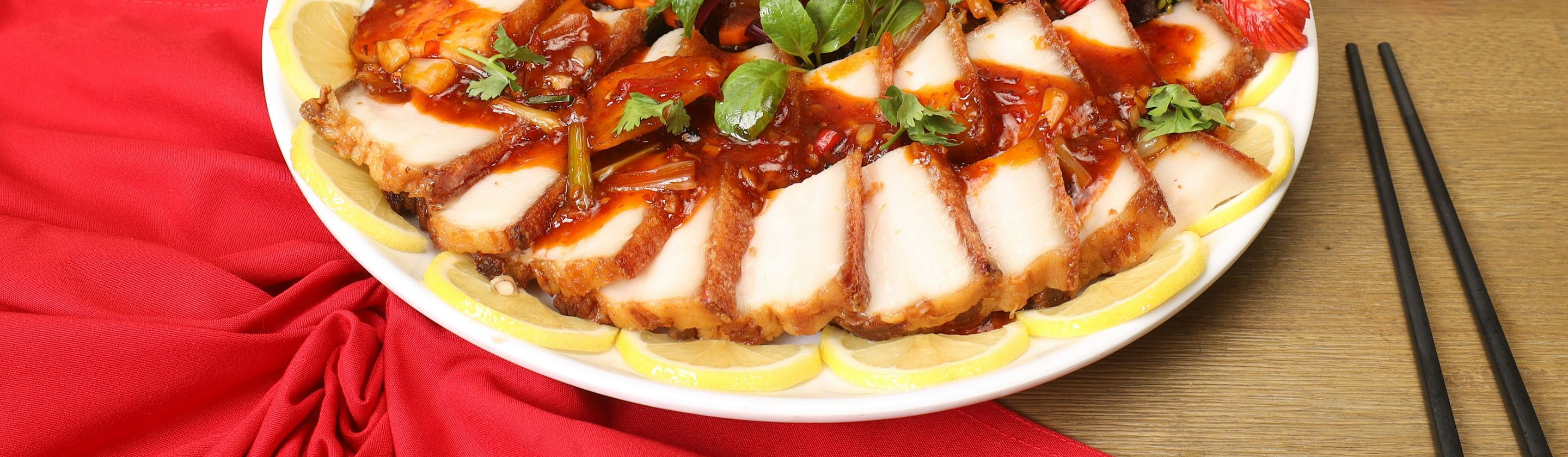
We Hate To Break It To You, But Pork Is Actually Terrible For Piles
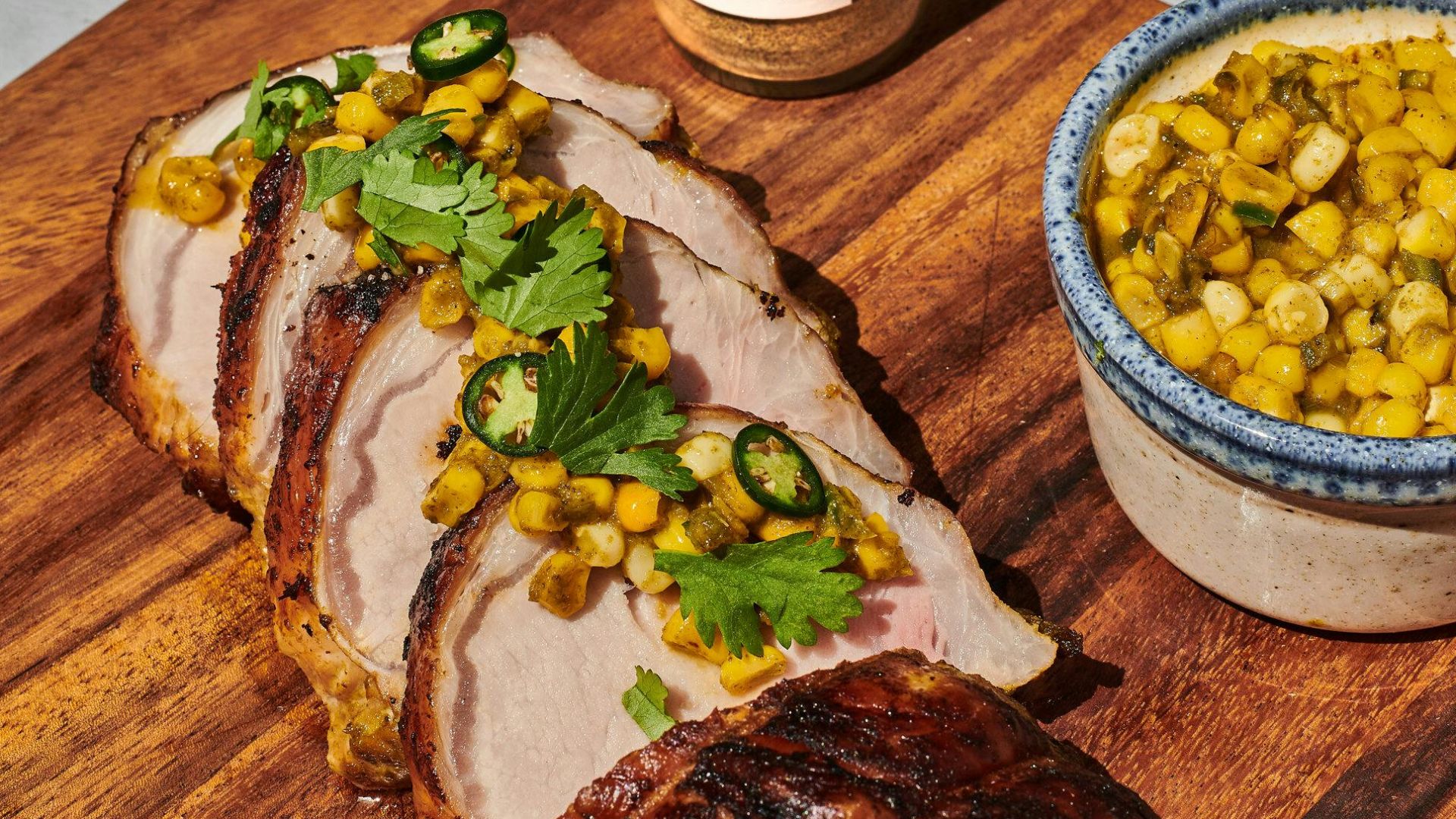
Here's something your doctor probably mentioned but you might have brushed off: if you're dealing with hemorrhoids—commonly known as piles—that pork-heavy diet could be making your situation significantly worse. Before you dismiss this as another health myth, understand that the connection between pork consumption and aggravated hemorrhoids is rooted in straightforward digestive science.
Hemorrhoids affect about half of adults over fifty, and while pork doesn't directly cause them, what it lacks and what it contains can turn manageable symptoms into painful flare-ups. The real issue is about understanding how your dietary patterns directly impact those swollen, inflamed veins that are already causing you discomfort.
Why Zero Fiber Matters
The fundamental problem with pork, and all animal proteins, is simple: it contains absolutely zero dietary fiber. This isn't unique to pork; beef, chicken, and fish are equally fiber-free. However, this becomes particularly problematic when pork forms a significant part of your diet without adequate plant-based foods to balance it out. Fiber is essential for creating soft, bulky stools that move easily through your digestive system. Without sufficient fiber intake (adults need twenty-five to thirty grams daily), your digestive system struggles to move waste efficiently, leading directly to constipation.
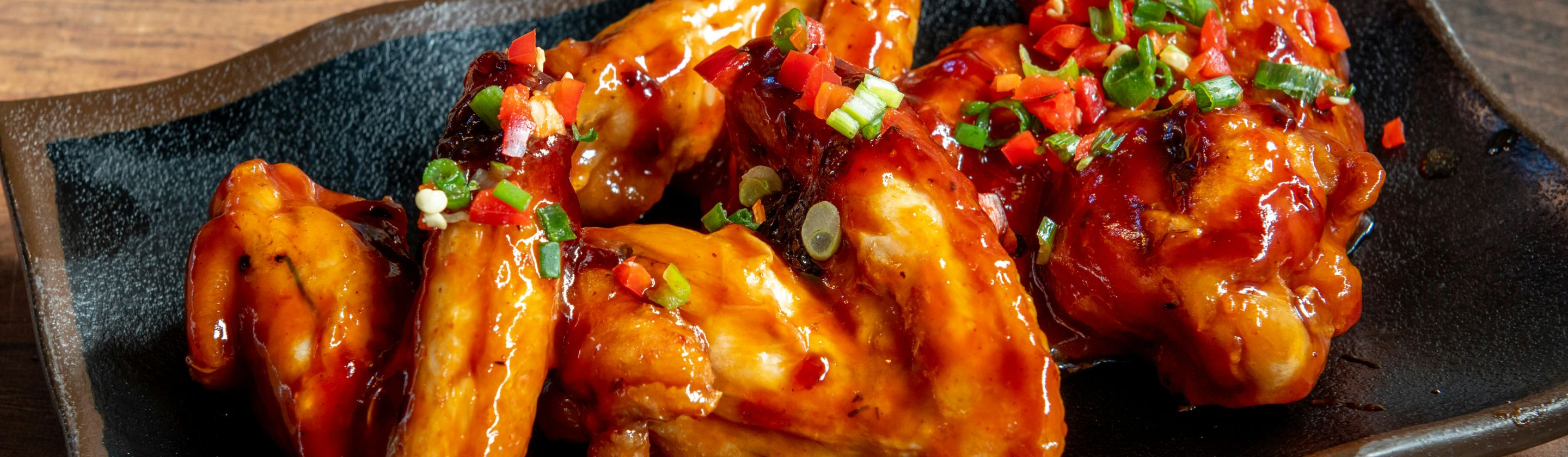
The situation worsens when you consider pork's high fat content, especially in popular cuts like ribs, bacon, pork belly, and sausages. While fat itself isn't inherently problematic, high-fat foods slow down gastric emptying and reduce gut motility—the natural wave-like contractions that transport food through your intestines. When fatty pork meals sit longer in your digestive tract without adequate fiber to help push things along, you're creating perfect conditions for hard, difficult-to-pass stools.
Compounding The Problem
If fresh pork poses challenges for hemorrhoid sufferers, processed pork products are even worse offenders. Bacon, sausages, hot dogs, deli meats, and ham contain high levels of sodium, nitrates, and various preservatives that health professionals consistently identify as problematic. The excessive sodium in these products can cause water retention and dehydration simultaneously. Your body holds onto water in tissues while pulling moisture from your digestive tract. This creates harder stools that require more straining to pass, directly aggravating existing hemorrhoids.
Processed meats also tend to be even higher in saturated fat than fresh cuts, and research suggests that saturated fatty acids can lead to slower gastrointestinal transit and functional constipation. When you combine high fat, high sodium, zero fiber, and chemical preservatives in one food category, you're essentially creating a recipe for hemorrhoid flare-ups. Many people don't realize how much processed pork sneaks into their daily diet.
What Medical Professionals Recommend Instead

Healthcare providers treating hemorrhoids consistently emphasize the same dietary approach: increase fiber intake dramatically while reducing foods that contribute to constipation.
This means significantly cutting back on all red meats, including pork, or eliminating them during active hemorrhoid episodes. Instead, look more towards lean protein sources such as fish, skinless chicken tenders, or plant-based proteins such as beans, lentils, and tofu.