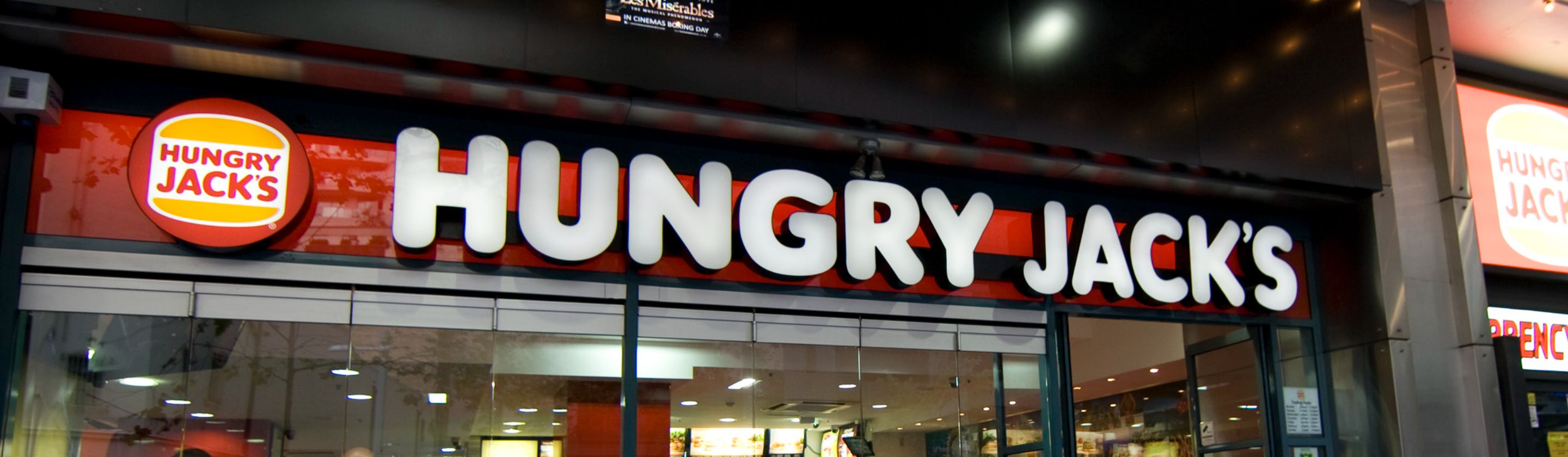
Hungry Jack's: Why Burger King Is Known Under A Different Name In Australia
When Burger King set its sights on the Australian market in 1971, the American fast-food giant hit an unexpected roadblock. The "Burger King" name was already trademarked and in active use by a local Adelaide businessman named Don Dervan.
Since 1962, Dervan had been operating a successful chain of burger restaurants under the Burger King name, which by 1971 had expanded to 17 locations across Australia, employing over 200 people. Unable to use its global brand name, Burger King Corporation had to get creative for its Australian expansion.
A Trademark Tussle Down Under
Enter Jack Cowin, a Canadian-born businessman who had moved to Australia in 1968 with significant ambition. Cowin had already found success bringing KFC to Western Australia in 1969, and when the opportunity to purchase Burger King's Australian franchise rights emerged, he jumped at the chance.
Given the trademark issue, Burger King's parent company, Pillsbury, provided Cowin with a list of alternative names they already owned. From these options, Cowin selected "Hungry Jack," a Pillsbury pancake mix brand in the United States. He added an apostrophe and "s" to create the distinctly Australian "Hungry Jack's."
On April 18, 1971, the first Hungry Jack's restaurant opened in Innaloo, Perth. The new brand quickly gained traction, expanding to 26 stores across three states within its first decade. Growth continued with the chain entering New South Wales in 1981 and Victoria in 1986.
Burger Battle Heats Up
The relationship between Hungry Jack's and Burger King Corporation had worked smoothly for years, but tensions began to brew in the 1990s. When the Australian Burger King trademark expired, the American corporation saw an opportunity to establish its global brand identity in Australia.
In 1996, Burger King claimed that Hungry Jack's had violated their franchise agreement by not opening enough new stores. He began establishing its own Burger King-branded restaurants in Australia starting in 1997.
What followed was a remarkable David-versus-Goliath legal battle. Burger King not only opened competing restaurants but also began blocking Cowin's expansion plans for Hungry Jack's. The corporation's strategy appeared designed to squeeze out Hungry Jack's and take over the Australian market under the global Burger King name.
In 2001, Cowin fought back, taking Burger King to court for violating their franchise agreement. The Australian court sided with Hungry Jack's, awarding Cowin a landmark $70–75 million judgment. The court determined that Burger King had deliberately attempted to engineer a contract default to limit Hungry Jack's growth.
The Whopper Wins Down Under
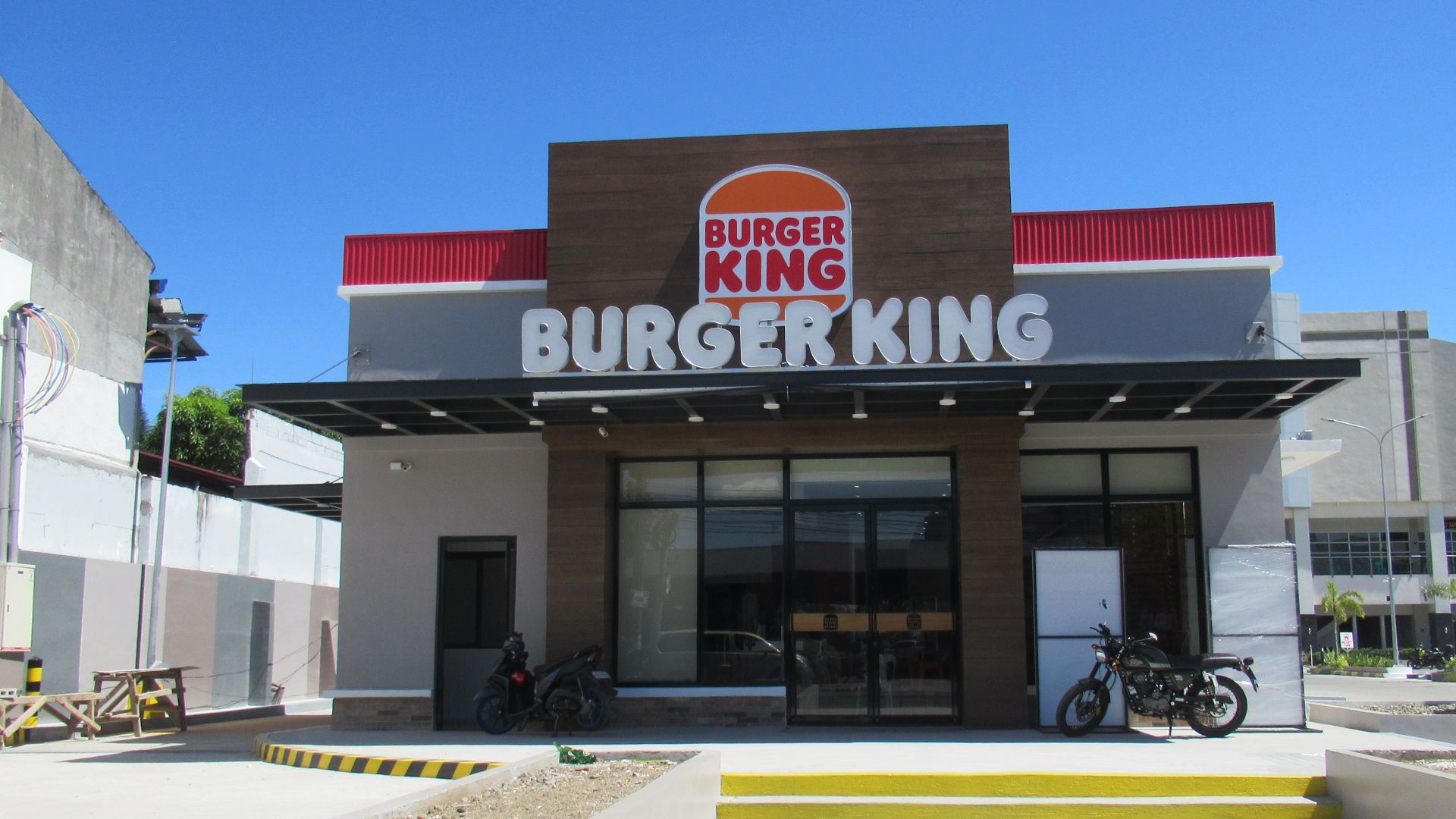
By 2003, Burger King conceded defeat. The corporation announced it was ceding the Australian market to Hungry Jack's and rebranded all 81 Burger King locations in Australia to Hungry Jack's. The company also invested $150 million to help build 100 new Hungry Jack's restaurants.
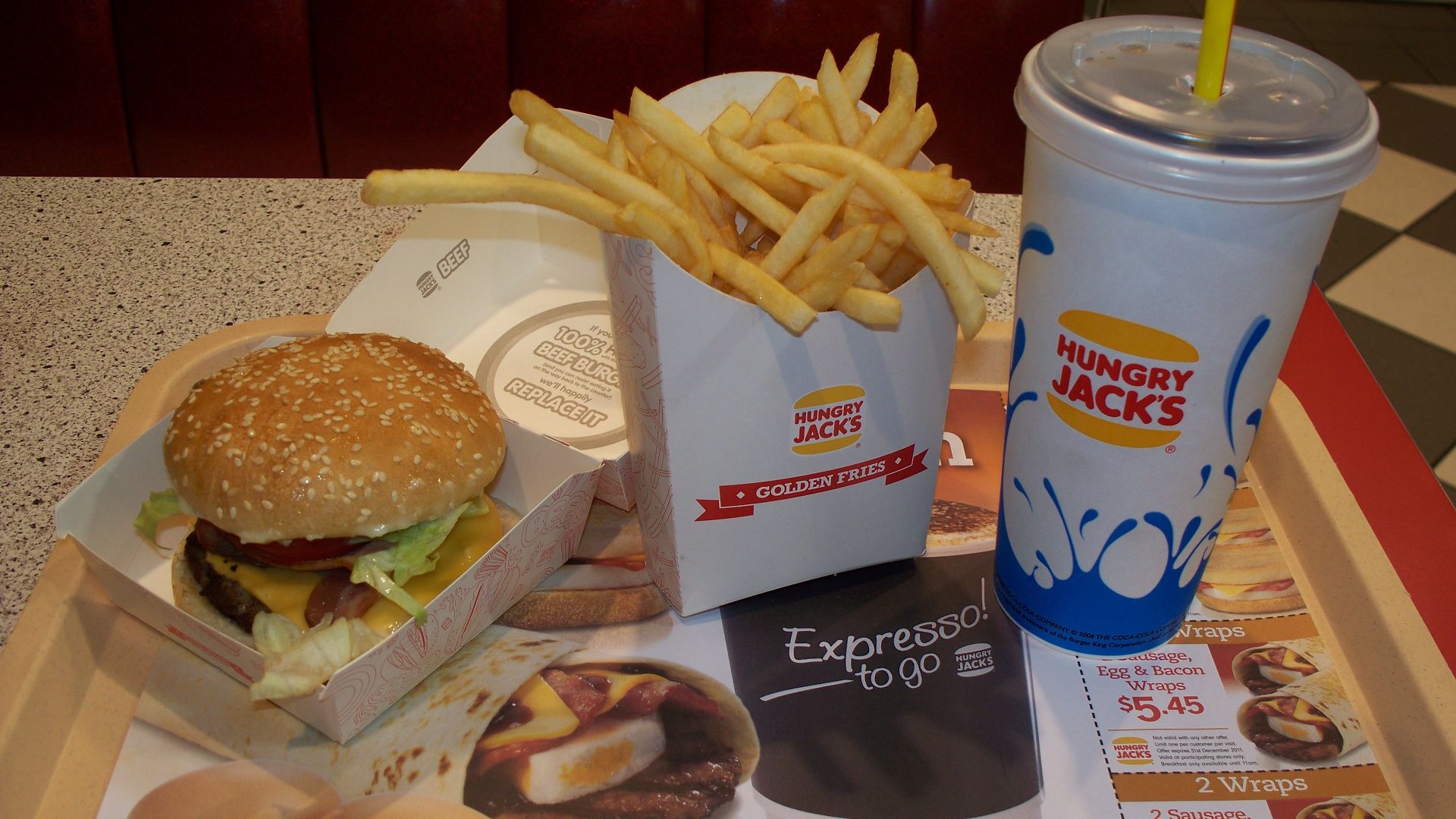
Today, over 440 Hungry Jack's restaurants operate across Australia. Despite the different name, the restaurants maintain the familiar Burger King aesthetic, including the iconic logo design of a name between two yellow buns.
KEEP ON READING
20 Frozen Pizzas With The Best Crusts