Every year, a handful of restaurants rise to the top of global rankings, earning the coveted title of the best restaurant in the world. Behind these accolades lies a demanding journey. The path requires relentless innovation and an unwavering dedication to hospitality. It’s not luck; it's creative risk-taking. It’s a carefully crafted vision made real by discipline and heart.
Relentless Innovation and a Signature Creative Vision
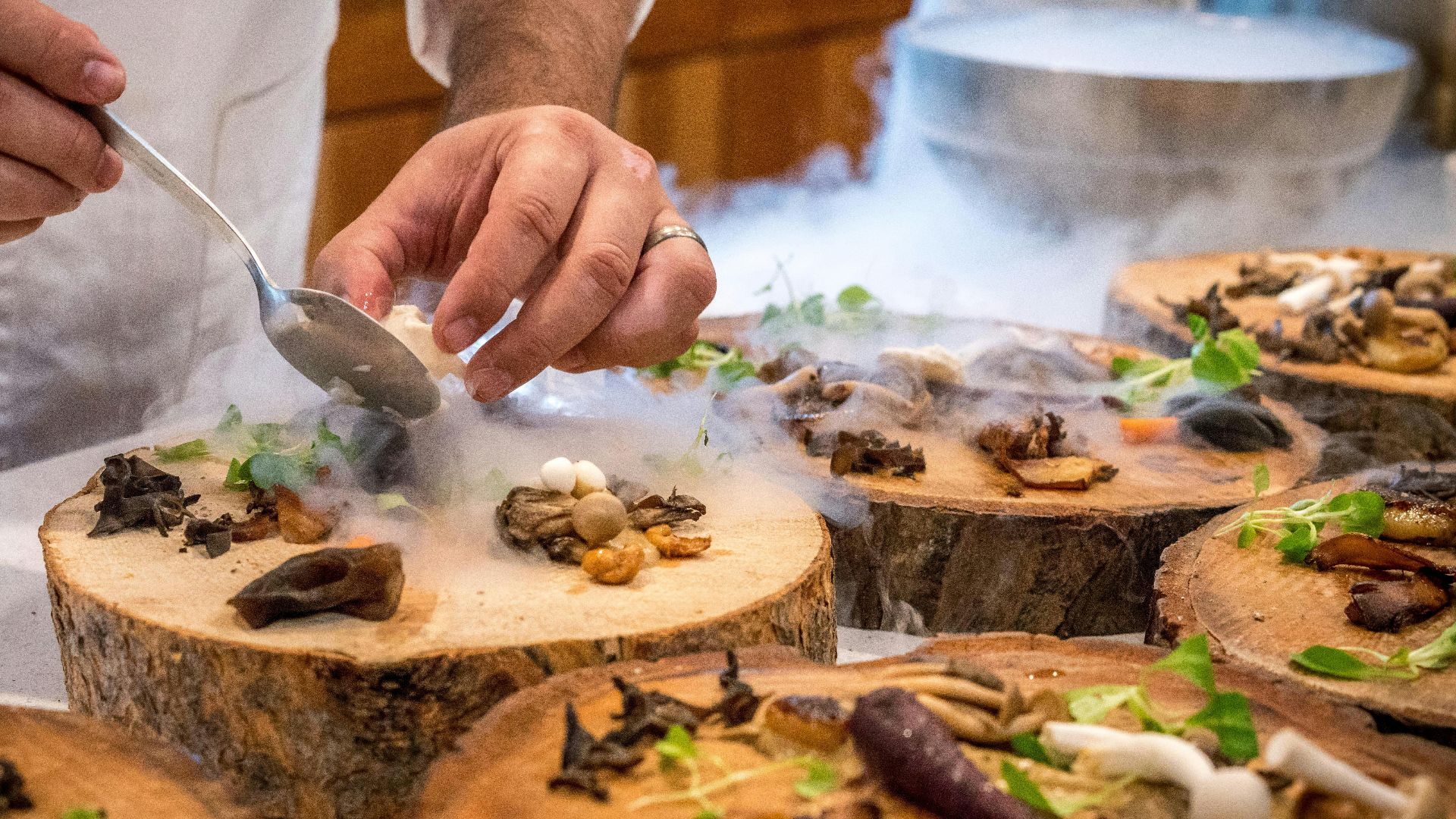
The restaurants that claim the top spots don’t chase trends. They create them. Take Central in Lima, Peru, for example: in 2023, it was named the number one restaurant in the world by The World’s 50 Best Restaurants. Run by chefs Virgilio Martínez and Pía León, Central’s tasting menu is deeply rooted in the Peruvian ecosystem, with each course based on different altitudes.
Similarly, Disfrutar in Barcelona reached the top of the list in 2024, showcasing a molecular-cuisine-inspired identity. These establishments push boundaries, not just through unusual ingredients or techniques, but by telling stories of place, ecology, and culture.
Precision, Craft, and World-Class Talent
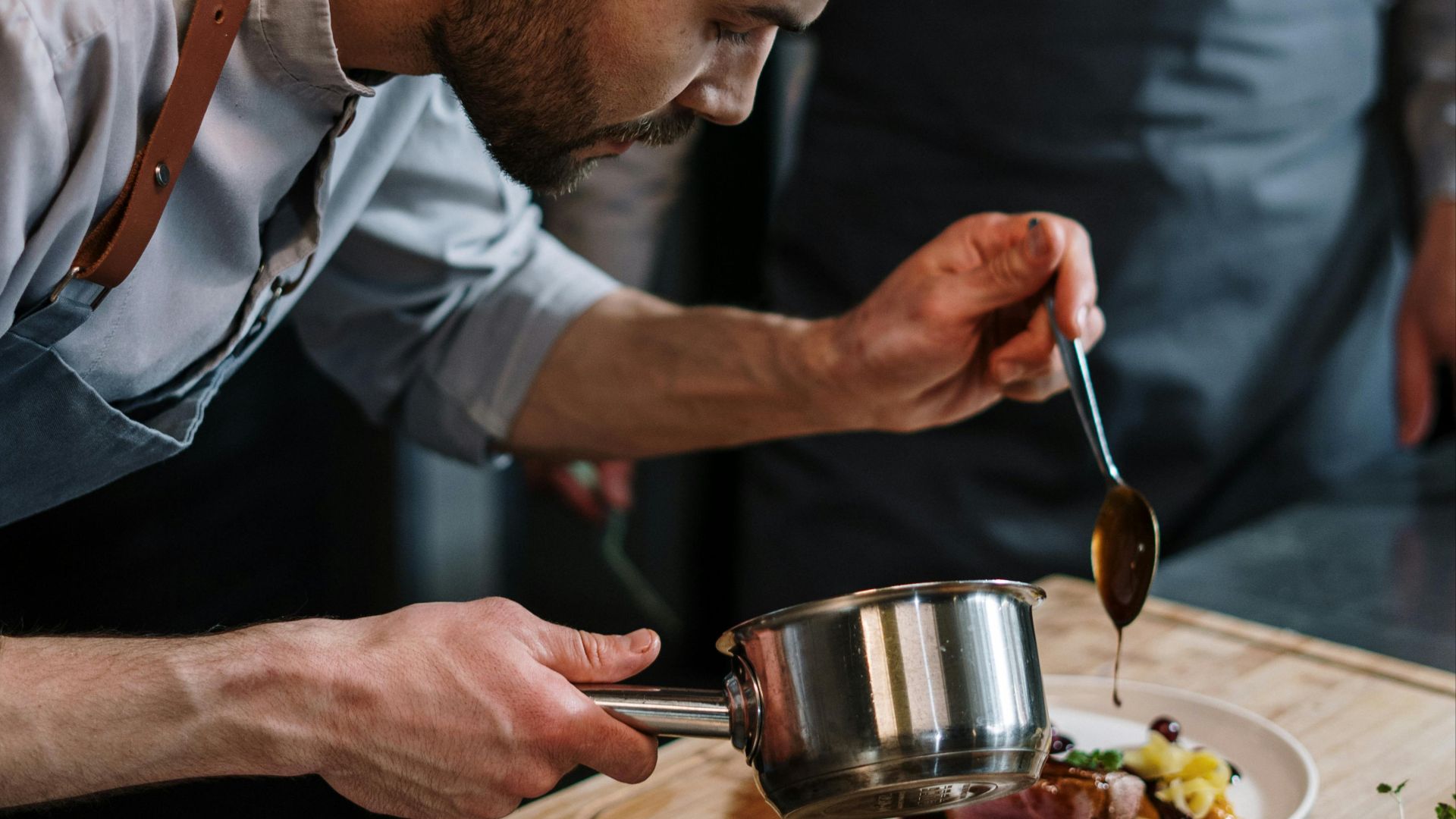
Becoming the world’s best requires a visionary chef and a synchronized team of highly trained professionals. In these kitchens, excellence is calibrated to the second: timing, temperature, assembly, and plating must be flawless.
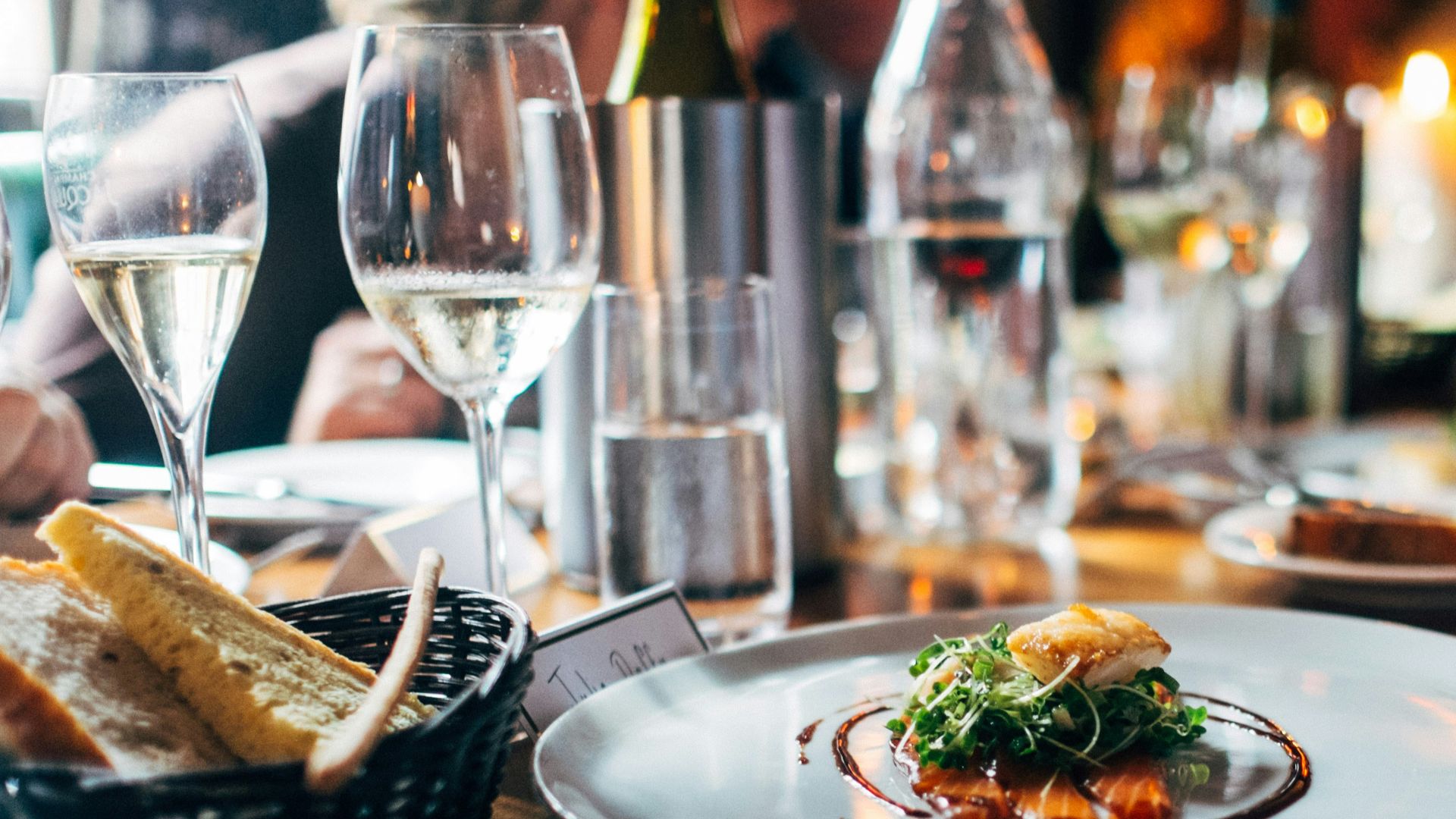
Front-of-house service is equally refined. For example, Paris’s La Table by Bruno, ranked No. 3 in 2024, isn’t just about the food. It’s about how service, plating, pacing, and ambiance converge to create an unforgettable guest journey.
A Deep Commitment to Locality, Sustainability, and Storytelling
The best restaurants go beyond “farm to table”. They build deep relationships with producers, foragers, and farmers, often cultivating their own ingredients. Maido, which took the No. 1 spot in 2025, is a perfect example. Chef Mitsuharu “Micha” Tsumura blends Japanese technique with Peruvian ingredients — a celebration of identity, place, and sustainability in Lima.
These restaurants also tell a story. Disfrutar, Central, Maido — each reflects the culture, geography, and vision of its location, giving guests not just a meal, but a meaningful narrative.
Hospitality at this level is an art. Every detail, from lighting to music and table spacing to scent, is designed to craft a seamless, emotional journey. It’s not just fine dining. It’s theatre, memory, and connection.
Restaurants like DiverXo in Madrid, which has ranked in the top five, use bold design and theatrical plating to immerse guests in a fully sensory experience.
Being named the best restaurant in the world isn’t about having the flashiest menu or the most expensive ingredients. It’s about vision, precision, sustainability, and unforgettable hospitality. Behind the scenes, these restaurants are sculpting experiences that resonate on a global scale.